
Imagine a classroom where learning feels like an adventure, not a chore. Gamification is transforming education, making it more engaging and fun for students everywhere. Let’s dive into how this innovative approach is reshaping the learning landscape. Read Interesting article: Engaging Educational Apps for Kids: Learning Made Affordable
Understanding Gamification in Education
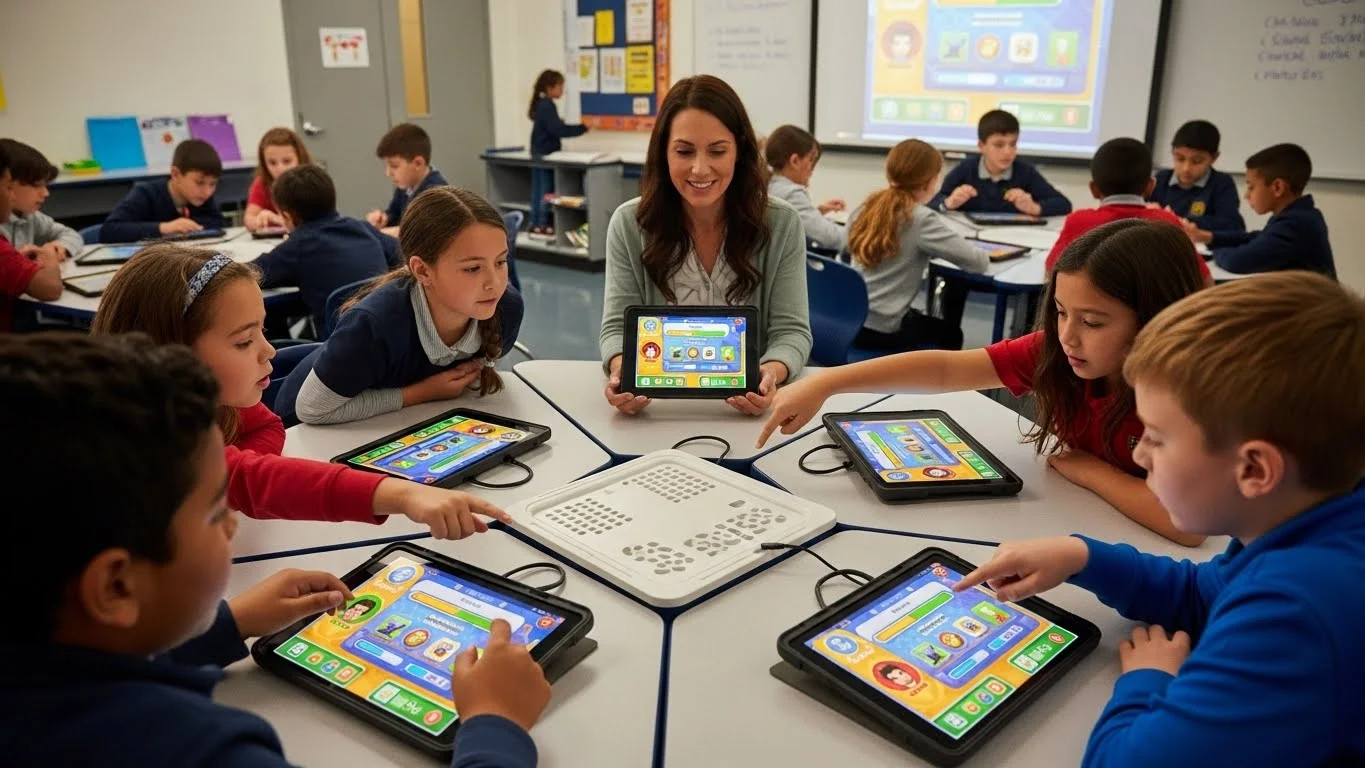
Gamification in education is about integrating game-like elements into learning environments to enhance the experience. When I first heard about gamification, I thought it was just about adding points and rewards. However, it’s so much more than that! It’s about creating interactive experiences that motivate students and encourage them to participate actively in their learning journey.
Definition of Gamification
At its core, gamification involves applying game design principles in non-game contexts, like education. This means using elements such as points, levels, challenges, and rewards to engage learners. I remember the first time I encountered a gamified learning platform; I was amazed at how my interest sparked just by earning badges for completing quizzes. It made learning feel like a game rather than a task.
History and Evolution of Gamification in Learning
The concept of gamification isn’t new; it has roots that trace back to the early days of learning through play. However, it gained significant traction in the 2000s with the rise of digital technology. I’ve seen how educational institutions began adopting gamified elements to boost student engagement. One of the earliest examples was the use of leaderboard systems, which encouraged healthy competition among students.
As technology evolved, so did gamification. With the introduction of online learning platforms, educators discovered new ways to integrate gaming elements into their teaching. I’ve observed how tools like Kahoot! and Quizizz transformed traditional classroom quizzes into lively competitions. This evolution has made learning more accessible and enjoyable for students of all ages. Read Interesting article: Unlock Learning: Affordable Educational Apps for Kids in 2023
Key Principles of Gamification
When we talk about gamification, certain principles are crucial to its effectiveness in education. I’ve learned that understanding these principles can greatly enhance the learning experience. Here are some key elements:
- Clear Goals: Just like in a game, having clear objectives helps students understand what they are working towards. I’ve found that when goals are well-defined, learners feel more focused and motivated.
- Immediate Feedback: Gamified learning often provides instant feedback, which is essential for growth. I appreciate platforms that let me know right away how I did, helping me to adjust my approach if needed.
- Progression: The feeling of advancing through levels or stages is a powerful motivator. In my experience, seeing progress gives students a sense of achievement, encouraging them to keep pushing forward.
- Reward Systems: Points, badges, and other rewards create a sense of accomplishment. I remember earning my first badge for completing a module, and it felt great! Rewards encourage continued effort and commitment.
Incorporating these principles transforms a standard education experience into an engaging adventure where students feel empowered to take charge of their learning. I’ve seen firsthand how this approach not only increases participation but also cultivates a love for learning.
As I reflect on my own experiences with gamification, it’s clear that this method doesn’t just make learning fun; it also helps students develop critical skills they will carry into their futures. The beauty of gamification lies in its ability to adapt to various subjects and learning styles, making it a versatile tool in today’s educational landscape.
In the next section, we will explore the impact of gamification on learning outcomes. It’s fascinating to see how this approach not only enhances engagement but also leads to improved retention and knowledge acquisition. Let’s continue this journey into the world of gamified education!
The Impact of Gamification on Learning Outcomes
Enhanced Engagement and Motivation
I’ve seen firsthand how gamification can supercharge student engagement. Traditional classroom settings sometimes feel a bit stale, with students passively absorbing information. But when gamification comes into play, the atmosphere shifts dramatically. I remember observing a classroom where students were not just sitting at their desks; they were actively participating, collaborating, and having fun while learning. It was like a switch was flipped, and suddenly, learning became an adventure.
This transformation often stems from the excitement that game elements bring into the learning environment. When students know that they can earn points for participation or unlock achievements for completing tasks, they feel more motivated to engage. I once participated in a gamified workshop, and I was surprised at how much more I wanted to contribute because I was eager to earn rewards and see my progress. This kind of engagement is crucial, especially in subjects that might usually be viewed as challenging or dry.
Improved Retention and Knowledge Acquisition
Retention is another area where gamification shines. I’ve learned that when students actively engage with content through games or challenges, they’re much more likely to remember what they’ve learned. It’s not just about memorizing facts; it’s about experiencing the material in a way that sticks with them. I remember a particular instance during a gamified history lesson where we had to “battle” against our classmates in answering quiz questions. The thrill of competition made the historical facts much more memorable than just reading from a textbook.
Research backs this up, showing that learners who are engaged through gamified methods tend to retain information better. The immediate feedback provided through quizzes and challenges helps students identify what they know and what they need to work on. I’ve found that this iterative process of learning and self-assessment is incredibly effective. It encourages students to take ownership of their learning, leading to deeper understanding and mastery of the subject matter. Read Interesting article: Budget-Friendly Educational Apps: Enhance Kids’ Learning Today
Development of Critical Thinking and Problem-Solving Skills
One of my favorite aspects of gamified learning is how it fosters critical thinking and problem-solving skills. Many game-based activities require students to think creatively and strategically. I remember participating in a simulation game where we had to solve a series of complex puzzles related to environmental issues. It was challenging but also incredibly rewarding when we finally cracked the code together as a team.
This kind of collaborative problem-solving is an essential skill for the real world. It’s not just about getting the right answer; it’s about the process of working together, discussing different strategies, and coming up with innovative solutions. In my experience, when students engage in these kinds of activities, they learn to think critically and adapt their strategies based on feedback. This is a vital skill that extends beyond the classroom and into their future careers.
As I reflect on these outcomes, it’s clear that gamification is not just a trend; it’s a powerful tool that has the potential to reshape how we learn and teach. The impact on engagement, retention, and skill development is profound, and it opens up new avenues for educators to explore. Next, let’s look at some popular gamification techniques that are making waves in education today.
Popular Gamification Techniques in Education
Points, Badges, and Leaderboards
When it comes to gamification techniques, points, badges, and leaderboards are some of the most recognizable elements. I’ve noticed that students often respond positively to these incentives. For example, earning points for completing assignments or participating in class discussions creates a sense of accomplishment. I remember feeling a rush of excitement when I saw my points tally increase after a particularly challenging project.
Badges serve as a visual representation of achievements, and I can’t tell you how motivating it was to see those badges accumulate on my profile. They remind us of our progress and encourage us to strive for more. Leaderboards add a competitive element, which can push students to engage more and work harder, though it’s essential for educators to ensure that competition remains healthy and inclusive.
Levels and Progress Tracking
Levels are another fantastic way to gamify learning. They create a clear path for advancement, much like in video games. I remember starting a learning module that had various levels, each with increasing difficulty. It felt great to move from one level to the next, showcasing my growth and mastery of the concepts. The ability to track progress visually can be incredibly motivating, helping students see how far they’ve come and what lies ahead.
Quests and Challenges
Quests and challenges are some of my favorite aspects of gamification. These activities often encourage collaboration and creativity. I participated in a science class that was structured like a quest, where we had to complete certain tasks to unlock the next part of the story. It transformed what could have been a mundane lesson into an exhilarating adventure. I loved brainstorming with classmates, solving problems, and celebrating our successes together. The sense of achievement after completing a quest is unmatched!
Storytelling and Narrative Elements
Finally, storytelling and narrative elements add a dynamic layer to gamified learning. I’ve found that when lessons are framed within a story, they become much more engaging and relatable. For instance, I once attended a workshop where the instructor used a narrative to run the entire session. This storytelling approach made complex concepts more digestible and memorable. It’s fascinating how a well-crafted story can draw us in and make us want to learn more.
These techniques are just the tip of the iceberg when it comes to gamification in education. Each method can be tailored to fit different subjects and learning styles, making education a more personalized and enjoyable experience. I can’t wait to share some tools and platforms that are making gamified learning even more accessible to educators and students alike.
Tools and Platforms for Gamified Learning
Learning Management Systems (LMS) with Gamification Features
As I’ve explored the world of gamification, I’ve come to realize that the right tools can make all the difference in creating an engaging learning experience. Learning Management Systems (LMS) that incorporate gamification features are a game-changer. These platforms offer educators the ability to add game-like elements seamlessly into their existing curricula. I remember first using an LMS with gamification features, and it transformed how I interacted with course material. It felt less like standard coursework and more like an engaging adventure.
Many LMS platforms now include features like progress tracking, points, badges, and even social sharing elements. This means that students can not only complete assignments but also see their achievements unfold in real time. I found it incredibly motivating to watch my progress bar fill up as I completed different tasks. It was like leveling up in a game, and it made me want to keep going!
These systems also allow for personalized learning paths, so each student can progress at their own pace. I’ve seen this approach work wonders for students who may struggle in traditional settings. The flexibility of gamified LMS platforms ensures that everyone can engage with the material in a way that suits their learning style.
Mobile Apps and Game-based Learning Platforms
We live in a mobile world, and gamified learning has adapted beautifully to this trend. There are countless mobile apps designed to make learning fun and interactive. I’ve spent hours using apps that gamify subjects like math and language learning, and I can attest to the effectiveness of this approach. The convenience of learning on the go, combined with game mechanics, encourages continuous engagement.
For instance, I stumbled upon a language learning app that uses short, game-like exercises to teach vocabulary and grammar. Each activity felt like a mini-game, and I found myself returning to the app daily just to see how my skills improved. The streak feature kept me motivated, as I wanted to maintain my daily learning habit. I believe that these mobile apps can cater to various learning preferences and allow students to learn whenever and wherever they want.
Examples of Gamification Tools: Kahoot!, Classcraft, and Duolingo
Some specific tools have gained popularity for their gamified approach to education, and I’ve had the pleasure of using a few of them. One of my favorites is Kahoot!. This platform allows teachers to create interactive quizzes that students can join from their devices. The excitement in the room is palpable as students compete against each other in real time. I remember my heart racing during a fast-paced Kahoot! quiz, where every second counted. It’s a fun way to reinforce knowledge while also encouraging healthy competition.
Another tool that stands out is Classcraft, which turns classroom management into a game. Students create avatars and work together to complete quests and challenges. I’ve seen how this platform promotes teamwork and collaboration, making learning a shared experience. The added layer of storytelling keeps students engaged, as they can see their efforts contribute to the overarching narrative.
Duolingo is another fantastic example, especially for language learners. The app uses gamification elements like streaks, levels, and achievements to encourage daily practice. I found myself eagerly trying to complete my “daily lessons” to maintain my streak. The app’s friendly reminders and rewards made language learning feel less daunting and more like an enjoyable game.
These tools are just a few examples, but they highlight how gamification can make education more interactive and enjoyable. I believe that as technology continues to evolve, more creative tools and platforms will emerge, making learning even more engaging for students. Next, let’s explore some case studies showcasing successful implementations of gamification across different educational settings.
Case Studies: Successful Implementation of Gamification
Elementary and Secondary Education
One of the most inspiring examples of gamification in elementary and secondary education comes from a school district I recently learned about. They implemented a program called “Game On!” which transformed their approach to teaching math and reading. Teachers designed lessons that incorporated points, badges, and quests aligned with the curriculum. I remember reading about how students were excited to come to class, eager to earn badges for completing challenges and helping their peers. This approach not only improved engagement but also significantly boosted test scores. It’s incredible to see how gamification can reshape the atmosphere of a school and create a community of enthusiastic learners.
In another instance, a middle school adopted a gamified education system where students had avatars and could level up as they completed assignments. The sense of accomplishment was palpable, and I found it fascinating how students who previously struggled with motivation began to thrive. They collaborated on projects and celebrated each other’s achievements in a way that transformed their classroom culture. I think this example highlights how gamification can cater to different learning styles and foster a supportive environment.
Higher Education Institutions
In higher education, I’ve noticed some universities embracing gamification to enhance online learning. One notable case involved a university that integrated a gamified platform into their introductory psychology course. Students engaged with interactive scenarios that required them to apply psychological theories to real-life situations. I remember hearing from students who found the experience eye-opening; they appreciated that they could explore complex concepts through simulations rather than just lectures. Their feedback indicated that they retained information better and felt more prepared for exams, which speaks volumes about the power of gamified learning in higher education settings.
Moreover, some universities have introduced gamified elements in their career services, allowing students to complete career readiness quests. By engaging in activities like resume building and mock interviews, students earn points and badges, making what can often be a daunting process feel much more approachable. I believe this shows how gamification can not only enhance academic learning but also prepare students for their future careers.
Corporate Training Programs
Gamification isn’t just for schools; it’s making waves in corporate training as well. A tech company I read about implemented gamified training modules to onboard new employees. They created a game-like experience where employees could earn points for completing training sessions and mastering new skills. I was intrigued to learn that this method not only increased completion rates but also enhanced retention of the material being taught. Employees felt more engaged and were excited to participate in a process that usually felt tedious.
Another remarkable example involved a global company that developed a gamified leadership program. Employees participated in simulations that required them to make decisions and navigate challenges in a virtual environment. I found it fascinating how this approach encouraged collaboration across departments, fostering a sense of community while also developing essential leadership skills. These corporate examples illustrate that gamification can lead to improved performance and job satisfaction, making it beneficial for both companies and employees.
Challenges and Considerations in Gamifying Education
Balancing Fun and Educational Value
As much as I love the idea of gamification, I’ve learned that there are challenges to consider. One major concern is balancing fun with educational value. It’s easy to get caught up in the excitement of games and forget that the primary goal should always be learning. I’ve seen instances where the focus on rewards overshadowed the educational content, leading to superficial learning experiences. It’s crucial for educators to ensure that gamified elements enhance the learning objectives rather than distract from them.
Equity and Accessibility Issues
Equity is another concern I’ve noticed in gamified education. Not all students have equal access to technology or the internet, and this can create disparities in learning experiences. I remember hearing about a school that tried to implement a gamified platform but faced challenges because some students couldn’t access the necessary devices at home. It’s essential to take these issues into account and explore ways to make gamified learning accessible to all students, regardless of their circumstances.
Potential for Over-Gamification and Burnout
Finally, there’s the risk of over-gamification leading to burnout. While game elements can enhance engagement, too much focus on competition or constant rewards can lead to fatigue and diminish the joy of learning. I think it’s vital for educators to strike a balance, ensuring that gamification enhances the learning experience without overwhelming students. It’s about finding that sweet spot where learning feels rewarding yet enjoyable.
Future Trends in Gamification and Education
Integration with Virtual and Augmented Reality
Looking ahead, I’m excited about the potential for gamification to integrate with virtual and augmented reality (VR/AR). I recently read about a program using VR to create immersive learning experiences where students can explore historical events or scientific concepts in a virtual world. I can only imagine the excitement and engagement this could bring to learning. It’s a fascinating concept that could transform how we interact with educational content.
Personalized Learning Experiences
Furthermore, the future of gamification will likely see more personalized learning experiences. I believe that with advancements in technology, we can tailor gamified elements based on individual student needs. Imagine a learning platform that adapts challenges and rewards based on a student’s performance and interests. This could lead to more meaningful engagements and a deeper understanding of the material.
The Role of Artificial Intelligence in Gamified Learning
Lastly, I think artificial intelligence (AI) will play a significant role in the future of gamified education. AI could analyze student performance data and suggest personalized game-based learning paths that cater to each learner’s strengths and weaknesses. This level of customization could help students feel more connected to their education, fostering a love for learning that lasts a lifetime. It’s exciting to think about the possibilities that lie ahead!
Final Thoughts
In my journey exploring gamification in education, I’ve come to appreciate its transformative power. It’s fascinating to see how gamification can inspire engagement, foster critical thinking, and create a love for learning in students of all ages. As we look to the future, I’m hopeful that educators and institutions will continue to embrace these innovative approaches, ensuring that learning remains not only effective but also enjoyable. Gamification is not just a trend; it’s a fundamental shift in how we can inspire and equip the next generation of learners. I can’t wait to see where this journey leads us!
Frequently Asked Questions
What is gamification in education?
Gamification in education involves integrating game-like elements into learning environments to enhance the experience, making learning more engaging and fun for students.
What are the key principles of gamification?
The key principles of gamification include clear goals, immediate feedback, progression, and reward systems, all of which contribute to an engaging learning experience.
How has gamification evolved over time?
Gamification has evolved from early learning through play to a more structured approach in the 2000s with the rise of digital technology, incorporating elements like leaderboards and online learning platforms.
What impact does gamification have on student engagement?
Gamification significantly enhances student engagement by creating an interactive atmosphere where students are motivated to actively participate and collaborate in their learning.
How does gamification improve retention and knowledge acquisition?
Gamification improves retention by allowing students to engage with content through games or challenges, making the material more memorable and encouraging deeper understanding.
What are some popular gamification techniques used in education?
Popular gamification techniques include points, badges, leaderboards, levels, quests, challenges, and storytelling elements to make learning more engaging and interactive.
Can you name some tools and platforms that support gamified learning?
Some popular tools for gamified learning include Kahoot!, Classcraft, and Duolingo, which utilize game mechanics to enhance educational experiences.
What challenges are associated with gamifying education?
Challenges include balancing fun with educational value, addressing equity and accessibility issues, and avoiding over-gamification that can lead to burnout.
What future trends are expected in gamification and education?
Future trends may include integration with virtual and augmented reality, more personalized learning experiences, and the use of artificial intelligence to tailor gamified learning paths.
How does gamification foster critical thinking and problem-solving skills?
Gamification fosters critical thinking and problem-solving by requiring students to engage in collaborative activities that involve creative thinking and strategic planning.