
Have you ever felt overwhelmed by the daily challenges of parenting? Embracing positive discipline and natural consequences can transform our approach, allowing for growth and learning in both us and our children. Read Interesting article: Positive Discipline While Traveling: A Guide for Parents
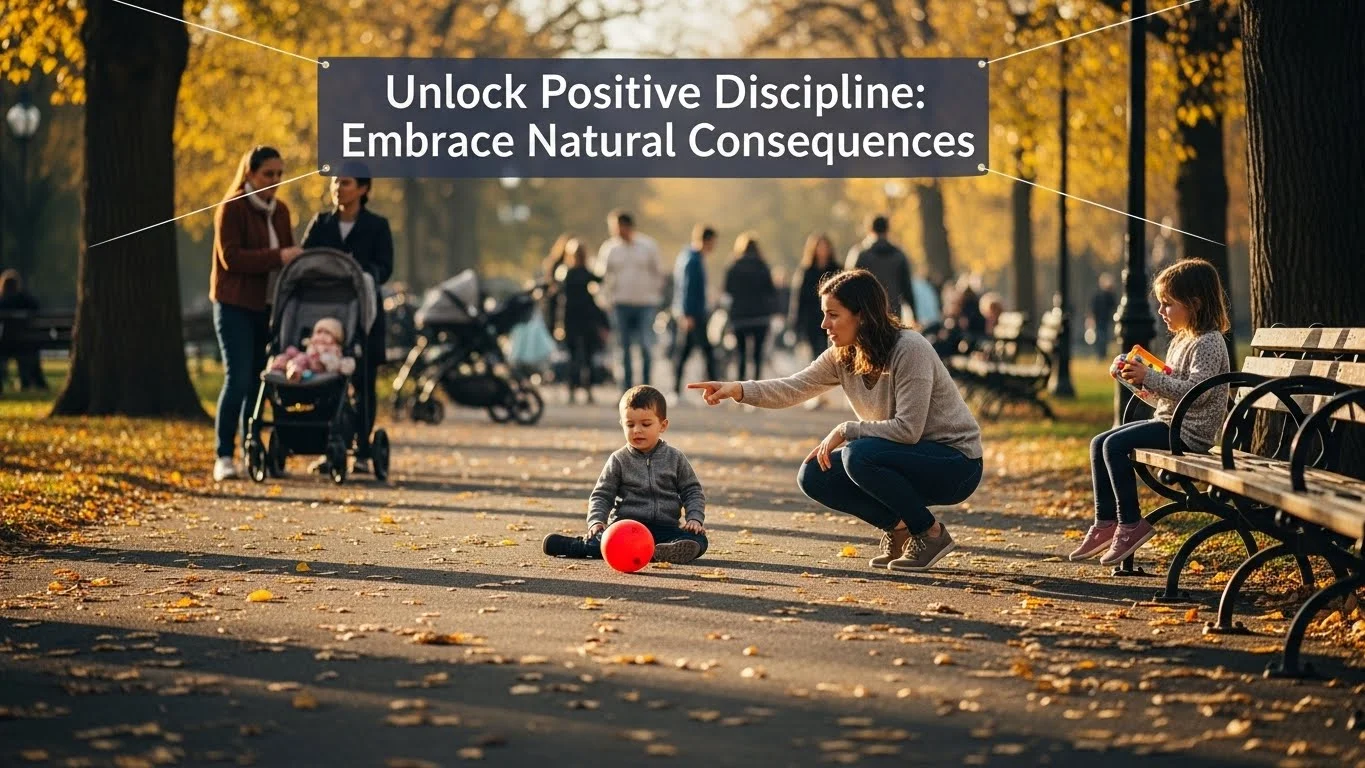
Understanding Positive Discipline
Definition of Positive Discipline
Positive discipline is an approach that focuses on teaching children essential life skills while fostering a respectful and nurturing environment. Instead of punitive measures, it emphasizes understanding, guidance, and collaboration. I realized that positive discipline is not just about correcting behavior; it’s about building a solid foundation for emotional intelligence and social skills.
Importance of Discipline in Child Development
When I reflect on my own upbringing, I can see how crucial discipline was in shaping who I am today. Discipline, when applied positively, helps children understand the consequences of their actions, encourages responsibility, and promotes self-regulation. In my experience, children need consistent boundaries to feel secure, and when they know what to expect, it creates a safe space for them to explore and learn. It’s a balancing act, and I believe that positive discipline can significantly influence a child’s development, leading to healthier relationships and better decision-making skills in the long run.
Comparison with Traditional Discipline Methods
Traditional discipline methods often rely on punishment, which can instill fear or resentment rather than genuine understanding. I’ve seen this firsthand in various settings—children who are punished might comply temporarily but often miss the underlying lessons. In contrast, positive discipline encourages children to think critically about their actions. For me, the difference lies in the approach: while traditional methods may enforce obedience, positive discipline fosters intrinsic motivation. I’ve learned to appreciate the power of guiding rather than controlling, which creates a more harmonious relationship between parents and children.
What Are Natural Consequences?
Definition of Natural Consequences
Natural consequences are the outcomes that occur as a direct result of a child’s actions, without any intervention from parents. I remember a time when my child forgot to wear a jacket on a chilly day. Rather than forcing them to wear it, I allowed them to experience the cold. When we got home, they immediately understood why wearing a jacket was essential. Natural consequences teach children about the real-world impact of their choices while empowering them to make smarter decisions in the future.
Examples of Natural Consequences in Everyday Life
There are so many moments in everyday life where natural consequences come into play. For instance, if a child refuses to eat dinner, they might feel hungry later. Or, when a teenager neglects to complete their homework, they might face lower grades. I’ve seen how these situations can be tough, but they provide invaluable lessons. Allowing our children to experience these outcomes helps them learn accountability in ways that lectures and reprimands cannot. Each moment serves as a teaching moment, reinforcing the idea that our choices matter.
Benefits of Allowing Natural Consequences
Allowing natural consequences to unfold is not only beneficial for children but also helps parents to step back and let learning happen. I’ve found that it fosters independence and resilience. Children learn to assess risks and make informed choices, which builds their problem-solving skills. Moreover, it encourages a sense of ownership over their actions. For me, witnessing my child navigate through the consequences of their decisions has been a powerful reminder that learning doesn’t always have to come from direct instruction; sometimes, it’s best learned through experience. Read Interesting article: Mastering Positive Discipline: Tips for Parents Using Reinforcement
How to Implement Natural Consequences
Identifying Appropriate Situations for Natural Consequences
One of the first steps I found helpful in implementing natural consequences is recognizing when they can be applied effectively. It can be challenging at times, especially when we instinctively want to jump in and protect our children from discomfort. I remember a moment when my child didn’t want to wear their helmet while riding their bike. Instead of insisting, I decided to let them experience a minor fall that didn’t lead to serious injury. They quickly learned the importance of safety gear. It’s all about finding those moments where the natural consequence isn’t harmful but rather a learning opportunity. I think it’s important to look for situations where the consequences are direct and relatable to the choice made, as these experiences tend to stick with children longer.
Steps to Allow Natural Consequences to Occur
Once I identified appropriate situations, I took a few steps to let natural consequences unfold naturally. First, I communicated clearly with my child about the potential outcomes of their choices. I remember discussing with my child the reasons for wearing a jacket on a cold day. I said, “If you choose not to wear your jacket, you might feel cold later.” This approach allowed them to understand the choice they were making. Secondly, I made it a point to allow them to experience the consequences without intervening, as long as it was safe to do so. I learned that being an observer instead of a fixer gave them the chance to reflect on their actions. Finally, after the experience, I would revisit the situation together, discussing what happened and what they learned. This reflection process was essential in reinforcing the lesson.
Balancing Guidance and Freedom
Finding the right balance between guidance and freedom can feel like walking a tightrope. I’ve often thought about how much autonomy to give my children while still ensuring their safety and well-being. In my experience, it’s important to offer guidance while refraining from completely taking over the situation. For instance, I once found myself feeling anxious when my child wanted to cook dinner alone for the first time. I realized that rather than hovering over them the entire time, I could provide guidance by giving them a simple recipe and letting them figure it out. They made a few mistakes, like adding too much salt, but they also learned how to adjust and improve in the kitchen. I think it’s about fostering independence while letting them know I’m available for support if they need it. This balance helps children develop confidence in their decision-making abilities.
Common Misconceptions About Natural Consequences
Natural Consequences vs. Punishment
It’s easy to confuse natural consequences with punishment, but that distinction is crucial. I’ve noticed that many parents worry that allowing natural consequences means they’re being neglectful or uncaring. In my view, natural consequences are not meant to be punitive. Instead, they’re opportunities for learning. When my child faced the natural consequence of not completing their chores, it wasn’t about punishment but rather understanding the impact of their choices. They learned firsthand how their actions affected their environment and responsibilities. I think that clarifying this difference can help parents feel more comfortable with letting natural consequences play out.
Addressing Safety Concerns
Safety is undoubtedly a significant concern when it comes to allowing natural consequences to occur. I’ve often had to weigh the risks involved in certain situations. For example, if my child wanted to climb a tree, I would assess whether they had the skills to do so safely. If I felt they could navigate it without serious risk, I would let them try. They might scrape their knee, but those minor bumps and bruises can teach resilience. If I ever felt the situation could lead to serious harm, I would step in and guide them towards safer choices. It’s all about being mindful of potential risks while allowing enough freedom for growth.
Understanding Emotional Responses
Another misconception I’ve encountered revolves around emotional responses to natural consequences. I remember feeling guilty when my child experienced disappointment or frustration after a natural consequence. It’s important to realize that these feelings are part of the learning process. When my child faced a setback, I reminded myself that it’s okay for them to feel upset. Acknowledging their feelings and helping them process those emotions was key. I would sit with them and say, “I understand that you’re frustrated; it’s tough when things don’t go as planned.” This approach not only validated their feelings but also opened up space for constructive discussions about what they could do differently next time. I think allowing our children to experience a range of emotions is essential for their emotional growth.
Positive Discipline Strategies
Encouraging Problem-Solving Skills
One of the most impactful strategies I’ve found in positive discipline is encouraging my children to solve their own problems. Instead of jumping in to resolve conflicts or dilemmas, I’ve learned to ask guiding questions that help them think critically. For example, if my child is upset because they forgot their lunch at home, instead of rushing to bring it to school, I might ask, “What do you think you could do about it?” This approach empowers them to brainstorm potential solutions, like asking a friend to share or figuring out what the school offers for lunch. I remember the first time I tried this; my child was frustrated at first but eventually came up with a creative solution that made them feel proud. I believe that fostering problem-solving skills not only builds confidence but also equips them with tools they’ll need throughout life.
Setting Clear Expectations
Setting clear expectations is another cornerstone of positive discipline. I realized that many conflicts could be avoided if my children understood what was expected of them. Before embarking on family outings or daily routines, I take the time to discuss our expectations. For example, if we’re going to the store, I might say, “We’re here to get groceries, and I’d like you to stay close to me and help with the shopping.” This clarity helps children understand their role in the situation and reduces the likelihood of misbehavior. I’ve noticed that when I communicate expectations ahead of time, my children are more likely to follow through. It’s like giving them a roadmap; they know where they’re heading and what’s required of them along the way.
Using Positive Reinforcement
Positive reinforcement has been a game changer in our household. I’ve found that acknowledging and celebrating positive behaviors encourages my children to continue those behaviors. When my child helps with chores without being asked, I make a point to praise their initiative, saying something like, “I really appreciate you helping out today; it made things much easier for me.” This recognition not only boosts their confidence but also reinforces the idea that their efforts are valued. I think it’s essential to catch them being good and to let them know their actions have a positive impact on others. In my experience, positive reinforcement fosters a more supportive environment where both children and parents feel appreciated. Read Interesting article: Unlocking Positive Discipline: 5 Key Reinforcement Techniques
Real-Life Scenarios and Case Studies
Scenario 1: A Child Not Completing Homework
In one instance, my child struggled with completing homework assignments. Instead of imposing strict consequences, I decided to implement a positive discipline approach. I sat down with them and asked how they felt about their homework routine. They admitted feeling overwhelmed and unsure of where to start. This insight led us to create a more structured schedule together, breaking down assignments into manageable chunks. I also encouraged them to express any challenges they faced, which opened up a dialogue about asking for help when needed. Since then, I’ve seen a remarkable improvement in their attitude towards homework. Allowing them to play an active role in finding a solution made all the difference.
Scenario 2: A Teenager Missing Curfew
Another scenario that comes to mind involved my teenager missing curfew. Initially, my instinct was to react with anger and impose a strict punishment. After reflecting, I decided to have a calm conversation instead. I asked them what led to missing curfew and how they felt about it. They shared that they lost track of time while hanging out with friends. Rather than punishing them, we discussed the importance of communication and the responsibility that comes with being out late. Together, we set a mutual agreement for future outings, emphasizing the significance of keeping each other informed. I felt that this approach not only taught responsibility but also strengthened our relationship through open dialogue.
Scenario 3: A Child Refusing to Wear a Jacket
There was a time when my child adamantly refused to wear a jacket on a chilly day. Instead of forcing the issue, I remembered my earlier lessons about natural consequences. I allowed them to experience the discomfort of the cold. When we returned home, they were eager to put on their warm clothes and even thanked me for letting them learn that lesson themselves. It was a simple example, but it reinforced the idea of making choices and experiencing their outcomes. That day, I felt proud knowing that my child learned a valuable lesson about preparing for the weather in a way that stuck with them.
Supporting Your Child Through Natural Consequences
Communicating Effectively with Your Child
As I’ve navigated the journey of implementing natural consequences, I’ve learned that effective communication is vital. I always strive to keep the lines of dialogue open, encouraging my children to share their thoughts and feelings. When they face natural consequences, I approach them with empathy, asking questions like, “How did that feel?” or “What do you think you could do differently next time?” This not only helps them process their experiences but also shows them that I’m here to support them. I believe that effective communication fosters a strong connection, making it easier for them to approach me with their concerns in the future.
Providing Emotional Support
Emotional support is another crucial aspect of helping children through natural consequences. I remember a time when my child faced disappointment after a failed attempt at a school project. Instead of downplaying their feelings, I sat with them, offering a listening ear and validating their emotions. I said, “It’s really tough when things don’t turn out as we hoped.” This acknowledgment helped them feel understood and less alone. I’ve realized that providing emotional support during these moments is essential for building resilience and allowing children to learn from their setbacks.
Encouraging Reflection and Learning
After allowing natural consequences to unfold, I find it helpful to encourage reflection and learning. I often ask my children what they learned from their experiences. For instance, if my child forgot their lunch, we might discuss what they could do differently next time to prevent it. This reflection not only reinforces lessons but also helps them develop critical thinking and self-awareness. I’ve seen how this practice encourages them to take ownership of their actions, leading to more thoughtful decision-making in the future. It’s rewarding to witness their growth as they learn to navigate the complexities of life.
Resources for Parents and Educators
Books on Positive Discipline
There are so many fantastic books out there that delve into positive discipline, and I’ve found reading about different perspectives to be incredibly enlightening. One of my favorites is “Positive Discipline” by Jane Nelsen. It provides a comprehensive overview of how to apply positive discipline in various situations and offers practical tips that I’ve found useful. Another great read is “The Whole-Brain Child” by Daniel J. Siegel and Tina Payne Bryson. This book highlights how understanding brain development can enhance our parenting techniques. I remember feeling empowered after reading these books; they offered not just theory but also practical strategies I could implement immediately.
Workshops and Online Courses
I’ve noticed that sometimes, learning in a more interactive environment can be even more beneficial. That’s why I’ve participated in workshops and online courses focused on positive discipline. Organizations like the Positive Discipline Association offer classes that dive deep into the principles of positive discipline and how to apply them effectively in our homes. I remember attending a workshop where we role-played various scenarios; it was eye-opening to see how different approaches can lead to different outcomes. Engaging with other parents in these settings has helped me feel less alone and more connected in this journey.
Support Groups and Communities
Finding a community of like-minded parents has been a game changer for me. I’ve joined local parenting groups and online forums where we share our experiences, challenges, and successes in implementing positive discipline. It’s comforting to know that I’m not the only one navigating this path. I often leave these discussions feeling inspired and equipped with new ideas to try with my kids. Whether it’s a Facebook group or a local meet-up, connecting with others who understand the importance of positive discipline can provide not only support but also encouragement on tough days.
Final Thoughts
As I reflect on my journey with positive discipline and natural consequences, I feel grateful for the lessons learned along the way. It’s not always easy, and there are days when I find myself wanting to revert to old habits, but I remind myself of the bigger picture. Embracing positive discipline means fostering a nurturing environment where my children can thrive, learn, and grow into responsible individuals. Each moment, whether it’s a success or a misstep, is an opportunity for growth—for them and for me. I believe that by allowing natural consequences to unfold, we empower our children to make choices and learn from them in a supportive setting. Together, I hope we can continue to cultivate a positive atmosphere that not only strengthens our family bonds but also lays the groundwork for a brighter, more resilient future.
Frequently Asked Questions
What is positive discipline?
Positive discipline is an approach that focuses on teaching children essential life skills while fostering a respectful and nurturing environment. It emphasizes understanding, guidance, and collaboration rather than punitive measures.
Why is discipline important in child development?
Discipline helps children understand the consequences of their actions, encourages responsibility, and promotes self-regulation. It creates a safe space for exploration and learning, significantly influencing a child’s development and decision-making skills.
What are natural consequences?
Natural consequences are the outcomes that occur as a direct result of a child’s actions without any intervention from parents. They teach children about the real-world impact of their choices and empower them to make smarter decisions in the future.
Can you provide examples of natural consequences?
Examples of natural consequences include a child feeling hungry after refusing to eat dinner or a teenager facing lower grades for not completing their homework. These situations serve as valuable lessons about accountability.
How can parents implement natural consequences effectively?
Parents can implement natural consequences by identifying appropriate situations, clearly communicating potential outcomes, allowing children to experience the consequences without intervening, and revisiting the situation afterward to discuss what was learned.
What is the difference between natural consequences and punishment?
Natural consequences are not punitive; they are opportunities for learning. Unlike punishment, which can instill fear or resentment, natural consequences allow children to understand the impact of their actions without feeling neglected or uncaring from their parents.
How can parents address safety concerns when allowing natural consequences?
Parents should assess the risks involved in each situation and determine whether their child has the skills to navigate it safely. If the situation poses a serious risk, they should step in and guide their child toward safer choices.
What role does effective communication play in supporting children through natural consequences?
Effective communication fosters a strong connection between parents and children, allowing for open discussions about feelings and thoughts regarding experiences with natural consequences. This support helps children process their experiences and learn from them.
How can parents encourage reflection and learning after natural consequences occur?
Parents can encourage reflection by asking their children what they learned from their experiences and discussing what they could do differently in the future. This practice reinforces lessons and helps children develop critical thinking and self-awareness.
What resources are available for parents interested in positive discipline?
Parents can explore books on positive discipline, participate in workshops and online courses, and connect with support groups and communities to share experiences and strategies for implementing positive discipline effectively.