
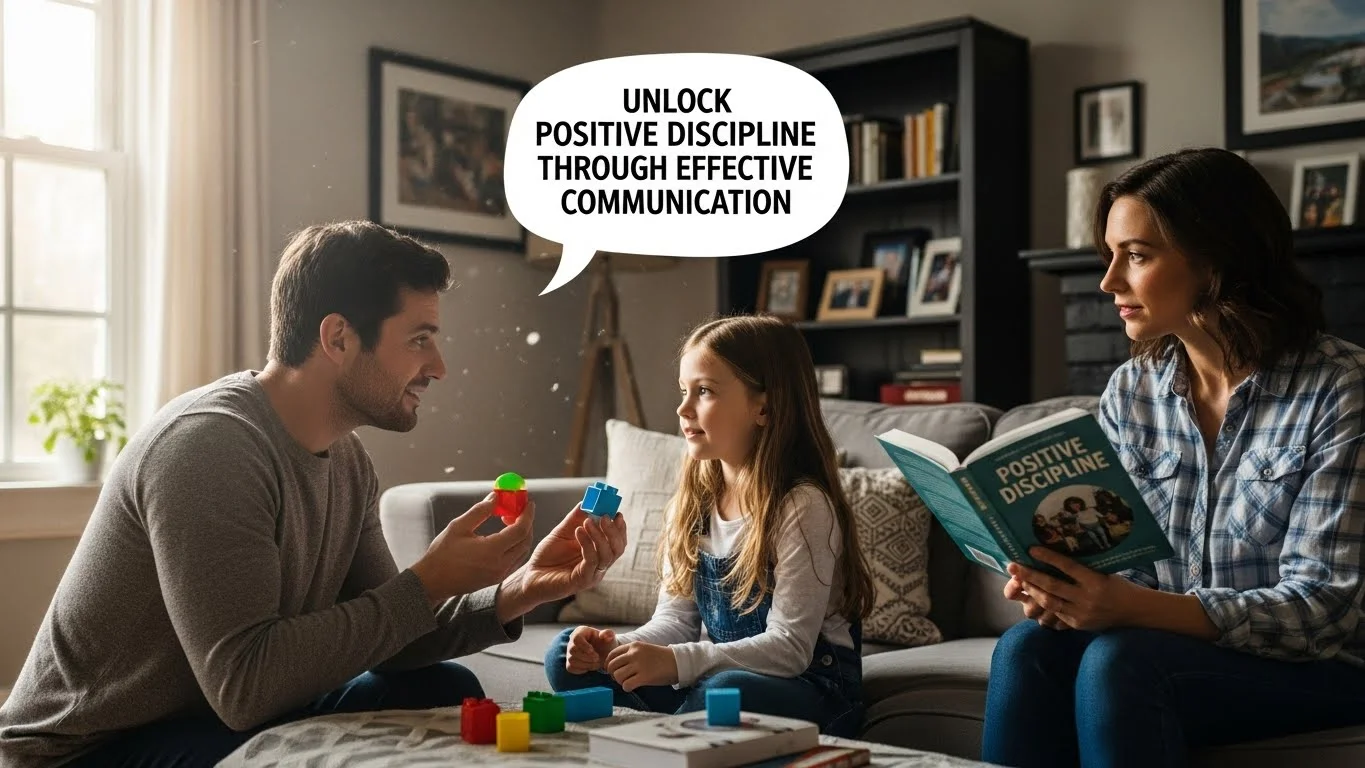
Unlocking positive discipline can transform the way we connect with our children. Effective communication is key, paving the way for understanding, respect, and growth in our family dynamics. To enhance your approach, consider learning how to master effective communication for positive discipline.
Understanding Positive Discipline
Definition of Positive Discipline
Positive discipline isn’t just a method; it’s a philosophy that encourages children to learn from their mistakes rather than simply punishing them for wrongdoing. I remember when I first learned about this concept. It was like a light bulb turned on for me. Instead of viewing discipline as a way to control behavior, I began to see it as a way to teach and guide. Positive discipline focuses on teaching children to be responsible, respectful, and resourceful. This approach nurtures their self-discipline and helps them develop problem-solving skills that are essential throughout life.
Key Principles of Positive Discipline
As I delved deeper into positive discipline, I discovered several key principles that resonate with my parenting style:
- Respect and Kindness: Treating children with respect and kindness fosters a nurturing environment where they feel valued and understood.
- Encouragement Over Punishment: I learned to replace punitive measures with encouragement, celebrating small successes and efforts.
- Teaching Rather Than Punishing: By focusing on teaching moments, we help our children learn valuable lessons instead of just feeling guilty or ashamed.
- Collaboration: Involving children in discussions about rules and expectations helps them feel more invested in their behavior.
Benefits of Positive Discipline for Children and Parents
From my experience, the benefits of adopting positive discipline are profound. For children, it fosters a sense of responsibility and independence. I’ve seen my kids grow more resilient and better equipped to handle challenges when they know they can learn from their mistakes. They develop empathy, emotional intelligence, and self-control, which are invaluable assets as they navigate through life.
As parents, we also reap the rewards. Implementing positive discipline reduces stress and frustration in our parenting journey. I noticed that our home life became calmer, as we focused less on punishment and more on understanding. This approach not only strengthens our relationships but also creates a more harmonious household where everyone feels heard and respected.
The Role of Effective Communication in Discipline
What is Effective Communication?
Effective communication is the cornerstone of any healthy relationship, and I’ve found it to be especially crucial in parenting. It goes beyond just exchanging words; it involves listening, understanding, and responding appropriately. I realized that my intention to communicate was often overshadowed by my busy life, leading to misunderstandings with my children. Fostering effective communication means being present and mindful during conversations, making sure our kids feel seen and heard.
Why Communication is Crucial in Discipline
When it comes to discipline, I believe that communication is essential for several reasons. Firstly, it helps clarify expectations. I remember a time when my child misunderstood a household rule, leading to frustration for both of us. By discussing the rule openly, we were able to resolve the issue and prevent future misunderstandings. Effective communication also allows us to express feelings and emotions in a constructive way. Instead of allowing anger or frustration to dictate our actions, we can have meaningful discussions about feelings and consequences. For more insights on this topic, check out how to transform discipline with effective communication skills.
Common Communication Barriers in Parenting
Despite our best intentions, communication barriers can creep in. I’ve faced numerous challenges, such as:
- Time Constraints: Life can get hectic, and carving out quality time for deep conversations can be tough.
- Emotional Responses: Sometimes, I let my emotions dictate my responses, causing me to react rather than communicate calmly.
- Generational Gaps: As kids grow and change, so do their communication styles. I’ve had to adapt to their evolving needs and preferences.
- Distractions: In our technology-driven world, distractions abound. I often find myself putting my phone down to truly engage with my kids.
Recognizing these barriers is the first step toward overcoming them. By being aware of them, we can consciously work to improve our communication with our children.
Strategies for Effective Communication
Active Listening Techniques
Active listening has been a game changer for me in my parenting journey. It’s not just about hearing the words my children say; it’s about fully engaging with them and showing that I value their feelings and opinions. I remember a specific instance when my son was upset about a situation at school. Instead of jumping in with solutions or trying to fix it right away, I took a step back and focused on really listening to what he was saying. I made eye contact, nodded, and repeated back what I heard to confirm my understanding. This simple act made him feel heard and respected, and it opened up a deeper conversation about his feelings. I’ve learned that when we listen actively, we create a safe space for our kids to express themselves without fear of judgment or dismissal.
Using Clear and Age-Appropriate Language
Another effective strategy I’ve found is using language that matches my children’s age and comprehension level. When my kids were younger, I noticed that I often used complex phrases or explanations that left them confused. I decided to simplify my language, breaking down concepts into bite-sized pieces they could grasp. For instance, when discussing household rules, I’d use simple phrases like “we keep our toys in the box” instead of “we must maintain a tidy play area.” This small adjustment made a significant impact! They understood better and felt more included in the discussions. I believe tailoring our language to their understanding helps nurture their confidence in communication.
Non-Verbal Communication: Body Language and Tone
I’ve come to realize that non-verbal communication plays a huge role in how messages are received. Our body language and tone of voice can convey more than words ever could. I often catch myself using a frustrated tone when I’m overwhelmed, which can immediately put my kids on the defensive. Instead, I’ve worked on maintaining a calm tone, even during challenging conversations. I also pay attention to my body language—leaning in to show interest, keeping an open posture, and avoiding crossed arms. These non-verbal cues signal to my children that I’m approachable and willing to listen. I think being mindful of our non-verbal communication can significantly enhance the quality of our interactions.
Encouraging Open Dialogue with Children
Encouraging open dialogue is something I strive for in our family. I found that when I create opportunities for my kids to share their thoughts, they’re much more willing to engage. I’ve started asking open-ended questions like, “What was the best part of your day?” or “How did that make you feel?” This approach invites them to express themselves freely. I also try to validate their feelings, saying things like, “It’s okay to be upset about that,” which helps them feel secure in sharing their emotions. I believe that fostering this kind of open dialogue not only helps us communicate better but also strengthens our bond.
Implementing Positive Discipline Techniques
Setting Clear Expectations and Boundaries
One of the most impactful techniques I’ve learned in positive discipline is setting clear expectations and boundaries. I remember when I first started this process, it was eye-opening to see how much clarity it brought to our family dynamic. We sat down together as a family and discussed the rules that would help us all coexist peacefully. I made sure to explain the reasons behind each rule, making it easier for my kids to understand why they mattered. For instance, when we talked about screen time, I explained that it’s important for their health and well-being to have limits. This transparency led to fewer arguments and more cooperation. I think establishing clear boundaries helps children feel secure, knowing what’s expected of them.
Using Positive Reinforcement
In our household, positive reinforcement has become a staple. I’ve realized that acknowledging good behavior can be much more effective than focusing solely on mistakes. When my daughter cleans her room without being asked, I make it a point to praise her efforts. I say things like, “I’m so proud of you for keeping your room tidy!” This kind of recognition not only boosts her self-esteem but also encourages her to repeat that behavior. I’ve learned that celebrating the small wins fosters a positive atmosphere and motivates my children to strive for more. It truly transforms our home into a space where good behavior is celebrated rather than just punished.
Consequences vs. Punishments: Understanding the Difference
Understanding the difference between consequences and punishments has been a critical shift in my parenting approach. I used to think they were synonymous, but I’ve come to see them quite differently. Consequences are natural outcomes of behaviors, while punishments often feel arbitrary and can lead to resentment. For example, if my child refuses to do homework, a natural consequence might be that they struggle with understanding the material in class. Instead of punishing them, I use that moment to discuss what they could do differently next time. This approach circles back to teaching moments, helping them learn valuable lessons without feeling ashamed or defeated. I believe that consequences can be constructive, where punishments often create a cycle of negativity.
Problem-Solving Together: Collaborative Approaches
Lastly, I’ve found that problem-solving together is one of the most powerful techniques we can use. When conflicts arise, I try to involve my kids in finding solutions. I remember a time when my son and daughter had a disagreement over sharing toys. Instead of stepping in with my solution, I asked them how they could resolve it themselves. They brainstormed ideas, and eventually, they agreed on a schedule for sharing. This not only taught them conflict resolution skills but also made them feel empowered to take ownership of their actions. I believe collaborating on solutions sets a precedent for teamwork and mutual respect, which are essential skills in any relationship.
Real-Life Scenarios and Solutions
Handling Tantrums and Meltdowns
Tantrums can be one of the most challenging aspects of parenting. I remember vividly the first time my daughter had a full-blown meltdown in the grocery store. I felt the eyes of other shoppers on me, and my instinct was to feel embarrassed and frustrated. However, I learned that responding to her tantrum with empathy rather than anger was more effective. Instead of trying to shush her or drag her out of the store, I knelt down to her level, looked her in the eyes, and calmly asked, “What’s bothering you?” This simple act of validation helped her feel understood, and over time, I noticed that connecting with her during these moments reduced the frequency of the meltdowns. It’s amazing how acknowledging their feelings can turn a chaotic situation into a learning opportunity for both of us.
Addressing Defiance and Disrespect
Defiance can feel personal, can’t it? When my son started testing boundaries, I felt like I was losing control. I noticed that reacting with punishment only escalated the situation. Instead, I began to approach his defiance with curiosity. I would ask him what was going on in his mind when he chose to disobey. This approach opened up a dialogue about respect and consequences. For instance, when he refused to do his homework, instead of demanding compliance, I asked, “Why don’t you want to do it?” His answer led us to discuss the importance of responsibility and the natural consequences of not completing his work. This not only addressed the immediate issue but also gave him a chance to reflect on his actions, ultimately leading to better behavior in the long run.
Promoting Empathy and Understanding in Conflicts
Teaching my kids empathy has been a priority for me. Conflicts often arise among siblings, and I’ve found that using these moments as teaching opportunities can foster deeper understanding. I recall a particular incident when my children were arguing over a toy. Instead of intervening right away, I paused the situation and encouraged them to express their feelings. I asked my son to explain how he felt when his sister took the toy and then had my daughter do the same. This exercise not only helped them articulate their emotions but also allowed them to see things from each other’s perspectives. I believe that guiding them to understand each other’s feelings not only resolves conflicts but also builds their emotional intelligence. For more tips on fostering empathy, consider reading about fostering empathy in kids.
Building a Positive Parent-Child Relationship
The Importance of Trust and Safety
Creating a trusting environment is essential for fostering a positive relationship with our children. I’ve found that trust is built over time through consistent actions and open communication. I remember a time when I accidentally broke a promise to my son about taking him to the park. I felt terrible when I had to explain why we couldn’t go. Instead of brushing it off, I sat down with him, acknowledged my mistake, and apologized. This honesty taught him that it’s okay to make mistakes, and it reinforced his trust in me. I believe that maintaining trust makes it easier for our kids to come to us with their problems, creating a safe space for them to share their thoughts and feelings without fear of judgment.
Creating a Supportive Home Environment
Our home should be a haven where our children feel valued and supported. I’ve worked hard to create an environment where everyone’s voice matters. Simple things like displaying my kids’ artwork or celebrating their achievements—big or small—can make a world of difference. I remember setting up a family board where we could all share our goals and accomplishments. It became a space for encouragement and support. When we celebrate each other’s successes, it fosters a sense of belonging and motivation. I think a supportive home environment encourages open communication and allows our children to thrive.
Regular Family Meetings: Enhancing Communication
Family meetings have become a tradition in our household. We set aside time each week to discuss everything from upcoming events to any issues we may be facing. I remember the first time we held one; I was surprised by how engaged my kids were. They had their own ideas and suggestions, and it felt empowering for them to be part of decision-making processes. During these meetings, we also reflect on any conflicts or challenges that arose in the week. This practice not only enhances communication but also strengthens our family bond. I highly recommend setting aside time for regular check-ins. It’s a wonderful way to ensure everyone feels heard and included.
Resources for Further Learning
Books on Positive Discipline and Communication
If you’re looking for resources to deepen your understanding of positive discipline, there are some fantastic books out there. I’ve enjoyed reading “Positive Discipline” by Jane Nelsen, which provides practical strategies for parents. Another great read is “How to Talk So Kids Will Listen & Listen So Kids Will Talk” by Adele Faber and Elaine Mazlish. These books have equipped me with tools that I’ve applied in our home, transforming our communication and discipline practices.
Workshops and Parenting Classes
Participating in workshops has been incredibly beneficial for me. I’ve attended local parenting classes focused on positive discipline, and they’ve provided a supportive community and valuable insights. Learning alongside other parents has helped me realize that we’re all in this together. I recommend looking for local or online workshops that resonate with your challenges. They often offer practical solutions and the chance to connect with others who share similar experiences.
Online Communities and Support Groups
Lastly, I found great value in joining online communities and support groups. Platforms like Facebook and Reddit have dedicated groups for positive parenting where members share experiences, tips, and encouragement. I’ve learned so much from others’ stories, and it’s comforting to know that I’m not alone in my parenting journey. Engaging in these communities has enriched my perspective on positive discipline and has provided me with ongoing support.
Frequently Asked Questions
What is positive discipline?
Positive discipline is a philosophy that encourages children to learn from their mistakes rather than simply punishing them for wrongdoing. It focuses on teaching children to be responsible, respectful, and resourceful, nurturing their self-discipline and problem-solving skills.
What are the key principles of positive discipline?
The key principles of positive discipline include respect and kindness, encouragement over punishment, teaching rather than punishing, and collaboration with children in discussions about rules and expectations.
What benefits does positive discipline offer to children?
Positive discipline fosters a sense of responsibility and independence in children, helping them develop resilience, empathy, emotional intelligence, and self-control, which are essential skills as they navigate life.
How does effective communication play a role in discipline?
Effective communication is crucial in discipline as it helps clarify expectations, express feelings constructively, and prevent misunderstandings. It allows parents and children to have meaningful discussions about rules and consequences.
What are some common communication barriers in parenting?
Common communication barriers in parenting include time constraints, emotional responses, generational gaps, and distractions from technology, which can hinder effective conversations with children.
What are some strategies for effective communication with children?
Strategies for effective communication include active listening, using clear and age-appropriate language, being mindful of non-verbal communication, and encouraging open dialogue by asking open-ended questions.
How can parents set clear expectations and boundaries?
Parents can set clear expectations and boundaries by discussing household rules together as a family and explaining the reasons behind each rule to foster understanding and cooperation among children.
What is the difference between consequences and punishments?
Consequences are natural outcomes of behaviors that can be constructive, while punishments often feel arbitrary and can lead to resentment. Understanding this difference helps parents foster learning rather than shame in their children.
How can parents promote empathy and understanding during conflicts?
Parents can promote empathy and understanding by encouraging children to express their feelings during conflicts and guiding them to articulate their emotions, which helps them see things from each other’s perspectives.
What resources are available for further learning about positive discipline?
Resources include books like “Positive Discipline” by Jane Nelsen and “How to Talk So Kids Will Listen & Listen So Kids Will Talk” by Adele Faber and Elaine Mazlish, as well as local parenting workshops and online communities focused on positive parenting.