
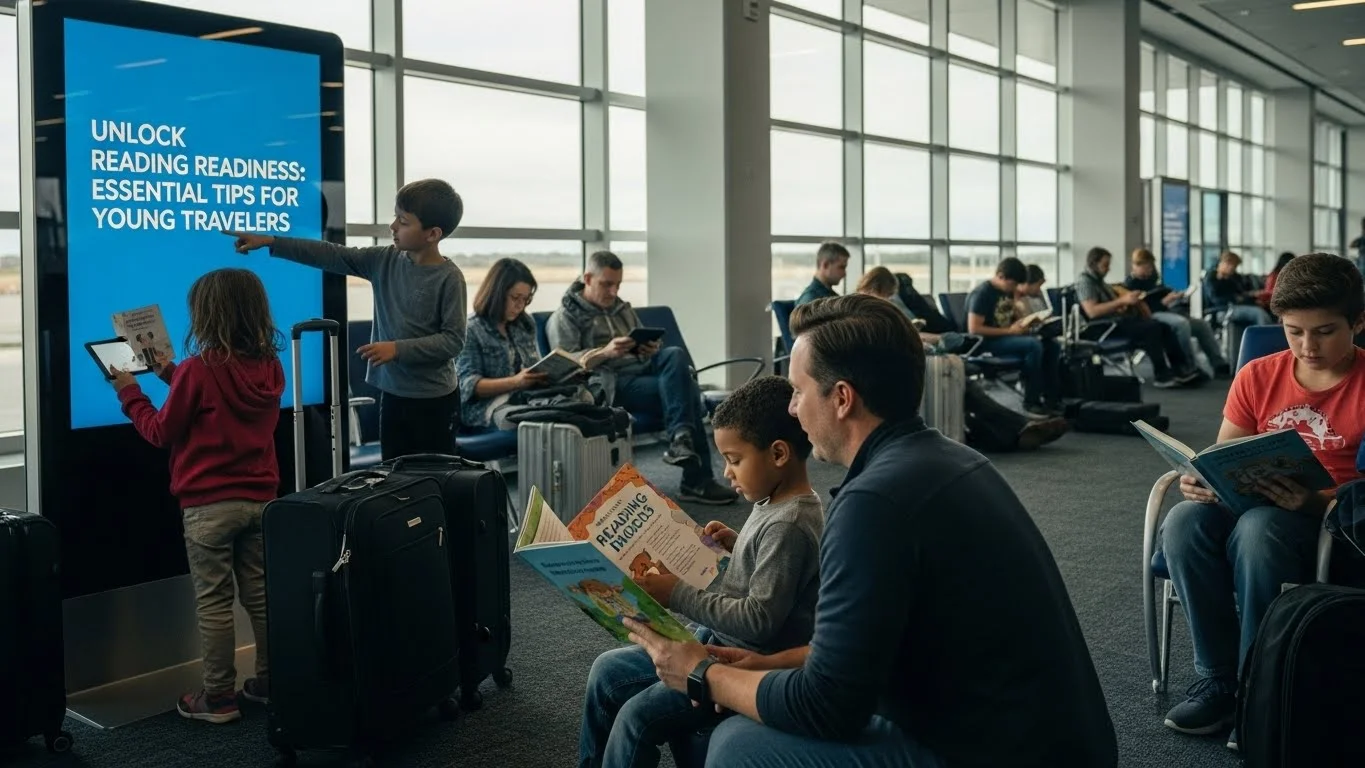
Unlock the magic of reading for young travelers! As we embark on adventures, I believe fostering reading readiness in our little ones can transform every journey into a treasure trove of learning and discovery. Read Interesting article: Explore Language Development: Travel Tips for Young Learners
Understanding Reading Readiness for Young Travelers
What is Reading Readiness?
Reading readiness is all about preparing children to read by developing their foundational skills. It’s not just about recognizing letters or knowing the alphabet; it encompasses a variety of skills that together create a strong base for literacy. From my experience, reading readiness involves phonemic awareness, vocabulary development, and comprehension strategies. I remember when my child first started showing interest in books; it sparked a desire in me to nurture that curiosity. I learned that by introducing reading at an early age, we can make it a natural part of their daily life.
Importance of Reading Skills for Travel
When we travel, reading skills become essential tools for exploration. For young travelers, being able to read signs, maps, and menus enhances their understanding of the world around them. I’ve noticed that children who develop reading skills early are more engaged and curious about their surroundings. They can ask questions, understand directions, and even connect with local cultures through reading. I think it’s incredible how a simple book or a sign can spark a conversation about a place, a culture, or an experience. Reading empowers our kids to make sense of their adventures.
Essential Skills for Young Travelers
Phonemic Awareness
Phonemic awareness is the ability to hear and manipulate sounds in spoken words. This skill is crucial for young children as they begin their reading journey. I remember sitting with my kids, playing sound games where we would clap out the syllables of their names or the names of animals. These fun activities helped them recognize sounds, which in turn made it easier for them to decode words later on. I believe that fostering phonemic awareness can be particularly beneficial during travel, as children get to hear new languages and dialects, enhancing their listening skills.
Vocabulary Development
Building a rich vocabulary is essential for comprehension. I often find that introducing new words related to travel can make learning exciting. For instance, when we visited a museum, I encouraged my child to learn words like “artifacts” or “exhibit.” We discussed what those words meant and how they fit into the context of our trip. Engaging in conversations about new places, foods, and cultures expands vocabulary and creates a deeper understanding of the world. I’ve found that this practice not only boosts reading readiness but also fosters a lifelong love for learning. Read Interesting article: Budget-Friendly Tips for Introducing Solid Foods to Infants
Comprehension Strategies
Comprehension is all about understanding what we read. For young travelers, it can be beneficial to develop strategies for making sense of the information they encounter. When I traveled, I often asked my children open-ended questions about what we read together, whether it was a travel guide or a storybook. Questions like “What do you think this place is like?” or “How do you think people live here?” encourage critical thinking. I feel that these strategies not only enhance comprehension but also enrich our travel experiences by making them more interactive and participatory.
Fluency in Reading
Reading fluency involves recognizing words quickly and accurately, allowing for smooth reading. During our travels, I’ve found that practicing reading aloud can be a fun way to build fluency. We often take turns reading signs or menus in restaurants. I remember one time when we were in Italy, my child was eager to read the gelato flavors. It not only improved their reading skills but also created a delightful moment of joy. By making reading a fun part of our travel experiences, I believe we help children gain confidence in their abilities and foster a love for reading.
Activities to Enhance Reading Readiness
Interactive Travel Journals
One of my favorite ways to enhance reading readiness during our travels is through interactive travel journals. I started this practice when my kids were quite young, and it’s been a hit ever since! Each time we visit a new place, I give them a blank journal where they can jot down their thoughts, draw pictures, or even paste tickets and brochures. This not only encourages them to express themselves but also gives them an opportunity to practice writing and reading in a fun, engaging way. I remember our trip to the Grand Canyon, where my child wrote about the colors of the rocks and drew a picture of the sunset. It became a cherished keepsake and a great way to reflect on our experiences while practicing reading and writing skills.
Story-Based Travel Experiences
Story-based travel experiences are another fantastic way to engage young readers. I often find that incorporating a story into our travels makes the experiences more memorable. For instance, before visiting a historical site, I’d choose a children’s book that relates to that place—like a story about ancient Egypt before visiting the pyramids. This approach not only sets the stage for our adventure but also allows us to discuss the story and its connections to what we’re about to see. I think it deepens their understanding and makes them excited to learn more. Plus, it opens up conversations that can lead to further reading and exploration. Read Interesting article: Understanding Toddler Emotions While Backpacking: Essential Tips
Using Travel Guides and Maps
Using travel guides and maps is a practical way to enhance reading skills while traveling. I’ve found that engaging with these materials not only boosts reading comprehension but also helps kids develop spatial awareness and critical thinking. When we visit a new city, I hand them a map and challenge them to find specific landmarks or attractions. They love the adventure of navigating the map, reading the street names, and discovering where we should go next. On one trip, my child was so engrossed in reading the map that they pointed out a hidden park we hadn’t planned to visit. It turned into one of the best parts of our day! This hands-on experience solidifies their reading skills and makes the journey more interactive.
Engaging with Local Literature
Engaging with local literature is something I always prioritize during our travels. I love to visit local bookstores or libraries to find books that reflect the culture of the place we’re exploring. This could be anything from folk tales to modern stories set in that region. After reading a story, we often discuss the differences and similarities between the culture represented in the book and our own lives. It opens up wonderful conversations and helps my kids connect more deeply with the places we visit. I remember picking up a folk tale in Japan, and as we read it together, my kids were captivated by the imagery and lessons within the story. It made our experience so much richer!
Recommended Reading Materials for Young Travelers
Children’s Travel Books
When it comes to recommended reading materials, children’s travel books are a must-have in our travel arsenal. I love books that are vibrant and engaging, filled with illustrations that spark curiosity. One of my go-to authors is Miroslav Šašek, whose series of travel books captures cities around the world through the eyes of a child. Each book invites readers to explore new places, and the illustrations are simply delightful! I remember reading “This is Paris” with my kids before our trip to Paris, and it helped them visualize the sights we were going to see. It truly set the tone for our trip!
Storybooks Featuring Different Cultures
Storybooks that feature different cultures can be a wonderful way to expand horizons and understanding. I often look for books that reflect the places we are visiting, immersing my kids in the local culture before we even arrive. Books like “The Name Jar” by Yangsook Choi or “The Paper Crane” by Molly Bang are fantastic choices. They not only tell beautiful stories but also introduce children to customs and traditions outside of their own experiences. These stories often spark a sense of empathy and interest in other cultures, which I believe is crucial for young travelers.
Travel-Themed Picture Books
Lastly, travel-themed picture books hold a special place in our reading list. These books are perfect for younger kids and often contain vibrant illustrations and simple narratives that capture the essence of adventure. Titles like “Where the Wild Things Are” by Maurice Sendak, while not specifically travel-related, inspire a sense of exploration and imagination that aligns perfectly with travel. I’ve seen my children’s eyes light up as they dive into these stories, drawing parallels between the adventures in the book and our own travels. It’s a beautiful way to keep their excitement for reading alive!
Utilizing Technology to Support Reading Readiness
Educational Apps for Reading
In today’s digital age, I’ve found that educational apps can be a fantastic resource for enhancing reading readiness. There are so many interactive apps designed specifically for young learners that make reading fun and engaging. For instance, when we traveled, I introduced my kids to apps like Starfall and Endless Alphabet. These apps use games and animations to teach phonics and vocabulary, which keeps my kids entertained during long journeys. I remember one road trip where my child was so engrossed in an app that they barely noticed the time passing! It’s amazing how these tools can turn downtime into productive learning moments.
eBooks and Audiobooks for On-the-Go Learning
eBooks and audiobooks have also become staples in our travel toolkit. I love how easy it is to download a variety of books right onto my tablet or phone. During one of our flights, I queued up some audiobooks, and my kids were captivated by the stories being read aloud. It felt like we were all experiencing the adventures together, even if we were just sitting in our seats. I find that audiobooks, especially, can be a great way to expose them to different genres and storytelling styles. They help build listening skills, too, which is crucial for reading comprehension.
Online Reading Resources and Websites
There are countless online resources available that can support reading readiness. Websites like ABCmouse and Reading Rockets offer a wealth of activities, videos, and games aimed at developing literacy skills. On one of our trips, we spent some downtime in a hotel room exploring these websites. My kids loved the interactive stories and educational games, and I enjoyed watching them engage with reading in such an innovative way. I believe these resources can complement traditional reading methods and give our young travelers an edge in their literacy journey.
Creating a Reading-Friendly Travel Environment
Choosing the Right Travel Gear
Creating a reading-friendly environment while traveling starts with choosing the right gear. I’ve learned that having a designated “reading bag” filled with books, journals, and even a tablet can make all the difference. During one trip, I packed a lightweight backpack with our favorite travel books, colored pencils, and a sketchpad. This simple setup turned any waiting time into a mini reading and drawing session. It kept my kids engaged and excited about reading, no matter where we were. I recommend finding a bag that’s easy to carry but spacious enough to hold a few essentials.
Setting Up a Comfortable Reading Space
Another important aspect is setting up a comfortable reading space, even on the go. I remember one lengthy car ride where we created a cozy nook in the back seat with blankets and pillows. We made it a point to take breaks at rest stops, where we could sit and read together outside. This little setup made reading feel special and intentional. Whether it’s finding a quiet corner in a café or cozying up in a hotel room, I believe that the environment plays a significant role in how much our kids enjoy reading while traveling.
Incorporating Reading into Daily Travel Routines
Incorporating reading into our daily travel routines has been a game-changer for enhancing my kids’ literacy skills. I’ve tried to make it a habit to read together every morning during our trips. Whether it’s a chapter from a book we’re enjoying or a few pages from a travel guide, those moments have become something we all look forward to. I also encourage them to read aloud while we’re commuting, whether it’s signs on the road or menus at restaurants. These little practices not only strengthen their reading skills but also enhance our bonding time as a family.
Tips for Parents and Caregivers
Encouraging Curiosity Through Questions
One of the most effective ways I’ve found to enhance reading readiness is by encouraging curiosity through questions. When we read together, I like to ask open-ended questions that spark discussions. For example, after reading a story about a different culture, I might ask, “How do you think their daily lives are different from ours?” This not only encourages critical thinking but also helps them make connections between what they read and the world around them. I believe fostering this sense of wonder and inquiry is key to developing a love for reading.
Modeling Reading Behavior
Kids often emulate what they see, so I make sure to model reading behavior myself. Whether I’m engrossed in a travel guide or a novel, I let my kids see me reading. I’ve noticed that when they see me excited about a book, it encourages them to pick up their own. Sharing my thoughts about what I’m reading creates an interactive atmosphere where we can exchange ideas and stories. This modeling not only promotes literacy but also shows them that reading is an enjoyable lifelong pursuit.
Establishing a Reading Routine During Travel
Finally, establishing a reading routine during our travels has brought structure to our adventures. I’ve found that dedicating specific times for reading—like before bed or during breakfast—helps create a rhythm that my kids come to expect. We even have a “family reading hour” where everyone picks their favorite book to enjoy together. These routines have not only made reading a priority but also transformed it into a cherished family tradition. I believe that this consistency is vital in reinforcing reading skills while making memorable travel experiences.
Addressing Reading Challenges While Traveling
Identifying Common Reading Struggles
Every young traveler has their unique journey with reading, and I’ve seen that some common challenges can surface while we’re on the go. For instance, I noticed that my kids sometimes struggled with distractions in new environments. The excitement of a bustling airport or a lively street fair can easily pull their attention away from a book. Additionally, fatigue from travel can make it hard for them to focus on reading, leading to frustration. I believe that recognizing these challenges is the first step in helping our little ones navigate their reading journeys during travel.
Strategies to Overcome These Challenges
To tackle distractions, I’ve found it helpful to create a calm reading nook wherever we are. Whether that’s pulling out a cozy blanket in the hotel room or finding a quiet corner in a café, these little havens can make a big difference. When distractions are minimized, my kids can dive into their books. Another strategy I use is to keep reading sessions short and sweet during travel. I’ve learned that setting a timer for 10-15 minutes can help maintain their focus without overwhelming them. This way, they can enjoy reading without feeling pressured, and we can still make room for other fun travel activities.
When it comes to tackling fatigue, I always listen to my kids’ cues. If they’re tired, I let them choose to listen to an audiobook instead of reading a physical book. It keeps the stories flowing without requiring extra energy. I’ve found that this flexibility helps them engage with reading in a way that feels comfortable and enjoyable, even when they’re feeling a bit worn out.
When to Seek Professional Help
While I’ve had a lot of success with these strategies, I’ve also learned that there are times when seeking professional help is necessary. If I noticed that my child struggles consistently with reading over time—especially with phonemic awareness or comprehension—I would consider consulting with a reading specialist. They can provide targeted strategies and support tailored to my child’s needs. I believe that early intervention can make a significant difference in helping them succeed on their reading journey.
Success Stories: Young Travelers Who Embraced Reading
Personal Accounts of Reading Adventures
Reflecting on our travels, I can’t help but share some of the magical moments that unfolded because of reading. On a trip to Spain, I remember my daughter picking up a book about Spanish folklore before we left. As we ventured through the Alhambra, she recounted the tales she had learned, making the experience come alive in a way I never expected. It was like she was weaving together the threads of the past with our present adventure. I realized then just how powerful reading could be in enriching our travel experiences.
The Impact of Reading on Travel Experiences
I’ve seen how engaging with stories before and during our trips not only enhances our understanding of the places we visit but also strengthens our family bond. Each story becomes a thread that connects us as we explore new cultures and environments. I believe that when kids can relate to their experiences through the lens of a book, it creates layers of meaning that they carry with them long after the trip ends. The memories of those shared readings stay with us, igniting a passion for both travel and learning that I hope lasts a lifetime.
Final Thoughts
Traveling with young readers opens up a world of possibilities that go far beyond sightseeing. It’s about cultivating a love for reading that transforms every journey into a joyful adventure of learning and exploration. By fostering reading readiness, we not only equip our children with essential skills but also create lasting memories filled with stories, laughter, and discovery. I feel fortunate to share these experiences with my kids and watch them grow as readers and explorers of the world. Here’s to more adventures, more stories, and more opportunities to inspire a love of reading in our little travelers!
Frequently Asked Questions
What is reading readiness?
Reading readiness is the preparation of children to read by developing foundational skills such as phonemic awareness, vocabulary development, and comprehension strategies. It encompasses a variety of skills that create a strong base for literacy.
Why are reading skills important for young travelers?
Reading skills are essential for young travelers as they help children read signs, maps, and menus, enhancing their understanding of their surroundings. Children who develop reading skills early are typically more engaged and curious about the world around them.
What are some essential skills for young travelers to develop?
Essential skills for young travelers include phonemic awareness, vocabulary development, comprehension strategies, and reading fluency. These skills help children navigate new environments and enhance their overall literacy.
How can interactive travel journals enhance reading readiness?
Interactive travel journals allow children to jot down thoughts, draw pictures, and paste tickets from their trips, encouraging them to express themselves and practice reading and writing in a fun and engaging way.
What role does storytelling play in travel experiences for children?
Incorporating storytelling into travel experiences makes them more memorable and engaging. By reading related stories before visiting a location, children can discuss the connections between the story and their real-life experiences, deepening their understanding.
How can travel guides and maps help young travelers?
Travel guides and maps help enhance reading comprehension and develop spatial awareness. Children can engage with these materials to find landmarks and attractions, making the travel experience interactive and educational.
What types of reading materials are recommended for young travelers?
Recommended reading materials include children’s travel books, storybooks featuring different cultures, and travel-themed picture books. These resources help expand children’s horizons and understanding of the world.
How can technology support reading readiness during travel?
Technology can support reading readiness through educational apps, eBooks, and audiobooks. These tools make reading fun and engaging, providing interactive learning opportunities during travel.
What tips can parents and caregivers follow to encourage reading while traveling?
Parents can encourage reading by modeling reading behavior, establishing a reading routine, and asking open-ended questions that spark curiosity and discussions about what children read.
How can parents address reading challenges that arise during travel?
To address reading challenges, parents can create calm reading nooks, keep reading sessions short, and remain flexible by allowing children to listen to audiobooks when they are tired. Recognizing challenges and adapting strategies can help maintain children’s engagement with reading.