
Embracing positive discipline can transform family dynamics, creating a nurturing environment where children thrive. Let’s explore how understanding and implementing these principles can unlock a more harmonious family life. Read Interesting article: Transform Your Parenting with Effective Positive Discipline
Understanding Positive Discipline
What is Positive Discipline?
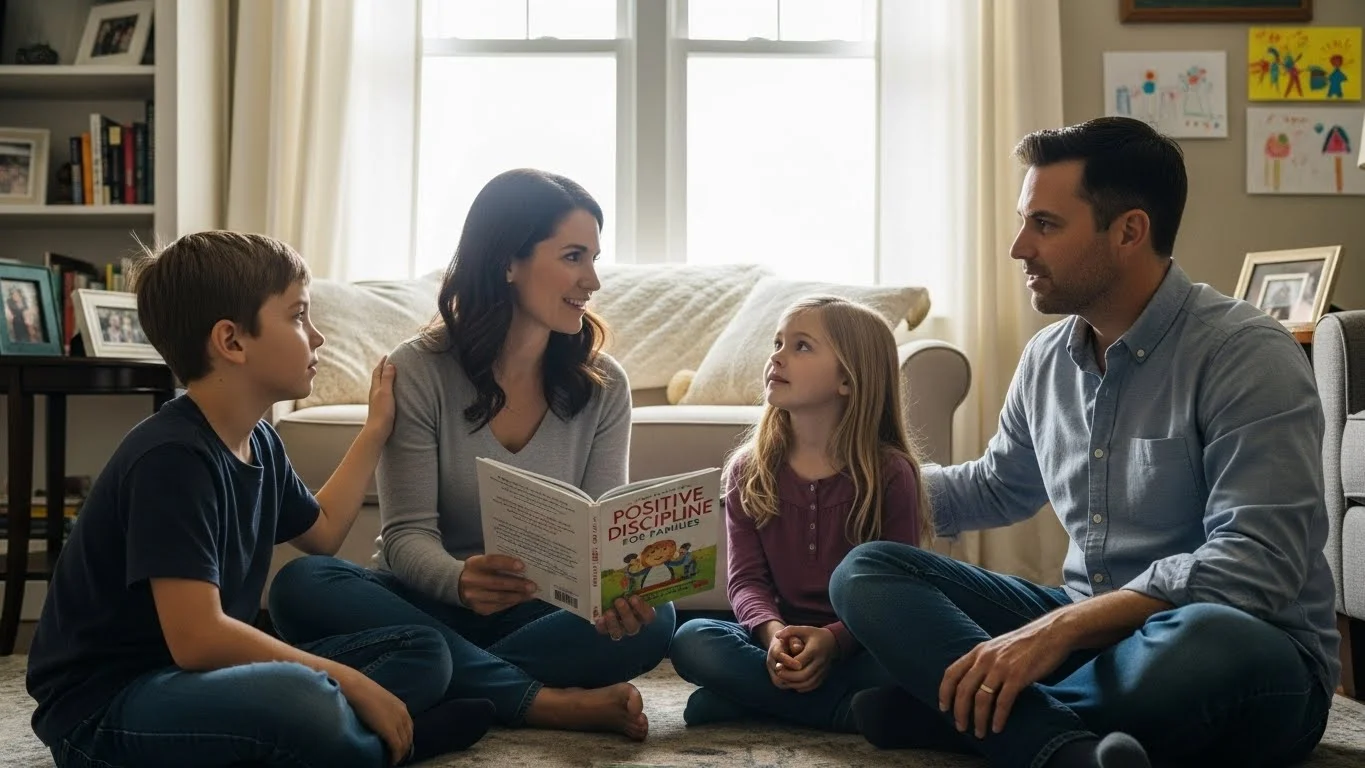
I remember the first time I came across the term “positive discipline.” It struck a chord with me because it wasn’t just about punishing bad behavior; it was about teaching and guiding children. Positive discipline is a philosophy that focuses on nurturing and fostering a child’s social, emotional, and behavioral development. Rather than resorting to harsh punishments, it encourages parents to engage with their children in a respectful and understanding manner. It’s about teaching them the difference between right and wrong while allowing them to learn from their mistakes without fear of severe consequences.
Core Principles of Positive Discipline
When I delved deeper into positive discipline, I discovered several core principles that resonated with my own parenting style. Here are some of the most significant ones:
- Respect and Kindness: This principle emphasizes treating children with the same respect we expect from them. It fosters a sense of safety and trust.
- Long-term Goals: Positive discipline focuses on teaching children life skills rather than merely controlling their behavior. I found that this approach helps children become responsible and capable adults.
- Encouragement Over Punishment: Instead of punishing, positive discipline encourages positive behaviors. I noticed that this builds a child’s self-esteem and confidence.
- Problem-Solving: Teaching children how to solve problems and make decisions is essential. I’ve seen how this empowers them and leads to better choices in the future.
Benefits of Positive Discipline for Families
Adopting positive discipline has been a game-changer for my family. I’ve experienced firsthand the numerous benefits it brings. Here are some that I found particularly impactful:
- Better Communication: Positive discipline encourages open communication. I’ve found that when I talk to my children about their feelings and frustrations, they are more likely to express themselves without anger or resistance.
- Stronger Relationships: Focusing on mutual respect has helped me build a stronger bond with my kids. I’ve noticed they are more willing to listen to me and share their thoughts.
- Improved Behavior: Although it may seem counterintuitive, positive discipline leads to better behavior in children. I’ve seen my kids learn from their mistakes and make better choices when they understand the consequences of their actions.
- Emotional Regulation: This approach teaches children how to manage their emotions. In our case, we’ve found that our children are better equipped to handle frustration and disappointment.
- Development of Life Skills: Positive discipline is not just about discipline; it’s about teaching children essential life skills. From conflict resolution to empathy, I’ve seen how these skills prepare them for the future.
The Importance of Discipline in Family Dynamics
Why Discipline Matters in Parenting
As a parent, understanding the importance of discipline has been crucial for me. I believe discipline is about guiding children and helping them understand boundaries. It’s not merely about enforcing rules but teaching responsibility and respect. When children know the expectations, it creates a secure environment where they can thrive. I’ve found that when I set clear boundaries, my children feel safer and more confident in their choices.
Negative vs. Positive Discipline Approaches
In my parenting journey, I’ve noticed a significant difference between negative and positive discipline approaches. Negative discipline often involves punishment, which can lead to fear and resentment. I’ve seen children react defensively, shutting down or rebelling. On the other hand, positive discipline promotes understanding and growth. It encourages children to learn from their mistakes rather than fear punishment, which fosters a healthier emotional environment.
Impact of Discipline on Child Development
The way we choose to discipline our children has profound effects on their development. I’ve read studies suggesting that positive discipline can lead to better emotional regulation, enhanced problem-solving skills, and improved self-esteem. Children learn not just from their successes but also from their failures. I’ve found that when I allow my kids to experience natural consequences in a supportive environment, they develop resilience and the ability to cope with challenges.
Key Techniques of Positive Discipline
Encouragement vs. Praise
I’ve always believed that encouragement and praise are not the same, even though they might seem similar. When I started to focus more on encouragement, I noticed a shift in how my children responded. Instead of just telling them, “Good job!” I began to specify what they did well. For example, I would say, “I really liked how you shared your toys with your friend.” This kind of encouragement emphasizes the effort and the behavior rather than simply the outcome. It helps children internalize their achievements and motivates them to continue trying. I found that this approach has helped build a growth mindset in my kids, making them more resilient and open to challenges.
Setting Clear Expectations and Boundaries
Establishing clear expectations has been another crucial technique in our family’s positive discipline journey. I remember a time when I felt overwhelmed because my kids seemed to thrive on chaos. It became clear to me that they needed structure. By setting clear boundaries, not only did I provide them with a sense of security, but I also empowered them to understand what was expected. For instance, before heading to a friend’s house, I remind them about the behavior I expect. We talk about respecting others’ belongings and using polite language. I’ve found that when I communicate these expectations ahead of time, my kids tend to behave better because they know the rules. It’s like giving them a roadmap to navigate their social interactions. Read Interesting article: Master Positive Discipline Techniques for Happy Parenting
Natural and Logical Consequences
One of the most impactful lessons I learned is the importance of natural and logical consequences. Instead of enforcing punishments, I’ve started to let my children experience the outcomes of their actions in safe ways. For example, if my child refuses to wear a jacket on a chilly day, I allow them to feel the cold. They quickly realize that wearing that jacket would have kept them warm. This doesn’t mean I let them suffer unnecessarily; it’s about teaching them through experience. I remember one instance when my daughter forgot her homework at home. Rather than rushing to bring it to her, I let her face the consequences at school. She learned the importance of being responsible, and I believe that lesson stuck with her more than any punishment I could have imposed.
Problem-Solving Skills for Children
Encouraging my kids to develop problem-solving skills has been transformative. I’ve noticed that when they face challenges, instead of jumping in to fix things for them, I guide them through the process of finding a solution. For instance, when my son was upset about a disagreement with a friend, I asked him, “What do you think you could do to resolve this?” Initially, he struggled to find an answer, but with a little prompting, he started to brainstorm solutions. I felt a sense of pride watching him realize he had the power to resolve his own conflicts. By teaching them this skill, I’m instilling confidence and independence, which I believe are vital for their personal growth.
Implementing Positive Discipline in Daily Life
Creating a Positive Family Environment
Creating a positive family environment has been essential for implementing positive discipline effectively. I’ve learned that our home should be a safe space where children feel loved, respected, and valued. Simple things like family dinners or game nights can make a significant difference. I remember when we started a tradition of having “family fun Fridays.” This gave us a chance to bond and communicate openly without the usual stress of daily life. The more connected we felt, the easier it became for my kids to accept boundaries and expectations. It’s like the foundation of a house; with a strong, positive environment, everything else can be built upon it.
Effective Communication Strategies
Communication has been a critical part of my experience with positive discipline. I’ve discovered that the way I communicate matters just as much as the message itself. When I approach discussions calmly and openly, my children are more likely to listen and engage. I try to use “I” statements, such as, “I feel worried when you don’t tell me where you are going,” instead of blaming or criticizing. This approach encourages them to respond thoughtfully rather than defensively. I’ve noticed that by fostering an open dialogue, we can solve problems together instead of butting heads.
Modeling Desired Behaviors
I’ve realized that one of the most powerful ways to teach my children is through my own behavior. Modeling desired behaviors has been an eye-opening experience. I strive to demonstrate kindness, patience, and respect in my daily interactions. When I slip up, I own my mistakes and apologize, showing them that nobody’s perfect and that it’s okay to learn from errors. I remember a moment when I lost my temper while cooking dinner. Instead of brushing it off, I took a moment to explain to my kids why it happened and how I would handle it differently next time. This not only reinforced my teachings but also showed them the importance of accountability.
Consistency in Discipline
Consistency has been one of the most challenging yet rewarding aspects of positive discipline for me. I’ve learned that when I stay consistent with expectations and consequences, my children are more likely to understand and accept them. For instance, if we agreed on a screen time limit, I make sure to stick to it, even when it’s tempting to give in. I feel that this consistency builds trust and reliability, which ultimately helps my kids feel secure in their boundaries. They know what to expect, which makes it easier for them to follow the rules we’ve established together. Read Interesting article: The Power of Positive Discipline: Transform Your Parenting Style
Positive Discipline Strategies for Different Age Groups
Positive Discipline for Toddlers
When I think back to my experiences with my toddlers, I remember how challenging yet rewarding those early years were. Positive discipline for toddlers is all about understanding their developmental stage. At this age, they are curious and eager to explore, but they also have limited ability to regulate their emotions and impulses. I found that using simple language and offering choices made a significant difference. Instead of saying, “Don’t touch that,” I would say, “You can choose to play with this toy or that one.” This empowered them while still guiding their behavior. Furthermore, redirecting their attention to something else often helped diffuse potential meltdowns.
Positive Discipline for Preschoolers
Transitioning from toddlers to preschoolers brought its own set of challenges. I quickly learned that preschoolers are developing their social skills and often want to assert their independence. I remember feeling overwhelmed at times, but I found that using positive discipline strategies like role-playing helped immensely. For instance, when my child struggled with sharing, we would practice taking turns with toys during playtime. This not only made the concept more tangible for them but also turned learning into a fun activity. I also utilized praise effectively, acknowledging their efforts when they successfully shared or cooperated. It was uplifting to see their faces light up when they received specific encouragement for their achievements.
Positive Discipline for School-Aged Children
As my children entered school, I noticed a shift in their social dynamics and emotional needs. Positive discipline for school-aged children revolves around increasing responsibility while still providing guidance. I found that setting clear expectations became even more crucial. For example, we would sit down at the beginning of each week and discuss their responsibilities, like homework and chores. This collaborative approach not only made them feel involved but also fostered accountability. I also encouraged them to reflect on their choices. When they faced consequences for not completing homework, we would discuss how they could make better choices in the future, reinforcing the lesson in a constructive manner.
Positive Discipline for Teens
Ah, the teenage years—what a rollercoaster! I’ve found that applying positive discipline with teens requires a delicate balance of respect and guidance. During this age, they are figuring out their identity and often crave independence. I remember struggling with this at first, but I learned that having open dialogues was key. Instead of dictating rules, I started involving my teens in discussions about consequences and boundaries. For instance, if they wanted to stay out later with friends, we would negotiate a time that felt comfortable for both sides. This mutual respect not only strengthened our relationship but also taught them that their choices had real consequences. I valued the importance of listening to their viewpoints, which helped them feel validated and respected during a tumultuous time.
Common Challenges and Solutions
Dealing with Resistance to Discipline
Resistance can be tough to handle. I’ve experienced my share of pushback from my kids, especially when they didn’t agree with the boundaries I set. I learned that the key to addressing this resistance is maintaining calm and consistency. When my children resisted a rule, I focused on calmly explaining the reasons behind it. I found that asking questions like, “What do you think might happen if we don’t follow this rule?” encouraged them to think critically about their actions. This way, they felt involved in the conversation rather than feeling like they were being reprimanded. I also discovered that offering choices within the boundaries helped reduce resistance. For instance, instead of demanding they clean their room immediately, I would say, “You can clean it now, or after dinner.” This small shift gave them a sense of control while still holding them accountable.
Managing Sibling Conflicts
Sibling conflicts are almost a rite of passage in family life. I’ve encountered plenty of bickering between my kids, and it’s something I continuously work on. I found that using positive discipline in these situations involves teaching conflict resolution skills. Instead of immediately stepping in to resolve the conflict, I encouraged my kids to express how they felt and what they wanted. I’d say, “Let’s hear both sides and find a solution together.” This not only helped them develop their problem-solving skills but also taught them to empathize with each other. I remember one particular instance where they had a disagreement over a toy, and after guiding them through the process, they ended up compromising and playing together. It was a proud moment for me to see them use their words instead of resorting to physical altercations.
Handling Emotional Outbursts
Emotional outbursts can be overwhelming, and I’ve faced my fair share of them. During these moments, I’ve learned that it’s essential to approach them with empathy. When one of my children had a tantrum, I would remind myself that they were likely feeling overwhelmed or frustrated. I found that giving them space to express those emotions while also reassuring them that I was there to help made a significant difference. I’d often say, “I see you’re really upset, and that’s okay. Let’s take a deep breath together.” This approach not only calmed the situation but also taught them emotional regulation skills. I discovered that modeling calmness during their emotional storms helps them learn how to handle their feelings better in the long run.
Frequently Asked Questions
What is positive discipline?
Positive discipline is a philosophy that focuses on nurturing and fostering a child’s social, emotional, and behavioral development. It emphasizes teaching and guiding children rather than punishing bad behavior, allowing them to learn from their mistakes without fear of severe consequences.
What are the core principles of positive discipline?
The core principles of positive discipline include respect and kindness, long-term goals of teaching life skills, encouragement over punishment, and problem-solving skills for children.
What are the benefits of adopting positive discipline in families?
Benefits of positive discipline for families include better communication, stronger relationships, improved behavior among children, emotional regulation, and the development of essential life skills.
Why is discipline important in parenting?
Discipline is important in parenting because it helps guide children, teaches them responsibility and respect, and establishes clear expectations, creating a secure environment where they can thrive.
How does positive discipline differ from negative discipline?
Positive discipline promotes understanding and growth, encouraging children to learn from their mistakes, while negative discipline often involves punishment that can lead to fear and resentment, causing children to react defensively.
What techniques can be used in positive discipline?
Techniques in positive discipline include encouragement instead of praise, setting clear expectations and boundaries, allowing natural and logical consequences, and teaching problem-solving skills to children.
How can families create a positive environment for discipline?
Creating a positive family environment involves ensuring that the home is a safe space where children feel loved, respected, and valued. Activities like family dinners or game nights can strengthen family bonds and facilitate open communication.
What are effective communication strategies in positive discipline?
Effective communication strategies include approaching discussions calmly and openly, using “I” statements to express feelings, and fostering an open dialogue to solve problems collaboratively.
How should positive discipline be implemented for different age groups?
Positive discipline should be tailored to different age groups by using age-appropriate strategies, such as offering choices for toddlers, role-playing for preschoolers, setting responsibilities for school-aged children, and involving teens in discussions about consequences and boundaries.
What are some common challenges in positive discipline?
Common challenges include dealing with resistance to discipline, managing sibling conflicts, and handling emotional outbursts. Solutions involve maintaining calmness, teaching conflict resolution skills, and approaching emotional outbursts with empathy.