
Unlocking a toddler’s potential is all about play! Discovering fun and engaging activities can fuel their cognitive growth, helping them learn and develop essential skills while having a blast. Read Interesting article: Budget Backpacking: Smart Travel Tips for Toddler Cognitive Growth
Understanding Cognitive Development in Toddlers
What is Cognitive Development?
Cognitive development refers to the way children think, explore, and figure things out. It involves skills like problem-solving, memory, and decision-making. I remember the first time my toddler put together a simple puzzle—it was amazing to see that little mind at work! During these early years, the brain is developing rapidly, and the experiences they have can shape their thinking for years to come.
The Stages of Cognitive Growth in Toddlers
As I learned more about toddler development, I discovered that cognitive growth happens in stages. Jean Piaget, a well-known psychologist, identified four key stages, but for toddlers, we primarily focus on the Sensorimotor and Preoperational stages.
In the Sensorimotor stage, which lasts from birth to about 2 years, toddlers learn through their senses and actions. They explore the world by touching, seeing, and moving. I can recall watching my child discover the texture of leaves and the sound of water splashing—each experience was a mini-lesson in their world.
Then comes the Preoperational stage (around ages 2 to 7), where children start to think symbolically. They begin to use language and engage in imaginative play. I remember my toddler transformed a cardboard box into a spaceship, taking us on an adventure through the galaxy! This imaginative play is crucial for developing their cognitive skills.
Importance of Early Childhood Play for Cognitive Skills
Play is not just a way for toddlers to pass the time; it is vital for cognitive development. Through play, children can practice problem-solving, enhance their memory, and develop language skills. I often noticed how playing with my little one led to spontaneous questions and discoveries. For instance, when we built a fort together, we talked about shapes, sizes, and even counted the pillows we used. Every moment became an opportunity for learning!
Research backs this up—studies show that children who engage in play have better cognitive skills and higher academic performance later on. It’s fascinating to think that something as simple as playing can lay the groundwork for future success. I’ve found that through play, toddlers not only learn but also gain confidence in their abilities, which can empower them as they grow.
As a parent, I’ve realized that providing varied play experiences can help stimulate different areas of cognitive growth. This can include creative play, physical activities, and manipulative tasks, all of which I’ll dive into further in this article. I believe that by being intentional about the way we incorporate play into our daily routines, we can truly unlock our toddler’s potential. Read Interesting article: Effective Discipline Strategies for Toddlers on the Go
So, as we explore the various play ideas in the next sections, let’s keep in mind how these activities can be both fun and educational. I can’t wait to share some of my favorite ideas with you! From creative arts and crafts to engaging language activities, there’s so much we can do to support our toddlers’ development through play.
Play Ideas to Enhance Cognitive Skills
Creative Play Activities
Arts and Crafts
One of my absolute favorite ways to engage my toddler in creative play is through arts and crafts. The joy of creating something from scratch is not just fulfilling; it’s also a fantastic cognitive booster. When I set up a simple craft session with paper, crayons, and some basic supplies, I notice my little one’s imagination takes flight. We’ve made everything from colorful collages to handprint animals, and with each project, I see them experimenting with colors, shapes, and even textures.
For example, I once laid out some old magazines, scissors, and glue, and we went on a cutting spree. My toddler learned to cut along lines, which not only improved fine motor skills but also taught them about following patterns. Plus, we had endless fun discussing what images we were choosing and why. I recommend incorporating seasonal themes or even favorite characters to keep the excitement alive!
Role-Playing Games
Role-playing games are another fantastic avenue for cognitive development. I remember the first time my child picked up a toy phone and pretended to call me. It opened up a whole new world of imaginative play! We often set up pretend shops or restaurants, taking turns being the customer and the cashier. Through these activities, my toddler learns about social roles, communication, and even basic math skills when we talk about prices and transactions.
What’s really special about role-playing is how it allows children to express their thoughts and feelings. I’ve found that during these pretend scenarios, my toddler often mimics what they’ve seen in real life, helping them to process their experiences. It’s like a mini theatre where every performance helps them understand the world better!
Physical Play Activities
Obstacle Courses
Physical play is essential for toddlers, and one of the most fun ways to get them moving is through obstacle courses. In our backyard, I’ve set up a mini course using cushions, hula hoops, and even some garden chairs. Watching my child navigate through the course is not only entertaining but also a great way for them to develop their problem-solving skills. They learn to think critically about how to overcome obstacles and to strategize their movements.
What I love most is that it encourages creativity. My toddler often comes up with new ideas on how to alter the course, making it a fresh challenge each time. Plus, physical activity boosts their mood and energy levels, which is a win-win for us both!
Ball Games
Ball games are another surefire way to enhance cognitive skills while having a blast. Whether we’re kicking a soccer ball or tossing a soft ball back and forth, I see my child developing hand-eye coordination and spatial awareness. I remember when we first started playing catch; it was such a joy to see their excitement as they began to understand how to aim and catch the ball.
We’ve also incorporated simple games like rolling the ball to each other while counting how many rolls we can make without dropping it. This not only keeps them active but also builds their counting skills in a playful way. It’s amazing how much learning happens when we’re just having fun outside!
Manipulative Play Activities
Puzzles and Building Blocks
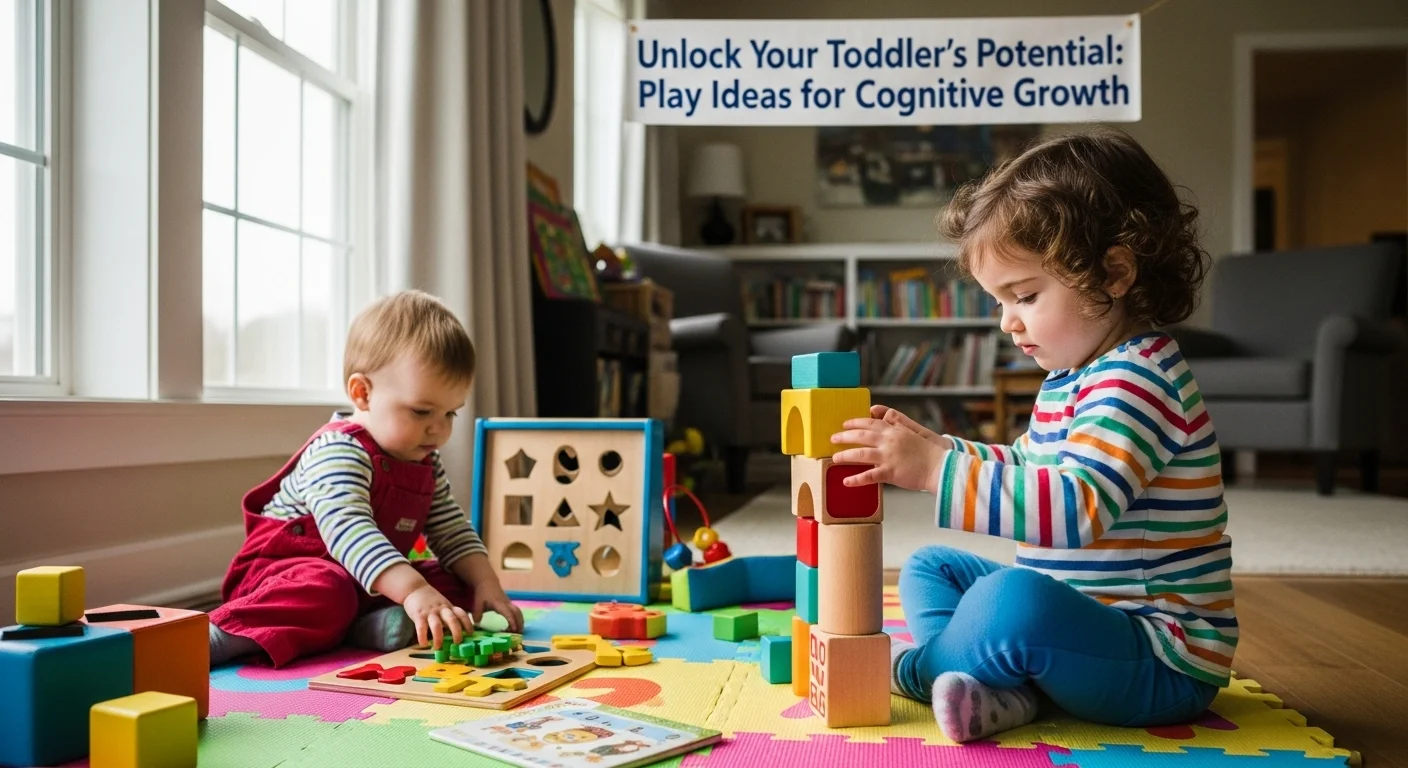
Puzzles and building blocks are treasures for cognitive growth. I often pull out different puzzles for my toddler, and each time we work on one together, I see their problem-solving skills grow. It’s like a mini workout for their brains! I remember the first time my child completed a simple puzzle; the look of pride on their face was priceless. It’s not just about fitting pieces together; it teaches patience and perseverance.
Building blocks are equally fantastic. As we stack and create, I often ask my toddler questions like, “What shape will fit here?” or “How can we make it taller?” This engages their critical thinking and encourages them to explore structural concepts.
Sorting and Categorizing Games
Another engaging manipulative play activity involves sorting and categorizing various items. I love to gather everyday objects—like buttons, toys, or even colored blocks—and have my toddler sort them by color, size, or shape. This type of play not only builds cognitive skills but also nurtures their ability to classify and organize information. I remember setting up a sorting station with different colored bowls and watching my child’s face light up with excitement as they figured out how to group the items.
As we sort, I make it a point to introduce new vocabulary and concepts, which helps expand their language skills. It’s fascinating to see how something as simple as sorting can lead to so much learning!
Language Development Through Play
Storytelling and Reading
Language development is another critical aspect of cognitive growth, and storytelling is such a delightful way to foster this. I’ve made it a ritual to read to my toddler every night, and I can’t stress enough how rewarding it’s been. When we dive into a book, it opens up discussions about the characters and plot, allowing my child to express themselves and build their narrative skills.
What I love is when my toddler takes the lead, making up their own stories or retelling parts of the book. It’s a beautiful way to spark their creativity while also teaching them the structure of storytelling. I also encourage them to act out their favorite stories, blending imaginative play with language skills.
Sing-Alongs and Rhymes
Music has a magical way of enhancing cognitive skills, and I’ve found that sing-alongs and nursery rhymes can be incredibly effective. We often have dance parties in our living room, where we belt out our favorite songs and learn new ones together. The rhythm and repetition in songs help my toddler with memory and language development. Plus, there’s something about singing that just brings joy!
I remember introducing new songs that had fun actions—like “Head, Shoulders, Knees, and Toes” —which made learning about body parts a fun adventure. Each time we sing, I notice my child picking up new words and phrases, which enriches their vocabulary. The joy of making music together truly strengthens our bond while nurturing their growth.
Incorporating Educational Toys for Cognitive Growth
Best Types of Educational Toys
STEM Toys
When it comes to supporting cognitive growth, I’ve found that STEM toys are incredibly effective. These toys—focused on Science, Technology, Engineering, and Mathematics—encourage critical thinking and problem-solving. For instance, we recently got a set of building blocks that came with different shapes and colors. My toddler loves figuring out how to stack them in various ways, which not only fosters creativity but also introduces basic engineering concepts. I remember one afternoon spent trying to build the tallest tower possible, and it was amazing to see my child’s determination and focus. Each topple of the tower became a lesson in balance and gravity!
Another favorite in our home is a simple science kit designed for toddlers. It includes safe experiments that are easy for little hands to manage. One memorable day, we explored color mixing with water and food coloring. My toddler was fascinated by how combining colors created new ones, sparking discussions about colors and even a bit of chemistry!
Board Games for Toddlers
Board games are not just for older kids; there are plenty of options designed specifically for toddlers that can significantly enhance their cognitive skills. We discovered a few age-appropriate games that involve counting, matching, and memory. I vividly recall our first game night where we played a simple matching game with animal cards. It was so delightful to see my child’s eyes light up as they remembered the locations of the cards. Each round taught them about turn-taking and patience, which are valuable social skills.
Games like “Candy Land” also introduce basic concepts of following rules and taking turns, all while having fun! Plus, the colorful designs and engaging themes keep toddlers excited. I’d recommend setting aside regular game nights, as they not only boost cognitive skills but also strengthen our family bond. Read Interesting article: Essential Tips for Backpacking: Toddler Physical Milestones
How to Choose the Right Educational Toys
Age Appropriateness
Choosing educational toys can be overwhelming with so many options available. I’ve learned that age appropriateness is key. It’s important to select toys that match my toddler’s developmental stage. For instance, I remember shopping for toys and getting caught up in the flashy designs of some toys meant for older kids. However, I soon realized that selecting toys tailored for my child’s age group made a significant difference in their engagement and enjoyment.
Most toys come with age recommendations, which I always check. Toys that are too advanced can lead to frustration, while those that are too simple might not hold their interest. I try to find that sweet spot where my toddler is challenged but still able to succeed. That balance of challenge and achievement fuels their confidence and cognitive growth.
Safety Considerations
Another critical factor in choosing educational toys is safety. I remember when I was looking for toys for my toddler, I was particularly cautious about small parts that could pose choking hazards. It’s comforting to know that many reputable brands prioritize safety and provide clear age recommendations. I always check for certifications and read reviews from other parents. It gives me peace of mind knowing that my child will be safe while playing and exploring.
Additionally, I’ve opted for toys made from non-toxic materials. I feel it’s essential to create a safe play environment, as toddlers often explore the world through their mouths! So, I tend to stick with brands that I trust and have a good reputation for safety standards.
Creating a Stimulating Environment
Setting Up Play Areas at Home
Designing a Safe and Engaging Space
Creating a stimulating environment at home has been a game-changer for us. I’ve found that having designated play areas encourages my toddler to explore and engage with their toys. I remember transforming a corner of our living room into a play zone, complete with a soft rug, bins for toys, and a mini bookshelf filled with books. This space not only looks inviting but also makes it easier for my toddler to choose activities independently.
One thing I prioritize is ensuring the space is safe and organized. I keep sharp or breakable items out of reach and use storage bins to keep everything tidy. This organization allows my toddler to find their toys easily and encourages them to clean up after playtime, which is a lesson in responsibility as well.
Utilizing Everyday Household Items
I’ve discovered that everyday household items can also be fantastic tools for play and learning. Simple things like cardboard boxes, pots, and kitchen utensils can spark imaginative play. I remember one rainy afternoon when we turned a large cardboard box into a pirate ship. With some markers, we decorated it and spent hours sailing the seas of our living room, imagining all sorts of adventures. It was a wonderful reminder that sometimes, the simplest things can bring the greatest joy and learning opportunities.
Additionally, I often gather items from our recycle bin, like paper towel rolls and plastic containers, to create crafts or educational games. This practice not only nurtures creativity but also teaches my toddler about recycling and reusing items, adding another layer of learning into our playtime.
Outdoor Play for Cognitive Growth
Nature Walks and Exploration
Outdoor play is equally important for cognitive development. I love taking my toddler on nature walks, where we explore local parks or even just our neighborhood. Each walk is an adventure filled with opportunities to learn about the environment. I often ask open-ended questions like, “What do you see?” or “How does this leaf feel?” This encourages my child to observe and engage actively with the world around them.
On one memorable walk, we collected different types of leaves and talked about their colors, shapes, and sizes. It was amazing to see how excited my toddler was to share their observations. These experiences not only enhance cognitive skills but also foster a love for nature and exploration.
Gardening Activities
I also believe that gardening can be a fun way to promote cognitive growth. We recently started a small garden in our backyard, and it’s been a delightful experience. Planting seeds, watering them, and watching them grow teaches my toddler about responsibility and the natural life cycle. I remember the first time we saw a tiny sprout emerge from the soil; my child’s joy was infectious!
Gardening involves hands-on activities that develop fine motor skills, and it’s also a great way to introduce concepts like measurement and growth. We often measure how tall our plants grow, which ties in basic math skills. Plus, tending to a garden is a wonderful way to bond and share moments of discovery together.
Frequently Asked Questions
What is cognitive development in toddlers?
Cognitive development refers to the way children think, explore, and figure things out, involving skills like problem-solving, memory, and decision-making.
What are the key stages of cognitive growth in toddlers?
The key stages of cognitive growth in toddlers, as identified by Jean Piaget, include the Sensorimotor stage (birth to about 2 years) and the Preoperational stage (ages 2 to 7).
Why is play important for cognitive skills in toddlers?
Play is vital for cognitive development as it allows toddlers to practice problem-solving, enhance memory, and develop language skills while encouraging spontaneous questions and discoveries.
What types of creative play activities can enhance cognitive skills?
Creative play activities include arts and crafts, where toddlers can experiment with colors and shapes, and role-playing games that help teach social roles and communication.
How do physical play activities contribute to cognitive development?
Physical play activities, such as obstacle courses and ball games, encourage problem-solving, hand-eye coordination, and spatial awareness, all of which enhance cognitive skills.
What are some examples of manipulative play activities?
Examples of manipulative play activities include puzzles and building blocks, which boost problem-solving skills, and sorting games that help with classification and organization of information.
How can storytelling and reading help with language development in toddlers?
Storytelling and reading foster language development by opening discussions about characters and plots, allowing toddlers to express themselves and build narrative skills.
What types of educational toys are best for cognitive growth?
STEM toys and age-appropriate board games are excellent for cognitive growth, as they encourage critical thinking, problem-solving, and social skills like turn-taking.
What safety considerations should be taken into account when choosing educational toys?
Safety considerations include checking for small parts that can pose choking hazards, ensuring toys are made from non-toxic materials, and looking for age recommendations from reputable brands.
How can outdoor play support cognitive growth in toddlers?
Outdoor play supports cognitive growth through activities like nature walks and gardening, which encourage exploration, observation, and hands-on learning about the environment and responsibility.