
Homeschooling can be a rewarding journey, especially when we unlock our children’s unique learning styles. Understanding these styles helps us tailor our teaching methods to fit their needs, making learning enjoyable and effective. For more insights on customizing your approach, check out How to Tailor Your Homeschool Curriculum to Your Child’s Needs.
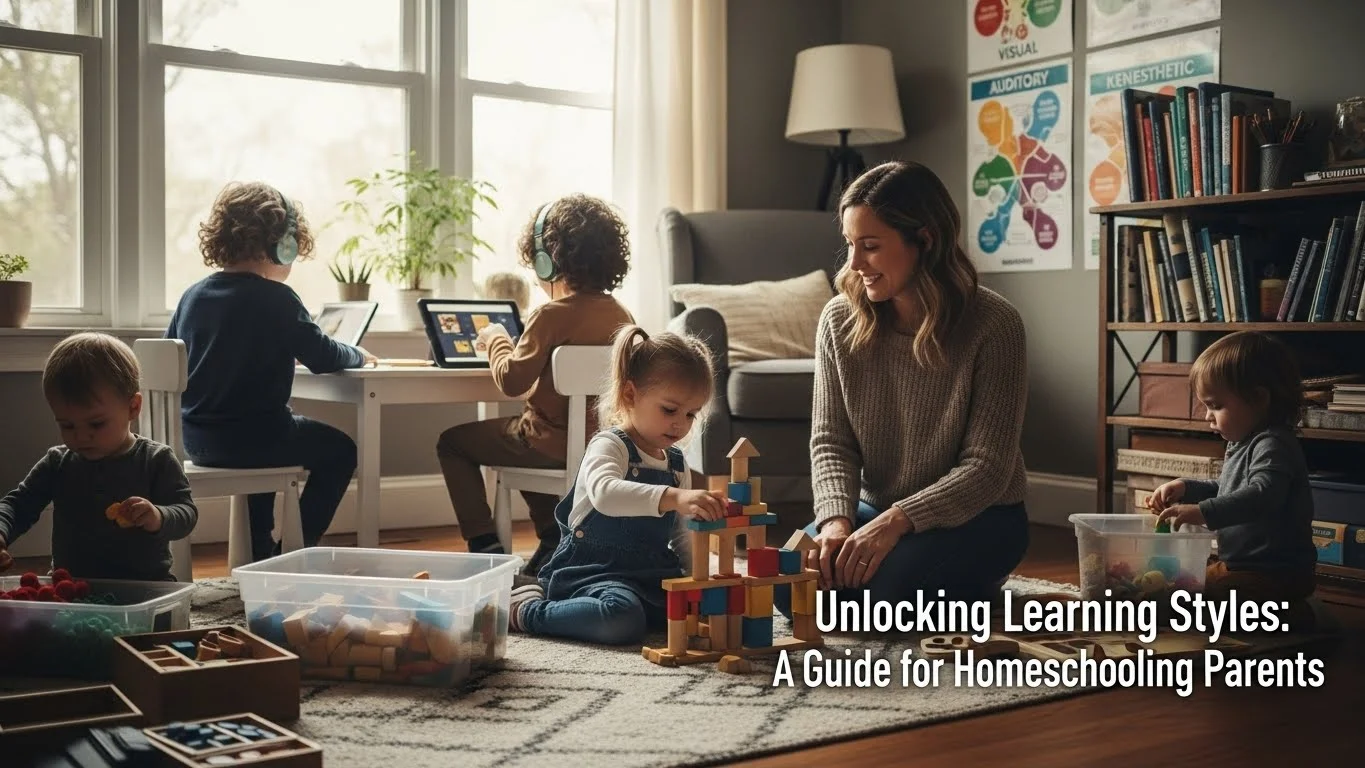
Understanding Learning Styles: An Overview
What Are Learning Styles?
Learning styles refer to the different ways individuals prefer to absorb, process, and retain information. I remember when I first learned about this concept; it felt like a light bulb went off in my mind. Suddenly, everything made sense! Each child has a unique approach to learning, which can significantly impact their educational experience. It’s essential for us as homeschooling parents to recognize and embrace these differences.
The Importance of Learning Styles in Education
Understanding learning styles is crucial in education, especially in a homeschooling environment. When we tailor our teaching methods to align with our child’s preferred style, we create a more engaging and effective learning experience. I’ve seen firsthand how my children thrive when I incorporate their learning preferences into our lessons. It’s like giving them a key to unlock their potential! By recognizing these styles, we can foster a love for learning and help our kids excel academically. For additional resources, consider Affordable Resources for Building a Homeschool Curriculum.
Common Learning Style Models
Several models categorize learning styles, but I’ve found the most popular ones focus on four main types: visual, auditory, kinesthetic, and read/write learners. Each type has its unique characteristics and needs, which I think is fascinating. Let’s break these down further.
Visual Learners
Visual learners tend to grasp information better when they can see it. They thrive on diagrams, charts, and videos. I remember when my son struggled with math until I started using colorful visuals and infographics to explain concepts. Suddenly, the numbers clicked for him! For these learners, incorporating visual aids can significantly enhance their understanding and retention of information.
Auditory Learners
Auditory learners prefer to hear information. They often learn best through discussions, lectures, and audio materials. I’ve noticed that my daughter loves to repeat information back to me after hearing it, which helps reinforce her learning. To support auditory learners, we can use podcasts, audiobooks, and even songs to help them absorb the material. Music can make a lesson more memorable, and I’ve found that my kids enjoy learning this way.
Kinesthetic Learners
Kinesthetic learners are hands-on and learn best through movement and physical activity. I’ve seen my youngest thrive when we incorporate activities like building models or conducting science experiments. They need to touch, feel, and move to really grasp concepts. If your child is a kinesthetic learner, try to incorporate plenty of hands-on experiences in your lessons to keep them engaged.
Read/Write Learners
Read/write learners excel when they can read texts and write about what they learn. I often find that my children who fit this category enjoy journaling and taking notes. They process information well through reading and writing assignments. By providing books, articles, and encouraging them to write summaries or reflections, we help them thrive in their learning journey.
In my experience, understanding these learning styles has been a game-changer for our homeschooling routine. I’ve learned to adapt my teaching strategies to match each child’s preferred style, which has made learning so much more enjoyable and effective for all of us. It’s empowering to see them succeed when they feel understood and supported.
As we embrace these different learning styles, we open doors for our children to explore and enjoy their education fully. This foundational understanding sets the stage for identifying your child’s unique style and creating an enriching environment that supports their growth. Let’s dive deeper into how we can identify our kids’ learning preferences in the next section.
Identifying Your Child’s Learning Style
Signs of Different Learning Styles
As I’ve navigated the world of homeschooling, I’ve learned that identifying my children’s learning styles can be quite the adventure. Each child displays unique signs that can help us pinpoint their preferred learning methods. For instance, I noticed that my son often doodles during lessons, which I eventually realized is a common trait among visual learners. They tend to think in images and can express themselves better through visuals. On the other hand, my daughter would often hum or recite facts aloud, a clear indication of her auditory learning style.
If you’re observing your child, look for these signs:
- Visual Learners: They may prefer to use color-coded notes, rely on images or videos, and remember things better when they see them represented visually.
- Auditory Learners: Look for kids who enjoy listening to stories, often repeat information, or like to discuss what they’ve learned.
- Kinesthetic Learners: These kids often thrive during hands-on activities and may struggle with sitting still for long periods. They love to touch and manipulate objects.
- Read/Write Learners: They usually prefer written words and enjoy reading books and writing essays. They may express themselves better through writing rather than speaking.
In my experience, paying close attention to these signs has helped me create tailored learning experiences that resonate with each child.
Assessment Tools for Learning Styles
Determining your child’s learning style can also be achieved through various assessment tools. I found it fascinating to explore these options because they offered insights I hadn’t considered before. Here are a couple of methods that have worked for us:
Quizzes and Surveys
There are numerous online quizzes and surveys designed to identify learning styles. I remember doing a fun quiz with my kids, and it sparked conversations about how they learn best. These tools typically ask questions about their preferences in learning situations and activities. While the results aren’t set in stone, they provide a great starting point for understanding your child’s learning style. Websites like EducationPlanner.org and LearningStylesOnline.com offer accessible quizzes that can help guide your approach.
Observation Techniques
Observation has been another powerful tool for me. Taking note of how my children interact with different subjects has led to surprising discoveries. For instance, I observed my son while he worked on a science project. He became completely absorbed while constructing a model, showcasing his kinesthetic learning style. By carefully watching their reactions to various activities, we can gather valuable information that helps us adapt our teaching strategies. Keeping a journal of these observations has proven helpful, allowing me to track changes and progress over time.
Creating a Homeschool Environment that Supports All Learning Styles
Flexible Learning Spaces
As I adapted to my children’s learning styles, one of the most impactful changes I made was creating flexible learning spaces in our home. It’s incredible how the right environment can enhance a child’s ability to learn. I’ve learned to set up different areas in our home that cater to various learning styles. Here are some ideas:
Designing a Visual-Friendly Space
Visual learners thrive in environments filled with colors, charts, and visual aids. I transformed a corner of our living room into a vibrant learning hub, complete with a whiteboard for brainstorming and colorful posters to inspire creativity. This space allows my visual learners to see concepts come to life. I also make sure to rotate materials regularly to keep the area fresh and engaging.
Incorporating Auditory Elements
For my auditory learners, I’ve created a cozy reading nook filled with audiobooks and headphones. This allows them to immerse themselves in stories and discussions without distractions. I also play background music during lessons, as I’ve found that it helps them focus better. Incorporating auditory elements like music and recorded lessons enhances their learning experience and makes it more enjoyable.
Setting Up Kinesthetic Areas
Kinesthetic learners need room to move, so I dedicated space for hands-on activities. We have a small table set up for science experiments and craft projects, fostering an environment where they can explore freely. I encourage movement during lessons, like standing up to answer questions or using physical objects to demonstrate math problems. This active engagement keeps them excited and invested in their education.
Resource Recommendations for Different Learning Styles
Once I understood my children’s learning styles, I sought resources that would support their needs. I’ve gathered a collection of materials that cater to each style, making our homeschooling experience rich and diverse.
Books and Visual Aids
For my visual learners, I recommend colorful textbooks, graphic novels, and educational videos. These resources help to make complex subjects more digestible. Websites like Khan Academy and YouTube have been invaluable for providing visual explanations on various topics.
Audio Resources and Podcasts
For auditory learners, I’ve discovered many engaging podcasts and audiobooks. Shows like “Brains On!” and “StoryPirates” have been big hits with my kids. They enjoy listening to interesting stories and facts, which helps reinforce their learning in a fun way.
Hands-On Activities and Kits
Lastly, for kinesthetic learners, I love to utilize hands-on activity kits that allow for exploration and creativity. Science experiment kits, craft supplies, and building sets keep them engaged and active. I’ve seen how much more they learn when they can physically interact with the material. To learn more about creating a flexible curriculum, check out Top Tips for Developing a Flexible Homeschool Curriculum.
Teaching Strategies for Each Learning Style
Visual Learning Techniques
When it comes to teaching visual learners, I’ve discovered some incredible techniques that really resonate with them. These kids thrive on seeing information, so I always try to incorporate various visual elements into our lessons. For instance, using charts, graphs, and videos can turn a dull topic into an engaging experience. I remember when we studied the solar system; I used a combination of videos and colorful diagrams. My children were captivated, eagerly pointing out the planets and discussing their features.
Using Charts, Graphs, and Videos
Charts and graphs have become my go-to tools for visual learners. They simplify complex information and make it easier to digest. I often create colorful charts that outline a topic’s main points, allowing my kids to visualize the connections between ideas. There are also fantastic educational videos available on platforms like YouTube and educational websites. I’ve found that incorporating short clips into lessons keeps my visual learners engaged while providing context to the material.
Incorporating Art and Design
Art and design are powerful tools for visual learners. I encourage my children to express their understanding through creative projects. Whether it’s drawing a scene from a book we read or creating a poster about a historical event, these activities allow them to connect with the material on a deeper level. I remember when my daughter created a vibrant mural of the water cycle for a science project; it was not only a fun activity but also helped her retain the information much better.
Auditory Learning Techniques
For my auditory learners, I’ve found that teaching methods incorporating sound and discussion can be incredibly effective. It’s all about creating a rich auditory environment that resonates with their preferred learning style. I’ve seen how engaging my kids in conversation about topics can spark their curiosity and deepen their understanding.
Discussion and Debate
Encouraging discussions and debates in our lessons has been a game changer. I often pose open-ended questions to stimulate conversation, allowing them to express their thoughts and ideas. I remember one particular history lesson where we debated the outcomes of a significant event. My kids were so animated, sharing their opinions and challenging each other’s points. It was inspiring to see them learn from one another while solidifying their understanding.
Using Music and Rhymes
Music and rhymes can be fantastic teaching tools for auditory learners. I’ve created songs and chants to help my kids memorize facts or concepts. For instance, we created a silly song about the elements of the periodic table, and surprisingly, it made learning so much more enjoyable! I also play background music during study sessions, which helps create a relaxed atmosphere that enhances focus.
Kinesthetic Learning Techniques
Kinesthetic learners, like my youngest, require movement to grasp concepts fully. I’ve learned that integrating physical activities into lessons can make a significant difference in their learning experience. When they’re able to move and manipulate objects, it’s like a light bulb goes off, and they truly engage with the material.
Hands-On Projects and Experiments
Hands-on projects and experiments are vital for kinesthetic learners. I love planning science experiments where my kids can actively participate. For example, we built a simple volcano to explore chemical reactions. The excitement on their faces was priceless! These projects make learning feel like an adventure, and I’ve noticed how much more they retain when they can physically engage with the concepts.
Field Trips and Real-World Experience
Field trips are another fantastic avenue for kinesthetic learning. I try to incorporate outings that relate to our lessons, whether it’s visiting a museum, a science center, or even a local farm. These experiences allow my kids to see real-world applications of what they’ve learned in a way that’s both fun and enriching. I remember taking a trip to a botanical garden for our plant biology unit, and it truly brought our studies to life!
Read/Write Learning Techniques
Read/write learners thrive on written material, so I focus on strategies that emphasize reading and writing. They find joy in processing information through text, and I’ve seen how encouraging this style can lead to deeper understanding.
Encouraging Journaling and Note-Taking
I encourage my children to keep journals where they can reflect on what they’ve learned. This practice not only reinforces their understanding but also allows them to express their thoughts freely. I often prompt them with questions to guide their reflections. Additionally, I teach them effective note-taking strategies, emphasizing the importance of summarizing key points in their own words.
Utilizing Reading Materials
Providing a range of reading materials is essential for read/write learners. I love exploring different genres, from fiction to non-fiction, and encouraging my kids to read widely. We’ve created a mini-library in our home filled with books that cater to their interests. It’s rewarding to see them excited about reading and eager to share their insights with me.
By implementing these targeted teaching strategies for each learning style, I’ve witnessed my children flourish academically. It’s fulfilling to see how much they enjoy learning when we cater to their unique preferences. I believe that by embracing these strategies, we can create a vibrant and supportive homeschooling environment that allows every child to thrive.
Integrating Multiple Learning Styles in Your Curriculum
Designing Multi-Modal Lessons
I’ve found that integrating multiple learning styles into our lessons can create a richer and more engaging experience for my children. By designing multi-modal lessons, I can cater to each child’s unique preferences while also encouraging them to step outside their comfort zones. For instance, when we studied a historical event, I combined visual aids like timelines, auditory elements such as documentaries, and kinesthetic activities like role-playing. This approach helped all my children connect with the material in different ways, making learning more dynamic and enjoyable.
I also love to create projects that require collaboration among my kids. One time, we worked on a presentation about space exploration. My visual learner designed the slides, my auditory learner narrated our findings, my kinesthetic learner built a model rocket, and my read/write learner prepared a report. Watching them work together, utilizing their strengths, was a rewarding experience. It reinforced the idea that different learning styles can complement each other beautifully.
Strategies for Group Learning Activities
Group learning activities can be fantastic for capturing the diverse learning styles in our home. I’ve implemented a few strategies to ensure every child feels included and engaged. One effective method is to assign roles based on their learning strengths. For instance, during a science project, my visual learner might create infographics, while my auditory learner could lead discussions about the findings. This keeps everyone involved and allows them to shine in their unique ways.
Another strategy is to incorporate games and interactive activities that appeal to all learning styles. I enjoy using educational games that require teamwork, as they often blend visual, auditory, and kinesthetic elements. For example, we played a geography game where my kids had to locate countries on a map while also discussing their cultures. It was a fun way to reinforce concepts while ensuring that each child could contribute according to their strengths.
Challenges in Homeschooling with Diverse Learning Styles
Common Obstacles Parents Face
While embracing diverse learning styles can be incredibly rewarding, it’s not without its challenges. I’ve encountered my fair share of obstacles along the way. One major challenge is managing the different pace at which each child learns. Sometimes, I find it difficult to balance the curriculum so that everyone is progressing without feeling rushed or held back. It requires constant adjustments and flexibility on my part, which can be exhausting at times.
Another challenge I’ve faced is ensuring that all learning styles are adequately represented in our lessons. It’s easy to lean towards one style that I’m more comfortable with, but I’ve learned the importance of actively including strategies that cater to all my children’s preferences. This means I have to be intentional and plan thoughtfully, which can be time-consuming.
Finding Balance and Flexibility
Finding a balance between structure and flexibility is crucial in our homeschooling journey. I’ve learned to remain adaptive, recognizing that some days will require more visual aids, while others might need hands-on experiences or discussions. It’s okay to shift gears and try different approaches based on how my kids are responding. I find that being responsive to their needs helps to create a more positive learning atmosphere.
Additionally, I’ve discovered that involving my children in the planning process can alleviate some of the pressure. By asking for their input on topics they want to explore and how they’d like to learn, I empower them to take ownership of their education. This not only fosters their engagement but also gives me insight into their preferences, helping me to create a more balanced curriculum.
Resources and Support for Homeschooling Parents
Online Communities and Forums
Connecting with other homeschooling parents has been invaluable for me. I’ve found that joining online communities and forums provides not only a wealth of resources but also emotional support. Sharing experiences, tips, and challenges with fellow parents who understand the journey has been a great encouragement. Websites like Facebook groups or forums dedicated to homeschooling are fantastic places to discuss learning styles and gather ideas for activities and resources.
Books and Guides on Learning Styles
I’ve come across numerous books and guides focused on learning styles that have enriched my understanding. These resources often provide practical strategies and insights that have helped shape my approach. I highly recommend exploring titles like “The Way They Learn” by Cynthia Ulrich Tobias or “Teaching to Different Learning Styles” by Marilee Sprenger. They offer great perspectives on how to cater to diverse learners effectively.
Professional Development Opportunities
Participating in workshops and webinars has also been beneficial. Many organizations and educational institutions offer training sessions focused on learning styles in education. I’ve attended a few that provided practical tools and strategies I could apply right away. It’s a wonderful way to stay informed and continue growing as an educator for my children.
Final Thoughts
Embarking on the homeschooling journey with an understanding of learning styles has transformed my approach to education. It’s empowering to recognize and celebrate the unique ways my children learn. By integrating various teaching strategies, creating a supportive environment, and leveraging resources, I’ve witnessed my kids flourish in their educational pursuits. It’s not just about academics; it’s about nurturing their love for learning and helping them become confident, curious individuals. I believe that by embracing our children’s diverse learning styles, we can foster a joyful and enriching homeschooling experience that lasts a lifetime.
Frequently Asked Questions
What are learning styles?
Learning styles refer to the different ways individuals prefer to absorb, process, and retain information. Each child has a unique approach to learning, which significantly impacts their educational experience.
Why is understanding learning styles important in homeschooling?
Understanding learning styles is crucial in homeschooling because tailoring teaching methods to align with a child’s preferred style creates a more engaging and effective learning experience, fostering a love for learning and helping children excel academically.
What are the four main types of learning styles?
The four main types of learning styles are visual, auditory, kinesthetic, and read/write learners. Each type has unique characteristics and needs that can enhance their learning experience.
How can I identify my child’s learning style?
You can identify your child’s learning style by observing their behaviors and preferences during learning activities. For example, visual learners may use color-coded notes, auditory learners might enjoy discussions, kinesthetic learners thrive during hands-on activities, and read/write learners prefer written materials.
What tools can help determine a child’s learning style?
Various assessment tools, such as online quizzes and surveys, can help determine a child’s learning style. Additionally, observation techniques, where you take note of how your child interacts with different subjects, can provide valuable insights.
What strategies can be used for teaching visual learners?
Teaching strategies for visual learners include using charts, graphs, and videos, as well as incorporating art and design into lessons. These methods cater to their preference for seeing information and help enhance understanding.
How can I support auditory learners in homeschooling?
To support auditory learners, you can encourage discussions and debates in lessons, use music and rhymes to reinforce learning, and provide audio resources like podcasts and audiobooks.
What approaches are effective for kinesthetic learners?
Effective approaches for kinesthetic learners include hands-on projects and experiments, as well as incorporating physical activities into lessons, such as field trips and real-world experiences.
How can I create a supportive homeschooling environment for diverse learning styles?
You can create a supportive environment by designing flexible learning spaces that cater to different learning styles, incorporating various teaching strategies, and providing resources that meet the needs of each child.
What challenges might I face when homeschooling children with different learning styles?
Common challenges include managing the different pace at which each child learns, ensuring all learning styles are represented in lessons, and finding a balance between structure and flexibility in the curriculum.