
Parenting can feel like an overwhelming journey, especially when it comes to discipline. Understanding positive discipline can transform the way we guide our children, creating a healthier and more connected family dynamic. Read Interesting article: Guide to Effective Communication in Positive Discipline
Understanding Positive Discipline
Definition of Positive Discipline
When I first stumbled upon the concept of positive discipline, it felt like a light bulb moment. Positive discipline is an approach that focuses on teaching children valuable life skills rather than just punishing them for misbehavior. It’s about fostering respect, understanding, and kindness, while also setting clear boundaries. This approach encourages cooperation and problem-solving rather than fear or resentment. I realized that discipline doesn’t have to be about power struggles; instead, it can be about nurturing and guiding our children through their developmental stages.
Benefits of Positive Discipline
I’ve seen the positive impact of this approach not just in my own parenting but in the lives of friends and family as well. One of the biggest benefits is that it builds strong relationships. When we practice positive discipline, we foster trust, which encourages our children to communicate openly. This can lead to fewer tantrums and outbursts, as children learn to express their feelings more effectively. I remember my own struggles with traditional methods that often left me feeling frustrated and disconnected. With positive discipline, I noticed my kids became more engaged and willing to cooperate.
Moreover, positive discipline enhances emotional intelligence. Children learn to recognize and manage their emotions, which is a skill that will benefit them throughout their lives. I often remind myself that teaching my kids how to deal with their feelings is just as important as teaching them how to behave. In the long run, positive discipline empowers them to make better choices and understand the consequences of their actions.
Key Principles of Positive Discipline
Reflecting on my journey, I found that there are a few key principles that guide positive discipline, and these resonate deeply with my experiences. First, it’s essential to focus on the long-term goals of raising responsible, respectful, and resourceful adults. When I remind myself of this, it helps me approach discipline with a more constructive mindset.
Another principle is the importance of understanding the child’s perspective. I’ve learned that kids often act out because they’re struggling with something we may not be aware of. Taking the time to listen and empathize can make a huge difference. For example, when my child was having a tough day at school, I noticed that their behavior at home became challenging. Instead of reacting harshly, I chose to sit down and talk about their feelings, which led to a better understanding between us.
Consistency is also a cornerstone of effective discipline. I’ve found that when I establish clear rules and consequences, my children thrive. They feel secure knowing what is expected of them. However, I also believe that flexibility is key; sometimes, life throws curveballs, and it’s okay to adapt our approach. Striking a balance between consistency and adaptability has been a learning curve for me, but it ultimately creates a more stable environment for my kids.
Lastly, positive discipline encourages collaboration. It’s about working together with our children to find solutions rather than dictating rules from on high. I remember a particular instance when my child refused to clean their room. Instead of enforcing a punishment, I asked them to help come up with a plan. We brainstormed together, and they felt empowered to take ownership of their space. This collaborative effort not only resolved the issue but also strengthened our bond.
Different Parenting Styles
Authoritative Parenting
As I started exploring different parenting styles, I realized that authoritative parenting aligns closely with positive discipline. Authoritative parents set high expectations but are also responsive and nurturing. I appreciate this style because it emphasizes respect for the child while also providing guidance. I have witnessed firsthand how children raised in this environment often develop strong self-discipline and social skills, which I believe are vital for success in life.
Authoritarian Parenting
On the other hand, authoritarian parenting is quite a contrast. This style is characterized by strict rules and little room for flexibility. I’ve seen how this approach can lead to children feeling resentful or rebellious. In my experience, parents who lean toward this style often struggle with effective communication, and I can understand why; it’s hard to connect when the focus is only on obedience.
Permissive Parenting
Permissive parenting, where parents are indulgent and set few boundaries, also caught my attention. While it may seem appealing to be the “cool” parent, I’ve noticed that it often leads to children lacking self-discipline and respect for authority. I think it’s crucial to find a balance. Children thrive on structure, and without it, they can feel lost.
Neglectful Parenting
Lastly, neglectful parenting, where there is a lack of responsiveness and involvement, can have long-lasting negative effects. I believe that every child deserves attention and love, and neglect can lead to significant emotional and behavioral issues. It’s heartbreaking to think about the impact of this style, as it can create feelings of insecurity and unworthiness in children.
Effective Techniques in Positive Discipline
Setting Clear Expectations
One of the first lessons I learned about positive discipline is the importance of setting clear expectations. I remember a time when my child was constantly testing limits, and I felt like I was in a never-ending battle. It hit me that I hadn’t provided clear guidelines for behavior. So, I decided to sit down with my kids and outline our family rules together. We discussed what was expected in different situations, like during mealtime or while doing homework. By involving them in the process, I noticed they were more committed to following the rules. It felt less like I was imposing rules and more like we were creating an agreement together. This not only clarified their understanding but also gave them a sense of ownership over their behavior.
Using Positive Reinforcement
In my experience, one of the most effective techniques in positive discipline is using positive reinforcement. I started to recognize the power of praise and encouragement. Instead of only reacting when my children misbehaved, I began to highlight the good behavior I wanted to see. For instance, when my child helped clean up after dinner without being asked, I made it a point to acknowledge it. I would say things like, “I really appreciate how you took the initiative to help out!” This simple practice created a more positive atmosphere in our home, where good behavior was celebrated. It’s amazing how much a little praise can motivate kids and reinforce the behaviors we want to encourage.
Natural Consequences vs. Logical Consequences
I’ve come to understand the distinction between natural and logical consequences when it comes to discipline. Natural consequences occur as a direct result of an action, while logical consequences are imposed by us as parents but still related to the behavior. For example, if my child refuses to wear their coat on a chilly day, the natural consequence is that they feel cold. I’ve learned to let those natural consequences play out, as they can be powerful teachers. However, there are times when I need to use logical consequences to help my child understand the impact of their behavior. For instance, if they leave their toys out and they get damaged, I might explain that they will need to save their allowance to replace them. It has been crucial for me to balance these consequences to ensure they are teaching moments rather than punishments.
Communication Strategies
Effective communication has been a game-changer in my parenting journey. I’ve realized that how I communicate with my kids can either diffuse a situation or escalate it. One strategy I use is to speak in a calm and respectful tone, even when I’m frustrated. I remember one specific instance when my child was throwing a tantrum over a toy. Instead of reacting with anger, I took a deep breath and crouched down to their level. I asked them how they were feeling and validated their emotions. This simple act of connecting and listening helped to calm the storm. I’ve found that using “I” statements, like “I feel worried when you don’t listen,” helps them understand my perspective without feeling attacked. This fosters a more open dialogue and encourages them to express their feelings, too. Read Interesting article: Effective Communication Tips for Positive Discipline Success
Implementing Positive Discipline in Daily Life
Strategies for Toddlers
When it comes to toddlers, I found that consistency is key. Establishing routines has helped my little ones feel secure and understand what to expect. For instance, we created a bedtime routine that includes reading a story and dimming the lights. This predictability makes it easier for them to transition to sleep. Additionally, I’ve learned that offering choices can be incredibly effective. Instead of demanding they put on their shoes, I might say, “Do you want to wear the red ones or the blue ones?” This gives them a sense of control while still guiding them in the right direction.
Strategies for School-Aged Children
For my school-aged children, I found that fostering independence is crucial. I encourage them to take responsibility for their chores by creating a chore chart. Each week, we sit down together to review what needs to be done, and they can choose which tasks they want to tackle. This empowers them to take ownership of their responsibilities and teaches them important life skills. I also emphasize the importance of reflecting on their behavior. If there’s a conflict with a sibling, I guide them to talk it out and come up with solutions together. It’s a way of promoting problem-solving skills that I believe will serve them well in life.
Strategies for Teenagers
As my kids entered their teenage years, I quickly realized that the dynamics shift significantly. For teenagers, respect and understanding become paramount. I strive to maintain an open line of communication by regularly checking in with them about their interests and concerns. I’ve found that asking open-ended questions encourages them to open up. For example, instead of asking, “Did you have a good day?” I might say, “What was the best part of your day?” I also encourage them to set their own goals and discuss the steps needed to achieve them. This involvement nurtures their independence while reminding them that I’m always here to support them. I believe that showing them I trust their judgment builds their confidence and encourages responsible decision-making.
Common Challenges in Positive Discipline
Dealing with Resistance
One of the most challenging aspects I’ve faced with positive discipline is dealing with resistance from my children. It’s almost as if they have a built-in radar for when I’m trying to guide them! I remember a particular week when my youngest decided that they would no longer follow our established routine. Every bedtime became a negotiation, and I felt like I was constantly running in circles. I realized that instead of getting frustrated, it might be more effective to understand that resistance is often a sign of my child trying to assert their independence. So, I began to involve them in discussions about routines. We talked about why certain things were important, like getting enough sleep for school. This shift not only reduced the pushback but also gave them a sense of agency, which I believe is crucial for their development.
Managing Emotional Outbursts
Emotional outbursts are another common challenge, especially in young children. I’ve seen my kids go from calm to a total meltdown in seconds, and it can be overwhelming. During one particularly intense moment, I took a step back and reminded myself that these outbursts are often a child’s way of expressing feelings they can’t yet articulate. I’ve learned that when my child is in the middle of a tantrum, it’s not the best time for logical discussions or problem-solving. Instead, I focus on being present with them. I try to validate their feelings, saying things like, “I see that you are really upset right now. It’s okay to feel that way.” Once they’ve calmed down, I find it’s easier to help them understand what triggered those emotions and how to express them in a healthier way next time.
Balancing Discipline and Affection
Finding the right balance between discipline and affection can feel like walking a tightrope. I’ve often wrestled with the idea that enforcing rules might make me seem less loving or approachable. However, I’ve come to realize that discipline can coexist with warmth. I remember one evening when my child broke a toy out of frustration. My first instinct was to address the behavior, but I also wanted to provide comfort. After discussing what happened and setting a logical consequence (like saving allowance to replace it), I made sure to hug them and let them know I still loved them despite the mishap. This blend of discipline and affection reinforced that I’m here to guide them, not just to punish them. It’s a delicate balance, but I find that when I approach discipline with love, it nurtures a stronger bond between us.
Resources and Tools for Parents
Books on Positive Discipline
As I delved deeper into positive discipline, I discovered several books that became my go-to resources. One of my favorites is “Positive Discipline” by Jane Nelsen. This book offers practical strategies that helped me understand the principles of positive discipline and how to implement them effectively. I also found “How to Talk So Kids Will Listen & Listen So Kids Will Talk” by Adele Faber and Elaine Mazlish incredibly valuable. It provided me with communication techniques that transformed interactions with my kids. Both books have been a source of inspiration and guidance for me, and I highly recommend them.
Workshops and Parenting Classes
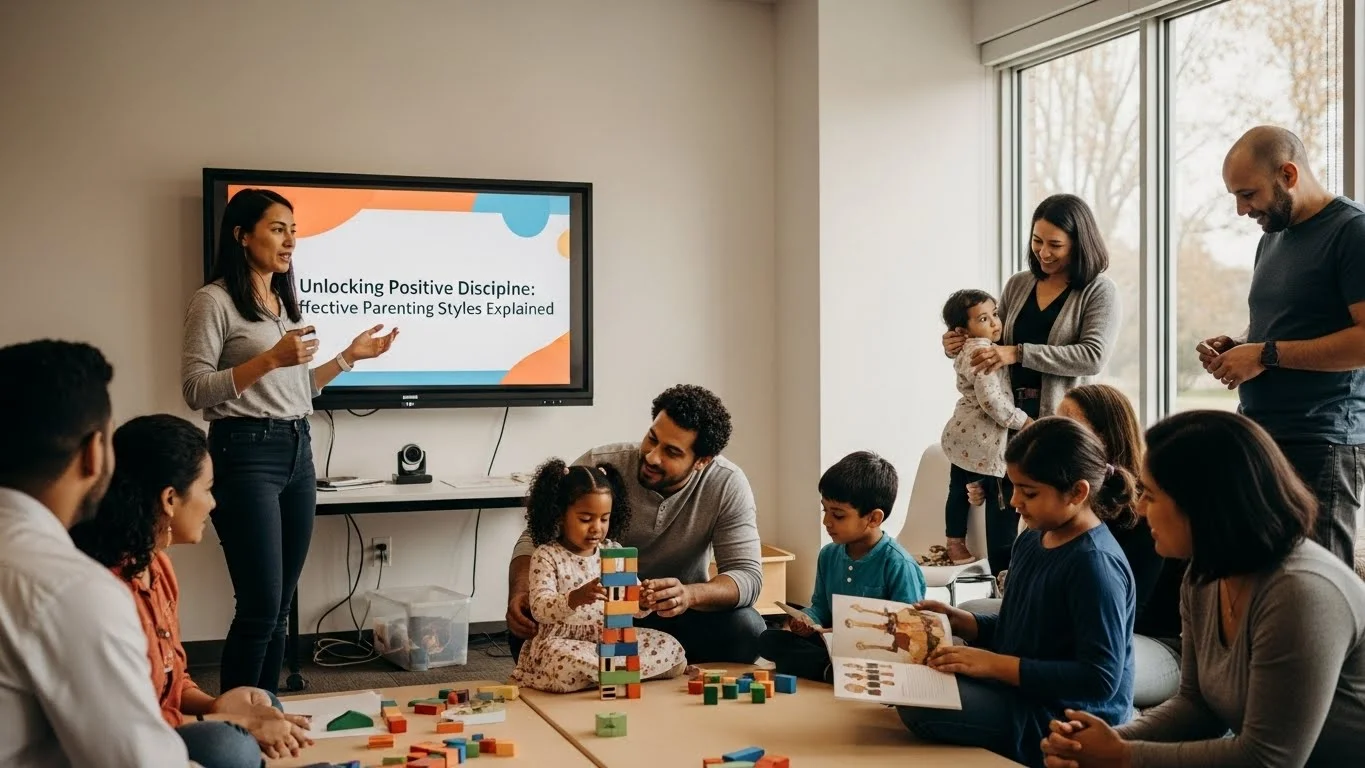
Attending workshops or parenting classes has also been a game-changer for me. I remember signing up for a local parenting course focused on positive discipline. It was refreshing to connect with other parents who shared similar struggles and goals. The facilitators provided hands-on activities and discussions that helped reinforce the concepts we were learning. I left each session feeling empowered and equipped with new skills. If you have the opportunity, I encourage you to seek out workshops in your community. The support and knowledge you gain can be incredibly beneficial.
Online Communities and Support Groups
In today’s digital age, online communities and support groups have been invaluable. I found Facebook groups and forums dedicated to positive parenting where members share their experiences, tips, and encouragement. These spaces make me feel less alone in my parenting journey. I remember a time when I shared a particularly tough day, and the responses I received were filled with empathy and practical advice. It reminded me that we’re all in this together, navigating the ups and downs of parenting. I believe that engaging with a community can provide not just resources but also the emotional support we all need.
Frequently Asked Questions
What is positive discipline?
Positive discipline is an approach that focuses on teaching children valuable life skills rather than just punishing them for misbehavior. It fosters respect, understanding, and kindness while setting clear boundaries, encouraging cooperation and problem-solving.
What are some benefits of positive discipline?
Benefits of positive discipline include building strong relationships, enhancing emotional intelligence, reducing tantrums and outbursts, and empowering children to make better choices and understand the consequences of their actions.
What are key principles of positive discipline?
Key principles of positive discipline include focusing on long-term goals, understanding the child’s perspective, maintaining consistency while being adaptable, and encouraging collaboration with children to find solutions.
How does positive discipline differ from authoritarian parenting?
Authoritarian parenting is characterized by strict rules and a lack of flexibility, often leading to resentment or rebellion in children. In contrast, positive discipline emphasizes guidance, respect, and open communication.
What techniques are effective in positive discipline?
Effective techniques in positive discipline include setting clear expectations, using positive reinforcement, understanding natural versus logical consequences, and employing effective communication strategies.
What strategies can be used for toddlers in positive discipline?
For toddlers, consistency is key, along with establishing routines and offering choices to give them a sense of control while guiding their behavior.
How can parents foster independence in school-aged children?
Parents can foster independence in school-aged children by creating a chore chart, allowing them to take responsibility for their tasks, and encouraging them to reflect on their behavior and resolve conflicts with siblings.
What challenges might parents face with positive discipline?
Common challenges in positive discipline include dealing with resistance from children, managing emotional outbursts, and balancing discipline with affection to maintain a loving relationship.
What resources are recommended for parents interested in positive discipline?
Recommended resources for parents include books such as “Positive Discipline” by Jane Nelsen and “How to Talk So Kids Will Listen & Listen So Kids Will Talk” by Adele Faber and Elaine Mazlish, as well as attending workshops and joining online communities or support groups. Read Interesting article: Unlock Positive Discipline Through Effective Communication
How can parents effectively communicate with their children?
Parents can effectively communicate with their children by speaking in a calm and respectful tone, using “I” statements, validating their feelings, and asking open-ended questions to encourage dialogue.