
As parents of special needs children, we often advocate for their rights and needs, navigating a complex landscape. Understanding our children’s rights is essential to ensure they have access to the support and resources they deserve. Navigating Special Education: A Parent’s Advocacy Guide can provide valuable insights on this journey.
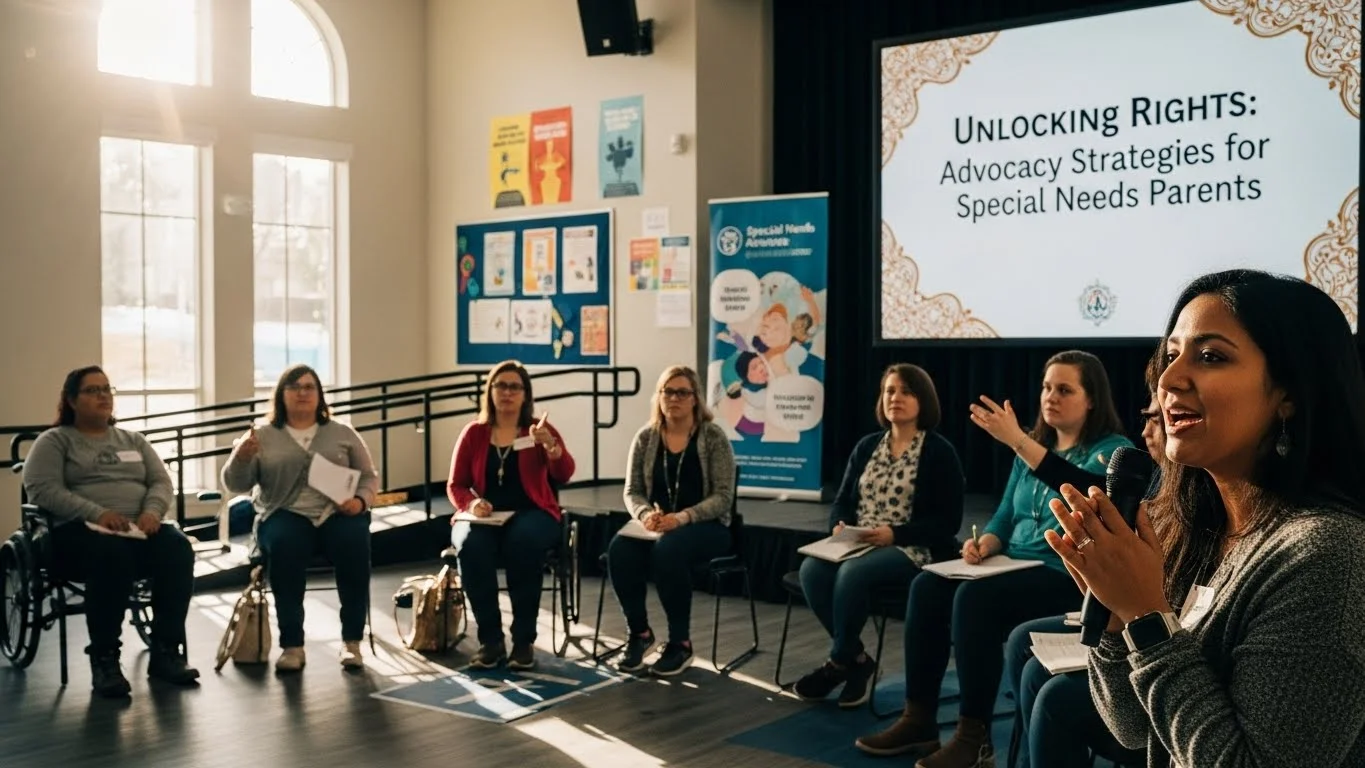
Understanding the Rights of Special Needs Children
When I first learned about the rights of special needs children, I felt a mix of hope and confusion. There’s so much information out there, and it can be overwhelming. However, understanding these rights can empower us as parents to fight for our children effectively. The foundation of these rights often lies in federal laws and state-specific regulations, and knowing these can significantly impact our advocacy journey.
Federal Laws and Regulations
One of the key pieces of legislation that protect the rights of special needs children is the Individuals with Disabilities Education Act (IDEA). I remember when I first came across this law; it was a revelation for me. IDEA ensures that children with disabilities have the right to a free appropriate public education (FAPE) tailored to their individual needs. This means that schools must provide necessary services, which can include special education and related services, at no cost to the family.
Another important federal law is Section 504 of the Rehabilitation Act. This law prohibits discrimination based on disability in programs or activities that receive federal funding. Understanding these laws helped me realize that my child has rights that must be honored. I found that it provided me with the confidence to speak up during meetings with educators and school administrators.
State-Specific Protections
Each state can have additional laws that offer protections for special needs children, which can sometimes be even more comprehensive than federal laws. I discovered that researching my state’s specific regulations was crucial. For instance, some states have laws regarding the qualifications of special education teachers, while others might have guidelines for the evaluation process. I recommend reaching out to local advocacy groups to understand what specific rights and resources are available in your area. They can often provide insights that are more tailored and relevant to your situation. Empowering Parents: Advocacy Tips for Special Education can also offer useful strategies.
Understanding the IEP Process
The Individualized Education Program (IEP) is a critical document that outlines our child’s educational needs and the services the school will provide. I’ll never forget the first time I sat down to discuss my child’s IEP. It felt daunting, but I realized that this was my opportunity to advocate for my child. IEPs are required by law for children who qualify under IDEA, and they must be reviewed at least annually.
As I navigated the IEP process, I learned that preparation is key. Gathering data about my child’s strengths and weaknesses, along with any relevant assessments, helped me articulate our needs clearly. During meetings, I made it a point to listen actively, ensuring that our input was taken seriously. Collaborating with educators, therapists, and other professionals can lead to a better outcome for our children. I believe that understanding the IEP process enables us to be effective advocates, ensuring our children receive the necessary support.
Another aspect I found helpful was involving my child in the IEP discussions as much as possible. As they grow, encouraging their input can foster a sense of ownership over their education. I learned that self-advocacy is an essential skill that develops over time, and starting early makes a significant difference.
Key Advocacy Strategies for Parents
With the foundation of understanding our children’s rights in place, it’s essential to explore effective advocacy strategies. My experience has taught me that advocacy is not just about knowing the laws; it’s also about building relationships, being organized, and tapping into available resources.
Building a Support Network
One of the most powerful things I did was to build a support network. Initially, it felt lonely advocating for my child, but I soon realized that I was not alone. Connecting with other parents in similar situations has been invaluable. We share experiences, resources, and sometimes even a good laugh over the challenges we face. Local support groups, online communities, and social media platforms have helped me find my tribe. Together, we brainstorm solutions and support each other through tough times.
Effective Communication with Educators
Building good relationships with educators is another cornerstone of effective advocacy. I remember one particular meeting where I felt nervous about addressing my child’s needs. However, I adopted a collaborative approach, focusing on how we could work together for the best outcomes. Sharing my child’s strengths alongside their challenges helped the educators understand who they were working with. I found that open, respectful communication can pave the way for a more productive partnership.
Utilizing Community Resources
Don’t underestimate the power of community resources! I was amazed at how many organizations and services are available to assist families with special needs children. From local therapy centers to recreational programs designed for children with disabilities, I discovered a treasure trove of support. Whether it’s accessing government programs, non-profits, or specialized services, utilizing these resources can make a significant difference in our advocacy efforts. Additionally, Creating Inclusive Classrooms Without Breaking the Bank can provide some helpful tips on maximizing resources.
In my journey, I learned that being proactive about seeking these resources not only helped my child but empowered me as a parent. I became more knowledgeable, confident, and effective in my advocacy role. As we continue this journey, let’s keep exploring all the avenues available to us to support our children’s rights and needs.
Empowering Your Child: Skills and Tools
Teaching Self-Advocacy
Empowering our children to advocate for themselves is one of the most important gifts we can give them. I remember when I first started talking to my child about self-advocacy. It felt like a big leap, but I realized how crucial it was for their confidence and independence. Self-advocacy is not just about speaking up in meetings; it’s about teaching them to understand their needs and how to express them effectively. One of the ways I found useful was role-playing different scenarios. For instance, we practiced what they might say during an IEP meeting or even how to approach a teacher if they needed help. I noticed that by doing this, my child felt more prepared and less anxious. It opened up a dialogue between us, where they could express their thoughts and feelings about their education, and I could guide them on how to communicate those needs clearly. Additionally, I began to encourage my child to set their own goals. We discussed what they wanted to achieve in school and how they could go about it. This not only helped them articulate their needs but also fostered a sense of ownership over their learning journey. I believe that encouraging them to advocate for themselves helps them build resilience, which is an invaluable skill as they navigate various aspects of life.Developing Life Skills
Life skills are essential for all children, but they hold particular significance for our special needs kids. I found that focusing on practical skills can empower them in ways that go beyond academic success. We started incorporating life skills training into our routine, and it has made a remarkable difference. For example, we worked on skills like cooking simple meals, managing money, and understanding public transportation. I remember the first time my child successfully made breakfast for themselves. The smile on their face was priceless! It was a small step, but it helped build their confidence and independence. We also found resources like community classes specifically designed for children with special needs. These classes provided a supportive environment where my child could learn alongside peers. I realized that learning life skills not only prepares them for adulthood but also gives them the tools to navigate the world with greater ease. I recommend making life skills a fun part of your family routine. Whether it’s grocery shopping together or planning a day out, these experiences can be both educational and enjoyable.Encouraging Independence
Encouraging independence in our children is a journey filled with ups and downs. I’ve found that it’s essential to strike a balance between supporting them and allowing them to take risks. Independence looks different for each child, and I learned to celebrate even the smallest victories. One approach I took was to give my child choices in their daily activities. This could be as simple as selecting their outfit for the day or deciding what snack they wanted. I noticed how giving them this agency significantly boosted their confidence. When they felt they had a say in their decisions, they became more engaged and willing to take on new challenges. Another helpful strategy was gradually increasing their responsibilities. For instance, I started with small tasks, like organizing their school materials, and slowly introduced more complex responsibilities as they became comfortable. It was heartwarming to see them embrace these challenges and take pride in their accomplishments. I believe it’s important to create a safe space for our children to learn from their mistakes. When they face setbacks, I encourage them to reflect on what went wrong and how they can improve next time. This resilience is a vital part of becoming independent. Encouraging independence isn’t always easy, but I’ve found that by nurturing their skills and confidence, we prepare them for the future. I know that as they grow, they will face a world that can sometimes be challenging, but our support can help them navigate it with strength and self-assurance.Legal Resources and Support Organizations
National Advocacy Groups
Navigating the world of special needs can feel overwhelming, but I found that connecting with national advocacy groups can provide crucial support and guidance. Organizations like the National Parent Technical Assistance Center (PTAC) and the American Disabilities Act (ADA) offer resources that can clarify rights and provide advocacy tools. I remember reaching out to one of these organizations when I was feeling lost about my child’s educational rights. The information I received was a game-changer. They provided resources on how to effectively communicate with school personnel and empowered me with knowledge about my child’s rights. I believe that national groups can serve as a lifeline for parents who might feel isolated in their advocacy efforts. These organizations often have local chapters, which can be an excellent opportunity to connect with others in similar situations. I found that attending workshops and events hosted by these groups not only expanded my knowledge but also helped me build relationships with fellow parents.Local Support Networks
In my experience, local support networks have been invaluable. Connecting with other families in my community has created a sense of camaraderie that I didn’t expect. We share everything from resources to emotional support and sometimes just a shoulder to lean on. I discovered local support groups through social media and community centers. These gatherings often provide a safe space to discuss challenges and celebrate triumphs. I remember attending a local meeting where parents shared their stories and strategies—it was comforting to see I wasn’t alone in this journey. Additionally, local organizations often host events that support children with special needs, such as recreational activities, educational workshops, and family outings. Participating in these events can be a fantastic way to build friendships and foster a sense of community for both our children and ourselves.Legal Aid Resources
While advocating for our children, there may be times when we need legal assistance. I found that knowing where to turn for legal aid can be a crucial resource for families navigating the complexities of special needs advocacy. Many states have legal aid organizations that focus on disability rights and can assist with issues related to education, healthcare, and discrimination. I remember feeling overwhelmed by the legal jargon during my first IEP meeting, but knowing that there were resources available helped alleviate some of my stress. I recommend reaching out to local legal aid organizations if you feel overwhelmed or uncertain about your rights or the rights of your child. They can provide guidance and support, ensuring you are well-informed as you advocate for your child’s needs. By accessing legal resources, we can strengthen our advocacy efforts and ensure that our children receive the support and accommodations they deserve. Knowing that there are professionals who understand the intricacies of special needs law brought me a sense of relief and empowerment.Common Challenges Faced by Special Needs Parents
Navigating School Systems
One of the biggest challenges I’ve faced as a parent of a special needs child is navigating the school system. I remember feeling overwhelmed when trying to understand how to efficiently interact with educators, administrators, and support staff. Each school has its own set of policies and procedures, and it can sometimes feel like we’re speaking different languages. When I first started this journey, I quickly realized the importance of being persistent and informed. I found that keeping open lines of communication with teachers and administrators was crucial. For instance, I made it a point to attend school meetings, ask questions, and seek clarification when needed. I kept a notebook where I documented conversations, decisions made, and any changes to my child’s services. This not only helped me stay organized but also proved beneficial when I needed to refer back to our discussions. I also learned the value of forming relationships with key staff members. Building rapport with my child’s teachers and support staff helped me feel more comfortable reaching out when issues arose. I’ve seen firsthand how a positive relationship can create a supportive environment for my child. However, I also encountered instances where I felt my concerns were dismissed or overlooked. In those moments, I had to remind myself to stay calm and focused on my child’s needs. I learned that advocating for my child often meant being assertive without being confrontational. It’s a delicate balance that takes practice, but it’s one that can lead to better outcomes for our children.Addressing Stigma and Misconceptions
Another significant challenge I faced was addressing the stigma and misconceptions surrounding disabilities. I remember feeling frustrated when people made assumptions about my child based on their disability. It was disheartening to see others view my child through a narrow lens instead of recognizing their unique abilities and talents. I realized that education plays a critical role in combating stigma. Whenever I had the chance, I shared information about my child’s disability and the strengths they possess. I often found that people were more open-minded once they understood the reality of the situation. I think sharing stories and experiences can help break down barriers and foster empathy. Additionally, encouraging my child to embrace their identity made a significant difference. I’ve seen how much their confidence grew when they learned to communicate their needs and educate peers about their experiences. This empowerment not only helped them navigate social situations better but also built resilience against negativity. I believe that as parents, we can contribute to changing perceptions by advocating for inclusion and acceptance. Engaging in community discussions about disabilities and sharing our experiences can create a ripple effect of understanding and support.Funding and Financial Assistance Options
Financial concerns are often a reality for families of special needs children. I remember when I first looked into the costs associated with therapies, educational services, and other necessary support. It was daunting, to say the least. Fortunately, I discovered various funding and financial assistance options that can help alleviate some of the burden. One resource I found particularly helpful was the Medicaid program, which offers various services to children with disabilities. I also researched state-specific programs that provide financial aid for special education needs. I recommend looking into local non-profits and charitable organizations that focus on supporting families with special needs children. Many of these organizations offer grants or financial assistance for therapies and services. In addition, I learned about tax credits and deductions available for families with special needs children. Seeking advice from a financial planner who specializes in disability issues can also provide valuable insights into planning for the future. Through this journey, I found that being proactive in exploring financial options not only relieved some of the stress associated with costs but also empowered me to make informed decisions for my child. It’s essential to advocate for our children’s needs, and knowing that there are resources available gives us confidence in our choices. As we continue to explore the challenges we face as special needs parents, I believe sharing our experiences helps us support one another through these complexities. Together, we can navigate this journey, armed with knowledge and a sense of community.Frequently Asked Questions
What is the Individuals with Disabilities Education Act (IDEA)?
The Individuals with Disabilities Education Act (IDEA) is a key piece of legislation that ensures children with disabilities have the right to a free appropriate public education (FAPE) tailored to their individual needs. Schools must provide necessary services, including special education, at no cost to the family.
What is Section 504 of the Rehabilitation Act?
Section 504 of the Rehabilitation Act prohibits discrimination based on disability in programs or activities that receive federal funding. This law helps ensure that children with disabilities are treated fairly in educational settings.
Why are state-specific regulations important for special needs children?
Each state can have additional laws that offer protections for special needs children, which may be more comprehensive than federal laws. Researching state-specific regulations is crucial for understanding the rights and resources available to families in different locations.
What is an Individualized Education Program (IEP)?
An Individualized Education Program (IEP) is a critical document that outlines a child’s educational needs and the services the school will provide. IEPs are required by law for children who qualify under IDEA and must be reviewed at least annually.
How can parents effectively advocate for their special needs children?
Effective advocacy involves understanding laws, building relationships with educators, being organized, and utilizing available resources. Parents should also build a support network and actively communicate with school personnel to ensure their child’s needs are met.
What role do support networks play in advocating for special needs children?
Support networks provide emotional and practical support for parents of special needs children. Connecting with other families can help share experiences, resources, and strategies, making the advocacy journey feel less isolating.
How can parents encourage self-advocacy in their children?
Parents can encourage self-advocacy by teaching their children to understand their needs and express them effectively. Role-playing different scenarios and discussing personal goals can help children feel more confident in advocating for themselves.
What life skills should special needs children learn?
Life skills such as cooking, managing money, and understanding public transportation are essential for special needs children. Incorporating these skills into daily routines can empower them and prepare them for greater independence in adulthood.
What resources are available for legal assistance in special needs advocacy?
Many states have legal aid organizations that focus on disability rights, offering assistance with issues related to education, healthcare, and discrimination. Parents can reach out to these organizations for guidance and support in navigating legal complexities.
What financial assistance options are available for families with special needs children?
Families can explore various financial assistance options, including Medicaid, state-specific programs, and local non-profits that offer grants. Additionally, tax credits and deductions for families with special needs children can help alleviate financial burdens.