
Effective communication with children is a journey filled with discovery and growth. Unlocking their world through conversations enriches our relationships and shapes their development. To learn more about enhancing these crucial skills, check out Build Stronger Bonds: Communicate Effectively with Kids.
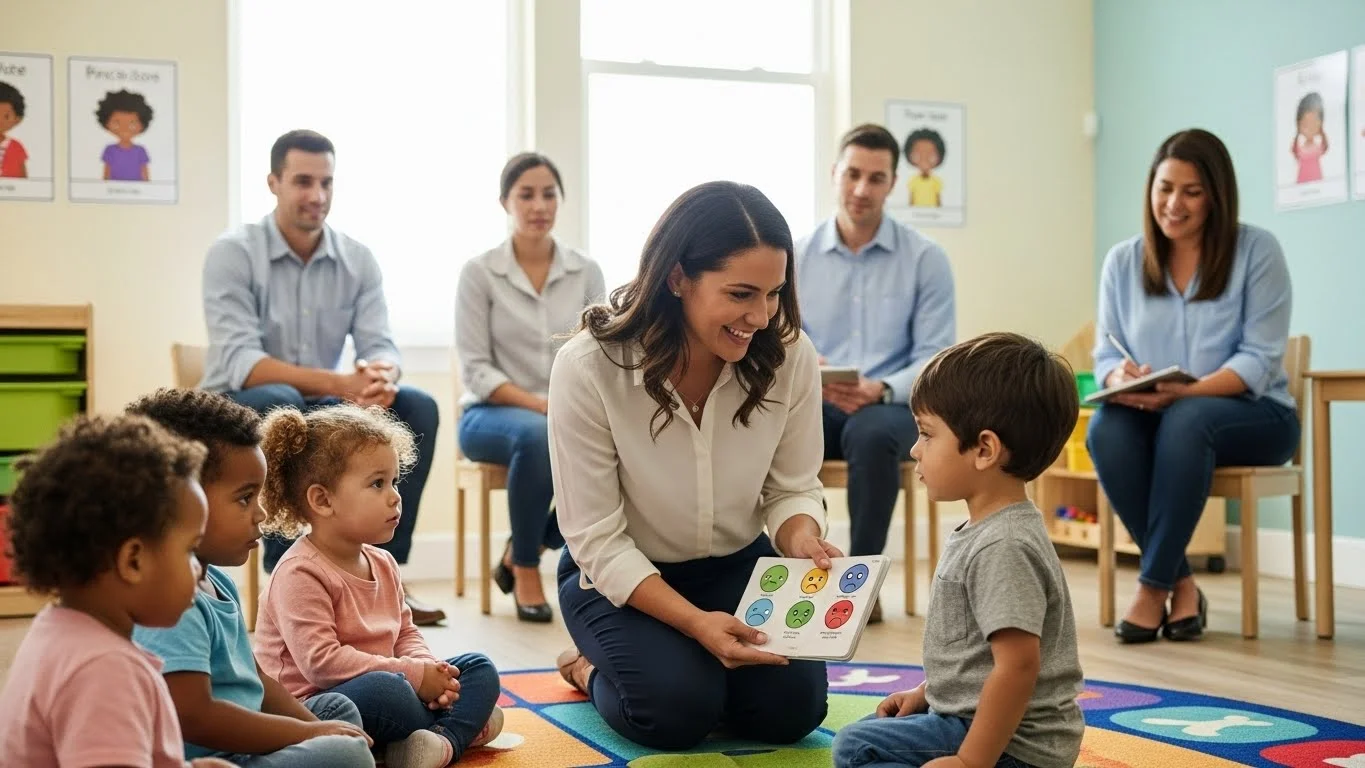
Understanding Child Communication Development
When I first started noticing how my child communicated, I was fascinated by the different ways they expressed themselves. Understanding child communication development is crucial because it lays the groundwork for how children will interact with the world throughout their lives. Just like how we learn to walk and run, communication is a skill that develops over time, and recognizing the stages can help us support our children effectively.
Stages of Communication in Children
Reflecting on my experiences, I remember the excitement of each new stage in my child’s communication journey. It starts from the moment they make their first cooing sounds. Infants engage in pre-verbal communication by crying, cooing, or babbling. These sounds might seem random, but they are their first attempts at connecting with us. As they grow, around six months, they begin to recognize their names and respond to simple commands. I found this stage intriguing; it was when I realized that my child was starting to understand me!
By the age of one, many children begin to say their first words, and I felt a rush of pride the day my little one said “mama.” From my observations, by the age of two, children start combining words into simple phrases, which marks a significant leap in communication. I often encouraged my child to express their thoughts, and I noticed that they began to use language to assert their needs and desires. As they approach preschool age, their vocabulary expands rapidly, and they start to form more complex sentences. This stage is when conversations can become more interactive, and I found that asking open-ended questions sparked their imagination.
Once they hit school age, communication skills continue to evolve. They not only learn to express their thoughts but also to listen and understand others. I saw my child pick up on nuances in conversation and even engage in storytelling, which was a delightful experience. As they enter their teenage years, conversations take on a new depth. They become more reflective and begin to explore their identities through dialogue. This development not only amazed me but also emphasized the importance of being adaptable in our communication approach.
Important Milestones in Language Development
As a parent, I have always found it helpful to keep track of important milestones in language development. According to various resources, by the age of 12 months, a child typically says their first words. By 18 months, they often have a vocabulary of about 10-25 words. Watching my child hit these milestones felt like a victory. By two years old, they might have a vocabulary of around 200 words and start using two-word sentences. It was during this time that I learned the value of repetition and consistency in reinforcing their language skills.
By the age of three, children usually can form simple sentences and are starting to grasp the concept of past and future tenses. I made it a point to encourage storytelling and role-playing, as these activities were not only fun but also instrumental in developing their narrative skills. As my child approached five years, their language became more sophisticated, allowing them to engage in more complex conversations. I remember being impressed by how they could articulate their feelings and ideas more clearly. By this stage, I realized that fostering rich discussions was crucial for their ongoing development.
Finally, as children transition into their teenage years, their communication skills become even more nuanced. They begin to express opinions, debate ideas, and share their experiences in a more profound way. I often found myself learning from my child during these discussions, which made me appreciate the importance of listening as much as talking.
In my view, understanding these stages and milestones has been vital in supporting my child’s communication development. I’ve learned that every child is unique, and while there are general milestones, it’s essential to be patient and attentive to their individual pace. By creating a nurturing environment where open dialogue is encouraged, we can help our children develop their communication skills effectively.
Key Principles of Effective Communication with Children
As I continued to navigate the world of parenting, I realized that effective communication with children involves more than just speaking to them. It’s about creating a connection, understanding their needs, and responding appropriately. Over time, I’ve picked up some key principles that have made our conversations more meaningful and impactful. For more effective strategies, check out Effective Strategies for Talking to Your Children.
Active Listening Techniques
One of the most valuable skills I’ve developed is active listening. This means truly focusing on what my child is saying instead of just waiting for my turn to speak. I remember a moment when my child was excitedly sharing a story about their day at school. Instead of interrupting or jumping in with my own stories, I made a conscious effort to listen. I nodded, made eye contact, and asked follow-up questions. This not only showed my child that I cared about what they were saying but also encouraged them to express themselves more freely. I’ve found that when kids feel heard, they’re more likely to open up and share their thoughts and feelings in the future.
Using Age-Appropriate Language
I’ve learned that using age-appropriate language is crucial in our interactions. It’s easy to forget that young children might not understand complex words or concepts. I remember the first time I tried to explain something to my child using big words, and I could see the confusion on their face. Since then, I’ve made it a point to tailor my language to fit their understanding. For example, instead of saying “consequence,” I might use “what happens next.” This small adjustment has made a huge difference in our conversations. It allows my child to engage more fully and ask questions without feeling intimidated or confused.
Non-Verbal Communication Cues
Non-verbal communication is another essential aspect that I’ve come to appreciate. Children are incredibly perceptive, and they pick up on body language, facial expressions, and tone of voice. I’ve noticed that when I lean in closer during a conversation, it shows my child that I’m interested. Similarly, using a calm and warm tone can make them feel safe and secure. There have been times when my child was upset, and I found that sitting beside them, maintaining eye contact, and using gentle gestures helped communicate my support without saying a word. It’s amazing how much we can convey through our actions.
Common Barriers to Effective Communication
Even with the best intentions, I’ve discovered that there are barriers that can hinder effective communication with children. Recognizing these barriers allows us to address them and enhance our interactions.
Emotional Barriers: Fear and Anxiety
Emotional barriers can be significant obstacles. I’ve seen how fear and anxiety can affect my child’s willingness to communicate. For instance, when my child was nervous about a school presentation, they struggled to express their thoughts. I learned that creating a safe space where they felt comfortable sharing their fears was crucial. By acknowledging their feelings and reassuring them, I noticed they began to open up more. It’s essential to validate their emotions and let them know that it’s okay to feel anxious or scared, which can help break down those walls.
Environmental Factors: Noise and Distractions
Environmental factors also play a role in communication. I’ve found that trying to have a meaningful conversation in a noisy room or when my child is distracted by screens often leads to miscommunication. I’ve made it a habit to choose quieter moments for important discussions. Turning off the TV or putting away devices during family meals has fostered a better environment for open dialogue. I’ve noticed that when we minimize distractions, my child is more engaged and focused, making our conversations more productive.
Parental Communication Styles
Our own communication style as parents can significantly impact how our children express themselves. I’ve realized that if I communicate with impatience or criticism, my child may respond by shutting down or becoming defensive. I’ve made a conscious effort to adopt a more positive and encouraging style. When I praise their efforts or acknowledge their feelings, I see them flourish. Encouraging a two-way conversation, where they feel empowered to share their thoughts, has been transformative for both of us.
Strategies for Enhancing Communication Skills
After recognizing these principles and barriers, I felt empowered to explore strategies that could enhance our communication skills and foster meaningful discussions. Additionally, the article Mastering Communication: Connect Better with Your Kids offers great insights on this topic.
Encouraging Open-Ended Questions
One strategy I’ve found particularly effective is encouraging open-ended questions. Instead of asking my child if they had a good day, I might ask what the best part of their day was. This simple shift invites them to elaborate and share more than just a yes or no answer. I’ve noticed that this approach not only enriches our conversations but also helps my child develop their critical thinking skills. They begin to think more deeply about their experiences and learn to articulate their thoughts better.
Practicing Reflective Listening
Practicing reflective listening has been another great tool in our communication toolbox. When my child shares something, I often paraphrase what they said to show that I’m listening and to clarify any misunderstandings. For example, I might say, “So what you’re saying is…” This technique reinforces their feelings and shows that I value their perspective. It’s also a wonderful way to model how to listen and respond thoughtfully, which they can apply in their interactions with others.
Incorporating Play into Communication
I’ve found that incorporating play into our conversations can break down barriers and make communication feel more natural. Whether it’s role-playing or storytelling, engaging in playful activities allows us to explore topics in a fun and relaxed environment. I remember a time when we used puppets to act out a scenario that had been bothering my child. It not only made them laugh but helped them express their feelings in a way that felt safe and approachable. Play can be a powerful medium for facilitating open dialogue.
Special Considerations for Different Age Groups
Communicating with Infants and Toddlers
When I think back to the days of communicating with my infant, I remember how every coo and gurgle felt like a precious exchange. At this age, communication isn’t about words; it’s about connection. I found myself mimicking my baby’s sounds, which seemed to excite them. I learned that even simple eye contact and facial expressions could create a bond. Holding them close while I talked or sang helped them feel secure and engaged. I discovered that responding to their cues, whether it was a smile or a frown, laid the foundation for later interactions.
As toddlers, the communication style shifts a bit. They begin to understand and produce words, even if they’re not always clear. I remember the joy of encouraging my toddler to label objects around the house. Simple games, like pointing to a ball and saying “ball” repeatedly, seemed to light up their face. Repetition became my best friend. It was fascinating to see how they started picking up words quickly and began attempting to put them together. I often narrated our daily activities, which made them feel involved and part of the conversation, even if they couldn’t respond fully yet.
Effective Communication with Preschoolers
Moving on to the preschool years, I was amazed at how my child’s ability to express themselves flourished. This was the time I could enjoy storytelling with them, as they began to grasp the concept of narratives. I remember reading picture books together and encouraging them to describe what they saw in the images. This not only expanded their vocabulary but also sparked their creativity.
During this age, I found that asking questions like, “What do you think will happen next?” encouraged them to think critically. I noticed that they loved to share their thoughts, and I made it a point to listen intently and validate their ideas. Engaging in pretend play was another fantastic way to enhance their communication skills. Whether we were playing house or pretending to be animals, it opened up a world of imagination and dialogue that helped their speech develop naturally.
Engaging School-Aged Children in Conversation
As my child transitioned into school age, I noticed a shift in our conversations. It was no longer just about sharing stories; now, they were filled with questions about the world around them. I remember the first time my child came home excited to share what they learned in school. I made a habit of asking them about their day, focusing on specific details, which led to richer discussions. I found that they were eager to share their experiences, especially when I encouraged them to explain their thoughts regarding school projects or friends.
At this stage, I also appreciated the importance of discussions around feelings and social interactions. I began to introduce topics about empathy and understanding different perspectives. I noticed that by discussing their friendships and any challenges they faced, my child learned how to articulate their feelings better. It was rewarding to see them take these lessons to heart, and I cherished those moments when they came to me seeking advice or just wanting to talk it out.
Talking with Teenagers: Bridging the Gap
As my child entered their teenage years, I realized that communication became more complex yet more rewarding. I think back to when we had our first deep conversation about identity and values. It was crucial for me to maintain an open line of communication without judgment. I learned that listening was just as important as talking. They often needed space to express themselves, and I made an effort to create an environment where they felt safe sharing their thoughts without fear of criticism.
During this time, I also found that discussing current events or their interests in music, movies, or social issues sparked engaging conversations. It was fascinating to witness their ability to form opinions and challenge ideas. I made it a point to ask for their views, which not only validated their thoughts but also encouraged them to think critically. I believe that this age is all about balance—guiding them while also allowing them the freedom to explore their voice in a world that can sometimes feel overwhelming.
Handling Difficult Conversations
Discussing Emotions and Feelings
As I navigated through parenting, I realized that some conversations are tougher than others, especially when it comes to discussing emotions. I remember one particular instance when my child was feeling down about not being invited to a friend’s birthday party. It broke my heart to see them upset, and I knew I had to approach the conversation delicately. I decided to sit down with them and ask how they felt about the situation. By giving them the space to express their emotions, I noticed how much lighter they felt after sharing. I learned that validating their feelings was crucial in helping them process what they were going through. Instead of brushing it off, I acknowledged their sadness, which opened the door for deeper conversations about friendship and resilience.
Addressing Behavioral Issues
Dealing with behavioral issues can be particularly challenging, and I found that approaching these situations with empathy made a significant difference. There was a time when my child threw a tantrum over a seemingly minor issue, like not getting their favorite snack. Instead of reacting with frustration, I took a moment to breathe and asked them why they were upset. I discovered that it wasn’t just about the snack; they were feeling overwhelmed after a long day. This moment taught me the importance of addressing the underlying feelings behind the behavior rather than just the behavior itself. By talking about their emotions, we could work together to find appropriate ways to express and manage them, turning a negative moment into a learning experience.
Talking About Sensitive Topics (e.g., Divorce, Loss)
Sensitive topics are perhaps the most daunting to discuss. I remember when a friend of mine went through a divorce, and my child was curious about it. I was unsure how to respond without overwhelming them. I decided to keep my explanation simple and honest. I told them that sometimes adults grow apart, and that’s okay. I encouraged questions and reassured them that it wouldn’t affect their relationships with loved ones. We had a candid discussion about feelings of sadness and change, which I believe fostered a sense of security in understanding life’s complexities. It reminded me that even difficult topics could be navigated with honesty and care, helping children develop emotional intelligence.
The Role of Technology in Child Communication
Impact of Screen Time on Communication Skills
In today’s world, technology plays a significant role in our lives, and I’ve seen its impact on my child’s communication skills. While tablets and smartphones can provide educational content, I noticed that excessive screen time sometimes limited our face-to-face interactions. I had to be intentional about balancing screen time with real conversations. For me, a family rule emerged: we would have no screens during dinner. This simple change transformed our mealtimes into opportunities for sharing stories and connecting. I believe it’s crucial to monitor how technology influences our communication and to encourage meaningful interactions beyond the screen.
Using Educational Apps to Foster Communication
On the flip side, I discovered some fantastic educational apps that promote language development and communication skills. One app we enjoyed together focused on storytelling, allowing my child to create their own narratives. It was wonderful to see them engage creatively while also honing their language skills. I learned that when technology is used as a tool for learning rather than a distraction, it can enhance communication rather than hinder it. I recommend exploring apps that encourage interaction and dialogue, turning screen time into a collaborative experience.
Creating a Supportive Communication Environment
Establishing Routines for Regular Communication
Creating a supportive environment for communication starts with establishing routines. I found that having a set time each week for family meetings helped everyone feel more connected. We would discuss our week, share accomplishments, and talk about any challenges we faced. This practice not only kept our lines of communication open but also allowed us to celebrate each other’s successes. I realized that consistency in communication routines nurtures a sense of belonging and encourages my child to express themselves more freely.
Modeling Effective Communication Behaviors
As parents, we serve as role models for our children. I’ve made it a point to model effective communication behaviors myself. Whether it’s showing how to listen actively or using kind language, I believe that children learn a lot from our actions. I remember a moment when I disagreed with a friend during a discussion but remained respectful. I later explained to my child that it’s okay to have different opinions as long as we communicate them respectfully. This lesson in communication not only reinforced our relationship but also taught my child the importance of empathy and understanding in conversations.
Final Thoughts
Reflecting on my journey of communicating with my child, I feel grateful for the moments we’ve shared and the lessons we’ve learned together. Establishing open lines of communication has not only strengthened our bond but has also fostered my child’s growth and confidence. We’ve navigated through joyful discussions, difficult conversations, and even the everyday exchanges that make up our lives. I believe that by remaining patient, adaptable, and willing to listen, we can help our children develop into effective communicators who can express their thoughts and feelings with clarity and confidence. Communication is truly a two-way street, and I cherish every opportunity to connect with my child on this beautiful journey of discovery.
Frequently Asked Questions
What are the stages of communication development in children?
The stages of communication development in children start with pre-verbal sounds like crying and cooing in infancy, followed by recognizing names and simple commands around six months. By one year, many children say their first words, and by two, they begin combining words into simple phrases. As they grow, their vocabulary expands, and they start forming complex sentences, engaging in storytelling, and exploring their identities during their teenage years.
What are some important milestones in language development?
Important milestones in language development include saying the first words by 12 months, having a vocabulary of 10-25 words by 18 months, and around 200 words with two-word sentences by two years. By three years, children can form simple sentences and grasp past and future tenses, while by five years, their language becomes more sophisticated, allowing for complex conversations.
How can parents encourage effective communication with their children?
Parents can encourage effective communication by practicing active listening, using age-appropriate language, and being mindful of non-verbal communication cues. Creating a nurturing environment where open dialogue is encouraged also helps children develop their communication skills effectively.
What are common barriers to effective communication with children?
Common barriers to effective communication include emotional barriers such as fear and anxiety, environmental factors like noise and distractions, and parental communication styles that may be impatient or critical. Recognizing these barriers allows parents to address them and enhance interactions.
What strategies can enhance communication skills between parents and children?
Strategies to enhance communication skills include encouraging open-ended questions, practicing reflective listening, and incorporating play into conversations. These methods help children articulate their thoughts and feelings more effectively.
How should parents communicate with infants and toddlers?
When communicating with infants and toddlers, parents should focus on connection through mimicking sounds, maintaining eye contact, and using facial expressions. Narrating daily activities and playing simple labeling games can also aid in language development at this age.
What should parents focus on when communicating with preschoolers?
Parents should focus on storytelling, asking critical thinking questions, and engaging in pretend play with preschoolers. This approach fosters creativity and encourages children to express their thoughts while expanding their vocabulary.
How can parents engage school-aged children in conversation?
To engage school-aged children, parents should ask specific questions about their day, encourage discussions around feelings and social interactions, and introduce topics like empathy. This helps children articulate their experiences and develop social skills.
What are effective ways to handle difficult conversations with children?
Handling difficult conversations involves validating children’s feelings, addressing underlying emotions behind behaviors, and discussing sensitive topics with honesty and care. Creating a safe space for children to express themselves is essential during challenging discussions.
How can technology impact child communication skills?
Technology can both hinder and foster communication skills. While excessive screen time may limit face-to-face interactions, educational apps that promote storytelling and language development can enhance communication when used effectively. Balancing screen time with real conversations is crucial for meaningful interactions.