
Understanding toddler emotions is like navigating a wild jungle – exciting, unpredictable, and sometimes overwhelming. As a parent, I’ve learned that deciphering these emotions can help us connect better with our little adventurers. Engaging in play-based learning games can also enhance our understanding of their emotional expressions.
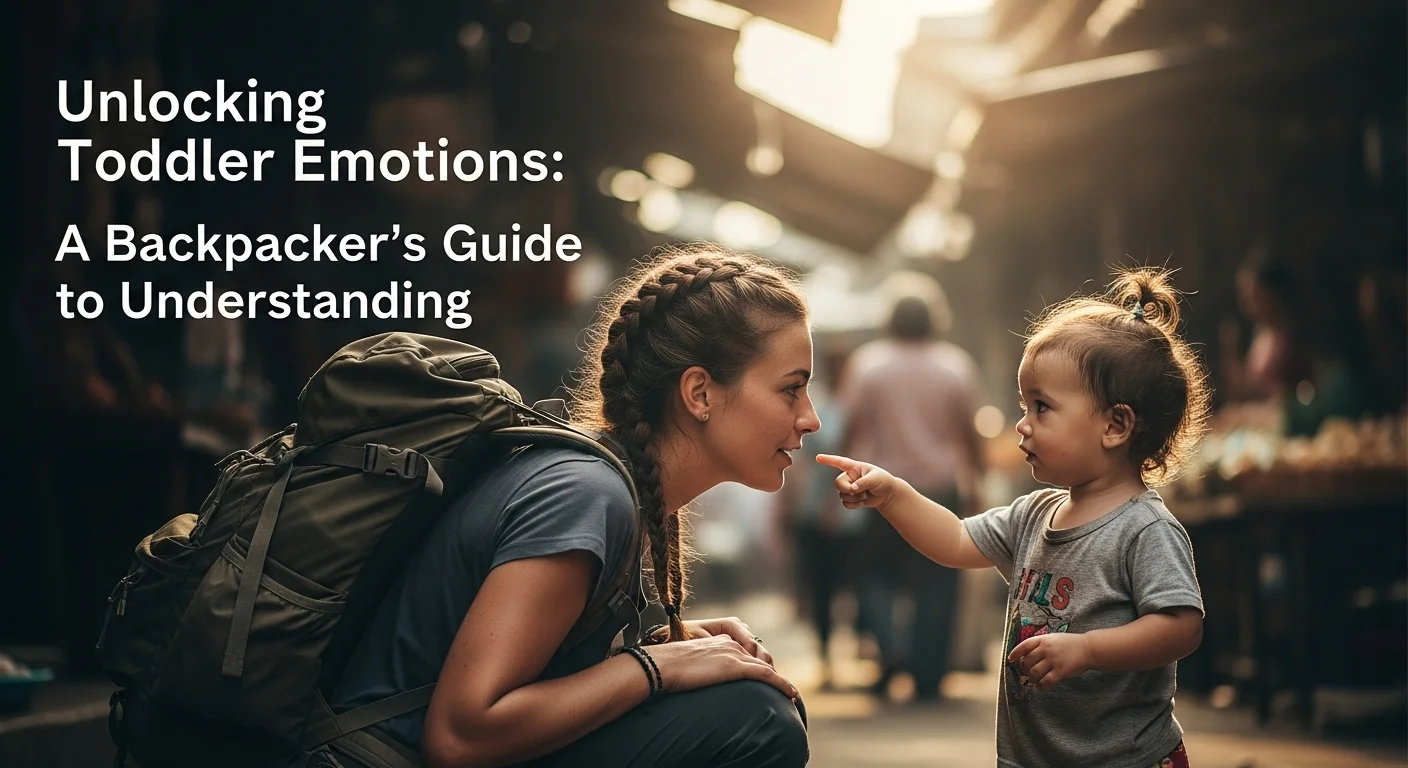
Understanding Toddler Emotions
The Importance of Emotional Development
When I first became a parent, I didn’t realize how crucial emotional development would be for my toddler. Emotions are not just feelings; they are the foundation of how our children understand the world around them. From my experience, learning to recognize and manage their emotions is vital for their overall growth. Emotional development influences everything from social skills to academic success later on. I remember feeling overwhelmed by my child’s sudden outbursts and mood swings, thinking, “Why can’t you just be happy all the time?” But once I understood that these emotional shifts were a natural part of their development, it became easier to navigate.
Common Emotional Milestones in Toddlers
As toddlers grow, they go through various emotional milestones that can be quite fascinating to observe. I found it helpful to track these stages, not just for my peace of mind but also to understand what my child was going through. For instance, by the age of 2, most toddlers start to show a range of emotions including joy, anger, and frustration. I noticed my child expressing happiness when playing with their favorite toy, but then, just moments later, throwing a tantrum when it was taken away. This shift is normal as they begin to learn how to express themselves. Around the age of 3, I observed that my child started to engage more in pretend play, which is not only delightful to watch but also a crucial part of emotional development. Through this imaginative play, toddlers practice dealing with various social situations and emotions. Read Interesting article: Why Play-Based Learning Matters for Toddler Development
By the time they hit 4, many children can express their feelings verbally, which is a big leap from just crying or throwing things. I remember having conversations with my child about why they felt sad or angry, and it felt rewarding to see them articulate their emotions. It was like unlocking a new level in our relationship.
Emotional Expression in Toddlers
How Toddlers Communicate Emotions
The way toddlers communicate their emotions can be both endearing and perplexing. I’ve noticed that my child often expresses feelings through actions rather than words. They might point at something that excites them, scream when they’re upset, or run into my arms when they seek comfort. I learned quickly that paying attention to these non-verbal cues gives me insight into their emotional state. For instance, when my toddler clings to my leg, it often means they’re feeling insecure or afraid. This physical expression is their way of seeking reassurance.
Recognizing Non-Verbal Cues
Understanding these non-verbal cues can feel like learning a new language. I remember watching my toddler’s body language during playdates. If they crossed their arms and turned away, it usually indicated they were upset or frustrated. On the other hand, open arms and wide eyes suggested joy and excitement. I found it essential to take note of these signals and respond appropriately. By validating their feelings – saying things like, “I see you’re really upset about sharing your toy,” – I fostered a sense of trust between us.
Typical Emotional Responses
Every toddler is unique, but I’ve seen some common emotional responses that tend to emerge during certain situations. For example, when faced with a new environment or people, my child often experiences anxiety. I remember taking them to a family gathering where they clung to my side, overwhelmed by the noise and the crowd. Understanding that this was a typical response helped me navigate the situation better. I realized that giving them time to adjust and checking in with them frequently made a huge difference in their comfort level.
Tantrums, too, are typical emotional responses. They can be utterly exhausting. I found myself in the middle of a grocery store once, dealing with a full-blown meltdown. It wasn’t just about the cookies they couldn’t have; it was about the overwhelming mix of emotions they were experiencing. Learning to stay calm and acknowledge their feelings was key. I often took a deep breath and reminded myself that they were still learning how to cope. This perspective helped me approach these situations more compassionately.
Understanding toddler emotions has been a journey for me, filled with challenges and rewards. I’ve discovered that by being attuned to their emotional needs, I not only help them grow but also strengthen our bond. As we continue exploring the complexities of their emotional world, I’m excited to share more insights that can help other parents and caregivers along this wild adventure. Stay tuned for more tips on recognizing and supporting toddler emotions! Read Interesting article: Top 10 Play-Based Learning Activities for Toddlers
Key Emotions in Early Childhood
Joy and Happiness
I think one of the most delightful parts of parenting a toddler is witnessing their pure joy and happiness. It’s contagious, isn’t it? I remember my child’s face lighting up during a simple game of peek-a-boo or when they discovered a new favorite toy. Those moments remind me of the small wonders in life that we often overlook. Happiness in toddlers often comes from simple pleasures, like running outside on a sunny day or splashing in puddles after a rain. I learned to cherish these moments and encourage them to explore what brings them joy. Celebrating their achievements, whether big or small, helps reinforce that happiness and builds their self-esteem.
Anger and Frustration
On the flip side, I’ve definitely seen my share of anger and frustration from my little one. It can be tough to witness, especially when you feel helpless as a parent. I remember a time when my toddler couldn’t figure out how to stack blocks, and the frustration was palpable. They went from excited to furious in a heartbeat! I’ve learned that these emotions are a normal part of their development and a way for them to express their needs. When I see this anger rising, I try to intervene calmly. I might say, “It looks like you’re feeling really upset. Would you like some help?” This approach not only helps diffuse the situation but also shows my child that it’s okay to feel angry and that there are healthier ways to express it.
Fear and Anxiety
Fear and anxiety are emotions I didn’t expect to see so early on. I’ve watched my child become apprehensive about new experiences, whether it’s meeting new people or going to unfamiliar places. One instance that sticks in my mind is when we visited a zoo for the first time. My child clung to my leg, afraid of the loud noises and large animals. I realized that instead of pushing them to engage right away, I needed to give them time to acclimate. I sat with them, pointing out the animals from a distance and talking about what we were seeing. This helped ease their anxieties and encouraged them to explore at their own pace. I found that validating their fears, rather than dismissing them, made a significant difference in how they handled new situations.
Sadness and Grief
As toddlers grow, they also start to experience sadness and grief, which can be heartbreaking for us as parents. I remember when our family pet passed away; my child was just old enough to understand loss. Watching them mourn was tough, but it also gave me an opportunity to teach them about emotions. We talked openly about sadness, and I encouraged them to express their feelings through drawing or even talking about their memories of our pet. I discovered that allowing them to feel and express sadness without judgment helped them process their grief in a healthy way. It’s moments like these that remind me of the importance of being emotionally available for my child.
Surprise and Excitement
Lastly, surprise and excitement are emotions that I adore sharing with my toddler. I’ve seen them light up with excitement when they discover something new or get a surprise visit from a family member. I remember the joy on their face when they saw a birthday cake for the first time at a party. It’s contagious! I’ve learned to embrace and amplify these moments of excitement. I often join in on the fun, whether it’s through surprise outings or spontaneous playdates. This not only strengthens our bond but also creates lasting memories filled with joy and laughter.
Understanding these key emotions in early childhood has been incredibly enlightening for me. Each emotion plays a vital role in my toddler’s growth, and I’ve found that by being present and engaged, I can help them navigate these feelings. This journey is not just about supporting my child; it’s about growing together as a family. As we explore these emotional landscapes, I look forward to sharing practical strategies that can help us understand and support our little ones even better.
Strategies for Understanding and Supporting Toddler Emotions
Strategies for Understanding and Supporting Toddler Emotions
Active Listening Techniques
One of the most valuable skills I’ve developed as a parent is active listening. It might sound simple, but really tuning into what my toddler is saying – and how they’re saying it – has made a world of difference. When my child expresses their feelings, I try to kneel down to their level, maintain eye contact, and give them my full attention. I remember a moment when my child was upset about something at daycare. Instead of brushing it off, I sat beside them and said, “Tell me about your day. What made you feel sad?” This approach not only validated their feelings but also encouraged them to open up more. By reflecting back what I heard, like “It sounds like you didn’t like when your friend took your toy,” I could see their anxiety start to ease. Active listening fosters a sense of security and trust, allowing them to feel heard and understood.
Modeling Emotional Regulation
As parents, we often forget that our children are watching our every move. I realized that modeling emotional regulation is key. When I experience frustration or stress, I try to demonstrate how to manage those feelings constructively. For instance, I once had a challenging day and felt overwhelmed while cooking dinner. Instead of snapping, I took a deep breath and said to my child, “I’m feeling a bit stressed right now. I need a minute to calm down.” This not only showed them that it’s okay to feel overwhelmed but also provided a practical example of how to handle those emotions. I believe that when we openly discuss our feelings and coping strategies, we empower our toddlers to do the same.
Creating a Safe Emotional Environment
Creating a safe emotional environment is something I take seriously in our home. I’ve found that when my child feels secure, they’re more willing to express their emotions. I make it a point to encourage open dialogue about feelings. We’ve established a “feelings corner” in our living room, complete with plush toys that represent different emotions. When my child feels sad or angry, they know they can go to that corner and use the toys to express what they’re feeling. This physical space gives them a sense of control and a way to articulate emotions that can sometimes feel overwhelming. I also try to maintain a routine; knowing what to expect from our day helps provide stability, which can ease anxiety.
Using Books and Stories to Explore Feelings
Another strategy that has worked wonders for us is using books and stories to explore feelings. I remember the first time we read a story about a character who faced various emotions. My child was captivated and started relating to the character’s experiences. After finishing the book, we talked about how the character felt in different situations, and it was amazing to see my child connect those feelings to their own experiences. I’ve found that books not only provide a safe way to discuss emotions but also introduce new vocabulary for feelings. I recommend picking stories that explicitly deal with emotions, as they can serve as excellent conversation starters. We often have “storytime discussions” where we reflect on how the characters might feel and what they could do to cope.
Common Challenges in Toddler Emotional Development
Tantrums and Meltdowns
Ah, tantrums – every parent’s rite of passage! I’ve had my fair share of grocery store meltdowns, and let me tell you, they can be exhausting. I’ve realized that tantrums are not just a sign of defiance but rather a form of communication for toddlers who may not yet have the words to express their feelings. During one particularly intense episode, I discovered that my child was not just upset over not getting a toy but was also feeling tired and overwhelmed. This moment taught me to look deeper into the root causes of tantrums. I’ve found that anticipating triggers, like hunger or overstimulation, can help us avoid those explosive moments. When they do happen, I strive to stay calm, validate their feelings, and guide them through the storm.
Separation Anxiety
Separation anxiety is another common challenge, and I’ve certainly felt its weight. I remember the first time I dropped my child off at preschool. They clung to my leg, tears streaming down their face, and my heart shattered a little. Understanding that this is a normal phase in toddler development helped me navigate those tough moments. I began to establish a consistent goodbye routine, like a special handshake or a short story, to make the separation feel less daunting. I also learned to reassure my child that I would always return. These little strategies made drop-offs smoother and helped build their confidence over time.
Difficulty with Transitions
Transitions can be tricky for toddlers, and I’ve seen this firsthand. Whether it’s moving from playtime to mealtime or leaving the park, my child often struggles with these changes. I’ve found that giving advance notice helps. For instance, I’ll say, “In five minutes, we’re going to start getting ready for dinner.” This helps prepare them mentally for what’s coming next. I’ve also learned to incorporate fun transition activities, like singing a silly song or dancing, to make the process smoother. By making transitions feel like a game, my child becomes more willing to accept changes and less resistant to what’s ahead.
These strategies and insights have transformed how I approach my toddler’s emotional development. I believe that understanding and supporting their emotions will pave the way for healthier emotional growth in the future. It’s all about navigating this journey together, one step at a time.
When to Seek Professional Help
Signs of Emotional Distress
As a parent, I’ve always wondered about the line between normal emotional development and something that might require more attention. I’ve come to learn that there are certain signs that may indicate my child is experiencing emotional distress. For instance, if I notice that my toddler is withdrawing from activities they once enjoyed or exhibiting prolonged sadness, it raises a red flag for me. There were times when my child seemed constantly irritable or anxious, and I realized that these could be signs of deeper emotional issues.
Another indicator could be if my child is frequently having tantrums or meltdowns that are more intense or longer-lasting than typical for their age. I remember feeling concerned when my child would cry for long periods without being able to calm down, even after I validated their feelings. It’s normal for toddlers to have emotional ups and downs, but when these feelings interfere with their daily life or relationships, it’s important to take notice.
If you ever feel like your child is struggling more than what seems typical, I recommend keeping track of their behavior and emotional responses. Discussing these observations with a trusted pediatrician can provide clarity and guidance on the next steps.
Consulting Pediatricians and Child Psychologists
Seeking professional help can feel daunting, but I’ve learned it’s a proactive step in ensuring my child’s emotional well-being. I remember the first time I considered consulting a pediatrician about my child’s emotional health. It was reassuring to know I wasn’t alone in this journey. Pediatricians can offer valuable insights and may recommend child psychologists if needed.
In my experience, child psychologists are trained to assess and work with young children. They can help identify underlying issues and provide strategies tailored to my child’s specific needs. If you ever feel uncertain, I suggest reaching out for a professional opinion. It’s important to remember that seeking help is a sign of strength, not failure. It shows that we care deeply about our child and want to support them in every way possible.
Resources for Parents and Caregivers
Recommended Books on Toddler Emotions
Books have been a lifeline for me as I navigate toddler emotions. There are so many incredible resources out there that I’ve found to be helpful. Some of my favorites include “The Whole-Brain Child” by Daniel J. Siegel and Tina Payne Bryson, which provides insights into how to nurture your child’s developing mind. Another great read is “The Color Monster: A Pop-Up Book of Feelings” by Anna Llenas, which simplifies complex emotions into relatable concepts for toddlers. I’ve seen my child engage with these books, and they’ve sparked meaningful conversations about feelings.
Helpful Websites and Online Communities
The internet can be a treasure trove of information and support. Websites like Zero to Three and Parenting Science offer research-based insights into child development and emotional health. I’ve also found online communities, such as parenting forums and social media groups, to be invaluable. Connecting with other parents who share similar experiences can provide comfort and new ideas for managing emotional challenges.
Workshops and Parenting Classes
Sometimes, hands-on learning can be the most effective way to gain new strategies. I’ve participated in local workshops and parenting classes focused on emotional development. These settings allow me to interact with experts and fellow parents, sharing experiences and tips. I encourage anyone interested to look for classes in their area or online. It’s a fantastic way to deepen our understanding and become equipped with practical tools to support our toddlers.
Final Thoughts
Reflecting on my journey of understanding toddler emotions, I’ve learned that it’s a path filled with ups and downs, but it’s also incredibly rewarding. Each emotional milestone my child reaches adds depth to our relationship, making us stronger as a family. I feel that by being present and engaged, we not only support our children in navigating their feelings but also grow ourselves in the process. Embracing the chaos, celebrating the joy, and understanding the challenges can make all the difference in our parenting journey. I hope these insights and strategies resonate with other parents navigating the wild jungle of toddler emotions. Together, we can support our little ones and help them flourish emotionally, paving the way for a healthier future.
Frequently Asked Questions
What is the significance of emotional development in toddlers?
Emotional development is crucial for toddlers as it forms the foundation of how they understand the world around them. It influences their social skills and academic success later in life.
What are some common emotional milestones for toddlers?
Toddlers typically show a range of emotions, including joy, anger, and frustration by age 2. By age 3, they engage in pretend play, and by age 4, many can express their feelings verbally.
How do toddlers communicate their emotions?
Toddlers often express feelings through actions rather than words, such as pointing, screaming, or seeking comfort physically by clinging to a parent.
What are some typical emotional responses seen in toddlers?
Common emotional responses include anxiety in new environments, tantrums, and meltdowns when overwhelmed. Recognizing these responses as normal can help parents navigate such situations better.
How can parents support their toddler’s emotional development?
Parents can support their toddler’s emotional development by practicing active listening, modeling emotional regulation, creating a safe emotional environment, and using books and stories to explore feelings.
What strategies can help with tantrums and meltdowns?
To handle tantrums, parents should look for root causes like hunger or overstimulation, stay calm, and validate their child’s feelings while guiding them through the situation.
What is separation anxiety in toddlers, and how can it be managed?
Separation anxiety is a common challenge where a toddler may cling to a parent when faced with separation. Establishing a consistent goodbye routine and reassuring the child can help ease this anxiety.
When should parents seek professional help for their toddler’s emotional issues?
Parents should consider seeking professional help if their child shows signs of emotional distress such as prolonged sadness, withdrawal from activities, or frequent intense meltdowns that interfere with daily life.
What resources are available for parents to help with toddler emotional development?
Parents can find helpful books, websites like Zero to Three and Parenting Science, and local workshops or parenting classes focused on emotional development to gain more insights and strategies.
How does understanding toddler emotions benefit the parent-child relationship?
Understanding toddler emotions helps parents connect with their children on a deeper level, fostering trust and a stronger bond as they navigate emotional challenges together.