
Unlocking a child’s mind is a journey filled with wonders. Understanding how cognitive development unfolds can help us nurture their potential and encourage lifelong learning. For a deeper insight, check out our Guide to Child Development Stages: Boost Behavior Management.
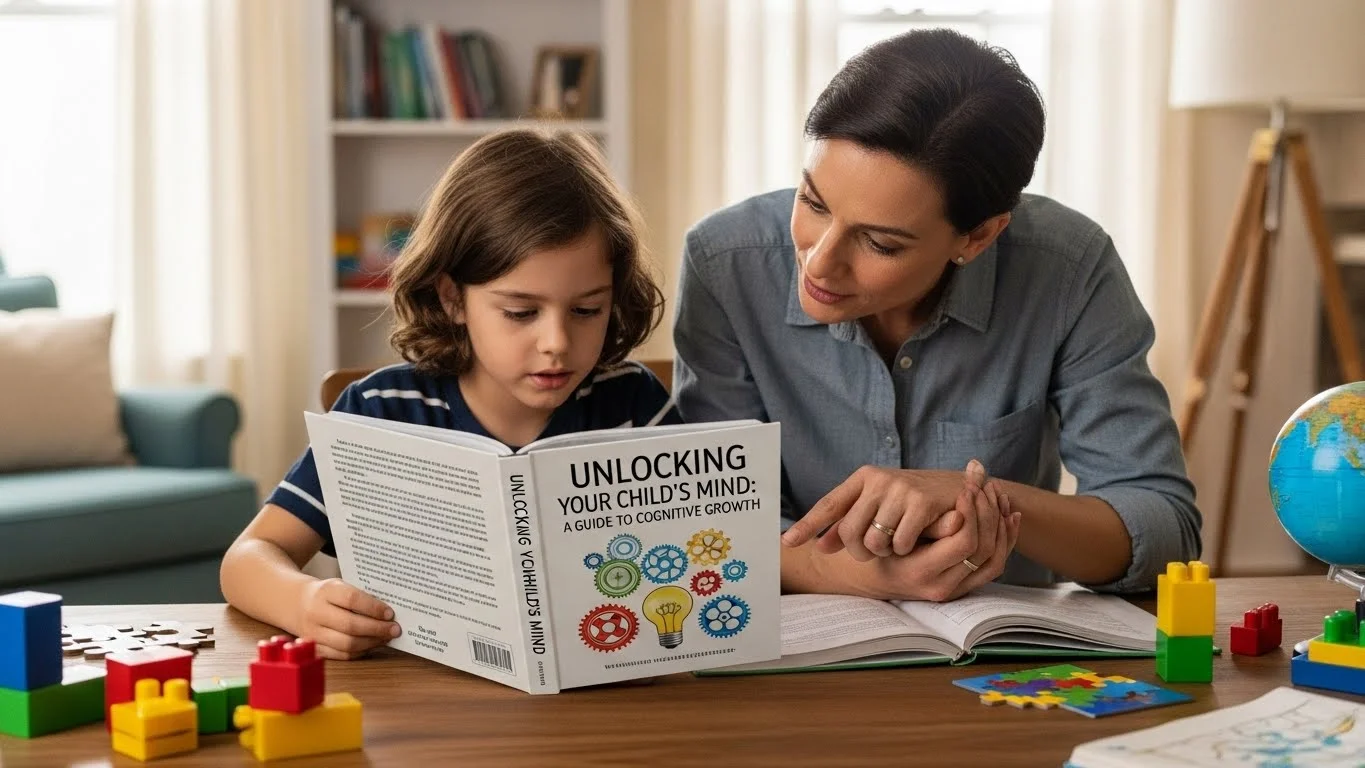
Understanding Cognitive Development in Children
Cognitive development in children is a fascinating area that reflects how they think, learn, and understand the world around them. I remember when my daughter first started to explore her surroundings; it was as if she was discovering a whole new universe. Every little thing seemed to excite her curiosity, and I found myself wanting to learn more about this incredible process. Cognitive growth isn’t simply about acquiring knowledge; it encompasses a wide range of skills, including problem-solving, memory, and critical thinking.
The Stages of Cognitive Growth
As I delved into the stages of cognitive development, I discovered that psychologist Jean Piaget had an influential theory outlining four key stages: sensorimotor, preoperational, concrete operational, and formal operational. Each stage represents a different way children interact with their environment. For instance, during the sensorimotor stage (birth to 2 years), infants learn through their senses and actions. I observed this firsthand when my little one would giggle at the sight of a colorful toy and then try to grab it, eager to explore further.
As children transition to the preoperational stage (ages 2 to 7), they start to use language and engage in symbolic play. I remember having countless conversations where my son would invent stories with his action figures, demonstrating his growing ability to think abstractly. The concrete operational stage (ages 7 to 11) introduces logical reasoning, allowing them to solve problems in a more organized way. In this phase, I noticed my daughter getting better at math and understanding the concept of conservation, realizing that the amount of liquid in two glasses can be the same even if one is taller.
Finally, the formal operational stage (ages 12 and up) is where abstract thinking truly flourishes. This is when teens begin to ponder philosophical questions and develop hypotheses. I can’t help but smile when I think of my son debating complex issues at the dinner table, showcasing how far he has come in his cognitive journey.
Key Theories in Child Development
Besides Piaget, there are other theories that have shaped our understanding of cognitive growth. Lev Vygotsky emphasized the importance of social interaction in learning. He introduced the concept of the Zone of Proximal Development (ZPD), which highlights the difference between what a child can do alone and what they can achieve with guidance. I’ve seen this in action when I sit down to help my kids with their homework. With a little support, they often surprise me with their problem-solving skills.
Another influential figure is Howard Gardner, who proposed the theory of multiple intelligences. I really resonate with this idea, as it acknowledges that children possess various types of intelligence, from linguistic to spatial. Understanding that my children might excel in different areas has encouraged me to provide diverse learning experiences, ensuring they can thrive in their unique ways.
Factors Influencing Cognitive Development
Cognitive development is influenced by several factors, including genetics, environment, and experiences. I’ve learned that a supportive home environment can make a big difference. Quality interactions, such as reading together or engaging in meaningful conversations, can significantly boost cognitive growth. I noticed that when I read aloud to my kids, they not only learned new vocabulary but also developed a love for stories, which I believe has enriched their imagination. For tips on fostering this love, check out our Encouraging Reading Habits: A Parent’s Ultimate Guide.
Socioeconomic status also plays a role. Families with access to educational resources tend to provide more stimulating environments, which can enhance cognitive development. I feel fortunate that my children have access to books, educational toys, and experiences that promote learning. This realization drives me to advocate for equal educational opportunities for all children, as I believe everyone deserves the chance to flourish.
Lastly, I’ve come to understand that the emotional environment is equally vital. Stressful situations can hinder cognitive growth, while a nurturing, positive atmosphere encourages exploration and curiosity. I make a conscious effort to create a home filled with laughter, support, and encouragement, recognizing how crucial this is for my children’s development.
Essential Elements for Cognitive Growth
Nutrition and Brain Development
I’ve always believed that what we put into our bodies plays a crucial role in how our minds develop. Nutrition is so much more than just fueling our bodies; it directly affects brain function and cognitive development in children. I remember when I started to pay more attention to my kids’ diets. It was eye-opening to realize that certain foods could boost their brain power. For instance, I learned about omega-3 fatty acids found in fish, which are essential for brain health. Since then, I’ve made it a point to incorporate more fish into our meals, and I noticed my children seemed more focused during homework time. For more information on this, check out our Top Omega-3 Supplements for Kids: A Parent’s Guide.
Fruits and vegetables are also vital. I found that when my kids eat a colorful array of produce, they not only get necessary vitamins and minerals, but also show improved mood and cognitive performance. I try to make our meals fun by letting them choose the colors of their plates and even involving them in meal prep. It’s a great way to teach them about nutrition while also making them excited about eating healthy!
Importance of Sleep for Cognitive Function
Sleep is another crucial element that I’ve come to appreciate in the realm of cognitive development. There was a time when I didn’t fully grasp how important it was for my children to get enough sleep. I remember the nights when my kids would stay up late, and it always seemed harmless at the time. However, I soon noticed that on those days, they were crankier, less focused, and struggled to retain information.
Research shows that sleep plays a significant role in memory consolidation and learning. I began establishing a consistent bedtime routine, and it made a world of difference. Now, we have quiet time, where we read or talk about our day before lights out. I’ve noticed that this not only helps them fall asleep faster but also wakes them up refreshed and ready to learn more the next day.
Physical Activity and Its Impact on Learning
Physical activity is something I’ve always tried to prioritize for my kids, but I didn’t realize its profound impact on cognitive growth until I started observing their behavior. Whenever we engage in activities like biking, swimming, or even just playing tag in the backyard, I see a noticeable boost in their mood and energy levels. Exercise increases blood flow to the brain, and I believe it sharpens their focus and enhances their ability to absorb new information.
I also discovered that integrating movement into learning can be incredibly effective. For example, we often turn math problems into games, where they might run to different spots in the yard for answers. It keeps them engaged and allows them to connect physical activity with cognitive tasks. I feel like we’re not just promoting their physical health but also enhancing their learning experience in a fun way!
Activities to Stimulate Cognitive Growth
Creative Play and Its Role in Development
Creative play has become one of my favorite ways to nurture my children’s cognitive growth. I remember a time when I set up an art station in our living room, filled with crayons, markers, and paper. What started as a simple idea turned into hours of imaginative exploration. My kids created everything from abstract art to imaginative worlds, all while developing their problem-solving skills and expressing their thoughts and emotions.
I’ve found that when children are allowed to play creatively, they learn to think outside the box and experiment without fear of failure. I often join in, and it’s not just about them creating art; it’s also about me reconnecting with my own creativity. These moments remind me how important it is to foster an environment where imagination thrives.
Educational Games and Their Benefits
Another fantastic way I’ve found to stimulate cognitive growth is through educational games. I love the variety of board games and card games that are available today, which not only make learning fun but also challenge their minds. I remember playing a strategy game with my daughter. At first, she struggled, but as we played more, I saw her analytical skills improve. She began to think several steps ahead and anticipate my moves.
These games also encourage cooperation and communication, making them a great tool for social development. I often invite friends over for game nights, creating a social atmosphere that enhances their learning experience. Watching them strategize and negotiate with their friends has been rewarding, as I see them building essential social skills alongside cognitive ones.
Reading Strategies for Cognitive Enhancement
Reading has always been a cornerstone of our family life, and I can’t stress enough how it contributes to cognitive growth. I discovered that engaging them in discussions about the stories we read not only enhances their comprehension but also sparks their critical thinking. I often ask open-ended questions like, “What do you think will happen next?” or “Why do you think the character made that choice?”
We also have a reading corner filled with books that cater to their interests. I’ve noticed that when they choose what they want to read, they are more invested in the stories and discussions. This autonomy fosters a love for reading, which I believe is essential in nurturing lifelong learners.
STEM Activities to Encourage Logical Thinking
STEM (Science, Technology, Engineering, and Math) activities have become an integral part of our home learning. I remember the excitement of doing simple science experiments together. We once created a volcano with baking soda and vinegar, and their eyes lit up as they watched it erupt. These hands-on experiences not only make learning fun but also help them develop logical thinking and problem-solving skills.
Building with blocks and engaging in coding games are other ways I encourage STEM learning. I’ve seen my children become more curious about how things work and start asking questions that lead to further exploration. It’s such a joy to witness their natural inquisitiveness grow, knowing that we’re setting the foundation for critical thinking and creativity in their future endeavors.
Social and Emotional Learning (SEL)
The Role of Emotional Intelligence in Cognitive Growth
One thing I’ve learned while raising my children is the critical link between emotional intelligence and cognitive growth. Emotional intelligence is about recognizing, understanding, and managing our own emotions and the emotions of others. I remember a moment when my daughter was upset after losing a game. Instead of brushing it off, I took the time to talk to her about her feelings. This conversation opened my eyes to how discussing emotions can enhance her ability to cope with challenges and process her experiences.
Research shows that children with high emotional intelligence tend to perform better academically and socially. I’ve seen firsthand how acknowledging emotions helps my kids articulate their thoughts and feelings, leading to healthier interactions with peers. By promoting emotional awareness, we create a strong foundation for cognitive development, as children learn to navigate their emotions and apply that understanding to their learning processes.
Building Relationships and Social Skills
Social skills are another vital component of cognitive growth, and I’ve found that building relationships plays a huge part in this. I recall setting up playdates for my children, hoping they would learn to share, cooperate, and communicate effectively with their friends. Watching them negotiate, compromise, and even resolve conflicts was a learning experience in itself. These interactions help children develop empathy and understanding, essential skills in both social and academic contexts.
Group activities, whether in sports or arts, provide a perfect platform for nurturing social skills. I often encourage my kids to join clubs or team activities where they can bond with others. This exposure not only enhances their social intelligence but also encourages teamwork and collaboration, which are crucial skills as they grow older and enter more complex learning environments.
Encouraging Resilience and Adaptability
Resilience is something I’ve come to value immensely in my parenting journey. Children inevitably face setbacks, whether it’s a disappointing grade or a failed attempt at a new skill. I remember the first time my son struggled with a difficult math problem. Initially, he was frustrated and wanted to give up. Instead of rescuing him, I guided him to approach the problem from a different angle, which taught him the importance of perseverance. This experience was a great opportunity to foster resilience, showing him that setbacks can lead to growth and learning.
In our family, we often share stories of times we faced challenges and how we overcame them. This practice not only normalizes struggles but also encourages adaptability. I believe that by modeling resilience, we empower our children to embrace difficulties as part of their learning journey, ultimately enhancing their cognitive development.
Technology and Cognitive Development
Benefits of Educational Apps and Tools
As a parent, I’ve navigated the complex world of technology and its impact on my children’s cognitive development. I remember hesitating at first to let my kids use educational apps, worried about screen time. However, I soon discovered a wealth of resources designed to enhance learning. For instance, there are fantastic apps that teach math and reading skills through interactive games. My kids have even started to associate learning with fun, which I think is crucial.
These tools often provide instant feedback, allowing my children to identify their strengths and areas for improvement. I’ve noticed that they are more willing to engage with challenging concepts when they can see their progress in real-time. By integrating technology into our learning routine, I feel like we’re harnessing its power to support cognitive growth rather than detracting from it.
Screen Time: Balancing Technology Use
While I see the benefits of educational technology, I also recognize the importance of balance. I’ve implemented screen time limits to ensure that my kids engage in a variety of activities. For every hour spent on an educational app, I encourage an hour of reading or outdoor play. This balance has made a difference in their overall well-being and cognitive engagement. It’s not just about limiting screen time but promoting a holistic approach to learning.
I often remind my children that technology is a tool, not a replacement for creativity or exploration. By discussing the importance of balance, we’ve established a family culture that values both the advantages of technology and the joy of traditional play and learning methods.
Interactive Learning Platforms for Kids
Interactive learning platforms have become a favorite in our household. I remember discovering a website that offered science experiments, interactive stories, and math challenges. The hands-on approach captivated my children, allowing them to learn at their own pace. They often get lost in these platforms, exploring different subjects while honing their problem-solving skills.
These platforms also encourage curiosity and self-directed learning. I’ve seen my children dive deep into topics that pique their interest, often leading to discussions around the dinner table about what they’ve learned. This engagement not only enhances their cognitive skills but also fosters a love of learning that I hope will last a lifetime.
Frequently Asked Questions
What is cognitive development in children?
Cognitive development in children reflects how they think, learn, and understand the world around them. It encompasses skills such as problem-solving, memory, and critical thinking.
Who proposed the influential theory of cognitive development stages?
Psychologist Jean Piaget proposed the influential theory outlining four key stages of cognitive development: sensorimotor, preoperational, concrete operational, and formal operational.
What are the four key stages of cognitive development according to Piaget?
The four key stages of cognitive development according to Piaget are: sensorimotor (birth to 2 years), preoperational (ages 2 to 7), concrete operational (ages 7 to 11), and formal operational (ages 12 and up).
What is the Zone of Proximal Development (ZPD)?
The Zone of Proximal Development (ZPD) is a concept introduced by Lev Vygotsky that highlights the difference between what a child can do alone and what they can achieve with guidance.
How does nutrition affect cognitive development in children?
Nutrition plays a crucial role in cognitive development as it directly affects brain function. Foods rich in omega-3 fatty acids and a colorful array of fruits and vegetables can boost brain power and cognitive performance.
What role does sleep play in cognitive function?
Sleep is vital for cognitive function as it plays a significant role in memory consolidation and learning. A consistent bedtime routine can help children wake up refreshed and ready to learn.
How can physical activity impact cognitive growth?
Physical activity boosts mood and energy levels in children, increases blood flow to the brain, and enhances their ability to absorb new information. Integrating movement into learning can keep children engaged.
What types of activities can stimulate cognitive growth in children?
Activities that can stimulate cognitive growth include creative play, educational games, reading discussions, and STEM activities. These experiences encourage problem-solving, critical thinking, and logical reasoning.
How does emotional intelligence contribute to cognitive growth?
Emotional intelligence helps children recognize and manage their emotions, which enhances their ability to cope with challenges and fosters healthier interactions, ultimately supporting cognitive development.
What is the importance of balancing technology use for children’s learning?
Balancing technology use is important to ensure children engage in a variety of activities. Implementing screen time limits promotes a holistic approach to learning, combining educational technology with traditional play and learning methods.