
Unlocking your newborn’s potential begins with understanding their motor skills milestones. These early physical developments lay the foundation for future movement, coordination, and overall growth. For more information on these important milestones, check out Essential Motor Skills Milestones for Your Newborn’s Growth.
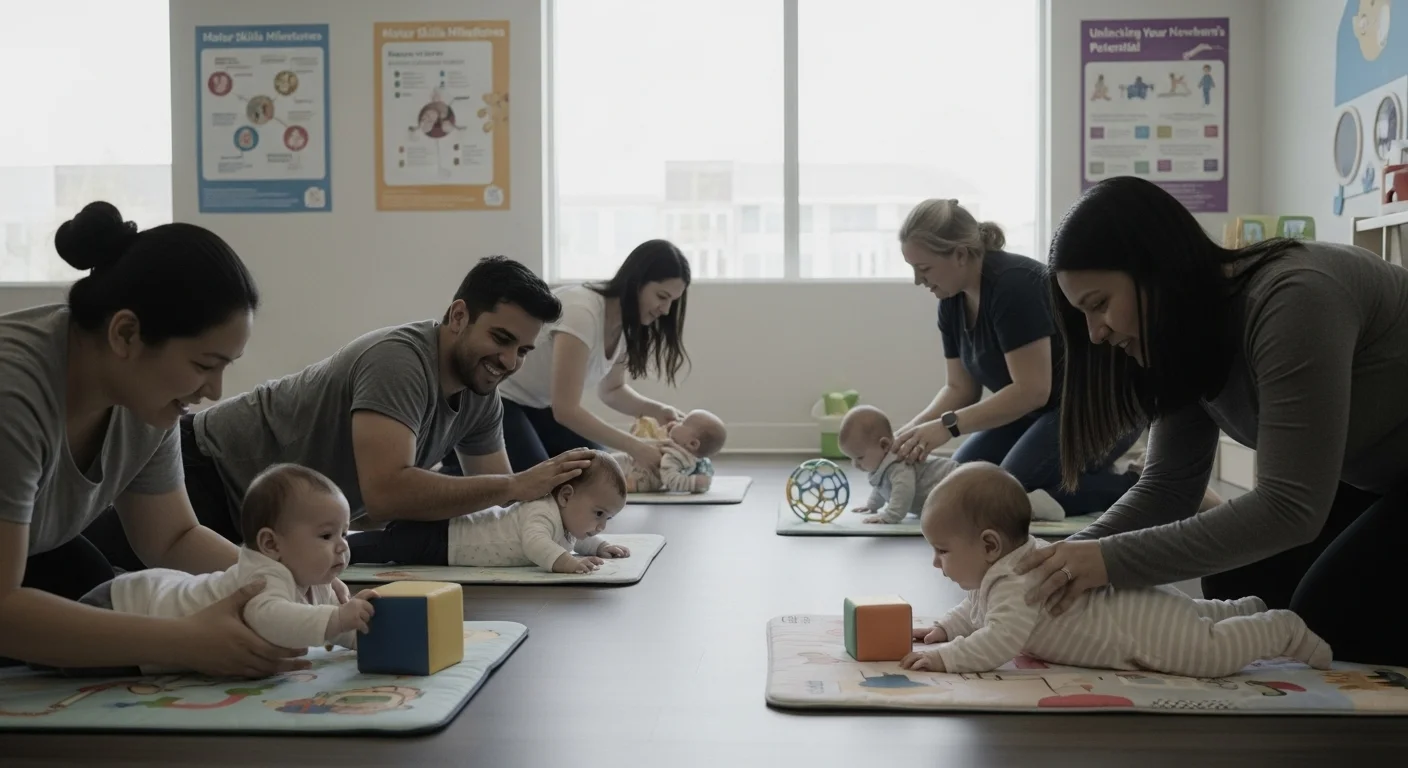
Understanding Motor Skills in Newborns
Definition of Motor Skills
Motor skills refer to the abilities that require coordinated movements of muscles and limbs. These skills are often categorized into two types: gross motor skills and fine motor skills. Gross motor skills involve larger movements, like those of the arms and legs, while fine motor skills require more precise actions, such as grasping objects with fingers. I remember the first time I saw my baby reach for a toy; it was a magical moment that highlighted how these skills develop gradually over time.
Importance of Motor Skills Development
The development of motor skills is crucial for a newborn’s overall growth and independence. As I learned through my parenting journey, these skills not only enable babies to explore their environment but also support cognitive and social development. For example, when my little one began to crawl, it sparked a curiosity that led to discovering new toys, textures, and sounds. This exploration is vital for learning, and it all starts with mastering basic motor skills. You can learn more about cognitive milestones in newborns in the article Traveling Smart: Cognitive Milestones in Newborns Explained.
Key Motor Skills Milestones by Age
0-3 Months: Reflexes and Early Movements
In the first three months of life, newborns exhibit a range of reflexes. These automatic responses include grasping, rooting, and startling. I remember watching my baby flinch at sudden noises or instinctively grasp my finger. It’s fascinating to realize these reflexes are not just random actions; they play a critical role in laying the groundwork for more complex movements. During this stage, babies start to gain control over their head and neck, which is essential for later milestones.
4-6 Months: Reaching and Grasping
As my baby approached the four to six-month mark, I noticed significant changes. This was the time when reaching for toys became a thrilling game. Babies begin to intentionally reach and grasp objects, refining their hand-eye coordination. I recall how delighted my little one was when they could finally grab a rattle and shake it. This newfound ability not only promotes physical development but also boosts their confidence and curiosity. It’s a joyful experience seeing them engage with their surroundings.
7-9 Months: Sitting Up and Crawling
By seven to nine months, most babies can sit up independently, and many start crawling. I remember the excitement and a little anxiety when my baby first crawled. It felt like a milestone that opened up a new world of exploration. Crawling enhances coordination, balance, and strength, allowing babies to move around and discover their environment. It’s a pivotal point in their development where they start to interact more with toys and people, fostering social skills along the way.
10-12 Months: Standing and Cruising
As we approached the one-year mark, I was in awe of how quickly my baby was developing. They began pulling themselves up to stand and even started cruising along furniture. This stage is critical as it prepares babies for walking. I found myself constantly encouraging my little one to stand and take those first wobbly steps. Each attempt was met with cheers and claps from me, reinforcing their courage to try. Standing and cruising not only build strength in the legs but also contribute to their confidence and independence.
Factors Influencing Motor Skills Development
Genetics and Heredity
As I navigated through the early stages of my baby’s growth, I often thought about how much of their development is influenced by genetics. I realized that just like their eye color or height, motor skills can also be affected by hereditary traits. Some babies might naturally be more physically coordinated than others due to genetic factors. I remember seeing my niece, who seemed to have inherited her parents’ athleticism, effortlessly roll over and crawl before her peers. This made me think about how every child is unique in their journey, and it’s essential to celebrate those differences rather than compare them to others.
Nutrition and Health
Nutrition plays a vital role in my baby’s growth and development. I learned that a well-balanced diet rich in essential nutrients supports not just physical growth but also neurological development. I made it a point to ensure my little one received ample vitamins and minerals, especially during those crucial early months. I found that breast milk or formula provides the necessary nutrients, but as they began eating solids, I introduced a variety of fruits and vegetables. It was heartwarming to see my child get excited about trying new foods. Healthy eating helped fuel their energy, which they needed as they began to move more and practice those important motor skills.
Environment and Stimulation
Creating an enriching environment was a top priority for us. I discovered that the surroundings in which a baby grows can significantly influence their motor skills development. We made a conscious effort to create a safe and stimulating space filled with bright colors, different textures, and a variety of toys. I remember placing my baby on a soft play mat with colorful blocks and rattles, encouraging them to reach and grab. They were fascinated by the sounds and sights around them. I noticed that providing opportunities for exploration and interaction helped them develop their skills more rapidly. I believe that the more engaged babies are with their environment, the more they will learn and grow. To better understand the physical milestones to expect, check out Navigating Newborn Physical Milestones: What to Expect.
Recognizing Delays in Motor Skills Milestones
Signs of Delayed Motor Skills
While watching my baby grow, I also became aware of the importance of recognizing any signs of delayed motor skills. If I noticed my child struggling to reach for toys or not showing interest in movement by a certain age, it raised a little flag in my mind. Some signs to watch for include not being able to hold their head up by three months, not rolling over by six months, or not attempting to stand by a year. I found that staying informed about these milestones helped me feel more confident in my parenting. If something seemed off, I knew it was essential to pay attention and seek guidance.
When to Consult a Pediatrician
In my experience, it’s always best to trust your instincts as a parent. If you feel that your baby is not meeting their motor skills milestones, it’s crucial to consult a pediatrician. I remember having a conversation with our doctor about my concerns when my baby was a little slower to crawl than other babies. The pediatrician was reassuring and helped me understand that every child develops at their own pace, but they also advised us on what to monitor. I learned that early intervention is often key, so it’s better to be proactive. Having an open line of communication with my pediatrician helped me feel supported in my parenting journey.
Activities to Promote Motor Skills Development
Tummy Time and Its Benefits
Tummy time became one of my favorite activities with my baby. I learned that placing my little one on their stomach while they were awake helps strengthen their neck, back, and shoulder muscles. At first, they would fuss a little, but over time they grew to enjoy it. I found that laying down with them and making funny faces or placing toys just out of reach encouraged them to lift their head and push up. This simple activity not only promoted physical development but also created bonding moments between us.
Interactive Play: Toys and Games
When it came to promoting motor skills, I discovered that the right toys made a world of difference. Soft blocks, stacking rings, and textured toys kept my baby engaged and challenged. I loved watching them figure out how to grasp and manipulate different objects. We also played games like peek-a-boo and pat-a-cake, which not only entertained them but also encouraged hand movements and coordination. I found that interactive play was not only fun but also a fantastic way to support their development.
Encouraging Movement: Safe Spaces for Exploration
Creating safe spaces for my baby to explore was essential. I arranged the living room to allow for their movement without the worry of bumps or falls. I remember setting up pillows and soft cushions around to create a little obstacle course. This allowed my baby to practice crawling and eventually standing while feeling secure. I always encouraged them to reach for toys just out of their grasp, which motivated them to move. It was incredible to witness their confidence grow as they became more adventurous in their exploration.
Supporting Your Newborn’s Physical Development
Creating a Safe and Stimulating Environment
As I immersed myself in the journey of parenting, I quickly realized how much the environment impacts a newborn’s physical development. Creating a safe space for exploration was a priority for us. I took the time to baby-proof our home, ensuring that sharp objects and choking hazards were out of reach. I remember spending an afternoon getting down on my hands and knees to see things from my baby’s perspective. It was an eye-opening experience! I noticed how different colors and textures caught their attention. I made sure to include a variety of toys and safe surfaces for my little one to explore. Soft rugs and colorful mats became areas of fun and learning, encouraging my baby to crawl and play without worry. In my opinion, a stimulating environment filled with safe exploration opportunities truly allows babies to thrive.
Parental Involvement and Interaction
From my experience, active parental involvement is key to supporting my baby’s motor skills development. I learned that simple interactions can have a big impact. Engaging with my little one during playtime not only fosters bonding but also enhances their learning experiences. I made it a point to get down on the floor, play with them, and model movements. For instance, during tummy time, I would lie beside them and encourage them to push up and look around. I would cheer them on as they attempted to reach for toys, reinforcing their efforts and boosting their confidence. I also found that singing songs and making silly sounds while playing encouraged my baby to move and respond. In those moments, I felt like we were not just nurturing their physical growth, but also creating beautiful memories together.
Using Baby Gear Wisely (e.g., Carriers, Bouncers)
When it comes to baby gear, I found that using it wisely can greatly impact motor skills development. While items like bouncers and swings can provide much-needed breaks for parents, I learned that they shouldn’t replace floor time for my baby. I remember using a baby carrier that allowed me to have my little one close while still being active. This way, I could carry them around the house, showing them different things while encouraging them to engage with their surroundings. I also made sure to limit the time spent in devices that restrict movement, like bouncers or activity centers, so my baby had plenty of opportunities to freely practice their skills. It’s all about balance, and I found that allowing them to move and explore as much as possible helped them develop their motor skills effectively.
Resources for Parents
Books and Guides on Motor Skills Development
Diving into the world of parenting literature was incredibly helpful for me. There are so many excellent books and guides focused on motor skills development that can provide valuable insights and activities to try. I remember picking up a couple of parenting books that outlined developmental milestones and suggested fun activities to promote movement. Reading about other parents’ experiences and expert advice gave me reassurance and new ideas. I found that having a few reliable resources on hand helped me stay informed and prepared for my baby’s growth journey.
Online Communities and Support Groups
I also discovered the benefit of connecting with other parents through online communities and support groups. These platforms became a treasure trove of shared experiences, advice, and encouragement. I joined a local parenting group on social media, where parents exchanged tips, ideas, and even their worries about development. It was comforting to realize I wasn’t alone in my concerns. I remember one mom sharing a creative game she played with her baby that inspired me to try something new. The sense of camaraderie and support from these communities made my parenting journey more enjoyable and enriched my understanding of child development.
Professional Help: Therapists and Pediatric Specialists
Sometimes, I found it beneficial to seek professional help. If I ever had concerns about my baby’s development that seemed beyond the norm, I didn’t hesitate to reach out to specialists. We consulted a pediatric physical therapist for advice on some activities tailored to my baby’s needs. It was reassuring to have guidance from someone knowledgeable, and I learned valuable techniques to help support my baby’s motor skills. I believe that reaching out for professional help when needed can make a significant difference in a child’s development, and it’s absolutely okay to seek assistance.
Final Thoughts
Reflecting on my journey as a parent, I can’t help but feel grateful for the amazing exploration of my baby’s development. Understanding motor skills and how they evolve over time has been both fascinating and rewarding. Each milestone was like a little celebration, marking everything from the first grasp of a toy to those wobbly steps that come just before walking. I believe that being attuned to your baby’s development is essential, but it’s equally important to remember that every child is unique and will progress at their own pace.
Along the way, I learned that nurturing motor skills goes beyond just physical activities. Creating a supportive environment filled with love, encouragement, and safety plays a huge role. I often found myself engaged in play, laughing and cheering my baby on as they attempted new feats. Those moments of connection not only fostered their physical growth but also solidified our bond. I think that active participation in their exploration can make all the difference in their confidence and willingness to try new things.
It’s also okay to seek help along the way, whether from books, online communities, or professionals. There’s a wealth of knowledge out there, and tapping into that can provide reassurance and fresh ideas. I remember feeling a bit overwhelmed at times, but knowing that support was available made those challenges easier to navigate. I encourage all parents to trust their instincts and reach out when necessary. It’s all about cultivating a nurturing, engaging, and safe space for our little ones to thrive.
As I continue to witness my child’s growth, I remain excited about all the new skills they will develop. I look forward to celebrating those milestones, and I firmly believe that with the right support, encouragement, and love, every baby can unlock their full potential. Let’s embrace this incredible journey together, celebrating each step as they grow and learn.
Frequently Asked Questions
What are motor skills?
Motor skills refer to the abilities that require coordinated movements of muscles and limbs, categorized into gross motor skills (larger movements) and fine motor skills (more precise actions).
Why is motor skills development important for newborns?
The development of motor skills is crucial for a newborn’s overall growth and independence, enabling exploration of their environment and supporting cognitive and social development.
What are the key motor skills milestones for newborns from 0 to 12 months?
Key milestones include reflexes and early movements from 0-3 months, reaching and grasping from 4-6 months, sitting up and crawling from 7-9 months, and standing and cruising from 10-12 months.
What factors influence motor skills development in newborns?
Factors influencing motor skills development include genetics and heredity, nutrition and health, and the environment and stimulation provided to the baby.
What signs indicate delayed motor skills in infants?
Signs of delayed motor skills include not being able to hold their head up by three months, not rolling over by six months, or not attempting to stand by a year.
When should parents consult a pediatrician regarding motor skills?
Parents should consult a pediatrician if they feel their baby is not meeting motor skills milestones or if they have concerns about their child’s development.
What activities can promote motor skills development in babies?
Activities to promote motor skills include tummy time, interactive play with toys and games, and creating safe spaces for exploration.
How can parents create a safe and stimulating environment for their newborns?
Parents can create a safe environment by baby-proofing their home, including a variety of toys and safe surfaces, and ensuring the space is filled with bright colors and different textures.
What role does parental involvement play in motor skills development?
Active parental involvement is key; engaging with the baby during playtime fosters bonding and enhances learning experiences, reinforcing their efforts and boosting their confidence.
What resources are available for parents to learn about motor skills development?
Resources for parents include books and guides on motor skills development, online communities and support groups, and professional help from therapists and pediatric specialists.