
As parents, choosing a vegan diet for our kids can feel like a big decision. It’s exciting to embrace a lifestyle that promotes health, but it raises many questions about nutrition and well-being. To help navigate this journey, I found some valuable resources, including Top Tips for Meeting Vegan Children’s Nutritional Needs.
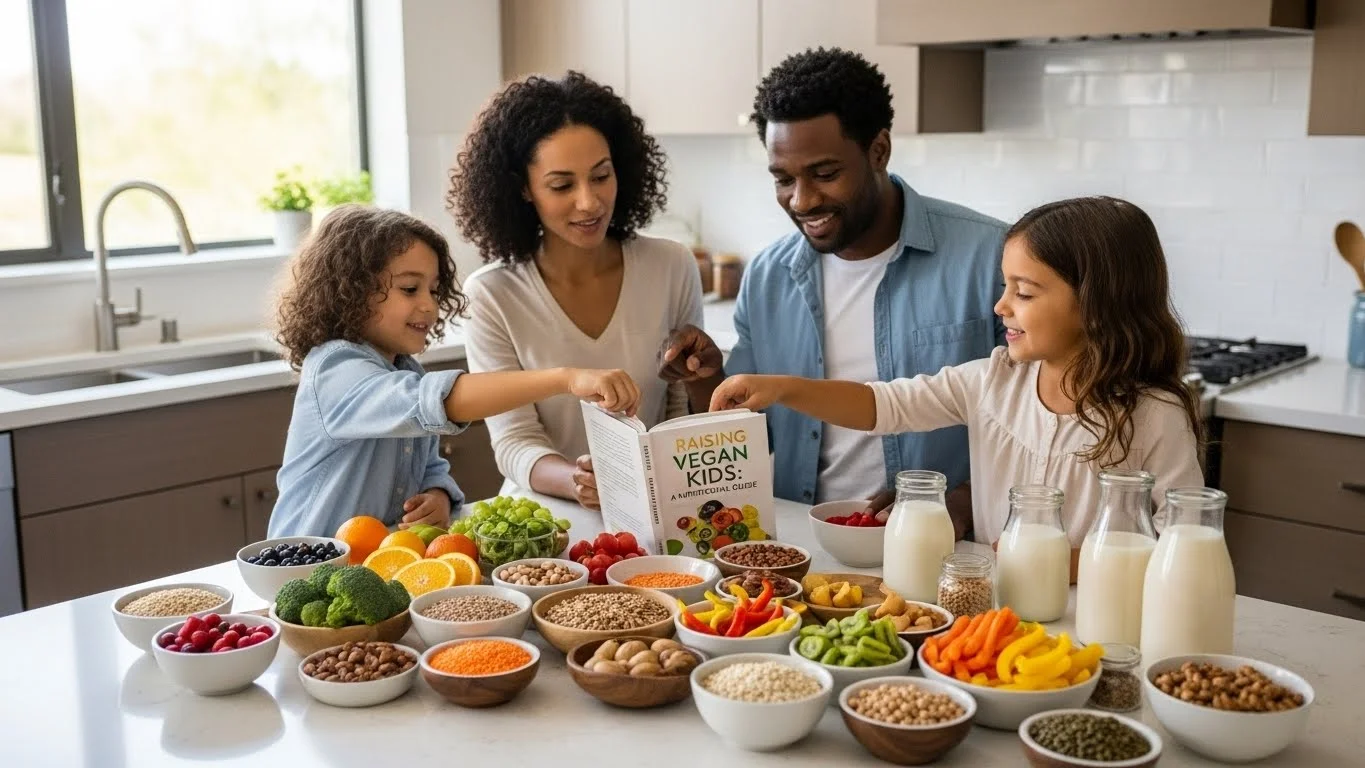
Understanding Vegan Diets for Kids
Definition of a Vegan Diet
A vegan diet is one that excludes all animal products, including meat, dairy, eggs, and even honey. This means that everything from the food on our plates to the snacks in our cupboards is plant-based. I remember when I first considered this lifestyle for my family; it was a shift that required some research and adjustment. I quickly learned that a vegan diet should still be balanced and varied to meet a child’s nutritional needs.
Benefits of a Vegan Diet for Children
There are numerous benefits to raising kids on a vegan diet. For one, it encourages the consumption of fruits, vegetables, whole grains, and legumes. I noticed that my children became more adventurous with their food choices, trying ingredients they may not have touched before. Not only does a vegan diet help in promoting healthier eating habits, but it can also lower the risk of chronic illnesses, such as heart disease and obesity, later in life. In my experience, kids on a vegan diet often have more energy and can concentrate better in school. Plus, there’s the added benefit of teaching compassion towards animals and an awareness of environmental issues. You can read more about this in the article Essential Nutritional Needs for Vegan Kids Explained.
Potential Challenges of Vegan Diets for Kids
However, transitioning to a vegan diet comes with its challenges. One of the main concerns many parents have is whether their kids are getting enough nutrients. I felt overwhelmed at times, worried that my children might miss out on vital vitamins and minerals. Another challenge is navigating social situations, such as birthday parties or school lunches, where vegan options may be limited. It can also be tough to manage the balance between healthy, whole foods and convenience, especially during busy days. But with some planning and creativity, I found effective solutions to these challenges.
Key Nutritional Considerations
Essential Nutrients for Growing Kids
When I started my family on a vegan journey, one of my biggest worries was ensuring that my kids were getting all the essential nutrients they needed for their growth and development. Children have unique nutritional requirements as they grow, and it’s crucial to pay attention to their needs. I learned that a well-rounded vegan diet can provide all the nutrients they need, but planning is key. It’s amazing how many nutritious options are available when you start exploring plant-based foods. For me, it was all about finding the right balance and incorporating a variety of foods into their meals.
Protein Sources in a Vegan Diet
Protein is often a hot topic when discussing vegan diets. I remember feeling uncertain about whether my kids were getting enough protein from their food. I soon discovered that there are plenty of plant-based protein sources, like lentils, chickpeas, quinoa, tofu, and tempeh. I started mixing these into our meals, and I found that my kids loved things like lentil soup and chickpea salads. I also learned that nuts and seeds, like almonds and chia seeds, are great additions to snacks and meals. It’s comforting to know that with a little creativity, we can meet our protein needs while enjoying delicious food.
Importance of Omega-3 Fatty Acids
Omega-3 fatty acids are vital for brain development, and I was concerned about how to incorporate them into my kids’ diet. I found that flaxseeds, chia seeds, and walnuts are excellent vegan sources of omega-3s. We started adding ground flaxseed to smoothies and oatmeal, which was a hit with my kids. I also learned about algal oil, a plant-based supplement that provides omega-3s similar to those found in fish. It was reassuring to know that I could ensure my kids were getting this important nutrient without relying on fish.
Calcium and Vitamin D for Bone Health
Bone health is another area where I wanted to be sure my kids were well taken care of. Calcium is essential, and I discovered that it’s abundant in plant foods like leafy greens, fortified plant milks, tofu, and almonds. I made it a point to include these foods regularly. As for Vitamin D, I learned that sunlight is a natural source, but we also opted for fortified plant-based milks and cereals. I felt better knowing we were covering both bases for strong bones.
Iron and Zinc: Key Minerals
Iron and zinc are important minerals for growing children, and they can sometimes be a bit tricky to obtain on a vegan diet. I learned that beans, lentils, and fortified cereals are great sources of iron. To enhance absorption, I always paired these with Vitamin C-rich foods, like oranges or bell peppers. I found that making a colorful bean salad with lime juice and chopped veggies not only tasted great but also helped with iron absorption. As for zinc, I incorporated more whole grains, nuts, and seeds into our meals. It was all about making small adjustments to our eating habits that made a big difference.
Vitamin B12: The Vegan Concern
Vitamin B12 was something that really caught my attention when I started exploring veganism. This vitamin is crucial for nerve function and the production of red blood cells, but it’s primarily found in animal products. To ensure my kids were getting enough B12, I decided to incorporate fortified foods like plant-based milks and nutritional yeast into our meals. I also considered a B12 supplement to give us peace of mind. It’s a good idea to monitor B12 levels regularly, especially for kids on a vegan diet.
Fiber and Digestive Health
One of the surprising benefits I found while shifting to a vegan diet was the increase in fiber intake. My kids’ diets became rich in fruits, vegetables, whole grains, and legumes, all of which are packed with fiber. This not only supports digestive health but also keeps them feeling full and satisfied. I loved seeing them munch on whole grain toast with avocado or snack on fruits and veggies. It was a win-win situation; they were getting the nutrients they needed, and I felt good knowing I was helping their digestive health.
Meal Planning for Vegan Kids
Sample Meal Ideas for Breakfast
Breakfast has always been a challenge for us, but I found that with a little creativity, it can be exciting and nutritious. Smoothies became a morning staple in our house. I blend a mix of spinach, banana, almond milk, and a tablespoon of peanut butter for a delicious and energizing start to the day. Sometimes, we switch it up with oatmeal topped with berries, nuts, and a drizzle of maple syrup. I’ve also experimented with chia seed pudding, which my kids absolutely adore. Just mix chia seeds with almond milk and let it sit overnight; by morning, it’s a delightful treat that they can customize with their favorite toppings. These meals not only provide essential nutrients but also set a positive tone for the day ahead.
Lunch Options That Kids Will Love
When it comes to lunches, I’ve learned that packing a variety of colorful foods keeps my children excited about their meals. I often prepare wrap sandwiches using whole grain tortillas filled with hummus, mixed veggies, and a sprinkle of nutritional yeast for flavor. On days when time is tight, I toss together a quinoa salad with black beans, corn, cherry tomatoes, and avocado. My kids love it! I also make sure to include some fresh fruit, like apple slices or a handful of grapes, and maybe a small container of homemade energy bites made from oats, nut butter, and dried fruits. It’s heartwarming to see them enjoy their lunches and come home with empty lunch boxes.
Nutrient-Dense Snacks for Children
Snacks can often be the secret weapon in keeping our kids well-nourished throughout the day. I’ve found that having healthy snacks readily available helps prevent the temptation of processed options. We like to keep a stash of cut-up veggies like carrots, cucumbers, and bell peppers in the fridge, paired with a simple homemade guacamole or hummus. Trail mix also became a favorite in our home, combining nuts, seeds, and dried fruits. Sometimes, we even bake our own granola bars packed with oats, nut butter, and a bit of dark chocolate. These snacks are not only delicious but fuel their activities and keep their energy levels steady.
Easy and Healthy Vegan Dinner Recipes
Dinner time is where I get to experiment with new recipes. One of our family favorites is a hearty vegetable stir-fry, which I pile high with colorful veggies and serve over brown rice or quinoa. It’s such a quick dish and perfect for using up whatever vegetables we have on hand. Another go-to meal is a lentil pasta, which I pair with a homemade marinara sauce filled with veggies. My kids love pasta night! I also try to make a big batch of chili with beans, tomatoes, and spices, which we can enjoy for multiple meals throughout the week. These dinners not only satisfy their taste buds but also contribute to their health.
Incorporating Variety into Meals
One of the most important lessons I’ve learned while planning meals is the value of variety. It’s easy for kids to get bored with the same dishes, so I make a conscious effort to introduce new foods and flavors each week. For instance, we designate one night a week as “International Night,” where we explore different cuisines, like Indian curry with chickpeas or Mexican tacos with lentil filling. I’ve noticed that my kids are more willing to try new foods when there’s a fun theme involved. Plus, it becomes a family adventure, and we often find new favorites along the way. Keeping meals interesting not only nourishes their bodies but also helps cultivate a love for diverse foods.
Engaging Kids with Veganism
Teaching Kids About Nutrition
One of the most rewarding aspects of raising my kids on a vegan diet has been the opportunity to teach them about nutrition. I think it’s important for children to understand what they’re eating and why it’s good for their bodies. We often have discussions at the dinner table about the benefits of different foods. For example, I explain how leafy greens help keep their bones strong and how beans provide them with the energy they need to play and learn. I’ve noticed that when they learn the reasons behind our food choices, they become more enthusiastic about their meals. I even found some fun educational games that revolve around healthy foods, making learning about nutrition enjoyable and interactive.
Involving Kids in Meal Prep
Getting my kids involved in meal preparation has been a game changer. They love to help in the kitchen, and it’s a great way for them to feel connected to their food. I remember the first time I let them pick out produce at the farmer’s market; their eyes lit up with excitement as they chose colorful fruits and veggies. We often prepare meals together, whether it’s chopping vegetables, mixing ingredients, or even creating our own recipes. This hands-on experience not only teaches them valuable cooking skills but also fosters a sense of responsibility and pride in what they eat. I’ve found that when they help make their meals, they are much more likely to try new dishes.
Cooking Classes and Workshops
As my kids’ interest in cooking grew, I decided to look for local cooking classes that focus on plant-based meals. Participating in these classes has been such a fun experience for our family. I was pleasantly surprised at how much they learned in just a few sessions—everything from knife skills to the basics of flavor pairing. Plus, it’s a fantastic opportunity to meet other families who share similar culinary interests. We even formed a little group where we could share recipes and cooking tips. I believe that these classes not only equip my kids with practical skills but also instill a lifelong appreciation for healthy cooking.
Addressing Common Concerns
Are Vegan Diets Safe for Children?
One of the most common questions I encounter is whether a vegan diet is safe for children. I’ve done my research and consulted with nutritionists, and I truly believe that a well-planned vegan diet can meet all the nutritional requirements for growing kids. It’s all about balance and ensuring that they are receiving a variety of foods. I think the key is to stay informed, be mindful of their nutritional needs, and make adjustments as necessary. By doing this, I feel confident that my children are getting everything they need to thrive.
Meeting Dietary Restrictions and Allergies
As we’ve gone through our vegan journey, we’ve also encountered friends and family members with dietary restrictions and allergies. It’s important to be aware of these when planning meals. I remember hosting a gathering and wanting to make sure all the kids could enjoy the food. I learned to create versatile dishes that could easily be adapted, like a build-your-own taco night with various fillings to cater to everyone’s needs. Being mindful of allergies doesn’t just help our friends feel included, but it also teaches my kids about compassion and understanding toward others’ dietary choices.
Consulting with Healthcare Professionals
Anytime I had concerns about nutrition, I found it helpful to consult with healthcare professionals. We scheduled check-ups with our pediatrician to monitor my kids’ growth and nutritional status. Our doctor has been supportive and even suggested some dietary tweaks along the way. I think it’s crucial for parents to have open communication with their healthcare providers, especially when making significant dietary choices. It gives me peace of mind knowing that I’m making informed decisions for my kids’ health.
Resources and Support for Vegan Families
Recommended Books and Cookbooks
As I dove deeper into veganism, I discovered a treasure trove of books and cookbooks that have been invaluable. Some of my favorites include “Plant-Powered Families” by Dreena Burton and “The Vegan Cookbook for Kids” by Grace O. I often find myself flipping through these books for inspiration and new ideas. They not only provide delicious recipes but also helpful tips on nutrition and meal planning. I encourage other families to explore these resources and find what resonates with them.
Online Communities and Forums
Connecting with other vegan families online has been another source of support for me. I joined a few online forums and social media groups where parents share tips, recipes, and experiences. It’s comforting to know that there are others out there navigating the same journey. I’ve found so much encouragement in these communities, and it’s a great way to exchange ideas and learn from each other. For more on this topic, check out Essential Nutritional Needs for School-Aged Kids.
Nutritional Consultation Services
For those who may feel overwhelmed, seeking out nutritional consultation services can be a lifesaver. I reached out to a registered dietitian who specializes in vegan nutrition, and she helped us create a tailored meal plan that fit our needs. Having expert guidance made a huge difference in my confidence as a parent. I highly recommend this route for families looking to ensure they’re meeting their nutritional goals.
Final Thoughts
Embracing a vegan lifestyle for my kids has been a rewarding journey filled with learning and growth. I’ve witnessed my children develop a love for diverse foods, a stronger understanding of nutrition, and a sense of compassion for the world around them. While there are challenges, I’ve learned that with planning, creativity, and support, a vegan diet can be both enjoyable and nutritionally adequate for children. I hope that by sharing our experiences and insights, other families can find inspiration and encouragement in their own vegan journeys. Together, we can create a healthier future for our children and the planet.
Frequently Asked Questions
What is a vegan diet?
A vegan diet is one that excludes all animal products, including meat, dairy, eggs, and even honey. It is entirely plant-based.
What are the benefits of a vegan diet for children?
Raising kids on a vegan diet encourages the consumption of fruits, vegetables, whole grains, and legumes, promotes healthier eating habits, lowers the risk of chronic illnesses, and teaches compassion towards animals and awareness of environmental issues.
What are some potential challenges of a vegan diet for kids?
Potential challenges include concerns about nutrient intake, navigating social situations where vegan options are limited, and balancing healthy foods with convenience, especially during busy days.
How can parents ensure their kids get enough protein on a vegan diet?
Parents can ensure adequate protein by incorporating plant-based sources such as lentils, chickpeas, quinoa, tofu, tempeh, nuts, and seeds into their children’s meals and snacks.
Why are omega-3 fatty acids important, and how can they be sourced on a vegan diet?
Omega-3 fatty acids are vital for brain development. Vegan sources include flaxseeds, chia seeds, walnuts, and algal oil, which is a plant-based supplement that provides omega-3s similar to those found in fish.
How can parents ensure their kids receive enough calcium and vitamin D?
Calcium can be found in leafy greens, fortified plant milks, tofu, and almonds. Vitamin D can be sourced from sunlight, fortified plant-based milks, and cereals.
What are good sources of iron and zinc for vegan kids?
Good sources of iron include beans, lentils, and fortified cereals. Zinc can be obtained from whole grains, nuts, and seeds. To enhance iron absorption, pairing these with Vitamin C-rich foods is beneficial.
Is it necessary for vegan kids to take vitamin B12 supplements?
Vitamin B12 is crucial for nerve function and is mainly found in animal products. Vegan kids should incorporate fortified foods like plant-based milks and nutritional yeast, and consider a B12 supplement to ensure adequate intake.
How can parents get their kids involved in meal preparation?
Involving kids in meal preparation can include allowing them to pick out produce, helping with chopping vegetables, mixing ingredients, or even creating their own recipes, fostering a connection to their food.
Are there resources available for families following a vegan diet?
Yes, there are numerous resources such as recommended books and cookbooks, online communities, forums, and nutritional consultation services that can provide support and guidance for vegan families.