
As more families embrace plant-based diets, parents often have questions about vegan nutrition for their kids. It’s essential to explore how to provide healthy, balanced meals that support growth and development.
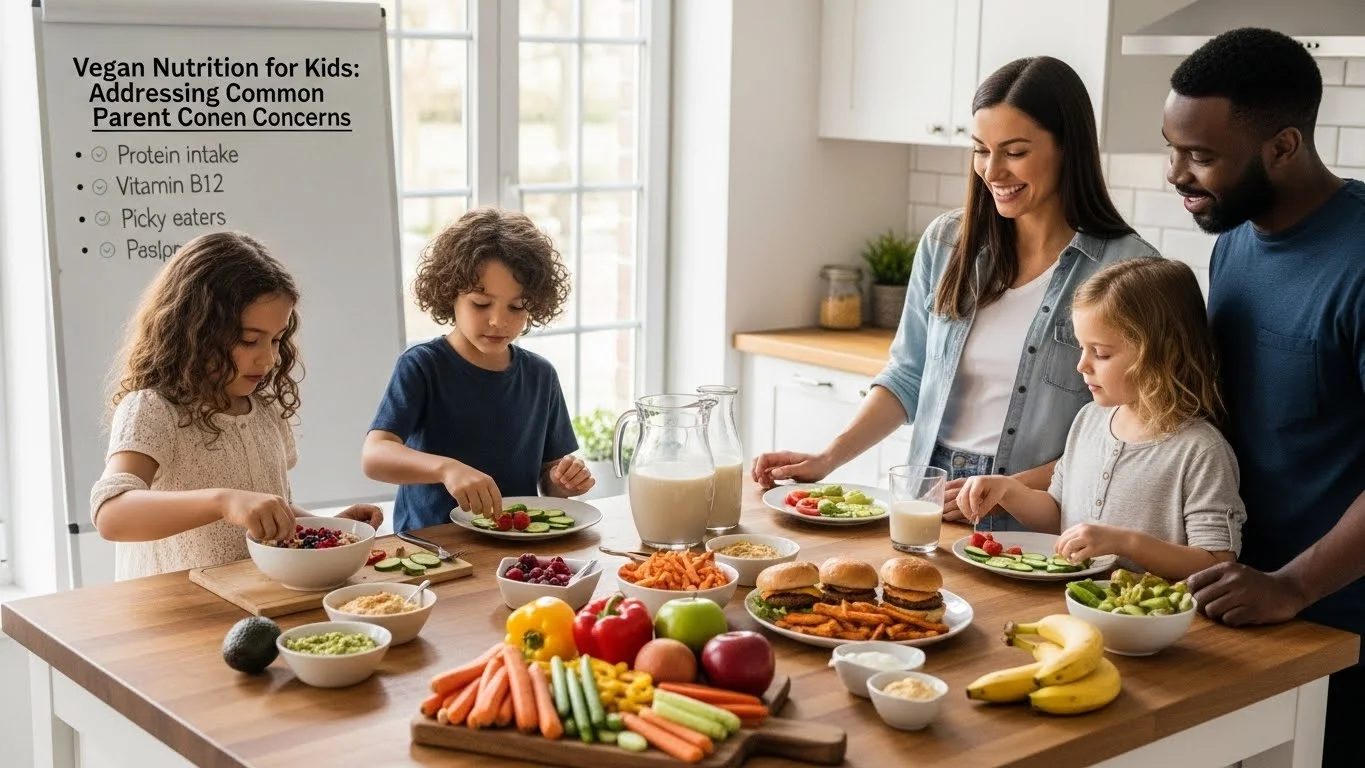
Understanding Vegan Nutrition for Kids
What is Vegan Nutrition?
Vegan nutrition focuses on consuming a diet free from all animal products, which includes meat, dairy, and eggs. This means that everything a child eats is plant-based, relying on fruits, vegetables, grains, legumes, nuts, and seeds for nutrients. I remember when we first transitioned to a vegan diet. It felt overwhelming at first, but I soon learned that with a bit of planning, we could create meals rich in variety and flavor. Vegan nutrition is not just about exclusion; it’s about embracing a diverse array of foods that can nourish our children and expand their palates.
Key Nutrients for Growing Children
When it comes to children, their growing bodies and developing minds need a wide range of nutrients. I often think about the essential nutrients that play a significant role in their health and growth. Some of the key nutrients to focus on in a vegan diet for kids include:
- Protein: Vital for growth and development, protein can be found in legumes, tofu, tempeh, and grains.
- Calcium: Essential for strong bones, calcium can be sourced from fortified plant milks, leafy greens, and almonds.
- Iron: Important for energy and cognitive development, iron-rich foods include lentils, chickpeas, and quinoa.
- Vitamin B12: This vitamin is crucial for nerve function, and since it’s primarily found in animal products, it’s important to incorporate fortified foods or supplements.
- Omega-3 Fatty Acids: These are important for brain development and can be sourced from flaxseeds, chia seeds, and walnuts.
In my experience, I found that by diversifying the meals and including a variety of these nutrient-dense foods, my kids thrived on a vegan diet. For more in-depth information, check out Essential Nutritional Needs for Vegan Kids Explained.
Differences Between Vegan and Vegetarian Diets
Understanding the difference between vegan and vegetarian diets is crucial, especially for parents considering these options for their children. While vegetarians avoid meat, they may still consume dairy products and eggs. Vegans, on the other hand, eliminate all animal-derived products. I remember discussing this with other parents, and many were surprised to learn that a vegetarian diet could still include dairy and eggs, which can make a significant difference in nutrient intake.
For instance, a vegetarian child might get their protein and calcium from cheese and yogurt, while a vegan child will need to find alternative sources. I felt it was important to educate myself and my family about these differences so we could make informed choices about our meals.
Common Parent Concerns
Is a Vegan Diet Balanced for Kids?
This is a question I often hear from concerned parents. The short answer is: yes, a vegan diet can absolutely be balanced for kids, but it requires careful planning. I remember feeling a bit anxious about ensuring my children were getting enough nutrients. To create a balanced vegan diet, focus on a variety of whole foods, and aim for meals that include different food groups. Incorporating foods like beans, lentils, grains, fruits, and vegetables can help ensure kids get what they need. We often have fun exploring different cuisines that naturally feature plant-based ingredients, which keeps meals exciting and nutritious.
How to Ensure Adequate Protein Intake?
Protein is often at the forefront of concerns when it comes to vegan diets for kids. I used to worry about whether my kids were getting enough protein, but I quickly learned that it’s easier than I thought. Foods like lentils, chickpeas, quinoa, nuts, and seeds are all excellent sources of plant-based protein. I found that incorporating a variety of these foods into our meals helped us meet our protein needs without difficulty. For instance, a hearty chickpea stew or a quinoa salad with beans can be both satisfying and protein-rich.
What About Calcium and Vitamin D?
Calcium and vitamin D are crucial for developing strong bones. As I dug deeper into vegan nutrition, I discovered that many plant-based milks are fortified with both of these nutrients. Foods like tofu, almonds, and leafy greens also contribute calcium to the diet. I recommend checking labels for fortified options and getting outside for some sunlight to boost vitamin D levels naturally. In our family, we love almond milk smoothies that are not only delicious but also packed with calcium.
Iron and Zinc: How to Include Them?
Iron and zinc are two more nutrients that parents often question. Plant-based sources of iron include lentils, beans, and fortified cereals. However, I learned that the body absorbs iron from plant sources less efficiently than from animal sources, so pairing iron-rich foods with vitamin C (like citrus fruits or bell peppers) can enhance absorption. Zinc can be found in beans, nuts, and whole grains. I’ve noticed that by including a variety of these foods in our meals, we keep our iron and zinc levels in check without much hassle.
Essential Fatty Acids: Sources for Kids
Essential fatty acids, particularly omega-3s, are vital for brain development, which is something I kept in mind when planning meals for my children. Sources like flaxseeds, chia seeds, and walnuts are fantastic options. I often add ground flaxseeds to oatmeal or smoothies for an added nutritional boost. It’s rewarding to know that we can support our kids’ brain health simply by being mindful of the fats we include in their diets.
Addressing Concerns About Growth and Development
As a parent, I often wondered whether my kids were growing properly on a vegan diet. I learned that growth and development are certainly possible with a well-planned vegan diet. It’s essential to monitor growth patterns and consult with a pediatrician if there are any concerns. Keeping a close eye on their overall health and energy levels, along with regular check-ups, can provide peace of mind and help ensure that our kids are thriving.
Creating a Balanced Vegan Meal Plan
Breakfast Ideas for Vegan Kids
Breakfast has always been a crucial meal for my family, and transitioning to vegan options opened up a world of delicious possibilities. I’ve found that starting the day with a nutritious breakfast sets a positive tone for my kids. One of our favorite go-to options is a smoothie bowl, packed with spinach, bananas, and almond milk, topped with berries and chia seeds. It’s not only vibrant but also full of nutrients. Another idea I love is oatmeal topped with sliced fruits and a sprinkle of cinnamon or nut butter. I’ve noticed that when my kids help prepare these dishes, they are more excited to dig in, which makes mornings much smoother.
Nutritious Lunch Options
Lunch can sometimes be tricky, especially with school in the mix. I remember feeling overwhelmed when trying to come up with ideas that were both nutritious and appealing. One of the meals that always goes over well is a wrap filled with hummus, shredded carrots, cucumber slices, and spinach. It’s colorful and easy to eat! We also enjoy grain bowls with quinoa or brown rice, topped with roasted vegetables and a drizzle of tahini or a soy sauce dressing. I find that packing a variety of colors keeps lunch interesting for my kids, which encourages them to eat a well-rounded meal.
Healthy Dinner Recipes
Dinner is a time for us to gather and share our day, and I like to make it special with hearty vegan recipes. One dish that has become a family favorite is lentil spaghetti sauce served over whole wheat pasta. It’s filling and full of protein, plus the kids love it! Another dish that’s easy and fun is stuffed bell peppers filled with quinoa, black beans, corn, and spices. Not only is it nutritious, but it also looks beautiful on the plate. I’ve found that sharing stories about where the ingredients come from or how we made the meal together can make dinner a meaningful experience.
Snacks and Treats for Kids
Snacking is a big part of our routine, especially after school when my kids are hungry! I’ve discovered that having healthy snacks on hand makes it easier to avoid processed options. Some of our go-to snacks include energy balls made from oats, nut butter, and dates, which are quick to prepare and satisfy those sweet cravings. Fresh veggies with hummus are also a hit, along with fruit slices or smoothies. I’ve noticed that when I keep the snack options varied, my kids are less likely to get bored and more likely to choose nutritious options.
Easy-to-Make Vegan Desserts
Every now and then, we indulge in vegan desserts, and I think it’s important to enjoy treats while keeping them wholesome. One of my favorite recipes is a banana oat cookie that requires just a few ingredients: ripe bananas, oats, and a handful of dark chocolate chips. It’s so simple that my kids can even help mix it all together. I also love making chia seed pudding with almond milk, topped with fresh fruit or granola. It’s a fun dessert that feels indulgent but is packed with nutrients. Creating these desserts together has been a delightful way to bond with my kids, allowing them to experience the joy of cooking.
Dealing with Picky Eaters
Tips for Introducing New Foods
Picky eating can be one of the most challenging aspects of parenting, especially when trying to establish a nutritious vegan diet. I know firsthand how frustrating it can be to prepare a meal only to have my kids turn up their noses. However, I’ve discovered a few strategies that have made a difference in our household. One approach that works for us is introducing new foods slowly and alongside familiar favorites. For example, if I’m trying to get my kids to eat chickpeas, I’ll toss them in a salad or mix them into a pasta dish they already love. I’ve found that this gradual exposure helps reduce resistance and opens the door for conversation about different textures and flavors.
Another tip is to make food fun and engaging. I once transformed a simple vegetable platter into a “rainbow plate,” where we included veggies of various colors. My kids loved the idea of eating a rainbow, and it encouraged them to try new things. I also recommend involving kids in the shopping process; letting them pick out produce can empower them to be more adventurous eaters. When they choose a fruit or vegetable, they often feel more inclined to try it at home.
Making Vegan Meals Appealing
Making vegan meals visually appealing is a game-changer. I remember when I first started making vegan dishes, I focused so much on nutrition that I neglected the presentation. Now, I love to arrange meals in a way that catches my kids’ eyes. For instance, a colorful grain bowl with quinoa, roasted sweet potatoes, and vibrant greens can look like art on a plate. I’ve noticed that when meals are visually enticing, my kids are more likely to dive in without hesitation.
Using fun utensils or serving meals in unexpected ways can also spark interest. I’ve had great success with “build-your-own” meals, where the kids can assemble their own tacos, wraps, or even smoothies. This hands-on approach not only engages them but also allows them to customize their meals, making them more likely to enjoy what they create. Plus, it’s a great opportunity for us to bond and chat while cooking together.
Involving Kids in Meal Preparation
One of the most significant changes I made in our kitchen was involving my kids in meal preparation. From washing veggies to mixing ingredients, letting them help has made a huge difference in their willingness to try new foods. I’ve found that when they participate in cooking, they feel a sense of ownership over their meals. For example, I often let them pick out the spices we’ll use in our dishes or let them sprinkle toppings on our smoothies or oatmeal.
We’ve also had fun experimenting with recipes together. For instance, we might try to create a vegan version of a family favorite, like tacos or pizza, where each child can choose their own toppings. This not only makes mealtime more enjoyable but also teaches them valuable cooking skills. I believe that the more they learn about preparing food, the more they appreciate it, and the less picky they become.
Vegan Supplements: Are They Necessary?
When to Consider Multivitamins
As a parent, I often wonder if my children are getting all the necessary nutrients solely from their diet. While I strive to provide a well-balanced vegan meal plan, I’ve learned that there are times when a multivitamin can be beneficial. For instance, if my kids are particularly picky eaters or if we’re transitioning to a new food, I consider supplementing to fill any nutritional gaps. I recommend consulting with a pediatrician or a nutritionist to determine whether a multivitamin is appropriate for your child’s specific needs.
Specific Supplements for Vegan Kids
In addition to a general multivitamin, there are specific nutrients that might warrant supplementation for vegan kids. Vitamin B12 is a big one since it’s primarily found in animal products. I’ve used fortified foods and supplements to ensure my kids get enough B12. Omega-3 fatty acids are another area to consider; since we don’t consume fish, I often look for algae-based supplements to provide these essential fats. I’ve found that discussing the importance of these nutrients with my kids helps them understand why we might need a little extra support.
Social Situations and Veganism
Navigating Birthday Parties and Celebrations
Birthday parties can be a challenge when you’re raising vegan kids. I remember my first experience with this; I felt a little anxious about how my kids would fit in. However, I discovered that communicating with other parents can go a long way. When we were invited to a party, I’d reach out and ask what food would be served, and if there would be vegan options available. Often, I’d offer to bring a dish, like delicious vegan cupcakes or fruit skewers. This way, my kids had something they felt comfortable eating, and it was fun to share our treats with others. I’ve also found that many parents are more than happy to accommodate dietary preferences when they’re informed ahead of time.
School Lunches and Snack Policies
School can be another tricky area for vegan families. I remember feeling a bit overwhelmed trying to navigate lunch boxes while ensuring my kids had nutritious options. Many schools have strict policies regarding what snacks can be brought, so I made sure to check the guidelines. I often pack wraps, veggie sticks, and fruits, making sure they were appealing and easy to eat. I’ve also found that involving my kids in the packing process helps; they enjoy choosing their snacks and are more likely to eat what they’ve selected. It’s a great way to keep them excited about their lunches and to teach them about healthy choices.
Dining Out: Choosing Vegan-Friendly Restaurants
Eating out can be a delightful experience, but it can also be a bit daunting when you’re looking for vegan-friendly options. I often check menus online before heading out, which helps me gauge what to expect. I’ve discovered that many restaurants now offer plant-based options, and it’s always a good idea to call ahead if you’re unsure. When dining out, I encourage my kids to explore different cuisines; it’s amazing how many flavorful vegan dishes exist around the world! My family often enjoys Indian or Thai restaurants where we can find plenty of vegan curries and veggie stir-fries. Making dining out an adventure has turned it into a fun family tradition.
Resources for Parents
Books on Vegan Nutrition for Kids
As I navigated this journey, I found a wealth of information in books dedicated to vegan nutrition for children. A few of my favorites include “Plant-Powered Families” by Dreena Burton, which offers fantastic recipes and insights into raising vegan kids. I also enjoyed “The Vegan Cookbook for Kids” by Aine Carlin, which features fun and easy recipes. These resources helped me feel more confident in planning meals and understanding the nutritional needs of my children. For more detailed insights, check out Vegan Diets for Kids: Key Nutritional Considerations.
Online Communities and Support Groups
Connecting with other parents who are raising vegan kids has been invaluable for me. Online forums and social media groups provide a space to share experiences, ask questions, and find support. I’ve participated in discussions where others shared their favorite recipes and tips for dealing with picky eaters. Being part of these communities makes me feel less isolated and more empowered in my parenting journey.
Consulting with Pediatric Nutritionists
When in doubt, I’ve learned that consulting with a pediatric nutritionist can provide peace of mind. Professional advice tailored to our family’s needs helped clarify many of my concerns. I recommend finding someone who specializes in vegan nutrition, as they can help ensure that my kids are getting all the nutrients they need while following a plant-based diet. It’s comforting to have expert guidance, especially when navigating nutrition for growing children.
Final Thoughts
Embracing a vegan lifestyle for our kids can be an enriching journey filled with learning and growth. From discovering new foods to navigating social situations, it can come with its own set of challenges, but with planning and creativity, it’s also incredibly rewarding. I’ve found that involving my kids in every aspect—from meal prep to choosing what to eat—has made this transition smoother and has instilled in them an appreciation for healthy eating. Every meal is an opportunity to explore, bond, and enjoy the vibrant world of plant-based foods. I believe that with the right resources and a supportive community, raising vegan kids can lead to happy, healthy lives.
Frequently Asked Questions
What is vegan nutrition for kids?
Vegan nutrition focuses on consuming a diet free from all animal products, which includes meat, dairy, and eggs. It relies on fruits, vegetables, grains, legumes, nuts, and seeds for nutrients.
What key nutrients should be included in a vegan diet for children?
Key nutrients for kids on a vegan diet include protein, calcium, iron, vitamin B12, and omega-3 fatty acids, which are vital for their growth and development.
Can a vegan diet be balanced for kids?
Yes, a vegan diet can be balanced for kids, but it requires careful planning. A variety of whole foods should be included to ensure kids get the necessary nutrients.
How can parents ensure adequate protein intake for vegan kids?
Parents can ensure adequate protein intake by including foods like lentils, chickpeas, quinoa, nuts, and seeds in their children’s meals.
What are good sources of calcium and vitamin D for vegan children?
Calcium can be sourced from fortified plant milks, tofu, leafy greens, and almonds. Vitamin D can be obtained from fortified foods and sunlight exposure.
How can parents include iron and zinc in a vegan diet?
Iron can be found in lentils, beans, and fortified cereals. Zinc is present in beans, nuts, and whole grains. Pairing iron-rich foods with vitamin C can enhance absorption.
What are some breakfast ideas for vegan kids?
Some breakfast ideas include smoothie bowls with spinach and bananas, and oatmeal topped with sliced fruits and nut butter.
What snacks are suitable for vegan kids?
Healthy snack options include energy balls made from oats and nut butter, fresh veggies with hummus, and fruit slices or smoothies.
How can parents make vegan meals appealing to picky eaters?
Parents can make meals visually appealing by arranging colorful plates, using fun utensils, and involving kids in the preparation process to make them more engaged.
When might vegan kids need supplements?
Vegan kids might need supplements for nutrients like vitamin B12 and omega-3 fatty acids, especially if they are picky eaters or transitioning to a new diet.