
As a parent navigating the world of vegan nutrition for kids, it can feel overwhelming at times. But with the right guidance, you can ensure your little ones thrive on a plant-based diet! Read Interesting article: Top Tips for Meeting Vegan Children’s Nutritional Needs
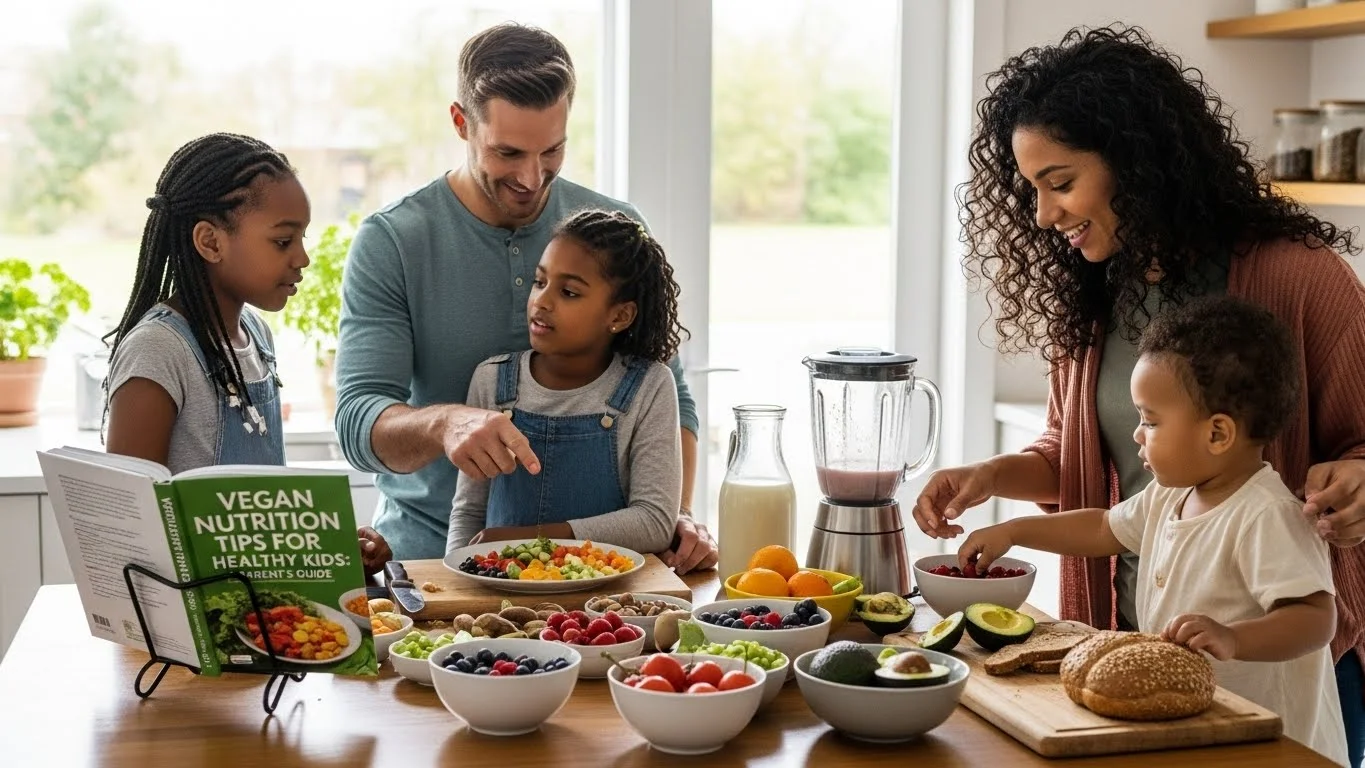
Understanding Vegan Nutrition for Kids
What is Vegan Nutrition?
Vegan nutrition focuses on a diet that excludes all animal products, including meat, dairy, and eggs. Instead, it emphasizes fruits, vegetables, grains, legumes, nuts, and seeds. I remember when I first transitioned my family to a vegan lifestyle; it was more than just a diet change; it became an opportunity to explore a new world of foods and flavors that we hadn’t fully appreciated before. It encouraged us to be creative and adventurous in the kitchen, and I discovered just how nutritious and delicious vegan meals can be for kids.
Benefits of a Vegan Diet for Children
There are many benefits to raising children on a vegan diet. For one, it can promote a healthier lifestyle by incorporating a variety of fruits and vegetables that are rich in vitamins and minerals. I’ve seen my kids be more energetic and curious since we started focusing on whole, plant-based foods. Additionally, research suggests that a vegan diet may reduce the risk of chronic diseases later in life. It also encourages a sense of compassion and respect for animals, which I believe is an essential lesson for our children.
Another incredible benefit is that a vegan diet can help with weight management. With so many nutrient-dense foods available, it’s easier for kids to get full without consuming excessive calories. I found that my children were more satisfied with meals rich in whole foods compared to their previous diets high in processed foods.
Common Myths About Veganism for Kids
Despite the growing popularity of veganism, there are still many misconceptions out there, especially regarding children. One of the most common myths is that vegan diets cannot provide enough nutrients for growing kids. I’ve spoken to many parents concerned about this, but I believe it’s all about balance and planning. With proper knowledge of nutrient sources, a vegan diet can absolutely meet and even exceed the nutritional needs of children. Read Interesting article: How to Ensure Your Kids Get Vegan Nutrients Daily
Another myth is that kids will miss out on protein on a vegan diet. In my experience, there are plenty of vegan protein sources available, from beans and lentils to tofu and tempeh. I remember my own surprise at how versatile these ingredients can be in meals. I’ve found that when I introduced my kids to different protein-rich foods, they not only enjoyed them but also learned to appreciate the variety in their diets.
Lastly, some people think that a vegan diet is too restrictive. While it can seem that way, I’ve found that it opens up a world of possibilities! We’ve discovered new recipes and ingredients that we might never have tried otherwise. This journey has not only helped me in my own cooking but has also made my kids more adventurous eaters.
Essential Nutrients for Vegan Kids
Protein Sources for Growing Kids
Protein is vital for children, as it supports growth and development. Thankfully, there are several excellent plant-based sources. Lentils, chickpeas, beans, quinoa, and nuts are all fantastic options. I often make lentil soup or chickpea salad, which my kids love. I’ve also found that introducing protein-rich snacks, such as roasted chickpeas or nut butter on whole-grain bread, keeps them satisfied and energized throughout the day.
Vegan Sources of Calcium
Calcium is crucial for building strong bones and teeth. If you’re going the vegan route, look to fortified plant milks, tofu made with calcium sulfate, and green leafy vegetables like kale and broccoli. I remember my kids were hesitant to try kale at first, but blending it into smoothies with some bananas and almond milk made it a hit! I always emphasize the importance of variety to ensure they get enough calcium without relying solely on one source.
Iron-Rich Vegan Foods
Iron is another important nutrient, especially for growing children. Plant-based sources include lentils, beans, tofu, quinoa, and fortified cereals. I learned that pairing iron-rich foods with vitamin C sources, like oranges or bell peppers, can enhance absorption. For instance, I often prepare a lentil salad with diced bell peppers and a squeeze of lemon juice; it’s not only nutritious but colorful and delicious as well!
Importance of Omega-3 Fatty Acids
Omega-3 fatty acids are essential for brain development. While they are commonly found in fish, there are vegan sources too, such as flaxseeds, chia seeds, and walnuts. I like to add ground flaxseeds to our morning oatmeal or bake them into muffins for a hidden boost. It’s a simple way to ensure my kids are getting these crucial fatty acids without making a big fuss about it.
Vitamin B12: Why It Matters
Vitamin B12 is vital for nerve function and the formation of red blood cells, but it’s mostly found in animal products. For my family, I make sure to include fortified foods like plant-based milks and nutritional yeast in our meals. I’ve found that sprinkling nutritional yeast on popcorn makes for a yummy snack that my kids love, plus it adds a cheesy flavor without any dairy!
Ensuring Adequate Vitamin D
Vitamin D is another essential nutrient, crucial for bone health. Sunlight is the best source, but in colder months or for those who spend most of their time indoors, fortified foods or supplements may be necessary. I always check in with our pediatrician to make sure my kids are getting enough, especially during the winter months when sunlight is scarce.
Zinc and Its Role in Child Development
Zinc supports growth, immune function, and overall health. It’s found in beans, lentils, seeds, and whole grains. I make it a point to include these foods in our meals. For example, a hearty bean chili not only provides zinc but also warms us up on cold days. I believe that when kids eat meals rich in zinc, they’re better equipped to fend off illnesses.
Creating Balanced Vegan Meals
Understanding Macronutrients
When I first started crafting meals for my kids, I realized the importance of understanding macronutrients: carbohydrates, proteins, and fats. Each plays a crucial role in supporting their growth and overall health. I discovered that carbohydrates are our primary source of energy, and I often rely on whole grains like brown rice, quinoa, and oats. These not only provide energy but are also packed with fiber, which is great for digestion.
Proteins, as we’ve discussed, are essential for growth and repair. I usually ensure that every meal includes a protein source, whether it’s beans, lentils, or tofu. I remember feeling accomplished when my kids started recognizing these foods as part of their meals. They even began to ask for lentil tacos and chickpea burgers! It was rewarding to see them embrace plant-based proteins.
Fats are just as vital, especially for brain development. I make sure to include healthy fat sources like avocados, nuts, and seeds in our meals. A little drizzle of olive oil on roasted veggies or a slice of avocado in a sandwich can make a big difference. I’ve noticed that when I incorporate these healthy fats, my kids seem more satisfied after meals, which is always a plus!
Sample Meal Plans for Vegan Kids
Creating a meal plan can simplify the process of feeding vegan kids. I’ve found that having a framework helps me ensure my kids get a wide array of nutrients. Here’s a sample meal plan that I use, which you might find helpful:
- Breakfast: Overnight oats made with almond milk, topped with chia seeds, sliced bananas, and a sprinkle of cinnamon. My kids love the sweetness of the bananas!
- Snack: Apple slices with almond butter. This is a quick and easy snack that keeps them full until lunch.
- Lunch: A quinoa salad with black beans, corn, diced bell peppers, and a lime vinaigrette. I usually let my kids help mix it up, making it more fun!
- Snack: Hummus with carrot and cucumber sticks. It’s a great way to add some crunch to their day.
- Dinner: A stir-fry with tofu, broccoli, and brown rice, seasoned with soy sauce and ginger. This one’s always a hit at our dinner table!
Meal planning can be a game-changer when juggling busy schedules. I’ve found that preparing food in advance, like making a big batch of chili or soup, saves time during the week and ensures our meals are nutritious.
Tips for Plant-Based Snacks
Snacks can be a tricky area when it comes to vegan kids, especially if they’re used to quick, processed options. I’ve learned to keep a stash of healthy snacks on hand, making it easy for my kids to make choices that fuel their bodies. Here are some of my favorites:
- Energy Balls: These are easy to make with oats, nut butter, and a sweetener like maple syrup. My kids love rolling them into bite-sized balls.
- Popcorn: Air-popped popcorn tossed with nutritional yeast is a tasty and healthy treat. Sometimes we get creative and add different spices.
- Fruit and Nut Mix: A mix of dried fruits and nuts provides a great combination of energy and nutrients. I usually throw in some dark chocolate chips for a sweet touch!
- Yogurt Parfaits: I use dairy-free yogurt layered with granola and berries for a delicious snack. It’s like dessert that’s actually good for them!
By keeping these snacks on hand, I feel better knowing my kids are reaching for something nutritious rather than processed options. It’s all about making healthy choices easy and accessible.
Addressing Common Concerns
How to Ensure Kids Get Enough Calories
One of the biggest worries I hear from parents considering a vegan diet for their kids is whether they’ll get enough calories. I totally understand this concern, especially since kids are always on the go, and they need plenty of fuel for their active lives. From my experience, it’s important to focus on energy-dense foods that are also nutritious. Foods like avocados, nuts, seeds, and whole grains are fantastic choices because they pack a lot of calories and nutrients into smaller portions.
I remember when we first started out, I noticed my kids were hungry more often. It dawned on me that I needed to offer them more frequent meals and snacks. Instead of three big meals, I began to incorporate smaller, more calorie-dense snacks throughout the day. Things like nut butter on whole-grain toast or smoothies made with bananas, almond milk, and a scoop of nut butter have done wonders. It’s all about making sure they’re filling up on the right kinds of foods rather than just empty calories. Read Interesting article: Top Tips for Vegan Child Nutrition: Common Concerns Addressed
Dealing with Picky Eaters
Picky eating is a natural phase for many kids, and I’ve certainly faced my share of challenges with my own children. When we transitioned to a vegan diet, I worried about how to make meals appealing to them. I learned that patience and creativity are key. I often involve my kids in the meal prep process, letting them choose ingredients or help with cooking. This not only makes them more excited about what’s for dinner but also encourages them to try new foods.
Introducing a variety of textures and colors has also helped. For example, I’ve discovered that making a vibrant vegetable stir-fry with rainbow-colored veggies can catch their eye, making them more likely to try something new. Also, don’t hesitate to offer the same food in different forms. If they won’t eat raw carrots, maybe they’ll enjoy them roasted or blended into a soup. Keeping things fun and varied has made a big difference in how they approach their meals.
Managing Allergies on a Vegan Diet
Food allergies can be particularly daunting, especially when trying to provide a balanced vegan diet. I’ve been there myself, navigating my kids’ allergies while maintaining their plant-based lifestyle. The key is to be informed and creative. First, it’s crucial to know what allergens to avoid and then find suitable substitutes. For instance, if your child is allergic to nuts, seeds can often provide similar nutritional benefits. Quinoa, lentils, and beans can also help boost protein intake without the risks associated with nuts.
I’ve also found that planning meals ahead of time can help. I keep a list of allergen-free recipes that my kids enjoy, which makes grocery shopping and cooking much easier. When we made the switch to veganism, I had to adapt some favorite recipes to suit our needs, but that just led to discovering even more delicious meals! For example, egg-free tofu scramble became a staple for breakfast, and we tried using aquafaba (the liquid from canned chickpeas) as a substitute for eggs in baking. Embracing these alternatives has been a wonderful journey of discovery!
Practical Tips for Parents
Involving Kids in Meal Preparation
One of the best decisions I made was involving my kids in meal preparation. I found that when they had a hand in cooking, they were much more enthusiastic about trying new foods. Simple tasks like washing vegetables, stirring ingredients, or even picking out recipes made them feel like they were part of the process. I remember one time, we decided to make homemade vegan pizza together. They loved choosing their toppings and assembling their own personal pizzas. It turned out to be a fun family activity that sparked their curiosity about different ingredients.
Moreover, involving them in meal prep has helped me introduce new foods more naturally. When they see how fun and easy it is to make meals, they’re more likely to give new ingredients a go. I think this sense of ownership over their meals fosters a positive relationship with food that will benefit them for years to come.
Reading Labels: What to Look For
When I first started shopping for vegan ingredients, I was surprised at how many products contained hidden animal products. Reading labels became crucial. I learned to look out for common ingredients like casein, gelatin, and certain colorings derived from insects. It was a bit overwhelming at first, but I found that making a list of vegan-friendly brands helped simplify the process.
I also discovered that many products, like plant-based milks or dairy alternatives, often have added sugars or preservatives. I try to choose options with fewer ingredients and no added sugars whenever possible. This not only ensures that my kids are consuming healthier foods, but it also makes it easier to stick to our plant-based lifestyle without feeling deprived.
Shopping for Vegan Ingredients
Shopping for vegan ingredients can be an adventure in itself! I’ve learned which stores offer the best selections and how to navigate grocery aisles better. I often visit local farmers’ markets, where I find fresh, seasonal produce, and it’s a great way to teach my kids about where their food comes from. There’s something special about picking out fruits and veggies directly from the farmer, and I think it helps them appreciate the effort that goes into growing food.
Additionally, I keep an eye out for bulk bins in health food stores. They often have a great variety of grains, legumes, nuts, and snacks at more affordable prices. My kids enjoy helping me fill bags with their favorite snacks, and it gives them a sense of participation in our shopping routine. All in all, I’ve found that making grocery shopping a fun family outing can make a big difference in how my kids view their food choices!
Frequently Asked Questions
What is vegan nutrition?
Vegan nutrition focuses on a diet that excludes all animal products, including meat, dairy, and eggs. It emphasizes fruits, vegetables, grains, legumes, nuts, and seeds.
What are the benefits of a vegan diet for children?
A vegan diet can promote a healthier lifestyle by incorporating a variety of fruits and vegetables rich in vitamins and minerals. It may reduce the risk of chronic diseases, encourages compassion for animals, and helps with weight management by providing nutrient-dense foods.
How can I ensure my vegan kids get enough protein?
Plant-based sources of protein include lentils, chickpeas, beans, quinoa, and nuts. Incorporating these into meals, such as lentil soup or chickpea salad, can help ensure kids receive adequate protein.
What are some good sources of calcium for vegan kids?
Vegan sources of calcium include fortified plant milks, tofu made with calcium sulfate, and green leafy vegetables like kale and broccoli.
How can I enhance iron absorption in a vegan diet?
Pairing iron-rich foods, such as lentils and beans, with vitamin C sources like oranges or bell peppers can enhance absorption. For example, a lentil salad with bell peppers and lemon juice is both nutritious and delicious.
What are some essential nutrients for vegan children?
Essential nutrients for vegan children include protein, calcium, iron, omega-3 fatty acids, vitamin B12, vitamin D, and zinc, which support growth, immune function, and overall health.
How can I create balanced vegan meals for my kids?
Understanding macronutrients—carbohydrates, proteins, and fats—is crucial. Each meal should include a source of carbohydrates (like whole grains), proteins (such as beans or tofu), and healthy fats (like avocados or nuts).
What are some healthy vegan snack ideas for kids?
Healthy vegan snack ideas include energy balls made with oats and nut butter, air-popped popcorn with nutritional yeast, fruit and nut mixes, and yogurt parfaits with dairy-free yogurt and berries.
How can I deal with picky eaters on a vegan diet?
Involving kids in meal preparation and introducing a variety of textures and colors can make meals more appealing. Offering the same food in different forms can also encourage them to try new foods.
What should I look for when shopping for vegan ingredients?
When shopping for vegan ingredients, it’s important to read labels for hidden animal products like casein and gelatin. Choosing products with fewer ingredients and no added sugars can help maintain a healthy vegan diet.