
Extracurricular activities are more than just fun additions to a child’s schedule; they are vital for holistic growth. Engaging in these activities can shape a child’s future, helping them develop essential life skills. Read Interesting article: Unlock Educational Success: Extracurricular Activities Explained
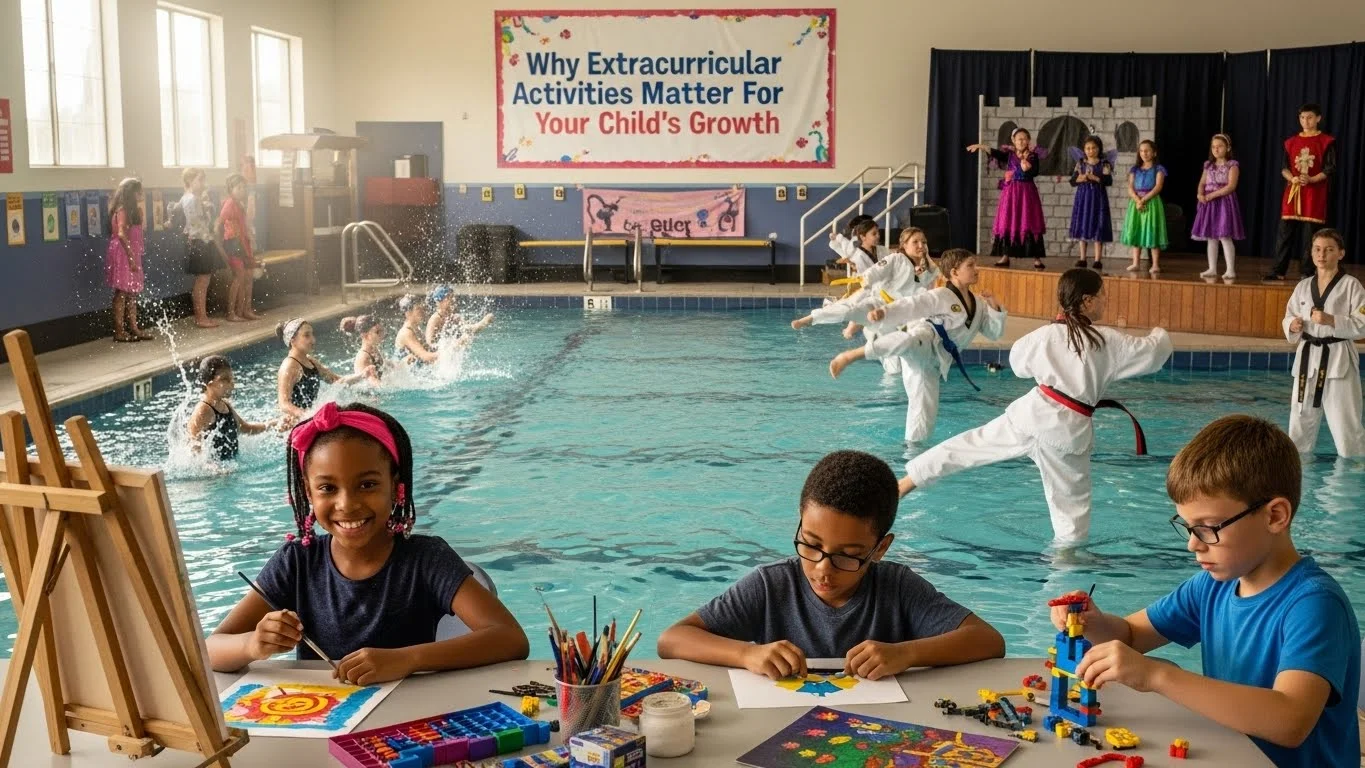
Understanding Extracurricular Activities
Definition of Extracurricular Activities
When I think about extracurricular activities, I see them as those enriching experiences outside the regular classroom setting that help children grow in various ways. These activities can range from sports and arts to clubs focused on academics or community service. They provide opportunities for kids to explore interests, develop skills, and interact with peers in a more relaxed environment. I remember when my child first joined a robotics club; it wasn’t just about building robots—it was about teamwork, problem-solving, and discovering a passion for technology.
Types of Extracurricular Activities
There’s a world of options available when it comes to extracurricular activities, and exploring these can be an adventure in itself. Here are some types that I believe are particularly impactful:
Sports
Sports activities are often the first thing that comes to mind. Whether it’s soccer, basketball, or swimming, sports teach kids about discipline, teamwork, and perseverance. I’ve seen my child grow more confident through playing soccer. The thrill of scoring a goal or the camaraderie with teammates instilled a sense of belonging and motivation to push through challenges.
Arts and Music
Then there are activities related to arts and music. From painting to playing an instrument, these outlets allow children to express themselves creatively. I remember the joy on my child’s face during their first art exhibition and the pride they felt in showcasing their work. These experiences foster self-expression and can be a great emotional outlet, making kids feel understood and valued.
Academic Clubs
Academic clubs, such as debate teams or science clubs, are fantastic for those who thrive in a more intellectual environment. These clubs encourage critical thinking and enhance communication skills. I noticed my child’s confidence increase significantly after participating in a debate competition. It taught them not just to argue, but to listen and understand different perspectives, a skill that I find invaluable. Read Interesting article: Boost Your Child’s Learning: The Power of Extracurriculars
Community Service
Lastly, community service activities are a wonderful way for children to give back. Volunteering teaches empathy and social responsibility. I remember organizing a community clean-up day with my child, and it was heartwarming to see them connect with others while learning the importance of caring for our environment. Such experiences can shape their character and inspire a lifelong commitment to service.
The Importance of Extracurricular Activities
Development of Social Skills
One of the most significant benefits of extracurricular activities is the development of social skills. I’ve noticed how my child has become more outgoing and confident when interacting with others. Being part of a team or a club teaches kids how to communicate effectively, resolve conflicts, and build lasting friendships. These social interactions can be the foundation for healthy relationships later in life.
Enhancement of Academic Performance
You might be surprised to learn that participating in extracurricular activities can enhance academic performance. I’ve seen this firsthand; my child’s grades improved after joining the student council. The responsibility of balancing academics with leadership duties encouraged better time management and focus. Research often supports this idea, showing that students involved in these activities tend to perform better in school.
Promotion of Physical Health
Physical health is another area where extracurricular activities shine. In a world where screen time is on the rise, engaging in sports or physical activities helps combat sedentary lifestyles. I remember the difference in my child’s energy levels after they started swimming. It was not just about exercise; it was about feeling good, both physically and mentally. Being active promotes a healthy lifestyle that can last a lifetime.
Fostering Creativity and Self-Expression
Extracurricular activities also provide a platform for creativity and self-expression. Whether through music, theater, or art, these activities allow kids to showcase their talents. I have witnessed my child blossom in their artistic pursuits, developing not just skills, but a sense of identity. It’s incredible how these creative outlets can inspire confidence and a sense of achievement.
Building Resilience and Time Management Skills
Lastly, participating in extracurricular activities helps build resilience and time management skills. Balancing schoolwork with these activities can be tough, but it teaches kids how to prioritize and manage their time effectively. I remember the busy weeks we had when my child was preparing for performances and exams simultaneously. It was challenging, but they learned to cope with pressure and bounce back from setbacks, lessons that are crucial for their future.
Key Benefits of Extracurricular Activities
Improving Teamwork and Collaboration
One of the standout benefits of extracurricular activities is how they enhance teamwork and collaboration skills. I’ve seen this in my own experiences when my child participated in a group project for their science club. They had to work closely with their peers, sharing ideas and responsibilities to complete a project. I remember the discussions they had at home, brainstorming how to approach their task. It was exciting to see them realize that everyone has unique strengths to contribute. These experiences not only help children learn to work with others but also teach them the importance of valuing different perspectives.
Encouraging Leadership Opportunities
Another great aspect of extracurricular activities is the chance they provide for leadership development. I recall when my child was elected as the president of the debate club. The responsibilities that came with that role were significant; they had to plan meetings, motivate members, and guide discussions. Watching them navigate those challenges was eye-opening. Leadership isn’t just about being in charge; it’s about inspiring others and making decisions that benefit the group. I believe these early leadership experiences can shape a child’s confidence and ability to take initiative in the future.
Expanding Friendships and Social Networks
Engaging in extracurricular activities is a fantastic way for kids to make new friends and expand their social networks. I remember when my child joined a local soccer team. At first, they knew no one, but as they trained and played together, friendships blossomed. It was heartwarming to see them bond over shared experiences and mutual goals. These friendships often extend beyond the activity itself, leading to social gatherings and support systems that can last for years. I think the connections formed in these settings are invaluable, providing a sense of community and belonging.
Boosting Self-Esteem and Confidence
Participating in extracurricular activities can significantly boost a child’s self-esteem and confidence. I’ve witnessed this transformation first-hand; after my child performed in a school play, they were beaming. The applause and support from the audience made them feel proud of their accomplishments. It’s amazing how trying something new and succeeding can instill a sense of achievement. I often remind my child that stepping out of their comfort zone, whether in sports, arts, or academics, can lead to personal growth and increased self-worth. This newfound confidence often spills over into other areas of their life, including academics and social interactions.
How to Choose the Right Extracurricular Activities
Assessing Your Child’s Interests
Choosing the right extracurricular activities begins with understanding your child’s interests. I’ve learned that it’s essential to have open conversations with my child about what they enjoy and what they want to explore. One day, my child expressed an interest in photography, so we looked for local classes and clubs that offered that. It’s vital to listen to them and provide options without pushing them into something they’re not interested in. I’ve found that when kids participate in activities they are genuinely passionate about, they are more likely to thrive and enjoy the experience.
Considering Time and Commitment
Another critical factor to consider is the time commitment involved. Balancing schoolwork, family time, and extracurricular activities can be tricky. I remember when my child wanted to join two different clubs, and after some discussion, we realized it might be too much. We decided to prioritize one activity for the time being. It’s essential to help children understand the importance of managing their time effectively. I believe that teaching them to commit fully to one or two activities can lead to a more fulfilling experience rather than spreading themselves too thin and risking burnout.
Evaluating the Quality of Programs
Lastly, evaluating the quality of programs is crucial before making a decision. Not all activities are created equal, and I’ve found that some programs offer more enriching experiences than others. I often recommend researching the leaders or coaches, reading reviews, and even attending a session if possible. I remember we visited a couple of art classes to see which one resonated best with my child. Finding a program that aligns with your child’s interests and offers a supportive, positive environment can make all the difference in their engagement and enjoyment.
Overcoming Challenges in Extracurricular Participation
Balancing School Work and Activities
While extracurricular activities are enriching, balancing them with schoolwork can be a challenge. I often remind myself and my child that communication is key. We have regular check-ins to ensure that they aren’t overwhelmed. During busy weeks, we prioritize tasks and sometimes adjust our schedules to accommodate. I encourage my child to create a planner to help them visualize their commitments. This practice not only keeps them organized but also helps develop essential skills for managing responsibilities in the future.
Dealing with Competition and Pressure
Competition can sometimes add pressure to extracurricular activities. I remember when my child participated in a regional sports tournament; the stakes felt high, and I could see the stress on their face. I made it a point to emphasize the importance of effort and enjoyment over winning. Focusing on personal growth rather than comparison can help alleviate some of that pressure. I believe it’s important for children to understand that it’s okay to face challenges and that what matters most is how they respond to them.
Managing Time Effectively
Lastly, managing time effectively is essential for a successful experience in extracurricular activities. I’ve discovered that setting specific times for homework, activities, and relaxation can create a balanced routine. My child uses a digital calendar to keep track of their commitments, and we review it together weekly. This simple practice has made a significant difference. I’ve seen them become more responsible and proactive in managing their time, which is a valuable life skill that will serve them well in the future.
Parental Involvement in Extracurricular Activities
Encouraging Participation
As a parent, I’ve found that one of the most rewarding parts of extracurricular activities is encouraging my child to participate. It can sometimes be a little daunting for kids to step out of their comfort zones, especially when trying something new. I remember the first time I suggested my child join a local theater group. They were hesitant at first, unsure about performing in front of an audience. However, I gently encouraged them to give it a try, emphasizing that it was okay to feel nervous but that taking the first step could lead to fantastic experiences. Watching them gradually gain confidence and excitement about performing was incredibly fulfilling. I believe that showing enthusiasm for their interests and being supportive makes a world of difference.
Supporting Your Child’s Choices
Supporting my child’s choices has been crucial in their journey with extracurricular activities. I learned the importance of stepping back and allowing them to explore what truly resonates with them. For example, when my child expressed a desire to try out for the school band, instead of pushing them toward another activity I thought might be better suited, I encouraged them to pursue their passion for music. I attended their performances and cheered them on, which showed them that I believed in their choices. This support not only strengthened our bond but also taught my child that their preferences and interests are valid and worth pursuing. I think it’s vital for kids to feel that their choices matter, and this can significantly enhance their motivation and engagement.
Understanding the Commitment Required
Understanding the commitment required for extracurricular activities is another aspect I’ve had to navigate as a parent. I’ve seen how some activities can demand a lot of time and effort, which can sometimes lead to stress if not managed well. I remember when my child wanted to join a competitive dance team. I took the time to discuss what that would mean in terms of practice schedules, performances, and travel. We weighed the pros and cons together, ensuring they understood what they were signing up for. Having these discussions helped my child develop a realistic perspective on commitment and accountability. It also taught them to communicate openly about their limits, which I believe is a crucial life skill.
Success Stories: Impact of Extracurricular Activities
Case Studies of Successful Individuals
There are countless success stories highlighting the impact of extracurricular activities on individuals’ lives. I’ve read about well-known figures who credit their achievements to the skills they developed in these settings. For instance, I came across a story about a famous actress who began her journey in school plays. She mentioned how the experience taught her valuable lessons in confidence and teamwork, which have played a significant role in her career. This made me reflect on how transformative these activities can be, not just for fun, but as a foundation for future success. It’s inspiring to think that what starts as a simple interest can lead to remarkable opportunities and achievements.
Testimonials from Parents and Educators
Listening to testimonials from other parents and educators has also been enlightening. I remember attending a parent-teacher meeting where several teachers shared stories about their students thriving in various extracurricular programs. One teacher spoke passionately about a student who had struggled academically but found solace in the school’s art club. Through art, this child discovered a new sense of purpose and motivation, which positively affected their overall performance in school. Hearing such stories reassured me that extracurricular activities are not just extras; they can be life-changing. It’s heartwarming to know that these experiences can help children flourish in ways we might not even realize.
Resources for Finding Extracurricular Activities
Local Community Centers
Finding the right extracurricular activities can be exciting, and local community centers have been a fantastic resource for us. I remember visiting our community center, where they offered a variety of programs, from sports leagues to art classes. It was a treasure trove of opportunities! I encourage other parents to check out their local centers; many provide free or low-cost options that are incredibly enriching. Plus, these centers often foster a sense of community, allowing kids to connect with peers in a supportive environment.
School Programs and Clubs
School programs and clubs are another excellent avenue to explore. I noticed that schools often have an array of extracurriculars to suit different interests, from science clubs to drama teams. My child’s school had a club fair where students could learn about various activities and sign up. It was a wonderful way for kids to see what was available and discover something they might be passionate about. I believe schools play a vital role in providing these opportunities, and parents should definitely encourage their children to take advantage of them. Read Interesting article: Mastering Study Skills: Tips for Parents to Guide Kids
Online Platforms and Directories
Lastly, online platforms and directories have made it easier than ever to find extracurricular activities. I often browse websites that list local programs, classes, and events. These resources can help parents filter options based on their child’s interests, age, and location. I remember finding a fantastic music workshop through an online platform that connected us with other aspiring young musicians in our area. It’s incredible to think how technology can simplify the search process and open up new avenues for kids to explore their passions.
Frequently Asked Questions
What are extracurricular activities?
Extracurricular activities are enriching experiences outside the regular classroom setting that help children grow in various ways. They can include sports, arts, academic clubs, and community service, providing opportunities for kids to explore interests, develop skills, and interact with peers.
Why are extracurricular activities important for children?
Extracurricular activities are vital for holistic growth as they help in the development of social skills, enhancement of academic performance, promotion of physical health, fostering creativity and self-expression, and building resilience and time management skills.
What types of extracurricular activities can children participate in?
Children can participate in various types of extracurricular activities, including sports, arts and music, academic clubs, and community service activities. Each type offers unique benefits and opportunities for personal development.
How can extracurricular activities enhance academic performance?
Participating in extracurricular activities can enhance academic performance by encouraging better time management and focus. Students involved in these activities often perform better in school due to the skills they develop through balancing their commitments.
How do extracurricular activities help in developing social skills?
Extracurricular activities help in developing social skills by providing opportunities for children to communicate effectively, resolve conflicts, and build friendships. Being part of a team or a club fosters interactions that lay the foundation for healthy relationships later in life.
What should parents consider when choosing extracurricular activities for their children?
Parents should consider their child’s interests, the time commitment required, and the quality of the programs available. It’s essential to have open conversations with children and evaluate options that align with their passions and lifestyle.
How can parents support their children’s involvement in extracurricular activities?
Parents can support their children’s involvement by encouraging participation, backing their choices, and understanding the commitment required for each activity. Showing enthusiasm and being present at events can strengthen the child’s motivation and engagement.
What challenges might children face in participating in extracurricular activities?
Children might face challenges such as balancing schoolwork with extracurricular activities, dealing with competition and pressure, and managing time effectively. It’s important for parents to communicate and help children navigate these challenges.
What resources are available for finding extracurricular activities?
Resources for finding extracurricular activities include local community centers, school programs and clubs, and online platforms and directories that list local programs, classes, and events tailored to children’s interests.
What benefits do sports activities offer to children?
Sports activities offer benefits such as teaching discipline, teamwork, and perseverance. They help children gain confidence, develop a sense of belonging, and promote physical health, contributing to a well-rounded upbringing.