
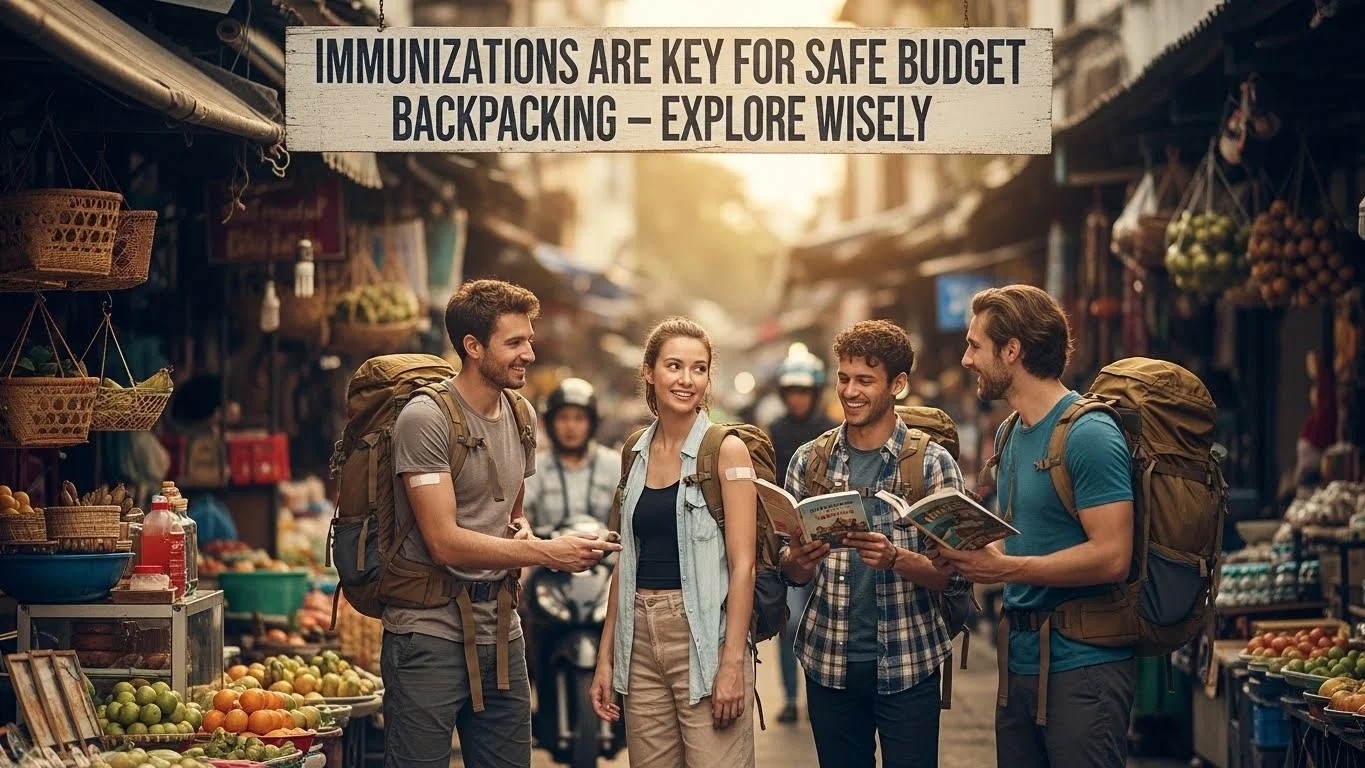
When you’re planning a budget backpacking adventure, staying healthy is a priority. One of the most effective ways to safeguard your health while you explore is through immunizations. Let’s dive into why they matter.
Understanding Immunizations for Travelers
The Importance of Vaccinations
I remember my first backpacking trip. I was excited but also a bit nervous about the unknowns. One of the first things I learned was that immunizations could play a huge role in my safety. Vaccinations aren’t just about preventing illness; they’re about giving us the freedom to explore without fear. When you’re traveling, especially to foreign countries, you might encounter diseases that are uncommon back home. By getting vaccinated, we can protect ourselves from these potential threats.
Vaccinations create herd immunity, which protects those who cannot be vaccinated, such as infants or individuals with specific health conditions. This interconnectedness resonated with me; our health is tied to the health of those around us. It’s not just about personal safety but also about contributing to community health, which is particularly important when traveling. Read Interesting article: Best Online Resources for Budget Backpacking Homeschooling
Types of Immunizations Recommended for Backpackers
Before my travels, I did some research on the types of immunizations I might need. I discovered that there are several key vaccines recommended for backpackers. These include routine vaccines like measles, mumps, rubella (MMR), and tetanus-diphtheria-pertussis (Tdap). Depending on your destination, additional vaccines may be necessary.
For example, if you are heading to areas where yellow fever is a risk, getting that vaccine is essential. Other vaccines, such as Hepatitis A and B and Typhoid, can also be crucial, especially if you plan to indulge in local cuisine or stay in places where food safety might be questionable. Each destination brings its own set of health risks, and I found that consulting a travel health professional can help tailor your vaccination plan. Stay Safe: Key Vaccination Schedules for Travelers
Common Diseases Prevented by Vaccines
One of the things that struck me during my research was the variety of diseases that vaccines can prevent. For instance, Hepatitis A is spread through contaminated food and water, and I’ve heard stories of travelers falling ill after just one meal. Typhoid is another illness that can seriously ruin a trip, and it’s easily preventable with a vaccine. Knowing this helped me feel more secure as I planned my itinerary.
In certain regions, diseases like rabies are a risk, particularly if you’re venturing into the wilderness or engaging with animals. Vaccination can be a lifesaver in these scenarios. I learned that even diseases like meningitis, which can be life-threatening, can be prevented with the right vaccines. This knowledge made me realize that while it’s easy to focus on the excitement of travel, health should always be a priority.
As I prepared for my travels, I couldn’t help but think of all the experiences I’d miss if I were stuck in bed with a preventable illness. It was a clear motivator to ensure I was up-to-date on my vaccines. I now believe that making vaccinations part of your travel prep is as essential as packing your backpack. It’s a small step that can have a massive impact on your adventure.
Budget Backpacking and Health: A Critical Connection
The Financial Impact of Medical Emergencies
As I dove deeper into planning my trips, I started considering how much a medical emergency could impact my budget. I realized that an unexpected illness could drain my funds faster than I could imagine. It’s easy to overlook health costs when planning a backpacking trip, but they can significantly alter your budget. Hospital visits, medications, and even emergency evacuations can add up quickly. I learned that being proactive about vaccinations can save us money in the long run by reducing our risk of falling ill while traveling.
Travel Insurance vs. Vaccinations
Many travelers, including myself, often rely on travel insurance for peace of mind. While insurance is essential, I believe it shouldn’t be seen as a substitute for vaccinations. Insurance can help cover the costs if something goes wrong, but it won’t prevent you from getting sick in the first place. Vaccinations are a proactive step to ensure that a small budget backpacking trip doesn’t turn into a financial nightmare due to medical emergencies.
Cost-Effective Vaccination Options
During my search for affordable vaccines, I discovered that many community health clinics offer immunizations at reduced costs. I remember being surprised at how accessible and budget-friendly these options were. I also learned about travel clinics that specialize in vaccinations for travelers; while they may seem pricier initially, the peace of mind they offer is worth the investment. I found that planning ahead and budgeting for these costs is a smart move—after all, health is wealth, especially on a budget backpacking journey. Essential Healthy Snack Tips for Traveling Families
Essential Vaccines for Popular Backpacking Destinations
South America: Yellow Fever and More
I have always been fascinated by South America—the vibrant cultures, stunning landscapes, and rich history. When I started planning my travels there, I quickly learned that certain vaccines are crucial. The yellow fever vaccine is a big one. It’s not just a recommendation; in many cases, it’s a requirement for entry into countries like Brazil and Colombia. I remember feeling a sense of relief after I got the vaccine. Knowing I was protected against such a serious disease allowed me to fully immerse myself in my adventures, whether I was hiking through the Amazon or dancing in Rio.
In addition to yellow fever, I found that vaccinations for Hepatitis A and Typhoid are also vital. These diseases can be contracted through contaminated food and water, which can be a concern in some areas. I often think back to meals I enjoyed at local markets; I had the peace of mind to savor those experiences without worry, thanks to my vaccinations. I learned that if you’re planning to visit rural parts of South America, vaccines for rabies and other diseases should also be on your radar. It’s better to be safe than sorry, especially when encountering wildlife or adventurous activities.
Asia: Hepatitis A, Typhoid, and Japanese Encephalitis
Asia has a treasure trove of experiences awaiting backpackers, but it also presents unique health challenges. I remember my excitement about visiting Thailand and India, but I was also aware of the health risks. Hepatitis A and Typhoid vaccines were recommended. These diseases were common in many areas due to varying food and water safety standards. Getting vaccinated made me feel like I was doing my part to ensure a smooth journey.
If you’re planning to spend time in rural regions or during monsoon season, I suggest considering the Japanese Encephalitis vaccine too. This disease, carried by mosquitoes, can be severe but is preventable. Being aware of the risks and taking preventative measures was empowering. I even packed insect repellent as an added layer of protection, which paired nicely with my vaccination plan.
Africa: Malaria Prevention and Meningitis Vaccine
Africa is a breathtaking continent with so much to explore, but it’s also home to some serious health considerations. I remember reading about malaria and feeling a bit overwhelmed. It’s a disease that can be deadly, but with the right precautions, it’s manageable. I opted for antimalarial medications as well as the malaria vaccine where available. These choices allowed me to explore places like Tanzania and Uganda without constantly worrying about mosquito bites.
Another important vaccine for Africa is the meningitis vaccine, especially if you’re planning to visit the “meningitis belt,” which stretches across the Sahel region. I learned that an outbreak could happen, so being vaccinated was a smart choice to protect myself. The thrill of visiting the Serengeti and climbing Mount Kilimanjaro was much sweeter knowing I had taken steps to safeguard my health.
Europe: Routine Vaccines and Travel Considerations
Europe is often seen as a safe destination in terms of health, but that doesn’t mean we should skip vaccinations. I made sure I was up-to-date on routine vaccines like MMR and Tdap before I hopped on a flight to explore the charming streets of Paris and the historic sites in Rome. I also learned that certain countries might require proof of vaccination for specific diseases, especially during outbreaks.
One interesting aspect I discovered was the importance of being aware of health advisories for specific events, such as large gatherings or festivals. I remember attending a lively music festival in Spain and being glad I had kept my vaccinations current. It allowed me to enjoy the experience fully, without the nagging worry of an avoidable illness. Keeping track of vaccination requirements ahead of time not only kept me healthy but also made traveling smoother.
When to Get Vaccinated: Timing and Planning
Recommended Vaccination Schedules
As I prepared for my travels, I quickly learned that timing is everything when it comes to vaccinations. Most vaccines require some time to become effective, and I found that planning ahead was crucial. I remember checking the recommended vaccination schedules for various vaccines, which usually suggested getting vaccinated at least a few weeks before traveling. This was particularly true for vaccines like yellow fever and Hepatitis A, which require time to build up immunity. If you’re planning a big trip, it’s best to start thinking about vaccinations at least a couple of months in advance. This way, you can ensure you’re covered without the last-minute rush.
Factors Influencing Vaccination Timing
Apart from the recommended schedules, several factors can influence when you should get vaccinated. I realized that personal health, previous vaccination history, and the specific regions I planned to visit all played a role. For example, some vaccines, like the tetanus booster, might not be needed if I was already current on my immunizations. However, I learned that if I was heading to a region with specific health risks, it was wise to get those vaccines even if they weren’t required, just to be on the safe side. It’s all about tailoring your vaccination plan to your travel itinerary and personal health needs.
Last-Minute Travel: What You Need to Know
We all know that sometimes life throws unexpected opportunities our way, and last-minute travel can be exhilarating. But I found that when it comes to vaccinations, the stakes can be a bit higher. If you’re in a rush and haven’t had time to get vaccinated, it’s crucial to do your research. Some vaccines can be administered on short notice, while others can take time to become effective. For instance, if you’re heading to a country with a malaria risk, I learned that while I could get antimalarial medication quickly, the vaccines for other diseases might not be as readily available at the last minute. In those cases, I recommend consulting a travel health professional to discuss your options and create a quick plan that fits your timeline.
How to Access Vaccinations on a Budget
Public Health Clinics and Community Health Centers
One of the biggest concerns I had when budgeting for my travels was the cost of vaccinations. Thankfully, I discovered that public health clinics and community health centers often provide vaccines at lower prices than private clinics. I remember visiting a local health department and was pleasantly surprised by the affordability of the vaccinations I needed. These clinics are a fantastic resource for travelers on a budget, and they often offer a range of services beyond vaccinations, like health screenings and health education.
Travel Clinics: Costs and Services
While I found public clinics to be budget-friendly, I also explored travel clinics, which specialize in vaccinations for travelers. I was initially hesitant about the cost, thinking they might be beyond my budget. However, I realized that the services they offer can be invaluable. They typically provide tailored advice based on your travel plans and personal health history. I appreciated their attention to detail and the reassurance that came from knowing I was getting the right vaccines for my specific destinations. That said, it’s still a good idea to shop around and compare prices, as some clinics might offer competitive rates.
Insurance Coverage for Vaccinations
Another aspect I considered was how my health insurance would handle vaccination costs. I took the time to contact my insurance provider to understand what was covered. I learned that many plans cover routine vaccinations, but travel-specific vaccines might not be included. It was a bit frustrating, but knowing this in advance helped me budget accordingly. For those without travel insurance, it’s worth investigating plans that do include vaccination coverage, as it can be a game-changer when planning a backpacking adventure. Understanding your insurance options can help you save money and avoid surprises later on.
Staying Healthy While Backpacking: Best Practices
Personal Hygiene Tips
When I hit the road, one of the biggest lessons I learned was about the power of personal hygiene. It may sound simple, but keeping clean can make a world of difference. I remember carrying hand sanitizer everywhere I went, especially when I wasn’t able to wash my hands. Frequent handwashing became a ritual for me, particularly before eating or after using public transport. I even invested in a compact, refillable soap dispenser to make me feel more secure about hygiene, which allowed me to wash my hands effectively wherever I was. Little habits like these not only kept me feeling fresh but also helped ward off illness during my travels.
Food and Water Safety
Food and water safety became front and center in my mind as I traveled. I quickly learned to be cautious about where I ate, opting for places that looked clean and busy. I remember enjoying delicious street food in Thailand, but I’d always check that it was freshly cooked. Additionally, I became a pro at identifying safe drinking water options. I often carried a reusable water bottle with a built-in filter, which gave me peace of mind as I explored new cities. Knowing how to navigate food and water safety made my travels not only healthier but also a lot more enjoyable.
Recognizing Symptoms of Illness
One of the most important skills I picked up was recognizing symptoms of illness early. Whether it was something mild like a stomachache or more serious, I learned to listen to my body. I kept a basic first aid kit handy, which included over-the-counter medications for common travel ailments. I also made it a point to familiarize myself with the symptoms of illnesses prevalent in the regions I visited. This proactive approach allowed me to address any health issues before they escalated. I remember feeling empowered by the knowledge that I had the tools to take care of myself on the go.
Resources for Further Information
Government Health Websites
As I dove deeper into travel health, I found government health websites to be some of the most reliable resources. Websites like the CDC and WHO provided up-to-date information on vaccinations, health advisories, and travel recommendations. I remember bookmarking these sites and checking them regularly as I planned my trips. They helped me stay informed about any outbreaks or health concerns in my destination countries, which in turn gave me confidence in my travel plans.
Travel Health Organizations
In addition to government resources, I discovered various travel health organizations dedicated to helping travelers stay safe. Organizations like the International Society of Travel Medicine offered a wealth of information on vaccinations and health precautions. I found their resources particularly helpful when I needed detailed information about specific vaccines or health risks associated with particular regions. Connecting with these organizations made me feel like I was part of a community that truly cared about traveler health.
Community Support and Forums
Lastly, I explored online communities and forums where fellow travelers shared their experiences and tips regarding vaccines and health. I found it comforting to read about others’ journeys and the precautions they took. These platforms offered a space for discussion and support, and I even picked up a few nuggets of wisdom that I hadn’t considered before. Engaging with these communities not only enriched my travel knowledge but also gave me a sense of camaraderie with fellow adventurers.
Frequently Asked Questions
Why are immunizations important for backpackers?
Immunizations are crucial for backpackers as they help prevent illnesses that may be encountered in foreign countries. Getting vaccinated allows travelers to explore with confidence, knowing they are protected against potential health threats.
What types of immunizations are recommended for backpackers?
Recommended immunizations for backpackers include routine vaccines such as measles, mumps, rubella (MMR), and tetanus-diphtheria-pertussis (Tdap). Depending on the destination, additional vaccines like yellow fever, Hepatitis A and B, and Typhoid may also be necessary.
What diseases can vaccines prevent for travelers?
Vaccines can prevent a variety of diseases that travelers may encounter, including Hepatitis A, Typhoid, rabies, and meningitis. These diseases can arise from contaminated food and water or contact with infected animals.
How can medical emergencies impact a backpacking budget?
Medical emergencies can significantly alter a backpacking budget due to costs associated with hospital visits, medications, and emergency evacuations. Being proactive about vaccinations can help reduce the risk of falling ill and save money in the long run.
Is travel insurance a substitute for vaccinations?
No, travel insurance is not a substitute for vaccinations. While insurance can cover costs if something goes wrong, it does not prevent illness. Vaccinations are a proactive measure to safeguard health during travel.
Where can I find cost-effective vaccination options?
Cost-effective vaccination options can often be found at public health clinics and community health centers, which offer immunizations at reduced prices. Travel clinics also provide tailored vaccination services but may vary in cost.
What vaccinations are essential for traveling to South America?
Essential vaccinations for traveling to South America include the yellow fever vaccine, as it is often required for entry into countries like Brazil and Colombia. Hepatitis A and Typhoid vaccines are also important due to risks associated with contaminated food and water.
What factors influence when to get vaccinated?
Factors influencing vaccination timing include personal health conditions, previous vaccination history, and specific health risks associated with the regions being visited. It is advisable to plan vaccinations well in advance of travel.
How can travelers stay healthy while backpacking?
Travelers can stay healthy by practicing good personal hygiene, ensuring food and water safety, and recognizing the symptoms of illness early. Carrying hand sanitizer, eating at reputable places, and having a basic first aid kit can be beneficial.
Where can I find reliable information about travel vaccinations?
Reliable information about travel vaccinations can be found on government health websites like the CDC and WHO, as well as through travel health organizations and online communities where travelers share their experiences and advice.