
Play isn’t just fun; it’s a vital part of how toddlers learn and grow. Understanding how play-based learning shapes development can transform our approach to early childhood education. For more insights, check out Top 10 Play-Based Learning Activities for Toddlers.
Understanding Play-Based Learning
Definition of Play-Based Learning
Play-based learning is an educational approach that uses play as a primary method for children to explore and understand the world around them. It emphasizes the importance of play in fostering creativity, problem-solving, and social skills. I’ve seen how when toddlers engage in play, they’re not just having fun; they’re actively learning and making sense of their experiences. Through play, children experiment with different roles, test boundaries, and develop their interests.
Historical Context and Evolution
The idea of using play as a learning tool isn’t new. I remember reading about early childhood education pioneers like Friedrich Froebel, who developed the concept of the kindergarten, emphasizing play as essential for learning. Over the decades, educational theories have evolved, but the core idea remains the same: children learn best when they are engaged and having fun. In recent years, the focus on play-based learning has gained traction in early childhood programs, with researchers and educators recognizing that play is not merely a break from learning but a fundamental component of it.
Importance of Play in Toddler Development
Cognitive Development
One of the most fascinating aspects of play-based learning is its impact on cognitive development. I’ve noticed that when toddlers engage in various types of play, they are actively honing their thinking skills. Whether it’s building with blocks or solving puzzles, they learn to think critically and develop problem-solving abilities. For instance, I’ve seen my child figure out how to balance blocks through trial and error, which not only teaches them about physics but also encourages persistence and resilience. This kind of hands-on experience is invaluable and lays the foundation for future learning. For more strategies, visit Essential Tips for Fostering Toddler Critical Thinking Skills.
Emotional and Social Skills
Play provides a safe space for toddlers to explore their emotions and learn to navigate social interactions. I remember watching my child at the playground, where they would engage in cooperative play, sharing toys and negotiating roles while pretending to be pirates on a treasure hunt. Through these interactions, they develop empathy, learn to communicate effectively, and build lasting friendships. I believe that these social skills are crucial for their emotional well-being and future relationships. The beauty of play is that it allows children to express their feelings in a natural, unforced way.
Physical Development
Physical development is another vital area where play-based learning shines. I’ve observed that simple activities like climbing, running, and jumping not only enhance toddlers’ gross motor skills but also improve their coordination and balance. Outdoor play is particularly beneficial. I love taking my kids to the park, where they can run freely and explore different terrains. It’s amazing to see how their physical abilities grow as they engage in active play. These experiences are essential for developing a healthy, active lifestyle.
Language Acquisition
Language development is intricately tied to play. When toddlers play, they experiment with words and phrases, often mimicking adults and older peers. I often find myself amazed at how my kids pick up new vocabulary while engaged in imaginative play. For example, during a simple tea party, they might use words like “delicious” and “refreshing,” which they heard from me earlier. This playful context makes language acquisition enjoyable and effective, allowing children to learn in a relaxed environment where they feel comfortable trying out new words. To explore more on this topic, check out Exploring the World: Language Acquisition Strategies for Toddlers.
Types of Play in Toddler Learning
Free Play
Free play is one of my favorite types of play to witness. It’s that unstructured time when toddlers can explore their surroundings freely, following their own interests. I’ve seen my kids dive into free play with a set of blocks, creating elaborate structures or simply knocking them down just for the fun of it. This kind of play encourages independence and decision-making. I believe it’s vital for kids to have time where they can direct their own activities without adult intervention. I noticed that during these moments, they often come up with the most creative ideas, and there’s a sense of joy in their exploration that’s simply beautiful to watch.
Structured Play
Structured play, on the other hand, involves guided activities with specific goals in mind. This can include games with rules or organized group activities. I remember signing my kids up for a local music class, where they would follow along to songs and dance. While it was more structured than their free play, I found that this type of play still offered plenty of room for expression and creativity. It’s a wonderful way to introduce new concepts or skills while keeping the fun alive. Children often thrive in these situations as they learn to follow directions, work as a team, and develop their focus. I’ve found that a healthy mix of both free and structured play can provide a well-rounded experience.
Imaginative Play
Imaginative play, or pretend play, holds a special place in my heart. Watching my kids transform a cardboard box into a spaceship or a fort brings me joy. In these moments, they create entire worlds fueled by their imagination. I often join in their adventures, and it’s so much fun to see their creativity flow. In my opinion, this type of play is crucial because it allows children to express their thoughts and emotions while also developing empathy. They learn to navigate different roles, which helps them understand various perspectives. Plus, it’s a fantastic way for them to experiment with language, as they often create elaborate stories and dialogues based on their experiences.
Outdoor Play
Outdoor play is essential, and it’s something I prioritize for my kids. I’ve noticed how they come alive in nature, whether they’re climbing trees, playing tag, or simply exploring. Outdoor environments provide endless opportunities for discovery and learning. I love to take my children to parks, where they can engage in physical play, which not only promotes their physical health but also boosts their mood. I believe that the natural world is one of the best classrooms for children; there’s something magical about watching them interact with plants, animals, and other kids. Every little adventure seems to bring out their curiosity and sense of wonder.
Key Benefits of Play-Based Learning
Enhanced Problem-Solving Skills
One of the most significant benefits I’ve observed from play-based learning is the enhancement of problem-solving skills. When my kids engage in play, they often encounter challenges, whether it’s figuring out how to build a tower that doesn’t topple or working together to solve a puzzle. I’ve seen them brainstorm solutions, often collaborating with their peers. This process not only fosters their critical thinking but also teaches them to approach problems with a positive mindset. I think these skills are foundational for their future, helping them to tackle more complex issues as they grow.
Improved Creativity
Creativity flourishes in a play-based learning environment. I’ve witnessed my children’s imaginations soar during play, whether they’re inventing new games or creating art with various materials. Encouraging this kind of creative expression is vital, as it helps them develop innovative thinking, which I believe is key in today’s world. I often find them coming up with ideas I never would have thought of, like using household items to create art or storytelling. This imaginative exploration not only makes learning fun but also gives them the confidence to express their unique ideas.
Increased Engagement and Motivation
Play naturally draws children in, making them eager to participate and learn. I’ve seen how engaged my kids become during play sessions, and I remember how reluctant they sometimes are to sit down for a more traditional learning experience. But when I incorporate play into the learning process, their motivation skyrockets. They’re more willing to tackle new concepts and challenges because they associate learning with enjoyment. I truly believe that when children are actively engaged, they absorb information more effectively, and this is one of the most powerful aspects of play-based learning.
Development of Critical Thinking
Critical thinking skills are nurtured through play. I’ve noticed that during play, my children often strategize and evaluate their actions. For example, when they play board games, they have to think ahead, make choices, and deal with the consequences of their actions. This kind of thinking is not only essential for academic success but also for everyday life. I feel that fostering these skills early on prepares them for the complexities of the world they will face as they grow older. It’s rewarding to know that through play, they are building a solid foundation for their futures.
How to Incorporate Play-Based Learning at Home
Creating a Play-Friendly Environment
One of the first steps I took to promote play-based learning at home was creating a play-friendly environment. I realized that when my kids had a designated space to explore and play, they felt more inspired and engaged. I made sure to declutter a corner of our living room, filling it with soft cushions, blankets, and a variety of toys that sparked their imagination. I often rotate toys to keep things fresh and exciting. I also love adding elements from nature like rocks, leaves, and sticks, which encourage them to explore and create. I believe that a welcoming, stimulating environment encourages creativity and makes play an integral part of our daily routine.
Choosing Educational Toys and Materials
Choosing the right toys can make a significant difference in fostering play-based learning. I’ve found that open-ended toys, like building blocks, art supplies, and simple dolls, allow for endless possibilities and creativity. I try to stay away from overly complicated toys with a single function. Instead, I look for materials that encourage problem-solving and imaginative play. For instance, I remember gifting my kids a set of wooden blocks that they could use to create anything from castles to cars. It was amazing to see how their imaginations unfolded as they manipulated the blocks in different ways. I recommend considering what toys can help spark curiosity and encourage exploration. Sometimes, the simplest items can lead to the most profound play experiences.
Encouraging Imaginative Play
Imaginative play has always been a highlight in our household. I often encourage my kids to create their own stories and scenarios. For example, I set up a simple puppet theater with socks and a cardboard box. It was delightful to watch their eyes light up as they acted out different characters and narratives. I also love to join in their play, asking questions and introducing new ideas that help expand their stories. I find that this not only helps them develop their language skills but also boosts their confidence in expressing themselves. I feel that providing opportunities for imaginative play is essential for their emotional and social development. We often have themed days where we dress up, create props, and dive into different worlds, enriching their playtime and learning.
Role of Educators and Caregivers
Facilitating Play-Based Learning in the Classroom
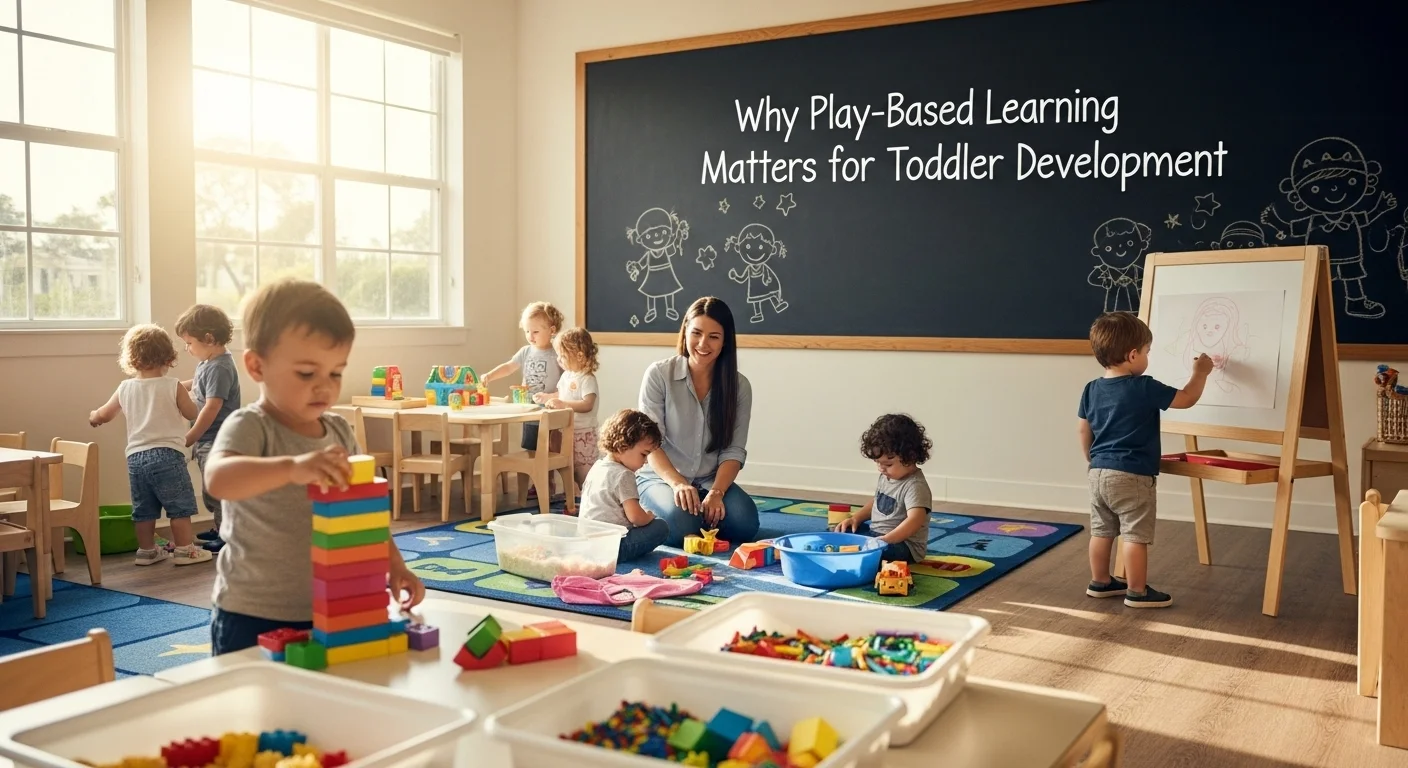
When it comes to play-based learning, educators play a crucial role. I’ve seen firsthand how passionate teachers can create an engaging learning environment that makes children excited about learning. One of my favorite moments was visiting my child’s preschool, where the teacher expertly guided the children through various play stations. Each area was thoughtfully designed to promote different skills—from a science corner with magnifying glasses and nature specimens to an art station filled with colorful materials. I believe that educators who embrace play-based learning can ignite a love for education that lasts a lifetime. The key is for them to observe the children’s interests and provide resources that encourage exploration and inquiry.
Observing and Assessing Development through Play
As caregivers, we also have the opportunity to observe and assess a child’s development through play. I’ve learned that watching my kids during playtime reveals so much about their skills, interests, and areas where they might need support. For instance, during a simple game of pretend grocery shopping, I noticed my child counting the items and practicing their language skills as they described the fruits and vegetables. These moments are not just fun; they provide valuable insights into their cognitive and social development. I think it’s essential for caregivers to take time to engage in this observation. It helps us understand our children better and allows us to tailor our support to their unique needs.
Challenges and Misconceptions about Play-Based Learning
Common Misunderstandings
Despite the clear benefits of play-based learning, there are still misconceptions that can make it challenging for parents and educators. One common misunderstanding is that play is simply a break from “real” learning. I used to think that structured learning was more effective, but I now realize that play is an integral part of the learning process. Another misconception is that play doesn’t lead to measurable outcomes. I believe that play-based activities can indeed foster the same skills taught in traditional settings, such as literacy and numeracy, but in a more engaging way. It’s important for us to advocate for play as a valid and essential component of early education.
Addressing Concerns from Parents and Educators
When discussing play-based learning, I often encounter concerns from parents and educators about whether children are truly learning through play. I understand this worry, as many of us were raised in a more traditional education system. It’s crucial to communicate the research and evidence supporting play-based learning. I often share anecdotes from our play experiences that highlight learning moments. I also suggest that parents observe their children during playtime, encouraging them to see the learning that naturally unfolds. By fostering open discussions around these concerns, we can build a supportive community that values play as a fundamental aspect of a child’s development.
Research and Evidence Supporting Play-Based Learning
Studies on Child Development
I find it fascinating how much research has been dedicated to understanding the impact of play on child development. Numerous studies highlight the significant benefits of play-based learning. For instance, I came across a study that showed children engaged in play-based environments develop better social skills and emotional regulation. It’s comforting to know that the things I observe in my children align with scientific findings. I’ve seen how my kids build friendships and navigate emotions while playing, which underscores the findings of these studies. The evidence suggests that play promotes not just cognitive skills but also emotional intelligence, which is crucial for their overall development.
Case Studies from Early Childhood Programs
There are some incredible case studies out there that illustrate the power of play-based learning in action. One example that stood out to me was a preschool in New Zealand that implemented a play-based curriculum. In this program, educators observed dramatic improvements in children’s communication skills and creativity. I remember reading about how children who might have struggled in traditional learning settings thrived when given the freedom to explore through play. This made me reflect on my own experiences with my kids; when they’re given the space to explore and create, they often surprise me with their insights and ideas. It’s a reminder that when we trust in the process of play, we can unlock a world of potential in our children.
Final Thoughts
As I look back on everything I’ve learned about play-based learning, I feel a sense of hope and excitement for our children’s futures. The evidence is clear: play isn’t just a way for kids to pass the time; it’s a fundamental part of how they learn and grow. I’ve seen firsthand how my children thrive when they engage in different forms of play, and I believe that as parents, caregivers, and educators, we have a unique responsibility to nurture this instinct. By creating environments that celebrate play and by advocating for its importance, we can help pave the way for a generation that approaches learning with joy and creativity. Let’s embrace play as a powerful tool for development—after all, the world is their playground, and it’s up to us to keep it vibrant and full of possibilities.
Frequently Asked Questions
“`htmlWhat is play-based learning?
Play-based learning is an educational approach that uses play as a primary method for children to explore and understand the world around them. It emphasizes the importance of play in fostering creativity, problem-solving, and social skills.
How does play contribute to cognitive development in toddlers?
Play contributes to cognitive development by allowing toddlers to hone their thinking skills through activities like building blocks or solving puzzles, which teaches them critical thinking and problem-solving abilities.
What are the emotional and social benefits of play for toddlers?
Play provides a safe space for toddlers to explore emotions and navigate social interactions. Through play, they develop empathy, learn effective communication, and build lasting friendships.
Why is physical development important in toddler play?
Physical development is crucial as activities like climbing, running, and jumping enhance gross motor skills, coordination, and balance, promoting a healthy, active lifestyle.
How does play facilitate language acquisition in toddlers?
Play facilitates language acquisition by providing a relaxed environment for toddlers to experiment with words and phrases. During play, they often mimic adults and peers, which helps them learn new vocabulary.
What are some types of play that support toddler learning?
Types of play that support toddler learning include free play, structured play, imaginative play, and outdoor play, each offering unique opportunities for exploration, creativity, and skill development.
What are the key benefits of play-based learning?
Key benefits of play-based learning include enhanced problem-solving skills, improved creativity, increased engagement and motivation, and the development of critical thinking skills.
How can parents incorporate play-based learning at home?
Parents can incorporate play-based learning at home by creating a play-friendly environment, choosing educational toys and materials, and encouraging imaginative play through various activities.
What role do educators play in facilitating play-based learning?
Educators play a crucial role in facilitating play-based learning by creating engaging environments and guiding children through play stations that promote exploration and skill development.
What misconceptions exist about play-based learning?
Common misconceptions about play-based learning include the belief that play is merely a break from real learning and that it doesn’t lead to measurable outcomes in skills like literacy and numeracy.
“`