
Play is more than just fun for toddlers; it’s the foundation for their emotional wellbeing. Engaging in play helps children learn, grow, and express themselves in ways that set the stage for a healthy future.
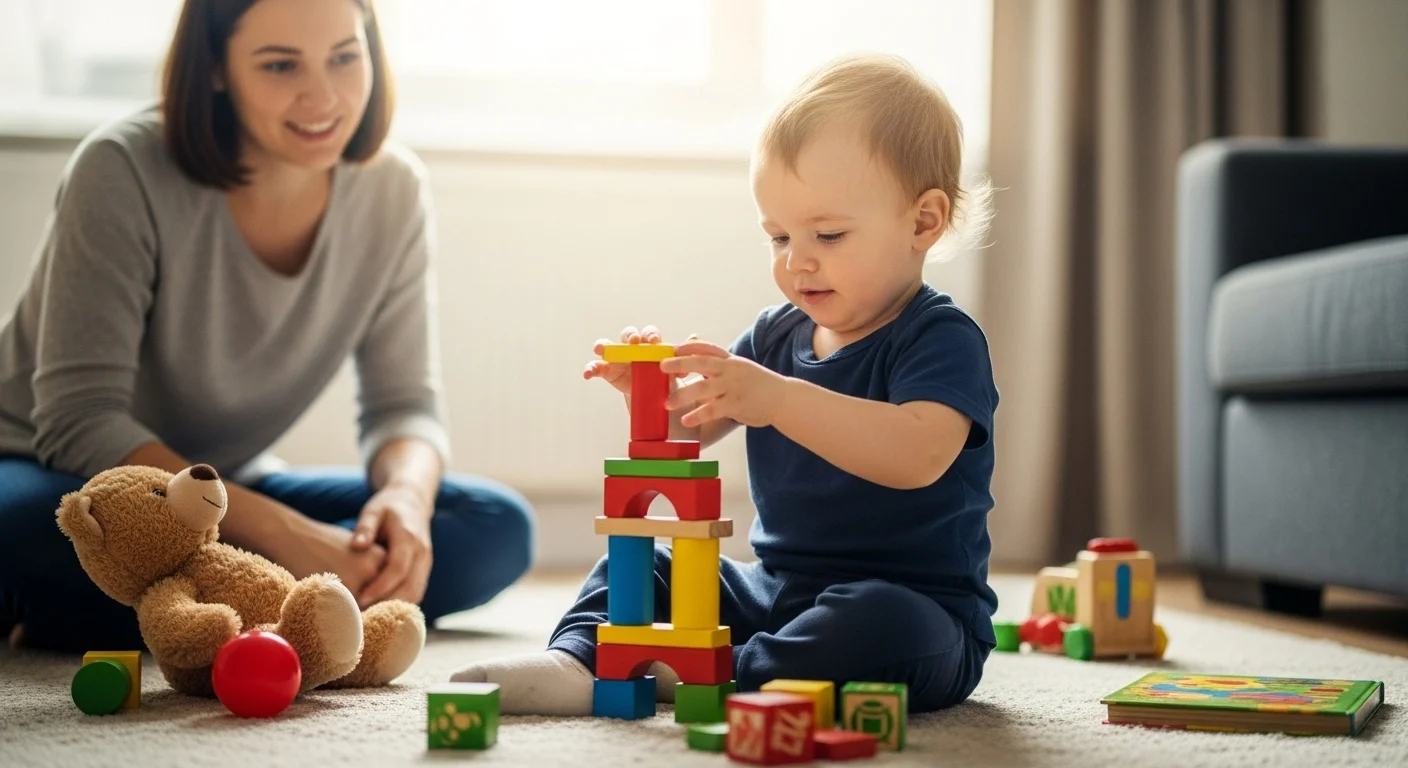
Understanding the Importance of Play for Toddlers
As parents, we often hear that “play is important,” but what does that really mean? Understanding the role of play in early childhood can help us appreciate its profound impact on our toddlers’ emotional wellbeing. Playtime is a vital part of childhood, serving as a natural avenue for exploration and learning. I remember watching my child engage in play and realizing that it was far more than just a way to pass the time—it was a crucial element of their development. Read Interesting article: Separating Fact from Fiction: Common Pregnancy Myths Explained
Definition of Play in Early Childhood
Play, in the context of early childhood, can be defined as any activity that children engage in for enjoyment, exploration, or experimentation. It’s a process that allows toddlers to make sense of the world around them. When my child picks up a toy and pretends it’s a car, they aren’t just playing; they are exploring concepts of movement, speed, and even storytelling. Through play, toddlers express their feelings, test their limits, and imitate the world they see—be it through building blocks, role-playing, or even simple games.
Types of Play: Structured vs. Unstructured
There are two main types of play that I’ve seen in my own parenting journey: structured and unstructured play. Structured play is often organized and directed by adults, such as games with specific rules or activities designed to teach particular skills. While structured play has its benefits, like learning to follow instructions or teamwork, I’ve found that unstructured play is where the magic really happens.
Unstructured play, on the other hand, allows toddlers the freedom to explore their interests without strict guidelines. This type of play is often spontaneous and can take place in various environments, whether at home, in parks, or playgroups. I’ve seen my child create entire worlds out of nothing but a few toys and their imagination. This kind of play fosters creativity and allows them to express their emotions in a safe and enjoyable way. It truly strengthens their emotional wellbeing.
Developmental Stages of Play
As toddlers grow, their play evolves through different stages, each with its own significance. I’ve noticed how my child’s play style changed from solitary play—where they might play alone with blocks—to parallel play, where they would play alongside other children but not directly with them. Eventually, they moved into more interactive play, where they began to cooperate and share, which opened up so many doors for socialization.
The development of play is typically categorized into stages, starting with solitary play, then progressing to parallel play, and finally to cooperative play. Each stage contributes to emotional and social development. In my experience, understanding these stages helped me facilitate the right kind of play opportunities, whether it was inviting friends over for shared activities or simply allowing my child time to explore on their own.
Playing alongside my child during these different stages has also given me insight into their emotional state. When they are engaged in cooperative play, I see teamwork and negotiation skills developing. When they engage in solitary play, it’s a chance for them to understand their feelings and enjoy their own company, which I believe is just as beneficial.
As I reflect on how play has influenced my toddler’s emotional wellbeing, it becomes clear that it’s not just about having fun. It’s about learning to navigate their emotions, building resilience, and developing the social skills they’ll use throughout their lives. Observing these stages has been a reminder of how essential it is for us to nurture and encourage play in our children’s lives.
Understanding the importance of play in our toddlers’ lives is the first step. As we dive deeper into this topic, we will explore the emotional benefits of play and how it shapes not just our toddlers, but our families as a whole.
The Emotional Benefits of Play for Toddlers
Enhancing Emotional Regulation
When I think about how my toddler manages their feelings, I can’t help but notice how much play has helped them learn emotional regulation. Through various types of play, they are not only having fun but also discovering ways to express and cope with their emotions. For instance, I’ve seen my child play with dolls or action figures, reenacting different scenarios that reflect their feelings. This kind of imaginative play gives them a safe space to explore emotions like joy, frustration, and even sadness. I remember one day when my child was upset after a minor argument with a friend. Instead of just telling me about it, they started using their toys to act out the situation. This play allowed them to process their feelings in a way that felt secure. It was as if they were trying to make sense of the conflict by viewing it through a different lens. I realized then that play isn’t just a distraction; it’s a powerful tool for emotional healing and understanding.Building Self-Esteem and Confidence
Play is also a significant contributor to self-esteem and confidence in toddlers. Every time they master a new skill during play, whether it’s stacking blocks or learning to share, I can see their self-assurance grow. When my child successfully builds something with their blocks, their pride is evident. They beam with joy, and I can feel that boost in their confidence. I think back to when they first started playing with puzzles. At first, it was frustrating for them, but with each completed puzzle, I could see their self-esteem building. They began to believe in their ability to solve problems. This newfound confidence transcended play and started to show in other areas of their life, such as trying new foods or engaging with other children. It’s a beautiful cycle; as they gain confidence through play, they become more willing to tackle challenges outside of playtime.Fostering Social Skills and Relationships
One of the most rewarding aspects of play, in my opinion, is how it fosters social skills and relationships. Watching my child interact with their peers during playtime is like witnessing a mini social workshop. They learn about sharing, taking turns, and even resolving conflicts—all while having a blast. I remember a playdate where my child and a friend were building a fort together. They had to negotiate who would hold the blanket and how they would arrange the pillows. It was amazing to see them communicate and collaborate. Through these interactions, my toddler learns empathy. They begin to understand how their actions affect others’ feelings. I’ve noticed that when they play with others, they become more aware of different perspectives. This is particularly important as they grow and navigate new relationships. It’s in these playful moments that they develop the skills that will help them maintain friendships and work collaboratively throughout their lives.Encouraging Creativity and Imagination
Creativity is another area where play shines. I’ve always encouraged my child to explore their imagination, and I’ve seen firsthand how play fosters creativity. Whether it’s drawing, building with blocks, or pretending to be a character from a favorite story, imaginative play helps toddlers think outside the box. I remember one afternoon when my child transformed our living room into a pirate ship. They used cushions, blankets, and their favorite toys to create an entire world of adventure. Watching them navigate this imaginary space, complete with pirate lingo and treasure maps, was enchanting. It made me appreciate the boundless nature of their creativity. This kind of play not only entertains but also helps them develop problem-solving skills and the ability to think abstractly. Encouraging creativity through play has benefits that extend beyond childhood. It lays the groundwork for innovative thinking, which is invaluable in today’s world. I’ve come to realize that the more we allow our children to play freely and creatively, the more equipped they will be to tackle life’s challenges with an open mind. As I reflect on these emotional benefits of play, I feel grateful for the moments I get to witness. It’s not just about playtime; it’s about laying the foundation for a well-rounded, emotionally intelligent individual. Each giggle, every moment of concentration, and all the imaginative scenarios serve as building blocks for my child’s emotional health, enhancing their overall wellbeing in ways I never fully appreciated until I became a parent.Play and Brain Development
Play and Brain Development
The Role of Play in Cognitive Growth
When I delve into the connection between play and brain development, I feel there’s so much more happening than meets the eye. Play serves as a powerful catalyst for cognitive growth in toddlers. As my child engages in different types of play, I’ve observed how these activities stimulate their brain in ways that are essential for learning. For instance, when my child plays with building blocks, they’re not just stacking blocks; they’re also developing spatial awareness, problem-solving skills, and even basic engineering concepts. I remember when they first started building towers. Initially, they would knock them down, but over time, they learned to balance the blocks better and create taller structures. This trial-and-error process is a fundamental part of cognitive development. Each time they play, they are refining their thinking skills and expanding their knowledge base. I’ve also seen how pretend play, such as role-playing different characters, enhances their memory and language skills. When my child pretends to be a doctor, they mimic what they’ve seen in real life, using vocabulary they’ve picked up along the way. This imaginative play encourages them to express ideas verbally, which has a direct impact on their language acquisition. It’s fascinating to witness how their cognitive abilities flourish through these seemingly simple play activities.How Play Affects Neurodevelopment
Neuroscience continues to reveal the profound impacts of play on brain development. I’ve read studies that show how active play stimulates the production of new brain cells and strengthens the neural connections that form the foundation of learning. The more I observe my child at play, the more I understand that their brain is like a sponge, soaking up information and experiences. For example, during outdoor play, my child runs, jumps, and climbs, which not only supports physical coordination but also enhances brain function. This physical engagement is crucial because it helps integrate sensory information, allowing them to make sense of their surroundings. I often encourage outdoor adventures, knowing that these activities are vital for healthy brain development. Furthermore, play promotes executive function skills, which include planning, impulse control, and working memory. I remember a time when my child was playing a simple board game with me. They had to wait their turn, remember the rules, and strategize to win. These moments are not just fun; they are integral to building the cognitive skills they will rely on throughout their education and life.Link Between Play and Emotional Intelligence
As I reflect on my child’s experiences, I realize that play is not just a vehicle for cognitive development; it also plays a significant role in nurturing emotional intelligence. Through play, toddlers learn to identify and manage their emotions, which is foundational for their social interactions. When I see my child navigating various play scenarios—like sharing toys or resolving disputes with friends—it’s clear that they are developing empathy. I’ve noticed that during play, my child often mirrors the emotional responses of their peers. This mirroring is a natural part of developing empathy, which is essential for forming meaningful connections with others. For example, during a playdate, I watched as they comforted a friend who was upset after losing a game. This instinctive response not only showed their understanding of another’s feelings but also reinforced their ability to express compassion—a vital aspect of emotional intelligence. Play also provides a safe space for children to experiment with their emotions. I recall a time when my child was frustrated during a challenging puzzle. Instead of keeping those feelings bottled up, they expressed their frustration through their play. As they worked through the puzzle, they learned to identify and communicate their emotions constructively. This experience highlighted how play can be therapeutic, allowing children to process complex feelings while developing resilience. Overall, observing the multifaceted benefits of play has reinforced my belief that it’s not merely a pastime but a crucial part of childhood that shapes emotional and cognitive growth. It’s heartening to see how each playful moment contributes to building a well-rounded individual, preparing them not just for school but for life. The connection between play and brain development is a reminder of how vital it is to prioritize play in our children’s daily routines, ensuring they have the freedom to explore and thrive.Types of Play that Support Emotional Wellbeing
Physical Play: Movement and Coordination
Physical play has always been a favorite in our household. I’ve noticed that when my child engages in activities like running, jumping, or climbing, they not only have fun but also develop essential motor skills. Watching them hop from one spot to another or climb up a slide reminds me of how important this kind of play is for their physical wellbeing. I remember one sunny afternoon when we went to the park. My child was eager to join other kids in a game of tag. As they sprinted around, I could see their coordination improving. They were not just playing; they were learning to control their bodies, which is crucial for their overall development. Physical play also releases endorphins, which makes my child feel happy and energized. It’s a win-win—my child gets to expend energy while developing important physical skills, and I get to enjoy their infectious laughter.Creative Play: Art and Imagination
Creative play is another vital component of my child’s emotional wellbeing. Every time my child engages in art—whether it’s painting, drawing, or crafting—I can see their imagination come to life. There’s something magical about how they express themselves through colors and shapes. I remember a rainy day when we decided to create our own art gallery at home. My child spent hours painting and decorating, and when they proudly displayed their work, I could see the joy and accomplishment shining in their eyes. This type of play allows toddlers to not only explore their creativity but also process their emotions. I’ve noticed that when they create, they often express feelings they might not have the words for yet. It’s a beautiful outlet for their thoughts and emotions, providing them with a sense of control and freedom. I truly believe that nurturing creative play lays the groundwork for emotional expression and resilience.Social Play: Group Activities and Interaction
Social play is where I see some of the most important lessons about relationships unfold. Group activities, whether it’s playing in a team or participating in a group project, allow my child to interact with others. I recall a time when my child joined a local soccer team. It was fascinating to watch them learn how to work with teammates, understand different roles, and navigate the dynamics of friendships. These interactions are so crucial for emotional development. When they play with peers, they learn to share, negotiate, and sometimes even compromise. It’s in these moments that they develop empathy and learn the value of communication. I’ve seen my child reach out to comfort a friend who fell during a game, and that act of kindness speaks volumes about their growing emotional intelligence. Social play nurtures a sense of belonging, which is essential for our children’s emotional wellbeing.Solitary Play: Independent Exploration
While social play is valuable, I also appreciate the importance of solitary play. I have observed that when my child has time to play alone, they explore their thoughts and feelings without distraction. I remember a day when my child sat quietly in their room, fully engrossed in a puzzle. I could see their focus and determination, and it was clear that they were enjoying their own company. Solitary play also helps children develop self-reliance and independence. During these moments, toddlers can choose how they want to play and what they want to explore. For my child, this has been an opportunity to gain confidence in their abilities. I believe that allowing them this time for independent exploration is just as important as the time spent with others. It fosters a sense of self and builds resilience, teaching them that it’s okay to enjoy their own company.How Parents and Caregivers Can Encourage Play
Creating a Safe Play Environment
Creating a safe play environment is essential. I always ensure that my child has access to safe toys and spaces where they can explore freely. Safety gives them the confidence to try new things, whether that’s climbing a playground structure or experimenting with art supplies. I remember when we childproofed our home to allow for more independent play. It was a game-changer for us!Incorporating Play into Daily Routines
Finding ways to incorporate play into our daily routines has been beneficial. I’ve started adding small play breaks throughout the day, whether it’s a quick game of catch in the backyard or a dance-off in the living room. These moments not only bring joy but also help break up the routine, making our days feel lighter and more fun.Choosing Age-Appropriate Toys and Activities
Choosing age-appropriate toys is something I’ve learned to prioritize. I pay attention to what engages my child the most. From building sets to art supplies, I’ve noticed that when toys are challenging yet achievable, my child becomes more engaged and excited to play. I think of toys as tools for exploration, and I try to select those that spark joy and creativity. Read Interesting article: Pregnancy Nutrition Myths: Fact vs Fiction for Expecting MomsSetting Aside Time for Play
Lastly, setting aside specific time for play has become a staple in our family. I’ve found that when we prioritize play, it creates a sense of routine and security for my child. Whether it’s a weekend dedicated to outdoor adventures or a weeknight board game session, these times are moments we both look forward to. It reinforces the idea that play is essential, not just a filler activity.Challenges to Play and Emotional Wellbeing
Screen Time and Its Impact on Play
While technology can be beneficial, I’ve found that excessive screen time can hinder play and emotional wellbeing. I’ve noticed that when my child spends too much time on screens, they become less engaged in physical and creative play. It’s a balance we’re still working on, but I’ve learned to set clear boundaries around screen time to ensure that play remains a priority.The Role of Structured Schedules
In our busy lives, it can be easy to overschedule. I’ve realized that while structured activities can be helpful, they shouldn’t replace spontaneous play. I try to maintain a balance, ensuring there is ample time for unstructured, free play, where my child can truly explore their interests.Recognizing Signs of Emotional Distress
Finally, it’s important to stay attuned to our children’s emotional states. I’ve learned to recognize when my child may be feeling overwhelmed or stressed. Play can sometimes provide a much-needed release, but if I notice changes in their behavior, I take the time to check in with them. It’s crucial to create an environment where they feel comfortable expressing their feelings.Research and Expert Opinions on Play and Emotional Wellbeing
Studies Supporting the Benefits of Play
Numerous studies emphasize the importance of play in emotional and cognitive development. I often find myself reading up on research that supports my observations as a parent. Experts have shown that play is essential for developing critical thinking, communication skills, and emotional resilience. Knowing that I’m supporting my child’s development through play reinforces my commitment to prioritizing it.Insights from Child Psychologists and Educators
Insights from child psychologists and educators have also been enlightening. They consistently highlight the relationship between play and emotional wellbeing, advocating for more play opportunities in educational settings. I’ve come to realize that as parents, we can collaborate with educators to ensure that our children have ample time for play both at home and in school. Read Interesting article: How to Manage Anxiety During Pregnancy: A Guide for MomsReal-Life Examples and Case Studies
Success Stories from Early Childhood Programs
I’ve heard incredible success stories from early childhood programs that prioritize play-based learning. These programs often show improved social skills, emotional regulation, and even academic readiness in children. It reassures me that the emphasis on play isn’t just a personal belief but a widely recognized necessity in fostering healthy development.Parental Testimonials on Play’s Impact
Listening to other parents share their experiences with play has been eye-opening. Testimonials often highlight how play has transformed their children’s emotional states and relationships with others. I’ve come to appreciate the collective wisdom of the parenting community, and it motivates me to continue advocating for play in our lives.Final Thoughts
Reflecting on our journey with play, I feel a deep appreciation for its role in my child’s life. It’s fascinating to see how play is intertwined with emotional, cognitive, and social development. Each giggle, each moment of concentration, and every imaginative scenario contributes to building a well-rounded individual. As parents, we have the privilege of nurturing this essential aspect of childhood, ensuring that our children grow into emotionally intelligent and resilient individuals. I believe that prioritizing play will yield lifelong benefits, not just for my child but for our entire family. Let’s continue to embrace the magic of play and support our children’s emotional wellbeing together.Frequently Asked Questions
What is the role of play in a toddler’s emotional wellbeing?
Play serves as a foundation for toddlers’ emotional wellbeing, helping them learn, grow, and express themselves in ways that contribute to a healthy future.
How is play defined in the context of early childhood?
Play is defined as any activity that children engage in for enjoyment, exploration, or experimentation, allowing them to make sense of the world around them.
What are the two main types of play?
The two main types of play are structured play, which is organized and directed by adults, and unstructured play, which allows toddlers the freedom to explore their interests without strict guidelines.
What are the developmental stages of play?
The developmental stages of play include solitary play, where toddlers play alone; parallel play, where they play alongside others; and cooperative play, where they interact and share with other children.
How does play enhance emotional regulation in toddlers?
Play helps toddlers learn emotional regulation by providing them with a safe space to express and cope with their emotions through imaginative scenarios and role-playing.
In what ways does play contribute to a toddler’s self-esteem and confidence?
Every time a toddler masters a new skill during play, such as stacking blocks or completing puzzles, their self-esteem and confidence grow as they believe in their abilities.
How does play foster social skills in toddlers?
Play fosters social skills by teaching toddlers about sharing, taking turns, and resolving conflicts, which helps them develop empathy and navigate new relationships.
What impact does creative play have on a toddler’s emotional wellbeing?
Creative play allows toddlers to express their emotions and thoughts through art, helping them to process feelings they might not have the words for, fostering emotional expression and resilience.
How can parents encourage play in their children’s lives?
Parents can encourage play by creating a safe play environment, incorporating play into daily routines, choosing age-appropriate toys, and setting aside specific time for play.
What challenges can affect a toddler’s play and emotional wellbeing?
Challenges include excessive screen time, overscheduling structured activities, and not recognizing signs of emotional distress, which can hinder play and emotional development.