
Welcoming a new baby is a beautiful journey, but it can also be overwhelming. Understanding postpartum care is crucial for new mothers as they navigate this transformative period in their lives. Read Interesting article: Essential Postpartum Recovery Tips for New Parents
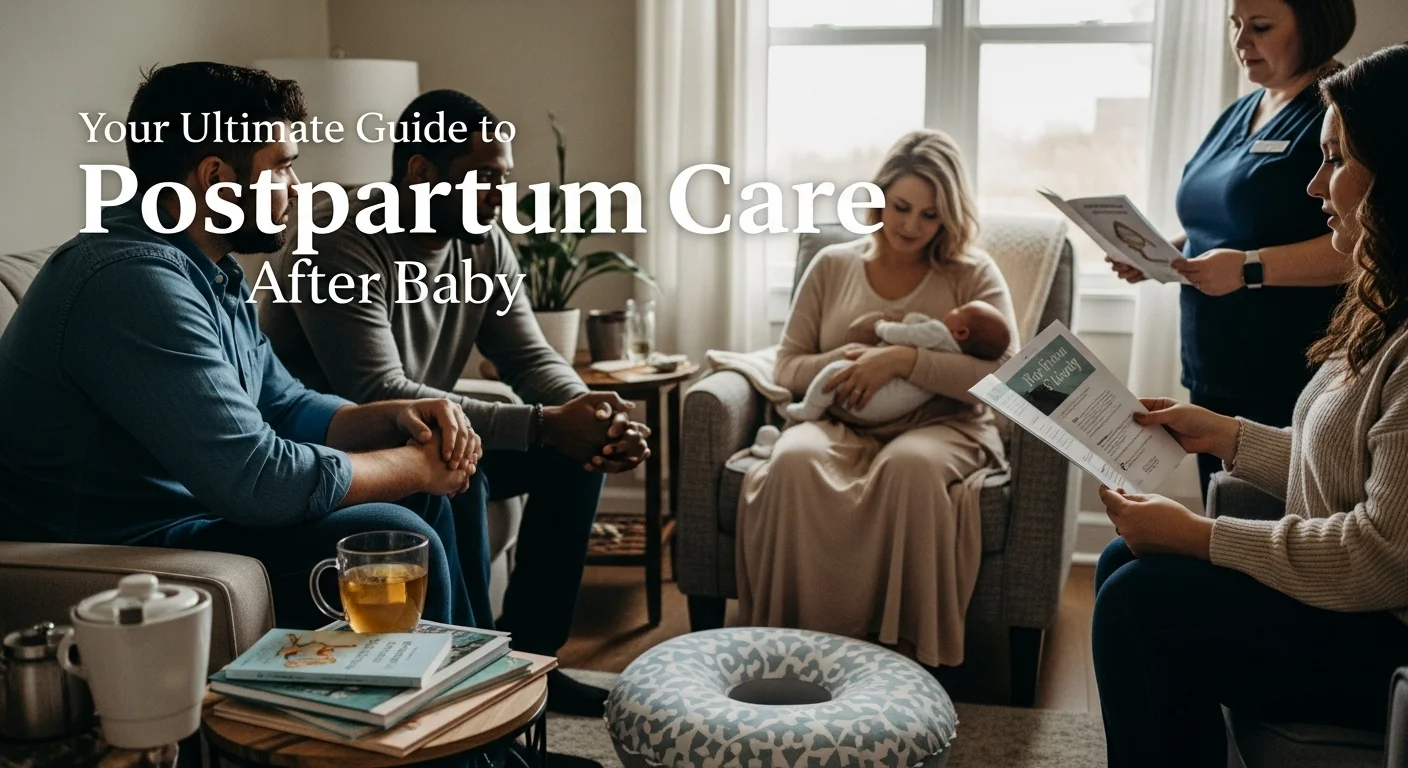
Understanding Postpartum Care
What is Postpartum Care?
Postpartum care refers to the support and medical attention a mother receives after childbirth. This period typically lasts from the moment you give birth until about six weeks postpartum. However, the impact of this phase can last much longer. It includes monitoring physical recovery, addressing emotional well-being, and ensuring that the new mother adjusts to life with a newborn.
I remember when I first brought my baby home; it was a whirlwind of joy, exhaustion, and questions. I quickly learned that postpartum care wasn’t just about healing from childbirth but also about adjusting to a new way of life. Understanding what postpartum care entails can help you feel more prepared and supported during this significant transition.
Importance of Postpartum Care for New Mothers
Postpartum care is vital for several reasons. Firstly, it helps ensure that any physical complications from childbirth are addressed promptly. Secondly, emotional well-being is equally important; many new mothers experience a mix of feelings, from joy to anxiety, and proper care can make a world of difference. Coping with postpartum emotions is essential for many during this time.
In my case, I didn’t realize how much support I needed until I was knee-deep in sleepless nights and baby cries. I found that reaching out for help not only improved my physical recovery but also made me feel less isolated. It’s essential to remember that postpartum care is about nurturing both the body and the mind.
Physical Recovery After Childbirth
Common Physical Changes and Symptoms
After childbirth, your body goes through significant changes. These can include everything from sore breasts to abdominal cramping. I was surprised by how my body felt so different after giving birth, and I didn’t expect to face so many physical challenges. It’s normal to experience symptoms like:
- Fatigue
- Swelling and soreness in the vaginal area
- Changes in your breasts, such as engorgement or leaking
- Abdominal cramps as your uterus contracts
- Weight fluctuations
Being aware of these changes helped me navigate my recovery with greater patience. It was also comforting to know that many mothers face similar experiences.
Healing from Vaginal Birth
If you had a vaginal birth, healing may take a few weeks. I remember the first few days were tough, especially with soreness. Ice packs were my best friends during that time! It’s essential to keep the area clean to prevent infections. Gentle exercises, like walking, can also aid recovery. My doctor encouraged me to take it slow and listen to my body.
Recovery from Cesarean Section
For those who underwent a cesarean section, recovery can be a bit different. I have friends who shared their experiences, and I learned that C-sections involve a longer healing process because of the surgery. It’s crucial to avoid heavy lifting and strenuous activities for several weeks. I found that using pillows to support my incision while sitting up made things more comfortable.
Postpartum Bleeding (Lochia)
After delivery, you’ll experience lochia, which is a mix of blood, mucus, and uterine tissue. It’s a natural part of the healing process and can last for several weeks. I was surprised by how heavy it could be at first, but knowing that it was normal helped ease my worries. Keeping track of changes in the bleeding is essential, and contacting your healthcare provider if you notice anything unusual is a must.
Pelvic Floor Health
Another critical aspect of postpartum recovery is pelvic floor health. Many women, including myself, may experience issues like incontinence or pelvic pain after childbirth. Kegel exercises can help strengthen those muscles, and I found that discussing these concerns with my doctor was incredibly helpful. They can offer guidance and support tailored to your specific needs.
In my experience, the postpartum period is a time of healing both physically and emotionally. It’s essential to recognize that everyone’s journey is unique. Remember to give yourself grace, and don’t hesitate to reach out for help and support. The more informed we are about postpartum care, the better equipped we’ll be to take care of ourselves and our new bundles of joy. Understanding your postpartum feelings can also be beneficial during this journey.
Mental Health and Emotional Well-being
Postpartum Depression: Signs and Symptoms
Mental health is such an important part of postpartum care, and I’ve learned that postpartum depression (PPD) can affect many new mothers. I remember feeling a wave of emotions—joy, exhaustion, and sometimes sadness that I couldn’t quite explain. It’s not always easy to recognize when these feelings shift into something more serious.
Common signs of postpartum depression include persistent sadness, feelings of hopelessness, difficulty bonding with your baby, and changes in appetite or sleep. I noticed that when my sadness lingered for weeks rather than just a few days, it was time to talk to someone. Understanding these signs early on can make a huge difference in getting the help you need.
Anxiety and Mood Swings
Alongside PPD, anxiety is something I experienced firsthand. The worries about my baby’s health, my own recovery, and fitting everything into my new routine overwhelmed me at times. Mood swings were another part of my journey. One moment I felt like I could conquer the world, and the next, I was in tears over a small mishap.
Recognizing that these feelings were normal (though challenging) helped me cope. Finding a way to express these emotions, whether through journaling or talking with friends, was instrumental in my healing. I believe that being open about our experiences can create a supportive environment where we all feel less alone.
Importance of Support Systems
No one should have to navigate this journey alone. I quickly learned that building a support system was crucial for my mental health. Having friends and family nearby who understood what I was going through made a world of difference. Whether it was someone to listen or just share a cup of tea with, having that connection eased my burden.
In my case, I also sought out local moms’ groups. Sharing experiences with others who were in the same boat provided comfort and valuable insights. We swapped tips and reassured each other that we were all figuring it out together. I realized that, while every journey is unique, we could lean on one another for support.
Nutritional Needs in the Postpartum Period
Dietary Recommendations for New Mothers
Nutrition is another vital aspect of postpartum care that I learned to prioritize. After giving birth, my body craved energy and nutrients to help with recovery and to support breastfeeding. I found that focusing on a balanced diet made a noticeable difference in how I felt both physically and mentally.
It’s essential to incorporate a variety of foods, including fruits, vegetables, whole grains, lean proteins, and healthy fats, into our meals. I remember making a big batch of vegetable soup and freezing portions for easy access during those hectic days. It felt good to nourish myself properly, knowing it was also beneficial for my baby.
Hydration and Breastfeeding
Staying hydrated is crucial, especially if you’re breastfeeding. I often felt thirsty, and I quickly realized that drinking water regularly was essential for my milk supply. I started keeping a water bottle nearby as a reminder to drink throughout the day. Sometimes, just a sip of water could help me feel more alert and ready to tackle the next challenge.
Foods to Aid Recovery
Certain foods are particularly helpful during the postpartum period. I discovered that foods rich in iron, like spinach and lentils, can support recovery, especially if you experienced significant blood loss during childbirth. Omega-3 fatty acids found in fish and walnuts are great for brain health, which I found reassuring during those foggy, sleep-deprived moments.
Additionally, I learned the importance of protein, which helps repair tissues and keeps energy levels stable. I often prepped protein-rich snacks—like hard-boiled eggs and yogurt cups—to have on hand when I needed a quick pick-me-up. It’s amazing how the right food can enhance our mood and energy.
Self-Care Practices for New Mothers
Importance of Rest and Sleep
Amid the chaos of caring for a newborn, I quickly understood that rest is not a luxury; it’s a necessity. I remember the advice from seasoned moms about napping when the baby napped. At first, I struggled to put this into practice. I felt guilty for wanting to rest while there was laundry to do or dishes to wash. But I learned that taking care of myself was just as important as taking care of my baby.
Finding small pockets of time to recharge helped me feel more resilient. Even if I couldn’t sleep for long, just lying down and closing my eyes for a few minutes made a difference. I started to see rest as a way to recharge, not just a break from my responsibilities.
Physical Activity and Exercise
Once my doctor cleared me for physical activity, I found that gentle movements helped in my recovery. I started with short walks around the neighborhood with my baby in a stroller. These walks were not only great for my body but also for my mind. The fresh air and a change of scenery worked wonders for my mood.
Over time, I incorporated light exercises at home, focusing on stretching and core strengthening. I felt empowered as I regained my strength and energy. It’s important to listen to your body and take things at your own pace, as everyone’s recovery journey is different.
Mindfulness and Relaxation Techniques
In the midst of the busy days, I found that practicing mindfulness was incredibly beneficial. I started with simple breathing exercises and gradually explored meditation. Taking even just a few minutes each day for myself helped center my thoughts and ease anxiety. I learned that these moments of stillness were not just indulgences; they were vital for my well-being.
Whether it was through guided meditation apps or just sitting quietly with my thoughts, carving out time for mindfulness helped me reconnect with myself and find peace amid the chaos. Embracing self-care practices was essential for thriving during the postpartum period.
Breastfeeding Support and Challenges
Benefits of Breastfeeding for Mother and Baby
Breastfeeding is such a personal journey, and I found it to be one of the most rewarding aspects of being a new mother. Not only does it provide essential nutrients for your baby, but it also offers numerous benefits for us mothers. For me, the bond I felt while nursing was truly special. It felt like a moment just for us amidst the chaos of new parenthood.
One of the biggest benefits I learned about is how breastfeeding can help with postpartum recovery. It releases hormones that assist in shrinking the uterus back to its pre-pregnancy size, which was something I appreciated during my healing process. Plus, the emotional connection during these sessions can help foster a sense of well-being.
Additionally, breastfeeding can be beneficial for the baby, providing antibodies that help strengthen their immune system. Knowing that I was doing something so beneficial for my little one motivated me through those early, challenging days.
Common Breastfeeding Issues and Solutions
While I was excited to breastfeed, I quickly realized it didn’t come without its challenges. I remember feeling overwhelmed when I encountered difficulties like latching issues or sore nipples. It was tough, but I found that talking to other moms and seeking help made a big difference.
One common issue I faced was a poor latch, which led to discomfort during feedings. I learned that different positions could help, and I experimented until I found what worked best for me and my baby. I also discovered the importance of using nipple creams to soothe soreness, which became part of my daily routine.
Another challenge was figuring out my milk supply. There were days when I felt like I wasn’t producing enough, and it was stressful. I found that staying hydrated and eating nutrient-rich foods helped maintain my supply. I also learned that it was okay to seek advice on this from lactation consultants, who provided valuable support and reassurance.
Finally, I encountered the occasional engorgement, which was as uncomfortable as it sounds. I found that gentle massage and warm compresses helped ease the pressure. Keeping a consistent feeding schedule also played a crucial role in managing engorgement, and I learned to be patient as my body adjusted.
Resources for Breastfeeding Support
Having access to resources can be a game changer during the breastfeeding journey. I remember feeling reassured when I discovered local lactation consultants, who offered personalized advice and support. They were fantastic at helping me navigate any issues I faced.
I also joined online forums and local mom groups where breastfeeding was a common topic. Hearing from other mothers about their experiences helped me feel less alone. We shared tips, encouragement, and resources that made the journey smoother.
In addition to these groups, I found books and websites dedicated to breastfeeding education. They provided helpful insights into different techniques and the science behind breastfeeding. I recommend looking into these resources as they can empower you with knowledge and build your confidence.
Visiting the Healthcare Provider
Follow-Up Appointments: What to Expect
After giving birth, I was advised to schedule follow-up appointments with my healthcare provider. These visits are crucial for monitoring both physical and emotional well-being. I remember feeling a mix of anxiety and relief during these check-ups as they provided a chance to ask questions and address any concerns.
Typically, the first follow-up happens about six weeks postpartum, but your doctor may recommend earlier visits based on your situation. During these appointments, I was relieved to learn what to expect. They usually involve checks on healing, mental health screenings, and discussions about contraception options.
I found that being honest about my recovery, including any emotional struggles, was vital. My doctor took the time to listen and provide guidance, which made me feel supported. I recommend preparing a list of questions beforehand; it really helps to make the most out of these appointments.
When to Seek Medical Attention
Knowing when to reach out for help is essential during the postpartum period. I learned that if something didn’t seem right, it was better to check in with my healthcare provider. For instance, if I experienced excessive bleeding, severe pain, or signs of infection, I wouldn’t hesitate to call.
In my case, I faced a few moments of worry. I had persistent headaches and feelings of overwhelming sadness that didn’t fade. It was during these times that I realized the importance of trusting my instincts. I reached out to my doctor, and it turned out I needed some additional support.
Recognizing the signs of postpartum complications is crucial. I recommend familiarizing yourself with the red flags, like high fever, trouble breathing, or extreme mood swings. Knowing you’re not alone and that support is available can make a significant difference in how you navigate this period.
Building a Support Network
Family and Friends: How They Can Help
As I settled into my new role as a mother, I realized just how important a solid support network can be. I felt truly blessed to have friends and family around me who were eager to help. Whether it was offering meals, babysitting, or just being a listening ear, their support made a world of difference.
When I reached out for help, I found that many people were more than willing to assist. I remember a friend coming over to do laundry while I rested, which alleviated some of my stress. It’s okay to ask for what you need; people want to help!
Support Groups and Community Resources
Along with family and friends, I discovered the value of connecting with support groups in my community. These groups provided a safe space to share experiences and challenges with other new moms. We formed bonds over our shared struggles, and it was comforting to know we were in this together.
Many local hospitals and health clinics offer parenting classes and support groups. I encourage you to check out what’s available in your area. Whether you’re looking for breastfeeding support or just a chance to socialize, these resources can be incredibly beneficial.
Frequently Asked Questions
What is postpartum care?
Postpartum care refers to the support and medical attention a mother receives after childbirth, typically lasting from the moment of birth until about six weeks postpartum. It includes monitoring physical recovery, addressing emotional well-being, and ensuring that the new mother adjusts to life with a newborn.
Why is postpartum care important for new mothers?
Postpartum care is vital as it helps ensure that any physical complications from childbirth are addressed promptly and supports emotional well-being, which is crucial for many new mothers who experience a mix of feelings from joy to anxiety.
What are some common physical changes after childbirth?
Common physical changes after childbirth can include fatigue, swelling and soreness in the vaginal area, changes in breasts (such as engorgement or leaking), abdominal cramps as the uterus contracts, and weight fluctuations.
What should I do to aid recovery after a vaginal birth?
After a vaginal birth, healing may take a few weeks. It’s important to keep the area clean to prevent infections, use ice packs for soreness, and engage in gentle exercises like walking to aid recovery.
What are the signs of postpartum depression?
Common signs of postpartum depression include persistent sadness, feelings of hopelessness, difficulty bonding with the baby, and changes in appetite or sleep. Recognizing these signs early can lead to timely help.
How can I build a support system after having a baby?
Building a support system can involve reaching out to friends and family who can help with tasks or provide emotional support. Joining local moms’ groups can also offer comfort and insights from others experiencing similar challenges.
What nutritional needs should I consider during the postpartum period?
It’s essential to focus on a balanced diet that includes a variety of foods like fruits, vegetables, whole grains, lean proteins, and healthy fats. Staying hydrated is also crucial, especially for breastfeeding mothers.
What are some self-care practices new mothers should consider?
New mothers should prioritize rest and sleep, engage in physical activity as cleared by their doctor, and practice mindfulness techniques to help manage stress and improve emotional well-being.
When should I seek medical attention after childbirth?
Seek medical attention if you experience excessive bleeding, severe pain, signs of infection, or persistent emotional struggles. Trusting your instincts and reaching out to your healthcare provider is crucial during this time.
What resources are available for breastfeeding support?
Resources for breastfeeding support include local lactation consultants, online forums, local mom groups, and educational books and websites. These resources can provide valuable advice and reassurance during the breastfeeding journey.