
Parenting is a journey filled with ups and downs, but some parents find themselves disconnected from their children. Recognizing the signs of uninvolved parenting can be crucial in ensuring healthy child development and strong family relationships. For more insights, consider comparing uninvolved parenting and other approaches.
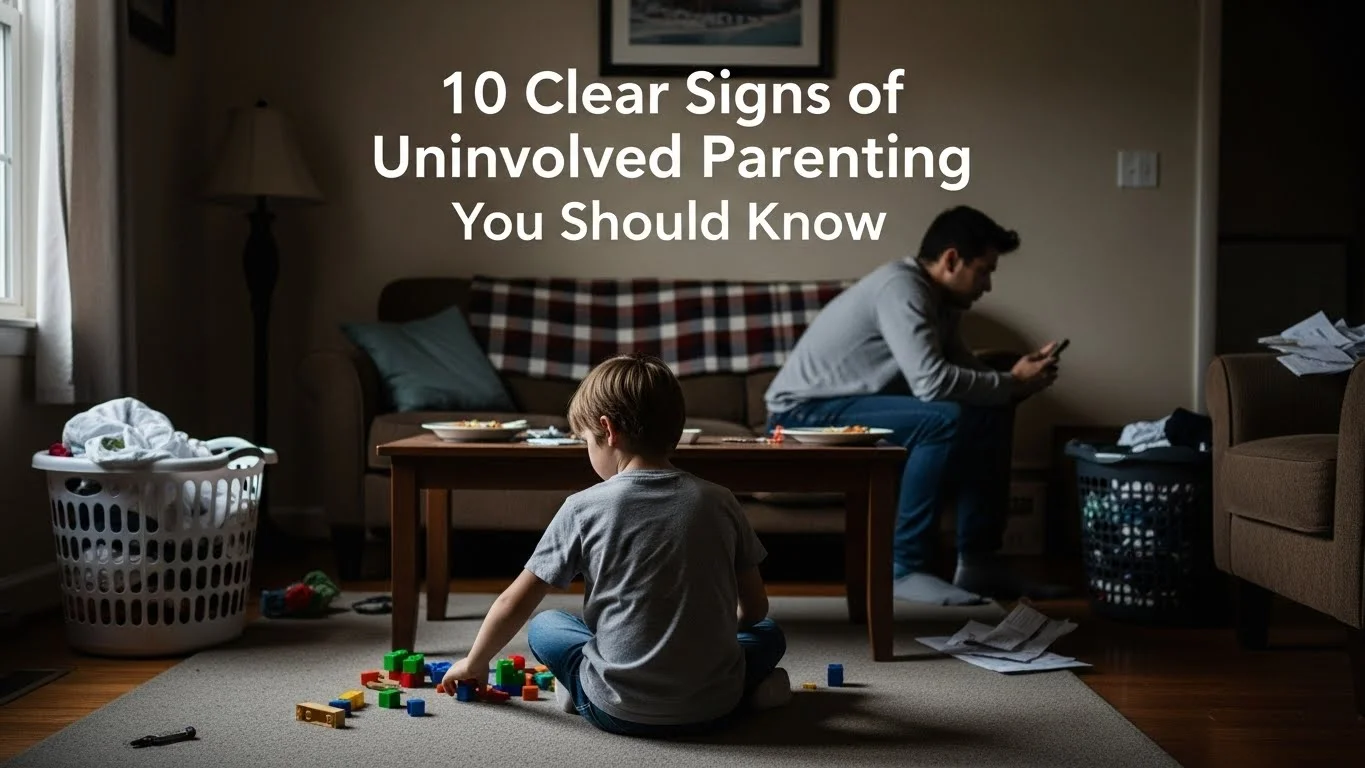
Understanding Uninvolved Parenting
Definition of Uninvolved Parenting
Uninvolved parenting, often described as neglectful, is a style where parents are emotionally detached and disengaged from their children’s lives. It’s not simply about being busy or having a demanding job; rather, it’s a consistent lack of responsiveness to a child’s needs. I remember reading about this parenting style and realizing that many parents might not even be aware of how their distance affects their kids. This form of parenting can be seen in various contexts, and I’ve come to understand that it doesn’t always stem from a lack of love. Instead, it might be due to stress, mental health issues, or personal challenges.
Historical Context and Research Findings
Historically, parenting styles have evolved dramatically. For many years, the “authoritative” style was considered the gold standard, balancing warmth and structure. However, uninvolved parenting often came to light in research studies from the late 20th century. This research highlighted the effects of different parenting styles on children. I’ve read studies that reveal children of uninvolved parents tend to struggle with self-esteem and social skills. It’s astonishing how much the parenting approach can shape a child’s future. These findings opened my eyes to the importance of active involvement in my own parenting journey.
Effects on Child Development
The effects of uninvolved parenting can be profound. Children raised in such environments often experience emotional and behavioral challenges. I’ve seen friends who grew up in uninvolved households struggle with anxiety and depression as adults. They lacked the emotional support that helps kids navigate the ups and downs of life. It’s heartbreaking to think that a child might not feel valued or understood. Research suggests that these children may also have difficulties in academic settings, finding it hard to connect with teachers and peers. The absence of guidance leaves them feeling lost, making it seem like they’re floating through life without a compass. I’ve often reflected on how important it is to actively engage with our children, offering them the support they need to thrive. For further information, check out understanding uninvolved parenting and its consequences.
10 Clear Signs of Uninvolved Parenting
Lack of Emotional Support
One of the most significant signs of uninvolved parenting is a lack of emotional support. I’ve noticed that children thrive when they feel they can express their feelings without fear of judgment. When parents don’t provide this emotional safety net, kids can feel isolated. They might not share their successes or failures, fearing their parents won’t care. This lack of emotional reinforcement can lead to feelings of unworthiness. Personally, I believe that being present for my children, listening to their concerns, and celebrating their achievements has been essential to fostering their emotional growth.
Minimal Communication
Another clear sign is minimal communication. If conversations between parent and child are reduced to basic necessities or are frequently absent, this may indicate a deeper issue. I remember when I made a conscious effort to engage my kids in daily discussions, even about trivial matters. It became a bonding opportunity that I cherish. Children need to feel their thoughts and opinions matter, and when communication is lacking, it can create a void in their relationship with their parents.
Absence from Important Events
Being absent from important life events—like school plays, sports games, or even parent-teacher conferences—can be a significant indicator of uninvolved parenting. I still recall the joy I felt when my parents attended my events; it made me feel valued. When kids see their parents prioritize other commitments over their milestones, it can lead to feelings of neglect. It’s something I’ve always tried to avoid, as being present at these moments fosters a sense of belonging in children.
Neglecting Basic Needs
Neglecting basic needs goes beyond just physical care. It also encompasses emotional and social needs. I’ve seen parents who provide food and shelter but overlook the importance of nurturing their children’s emotional health. For instance, kids need encouragement, validation, and love just as much as they need to be fed and clothed. I believe that it’s essential to recognize that meeting basic needs is not just about survival but about thriving.
Inconsistent Discipline
Inconsistent discipline can create confusion for children. They need boundaries to feel secure. I remember establishing rules in my home and making sure they were enforced consistently. When children see their parents as unpredictable in their responses, it can lead to behavioral issues. They may test limits without understanding the consequences. Consistency has helped me create a stable environment for my kids, allowing them to understand what is expected of them.
Limited Guidance in Education
When parents show little interest in their child’s education, it can be a sign of uninvolved parenting. I vividly recall the countless hours I spent helping my kids with homework and projects. Engaging in their education not only helps them academically but also strengthens our bond. I’ve learned that when parents actively participate in their child’s educational journey, it fosters a love for learning and encourages the child to strive for success.
Failure to Monitor Activities
Failing to monitor a child’s activities is another sign that can’t be overlooked. From my perspective, being aware of where my kids are and what they’re doing is crucial. I find that it not only keeps them safe but also opens up opportunities for conversations about their experiences. Children who lack supervision might engage in risky behaviors, thinking no one is watching. I’ve always aimed to create an environment where my kids feel comfortable sharing their activities with me.
Disinterest in Hobbies and Interests
When parents display disinterest in their child’s hobbies or interests, it can signal uninvolved parenting. I remember my excitement when my kids took up new activities, and I made it a point to show support. Whether it’s sports, music, or art, being involved in their passions can make a world of difference. It lets them know that their interests matter and encourages them to pursue what they love.
Ignoring Behavioral Issues
Ignoring behavioral issues is not just about overlooking misbehavior; it’s about failing to address underlying problems. I’ve seen parents dismissing tantrums or rebellious acts instead of understanding their root causes. I’ve come to realize that addressing these issues early on can significantly shape a child’s behavior in the long run. It’s so important to engage with children and help them navigate their emotions and actions.
Overreliance on Technology for Childcare
Lastly, overreliance on technology for childcare is a common sign of uninvolved parenting. While technology can be a helpful tool, it shouldn’t replace active parenting. I’ve seen parents rely heavily on screens to keep their kids occupied without engaging with them. I believe that while technology can offer entertainment, it’s crucial to balance it with quality time spent together. Encouraging physical play, outdoor activities, and face-to-face interactions is essential for holistic child development.
Consequences of Uninvolved Parenting
Impact on Emotional Well-Being
The emotional well-being of children raised in uninvolved households can be severely impacted. I’ve seen firsthand how children may struggle with feelings of low self-worth and loneliness. Without the emotional support from their parents, they might develop a negative self-image. I remember talking to a friend who shared how, as a child, she often felt invisible at home. This lack of validation can lead to anxiety and depression, which might persist into adulthood. Research shows that these children often face difficulties in forming healthy relationships later on because they never learned the importance of emotional connection. It’s heartbreaking to think about how much of a child’s emotional fabric is woven from the experiences they have at home.
Effects on Academic Performance
Uninvolved parenting can also have a significant impact on a child’s academic performance. I’ve noticed that children thrive when they feel encouraged and supported in their educational journey. Without parental involvement, kids might struggle to maintain motivation in school. I’ve read studies illustrating that children in uninvolved households often have lower grades and higher dropout rates. It’s as if they lack a safety net to fall back on when they encounter academic challenges. I remember how my encouragement during tough homework assignments made a difference for my kids, not just academically but also in building their confidence. When children don’t feel their education matters to their parents, they may lack the drive to succeed.
Long-Term Behavioral Issues
The long-term behavioral issues stemming from uninvolved parenting can be alarming. I often reflect on how our childhood experiences shape our adult behavior. Children raised without consistent guidance may struggle with impulsivity and make poor decisions as teenagers. I’ve seen friends who grew up with minimal supervision find themselves in risky situations, often because they didn’t have the skills to navigate life’s challenges. This lack of structure can lead to rebellious behavior, substance abuse, or even legal troubles. I think of it as a cycle; if children don’t learn to make good choices early on, they might carry that struggle into adulthood. It’s crucial for us, as parents, to recognize how our involvement—or lack thereof—can set the stage for the future. For a deeper understanding, read about uninvolved parenting vs. other styles.
How to Address Uninvolved Parenting
Recognizing the Signs in Yourself
The first step to addressing uninvolved parenting is recognizing the signs within ourselves. I remember a time when I got so caught up in work that I found myself disengaged from my kids. It took a conscious effort to step back and evaluate my parenting style. I suggest taking some time for self-reflection. Ask yourself if you’re present in your child’s life, both emotionally and physically. Journaling about your interactions can be incredibly enlightening. I’ve found that when I write down my feelings and experiences, I can more clearly see where I might be falling short. Acknowledging these signs is crucial for making meaningful changes.
Seeking Professional Help
Sometimes, we can’t tackle these challenges alone, and that’s perfectly okay. Seeking professional help can be beneficial. I’ve seen families thrive after engaging with therapists or counselors who specialize in parenting. It’s amazing how an outside perspective can shed light on our parenting patterns. I remember when I reached out for support; it led to invaluable insights that transformed my approach. Therapy can provide strategies to improve communication and strengthen relationships. There’s no shame in asking for help—recognizing that we need guidance is a sign of strength, not weakness.
Improving Parent-Child Communication
Improving communication with our children is essential. I’ve found that setting aside regular time to talk with my kids has made a world of difference. Simple activities like family dinners or game nights can create a relaxed environment for open dialogue. I encourage asking open-ended questions and genuinely listening to their thoughts and feelings. I remember a time when I simply asked my child about their day, and it opened up a floodgate of emotions and experiences that I never knew they were going through. Communication builds trust and helps children feel valued.
Setting Boundaries and Expectations
Establishing clear boundaries and expectations can provide children with the structure they need to thrive. I learned that children feel more secure when they know what is expected of them. I took the time to sit down with my kids and discuss the rules of our household, making sure they understood the reasons behind them. Consistency is key. I’ve noticed that when I consistently enforce boundaries, my children become more respectful and responsible. Setting these guidelines not only helps them understand limits but also fosters a sense of stability in their lives.
Resources for Parents
Books on Parenting Styles
Books can be a treasure trove of information for parents looking to understand different parenting styles. I’ve found that reading about various approaches helps me reflect on my own style. There are several fantastic books out there that discuss uninvolved parenting and provide insights into how to foster better relationships with our children. Titles like “The Whole-Brain Child” or “How to Talk So Kids Will Listen” have been immensely helpful for me. They offer practical advice and strategies that can be applied in everyday situations.
Support Groups and Counseling Services
Sometimes, connecting with other parents can be incredibly reassuring. Local support groups or online communities can provide a safe space to share experiences and seek advice. I joined a parenting group that met monthly, and it was eye-opening to hear others’ struggles and successes. Counseling services can also provide a structured environment for families to work through their challenges together. I highly recommend exploring these resources; they can be a lifeline in navigating the complexities of parenting.
Online Courses and Workshops
In our tech-savvy world, online courses and workshops can be a great resource. I’ve taken a few parenting courses that focused on effective communication and building emotional intelligence in children. These courses often provide valuable tools and techniques that can be implemented right away. I appreciate the flexibility of online learning, allowing me to engage in personal development at my own pace while still managing my family responsibilities. I believe these resources can be instrumental in helping parents become more involved and supportive.
Frequently Asked Questions
What is uninvolved parenting?
Uninvolved parenting, often described as neglectful, is a style where parents are emotionally detached and disengaged from their children’s lives. It involves a consistent lack of responsiveness to a child’s needs, which may stem from stress, mental health issues, or personal challenges.
What are some signs of uninvolved parenting?
Some signs of uninvolved parenting include lack of emotional support, minimal communication, absence from important events, neglecting basic needs, inconsistent discipline, limited guidance in education, failure to monitor activities, disinterest in hobbies and interests, ignoring behavioral issues, and overreliance on technology for childcare.
How does uninvolved parenting affect child development?
Uninvolved parenting can profoundly affect child development, leading to emotional and behavioral challenges, struggles with self-esteem and social skills, difficulties in academic settings, and feelings of being lost or unvalued.
What impact does uninvolved parenting have on emotional well-being?
The emotional well-being of children raised in uninvolved households can be severely impacted, leading to feelings of low self-worth, loneliness, anxiety, and depression, which may persist into adulthood.
How can uninvolved parenting affect academic performance?
Children from uninvolved households often struggle to maintain motivation in school, resulting in lower grades and higher dropout rates due to a lack of parental involvement and encouragement.
What are the long-term consequences of uninvolved parenting?
Long-term consequences of uninvolved parenting can include behavioral issues such as impulsivity, poor decision-making, rebellious behavior, substance abuse, and difficulties in forming healthy relationships.
How can parents recognize uninvolved parenting in themselves?
Parents can recognize uninvolved parenting in themselves by taking time for self-reflection, evaluating their emotional and physical presence in their child’s life, and journaling about their interactions with their children.
What steps can parents take to improve communication with their children?
Improving communication with children can involve setting aside regular time for discussions, engaging in family activities that foster open dialogue, asking open-ended questions, and genuinely listening to their thoughts and feelings.
Why is it important to seek professional help for uninvolved parenting?
Seeking professional help can provide invaluable insights into parenting patterns, offer strategies for improving communication, and strengthen relationships, making it a beneficial step for families facing challenges.
What resources are available for parents looking to understand different parenting styles?
Parents can explore various resources such as books on parenting styles, local support groups or online communities, and online courses or workshops that focus on effective communication and building emotional intelligence in children.