
Finding nutritious snacks for kids that won’t break the bank can feel overwhelming. Luckily, I’ve discovered some incredible options that are both delicious and budget-friendly, making snack time a win-win for everyone! Read Interesting article: Healthy and Affordable Snack Ideas for Toddler Adventures
Understanding Nutritional Needs for Kids
Importance of Balanced Snacks
As a parent, I know how vital it is to provide our children with snacks that are both satisfying and nutritious. Kids are constantly on the move, whether they’re running around the playground or concentrating on schoolwork. Their bodies need the right fuel to keep energy levels up and support their growth. Balanced snacks can help bridge the gap between meals and keep them focused and energized throughout the day.
When I first started learning about nutrition, I realized that snacks shouldn’t just fill their bellies; they should also provide essential nutrients. We often think of snacks as just a quick bite, but they play a significant role in our kids’ health. A well-balanced snack can provide essential vitamins, minerals, fiber, and protein. I remember a time when I thought a simple cookie would suffice, but after some research, I realized that packing nutrition into those snack times is more critical than I initially thought.
Key Nutrients for Growing Children
Understanding what our kids need can make all the difference. Here are some key nutrients to keep in mind:
- Protein: Important for growth and development. It helps build muscles and tissues. I find that incorporating protein in snacks keeps my kids feeling fuller longer.
- Fiber: Essential for healthy digestion. Kids often enjoy fiber-rich snacks without even realizing it, like fruits and vegetables.
- Healthy Fats: Necessary for brain development. Avocado or nut butter can be great sources of healthy fats.
- Vitamins and Minerals: Vital for overall health. Incorporating a variety of colorful fruits and vegetables helps ensure they’re getting a range of nutrients.
Whenever I make snacks for my kids, I always try to think about how I can include these essential nutrients. It’s a fun challenge to make it both tasty and healthy. Plus, it encourages my kids to develop healthy eating habits that will benefit them for years to come.
Budget-Friendly Snack Ideas
1. Homemade Trail Mix
One of my go-to snacks is homemade trail mix. It’s so easy to make and allows for customization based on what my kids enjoy. I typically combine nuts, seeds, dried fruits, and a few dark chocolate chips for a treat. This mix is packed with protein and healthy fats and can be made in bulk, which saves money!
2. Yogurt Parfaits
Yogurt parfaits are another favorite. I buy large tubs of yogurt, which are much less expensive than single-serving cups. Layering yogurt with fresh fruit and granola is a fun activity for the kids. They love creating their own parfaits, and it’s a great way to incorporate calcium and probiotics into their diet.
3. Veggies and Hummus
Veggies and hummus have become a staple in our household. I love chopping up carrots, cucumbers, and bell peppers to serve with a side of homemade or store-bought hummus. It’s a crunchy and satisfying snack that is full of fiber and healthy fats. Plus, I find that kids are more likely to try new vegetables when they can dip them!
4. Peanut Butter and Banana Toast
This classic snack is a hit in our home. Spreading peanut butter on whole-grain toast and topping it with banana slices is a quick and delicious way to provide protein and healthy carbs. I sometimes sprinkle a bit of cinnamon on top for added flavor. It’s filling, nutritious, and easy to prepare!
5. Fruit Kabobs
Fruit kabobs are not only fun to eat but also visually appealing. I let my kids choose their favorite fruits, and we thread them onto skewers. It’s a great way to encourage them to eat a variety of fruits while making it feel like a treat. Plus, who doesn’t love food on a stick?
6. Cheese and Whole-Grain Crackers
Cheese and whole-grain crackers make for a simple yet satisfying snack. I often buy cheese blocks and cut them into cubes, pairing them with whole-grain crackers. This combo is rich in protein and fiber, and my kids love the crunch!
7. Oatmeal Energy Bites
Oatmeal energy bites are a fantastic make-ahead snack. I mix oats, nut butter, honey, and add-ins like chocolate chips or dried fruits. After rolling them into balls, they’re perfect for grabbing on the go. These bites are full of energy and are naturally sweetened, which is a win in my book!
8. Popcorn with Nutritional Yeast
Popcorn is a great whole grain snack, and my kids adore it. I air-pop it and sprinkle nutritional yeast on top for a cheesy flavor without the extra calories from cheese. This is a snack that satisfies their crunch cravings while providing some nutritional benefits.
9. Hard-Boiled Eggs
Hard-boiled eggs are an excellent source of protein and are incredibly easy to make in bulk. I often boil a dozen at a time, and they can be eaten alone, sliced on toast, or chopped into salads. My kids enjoy them as a hearty snack that keeps them full for longer.
10. Smoothies with Frozen Fruits
Lastly, smoothies are a fantastic way to sneak in a variety of nutrients. I blend frozen fruits with yogurt or milk, and sometimes add spinach for an extra boost. The kids love the fruity flavors, and I appreciate how easy it is to incorporate different ingredients based on what we have on hand. Read Interesting article: 10 Budget-Friendly Healthy Snacks for Toddlers on the Go
Finding nutritious snacks for kids on a budget doesn’t have to be difficult. With a little creativity and planning, we can provide our children with snacks that are not only healthy but also enjoyable. I can’t wait to share more tips and ideas in the next sections!
Tips for Shopping on a Budget
Planning Meals and Snacks
One of the best strategies I’ve found for saving money on snacks is planning ahead. I usually sit down at the beginning of the week and map out the meals and snacks for my kids. By knowing what I need in advance, I can avoid impulse purchases at the grocery store. It also helps to create a shopping list based on my meal plan. I remember when I didn’t do this; I’d often end up buying things we didn’t need and wasting money. Now, I check what we already have in the pantry and fridge, and I only buy what’s missing. This not only cuts down on waste but also ensures I have all the nutritious options ready to go for snack time.
Buying in Bulk
Buying in bulk has been a real game changer for our family. When I discovered bulk bins at my local grocery store, I felt like I had stumbled upon a treasure. I often buy items like oats, nuts, and dried fruits in larger quantities. Not only do I save money, but I can also portion them out for snacks. It’s nice to know that we can have healthy snacks on hand without constantly running to the store. Plus, we can mix and match different ingredients for our homemade trail mix or energy bites, making it feel fresh each time!
Using Coupons and Sales
I’ve become quite the coupon clipper over the years. It’s amazing how much you can save with just a little effort. I often check online for digital coupons or local flyers before I head to the store. I’ve found that some stores even have loyalty programs that offer discounts or points for future purchases. When I combine sales with coupons, I can get my favorite healthy snacks at a fraction of the price. It feels great to score a deal, especially on items like yogurt or granola, which we go through quickly. It’s a win-win – my kids get their snacks, and I stay within budget!
Making Snacks Fun and Appealing for Kids
Involving Kids in Snack Preparation
Getting my kids involved in preparing snacks has made a huge difference in their willingness to try new foods. I remember the first time I let them help make yogurt parfaits. They were so excited to layer the yogurt, fruit, and granola! Their enthusiasm motivated them to taste everything they’d put together. I’ve also found that when they take part in the cooking process, they feel a sense of ownership over their food choices. Now, we often spend weekends prepping snacks together, and it’s become a fun family tradition.
Creative Presentation Ideas
Presentation matters! I’ve learned that a little creativity can go a long way in making snacks more appealing to kids. For example, when I make fruit kabobs, I let my kids pick their favorite fruits and arrange them on the skewers. We’ve even turned snack time into an art project, where they create funny faces with different fruits and veggies. I’ve found that if snacks look fun, my kids are more likely to dive in. Using colorful plates or fun containers can also make a simple cheese and cracker snack feel like a special treat. It’s all about making healthy eating enjoyable!
Addressing Common Concerns
Dealing with Picky Eaters
Picky eaters can be a challenge, but I’ve discovered that patience and creativity are key. I remember when my youngest refused to try new vegetables. I started incorporating them into familiar dishes and slowly introducing them in different forms. For instance, I blended spinach into smoothies, and to my surprise, he loved it! I’ve also learned to keep offering foods, even if they reject them at first. Sometimes it takes multiple exposures before they come around. I remind myself to celebrate the small victories, like when they try a bite of something new!
Managing Allergies and Intolerances
Food allergies and intolerances can add another layer of complexity to snack planning. I’ve had to be extra careful about the ingredients I choose. I remember a time when I didn’t fully understand how to read labels. Now, I always check for allergens and ensure I have alternatives available. For example, when making energy bites, I substitute nut butter with sunflower seed butter for kids with nut allergies. It’s important to have safe options while still providing delicious snacks. I always discuss with parents of my kids’ friends to ensure everyone can enjoy snack time together!
Understanding Nutritional Needs for Kids
Importance of Balanced Snacks
As I dive deeper into the world of children’s nutrition, I find myself constantly revisiting the idea of balanced snacks. It’s fascinating to think that what we offer our kids during those in-between meal moments can significantly impact their mood, energy levels, and overall health. I’ve observed how my children behave differently when they’ve had a well-balanced snack versus a sugary one. The former keeps them satisfied and focused, while the latter often leads to a sugar crash shortly after.
Finding snacks that are both nutritious and tasty is a bit like a fun puzzle. I often ask myself how I can combine flavors and textures that will not only fill them up but also fuel their bodies. I remember one day when I packed a snack box with sliced apples, peanut butter, and a sprinkle of cinnamon. The smiles on their faces when they dug in were priceless. It’s these little moments that remind me how important it is to make snacks both healthy and enjoyable.
Key Nutrients for Growing Children
When it comes to selecting snacks, I’ve learned to focus on certain key nutrients that support my kids’ growth and development:
- Calcium: This is crucial for strong bones and teeth. I try to include snacks like yogurt or cheese, as they are not only rich in calcium but also easy for my kids to enjoy.
- Iron: Important for energy and cognitive development, I often include iron-rich options like spinach, beans, or fortified cereals in their snacks. It’s amazing how many foods can sneak in this essential nutrient.
- Vitamin C: This vitamin aids in the absorption of iron and boosts the immune system. I love incorporating fruits like oranges, strawberries, and kiwi into our snack routine.
- Omega-3 Fatty Acids: Vital for brain health, I’ve found that adding walnuts or flaxseeds to smoothies or oatmeal can provide these healthy fats.
By keeping these nutrients in mind, I feel more equipped to create snacks that are not just tasty but also beneficial for my kids’ overall health. It’s a gratifying experience when I see them thriving, and I know that I’m doing my part as a parent.
Budget-Friendly Snack Ideas
1. Homemade Trail Mix
Homemade trail mix has become a staple for our family. I love how I can personalize it based on what my kids enjoy, and they have fun picking out their favorite ingredients. I often include a mix of nuts, seeds, and dried fruits. Sometimes, I even sneak in some whole-grain cereal for added crunch. What I find particularly rewarding is that we can make a bulk batch, which lasts us several days, making it a cost-effective snack option!
2. Yogurt Parfaits
Yogurt parfaits are another fun and healthy snack that my kids adore. I usually buy plain yogurt in larger containers, which saves money compared to individual cups. Layering yogurt with fresh fruits and granola transforms a simple snack into a delightful treat. It’s also a great way for my kids to get involved in the kitchen. They love picking their own toppings, which makes them more excited about eating it! Read Interesting article: Easy DIY Healthy Snacks for Toddlers While Traveling
3. Veggies and Hummus
Veggies and hummus have become a go-to for us. I enjoy prepping a variety of colorful vegetables, like carrots, cucumbers, and cherry tomatoes, and pairing them with hummus. I find that the dip encourages my kids to try new veggies that they may otherwise shy away from. Plus, making hummus at home can be a fun activity, and it’s often cheaper than buying it at the store.
4. Peanut Butter and Banana Toast
Peanut butter and banana toast is a quick yet filling snack we often turn to. Spreading peanut butter on whole-grain bread and topping it with banana slices is a delicious way to pack in protein and healthy carbs. Sometimes we even add a sprinkle of chia seeds or a drizzle of honey for extra flavor. It’s simple, nutritious, and satisfying!
5. Fruit Kabobs
Fruit kabobs are a hit in our house! I love letting my kids pick out their favorite fruits and putting them on skewers. It turns snack time into a fun activity, and they enjoy eating their creations. We often experiment with different combinations, which keeps things fresh and exciting. It’s a great way to get them to eat a variety of fruits while feeling like they’re indulging in something special.
6. Cheese and Whole-Grain Crackers
Cheese and whole-grain crackers are another easy snack option. I often buy blocks of cheese and cut them into cubes, pairing them with whole-grain crackers. This combination is not only tasty but also provides a good balance of protein and fiber. My kids love the crunch, and I feel good knowing they’re getting something nutritious!
7. Oatmeal Energy Bites
Oatmeal energy bites have become one of my favorite make-ahead snacks. I mix oats, nut butter, honey, and sometimes add chocolate chips or dried fruits. After rolling them into bite-sized balls, they are perfect for grabbing on the go. These little bites are packed with energy and naturally sweetened, making them a fantastic option for busy days!
8. Popcorn with Nutritional Yeast
Air-popped popcorn has become a beloved snack in our household. I love sprinkling it with nutritional yeast for a cheesy flavor without the added calories. It’s a whole grain snack that my kids enjoy, and it satisfies their crunch cravings. I often make a big batch and store it in a container, so it’s ready for snack time whenever they need it!
9. Hard-Boiled Eggs
I can’t recommend hard-boiled eggs enough. They’re an excellent source of protein and super easy to prepare in bulk. I often boil a dozen at a time and store them in the fridge. They can be eaten alone, sliced on toast, or chopped into salads. My kids enjoy them as a filling snack, and I love how versatile they are!
10. Smoothies with Frozen Fruits
Finally, smoothies have become an essential part of our snack routine. I blend frozen fruits with yogurt or milk and sometimes sneak in a handful of spinach for an extra nutrient boost. The kids love the fruity flavors, and I appreciate how easy it is to use whatever we have on hand. Smoothies are a delightful way to pack in a variety of nutrients while keeping snack time fun!
Frequently Asked Questions
What are some key nutrients important for kids’ snacks?
Key nutrients for kids’ snacks include protein, fiber, healthy fats, vitamins, and minerals. These nutrients support growth, digestion, brain development, and overall health.
How can I make nutritious snacks for kids on a budget?
You can make nutritious snacks on a budget by planning meals and snacks in advance, buying in bulk, and using coupons and sales to save money on grocery items.
What is a simple recipe for a healthy snack?
One simple and healthy snack is homemade trail mix. Combine nuts, seeds, dried fruits, and a few dark chocolate chips. It’s customizable and can be made in bulk, which saves money.
How can I encourage my kids to eat more vegetables?
Involving kids in snack preparation, such as making veggies and hummus, can encourage them to try new vegetables. Providing a dip makes it more appealing and fun for them.
What is a nutritious alternative to sugary snacks?
Nutritious alternatives to sugary snacks include yogurt parfaits, fruit kabobs, and oatmeal energy bites. These options are rich in essential nutrients and are enjoyable for kids.
Why is it important to include variety in kids’ snacks?
Including variety in kids’ snacks ensures they receive a range of nutrients, which supports their growth and development. It also keeps snack time exciting and encourages healthy eating habits.
What are some easy-to-make snacks for busy days?
Easy-to-make snacks for busy days include hard-boiled eggs, oatmeal energy bites, and smoothies with frozen fruits. These snacks are quick to prepare and provide essential nutrients.
How can I make snacks more appealing to kids?
You can make snacks more appealing by using creative presentation ideas, such as arranging fruit kabobs in fun shapes or using colorful plates. Engaging kids in the preparation also boosts their interest.
What should I do if my child is a picky eater?
If your child is a picky eater, be patient and creative. Introduce new foods slowly, incorporate them into familiar dishes, and keep offering them even if they are rejected at first.
How can I manage food allergies while preparing snacks?
To manage food allergies while preparing snacks, always check ingredient labels for allergens and have alternative options available. For instance, use sunflower seed butter instead of nut butter for kids with nut allergies.
Finding snacks that make kids happy while being budget-friendly can be a challenge. Luckily, there are plenty of delicious and wholesome options that won’t break the bank! For more ideas, check out Budget-Friendly DIY Healthy Snacks for Happy Kids.
Understanding Budget-Friendly Snacks
Importance of Healthy Snacks for Kids
As a parent, I often think about the types of snacks I want my kids to enjoy. Healthy snacks are crucial for their growth and development. They provide essential nutrients that support their energy levels, concentration, and overall well-being. I’ve seen how a nutritious snack can boost my kids’ moods, especially after a long day at school. When I offer them healthier choices, I feel good knowing I’m fueling their bodies with what they need to thrive.
One of the things I’ve learned is that kids often snack more than we realize. So, making sure those snacks are healthy is vital. For instance, when my kids come home from school, they’re often hungry and ready to munch on something. I want that something to be beneficial rather than just filling. Whether it’s crunchy, sweet, or savory, healthy snacks can satisfy their cravings while providing lasting energy.
Benefits of Budget-Friendly Options
Budget-friendly snacks hold a special place in my heart. Not only do they save money, but they also encourage creativity in the kitchen. I remember when I first started looking for snacks that fit our budget; it felt daunting. But once I began experimenting, I discovered a world of tasty options that my kids loved—and I loved the price tag!
Choosing budget-friendly snacks doesn’t mean sacrificing quality or nutrition. In fact, I found that many of these options are not only affordable but also simple to prepare. For example, making snacks at home gives us control over the ingredients. I often involve my kids in the process, which not only makes it fun but also teaches them about healthy eating. Plus, we save money by avoiding pre-packaged snacks that often come with a premium price.
Another benefit I’ve noticed is that budget-friendly snacks often lead to less waste. By preparing snacks in bulk or using leftover ingredients, I can minimize food waste while also providing my family with delicious treats. It’s a win-win situation! With all of this in mind, I’m excited to share some of my favorite budget-friendly snacks that my kids absolutely adore, including some from 10 Budget-Friendly Healthy Snacks for Toddlers on the Go.
Top 10 Budget-Friendly Snacks
1. Homemade Trail Mix
Trail mix is one of the easiest and most customizable snacks I’ve found. I simply combine nuts, seeds, dried fruits, and a sprinkle of chocolate chips or pretzels. The best part? I can switch up the ingredients based on what I have at home. When my kids help mix the ingredients, they feel involved and excited to eat their creation. Plus, it’s an excellent source of protein and healthy fats!
2. DIY Popcorn
Popcorn is a classic snack in our household. I usually pop it on the stovetop or use an air popper. It’s so much cheaper than buying pre-packaged popcorn, and I can control the flavor. My kids love to sprinkle it with a little salt, nutritional yeast, or even cinnamon for a sweet treat. Making popcorn together has become a fun family activity we all look forward to!
3. Fruit Kabobs
Fruit kabobs are not just fun to eat; they’re also a great way to get kids excited about fruits. I take whatever fresh fruit I have at home—like strawberries, grapes, and bananas—and let my kids create their own skewers. It’s a colorful and nutritious snack that’s perfect for keeping them energized, especially on hot days!
4. Yogurt Parfaits
Yogurt parfaits are another favorite of ours. I layer yogurt with granola and fruits in a cup, and it feels like a special treat. I like to use plain yogurt and add a bit of honey or maple syrup for sweetness. My kids enjoy picking their favorite toppings, which makes it a fun and interactive snack time.
5. Veggie Sticks with Hummus
Veggie sticks with hummus have become a go-to healthy snack. I slice up carrots, cucumbers, and bell peppers and serve them with homemade or store-bought hummus. It’s a great way to get my kids to eat their veggies without them even realizing it. Plus, the creamy texture of the hummus makes it more appealing!
6. Peanut Butter and Banana Sandwiches
There’s something comforting about peanut butter and banana sandwiches. I spread peanut butter on whole-grain bread and add banana slices. Sometimes, I even drizzle a little honey on top. This snack is filling, nutritious, and always a hit with my kids. It’s a wonderful option for a quick afternoon snack or a post-school pick-me-up.
7. Cheese and Crackers
Cheese and crackers are simple yet satisfying. I often use whole-grain crackers and pair them with slices of cheese. Sometimes, I add apple slices or a bit of nut butter for an extra twist. It’s a quick option that feels like a mini cheese platter, which my kids love!
8. Oatmeal Energy Bites
Oatmeal energy bites are not only easy to make but are also perfect for on-the-go snacking. I mix oats, nut butter, honey, and add-ins like chocolate chips or dried fruit. After rolling them into small balls, we store them in the fridge. They make for a perfect energy boost during busy days!
9. Frozen Fruit Bars
Making frozen fruit bars is a fun project that my kids enjoy. I blend fruits like strawberries or mangoes with a bit of yogurt or juice and pour the mixture into molds. After freezing, we have a refreshing treat that’s perfect for warm days. It feels like we’re enjoying ice cream while staying healthy!
10. Rice Cakes with Toppings
Rice cakes are versatile and can be topped with many things. I like to spread nut butter or cream cheese on them and add fruit slices or even a sprinkle of cinnamon. This creates a crunchy, satisfying snack that my kids can customize to their liking. It’s also a great way to use up any leftover toppings we have in the fridge.
Tips for Making Snacks Kid-Friendly
Incorporating Fun Shapes and Colors
One of the best ways I’ve found to get my kids excited about healthy snacks is by making them visually appealing. I remember one day, I decided to cut fruits and veggies into fun shapes using cookie cutters. I made star-shaped watermelon slices and heart-shaped cucumbers. My kids were instantly drawn to the colors and shapes, and it turned snack time into a mini celebration! They loved the idea so much that they started asking for “fun shapes” every time I brought out the fruits and veggies.
Bright colors also play a huge role in attracting kids to healthy options. I try to include a variety of colorful fruits and veggies in our snacks. For example, a rainbow fruit salad filled with strawberries, kiwis, blueberries, and pineapple not only looks stunning but is also packed with nutrients. It’s amazing how a simple change in presentation can transform a plain snack into something exciting!
Involving Kids in Snack Preparation
Another tip that has worked wonders for us is involving my kids in the snack-making process. When they help prepare their snacks, they feel a sense of ownership and pride, making them more likely to enjoy what they’ve created. I often set up a “snack station” where they can choose their ingredients. For instance, when we make yogurt parfaits, I lay out different fruits, granola, and yogurt, allowing them to build their own parfaits. The excitement on their faces when they see their creations is a joy to witness!
Additionally, I’ve found that teaching my kids basic cooking skills during snack prep is a valuable experience. They learn about measuring, mixing, and even a bit of kitchen safety. One day, I had my youngest help me make oatmeal energy bites. Not only did we have fun mixing the ingredients, but they were thrilled to roll the mixture into balls. It became a rewarding bonding experience that we both cherished. Plus, they were more inclined to eat the snacks because they had a hand in making them!
Budgeting for Snack Ingredients
Shopping Tips for Affordable Ingredients
When it comes to sticking to our budget for snacks, I’ve learned some helpful shopping tips that make a big difference. First, I always make a shopping list before I head to the store. This helps me stay focused and avoid impulse buys, which can add up quickly. I also try to shop at local farmers’ markets whenever possible. I’ve noticed that fresh produce is often cheaper there, plus it supports our local economy.
Another strategy I love is to look for sales and discounts. Many stores have weekly deals on fruits, veggies, and pantry staples. I plan our snacks based on what’s on sale that week. For instance, if strawberries are discounted, I might whip up some fruit kabobs or a yogurt parfait. This method not only saves money but also adds variety to our snack options.
Buying in Bulk vs. Small Portions
Buying in bulk is another tactic I’ve found helpful. For items that we use frequently, like oats, nut butter, or dried fruits, purchasing in larger quantities can save us money in the long run. I often visit warehouse stores to stock up on these essentials. However, I also recognize that not everything is worth buying in bulk. If it’s a snack my kids might not eat quickly, I stick to smaller portions to avoid waste.
To balance between bulk and smaller purchases, I mix and match. For example, I might buy a large bag of rice cakes but only get a small container of a specialty ingredient like almond butter. This allows us to experiment without committing to a large quantity of something that may end up sitting in the pantry.
Healthy Snack Alternatives to Popular Junk Foods
Nutritious Swaps for Chips and Candy
It’s no secret that kids often gravitate toward snacks like chips and candy. I remember when my kids would ask for these treats after school, and I wanted to find healthier alternatives that still felt indulgent. One of the best swaps I discovered is making homemade veggie chips. Thinly slicing sweet potatoes or kale, tossing them with a bit of olive oil and seasoning, and baking them creates a crunchy snack that satisfies that chip craving. The best part? I know exactly what’s in them!
For candy, I often turn to fruit-based options. I’ve found that dried fruits like apricots or mangoes can be a sweet treat that my kids enjoy. I also like to make “frozen banana bites” by dipping banana slices in dark chocolate and freezing them. This gives them a sweet treat that feels special without all the added sugar from regular candy. Watching my kids enjoy these alternatives has been a rewarding experience, and I love seeing them develop a taste for healthier options.
How to Reduce Sugar in Snacks
Reducing sugar in our snacks has been a gradual journey for us. I remember initially being overwhelmed by how much sugar was in many store-bought snacks. I started by making simple swaps at home. For instance, when making oatmeal energy bites, I replaced refined sugars with mashed bananas or applesauce. This not only adds natural sweetness but also boosts the nutritional value of the snacks.
I’ve also discovered that using spices like cinnamon or vanilla extract can elevate the flavor of snacks without adding sugar. When I bake healthy muffins, I’ll often add a dash of cinnamon for that sweet flavor. My kids have come to love the taste, and it’s a great way to keep their snacks delicious yet healthy!
Storage and Preparation Tips
How to Store Snacks for Freshness
Keeping snacks fresh is essential, especially when I’m preparing them in advance. I’ve learned a few tricks along the way that really help maintain that just-made taste. For instance, I use airtight containers to store snacks like homemade trail mix or oatmeal energy bites. This simple step makes a world of difference! I’ve noticed that when I keep snacks in clear containers, it encourages my kids to grab them more often since they can see what’s inside.
For items like fruits and veggies, I try to wash and cut them ahead of time. I store carrot sticks and cucumber slices in water in the fridge. This keeps them crisp and crunchy, and my kids are more likely to reach for them instead of less healthy options. I remember seeing how excited they were to have fresh veggie sticks ready to go. It’s all about making healthy choices convenient!
Meal Prep for Busy Days
Busy days can make it tempting to reach for quick, unhealthy snacks. I found that dedicating some time on the weekends to meal prep makes a huge difference. I usually set aside an hour or two to prepare snacks for the week. I often make large batches of energy bites or yogurt parfaits and portion them into single servings. This way, when my kids come home from school or when we’re heading out, healthy snacks are already ready to grab!
Another great strategy I’ve discovered is to create a snack box in the fridge. I fill it with a variety of items like cut-up fruits, cheese cubes, and veggie sticks. My kids love having options, and it takes the guesswork out of what to eat. Plus, it encourages them to reach for something nutritious when they’re feeling peckish! I remember one time, my son came home and excitedly chose a fruit kabob from the snack box. Seeing him enjoy something I prepared made all the effort worthwhile.
Meal prepping has also helped us save money. By planning our snacks ahead of time, I can avoid last-minute grocery runs, which often lead to impulse buys. Instead, I focus on using what we already have in the pantry and fridge. This way, we minimize waste and keep our budget in check. It’s a win-win that I highly recommend!
Final Thoughts
Reflecting on our journey to find budget-friendly snacks, I realize it has been more than just about saving money. It’s about creating an environment where healthy eating becomes a joyful part of our daily lives. I’ve discovered that when snacks are nutritious and fun, my kids are more likely to reach for those instead of processed options. It’s empowering as a parent to facilitate this change and see my children develop healthy habits that can last a lifetime.
One of the biggest lessons I’ve learned is that being budget-conscious doesn’t mean compromising on quality or taste. Through experimentation and creativity, I’ve managed to create snacks that are both delicious and affordable. I often share my recipes with friends and family, and it’s a joy to see them embrace the idea of making their own snacks. I encourage you to try these ideas and make them your own. Involving your children in the process not only teaches them the value of healthy eating but also fosters a sense of teamwork and creativity.
As we continue to navigate our busy lives, having a stash of healthy, homemade snacks ready to go makes everything easier. It’s about being proactive rather than reactive, ensuring that when hunger strikes, we have satisfying options on hand. I highly recommend meal prepping, as it has made a world of difference for our family. Each week feels like a new adventure in the kitchen, and I love the variety it brings to our snack time.
Ultimately, it’s all about balance. Enjoying treats occasionally is perfectly fine, but having wholesome snacks readily available means my kids can make better choices. I feel a sense of pride knowing that I’m helping to shape their relationship with food. I hope our experiences inspire you to explore the world of budget-friendly snacks and discover the joy in healthy eating! Don’t forget to check out Make These Quick DIY Healthy Snacks for Kids’ Lunchboxes for more great ideas!
Frequently Asked Questions
What are budget-friendly snacks for kids?
Budget-friendly snacks for kids are delicious and wholesome options that provide essential nutrients without breaking the bank. They can be homemade and involve simple ingredients, allowing parents to control quality and nutrition.
Why are healthy snacks important for children?
Healthy snacks are crucial for children’s growth and development as they provide essential nutrients that support energy levels, concentration, and overall well-being. Nutritious snacks can also improve children’s moods, especially after a long day at school.
How can I make snacks more appealing to kids?
Making snacks visually appealing by incorporating fun shapes and bright colors can attract kids to healthy options. Using cookie cutters to create fun shapes or preparing a colorful rainbow fruit salad can transform snacks into exciting treats.
What are some examples of budget-friendly snacks?
Some examples of budget-friendly snacks include homemade trail mix, DIY popcorn, fruit kabobs, yogurt parfaits, veggie sticks with hummus, peanut butter and banana sandwiches, cheese and crackers, oatmeal energy bites, frozen fruit bars, and rice cakes with toppings.
How can I involve my kids in snack preparation?
Involving kids in the snack-making process can foster a sense of ownership and pride. Setting up a “snack station” where they can choose ingredients, such as when making yogurt parfaits, can make the experience fun and interactive.
What shopping tips can help save money on snack ingredients?
Helpful shopping tips include making a shopping list to avoid impulse buys, shopping at local farmers’ markets for fresh produce, and looking for sales and discounts on fruits, veggies, and pantry staples to save money on snack ingredients.
Is buying in bulk a good strategy for snacks?
Buying in bulk can save money for frequently used items like oats, nut butter, or dried fruits. However, it’s important to balance bulk purchases with smaller portions for items that may not be consumed quickly to avoid waste.
What are some healthy alternatives to popular junk foods?
Healthy alternatives to popular junk foods include homemade veggie chips instead of regular chips and fruit-based options like dried fruits or frozen banana bites instead of candy. These alternatives offer satisfying flavors without excessive sugar.
How can I reduce sugar in snacks?
To reduce sugar in snacks, consider making simple swaps, such as replacing refined sugars with mashed bananas or applesauce. Using spices like cinnamon or vanilla extract can also enhance flavors without adding sugar.
What are some tips for storing snacks to keep them fresh?
To keep snacks fresh, store them in airtight containers and wash and cut fruits and veggies ahead of time. Keeping items like carrot sticks in water can help maintain their crispness, making healthy choices more convenient.
Finding healthy snacks for kids that are also budget-friendly can feel like a challenge. But it doesn’t have to be! I’ve explored tasty options that will keep our little ones nourished without emptying our wallets. For more ideas, check out Easy Nutritious Snacks for Kids That Won’t Break the Bank.
Understanding Nutritious Snacks for Kids
The Importance of Nutrition in Child Development
As a parent, I’ve always been reminded of how crucial nutrition is in our kids’ lives. The right snacks can support their growth, energy levels, and overall health. I remember a time when I noticed a significant difference in my child’s focus and mood after switching to healthier snacks. Nutrition plays a vital role in brain development and cognitive function, which is especially important for kids who are constantly learning and exploring. With the right nourishment, they not only grow physically but also develop better emotional and cognitive skills. I believe that a balanced diet sets the foundation for lifelong healthy eating habits.
How Snacks Fit into a Child’s Daily Diet
Snacks are more than just tasty treats; they serve a purpose in a child’s daily diet. I’ve learned that kids often need additional fuel between meals, especially if they’re active. Snacks can bridge the gap between breakfast and lunch, or lunch and dinner, providing essential nutrients. I’ve found that incorporating a mix of healthy snacks throughout the day helps my kids stay energized and focused on their activities. Plus, it’s an opportunity to introduce a variety of foods and flavors. I love the idea of using snacks as a way to sneak in extra fruits and veggies into their diet, which can be a fun challenge!
Budget-Friendly Nutritious Snack Options
What Makes a Snack Nutritious?
When I think about nutritious snacks, several factors come to mind. A great snack should be rich in vitamins, minerals, and other essential nutrients. I usually look for options that include a good balance of protein, healthy fats, and fiber. For example, snacks like yogurt and fruit are not only delicious but also provide probiotics and essential vitamins. I’ve found that a nutritious snack doesn’t need to be complicated; it can be something simple yet packed with goodness. Choosing whole, minimally processed ingredients is key, and it often turns out to be the most affordable option too!
Top Affordable Ingredients for Healthy Snacks
Over time, I’ve discovered that some ingredients are not only nutritious but also wallet-friendly. Here’s my go-to list of affordable ingredients that I love to use for healthy snacks:
- Oats: Perfect for making energy bites, cookies, or adding to smoothies.
- Peanut Butter: A great source of protein and healthy fats, delicious on whole-grain bread or with fruits.
- Yogurt: Rich in calcium and probiotics; I often use it as a base for parfaits.
- Fruits: Fresh, frozen, or even dried, fruits are versatile and can satisfy any sweet tooth.
- Vegetables: Carrots, cucumbers, and bell peppers are budget-friendly and great with dips.
- Nuts and Seeds: A handful can provide a nutritious boost, though I keep an eye on portion sizes due to costs.
- Whole-Grain Crackers: A satisfying base for cheese or dips.
By planning ahead and using these ingredients, I’ve been able to create numerous healthy snacks without breaking the bank. It’s all about being resourceful and thinking outside the box! For more tips on meal planning, see Effortless Meal Planning for Busy Families with School Kids.
10 Nutritious Snacks for Kids
1. Homemade Trail Mix
Trail mix has always been one of my favorite snacks to whip up. It’s incredibly easy to customize based on what we have at home. I usually combine oats, nuts, seeds, and a handful of dried fruits like raisins or cranberries. Sometimes, I even throw in a few dark chocolate chips for a little sweetness. This mix keeps well in a jar, and my kids love it because they can have a little bit of everything. It’s a great snack for road trips or after school when they need a quick energy boost!
2. Yogurt Parfaits
I remember the first time I made yogurt parfaits for my kids; their eyes lit up with excitement. I layer yogurt with fresh fruits and a sprinkle of whole-grain granola. Not only does it look appealing, but it also provides protein, vitamins, and healthy carbs. I often let my kids choose their favorite fruits to make it even more fun. Plus, it’s a delightful way to start the day or enjoy as an afternoon snack!
3. Fruit and Nut Bars
Making fruit and nut bars at home has been a game-changer for us. I combine dates, nuts, and seeds in my food processor and press the mixture into a pan. After chilling it, I cut them into bars, and they make for a great grab-and-go snack. I love that I can control the ingredients and avoid any added sugars or preservatives. My kids enjoy these bars after sports practice; they give them just the right amount of energy without the sugar crash!
4. Veggie Sticks with Hummus
Veggie sticks with hummus have become a staple in our snack routine. I chop up carrots, cucumbers, and bell peppers and serve them with a homemade or store-bought hummus. Hummus is packed with protein and fiber, and my kids are more likely to munch on the veggies when they have something to dip them in. I think it’s a fun way to get them to try new vegetables, too!
5. Whole-Grain Popcorn
Who doesn’t love popcorn? I find it’s such a versatile snack. We make our popcorn at home using an air popper, and then I let my kids add their favorite seasonings. Sometimes we go for a sprinkle of nutritional yeast for a cheesy flavor, or we might add a little cinnamon and a touch of honey for sweetness. It’s a crunchy snack that satisfies and is so much healthier than store-bought options!
6. Banana Oatmeal Cookies
These cookies are a hit in our house! I mash ripe bananas and mix them with oats and a few chocolate chips or nuts. Then, I bake them until they’re golden brown. They’re soft, chewy, and a great way to use up overripe bananas. I love that I can pack them in my kids’ lunchboxes, and they think they’re getting a treat while I know they’re enjoying something nutritious.
7. Cheese and Whole-Grain Crackers
Cheese and whole-grain crackers are a classic snack that never disappoints. I often buy cheese in bulk and cut it into fun shapes using cookie cutters. Pairing it with whole-grain crackers provides a nice balance of protein and fiber. It’s an easy snack that my kids can put together themselves, which I think helps them feel more involved in their food choices.
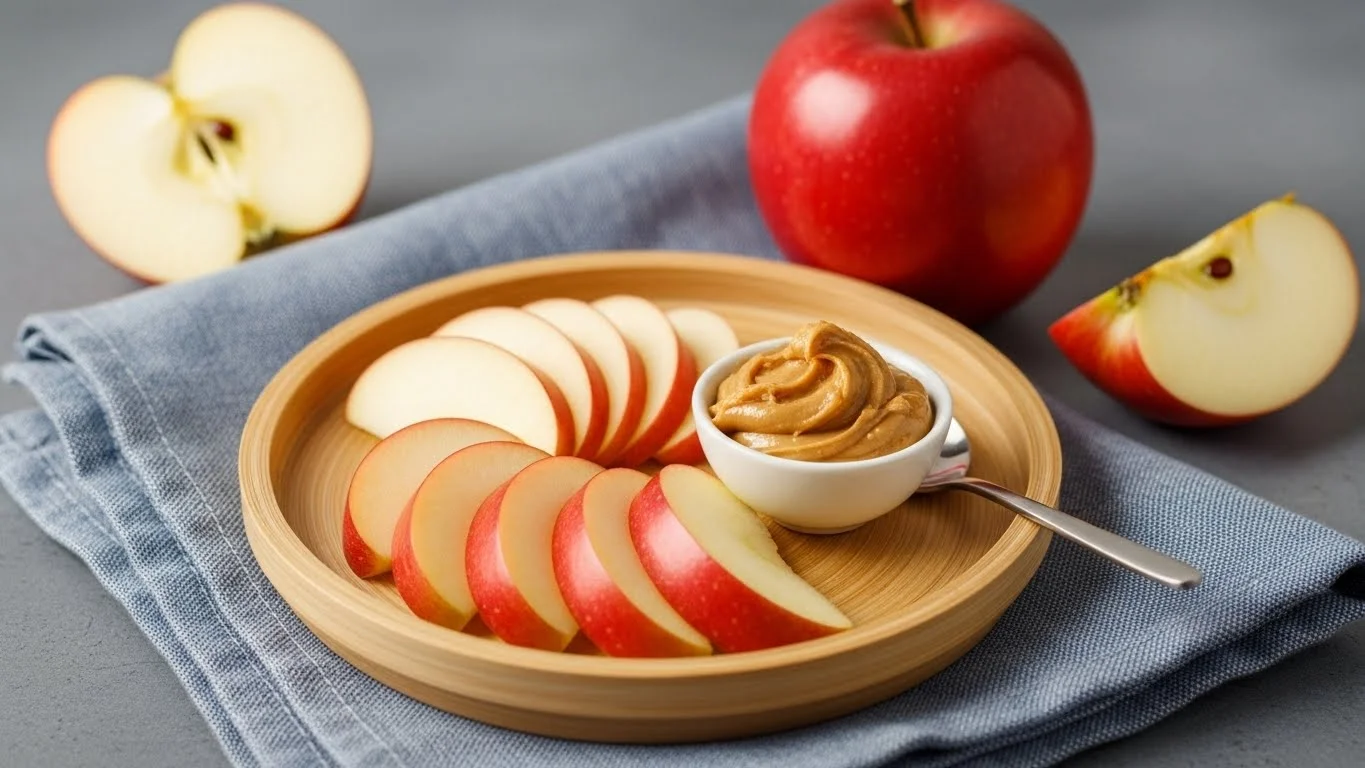
8. Peanut Butter and Apple Slices
I can’t stress enough how much my kids love this combination! Slicing up apples and spreading peanut butter on top makes for a crunchy, creamy, and satisfying snack. I sometimes sprinkle a bit of cinnamon on the peanut butter for an extra flavor boost. It’s packed with nutrients, and I love that it keeps their energy steady.
9. Hard-Boiled Eggs
Hard-boiled eggs are a fantastic source of protein, and they’re so easy to prepare. I usually make a batch at the beginning of the week, and they serve as a quick snack or a part of lunch. My kids enjoy them plain or with a sprinkle of salt and pepper. It’s a simple snack that keeps them full and satisfied between meals.
10. Smoothies with Spinach and Fruits
We make smoothies a few times a week, and it’s a great way to sneak in some veggies. I blend spinach with a variety of fruits like bananas, berries, and mangoes, adding yogurt for creaminess. My kids love the bright colors and fruity flavors, and I love that they’re getting their greens without even realizing it. It’s a win-win!
Tips for Preparing Nutritious Snacks on a Budget
Shopping for Affordable Ingredients
When it comes to shopping for healthy snacks, I’ve learned that being strategic can save a lot of money. I always start with a list based on what I need for the week, focusing on seasonal fruits and vegetables since they tend to be cheaper and fresher. I find that shopping at local farmers’ markets or discount grocery stores can also lead to great deals. Another tip I’ve adopted is buying in bulk. Ingredients like oats, nuts, and seeds can often be found at a lower price per unit when purchased in larger quantities. This not only helps with the budget but also ensures I have plenty of healthy options on hand. I’ve also found that opting for store brands instead of name brands can lead to significant savings without compromising quality.
Meal Prepping for Weekly Snacks
Meal prepping has been a game-changer for our family. On Sundays, I dedicate some time to preparing snacks for the week ahead. It’s become a lovely routine, and I often involve my kids in the process. We make batches of energy bites, cut up veggie sticks, and portion out nuts into small bags. I also prepare yogurt parfaits in jars that we can grab on busy mornings. This way, healthy snacks are ready to go, and there’s no last-minute temptation to reach for sugary options. I’ve noticed that having these snacks prepped not only helps us eat healthier but also saves time during the week when things can get hectic.
Involving Kids in Snack Preparation
One of the joys of making nutritious snacks has been involving my kids in the kitchen. When they help prepare their snacks, they’re more excited to eat what they’ve made. I often let them choose a snack they’d like to try, and we brainstorm healthy ingredients together. Whether it’s mixing up a batch of trail mix or creating their own yogurt parfaits, I find that this involvement fosters a sense of ownership over their food choices. It also opens up conversations about nutrition and the benefits of various foods, making it a fun and educational experience. I believe that when kids feel involved, they’re more likely to choose healthier options willingly!
Addressing Common Concerns
Dealing with Picky Eaters
Ah, picky eaters! I think every parent has faced this challenge at some point. I’ve gone through phases where my kids would turn their noses up at anything green. What I’ve found helpful is to keep offering a variety of options without pressure. I try to present fruits and vegetables in different ways—like making smoothies or veggie sticks with fun dips. I’ve also learned to be patient and persistent. Sometimes it takes multiple exposures to a new food before they’re willing to try it. I remember the first time I introduced hummus; at first, they were hesitant, but after a few tries, it became a favorite! I also encourage them to help me choose snacks at the grocery store, which gives them a sense of control and may increase their willingness to try new foods.
Allergies and Dietary Restrictions
As a parent, I know how important it is to be mindful of allergies and dietary restrictions. I’ve had to navigate food allergies in our household, which has prompted me to get creative with our snack options. It’s vital to read labels and be aware of hidden allergens in packaged snacks. I’ve found that making snacks from scratch allows me to control the ingredients while ensuring they’re safe for everyone. For example, when making energy bars or cookies, I can substitute allergens with safe alternatives, like using sunflower seed butter instead of peanut butter. I also love exploring new recipes that cater to various dietary needs so that no one feels left out during snack time.
Portion Sizes for Different Ages
Knowing the appropriate portion sizes for kids of different ages can sometimes feel daunting. Through my experience, I’ve found that younger kids need smaller portions, while older kids, especially those who are active, may require a bit more. I usually start with smaller servings and let my kids ask for more if they’re still hungry. It’s essential to listen to their cues and help them understand their own hunger levels. I’ve noticed that teaching my kids about portion sizes not only helps them make healthier choices but also instills a sense of responsibility regarding their eating habits. I often remind them that it’s okay to ask for seconds if they’re still hungry after finishing their first serving!
Final Thoughts
As I reflect on my journey of finding nutritious snacks for my kids, I feel a sense of accomplishment. It’s incredible how small changes in our snack choices can lead to healthier habits and happier kids. I’ve learned that healthy snacking doesn’t have to be expensive or complicated. With a little creativity and planning, we can provide our children with the nourishment they need to thrive.
Budget-friendly snacks can be both nutritious and delicious, and I truly believe that involving our kids in the process makes it even more rewarding. Whether it’s meal prepping together or experimenting with new recipes, these moments foster a greater appreciation for food and nutrition. I’ve seen how my kids have become more adventurous with their choices, and it brings me joy to see them excited about eating healthy.
While challenges, like picky eating or dietary restrictions, can arise, I’ve learned to approach them with patience and positivity. Every child is different, and finding what works for our family has been part of the adventure. I think it’s important to keep an open dialogue about food, encouraging our kids to express their preferences while also introducing them to new flavors and textures.
In the end, making healthy snacks easy and affordable is about balance. It’s about understanding our kids’ needs and preferences while providing them with options that support their growth and development. I hope that by sharing my experiences, you feel inspired to embark on your own journey of healthy snacking with your little ones. Let’s continue to discover new ways to make nutritious choices that everyone in the family can enjoy!
Frequently Asked Questions
Why is nutrition important in child development?
Nutrition plays a vital role in brain development and cognitive function, which is crucial for kids who are learning and exploring. The right snacks can support their growth, energy levels, and overall health, setting a foundation for lifelong healthy eating habits.
How can snacks fit into a child’s daily diet?
Snacks serve a purpose in a child’s daily diet by providing additional fuel between meals, especially if they’re active. Incorporating healthy snacks helps kids stay energized and focused while introducing them to a variety of foods and flavors.
What makes a snack nutritious?
A nutritious snack should be rich in vitamins, minerals, and other essential nutrients, with a good balance of protein, healthy fats, and fiber. Whole, minimally processed ingredients are key to creating nutritious snacks.
What are some affordable ingredients for healthy snacks?
Some budget-friendly ingredients include oats, peanut butter, yogurt, fruits, vegetables, nuts and seeds, and whole-grain crackers. These ingredients can be used to create a variety of healthy snacks without breaking the bank.
What is a simple recipe for homemade trail mix?
Homemade trail mix can be made by combining oats, nuts, seeds, and a handful of dried fruits like raisins or cranberries. You can also add a few dark chocolate chips for sweetness, making it a customizable and energizing snack.
How can I get my kids to eat more vegetables?
One effective way to encourage kids to eat more vegetables is by offering veggie sticks with hummus. This fun dipping method can make them more likely to try different vegetables.
What are some tips for preparing nutritious snacks on a budget?
To prepare nutritious snacks on a budget, focus on shopping for seasonal fruits and vegetables, buy in bulk, and opt for store brands. Meal prepping snacks for the week can also save time and encourage healthy eating.
How can I involve my kids in snack preparation?
Involving kids in snack preparation can foster excitement about healthy eating. Let them choose snacks they’d like to try and brainstorm healthy ingredients together, making it a fun and educational experience.
What should I do if my child is a picky eater?
For picky eaters, it’s helpful to offer a variety of options without pressure and present fruits and vegetables in different ways. Patience and persistence are key, as it may take multiple exposures to a new food before they are willing to try it.
How can I address allergies and dietary restrictions in snacks?
To address allergies and dietary restrictions, it’s important to read labels and be aware of hidden allergens. Making snacks from scratch allows control over ingredients, ensuring they are safe for everyone.
Finding healthy snacks for kids can sometimes feel like a challenge, especially when we want them to be both nutritious and appealing. Fortunately, I’ve discovered that simple DIY snacks with five ingredients or fewer can be a game changer for busy parents! Read Interesting article: 10 DIY Healthy Snacks for Kids That They’ll Actually Love
Overview of Healthy Snacks for Kids
Importance of Healthy Snacking for Children
As a parent, I’ve always believed that what we feed our children significantly influences their growth, energy levels, and overall well-being. Healthy snacks are essential for kids because they provide the nutrients needed for their rapidly developing bodies and brains. I’ve noticed that when my kids eat well, they tend to have better focus and are more active throughout the day. It’s not just about keeping them full; it’s about fueling their adventures!
Children under five are particularly prone to erratic eating habits. They may not always eat a full meal, so having healthy snacks on hand ensures they get the vitamins and minerals they need. Snacks can bridge the gap between meals, keeping their energy up and their tummies satisfied. I’ve seen firsthand how a well-timed snack can prevent meltdowns and crankiness in my little ones!
Benefits of DIY Snacks
One of the best decisions I made was to start preparing DIY snacks for my kids. Not only do they save money, but they also allow me to control the ingredients and avoid hidden sugars or preservatives often found in store-bought snacks. Whenever I whip up a batch of homemade goodies, I feel empowered knowing exactly what my kids are consuming. Read Interesting article: Budget-Friendly DIY Healthy Snacks for Happy Kids
Moreover, making snacks together can be a fun bonding experience! I’ve found that my kids are more likely to try new foods when they’ve had a hand in creating them. Plus, it teaches them about healthy eating habits and can even spark their interest in cooking. Who doesn’t love a kitchen adventure, right?
Key Ingredients for Simple Snacks
Fruits
Fruits are one of my go-to ingredients for healthy snacks. They’re naturally sweet, packed with vitamins, and require minimal preparation. I usually keep a variety of fresh fruits on hand. Apples, bananas, berries, and oranges are some of our favorites. I love slicing up apples and serving them with peanut butter for a delightful and nutritious treat that my kids can’t resist!
Vegetables
Vegetables are another essential component of healthy snacking. While my kids might not always reach for a carrot stick, when I pair them with a fun dip like hummus or yogurt, they become much more appealing. I often experiment with different veggies, from crunchy cucumbers to colorful bell peppers, making it a colorful and enjoyable snack time. I’ve noticed that the more variety I offer, the more excited my kids are about trying new things!
Nuts and Seeds
Nuts and seeds are fantastic sources of healthy fats and proteins. I usually have a stash of almonds, walnuts, and sunflower seeds in the pantry. They make great snacks on their own, but I also love mixing them with dried fruits for a homemade trail mix. Just a handful can keep my kids satisfied and energized. However, I always keep an eye on portions, as they’re calorie-dense. It’s all about balance!
Dairy Products
Dairy is another key ingredient in our snack rotation. Items like yogurt and cheese are not only nutritious but also incredibly versatile. I often use yogurt as a base for parfaits or smoothies, which my kids find appealing. They love the idea of layering yogurt with fruits and granola. Cheese, on the other hand, can be paired with whole grain crackers for a filling snack. Cheese sticks are also a favorite in our house!
Whole Grains
Whole grains are an essential part of my kids’ diet and make for excellent snacks. I often choose whole grain crackers, popcorn, or oatmeal. I’ve discovered that adding a sprinkle of cinnamon or some melted dark chocolate to plain popcorn makes it a favorite movie night treat. Whole grains provide lasting energy, which is great for my kids’ active playtimes!
In the end, having a well-stocked pantry filled with these key ingredients has made it easier for me to whip up simple, healthy snacks for my kids. I’ve learned that by keeping things simple and focusing on whole foods, I can provide delicious options that my kids love. Now, I’m excited to share some of my favorite simple DIY snack recipes in the next section!
Easy DIY Snack Recipes
Fruity Snacks
Apple Peanut Butter Bites
One of my all-time favorite snacks to prepare is Apple Peanut Butter Bites. It’s so simple yet incredibly satisfying! I take a fresh apple and slice it into rounds, removing the core. Then, I spread a layer of creamy peanut butter on one side and sprinkle some granola or raisins on top. I love how the crunchy granola adds texture, and my kids adore the combination of sweet and nutty flavors. It’s a snack that feels like a treat but is packed with nutrients!
Banana Oatmeal Cookies
Another fantastic recipe I stumbled upon is for Banana Oatmeal Cookies. All you need are ripe bananas, oats, and a sprinkle of cinnamon. I mash the bananas in a bowl, mix in the oats, and drop spoonfuls onto a baking sheet. After a quick bake in the oven, I have soft, chewy cookies that my kids can enjoy any time of the day. They’re sweet enough to satisfy a sugar craving but healthy enough to feel good about serving them!
Veggie Snacks
Cucumber and Hummus Cups
When it comes to veggies, I’ve found that Cucumber and Hummus Cups are a hit in our house. I cut cucumbers into thick slices and scoop out a bit of the center to create little cups. Then, I fill each cup with hummus. Not only does it look fun, but it’s also a great way for my kids to enjoy their vegetables. They love dipping the cucumber cups into the hummus, and it’s a refreshing snack that’s perfect for warm days!
Carrot Sticks with Yogurt Dip
Carrot sticks are another go-to for us, especially when paired with a yogurt dip. I just slice up some carrots and whip up a quick dip using plain yogurt mixed with a hint of ranch seasoning. It’s amazing how a simple dip can transform plain veggies into something my kids eagerly munch on. I often serve it as part of a colorful veggie platter, which makes snack time more exciting!
Nuts and Seeds Snacks
Trail Mix with Dried Fruits
Trail mix is a versatile and easy snack that I can customize based on what we have at home! I combine nuts, seeds, and dried fruits, and sometimes even a few dark chocolate chips for a touch of sweetness. My kids love picking out their favorite ingredients, and I enjoy knowing they’re getting healthy fats and energy-boosting snacks. It’s perfect for our family outings or just for munching during movie nights!
Nut Butter Energy Bites
Nut Butter Energy Bites are another favorite in our house. I mix together oats, nut butter, honey, and a handful of chocolate chips. I roll the mixture into small balls and pop them in the fridge. They’re bite-sized, easy to grab, and provide a great energy boost before or after activities. I often find my kids sneaking them from the fridge — and I can’t blame them, they’re that good!
Dairy Snacks
Yogurt and Berry Parfaits
Yogurt and Berry Parfaits are not only delicious but also visually appealing. I layer Greek yogurt with fresh berries and a sprinkle of granola in clear cups to create a colorful treat. My kids get excited about the layering process, and it makes them more inclined to eat it. Plus, it’s a great way to sneak in protein and antioxidants, and I love how easy it is to prepare for breakfast or snacks!
Cheese and Whole Grain Crackers
Cheese and whole grain crackers are a classic snack that never gets old. I like to slice cheese into fun shapes or cubes and serve it alongside whole grain crackers. Sometimes, I add a few slices of apple or a handful of grapes for a complete and satisfying snack. It’s quick, easy, and my kids enjoy the combination of flavors!
Whole Grain Snacks
Popcorn with Nutritional Yeast
Popcorn is a fantastic whole grain snack that I love to make. I pop it fresh and sprinkle it with nutritional yeast for a cheesy flavor without the cheese. My kids think it’s a fun treat, and I feel good about serving it as a healthy alternative to chips. It’s perfect for our family movie nights, and it’s so easy to make!
Rice Cakes with Avocado Spread
Rice Cakes with Avocado Spread have become a trendy and nutritious snack in our home. I simply mash some avocado and spread it over rice cakes. Sometimes, I even add a sprinkle of salt and pepper or a few cherry tomatoes on top. It’s creamy, crunchy, and packed with healthy fats. My kids love the vibrant green color, and it’s a great way to introduce them to avocados!
Tips for Preparing Healthy Snacks
Involving Kids in Snack Preparation
I’ve found that getting my kids involved in the kitchen is one of the best ways to make healthy snacks more appealing. When they participate in preparing their own snacks, they take ownership of what they eat, and they’re often more excited to try new things. For instance, I let them choose which fruits to include in their yogurt parfaits or which veggies to slice for dipping. The other day, my youngest decided to layer strawberries and blueberries, and it turned into a colorful masterpiece! I’ve noticed that when they feel like they’re part of the process, they’re more willing to taste their creations.
Simple tasks like washing fruits and vegetables or pouring ingredients into a bowl are perfect for little hands. I remember the first time I let my kids help make the Banana Oatmeal Cookies; they were thrilled to mash the bananas and mix everything together. It turned into a fun memory, and they couldn’t wait to eat the cookies once they came out of the oven!
Making Healthy Snacks Fun and Appealing
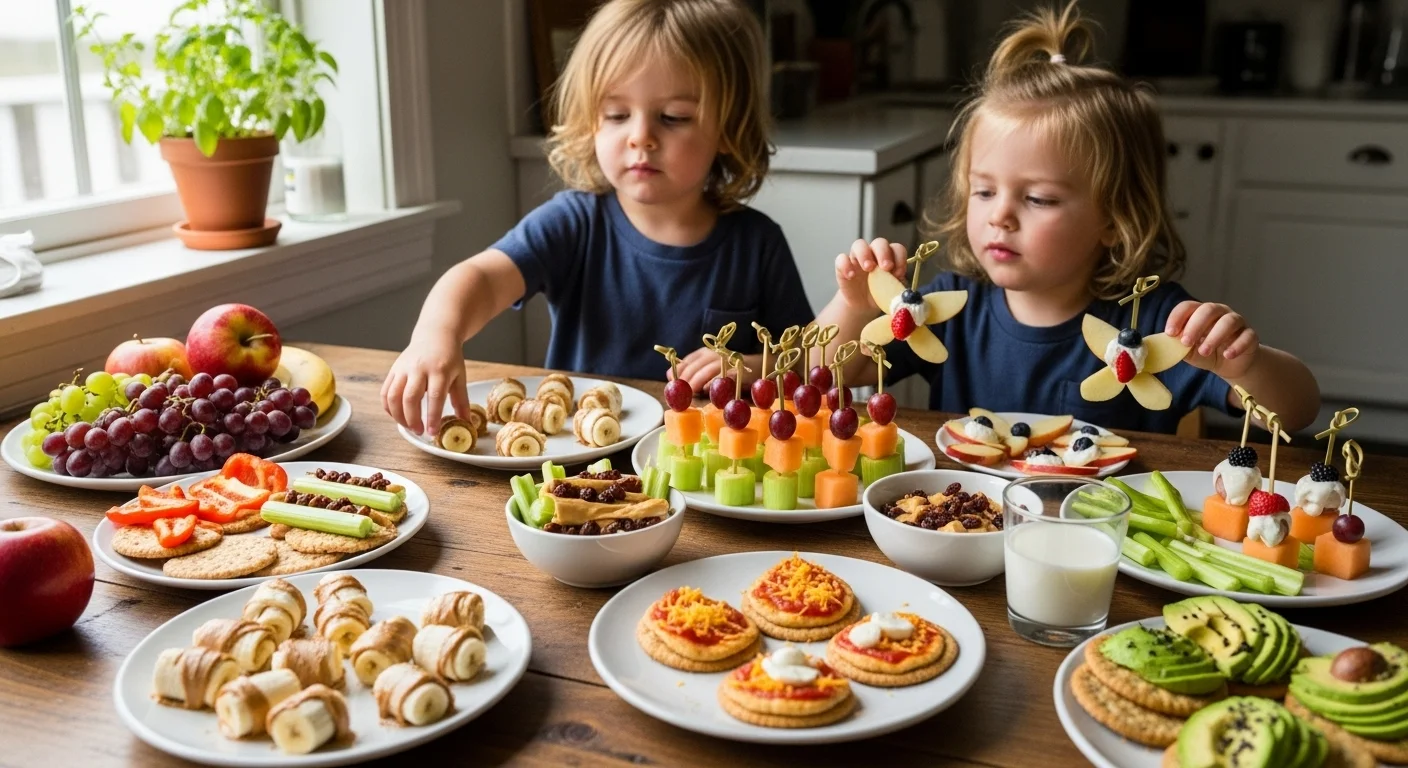
Presentation matters! I’ve come to realize that making snacks visually appealing can significantly impact my kids’ eagerness to eat them. I like to use colorful plates or fun-shaped cookie cutters to make fruits and veggies look more enticing. One of our favorite tricks is to create fruit skewers, where we alternate pieces of pineapple, grapes, and strawberries on a stick. It turns into a fun, finger-friendly treat that my kids love, and it’s an easy way to incorporate different fruits.
Another idea I’ve tried is making “funny faces” on whole grain toast using slices of cheese, olives, and bell peppers. My kids giggle and enjoy eating their silly creations. I’ve learned that the more playful I can be with snacks, the more engaged and excited my kids become about healthy eating!
Storing and Packing Snacks for Freshness
Keeping snacks fresh and ready to go is crucial, especially for busy days. I’ve developed a little system that works wonders for us. I like to set aside some time each week to prepare snacks in advance. I portion out nuts into small containers or bags, cut up veggies, and make mini fruit cups. Having everything ready to grab makes it so much easier to stick to healthy choices when we’re on the go.
For fruits that might brown, like apples, I’ve found that a quick dip in lemon juice can help preserve their color. I pack these in airtight containers, so they stay fresh longer. I also use snack-sized Tupperware for yogurt or dips, which makes it easy to take along in lunchboxes or for family outings. I remember one picnic where I packed a variety of snacks, and my kids devoured everything rather than reaching for junk food because they had delicious options at their fingertips!
Addressing Common Concerns
Allergies and Dietary Restrictions
As a parent, I know how important it is to be aware of food allergies and dietary restrictions. I’ve found that, even if my kids don’t have any allergies, it’s wise to understand what to look out for. I always read labels carefully when it comes to packaged snacks, and I try to incorporate snacks that are naturally free from common allergens, like gluten and nuts, where necessary. I keep options like rice cakes and veggie sticks handy for friends who visit and might have dietary restrictions.
It’s also essential to teach my kids about allergies and why certain friends might not be able to eat specific foods. This awareness helps them develop empathy and respect for others’ needs, and it’s another great opportunity for learning!
Managing Sugar Intake
I’ve realized that managing sugar intake is vital in creating a healthy snacking routine. I make it a point to limit added sugars, especially in snacks. Instead, I focus on natural sweetness from fruits or use a small amount of honey or maple syrup in recipes when needed. For example, when making the Nut Butter Energy Bites, I use just enough honey to hold everything together without overpowering the flavors.
We also talk about what sugary treats are and how they can fit into a balanced diet. I believe in moderation, so I allow my kids to enjoy desserts occasionally, but I encourage them to choose healthier snacks most of the time. By keeping sugary snacks out of the house, I’ve noticed my kids gravitate toward fruits and other wholesome options instead!
Ensuring Balanced Nutrition
Balancing nutrition is key when it comes to snacking. I try to make sure that each snack includes a mix of protein, healthy fats, and carbohydrates. For instance, I pair cheese with whole grain crackers or yogurt with fruit. This balance helps keep my kids full longer and provides them with the energy they need for their busy days.
I also encourage variety in their snacks. I’ve found that by rotating through different types of snacks—fruits, veggies, whole grains, and proteins—I can provide a well-rounded diet that helps my kids learn about different food groups and their benefits. If we have a snack that’s heavy on carbs one day, I try to balance it out with more protein or healthy fats the next. This approach keeps things interesting and nutritious!
Final Thoughts
Creating a healthy snacking habit for our kids has been a rewarding journey for me. I’ve seen how the right snacks can influence their mood, energy levels, and overall health. By focusing on fresh, whole ingredients and involving my children in the preparation process, I’ve not only made snack time healthier but also more enjoyable. It’s a win-win situation!
One of the biggest lessons I’ve learned is that it’s all about balance and variety. I try to keep things interesting by rotating different snacks and encouraging my kids to explore new flavors and textures. The more they experiment, the more they develop their taste for healthy foods. It’s amazing to witness their excitement when they try something new, and it often leads to them asking for that snack again!
Our family has made it a tradition to have a “snack day” where we experiment with new recipes together. Sometimes, we even have a friendly little competition to see who can come up with the most creative snack. This not only keeps our snack options fresh but also strengthens our bond as a family. I cherish those moments in the kitchen, laughing and creating memories while preparing healthy snacks that we can all enjoy.
As I reflect on this journey, I realize how important it is to communicate with our kids about food. I talk to them about why we choose certain snacks and the benefits they provide. This approach encourages them to make mindful choices as they grow older. I believe that teaching them about nutrition now lays the groundwork for a healthy relationship with food in the future.
For anyone navigating the path of healthy snacking, I encourage you to embrace the process. It might take some trial and error to find out what works best for your family, but don’t get discouraged. There will be snacks that your kids love and others that might not be a hit. The important thing is to keep trying and to celebrate the small victories. Over time, you’ll create a pantry filled with delicious, nutritious snacks that your kids genuinely enjoy. Read Interesting article: Healthy and Affordable Snacks for Active Kids
In the end, healthy snacking is not just about the food we offer our kids, but also about the habits we instill and the memories we create along the way. So let’s embrace this adventure together, one tasty snack at a time!
Frequently Asked Questions
What are the benefits of healthy snacking for children?
Healthy snacks provide essential nutrients needed for children’s growth, energy levels, and overall well-being. They help bridge the gap between meals, keeping energy levels up and preventing crankiness in kids.
Why are DIY snacks better than store-bought snacks?
DIY snacks save money and allow parents to control the ingredients, avoiding hidden sugars and preservatives. They also provide a fun bonding experience and can encourage kids to try new foods.
What are some key ingredients for making healthy snacks?
Key ingredients for healthy snacks include fruits, vegetables, nuts and seeds, dairy products, and whole grains. These ingredients provide a variety of nutrients and flavors for kids.
How can involving kids in snack preparation help?
Involving kids in snack preparation makes them more excited to try new foods and take ownership of what they eat. Simple tasks like washing fruits or mixing ingredients can create fun memories and encourage healthy eating habits.
What are some easy DIY snack recipes?
Some easy DIY snack recipes include Apple Peanut Butter Bites, Banana Oatmeal Cookies, Cucumber and Hummus Cups, and Yogurt and Berry Parfaits. These snacks are simple to prepare and appealing to kids.
How can presentation impact kids’ willingness to eat healthy snacks?
Making snacks visually appealing can significantly increase kids’ eagerness to eat them. Fun shapes, colorful plates, and playful arrangements can make healthy snacks more enticing.
What tips can help keep snacks fresh for busy days?
Preparing snacks in advance and storing them in airtight containers can keep them fresh. Portioning out nuts, cutting up veggies, and using lemon juice to prevent browning are effective strategies.
How can parents manage their children’s sugar intake?
Parents can manage sugar intake by limiting added sugars and focusing on natural sweetness from fruits. Using small amounts of honey or maple syrup in recipes is also a good approach.
What is the importance of balanced nutrition in snacks?
Balanced nutrition in snacks ensures kids receive a mix of protein, healthy fats, and carbohydrates. This balance helps keep them full longer and provides necessary energy for their activities.
How can parents create a positive relationship with food for their kids?
Parents can create a positive relationship with food by communicating the benefits of healthy snacks, involving kids in the cooking process, and encouraging exploration of new flavors and textures.
Feeding toddlers on a budget can feel like a balancing act. The good news? It’s possible to provide nutritious, well-rounded meals without breaking the bank. Let’s dive into this journey together!
Understanding Toddler Nutrition
Importance of a Balanced Diet for Toddlers
When I first became a parent, I quickly learned how crucial it is to focus on my toddler’s nutrition. A balanced diet is not just about filling their little bellies; it’s about laying the foundation for their growth, development, and overall health. Toddlers are at a stage where their bodies and brains are rapidly developing, and they need the right nutrients to support this growth. I remember feeling overwhelmed trying to ensure my child received everything they needed while also considering our family budget. Read Interesting article: How to Introduce Solid Foods Without Breaking the Bank

A balanced diet helps in several ways. It supports physical growth, boosts cognitive function, and sets the stage for healthy eating habits later in life. When I started paying attention to what I included in my toddler’s meals, I noticed improvements in their mood, energy levels, and even their willingness to try new foods. It’s all connected!
Key Nutrients for Toddler Growth
There are several key nutrients that every toddler needs to thrive. I made a list to ensure I was covering all my bases. Here are the most important ones:
- Proteins: Essential for building tissues and muscles.
- Healthy Fats: Important for brain development and energy.
- Carbohydrates: The primary energy source that fuels their activities.
- Vitamins and Minerals: Crucial for various bodily functions, including immunity and bone health.
As I researched, I realized that many of these nutrients can be found in budget-friendly foods. I started to focus on incorporating a variety of these nutrient-rich foods into my toddler’s diet without overspending. It was a game changer for us!
Budget-Friendly Food Options
Whole Grains
Whole grains are not only affordable but also provide necessary carbohydrates and fiber. They keep toddlers full longer and help with digestion.
Oatmeal
Oatmeal has become a breakfast staple in our house. I love that it’s easy to prepare and can be customized with different toppings. Whether it’s a sprinkle of cinnamon, a handful of berries, or a spoonful of peanut butter, oatmeal can be made exciting. Plus, buying oats in bulk saves money. I usually make a big batch and store it in the fridge for quick breakfasts throughout the week.
Brown Rice
Brown rice is another great option. It’s affordable and can be paired with various meals. I often make a big pot at the beginning of the week and use it as a base for stir-fries or mix it into soups. It’s filling and provides essential nutrients like magnesium and selenium.
Fruits
Fruits are a delicious way to add vitamins to my toddler’s diet. While they can sometimes be pricey, I’ve discovered some budget-friendly options that are both nutritious and appealing to little ones.
Bananas
Bananas are one of my toddler’s favorites. They are cheap, portable, and packed with potassium. I often slice them into oatmeal or serve them as a snack with peanut butter. I’ve even found that freezing overripe bananas makes a great addition to smoothies!
Apples
Apples are another go-to in our house. I buy them in bulk, and they last a while, which is great for our budget. I love slicing them up and serving them with yogurt or cheese. They make for a crunchy snack that keeps my toddler satisfied.
Vegetables
Vegetables are essential for a balanced diet, but they can sometimes be a tough sell with toddlers. I’ve learned a few tricks along the way to keep things interesting.
Carrots
Carrots are colorful, sweet, and easy to prepare. I often steam them or serve them raw with hummus. They are budget-friendly, especially when bought in bulk, and they provide beta-carotene, which is great for vision.
Frozen Peas
Frozen peas are another staple in our kitchen. They are versatile, easy to cook, and can be added to many dishes. I usually throw them into pasta or rice dishes for added nutrition without much extra cost.
Dairy
Dairy products contribute essential calcium and vitamin D, important for growing bones. I’ve learned to look for sales and stock up when I can.
Yogurt
Yogurt is a favorite in our house. I love that it comes in so many flavors, and I can mix in fruits or granola for added nutrition. Buying plain yogurt and adding my own sweeteners or fruits helps save money, too.
Milk
Milk is another staple. I usually buy it in larger containers to get the best value. My toddler enjoys it plain or in smoothies. It’s a great source of protein and helps keep them hydrated.
Proteins
Getting enough protein is crucial for toddlers, and there are plenty of budget-friendly sources to choose from.
Eggs
Eggs are one of my favorite protein sources. They’re inexpensive, versatile, and packed with nutrients. I prepare them in various ways—scrambled, boiled, or as an omelet filled with veggies. They are a great quick meal option!
Canned Beans
Canned beans are a lifesaver for adding protein to meals. They are affordable, easy to prepare, and can be used in so many dishes. I often toss them into salads, soups, or even make bean tacos. They are nutritious and help stretch our meals further.
Healthy Fats
Healthy fats are essential for toddlers, and I’ve found some delicious options that are budget-friendly.
Peanut Butter
Peanut butter is a household favorite. It’s rich in protein and healthy fats. I spread it on toast, mix it into oatmeal, or serve it with apple slices. It’s filling and satisfying!
Avocado
Avocados are creamy and nutritious, although they can sometimes be a bit pricey. I look for sales or buy them in bulk when they are on discount. I mash them on toast or mix them into smoothies. They’re a fantastic source of healthy fats.
Meal Ideas Using Budget-Friendly Foods
Breakfast Options
Breakfast has always been a crucial meal in our household, and I’ve found some fantastic budget-friendly ideas that keep my toddler happy and nourished. One of my favorite go-tos is a yogurt parfait. I layer plain yogurt with fresh or frozen fruits and a sprinkle of granola or oats. It’s colorful, fun to eat, and provides a great mix of nutrients. My toddler loves helping me assemble these! We make it a game to see how many layers we can stack.
Another easy breakfast option is scrambled eggs with diced vegetables. I often include things like spinach, tomatoes, or bell peppers. Not only does it add color to the plate, but it also sneaks in extra nutrients. I whip up a batch on Sunday, and we can easily reheat it for quick breakfasts during the week. Pairing this with a slice of whole-grain toast makes a filling meal that fuels my little one’s morning adventures.
Lunch Ideas
For lunch, I like to keep things simple yet nutritious. One of our favorites is a whole-grain wrap filled with hummus, turkey, and a variety of colorful veggies. I often let my toddler choose which veggies to add, making it a fun and interactive meal. I’ve noticed that when they have a say in their food, they’re much more likely to eat it!
Another budget-friendly lunch option is a bean salad. I mix canned beans with diced tomatoes, corn, and avocado, drizzling it with a little lime juice. It’s refreshing, rich in protein, and can be served alone or with whole-grain crackers. Plus, it’s great for meal prep; I can make a big batch and store it for the week. This also opens up the chance to let my toddler help with mixing, which he enjoys!
Dinner Recipes
Dinner can sometimes be a challenge, but I’ve discovered a few recipes that are both budget-friendly and toddler-approved. One of our favorites is a vegetable stir-fry. I use what I have on hand—often frozen peas, carrots, and bell peppers—and toss them in a skillet with a bit of soy sauce and cooked brown rice. It’s quick, colorful, and a fantastic way to sneak in a variety of veggies. My toddler loves the crunchiness of the veggies, especially when I let them pick which ones to include.
Another go-to is a simple pasta dish. I’ll cook whole-grain pasta and mix it with canned tomatoes, sautéed zucchini, and ground turkey. It’s hearty and satisfying, and I can often find ground turkey on sale. I remember the first time I made this; my toddler asked for seconds—such a win! I try to keep the flavors mild and add cheese on top for extra appeal.
Snacks for Toddlers
Snacks are important for toddlers, and I’ve learned that having a variety on hand can help curb hunger while keeping things healthy. I often prepare snack bags with sliced fruits like apples or bananas, along with whole-grain crackers or cheese cubes. It’s an easy way to have healthy options ready to go, especially on busy days.
Another favorite is homemade energy balls made from oats, peanut butter, honey, and a few chocolate chips or seeds. I remember the first time we made these together; my toddler was so excited to roll them into balls! They are tasty, nutritious, and perfect for an afternoon pick-me-up. Plus, I can make a big batch and store them in the fridge for quick snacks throughout the week.
Finally, I often keep yogurt cups and veggies with hummus on hand. They’re easy for my toddler to grab and munch on, and I feel good knowing they’re getting nutrients without any fuss. Snacks don’t have to be complicated; keeping it simple often works best for us!
Tips for Shopping on a Budget
Buying in Bulk
One of the best strategies I’ve discovered for saving money is buying in bulk. I often purchase staples like rice, oats, and beans in larger quantities. Not only does this save us money in the long run, but it also reduces the number of trips I need to make to the store. I remember the first time I bought a big bag of rice; it felt like a small victory! We had enough for weeks, and it was one less thing to worry about.
Choosing Seasonal Produce
When it comes to fruits and vegetables, I always try to buy seasonal produce. It’s usually much cheaper, and the taste is often better, too. I love visiting local farmers’ markets; I find that talking to the vendors gives me a sense of what’s fresh and affordable. I’ve learned to plan our meals around what’s in season, which helps keep our grocery costs down and our meals varied. Read Interesting article: Top Budget Foods for Your Baby’s First Solid Meals
Using Coupons and Discounts
Lastly, I can’t emphasize enough how helpful coupons and store discounts can be. I keep an eye on weekly ads and use apps that offer digital coupons. It’s amazing how quickly the savings can add up. I remember being pleasantly surprised the first time I saved a significant amount just by pairing coupons with store sales. It felt like a little treasure hunt every time I went shopping!
Common Questions About Toddler Nutrition
How to Introduce New Foods?
Introducing new foods to toddlers can sometimes feel like a daunting task. I remember the first time I tried to introduce broccoli to my little one. It was met with scrunched-up faces and outright refusal! But over time, I learned a few strategies that made the process smoother. One approach that worked well for us was to incorporate new foods alongside familiar favorites. For instance, when I introduced broccoli, I paired it with cheese sauce, which my toddler already loved. This made the new food less intimidating.
Another tip is to involve your child in the food preparation process. I often let my toddler help wash vegetables or stir ingredients. When they feel like they have a part in making the meal, they’re much more inclined to try what’s on their plate. I also found that offering new foods multiple times can help. Sometimes, it takes several tries before they decide they actually like something! It’s all about patience and persistence.
What to Do About Picky Eaters?
Picky eating is something almost every parent experiences, and I’ve certainly had my fair share of it. There were days when my toddler would only eat plain pasta or refuse to touch anything green. I’ve learned that it’s essential not to stress too much over these phases. Instead, I focused on providing a variety of options. I’d offer a spread of foods—different fruits, veggies, proteins, and grains—and let my toddler choose what to eat. This way, they felt empowered rather than pressured.
Another tip is to offer foods in fun and engaging ways. I remember making “funny faces” with fruits and veggies on the plate, which made the meal feel like a game. I also discovered that sometimes it’s all about the presentation; cutting foods into fun shapes or arranging them in a colorful way can spark interest. And if they don’t eat something today, that’s okay! I just keep offering it in different forms and flavors.
How to Ensure Proper Portion Sizes?
Figuring out portion sizes for toddlers can be tricky. I often found myself second-guessing how much my little one should eat. From my experience, a good rule of thumb is to serve about a quarter of an adult portion size. This means a small handful of grains, a tablespoon or two of protein, and a small portion of fruits and veggies. I usually start with smaller portions and then let my toddler ask for seconds if they’re still hungry.
In our family, we’ve also adopted the practice of “family-style” meals where we set everything out on the table, and each person serves themselves. This not only allows my toddler to control their portions but also encourages them to try a little bit of everything. I’ve seen that when they have a say in how much they eat, they’re more likely to listen to their body’s hunger cues. Plus, it can be a fun way to connect during mealtime!
Final Thoughts
Feeding toddlers on a budget doesn’t have to be a daunting task. I’ve found that with a little planning and creativity, we can provide nutritious meals that our little ones not only enjoy but also benefit from. It’s all about discovering what works for our families and being open to experimenting with new ideas.
From my experience, making small adjustments like incorporating seasonal produce, shopping in bulk, and utilizing sales can make a huge difference. I remember the first time I planned a week’s meals around what was on sale; it felt empowering to see how much I could save while still feeding my toddler healthy options. Read Interesting article: Affordable Guide to Starting Your Baby on Solid Foods
As we navigate these early years, I’ve come to realize that flexibility is key. There will be days when my toddler is all about fruits and other days when they just want pasta. I remind myself that balance is important, and it’s okay if every meal isn’t perfect. What matters is that we’re encouraging healthy habits and trying to make meal times enjoyable.
Involving my toddler in meal prep has been a game changer. Watching their excitement when they help in the kitchen has not only made them more open to trying new foods but also created wonderful bonding moments for us. I believe that these experiences will shape their relationship with food as they grow.
Ultimately, I think it’s about finding joy in the journey. We might not have it all figured out every single day, but the effort we put in to nourish our little ones is what truly counts. So, let’s celebrate those small victories together – whether it’s a successful meal or a new food tried. We’re doing great, and our toddlers are growing stronger and healthier with every meal we share!
Frequently Asked Questions
What are the key nutrients that toddlers need for growth?
Toddlers need several key nutrients to thrive, including proteins for building tissues and muscles, healthy fats for brain development and energy, carbohydrates as a primary energy source, and vitamins and minerals for various bodily functions, including immunity and bone health.
What are some budget-friendly food options for toddlers?
Some budget-friendly food options for toddlers include whole grains like oatmeal and brown rice, fruits such as bananas and apples, vegetables like carrots and frozen peas, dairy products such as yogurt and milk, and protein sources like eggs and canned beans.
How can I make breakfast fun and nutritious for my toddler?
You can make breakfast fun and nutritious by creating yogurt parfaits with layers of plain yogurt, fresh or frozen fruits, and granola, or by serving scrambled eggs with diced vegetables paired with whole-grain toast for a filling meal.
What should I consider when planning lunches for toddlers?
For lunches, consider simple yet nutritious options like whole-grain wraps filled with hummus, turkey, and colorful veggies or a bean salad made with canned beans, diced tomatoes, corn, and avocado to provide a refreshing and protein-rich meal.
What are some easy and toddler-approved dinner recipes?
Easy dinner recipes include a vegetable stir-fry using frozen peas, carrots, and bell peppers with brown rice, or a simple pasta dish made with whole-grain pasta, canned tomatoes, sautéed zucchini, and ground turkey for a hearty meal.
What healthy snacks can I prepare for my toddler?
Healthy snacks for toddlers can include sliced fruits like apples and bananas, whole-grain crackers, yogurt cups, and homemade energy balls made from oats, peanut butter, honey, and a few chocolate chips or seeds.
How can I save money while grocery shopping for toddler food?
You can save money by buying in bulk for staples like rice, oats, and beans, choosing seasonal produce to take advantage of lower prices, and using coupons and discounts to maximize savings during shopping trips.
What strategies can I use to introduce new foods to my toddler?
To introduce new foods, try incorporating them alongside familiar favorites, involve your child in the food preparation process, and offer new foods multiple times to help them become comfortable with them.
How do I handle picky eating in toddlers?
To manage picky eating, provide a variety of options for meals, present food in fun and engaging ways, and maintain patience by continuing to offer foods in different forms and flavors without stressing over their immediate preferences.
What are some guidelines for serving appropriate portion sizes to toddlers?
A good rule of thumb for toddler portion sizes is to serve about a quarter of an adult portion size, allowing them to serve themselves during family-style meals so they can listen to their hunger cues and enjoy a variety of foods.
When it comes to packing lunches for our kids, creativity and nutrition often go hand in hand. I’ve learned that with a little imagination, we can make lunchtime not only healthy but also fun and exciting! For those looking for inspiration, check out 10 Budget-Friendly Lunchbox Ideas for Backpacking Adventures.
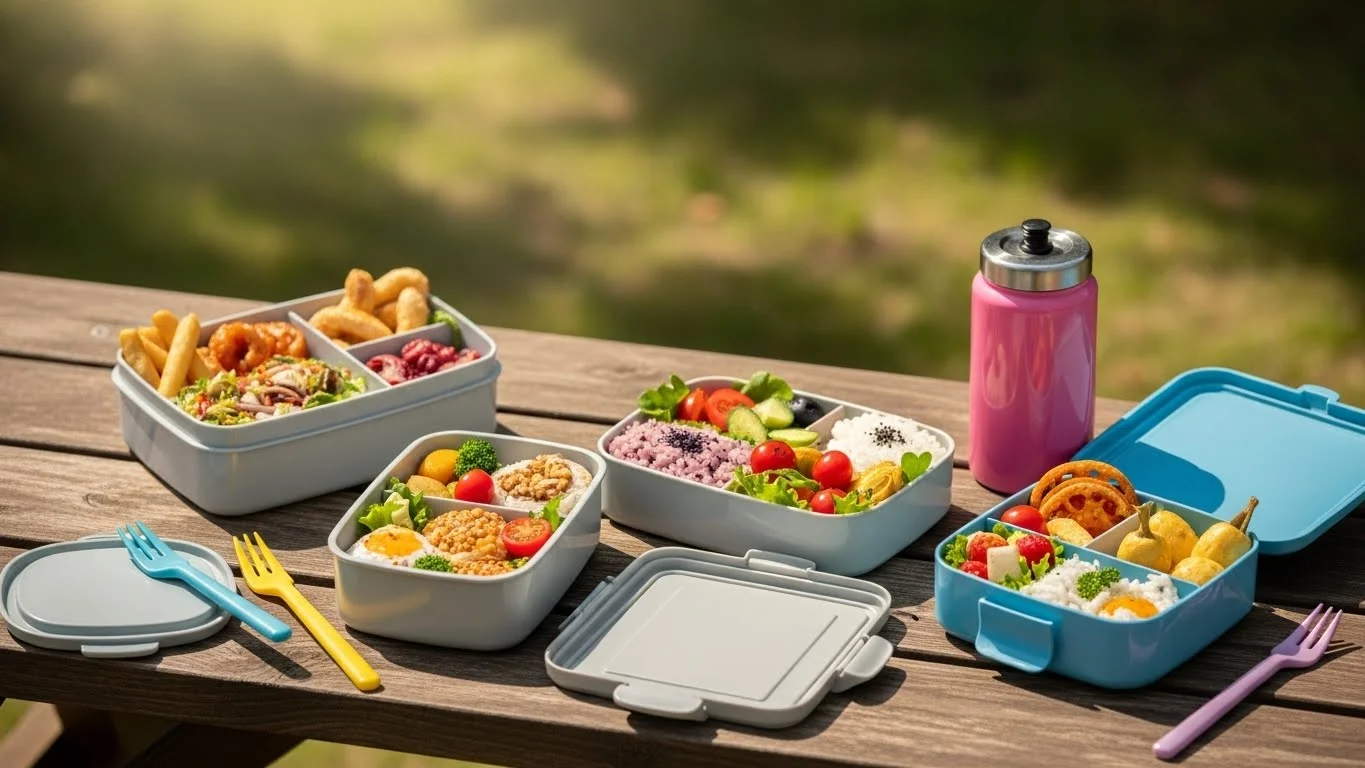
Understanding the Importance of a Balanced Lunchbox
As parents, we want our kids to thrive, especially during the busy school day. A balanced lunchbox plays a big role in ensuring they get the nutrients they need to fuel their bodies and minds. I’ve found that understanding the importance of a well-rounded lunch can transform the way we prepare meals for our children.
Nutritional Needs for Kids
Kids have unique nutritional needs. They require a mix of carbohydrates, proteins, fats, vitamins, and minerals to support their growth and energy levels. I remember when my child started school and I realized just how much energy they expend. It’s not just about filling their tummies; it’s about giving them the right fuel.
For example, complex carbohydrates, like whole grains, provide lasting energy, while proteins help with muscle development and overall health. In my experience, including a variety of colorful fruits and vegetables not only makes lunch more appealing but also packs in essential vitamins. I often remind myself that a well-balanced meal can help improve concentration and performance in school.
Benefits of Packing Lunches
Packing lunches has become not just a necessity but a creative outlet for me. It allows for control over ingredients and portion sizes, ensuring that my kids have a nutritious meal without unnecessary additives or preservatives.
Additionally, I’ve noticed that packing lunches can save money. Eating out or buying school lunches can quickly add up, but with a little planning and creativity, I can provide healthier options for a fraction of the cost. Plus, there’s something so satisfying about seeing my kids excited to eat what I’ve prepared, knowing I made it with love.
Another benefit I’ve come to appreciate is the opportunity to teach my kids about healthy eating habits. Involving them in the packing process encourages them to make better choices and understand the importance of nutrition. It has been a wonderful bonding experience that has sparked many conversations about food and health.
Budget-Friendly Lunchbox Essentials
Budgeting for groceries while trying to create exciting lunches can feel challenging, but I’ve discovered some simple strategies that keep costs down without sacrificing quality or fun. Here are some essentials that I always keep in mind to create budget-friendly lunchboxes. For more ideas, check out Healthy and Affordable Lunchbox Recipes for Young Travelers.
Choosing the Right Lunchbox
The first step in creating a fantastic lunchbox is choosing the right one. I remember when I first started packing lunches, I thought any old container would do. But I quickly realized that having the right lunchbox can make a world of difference. I personally prefer insulated lunchboxes that keep food fresh and at the right temperature. I also look for compartments; they help separate different food types, making it easier to create balanced meals.
There are so many options available now, from bento boxes to fun, themed designs that appeal to kids. I’ve found that letting my kids pick their lunchbox adds an extra level of excitement for them, and it encourages them to take ownership of their meals.
Affordable Storage Solutions
Alongside a good lunchbox, I’ve learned that having affordable storage solutions is essential. I often buy reusable containers in bulk, which are perfect for portioning out snacks or sides. These containers are not only environmentally friendly but also save money in the long run.
Investing in a set of silicone food storage bags has been another game changer for me. They’re versatile, easy to clean, and can be used for everything from fruits to sandwiches. When we go on trips or have picnics, these bags make it easy to pack a variety of snacks without the worry of spills or messes.
Staple Ingredients for Budget Lunches
When it comes to the actual food, stocking up on staple ingredients is crucial for budget-friendly lunches. I usually make a list of versatile ingredients that can be mixed and matched throughout the week. For instance, whole grain bread, tortillas, and pita pockets are fantastic bases for sandwiches or wraps. They’re wallet-friendly and can be filled with an array of proteins and veggies.
I also keep a stock of frozen fruits and vegetables. They’re often cheaper than fresh produce and just as nutritious. I throw in frozen berries for smoothies or add veggies to my kids’ lunchboxes that will thaw by lunchtime. Additionally, I always have canned beans, cheese, nut butter, and yogurt on hand. These items can easily be transformed into delicious meals or snacks, ensuring my kids get the nutrition they need while keeping costs down.
All in all, creating a budget-friendly lunchbox is not just about saving money; it’s about being resourceful and innovative with the ingredients we choose. I’ve learned to embrace the challenge and turn it into a fun and rewarding experience for my kids and myself. The joy of seeing my children enjoy their lunches makes every effort worth it!
Creative Sandwich Alternatives
Sometimes, I feel that sandwiches can get a bit boring. Our kids often want something different, and that’s where creative alternatives come into play! I’ve found that switching things up can make lunchtime way more exciting and keep my kids engaged with their meals. For more great ideas, see Easy Balanced Lunchbox Recipes for Travel on a Budget.
Wraps and Rolls
Wraps and rolls have become some of my go-to options. They are simple to make and can be filled with a variety of delicious ingredients. I love using whole grain tortillas for a healthier base. My favorite combination is turkey, hummus, and a mix of colorful veggies like bell peppers and spinach. It’s a fun and vibrant meal that my kids enjoy.
What I’ve noticed is that wraps are also great for experimenting. Sometimes I throw in some cheese, avocado, or even a bit of salsa for added flavor. When I let my kids help choose the fillings, it turns into a mini cooking adventure, and they’re usually excited to eat what they’ve created!
DIY Pita Pockets
Pita pockets have also been a hit in our household. They’re like little edible pockets of joy! I usually fill them with chicken salad or even a Mediterranean mix of feta, olives, and cucumbers. The best part is that they are so easy to prepare, and I can make a few different kinds at once to keep things interesting throughout the week.
What I’ve found is that kids love the interactive aspect of pita pockets. They can stuff them with whatever they like, which gives them a sense of control over their meal. Plus, they’re perfect for packing if you’re on the go or heading out for a picnic!
Fun Shapes and Themes
Kids are drawn to fun shapes and themes, so I love getting a little crafty with cookie cutters. I will slice up bread, tortillas, or even cheese into star, heart, or dinosaur shapes. It adds a playful element to their lunch, and I’ve noticed that they eat more when they’re excited about how their food looks!
For themed lunches, I might create a “safari day” with animal-shaped sandwiches and a side of jungle-themed fruit like kiwi and grapes. It’s incredible how a little creativity can turn an ordinary lunch into a fun adventure for my kids.
Healthy Snack Options
In addition to the main meal, I believe healthy snacks are essential for keeping energy levels up throughout the school day. I always try to include a variety of snacks in my kids’ lunchboxes that are both nutritious and appealing.
Fruits and Vegetables
Fruits and veggies are my go-to snacks. I love packing a mix of fresh and dried fruits, like apple slices with a sprinkle of cinnamon or a handful of raisins. I also try to include veggies like baby carrots, cherry tomatoes, or cucumber sticks. Sometimes, I’ll throw in a small container of ranch or hummus for dipping, making it even more enticing!
What I’ve learned is that presentation matters. I often arrange the fruits and veggies into colorful patterns or use fun skewers to make them easy to grab. This creative touch can really encourage kids to munch on healthier options rather than reaching for junk food.
Homemade Trail Mix
Homemade trail mix has become a favorite in our house. It’s so easy to customize! I usually mix together nuts, seeds, dried fruits, and a handful of dark chocolate chips for a sweet twist. I love letting my kids help create their own mixes, combining their favorite ingredients, which makes it a fun activity.
Trail mix is not only delicious but also loaded with energy. I appreciate that it’s a great source of healthy fats and protein, which helps my kids stay focused during their classes. Plus, it’s a perfect snack for on-the-go days!
Yogurt and Dips
Yogurt is another fantastic option that I frequently include. I often pack individual yogurt cups with a side of granola or fresh fruit. I’ve found that Greek yogurt is especially great because it’s high in protein and keeps my kids feeling full longer. To make it even more fun, I sometimes add a drizzle of honey or a sprinkle of cinnamon on top.
Dips have also become a lunchbox staple for us. I like to pack guacamole or tzatziki alongside sliced veggies or whole grain crackers. It gives the kids something to look forward to, and they enjoy dipping their snacks! I’ve noticed that when they get to dip, they tend to eat more and appreciate their meals even more.
Protein-Packed Ideas
Protein is an essential part of our kids’ diets, and I believe that including a variety of protein-packed options in their lunchboxes can make a big difference. Not only do these foods help with growth and development, but they also keep kids feeling full and energized throughout the day. Here are some of my favorite protein-rich ideas that have worked well for us.
Hard-Boiled Eggs
Hard-boiled eggs have become a staple in our lunch rotation. They’re so easy to prepare in advance, and I love knowing that I’m giving my kids a nutritious snack. I usually boil a batch and keep them in the fridge, so they’re ready to grab in the morning. I like to sprinkle a little salt and pepper on them for added flavor, or sometimes even pack a small container of hot sauce for a fun twist. My kids enjoy them, and I appreciate the protein boost they provide!
What I’ve also discovered is that hard-boiled eggs can be quite versatile. Sometimes, I slice them up and add them to salads or wraps. Other times, I mix them with a bit of mayo and mustard to make an egg salad, which can then be spread on whole grain bread or crackers. There’s just something satisfying about a simple egg that can be transformed in so many ways!
Cheese and Meat Combos
Cheese and meat make for a winning combination in our lunchboxes. I often pack slices of cheese with deli meats like turkey or chicken. There’s something delightful about the way they complement each other, and I find that my kids love the different flavors together. A fun idea I’ve tried is rolling up the meat around a cheese stick, creating a little snack that’s easy to eat.
Another favorite is creating mini charcuterie plates with a mix of cheese cubes, salami, and some whole grain crackers. I’ve noticed that when I present food in a fun way, my kids are more likely to enjoy it. Plus, it encourages them to try new flavors without feeling overwhelmed. I like to let them choose which meats and cheeses they want each week, which keeps things exciting!
Nut Butters and Alternatives
Nut butters are a fantastic source of protein and healthy fats. I often pack almond or peanut butter in my kids’ lunchboxes, either in a small container for dipping or spread on whole grain bread or rice cakes. I’ve found that pairing nut butter with apple slices or banana makes for a delicious and satisfying snack that keeps their energy levels up during the day.
For families with nut allergies, there are many alternatives available, such as sunflower seed butter or soy nut butter. These can be just as tasty and nutritious! I’ve found that the options are endless, and switching up the type of nut butter can make lunches feel fresh and new. Plus, it’s a great way to introduce my kids to different flavors!
Creative Sides for a Complete Meal
To round out those protein-packed main courses, I believe it’s important to include some creative sides. Having a variety of sides not only adds color and interest to the lunchbox but also ensures my kids are getting a range of nutrients. Here are some sides that I love to prepare.
Homemade Mini Muffins
Mini muffins have become a favorite treat in our house. I often bake a big batch over the weekend and freeze them for easy access during the week. What I love about mini muffins is that they can be made with various ingredients, so I can incorporate fruits, veggies, and whole grains. My kids enjoy banana muffins, zucchini muffins, and even apple cinnamon ones!
Having these muffins in the lunchbox not only brings a smile to their faces but also provides a healthy dose of fiber and vitamins. Sometimes, I’ll even sneak in some flaxseed or chia seeds for an extra health boost. They’re perfect for pairing with yogurt or grabbing as a sweet snack on their own.
Veggie Chips and Popcorn
When it comes to crunchy snacks, veggie chips and popcorn are my go-to options. I often make homemade veggie chips using kale, sweet potatoes, or beets. A simple sprinkle of olive oil and seasoning makes them deliciously addictive. It’s a great way to sneak in some greens while providing a fun snack that kids love.
Popcorn is another favorite that I’ve found to be versatile. I like to pop a big batch and season it with different spices, such as nutritional yeast for a cheesy flavor or cinnamon for a sweet treat. Packing popcorn is not only easy, but it’s also a whole grain that provides fiber. My kids have fun munching on it during lunch, and I feel good knowing it’s a healthier alternative to chips.
Fruit Kabobs
Fruit kabobs are a fun and colorful way to include fresh fruit in lunchboxes. I enjoy threading a mix of fruits onto skewers—think strawberries, bananas, and grapes. The visual appeal makes them a hit with my kids, and they love eating fruit on a stick! It’s a simple way to get them to eat a variety of fruits without any fuss.
Sometimes, I’ll add a small container of yogurt for dipping, turning it into a delightful snack. I’ve noticed that when I present fruit in this way, my kids are more inclined to try different types and enjoy the flavors. It’s a fun activity that makes lunchtime feel extra special and encourages healthy eating habits!
Involving Kids in the Lunch Prep
Getting kids involved in the lunch prep process has been one of the best decisions I’ve made. Not only does it help them learn about healthy eating, but it also makes them more excited about their meals. Here’s how I’ve made it work in our household.
Fun and Educational Activities
I love turning lunch prep into a fun and educational activity. Sometimes, I’ll set aside an afternoon to explore new recipes or food combinations together. We might look through cookbooks or browse online for inspiration and let the kids choose what they want to create. This way, they feel more invested in what’s going into their lunchboxes.
We’ve even made it a game to see who can come up with the most creative lunch idea! It’s amazing how enthusiastic they become when they know they’re part of the process, and they often surprise me with their unique ideas. I’ve noticed that when they’re involved, they are much more likely to eat what’s packed.
Letting Kids Choose Ingredients
Allowing my kids to choose their own ingredients has been a game changer. I usually lay out different options for proteins, veggies, and snacks, and let them mix and match to create their perfect lunch. This not only empowers them but also helps them develop their preferences for healthier choices.
When my kids select what goes into their lunchboxes, they take ownership of their meals. I’ve found that they enjoy eating foods they’ve chosen themselves, and it’s become a fun way to introduce new items to their palates. Plus, it encourages them to try things they might not have considered otherwise!
Frequently Asked Questions
What is the importance of a balanced lunchbox for kids?
A balanced lunchbox is essential for providing the nutrients kids need to fuel their bodies and minds, helping to improve their concentration and performance in school.
What are the unique nutritional needs for kids?
Kids require a mix of carbohydrates, proteins, fats, vitamins, and minerals for growth and energy. Complex carbohydrates provide lasting energy, while proteins aid in muscle development and overall health.
What are the benefits of packing lunches for kids?
Packing lunches allows parents to control ingredients and portion sizes, save money, and teach kids about healthy eating habits while creating a bonding experience.
What are some budget-friendly lunchbox essentials?
Budget-friendly lunchbox essentials include versatile ingredients like whole grain breads, frozen fruits and vegetables, canned beans, cheese, nut butter, and yogurt, along with affordable storage solutions like reusable containers and silicone food storage bags.
What are some creative sandwich alternatives for kids?
Creative sandwich alternatives include wraps and rolls with various fillings, DIY pita pockets that kids can stuff themselves, and fun shapes or themes using cookie cutters to make lunches more visually appealing.
What healthy snack options can be included in lunchboxes?
Healthy snack options include a mix of fresh and dried fruits, veggies with dips, homemade trail mix, yogurt with granola, and a variety of protein-rich snacks like hard-boiled eggs and cheese with meats.
How can parents involve kids in the lunch prep process?
Parents can involve kids by making lunch prep a fun and educational activity, allowing them to choose ingredients, and turning it into a game to come up with creative lunch ideas, which increases their excitement about eating what they’ve created.
What are some creative sides to include in kids’ lunchboxes?
Creative sides include homemade mini muffins, veggie chips, popcorn seasoned with various flavors, and colorful fruit kabobs that make healthy eating fun and appealing.
How can presentation impact kids’ eating habits during lunch?
Presentation matters as arranging fruits and veggies into colorful patterns or fun shapes can encourage kids to eat healthier options rather than junk food, increasing their likelihood of enjoying their meals.
What are some protein-packed ideas to include in lunchboxes?
Protein-packed ideas include hard-boiled eggs, cheese and meat combos, and nut butters paired with fruits or alternatives for families with nut allergies, ensuring kids receive essential nutrients for energy and growth.
Feeding toddlers can be a delightful yet challenging experience, especially when trying to stick to a budget. With a few essential tips and a solid meal plan, you can ensure your little one eats well without breaking the bank. One great resource to explore is Budget-Friendly Toddler Meal Planning for Traveling Families.
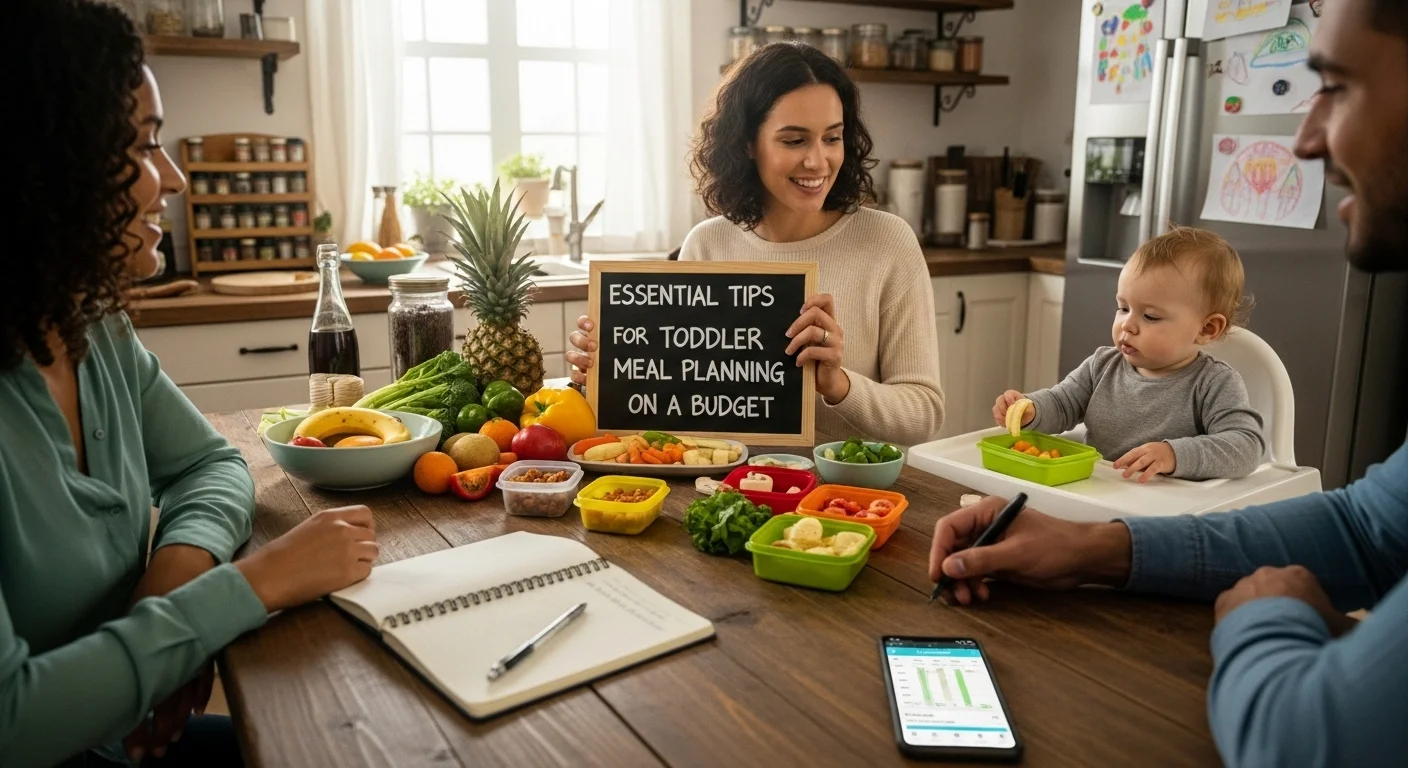
Understanding Toddler Nutrition Basics
Key Nutritional Requirements for Toddlers
When it comes to toddlers, I’ve learned that nutrition is incredibly important for their growth and development. At this stage, children need a variety of nutrients to support their active bodies and developing brains. Generally, each meal should include a balance of protein, carbohydrates, fats, vitamins, and minerals. For example, toddlers need around 1,000 to 1,400 calories a day, depending on their age, activity level, and growth rate. I remember consulting our pediatrician about specific nutritional needs. Here’s what we found:
- Protein: Essential for growth, sources include eggs, beans, and lean meats.
- Carbohydrates: Important for energy, opt for whole grains, fruits, and vegetables.
- Fats: Necessary for brain development, include healthy fats like avocados and olive oil.
- Vitamins and Minerals: Crucial for overall health, focus on colorful fruits and veggies.
Importance of Balanced Meals
I can’t stress enough how crucial balanced meals are for toddlers. When I began focusing on creating balanced meals, I noticed my child’s energy levels improved. A well-rounded meal not only helps in physical growth but also supports cognitive development and emotional well-being. It’s like giving them the fuel they need to play, learn, and grow. I often aim to follow the “plate method,” which divides the plate into sections for fruits, vegetables, grains, and proteins. This visual guide makes it easier for me to ensure my toddler gets everything they need without overcomplicating things. You can learn more about creating balanced meals in the article Budget-Friendly Meals for Picky Eaters on Family Trips.
Budget-Friendly Meal Planning Strategies
Setting a Realistic Grocery Budget
Budgeting for groceries can feel overwhelming, especially when you have a toddler whose needs can change daily. I remember when I first tried to set a grocery budget. I sat down and tracked my spending for a month to see where my money was going. This helped me identify areas where I could cut back. For our family, I found that allocating a specific amount each week made shopping more manageable. It’s all about finding a balance between nutrition and cost. I recommend starting with an amount you spent last month and gradually adjusting it based on your needs and goals.
Meal Planning Tools and Apps
One of the best discoveries I made was using meal planning tools and apps. There are several user-friendly apps that can help you plan meals, create shopping lists, and even suggest recipes based on the ingredients you have at home. I’ve enjoyed using apps like Mealime and Paprika. They make meal planning fun! Plus, the ability to customize your meals based on dietary preferences is a huge bonus. I often browse through them while sipping coffee, getting inspired for the week ahead.
Creating a Weekly Meal Plan
Creating a weekly meal plan has been a game-changer for our family. I sit down every Sunday with my favorite notepad and map out what we’ll eat for the week. I usually consider what ingredients I already have and plan around them to minimize waste. Each week, I try to include a variety of foods to keep things interesting for my toddler. I often include options for breakfast, lunch, dinner, and snacks, making sure to incorporate different colors and textures. It’s amazing how planning can save time and reduce stress during the busy weekdays. I find that having a visual plan helps me stay organized and ensures I have everything I need on hand.
Cost-Effective Grocery Shopping Tips
Shopping List Essentials for Toddler Meals
When shopping for toddler meals on a budget, having a solid shopping list is essential. I’ve learned to stick to my list to avoid impulse buys that can derail my budget. I often include staples like whole grain bread, oats, fruits, vegetables, yogurt, and eggs. I also make sure to include snacks that are healthy but also appealing to toddlers, like cheese sticks and nut butter. The key is to think about what my toddler enjoys while also ensuring they’re getting the nutrients they need.
Choosing Seasonal and Local Produce
One of the best tips I’ve picked up is to buy seasonal and local produce. Not only is it often cheaper, but it also tends to be fresher and tastier. I love visiting local farmers’ markets when I can. It’s a fun outing for my toddler, and we often discover new fruits and veggies together. I always feel good knowing that I’m supporting local farmers while also getting the best for my family.
Buying in Bulk vs. Small Portions
It can be tempting to buy in bulk to save money, but I’ve found that it’s important to weigh the pros and cons. For items with a long shelf life, like grains and canned goods, buying in bulk can be a great way to save. However, for perishable items, I try to buy only what we can use before they spoil. Balancing bulk purchases with smaller portions has helped me manage our budget effectively.
Utilizing Coupons and Discounts
Finally, I always keep an eye out for coupons and discounts. Many grocery stores have apps or loyalty programs that offer great savings. I’ve found that combining sales with coupons can lead to significant savings on our grocery bill. It takes a bit of planning, but the payoff is worth it. I often set aside a few minutes each week to check for deals before I head out shopping.
Simple, Nutritious Recipes for Toddlers
Quick Breakfast Ideas
Breakfast is such an important meal, and I’ve found that starting the day with a nutritious meal sets the tone for my toddler. One of my go-to recipes is oatmeal topped with fresh fruit and a drizzle of honey. It’s simple to make, and I can customize it based on what we have at home. Sometimes I add cinnamon for flavor, or I mix in some nut butter for extra protein. I remember my toddler’s excitement when I let them pick their favorite toppings. We’ve also tried whole grain pancakes, which I can freeze for later. Just pop them in the toaster, and we’re ready to go!
Easy Lunch Recipes
For lunch, I love making fun and colorful wraps. I take a whole grain tortilla and spread some hummus or cream cheese on it, then throw in some sliced turkey, cheese, and a variety of veggies. I’ve discovered that cutting them into smaller pieces makes them more appealing to my little one. Another favorite is mini vegetable quiches. I whip up a batch with eggs, spinach, cheese, and whatever leftover veggies we have, then bake them in muffin tins. They’re perfect for lunch or even as a snack later in the day!
Healthy Dinner Options
Dinner can sometimes be a challenge, but I’ve found several recipes that work well for us. One of my favorites is a one-pot vegetable and chicken stir-fry. I simply sauté bite-sized pieces of chicken with broccoli, bell peppers, and carrots in a bit of olive oil and soy sauce. It’s quick, and I can serve it over brown rice or quinoa for a filling meal. I remember the first time I made it, my toddler loved picking out the colorful vegetables! Another easy dish is baked salmon with sweet potato wedges. It’s nutritious, and I can prepare it all on a single baking sheet, which makes cleanup a breeze.
Budget-Friendly Snacks
Snacks are a big part of our day, so I try to keep them healthy and budget-friendly. I like to prepare homemade energy bites made from oats, peanut butter, and a bit of honey mixed with chocolate chips or dried fruit. They’re super easy to make, and my toddler loves them. I also keep a stash of cut-up fruits and veggies in the fridge. Carrot sticks, cucumber slices, and apple wedges are always a hit when paired with yogurt or hummus for dipping. We’ve even experimented with making smoothie pops by blending fruits with yogurt and freezing them. It’s a fun treat on hot days!
Incorporating Leftovers into Toddler Meals
Creative Ways to Use Leftovers
Leftovers can be a lifesaver, especially when life gets busy. I’ve learned to be creative with what we have. For instance, if we have leftover chicken from dinner, I’ll chop it up and toss it into a pasta salad with some veggies and a light dressing. It’s an easy way to repurpose what’s already cooked. I also enjoy making fried rice. I use leftover rice, add some veggies, and scramble in an egg. It’s a quick meal that my toddler enjoys, and it helps minimize food waste.
Batch Cooking for Easy Reheating
Batch cooking has been another fantastic time-saver for me. I often dedicate a weekend afternoon to prepare large quantities of certain meals. For example, I make a big pot of vegetable soup or chili that can be portioned out and frozen for later. When I’m in a pinch, I just pop a container in the microwave. I’ve noticed that batch cooking not only saves time but also helps me stick to our budget since I can buy ingredients in bulk. Plus, it’s comforting to know I have healthy meals ready to go!
Engaging Toddlers in Meal Preparation
Age-Appropriate Cooking Activities
Getting my toddler involved in meal preparation has been a delightful experience! I’ve found that simple tasks, like washing vegetables or stirring mixtures, can help make them feel included. I remember the first time I let my little one help me make pizza. They loved spreading the sauce and choosing toppings. I think it’s important to foster a positive attitude towards cooking early on, and involving them in the process can do just that. Even if it takes a bit longer, the joy on their face is worth it!
Teaching Healthy Eating Habits
While cooking together, I also use it as an opportunity to talk about healthy eating. I’ve found little ways to introduce concepts like the importance of eating colorful foods or how we can grow our own vegetables. By allowing them to be part of the cooking process, I’m not just teaching them how to prepare meals, but also instilling healthy habits. The other day, we planted some herbs together, and my toddler was so excited to learn how they can be used in cooking. It’s moments like these that make me feel like I’m setting a solid foundation for their future eating habits.
Common Challenges in Budget Meal Planning
Picky Eaters and Meal Variety
Dealing with picky eaters is something I can relate to all too well. My toddler has gone through phases where they would only eat certain foods, and it would drive me a bit crazy! I’ve discovered that offering a variety of foods helps. It’s like a game of exploration for them. I try to introduce new items alongside their favorites, but I also keep in mind that it may take several tries before they come around. For example, if I make a stir-fry with lots of colorful veggies, I’ll include one vegetable I know they like. I find that presenting food in fun shapes or engaging them with creative names can also spark their interest. I once told my kiddo that broccoli was “little trees,” and they were more willing to give it a try!
Another strategy I found helpful is to involve them in the meal selection process. Sometimes, I’ll lay out a few options and let my little one choose what they want to eat. This empowers them and gives them a sense of control, which often leads to more willingness to try new things. I believe that patience is key, and celebrating small victories can make this journey a lot easier. If they take even just one bite of something new, I’ll cheer them on like they’ve won a gold medal!
Managing Food Waste Effectively
Food waste is a challenge I’ve become very mindful of, especially when I think about how much effort goes into meal planning and grocery shopping. I’ve learned to be resourceful and creative with leftovers, as I mentioned earlier, but I also focus on planning meals that can use similar ingredients. For instance, if I buy a bunch of spinach for a quiche, I’ll plan to use it in salads or smoothies throughout the week. This not only keeps meals varied but also ensures I’m using everything I purchase.
I’ve also found that freezing leftovers can be a lifesaver. I always have containers ready for meals that can be easily reheated later. It’s nice knowing that on those busy days, I have a nutritious meal ready to go without any extra cooking. I usually label them with dates so I can keep track of what needs to be used up first. This little practice has made a noticeable difference in reducing waste and sticking to our budget.
In addition, I try to get my toddler involved in this process. We talk about how food comes from the earth and how we should respect it by eating what we buy. I remember one day, after seeing some veggies wilt in the fridge, we made a “save the veggies” soup together. My toddler had a blast throwing in whatever we had left, and it turned into a fun cooking adventure!
Resources for Further Learning
Books on Toddler Nutrition
As I dove deeper into toddler nutrition, I came across a few books that have been incredibly helpful. One of my favorites is “The Sneaky Chef” by Missy Chase Lapine. It’s filled with clever ideas for sneaking in healthy ingredients into meals that kids already love. Another great read is “Super Nutrition for Babies” by Katherine Erlich and Kelly Genzlinger, which focuses on introducing nutrient-rich foods to the little ones. I found that having these resources at hand not only educated me but also made me feel more confident in my meal planning.
Websites and Blogs for Budget Meal Ideas
There are so many fantastic websites and blogs dedicated to budget-friendly meal planning! One that I often visit is “Budget Bytes.” The recipes are easy to follow and focus on cost-effective ingredients, which is perfect for our family. I also enjoy checking out “Oh She Glows,” which offers plant-based recipes that are often budget-friendly and packed with nutrition. I find myself bookmarking recipes that I can try with my toddler on our next cooking adventure! Additionally, I highly recommend checking out Destination Dining: Eateries Your Picky Toddler Will Love.
Community Programs for Healthy Eating
Lastly, I want to highlight the importance of community programs that promote healthy eating. Many local organizations offer cooking classes and workshops aimed at families. I remember attending one such event where we learned about meal prepping on a budget. It was a fantastic way to connect with other parents facing similar challenges. Plus, our community has several farmers’ markets that often host educational sessions on nutrition. Participating in these programs has not only broadened my knowledge but also introduced me to new friends who share the same goals.
Frequently Asked Questions
What are the key nutritional requirements for toddlers?
Toddlers require a balanced intake of protein, carbohydrates, fats, vitamins, and minerals. They typically need around 1,000 to 1,400 calories a day depending on their age, activity level, and growth rate. Essential sources include eggs, beans, whole grains, fruits, vegetables, healthy fats like avocados, and colorful fruits and veggies.
How can I set a realistic grocery budget for feeding my toddler?
To set a grocery budget, track your spending for a month to identify areas for cost-cutting. Allocate a specific amount each week based on your previous month’s spending and adjust it according to your family’s needs and goals.
What meal planning tools and apps are recommended for budgeting?
Apps like Mealime and Paprika are user-friendly tools that help plan meals, create shopping lists, and suggest recipes based on ingredients you have at home. They also allow for customization based on dietary preferences.
What are some budget-friendly snack ideas for toddlers?
Healthy and budget-friendly snacks include homemade energy bites made from oats and peanut butter, cut-up fruits and veggies like carrot sticks and apple wedges, and smoothie pops made from blended fruits and yogurt.
How can I creatively use leftovers in toddler meals?
Leftovers can be repurposed into new meals, such as tossing leftover chicken into a pasta salad or making fried rice with leftover rice and veggies. This helps minimize food waste and saves time during busy days.
What strategies can I use to manage picky eaters effectively?
Introduce a variety of foods alongside their favorites and present them in fun shapes or names to spark interest. Allowing toddlers to participate in meal selection can empower them and lead to increased willingness to try new foods.
How can I reduce food waste when meal planning?
Plan meals using similar ingredients and freeze leftovers for later use. Label containers with dates to keep track of what needs to be used first, and involve your toddler in discussions about respecting food and minimizing waste.
What are some quick breakfast ideas for toddlers?
Quick breakfast ideas include oatmeal topped with fresh fruit and honey, whole grain pancakes that can be frozen for later, and options that allow toddlers to choose their favorite toppings for added excitement.
How can I engage my toddler in meal preparation?
Involve your toddler in simple tasks like washing vegetables or stirring mixtures. This fosters a positive attitude towards cooking and allows you to teach them about healthy eating habits while having fun together.
What resources are available for further learning about toddler nutrition?
Recommended books include “The Sneaky Chef” and “Super Nutrition for Babies.” Additionally, websites like “Budget Bytes” and “Oh She Glows” offer budget-friendly meal ideas. Community programs often provide cooking classes and workshops focused on healthy eating.
Finding healthy snacks for toddlers that are both nutritious and budget-friendly can feel overwhelming. But with a little planning, we can provide tasty treats that our little ones will love—without breaking the bank!
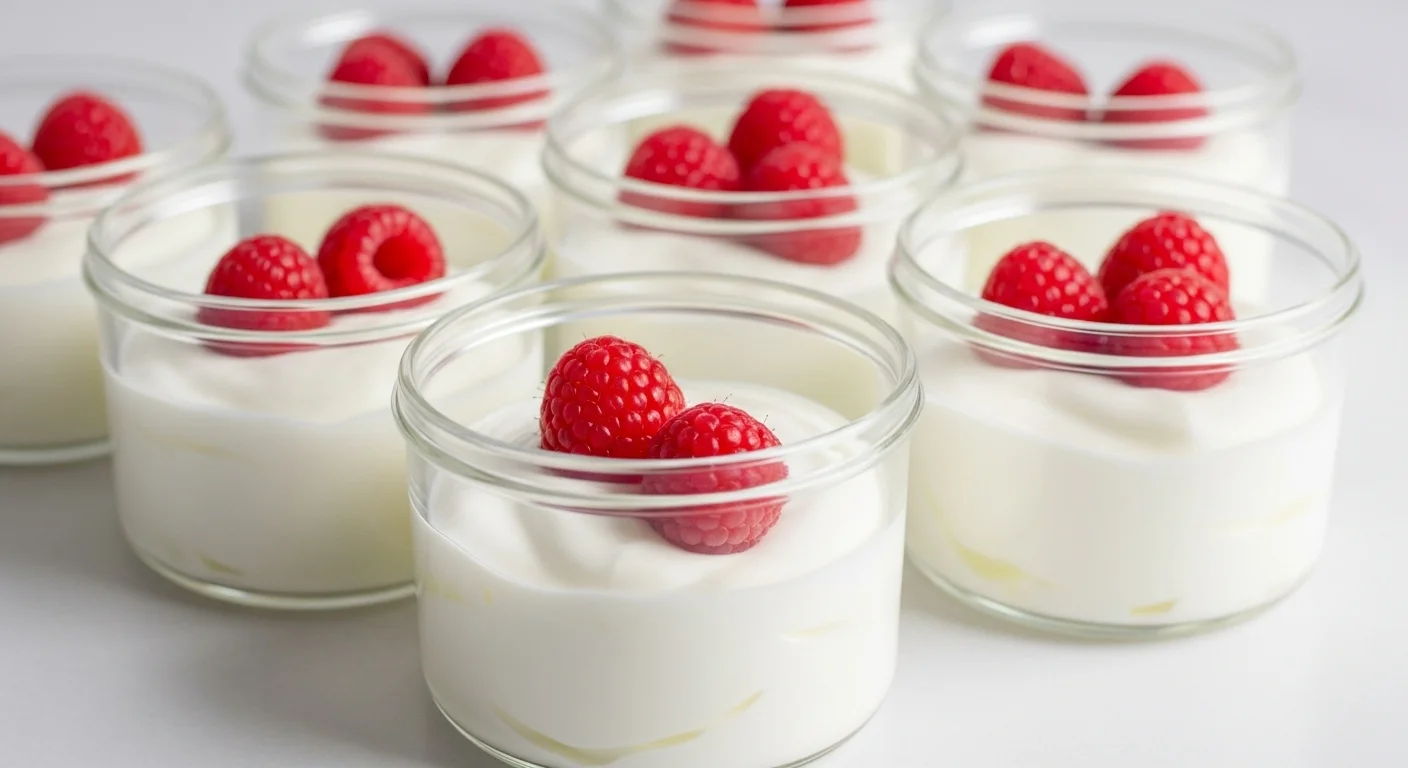
Understanding Toddler Nutrition Needs
Essential Nutrients for Toddlers
As parents, we always want the best for our children, especially when it comes to their nutrition. Toddlers need a variety of nutrients to grow and thrive. They require proteins for muscle development, carbohydrates for energy, fats for brain health, vitamins, and minerals to support their immune systems. I remember feeling a bit lost when I first started learning about toddler nutrition. It seemed like there was so much information to absorb! What I discovered is that a balanced diet with a variety of foods helps ensure they get everything they need. For more in-depth information, check out Understanding Nutritional Needs for Toddlers by Age Group.
Importance of Healthy Snacking
Healthy snacks play a crucial role in a toddler’s diet. They not only bridge the gap between meals but also help maintain energy levels throughout the day. I noticed that when my little one had a nutritious snack, they would be more focused and energetic during playtime. It’s amazing how food can affect their mood and behavior! Choosing healthy snacks also encourages good eating habits early on, setting the foundation for a lifetime of making smart food choices.
Budget-Friendly Snack Options
Fruits: Nature’s Candy
Fruits are not only delicious but also packed with vitamins and fiber. When I started incorporating more fruits into my toddler’s diet, I realized how much they loved the natural sweetness. Options like bananas, apples, and berries are generally affordable and easy to prepare. I often slice apples and spread a little nut butter on them for a quick snack. I also love freezing grapes or making fruit kabobs for a fun twist. It’s a great way to keep them interested in their snacks!
Vegetable Snacks: Crunchy and Colorful
Veggies might not always be the first choice for toddlers, but with a little creativity, they can become a favorite. I remember my son being a bit skeptical about carrots until I started serving them with a tasty dip. Crunchy vegetable sticks, like carrots, cucumbers, or bell peppers, paired with hummus or yogurt-based dips can make a colorful plate that is appealing to little ones. Plus, they’re budget-friendly and can be prepped ahead of time. I often make a big batch of veggie sticks at the start of the week, so they’re ready to grab when we’re on the go!
Whole Grains: Energy Boosters
Whole grains are essential for providing sustained energy to toddlers. I found that swapping out white bread for whole grain options made a big difference. Whole grain crackers, rice cakes, or even popcorn (for older toddlers) can be excellent snacks. One of my go-to snacks is whole grain toast topped with avocado or nut butter. It’s easy to make and incredibly filling. When I pack these snacks for outings, I love knowing that I’m giving my child something nutritious that will keep them going.
Dairy Snacks: Calcium-Rich Choices
Dairy products are fantastic for toddlers because they provide calcium and vitamin D, essential for developing strong bones. Yogurt is a staple in our home. I often buy plain yogurt and mix in some fruit or honey for added flavor. Cheese sticks or slices are another favorite among toddlers. They’re easy to pack and can be enjoyed on the go. When my daughter was younger, I noticed that a little cheese could turn a dull snack into something exciting!
Protein-Packed Snacks: Keeping Toddlers Full
Protein is vital for toddlers, helping them feel full and satisfied. I try to include protein-rich snacks like hard-boiled eggs, nut butters, or even chickpeas in their diet. These snacks are not only nutritious but also versatile. For instance, I love making little egg muffins or mini quiches, packed with veggies and cheese, which can be made in advance and stored in the fridge. It’s a great way to ensure that my child is getting the protein they need while also enjoying delicious bites.
Top 10 Budget-Friendly Healthy Snacks for Toddlers
1. Homemade Fruit Popsicles
One of my kids’ favorite snacks during the hot summer months has to be homemade fruit popsicles. I started making them as a fun way to get more fruits into their diet. All I do is blend up some fruits with a little yogurt or juice, pour the mixture into molds, and freeze. It’s so simple! I love that I can control the ingredients, and my kids enjoy picking their favorite fruits. Plus, it’s a great way to cool off and stay hydrated.
2. Veggie Sticks with Hummus
Veggie sticks are a staple in our house, especially when paired with hummus. I often slice up cucumbers, carrots, and bell peppers, and let my kids dip them into a bowl of hummus. They love the creamy texture and bold flavors. I remember the first time I introduced my children to hummus; they were a bit hesitant at first but quickly fell in love. It’s a great way for them to get their veggies in while enjoying the snack!
3. Oatmeal Energy Bites
Oatmeal energy bites have become a household favorite for snacks. I mix rolled oats, nut butter, honey, and a few add-ins like mini chocolate chips or dried fruit. Then I roll them into small balls and store them in the fridge. They’re super easy to grab when we’re on the go, and my kids love them. I feel good knowing they’re packed with wholesome ingredients and provide lasting energy!
4. Yogurt Parfaits
Yogurt parfaits are another great way to get in some healthy snacks. I layer plain yogurt with fresh fruits and a sprinkle of granola for some crunch. My kids adore the colorful layers, and it feels like a special treat. Sometimes, I let them assemble their own parfaits, which makes it even more fun for them! It’s a simple yet delicious way to enjoy a snack that feels fancy.
5. Whole Grain Crackers with Cheese
Whole grain crackers with cheese are a classic snack that never disappoints. I usually keep a variety of whole grain crackers on hand, and pairing them with cheese slices or cheese sticks makes them extra tasty. I found that this combination satisfies my kids’ cravings and provides them with the nutrients they need. It’s also incredibly easy to pack for playdates or outings!
6. Nut Butter and Banana Rice Cakes
Rice cakes topped with nut butter and bananas have become a go-to snack in our house. I spread almond or peanut butter on a rice cake and then add banana slices on top. It’s a crunchy, creamy, and sweet treat that my kids can’t resist. Plus, it’s so quick to make! I love how versatile this snack is; sometimes, I switch out the banana for apple slices or berries, depending on what we have on hand.
7. Mini Quiches or Egg Muffins
Mini quiches or egg muffins are fantastic for packing in protein and veggies. I whip up a simple mixture of eggs, cheese, and assorted veggies and pour them into muffin tins. After baking, they make for easy, bite-sized snacks. I can make a big batch at the start of the week, and they’re perfect for breakfast or a quick snack. It’s a fun way for my kids to enjoy eggs while I sneak in some nutrients!
8. Trail Mix with Seeds and Dried Fruit
I’ve learned that trail mix can be a great snack that combines a variety of flavors and textures. I mix nuts, seeds, dried fruit, and sometimes a few whole grain cereal pieces. I love letting my kids help create their own custom trail mix bags. It’s a fun activity, and they get to enjoy their creations later. This snack is not only nutritious but also easy to take along on outings or road trips!
9. Smoothie Packs
Smoothie packs have been a game changer in our household. I prepare bags with frozen fruits, spinach, and a scoop of yogurt, and then I store them in the freezer. When it’s time for a snack, all I have to do is blend the pack with some milk or juice. My kids enjoy choosing their favorite smoothie flavors, and I love that they’re getting a healthy dose of fruits and greens. It feels like a treat for them!
10. Avocado Toast on Whole Wheat Bread
Avocado toast is not just for adults! I often mash up some avocado on whole wheat toast for a simple yet nutritious snack. I sometimes sprinkle a bit of salt or even some cheese on top for added flavor. My kids love the creamy avocado, and I feel great knowing they’re getting healthy fats. It’s such a quick snack to whip up, and it keeps them satisfied in between meals!
Quick Preparation Tips for Busy Parents
Meal Prepping for the Week
As a busy parent, I’ve discovered that meal prepping can save so much time and stress during the week. I take a few hours on the weekend to prepare snacks in advance. I’ll wash and cut up fruits and veggies, make a batch of oatmeal energy bites, or whip up some mini quiches. Having these snacks ready to go means I can quickly grab something healthy when my kids are hungry. Read Interesting article: Traveling with Toddlers: Budget Meal Plans Made Easy
Involving Toddlers in Snack Preparation
Involving my kids in snack preparation has been a fun experience! They love helping out in the kitchen, whether it’s mixing ingredients or arranging the snacks on a plate. I find that when they participate, they’re more excited to try new foods. Plus, it’s a great bonding activity that teaches them about healthy eating habits at an early age.
Storage Solutions for On-the-Go Snacks
Finding the right storage solutions for snacks is crucial for busy days. I’ve invested in a few reusable snack bags and containers that make packing snacks easy. I love using small containers for dips and veggie sticks or packing individual portions of trail mix. This way, I can grab them quickly when we’re heading out. It’s a small change, but it makes a big difference in staying organized!
Nutrition Considerations for Toddlers
Portion Sizes for Young Children
When it comes to feeding toddlers, portion sizes can be tricky. I remember when I first started offering snacks to my little ones; I often struggled with how much was just right. It’s easy to forget that their stomachs are much smaller than ours! Typically, a serving size for a toddler could be about a quarter of what an adult would eat. I’ve found that using smaller plates helps to visually reinforce appropriate portion sizes. For example, when I serve fruit, I might give them half a banana or a few small apple slices instead of an entire piece. It’s amazing how much they enjoy these smaller portions, and it prevents waste too!
Allergy Awareness and Snack Choices
As we explore snack options, it’s crucial to keep allergy awareness in mind. I remember feeling overwhelmed when my friend’s child had a peanut allergy. It made me think about how easily snacks can become a source of concern. I always check labels carefully, especially for processed foods. When choosing snacks, I opt for whole, minimally processed ingredients whenever possible. If you’re introducing new foods, I recommend doing it one at a time to monitor for any reactions. In our case, we’ve avoided common allergens like nuts until we felt confident about trying them. It’s all about being cautious and informed while still offering a variety of choices!
Where to Buy Budget-Friendly Ingredients
Local Farmers’ Markets
One of my favorite places to shop for budget-friendly ingredients is our local farmers’ market. I love the vibrant atmosphere, and it’s such a joy to see my kids excited about fresh fruits and veggies. Not only can you find seasonal produce at great prices, but you also support local farmers! I often let my children pick out a fruit or vegetable they want to try. It’s a fun way to teach them about where their food comes from, and they’re usually more willing to eat something they chose themselves. Plus, shopping at farmers’ markets can be a wonderful family outing!
Discount Grocery Stores
Discount grocery stores have become a lifesaver for our family. I’ve discovered that many discount chains carry a variety of healthy snacks at lower prices compared to regular grocery stores. It took me some time to realize that I could find name-brand products for a fraction of the cost, especially when it comes to whole grains and canned goods. I like to make a list before I go, focusing on the essentials, and I often find great deals on bulk items. It’s a smart way to stock up on snacks without stretching our budget!
Online Grocery Shopping Options
With the rise of online grocery shopping, I’ve found it to be incredibly convenient, especially for busy weeks. I can quickly order bulk items, like oats or dried fruits, without leaving the house. I enjoy browsing through different stores’ websites, comparing prices, and taking advantage of promotions. Plus, many stores offer delivery or pickup options that save me time. I always look for deals on healthy snacks and check if there are coupons available. It’s a straightforward way to make sure I’m getting our favorite nutritious snacks without overspending! Read Interesting article: Essential Guide to Budget Meals for Toddlers’ Balanced Nutrition
Final Thoughts
As I reflect on my journey of providing my toddlers with healthy snacks, I realize it’s not just about the food itself, but also about the experiences we create together. Making snack time fun has been one of the joys of parenting for me. I’ve learned that trying new snacks or preparing them together can turn an ordinary moment into a cherished memory.
Encouraging my kids to explore different flavors and textures has been a delightful adventure. I’ve seen how their tastes evolve, making them more open to trying new things as they grow. I also believe that teaching them about nutrition early on sets them up for a lifetime of healthy habits. It’s empowering to see them choose fruits over sugary snacks or express excitement over a colorful plate of veggies. I love sharing those proud moments with them, like when they ask for a second helping of carrots dipped in hummus!
In my experience, being mindful of our budget while prioritizing nutritious snacks is possible with a little creativity. The world of budget-friendly snacks is vast, and it’s fun to explore it together. From making our own fruit popsicles to packing trail mix for outings, these small, simple choices make a significant impact on their health and happiness. Every time I see my kids enjoy something I’ve prepared, I feel a sense of accomplishment and joy.
So, let’s keep the adventure going! Whether it’s experimenting with new recipes, dancing in the kitchen while we prepare snacks, or simply enjoying a vibrant fruit salad at the table, these moments remind us that healthy eating doesn’t have to be dull or stressful. Instead, it can be a delightful experience that brings us closer as a family. I hope you find inspiration in these ideas and feel empowered to make healthy snacking a fun and enjoyable part of your toddler’s daily routine!
Frequently Asked Questions
What essential nutrients do toddlers need for growth?
Toddlers require a variety of nutrients including proteins for muscle development, carbohydrates for energy, fats for brain health, and vitamins and minerals to support their immune systems.
Why are healthy snacks important for toddlers?
Healthy snacks help bridge the gap between meals, maintain energy levels throughout the day, and encourage good eating habits early on.
What are some budget-friendly fruit options for toddlers?
Affordable and nutritious fruit options include bananas, apples, and berries. They are easy to prepare and can be creatively served, such as in fruit kabobs or frozen grapes.
How can I make vegetable snacks appealing to toddlers?
Serving crunchy vegetable sticks like carrots, cucumbers, or bell peppers with tasty dips such as hummus or yogurt can make them more appealing to toddlers.
What are some good sources of protein for toddler snacks?
Protein-rich snacks for toddlers include hard-boiled eggs, nut butters, and chickpeas. Mini quiches or egg muffins can also be a fun way to incorporate protein and veggies.
Can you suggest some healthy snack ideas for toddlers?
Some healthy snack ideas include homemade fruit popsicles, veggie sticks with hummus, oatmeal energy bites, yogurt parfaits, and avocado toast on whole wheat bread.
How can I save time on snack preparation as a busy parent?
Meal prepping on weekends can save time during the week. Preparing fruits and veggies, making energy bites, or mini quiches in advance can help ensure healthy snacks are readily available.
What should I consider regarding portion sizes for toddlers?
Portion sizes for toddlers should be about a quarter of what an adult would eat, and using smaller plates can help visually reinforce appropriate serving sizes.
What are some places to buy budget-friendly ingredients for toddler snacks?
Local farmers’ markets, discount grocery stores, and online grocery shopping options are great places to find budget-friendly ingredients for healthy snacks.
How can involving toddlers in snack preparation benefit them?
Involving toddlers in snack preparation can make them more excited to try new foods and teaches them about healthy eating habits, while also creating bonding experiences.
Finding the right vitamins for toddlers can be a challenge, especially when you’re trying to stick to a budget. I know how important it is to ensure our little ones are getting the nutrients they need while on the go. Let’s explore the importance of vitamins for our energetic toddlers! Read Interesting article: Budget-Friendly Vitamins for Expecting Mothers on the Go
Understanding the Importance of Vitamins for Toddlers
The Role of Vitamins in Toddler Development
As I’ve learned through my journey as a parent, vitamins play a crucial role in a toddler’s development. They not only support growth and development but also help in building a strong immune system. Each vitamin serves a unique purpose; for example, Vitamin A is vital for vision and skin health, while B vitamins help with energy production and brain function. I remember a time when my child was feeling unusually tired, and after a few discussions with our pediatrician, we realized he might be lacking in certain vitamins. That experience opened my eyes to the importance of a balanced diet rich in vitamins.
Common Nutritional Deficiencies in Toddlers
Through my research and conversations with other parents, I discovered that many toddlers struggle to get enough essential nutrients. Common deficiencies include Vitamin D, calcium, iron, and omega-3 fatty acids. I found it surprising that even with a seemingly healthy diet, my toddler could be missing out on these vital nutrients. For instance, Vitamin D is crucial for bone health, especially as they grow and become more active. I remember feeling a sense of urgency when I learned how vital these vitamins are for my child’s long-term health.
Key Considerations When Choosing Vitamins for Toddlers
Age Appropriateness of Vitamins
Choosing the right vitamins for toddlers isn’t just about picking something off the shelf. Age appropriateness is key. I’ve found that many vitamins are formulated specifically for toddlers, taking into account their unique dietary needs. It’s essential to read labels and ensure that the vitamins are suitable for their age group. In our case, I learned to look for products that clearly state they are for children ages 1-4, which gave me peace of mind.
Organic vs. Synthetic Vitamins
There’s a lot of buzz about organic versus synthetic vitamins, and I’ve had my fair share of confusion. Organic vitamins typically come from natural sources, which many parents, including myself, prefer. I feel more comfortable knowing that I’m giving my child something derived from nature rather than a lab. However, I also learned that synthetic vitamins can be just as effective. Ultimately, it’s about finding what works best for my family and ensuring we’re providing the right nutrients. Read Interesting article: 10 Budget-Friendly Healthy Snacks for Toddlers on the Go
Form (Chewable, Liquid, Gummies)
The form of the vitamin is another consideration that can’t be overlooked. I remember when I first introduced vitamins to my toddler, I tried liquid forms. To my surprise, he wasn’t a fan. After experimenting, I found that gummy vitamins were a big hit! They’re fun, tasty, and easy for my little one to take. However, I also learned that chewable tablets can be a great option for older toddlers. The key is to find a form that your child enjoys and will consistently take.
Top 5 Budget-Friendly Vitamins for Toddlers
1. Vitamin D3 Drops
Benefits for Toddlers
Vitamin D3 is essential for toddlers, especially when it comes to building strong bones and teeth. I learned that it helps the body absorb calcium, which is crucial during those growing years. When my pediatrician recommended Vitamin D3 drops, I was amazed at how much of a difference it made in my child’s energy levels and overall health. It also plays a role in supporting the immune system, which is a bonus for keeping our little ones healthy.
Recommended Dosage
For toddlers, the typical dosage of Vitamin D3 is around 400 IU per day, but I found it best to consult with my pediatrician to determine the right amount for my child. Each toddler is unique, and their needs can vary, so it’s always good to double-check.
Affordable Options
I discovered that many stores offer budget-friendly Vitamin D3 drops. Brands like Little Remedies and Nature’s Way provide good options that won’t break the bank. I often found these items on sale at local drugstores or even in bulk at warehouse clubs, making them an easy addition to our shopping list.
2. Multivitamin Gummies
Benefits for Toddlers
Multivitamin gummies are a fantastic way to ensure toddlers get a variety of nutrients in a fun and tasty form. They typically contain a mix of essential vitamins like A, C, E, and B vitamins. I remember the first time I offered my child a gummy vitamin; his face lit up, and he actually asked for more! It was a relief to know he was excited about getting his vitamins.
Recommended Dosage
Most multivitamin gummies recommend a dosage of one to two gummies per day for toddlers. I always make it a point to read the instructions carefully, as some brands differ. It’s important to remember that while they are fun, they are still supplements and should be taken as directed.
Affordable Options
When it comes to affordable multivitamin gummies, I’ve had great luck with brands like SmartyPants and Vitafusion. They often have sales at major retailers, making it easy to stock up. I also keep an eye out for coupons, which can help bring down the cost even further.
3. Omega-3 Fish Oil
Benefits for Toddlers
Omega-3 fish oil is known for its benefits to brain health and development. I’ve read that it can help with cognitive function and may even support emotional well-being. After I started giving my toddler omega-3s, I noticed he seemed to be more focused during activities. It’s incredible how nutrition can impact behavior and learning!
Recommended Dosage
For toddlers, the general recommendation is about 100-200 mg of omega-3s per day. Again, I always check with our pediatrician to ensure we’re on the right track. They can offer guidance based on individual health needs.
Affordable Options
There are many budget-friendly omega-3 fish oil options available. I’ve found brands like Nordic Naturals and NutraBlast offer good quality without a hefty price tag. Sometimes, local health food stores have great deals, so I make a point to compare prices before buying.
4. Probiotics
Benefits for Toddlers
Probiotics are fantastic for supporting gut health, and I can’t stress how important that is for overall well-being. I learned that a healthy gut can influence everything from digestion to mood. After introducing probiotics into my toddler’s routine, I noticed fewer tummy troubles and a happier demeanor overall.
Recommended Dosage
For toddlers, the recommended dosage can vary, but typically it’s around 1 billion CFUs (colony-forming units) per day. I always check the label to ensure we’re giving the right amount. It’s amazing how such a small amount can have such a big impact!
Affordable Options
For affordable probiotics, I recommend checking out brands like Culturelle and Garden of Life. They often come in chewable forms or powders that can be mixed into food, making it easy to incorporate them into my child’s diet without any fuss.
5. Calcium Supplements
Benefits for Toddlers
Calcium is essential for building strong bones and teeth, and I’ve learned that toddlers need enough of it as they grow. I remember being a bit worried about whether my child was getting enough calcium from his diet, especially when he was picky about dairy products. Calcium supplements became a great way to fill that gap.
Recommended Dosage
For toddlers, the recommended calcium intake is around 700 mg per day. This can come from food and supplements combined, so I always keep track of what my child is consuming to ensure he meets his needs.
Affordable Options
I’ve found that many brands offer good calcium supplements at reasonable prices. Citracal and Caltrate have options that are toddler-friendly and easy to digest. Shopping during sales or at discount stores can also help keep costs low.
How to Integrate Vitamins into a Toddler’s Diet
Making Vitamins Fun and Tasty
Getting toddlers to take their vitamins can be a challenge, but I’ve discovered some fun ways to make them more appealing. For instance, I like to involve my child in choosing his vitamins, letting him pick out his favorite flavors. Also, I’ve found that presenting vitamins in a fun way, like using cute cups or colorful plates, can make a big difference. Sometimes, I even turn it into a game, where we celebrate the “vitamin party” after he takes his daily dose.
Combining Vitamins with Meals
Another great strategy I’ve used is to incorporate vitamins with meals. For example, mixing a probiotic powder into a smoothie or adding omega-3 fish oil to oatmeal can be an easy way to sneak in those nutrients without a fuss. I’ve learned that creativity in the kitchen can make a world of difference in ensuring my toddler gets the vitamins he needs while enjoying his meals.
Safety and Precautions
Potential Side Effects of Vitamins
While vitamins can be incredibly beneficial for our toddlers, I’ve learned that it’s important to be aware of potential side effects. For example, some vitamins can cause stomach upset or other digestive issues if taken in excess. I remember when my toddler had a little too much of a vitamin gummy one day, and we noticed he was feeling a bit off. It reminded me that moderation is key. It’s always a good idea to follow the recommended dosages closely, as exceeding them can lead to problems. I feel reassured knowing that most vitamins are safe when taken correctly, but it’s essential not to treat them like candy.
Consulting with a Pediatrician
Checking in with our pediatrician has been a cornerstone in my approach to vitamins for my toddler. I can’t stress enough how valuable their guidance has been. Before introducing any new vitamins, I always have a conversation with our doctor to discuss any specific needs or concerns. They can assess whether my child is getting enough nutrients from food or if supplements are necessary. I found that having an open line of communication helps me feel more confident in my choices. Plus, it’s comforting to know that we are on the same page regarding my child’s health.
Where to Buy Budget-Friendly Vitamins
Local Drugstores and Supermarkets
When it comes to buying vitamins for toddlers, I’ve discovered that local drugstores and supermarkets are fantastic options. They often carry a variety of brands and types at reasonable prices. I usually check out flyers for sales and discounts, which can make a big difference in our monthly budget. In my experience, places like CVS and Walgreens frequently have promotions on vitamins, especially during back-to-school seasons or health awareness months. It’s always worth taking a look before making a purchase.
Online Retailers
Online shopping has become a go-to for me when hunting for budget-friendly vitamins. Websites like Amazon and Target not only offer a wide selection but also provide the convenience of home delivery. I love being able to read reviews from other parents before making a decision. Plus, many online retailers offer subscription services that can save us money in the long run by delivering vitamins right to our door at regular intervals. I often take advantage of these deals, making it easier to stay stocked up without the last-minute store runs.
Comparing Prices and Deals
One of the best tips I’ve picked up is to compare prices between different stores and websites. I learned that prices can vary significantly for the same product, so taking a few minutes to research can pay off. I’ve found that using price comparison apps can help streamline this process. Sometimes, I even take a picture of a price tag in-store to refer back to later while browsing online. It’s all about being savvy with our spending while ensuring my toddler gets the vitamins he needs. Keeping an eye out for clearance items or seasonal sales has also led to some great finds!
Final Thoughts
As I reflect on my journey of navigating vitamins for my toddler, I realize just how important it is to be proactive about their nutrition. It’s not always easy, but the effort is so worth it when I see my child thriving and full of energy. I’ve learned that staying informed, being creative with how we integrate vitamins into our daily routine, and ensuring that we’re choosing the right products can make a significant difference in my toddler’s health. Read Interesting article: Budget-Friendly Toddler Meal Planning for Traveling Families
In my experience, vitamins should be viewed as a complement to a balanced diet rather than a replacement. Whole foods packed with nutrients are irreplaceable, but when I noticed gaps in my child’s diet, I felt reassured knowing I had options to fill them. I truly believe that providing the right vitamins can help support their growth and development, giving them the best start in life.
Remember, each child is different, and what works for one family may not work for another. It’s essential to pay attention to your child’s unique needs and preferences. Consulting with a pediatrician has been invaluable for me, and I recommend it to every parent. Together, we can ensure that our toddlers are not only getting the vitamins they need but also enjoying the process.
Lastly, I hope this article has equipped you with the knowledge and confidence to make informed decisions about vitamins for your little ones. Let’s continue to support each other on this parenting journey, sharing our experiences and finding joy in the little victories. Here’s to happy, healthy toddlers!
Frequently Asked Questions
Why are vitamins important for toddlers?
Vitamins play a crucial role in a toddler’s development by supporting growth, building a strong immune system, and serving unique purposes such as promoting vision, skin health, energy production, and brain function.
What are common nutritional deficiencies in toddlers?
Common nutritional deficiencies in toddlers include Vitamin D, calcium, iron, and omega-3 fatty acids. These nutrients are vital for bone health and overall development.
How can I choose age-appropriate vitamins for my toddler?
When selecting vitamins, it is essential to pick those specifically formulated for toddlers, typically labeled for children ages 1-4. Always read the labels to ensure suitability for your child’s age group.
Are organic vitamins better than synthetic vitamins?
Both organic and synthetic vitamins can be effective. Organic vitamins come from natural sources, while synthetic vitamins can also provide the necessary nutrients. The choice depends on what works best for your family.
What forms of vitamins are suitable for toddlers?
Toddlers can take vitamins in various forms, including liquid, chewable tablets, and gummies. It’s important to find a form that your child enjoys to ensure consistent intake.
What is the recommended dosage for Vitamin D3 for toddlers?
The typical dosage of Vitamin D3 for toddlers is around 400 IU per day, but it’s best to consult with a pediatrician to determine the right amount for your child.
How can I make vitamins fun and tasty for my toddler?
Involve your toddler in choosing their vitamins, use fun presentation methods like colorful plates, and turn the process into a game, such as a “vitamin party” after taking their daily dose.
What should I know about potential side effects of vitamins?
While vitamins can be beneficial, excessive intake can lead to side effects such as stomach upset. It’s essential to follow recommended dosages closely to avoid any issues.
Why is it important to consult with a pediatrician about vitamins?
Consulting with a pediatrician helps assess your child’s specific nutritional needs and ensures that the right vitamins or supplements are introduced based on their health requirements.
Where can I find budget-friendly vitamins for toddlers?
Local drugstores and supermarkets often offer a variety of budget-friendly vitamins. Online retailers like Amazon and Target also provide convenience and the possibility of subscription services for savings.
Finding the best probiotics for kids can be a game-changer for their gut health. With so many options available, let’s dive into what makes probiotics effective and how they can benefit our little ones.
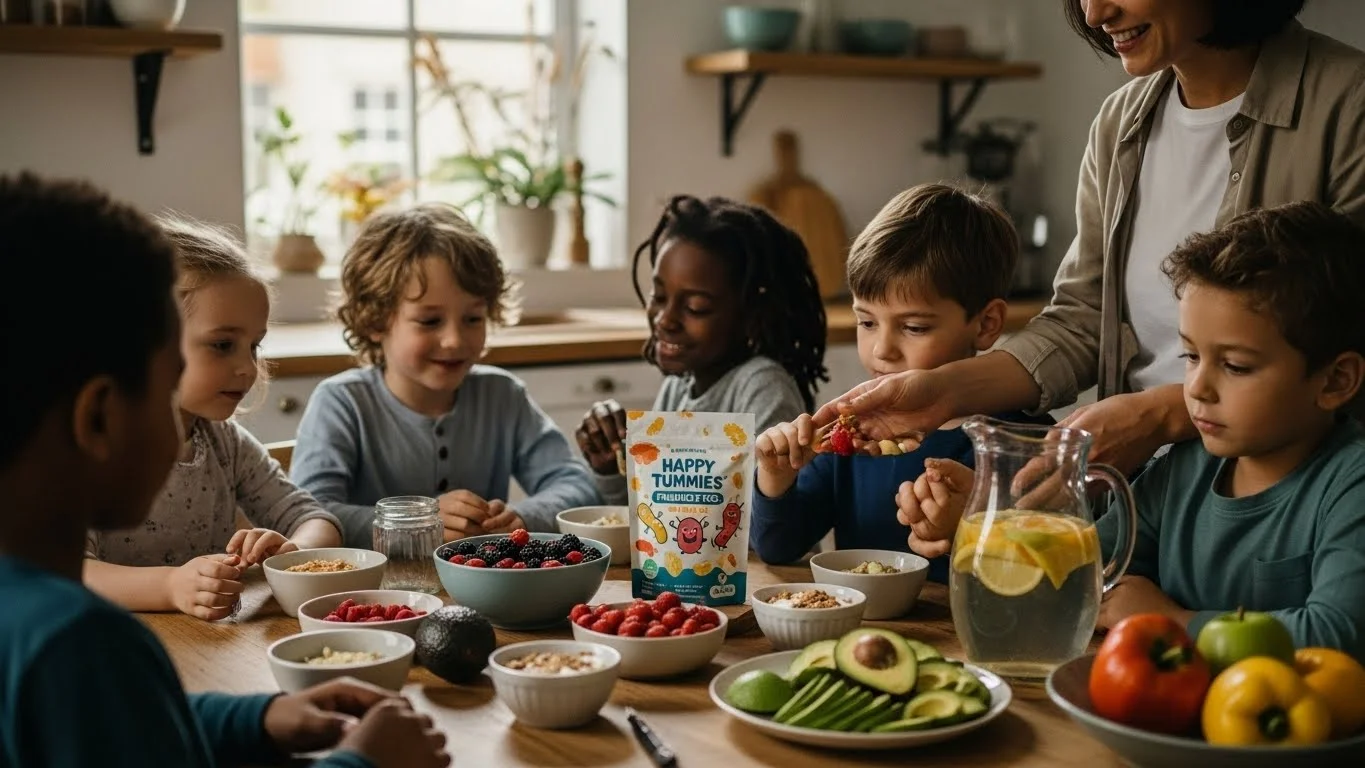
Understanding Probiotics
What Are Probiotics?
When I first heard about probiotics, I was curious about what they really are. Probiotics are live microorganisms, often referred to as “good” bacteria. They are similar to the beneficial bacteria found naturally in our bodies. These tiny helpers can play a vital role in our digestive health. I remember the first time I introduced probiotics to my kids; I felt relieved knowing I was adding something that could support their overall well-being.
How Probiotics Work in the Gut
Probiotics work by balancing the gut microbiome, which is crucial for digestion and nutrient absorption. I found it fascinating that our gut is home to trillions of microorganisms. When we introduce probiotics, they can help maintain a healthy balance among these bacteria, especially when our kids face situations like illness, stress, or dietary changes. I noticed a difference in my kids’ digestion and energy levels after incorporating probiotics into their routine. It’s like giving their gut a little boost!
Types of Probiotics
Not all probiotics are created equal, and this is where things get interesting. There are several strains of probiotics, each serving different purposes. For instance, Lactobacillus and Bifidobacterium are two of the most common strains found in supplements. I learned that Lactobacillus is great for diarrhea and constipation, while Bifidobacterium can help with digestion and boosting immunity. Understanding these types has helped me choose the right probiotics for my kids, ensuring they get the benefits best suited for their needs.
Benefits of Probiotics for Kids
Supporting Digestive Health
One of the main reasons I decided to give my kids probiotics was to support their digestive health. Many children face digestive issues like bloating, gas, or constipation. Probiotics can help alleviate these concerns by promoting a healthy gut environment. I remember my daughter often complained about stomachaches after meals. Since we started her on probiotics, those complaints have significantly decreased. It’s comforting to know that I’m taking proactive steps to help her digestive system function better.
Boosting Immunity
As parents, we all worry about our children’s health, especially during cold and flu season. I’ve learned that probiotics can play a significant role in boosting immunity. They help enhance the production of antibodies and stimulate immune cells, making our kids less prone to infections. After incorporating probiotics into our daily routine, I noticed my kids seemed to catch fewer colds. It felt like we were building a little fortress around their immune systems!
Improving Mood and Mental Health
It might surprise some people, but gut health and mental health are closely linked. I read that probiotics can influence mood and mental well-being, particularly in kids. The gut produces many neurotransmitters, including serotonin, which plays a key role in mood regulation. I’ve found that my son’s mood has been more stable since we started using probiotics. It’s amazing how something so small can have such a big impact on how they feel.
Managing Allergies and Eczema
Another significant benefit I discovered is the potential for probiotics to help manage allergies and eczema in children. My daughter has struggled with eczema since she was a baby, and I learned that a healthy gut might help reduce the severity of her symptoms. Studies suggest that probiotics can help modulate the immune response linked to allergic conditions. Since we started using probiotics, I’ve seen some improvement in her skin condition, giving me hope that we’re on the right track.
Each of these benefits has reinforced my belief in the importance of probiotics for my children’s health. With so much information available, it can be overwhelming to choose the right one. In the next sections, we’ll explore how to select the best probiotics for kids, looking at age considerations, specific strains, and formulations, ensuring we make informed decisions for our family’s health.Choosing the Right Probiotics for Kids
Age Considerations
When I began my journey into the world of probiotics for my kids, one of my first questions was about age. It’s important to consider that children’s digestive systems develop at different rates. For infants, specific strains like Lactobacillus reuteri are often recommended, as they can help with colic and improve overall gut health. I found it reassuring to know that many pediatricians suggest probiotics tailored for specific age groups. For toddlers and older kids, there are a variety of options available that cater to their unique needs. I always check the label for age recommendations to ensure I’m choosing something appropriate for my children’s ages. This consideration has helped me feel more confident in the decisions I’m making for their health.
Strain Specificity and Effectiveness
As I learned more about probiotics, I realized not all strains are the same. Each strain can have different effects on health, which I think is crucial to understand when selecting a product. For instance, if my child is prone to digestive issues, I’d look for strains like Bifidobacterium bifidum, known for its digestive support. On the other hand, for immune support, I’d consider Lactobacillus acidophilus. It can be a bit overwhelming, but I found that researching specific strains and their benefits has empowered me to make better choices. It’s not just about picking up any probiotic; it’s about finding the right one that aligns with what my kids need.
Formulations: Gummies, Powders, and Capsules
When it comes to probiotics for kids, the format can make a big difference. I remember the first time I tried to give my kids capsules; it was a bit of a struggle! So, I explored different formulations. Gummies have become a favorite in our household because they’re easy to take and taste good. I’ve noticed my kids are much more willing to take their probiotics when they come in a fun gummy shape. Powders are another option that I’ve found to be versatile. I can mix them into smoothies or yogurt, which is a great way to sneak in some extra nutrition. Capsules work for my older kids, but I’ve learned that it’s all about what’s most convenient and enjoyable for them. This choice has made incorporating probiotics into our routine much smoother.
Allergies and Dietary Restrictions
One thing I’ve learned through this process is to always consider allergies and dietary restrictions when choosing probiotics. With my daughter having a dairy allergy, I had to be extra cautious. Many probiotic supplements are dairy-free, which is fantastic. I’ve also found options that are gluten-free and suitable for various dietary needs. It’s essential to read the labels carefully and look for certifications that ensure the product meets our dietary requirements. I remember feeling relieved when I found a dairy-free probiotic that my daughter loved. It’s stories like these that remind me of the importance of being mindful about what we choose to support our children’s health.
Top Recommended Probiotics for Kids
Probiotic Supplements Overview
After exploring what to look for in probiotics, I felt ready to dive into the actual brands and products. I found that there are several reputable brands that offer high-quality probiotics for kids. It was helpful to read reviews from other parents who had similar experiences. My goal was to find probiotics that not only contained effective strains but also had a good reputation in the market. I remember trying out a few different brands before settling on the ones that fit our family best. It’s been a journey of trial and error, but each experience brought me closer to finding the right fit for my children.
Best Probiotic Gummies for Kids
Gummies have become a popular choice for many families, and I can see why! They’re fun and easy to take. In our case, I found gummy probiotics that were packed with both Lactobacillus and Bifidobacterium strains, which was perfect for supporting both digestion and immunity. My kids love the fruity flavors, and I appreciate that they’re made with natural ingredients. I recommend trying out a few different brands to see which ones your kids enjoy the most. It’s all about making it a positive experience, and I believe that gummies can make probiotics feel less like a chore and more like a treat!
Best Probiotic Powders for Kids
Powdered probiotics have been a game-changer in our household, especially when it comes to flexibility. I’ve found that I can easily mix them into smoothies, yogurt, or even oatmeal. This has made it so much easier to ensure my kids are getting their daily dose without any fuss. Some powders I’ve come across contain prebiotics as well, which adds an extra layer of support for gut health. I learned that incorporating a powder into breakfast or snack time has made a noticeable difference in how easily my kids consume their probiotics. It’s an excellent option for families who might struggle with other formats.
Best Probiotic Capsules for Kids
As my kids have gotten older, I’ve started introducing capsules into their routine. While some kids might find them intimidating at first, I’ve found that my older ones adapted quickly. I usually look for capsules that are small and easy to swallow. Some brands also offer chewable options, which can be a hit for kids who are transitioning to capsules. I’ve noticed that these capsules often have a higher concentration of probiotics per serving, which can be beneficial for kids who might need a little extra support. The key here is to find what works best for your child’s comfort level.
Affordable Probiotic Options
Budget-Friendly Probiotic Brands
As a parent, I know how important it is to keep an eye on our budgets, especially when it comes to health products. Thankfully, there are several budget-friendly probiotic brands that don’t skimp on quality. I discovered that some well-known brands offer effective probiotic options at a lower price point without compromising on the strains and benefits. For instance, brands like Culturelle and Garden of Life have affordable choices that cater to kids. I often check for sales or discounts on these products, which makes it easier to maintain our family’s probiotic routine without breaking the bank. Guide to Choosing Budget-Friendly Probiotics for Children is a great resource for more information.
Comparing Cost vs. Quality
One lesson I’ve learned is that sometimes, you get what you pay for. While I appreciate budget-friendly options, it’s crucial to compare cost and quality. I’ve seen cheaper probiotics that didn’t have the right strains or potency, which made me think twice. It’s worth spending a little more on a product that’s backed by research and has positive reviews. I always take the time to read labels, looking for the specific strains we need and the number of CFUs (colony-forming units) listed. I believe that investing in a quality probiotic is an investment in my kids’ health, and finding that balance between cost and effectiveness has been key for us.
Where to Buy Probiotics on a Budget
Finding affordable probiotics is easier than I thought. I’ve found great deals at local health food stores and big-box retailers. However, online shopping has also been a game-changer for us. Websites like Amazon and iHerb often have discounts and bulk-buy options, which can save money in the long run. I remember stumbling upon a subscription service that delivers probiotics monthly at a reduced price. This option has worked well for us because we never have to worry about running out. Plus, I appreciate the convenience of having them shipped right to our doorstep. Keeping my kids’ probiotic supply stocked has never been easier! For those looking for more options, check out Affordable Probiotic Supplements for Healthy Kids’ Tummies.
How to Introduce Probiotics to Your Child
Transitioning to Probiotics
Introducing probiotics to my kids was a journey in itself. I remember feeling a little anxious about how they would react, especially since they were used to their regular vitamins. I started by incorporating probiotics gradually. For a few days, I gave them a half dose, just to see how their bodies would respond. This slow transition helped my kids adjust without any fuss. Speaking from experience, I found that making it a fun experiment made it easier—like a little science project in our kitchen. I encouraged my kids to talk about how they felt after taking their probiotics, which sparked their curiosity and made them more open to the idea.
Mixing Probiotics with Food and Drinks
One of my favorite tricks for getting my kids to take their probiotics is mixing them with their favorite foods or drinks. With powders, it’s super easy to sneak them into smoothies, yogurt, or even pancake batter. I remember one morning when I added a scoop of probiotic powder to our fruit smoothie, and my kids didn’t even notice! They loved the taste, and I felt great knowing I was boosting their gut health without any complaints. I’ve also experimented with adding probiotics to oatmeal or applesauce, which has been a hit in our house. Finding creative ways to incorporate probiotics into their meals has made it enjoyable for everyone.
Monitoring Your Child’s Response
After starting probiotics, I made it a priority to monitor how my kids were responding. I kept a little journal where I noted any changes I saw, like improvements in their digestion or mood. I found this helpful, not just to track benefits but also in identifying any potential issues. It’s essential to pay attention to how their bodies react, as every child is different. If I noticed any unusual symptoms, I’d take a step back and reevaluate our choices. From my experience, this kind of monitoring has not only kept me informed but also helped me engage my kids in discussions about their health. They loved sharing their “probiotic stories,” and it became a fun part of our daily routine.
Potential Side Effects of Probiotics
Common Side Effects
While I’m a big fan of probiotics, I also understand that they’re not without potential side effects. When I first started giving them to my kids, I was aware that some might experience mild digestive upset, such as gas or bloating, especially in the beginning. I remember my son had a little bit of gas during the first week, which made me a bit worried. However, I learned that this can be a normal reaction as their bodies adjust to the new bacteria. Keeping an open line of communication with my kids helped me gauge their comfort levels, and I always encouraged them to let me know if they felt anything unusual.
When to Consult a Pediatrician
Even though most kids handle probiotics well, I think it’s essential to consult a pediatrician if your child has underlying health conditions or if you notice any persistent side effects. I made it a point to discuss our probiotic choices during routine check-ups, which gave me peace of mind. I’ve found that having a trusted pediatrician to turn to can help navigate any concerns, ensuring that we’re making the best choices for our kids’ health. It’s always better to err on the side of caution when it comes to our little ones.
Frequently Asked Questions
What are probiotics?
Probiotics are live microorganisms, often referred to as “good” bacteria, that are similar to the beneficial bacteria found naturally in our bodies. They play a vital role in digestive health.
How do probiotics work in the gut?
Probiotics work by balancing the gut microbiome, which is crucial for digestion and nutrient absorption. They help maintain a healthy balance among gut bacteria, especially during illness, stress, or dietary changes.
What are the main benefits of probiotics for kids?
The main benefits of probiotics for kids include supporting digestive health, boosting immunity, improving mood and mental health, and managing allergies and eczema.
What types of probiotics are recommended for kids?
Common strains of probiotics recommended for kids include Lactobacillus, which is great for diarrhea and constipation, and Bifidobacterium, which can help with digestion and immunity.
How should I choose probiotics for my child based on their age?
It’s important to consider age when selecting probiotics, as children’s digestive systems develop at different rates. Specific strains are often recommended for infants and tailored options are available for toddlers and older kids.
What formats of probiotics are available for kids?
Probiotics for kids come in various formats, including gummies, powders, and capsules. Each format has its advantages, with gummies being easy and fun to take, powders being versatile, and capsules often having a higher concentration of probiotics.
How can I introduce probiotics to my child?
Introducing probiotics can be done gradually by starting with a half dose. Mixing probiotics with favorite foods or drinks can also make them more appealing to children.
What potential side effects should I be aware of when giving probiotics to my kids?
Some children may experience mild digestive upset, such as gas or bloating, especially when starting probiotics. Monitoring their response is important to ensure comfort.
When should I consult a pediatrician about probiotics?
It’s essential to consult a pediatrician if your child has underlying health conditions or if you notice any persistent side effects after starting probiotics.
How can I find affordable probiotics for my kids?
Affordable probiotics can be found at local health food stores, big-box retailers, and online shopping platforms. Checking for discounts and considering budget-friendly brands can help maintain a probiotic routine without overspending. For more information, check out Top Probiotics for Kids: Boost Gut Health on a Budget.