Parenting is a journey filled with choices, and understanding different styles can shape our children’s futures in profound ways. Let’s dive into the world of parenting styles, focusing on the key differences between authoritative and authoritarian approaches. Read Interesting article: The Impact of Culture on Parenting: Styles and Practices
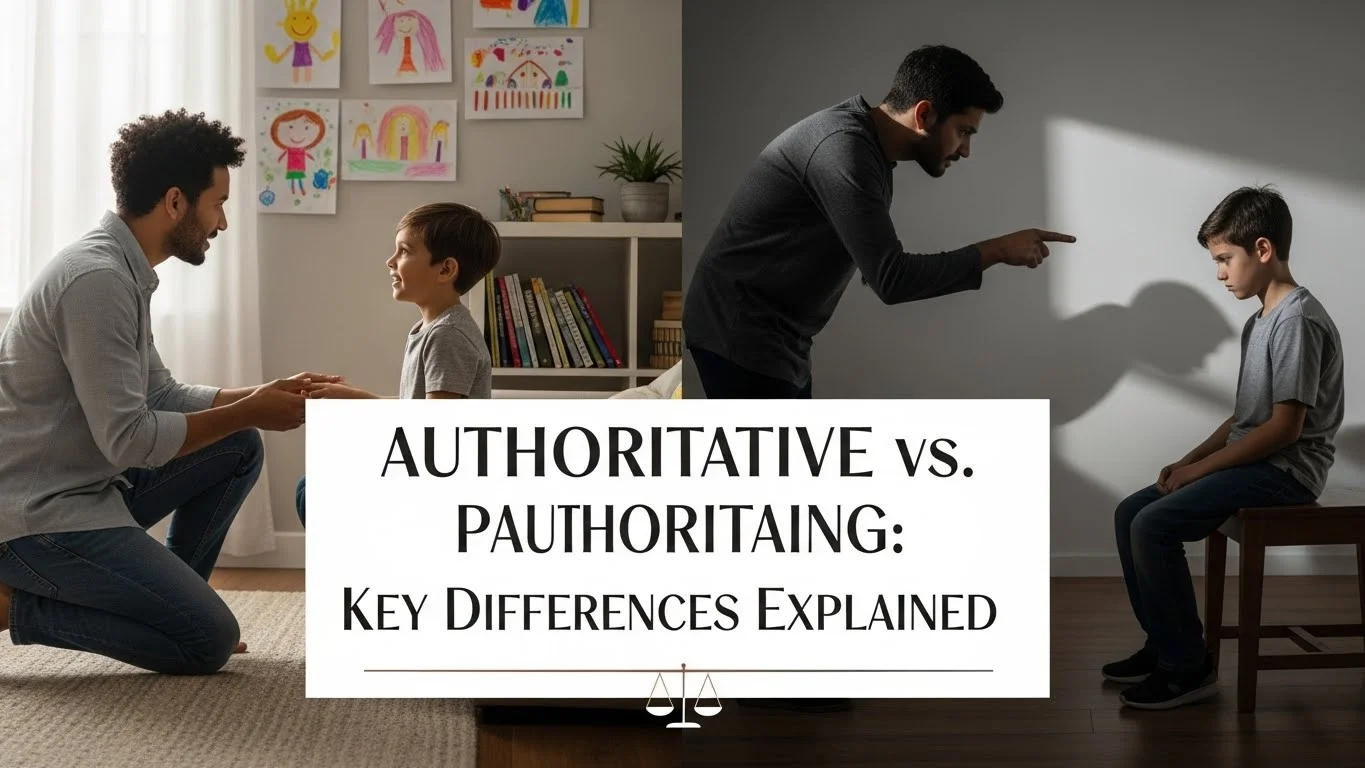
Authoritative vs. Authoritarian Parenting: Key Differences Explained
Understanding Parenting Styles
Definition of Parenting Styles
When I first started exploring parenting, I was amazed at how different approaches can impact a child’s development. Parenting styles generally fall into four main categories: authoritative, authoritarian, permissive, and uninvolved. Each style reflects a combination of warmth and control, creating distinct environments for children to grow up in. Authoritative parenting, for instance, balances high expectations with emotional support, while authoritarian parenting leans more towards strict rules and less flexibility. It was eye-opening for me to realize how these definitions painted such different pictures of family life.
Importance of Parenting Styles in Child Development
Understanding these styles isn’t just for academic purposes; it’s about the real-life implications they hold for our children. I remember when I began to connect the dots between my own upbringing and my behavior as an adult. Parenting styles influence everything from emotional well-being to social skills. For instance, I’ve noticed that children raised in authoritative environments tend to be more confident and capable of making decisions, while those from authoritarian settings may struggle with self-esteem. Each style shapes not only immediate behavior but also long-term outcomes, making it crucial for us as parents to reflect on how we engage with our children.
Authoritative Parenting Explained
Key Characteristics of Authoritative Parenting
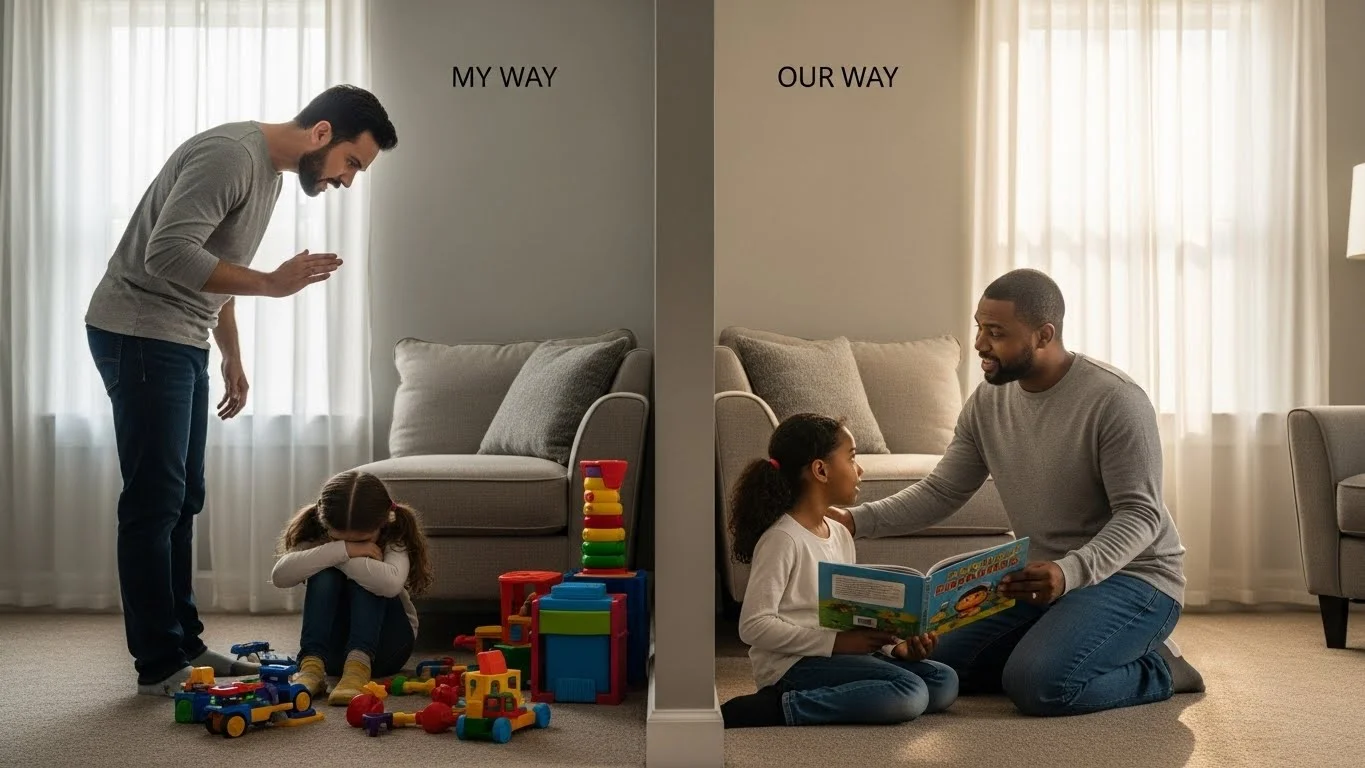
Authoritative parenting is a blend of support and structure. I’ve come to appreciate its key characteristics: warmth, responsiveness, and high expectations. Parents who adopt this style are nurturing, which creates a safe space for kids to express themselves. They engage in open discussions, allowing children to ask questions and voice their opinions. I’ve seen firsthand how this approach fosters a sense of belonging and love, making kids feel valued. Moreover, authoritative parents set clear rules but also encourage independence. They’re not just about ‘because I said so’—they explain the reasons behind their rules, helping children understand the consequences of their actions.
Benefits of Authoritative Parenting
The benefits of this parenting style are impressive. Research indicates that children raised by authoritative parents often display better emotional regulation and social skills. I recall a friend who practiced this style. Her daughter was not only academically successful but also had a strong group of friends and was confident in herself. It’s no wonder that children from authoritative homes tend to excel in school, as they’re encouraged to think critically and take initiative. I believe this style empowers kids, giving them the tools to navigate the world effectively. Read Interesting article: How Culture Shapes Parenting Styles Across the Globe
Long-term Effects on Children
As I reflect on the long-term effects of authoritative parenting, I can’t help but feel optimistic. Children raised in this environment often grow into well-adjusted adults. They’re more likely to pursue higher education and have successful careers. I’ve noticed that these individuals tend to have better relationships, both personally and professionally, as they understand the value of communication and compromise. In my experience, it’s inspiring to see how the principles of authoritative parenting can lead to a generation of empathetic and competent adults, ready to tackle life’s challenges.
Authoritarian Parenting Explained
Key Characteristics of Authoritarian Parenting
On the flip side, authoritarian parenting is marked by a more rigid approach. It’s all about obedience and discipline, often at the cost of emotional warmth. Parents in this category impose strict rules and expect compliance without questioning. I’ve witnessed this in some of my acquaintances; their children seemed anxious and fearful of making mistakes. Authoritarian parents often don’t provide the same level of emotional support and may resort to harsh punishment, which can lead to a tense household atmosphere. It’s a stark contrast to the nurturing environment of authoritative parenting.
Drawbacks of Authoritarian Parenting
The drawbacks of authoritarian parenting are significant. Children raised in such environments may become obedient, but they often do so out of fear rather than understanding. I’ve seen this play out when kids have trouble expressing themselves or making decisions independently. They may struggle with low self-esteem and be less competent in social situations, as they haven’t been encouraged to think for themselves. This can lead to issues in adulthood, such as difficulty in forming relationships or asserting themselves in professional settings.
Long-term Effects on Children
Looking into the long-term effects of authoritarian parenting has been quite revealing for me. Children may comply with authority figures, but they often do so at a cost. Many carry forward a fear of failure or rejection into adulthood. I remember discussing this with a friend who grew up in a strict household; she often felt paralyzed by the fear of making mistakes. These long-lasting impacts can shape their lives in ways that are hard to reverse. Understanding these outcomes has made me more mindful of my own parenting style and the legacy I want to leave for my kids.
Key Differences Between Authoritative and Authoritarian Parenting
Approach to Discipline
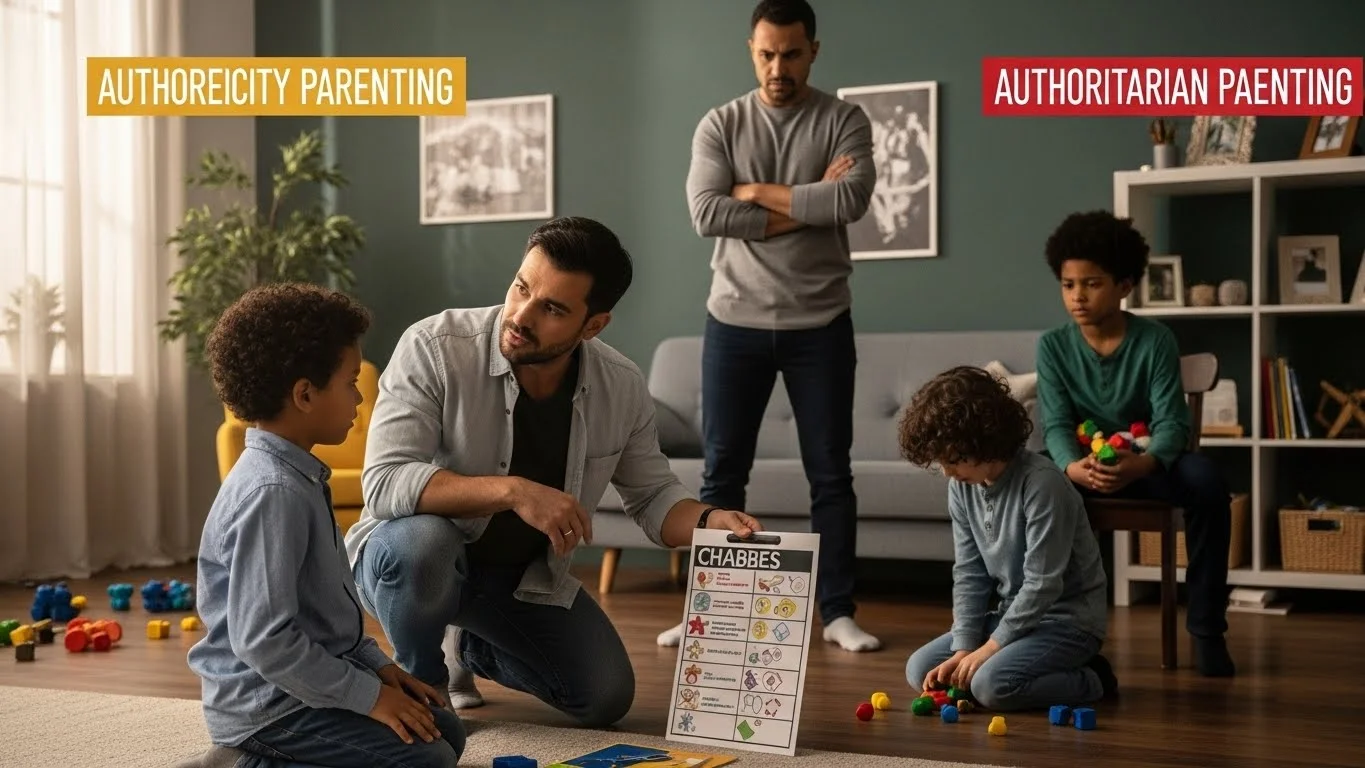
When I think about discipline, the differences between authoritative and authoritarian parenting stand out significantly. Authoritative parents tend to approach discipline as a teaching moment. They explain the reasons behind rules, which helps children understand the consequences of their actions. I remember a time when I had to set a limit for my child regarding screen time. Instead of just saying, “No more screens!” I took the time to explain how excess screen time could affect their sleep and mood. This conversation opened up a dialogue, and I noticed my child was more willing to adhere to the limits because they understood the ‘why’ behind it.
In contrast, authoritarian parents often enforce rules through strict adherence and punishment. Their discipline is more about compliance than understanding. I’ve observed how children in these households might follow rules out of fear rather than comprehension. They may not grasp the lessons behind their actions, and this can create a cycle of anxiety and rebellion. I’ve seen kids who, when faced with rules they don’t understand, tend to push back harder, leading to conflict and resentment.
Communication Styles
Communication in authoritative households is typically open and two-way. I cherish the moments when my kids feel comfortable coming to me with their thoughts or concerns. It’s a two-way street where we both listen and share. This open line of communication fosters trust and strengthens our relationship. I believe it’s essential for kids to feel heard, and I’ve experienced how this leads to them being more open about their feelings and fears.
On the other hand, authoritarian parenting often involves one-way communication. Parents dictate what should be done, and children are expected to comply without question. I’ve noticed that in these scenarios, children might not express their feelings at all, leading to a buildup of emotions that can be harmful in the long run. I’ve seen this happen with friends’ kids who rarely voice their opinions, and it makes me wonder how that might affect their emotional health as they grow older.
Expectations and Responsiveness
The expectations of authoritative parents are high but accompanied by warmth and support. I love how I can encourage my kids to aim for their best while also being there to catch them if they fall. My approach has always been to let them know that I believe in their abilities while also being responsive to their emotional needs. This balance helps them strive for success without the fear of disappointing me, which, in my experience, can be incredibly motivating.
Authoritarian parents, however, tend to have rigid expectations that come without much emotional support. In these households, it’s often less about the child’s needs and more about the parents’ desires for obedience and achievement. I’ve seen how this can lead to children feeling overwhelmed and unsupported. They might feel like they have to meet certain standards, but without the backing of understanding or encouragement, it can be a lonely and stressful experience.
Impact on Child Independence and Self-Esteem
As a firm believer in fostering independence, I’ve noticed that authoritative parenting encourages children to think for themselves. It’s wonderful to watch my kids make their own choices and learn from their mistakes. This independence doesn’t mean a lack of guidance; rather, it’s about providing them with the tools and confidence to navigate the world. I remember when my daughter wanted to take on a new project at school. Instead of doing it for her, I offered support and ideas but let her lead the way. The pride she felt upon completion was priceless.
In authoritarian households, however, children often struggle with self-esteem and independence. The constant scrutiny and lack of encouragement can make them hesitant to take risks. I’ve seen kids from these backgrounds become overly reliant on others for approval, which stunts their growth. They may doubt their abilities and hesitate to step out of their comfort zones because they fear failure or disapproval. This really resonates with me, as I want my children to grow into confident individuals who trust themselves.
Comparative Analysis of Outcomes for Children
Emotional Development
When it comes to emotional development, the differences between children raised in authoritative versus authoritarian environments are profound. Authoritative parenting nurtures emotional intelligence. I’ve seen how children raised with this style tend to express their feelings more openly and manage them better. They often grow into adults who can navigate relationships with empathy and understanding. I’d like to think that by being open about my own emotions and encouraging my kids to share theirs, I’m helping them develop this vital skill. Read Interesting article: Exploring Cultural Influences on Parenting Styles Worldwide
In stark contrast, children from authoritarian households may struggle with emotional expression. I’ve talked to friends who grew up under strict parenting and noticed they often have difficulty articulating their feelings or understanding their emotional responses. It’s heartbreaking to see how the fear of expressing oneself can lead to bottling up emotions, which can create anxiety and relationship challenges later in life.
Academic Performance
Academically, children from authoritative backgrounds generally perform better. I’ve witnessed how the combination of support and high expectations can lead to increased motivation. My son, for example, thrives in an environment where he feels encouraged to ask questions and pursue his interests. He’s not just doing homework to please me; he’s genuinely excited about learning. This intrinsic motivation is something I’m proud to foster.
In contrast, children from authoritarian homes may be compliant but often at the expense of genuine engagement with their studies. I’ve seen how they may achieve good grades due to pressure to conform but lack a true passion for learning. They might follow orders but miss out on the joy of discovering new things, which can stifle creativity and critical thinking.
Social Skills and Behavior
Social skills are another area where the parenting style has a significant impact. Children raised in authoritative environments typically develop strong social skills. They learn to navigate friendships and relationships effectively. I’ve seen how my kids are able to form connections with their peers and resolve conflicts in a constructive way. This ability to communicate and empathize with others is something I cherish and encourage.
On the other hand, children from authoritarian backgrounds might struggle with social interactions. The lack of emotional support and open communication can lead to difficulties in forming friendships. I’ve noticed some of these kids may come off as shy or withdrawn, often unsure of how to engage with others. It saddens me to think that their potential for meaningful connections is stifled by an environment that doesn’t prioritize emotional growth.
How to Identify Your Parenting Style
Self-Assessment Techniques
Identifying my parenting style has been quite the reflective journey. I remember sitting down one day with a cup of coffee and a notebook, trying to pinpoint my approach. Self-assessment can be a powerful tool. I started by asking myself a few key questions: How do I respond to my children’s mistakes? Do I prioritize open communication, or do I find myself leaning towards strict rules? I found that writing down my thoughts helped clarify my beliefs and actions as a parent.
One technique I found useful was keeping a parenting journal. I’d jot down daily interactions with my kids, noting how I reacted in different situations. Over time, patterns emerged that revealed my natural tendencies. For example, I realized I often explained my reasoning behind rules, which pointed towards an authoritative style. This kind of reflection not only helped me understand myself better but also highlighted areas where I wanted to grow. I believe that self-awareness is the first step in making informed changes to our parenting approach.
Seeking Feedback from Others
While self-reflection is valuable, seeking feedback from trusted friends or family can provide additional insights into our parenting styles. I remember asking a close friend to observe my interactions with my children during a playdate. Afterward, we discussed what she noticed. Her observations helped me see aspects I was too close to recognize. Maybe I was too strict at times, or perhaps I could improve on encouraging more independence.
In my experience, feedback can be a real eye-opener. It’s essential to choose someone who understands your parenting goals and can provide constructive criticism. I also found that discussing parenting choices with my partner or co-parent can lead to valuable conversations about consistency and shared values. Together, we could align our approaches, ensuring we both understood how we wanted to parent our children.
Tips for Transitioning from Authoritarian to Authoritative Parenting
Building Better Communication
Transitioning from an authoritarian style to an authoritative one can feel daunting, but I’ve found that focusing on communication is key. One of the first steps I took was to create an environment where my kids felt safe to express their thoughts and feelings. I started by asking open-ended questions during our conversations. Instead of saying, “Did you have a good day?” I shifted to, “What was the best part of your day?” This simple change opened up a world of dialogue and made them feel valued.
I also made a conscious effort to listen actively. Instead of formulating my response while they spoke, I focused on truly hearing what they had to say. I remember a moment when my son expressed frustration about homework. Instead of dismissing his feelings, I validated them and encouraged him to share how we might tackle it together. I noticed that this approach not only improved our communication but also strengthened our bond.
Encouraging Independence
Encouraging independence in my children has been one of the most rewarding aspects of my parenting journey. I realized that fostering autonomy helps them build confidence and decision-making skills. I started small by giving them choices in daily activities, like deciding what to wear or what snack they wanted. It felt amazing to see their faces light up when they made their own decisions.
As I became more comfortable with this shift, I began to involve them in more significant decision-making processes. For instance, I encouraged my daughter to lead her own school project. I provided support and resources but let her take charge. The pride she felt upon completing it was something I cherished. This kind of independence transforms how children perceive themselves, and I believe it lays the groundwork for their future success.
Setting Appropriate Boundaries
As I embraced a more authoritative style, I learned that setting clear, reasonable boundaries is essential. I found that children thrive when they understand the rules and the reasons behind them. Instead of imposing strict limits with little explanation, I began to involve my kids in discussions about boundaries. For example, when it came to bedtime, I explained the importance of sleep for their health and mood. Together, we agreed on a time that worked for both of us.
Setting boundaries doesn’t mean being harsh; it’s about creating a safe space where children know what to expect. I’ve seen how this approach fosters respect and understanding. When my children know the ‘why’ behind the rules, they’re more likely to comply willingly. This has made our household much more harmonious, and I feel a sense of accomplishment in guiding them through this process.
Common Misconceptions About Parenting Styles
Authoritative vs. Permissive Parenting
One common misconception I’ve encountered is that authoritative parenting is similar to permissive parenting. People often confuse the two, thinking that being warm and responsive means having no rules or expectations. However, from my experience, authoritative parenting combines support with structure. It’s about setting high expectations while still being emotionally involved. I’ve seen how kids thrive under this model because they know they’re supported yet held accountable.
Permissive parenting, on the other hand, often lacks the necessary boundaries. I noticed that children in permissive households may feel loved but can struggle with self-discipline and expectations. It’s a fine line, and I believe that understanding the differences can help us navigate our own parenting paths more effectively.
Understanding Cultural Influences on Parenting Styles
Cultural influences play a significant role in shaping parenting styles, and I’ve seen this firsthand in my community. Different cultures have various beliefs about child-rearing, which can affect how parents approach discipline, communication, and expectations. For instance, in some cultures, strictness is viewed as a sign of care, while others emphasize open dialogue and independence. Read Interesting article: How Culture Shapes Parenting Styles Across the Globe
Recognizing these cultural nuances has helped me appreciate the diversity in parenting. I’ve learned that there’s no one-size-fits-all approach, and what works for one family may not for another. This understanding has encouraged me to be more empathetic towards different parenting styles and to reflect on how my own cultural background influences my choices.
Frequently Asked Questions
What are the main categories of parenting styles?
Parenting styles generally fall into four main categories: authoritative, authoritarian, permissive, and uninvolved. Each style reflects a combination of warmth and control.
How does authoritative parenting differ from authoritarian parenting?
Authoritative parenting balances high expectations with emotional support, encouraging independence and open communication. In contrast, authoritarian parenting enforces strict rules and expects compliance without questioning, often lacking emotional warmth.
What are the key characteristics of authoritative parenting?
Key characteristics of authoritative parenting include warmth, responsiveness, high expectations, and the use of open discussions to explain rules and encourage independence.
What benefits do children raised by authoritative parents experience?
Children raised by authoritative parents often display better emotional regulation, social skills, and confidence. They tend to excel academically and develop strong critical thinking abilities.
What are the drawbacks of authoritarian parenting?
Children raised in authoritarian environments may become obedient out of fear rather than understanding. This can lead to low self-esteem, difficulty expressing themselves, and challenges in forming relationships.
How does parenting style impact a child’s emotional development?
Authoritative parenting nurtures emotional intelligence, helping children express and manage their feelings effectively. In contrast, authoritarian parenting can stifle emotional expression, leading to anxiety and relationship difficulties.
What techniques can help identify one’s parenting style?
Self-assessment techniques include asking reflective questions about responses to children’s mistakes and keeping a parenting journal to identify patterns in interactions. Seeking feedback from trusted friends or family can also provide insights.
How can parents transition from authoritarian to authoritative parenting?
Parents can transition by focusing on communication, encouraging independence, and setting clear boundaries. Creating a safe space for children to express their thoughts and involving them in decision-making processes are key steps.
What is a common misconception about authoritative and permissive parenting?
A common misconception is that authoritative parenting is similar to permissive parenting. However, authoritative parenting combines support with structure, setting high expectations while still being emotionally involved, unlike permissive parenting, which often lacks necessary boundaries.
How do cultural influences affect parenting styles?
Cultural influences shape parenting styles by affecting beliefs about child-rearing, discipline, communication, and expectations. Different cultures may prioritize strictness or open dialogue, leading to diverse parenting approaches.
Parenting styles shape our children’s lives in profound ways. Among the most talked-about methods are authoritarian and authoritative parenting, which can lead to very different outcomes for our kids. For a deeper understanding, check out Understanding Authoritative vs. Authoritarian Parenting Styles.
Authoritarian vs. Authoritative Parenting: Key Differences
Understanding Parenting Styles
Definition of Authoritarian Parenting
When I first learned about authoritarian parenting, I was struck by how rigid and controlling it seemed. This style is characterized by high demands but low responsiveness. Authoritarian parents enforce strict rules and expect obedience, often using punishment to control behavior. They believe that their authority should not be questioned. In my experience, I’ve noticed that this approach often creates a tense atmosphere where children feel they must conform without understanding the reasons behind the rules. Parents who adopt this style might not encourage open dialogue, leading to feelings of resentment and rebellion in their children.
Definition of Authoritative Parenting
On the flip side, authoritative parenting feels like a breath of fresh air. This style balances high expectations with warmth and support. Authoritative parents set clear rules and guidelines, but they also foster an environment where children can express their thoughts and feelings. I’ve seen how this approach encourages kids to think critically about their choices. Instead of simply demanding obedience, authoritative parents explain the reasons behind their rules, which helps children learn self-discipline. It’s about guiding rather than controlling, and I believe it creates a nurturing space where kids can thrive.
The Importance of Parenting Styles in Child Development
Understanding these two contrasting styles is crucial because they significantly impact child development. I remember when I first became a parent; I was bombarded with advice on how to raise my child. What struck me the most was how much my parenting style could influence not just my child’s behavior but their emotional health and self-esteem. Authoritarian parenting often leads to children who are anxious, withdrawn, or rebellious. In contrast, those raised with an authoritative style tend to develop strong social skills, high self-esteem, and resilience. Recognizing the importance of our choices as parents is something I’ve come to see as vital for the well-being of our children.
In my journey, I’ve also realized that knowing which style we naturally lean towards can help us make conscious adjustments. For example, if I find myself being too controlling, I can remind myself to communicate more openly with my child. The awareness of these different styles is the first step in making informed decisions that can foster a healthy, supportive environment for growth. It’s not just about managing behavior; it’s about nurturing a relationship built on trust and understanding.
As we delve deeper into the key differences between authoritarian and authoritative parenting, it’s essential to keep in mind how these styles shape not only our children’s behavior but their overall development and emotional health. I’ve learned that the choices we make as parents can either empower our children or stifle their growth. And that realization shapes the way I interact with my kids every single day. To explore more about these differences, check out Authoritative vs. Authoritarian Parenting: Key Differences Explained.
Key Differences Between Authoritarian and Authoritative Parenting
Control vs. Support
I think one of the most glaring differences between authoritarian and authoritative parenting is the level of control versus support they provide. Authoritarian parents tend to be like strict gatekeepers; they set up a fortress of rules and expect their children to adhere to them without question. This creates an environment where obedience is valued over understanding. I’ve seen kids in these situations often feel trapped, as if their opinions and feelings don’t matter. On the other hand, authoritative parents strive to offer a guiding hand rather than a heavy fist. They provide structure but also support, allowing children to explore their world while knowing they have a safety net. Personally, I’ve found that when I support rather than control, my kids feel more secure in expressing themselves, which ultimately strengthens our relationship.
Communication Styles
Communication is another area where the differences shine. With authoritarian parenting, communication often resembles a one-way street; parents dictate while children are expected to listen. I remember feeling like I was walking on eggshells around adults who practiced this style, fearful of making any wrong move or saying something that would provoke a harsh reaction. However, authoritative parents prioritize open dialogue. They encourage their kids to share their feelings and thoughts, really listening to what they have to say. I’ve realized that taking the time to communicate openly makes a world of difference. It helps children feel valued and understood, which in turn helps them develop their own voices.
Disciplinary Approaches
When it comes to discipline, authoritarian parents often rely on harsh punishment as a means to control behavior, believing that fear instills respect. I’ve noticed that this approach can lead to a cycle of rebellion; children may comply out of fear but often rebel when they perceive a chance for independence. In contrast, authoritative parents adopt a more constructive discipline style. They use logical consequences and discussions about behavior, helping children understand the impact of their actions. I’ve tried this approach, and I’ve found that it not only instills accountability but also encourages my kids to make better choices on their own. It’s about teaching rather than just punishing.
Emotional Responsiveness
Emotional responsiveness is another crucial difference. Authoritarian parents tend to be emotionally distant, often unable or unwilling to connect with their children’s feelings. This can create a feeling of isolation for the child. I remember feeling like I couldn’t share my emotions with certain adults because I feared their response would be dismissive or overly critical. On the other hand, authoritative parents are emotionally available and responsive. They recognize their children’s emotional needs and validate their feelings. In my experience, when I take the time to acknowledge my children’s emotions, it fosters a deeper bond and helps them feel secure in sharing their feelings with me.
Expectations and Demands
Lastly, the expectations and demands placed on children can vary dramatically between these two styles. Authoritarian parents often set unrealistically high expectations, demanding perfectionism while providing little support. This can lead to feelings of inadequacy and anxiety in children, as they feel they can never live up to their parents’ standards. I’ve met kids who felt overwhelmed, carrying the weight of expectations that were simply unattainable. Conversely, authoritative parents set high but realistic expectations, balancing them with the necessary support and resources for children to succeed. I find that when I set achievable goals for my kids and offer my support, they are more motivated and willing to rise to the occasion. It’s about helping them build confidence while still encouraging growth.
Impact on Child Development
Effects of Authoritarian Parenting on Children
Reflecting on the effects of authoritarian parenting, I’ve seen that children raised in such environments often struggle with various emotional and behavioral issues. They may become anxious, withdrawn, or exhibit rebellious behavior as a way to cope with the strict rules. I can’t help but feel empathy for those kids who feel like they constantly have to battle for their independence. They often struggle with self-esteem, doubting their abilities because they were never given the chance to make decisions or learn from their mistakes. I believe this style can have long-lasting effects, shaping not only their childhood but also their adult relationships and career choices.
Effects of Authoritative Parenting on Children
In contrast, children raised by authoritative parents tend to thrive in various aspects of their lives. I’ve noticed that they develop strong social skills, high self-esteem, and a sense of responsibility. They learn to make choices and understand the consequences, which prepares them for real-world challenges. I believe this style fosters resilience and adaptability, qualities that are vital in today’s ever-changing world. When I see my kids confidently navigating their own choices, I feel a sense of pride knowing that I’ve contributed to their growth through supportive parenting.
Long-Term Outcomes for Each Parenting Style
Looking at the long-term outcomes, I think it’s clear that authoritative parenting tends to promote healthier adults. Research suggests that children raised with this style are more likely to succeed academically and socially, have better emotional regulation, and maintain healthier relationships. On the other hand, children from authoritarian backgrounds often carry the scars of their upbringing well into adulthood, facing challenges in relationships and self-identity. I’ve learned that the long-term effects of our parenting choices are profound, making it essential for us to reflect on how we interact with our kids today.
Common Misconceptions
Authoritarian vs. Authoritative: Confusion and Misinterpretation
I’ve noticed that many people often confuse authoritarian and authoritative parenting styles, and it’s easy to see why. Both terms sound similar, but they lead to vastly different outcomes. I remember chatting with a friend who described her strict parenting style as “authoritative,” believing it meant she was being a good parent. As we talked, I realized she was actually describing authoritarian practices. This kind of misunderstanding can lead parents to adopt approaches that might not serve their children well. Authoritarian parenting focuses on obedience and control, while authoritative parenting combines structure with support and warmth. I think clarifying these definitions is crucial for any parent trying to navigate the complex world of raising children.
Are Authoritarian Parents Strict or Just Disciplined?
Sometimes, people label authoritarian parents as simply “strict,” but I believe it goes much deeper than that. Strictness can be part of a disciplined approach, but authoritarian parenting often lacks the emotional connection that comes with true discipline. A parent can be firm and set boundaries while still being loving and supportive. I’ve met some parents who are strict yet show warmth and affection, and I admire how they balance discipline with understanding. Authoritarian parents, on the other hand, enforce rules strictly, often without the emotional context to help children understand why those rules exist. It’s more about maintaining control than nurturing growth. For me, witnessing the difference between strictness and authoritarianism has helped me become more intentional in my parenting style.
Can Authoritative Parenting Be Too Permissive?
Another common misconception is that authoritative parenting can slide into permissiveness. I’ve heard people say, “If you’re too supportive, your kids will never learn discipline!” This viewpoint misses the mark on what authoritative parenting truly entails. While it’s true that authoritative parents encourage open dialogue and allow their children to express themselves, they also maintain clear expectations and boundaries. I’ve found that setting rules doesn’t mean I’m being authoritarian; it’s about being consistent and fair. It’s a balancing act, and I believe it’s entirely possible to be both nurturing and firm. My experience shows that when kids know their limits and feel supported, they thrive rather than rebel.
When to Choose Which Parenting Style
Recognizing Situations That May Call for Authoritarian Approaches
There are moments as a parent when I’ve felt compelled to adopt a more authoritarian approach, especially in situations where safety is a concern. For instance, when my child was running toward a busy street, I instinctively shouted, “Stop!” I didn’t have time for an open discussion about the dangers at that moment. In instances like this, authoritarian tactics can serve a purpose—they can help reinforce important lessons about safety and consequences. However, I believe it’s essential to use such moments sparingly and not let them define our overall parenting style. I’ve learned that by following up with a conversation about why I reacted that way, I can help my child understand the reasoning behind my authority.
Benefits of Adopting Authoritative Practices
Choosing authoritative practices comes with numerous benefits that I’ve witnessed over time. One of my favorite aspects is the mutual respect it fosters between me and my kids. By setting clear boundaries while also being approachable, I create a space where my children feel comfortable discussing their thoughts and feelings. I’ve seen how this encourages them to take responsibility for their actions and make better choices. It’s empowering for them, and it teaches them that their voices matter—something I think is invaluable as they grow into independent individuals. Additionally, children raised in an authoritative environment often demonstrate better emotional regulation and social skills, and witnessing this growth in my own children has been one of my greatest joys as a parent.
Strategies for Implementing Authoritative Parenting
Building a Supportive Environment
Creating a supportive environment is the foundation of authoritative parenting. I’ve found that fostering an atmosphere where my kids feel safe to express themselves is crucial. One way I do this is by actively listening and validating their feelings, no matter how small they may seem. For example, when my child comes home upset about a friend’s comment, I take a moment to let them vent before offering guidance. This shows them that their emotions are valid, and it opens the door for deeper conversations. I believe that when children feel heard, they are more likely to engage and cooperate, creating a positive feedback loop that benefits everyone involved.
Effective Communication Techniques
Effective communication is another pillar of authoritative parenting. I’ve learned that asking open-ended questions rather than making statements allows my kids to articulate their thoughts. Instead of saying, “You should be grateful for what you have,” I might ask, “What are some things you’re thankful for?” This small shift encourages them to think independently and express their feelings. I also try to model the communication I want to see in them. When I mess up, I own my mistakes and apologize. This teaches them that being accountable is important and that they can do the same.
Setting Appropriate Boundaries and Expectations
Setting boundaries and expectations is essential, but I’ve found that how I communicate these is what really matters. I aim to explain the reasons behind the rules so my kids understand their purpose. For instance, when I set a bedtime, I talk about the importance of sleep for their health and well-being. I’ve noticed that when they understand the “why,” they are more likely to respect the boundaries I’ve set. This approach not only helps them feel more secure but also encourages them to develop self-discipline and responsibility over time.
Resources for Parents
Books on Authoritarian and Authoritative Parenting
I believe that reading can be one of the most effective ways to grow as a parent. There are several books out there that truly resonate with the concepts of authoritarian and authoritative parenting. One book that I found particularly enlightening is “The Whole-Brain Child” by Daniel J. Siegel and Tina Payne Bryson. It offers insights into how children’s brains develop and how we can nurture their emotional and intellectual growth through an authoritative approach. Another favorite is “Parenting with Love and Logic” by Charles Fay and Foster Cline, which emphasizes the importance of encouraging responsibility in children while still being supportive. Diving into these resources has profoundly affected my parenting style and helped me understand the balance between discipline and nurturing.
Websites and Online Communities for Support
The internet is a treasure trove of resources for parents looking to adopt a more authoritative style. I often find myself visiting websites like Parenting.com and the American Psychological Association, which offer articles, tips, and expert advice on various parenting topics. Additionally, online communities, such as parenting forums on Reddit or Facebook groups dedicated to positive parenting, can provide a sense of camaraderie and support. Sharing experiences and learning from others on similar journeys can be incredibly helpful. I’ve personally gained invaluable insights by connecting with other parents who are navigating the same challenges.
Professional Help: When to Seek Guidance
Sometimes, we might find ourselves feeling overwhelmed by the challenges of parenting. In those moments, seeking professional guidance can be a game-changer. Child psychologists or family therapists can help provide tailored strategies for your unique situation. I remember when I reached out to a family therapist during a challenging phase with my child. It was eye-opening to gain new perspectives and strategies to improve our communication and relationship. Professional help can equip us with tools that enhance our parenting skills and support our children’s development.
Final Thoughts
Reflecting on the journey of parenting, I realize how vital it is to be aware of the approaches we take. The differences between authoritarian and authoritative parenting are not just academic concepts; they shape our children’s lives in real and lasting ways. I’ve discovered that striving for an authoritative style not only benefits my children but enriches my own experiences as a parent. It’s a continual process of learning, adapting, and growing together. By building supportive environments, maintaining open communication, and setting appropriate boundaries, we create a nurturing atmosphere where our children can flourish. For me, every day is an opportunity to embrace this journey, and I genuinely believe that with awareness and intention, we can all nurture our children to become resilient, confident, and compassionate individuals. To learn more about which parenting style might be better, read Authoritative vs. Authoritarian Parenting: Which is Better?.
Frequently Asked Questions
What is authoritarian parenting?
Authoritarian parenting is characterized by high demands but low responsiveness. Parents enforce strict rules and expect obedience, often using punishment to control behavior, and they believe their authority should not be questioned.
How does authoritative parenting differ from authoritarian parenting?
Authoritative parenting balances high expectations with warmth and support. While they set clear rules, authoritative parents foster an environment where children can express their thoughts and feelings, explaining the reasons behind the rules to encourage self-discipline.
What are the effects of authoritarian parenting on children?
Children raised in authoritarian environments often struggle with emotional and behavioral issues, becoming anxious, withdrawn, or rebellious. They may also face long-term challenges related to self-esteem and independence.
What are the benefits of authoritative parenting?
Children raised by authoritative parents tend to develop strong social skills, high self-esteem, and a sense of responsibility. They learn to make choices and understand consequences, which prepares them for real-world challenges and fosters resilience.
Can authoritarian parenting ever be appropriate?
There are situations, especially concerning safety, where an authoritarian approach may be necessary. For instance, a parent might instinctively shout a command to prevent a child from running into danger. However, such tactics should be used sparingly and followed by discussions about the reasoning behind the authority.
What misconceptions exist about authoritative parenting?
One common misconception is that authoritative parenting can slide into permissiveness. While authoritative parents encourage open dialogue, they also maintain clear expectations and boundaries, balancing nurturing with discipline.
What strategies can be used to implement authoritative parenting?
Building a supportive environment, effective communication techniques, and setting appropriate boundaries and expectations are essential strategies. Parents should actively listen, ask open-ended questions, and explain the reasons behind rules to create a nurturing atmosphere.
What resources are available for parents interested in learning more about parenting styles?
Books like “The Whole-Brain Child” by Daniel J. Siegel and “Parenting with Love and Logic” by Charles Fay provide insights into parenting. Additionally, websites like Parenting.com and the American Psychological Association offer articles and expert advice, while online communities can provide support and shared experiences.
When should parents seek professional help for parenting challenges?
Parents feeling overwhelmed by parenting challenges can benefit from seeking professional guidance. Child psychologists or family therapists can provide tailored strategies to improve communication and relationships within the family.
How do parenting styles impact a child’s emotional health?
Parenting styles significantly impact a child’s emotional health, with authoritarian parenting often leading to anxiety and low self-esteem, while authoritative parenting tends to promote resilience, confidence, and better emotional regulation.
Parenting styles shape not just how we raise our children, but also the kind of adults they become. Understanding the differences between authoritarian and authoritative parenting can help us foster healthier family dynamics and promote the best outcomes for our kids. For more insights, check out Navigating Authoritative and Authoritarian Parenting Styles.
Understanding Authoritarian vs. Authoritative Parenting Styles
Overview of Parenting Styles
Definition of Parenting Styles
Parenting styles refer to the strategies and approaches that parents use to raise their children. They encompass how parents interact with their kids, discipline them, and communicate their expectations. I’ve learned that our parenting style can significantly influence our children’s emotional and psychological development. While there are many styles, two of the most discussed are authoritarian and authoritative parenting. These styles are often confused, but they represent vastly different approaches to raising children.
Importance of Parenting Styles in Child Development
From my experience, the way we parent has profound effects on our children’s development. Research consistently shows that parenting styles impact everything from academic achievement to emotional regulation. Children raised in supportive environments tend to be more confident and socially adept, while those raised in strict, controlling environments may struggle with self-esteem and social interactions. Recognizing the nuances of these styles can empower us to make informed choices in our parenting journey. For an in-depth look, consider reading Understanding Authoritative vs. Authoritarian Parenting Styles.
Understanding Authoritarian Parenting Style
Definition and Characteristics
Authoritarian parenting is often described as a strict, controlling style characterized by high demands and low responsiveness. I remember meeting parents who adhered to this style—there was a clear hierarchy in their families, and the parents’ rules were not to be questioned. In this approach, the focus is on obedience and discipline, with little room for flexibility or negotiation. Authoritarian parents believe that a strong hand is necessary to teach their children right from wrong, often prioritizing rules over emotional connection.
Key Traits of Authoritarian Parents
Authoritarian parents tend to exhibit several key traits. They often enforce strict rules and expect obedience without exception. I’ve noticed that these parents rarely provide explanations for their rules, which can leave children feeling confused or resentful. Communication is often one-sided; parents instruct, while children must listen. Additionally, authoritarian parents frequently employ punishment as a primary discipline strategy rather than focusing on teaching or guiding behavior. This can create an environment where children feel they lack a voice, leading to fear rather than understanding.
Impact on Child Development
The impact of authoritarian parenting on child development can be significant. Children raised in these households often exhibit lower self-esteem and may struggle with anxiety. I’ve encountered young adults who, despite being academically successful, find it challenging to assert themselves in social situations. Many of them have internalized a fear of failure from their upbringing, which can lead to perfectionism or avoidance of new challenges. Furthermore, the lack of emotional support often leads to difficulties in forming healthy relationships later in life.
Common Misconceptions About Authoritarian Parenting
One common misconception I’ve encountered is that authoritarian parenting is synonymous with being a “good” parent. Many believe that strictness equates to care, but this isn’t always the case. While authoritarian parents may have good intentions, the lack of warmth and responsiveness can ultimately hinder a child’s emotional growth. I have also heard people say that children raised in authoritarian households are more disciplined, but in reality, this style can stifle creativity and independent thinking, leading to compliance without understanding.
Understanding Authoritative Parenting Style
Definition and Characteristics
In contrast, authoritative parenting strikes a balance between demandingness and responsiveness. This style promotes open communication and encourages independence while still maintaining clear rules and expectations. I’ve always admired parents who employ this approach because they manage to create an environment where children can thrive emotionally and socially. Authoritative parents set high standards but also provide the support and guidance necessary to help their children meet those expectations.
Key Traits of Authoritative Parents
Key traits include warmth, nurturing, and an emphasis on dialogue. Authoritative parents encourage their children to express their thoughts and feelings, fostering a sense of autonomy. I’ve seen how this builds confidence in children, allowing them to approach challenges with resilience. They use reasoning and explanation rather than punishment, which helps children understand the consequences of their actions. This approach promotes a healthy parent-child relationship where respect flows both ways.
Impact on Child Development
The impact of authoritative parenting is overwhelmingly positive. Research shows that children raised by authoritative parents tend to be more self-reliant, socially competent, and emotionally stable. They are often better at managing stress and possess strong problem-solving skills. I’ve noticed that these kids also tend to perform better academically, not just because of the expectations set by their parents, but also due to the supportive environment that encourages them to explore their interests and pursue their goals.
Common Misconceptions About Authoritative Parenting
Despite its benefits, there are misconceptions about authoritative parenting. Some people mistakenly believe that it means being lenient or lacking structure. However, that couldn’t be further from the truth. Authoritative parenting involves setting firm boundaries while also being flexible enough to adapt when necessary. I’ve seen how this style fosters mutual respect and a strong bond between parents and children, which is often misunderstood as a lack of discipline. In reality, it’s about teaching children to navigate the world with confidence.
Comparative Analysis of Authoritarian vs. Authoritative Parenting
Core Differences in Approach
When I think about authoritarian and authoritative parenting, I can’t help but notice the stark contrasts in their approaches. Authoritarian parenting feels like a strict rulebook, where the focus is on compliance and obedience. In my experience, these parents often impose rules without much explanation, leaving children to figure it all out on their own. On the other hand, authoritative parenting resembles a collaborative partnership. It’s about guiding children while allowing them to voice their opinions and feelings. I’ve seen how this approach fosters a two-way street of respect and understanding, where parents and children learn together.
Authoritarian parents tend to view their role as enforcers, prioritizing discipline over dialogue. In contrast, authoritative parents embrace open conversations, encouraging their kids to ask questions and express their emotions. I believe this difference is crucial because it shapes how children perceive authority and relationships in general. When children feel heard and understood, they are more likely to internalize the lessons being taught rather than just obeying out of fear.
Effects on Child Behavior and Emotional Health
The effects of these parenting styles on child behavior and emotional health are profound. From my observations, children raised in authoritarian environments often display signs of anxiety and low self-esteem. They may comply outwardly, but inside, they might be struggling with feelings of inadequacy or rebellion. I’ve talked to some young adults who, despite having followed the rules perfectly, felt disconnected from their parents and unsure of their own identities.
In contrast, children raised by authoritative parents tend to exhibit healthier emotional regulation. They are generally more confident in sharing their feelings and navigating social interactions. I’ve come across kids who, thanks to their authoritative upbringing, can articulate their needs and stand up for themselves in positive ways. It’s inspiring to see how these children approach challenges with resilience and adaptability, traits that I believe stem from the nurturing environment provided by their parents.
Long-term Outcomes for Children
Looking at the long-term outcomes, the differences between authoritarian and authoritative parenting become even more apparent. Research has shown that children from authoritative homes are often better equipped for adulthood. They tend to achieve higher academic success and exhibit stronger social skills. Personally, I’ve seen how these individuals carry their confidence into various areas of life, whether in the workplace or in personal relationships.
In contrast, those raised under authoritarian regimes may struggle to take risks or assert themselves in professional settings. I remember a friend of mine who excelled academically yet faced significant challenges in his career due to a lack of confidence instilled during his childhood. It made me realize just how crucial those early years are in shaping the adults our children will become. This long-term perspective is vital for us as parents because it can help us gauge the impact of our parenting choices on our children’s futures. For further reading on this topic, see How Culture Shapes Parenting Styles Across the Globe.
How Parenting Styles Influence Family Dynamics
Communication Patterns
The way we communicate in our families can be heavily influenced by our parenting style. I’ve noticed that authoritarian households often have a one-sided communication dynamic, where parents dictate and children listen. This can lead to misunderstandings and a lack of emotional connection. I feel that in such environments, children may struggle to express their thoughts or feelings, fearing punishment or disapproval.
On the other hand, authoritative families encourage open dialogue. I’ve seen how this fosters a sense of trust and security, allowing everyone to share their perspectives without fear. It’s refreshing to witness how kids in these households feel empowered to contribute to family discussions. I believe that this open communication strengthens family bonds and cultivates a shared understanding among family members.
Discipline Strategies
Discipline strategies also vary significantly between these two styles. Authoritarian parents often rely on punishment as the main form of discipline, which can create a tense atmosphere at home. I’ve spoken to many people who experienced this and described feeling more like they were in a military regime than a loving family. In contrast, authoritative parents emphasize teaching and guidance rather than punishment. I’ve come to appreciate how this approach allows children to learn from their mistakes in a supportive environment. It’s all about helping them understand the consequences of their actions rather than just making them pay for it.
Emotional Support and Nurturance
Emotional support is another area where these parenting styles diverge. Authoritarian parents may love their children, but their style often lacks the warmth and nurturance needed for healthy emotional development. In my experience, children in such households may feel their parents care more about rules than about their feelings. Conversely, authoritative parents actively show affection and support, creating an emotional safety net for their children. I’ve found that this nurturance helps children feel secure enough to explore their individuality, which is so important as they grow.
Frequently Asked Questions
1. What are parenting styles?
Parenting styles refer to the strategies and approaches that parents use to raise their children, encompassing how they interact, discipline, and communicate their expectations.
2. What is the difference between authoritarian and authoritative parenting?
Authoritarian parenting is characterized by high demands and low responsiveness, focusing on obedience and discipline. In contrast, authoritative parenting strikes a balance between demandingness and responsiveness, promoting open communication and independence while maintaining clear rules.
3. How does authoritarian parenting affect child development?
Children raised in authoritarian households often exhibit lower self-esteem, anxiety, and may struggle with social interactions, internalizing a fear of failure that can lead to perfectionism or avoidance of new challenges.
4. What are some key traits of authoritarian parents?
Authoritarian parents typically enforce strict rules, expect unquestioning obedience, provide little explanation for their rules, and often use punishment as a primary discipline strategy.
5. What are the positive effects of authoritative parenting on children?
Children raised by authoritative parents tend to be more self-reliant, socially competent, and emotionally stable, often performing better academically and managing stress effectively.
6. What misconceptions exist about authoritative parenting?
Some people mistakenly believe that authoritative parenting is lenient or lacks structure. In reality, it involves setting firm boundaries while being flexible and fostering mutual respect between parents and children.
7. How do communication patterns differ between authoritarian and authoritative families?
Authoritarian households often have one-sided communication where parents dictate and children listen, leading to misunderstandings. In contrast, authoritative families encourage open dialogue, fostering trust and security, allowing everyone to share their perspectives.
8. What discipline strategies are commonly used by authoritarian parents?
Authoritarian parents often rely on punishment as the main form of discipline, creating a tense atmosphere, while authoritative parents emphasize teaching and guidance, helping children understand the consequences of their actions.
9. How does emotional support differ between authoritarian and authoritative parenting styles?
Authoritarian parents may lack warmth and nurturance, leading children to feel their parents care more about rules than their feelings. In contrast, authoritative parents actively show affection and support, creating an emotional safety net for their children.
10. What long-term outcomes are associated with authoritative parenting?
Children from authoritative homes are often better equipped for adulthood, achieving higher academic success and exhibiting stronger social skills, while those raised under authoritarian regimes may struggle to assert themselves and take risks in professional settings.
Deciding how to raise our children can feel overwhelming. Two popular styles, authoritative and authoritarian parenting, often lead to debate among parents. Which one is better for our kids? Let’s explore these styles together. Read Interesting article: Understanding Authoritative vs. Authoritarian Parenting Styles
Authoritative vs. Authoritarian Parenting: Which is Better?
Understanding Parenting Styles
Definition of Authoritative Parenting
Authoritative parenting is often seen as the gold standard. It strikes a balance between high expectations and emotional support. As I’ve come to understand it, authoritative parents set clear rules and guidelines but also encourage open communication. They value their children’s opinions and feelings, fostering a nurturing environment where kids feel safe to express themselves. I remember reading about how this approach allows children to develop essential life skills, like decision-making and problem-solving, which are vital as they grow.
Definition of Authoritarian Parenting
On the other hand, authoritarian parenting is more rigid and controlling. This style is characterized by high demands and low responsiveness. I’ve seen many parents who take this approach believe that strict rules and discipline will lead to well-behaved children. They often focus on obedience and discipline without much room for input from their kids. In my experience, I’ve noticed that while this style may produce immediate compliance, it often lacks the warmth and support children need to thrive emotionally.
Key Differences Between Authoritative and Authoritarian Parenting
The differences between authoritative and authoritarian parenting are striking. Authoritative parents encourage independence, while authoritarian parents expect conformity. When I think about my friends who grew up in authoritarian households, they often shared stories of feeling unheard or misunderstood. In contrast, those raised in authoritative homes generally felt supported and were able to voice their opinions. I think one of the key differences lies in the way mistakes are treated; authoritative parents view them as opportunities for learning, while authoritarian parents often react with punishment.
Another significant difference is the level of communication. Authoritative parents promote dialogue and discussion, whereas authoritarian parents tend to give orders with little room for discussion. From my observations, this creates an environment where children may feel less confident in sharing their thoughts and feelings, which can impact their self-esteem. I believe understanding these distinctions is crucial for any parent trying to navigate their approach. Read Interesting article: Authoritative vs. Authoritarian Parenting: Key Differences Explained
In considering these styles, it’s important to remember that neither approach is perfect. Each has its strengths and weaknesses, and what works for one family may not work for another. However, as I learned more about these styles, I realized that many parents might unconsciously blend elements from both. We’ve all had moments where we’ve been strict and others where we’ve been more lenient, and that’s okay! Understanding these parenting styles can help us reflect on our own approaches and make adjustments where needed.
Characteristics of Authoritative Parenting
Emotional Support and Nurturing
One of the standout features of authoritative parenting is the emotional support and nurturing that parents provide. I’ve always believed that children thrive in environments where they feel loved and valued. Authoritative parents often make a conscious effort to show affection and validate their children’s feelings. For instance, when my child had a tough day at school, I made it a point to listen to their concerns without judgment. This approach not only made them feel understood but also taught them the importance of expressing emotions. I’ve noticed that this nurturing environment helps kids develop secure attachments, which can influence their relationships later in life.
Setting Clear Expectations and Boundaries
Authoritative parents are also known for setting clear expectations and boundaries. I remember when I first started laying down some ground rules for my own kids. It felt daunting at first, but I realized that kids actually thrive when they know what’s expected of them. Authoritative parents communicate these expectations clearly and consistently, which helps kids understand the rationale behind the rules. For example, I always explain why certain behaviors are unacceptable, like hitting or disrespecting others. This not only establishes boundaries but also cultivates a sense of accountability in my children.
Encouraging Independence and Autonomy
Another characteristic of authoritative parenting is the encouragement of independence and autonomy. I’ve seen firsthand how important it is to give kids the freedom to make their own choices. For instance, I allow my kids to choose their extracurricular activities based on their interests rather than pushing them into what I think is best. This approach has helped them develop a sense of ownership over their decisions. I’ve noticed that when they feel empowered to make choices, they often become more responsible and confident. It’s a win-win situation that fosters both independence and trust.
Communication Styles in Authoritative Parenting
Communication is a cornerstone of authoritative parenting. I’ve always made it a priority to keep the lines of communication open with my children. We have regular family meetings where everyone can voice their thoughts and feelings. I remember when my youngest was struggling with a friendship issue; I encouraged them to talk about it openly. This not only helped them navigate the problem but also strengthened our bond. Authoritative parents listen actively and provide feedback, which teaches kids the value of communication and conflict resolution skills. It’s amazing to see how this style promotes healthy relationships and emotional intelligence.
Characteristics of Authoritarian Parenting
High Demands with Low Responsiveness
Shifting gears, let’s explore the characteristics of authoritarian parenting. This style is often marked by high demands paired with low responsiveness. I’ve observed that authoritarian parents typically expect their children to follow strict rules without much room for negotiation. From what I’ve seen, this approach can create a tense environment where kids feel pressured to meet high expectations. While I can understand the desire for discipline, I feel it’s crucial for parents to also be responsive to their child’s emotional needs. I’ve noticed that children raised in such environments may excel in obedience but often struggle with self-expression.
Strict Rules and Expectations
Strict rules and expectations are hallmarks of authoritarian parenting. I’ve come across many parents who feel that structure is vital for their child’s success. While I can appreciate the logic behind this, I’ve learned that overly strict rules can stifle a child’s creativity and willingness to explore. For instance, I remember a friend whose parents had a long list of “never” rules, which left her feeling trapped. I think balance is key; rules should guide behavior but shouldn’t feel suffocating. It’s essential to allow some flexibility for children to learn and grow from their experiences.
Lack of Open Communication
A significant drawback of authoritarian parenting is the lack of open communication. I’ve seen many children in these households who feel they cannot approach their parents with questions or concerns. This lack of dialogue can lead to misunderstandings and resentment. I believe that fostering an environment where children feel safe to express their thoughts is vital. When parents prioritize obedience over dialogue, it can hinder their child’s ability to communicate effectively. I often remind myself that listening is just as important as any rule I set.
Emphasis on Obedience and Discipline
Lastly, authoritarian parenting places a heavy emphasis on obedience and discipline. While I understand the importance of instilling good behavior, I’ve noticed that this focus often comes at the expense of emotional connection. I recall talking to several friends about their experiences growing up in authoritarian homes, and many of them felt that their worth was tied solely to their ability to obey rules. I think it’s crucial for children to understand that they are loved and valued regardless of their behavior. Balancing discipline with love is something I strive for in my own parenting approach.
Effects on Child Development
Impact of Authoritative Parenting on Children
As I’ve explored the effects of authoritative parenting, I’ve come to appreciate how it positively shapes children’s development. Children raised in authoritative homes tend to exhibit higher self-esteem and better emotional regulation. They feel valued and understood, which encourages them to express themselves openly. I’ve noticed that my kids, who are nurtured in this manner, are often more resilient when facing challenges. They don’t shy away from trying new things, knowing they have my support behind them. It’s heartwarming to see how they develop strong social skills and build healthy relationships with peers, often leading to a more fulfilling and happy childhood.
Impact of Authoritarian Parenting on Children
In contrast, the impact of authoritarian parenting can be quite different. While I understand the intention behind strict rules, I’ve seen how it can lead to feelings of resentment and rebellion in children. Those raised in authoritarian environments often struggle with self-esteem and may feel that their worth is tied solely to obedience. I recall a friend who felt she could never measure up to her parents’ expectations, which made her anxious and withdrawn. This lack of emotional support can hinder a child’s ability to form lasting friendships and trust others. It’s troubling to realize that many children from authoritarian backgrounds might become adults who struggle with expressing their feelings and developing meaningful connections.
Comparative Studies and Research Findings
Research has consistently shown that children raised with authoritative parenting styles tend to fare better in various aspects of life compared to those from authoritarian homes. I remember reading a study that highlighted how authoritative parenting correlates with better academic performance. Children learn to be self-motivated and engage in their education when they feel supported and encouraged. On the flip side, children from authoritarian households often face challenges with motivation and may struggle in school settings due to fear of failure and the pressure to conform.
Moreover, studies suggest that children raised with authoritative parents exhibit lower levels of depression and anxiety. This aligns with my observations; the open lines of communication and emotional support provided by authoritative parents seem to create a safe space for children to explore their feelings. In contrast, children from authoritarian backgrounds often report higher levels of stress and emotional turmoil, which can carry into their adult lives. It’s eye-opening to see the long-term implications of different parenting styles and how they can shape our children’s futures. Read Interesting article: The Impact of Culture on Parenting: Styles and Practices
Long-term Outcomes: Authoritative vs. Authoritarian Parenting
Emotional and Social Development
When I think about the long-term outcomes of authoritative versus authoritarian parenting, emotional and social development stands out as a critical area. Children who grow up in authoritative households tend to develop strong emotional intelligence. They learn to empathize and understand the feelings of others, which I believe is invaluable in navigating life’s complexities. I’ve seen how my children form meaningful connections with others, often resolving conflicts with empathy and understanding.
On the other hand, children from authoritarian backgrounds might struggle with social interactions. The fear of making mistakes can lead to avoidance of social situations, making it challenging for them to form friendships or communicate effectively. I remember my cousin, who grew up in a strict home, often feeling isolated and unsure of how to connect with peers. It made me realize that emotional and social skills are cultivated in environments that prioritize understanding and communication.
Academic Achievement and Motivation
Academic achievement is another area where the differences between these parenting styles become evident. From my perspective, children raised by authoritative parents are more likely to take initiative in their learning. They understand the value of education and feel motivated to do well because they are encouraged rather than pressured. I’ve seen my kids excitedly pursue projects and tackle challenges, knowing they have my support behind them.
In contrast, children from authoritarian homes may experience a fear of failure, leading to a lack of motivation and engagement in their studies. I remember a classmate who, despite being highly intelligent, often shut down in school because of the pressure he felt at home. It’s heartbreaking to think that such potential could be stifled by an overemphasis on obedience rather than encouragement and support.
Behavioral Issues and Mental Health
Lastly, behavioral issues and mental health can be heavily influenced by parenting styles. Children from authoritative backgrounds are generally better equipped to handle stress and adversity. They learn to express their feelings and cope with challenges in healthy ways. I’ve noticed that my kids are more open about their struggles, which allows us to work through issues together.
Conversely, the rigidity of authoritarian parenting can lead to increased behavioral problems. Without the opportunity to express themselves, children may resort to acting out or rebelling against the strict rules imposed on them. It’s concerning to see how this can lead to long-term mental health issues, such as anxiety and depression. Understanding these outcomes has reinforced my belief that fostering a supportive and encouraging environment is key to raising well-rounded, emotionally resilient children.
Choosing the Right Parenting Style
Assessing Your Parenting Approach
Choosing a parenting style can be a deeply personal journey. I’ve often found myself reflecting on my own approach, wondering if I’m leaning too far one way or the other. I think it’s essential to periodically assess our parenting methods. I remember when I stumbled upon a parenting workshop that encouraged participants to write down their core values and beliefs about parenting. This exercise was eye-opening for me. It made me realize that my instincts often aligned more with authoritative principles, emphasizing support and communication. I encourage every parent to take some time for introspection and consider what they truly value in raising their children.
Adapting Styles to Fit Individual Children
Every child is unique, and what works for one may not work for another. I’ve learned that adapting my parenting style to fit each of my kids’ personalities and needs is crucial. For instance, my oldest child thrives on independence and often needs less guidance, while my youngest benefits from more structure and support. I recall a time when I tried to apply the same strict rules to both, and it led to frustration for both of us. By being flexible and observing how my children respond, I’ve been able to adjust my approach, which has fostered a more harmonious family environment. I believe that being adaptable is one of the most important skills a parent can have.
Combining Elements of Both Styles
It’s important to remember that parenting styles aren’t entirely black and white. I’ve found that blending elements from both authoritative and authoritarian styles can create a balanced approach. For example, I set clear expectations for my kids while also allowing them the freedom to express their thoughts about those rules. I believe this combination helps to establish a structured environment while also giving my children a voice. I think we can take the best parts of each style and create a personalized approach that works for our families. It’s okay to be strict sometimes, as long as we balance it with love and understanding.
Common Misconceptions About Parenting Styles
Confusion Between Authoritative and Authoritarian
One misconception I’ve encountered is the confusion between authoritative and authoritarian parenting. Many people assume that any strictness equates to authoritarianism. However, I’ve learned that authoritative parenting includes warmth and responsiveness alongside those expectations. I think it’s important to clarify this distinction because it sheds light on how we can enforce rules while still nurturing our children. I remember sharing this insight with a friend who was struggling with her parenting approach; it really helped her to see that she could have both structure and support.
Myths Surrounding Strict Parenting
Another common myth is that being strict is synonymous with being a bad parent. I’ve often heard people say that strict parents don’t love their children, which couldn’t be further from the truth. I believe that discipline, when done with love and clear reasoning, can be beneficial. I remember my own parents had strict rules, but they always took the time to explain the “why” behind them. That made a world of difference for me and taught me about accountability and respect. It’s vital to challenge these myths and recognize that discipline can coexist with love and support.
Perceptions of “Permissive Parenting”
Lastly, I’ve noticed a perception that permissive parenting is the easy way out. Many people view permissive parents as overly lenient or disengaged. While I can see how that might be true in some cases, I’ve also realized that permissive parenting can be a legitimate choice for some families. I think the key is understanding the potential challenges that come with it, like establishing boundaries and fostering responsibility. My neighbor, for instance, practices a more permissive style but has worked hard to instill values through open conversation, which I admire. It’s important to remember that every family has different needs and dynamics.
Expert Opinions on Authoritative vs. Authoritarian Parenting
Child Psychologists’ Insights
Many child psychologists advocate for the principles of authoritative parenting. From what I’ve read, they emphasize the importance of emotional intelligence and open communication in child development. I remember reading an article by a well-known child psychologist who explained that children who grow up in environments that foster emotional support tend to develop healthier relationships as adults. This perspective resonated with me, as I’ve seen the positive effects of such an approach in my children.
Parenting Coaches and Educators’ Perspectives
Parenting coaches often suggest that parents should focus on building connections with their children rather than merely enforcing rules. I attended a seminar where a parenting coach stressed the importance of being emotionally available to our kids. This advice reinforced my belief that relationships are at the core of effective parenting. I’ve found that creating a supportive environment allows my kids to flourish academically and socially.
Real-life Case Studies and Testimonials
Real-life testimonials can be quite enlightening. I remember hearing a story from a parent who transitioned from an authoritarian to an authoritative style. They spoke about how this shift transformed their relationship with their child, leading to improved communication and understanding. This personal journey resonated with me and highlighted the potential positive outcomes of changing our parenting approaches. I think it’s essential for us as parents to be open to learning and growing, just as we hope our children will.
Resources for Parents
Books on Parenting Styles
There are many fantastic books out there that delve into various parenting styles. I’ve personally found titles like “The Whole-Brain Child” by Daniel J. Siegel and Tina Payne Bryson to be incredibly insightful. This book emphasizes the importance of understanding your child’s brain development and how it impacts their behavior. I recommend it to anyone looking to explore the nuances of effective parenting.
Online Courses and Workshops
Online courses are another great resource for parents. I discovered a course on positive parenting that offered practical strategies for fostering communication and emotional intelligence. It was a game-changer for me. I think these courses can be a valuable investment in our parenting journey, providing tools and techniques to navigate the ups and downs of parenthood.
Support Groups and Communities
Joining support groups can also be beneficial. In my experience, being part of a community of parents allows for sharing experiences, tips, and encouragement. I found a local parenting group that meets monthly, and it’s become a cherished space for exchanging ideas and learning from each other. I believe that having a support network can make a significant difference in our parenting journeys.
Final Thoughts
Ultimately, the journey of parenting is uniquely personal and ever-evolving. I think as we navigate through different styles and approaches, it’s vital to remain adaptable and open-minded. Our experiences shape how we raise our children, and I’ve learned that blending elements from various styles can create a nurturing environment for them to thrive. Let’s continue to support each other in this beautiful, challenging, and rewarding adventure of parenting. I believe that fostering healthy relationships, providing emotional support, and encouraging independence will help our children grow into well-rounded individuals who can navigate the world with confidence and empathy.
Frequently Asked Questions
What is authoritative parenting?
Authoritative parenting is characterized by a balance between high expectations and emotional support. It involves setting clear rules while encouraging open communication and valuing children’s opinions and feelings.
How does authoritarian parenting differ from authoritative parenting?
Authoritarian parenting is more rigid and controlling, marked by high demands and low responsiveness. It focuses on obedience and discipline with little room for input from children, whereas authoritative parenting promotes independence and dialogue.
What are the emotional benefits of authoritative parenting?
Children raised in authoritative homes typically experience higher self-esteem and better emotional regulation. They feel valued and understood, which encourages them to express themselves openly and develop strong social skills.
What negative effects can authoritarian parenting have on children?
Authoritarian parenting can lead to feelings of resentment, rebellion, and low self-esteem in children. They may struggle with forming lasting friendships and trust due to a lack of emotional support and open communication.
How can parents assess their parenting style?
Parents can assess their parenting style by reflecting on their core values and beliefs about parenting. Engaging in workshops or exercises that encourage self-reflection can help identify whether their approach leans more towards authoritative or authoritarian principles.
Is it possible to blend elements of both authoritative and authoritarian parenting styles?
Yes, blending elements from both styles can create a balanced approach. Parents can set clear expectations while also allowing children the freedom to express their thoughts, combining structure with support.
What role does communication play in authoritative parenting?
Communication is a cornerstone of authoritative parenting. It involves keeping open lines of dialogue with children, actively listening to their concerns, and encouraging them to express their thoughts, which fosters healthy relationships and emotional intelligence.
What are some common misconceptions about parenting styles?
One misconception is that strictness equates to authoritarianism, while authoritative parenting includes warmth alongside expectations. Another myth is that being strict means being a bad parent, which is not necessarily true if discipline is accompanied by love and reasoning.
How can parents support their children emotionally and academically?
Parents can support their children by fostering an environment that encourages open communication, emotional support, and independence, which can lead to better academic engagement and emotional intelligence.
What resources are available for parents to learn about parenting styles?
Resources include books on parenting styles, online courses focused on positive parenting strategies, and support groups or communities where parents can share experiences and learn from one another.
Parenting is a journey filled with choices, and the style we adopt can shape our children’s futures. Understanding the differences between authoritarian and authoritative parenting is crucial for anyone looking to foster a nurturing environment. Navigating Authoritarian vs. Authoritative Parenting Styles provides valuable insights into this journey.
The Impact of Authoritarian vs. Authoritative Parenting Explained
Understanding Parenting Styles
Definition of Authoritarian Parenting
Authoritarian parenting is often characterized by a strict, high-demand approach. Parents who adopt this style prioritize obedience and discipline over emotional support. They set rules and expect their children to follow them without question. I remember a friend of mine growing up under an authoritarian regime; her parents had a “my way or the highway” attitude. There was no room for negotiation or discussion. I often noticed how she’d hesitate to express her feelings or opinions, fearing punishment or disapproval. This rigidity can lead to children feeling stifled and unable to voice their needs.
Definition of Authoritative Parenting
In contrast, authoritative parenting strikes a balance between discipline and support. Parents who practice this style encourage their children to be independent while still maintaining clear boundaries. I’ve seen this in my own life, where my parents would listen to my thoughts and feelings, fostering an atmosphere of open communication. They established rules but were always willing to discuss them, helping me understand the reasoning behind certain decisions. This style promotes a nurturing environment that values both structure and emotional support.
Key Differences Between Authoritarian and Authoritative Parenting
The key differences between these two styles lie in their approach to discipline and communication. Authoritarian parents often use a top-down method, relying on control and fear to ensure compliance. On the other hand, authoritative parents engage their children in discussions about rules and consequences, promoting mutual respect. I’ve noticed that when parents are more authoritative, children are more likely to feel valued and heard, which helps in developing their self-esteem. Additionally, while authoritarian parents may have high expectations, they often lack flexibility, whereas authoritative parents are more adaptable and understanding of their children’s unique needs. For a deeper understanding, check out Understanding Authoritarian vs. Authoritative Parenting Styles.
Another notable difference is the emotional connection. Authoritarian parenting can lead to children feeling isolated or misunderstood, whereas authoritative parenting fosters emotional bonds. Reflecting on my own experiences, I found that the warmth and support from my authoritative parents made it easier for me to approach them with my problems, which was not the case for friends with authoritarian parents. Understanding these differences is crucial for anyone looking to create a healthy environment for their children.
Characteristics of Authoritarian Parenting
Strict Discipline and Control
I’ve seen firsthand how strict discipline and control can manifest in authoritarian parenting. These parents typically set rigid rules and enforce them without question. When I was a kid, I had a neighbor whose parents never let him go out unless he had finished every single chore they deemed necessary, often leaving him feeling overwhelmed. This kind of environment can create a sense of fear and anxiety in children. They might constantly worry about making mistakes or facing harsh consequences. I remember feeling relieved when I didn’t have to live under such strict rules, and it made me appreciate the freedom I had to make my own decisions, even if they came with their own set of challenges.
Lack of Emotional Support
Another characteristic of authoritarian parenting is the lack of emotional support. These parents often prioritize obedience over their children’s emotional needs. I recall a friend who relayed how her parents rarely acknowledged her feelings; they expected her to simply conform to their expectations. It was heartbreaking to see how this affected her self-worth and her ability to form healthy relationships. In contrast, I learned that when parents provide emotional support, children feel more secure in expressing their thoughts and feelings. This absence of emotional nurturing can lead to significant long-term consequences for children, including difficulty in expressing emotions and forming connections with others.
High Expectations and Low Flexibility
High expectations are certainly a hallmark of authoritarian parenting. While I can understand the desire for children to succeed, these parents often set unrealistic standards without considering their child’s individuality or circumstances. I remember hearing about a child whose parents wanted her to excel academically at all costs, disregarding her passion for art. This lack of flexibility can stifle a child’s interests and creativity, leaving them feeling trapped. It’s important to recognize that children thrive when they are allowed to explore their own paths and talents, rather than being molded into someone else’s vision.
Impact on Child’s Behavior and Development
The impact of authoritarian parenting on a child’s behavior and development is profound. I’ve encountered many individuals who, as a result of this parenting style, developed issues like anxiety and low self-esteem. They often struggled with decision-making and assertiveness since their upbringing discouraged independent thought. I remember meeting someone who, despite being highly intelligent, had difficulty speaking up in groups. It was evident that her authoritarian upbringing had left her feeling unworthy of voicing her opinions. The lack of autonomy can hinder a child’s ability to navigate the world confidently as they grow into adulthood.
Characteristics of Authoritative Parenting
Balanced Discipline and Support
When I think about authoritative parenting, the phrase “balanced discipline and support” really captures its essence. Parents who practice this style set firm rules but are also responsive to their children’s emotional needs. I’ve seen families where parents establish clear expectations while also encouraging their kids to express their thoughts and feelings. This balance creates an environment where children feel safe to explore and learn from their mistakes. I believe this nurturing approach not only helps children understand boundaries but also teaches them the importance of mutual respect.
Open Communication and Emotional Nurturing
Open communication is a cornerstone of authoritative parenting. I remember how my parents would often sit down with me to discuss decisions that affected our family. They encouraged me to voice my opinions, which made me feel valued. This emotional nurturing is vital for children’s development. They learn that their feelings matter, and I believe this fosters a strong sense of self-worth. I’ve seen how children raised in such environments tend to be more expressive and secure in their relationships, as they feel comfortable navigating their emotions.
Encouragement of Independence
Authoritative parents encourage independence in their children, a quality that I find incredibly important. When I was growing up, my parents often allowed me to make choices, even if they didn’t always agree with my decisions. This practice taught me responsibility and accountability. I realized that making mistakes is part of learning, and I think this has helped shape me into a more confident adult. By fostering independence, authoritative parents prepare their children to become self-sufficient, critical thinkers who can navigate challenges with resilience.
Impact on Child’s Behavior and Development
The impact of authoritative parenting on a child’s behavior and development is overwhelmingly positive. Research has shown that children raised in authoritative homes tend to exhibit higher self-esteem and better social skills. I’ve observed this in my friend’s children, who are confident, articulate, and compassionate towards others. They’ve grown up feeling empowered to express themselves while understanding the importance of respecting others. This nurturing environment helps children develop a strong sense of identity, ultimately leading to healthier relationships and successful futures.
Comparative Analysis of Outcomes
Emotional and Social Development
When I reflect on emotional and social development, the differences between authoritarian and authoritative parenting are striking. Children from authoritative backgrounds often possess better emotional regulation and social skills. I remember observing a group of kids at a park—those who were raised in authoritative homes played cooperatively, effectively resolving conflicts and showing empathy. In contrast, children with authoritarian parents sometimes struggled to connect with peers, frequently exhibiting aggressive or withdrawn behaviors. It’s fascinating how the nurturing aspect of authoritative parenting can significantly shape a child’s emotional landscape.
Academic Achievement and Motivation
Academic achievement is another area where the influence of parenting styles is evident. Children with authoritative parents generally perform better academically, motivated by encouragement rather than fear. I’ve seen many students thrive in supportive home environments where learning is valued and celebrated. In contrast, children raised in authoritarian homes may excel due to pressure, but often lack intrinsic motivation. I remember a classmate who got straight A’s under intense pressure from his parents, yet felt no joy in his accomplishments. This difference in motivation can have lasting effects on a child’s relationship with learning. For more insights, refer to Authoritarian vs. Authoritative Parenting: Key Differences.
Behavioral Issues and Coping Mechanisms
Behavioral issues often arise differently in children depending on their parenting style. Those raised in authoritarian households may develop externalizing behaviors, like aggression, as a way to cope with their strict upbringing. On the other hand, children from authoritative backgrounds tend to develop healthier coping mechanisms. I’ve found that kids who grow up in nurturing environments are better equipped to handle stress and adversity. They learn to approach challenges with resilience and adaptability, which I think is essential in today’s ever-changing world.
Long-Term Effects on Children
Adult Relationships and Parenting Styles
When I think about how parenting styles influence adult relationships, the contrast between those raised in authoritarian and authoritative households becomes even more pronounced. Children who grow up under authoritarian parents often carry patterns of behavior into adulthood that can impact their relationships. I’ve noticed that many of my friends who were raised in strict environments tend to struggle with trust and vulnerability. They often find it hard to open up emotionally, fearing judgment or rejection, which can lead to superficial connections or a reluctance to commit. I remember a close friend who, despite being in a loving relationship, constantly questioned her partner’s intentions, stemming from her upbringing. In contrast, individuals raised by authoritative parents tend to be more emotionally available and equipped to foster healthy relationships. They usually have a solid foundation of communication skills and empathy, which are essential for nurturing connections.
Self-Esteem and Mental Health
Another significant area affected by parenting style is self-esteem and mental health. I’ve seen how children from authoritarian backgrounds often grapple with feelings of inadequacy. The constant pressure to meet high, inflexible expectations can leave them doubting their abilities and worth. In my experience, these individuals frequently battle anxiety or depression as adults, stemming from a childhood where their achievements were never fully acknowledged or celebrated. On the other hand, those raised in authoritative settings generally exhibit higher self-esteem. I remember a colleague who thrived in her career because her parents encouraged her passions and supported her through failures. This nurturing environment helped her develop resilience and a positive self-image, enabling her to tackle challenges with confidence.
Career Success and Life Satisfaction
The effects of parenting styles can even extend to career success and overall life satisfaction. Children nurtured in authoritative homes often develop a strong work ethic and the motivation to pursue their dreams. I’ve seen this firsthand in my circle where friends from supportive families are more likely to take risks and pursue careers aligned with their passions. Their upbringing instilled a sense of purpose and a belief that their efforts would be rewarded. Conversely, those from authoritarian backgrounds might find themselves stuck in jobs that don’t fulfill them, primarily out of fear of failure or a need for approval. A friend of mine who grew up in a strict household ended up in a profession he didn’t enjoy, primarily because he felt it was the only acceptable path, as dictated by his parents. This disconnect between personal desires and career choices can lead to long-term dissatisfaction and a sense of unfulfillment.
Case Studies and Research Findings
Notable Studies on Parenting Styles
Research has consistently highlighted the impacts of different parenting styles on children’s outcomes. One study I came across showed that children raised by authoritative parents were more likely to excel academically and socially. This research resonated with my observations; the children I knew who thrived had parents who were both strict and supportive. On the flip side, studies have shown that those from authoritarian backgrounds often display higher rates of emotional and behavioral problems. I remember discussing this with a colleague who had conducted research on family dynamics, and she emphasized how critical it is to understand these patterns for fostering better future generations.
Real-Life Examples of Authoritarian vs. Authoritative Parenting
Real-life examples can often illustrate research findings more vividly. I recall a story about two siblings, one raised under an authoritarian approach and the other under an authoritative one. The authoritarian sibling struggled with anxiety and often felt pressured to conform to societal norms, while the authoritative sibling thrived in college, exploring various interests and making meaningful friendships. This comparison reinforced my belief that the environment we create for our children profoundly shapes who they become. Seeing these contrasting outcomes was eye-opening and served as a reminder of the significant responsibilities we bear as parents.
Expert Opinions and Insights
Experts in child psychology often provide valuable insights into the implications of parenting styles. I’ve read various articles where child psychologists stress the importance of authoritative parenting. They emphasize how this approach not only fosters emotional intelligence but also encourages resilience. I remember reading an interview with a renowned developmental psychologist who stated that children need both structure and emotional support to navigate life’s challenges effectively. This perspective resonated with me, as I’ve seen how the balance provided by authoritative parenting leads to well-adjusted adults who are capable of fostering healthy relationships and contributing positively to society.
How to Transition from Authoritarian to Authoritative Parenting
Recognizing Authoritarian Traits
Transitioning from authoritarian to authoritative parenting is a journey that begins with self-awareness. I’ve found that recognizing the traits of authoritarian parenting in oneself is the first step toward change. For me, it was challenging to confront my own tendencies to enforce rules without explanation. I remember a time when I had strict expectations for my child’s bedtime, believing that it was the only way to ensure a good night’s rest. Over time, I realized that communicating the reasons behind those rules could foster understanding and compliance. I believe that acknowledging our own behaviors helps us change them, and taking this first step can be incredibly empowering.
Steps to Improve Communication with Children
Improving communication with our children is vital. I learned that active listening plays a huge role in this process. Instead of just waiting for my turn to speak, I began to truly listen to my child’s thoughts and feelings. I remember a moment when my child was upset about a situation at school; rather than jumping straight to advice or solutions, I took a step back and asked open-ended questions. This approach allowed her to express herself fully without fear of judgment. I’ve noticed that when children feel heard, they’re more likely to engage in open dialogue, which strengthens our relationship. I recommend setting aside dedicated time to talk with your children regularly, as it makes them feel valued and encourages open communication.
Fostering Emotional Intelligence in Parenting
Fostering emotional intelligence is another critical aspect of transitioning to an authoritative style. I realized that teaching my child to identify and express her emotions would benefit her tremendously. We began incorporating emotional check-ins into our daily routine. I would ask her how she felt about different situations, and we would discuss ways to handle those feelings together. I found that using books and stories as tools to explore emotions was incredibly effective, too. Discussing characters’ feelings helped my child understand that it’s okay to express vulnerability and seek support. By promoting emotional intelligence, we cultivate a nurturing environment that empowers our kids to manage their emotions and establish healthy relationships.
Resources for Parents
Books on Parenting Styles
There are numerous books available that dive into parenting styles. One of my favorites is “The Whole-Brain Child” by Daniel J. Siegel and Tina Payne Bryson. It offers practical strategies for understanding a child’s developing brain and fostering a nurturing environment. I also found “How to Talk So Kids Will Listen & Listen So Kids Will Talk” by Adele Faber and Elaine Mazlish invaluable. Their insights on communication helped me connect better with my child and promote cooperation rather than compliance.
Online Courses and Workshops
Online courses and workshops can also be a fantastic way to learn about parenting styles. Websites like Coursera and Udemy offer courses on effective parenting strategies, and I’ve personally benefited from participating in webinars focused on authoritative parenting. These resources often provide new perspectives and practical tools that can help us implement change in our parenting styles.
Support Groups and Counseling Services
Sometimes, seeking support from others can be beneficial. I remember joining a local parenting group where we could share our experiences and challenges. It was reassuring to know that I wasn’t alone in my journey. Additionally, counseling services can provide personalized guidance. Speaking with a family therapist who understands different parenting styles can help parents navigate their challenges and implement effective strategies tailored to their unique family dynamics.
Final Thoughts
As I reflect on the journey of understanding parenting styles, it becomes clear to me how vital it is to create an environment that nurtures our children’s emotional and social development. The differences between authoritarian and authoritative parenting are profound, shaping not only our children’s present but also their future. I’ve seen firsthand how fostering open communication, emotional intelligence, and independence can lead to healthier relationships and greater self-esteem in children. Transitioning from an authoritarian approach to an authoritative one may take time and effort, but the rewards are immense. I encourage all parents to embrace this journey, knowing that the ultimate goal is to raise resilient, confident, and compassionate individuals. Together, we can build a brighter future for our children and ourselves.
Frequently Asked Questions
What is authoritarian parenting?
Authoritarian parenting is characterized by a strict, high-demand approach where parents prioritize obedience and discipline over emotional support. They set rules that children are expected to follow without question, often leading to rigidity and a lack of emotional expression in children.
How does authoritative parenting differ from authoritarian parenting?
Authoritative parenting strikes a balance between discipline and support. It encourages children to be independent while maintaining clear boundaries, promoting open communication and mutual respect, unlike authoritarian parenting which relies on control and fear for compliance.
What are the characteristics of authoritarian parenting?
Authoritarian parenting is marked by strict discipline and control, a lack of emotional support, and high expectations with low flexibility. This can lead to anxiety and difficulties in expressing emotions among children raised in such environments.
What are the benefits of authoritative parenting?
Authoritative parenting leads to positive outcomes such as higher self-esteem, better social skills, and emotional intelligence in children. It fosters open communication, encourages independence, and helps children develop resilience and confidence.
What impact does authoritarian parenting have on a child’s development?
Children raised under authoritarian parenting often experience negative effects such as anxiety, low self-esteem, and difficulties in decision-making and assertiveness, which can hinder their ability to navigate the world confidently as they grow into adulthood.
How does parenting style influence academic achievement?
Children with authoritative parents generally perform better academically due to motivation stemming from encouragement rather than fear. In contrast, those raised in authoritarian homes may excel due to pressure but often lack intrinsic motivation.
What are some long-term effects of authoritarian versus authoritative parenting?
Authoritarian parenting can lead to struggles with trust and emotional openness in adult relationships, while authoritative parenting tends to foster emotionally available individuals who are better equipped for healthy relationships.
How can parents transition from authoritarian to authoritative parenting?
Transitioning involves recognizing authoritarian traits in oneself, improving communication with children through active listening, and fostering emotional intelligence by encouraging children to express their feelings and discussing emotions together.
What resources are available for parents to learn about parenting styles?
Parents can explore books like “The Whole-Brain Child” and “How to Talk So Kids Will Listen,” as well as online courses on platforms like Coursera and Udemy. Joining support groups or seeking counseling services can also provide invaluable guidance.
Why is understanding parenting styles important?
Understanding parenting styles is crucial as it shapes children’s emotional and social development, impacting their self-esteem, relationships, and overall well-being. Creating a nurturing environment promotes healthier outcomes for children in their present and future.
Parenting is a journey filled with choices, challenges, and rewards. Understanding different parenting styles, particularly authoritative and authoritarian, can help us navigate this path more effectively. Understanding Authoritative vs. Authoritarian Parenting Styles provides valuable insights into these approaches.
Navigating Authoritative and Authoritarian Parenting Styles
Understanding Parenting Styles
Definition of Authoritative Parenting
Authoritative parenting is often viewed as the gold standard. It blends high expectations with emotional support. In my experience, authoritative parents set clear rules and guidelines, but they also encourage independence and open dialogue. They listen to their children and value their opinions, which fosters a healthy sense of self-esteem and autonomy. I’ve seen how children raised in this environment tend to be more socially competent and resilient. They learn to navigate challenges effectively, equipped with both emotional intelligence and the ability to assert themselves.
Definition of Authoritarian Parenting
On the flip side, authoritarian parenting is characterized by strict rules and expectations, often without room for flexibility. I remember reading about how this style emphasizes obedience and discipline, sometimes at the expense of emotional connection. Parents who adopt this style may use fear or punishment to enforce compliance, believing that it helps create strong, disciplined children. However, from my perspective, this can lead to children who feel controlled rather than guided, often resulting in low self-esteem and difficulty in expressing themselves. It feels like a one-way street where the parent’s voice dominates, leaving little room for the child’s thoughts or feelings.
Key Differences Between Authoritative and Authoritarian Parenting
The differences between these two styles are quite striking. Authoritative parents encourage communication and independence, while authoritarian parents prioritize obedience and control. I often found that authoritative parenting promotes a nurturing environment where children feel safe to express themselves, whereas authoritarian parenting can foster fear and resentment. The emotional tone is different as well; authoritarian homes may lack warmth and connection, while authoritative homes thrive on mutual respect and understanding. I believe this distinction is crucial because it shapes how children view themselves and their relationships with others.
When I think about my friends and their parenting styles, I notice that those who lean towards authoritative methods often have children who are more adaptable and open-minded. They engage in discussions about rules and consequences, allowing their children to understand the reasoning behind their parents’ decisions. Meanwhile, those who lean authoritarian might see their children following rules without question, but there’s a risk that those children might struggle with decision-making later on. I’ve seen firsthand how the nuances of these styles can impact not just childhood but also adolescence and beyond. How Culture Shapes Parenting Styles Across the Globe highlights these influences on parenting approaches.
Another key difference is the level of warmth and responsiveness. Authoritative parents are typically more emotionally available and responsive to their children’s needs. They celebrate successes and provide support during failures. In contrast, authoritarian parents can be emotionally distant, focusing more on compliance than connection. I think this emotional distance can create a gap in the parent-child relationship, making it difficult for children to approach their parents with problems or concerns. This is something I’ve witnessed in my own circle; the warmth of authoritative parenting really stands out compared to the rigidity of authoritarian approaches.
In summary, understanding these key differences can help us reflect on our parenting choices. It’s worth considering how we can blend the best aspects of both styles to create a nurturing yet structured environment for our children. For me, finding that balance has been a journey, one filled with learning and growth. I believe that as we strive to improve our parenting styles, we not only benefit our children but also strengthen our own relationships with them.
The Characteristics of Authoritative Parenting
Emotional Support and Nurturance
One of the standout features of authoritative parenting is the emotional support and nurturance that these parents provide. I’ve always found it remarkable how authoritative parents create an environment where children feel loved and valued. They show affection, listen actively, and validate their children’s feelings. In my own experience, I’ve noticed that when I take the time to acknowledge my child’s emotions, it strengthens our bond and fosters a sense of security. This nurturing approach not only boosts children’s self-esteem but also teaches them to express their feelings openly, which is essential for emotional intelligence.
Discipline and Expectations
With authoritative parenting, discipline is not about punishment but about teaching. I remember when I first started implementing this style, I focused on setting clear expectations and consequences. For instance, when my child misbehaved, instead of resorting to harsh discipline, I explained why their behavior was unacceptable and what alternative choices they could make. This approach helped my child understand the impact of their actions, rather than just fear the repercussions. I believe this method not only guides children but also empowers them to make better choices in the future.
Communication Style
Communication in authoritative parenting is open and two-way. I’ve seen how engaging in discussions with my kids about rules and reasons behind them promotes mutual respect. Instead of just telling them what to do, I invite them to share their thoughts and feelings. I recall a situation where my child questioned a household rule; instead of shutting down the conversation, I welcomed their input. This exchange not only helped clarify the rule but also made my child feel heard and valued. I think this style of communication fosters trust and encourages children to express themselves without fear of judgment.
Flexibility and Adaptability
Another hallmark of authoritative parenting is its flexibility and adaptability. I’ve learned that it’s crucial to adjust my approach based on my child’s development and circumstances. There have been times when my child faced new challenges, like starting school or dealing with friendships, and I had to adapt my expectations accordingly. I remember when my child was struggling with homework; instead of enforcing a rigid study schedule, I worked with them to find a method that suited their learning style. This flexibility not only reduces stress but also helps children feel more capable and in control of their learning process.
The Characteristics of Authoritarian Parenting
Strict Rules and High Expectations
Authoritarian parenting is often defined by its strict rules and high expectations. I’ve observed that these parents tend to impose a rigid structure that leaves little room for negotiation. In my experience, children in authoritarian households might struggle with creativity and independence because they are often expected to conform without question. I remember a friend who shared how her parents enforced strict curfews and rules about everything from grades to friendships. While she did well academically, she often felt stifled and unable to explore her own interests.
Lack of Emotional Support
Emotional support is often missing in authoritarian parenting. I think this lack of emotional connection can lead to feelings of isolation for children. I’ve seen how children raised in this environment may not feel comfortable expressing their emotions or sharing their struggles with their parents. They might resort to seeking validation elsewhere, which can lead to issues like anxiety or low self-worth. I believe that feeling emotionally supported is crucial for a child’s development, and without it, they may struggle to build healthy relationships later on.
One-Way Communication
In authoritarian parenting, communication tends to be one-way. Parents often dictate rules and expectations without encouraging input from their children. I’ve noticed this in various families; the parents speak, and the children listen. It feels like a missed opportunity for connection and understanding. When I reflect on my own parenting style, I realize that fostering an open dialogue has helped my children feel more involved in our family dynamics. It’s a stark contrast to how authoritarian parents operate, and I think it can lead to children who feel unheard and undervalued.
Consequences of Authoritarian Approaches
The consequences of authoritarian parenting can be profound. Children raised in this style may exhibit signs of anxiety, low self-esteem, and difficulty in social interactions. I’ve seen this play out in friends’ lives, where their children struggle to assert themselves or make decisions independently. It’s as if they’ve been conditioned to seek approval and fear disapproval. I believe that understanding these consequences can help us reevaluate our own parenting approaches and strive for a balance that nurtures our children while still holding them accountable.
The Impact of Parenting Styles on Child Development
Emotional Outcomes of Authoritative Parenting
Authoritative parenting typically leads to positive emotional outcomes for children. I’ve found that children raised in this environment tend to be more confident and self-reliant. They learn to manage their emotions effectively and develop resilience in the face of challenges. For instance, my own child has become adept at handling setbacks, which I attribute to the supportive environment we’ve cultivated. I believe that emotional intelligence is a vital skill for navigating the world, and authoritative parenting lays the groundwork for this development.
Emotional Outcomes of Authoritarian Parenting
Conversely, children raised under authoritarian parenting may face several emotional challenges. I’ve noticed that they might struggle with feelings of inadequacy or fear of failure. This was evident in a friend’s child who excelled in academics but was always anxious about meeting parental expectations. From my perspective, this constant pressure can lead to a deep-seated fear of making mistakes, which can hinder personal growth and exploration. I think it’s essential for children to feel secure enough to embrace failure as part of the learning process.
Behavioral Differences in Children
Behaviorally, the differences between children raised with authoritative and authoritarian parenting styles are pronounced. Children under authoritative care are generally more cooperative and socially adept, while those from authoritarian backgrounds may exhibit rebellious or withdrawn behaviors. I’ve seen this firsthand in school settings, where children from authoritative homes often engage positively with peers and teachers, whereas those from authoritarian environments may struggle with social interactions. I feel this is a crucial aspect of development that can impact lifelong relationships and social skills.
Long-Term Effects on Relationships and Social Skills
The long-term effects of these parenting styles are significant. Authoritative parenting tends to foster healthy relationships and strong social skills. I have witnessed how children who feel supported and heard grow into adults who maintain fulfilling connections with others. In contrast, authoritarian parenting can lead to difficulties in forming relationships, as children may carry over their fear of judgment into adulthood. I believe that understanding these long-term implications can guide us in making informed choices about our parenting styles, ultimately benefiting our children’s futures. Exploring Cultural Influences on Parenting Styles Worldwide offers further insights into this topic.
How to Identify Your Parenting Style
Self-Reflection and Assessment
Identifying our parenting style can be quite the eye-opener. I remember when I first began reflecting on my own approach to parenting. It felt like peeling back layers of my own childhood experiences and beliefs. I think the first step is to take a moment for self-reflection. Ask yourself questions like: How do I respond to my child’s mistakes? Do I prioritize rules over emotional connection? Are discussions encouraged, or do I mostly just issue directives? Writing down your thoughts can help clarify your feelings and beliefs about parenting. I found that journaling my parenting experiences gave me insights into my style and areas I wanted to improve.
Feedback from Children and Partners
Sometimes, the best way to understand our parenting style is to ask the people closest to us. I had a candid conversation with my partner about how we approach parenting, and it was enlightening to hear their perspective. I believe that children can also provide valuable feedback, albeit in a way that’s age-appropriate. When I asked my child how they felt about our family dynamics, it opened the door to a discussion about their feelings and perceptions. I think when we create an environment where feedback is welcome, it not only helps us identify our style but also strengthens our relationship with our children.
Common Indicators of Each Style
Recognizing specific indicators of parenting styles can be helpful. For authoritative parents, you might notice an emphasis on open communication, emotional support, and balanced discipline. I remember feeling proud when I realized that I often encouraged my child to express their thoughts, which is a hallmark of authoritative parenting. Conversely, if you find yourself often setting strict rules without much discussion, or if your child seems fearful of your reactions, these could be signs of authoritarian parenting. I think being aware of these indicators can help us take a step back and evaluate whether we’re aligning with the parenting style we aspire to embody.
Strategies for Transitioning from Authoritarian to Authoritative Parenting
Developing Empathy and Understanding
Transitioning from an authoritarian to an authoritative style starts with developing empathy. I’ve found that putting myself in my child’s shoes has been transformative. When my child is upset or acting out, I try to remember what it felt like to be their age, facing the challenges they encounter. This shift in perspective helps me respond with compassion rather than frustration. I suggest taking a moment to breathe and consider what your child might be feeling before reacting. It’s amazing how a little empathy can change the entire tone of a conversation.
Improving Communication with Your Children
One of the most effective strategies I’ve employed is enhancing communication. I used to think that simply giving instructions was enough, but I’ve learned the value of inviting dialogue. I encourage my children to share their thoughts about rules and decisions, and I actively listen to their opinions. I remember a time when my child disagreed with a family rule, and instead of shutting down the conversation, I asked them why they felt that way. This not only helped me understand their perspective but also empowered them to express themselves. I believe that fostering this kind of communication can help bridge the gap between authoritarian and authoritative parenting.
Setting Realistic Expectations
Another important aspect is setting realistic expectations for both ourselves and our children. I’ve come to realize that it’s okay for my child to make mistakes, and it’s essential to allow room for growth. I try to remind myself that they’re learning, just as I am. I think about how I used to set overly strict standards for behavior and performance, which often led to frustration for both of us. Now, I focus on encouraging effort and improvement rather than perfection. This shift has made our home a more positive and supportive environment.
Incorporating Flexibility in Parenting
Flexibility is key when it comes to parenting. I’ve learned that sticking rigidly to rules can sometimes backfire. I remember a weekend when we had planned a family outing, but my child was feeling overwhelmed and anxious. Instead of insisting we go, I chose to adapt our plans and stay home for a cozy movie night instead. This not only showed my child that their feelings matter, but it also created a sense of trust and understanding. I believe that being flexible allows children to feel more secure and valued, paving the way for a healthier parent-child relationship.
Resources for Parents
Books on Parenting Styles
Books have been a treasure trove of information for me on this parenting journey. I’ve come across several insightful reads that delve into parenting styles and provide strategies for improvement. Titles like “The Whole-Brain Child” by Daniel J. Siegel and Tina Payne Bryson have really helped me understand child development and how my parenting choices impact it. I recommend exploring various authors and finding those that resonate with your personal experiences and philosophy.
Online Parenting Communities and Forums
Connecting with others is invaluable, and online parenting communities have been a great resource for me. I’ve found support in forums where parents share their experiences and challenges. It’s comforting to hear that others face similar struggles and to exchange tips on effective parenting. I think these communities can provide not just advice but also encouragement and validation, which are so important in this journey.
Professional Support and Counseling Options
Sometimes, seeking professional guidance can make a significant difference. I’ve personally benefited from family counseling when navigating tough times. A professional can offer insights and strategies tailored to your situation, helping you transition to a more authoritative style. I believe that taking this step shows a commitment to personal growth as a parent, and it can lead to positive changes within the family dynamic.
FAQs about Authoritative and Authoritarian Parenting Styles
What are the signs of an authoritative parent?
Authoritative parents often exhibit warmth and support, maintain clear boundaries, and encourage open communication. They listen to their children’s thoughts and feelings, promoting independence while being nurturing.
How can I tell if I’m being too authoritarian?
If you find yourself often enforcing strict rules without discussion, or if your child seems fearful of making mistakes around you, these may be signs of an authoritarian approach. Reflect on whether your communication is one-sided and lacking in emotional connection.
Can parenting styles change over time?
Absolutely! Parenting styles can evolve as we learn and grow. I’ve noticed shifts in my approach as my children grow older and as I gain new insights. It’s all part of the journey.
What role does culture play in parenting styles?
Culture significantly influences parenting styles, shaping our beliefs about discipline, communication, and emotional expression. I think understanding these cultural contexts can help us navigate our parenting style in a way that feels authentic while considering our backgrounds.
Frequently Asked Questions
What is authoritative parenting?
Authoritative parenting is characterized by high expectations paired with emotional support. It involves setting clear rules while encouraging independence and open dialogue, fostering self-esteem and emotional intelligence in children.
What distinguishes authoritarian parenting from authoritative parenting?
Authoritarian parenting is marked by strict rules and a focus on obedience, often lacking flexibility and emotional connection. In contrast, authoritative parenting promotes communication, independence, and a nurturing environment.
How do children raised in authoritative households typically behave?
Children raised in authoritative households tend to be more socially competent, resilient, and self-reliant. They are generally better at managing their emotions and developing healthy relationships.
What are the emotional outcomes for children raised in authoritarian households?
Children raised under authoritarian parenting may experience emotional challenges such as anxiety, low self-esteem, and difficulty in social interactions due to the lack of emotional support and one-way communication.
How can parents identify their parenting style?
Parents can identify their style through self-reflection, feedback from children and partners, and recognizing specific indicators like communication styles and emotional support levels.
What should parents do if they want to transition from authoritarian to authoritative parenting?
To transition, parents can develop empathy, improve communication with their children, set realistic expectations, and incorporate flexibility in their parenting approach.
Why is open communication important in authoritative parenting?
Open communication fosters mutual respect and trust, allowing children to express their thoughts and feelings without fear of judgment, which enhances the parent-child relationship.
What are some characteristics of authoritarian parenting?
Authoritarian parenting is defined by strict rules, high expectations, lack of emotional support, and one-way communication, which can lead to children feeling controlled and undervalued.
Can parenting styles impact a child’s long-term social skills?
Yes, parenting styles significantly impact children’s long-term social skills. Authoritative parenting fosters healthy relationships and strong social skills, while authoritarian approaches can hinder social interactions.
What resources can parents use to improve their parenting styles?
Parents can explore books on parenting styles, join online parenting communities for support, and seek professional counseling for personalized guidance in transitioning their parenting approaches.
Parenting is a journey filled with challenges, choices, and opportunities for growth. Understanding different parenting styles, especially authoritative and authoritarian, can make a significant difference in how we raise our children and shape their futures. How Culture Shapes Parenting Styles Across the Globe is an interesting read on this topic.
Understanding Authoritative vs. Authoritarian Parenting Styles
Overview of Parenting Styles
Definition of Parenting Styles
When I first started diving into parenting theories, I was surprised to learn how different styles could impact my child’s development. Parenting styles are broadly categorized approaches that parents use to raise their children. They can influence everything from a child’s emotional health to their social skills and academic performance. I found that understanding these styles allowed me to reflect on my own parenting practices and the potential effects they might have on my kids.
Importance of Understanding Parenting Styles
Understanding parenting styles is crucial for several reasons. For one, it helps us recognize our tendencies and the influences these may have on our children. I remember when I began to notice certain patterns in my interactions with my kids. The more I understood the different styles, the more I could identify whether I was leaning towards more authoritative or authoritarian methods. This awareness empowered me to make intentional choices aimed at fostering a healthy environment for my children.
Moreover, understanding these styles can guide us toward better parenting decisions. It allows us to discern what works best for our family dynamics. I often found myself reflecting on my upbringing and how it shaped my parenting philosophy. Each choice I made stemmed from this understanding, leading to a more mindful approach in my parenting journey. Exploring Cultural Influences on Parenting Styles Worldwide provides further insights into how culture impacts these decisions.
Authoritative Parenting Style
Characteristics of Authoritative Parenting
Authoritative parenting stands out as a balanced approach that combines warmth and structure. I have seen this style in action, and it involves setting clear expectations while maintaining a nurturing environment. Authoritative parents are responsive to their children’s needs and feelings. They encourage open communication, allowing their kids to express themselves freely. I remember having discussions with my children that fostered a sense of mutual respect and understanding.
This style is characterized by a democratic approach. Parents set boundaries but also explain the reasons behind them. I think this aspect is crucial because it helps children understand the “why” behind rules, leading to a deeper comprehension of consequences and responsibilities. Authoritative parents often engage in reasoning with their children rather than resorting to strict commands.
Benefits of Authoritative Parenting
The benefits of authoritative parenting are substantial. Through my experiences, I’ve observed that children raised in this environment tend to develop better social skills. They are often more confident in expressing their thoughts and feelings, which I believe contributes to healthier relationships with peers and adults. I’ve noticed that my kids are more cooperative and are better able to handle conflicts because they’ve learned to communicate effectively.
Moreover, authoritative parenting is linked to higher academic performance. I can personally attest to seeing my children excel in school. This success stems not only from encouragement but also from the support they receive at home. Authoritative parents help their children set realistic goals and provide the resources to achieve them, fostering a sense of competence and achievement. Discover How Parenting Styles Shape Kids’ Behavior Positively to learn more about the impact of these styles on child behavior.
Long-term Effects on Children
The long-term effects of authoritative parenting are profound. Research shows that children raised in authoritative homes are more likely to become responsible adults. In my observation, they tend to exhibit high self-esteem and resilience when faced with challenges. I feel that this style equips them with the tools needed for future success in both personal and professional arenas.
Additionally, these children often have a better understanding of emotional regulation. They have learned to navigate their feelings and understand the perspectives of others. Reflecting on my parenting choices, I realize how essential it is to instill these qualities early on, laying the groundwork for their adult relationships and career paths.
Examples of Authoritative Parenting Practices
Some practical examples of authoritative parenting practices include setting clear expectations and involving children in decision-making. In our household, we often talk about the rules and why they exist. For instance, when we set a curfew, we explain the importance of safety and accountability. I find that this not only helps my kids understand the reasoning but also makes them feel valued in the process.
Another practice is to encourage independence while providing support. I encourage my children to take on responsibilities that match their age. For example, I let them manage their homework schedules, but I’m always available to help them if they struggle. This balance of support and independence fosters confidence and decision-making skills, which I find essential for their growth.
Ultimately, authoritative parenting is about finding that sweet spot between guidance and freedom. It’s a journey I continue to navigate, always striving to provide my children with the best possible environment to thrive.
Authoritarian Parenting Style
Characteristics of Authoritarian Parenting
When I first learned about authoritarian parenting, I realized it was a stark contrast to the authoritative approach I was trying to embrace. Authoritarian parenting is often characterized by high demands and low responsiveness. Parents who adopt this style typically enforce strict rules and expect obedience without much room for dialogue. I’ve seen this in some families around me, where parents believe that discipline and control are the keys to raising children. There’s an emphasis on following rules, often with little explanation as to why those rules exist.
One thing I noticed is that authoritarian parents can be very rigid. They often rely on a top-down approach, where the parent’s authority is rarely questioned. In my experience, this can create a home environment that feels more like a dictatorship than a nurturing space. I remember hearing stories of kids who were afraid to voice their opinions or feelings, fearing they might face punishment or disapproval. I think this approach can lead to a lack of trust and open communication between parents and children.
Drawbacks of Authoritarian Parenting
Reflecting on the drawbacks of authoritarian parenting, it’s clear that while there may be short-term compliance, the long-term repercussions can be significant. I’ve seen that children raised in these environments often struggle with self-esteem issues. Because their parents focus heavily on obedience and discipline, these kids may not feel free to express themselves, leading to feelings of inadequacy or worthlessness.
Moreover, authoritarian parenting can stifle creativity. I’ve observed that when children are not encouraged to think independently or make choices, they can become overly dependent on authority figures for direction. This dependence can carry into adulthood, making it challenging for them to make decisions or assert themselves in their personal and professional lives. I believe that fostering independence is essential, and this parenting style often misses the mark.
Long-term Effects on Children
The long-term effects of authoritarian parenting are concerning. Children raised in this style often have difficulty forming healthy relationships. I’ve seen how these kids can struggle with trust and vulnerability, as they might have been taught that emotions are a sign of weakness. This can lead to issues in forming friendships or romantic relationships later in life.
Another significant concern is emotional regulation. I’ve noticed that children from authoritarian backgrounds may not develop the skills to manage their emotions effectively. They might explode with anger or withdraw completely when faced with challenges because they haven’t been taught how to work through their feelings. This lack of emotional intelligence can hinder their ability to cope with stress and adversity as adults.
Examples of Authoritarian Parenting Practices
Some common practices of authoritarian parenting include the use of harsh discipline and a lack of emotional warmth. In many cases, punishments are swift and severe, without discussion of the child’s actions or feelings. I’ve seen parents who resort to yelling or physical punishment, believing it’s the best way to instill discipline. However, I can’t help but feel that this approach often breeds fear rather than respect.
Another practice I’ve encountered is the absence of nurturing behaviors. Authoritarian parents may not take the time to engage with their children in a supportive way. They might overlook opportunities to celebrate achievements or comfort their kids during tough times. I remember realizing how vital it is to be emotionally available to my children, recognizing that they needed not only rules but also love and understanding.
In practice, this could mean that while an authoritarian parent might enforce a strict homework schedule, they might not take the time to sit down with their child to help them or encourage them to explore subjects they enjoy. I believe this lack of engagement can lead to a missed opportunity for connection and growth.
Key Differences Between Authoritative and Authoritarian Parenting
Communication Styles
One of the most significant differences I’ve noticed between authoritative and authoritarian parenting lies in communication styles. Authoritative parents engage in two-way conversations, encouraging their children to share their thoughts and feelings. In my experience, discussing rules and expectations openly fosters trust and respect. On the other hand, authoritarian parents often use a one-way communication approach, where rules are dictated without room for discussion. I’ve seen how this can lead to misunderstandings and resentment in children.
Discipline Approaches
When it comes to discipline, authoritative parents focus on teaching and guiding their children, while authoritarian parents lean more towards punishment. I find that a teaching approach, where children understand the reasons behind their actions, promotes long-lasting learning. Meanwhile, punishment can create fear rather than understanding, which I believe can be counterproductive in the long run.
Emotional Responsiveness
Emotional responsiveness is another critical area of difference. Authoritative parents are in tune with their children’s emotions, offering support and validation. I’ve learned how essential it is to be there for my kids when they’re feeling down or frustrated. In contrast, authoritarian parents may dismiss or minimize their children’s emotions, leading to feelings of isolation. I think this emotional disconnect can have profound effects on a child’s self-worth and ability to form healthy relationships.
Child Independence and Autonomy
Lastly, child independence and autonomy play a crucial role in the differences between these two styles. Authoritative parents encourage their children to become independent thinkers, allowing them to make choices and learn from their mistakes. I’ve witnessed how this fosters confidence and resilience. However, authoritarian parents often prioritize obedience over independence, which can stifle a child’s growth and ability to navigate the world. I believe that fostering autonomy is vital in helping children develop into capable and self-sufficient adults.
Impact on Child Development
Social Skills and Relationships
The impact of parenting styles on children’s social skills and relationships is something I’ve found to be fascinating. From my experience, children raised in authoritative environments tend to develop strong interpersonal skills. They learn how to communicate effectively, resolve conflicts, and understand social cues. I remember watching my kids interact with their friends, and I could see how their confidence allowed them to engage in conversations, share their thoughts, and empathize with others.
In contrast, I’ve seen children from authoritarian backgrounds struggle with social interactions. The strict rules and lack of emotional openness can lead to difficulties in forming friendships. These children might be more hesitant to express themselves and may struggle with trusting others. I think about the times I noticed kids at a playground who were unsure about how to approach others, and it made me realize just how crucial the right parenting style can be in shaping social competencies.
Academic Performance
Academic performance is another area significantly influenced by parenting styles. I’ve seen how authoritative parenting encourages children to be curious and motivated learners. My kids often approach school assignments with a sense of ownership; they feel empowered to ask questions and seek help when needed. This nurtured curiosity, in my opinion, is directly tied to the supportive environment we’ve created at home.
On the other hand, children raised in authoritarian settings may experience academic pressure without the necessary support. I’ve heard of situations where kids are pushed to achieve high grades but don’t feel encouraged to explore their interests or take risks in their learning. This can lead to anxiety around schoolwork and an unhealthy relationship with education. The pressure to conform to strict expectations can hinder their love for learning, which, for me, is one of the most important gifts we can give our children.
Emotional Well-being
Emotional well-being is a vital aspect of child development that I believe reflects the effectiveness of our parenting style. Authoritative parenting promotes emotional intelligence by teaching kids to understand and regulate their emotions. I’ve noticed my children are more equipped to handle setbacks. When they face difficulties, they don’t just react; they process their feelings, seek support, and find ways to cope. This resilience is something I cherish, as I feel it prepares them for life’s ups and downs.
In contrast, those raised under authoritarian parenting might struggle with emotional expression. Often, I’ve seen children who are taught that showing feelings is a sign of weakness, leading to repressed emotions. This can result in difficulties such as anxiety or depression later in life. I think about the importance of allowing our kids to express themselves freely and helping them navigate their emotions, rather than stifling them with rigid expectations. The emotional toolbox we give them now will serve them for years to come.
How to Identify Your Parenting Style
Self-Assessment Questions
Identifying our parenting style can feel like a daunting task, but I’ve found that simple self-assessment questions can provide clarity. I started by asking myself questions like: “Do I encourage open dialogue with my children?” or “How do I handle mistakes made by my kids?” These reflections helped me pinpoint my tendencies, whether I was leaning towards authoritative or authoritarian methods.
Another question I found helpful was: “Am I more focused on enforcing rules or nurturing my child’s emotional needs?” This introspection revealed areas I wanted to improve. I believe that taking the time to reflect on our parenting practices can lead to meaningful changes. By being honest with ourselves, we can set the stage for growth and better parenting.
Seeking Feedback from Others
Seeking feedback from family and friends has also been an eye-opening experience for me. I remember discussing my parenting style with close friends who had children of their own. Their perspectives offered a fresh lens through which I could view my practices. They pointed out strengths I hadn’t recognized and gently suggested areas for improvement.
Additionally, I found it helpful to engage in conversations with my partner. We shared our views on our approach and how we could align our methods. It was comforting to learn that we were both committed to fostering a nurturing environment, but we realized that we needed to be more consistent in our communication and discipline strategies. I think having an open dialogue with those close to us can provide invaluable insights into our parenting style.
Transitioning from Authoritarian to Authoritative Parenting
Recognizing Authoritarian Behaviors
Transitioning from an authoritarian to an authoritative parenting style can be a significant journey, filled with introspection and growth. The first step is recognizing the authoritarian behaviors that may have crept into our parenting. I recall when I started noticing moments in my parenting where I might have been too controlling or dismissive of my children’s feelings. It was eye-opening to realize how often I resorted to directives without considering their perspectives. I began to ask myself questions like, “Am I allowing my children to express their opinions?” or “Do I often use phrases like ‘because I said so’?” Acknowledging these tendencies was the first step toward change.
Strategies for Change
Once I recognized those authoritarian patterns, I knew I had to implement strategies for change. I started by seeking to be more flexible in my approach. For instance, instead of enforcing rules blindly, I began to involve my kids in discussions about family expectations. I found that asking for their input not only made them feel valued but also encouraged them to take ownership of their behavior. Shifting my mindset from “I must control” to “I want to guide” made a notable difference in our interactions.
Another strategy that worked for me was to practice patience. I realized that changing ingrained behaviors wouldn’t happen overnight. I made a conscious effort to pause before reacting, especially in challenging situations. This intentional pause allowed me to respond thoughtfully rather than impulsively, fostering a more open and communicative environment. I also started to celebrate small wins, acknowledging when I successfully navigated a parenting moment with understanding rather than authority.
Encouraging Open Communication
Encouraging open communication became a cornerstone of my transition. I learned that asking open-ended questions instead of making statements could significantly impact how my children expressed themselves. Instead of saying, “You should do your homework now,” I started asking, “What do you think is the best time for you to work on your homework today?” This simple shift opened the door for dialogue and collaboration, reinforcing their sense of autonomy. I’ve seen my children respond positively to this approach, becoming more engaged in their responsibilities.
Establishing regular family meetings was another practice we embraced. During these meetings, we discuss what’s working and what isn’t in our family dynamics. It’s a time where everyone’s voice matters, and I’ve noticed that creating this safe space has fostered deeper connections and mutual respect. I believe this has made it easier for my kids to come to me when they face challenges or need guidance.
Resources for Parents
Books on Parenting Styles
There are numerous books available that delve into parenting styles and offer practical advice. I found books like “The Whole-Brain Child” by Daniel J. Siegel and Tina Payne Bryson to be incredibly insightful. They provide strategies based on neuroscience that can help us understand our children’s behavior and how to respond effectively. Another favorite of mine is “Parenting with Love and Logic” by Charles Fay and Foster Cline, which emphasizes the importance of teaching children accountability and decision-making in a loving manner.
Online Courses and Workshops
Online courses and workshops can also be valuable resources for parents looking to refine their parenting style. Websites like Coursera and Udemy offer courses on child development and effective parenting techniques. I found participating in interactive workshops beneficial, as they provide opportunities for discussion and real-life application of the concepts we learn. Engaging with other parents in these settings can also foster a sense of community and support.
Support Groups and Communities
Finally, connecting with support groups and communities can be a game-changer. I joined local parenting groups where discussions about parenting challenges and successes were encouraged. It was comforting to hear other parents share their experiences, and it reminded me that we’re all in this together. Online forums and social media groups can also provide a platform for sharing tips, asking questions, and offering support. I believe that building a network of like-minded parents can enrich our parenting journeys immensely.
Final Thoughts
Parenting is undoubtedly a complex journey, and understanding the nuances of different styles can empower us to make informed choices. Transitioning from an authoritarian approach to an authoritative one has been a transformative experience for me. It’s about finding that balance between guidance and freedom, fostering open communication, and nurturing our children’s emotional well-being. I believe that by continually reflecting on our practices and seeking growth, we can create an environment that not only nurtures our children but also enriches our own experiences as parents. Embracing this journey with compassion and commitment can lead to lasting, positive changes for our families.
Frequently Asked Questions
What are the different parenting styles discussed in the article?
The article discusses two main parenting styles: authoritative and authoritarian. Authoritative parenting combines warmth and structure, while authoritarian parenting is characterized by high demands and low responsiveness.
Why is it important to understand parenting styles?
Understanding parenting styles is crucial because it helps parents recognize their tendencies and the potential effects on their children. It empowers parents to make intentional choices that foster a healthy environment for their children.
What are the key characteristics of authoritative parenting?
Authoritative parenting is characterized by setting clear expectations while maintaining a nurturing environment. It involves open communication, allowing children to express themselves freely, and reasoning with them about rules and boundaries.
What are the benefits of authoritative parenting for children?
Children raised in authoritative environments tend to develop better social skills, higher self-esteem, and improved academic performance. They are more confident in expressing their thoughts and feelings, which contributes to healthier relationships and effective conflict resolution.
What are the drawbacks of authoritarian parenting?
Authoritarian parenting can lead to self-esteem issues, stifled creativity, and difficulties in forming healthy relationships. Children raised in this style may struggle with emotional regulation and may not develop the skills to manage their emotions effectively.
How do communication styles differ between authoritative and authoritarian parenting?
Authoritative parents engage in two-way conversations, encouraging children to share their thoughts and feelings. In contrast, authoritarian parents typically use a one-way communication approach, dictating rules without room for discussion.
What strategies can parents use to transition from authoritarian to authoritative parenting?
Parents can recognize authoritarian behaviors, be more flexible, practice patience, encourage open communication, and establish regular family meetings to discuss dynamics and foster deeper connections.
What resources are recommended for parents wanting to learn more about parenting styles?
The article recommends books such as “The Whole-Brain Child” and “Parenting with Love and Logic.” Additionally, online courses and workshops on child development and parenting techniques can be valuable resources.
How does authoritative parenting impact a child’s emotional well-being?
Authoritative parenting promotes emotional intelligence by teaching children to understand and regulate their emotions, leading to resilience and better coping mechanisms when faced with challenges.
What are some common practices of authoritarian parenting?
Common practices of authoritarian parenting include the use of harsh discipline, lack of emotional warmth, and an absence of nurturing behaviors. This often creates an environment where children feel afraid to express themselves.
Uninvolved parenting, also known as neglectful parenting, is a style characterized by a significant lack of responsiveness and engagement with a child's emotional and developmental needs [1]. This...
5Permissive and authoritative parenting represent two distinct styles that significantly impact child development [1]. Permissive parenting is characterized by high warmth and low boundaries, while...