
Culture significantly influences the parenting styles used by families, shaping approaches to discipline, emotional expression, and family values. Understanding these influences is essential for recognizing how cultural background impacts parenting decisions and practices worldwide[1].
Understanding Cultural Influences on Parenting Styles
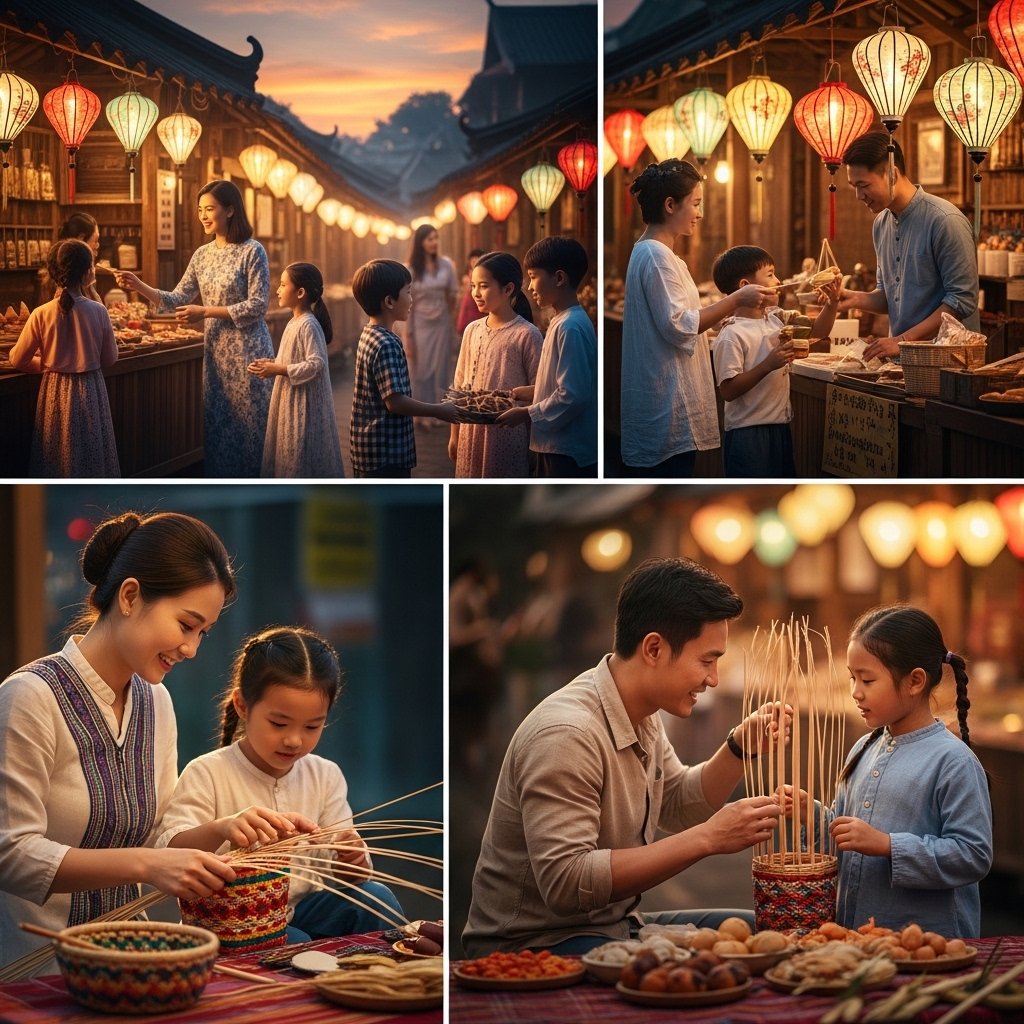
Culture is a complex tapestry of norms, values, beliefs, and traditions that shape how families raise their children. It plays a pivotal role in determining how parenting styles are developed and practiced. For instance, in many cultures, societal expectations dictate everything from discipline techniques to emotional expressions. These cultural norms are often passed down through generations, influencing how children are nurtured and prepared for adulthood [1].
Parental expectations and behaviors are significantly informed by cultural background. In collectivist cultures, like those found in many Asian and African societies, parents often prioritize group harmony and respect for elders. This can lead to a parenting style that emphasizes obedience and family obligations over individual pursuits [2]. On the other hand, individualistic cultures, such as those in the West, may encourage parents to promote independence and self-expression, reflecting their societal values [3].
Understanding the role of cultural values is essential for grasping the nuances of parenting styles. For example, in collectivist societies, discipline may involve more structured guidance, with parents making key decisions for their children’s welfare. This contrasts with individualistic cultures, where parents might adopt a more permissive approach, allowing children to explore and learn from their mistakes [1].
Cultural beliefs also dictate emotional expression within families. In some cultures, displaying emotions may be viewed as a weakness, while others encourage open emotional communication. This impacts how parents interact with their children and how children learn to express themselves [2]. Therefore, the cultural lens through which parenting is viewed can greatly influence how styles like authoritative or authoritarian are perceived and practiced [3].
As we navigate globalization, the blending of different cultural practices can lead to evolving parenting styles. Families may adopt a hybrid approach, merging traditional values with new ideas from other cultures. This is particularly evident among immigrant families, who often balance their cultural heritage with the parenting norms of their new country [1].
Ultimately, understanding how culture influences parenting styles helps us appreciate the diverse ways in which children are raised worldwide. Each approach carries its strengths and challenges, shaped by the underlying cultural context that informs parental decisions.
Collectivism vs. Individualism in Parenting
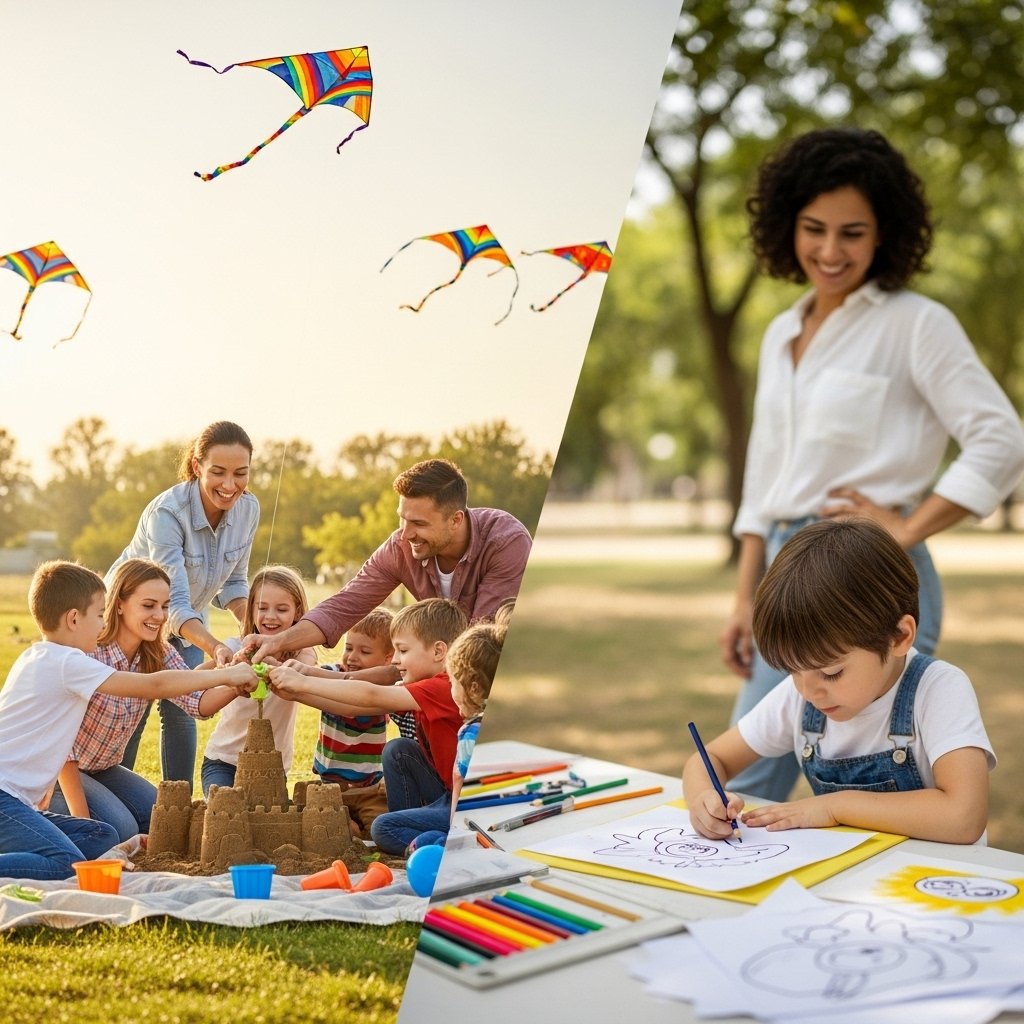
When we think about how culture influences parenting styles, the contrast between collectivism and individualism becomes important. In collectivist cultures, like those found in many Asian and African societies, parenting focuses on group harmony and family obligations. Parents often prioritize the needs of the family and community over individual desires, instilling values of respect and obedience in their children [4]. This approach fosters strong family bonds, where children learn to value shared responsibilities and collaboration from a young age.
On the flip side, individualistic cultures, prevalent in Western societies, emphasize independence and self-expression. Here, parenting styles encourage children to make their own choices and to develop unique interests. Parents in these cultures often promote autonomy and critical thinking, allowing children to voice their opinions freely [5]. This focus on individual achievement can lead to greater self-reliance and creativity, but it may also create challenges in areas like discipline, as parents navigate how to balance freedom with guidance.
Understanding the differences in these parenting styles is crucial. For instance, in collectivist societies, discipline may be approached through a lens of maintaining family honor and societal expectations. Parents might employ strategies that reinforce conformity and respect for authority, which can sometimes seem strict to those from individualistic backgrounds [4]. Conversely, in individualistic cultures, discipline often involves open dialogue and negotiation, allowing children to understand the reasoning behind rules and consequences [5].
These cultural backgrounds shape not only how parents raise their children but also the expectations placed on kids regarding their behavior and social roles. In collectivist cultures, children may be expected to prioritize family needs over personal ambitions, while in individualistic cultures, they are often encouraged to pursue their passions and express their feelings [4]. This fundamental difference in values can lead to distinct outcomes in children, influencing their social skills, emotional development, and overall outlook on life.
As globalization continues to blend cultural practices, many families find themselves navigating both worlds. They may adopt elements from collectivist and individualistic approaches, creating a unique parenting style that reflects their diverse cultural heritage. This hybrid model can be a fascinating example of how culture influences parenting, as it showcases the adaptability of family values in a rapidly changing world.
The Role of Discipline in Different Cultures
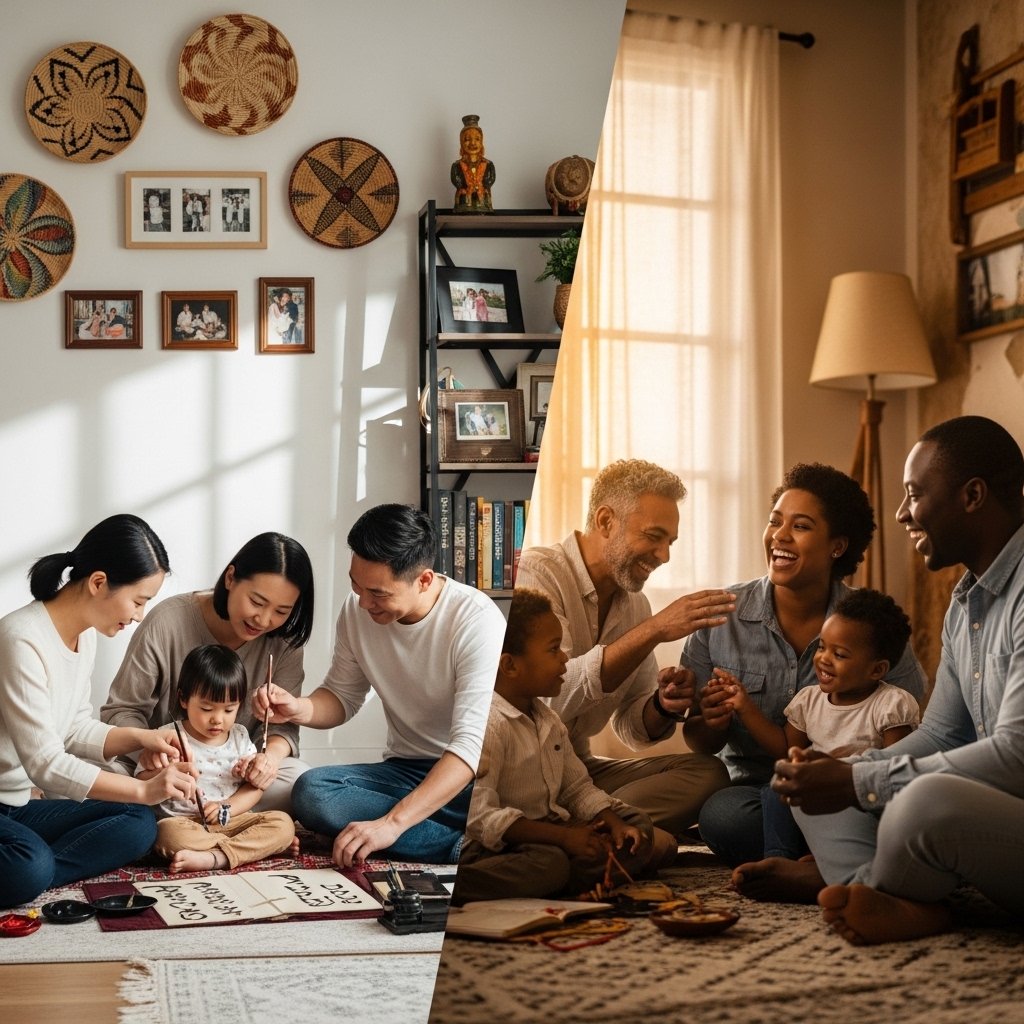
Discipline is a key component of parenting that varies significantly across cultures. Understanding how cultural backgrounds influence disciplinary approaches sheds light on the parenting styles prevalent in different societies. For instance, in many collectivist cultures, such as those found in parts of Asia and Africa, discipline is often strict and hierarchical. Here, parents may adopt an authoritarian style, emphasizing obedience and respect for authority. This approach is deeply rooted in cultural values that prioritize group harmony and familial obligations [2].
In contrast, Western cultures, which often lean towards individualism, typically favor authoritative parenting. This style combines warmth with structure, allowing children to express themselves while also setting clear boundaries. Parents in these cultures often use discipline as a teaching tool, focusing on guiding children through natural consequences rather than imposing strict rules [6]. This difference illustrates how cultural background shapes not only the methods of discipline used but also the underlying values behind these approaches.
Permissive parenting, characterized by a high degree of warmth and low control, is more common in cultures that prioritize emotional expression and personal choice. Parents using this style may allow their children significant freedom, believing that self-discovery is essential for development. However, this approach can lead to challenges, especially in cultures that value discipline and structure [6].
On the other hand, neglectful parenting, which is marked by a lack of responsiveness and guidance, can be found in various cultural contexts, often influenced by socioeconomic factors. In situations where parents are struggling to meet basic needs, they may inadvertently adopt a neglectful style, reflecting the stressors of their environment rather than their cultural beliefs [7]. This highlights the impact of external circumstances on parenting styles, demonstrating that discipline is not solely a matter of cultural values but also of practical realities.
As globalization continues to blend cultural practices, the lines between these disciplinary approaches are becoming increasingly blurred. Parents of multicultural backgrounds often find themselves merging different styles, creating hybrid approaches that draw from both collectivist and individualistic traditions. This blending can enrich parenting practices, allowing families to adapt their disciplinary methods to fit their children’s unique needs [3].
Moreover, the influence of global media cannot be underestimated. Exposure to diverse parenting styles through television, social media, and parenting blogs introduces new ideas that can challenge traditional norms. For example, positive parenting techniques that emphasize emotional support and gentle discipline are becoming popular worldwide, even in cultures that historically leaned towards stricter approaches [4].
Understanding these cultural influences on discipline helps parents appreciate the complex tapestry of parenting styles and practices. It allows them to navigate their own cultural inheritance while remaining open to beneficial practices from other cultures, ultimately enriching their parenting experience [8].
Emotional Expression and Parenting Across Cultures
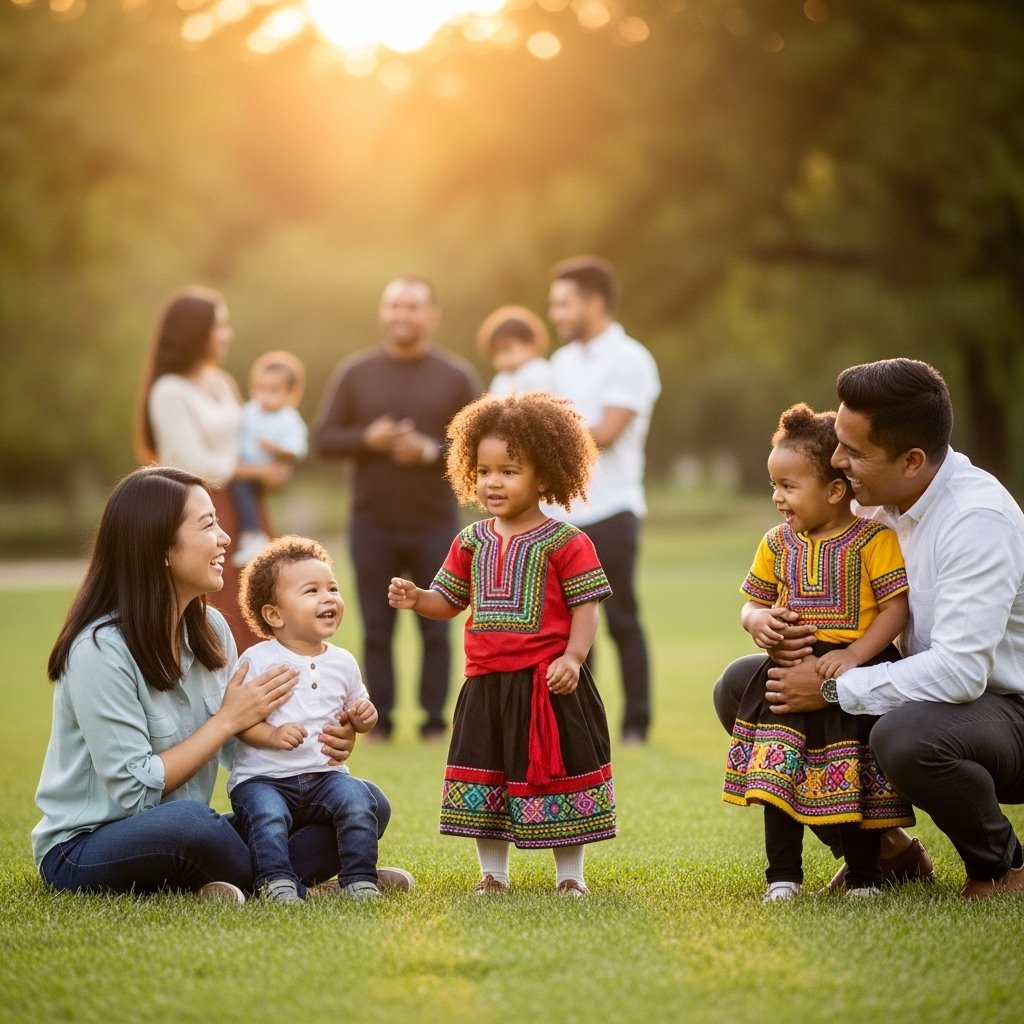
Cultural contexts play a significant role in shaping how parents express emotions and communicate with their children. In many Western cultures, emotional expression is valued, and parents often encourage their children to share their feelings openly. This approach aligns with individualistic parenting styles, which prioritize personal expression and self-awareness. Parents in these societies tend to engage in open dialogue, fostering critical thinking and emotional literacy among their children [1].
In contrast, collectivist cultures often emphasize group harmony and emotional restraint. In these contexts, parents may view emotional expressions as less important than maintaining family unity and respect for elders. Children are raised to understand the value of community, which can lead to a different attachment style. For instance, they may develop strong bonds focused on interdependence rather than independence [6]. This parenting style teaches children to prioritize familial obligations and societal expectations over individual desires.
Communication styles also vary significantly across cultures. In many collectivist societies, parents may communicate indirectly, using non-verbal cues to convey feelings and expectations. This contrasts with the direct communication often seen in Western cultures, where parents encourage explicit verbal exchanges about emotions. Such differences can influence how children learn to navigate their own emotional landscapes and interact with others [7].
Moreover, the emphasis on emotional development can differ widely. In cultures that prioritize individualism, emotional resilience may be developed through encouraging children to confront and express their emotions. Conversely, in collectivist cultures, emotional development often involves learning to manage feelings within the context of the community, which can foster a deep sense of belonging and responsibility [5].
Overall, these cultural differences in emotional expression and attachment styles not only shape parenting practices but also have lasting effects on children’s emotional and social development. Understanding these influences allows parents to appreciate how cultural background informs their approach to parenting styles and emotional well-being [6][1].
Globalization’s Impact on Parenting Styles
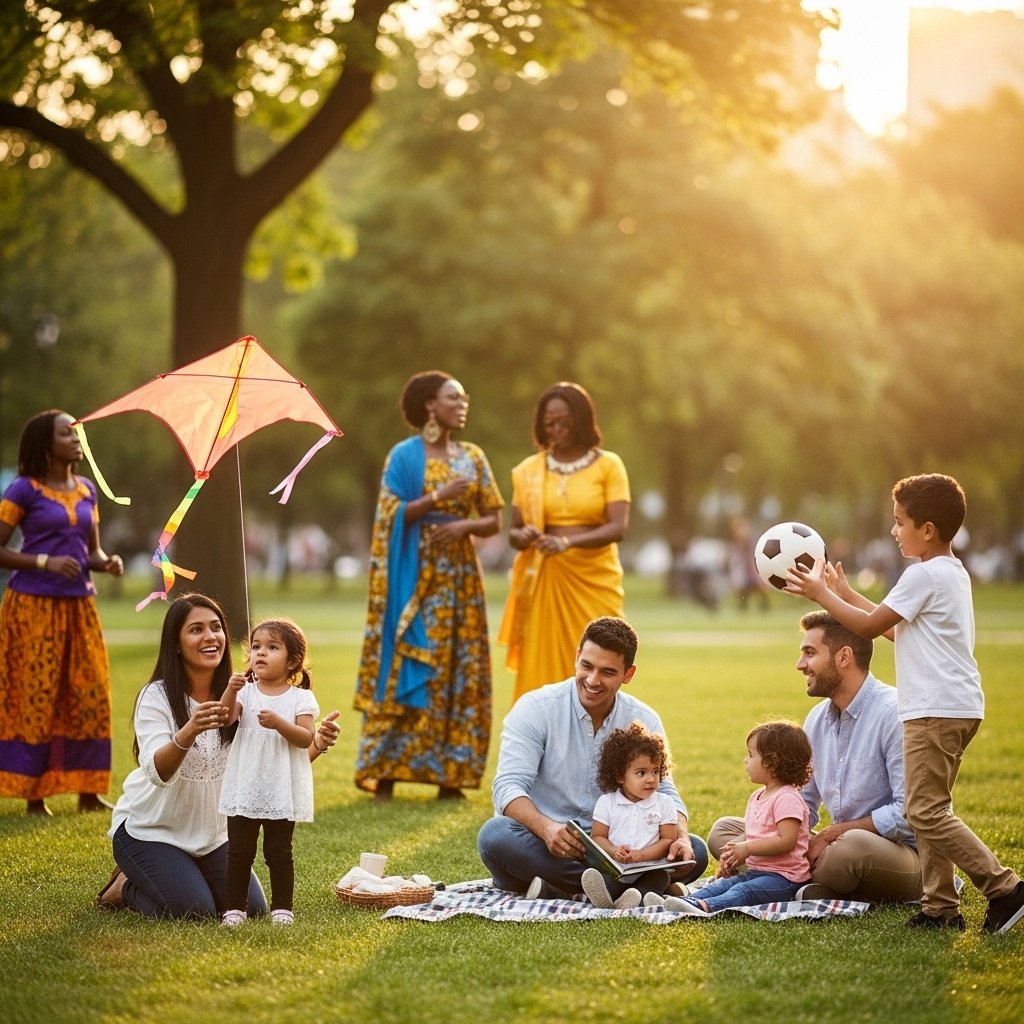
Globalization has significantly transformed parenting styles and practices around the world. As families from different cultural backgrounds come together, we see an increasing trend of blending various parenting philosophies. This blending often leads to what some call “hybrid” parenting styles, which incorporate elements from both individualistic and collectivistic cultures. These hybrid approaches are typically more flexible, allowing parents to adapt their methods to meet the diverse needs of their children [3].
One area where globalization plays a crucial role is in the exposure to different parenting styles through global media. Television shows, social media, and parenting blogs introduce parents to new ideas and techniques that challenge traditional norms. For instance, positive parenting methods—emphasizing emotional support and gentle discipline—are gaining popularity worldwide. This shift towards more supportive approaches often encourages parents to rethink their cultural background and its influence on their parenting styles [1][3].
However, the integration of diverse parenting practices can also create challenges. Multicultural families may face conflicts when parents have differing views on discipline, autonomy, and success. These differences can stem from their unique cultural backgrounds, which may prioritize various values and beliefs related to child-rearing. For instance, while one parent may lean towards authoritative methods that promote independence, the other might prefer more collectivist approaches that emphasize community and familial obligations [4]. Open communication and mutual respect are essential in navigating these differences, as they can enrich the child’s upbringing [1].
Additionally, immigrant families often grapple with balancing their traditional cultural practices with the norms of their new environment. This balancing act can lead to stress for both parents and children as they navigate the expectations of their home culture alongside those of the dominant culture. For example, a family from a collectivist background may find it challenging to adapt to a society that values individualism, affecting their approach to discipline and emotional expression [3][4].
Furthermore, raising bilingual or bicultural children often presents unique challenges. Parents must decide how to integrate both cultures into their children’s upbringing. This may involve fostering bilingualism and encouraging cross-cultural awareness, ensuring that children appreciate both their heritage and the new culture they are part of [6]. Successfully managing these cultural influences can enhance children’s adaptability and enrich their social experiences.
In summary, globalization is reshaping parenting styles by merging diverse cultural practices. While this blending can lead to innovative and adaptive approaches, it also poses challenges that families must navigate to create a harmonious and supportive environment for their children. Understanding these dynamics is essential for parents as they explore how their cultural background influences their parenting style and practices [1][3][4].
Socioeconomic Factors and Their Influence on Parenting
Socioeconomic status (SES) plays a significant role in shaping parenting styles, closely intertwined with cultural influences. Families with different economic backgrounds may have distinct approaches to raising their children, often based on the resources available to them. For instance, in economically stable environments, parents often emphasize education and personal development. They may adopt an authoritative parenting style, which encourages open communication and independence, allowing children to explore their interests and develop critical thinking skills. This approach aligns with individualistic cultures that value personal achievement and self-expression [9].
On the other hand, families facing economic instability might prioritize practical skills and resilience in their parenting practices. In these contexts, parents may adopt a more authoritarian style, focusing on discipline and structure. This shift often reflects the cultural necessity of preparing children for survival and resourcefulness in challenging environments. Here, the cultural background intersects with socioeconomic factors, influencing how parents view their role in their children’s lives [6].
Access to educational opportunities is another critical factor that shapes parenting styles. Families with higher SES can often provide their children with diverse learning experiences, such as extracurricular activities and tutoring, which promote a more well-rounded upbringing. This nurtures a parenting style that values exploration and creativity, typical in individualistic cultures. In contrast, parents from lower SES backgrounds may concentrate on ensuring their children acquire basic skills and knowledge necessary for immediate survival, reflecting a more collectivist approach that emphasizes community and family cohesion [10].
Resources also play a substantial role in determining parenting practices. Parents with limited access to resources may experience stress that affects their parenting style. This stress can lead to less patience and a more reactive approach to discipline. Cultural norms around emotional expression can further complicate this dynamic. For instance, in some cultures, openly expressing emotions is encouraged, while in others, it may be seen as a sign of weakness. Consequently, socioeconomic factors can influence how emotions are managed within families, shaping the overall parenting style [8].
Furthermore, historical context is crucial in understanding how SES influences parenting. In societies marked by significant economic challenges, parenting may focus more on instilling resilience and adaptability in children. This approach can stem from cultural traditions that value collective survival and support. Conversely, in more affluent societies, parenting styles may reflect a focus on individual achievement and personal growth, diverging from collectivist values [4].
Ultimately, the interplay between cultural background and socioeconomic factors greatly impacts parenting styles. Understanding these influences helps illustrate how deeply rooted cultural beliefs can dictate parental expectations and practices, from discipline methods to emotional expression. Each parenting choice is a reflection of both the cultural context and the economic realities families face, creating a complex tapestry of parenting styles across different cultures.
Bridging Cultural Differences in Multicultural Families
Navigating the rich tapestry of multicultural parenting can be both rewarding and challenging. Parents often find themselves blending different cultural backgrounds, which can influence their parenting styles in unique ways. Here are some strategies to help bridge these cultural differences effectively.
1. Open Family Discussions
Regular family conversations about cultural values can foster understanding and respect. Discuss what each culture brings to parenting, from discipline methods to emotional expression. This dialogue helps children grasp the importance of their diverse heritage and can solidify family bonds [12].
2. Create New Family Traditions
Combining cultural practices can enhance family cohesion. For example, celebrating holidays from both cultures can create a unique family identity that honors everyone’s roots. This blend not only enriches the parenting experience but also teaches children adaptability and respect for diversity [12].
3. Model Adaptability
Demonstrating flexibility in parenting styles is vital. Parents can show their children how to respect and blend various cultural practices. This adaptability prepares kids to navigate a multicultural world with confidence, reflecting a balance between individualism and collectivism [1].
4. Set Clear Family Guidelines
Establishing guidelines that integrate values from both cultures can help minimize confusion. For instance, if one culture emphasizes strict discipline while the other favors positive reinforcement, creating a hybrid approach can clarify expectations for the children [5]. This method can help children understand and respect both parenting styles.
5. Seek Support from Multicultural Communities
Connecting with other multicultural families can provide valuable insights and support. Sharing experiences can highlight common challenges and effective strategies for blending different parenting styles. This network can also offer emotional support and practical advice [2].
6. Focus on Cultural Awareness
Understanding how cultural background influences parenting styles is crucial. Parents who recognize that their own upbringing shapes their expectations can approach parenting with more empathy. This awareness leads to better communication and a more supportive environment for children [11].
By applying these strategies, parents in multicultural families can effectively blend diverse parenting styles. This not only enriches their children’s upbringing but also strengthens family bonds, making the parenting journey a shared and rewarding experience.
The Role of Technology and Media in Shaping Parenting
Technology and media play a significant role in shaping parenting styles across different cultures. With the rise of digital communication, parents can now access a wealth of information about various parenting methods from around the globe. This exposure can lead to a blending of parenting styles, as families encounter new ways of raising children that may differ from their cultural backgrounds. For instance, social media platforms allow parents to share experiences and advice, which can influence their approaches to discipline and emotional expression [14].
In many collectivist cultures, where community and family values are paramount, traditional parenting practices may emphasize conformity and obedience. However, the influence of Western media, which often promotes individualism, can encourage parents in these cultures to adopt more flexible approaches. The result is a unique hybrid parenting style that incorporates elements from both cultural backgrounds, allowing for a more adaptive response to children’s needs [5]. This shift can be seen in how parents balance warmth and control, adapting traditional methods to fit modern realities.
Digital communication also affects parental guidance and child development. Parents who engage with online parenting communities can gain insights into positive parenting techniques, which focus on emotional support and gentle discipline. This approach contrasts with more authoritarian styles commonly found in some cultures. As parents learn about these new strategies, they may start to incorporate them into their own practices, thereby transforming their parenting styles over time [13].
Moreover, technology impacts how children learn about relationships and social interactions. Exposure to diverse cultural practices through media can shape children’s understanding of respect, discipline, and emotional expression. For example, children in multicultural families may witness different approaches to parenting, leading to a broader understanding of how to navigate social situations [6]. This cultural transmission can have lasting effects on how children perceive authority and their roles within family and community settings.
Another significant factor is the socioeconomic landscape, as technology can either bridge or widen gaps in parenting styles. In wealthier areas, parents may have more access to resources that promote progressive parenting styles. Conversely, in lower-income regions, traditional practices might dominate due to limited exposure to diverse parenting methods. This disparity highlights how cultural and socioeconomic factors intertwine to influence the parenting styles adopted by families [4].
In summary, the role of technology and media in shaping parenting is profound. They not only introduce new ideas but also challenge traditional norms, prompting parents to reevaluate their approaches. As a result, the cultural influences on parenting styles are becoming increasingly complex, reflecting a blend of old traditions and new practices.
References
1. Types of Parenting Styles and Effects on Children – NCBI – NIH
2. Cultural Values, Parenting, and Child Adjustment in the …
3. Cross-Cultural Similarities and Differences in Parenting
4. Individualism, collectivism, and conformity in nine countries
5. Culture and Social Change in Mothers’ and Fathers … – PMC
6. Social and emotional development from a cultural …
7. Culture and Child Attachment Patterns: a Behavioral Systems …
8. Socioeconomic Status and Parenting Style From Childhood
9. COE – Young Adult Educational and Employment Outcomes …
10. Resources for Parents and Families
11. Cultural Approaches to Parenting – PMC – NIH
12. Bridging Diversity and Family Systems: Culturally Informed …
13. What Is Digital Parenting? A Systematic Review of Past … – PMC
14. Visualization, Interaction and Evaluation, and Memory – PMC