
Extracurricular activities can be a game-changer in your child’s learning journey. They not only enhance academic skills but also foster personal growth, confidence, and a sense of belonging. Let’s explore how these activities can powerfully boost your child’s learning. Read Interesting article: Mastering Study Skills: Tips for Parents to Guide Kids
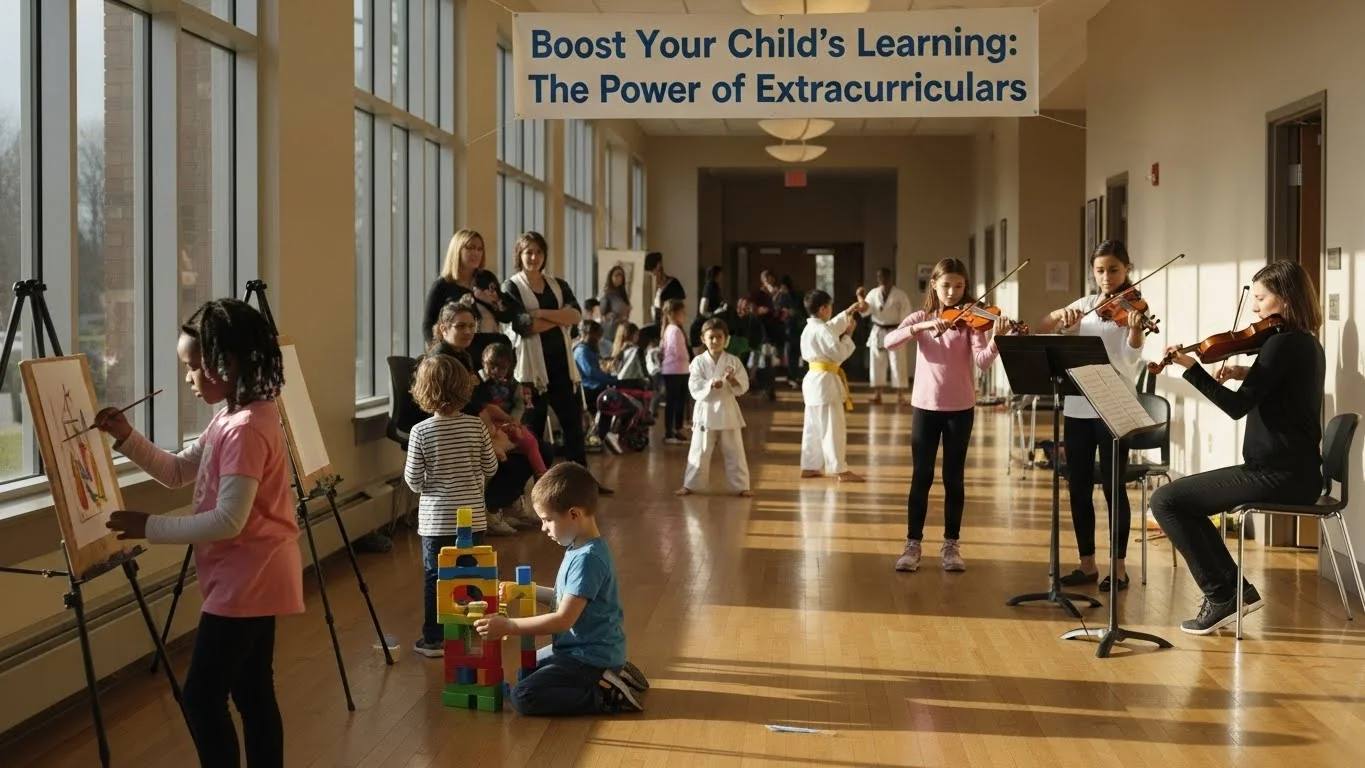
Understanding Extracurricular Activities
Definition and Purpose of Extracurriculars
Extracurricular activities are those activities that fall outside the realm of the normal curriculum at school. They can include a wide range of activities that allow children to explore interests beyond academics. I remember when my child first joined the chess club—it sparked a passion that I never realized was there! These activities serve multiple purposes, from enhancing social skills to providing a creative outlet. They can be a space where children learn teamwork, leadership, and self-discipline, all while having fun.
Types of Extracurricular Activities
With so many options available, it can be overwhelming to choose the right extracurriculars for your child. Here are some common types, each offering unique benefits.
Sports and Athletics
Sports are perhaps the most popular form of extracurricular activity. From soccer to swimming, they provide not only physical health benefits but also teach kids about discipline and teamwork. I’ve seen firsthand how my child’s participation in a local soccer league helped him develop not just fitness but also friendships. The thrill of winning a match is just icing on the cake!
Arts and Music Programs
Engaging in arts and music can be incredibly fulfilling. Whether it’s joining a band, taking dance lessons, or painting in an art class, these activities allow children to express themselves creatively. I recall how my daughter blossomed in her art class, gaining confidence as she created pieces that made her proud. These opportunities can be vital for personal expression and can even lead to future passions or career paths.
Academic Clubs and Competitions
For children who love to learn, academic clubs offer an excellent platform to delve deeper into subjects they enjoy. From science fairs to debate clubs, these activities can help sharpen critical thinking and problem-solving skills. I often encouraged my children to join math and science clubs, and I could see how their enthusiasm for learning grew through friendly competitions. It was a joy to watch them thrive in an environment that challenged their intellect. Read Interesting article: 10 Effective Study Techniques to Help Kids Succeed in School
Community Service Opportunities
Volunteering is another meaningful extracurricular option. Participating in community service teaches children the importance of giving back and can foster empathy and social responsibility. I remember when my son volunteered at a local food bank; the experience opened his eyes to different life experiences and made him appreciate his own circumstances more. It was an impactful lesson in kindness and community engagement.
The Benefits of Extracurricular Activities for Children
Enhanced Academic Performance
In my experience, children who engage in extracurricular activities often perform better in school. This improvement can stem from better time management skills developed through balancing various commitments. I found that my kids were more focused in their studies after participating in their chosen activities. They learned to prioritize and manage their time effectively, which translated to better grades.
Development of Social Skills
Extracurriculars also play a crucial role in developing social skills. When my kids joined teams and clubs, they met other children and learned the art of collaboration. I noticed how they became more comfortable communicating and expressing themselves. These interactions help kids forge friendships and develop essential skills for future success.
Improved Time Management
Finding a balance between schoolwork and extracurriculars can be a challenge, but it’s a valuable life lesson. My children learned how to allocate time effectively and prioritize tasks. Juggling homework with soccer practice taught them the importance of commitment and responsibility. These lessons in time management will serve them well throughout their lives. Read Interesting article: Effective Time Management Strategies for Homeschooling Families
Boosted Self-Esteem and Confidence
Perhaps one of the most significant benefits of extracurricular activities is the boost in self-esteem and confidence they can provide. Taking on new challenges can be intimidating, but I’ve seen my children flourish when they stepped out of their comfort zones. Whether it was performing in a school play or scoring a goal in soccer, these small victories helped them build a sense of accomplishment that positively impacted other areas of their lives.
Engaging in extracurricular activities can be a transformative experience for children. They not only enhance academic skills but also encourage personal growth, confidence, and social connections. As we navigate this exciting journey, let’s embrace the countless opportunities available and support our children in exploring their passions.
Choosing the Right Extracurricular Activities
Assessing Your Child’s Interests and Strengths
When it comes to choosing extracurricular activities, I’ve learned that the first step is really understanding my child’s interests and strengths. I remember asking my kids what they enjoyed doing the most. My son was always doodling and loved science, while my daughter was more into sports and dance. It was a revelation to see how their passions could guide us in selecting the right activities. I recommend sitting down with your child and having a candid conversation about what excites them. You might be surprised at what they reveal! Consider their personality too; some kids thrive in group settings, while others might prefer solitary activities like painting or writing.
Finding Balance Between School and Extracurriculars
Balancing academics with extracurriculars can be a juggling act. I’ve seen how easy it is for kids to get overwhelmed, especially when they’re passionate about various activities. When my daughter joined the school play while also practicing for soccer, she quickly found herself stretched too thin. That’s when we had to sit down and reassess her commitments. I believe it’s crucial to create a schedule that allows for both schoolwork and fun without sacrificing one for the other. Establishing a routine helped us carve out time for homework, practice, and downtime. I often remind my kids that it’s okay to say no to some activities if they’re feeling overloaded. It’s all about quality, not quantity!
Considerations for Different Age Groups
As children grow, their interests and abilities evolve, so it’s essential to choose age-appropriate activities. When my kids were younger, we focused on a variety of exploratory activities—like art classes, swimming, and music. These helped them discover their preferences in a low-pressure environment. As they approached middle school, however, I noticed a shift. They wanted to delve deeper into specific areas, like competitive sports or advanced art programs. It’s important to allow them the space to explore their identity and passions as they grow. I’ve found that constantly checking in with them about their feelings on their activities helps ensure they remain engaged and excited about what they’re doing.
How Extracurriculars Support Learning Styles
Hands-On Learning Opportunities
Extracurricular activities offer fantastic hands-on learning experiences that you often don’t find in a traditional classroom setting. I’ve seen my children engage in projects that involved building things or creating art, which helped them grasp complex concepts more easily. For example, when my son participated in a robotics club, he wasn’t just learning about engineering; he was getting to physically create and test his designs. This kind of experiential learning can deepen understanding and retention. If your child is a kinesthetic learner, these opportunities can make a real difference in how they absorb information.
Encouraging Critical Thinking and Creativity
Extracurriculars often push kids to think critically and creatively. I remember my daughter’s experience in the debate club. It really challenged her to articulate her thoughts and consider opposing viewpoints, which not only sharpened her reasoning skills but also enhanced her confidence in public speaking. Such activities encourage kids to explore different perspectives, fostering a more well-rounded understanding of the world. I believe this is essential for developing future leaders who can think outside the box.
Real-World Application of Academic Concepts
One of the most rewarding aspects of extracurricular activities is how they allow children to apply what they learn in school to real-world scenarios. For instance, I noticed that when my kids participated in community service projects, they began to connect their social studies lessons to tangible issues in the community. This helped make their learning relevant and meaningful. Whether through environmental clubs focusing on sustainability or math clubs engaged in competitions, real-world applications make academic concepts come alive. I think this is what makes learning truly exciting and impactful!
The Role of Parents in Extracurricular Engagement
Supporting Your Child’s Choices
As parents, we play a crucial role in supporting our children’s extracurricular choices. I’ve found that my encouragement means the world to them. When my son expressed interest in joining the chess club, I took the time to learn about chess myself so we could share that interest. I think it’s vital to show enthusiasm for their pursuits, even if they differ from our own interests. Being involved, even at a distance, can help boost their confidence and motivate them to stick with it.
Encouraging Commitment and Participation
Once kids choose their activities, it’s important for us to encourage them to commit fully. I’ve seen how sticking with an activity can lead to deeper connections and more profound experiences. For instance, when my daughter initially wanted to quit dance after a tough class, I reminded her of the joy she felt during performances. We talked about the importance of perseverance, and it turned out to be a pivotal moment for her. I believe instilling the value of commitment can teach our children that success often comes from dedication and hard work.
Balancing Overscheduling
While it’s great to see our kids engaged, it’s also easy to fall into the trap of overscheduling. I’ve been guilty of this myself, signing my kids up for everything under the sun! However, I learned that it’s essential to set limits and be mindful of their well-being. Regular check-ins to see how they feel about their activities can help prevent burnout. I think it’s important to foster an environment where they feel comfortable discussing their limits and knowing that it’s okay to step back if they need to. Balancing commitments will ultimately lead to a happier, more fulfilled child.
Impact of Extracurriculars on Future Opportunities
College Admissions and Scholarships
One of the most significant impacts of participating in extracurricular activities is on college admissions and scholarships. I’ve watched as my friends’ children navigated the college application process, and it was fascinating to see how their involvement in various activities made them stand out. Colleges often look for well-rounded students who have demonstrated commitment, leadership, and passion beyond the classroom. My daughter, for instance, received a scholarship largely because of her dedication to the robotics club and her role in community service. These experiences showcased her ability to manage her time effectively and her commitment to making a difference, which resonated with the admissions officers. I believe that engaging in extracurriculars can open doors that might not otherwise be available, helping our children stand out in a competitive field.
Building a Network of Connections
Extracurricular activities are also an excellent way for children to build a network of connections that can benefit them in the future. I remember when my son participated in a science fair and had the opportunity to meet local professionals in the field. These interactions not only inspired him but also provided him with valuable contacts. Networking can be incredibly beneficial as kids move into college and the workforce. They can meet mentors and friends who share their interests, which can lead to internships, job opportunities, and lasting friendships. I encourage parents to help their children understand the importance of these connections. Every interaction counts, and fostering these relationships can lead to exciting opportunities down the road.
Development of Leadership Skills
Participating in extracurricular activities often helps children develop essential leadership skills. I’ve noticed how being part of a team or club can instill a sense of responsibility in kids. My daughter took on a leadership role in her debate club, and I saw her grow tremendously as she learned to guide discussions and support her peers. These experiences teach valuable lessons about collaboration, conflict resolution, and decision-making. As they take on responsibilities within their activities, children learn what it means to lead by example. I think these leadership skills are crucial for their future, whether in college, the workplace, or even within their communities.
Overcoming Challenges with Extracurricular Participation
Time Management Issues
Despite the numerous benefits, there can be challenges when kids engage in extracurricular activities. One of the most common issues is time management. I remember a particularly hectic month when my son had soccer, band practice, and a science project due all at once. We had to work together to prioritize and create a schedule that would allow him to manage all his commitments without feeling overwhelmed. I learned that teaching children effective time management skills early can set them up for success. We used tools like planners and digital calendars to help them visualize their commitments and make adjustments as needed. It’s essential to encourage our kids to recognize when they’re nearing their limits and to advocate for themselves if they need to step back.
Dealing with Burnout
Burnout is another issue that can arise from too many extracurricular commitments. I’ve seen kids, including my own, become exhausted and disengaged when they take on too much. It’s vital for us as parents to recognize the signs of burnout early. I remember when my daughter seemed less enthusiastic about her dance class; it was a cue for us to reassess her schedule. Having open conversations about how they’re feeling can help kids express when they’re overwhelmed. I’ve found it beneficial to encourage them to take breaks and remind them that it’s okay to step back from certain activities if they’re feeling stretched too thin. Fostering a healthy balance between commitment and self-care is key.
Encouraging Resilience and Perseverance
Extracurricular activities can also present challenges that will require children to develop resilience and perseverance. I recall a time when my son faced a tough loss in soccer. It was disheartening for him, but through support and encouragement, he learned how to cope with disappointment. I think these moments are vital for teaching kids how to handle setbacks gracefully. Encouraging them to view challenges as opportunities for growth can help them develop a stronger character. I believe these experiences not only prepare them for future obstacles but also instill a sense of determination that can carry them through life.
Success Stories: Inspiring Examples of Extracurricular Impact
Case Studies of Successful Students
I’ve come across some incredible stories of students whose lives were transformed by their involvement in extracurricular activities. For instance, a friend of mine shared how her daughter, Emily, initially struggled with academics. However, once she joined the school’s robotics club, everything changed. The hands-on experience ignited her passion for science and technology. By the time she graduated, Emily had not only improved her grades but also earned a scholarship to a prestigious tech university. It’s amazing how finding the right activity can bring out hidden strengths!
Another inspiring example is of a boy named Lucas, who faced social anxiety. He found solace in a drama club, which pushed him to step outside his comfort zone. Participating in plays helped him gain confidence, and he eventually became the lead in his school’s annual production. The skills he developed in drama translated into better communication and social interaction in all areas of his life. These stories remind me how pivotal the right extracurriculars can be in shaping a child’s future.
Testimonies from Parents and Educators
I often hear from other parents and educators about the profound effects of extracurricular activities. One teacher told me about a student who was quiet and withdrawn but became a star in the school choir. This student blossomed under the encouragement of her music teacher, who recognized her talent and nurtured it. By the end of the year, she not only gained confidence in her singing but also made new friends, which helped her socially. It’s heartwarming to see how supportive environments can lead to remarkable transformations.
Similarly, a parent shared how her son, who struggled with organization and focus, thrived after joining a debate team. The structured environment and engaging discussions helped him develop critical thinking skills and learn how to articulate his thoughts better. Now, he’s considering a career in law! Hearing these testimonials reinforces my belief that extracurriculars can be the catalyst for change in a child’s life.
Resources and Tools for Extracurricular Involvement
Finding Local Programs and Clubs
When it comes to finding the right extracurriculars, local resources can be incredibly helpful. I recommend checking community centers, libraries, and schools for lists of clubs and activities offered. Websites like Meetup can also connect families with local interest groups. I’ve even found success on community social media groups where parents share recommendations for clubs and activities in our area.
Online Platforms for Extracurricular Activities
In our tech-driven world, online platforms have become a treasure trove for extracurricular options. Websites like VolunteerMatch allow you to find local volunteering opportunities that suit your child’s interests. Additionally, platforms like Outschool offer a variety of online classes and workshops, from coding to creative writing. I’ve used these resources to find engaging activities for my kids that fit into our busy schedule without compromising on quality.
Community Resources and Support Groups
Community resources can significantly enhance your child’s extracurricular experience. Many towns have parent associations that organize events and activities for children. Joining these groups can also provide you with support from other parents who share your interests and concerns. I found that connecting with other parents not only helped me discover new opportunities for my kids but also created a supportive network where we could share advice and experiences.
Final Thoughts
Engaging in extracurricular activities is more than just a way to fill a child’s schedule; it’s about fostering growth, confidence, and a sense of belonging. From the stories of children who have thrived to the resources available for finding the right fit, it’s clear that these activities play a vital role in shaping our children’s futures. As parents, we have the unique opportunity to guide our children in their exploration of interests that could ignite lifelong passions. By supporting their journeys and encouraging them to embrace challenges, we not only help them build skills but also create lasting memories. Let’s celebrate the transformative power of extracurricular activities and continue to champion our children’s diverse talents and aspirations!
Frequently Asked Questions
What are extracurricular activities?
Extracurricular activities are those activities that fall outside the normal curriculum at school, allowing children to explore interests beyond academics. They serve multiple purposes, including enhancing social skills, providing a creative outlet, and teaching teamwork, leadership, and self-discipline.
What types of extracurricular activities are available for children?
Common types of extracurricular activities include sports and athletics, arts and music programs, academic clubs and competitions, and community service opportunities. Each type offers unique benefits that contribute to personal growth and skill development.
How do extracurricular activities enhance academic performance?
Children who engage in extracurricular activities often perform better in school due to improved time management skills developed through balancing various commitments. This experience helps them focus on their studies and translate their organizational skills into better academic outcomes.
How can extracurricular activities help with social skills development?
Extracurricular activities provide opportunities for children to meet peers, learn collaboration, and improve communication skills. These interactions help them forge friendships and develop essential skills for future success in social and professional environments.
What role do parents play in their child’s extracurricular engagement?
Parents play a crucial role by supporting their child’s choices, encouraging commitment and participation, and helping to balance activities to avoid overscheduling. Their involvement can significantly boost a child’s confidence and motivation to stick with their chosen activities.
How can parents assess their child’s interests for extracurricular activities?
Parents can assess their child’s interests by having candid conversations about what excites them. Observing their hobbies and strengths can guide the selection of activities that align with their preferences, ensuring a more engaging experience.
What challenges might children face when participating in extracurricular activities?
Challenges can include time management issues, burnout from overscheduling, and developing resilience when facing setbacks. It is important for parents to recognize these challenges and provide support to help their children navigate them effectively.
How do extracurricular activities impact future opportunities like college admissions?
Participation in extracurricular activities can enhance college admissions prospects and scholarship opportunities. Colleges often look for well-rounded students who demonstrate commitment, leadership, and passion beyond academics, which can help candidates stand out.
What are some resources for finding extracurricular activities?
Local resources such as community centers, libraries, and schools are great starting points for finding extracurricular programs. Online platforms like VolunteerMatch and Outschool also offer various opportunities that cater to children’s interests and schedules.
Can you provide examples of successful outcomes from extracurricular participation?
Yes, there are numerous inspiring stories of students whose lives were transformed through extracurricular activities. For example, students have improved academic performance, gained confidence in social situations, and discovered passions that led to scholarships and career paths due to their involvement in clubs and programs.