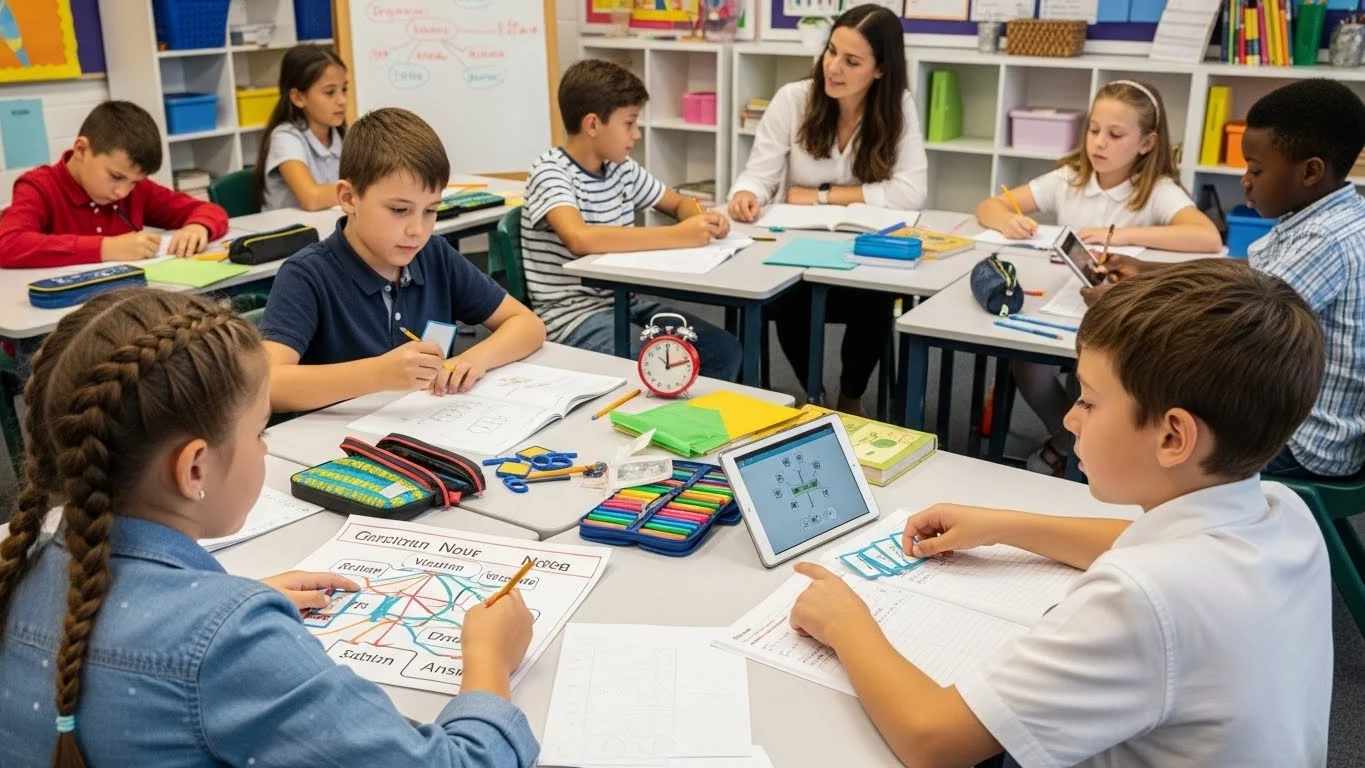
Every child has the potential to shine in school, but sometimes they just need the right tools to help them thrive. Let’s explore effective study techniques that can make a real difference in their academic journey! Read Interesting article: Unlocking Your Child’s Potential: Study Techniques That Work
10 Effective Study Techniques to Help Kids Succeed in School
Understanding the Importance of Study Techniques
Why Study Techniques Matter for Academic Success
When I first started school, I thought that simply reading my textbooks would be enough to ace my classes. But I quickly learned that this approach wasn’t working for me. I found myself overwhelmed and struggling to retain information. It was during this time that I discovered the value of effective study techniques. They became my best friends in achieving academic success.
In my experience, study techniques are crucial because they provide a structured way to learn, making the process more efficient and enjoyable. Think of them as a toolkit for students—each technique offers a different way to engage with the material. For example, some kids might thrive on visual aids, while others could benefit from group discussions. By implementing these techniques, students can enhance their comprehension, improve retention, and ultimately achieve better grades. Read Interesting article: Top Strategies for Inclusive Classrooms on a Budget
How Study Techniques Benefit Different Learning Styles
Every child is unique, and I’ve seen firsthand how different learning styles can impact their study habits. Some kids are visual learners who grasp concepts better through diagrams and charts, while others are auditory learners who benefit from discussing topics out loud. Kinesthetic learners need hands-on activities to understand the material fully. Recognizing these differences has been a game changer for me as a parent and a learner.
By using a variety of study techniques, we can cater to these different learning styles. For instance, I remember when my child struggled with math concepts. We started using visual aids like graphs and blocks, and it was incredible to see their understanding grow. Each study technique can be tailored to fit a child’s learning needs, making it easier for them to absorb and retain information.
Top 10 Effective Study Techniques
1. Active Recall
Active recall is one of my favorite study methods, and it’s all about retrieving information from memory. Instead of passively reading notes, I encourage kids to quiz themselves on the material. This not only helps reinforce what they’ve learned but also highlights areas that need more focus. I’ve found flashcards to be incredibly useful for this technique. It turns studying into an interactive experience rather than a mundane task.
2. Spaced Repetition
Spaced repetition is another technique that has truly transformed my approach to studying. It involves reviewing material at increasing intervals to enhance retention. I remember using apps designed for spaced repetition, and they helped me memorize vocabulary words for foreign languages like a breeze! By spacing out study sessions, students can retain information more effectively and avoid cramming before tests.
3. Mind Mapping
Mind mapping is a creative and visual way to organize information. I’ve made it a habit to create mind maps whenever I’m trying to understand a complex topic. It’s amazing how putting ideas in a visual format makes them easier to connect and remember. Plus, it’s fun to use colors and drawings, which can make study sessions more enjoyable for kids.
4. The Pomodoro Technique
The Pomodoro Technique has been a lifesaver for time management. It involves studying for 25 minutes followed by a 5-minute break. I was skeptical at first, but after trying it, I noticed a significant boost in my focus and productivity. This method helps students maintain concentration and prevents burnout, which I believe is crucial for long-term learning.
5. Summarization
Summarization is all about condensing information to its core ideas. After reading a chapter or completing a lesson, I encourage kids to write brief summaries in their own words. This not only reinforces their understanding but also helps identify key concepts. I’ve seen how summarizing material can make it less overwhelming and easier to review later on.
6. Practice Testing
Practice testing is one of the most effective ways to prepare for exams. I remember creating quizzes based on my study material, and those sessions were not only informative but also boosted my confidence. It’s a great way for kids to check their understanding and get comfortable with the format of upcoming tests. Plus, it takes the pressure off when it’s time for the real thing!
7. Interleaved Practice
Interleaved practice involves mixing different subjects or topics during study sessions. Initially, I thought focusing on one subject at a time was the way to go, but I quickly learned that interleaving can help deepen understanding. My child has benefited from this approach, as it encourages them to make connections between different concepts, strengthening their overall grasp of the material.
8. Visual Aids
Visual aids like charts, graphs, and infographics can transform the learning experience. I love incorporating these tools into study sessions because they cater to visual learners and make complex information more digestible. Whether it’s a poster on the wall or a digital infographic, visual aids can significantly enhance retention and understanding.
9. Group Study Sessions
Group study sessions can be a fun and effective way to learn. I remember studying with friends, and we would discuss topics, quiz each other, and share insights. The social aspect makes learning enjoyable and allows kids to gain different perspectives on the material. It’s also motivating to work together towards common academic goals.
10. Goal Setting and Time Management
Lastly, goal setting and time management are essential skills for academic success. I’ve always encouraged my kids to set realistic, achievable goals for their studies. Breaking tasks into smaller, manageable pieces not only makes studying less daunting but also instills a sense of accomplishment as they complete each goal. Time management skills can significantly reduce stress, making the academic journey smoother for kids. Read Interesting article: Master Time Management: Essential Tips for Homeschooling Success
Choosing the Right Study Technique for Your Child
Assessing Your Child’s Learning Style
I’ve learned that assessing my child’s learning style is the first step in choosing the most effective study technique. It’s fascinating how different kids absorb and process information uniquely. I remember when I first began to notice my child’s preferences during our study sessions. They would light up when we used colorful diagrams and hands-on activities, but seemed to zone out during long lectures or reading sessions. This observation made me realize that understanding their learning style could help us select the right techniques together.
There are several ways to assess a child’s learning style. I found it helpful to pay attention to how they enjoy learning. Do they enjoy drawing and creating visual aids? Are they always moving around, needing to engage with their lessons physically? Or do they gravitate towards listening to podcasts or discussions? By observing these tendencies, we can tailor our approach. I also recommend having open conversations with our kids about what types of study methods they find enjoyable or challenging. This dialogue can lead to a more personalized learning experience.
Determining the Best Technique for Different Subjects
Not all subjects require the same study techniques. I’ve noticed that certain subjects resonate better with specific methods. For instance, when my child was learning history, we found that techniques like mind mapping and summarization worked wonders. Visual timelines and creating mind maps helped them organize the vast amounts of information in a way that made sense. On the other hand, subjects like math required practice testing and interleaved practice to master problem-solving skills and concepts.
It’s essential to be flexible and willing to adapt our study techniques based on the subject matter. For example, in science, hands-on experiments and visual aids can bring abstract concepts to life, while in literature, group discussions can foster deeper understanding and insights. I’ve seen how tweaking our approach for each subject has enhanced my child’s engagement and comprehension. It’s all about finding that sweet spot where the study method aligns with the content being taught.
Creating an Effective Study Environment
Minimizing Distractions
Creating a conducive study environment has been a game changer for us. I remember the days when my child would try to study in a cluttered room, surrounded by toys, phones, and other distractions. It was challenging for them to focus, and I could see their frustration growing. That’s when I decided we needed to make some changes. We worked together to create a designated study space that was quiet, organized, and free from distractions.
We found that minimizing distractions was crucial for maintaining focus. I suggested turning off notifications on devices and keeping the study area tidy. I also learned that having a set study schedule helped my child mentally prepare for their study time, signaling that it was time to focus. These small adjustments made a significant difference in their ability to concentrate and absorb information.
Organizing Study Materials
Alongside minimizing distractions, organizing study materials has been essential. I’ve discovered that having everything in order not only saves time but also reduces stress. Together, we created a system for organizing notes, textbooks, and supplies. We used folders and binders to keep subjects separate and established a consistent labeling system. My child loves having their materials in designated spots, and it allows them to find what they need quickly—no more rummaging through piles of papers!
Additionally, we started incorporating digital tools for organization. There are several apps available that help students keep track of assignments and deadlines. I’ve found that these tools not only help my child stay organized but also teach them valuable skills for managing their time and tasks efficiently. It’s been rewarding to see them take ownership of their materials and study space.
Using Technology to Enhance Learning
Technology can be a fantastic ally in the learning process. I remember when we started exploring educational apps and online resources that aligned with my child’s study techniques. We discovered interactive platforms that offered quizzes, flashcards, and even virtual study groups. It was exciting to see how these tools could bolster traditional study methods.
For example, when we used a language learning app that included spaced repetition and practice testing, my child began to grasp vocabulary words much faster than before. Similarly, we found that there are countless educational videos available that explain complex concepts in fun and engaging ways. Incorporating technology into our study sessions has not only made learning more enjoyable but has also kept my child motivated. It’s amazing how these resources can complement the techniques we’ve been using and lead to deeper understanding.
How to Motivate Kids to Use Study Techniques
Setting Realistic Expectations
Motivating kids to use study techniques can sometimes be a challenge. I’ve found that setting realistic expectations is paramount. I remember a time when my child felt overwhelmed by the amount of material they needed to cover. I quickly realized that breaking down their goals into manageable pieces made a huge difference. We started setting small, achievable targets for each study session, which helped them see progress without feeling overwhelmed. This process fostered a sense of accomplishment and encouraged them to continue using the techniques we discussed.
Reward Systems for Study Achievements
Implementing a reward system has also proven effective. I’ve found that recognizing my child’s efforts goes a long way in keeping them motivated. We decided to incorporate a simple reward system that acknowledges their hard work. Whether it’s a small treat, extra screen time, or a fun outing, celebrating their achievements has reinforced positive study habits. It’s rewarding to see their eyes light up when they realize that their effort pays off!
Encouraging Self-Reflection and Improvement
Encouraging self-reflection has been another crucial aspect of motivation. I often sit down with my child and discuss what study techniques worked for them and what didn’t. This reflection helps them understand their learning journey and identify areas for improvement. It’s empowering for them to take ownership of their learning process and feel confident in trying new techniques. I believe that this self-awareness fosters a love for learning that will last a lifetime.
Common Challenges and Solutions in Study Techniques
Overcoming Procrastination
Procrastination is something I think we all struggle with at times, especially when it comes to studying. I remember my child would often put off assignments until the last minute, feeling overwhelmed by everything they had to do. To tackle this, we introduced a few strategies that really helped. One of the first things we tried was breaking tasks down into smaller, more manageable bits. Instead of looking at a big project as a whole, we started setting mini-deadlines for each part, which made it feel less daunting.
We also discovered the power of a study schedule. I helped my child create a daily planner that included specific times dedicated to studying, along with breaks in between. This structure not only made it easier for them to get started but also gave them a sense of routine. I found that when they had a set plan, they were less likely to procrastinate. Plus, checking off completed tasks brought a sense of accomplishment that motivated them to keep going.
Addressing Test Anxiety
Test anxiety is another challenge I’ve seen many kids face, including my own. The pressure of doing well can sometimes be overwhelming, leading to a mental block during exams. I remember one time when my child was so nervous about an upcoming math test that they could hardly focus on studying. To mitigate this, we worked on developing a positive mindset around testing. I encouraged them to think of tests as opportunities to showcase what they’ve learned rather than a judgment of their abilities.
We also practiced relaxation techniques together, such as deep breathing exercises and visualization. I would have them close their eyes and imagine themselves walking into the test room feeling calm and confident. It was incredible to see how these simple techniques helped reduce their anxiety levels. Furthermore, we made a habit of doing practice tests, which not only familiarized my child with the exam format but also built their confidence over time. I truly believe that preparing well can help alleviate much of that stress.
Managing Time Effectively
Time management has always been a critical skill, and I’ve noticed that many kids struggle with it as they juggle schoolwork, extracurricular activities, and social lives. I remember feeling the same way when I was younger. To help my child manage their time effectively, we started using a digital calendar together. It was eye-opening for them to see how allocating time for each subject and activity could create balance in their day-to-day life.
We also discussed prioritizing tasks. I encouraged them to identify which assignments were due soon and which subjects needed more attention. One technique we found helpful was the Eisenhower Matrix, which helps distinguish between what’s urgent and important. This way, my child learned to focus on what truly mattered rather than getting caught up in less significant tasks. It has transformed our approach to time management, and I believe it’s a skill they’ll carry with them throughout their lives.
Parental Involvement in Study Techniques
How Parents Can Support Study Habits
As a parent, I believe that being involved in my child’s education is essential for their success. I always try to create a supportive atmosphere that encourages learning. One way I do this is by being available to help when they have questions or need guidance. I remember a time when my child was struggling with a science project, and instead of stepping in to do it for them, I encouraged them to brainstorm ideas with me. Together, we developed a plan that empowered them to take ownership of their work.
Additionally, I learned that showing interest in what they’re studying can make a big difference. I often ask my child about their classes and what they’re learning, which opens up opportunities for conversation. Sometimes, we even watch educational videos or read articles together related to their subjects. This involvement has not only strengthened our bond but also made my child feel more supported in their academic journey.
Communicating with Teachers for Academic Support
Another aspect of parental involvement that I find crucial is maintaining communication with teachers. I’ve made it a point to attend parent-teacher conferences and reach out via email when I have questions or concerns. I remember a time when my child was having difficulty in a particular subject, and the teacher was incredibly helpful. By discussing my child’s progress and asking for advice on how to help at home, I was able to gain valuable insights into effective strategies to support my child’s learning.
Building a relationship with teachers can also provide additional resources, such as tutoring options or recommendations for study materials. I’ve noticed that when parents and teachers work together, it creates a more cohesive support system for the students. This collaboration can make all the difference in a child’s academic experience, and it’s something I wholeheartedly encourage other parents to do as well.
Resources for Further Learning
Books on Study Techniques
If you’re looking to dive deeper into effective study techniques, I recommend checking out some great books that have helped me along the way. Titles like “Make It Stick” by Peter C. Brown and “How We Learn” by Benedict Carey opened my eyes to various methods of studying and retaining information. These books are filled with practical tips and insights that can really enhance anyone’s studying approach!
Online Courses and Workshops
Online courses and workshops can be fantastic resources for both parents and kids. Websites like Coursera and Khan Academy offer a range of subjects that help reinforce classroom learning. I often encourage my child to explore these platforms, as they provide interactive lessons and exercises that can enrich their understanding. Plus, the convenience of learning at their own pace is a huge bonus!
Educational Apps and Tools
Lastly, there are numerous educational apps and tools that I’ve found beneficial. For example, apps like Quizlet and Anki are excellent for flashcards and practice testing, while platforms like Khan Academy and Duolingo make learning engaging and fun. I love that technology can be harnessed to support study techniques and make the learning process more dynamic. By exploring these resources, we can further enhance our study methods and help our kids thrive academically!
Frequently Asked Questions
Why are study techniques important for academic success?
Study techniques provide a structured way to learn, making the process more efficient and enjoyable. They enhance comprehension, improve retention, and ultimately help students achieve better grades.
How do different study techniques cater to various learning styles?
Different study techniques can be tailored to fit a child’s unique learning style. For instance, visual learners may benefit from diagrams and charts, while auditory learners thrive through discussions. Kinesthetic learners need hands-on activities to understand the material fully.
What is active recall and how can it be used effectively?
Active recall involves retrieving information from memory, such as quizzing oneself on the material. This technique reinforces learning and highlights areas needing more focus, with flashcards being a particularly useful tool.
What is the Pomodoro Technique?
The Pomodoro Technique involves studying for 25 minutes followed by a 5-minute break. This method helps maintain concentration and prevents burnout, thereby enhancing productivity during study sessions.
How can summarization aid in studying?
Summarization involves condensing information to its core ideas, which reinforces understanding and helps identify key concepts. Writing brief summaries in their own words makes material less overwhelming and easier to review later.
What role does a conducive study environment play in effective studying?
Creating a conducive study environment minimizes distractions and enhances focus. A tidy and organized space, along with a set study schedule, can significantly improve a child’s ability to concentrate and absorb information.
How can parents support their child’s study habits?
Parents can support their child’s study habits by being involved in their education, helping with questions, and showing interest in what they’re studying. This involvement creates a supportive atmosphere that encourages learning.
What strategies can help overcome procrastination in studying?
To overcome procrastination, breaking tasks into smaller, manageable bits and creating a study schedule can help. Setting mini-deadlines and having a structured plan reduces feelings of overwhelm and encourages progress.
How can technology enhance learning and study techniques?
Technology can enhance learning through educational apps and online resources that complement traditional study methods. Interactive platforms offering quizzes, flashcards, and engaging videos can make learning more enjoyable and effective.
What are some recommended resources for further learning about study techniques?
Recommended resources include books like “Make It Stick” by Peter C. Brown, online courses from platforms like Coursera and Khan Academy, and educational apps like Quizlet and Anki that support various study techniques.
Every child has the potential to excel academically, but mastering study skills is key. As parents, we play a vital role in guiding our kids to develop these essential skills that can shape their learning journey. Read Interesting article: 10 Effective Study Techniques to Help Kids Succeed in School
Mastering Study Skills: Tips for Parents to Guide Kids
Understanding Study Skills: An Overview
When I first started to navigate the world of academics with my kids, I realized that study skills are crucial for their success. But what exactly are these skills? Understanding study skills means recognizing the various techniques and strategies that help students learn effectively. They encompass everything from organizing information to managing time wisely.
Definition of Study Skills
In my experience, study skills can be defined as the set of strategies that enable effective learning. These skills are not just about memorizing facts but also about understanding concepts, applying knowledge, and developing critical thinking. From creating flashcards to summarizing notes, these skills are tools that help students absorb information and retain it for the long haul.
Importance of Study Skills in Academic Success
I’ve seen firsthand how mastering study skills can transform a child’s academic journey. When kids learn how to study effectively, they tend to perform better in school. They become more confident, self-sufficient learners who can tackle challenges with ease. I remember a time when my daughter struggled with her math homework; once we introduced structured study techniques, her grades improved, and she felt more in control of her learning. Read Interesting article: Unlocking Your Child’s Potential: Study Techniques That Work
Moreover, study skills are not just about doing well in school; they’re about preparing for life. As children learn to manage their time and study efficiently, they develop habits that will serve them well beyond the classroom. I believe that instilling these skills early on sets them up for success in their future careers and personal lives.
Different Types of Study Skills
There’s a wide array of study skills that kids can develop, each serving a different purpose. I’ve come to appreciate the diversity of these skills and how they can cater to various learning styles. Here are some of the most important types:
Organizational Skills: Keeping track of assignments, deadlines, and materials is essential. I found that using planners or digital calendars helped my kids stay organized.
Time Management: Learning how to prioritize tasks and allocate time wisely can make a huge difference. We often worked together on creating schedules that balanced schoolwork and leisure time.
Note-Taking Skills: Effective note-taking can help reinforce learning. I encouraged my kids to explore different methods, like the Cornell method or mind mapping, to find what worked best for them.
Study Techniques: This includes everything from summarizing information to creating visual aids. I often sat down with my kids to brainstorm creative ways to study.
Test-Taking Skills: Knowing how to prepare for and approach exams is crucial. We practiced mock tests at home to build their confidence.
Recognizing these various types of study skills has helped me tailor my approach as a parent. Each child is unique, and what works for one might not work for another. I found that being flexible and open to trying new strategies is key. We often experimented to discover which techniques resonated with my kids, and it was rewarding to see them flourish as they found their rhythm.
As we delve deeper into the world of study skills, I hope to share more insights on how we can help our children navigate this journey. In the next sections, we’ll explore specific skills that are particularly beneficial for kids, as well as practical tips for supporting their development. Together, we can guide them toward becoming confident, capable learners who are ready to take on the world.
Key Study Skills for Kids
Time Management
Time management is one of those skills I didn’t realize was so crucial until I saw my kids struggling with their homework and extracurricular activities. I remember feeling overwhelmed trying to juggle everything at once and realizing that they were dealing with similar pressures. Teaching them how to manage their time effectively changed the game. We began by breaking tasks down into smaller, manageable chunks and setting specific timeframes for each one. I found that using a visual timer helped them see how much time they had left, and this made them more focused. Over time, they learned to prioritize their tasks, which not only improved their grades but also reduced their stress levels.
Note-Taking Techniques
When I first introduced note-taking to my kids, I was surprised at how much it could enhance their learning. I encouraged them to experiment with different techniques to see what worked best for them. For example, my son thrived with the Cornell note-taking method, which helped him organize his thoughts and review them later easily. We also practiced incorporating visual elements like diagrams and charts, which made studying more engaging for them. I found that when they used colors and illustrations in their notes, they retained information better. The key was to make it fun and personal, so they felt invested in their learning process.
Reading Comprehension Strategies
Reading comprehension has always been a challenge for my daughter, and I knew we needed to tackle it head-on. I discovered that teaching her specific strategies made a significant difference. One approach that worked well for us was the “SQ3R” method — Survey, Question, Read, Recite, and Review. We practiced this together, and I saw her confidence grow as she learned to extract key information from texts. Encouraging her to ask questions about the material and summarize what she read in her own words helped reinforce her understanding. I also made a habit of discussing the stories we read together, which not only boosted her comprehension but also made reading a shared experience that we both enjoyed.
Memory Techniques
Memory techniques have been a lifesaver for my kids, especially during exam season. I remember how daunting it was for them to remember extensive information for tests. That’s when I introduced them to mnemonic devices, which turned out to be incredibly effective. We created rhymes, acronyms, and even silly stories to help them memorize key concepts. I was amazed at how much more they remembered when they made the learning process enjoyable. Another technique we tried was spaced repetition, where we reviewed material regularly over time instead of cramming. This approach not only helped them retain information longer but also eased their anxiety about exams.
Test-Taking Strategies
When it came to test-taking, I realized that preparation was just as important as the actual study skills. I started by teaching my kids how to read instructions carefully and manage their time during exams. We practiced with past papers and timed quizzes at home, which gave them a taste of real test conditions. I also emphasized the importance of staying calm and focused during the exam. It was helpful to incorporate relaxation techniques, such as deep breathing, to ease their nerves. Over time, I noticed that their confidence grew, and they approached tests with a more positive mindset. I believe that these strategies not only improved their performances but also instilled a sense of resilience in them.
How Parents Can Support Study Skills Development
Creating a Conducive Study Environment
Creating a conducive study environment has been one of the most impactful ways I’ve supported my kids’ study skills development. I learned that a quiet, comfortable space free from distractions is essential for effective learning. We set up a designated study area with good lighting and all the supplies they might need. Personal touches, like their favorite motivational quotes on the wall, made it feel inviting. I also made it a rule that screens would be turned off during study time, which helped them focus better. This dedicated space became a symbol of their commitment to learning, and I’ve seen how it positively influenced their motivation and productivity.
Encouraging Positive Study Habits
Encouraging positive study habits has been a journey for us. I found that leading by example was key. When I prioritized my own learning and showed my kids that I value education, they naturally followed suit. We made it a habit to set aside time for family study sessions, where we all worked on our respective tasks together. This not only fostered a sense of camaraderie but also motivated them to stay on track. I also emphasized the importance of breaks and self-care, teaching them that it’s okay to step back and recharge. I believe that striking a balance between work and play has made their study time more productive and enjoyable.
Setting Realistic Goals and Expectations
Setting realistic goals and expectations has been crucial in helping my kids stay motivated. I remember when I pushed them too hard, thinking it would drive them to excel, but instead, it led to burnout. Now, we take the time to set achievable goals together. We break larger tasks into smaller milestones, celebrating their progress along the way. I encourage them to reflect on their goals regularly, adjusting them as needed. This process has helped them build a sense of ownership over their learning and develop a growth mindset, which I believe is essential for lifelong success.
Using Technology to Aid Learning
In today’s digital age, I think it’s vital to embrace technology as a tool for learning. I’ve seen how educational apps and online resources can make studying more interactive and engaging. For instance, we discovered platforms that offer quizzes and flashcards tailored to their subjects, which turned study time into a game. I also introduced them to organizational apps that help manage assignments and deadlines. However, I always emphasize the importance of balancing screen time with traditional study methods. It’s all about finding the right mix that works for them, and I believe that technology can be a powerful ally in their educational journey. Read Interesting article: Top Budget Travel Tips for Families with Learning Disabilities
Practical Tips for Teaching Study Skills
Implementing a Study Schedule
Creating a study schedule was one of the best things I did to help my kids develop their study skills. I remember how daunting the thought of organizing all their subjects and assignments seemed at first. But together, we tackled it by breaking it down into a simple plan. We sat down and looked at their weekly commitments, including school hours, sports, and other activities. By mapping everything out, we could see where study time could fit in.
I suggested using a color-coded calendar, where each subject had its own color. This not only made the schedule visually appealing but also made it easy for them to quickly identify when to focus on each subject. I learned that flexibility is essential too; sometimes unexpected events pop up, and we had to adapt. It felt rewarding to see them take ownership of their schedules, and I noticed they began managing their time more effectively on their own.
Utilizing Educational Resources and Tools
Over time, I discovered a treasure trove of educational resources that made learning more engaging for my kids. From interactive websites to online educational games, there’s a wealth of tools available that can reinforce study skills. I remember when my son struggled with his science concepts, and I introduced him to an app that offered animated explanations and quizzes. It was like a lightbulb moment for him; he not only grasped the material better but also started looking forward to studying.
We also explored online platforms that provided access to video tutorials and practice exercises across different subjects. I found that these resources could cater to various learning styles, making it easier for my kids to absorb information. It’s important to sift through options and find the tools that resonate with each child. I believe that when kids enjoy what they’re learning, they’re more likely to engage deeply and retain the information.
Incorporating Active Learning Techniques
Active learning has transformed our study sessions. I realized that passively reading through textbooks wasn’t enough, and I wanted to make studying a more dynamic experience. We started incorporating techniques like teaching back what they learned. If my daughter was studying a history chapter, I’d ask her to explain it to me as if she were the teacher. This not only solidified her understanding but also built her confidence in discussing the material.
We also made use of hands-on activities, like science experiments at home or creating projects that tied into what they were learning. I remember one weekend, we built a model solar system, which made the learning stick for my kids. These active learning experiences kept them interested and involved, turning study time into something they looked forward to rather than a chore.
Promoting Self-Reflection and Assessment
Self-reflection has been a game-changer in our approach to studying. I started encouraging my kids to take a step back and think about what methods worked for them and what didn’t. Each week, we would have a little “study review” session, where we discussed their progress. I asked questions like, “What did you find challenging this week?” or “What study technique helped you the most?”
This practice not only helped them identify their strengths and areas for improvement, but it also fostered a sense of independence in their learning. I’ve noticed that when they take time to reflect, they become more proactive in seeking solutions. It’s incredible to see how they develop critical thinking skills by analyzing their own habits and adapting them as needed.
Common Challenges and Solutions
Addressing Procrastination
Procrastination is something we all deal with at some point, and I’ve seen it in my kids too. I remember feeling frustrated when my son would put off studying until the last minute. To tackle this, we implemented a “two-minute rule.” If he found a task overwhelming, he could just start with two minutes of work. Surprisingly, this often led to longer study sessions because once he began, he found it easier to keep going.
We also discussed the reasons behind procrastination. Sometimes it was due to fear of failure or feeling overwhelmed. By having open conversations about their feelings, we could address these issues directly. I learned that creating a supportive atmosphere where they felt comfortable discussing their struggles made a significant difference.
Dealing with Learning Disabilities
When we learned that my daughter had a learning disability, it was a moment of realization for our family. It was essential for us to adapt our study strategies to cater to her unique needs. I sought out resources specifically designed for children with learning disabilities. We also collaborated closely with her teachers to ensure we were on the same page.
Incorporating multi-sensory learning techniques proved to be beneficial. For example, we used tactile activities, like building words with letter tiles, to help her with reading. This approach made learning more accessible and enjoyable for her. I’ve found that patience and understanding are key when navigating these challenges, as every child learns differently.
Managing Stress and Anxiety
Stress and anxiety can be real roadblocks to effective study. I noticed that during exam periods, my kids would often feel overwhelmed. To combat this, we started incorporating relaxation techniques into their study routine. Simple activities like mindfulness exercises or taking short breaks for deep breathing helped create a calmer environment.
We found that discussing their feelings about exams openly was crucial. It allowed them to express their worries and feel supported. I also reinforced the idea that it’s okay to make mistakes and that learning is a journey, not a race. This mindset shift was incredibly powerful for both of them.
Finding Motivation in Learning
Motivation can sometimes be elusive, especially when the material feels tedious. To keep the spark alive, we made a habit of connecting their studies to real-life interests. For instance, my son is passionate about video games, so we explored math concepts through game design. By linking their studies to what they love, I noticed their engagement levels rise dramatically.
I also made it a point to celebrate their achievements, no matter how small. Whether it was mastering a tough concept or completing an assignment on time, we would acknowledge their hard work. Celebrating these moments instilled a sense of accomplishment and motivated them to strive for more.
Frequently Asked Questions
What are study skills?
Study skills are a set of strategies that enable effective learning, encompassing techniques for understanding concepts, applying knowledge, and developing critical thinking. They include organizing information, managing time wisely, and using various study techniques.
Why are study skills important for academic success?
Mastering study skills transforms a child’s academic journey by improving their performance in school, fostering confidence, and promoting self-sufficiency. These skills also prepare children for life beyond the classroom by instilling effective time management and study habits.
What types of study skills can children develop?
Children can develop various study skills, including organizational skills, time management, note-taking skills, study techniques, and test-taking strategies. Each type caters to different learning styles and helps enhance their overall learning experience.
How can parents support their children’s study skills development?
Parents can support their children’s study skills development by creating a conducive study environment, encouraging positive study habits, setting realistic goals and expectations, and using technology to aid learning.
What is the role of time management in study skills?
Time management is crucial as it helps children prioritize tasks and allocate their time wisely. Teaching effective time management techniques can significantly reduce stress and improve academic performance.
What are some effective note-taking techniques for kids?
Effective note-taking techniques include the Cornell method, mind mapping, and incorporating visual elements like diagrams and colors. These methods help reinforce learning and improve information retention.
How can memory techniques aid in studying?
Memory techniques, such as using mnemonic devices, rhymes, and spaced repetition, help children memorize key concepts more effectively. These methods make learning enjoyable and reduce anxiety during exam preparation.
What strategies can help children manage test-taking anxiety?
To manage test-taking anxiety, children can practice reading instructions carefully, manage their time during exams, and use relaxation techniques like deep breathing. Practicing with mock tests can also build their confidence.
What are some common challenges children face in developing study skills?
Common challenges include procrastination, learning disabilities, managing stress and anxiety, and finding motivation in learning. Addressing these challenges involves open communication, adapting study strategies, and celebrating achievements.
How can parents encourage a balanced approach to study and leisure?
Parents can encourage a balanced approach by emphasizing the importance of breaks and self-care, leading by example, and setting aside time for family study sessions. This balance makes study time more productive and enjoyable.
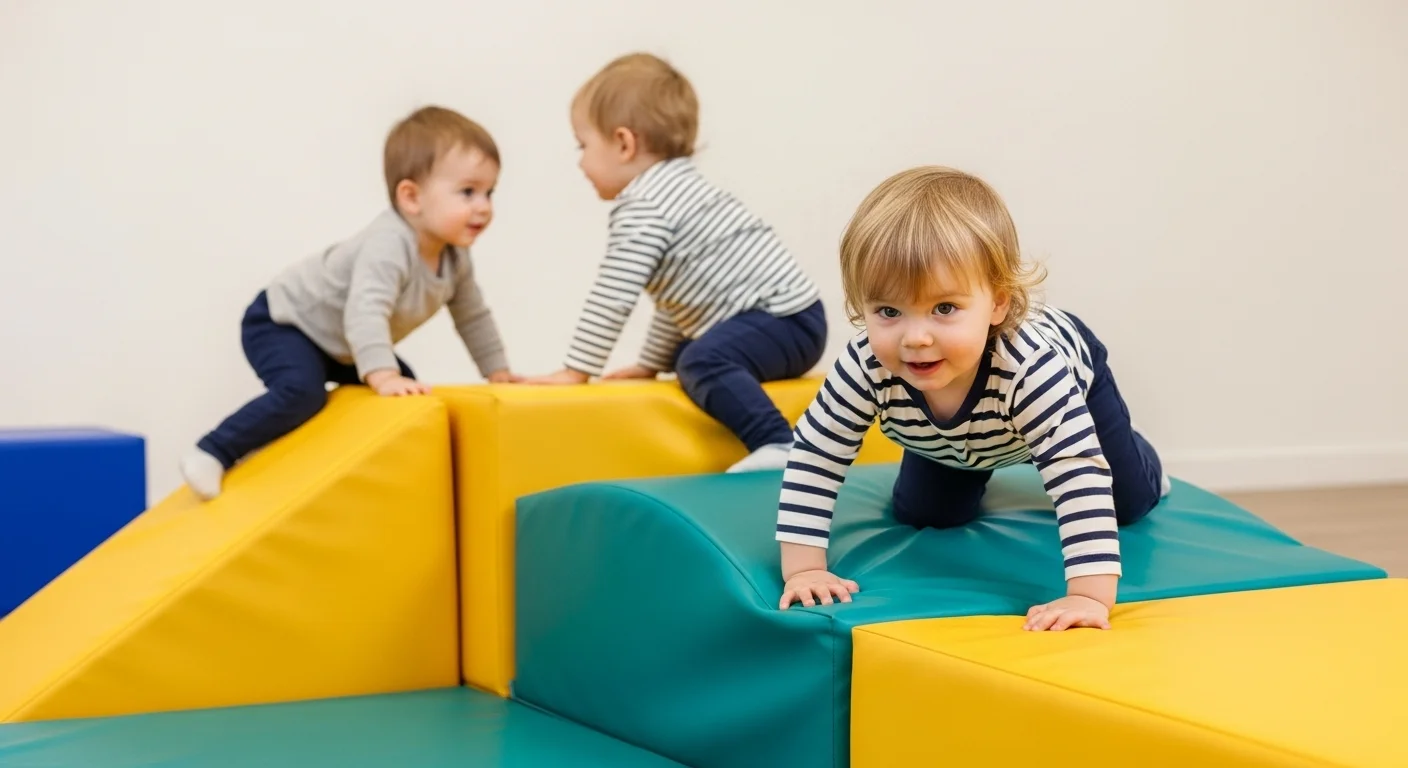
Play is more than just fun; it’s a vital part of learning for toddlers. Engaging in play-based activities helps children explore their world while developing essential skills. Let’s dive into the importance of play-based learning!
Top 10 Play-Based Learning Activities for Toddlers
Understanding Play-Based Learning
Definition of Play-Based Learning
Play-based learning is an educational approach that uses play as a medium for learning. I remember when I first heard about this concept; it struck me how natural and effective it seemed. Instead of rigid, structured lessons, toddlers learn through hands-on experiences that capture their curiosity and imagination. This could mean building with blocks, playing pretend, or exploring textures in a sensory bin. Each activity is designed to stimulate their minds while allowing them the freedom to choose how they engage.
Importance of Play in Early Childhood Development
From my experience, play is essential in early childhood development. It’s during these formative years that children are like sponges, soaking up everything around them. Play not only fosters creativity but also supports emotional and social growth. I’ve seen how toddlers learn to navigate their feelings and understand social cues through group play. They learn to share, negotiate, and even resolve conflicts in ways that structured learning simply can’t provide.
Benefits of Play-Based Learning for Toddlers
The benefits of play-based learning are numerous and well-documented. For me, the most noticeable advantage is how it encourages a love for learning. When toddlers are allowed to explore and play, they develop a sense of ownership over their learning experiences. This autonomy often leads to deeper engagement and retention of information. I’ve noticed that toddlers who regularly engage in play-based learning activities become more confident in their abilities and are more likely to try new things without fear of failure.
Additionally, play-based learning promotes cognitive development. As toddlers manipulate objects and experiment with different scenarios, they naturally develop critical thinking skills. They learn cause and effect, problem-solving, and even basic math concepts without even realizing they’re learning. I find it fascinating how much knowledge can be gained simply through play! Essential Tips for Fostering Toddler Critical Thinking Skills can provide more insights into this area.
And let’s not forget about physical development. Many play activities enhance motor skills, balance, and coordination. I used to love watching my kids climb, jump, and run during outdoor play. Each leap and bound contributes to their physical strength and agility, which is crucial for their overall development.
Emotional benefits should also be highlighted. Play helps toddlers express their feelings and develop empathy. For instance, during role-playing games, they often take on different characters, allowing them to view the world from another perspective. This practice fosters understanding and compassion—qualities that are invaluable as they grow.
In summary, play-based learning offers a comprehensive approach to child development. It nurtures their minds, bodies, and emotions, making it an ideal foundation for lifelong learning.
Types of Play-Based Learning Activities
Physical Play Activities
Physical play activities are a cornerstone of toddler development. Whether it’s running in a park, climbing at a playground, or dancing to music, these activities promote gross motor skills and overall health. I’ve often found that my children are more willing to try new physical challenges when they’re having fun. These activities build strength and coordination while providing an outlet for their endless energy.
Creative Play Activities
Creative play activities include art projects, building with blocks, and imaginative play. I love setting up art stations with various materials for my kids. Watching them create something from their imagination is one of my favorite parenting moments. It not only stimulates their creativity but also encourages fine motor skills as they cut, glue, and draw.
Social Play Activities
Social play activities are vital for teaching toddlers how to interact with peers. I’ve seen firsthand how games that involve teamwork or sharing can strengthen friendships. Activities like group storytelling or cooperative building projects can help toddlers develop communication skills and learn the value of collaboration.
Cognitive Play Activities
Cognitive play activities promote problem-solving and critical thinking. Simple puzzles, memory games, or sorting activities are excellent examples. I remember when my child struggled with a puzzle, but after some encouragement, they finally completed it. The look of pride on their face was priceless! These activities not only challenge their minds but also build resilience and persistence.
In essence, each type of play-based learning activity contributes uniquely to a toddler’s growth. It’s incredible to see how, through play, children can develop a wide range of skills that will serve them well throughout their lives. As we explore the top play-based learning activities for toddlers, I can’t wait to share what has worked wonders for my family!
Top 10 Play-Based Learning Activities for Toddlers
1. Sensory Bins
Sensory bins are one of my absolute favorite activities for toddlers. They provide a hands-on experience that engages multiple senses. I remember creating a simple sensory bin filled with rice, measuring cups, and small toys. My kids could spend hours scooping, pouring, and discovering hidden treasures. It’s amazing how this activity not only entertains them but also promotes fine motor skills and cognitive development. I found that sensory bins can be tailored to different themes, like ocean or farm, which keeps the experience fresh and exciting.
2. Building Blocks
Building blocks are a classic play-based learning activity that never fails to captivate children. I’ve seen my kids construct everything from simple towers to elaborate castles. This kind of play encourages creativity and spatial awareness. Plus, it’s a wonderful way for toddlers to learn about balance and gravity. I love watching them experiment with different structures, and when they finally succeed in creating something they envisioned, the joy on their faces is priceless!
3. Art and Craft Projects
Art projects are a fantastic outlet for creativity. I often set up a craft station with crayons, paper, glue, and various craft supplies. Watching my children express their imagination through art has been so rewarding. I believe it fosters self-expression and helps develop fine motor skills as they cut, glue, and color. I make it a point to display their artwork around the house, which not only boosts their confidence but also shows them that their creativity is valued.
4. Outdoor Nature Exploration
There’s something so invigorating about nature. I love taking my kids on nature walks where they can explore the outdoors. We collect leaves, observe insects, and even look for different types of rocks. This not only promotes physical activity but also encourages curiosity about the natural world. I’ve found that these experiences teach them to appreciate their environment while enhancing their observational skills. Plus, they often come home with a newfound interest in different plants and animals!
5. Role-Playing Games
Imaginative play through role-playing games is a treasure trove for cognitive and social development. I remember setting up a mini grocery store at home where my kids could take turns being the cashier and the shopper. This kind of play helps them understand everyday situations while practicing communication and cooperation. I’ve noticed that role-playing opens up conversations about emotions and social dynamics, which can be incredibly valuable for their emotional intelligence.
6. Simple Science Experiments
Engaging toddlers in simple science experiments can be a delightful way to explore their curiosity. I once did a basic experiment with vinegar and baking soda to create a “volcano.” Their eyes lit up with wonder as they watched the reaction. These activities stimulate critical thinking and encourage them to ask questions about how things work. I believe that making science fun at an early age can inspire a lifelong love for learning.
7. Music and Movement Activities
Music and movement activities are essential for toddlers. I often play lively music and let my kids dance around the living room. This not only helps them develop gross motor skills but also allows them to express themselves creatively. Incorporating instruments like shakers or tambourines can make it even more engaging. I’ve seen how these activities can lift their spirits and improve their mood while also providing a great outlet for their energy.
8. Puzzle Solving
Puzzles are incredible tools for developing problem-solving skills. I can recall many afternoons spent helping my kids figure out a challenging puzzle. It’s rewarding to see them persist through frustration. I believe that when they finally place that last piece, it’s not just a win for completing the puzzle; it’s a lesson in perseverance and critical thinking. Plus, working on puzzles together fosters bonding and cooperation.
9. Water Play
Water play is another activity that kids absolutely love. Whether it’s filling up a bucket with water, pouring it into different containers, or playing with floating toys, there’s something magical about water. I’ve found that it’s a great way to teach concepts like volume and measurement as they experiment. Plus, it’s a fantastic way to cool off on hot days while engaging their senses. Just be prepared for some splashes and giggles!
10. Storytime with Interactive Elements
Storytime can be so much more than just reading a book. I often choose books with interactive elements, like flaps to lift or textures to feel. This makes reading a multisensory experience that keeps my kids engaged. I encourage them to participate by asking questions or predicting what will happen next. This not only boosts their listening skills but also fosters a love for reading, which is invaluable as they grow. Exploring the World: Language Acquisition Strategies for Toddlers can offer additional strategies for enhancing their language skills during these moments.
These top ten play-based learning activities have been game-changers in my parenting journey. Each activity offers unique opportunities for growth and learning while keeping the fun alive. I’m excited to share more about how we can support this kind of learning in the next sections!
How to Facilitate Play-Based Learning
Creating a Safe Play Environment
One of the first steps to facilitating play-based learning is ensuring a safe play environment. I remember when my children were toddlers, and I had to constantly assess our home for potential hazards. It was crucial for me to create spaces where they could freely explore without me worrying about their safety. I found that soft rugs, secure furniture, and removing sharp objects were essential. Additionally, I focused on creating engaging areas—like a play corner filled with cushions and toys—where they could play independently or with friends.
Outdoor spaces are equally important. I love to set up safe, enclosed areas in our backyard with age-appropriate equipment. This allowed my kids to run, jump, and climb without the constant fear of them wandering off. A safe play environment gives toddlers the freedom to engage in activities that promote their development. The more comfortable they feel, the more they’ll dive into play and learning!
Encouraging Exploration and Curiosity
Encouraging exploration and curiosity is key to play-based learning. I’ve seen how toddlers thrive when they’re given the opportunity to discover things on their own. I remember setting up different stations with various materials and letting my kids choose what they wanted to explore. Sometimes it was a simple box of nature items, like leaves and pine cones; other times, it was a collection of kitchen utensils for a pretend cooking session.
It’s all about sparking their interest. For instance, I’ve noticed that when I introduce a new toy or activity, my kids’ eyes light up with curiosity. I try not to jump in immediately but instead give them space to figure things out. I might ask open-ended questions like, “What do you think happens if you mix these colors?” or “How can we build a taller tower?” These questions encourage them to think critically and engage in problem-solving. By giving them the freedom to explore, I’ve seen their confidence grow, and they often surprise me with their creativity!
Incorporating Learning Objectives into Play
While play-based learning is inherently fun, I’ve learned that incorporating learning objectives can enhance the experience. For example, I might set up an art activity that encourages color recognition and counting by providing specific colored materials and asking my kids to create something using only those colors. This way, I’m weaving in learning without them even realizing it! It feels like a win-win.
Another approach I’ve taken is to incorporate everyday situations into play. When my children play with their toy kitchen, I’ll sometimes ask them to set the table for dinner. We’ll count the plates together or talk about the different foods. This simple act transforms play into a learning opportunity, reinforcing skills they’ll use in real-life situations.
It’s also important to remain flexible. As much as I plan for certain learning objectives, I’ve learned to follow my kids’ lead. If they get inspired to take the activity in a different direction, I embrace that! I believe that this adaptability not only shows them that their ideas are valued but also fosters a natural love for learning.
Choosing the Right Materials and Resources
Essential Play Materials for Toddlers
Choosing the right materials and resources for play-based learning can make a significant difference in your child’s experience. I’ve found that having a variety of open-ended materials can ignite creativity in toddlers. Items like building blocks, art supplies, and natural materials (like rocks and sticks) can be used in countless ways. I’ve seen my kids build entire worlds from simple blocks, while other times, they’ll use them as props in their imaginative games.
When it comes to sensory activities, materials like rice, water beads, or even flour can provide endless exploration. I remember one rainy afternoon when we created a huge sensory bin filled with dry pasta. My kids had a blast scooping, pouring, and even creating small structures with it! The key is to ensure that materials are safe and suitable for their age group, allowing them to explore freely.
Recommended Toys and Tools for Play-Based Learning
In my experience, some toys and tools stand out as exceptional for fostering play-based learning. For example, simple toys like stacking rings or shape sorters are fantastic for fine motor skills and cognitive development. I’ve also loved using art supplies—like washable markers, crayons, and finger paints—as they encourage self-expression and creativity.
Additionally, I recommend investing in items that promote outdoor play, such as balls, jump ropes, or gardening tools. I remember how much my kids loved digging in the soil with their little shovels, planting seeds, and watching them grow. It combined physical activity with a valuable lesson about nature and responsibility.
Books with interactive elements, like flaps to lift or textures to feel, have also been winners in our home. They not only make storytime engaging but also foster a love for reading early on. I encourage you to explore various resources—libraries, toy stores, and online shops—to find what resonates with your child’s interests. The right materials can open up new worlds of learning and discovery! Essential Tips for Language Acquisition in Toddlers on the Go can guide you in selecting books and resources that enhance language development.
Measuring Progress and Development
Observing Developmental Milestones
One of the most rewarding aspects of engaging in play-based learning is seeing how toddlers develop over time. I’ve taken note of various developmental milestones that align with the activities they enjoy. For instance, when my kids started stacking blocks, I noticed not just their motor skills improving but also their problem-solving abilities as they figured out how to balance the blocks without toppling them over.
It’s fascinating to watch their emotional and social growth as well. I recall a moment during a group playdate when my child showed empathy by comforting a friend who was upset. This kind of growth often happens organically through play. By observing these little moments, I can see how they’re not just learning skills, but also how to navigate the world around them. I recommend keeping a journal of these observations; it helps to reflect on their journey and recognize the progress they make day by day.
Documenting Learning Through Play
Documenting learning can be a delightful process. I’ve found that taking photos or videos of my children during various activities helps capture their milestones. It’s heartwarming to look back and see how far they’ve come. I often create simple scrapbooks with pictures of them engaging in different play-based activities, and I add notes about what skills they were developing at the time.
Another great way to document is through art. I keep a collection of their artwork, which serves as a tangible record of their creativity and development. It’s incredible to see their styles evolve and how their understanding of colors and shapes changes over time. These documents not only celebrate their achievements but also provide insights into their interests and learning preferences, which I can use to tailor future activities.
Common Challenges and Solutions
Dealing with Distraction and Short Attention Spans
One challenge I often face is my toddlers’ short attention spans. I’ve learned that this is completely normal at their age, but it can be tricky when trying to facilitate deeper learning through play. I’ve found that breaking activities into shorter segments helps keep their interest alive. For instance, instead of a lengthy art project, I’ll set up a quick 10-minute activity that they can easily finish. This approach has worked wonders in keeping their focus and enthusiasm high.
Another strategy is to rotate activities regularly. I try to keep a few options available and let them choose what they want to do at any given moment. This autonomy keeps them engaged and excited about learning, as they feel in control of their playtime decisions.
Encouraging Cooperative Play Among Toddlers
Facilitating cooperative play can also be a challenge, especially since toddlers are still learning how to share and take turns. I’ve found that setting up structured group activities, like building a fort together or cooking in a play kitchen, encourages teamwork. During these activities, I step in to guide them when conflicts arise, helping them find solutions together. This not only teaches them conflict resolution but also the value of collaboration.
To further promote cooperative play, I often use games that require teamwork. Simple activities, like passing a ball or working on a puzzle together, can foster a sense of partnership. I’ve noticed that when children engage in these shared experiences, they create bonds that enhance their social skills and friendships.
Addressing Safety Concerns During Play
Safety is always a top priority for me when it comes to play-based learning. I remember the first time I set up an outdoor play area; I was anxious about potential hazards. I’ve learned to always keep a close eye on my children during playtime, especially when they’re exploring new activities. I regularly check toys and play equipment for wear and tear to ensure everything is safe for them to use.
Moreover, teaching my kids about safety in a fun way has been effective. For example, when we play outside, I explain why certain areas are off-limits and what to do in case they encounter something dangerous. This not only keeps them safe but also empowers them to make smart decisions while playing independently.
Final Thoughts
As I reflect on the journey of nurturing my children through play-based learning, I realize how integral this approach has been to their growth. Each playful moment is an opportunity for them to learn, explore, and connect with the world around them. I believe that by facilitating their play, encouraging their curiosity, and providing the right materials, we can cultivate a lifelong love for learning. It’s about more than just fun; it’s about laying a solid foundation for their future. I hope our experiences inspire other parents to embrace play as a powerful tool for development!
Frequently Asked Questions
What is play-based learning?
Play-based learning is an educational approach that uses play as a medium for learning. It allows toddlers to engage in hands-on experiences that capture their curiosity and imagination, helping them explore their world while developing essential skills.
Why is play important in early childhood development?
Play is essential in early childhood development as it fosters creativity and supports emotional and social growth. Through group play, toddlers learn to navigate their feelings, understand social cues, share, negotiate, and resolve conflicts.
What are the benefits of play-based learning for toddlers?
The benefits of play-based learning include encouraging a love for learning, promoting cognitive development, enhancing physical skills, and providing emotional benefits such as empathy and understanding. It helps toddlers develop critical thinking, problem-solving skills, and confidence in their abilities.
What types of activities are included in play-based learning?
Types of play-based learning activities include physical play (like running and climbing), creative play (such as art projects), social play (games that involve teamwork), and cognitive play (activities like puzzles and memory games).
How can I create a safe play environment for my toddler?
To create a safe play environment, assess your home for potential hazards by removing sharp objects and securing furniture. Additionally, set up engaging areas with soft rugs and age-appropriate outdoor equipment to allow children to explore freely and safely.
How can I encourage exploration and curiosity in my toddler?
Encouraging exploration and curiosity can be achieved by setting up different stations with various materials and allowing your child to choose what to explore. Asking open-ended questions can also spark their interest and promote critical thinking.
What materials are essential for play-based learning?
Essential play materials for toddlers include open-ended items like building blocks, art supplies, and natural materials (such as rocks and sticks). Sensory materials like rice, water beads, or flour can also provide endless exploration opportunities.
How can I measure my toddler’s progress in play-based learning?
Measuring progress can be done by observing developmental milestones and documenting learning through photos, videos, and scrapbooks of activities. Keeping a journal of observations allows you to reflect on their journey and recognize their growth over time.
What are some common challenges in play-based learning?
Common challenges include managing short attention spans and encouraging cooperative play. Strategies such as breaking activities into shorter segments, rotating options, and setting up structured group activities can help address these challenges effectively.
How can I address safety concerns during play?
To address safety concerns, keep a close eye on children during playtime, regularly check toys and equipment for safety, and teach kids about safety in a fun way. This empowers them to make smart decisions while playing independently.
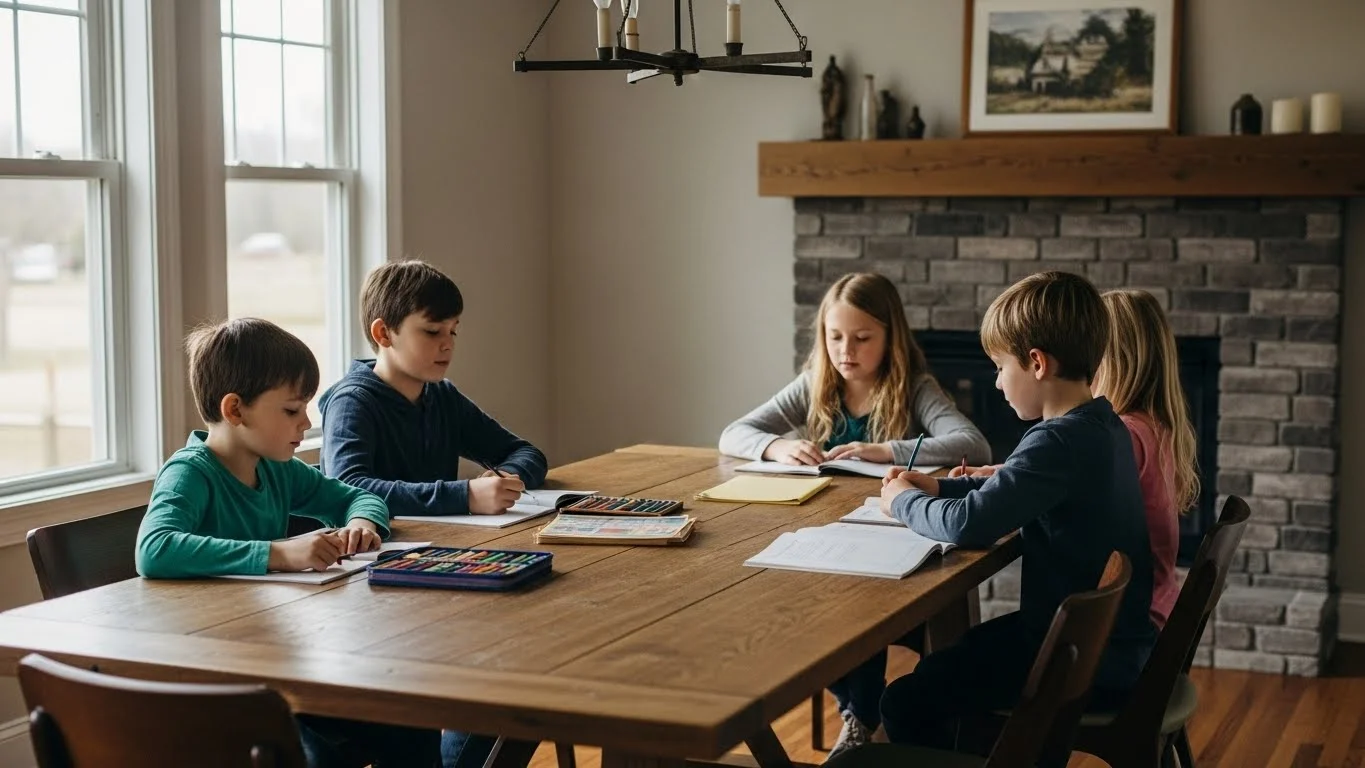
Homeschooling can be a rewarding adventure, but it can also be challenging. One of the best ways to ensure your child thrives is by discovering their unique learning style. Let’s explore how understanding these styles can transform your homeschooling experience. Read Interesting article: Unlocking Learning Styles: A Guide for Homeschooling Parents
Discover Your Child's Learning Style for Effective Homeschooling
Understanding Learning Styles
What are Learning Styles?
When I first started homeschooling my child, I quickly realized that not all kids learn the same way. Learning styles refer to the various ways in which individuals absorb, process, and retain information. Understanding these styles can be a game-changer in how we approach education at home. From my experience, it’s not just about what we teach, but how we teach it that really makes a difference. Some kids thrive on visual aids, while others might do better with spoken instruction or hands-on activities. By recognizing these differences, we can tailor our teaching methods to meet our children’s needs.
The Importance of Learning Styles in Education
I’ve learned that the importance of recognizing learning styles goes beyond mere academic performance. When children engage with material in a way that resonates with them, their confidence grows, and they become more motivated to learn. I saw this firsthand when I switched up our homeschooling approach after realizing my child was a visual learner. Suddenly, lessons became vibrant and exciting. Instead of simply reading a textbook, we incorporated colorful charts, videos, and interactive activities. The change was remarkable. My child became more involved and enthusiastic about learning, which reinforced the idea that understanding learning styles can significantly impact educational outcomes.
Types of Learning Styles
Visual Learners
Visual learners are those who grasp information best through images, diagrams, and spatial understanding. I remember when I first introduced my child to a lesson that used colorful illustrations. It was like a light bulb went off! Visual learners often benefit from tools like charts, infographics, and videos. For me, incorporating art projects into lessons helped my child visualize concepts and retain information better. I found that allowing my child to create visual representations of what they were learning made the material more memorable and engaging.
Auditory Learners
Auditory learners thrive on listening and speaking. They often enjoy discussions, lectures, and audio materials. I discovered that when I read aloud or played audiobooks, my child was more engaged than when they were silently reading. I started to incorporate more discussions into our lessons, allowing my child to explain concepts back to me. This not only reinforced their understanding but also made our time together more interactive. Learning through songs or rhymes can also be effective for auditory learners, making the material fun and memorable.
Kinesthetic Learners
Kinesthetic learners are hands-on and learn best through movement and doing. This was a bit of a challenge for me initially, as I tend to be more traditional in my approach. However, I realized that incorporating activities like experiments or building projects made a huge difference. For example, when we studied physics, I created simple experiments we could do together. The excitement on my child’s face when they got to physically engage with the material was priceless. I learned that field trips, gardening, or even cooking could be educational opportunities for kinesthetic learners, making learning dynamic and enjoyable.
Reading/Writing Learners
Reading/writing learners prefer to engage with text, enjoying reading and writing as their primary tools for learning. This style resonated with me as I was a reading/writing learner myself. I noticed my child excelled when given the chance to write essays or read books on topics of interest. Incorporating journals, written assignments, and reading comprehension activities helped reinforce learning. I found that allowing my child to express themselves through writing not only enhanced their understanding of the material but also developed their critical thinking skills.
Understanding these different learning styles has been an enlightening journey for me. It’s helped me see my child’s uniqueness and adapt our homeschooling approach accordingly. In exploring these styles, I’ve discovered that every child has their own way of connecting with information, and that’s what makes the homeschooling experience so special.
Identifying Your Child’s Learning Style
Signs of a Visual Learner
Identifying if your child is a visual learner can be quite straightforward, and I found it helpful to look for specific signs. For instance, if my child often prefers to use diagrams, charts, or any visual aids while studying, that was a clear indicator. I noticed that when I presented information visually, like using mind maps or colorful slides, my child could recall details more easily. They might also enjoy drawing or doodling while learning, which is a great clue that they process information better through images. If your child tends to remember places they’ve seen or can easily visualize scenarios in their mind, they might fall into this category.
Signs of an Auditory Learner
When it comes to auditory learners, I found that they often respond well to spoken instructions and discussions. If your child frequently asks questions or enjoys storytelling, that’s a good sign. In my case, I realized my child would narrate stories or concepts back to me, often adding their flair. They might also have a good memory for songs, rhymes, or anything that involves listening. If your child seems to prefer talking things out—whether it’s chatting about their day or discussing homework—then they might be an auditory learner. It’s fascinating to see how engaged they can become when they can hear the information instead of just reading it.
Signs of a Kinesthetic Learner
Kinesthetic learners are often the most energetic among us. If your child is always on the move, has trouble sitting still, or learns best by doing, that’s a significant clue. I remember my child couldn’t just sit and read; they needed to act things out. For example, when we learned about history, they loved creating reenactments or building models. They might also enjoy working with their hands, whether it’s through crafting, cooking, or experimenting. If your child often prefers to learn through physical activity, they likely thrive on hands-on experiences, which is something I embraced over time.
Signs of a Reading/Writing Learner
Reading/writing learners often have an affinity for text and enjoy expressing themselves through writing. I’ve seen this in my child through their love for reading books and writing stories or essays. If your child often picks up a book during their free time or enjoys keeping a journal, they may be a reading/writing learner. They might also excel in activities that involve a lot of reading or writing exercises. In my experience, when my child was given the opportunity to write about topics they loved, their enthusiasm for learning soared. If they can articulate their thoughts well in writing, that’s another sign of this learning style.
Tools and Assessments to Determine Learning Style
Determining your child’s learning style can be made easier with various tools and assessments. I found that there are several online quizzes and questionnaires designed to help identify learning preferences. These assessments typically ask a series of questions about how your child prefers to learn and process information. I decided to try a few with my child, and it opened up a conversation about their preferences. Additionally, observing their behavior during different activities can provide insight too. Paying attention to what excites them most or what they seem to master quickly can guide us in understanding their learning style.
Another resource I discovered is educational books and articles that delve deeper into learning styles. These often provide great insights into characteristics of each style and practical tips for adjustments in teaching methods. In our case, keeping a journal to document what teaching methods work best also proved beneficial. This ongoing reflection allows us to adapt and fine-tune our approach as needed, ensuring that our homeschooling experience is tailored to my child’s unique style. Read Interesting article: How to Tailor Your Homeschool Curriculum to Your Child’s Needs
Strategies for Effective Homeschooling
Curriculum Choices Based on Learning Styles
Choosing the right curriculum is essential, and I believe it should align with your child’s learning style. For visual learners, I found that incorporating lots of visual materials like infographics and videos made lessons more engaging. For auditory learners, I would look for programs with audio components, like podcasts or narrated lessons. Kinesthetic learners thrive with hands-on resources, so I made sure to select curricula that included experiments or projects. As for reading/writing learners, I chose literature-rich programs that encouraged extensive reading and writing assignments. Observing how your child interacts with different subjects can guide you in selecting the best curriculum.
Engaging Activities for Visual Learners
Creating engaging activities for visual learners has been one of my favorite parts of homeschooling. I found that using colorful charts or graphic organizers during lessons helped my child visualize concepts. We also explored arts and crafts related to the topics we were studying. For example, when learning about biology, we created a poster with diagrams of different cells. This not only made the learning process more enjoyable but also allowed for better retention of information. Incorporating technology, like educational videos and interactive apps, has also been a hit. It’s amazing how much more excited my child gets when lessons have a visual component!
Interactive Lessons for Auditory Learners
For auditory learners, I discovered that interactive lessons can really bring subjects to life. We started having discussions about what we learned after each lesson, which allowed my child to articulate their understanding. Incorporating music has also been a fun way to engage. I remember when we learned about the solar system; we listened to a catchy song that made memorizing the planets much easier! Audiobooks have become a staple in our learning routine, especially for subjects where the material is dense. I even encourage my child to narrate their own stories based on what they read, reinforcing their comprehension while also fostering creativity.
Hands-On Projects for Kinesthetic Learners
Hands-on projects are a game-changer for kinesthetic learners. I’ve found that incorporating movement into lessons keeps my child engaged and excited. For instance, when we studied geography, we created a large map on the floor with different countries marked out using craft materials. This allowed for a tactile experience that deepened understanding. Similarly, we often try science experiments that allow my child to engage directly with the material. Whether it’s making a volcano or growing plants, these activities not only reinforce learning but also create lasting memories. It’s rewarding to witness my child’s enthusiasm during these projects—they genuinely make learning a joyful experience!
Writing and Reading Assignments for Reading/Writing Learners
For reading/writing learners, I discovered that providing lots of opportunities for writing and reading can significantly enhance their learning experience. I often assign essays or creative writing prompts based on what we’re studying. Encouraging my child to keep a reading log or journal has also proven beneficial. We would discuss what they read, allowing them to articulate their thoughts and develop critical thinking skills. This style of learning has not only improved their comprehension but also fostered a love for literature. It’s been a rewarding journey watching my child flourish through reading and writing assignments!
Creating a Personalized Learning Environment
Setting Up Learning Spaces
Creating a personalized learning environment has been one of the most rewarding aspects of our homeschooling journey. I found that the space where we learn can significantly impact my child’s focus and enthusiasm. A well-organized learning area can cater to their unique learning style. For instance, I decided to create different zones in our home—one for reading, another for hands-on projects, and even a cozy corner for quiet reflection. This way, my child can choose where they feel most comfortable and inspired to learn.
When setting up the reading area, I made sure it was filled with a variety of books that aligned with my child’s interests. A soft rug, some cushions, and good lighting helped create an inviting atmosphere. The hands-on project area included easy access to art supplies, science kits, and building materials, which allowed for spontaneous creativity. I also realized that keeping the spaces clutter-free was essential; it helps minimize distractions and promotes a sense of calm during learning sessions. I truly believe that a well-thought-out learning environment makes a difference in how my child engages with their education.
Incorporating Technology for Different Learning Styles
In today’s digital world, technology can be an incredible ally in tailoring education to different learning styles. I’ve found that integrating technology into our homeschooling routine opens up new avenues for my child to explore. For visual learners, educational apps with interactive graphics and videos have been a game-changer. They enjoy watching documentaries or using apps that offer visual quizzes, which reinforce concepts in an engaging way.
For auditory learners, incorporating podcasts has been enlightening. We often listen to educational podcasts during breaks or while doing tasks around the house. It’s amazing how much they absorb from these audio formats! Kinesthetic learners benefit from virtual reality (VR) experiences or interactive simulations. I remember one time we explored a VR app that took us on a virtual field trip to ancient Rome, and my child was completely captivated. This immersive experience brought history to life in a way that textbooks simply couldn’t.
Reading/writing learners can also benefit from technology, especially through blogging or creating digital journals. I encouraged my child to express their thoughts and ideas through an online platform, allowing them to combine writing with creativity. It’s a wonderful way to enhance their writing skills while engaging with technology. The key is to find a balance that works for our family, ensuring technology complements our learning rather than distracts from it.
Monitoring Progress and Adjusting Approaches
Tracking Learning Outcomes
Monitoring progress is crucial in our homeschooling journey. I’ve learned that keeping track of my child’s learning outcomes provides valuable insights into what’s working and what might need adjustment. We established a simple system where we review goals at the beginning of each week. I found it helpful to set specific, achievable targets. For example, we might aim for my child to complete a certain number of chapters in a book or finish a project by Friday.
To track their progress, we use a combination of checklists and journals. My child loves to check off completed tasks, which gives them a sense of accomplishment. We also share reflections about what they enjoyed or found challenging during the week. This practice not only keeps us accountable but also allows us to celebrate successes and address any struggles together. I’ve noticed that this open communication strengthens our bond and fosters a collaborative learning environment.
When to Adapt Teaching Methods
One of the most important lessons I’ve learned is that flexibility is key. There have been times when I noticed my child becoming disengaged or frustrated with a particular lesson. Instead of sticking rigidly to our plan, I’ve learned to be open to adapting our teaching methods. This could mean switching up the format of a lesson or introducing a completely new resource that aligns better with their learning style.
For instance, there were moments when I realized that a visual presentation just wasn’t capturing my child’s attention. In those cases, we would pivot to a hands-on activity or even a field trip related to the subject. Being responsive to their needs and interests has made our homeschooling experience much more enjoyable. I’ve come to understand that adapting approaches isn’t a sign of failure; rather, it’s an opportunity to enrich our learning journey together. Read Interesting article: Exploring the World: Play-Based Learning for Toddlers
Frequently Asked Questions
What are learning styles in the context of homeschooling?
Learning styles refer to the various ways in which individuals absorb, process, and retain information. Understanding these styles can significantly impact how we approach education at home, tailoring teaching methods to meet children’s unique needs.
Why is it important to recognize learning styles in education?
Recognizing learning styles is important because it enhances children’s engagement and motivation to learn. When children engage with material in a way that resonates with them, their confidence grows, leading to improved educational outcomes.
What are the different types of learning styles mentioned in the article?
The article discusses four types of learning styles: visual learners, auditory learners, kinesthetic learners, and reading/writing learners. Each style has distinct preferences for how individuals learn best.
How can I identify if my child is a visual learner?
Signs of a visual learner include a preference for using diagrams, charts, or visual aids while studying. They may also enjoy drawing or doodling during lessons and can recall details more easily when information is presented visually.
What characteristics define an auditory learner?
Auditory learners respond well to spoken instructions and discussions. They often enjoy storytelling, have good memories for songs and rhymes, and prefer to talk things out to understand concepts better.
What are some signs that my child may be a kinesthetic learner?
Kinesthetic learners are often energetic and learn best through hands-on experiences. If your child prefers to learn through doing activities like experiments, reenactments, or crafting, they likely thrive as a kinesthetic learner.
How can I support a reading/writing learner in homeschooling?
To support reading/writing learners, provide opportunities for writing essays or creative prompts and encourage them to read books of interest. Keeping a reading log or journal can also enhance their learning experience and foster a love for literature.
What tools can help determine my child’s learning style?
Tools such as online quizzes and questionnaires can help identify learning preferences. Observing your child’s behavior during different activities and keeping a journal to track what teaching methods work best are also effective strategies.
How can I create an effective learning environment for my child?
Creating a personalized learning environment involves setting up organized spaces that cater to your child’s learning style, incorporating various zones for reading, projects, and quiet reflection while keeping the area clutter-free to minimize distractions.
What strategies can I use to monitor my child’s progress in homeschooling?
Monitoring progress can be achieved by setting specific, achievable goals and using checklists and journals to track completed tasks. Regular reflections about what your child enjoyed or found challenging can foster open communication and accountability.
Uninvolved parenting, also known as neglectful parenting, is a style characterized by a significant lack of responsiveness and engagement with a child's emotional and developmental needs [1]. This...
5Permissive and authoritative parenting represent two distinct styles that significantly impact child development [1]. Permissive parenting is characterized by high warmth and low boundaries, while...