
Uninvolved parenting often gets a bad rap, but its nuances reveal a complex landscape of approaches. Let’s dive into understanding these styles and their implications for our children. Read Interesting article: Understanding Uninvolved Parenting and Its Consequences
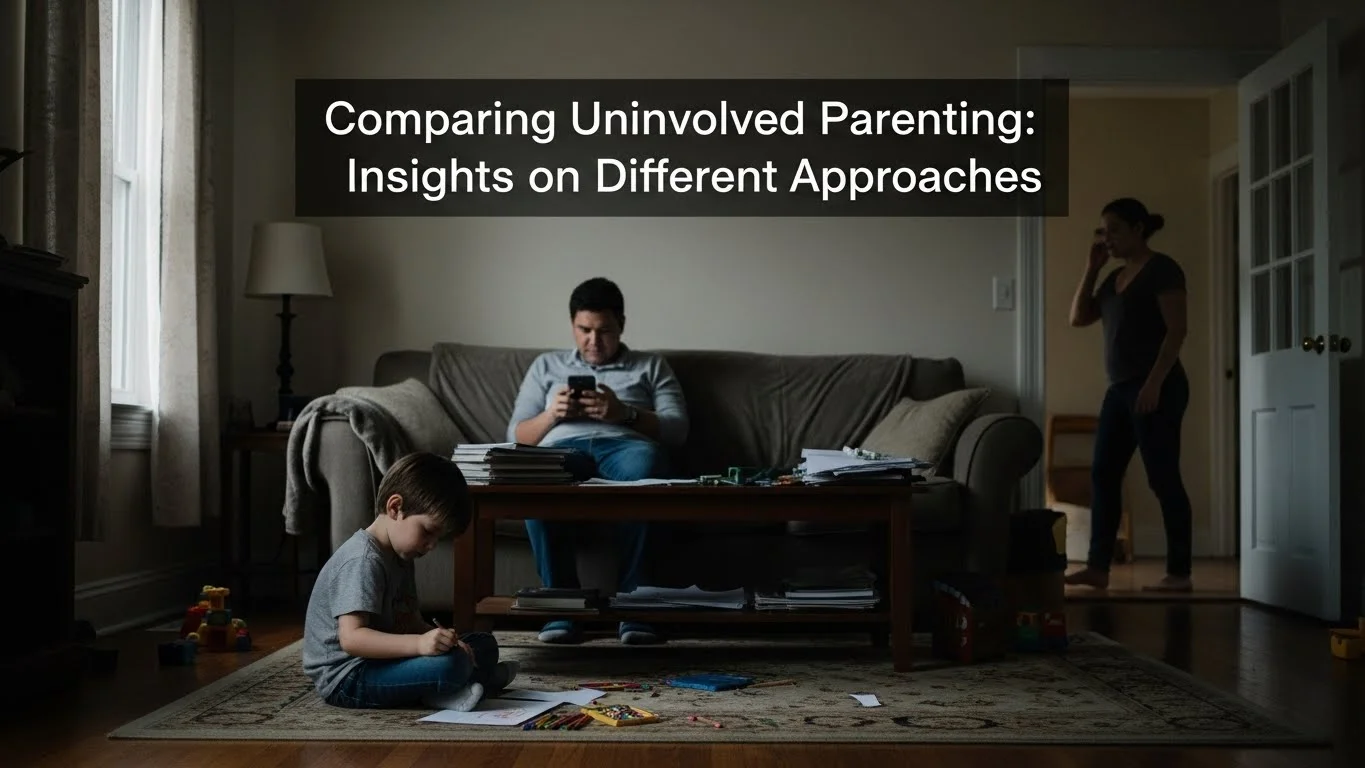
Understanding Uninvolved Parenting
Definition of Uninvolved Parenting
Uninvolved parenting, at its core, is characterized by a lack of responsiveness to a child’s needs. I remember hearing about this term and being surprised at how many parents might not even realize they fall into this category. It isn’t just about being neglectful; uninvolved parenting can manifest in various ways where emotional support and guidance are minimal. While some parents might be busy with work, others might simply not know how to engage with their children. I think this creates a unique dynamic that can affect a child’s upbringing in significant ways.
Characteristics of Uninvolved Parenting
When I started researching uninvolved parenting, I found it fascinating to note its characteristics. These parents typically provide little structure or direction in their children’s lives. Some common traits include:
- Lack of Communication: Many uninvolved parents don’t engage in meaningful conversations with their children, leaving kids feeling isolated. I’ve seen this in friends who grew up in such environments, struggling to express their feelings.
- Minimal Emotional Support: These parents often fail to provide the nurturing that children need, which can lead to feelings of unworthiness. I once spoke to someone who shared how this affected their self-esteem throughout their life.
- Limited Supervision: Uninvolved parents might not monitor their children’s activities or friendships, allowing kids to roam freely without guidance. This lack of oversight can lead to risky behaviors.
- Disinterest in Education: Often, uninvolved parents show little interest in their children’s schooling or extracurricular activities, which can hinder children’s motivation and ambition.
In my experience, these characteristics can create a sense of chaos in a child’s life. Without guidance, children may struggle to navigate challenges effectively. Read Interesting article: Uninvolved Parenting: Effects on Your Child’s Future
Psychological Impact on Children
The psychological impact of uninvolved parenting is profound. I’ve come across numerous studies that highlight how children raised in these environments often face emotional difficulties. They may grow up feeling neglected, which can lead to issues like anxiety and depression. I’ve seen this firsthand in friends who, as adults, grapple with low self-esteem and trust issues stemming from their childhood experiences.
One of the most striking things I learned is how uninvolved parenting can affect a child’s ability to form relationships. Without modeling healthy interactions, children often struggle to connect with others. I remember talking to a friend who shared how they found it hard to maintain friendships because they were never taught how to nurture relationships as a child.
Additionally, children raised by uninvolved parents might develop a sense of independence too quickly. While independence is valuable, I think there’s a fine line between fostering it and neglecting emotional needs. These kids might feel they have to take care of themselves, leading to a lack of trust in others. I believe this can create a cycle where they either replicate the uninvolved parenting style or swing to the opposite extreme, becoming overly involved as parents themselves.
From my observations, children from uninvolved backgrounds may also face academic challenges. When parents don’t engage in their education, children might not see the value in it either. I’ve seen peers who struggled in school simply because they didn’t have someone at home encouraging them to strive for better grades. The absence of support can stifle a child’s potential.
In many ways, uninvolved parenting can create a void in a child’s life that they may not even realize is there until later in life. Recognizing these patterns is crucial, not just for parents but for everyone involved in a child’s upbringing. We all have a role to play in supporting the next generation, and understanding uninvolved parenting is the first step toward creating healthier family dynamics. Read Interesting article: Uninvolved Parenting vs. Other Styles: Key Differences Explained
Different Approaches to Uninvolved Parenting
Neglectful Parenting
Neglectful parenting, in my opinion, is one of the most distressing forms of uninvolved parenting. When I think about neglect, I often picture a scenario where basic needs like food, shelter, and safety are not met. It’s not just emotional neglect; physical neglect can create a dangerous environment for a child. I read about a situation where children were left unsupervised for days, making their own meals and navigating their world alone. This lack of care can lead to severe consequences, not just in childhood but well into adulthood. Children raised in neglectful homes often harbor feelings of abandonment and are at risk for various behavioral issues. I believe it’s heartbreaking to see how this can shape one’s entire life trajectory.
Indifferent Parenting
Indifferent parenting, while slightly less severe than neglectful parenting, still poses significant challenges. This type of uninvolved parenting involves a lack of interest in a child’s life without the outright neglect. I’ve seen families where the parents are physically present yet emotionally absent. They may provide the essentials—food and shelter—but fail to engage with their children on a deeper level. For example, I once met a family where the parents would come home from work and retreat to their rooms, leaving their children to entertain themselves. These kids often felt invisible and unimportant, leading to feelings of loneliness. I think this indifference can subtly undermine a child’s sense of self-worth over time.
Detached Parenting
Detached parenting is another nuanced approach that falls under the uninvolved umbrella. This style often stems from parents who may be dealing with their own emotional struggles, leaving them unable to connect with their children. I remember a friend who grew up with a mother who was physically present but emotionally distant, often lost in her own world. My friend would share how she longed for her mother’s attention but often felt like an afterthought. Detached parenting can create a chasm in the parent-child relationship, where emotional connections are weak, and children feel they must fend for themselves. This lack of connection can hinder a child’s emotional development, leading them to become emotionally stunted or overly self-reliant.
Comparing Uninvolved Parenting with Other Parenting Styles
Authoritative Parenting
When I think about authoritative parenting, it stands in stark contrast to uninvolved parenting. Authoritative parents combine warmth and structure, which I believe is essential for healthy development. They set clear boundaries and expectations while also providing support and encouragement. I often reflect on how my own upbringing mirrored this style more than the uninvolved approach. The open communication I experienced made me feel valued and understood. It’s fascinating to see how children raised by authoritative parents tend to excel academically and socially, often showing higher self-esteem compared to those from uninvolved backgrounds.
Authoritarian Parenting
Authoritarian parenting is another style that contrasts with uninvolved parenting, though it often lacks the warmth that authoritative parenting provides. Authoritarian parents enforce strict rules and expect obedience without much room for dialogue. I’ve noticed that while these parents are involved, their children can feel stifled or rebellious due to the lack of emotional connection. I remember a classmate who constantly rebelled against her parents’ strict rules. While they were present in her life, their rigid approach created a distance that made her feel misunderstood. Compared to uninvolved parenting, authoritarian parenting still provides a level of engagement, but often at the cost of emotional warmth.
Permissive Parenting
Permissive parenting also differs from uninvolved parenting, primarily due to the level of engagement parents have with their children. Permissive parents are nurturing and warm but often fail to set boundaries. I think this can lead to children having an inflated sense of entitlement, as they may not learn to respect limits. A friend of mine had permissive parents who let her make her own decisions, which was both liberating and overwhelming. While she loved the freedom, she struggled with self-discipline. In my experience, this parenting style can create children who are emotionally connected but may lack the skills to navigate life’s challenges adequately.
Effects of Uninvolved Parenting on Child Development
Emotional Development
The effects of uninvolved parenting on emotional development can be profound. Without the emotional support and validation that comes from engaged parenting, children may struggle with their emotions. I remember reading about how kids from uninvolved backgrounds often have difficulty identifying and expressing their feelings. They might feel like they’re always on the outside looking in, unsure of how to connect with others emotionally. As they grow, they may develop issues with anxiety and depression, as I’ve witnessed in some friends who faced these challenges due to their upbringing. It’s crucial for children to learn how to process their emotions, and without guidance, they may never truly understand themselves.
Cognitive Development
Cognitive development is another area impacted by uninvolved parenting. I’ve seen that children need stimulation and encouragement to thrive intellectually. When parents are disengaged, children might miss out on essential learning opportunities. I often think about how my parents encouraged my curiosity by discussing my interests and asking questions. In contrast, a friend of mine who grew up with uninvolved parents rarely had those conversations, leading to a lack of motivation in school. Studies show that children with engaged parents tend to perform better academically, while those from uninvolved backgrounds often struggle to find their footing.
Social Skills and Relationships
Social skills and the ability to form healthy relationships are heavily influenced by the parenting style we experience. In my own life, I noticed that my friends who had more involved parents tended to have better social skills. They were taught how to navigate friendships and resolve conflicts. On the other hand, I’ve seen children from uninvolved homes struggle to make and maintain friendships, often feeling awkward in social situations. Without modeling healthy interactions, they may find themselves isolated, grappling with trust issues and an inability to connect deeply with others. I think this aspect alone underscores the importance of involvement in a child’s life.
Signs of Uninvolved Parenting
Indicators in Children
Identifying signs of uninvolved parenting in children can sometimes be subtle but telling. From my observations, children raised in these environments might display certain behaviors that reveal their emotional and psychological struggles. For instance, I’ve noticed that some kids may exhibit signs of low self-esteem; they often shy away from taking on challenges, fearing failure because they lack the encouragement that helps build confidence. I remember a classmate who seemed hesitant to participate in class activities, afraid of being judged or not measuring up.
Another indicator is a general lack of motivation. I’ve seen children who don’t seem to care about their grades or future aspirations. They often have a “whatever” attitude, which I believe stems from not having anyone to advocate for their interests or dreams. It can be disheartening to watch these kids drift through school without a sense of purpose.
Emotional outbursts are also common among children who come from uninvolved backgrounds. They might struggle to express their feelings appropriately, which can lead to frustration. I once witnessed a friend lose their temper over a minor issue because they felt unheard and unsupported. These reactions often point to a deeper need for emotional guidance that simply isn’t being met.
Parental Behaviors to Watch
On the flip side, it’s essential to recognize the behaviors of parents who may be unintentionally falling into the uninvolved category. I think one of the most telling signs is when parents seem disengaged in their children’s lives. This might manifest as not attending school events, missing parent-teacher conferences, or even failing to ask about their child’s day. I remember a neighbor who rarely interacted with his kids, often glued to his phone, missing those precious moments where connection could happen.
Another behavior to note is the absence of emotional dialogue. If parents seldom discuss feelings or daily experiences with their children, it can create a rift in the relationship. I’ve seen families sit together in silence, each absorbed in their devices instead of connecting over shared experiences. This lack of interaction can leave children feeling isolated, even in a room full of family.
Additionally, an overwhelming focus on work or personal issues can detract from parenting responsibilities. I’ve known parents who struggled with their own challenges and, in turn, became emotionally unavailable for their children. While we all have our struggles, it’s crucial to find a balance and ensure that our kids feel valued and supported. I believe that recognizing these behaviors is the first step toward addressing uninvolved parenting.
Case Studies and Real-Life Examples
Real-Life Stories of Uninvolved Parenting
Reflecting on real-life stories can shed light on the realities of uninvolved parenting. I once heard about a young girl named Mia, who grew up in a household where her parents were constantly busy with work. While they provided for her materially, they rarely interacted or engaged in her life. Mia often spent her afternoons alone, drifting from one activity to another without any guidance or support. Over time, she developed anxiety and found it hard to form friendships, as she didn’t understand how to connect with others emotionally. Hearing her story made me realize how crucial parental engagement is in shaping a child’s social abilities.
Another example is Jake, a teenager who excelled academically but struggled with feelings of unworthiness. Jake’s parents were physically present but emotionally detached. They rarely celebrated his successes or offered support during challenging times. This dichotomy created a sense of confusion for Jake, who couldn’t understand why he felt so empty despite his achievements. I think his story highlights how uninvolved parenting can lead to a disconnect between a child’s accomplishments and their self-worth.
Comparative Analysis of Outcomes
When comparing outcomes among children from uninvolved parenting backgrounds to those from more involved settings, the differences can be striking. I’ve seen that children like Mia and Jake often face a myriad of challenges that those from supportive homes do not. For instance, children with engaged parents tend to have better emotional regulation and are more resilient. They are more likely to seek help when needed and maintain healthy relationships as they grow. In contrast, children from uninvolved backgrounds can struggle to navigate the complexities of life, often feeling ill-equipped to handle challenges due to their lack of support.
Research supports these observations, showing that children with more involved parents show higher academic performance and social skills. I believe this reinforces the idea that parental engagement is not just about being present but actively participating in a child’s life, which is essential for healthy development.
Strategies for Improvement
Recognizing Uninvolved Parenting Patterns
Understanding and recognizing uninvolved parenting patterns is the first step toward improvement. I remember when I first started looking into my own parenting style, and it was eye-opening to see how easily one can drift into disengagement. It’s essential for parents to take a moment to reflect on their interactions with their children. Are we truly present in their lives, or have we allowed distractions, like work or technology, to take precedence? I think it’s crucial to ask ourselves these questions regularly. Keeping a journal can be a helpful way to track our thoughts and feelings about our parenting. In my case, jotting down moments when I felt particularly connected or disconnected with my child has been enlightening. It helps me see patterns that I might not notice in the day-to-day hustle and bustle.
Steps Towards More Engaged Parenting
Once we recognize uninvolved patterns, the next step is to actively work towards more engaged parenting. One effective strategy is to set aside dedicated time for our children. I’ve found that creating a weekly family night where we do activities together—like board games, movie nights, or even cooking—has significantly improved our connections. These moments allow for open communication, where everyone feels valued and heard. Additionally, I recommend being intentional about asking questions about their day or interests. I’ve learned that simple questions can open up meaningful conversations. For instance, asking what the best part of their day was often leads to surprising insights. Remembering to listen actively and respond with empathy is equally important, as it shows our children that their feelings matter. It can take time to build a more engaged relationship, but the benefits are well worth the effort.
Resources for Parents
Books on Parenting Styles
For those looking to dive deeper into parenting styles, there are several great books available. One that I found particularly helpful is “The Whole-Brain Child” by Daniel J. Siegel and Tina Payne Bryson. It offers insights into how different parenting styles affect child development and provides practical strategies for nurturing connections. Another excellent resource is “How to Talk So Kids Will Listen & Listen So Kids Will Talk” by Adele Faber and Elaine Mazlish. This book emphasizes communication techniques that can foster a more engaged relationship between parents and children.
Support Groups and Counseling
Support groups can be a fantastic way to connect with other parents who may be experiencing similar challenges. I’ve attended a few local parenting workshops, and they provided a supportive environment where we could share our experiences and learn from each other. Counseling can also be beneficial, particularly for parents struggling with their own emotional issues that may impact their parenting. Many therapists specialize in family dynamics and can offer tailored advice to improve connections with children.
Online Resources and Articles
The internet offers a wealth of information on parenting styles and strategies. Websites like ParentEducation.org and the American Psychological Association provide articles and resources that can help parents better understand their roles. I also recommend looking into parenting blogs and forums, where parents share their experiences and advice. These platforms can provide fresh perspectives and practical tips that can make a real difference in our parenting journey.
Final Thoughts
Reflecting on uninvolved parenting has been quite a journey for me. It’s easy to get caught up in the daily grind and unintentionally become disengaged from our children’s lives. However, recognizing these patterns and taking conscious steps to improve can create a lasting impact on our children’s development. The benefits of engaged parenting are profound, leading to healthier emotional, cognitive, and social growth. I believe that every parent has the potential to foster a nurturing environment, and it starts with small changes. Let’s commit to being present, engaged, and supportive for our children. After all, our involvement in their lives can make all the difference.
Frequently Asked Questions
“`htmlWhat is uninvolved parenting?
Uninvolved parenting is characterized by a lack of responsiveness to a child’s needs, manifesting in minimal emotional support, guidance, and communication. It can result from parents being busy with work or not knowing how to engage with their children.
What are the characteristics of uninvolved parenting?
Common characteristics of uninvolved parenting include a lack of communication, minimal emotional support, limited supervision, and disinterest in the child’s education and activities.
How does uninvolved parenting affect a child’s psychological development?
Children raised by uninvolved parents often face emotional difficulties, including issues like anxiety and depression. They may struggle to form relationships and develop independence too quickly, leading to a lack of trust in others.
What are the different approaches to uninvolved parenting?
The different approaches include neglectful parenting, which fails to meet basic needs; indifferent parenting, which lacks interest in a child’s life; and detached parenting, where parents are physically present but emotionally distant.
How does uninvolved parenting compare to authoritative parenting?
Authoritative parenting contrasts with uninvolved parenting by combining warmth and structure, setting clear boundaries, and providing support, which contributes to healthier child development.
What are the effects of uninvolved parenting on emotional development?
Uninvolved parenting can lead to children struggling with emotional regulation, difficulty in identifying and expressing their feelings, and potentially developing anxiety and depression.
What signs indicate uninvolved parenting in children?
Signs of uninvolved parenting in children can include low self-esteem, lack of motivation, and emotional outbursts, indicating their need for emotional guidance that is not being met.
What parental behaviors might indicate uninvolved parenting?
Indicators of uninvolved parenting include disengagement in children’s lives, absence of emotional dialogue, and an overwhelming focus on work or personal issues that detract from parenting responsibilities.
What strategies can parents implement to improve engagement with their children?
Parents can improve engagement by setting aside dedicated family time, asking about their child’s day or interests, and actively listening to their child’s feelings to foster open communication.
What resources are available for parents wanting to learn more about parenting styles?
Resources include books like “The Whole-Brain Child” and “How to Talk So Kids Will Listen,” support groups, counseling for emotional issues, and online platforms providing parenting advice and experiences.
“`