
Backpacking with a baby can be an incredible adventure, but ensuring their safety is crucial. With the right gear, we can explore the great outdoors while keeping our little ones protected and comfortable. For a comprehensive look at the best options, check out the Top 10 Baby Safety Products for Travel with Newborns.
Understanding Baby Safety Gear for Backpacking
Importance of Baby Safety Gear
When I first ventured into the world of backpacking with my baby, I was both excited and anxious. I quickly realized that having the right safety gear would make all the difference. Baby safety gear isn’t just a luxury; it’s a necessity. It provides peace of mind, knowing that we’re prepared for any situation that might arise while we’re out in the wilderness. From keeping our little ones safe from the elements to ensuring they are secured during hikes, the right gear helps us focus on enjoying our time in nature rather than worrying about potential hazards.
One of my biggest concerns was how to keep my baby comfortable and safe during our hikes. I learned that safety gear can also enhance our bonding experience. When I felt confident that my baby was secure, I could fully engage with the surroundings, enjoy the views, and share those moments with my little explorer. This connection to nature becomes a shared adventure that’s rewarding for both of us.
Types of Backpacking Adventures Suitable for Babies
Not all backpacking adventures are suitable for babies, and that’s something I had to consider early on. I found that day hikes on well-maintained trails were the best choice for us. These types of adventures allowed us to enjoy the outdoors without exposing my baby to risky terrain. I also sought out destinations that offered a mix of scenic views and accessible paths, which made it easier to navigate with a baby.
When planning our trips, I kept in mind the length of the hike and my baby’s schedule. Shorter hikes that allowed for breaks worked best. We discovered that many parks and nature reserves have family-friendly trails, which are perfect for introducing our little ones to hiking. I also looked for places with picnic areas or benches, where we could take breaks or have a snack. These simple adjustments made our outings enjoyable and stress-free.
Another consideration was the season. Spring and fall presented ideal weather conditions for hiking with a baby. I found these seasons to be less hot and more pleasant for both of us. When planning, I made sure to check the forecast and prepared accordingly. This led me to explore beautiful autumn trails filled with colorful leaves, creating memories I’ll cherish forever.
Essential Safety Gear for Babies
Baby Carriers
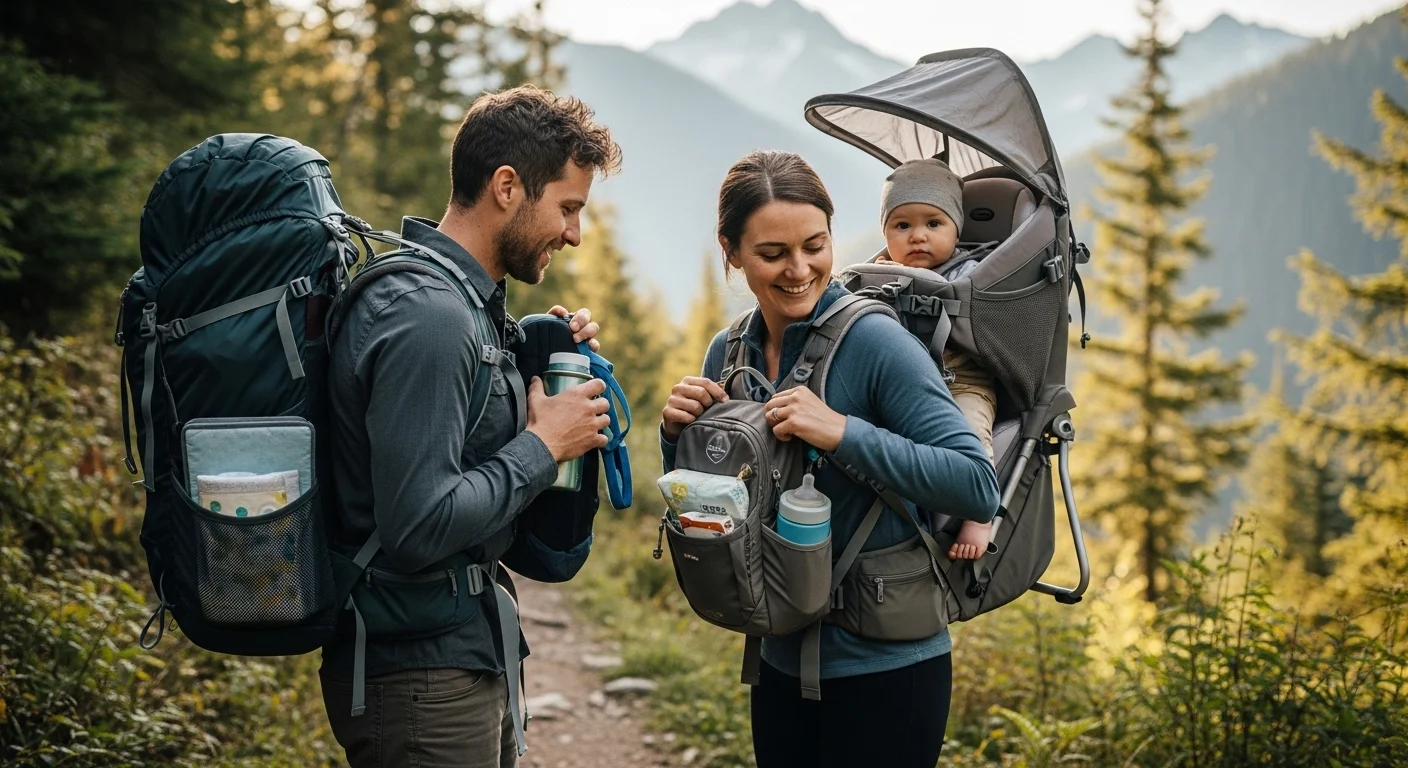
One of the first pieces of gear I invested in was a baby carrier. I tried a few different styles, but I quickly learned that a comfortable and ergonomic design is essential for both me and my baby. The right carrier should support my baby’s developing spine while being comfortable enough for long hikes. I loved using a structured backpack carrier for longer hikes, as it evenly distributed the weight and allowed for storage space for essentials.
When choosing a carrier, I considered features like sunshades, adjustable straps, and padding. I remember finding a carrier that had built-in sun protection, which was a game-changer during those sunny summer hikes. I also appreciated that it could be used in multiple carrying positions as my baby grew. This flexibility was vital, as it allowed us to adapt as our needs changed.
Child-Safe Backpack Options
For longer trips, I found that investing in a child-safe backpack was crucial. These backpacks are designed specifically for carrying babies and toddlers, with safety features that keep them secure. I remember being so relieved to find one with a sturdy frame and a five-point harness. It ensured that my baby was snug and safe while I tackled uneven terrain. Many of these backpacks also have additional pockets for storing snacks, water, and baby essentials.
Portable Cribs and Sleep Solutions
When we planned to camp overnight, I learned that having a portable crib or a safe sleep solution was imperative. I discovered lightweight travel cribs that were easy to set up and could fit in our car without taking up too much space. This made all the difference during our camping trips, as I wanted my baby to have a safe and familiar sleeping environment.
For those nights spent under the stars, I also ensured we had a sleeping bag that was appropriate for my baby’s age. I found that it was helpful to layer their sleepwear to adjust for temperature changes, keeping my baby cozy and warm. This attention to detail allowed for peaceful nights, which made our adventures more enjoyable.
First Aid Kits for Infants
No backpacking trip is complete without a well-stocked first aid kit. I learned quickly that babies require different supplies than adults. I made sure our kit contained infant-specific items, like a digital thermometer, baby-safe pain relievers, and antiseptic wipes. It gave me peace of mind knowing I was prepared for any minor mishaps that could arise during our hikes.
Sun Protection Gear
Sun protection was another essential consideration. I quickly realized that babies can be particularly sensitive to sun exposure. I invested in a wide-brimmed hat and baby sunscreen, which became staples in our outdoor gear. I also found a lightweight, breathable cover for the baby carrier, which provided an extra layer of protection against harmful UV rays.
Weather-Appropriate Clothing
Lastly, ensuring my baby was dressed appropriately for the weather made all the difference. I learned the importance of layering; having moisture-wicking base layers, warm mid-layers, and waterproof outer layers allowed us to adapt to changing weather conditions. I remember the first time we encountered an unexpected rain shower on a hike. Thanks to our preparations, my baby stayed dry and comfortable, which made the experience far more enjoyable for both of us.
Safety Accessories for Hiking with Babies
Baby Helmets and Protective Gear
As I delved deeper into hiking with my baby, I quickly realized that safety accessories were just as important as the gear we used. One of the first things I considered was a baby helmet. I remember seeing other parents with their little ones wearing helmets while exploring rocky terrains, and it made total sense. Even on simple, well-maintained trails, a helmet can provide extra protection against accidental bumps and falls.
In my experience, finding a lightweight and comfortable helmet was key. I wanted my baby to be protected without feeling weighed down. I discovered that several brands offered helmets designed specifically for toddlers and infants, tailored to fit snugly and securely. I believe that introducing this kind of protective gear early helps children get used to wearing it, making it a natural part of their outdoor adventures.
Safety Harnesses and Leashes
Another accessory that became invaluable during our hiking trips was a safety harness. I found that as my baby grew more mobile, having a harness allowed me to keep them close while navigating tricky paths. It gave me peace of mind knowing that they were secure, especially when we were hiking near steep drop-offs or uneven terrain.
There are various types of safety harnesses available, and I chose one that was comfortable and easy to adjust. I remember seeing one that resembled a cute little backpack, which made it fun for my baby to wear. Having a leash attached to the harness added an extra layer of security. It allowed my little explorer to feel a sense of independence while still keeping them safe and within reach. This way, we could enjoy our hikes while I was reassured by their safety.
Reflective Gear and Visibility Accessories
When I started backpacking with my baby, I quickly learned the importance of visibility. We often found ourselves hiking in areas where the trails were narrow or surrounded by trees, making it challenging for others to see us. To address this, I invested in reflective gear. I chose a bright, reflective vest for myself, and I also looked for baby clothing with reflective elements to ensure that my little one was visible, especially during early morning or late afternoon hikes.
In my opinion, these accessories are essential not just for safety but also for helping other hikers be aware of our presence. I felt a sense of relief knowing that we were making it easier for others to spot us, which is especially important when hiking in busy parks or popular trails. It allowed us to enjoy our adventure while staying safe and considerate of those around us.
Choosing the Right Gear for Your Adventure
Considerations for Terrain and Weather
Every hiking adventure is unique, and I learned that adjusting our gear based on the terrain and weather was crucial. When planning a hike, I always considered the trail conditions. If we were heading to a rocky or uneven path, I made sure we had sturdy footwear for both me and my baby. I remember one hike where the trail was particularly rugged; having the right shoes helped me navigate with confidence while ensuring my baby was secure in the carrier.
Weather was another factor that influenced our gear choices. On sunny days, I made sure to pack extra water and sun protection gear. During cooler months, I focused on layering our clothing to adapt to fluctuating temperatures. I often checked weather forecasts ahead of our hikes, allowing us to prepare appropriately. These considerations not only kept us comfortable but also contributed to our overall enjoyment of the experience.
Weight and Portability of Gear
As a parent, I quickly learned that weight and portability are significant when it comes to backpacking with a baby. Carrying everything we needed could quickly become overwhelming, especially on longer hikes. I found that opting for lightweight, compact gear made a world of difference. For instance, I invested in a lightweight baby carrier that could easily fold up when not in use. This way, I could keep my hands free for other necessities, like snacks or water bottles.
Additionally, I paid close attention to the weight of our backpacks. I remember one trip where I overpacked, thinking I needed every little thing. After that experience, I learned to prioritize essentials and leave behind non-essentials. This not only lightened the load but also made our hikes more enjoyable and less stressful.
Age and Developmental Stage of the Baby
Every baby is different, and I found it important to consider my child’s age and developmental stage when choosing gear. As my baby grew, their needs changed. For instance, when they were an infant, I primarily used a structured carrier that supported their head and neck. As they became more active and curious, I transitioned to a different carrier that allowed them to face outward and explore their surroundings.
I also learned to assess my baby’s comfort level with different gear. Some babies may feel more secure in a wrap carrier, while others might prefer a backpack carrier. This understanding helped us adapt our outings to suit my baby’s changing preferences and development. By paying attention to these factors, I could ensure that our adventures remained enjoyable for both of us.
Tips for Keeping Your Baby Safe While Backpacking
Planning Safe Hiking Routes
One of the most important lessons I learned while backpacking with my baby was the significance of planning safe hiking routes. Before each trip, I researched trails that were not only scenic but also manageable for us. I remember discovering a local trail that was popular among families, and it turned out to be the perfect choice. It was relatively flat, had wide paths, and offered plenty of shaded areas for breaks. This made the hike enjoyable for both of us and eased my worries about safety.
When planning, I considered factors such as the trail’s difficulty level, accessibility, and how crowded it might be. I found that less crowded trails often provided a more peaceful experience without the stress of navigating through large groups of people. I also made it a point to familiarize myself with the area using apps and maps, noting where we could find water sources or restrooms along the way. Having this information made our adventures smoother and allowed me to focus on creating wonderful memories with my baby.
Emergency Procedures and Communication
While I hoped for the best during our hikes, I knew it was crucial to prepare for the unexpected. I made it a habit to talk with my partner about emergency procedures before each outing. We discussed what to do if we got separated or if one of us needed help. I felt it was essential to have a plan in place, especially since we were often far from help.
In addition to having a plan, I always carried a fully charged phone and a portable charger. I remember one hike when my phone battery drained unexpectedly, and I realized how important it was to have a backup. I also carried a map of the area in case we lost signal. I made sure to let someone know our hiking plans, including the expected return time, just in case anything went awry. This gave me peace of mind knowing that someone was aware of our whereabouts.
Hydration and Nutrition for Your Baby
Keeping my baby hydrated and well-fed during our hikes was another priority I learned to focus on. Babies, like adults, need to stay hydrated, especially when out in the sun or during physical activity. For shorter hikes, I always packed a sufficient supply of formula or breast milk in insulated containers, ensuring it stayed fresh. I remember packing a cooler with ice packs for our longer excursions, which allowed us to enjoy a nutritious meal without worrying about spoilage.
I also discovered the importance of establishing a routine around snack breaks. I found that having frequent snack breaks not only kept my baby content but also provided us both with a moment to relax and enjoy our surroundings. I packed easy-to-eat snacks such as baby puffs, soft fruits, or pureed pouches that were convenient to manage. Making sure my little one was nourished and hydrated helped us both stay energized and happy throughout our adventures.
Frequently Asked Questions About Baby Safety Gear
When Can You Take a Baby Backpacking?
In my experience, the right time to start backpacking with a baby largely depends on their individual development. I found that many parents begin exploring the outdoors with their little ones around six months, when babies are able to hold their heads up and have more control over their bodies. However, it’s essential to consider your baby’s temperament and comfort level. Every baby is different, and I think it’s vital to listen to your instincts about when to take that leap into backpacking.
What Are the Best Baby Carriers for Hiking?
Choosing the best baby carrier for hiking can feel overwhelming with so many options available, but I found a few key features that made a significant difference. Look for carriers that provide excellent support for both you and your baby, have padded shoulder straps, and include a comfortable waist belt. I particularly loved structured carriers because they offered great back support and allowed me to carry my baby for extended periods. I recommend trying a few out at stores to see which one feels the best for you and your baby’s needs.
How to Prepare for Weather Changes?
Weather can be unpredictable, so preparing for changes is essential when backpacking with a baby. I learned to check the weather forecast frequently leading up to our trips and while on the trail. I made sure to pack extra layers for both myself and my baby, including rain jackets, hats, and warm clothing, depending on the season. It’s also wise to carry lightweight ponchos or packable rain gear, as they can easily fit into any bag without adding too much weight.
What First Aid Supplies Are Essential for Babies?
When it comes to first aid supplies for babies, I found that having the right items on hand can really put a parent’s mind at ease. Key items include infant pain relievers, antiseptic wipes, a digital thermometer, and band-aids designed for sensitive skin. I also packed diaper rash cream and allergy medications, just in case. Each adventure taught me the importance of being prepared for any minor emergencies that could arise, allowing us to enjoy our outdoor explorations without worry.
Frequently Asked Questions
When can you take a baby backpacking?
The right time to start backpacking with a baby largely depends on their individual development. Many parents begin exploring the outdoors with their little ones around six months, when babies are able to hold their heads up and have more control over their bodies. However, it’s essential to consider your baby’s temperament and comfort level.
What are the best baby carriers for hiking?
Choosing the best baby carrier for hiking involves looking for carriers that provide excellent support for both you and your baby. Key features include padded shoulder straps, a comfortable waist belt, and structured carriers that offer great back support for extended periods of carrying.
How to prepare for weather changes?
To prepare for weather changes while backpacking with a baby, check the weather forecast frequently before and during your trips. Pack extra layers for both yourself and your baby, including rain jackets, hats, and warm clothing. Lightweight ponchos or packable rain gear can also be useful for unexpected rain.
What first aid supplies are essential for babies?
Essential first aid supplies for babies include infant pain relievers, antiseptic wipes, a digital thermometer, and band-aids designed for sensitive skin. It’s also wise to pack diaper rash cream and allergy medications to prepare for minor emergencies during outdoor adventures.
What types of backpacking adventures are suitable for babies?
Day hikes on well-maintained trails are the best choice for backpacking with babies. These adventures allow families to enjoy the outdoors without exposing their little ones to risky terrain. Parks and nature reserves with family-friendly trails are ideal for introducing babies to hiking.
What safety gear is crucial for backpacking with a baby?
Crucial safety gear for backpacking with a baby includes a comfortable and ergonomic baby carrier, a child-safe backpack with safety features, a portable crib for camping, a well-stocked first aid kit, and sun protection gear such as hats and baby sunscreen. You can find a detailed overview in the Ultimate Guide to Essential Baby Gear for Adventure.
How can you keep your baby comfortable during hikes?
To keep your baby comfortable during hikes, ensure they are dressed appropriately for the weather with moisture-wicking base layers, warm mid-layers, and waterproof outer layers. Frequent breaks for snacks and hydration also help maintain comfort and energy levels.
What are safety accessories for hiking with babies?
Safety accessories for hiking with babies include baby helmets for protection against bumps and falls, safety harnesses to keep them close while navigating tricky paths, and reflective gear to enhance visibility on the trails.
How important is planning safe hiking routes?
Planning safe hiking routes is crucial when backpacking with a baby. Researching trails that are scenic yet manageable ensures a more enjoyable experience. Consider factors such as trail difficulty, accessibility, and crowd levels to enhance safety and comfort.
How should you manage hydration and nutrition for your baby while hiking?
Managing hydration and nutrition for your baby while hiking involves packing sufficient supplies of formula or breast milk in insulated containers. Establishing a routine around snack breaks with easy-to-eat snacks helps keep the baby content and energized during the hike. For budget-conscious families, check out Traveling with a Newborn: Essential Gear on a Budget.