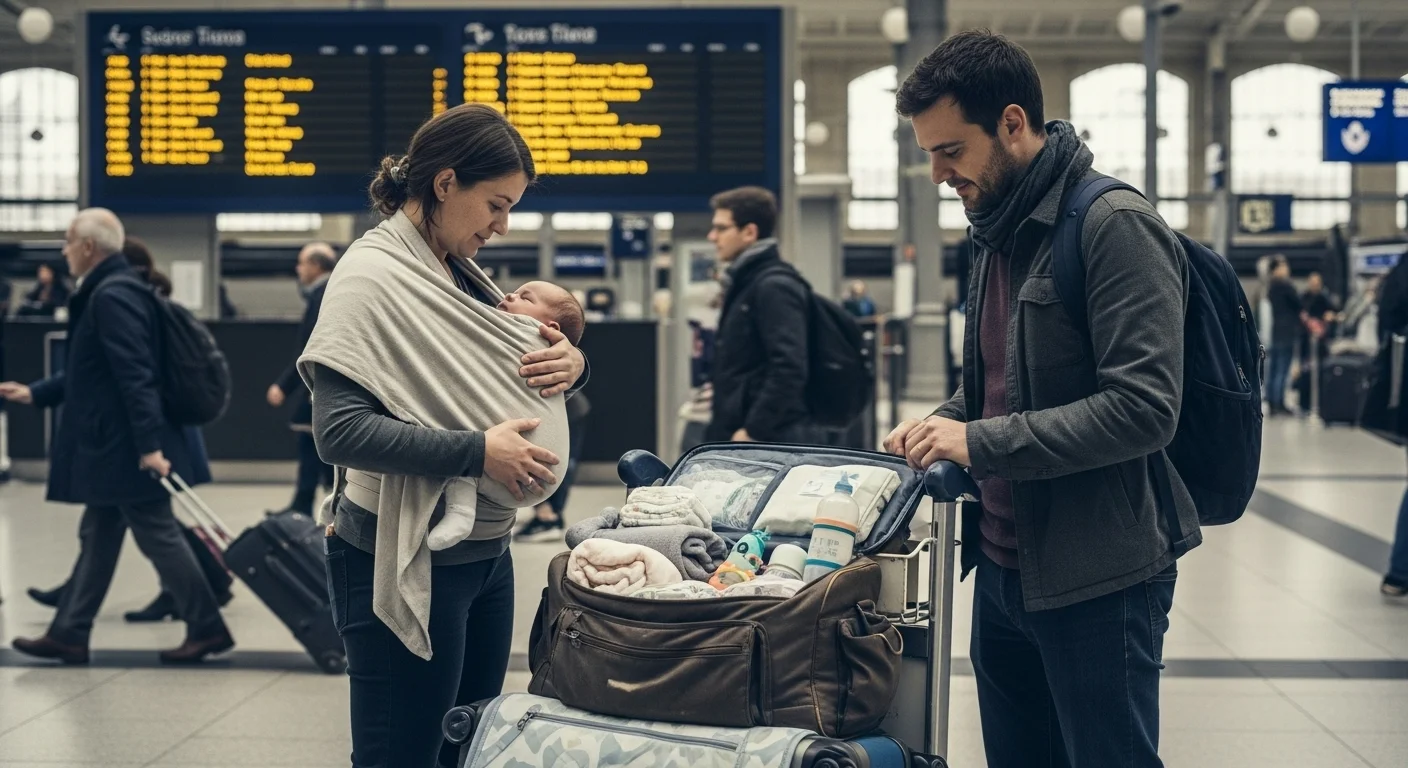
Traveling with a newborn can feel daunting, but with the right preparations, it can also be a delightful adventure. Let’s explore how to navigate this journey while keeping comfort and budget in mind. Read Interesting article: Traveling Smart: Cognitive Milestones in Newborns Explained
Traveling with a Newborn: Essential Gear on a Budget
Understanding the Needs of Newborns When Traveling
When I first decided to take a trip with my newborn, I felt a mix of excitement and apprehension. I quickly learned that understanding the needs of a baby while traveling is essential for a smooth experience. Newborns are delicate, and their specific requirements can make travel a little tricky. However, with thoughtful planning, we can make it enjoyable for both the baby and ourselves.
Health and Safety Considerations
The health and safety of a newborn are, without a doubt, the top priority when traveling. I quickly discovered that any outing should begin with a solid plan for keeping my baby safe. First, I made sure to check with our pediatrician about any travel restrictions or recommendations. For example, infants under two months are generally advised to avoid crowded places due to their still-developing immune systems.
Keeping hygiene in mind is also crucial. I made it a habit to carry hand sanitizer and disinfecting wipes to clean surfaces and my hands whenever necessary. I remember being particularly cautious in airports and on public transportation, where germs can easily spread. Having a small first-aid kit handy was another lifesaver; it included essentials like baby-safe pain relievers and thermometer, just in case. If you’re concerned about diaper care, learning how to treat diaper rash while traveling can also be beneficial.
Comfort and Convenience for Parents
Traveling with a newborn isn’t just about their comfort; it’s about making the journey easier for us parents too. I found it immensely helpful to plan our itinerary around the baby’s schedule. This meant taking a break for feedings and naps. I would recommend keeping travel times flexible, allowing for unexpected stops or delays without feeling stressed.
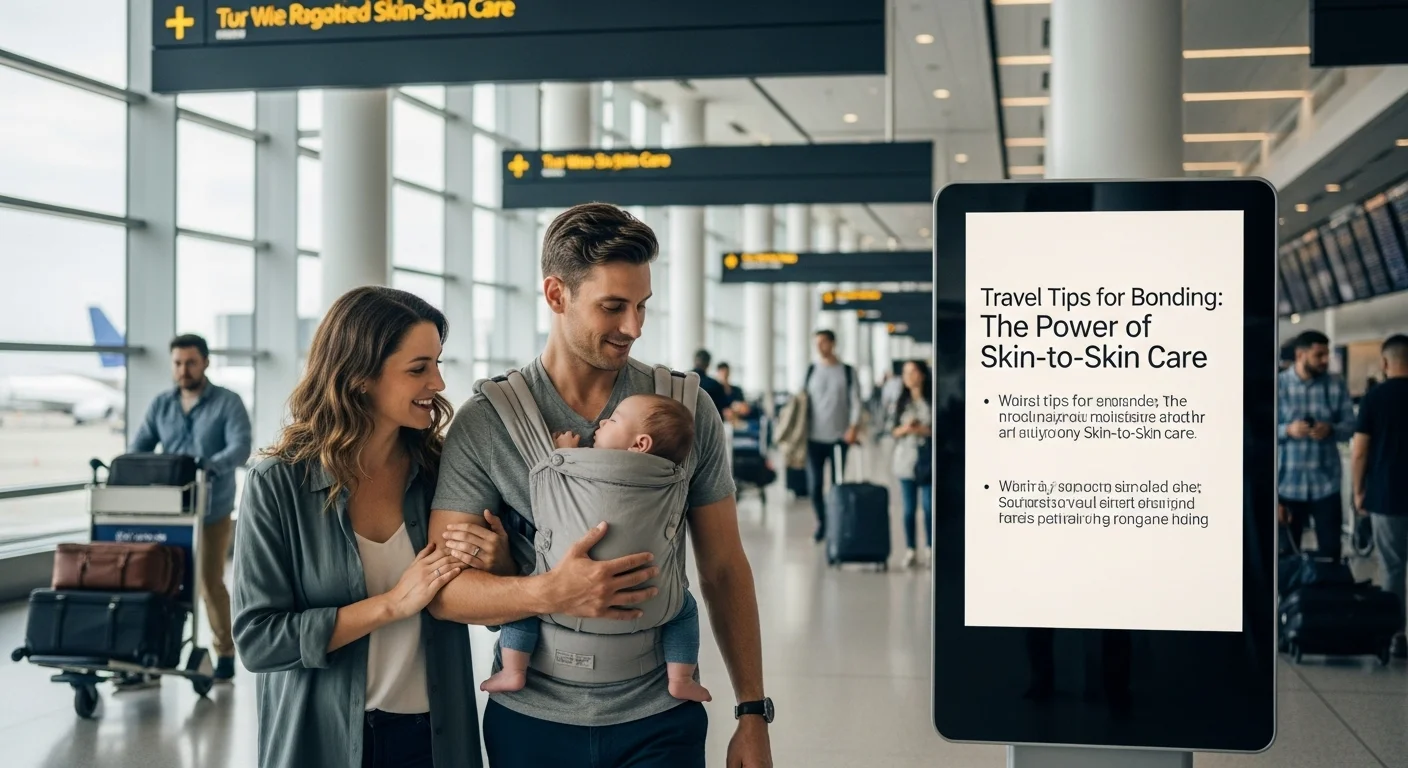
Another aspect I learned is the importance of having the right gear. I invested in a good-quality carrier that made it easy to hold my baby close while having my hands free. This was a game-changer! It allowed me to navigate through busy airports or crowded tourist spots, all while ensuring my little one felt secure and comfortable. Plus, it helped me stay organized, which I quickly realized is key when you’re on the go with a newborn.
Essential Gear for Traveling with a Newborn
Now that we’ve touched on the fundamental needs of our little ones, let’s dive into the gear that makes traveling with a newborn easier. I’ve found that investing in a few key items can make a world of difference, especially when trying to stick to a budget.
Travel Crib or Portable Bassinet
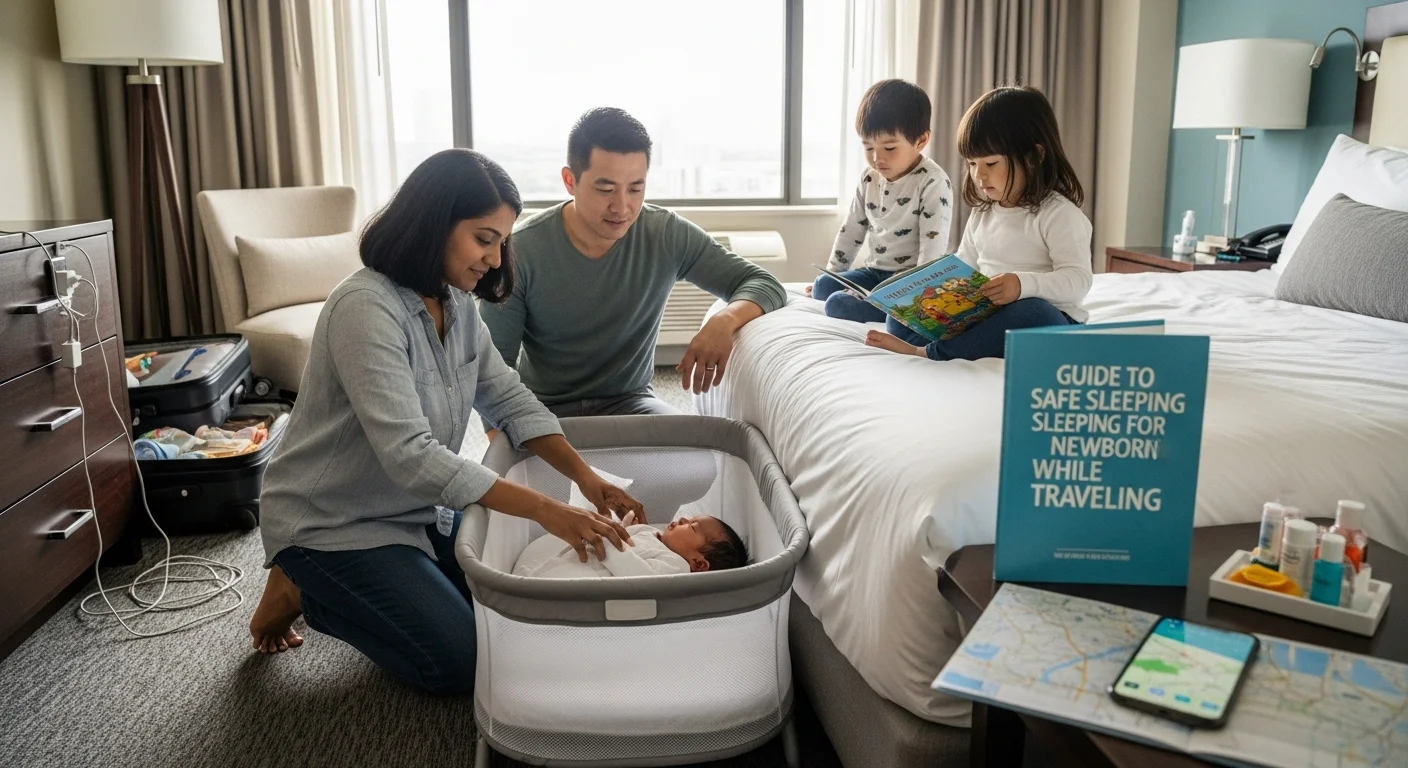
One of the first items I looked into was a travel crib or portable bassinet. Having a safe sleeping space for my baby was non-negotiable. I chose a lightweight option that could easily fit into my suitcase, and it was a lifesaver during our trip. I remember setting it up in hotel rooms and feeling a sense of relief knowing my baby had a familiar sleep environment.
Lightweight Stroller
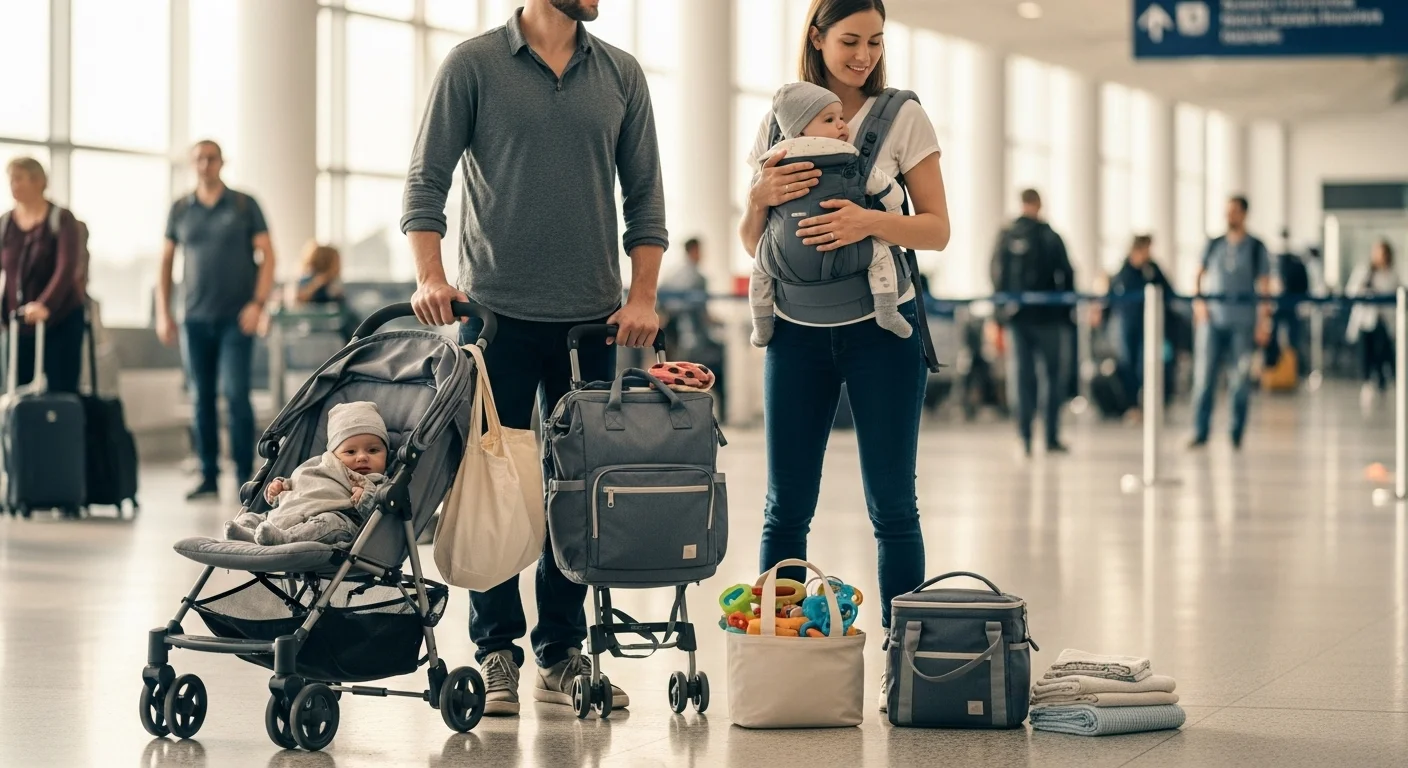
A lightweight stroller is another essential piece of gear. I used to struggle with bulky strollers, but I realized having one that’s easy to fold and carry can significantly reduce stress during travel. I found a compact model that fit easily in overhead compartments on flights, which was a huge plus. It was easy to maneuver in busy areas, and I loved having the option to let my baby nap comfortably while we explored new places.
Baby Carrier or Sling
As I mentioned earlier, a baby carrier or sling was invaluable for us. Not only did it keep my hands free, but it also allowed my baby to stay close to me, which I believe made them feel secure amid all the new sights and sounds. I appreciated having the option to switch between wearing my baby on my front or back, depending on my needs and their mood.
Diaper Bag with Organization Features
A well-organized diaper bag can make all the difference, especially when you’re on the go. I opted for one with multiple compartments, which helped keep everything from diapers to bottles and snacks neatly arranged. I’ll never forget the sense of accomplishment when I found the wipes right when I needed them, thanks to my organized bag! I also made sure to pack extra plastic bags for dirty clothes or diapers, which was a lifesaver during long outings.
Travel-Friendly Baby Monitor
Investing in a travel-friendly baby monitor was another smart choice. It provided peace of mind while we were in unfamiliar places. I could easily check in on my baby while they napped, without having to hover over them constantly. I remember feeling so much more relaxed, knowing I could hear them if they stirred.
Portable High Chair
When it came time for meals, having a portable high chair was essential. I was surprised at how many places didn’t have high chairs available! Having a compact one that could easily attach to a regular chair made feeding time much more manageable. It allowed us to enjoy meals together without worrying about my baby being uncomfortable or unsafe.
Car Seat for Travel Safety
Finally, a reliable car seat is a must-have for any road trips or when using taxis or rideshares. I learned that some companies even allow you to rent car seats, but I prefer to bring my own for safety and familiarity. Choosing a lightweight model made it easier to transport, and I felt reassured knowing my baby was secure during our travels.
Budget-Friendly Tips for Acquiring Gear
When it comes to traveling with a newborn, the expenses can add up quickly. I remember feeling overwhelmed by the thought of investing in all the necessary gear. However, I found several budget-friendly strategies that allowed me to equip myself without breaking the bank. Here are some tips I discovered along the way.
Buying Gently Used Equipment
One of my favorite ways to save money was by purchasing gently used baby gear. I was amazed at the variety of options available online and in local marketplaces. Many parents sell items that are barely used and in excellent condition. I remember finding a great deal on a travel crib that looked brand new! Not only did this help me stick to my budget, but it also felt good to know I was giving these items a second life.
Renting Baby Gear at Your Destination
Another brilliant option I stumbled upon was renting baby gear at our destination. This was especially useful for items that are bulky or difficult to travel with, such as strollers or high chairs. I did some research and found several companies that specialize in baby gear rentals. It was such a relief to have a high-quality stroller waiting for us when we arrived, and it saved us the hassle of lugging it through the airport. Plus, it kept our luggage light!
Borrowing from Friends or Family
Don’t underestimate the power of your network! I reached out to friends and family who had recently traveled with their little ones and asked if I could borrow any gear. I was surprised at how willing they were to help. I borrowed a baby carrier and a portable high chair, which made a huge difference during our travels. It’s a great way to save money and also connect with loved ones who can share their experiences!
Utilizing Local Parenting Groups or Online Marketplaces
Local parenting groups can be a treasure trove of information and resources. I joined a few groups on social media, and they often had postings for gear swaps or sales. I remember seeing a post where a family was giving away their travel crib for free! It felt like a win-win situation; they got to clear out space, and I got a much-needed item for my trip. Online marketplaces like Facebook Marketplace or Craigslist can also be fantastic resources for finding good deals on baby gear.
Smart Packing Strategies for Traveling Parents
Packing for a trip with a newborn can feel like a daunting task. I learned that having smart packing strategies in place can make the whole process smoother and more organized. Here’s what worked for me.
Creating a Packing List
Before my first trip, I created a comprehensive packing list. This was crucial in ensuring I didn’t forget any essentials. I broke down the list into categories like clothing, feeding supplies, diapering essentials, and toys. I even included a checklist for myself! This helped me stay focused and reduced the stress of last-minute packing. I recommend checking off items as you pack them to avoid the panic of wondering if you forgot something.
Minimizing Baby Clothing and Essentials
One thing I quickly realized was the importance of minimizing baby clothing and essentials. Babies grow so fast, and I didn’t want to overpack. I decided to bring only a few versatile outfits that could be mixed and matched. I also focused on essentials, like a couple of swaddles and blankets, instead of packing everything “just in case.” This not only saved space but also made it easier to keep track of items during our travels.
Using Compression Bags for Space Saving
Compression bags became my best friend while packing. I used them to save space in our luggage for both baby clothes and my own. I remember being amazed at how much more I could fit in my suitcase by simply compressing everything! This trick helped keep my luggage organized and made it easier to access items when we arrived at our destination. Plus, it reduced the bulkiness of our bags, making it easier to navigate airports and hotels.
Choosing Budget Accommodation Options
Finding the right place to stay can have a big impact on your travel experience, especially with a newborn. I discovered that there are plenty of budget-friendly accommodation options that cater to families. Here’s what I found.
Family-Friendly Hotels vs. Vacation Rentals
I weighed the pros and cons of family-friendly hotels versus vacation rentals. Hotels often provide cribs and have amenities like pools and breakfast, which can save money on meals. However, vacation rentals offered more space and a kitchen, making it easier to prepare meals for my baby. I ended up choosing a vacation rental for our trip, which allowed us to have a home-like environment where my baby could sleep comfortably, and we could relax without feeling cramped.
Considerations for Safety and Accessibility
Safety and accessibility were top priorities for me when choosing accommodations. I looked for places that had easy access to essentials like grocery stores and pharmacies. It was also important to ensure that the property was baby-proofed and had a safe sleeping environment. I found that reading reviews from other families in similar situations helped me make informed decisions. This way, I could travel with peace of mind, knowing that our stay would be comfortable and safe for everyone.
Transportation Tips for Traveling with a Newborn
Choosing the Right Mode of Transportation
When it came to deciding how to get to our travel destination, I realized that choosing the right mode of transportation can make a world of difference when you have a newborn in tow. For me, the biggest factors were comfort, convenience, and safety. I’ve tried different options like flying, driving, and taking trains, and each has its pros and cons.
Flying can be quick and efficient, but it also involves a lot of logistics. I remember my first flight with my baby; it felt overwhelming. However, I learned that flying during off-peak times can reduce stress, as the airports are less crowded. I also discovered that most airlines offer family boarding, which gives you a little extra time to settle in without the rush. Plus, asking for a bassinet seat can make a significant difference in comfort, especially for longer flights.
On the other hand, road trips allowed us flexibility in our schedule. We could stop whenever we needed, whether for a feeding or a diaper change. I found that packing the car with essentials made the journey smoother. I made sure to have snacks and toys easily accessible, which helped keep my baby entertained. Overall, the choice often boiled down to how far we were traveling and what would be more comfortable for us as a family.
Public Transportation vs. Renting a Car
When considering transportation at our destination, I faced the decision between relying on public transportation or renting a car. I’ve had experiences with both, and I believe each has its advantages. Public transportation can be economical and often offers a unique way to explore a new city. However, I found that navigating subways or buses with a newborn can be challenging. There were times I wished for the convenience of having my own car, especially when it came to carrying all our baby gear.
On one trip, we decided to rent a car, which turned out to be a fantastic choice! It gave us the freedom to explore at our own pace without the constraints of public transport schedules. I made sure to reserve a car seat in advance, which made picking up the car much smoother. I also appreciated the convenience of having a trunk to store our stroller and diaper bag. Plus, we could easily find parking near attractions, which is a huge plus when you’re juggling a baby and all their necessities.
Feeding and Changing on the Go
Portable Bottle Warmers
Feeding my baby while traveling was another area where I wanted to be well-prepared. I quickly found that portable bottle warmers are a game-changer. On our trips, I would fill a thermos with hot water before we left, which worked wonders for warming up bottles on the go. I remember using a bottle warmer that plugged into the car outlet, and it made life so much easier when we were traveling by road. Having the ability to warm up a bottle in just a few minutes meant my baby stayed happy and satisfied, and I felt like I was on top of things!
Traveling with Breastfeeding Supplies
For breastfeeding moms, packing the right supplies is essential. I made sure to have a comfortable nursing cover and a portable breast pump, just in case I needed to pump while we were out exploring. I also found it helpful to identify spots where I could comfortably nurse, like family-friendly cafes or quiet parks. I remember one instance where I found a lovely bench under a tree, and it turned into a serene moment for both me and my baby. Being prepared for feeding times while on the road really eased my mind, allowing us to enjoy our trip without constant worry.
Finding Changing Facilities While Traveling
Changing diapers on the go can be a bit of a puzzle, but I learned some handy tips for making it easier. I always made a mental note of where the changing facilities were located in places we visited, whether it was in restaurants, shopping malls, or parks. I even downloaded a helpful app that pointed out changing stations nearby, which was a lifesaver during outings. On one of our trips, I was so relieved to find a family restroom with a changing table; it made the experience so much more comfortable for both of us.
Having a portable changing pad was another crucial item in my diaper bag. It allowed me to change my baby anywhere without worrying about cleanliness. I remember one day at a busy tourist spot, I had to change my baby right on a grassy patch because there were no facilities nearby. That portable pad saved the day! Overall, being proactive about feeding and changing made our travels much more enjoyable, allowing us to focus on the fun parts of our trip.
Managing Sleep Schedules While Traveling
Establishing a Routine on the Road
One of the biggest challenges I faced while traveling with my newborn was managing their sleep schedule. I quickly learned that babies thrive on routine, and keeping some semblance of their usual sleep habits can help everyone stay happy. I made it a point to try to stick to my baby’s regular nap and bedtime as much as possible, even when we were away from home. I found that creating a flexible schedule worked best. This meant planning our activities around their nap times, rather than cramming every possible sight into our day.
Creating a Sleep-Friendly Environment
Whether we were in a hotel or a vacation rental, I focused on creating a sleep-friendly environment for my baby. I brought along blackout curtains and a white noise machine, which helped drown out any unfamiliar sounds. I remember one night, my baby struggled to sleep because of loud music from a nearby event. I quickly turned on the white noise machine, and it worked like magic! It helped mask the noise and created a cozy atmosphere that reminded them of home. I also made sure to have their favorite blanket and stuffed animal, which provided comfort in new surroundings. These little touches made a significant difference in ensuring my baby had restful sleep while we traveled.
Dealing with Emergencies While Traveling
Knowing Local Hospitals and Pediatric Care
As a parent, the thought of emergencies while traveling can be terrifying. I learned the importance of knowing where local hospitals and pediatric care facilities were located in case of any unexpected situations. Before any trip, I would spend a few minutes researching healthcare options in the area. I made a mental note of the nearest hospital and even saved the contact information in my phone. This way, I felt more prepared and less anxious, knowing that help was within reach if we needed it.
Travel Insurance Considerations for Newborns
Travel insurance is another aspect that I didn’t overlook. I found that getting a policy that covers newborns was essential for peace of mind. I remember being on a trip when my baby caught a mild cold, and I was relieved to know I had insurance that could help cover any necessary medical expenses. I recommend reviewing the specifics of any policy before you travel, particularly regarding coverage for newborns and any additional services you may need. Having that safety net allowed me to relax more and enjoy our adventures without constantly worrying about what might go wrong.
Frequently Asked Questions
What are some health and safety considerations when traveling with a newborn?
Health and safety are top priorities when traveling with a newborn. It’s important to check with a pediatrician for any travel restrictions or recommendations. Newborns under two months should avoid crowded places. Keeping hygiene in mind is crucial, so carrying hand sanitizer and disinfecting wipes is recommended. Additionally, having a small first-aid kit with baby-safe pain relievers and a thermometer can be very helpful.
How can parents ensure comfort and convenience while traveling with a newborn?
To ensure comfort and convenience, parents should plan their itinerary around the baby’s schedule, allowing for breaks for feedings and naps. It’s also important to have the right gear, such as a good-quality baby carrier to keep the baby close while keeping hands free, which can help with navigation in busy areas.
What essential gear should parents consider for traveling with a newborn?
Essential gear for traveling with a newborn includes a travel crib or portable bassinet, a lightweight stroller, a baby carrier or sling, a well-organized diaper bag, a travel-friendly baby monitor, and a portable high chair. A reliable car seat is also necessary for road trips or when using taxis or rideshares.
What are some budget-friendly tips for acquiring baby gear for travel?
Parents can save money by buying gently used baby gear, renting baby gear at their destination, borrowing from friends or family, and utilizing local parenting groups or online marketplaces for gear swaps or sales.
What smart packing strategies can help when traveling with a newborn?
Creating a comprehensive packing list is crucial, along with minimizing baby clothing and essentials to avoid overpacking. Using compression bags can save space in luggage, making it easier to navigate airports and hotels.
How do parents choose between family-friendly hotels and vacation rentals?
When choosing accommodations, parents should weigh the pros and cons. Hotels often provide cribs and amenities like pools and breakfast, while vacation rentals offer more space and kitchen facilities. Safety and accessibility to essentials are also important considerations.
What are some transportation tips for traveling with a newborn?
Choosing the right mode of transportation is key. Flying can be quick, but road trips offer more flexibility. Parents should also decide between public transportation and renting a car at their destination based on convenience and comfort, especially when carrying baby gear.
How can parents manage feeding and changing while on the go?
Parents can use portable bottle warmers for feeding and should pack breastfeeding supplies if needed. It’s also helpful to locate changing facilities in advance and have a portable changing pad to ensure comfort and cleanliness when changing diapers.
What strategies can help manage a newborn’s sleep schedule while traveling?
To manage a newborn’s sleep schedule, parents should try to stick to their baby’s regular nap and bedtime as much as possible. Creating a sleep-friendly environment with blackout curtains and white noise machines can also help ensure restful sleep in unfamiliar places.
What should parents know about dealing with emergencies while traveling?
Parents should know the location of local hospitals and pediatric care facilities before traveling and consider travel insurance that covers newborns for peace of mind. Having this information readily available can alleviate anxiety in case of unexpected situations.
Traveling with little ones can feel like a daunting task, especially on a budget. However, with the right baby gear, family adventures can be enjoyable and affordable! Read Interesting article: Budget Backpacking with Baby: Must-Have Gear
Essential Baby Gear for Traveling Families on a Budget
Understanding the Needs of Traveling Families
Why Travel with Babies?
When I first became a parent, I was overwhelmed with the idea of traveling with a baby. But over time, I realized that traveling with little ones can be a rewarding experience. For me, it was about exposing my child to new cultures, sights, and experiences right from the start. I believe that travel helps broaden our perspectives and strengthens family bonds. I remember taking my first trip with my baby; it was challenging, yes, but it also created wonderful memories that we still cherish today.
Traveling with babies also allows them to adapt to different environments. I’ve seen how my child became more curious and open-minded as we visited new places. Plus, it gives parents a chance to step away from their daily routines, explore, and grow as a family. For those of us on a budget, it’s all about making the most of the experience while being mindful of expenses.
Key Considerations for Budget Travel
When planning a trip as a family, especially on a budget, there are several key considerations I’ve learned along the way. First, flexibility is essential. Traveling during off-peak seasons can help save money on flights and accommodations. I always compare different travel options – from flights to car rentals – to find the best deals. Websites like Google Flights or Skyscanner have been my trusty allies.
Next, I focus on destinations that are family-friendly and affordable. Some places offer a wealth of experiences without breaking the bank. I also learned to look for free or low-cost activities in the area, like parks, beaches, or local festivals. Our family has enjoyed countless picnics in parks where we could relax while the kids played. Additionally, I recommend checking out Budget Backpacking Tips for Traveling with Infants for more insights on affordable family travel.
Accommodations are another major factor. I prefer family-friendly hotels or vacation rentals that provide kitchen facilities. Cooking some meals can significantly cut down costs. I also recommend reading reviews from other families to find places that are truly kid-friendly.
Lastly, packing wisely can reduce expenses. Instead of buying baby essentials at our destination, I always try to bring what we need. This not only saves money but also ensures that we have familiar items for our little ones. I found that having their favorite toys or blankets can make a huge difference when they’re in a new environment.
Essential Baby Gear for Air Travel
Lightweight Strollers
When I traveled with my baby on a plane for the first time, I quickly learned that a lightweight stroller is a game changer. I recommend finding one that’s easy to fold and carry, as it makes navigating through airports a breeze. For us, having a compact stroller meant we could easily get through security and gate-check it without hassle.
There are many options available, but I found that strollers with large canopies are particularly useful for air travel. They keep the sun off my little one and provide a cozy spot for napping while we wait. I suggest looking for strollers that can recline, as this can help your baby sleep comfortably during long layovers.
Travel Cribs and Pack ‘n Plays
Finding a safe and comfortable sleeping arrangement for your baby is crucial. I always recommend investing in a good travel crib or a Pack ‘n Play. These lightweight and portable cribs are perfect for hotel rooms or rented accommodations. They provide a familiar sleeping environment that can help babies settle down, even in new places.
From my experience, many hotels can provide cribs, but they might not meet your safety standards or be as comfortable as your own. Having our own travel crib gave me peace of mind, and it was worth every penny. Plus, it doubles as a playpen during the day, so your little one has a safe space to explore.
Diaper Bags with Travel-Friendly Features
Choosing the right diaper bag can make all the difference when traveling. I’ve found that bags with multiple compartments help keep everything organized. Look for features like insulated pockets for bottles, wipes dispensers, and even built-in changing pads. This way, everything is easily accessible during travel.
One of my favorite diaper bags also had backpack straps, which made it easier to carry while juggling other items. It’s essential to have a bag that is not only stylish but functional. I learned that keeping all baby essentials in one place can save time and reduce stress during travel.
Portable High Chairs
Eating out with a baby can be tricky, but having a portable high chair can make it much easier! I remember struggling to keep my baby seated at restaurants until I discovered these handy chairs. They’re lightweight and can attach to regular chairs, making it easy for your little one to join us at the table.
Look for options that are easy to clean and fold up compactly. I’ve found that a portable high chair allows my baby to feel included during meals, which promotes good eating habits and makes dining out more enjoyable for the whole family.
Baby Carriers and Slings
Baby carriers have been a lifesaver for me during travel. They allow me to keep my hands free while keeping my baby close. I particularly love the soft-structured carriers that provide comfort and support for both of us. Traveling through crowded airports or busy streets can be overwhelming, but having my baby securely in a carrier made me feel more at ease.
When choosing a carrier, look for options that are adjustable and can be used in different positions. Some designs even allow you to wear your baby on your back, which can be great as they grow. I found that using a baby carrier not only helps my child feel secure, but it also encourages bonding, making travel a richer experience for both of us.
Must-Have Baby Gear for Road Trips
Car Seats: Safety and Comfort
When it comes to road trips, the first thing that comes to mind is a reliable car seat. For me, safety was always my top priority. I remember spending hours researching the best options and reading reviews. I found that investing in a high-quality car seat not only ensures my baby’s safety but also provides comfort during long drives. I recommend looking for car seats that have extra padding and support, as these make a significant difference when you’re on the road for hours.
Another important factor is ease of installation. I’ve tried a few models that were incredibly difficult to secure, and it added unnecessary stress to our travels. I learned that some car seats come with a base that can remain in the car while allowing the seat to be easily removed. This feature made my life so much easier when we were getting in and out of the car at various stops. Remember, it’s worth checking for safety ratings to ensure you’re making a wise choice.
Travel-Friendly Playpens
Having a travel-friendly playpen has been a lifesaver during our road trips. I’ve learned that a good playpen can provide a safe space for my little one to play and nap, especially when we’re staying in hotels or at friends’ houses. It gave me peace of mind knowing that my baby was secure while I took care of other things.
When choosing a playpen, I suggest looking for one that is lightweight and easy to set up. I found models that fold up compactly and can fit into the trunk without taking up too much space. A playpen that includes a carrying bag is also a huge plus for easy transport. I remember setting it up in a park during one of our stops; it gave my baby a comfortable place to play while we enjoyed a picnic nearby.
Snack and Activity Packs
One of the biggest challenges I faced while traveling by car was keeping my baby entertained. After a few long trips, I learned the importance of having a well-stocked snack and activity pack. I fill a small bag with healthy snacks, like cut-up fruits, crackers, and some of their favorites. It keeps my little one happy and prevents any meltdowns due to hunger.
In addition to snacks, I also pack a variety of toys and activities. I’ve found that bringing along coloring books, small toys, or even a tablet loaded with kid-friendly apps can be invaluable. These little distractions really help pass the time and keep my child engaged during those long stretches of driving. I remember one road trip where I introduced my baby to simple audiobooks; it was a delightful way to keep them entertained while also fostering their love for stories.
Portable Changing Stations
Road trips often mean multiple stops along the way, and having a portable changing station can make diaper changes much more convenient. I learned to choose a changing pad that folds up easily and fits in my diaper bag. These pads often come with pockets for wipes and diapers, which helps keep everything organized and accessible.
During our travels, I’ve set up makeshift changing stations in various locations, from the backseat of the car to rest stops. Having a dedicated portable changing station made me feel more prepared and less stressed about finding a clean space to change my baby. I also recommend bringing along a travel-sized pack of baby wipes and a small spray bottle with diaper spray to make clean-ups easier.
Budget-Friendly Tips for Purchasing Baby Gear
Buying Second-Hand Gear
As a budget-conscious parent, buying second-hand baby gear has been a fantastic way to save money. I remember my first time visiting a local consignment store; I was surprised at the quality of the items available. Gently used strollers, car seats, and toys can often be found at a fraction of the retail price. Plus, many of these products have barely been used since babies outgrow them so quickly.
However, I always recommend checking safety standards and recalls before making a purchase. I found that some second-hand stores provide a checklist or information on the items they sell, which can be really helpful. Online marketplaces are another great option for finding second-hand gear, but I always make sure to meet the seller in a public place and thoroughly inspect the items before buying.
Renting Baby Gear at Your Destination
Another budget-friendly option I’ve discovered is renting baby gear at our travel destination. This approach not only cuts down on what I need to pack but often allows us to access high-quality equipment that we might not want to purchase outright. For example, many tourist destinations have rental services for cribs, strollers, and high chairs.
I remember renting a crib during our last vacation. It was a great way to ensure my baby had a safe sleeping environment without the hassle of lugging a travel crib along. I recommend doing a little research ahead of time to find reputable rental companies and reading reviews from other parents to ensure you’re getting reliable gear. Additionally, check out Traveling with Baby: Best Feeding Supplies on a Budget for more advice on budget-friendly baby gear options.
Utilizing Baby Gear Exchanges and Community Groups
I’ve found that local baby gear exchanges and community groups can be a treasure trove for budget-savvy parents. Many communities have Facebook groups or local forums where families can trade, sell, or give away baby items they no longer need. It’s a wonderful way to connect with other parents while also saving money on gear.
Participating in these exchanges has allowed me to find gear that was in excellent condition at a fraction of the price. Plus, it feels great to pass along items we no longer need to other families who can benefit from them. I encourage parents to check out these community resources – you never know what you might find!
Creating a Baby Packing List for Travel
Clothing Essentials for Different Climates
When it comes to packing for a trip with little ones, I’ve learned that having a well-thought-out clothing list is essential. The first thing I do is check the weather forecast for our destination. I remember one trip where I didn’t pack enough warm clothes, and my baby ended up bundled up in layers of blankets. Now, I always include clothing essentials that cater to different climates, no matter where we’re headed.
For warm destinations, I pack lightweight, breathable fabrics that can keep my baby cool. Sun hats, sunglasses, and swim diapers are must-haves. On the flip side, for colder climates, I make sure to bring cozy layers, such as onesies, fleece jackets, and warm hats. I also learned to pack a versatile blanket—it can serve as a layer for warmth, a play mat, or a cover during chilly nights.
One tip I swear by is to pack a day or two’s worth of extra outfits in my carry-on. Babies can be unpredictable, and having a spare outfit handy has saved us from many last-minute wardrobe changes due to spills or diaper leaks. I also rolled the clothes to save space in the suitcase. It’s a small trick, but it really helps!
Travel Toiletries for Babies
Traveling with a baby means packing a separate toiletry bag filled with essentials. I learned the hard way that forgetting even one item can turn into a stressful situation. I always pack travel-sized toiletries, ensuring they comply with airline regulations if we’re flying. This includes baby shampoo, body wash, lotion, and diaper cream.
One of my favorite tips is to use refillable travel containers for liquids. They are compact and make it easy to carry just the right amount of product without taking up too much space. Additionally, I never forget to pack a pack of baby wipes—these are my ultimate multitaskers! They work for diaper changes, cleaning up messes, and even wiping down surfaces in hotel rooms.
Don’t forget a small first-aid kit! I’ve found that having basic supplies, such as band-aids, a thermometer, and any necessary medications, can ease my mind while traveling. It’s comforting to know that I’m prepared for minor bumps and scrapes.
Health and Safety Items to Pack
Keeping my little one safe and healthy while traveling is a top priority. I’ve learned to pack health and safety items that ensure my baby’s well-being. First, I always bring along a car seat or travel crib that meets safety regulations. I feel that it’s worth the extra effort to make sure my baby has a safe sleeping environment, whether at the hotel or a friend’s house.
Another essential is hand sanitizer. I’ve noticed that babies touch everything, and keeping their hands clean is crucial. I always keep a small bottle in my diaper bag for quick access. Plus, I pack a few pacifiers and teething toys, as these can help soothe my little one during travel.
Additionally, I’ve found that a portable baby monitor can be incredibly useful. It allows me to keep an eye (or ear) on my baby when I’m in another room. I remember one trip where the monitor gave me peace of mind while I relaxed in the living area while my baby napped in the bedroom.
Lastly, I make sure to have a list of local pediatricians or hospitals just in case something unexpected happens. Knowing where to go for help can make a world of difference during a trip.
Tips for Traveling with Toddlers
Choosing Child-Friendly Accommodations
As my little one grew into a toddler, I noticed that our travel needs changed significantly. Choosing the right accommodations became a priority. I learned to look for family-friendly hotels that offer amenities like cribs, high chairs, and even kid-friendly meal options. I remember staying in a hotel with a play area; it was a lifesaver, allowing my toddler to expend some energy after long travel days.
Another thing to consider is the location. I prefer places that are close to parks or attractions that cater to young children. This made getting out and about much easier. I’ve also found that checking online reviews from other parents can help me find the best places that understand the needs of families traveling with toddlers.
Planning Child-Friendly Activities
When it comes to filling our itinerary, I always make sure to include child-friendly activities. I’ve discovered that visiting local zoos, aquariums, or interactive museums can keep toddlers entertained for hours. I remember one trip to an interactive science museum where my child had a blast—and I did too!
Flexibility has been key for us. I learned that we may not always stick to our planned schedule, and that’s okay. Sometimes, a spontaneous trip to a nearby playground or a splash pad can be the highlight of our day. I also pack a small bag of toys and books for downtime; having familiar playthings can help my toddler feel at home, even when we’re on the go.
Preparing for Travel Delays and Disruptions
Traveling with toddlers can sometimes come with unexpected delays, and I’ve learned to prepare for these moments. I always pack extra snacks, small toys, and coloring books to keep my little one engaged during long waits. I remember a flight delay that lasted for hours, but having activities ready turned it into a fun adventure.
Additionally, I find that talking to my child about what to expect during travel helps ease any anxiety. I explain the steps of the journey, from security checks to boarding the plane, in simple terms they can understand. This approach has made a big difference in how my toddler reacts to delays or changes in plans.
Frequently Asked Questions
Why is traveling with babies considered rewarding?
Traveling with babies allows parents to expose their children to new cultures, sights, and experiences, which can broaden perspectives and strengthen family bonds. It also helps babies adapt to different environments and provides families with opportunities to step away from their routines and grow together.
What are some tips for budget travel with a family?
Key considerations for budget travel include being flexible with travel dates, comparing different travel options for best deals, choosing family-friendly and affordable destinations, looking for free or low-cost activities, selecting budget-friendly accommodations with cooking facilities, and packing wisely to avoid extra expenses.
What type of stroller is recommended for air travel?
A lightweight stroller that is easy to fold and carry is recommended for air travel. Strollers with large canopies for sun protection and those that recline for comfortable sleeping during layovers are particularly useful.
Why is a travel crib or Pack ‘n Play important for families traveling with babies?
A travel crib or Pack ‘n Play provides a safe and comfortable sleeping environment for babies in hotel rooms or rental accommodations, helping them settle down in new places. It also serves as a playpen during the day.
What features should a diaper bag have for traveling?
A good diaper bag for traveling should have multiple compartments for organization, insulated pockets for bottles, wipes dispensers, and built-in changing pads. It should also be functional and possibly include backpack straps for easier carrying.
How can parents keep babies entertained during road trips?
Parents can keep babies entertained during road trips by packing a well-stocked snack and activity pack that includes healthy snacks, toys, coloring books, and audiobooks or kid-friendly apps. These distractions can help pass the time and reduce meltdowns.
What is a portable changing station, and why is it useful?
A portable changing station is a compact changing pad that folds easily and fits in a diaper bag. It is useful for making diaper changes convenient during travel, allowing parents to set up makeshift changing stations in various locations.
What are the benefits of buying second-hand baby gear?
Buying second-hand baby gear can save money, as gently used items are often available at a fraction of the retail price. Many second-hand products are in excellent condition since babies outgrow gear quickly. However, it’s important to check safety standards and recalls before purchasing.
What should be included in a baby packing list for travel?
A baby packing list should include clothing essentials for different climates, travel-sized toiletries, health and safety items, and a small first-aid kit. Parents should also consider packing extra outfits, hand sanitizer, and local pediatrician information in case of emergencies.
How can parents prepare for travel delays with toddlers?
Parents can prepare for travel delays by packing extra snacks, small toys, and coloring books to keep toddlers engaged. Explaining the travel process to children in simple terms can also help ease anxiety and manage expectations during unexpected delays.
Embarking on outdoor adventures with a baby can be exhilarating and daunting at the same time. With the right gear, those experiences can become cherished memories for both you and your little one. To help you prepare, here’s a look at some top essential baby gear items for travel that you might consider.
Ultimate Guide to Essential Baby Gear for Adventure
Understanding the Basics of Baby Gear for Outdoor Adventures
What is Baby Gear?
Baby gear, in the context of outdoor adventures, encompasses a variety of products designed to make traveling with an infant easier and safer. This includes everything from carriers, strollers, and diaper bags to portable cribs and sun protection gear. Each piece of gear serves a specific purpose, ensuring that your baby is comfortable and secure while you enjoy the great outdoors. Having the right baby gear not only simplifies your adventures but also enhances the experience for both you and your child.
Importance of Choosing the Right Gear for Adventures
I’ve learned that selecting the right baby gear can make or break an outdoor trip. When I first took my baby on a hike, I didn’t realize how much the right equipment mattered. I struggled with a bulky stroller on uneven terrain, and my little one was uncomfortable. After that experience, I understood that choosing the right gear tailored for adventures is crucial. The right gear will not only keep your baby safe and comfortable but also allow you to focus on the adventure itself. It’s about creating memorable moments without the added stress of dealing with inadequate equipment. For more tips on budget options, check out Budget Backpacking with Baby: Must-Have Gear.
Safety Considerations for Outdoor Activities with Babies
Safety is always my top priority when it comes to my baby. Before heading out on any adventure, I ensure that I’m equipped with knowledge about potential hazards. For instance, I always check the weather forecast and prepare for changing conditions. I learned the hard way one rainy afternoon that being caught unprepared can lead to a less-than-fun experience for both of us. Additionally, I’ve found that it’s vital to have a first aid kit specifically packed with baby-friendly items, like infant pain relievers, antiseptic wipes, and band-aids. Understanding the terrain you’ll be navigating is also essential; steep trails or rocky paths can pose risks. Keeping your baby’s needs in mind while planning your activities will help you create a safe and enjoyable experience for everyone involved.
Essential Baby Gear Categories for Adventuring
Baby Carriers
Types of Baby Carriers
When it comes to baby carriers, I’ve discovered a few different types that work well for outdoor activities. There are soft-structured carriers, wraps, and framed backpacks. Soft-structured carriers are great for shorter hikes and offer excellent support for both the baby and the parent. Wraps provide a snug fit and are perfect for newborns, while framed backpacks are ideal for longer hikes with toddlers. Each type has its pros and cons, depending on the specifics of your adventure and your child’s age.
Benefits of Using a Baby Carrier for Hiking
The benefits of using a baby carrier are numerous. For me, they have provided hands-free convenience, allowing me to navigate trails without worrying about pushing a stroller. Using a carrier also keeps my baby close, which not only provides comfort to them but also gives me peace of mind. I’ve found that being able to adjust the carrier to fit snugly means my baby is more secure and comfortable, especially on bumpy terrain. Plus, I love the bonding experience it creates; I can talk and sing to my little one as we explore the beauty of nature together.
Strollers
All-Terrain Strollers
If you prefer pushing a stroller during your adventures, consider an all-terrain stroller. These strollers are designed to handle various surfaces, from gravel paths to sandy beaches. I remember my first experience with an all-terrain stroller – it was a game-changer! The sturdy wheels and suspension made it easier to navigate, and my baby was comfortable throughout the ride. Look for features like adjustable handlebars and a reclining seat for added convenience.
Lightweight Travel Strollers
On the other hand, lightweight travel strollers are perfect for trips where you need to pack lightly. They’re easy to fold and carry, which is a huge plus when you’re hopping on and off public transportation or navigating crowded places. I’ve found that having a lightweight option saved me a lot of hassle when traveling abroad. Just make sure to check the weight capacity and features before purchasing, as not all lightweight strollers are built for rugged use.
Diaper Bags
Features to Look for in a Diaper Bag
A good diaper bag can be your best friend on an adventure. I always look for a bag that offers ample storage and organization. Multiple compartments help keep everything in its place, which saves me time when I need to grab a diaper or a snack. I also prefer bags that are easy to clean, as spills are inevitable. A waterproof exterior is a great feature, especially for outdoor activities where you might encounter rain or wet grass.
Best Diaper Bags for Hiking
Some of my favorite diaper bags for hiking include those designed with rugged materials and additional features like insulated pockets for bottles. I’ve found that backpacks often work best because they allow me to keep my hands free while carrying my baby. Brands that focus on outdoor gear often have options that can handle the demands of an adventure while still being stylish and functional.
Portable Cribs and Playards
Choosing the Right Portable Crib for Travel
When traveling with a baby, having a safe sleeping arrangement is essential. Portable cribs or playards are great options. I recommend choosing a crib that’s lightweight and easy to set up. After a long day of exploring, the last thing I want is to wrestle with complicated instructions. I’ve learned to look for models that fold easily and come with a carrying case for convenience.
Setting Up Safe Sleeping Arrangements
Establishing a safe sleeping environment is crucial. I always make sure to set up the crib away from direct sunlight and drafts. When camping, I’ve found that setting up the crib inside the tent not only keeps my baby safe but also provides a cozy space for them to sleep. Bringing familiar items like their favorite blanket or stuffed animal can help create a sense of security, making it easier for them to drift off in new surroundings.
Sun Protection Gear
Baby Sunscreens and Clothing
Sun safety is something I take very seriously. Babies have sensitive skin, so I always use baby-specific sunscreen with at least SPF 30. I’ve learned that applying it regularly is key, especially if we’re spending a lot of time outdoors. Additionally, I dress my baby in lightweight, long-sleeved clothing to provide extra protection against UV rays. Hats with wide brims are a must; they not only protect the face but also keep the sun out of their eyes.
Sunshades for Strollers and Carriers
Sunshades are another important item to consider. I use a sunshade on the stroller and a removable sun cover for the baby carrier, ensuring my little one stays protected while enjoying the view. On particularly sunny days, I also seek shaded areas for breaks, allowing my baby to cool down and enjoy some shade.
First Aid Kits
Essential Items for Baby First Aid Kits
Having a well-stocked first aid kit is essential for peace of mind on any adventure. I make sure mine includes baby pain relievers, antiseptic wipes, band-aids, and the necessary medications for my little one. I also add extra items like insect bite relief and gauze pads. Preparing for the unexpected is just part of being a parent, and I’ve learned that having a first aid kit handy can save a lot of stress during an outdoor adventure.
How to Prepare for Outdoor Emergencies
It’s wise to familiarize yourself with basic first-aid practices, especially when adventuring with a baby. I took a first-aid course that focused on infants and children, and it has given me confidence in handling minor emergencies. Before each trip, I also make sure I know the location of the nearest medical facility just in case. Being prepared means we can focus more on enjoying our time together outdoors.
Choosing the Right Baby Gear for Different Types of Adventures
Hiking with a Baby
Best Baby Carriers for Hiking
When it comes to hiking, I’ve realized that not all baby carriers are created equal. For hiking, my go-to choices are framed carriers. They provide a sturdy structure that supports both my back and my baby. I remember my first hiking trip using a framed carrier. It was a revelation! My little one was high up on my back, enjoying the view, while I could maintain my balance and navigate tricky terrain. I recommend looking for carriers that have good back support and padded shoulder straps. Brands like Deuter and Osprey have fantastic options that I’ve found both comfortable and reliable. Make sure to check the weight limits too, as your baby will grow quickly!
Safety Tips for Hiking with Infants
Hiking with a baby does bring up unique safety considerations. First and foremost, I always ensure that I choose trails that are suitable for families. I stick to well-marked paths and avoid overly steep or rocky areas to minimize any risk. It’s also essential to keep a close eye on the weather. On one trip, I misjudged the temperature and ended up having to cut our hike short because my baby was getting too cold. I’ve since learned to pack extra layers for both of us, just in case. Hydration is another key factor; I always bring enough water for myself and my little one. Even though babies need less water than adults, keeping them hydrated is crucial, especially on warm days.
Camping with a Baby
Essential Gear for Camping Trips
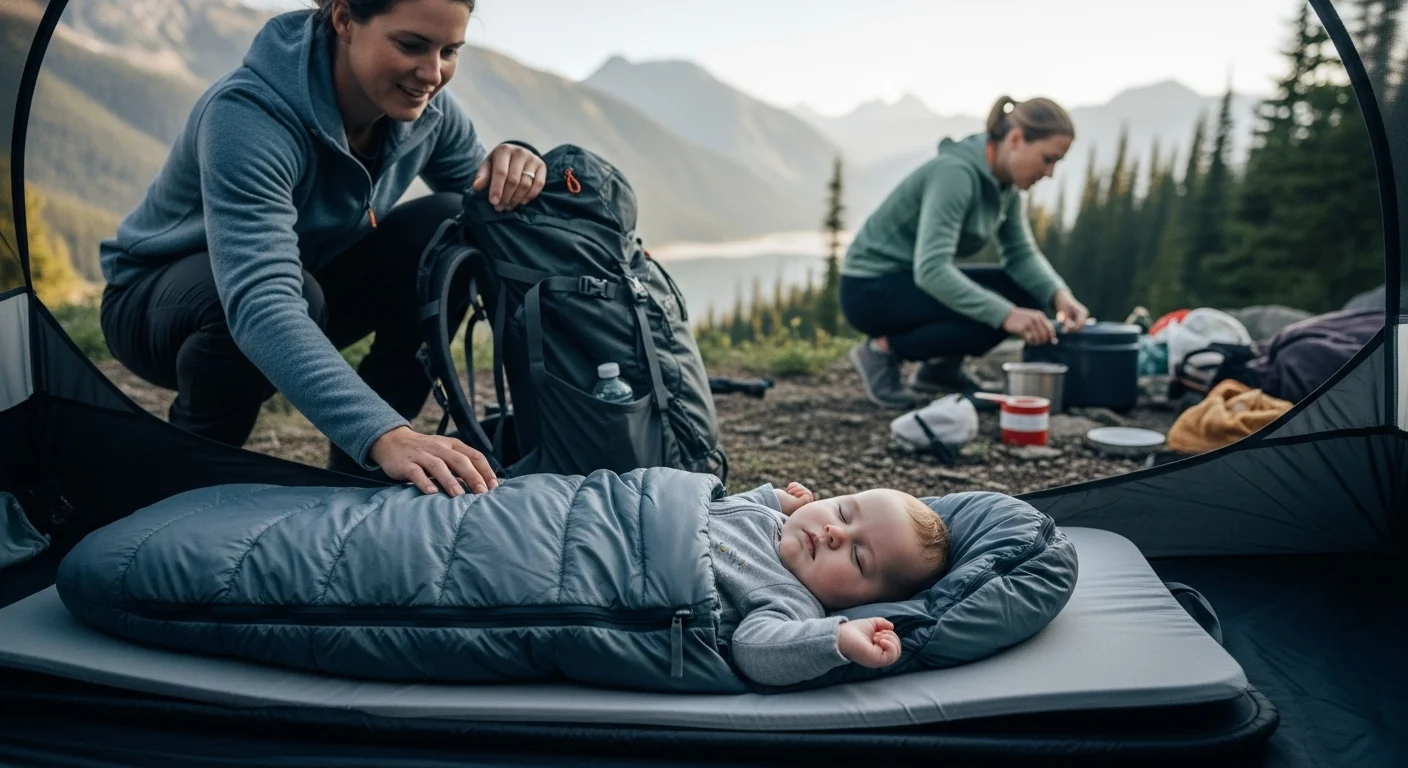
Camping with a baby can be one of the most rewarding experiences. I remember our first camping trip with my little one; it was a mix of excitement and anxiety. The essential gear list for camping includes a reliable tent, a portable crib for sleeping, and a cozy sleeping bag for both of us. I recommend investing in a high-quality tent that’s easy to set up and offers good ventilation. We found a tent that fits our family comfortably, and it made a world of difference! Also, having a portable crib or playard makes it easier for the baby to have a safe sleeping area, allowing us to enjoy our evenings around the campfire without worry.
How to Keep Your Baby Comfortable While Camping
Keeping your baby comfortable while camping is all about preparation. I always pack familiar items from home, like their favorite blanket or toys, to create a sense of security in the new environment. I also learned the hard way to bring plenty of layers for my baby, as temperatures can drop significantly at night. A warm sleeping bag or sleep sack can help keep them cozy. During the day, making sure they’re well-protected from the sun is crucial. I carry a lightweight, portable sunshade that I can set up near our campsite, providing shade for naps and playtime. This way, I can relax while knowing my baby is safe and comfortable.
Beach Trips with a Baby
Beach-Safe Baby Gear
Beach trips with a baby can be a blast, but I’ve learned that sun safety is paramount. I invest in a good beach tent that offers shade and protection from the wind. It’s become our little oasis on hot days. I also found that a beach-safe stroller or wagon can be a lifesaver for carrying gear and making walks along the shore easier. Make sure to choose one with larger wheels that can handle sand. I remember the first time we brought our lightweight wagon; it made transporting all of our beach essentials a breeze!
Keeping Your Baby Cool and Protected at the Beach
Keeping your baby cool at the beach is essential. I always apply sunscreen before heading out and reapply every couple of hours, especially after swimming. Long-sleeve swimwear with UV protection is my go-to choice for my baby. I also pack a wide-brimmed hat to shield their face and neck from the sun. When we’re at the beach, I make it a point to take breaks in the shade, offering my little one a chance to cool down and stay hydrated. I carry a cooler with plenty of water and snacks to keep both of us refreshed. These simple measures help ensure our beach days are fun and enjoyable, without the stress of sunburn or overheating.
Top Brands for Baby Adventure Gear
Overview of Popular Brands
As I dove deeper into the world of baby gear for our outdoor adventures, I quickly realized that certain brands consistently stand out. They have built their reputations by focusing on quality, safety, and functionality. Some brands I’ve come to trust include Ergobaby, Baby Bjorn, and Osprey for carriers, while Bugaboo and Thule are my favorites for strollers. Each of these brands offers a variety of products that cater to different needs and preferences, making it easier to find the right gear for our outings.
Ergobaby, for instance, has been a game-changer for me with their ergonomic designs that prioritize comfort for both the baby and the parent. I remember trying their Omni 360 carrier on a long hike, and it was a relief to feel the support it provided, allowing me to enjoy the journey without discomfort. On the stroller front, Thule’s all-terrain options have been incredibly reliable, allowing me to tackle various surfaces without worrying about stability or my baby’s comfort.
Comparison of Features and Prices
When comparing baby gear brands, I always look for key features that cater to our specific needs. For carriers, features like lumbar support, adjustable straps, and breathable fabric are essential for comfort during long outings. For example, Ergobaby’s carriers often have cooling mesh panels, which I absolutely appreciate during warmer months.
In terms of price, I’ve noticed that while some brands like Osprey and Bugaboo can be on the pricier side, the investment tends to pay off in durability and performance. I remember hesitating over the cost of a high-quality stroller, but after using it for several trips, it became clear that the extra money was worth it. Less expensive options can be tempting, but I’ve found that they often lack essential features or durability, leading to frustration during adventures.
Customer Reviews and Recommendations
Reading customer reviews has been a valuable part of my gear selection process. I often turn to online forums, social media groups, and product pages to see what other parents have to say about their experiences. For instance, I was swayed by several glowing reviews about the Thule Chariot stroller and its versatility for both cycling and strolling. The fact that other parents shared stories of how it held up during rugged outings gave me the confidence to invest in it.
Another fantastic resource is YouTube, where I’ve found numerous video reviews and demonstrations. Watching how other parents use the gear in real-life scenarios is incredibly helpful. I particularly enjoy seeing the features in action, such as how easily a stroller folds or how a carrier adjusts to different body types. This has helped me choose gear that fits my lifestyle and meets my baby’s needs.
Ultimately, I believe that selecting the right brands and products comes down to personal experiences and recommendations from fellow parents. We all want the best for our little adventurers, and finding reliable gear can truly enhance our outdoor experiences together. For tips on bonding while traveling, don’t miss Creating Lasting Connections: Travel and Baby Bonding Tips.
Frequently Asked Questions
What is baby gear in the context of outdoor adventures?
Baby gear refers to a variety of products designed to make traveling with an infant easier and safer. This includes carriers, strollers, diaper bags, portable cribs, and sun protection gear, each serving a specific purpose to ensure the baby’s comfort and security during outdoor activities.
Why is it important to choose the right baby gear for outdoor adventures?
Choosing the right baby gear is crucial as it can significantly impact the quality of your outdoor trip. Proper equipment ensures your baby is safe and comfortable, allowing you to focus on enjoying the adventure without the added stress of inadequate gear.
What types of baby carriers are recommended for outdoor activities?
For outdoor activities, the recommended types of baby carriers include soft-structured carriers, wraps, and framed backpacks. Each type has its pros and cons depending on the specifics of the adventure and the child’s age, with framed carriers being particularly suitable for longer hikes with toddlers.
What features should I look for in a diaper bag for outdoor adventures?
A good diaper bag for outdoor adventures should offer ample storage and organization, multiple compartments for easy access, and a waterproof exterior for protection against spills and wet conditions.
What essential items should be included in a baby first aid kit?
A well-stocked baby first aid kit should include baby pain relievers, antiseptic wipes, band-aids, insect bite relief, and necessary medications. Preparing for potential emergencies is essential for peace of mind during outdoor activities.
How can I ensure my baby is safe while hiking?
To ensure safety while hiking with a baby, choose suitable family-friendly trails, avoid overly steep or rocky areas, keep an eye on the weather, and pack extra layers and hydration for both you and your baby.
What should I consider when selecting a portable crib for travel?
When selecting a portable crib for travel, look for one that is lightweight, easy to set up, folds easily, and comes with a carrying case for convenience, ensuring a safe sleeping arrangement for your baby.
How can I protect my baby from the sun during outdoor activities?
To protect your baby from the sun, use baby-specific sunscreen with at least SPF 30, dress them in lightweight long-sleeved clothing, and use wide-brimmed hats. Additionally, consider using sunshades for strollers and carriers.
What are some recommended brands for baby adventure gear?
Recommended brands for baby adventure gear include Ergobaby, Baby Bjorn, and Osprey for carriers, as well as Bugaboo and Thule for strollers. These brands are known for their quality, safety, and functionality.
How can customer reviews help in selecting baby gear?
Customer reviews can provide valuable insights into the experiences of other parents with specific gear. Online forums, social media groups, and video demonstrations can help you understand how products perform in real-life scenarios, aiding in making informed decisions.
Traveling with a newborn can be both exciting and daunting, especially when it comes to ensuring they sleep safely. I’ve learned a lot about creating a secure sleep environment while on the go, and I’m here to share my insights. Read Interesting article: Essential Safe Sleeping Tips for Traveling Newborns
Guide to Safe Sleeping for Newborns While Traveling
Understanding Safe Sleep Practices for Newborns
Importance of Safe Sleep
When I first became a parent, I quickly realized how crucial safe sleep practices are for newborns. It’s not just about comfort; it’s about protecting our little ones from potential dangers while they rest. The American Academy of Pediatrics emphasizes that babies should always sleep on their backs, on a firm mattress, and in a crib or bassinet that meets safety standards. This simple guideline can significantly reduce the risk of Sudden Infant Death Syndrome (SIDS), and I made it my goal to follow this advice religiously. Top 5 Safe Sleeping Practices for Newborns on the Go has some great tips that align with this advice.
In my experience, creating a safe sleep space also means keeping the crib free of soft bedding, pillows, or toys. I learned that these items can pose suffocation risks. Instead, I chose a fitted sheet and a sleep sack for my baby to keep them cozy without adding any hazards. It’s amazing how a few adjustments can make such a difference in peace of mind during travel.
Common Sleep Risks for Newborns
As I ventured into traveling with my baby, I became more aware of the common sleep risks that could arise. One of the biggest concerns was using an unsafe sleep surface. I remember staying at a hotel where the crib seemed old and rickety, and it made me uneasy. I quickly learned to ask questions and ensure any travel cribs or bassinets we used met safety standards. That experience taught me to always inspect the sleeping area, regardless of where we were staying.
Another risk I noticed was the potential for overheating. When we traveled, I paid close attention to the temperature of the room. I kept the thermostat at a comfortable level and dressed my baby in breathable fabrics. I believed that ensuring they didn’t get too hot was just as important as making sure they were in a safe sleeping position.
Preparing for Travel with a Newborn
Choosing the Right Travel Crib or Bassinet
Choosing the right travel crib or bassinet is perhaps the most critical step I took in preparing for travel with my newborn. After doing my research, I opted for a lightweight, portable crib that easily fit into our car. I wanted something that would be simple to set up and safe for my baby to sleep in. I made sure it had a firm mattress and was compliant with safety standards.
During our travels, I also found it helpful to have a crib that could be easily folded and packed. The last thing I wanted was to struggle with bulky equipment when we arrived at our destination. I remember a trip where we used a travel crib that set up in minutes, allowing us to focus on settling in rather than wrestling with gear. This made my traveling experience so much smoother!
Essential Packing List for Safe Sleeping
When packing for our trips, I made sure to include essential items for safe sleeping. Here’s a list that worked for us:
Portable crib or bassinet
Firm, fitted mattress
Sleep sacks or swaddles
Breathable blankets
Baby monitor
First-aid kit
Having these items readily available gave me peace of mind. I remember a particular night when we were staying with friends, and I set up my baby’s sleep area with their travel crib, sleep sack, and a soft, breathable blanket. Seeing my baby nestled safely in their own little space made the trip feel much more manageable.
Being prepared is key when traveling with a newborn, and I learned that having a checklist helped me stay organized. I never wanted to be in a situation where I forgot something vital for my baby’s sleep safety.
Safe Sleeping Locations When Traveling
Hotels: What to Look For
When booking hotels, I always made sure to look for ones that offered cribs or bassinets. I often called ahead to confirm that they provided safe sleeping arrangements. On one trip, I stayed at a hotel that promised new cribs, and I was relieved to see a brand-new crib set up in our room upon arrival. It eased my worries about my baby’s safety, allowing me to enjoy our travel experience fully.
Airbnbs and Vacation Rentals: Safety Considerations
Airbnbs and vacation rentals can be a bit tricky, but I learned to be cautious. I always read reviews to check if previous guests had concerns about safety. I would also contact the host to ask about the sleeping arrangements. Once, I found a rental with a crib, but I insisted on seeing it first. It turned out to be in excellent condition, and I felt great knowing my baby would sleep safely there.
Friends and Family Homes: Setting Up a Safe Sleep Space
When we traveled to visit friends and family, I often had to set up a makeshift sleep area. I remember going to my sister’s house and using a pack-and-play for my baby. I made sure it was placed away from windows and away from any potential hazards. It was a learning experience, but I felt accomplished when I created a cozy and safe sleep spot for my little one.
Creating a Safe Sleep Environment on the Go
Temperature Control and Ventilation
One of the biggest challenges I faced while traveling was ensuring my baby slept comfortably in different environments. I quickly learned that temperature control and ventilation are crucial for safe sleep. It’s fascinating how babies can be so sensitive to temperature changes. I remember one trip where the hotel room felt a bit stuffy. I immediately opened a window and adjusted the thermostat to make sure my baby wouldn’t overheat. Keeping the temperature between 68°F and 72°F is recommended for newborns, and I always aimed to stay within that range.
When we traveled during hot weather, I made sure to dress my baby in light, breathable fabrics. I loved using cotton sleep sacks, which helped my little one stay cool while ensuring they were snug. On cooler trips, layering was key. I’d add a light blanket if necessary but made sure it was breathable to avoid any risk of suffocation. It’s all about finding that perfect balance, and from my experience, paying attention to these details made a huge difference in how well my baby slept.
Eliminating Hazards in the Sleeping Area
Every time I set up a sleep space for my baby, I took a moment to eliminate any potential hazards. I remember once visiting a friend who had a lovely guest room, but I noticed some decorative items on a nearby shelf that could easily fall. I quickly moved the crib to a different position and ensured nothing was within reach. It’s surprising how many things can pose risks, from cords to loose pillows. I made it a habit to do a quick sweep of the area before settling my baby down for a nap.
When staying with family or friends, I always communicated my sleep safety needs. I’d ask them to help create a safe sleep environment, like moving any items that could be dangerous or ensuring the crib was placed away from windows. I felt empowered knowing that I could advocate for my baby’s safety, and it was rewarding to create a cozy and secure space, no matter where we were.
Using Sleep Sacks and Swaddles
Sleep sacks and swaddles became my best friends while traveling. I found that they not only kept my baby warm but also provided a sense of security that helped them sleep better. I remember the first time I tried a sleep sack during a trip; my baby seemed to love it! It kept them snug without the risk of loose blankets. I found it comforting to know that they were safe and secure while sleeping, especially when we were in unfamiliar places.
Swaddling became a nightly ritual, especially in those early weeks. I learned how to swaddle my baby effectively, ensuring their arms were snug but not too tight. I used soft, breathable fabrics that didn’t create overheating issues. Swaddles helped my baby feel cozy, mimicking the womb, and I noticed they often slept longer when I used them. When we traveled, I made sure to pack a couple of extra swaddles just in case, as they also doubled as a light blanket during cooler evenings.
Traveling by Car: Ensuring Safe Sleep
Car Seat Safety Guidelines
Traveling by car with a newborn can feel a bit overwhelming, but I discovered that following car seat safety guidelines made the journey smoother. I invested in a high-quality infant car seat that met safety standards and was easy to install. I remember feeling a sense of relief knowing my baby was securely fastened and protected during our travels. I always double-checked the harness to ensure it was snug but comfortable, a tip I found helpful from fellow parents.
It’s vital to keep in mind that babies should remain in a rear-facing position until they reach the maximum weight limit for the car seat. Each state may have different laws, so I made sure to stay informed. I felt confident knowing I was following the best practices to keep my baby safe, and it made the road trips less stressful. Plus, I learned that taking breaks during long drives allowed my baby to stretch and rest, which contributed to their overall comfort.
Best Practices for Long Road Trips
Long road trips can be challenging, but I found a few best practices that worked wonders for us. First, I planned our trips around my baby’s nap schedule. Driving during their usual nap times meant they would often sleep peacefully in the car, allowing us to cover more ground without too many interruptions. I also packed plenty of snacks and activities for us to enjoy during stops, which made our breaks feel like mini-adventures.
During longer stretches of driving, I made sure to create a calm environment in the car. Playing soft music or white noise helped soothe my baby, and I always kept the temperature comfortable. I also found it helpful to have a travel mirror so I could glance back and check on my little one without having to turn around completely. It felt reassuring to see them peacefully sleeping in the back, and it made the journey much more enjoyable for us all.
Traveling by Air: Tips for Safe Sleeping
Choosing the Right Flight Times
Flying with a newborn can feel like a daunting task, but I’ve found that timing our flights wisely made a world of difference. I quickly learned that scheduling flights during my baby’s usual nap times helped them stay calm and content. For instance, I remember one trip where we had a morning flight. My little one usually napped around that time, so I packed up our things and got us to the airport early. We boarded the plane, and true to form, my baby fell asleep right as we took off. It was such a relief to have a peaceful start to our journey!
I also found that late-night flights could be a good option if my baby was used to sleeping during those hours. Of course, I made sure to consider our own energy levels, as traveling can be exhausting. I recommend thinking about what works best for your family and trying to book flights that align with your baby’s natural sleep patterns. It also helps to have a plan in place for keeping them occupied during layovers or longer waits at the airport.
On-Board Sleeping Arrangements
Once on the plane, I realized that creating a comfortable sleeping arrangement for my baby was key. I always brought along a soft blanket or their favorite swaddle. I loved using a travel blanket because it was lightweight and didn’t take up much space in my carry-on. The familiar smell of the blanket seemed to help my baby relax, which I found comforting.
Additionally, I made sure to book seats with extra legroom whenever possible. This little bit of space allowed me to stretch my legs and create more room for my baby. On one flight, I was fortunate enough to have an empty middle seat next to us, which made a huge difference. I laid my baby across my lap with the blanket, creating a cozy little nest for them to sleep in. It was a win-win situation, as I could still keep an eye on them while having a little more comfort myself.
Many airlines offer infant seat belts, so I made sure to use these when my baby wasn’t in my arms. I also found it helpful to practice calming techniques, like gentle rocking or singing softly, to help my baby drift off to sleep amidst the sounds of the plane. Overall, creating a safe and secure environment on the plane helped me feel at ease, knowing my little one was comfortable. Read Interesting article: Top Tips for Creating a Peaceful Sleep Space for Newborns
Adjusting Sleep Routines While Traveling
Maintaining Consistent Sleep Schedules
Maintaining a consistent sleep schedule while traveling can be a challenge, but I found it essential for both my baby’s well-being and our family’s overall harmony. Before each trip, I tried to maintain our usual bedtime routine as closely as possible. Whether it was a warm bath, reading a story, or singing a lullaby, these small rituals helped my baby recognize that it was time to wind down.
During our travels, I made sure to be mindful of time changes, especially when crossing time zones. I remember one trip where we went from the East Coast to the West Coast, and it took a few days for my baby to adjust. I learned to gradually shift our schedule in the days leading up to our departure, moving bedtime earlier or later, depending on the direction of travel. This little tweak made the adjustment period much smoother.
I also kept a portable white noise machine handy. I found that playing white noise helped drown out unfamiliar sounds and created a more soothing environment for my baby to sleep, regardless of where we were. It became a must-have item in my travel bag, and I believe it played a significant role in keeping my baby’s sleep routine intact while on the go.
Adapting to New Environments
Adapting to new environments can be tricky for a newborn, but I found that creating a familiar sleep space helped ease the transition. When we arrived at a new place, I would quickly set up the crib or bassinet and ensure it was comfy. I also tried to keep the room dimly lit, as I learned that reducing light exposure helped signal to my baby that it was time to sleep. I remember one time using a scarf to cover the window and block out the morning sun, which made a huge difference in extending my baby’s nap time.
As I became more accustomed to traveling, I started to notice how my baby responded to different environments. Sometimes they would be more restless in unfamiliar places, and other times, they adapted surprisingly well. I realized that being patient and flexible was key. If a nap didn’t go as planned, I would try again later, and often found that things would work out in the end.
Ultimately, traveling with a newborn is a learning experience. Each trip has taught me something new, and over time, I became more confident in adapting our routines to fit our travels. I remember one vacation where everything seemed to go wrong, from flight delays to a missed nap. Despite the chaos, my baby still managed to find some sleep, and I felt a sense of accomplishment knowing that we navigated it together.
Frequently Asked Questions
What are safe sleep practices for newborns while traveling?
Safe sleep practices include placing babies on their backs to sleep on a firm mattress in a crib or bassinet that meets safety standards. It’s important to keep the crib free of soft bedding, pillows, and toys to reduce suffocation risks.
How can I ensure my baby sleeps safely in a hotel?
When booking hotels, look for ones that offer cribs or bassinets. Always call ahead to confirm the safety of the sleeping arrangements and inspect the crib upon arrival to ensure it meets safety standards.
What items should I pack for safe sleeping while traveling?
Essential items for safe sleeping include a portable crib or bassinet, a firm fitted mattress, sleep sacks or swaddles, breathable blankets, a baby monitor, and a first-aid kit.
How do I choose a suitable travel crib or bassinet?
Select a lightweight, portable crib that is easy to set up and complies with safety standards, ensuring it has a firm mattress for your baby’s sleep.
What temperature is ideal for my baby to sleep in while traveling?
The recommended temperature for a newborn’s sleep environment is between 68°F and 72°F. It’s essential to monitor the room temperature and dress your baby in breathable fabrics to prevent overheating.
How can I adapt my baby’s sleep schedule when traveling?
To maintain a consistent sleep schedule, keep the bedtime routine as close to home as possible, be mindful of time changes, and gradually shift your baby’s schedule prior to traveling if crossing time zones.
What should I do to eliminate hazards in my baby’s sleeping area?
Before setting up a sleep space, conduct a quick sweep of the area to remove any potential hazards, such as cords or loose items, and communicate your needs to friends or family to help create a safe environment.
What strategies can help my baby sleep on a plane?
Schedule flights during your baby’s nap times, bring familiar items like a soft blanket, book seats with extra legroom for comfort, and use calming techniques such as gentle rocking or singing to help them relax.
How can sleep sacks and swaddles assist with safe sleeping while traveling?
Sleep sacks and swaddles keep your baby warm and secure without the risk of loose blankets. They help provide a sense of comfort, mimicking the womb and potentially leading to longer sleep periods.
What should I do if my baby struggles to sleep in new environments?
If your baby has difficulty sleeping in new places, quickly set up a familiar sleep space, keep the room dimly lit, and be patient and flexible with their sleep routine until they adjust.
Backpacking with a baby can be an incredible adventure, but ensuring your little one sleeps safely while you explore is essential. Let’s dive into safe sleep practices that will give you peace of mind during your outdoor journeys. For more insights on establishing sleep routines, check out Transform Your Newborn’s Sleep: Easy Routine Strategies.
Top Safe Sleep Practices for Your Backpacking Baby
Understanding Safe Sleep for Babies
What is Safe Sleep?
Safe sleep is all about creating an environment where babies can sleep soundly and safely, minimizing the risk of sleep-related incidents. When I first became a parent, I was amazed at how much there was to learn about safe sleep practices. I remember reading countless articles and guidelines, wanting to ensure that my baby had the safest sleep environment possible. This meant understanding the do’s and don’ts that would keep my little one secure while we were on the go.
In essence, safe sleep involves placing your baby on their back to sleep, using a firm mattress, and keeping the sleep space free from any soft items or potential hazards. It’s not just a recommendation; it’s a necessity to protect our most precious little ones.
Benefits of Safe Sleep Practices
Implementing safe sleep practices is crucial for several reasons. I learned that these practices significantly reduce the risk of Sudden Infant Death Syndrome (SIDS) and other sleep-related dangers. Every time I tucked my baby in, I felt a wave of relief knowing I was following guidelines that could potentially save their life.
Furthermore, creating a consistent sleep routine, even while backpacking, helps babies feel secure and relaxed. I found that when my baby was comfortable and knew what to expect, they slept better, allowing us to enjoy our adventures even more. Safe sleep practices not only benefit the baby but also enhance the overall backpacking experience for the entire family. For guidance on developing sleep routines, visit Essential Tips for Creating a Sleep Routine for Newborns.
Essential Safe Sleep Guidelines
Back Sleeping Position
One of the most critical guidelines I learned early on was to always place my baby on their back to sleep. This position helps keep the airways open and reduces the risk of suffocation. I remember the first time we set up camp; I made sure to lay my baby down on their back in the portable crib, feeling confident about my choice. It became second nature to me. I recommend always checking that the baby is in the right position, especially when you’re tired from a long day of hiking.
Firm Mattress and Sleep Surface
Another key aspect of safe sleep is using a firm mattress. I quickly discovered that a soft mattress could pose a serious risk. While camping, we chose a portable crib with a firm sleeping surface. I think it’s vital to ensure the sleep surface is flat and stable. I once tried to use a sleeping pad for my baby, but I quickly realized that it was too soft and not safe. Investing in quality camping gear that meets safety standards is essential when backpacking with a baby.
Removing Soft Bedding and Toys
When it comes to safe sleep, less is more. I learned to keep the sleep area clear of any soft bedding, pillows, or toys. Initially, I thought a cute stuffed animal would be comforting, but I soon understood that these items could increase the risk of suffocation. So, I made it a habit to only use a fitted sheet on the crib mattress and nothing else. This simple step gave me peace of mind knowing that my baby was sleeping in a safe environment.
Avoiding Bed Sharing
While bed sharing may seem tempting, especially during those chilly nights in the wilderness, I found that it’s best to avoid it. I remember the first time my baby fell asleep in my arms, and I thought about bringing them into my sleeping bag. But I quickly recalled the guidelines that suggest keeping the baby in their own safe sleep space. It’s easy to feel cozy and want to snuggle, but safety has to come first. By using a portable crib or travel bassinet, I was able to keep my baby close while ensuring they had their own safe sleeping area.
Choosing the Right Backpacking Equipment
Portable Cribs and Travel Bassinets
When it comes to ensuring my baby sleeps well while backpacking, choosing the right portable crib or travel bassinet was a game changer. I remember scouring reviews, looking for something lightweight yet sturdy, and ultimately landed on a model that was easy to set up and break down. This feature was crucial for us, especially after a long day of hiking when all I wanted was to set up camp quickly and get my little one to sleep safely.
Having a travel crib that met safety standards gave me peace of mind. I opted for one that was compact enough to fit in my backpack yet spacious enough for my baby to stretch out comfortably. I believe it’s worth investing in a high-quality crib that can withstand outdoor conditions. Some come with UV protection, which is an additional bonus for sunny days.
Sleeping Bags Designed for Infants
Another essential piece of gear is a sleeping bag designed specifically for infants. I had no idea how different baby sleeping bags would be from adult versions until I started looking for one. Adult sleeping bags can be too spacious, making it difficult for a baby to stay warm. I found a sleeping bag that had a snug fit and ensured my baby was cozy without the risk of slipping inside.
When selecting a sleeping bag, I looked for features like a built-in hood to keep my baby’s head warm and a zipper that allowed for easy access during nighttime diaper changes. I remember one camping trip when I was able to unzip it partially for ventilation while keeping my baby warm and comfortable. It made a world of difference in keeping our nights stress-free.
Breathable Fabrics and Materials
I quickly learned that fabric choice is crucial for my baby’s comfort and safety while camping. During my first few trips, I noticed that some materials could trap heat, making my baby sweaty and uncomfortable. As a result, I started looking for breathable fabrics that wick moisture away.
Organic cotton and merino wool became my favorites. They’re not only soft against my baby’s delicate skin, but they also help regulate body temperature. I remember a chilly night when I dressed my baby in a lightweight merino wool onesie. I was impressed by how it provided warmth without overheating, allowing my baby to sleep soundly in the chilly mountain air.
Creating a Safe Sleep Environment
Temperature Control and Ventilation
Creating the right sleep environment is just as important as choosing the right gear. I found that controlling the temperature and ensuring proper ventilation were crucial for safe sleep outdoors. On one of our trips, we camped in an area where the temperature dropped significantly at night. I made sure to dress my baby in layers, which helped maintain warmth while allowing for adjustments as the temperature fluctuated.
Ventilation is equally vital, especially during warmer nights. I remember setting up the portable crib under a tree that provided natural shade while allowing cool air to circulate. It’s essential to find a balance that keeps your baby comfortable without overheating, as I’ve seen firsthand how a stuffy sleeping area can disrupt sleep.
Using Sleep Sacks vs. Blankets
In my experience, sleep sacks are a fantastic option for safe outdoor sleep. I used to worry about my baby kicking off blankets in the middle of the night, which could lead to a chilly wake-up. However, sleep sacks kept my baby snug without the risk of suffocation. I found a lightweight, breathable sleep sack that was perfect for backpacking.
When I first introduced it, I noticed my baby felt secure and slept better. The sleep sack allowed for freedom of movement while ensuring my baby stayed warm. I think it’s a wise choice for any parent to consider, especially when camping in unpredictable weather.
Safe Outdoor Sleep Locations
Choosing the right spot to set up your baby’s sleep area is vital. I learned this the hard way after a camping trip where we inadvertently pitched our tent near a busy trail. The noise kept my baby awake, and I quickly realized that choosing a quieter, more secluded area is crucial. I recommend looking for flat ground, away from potential hazards like rocks or roots, and ideally near trees, which can provide extra protection from the wind.
In addition, I ensured that our camping spot was away from water sources to avoid any safety concerns. It’s all about creating an environment where your baby can have a restful sleep while also keeping them safe from environmental risks. I’ve found that taking the time to scout out the perfect location pays off big time during the night.
Monitoring Your Baby While Backpacking
Using Baby Monitors in the Wilderness
When I first started backpacking with my baby, I realized how important it was to stay connected, even when we were out in the wild. I invested in a good baby monitor that had a long-range feature, which was a game changer. I remember one night when I set up our portable crib a bit further away from our campsite. It gave me peace of mind to know I could hear my baby even while I was sitting by the campfire. The monitor allowed me to enjoy the evening without constantly worrying if my little one was waking up in distress.
There are various types of baby monitors available, but for outdoor use, I recommend looking for one that is specifically designed for longer ranges. Some models even come with video features, which can be incredibly reassuring. Just keep in mind that you might need to recharge the monitor more frequently since you’ll be away from regular power sources. My experience taught me that having that extra line of communication can truly enhance our outdoor adventures.
Regular Checks and Safety Routines
Even with a baby monitor, I found it essential to check on my baby regularly, especially during the night. I developed a routine where I would check in on my little one every couple of hours. This practice not only provided me with peace of mind but also helped me establish a connection with my baby, even while we were in a new environment. I remember feeling a sense of calm each time I peeked into the portable crib and saw my baby sleeping soundly.
Creating a safety routine was also beneficial. For instance, I always made sure I had my flashlight handy so I could move quietly and avoid waking my baby. I also developed a habit of checking the sleeping area for any potential hazards before I settled in for the night. I realized that taking a few extra moments to ensure everything was safe made all the difference.
Tips for Backpacking with a Baby
Planning Your Route for Safe Stopovers
When planning our backpacking trips, I learned quickly that choosing the right route was essential for a smooth experience with my baby. I started mapping out trails that had designated stops, allowing us to rest and take breaks. I remember one hike where we found a lovely picnic area halfway through our route, and it was the perfect place to feed my baby and let them stretch out.
Not only did these planned stopovers help keep my baby comfortable, but they also allowed us to recharge as a family. I recommend looking for shorter hikes with plenty of scenic spots to pause and enjoy nature. This way, your baby can have a pleasant experience, and you can create special memories along the trail.
Choosing Baby-Friendly Campsites
Finding the right campsite can make or break your experience when backpacking with a baby. I learned to look for sites that were family-friendly and had amenities like picnic tables and fire pits, which made cooking and relaxing easier. On one trip, we stumbled upon a campground that had a designated family area, and it was a game changer. We enjoyed the camaraderie of other families while ensuring we had a safe place for our baby.
Additionally, I recommend checking for sites that are level and free of debris. This attention to detail helps create a safer sleep environment for your baby. I remember feeling relieved when we found a flat spot to pitch our tent, knowing my baby would be comfortable and safe while sleeping.
Time Management for Naps and Sleep Schedules
Keeping an eye on nap times and sleep schedules became crucial for our backpacking trips. I found that if I didn’t stick to my baby’s routine, we faced some cranky moments during our hikes. I remember one trip where I pushed our hiking schedule a bit too far, and my baby became fussy because they missed their afternoon nap. It was a lesson learned!
To avoid disruptions, I started planning our hikes around my baby’s sleep schedule. I would aim to start our hikes early in the morning or after a good nap, which allowed my little one to sleep in the carrier while we walked. Creating this rhythm not only kept my baby happy but also made our adventures more enjoyable. Plus, I found that I could take in the beautiful scenery without worrying about a fussy baby!
Understanding Local Regulations and Resources
National Park Guidelines for Families
As I ventured into more national parks with my baby, I realized that understanding local regulations was essential. Each park has its own set of rules regarding camping and safety, especially when it comes to families with young children. I remember visiting a national park where they had specific guidelines about campfire safety and wildlife encounters, which I found incredibly helpful.
Before heading out, I often checked the park’s website or called the visitor center to gather information on family-friendly trails and camping spots. These resources not only informed me about the park’s rules but also provided tips on how to enjoy the park safely with my little one. I believe that being aware of these regulations can enhance the overall experience while ensuring the safety of our family.
Access to Healthcare While Backpacking
No one wants to think about medical emergencies while enjoying the great outdoors, but being prepared can make all the difference. I learned that knowing where the nearest medical facilities are located, especially in remote areas, is crucial when backpacking with a baby. On one camping trip, I noticed a sign indicating the closest health clinic, and it gave me peace of mind knowing help was nearby if needed.
Before our trips, I always made a list of healthcare resources available in the area we were visiting. This included not just hospitals, but also urgent care facilities and pharmacies. Additionally, I made sure to pack a well-stocked first-aid kit tailored for infants, including any medications my baby might need. Having this knowledge and preparation in place allowed me to focus on making memories during our outdoor adventures.
Common Concerns and FAQs about Backpacking with Babies
What to Do if Your Baby Wakes Up at Night?
If your baby wakes up at night while you’re camping, my best advice is to stay calm and respond quickly. I found that maintaining a familiar routine helped my baby feel secure, even in a new environment. I would softly sing a lullaby or whisper comforting words, which usually settled them back to sleep. Sometimes, I would rock them gently in my arms until they were drowsy again. The key is to provide reassurance without disrupting their safe sleep space.
How to Handle Different Weather Conditions?
Dealing with changing weather conditions can be tricky, but preparation is key. I learned to check the weather forecast thoroughly before our trips and pack accordingly. For rainy days, waterproof gear for both of us was essential. I remember one unexpectedly rainy night, and I was so grateful I packed a waterproof cover for the portable crib, which kept my baby dry and cozy. Dressing in layers also helped us adapt to fluctuating temperatures, ensuring my baby remained comfortable no matter the weather.
What to Pack for Safe Sleep Practices?
When it comes to packing for safe sleep practices, I found a checklist to be incredibly helpful. I made sure to include a portable crib or travel bassinet, a firm mattress, fitted sheets, and breathable blankets or sleep sacks. Additionally, I always packed my baby monitor and a flashlight for nighttime checks. It’s amazing how much peace of mind comes from being well-prepared, and having these items readily available made each camping trip smoother and more enjoyable for our family. For more tips, see Top 5 Safe Exercises for Expecting Mothers on a Budget.
Final Thoughts
Backpacking with a baby might seem daunting, but with the right preparation and knowledge, it can turn into one of the most rewarding experiences. From understanding safe sleep practices to choosing the right gear and monitoring your baby, each step contributes to a joyful outdoor adventure. Over the years, I’ve learned that being prepared not only keeps my baby safe but also allows us to create lasting memories as a family. I encourage other parents to embrace the challenge and enjoy the beauty of nature with their little ones. After all, the great outdoors offers countless opportunities for adventure and bonding that we wouldn’t want to miss.
Frequently Asked Questions
What is safe sleep for babies?
Safe sleep is about creating an environment where babies can sleep soundly and safely, minimizing the risk of sleep-related incidents. This includes placing the baby on their back to sleep, using a firm mattress, and keeping the sleep space free from soft items or hazards.
Why are safe sleep practices important?
Implementing safe sleep practices is crucial because they significantly reduce the risk of Sudden Infant Death Syndrome (SIDS) and other sleep-related dangers. They also help create a consistent sleep routine, allowing babies to feel secure and relaxed, which enhances the overall backpacking experience for the whole family.
What position should my baby sleep in while backpacking?
It is essential to always place your baby on their back to sleep. This position helps keep the airways open and reduces the risk of suffocation.
What type of mattress should I use for my baby’s sleep area?
You should use a firm mattress when creating a sleep area for your baby. A soft mattress poses a serious risk, and ensuring the sleep surface is flat and stable is vital for safety.
Should I include bedding or toys in my baby’s sleep area?
No, it is best to keep the sleep area clear of any soft bedding, pillows, or toys. These items can increase the risk of suffocation, so only a fitted sheet on the crib mattress should be used.
Is bed sharing safe while camping?
Bed sharing is not recommended. It is best to keep the baby in their own safe sleep space, such as a portable crib or travel bassinet, to ensure their safety while allowing you to keep them close.
What should I look for in a portable crib for backpacking?
When choosing a portable crib, look for one that is lightweight yet sturdy, easy to set up and break down, and meets safety standards. It should be compact enough to fit in your backpack while providing enough space for your baby to stretch out comfortably.
How can I keep my baby comfortable in varying temperatures while camping?
Controlling temperature and ensuring proper ventilation are crucial. Dress your baby in layers to maintain warmth, and set up the crib in a location that allows for cool air circulation while keeping the baby protected from wind.
What should I pack to ensure safe sleep practices while backpacking?
Packing for safe sleep practices should include a portable crib or travel bassinet, a firm mattress, fitted sheets, breathable blankets or sleep sacks, a baby monitor, and a flashlight for nighttime checks.
How can I manage my baby’s sleep schedule while hiking?
Plan your hikes around your baby’s sleep schedule to avoid crankiness. Aim to start hikes early in the morning or after a good nap, allowing your baby to sleep in the carrier while you walk.
Traveling with a baby can be one of life’s most rewarding experiences. Embracing skin-to-skin care during these adventures not only nurtures your bond but also enhances your child’s development. Let’s explore how this practice can transform your journey. Read Interesting article: Skin-to-Skin Contact: Boost Bonding on Your Travels
Travel Tips for Bonding: The Power of Skin-to-Skin Care
Understanding Skin-to-Skin Care
What is Skin-to-Skin Care?
Skin-to-skin care, often referred to as kangaroo care, involves placing your baby directly on your bare chest right after birth or at any time during their early life. I remember the first time I experienced this with my little one; it felt almost magical. This simple act creates a close physical connection that promotes bonding, warmth, and security for the baby. It’s not just for moms; dads can do it too! It’s about sharing that intimate connection that makes a world of difference in how your baby feels and develops.
The Science Behind Skin-to-Skin Contact
The science supporting skin-to-skin contact is quite fascinating. Research shows that when a baby is held skin-to-skin, their heart rate stabilizes, and they breathe more regularly. I learned that this contact actually helps regulate the baby’s temperature, which is crucial for newborns who can’t manage their body heat yet. It also stimulates the release of oxytocin, often called the “love hormone,” which fosters a deeper emotional bond between parent and child. I’ve seen firsthand how this simple act can create a feeling of safety for the baby and joy for the parents. Read Interesting article: Explore Attachment Styles: Building Bonds with Your Newborn
Benefits for Parents and Infants
The benefits of skin-to-skin care extend beyond just the infant. For parents, it can help alleviate feelings of anxiety and stress. I found that holding my baby close calmed my nerves, especially during our first trips together. The emotional connection built during these precious moments can lead to improved parenting confidence, enhanced feelings of attachment, and a stronger overall family bond. Plus, studies suggest that babies who have regular skin-to-skin contact tend to cry less and sleep better, which is a win-win for everyone involved!
Traveling with Infants: Best Practices
When to Start Traveling with Your Baby
One of the most common questions I hear from new parents is when it’s appropriate to start traveling with their little ones. From my experience, it really depends on the comfort level of the parents and the health of the baby. Generally, many families begin traveling when their baby is around 3 months old. By this age, their immune systems are a bit stronger, and they tend to be more adaptable to new environments. I remember our first trip at this age; it was a mix of excitement and anxiety, but we learned so much about our baby’s needs while on the go.
Choosing Baby-Friendly Destinations
Finding the right destination can make a huge difference in how enjoyable your trip will be. I always recommend choosing baby-friendly spots that offer amenities like changing tables, high chairs, and even play areas. Destinations with a slower pace, such as family resorts, tend to work well. Think about places where you can easily find quiet spots for skin-to-skin contact, too. For us, a beach resort was perfect! The soothing sound of waves created a relaxing atmosphere for bonding.
Preparing for Air Travel with an Infant
Air travel can be daunting with a baby, but I’ve learned a few tricks that can ease the journey. First, we always booked direct flights when possible to minimize time spent in transit. Arriving early at the airport helped us avoid the rush and find a quiet corner to engage in skin-to-skin contact before boarding. I also found that having a lightweight, easy-to-carry diaper bag filled with essentials made a world of difference. Snacks, extra diapers, and a blanket for comfort were must-haves for our flights.
Essential Packing List for Skin-to-Skin Care
When it comes to packing, I’ve created a go-to list that ensures we have everything needed for skin-to-skin care while traveling. Here’s a quick rundown:
Lightweight blanket or wrap for easy access and warmth
One of the most beautiful parts of traveling with a baby is discovering those perfect spots for skin-to-skin moments. I have found that quiet, comfortable places enhance the experience significantly. Whether it’s a secluded area by the beach or a cozy nook in a family-friendly cafe, having the right environment can make all the difference. I remember stumbling upon a lovely shaded area in a park during one of our trips. It was just my baby and me, surrounded by nature, and I felt like we were in our little bubble. The sounds of birds and the gentle breeze created the perfect backdrop for bonding. I recommend scouting these quiet spaces as soon as you arrive at your destination. It can be a game-changer for making those intimate moments even more special.
Incorporating Skin-to-Skin Care into Your Travel Routine
I realized early on that incorporating skin-to-skin care into our travel routine didn’t have to be complicated. It became a beautiful ritual that we looked forward to. For us, morning time was ideal; after waking up, we would spend some time cuddling before starting our day. This not only set a positive tone for the day but also helped my baby feel secure in a new environment. I also made it a point to create opportunities throughout the day to engage in skin-to-skin contact, especially during long car rides or downtime at the hotel. It’s amazing how a few minutes of closeness can soothe a fussy baby and recharge our bonds. I encourage other parents to think about their daily routine and identify simple moments to sneak in this precious practice.
Using Baby Carriers for Bonding on the Go
Baby carriers have become one of my favorite tools for maintaining close contact while on the move. I’ve found that wearing my baby not only keeps them close but also allows me to be hands-free, which is invaluable when navigating busy airports or crowded streets. There’s something soothing about feeling my baby’s warmth against my chest while I’m exploring new places. I remember one particular trip where we visited a bustling market; having my baby in a carrier made it easy to engage in skin-to-skin contact while still being able to shop and take in the sights. Plus, the gentle sway of walking seemed to lull my baby into a peaceful state. I highly recommend investing in a good-quality baby carrier that you feel comfortable using for extended periods.
Local Customs and Practices Related to Skin-to-Skin Care
Traveling offers a unique chance to learn about local customs and practices that can enhance our own parenting journey. I’ve observed that many cultures around the world have their own versions of skin-to-skin care and bonding practices. For instance, during a trip to South America, I noticed that mothers often carried their babies wrapped in colorful fabrics close to their bodies, creating a strong connection while going about their daily lives. It inspired me to adopt some of these practices into my own routine. It’s fascinating how different cultures approach bonding, and I believe it’s worth embracing these traditions while traveling. Not only can it deepen our understanding of parenting worldwide, but it also enriches the experience for our little ones.
Recommended Destinations for Family Bonding
Beaches and Resorts with Family Amenities
When it comes to family bonding, I’ve found that beach destinations with family amenities are often the best choice. The relaxed atmosphere, combined with the natural beauty and soothing sounds of the ocean, creates an ideal backdrop for skin-to-skin contact. One of my favorite spots was a family-friendly resort where we could easily find private cabanas. I remember spending lazy afternoons on the beach, gently rocking my baby while they nestled against my chest. The resort provided all the necessary amenities, like changing tables and cribs, making it easy to manage everything with a baby. I highly recommend looking for resorts that cater specifically to families, as they often provide the comfort and convenience needed for a stress-free experience.
Nature Destinations for Outdoor Bonding
Exploring nature can be a wonderful way to bond with your baby. I love finding destinations that allow us to immerse ourselves in the great outdoors. National parks, for example, offer a peaceful setting for skin-to-skin care while enjoying scenic views. I recall a hiking trip where we took frequent breaks to cuddle under the trees. The fresh air and natural surroundings seemed to rejuvenate us both. If you decide to venture into nature, be sure to pack a lightweight blanket to create a comfortable spot for those special moments. Additionally, it’s a fantastic opportunity to introduce your little one to the wonders of the outdoors, and who knows, you might instill a love for nature in them from an early age!
Urban Locations with Family-Friendly Attractions
Urban locations can also be ideal for family bonding, especially if they offer family-friendly attractions. I remember visiting a city that had a fantastic children’s museum with interactive exhibits. It was a perfect place to spend time together while exploring new experiences. While we were there, I made it a point to find quiet corners for skin-to-skin contact amid the excitement. The hustle and bustle of the city can be overwhelming, but those little snippets of quiet time helped ground us and reinforced our connection. I suggest looking for urban areas that have parks, museums, and child-friendly restaurants so you can enjoy the excitement of the city while still prioritizing bonding time with your baby.
Tips for Maintaining Skin-to-Skin Care While Traveling
Adapting to Different Environments
Traveling often means encountering a variety of environments, and I’ve found that adaptability is key when it comes to maintaining skin-to-skin care. Whether you’re in a bustling city, a serene beach, or a cozy mountain cabin, I learned it’s all about finding what works for you and your baby. For instance, I remember visiting a busy market where it was hard to find a quiet moment. Instead of stressing about the noise, I found a shaded corner near a fountain. It was a little oasis amidst the chaos, and it allowed us to have a few peaceful minutes for skin-to-skin bonding. Observing my baby’s reactions helped me realize how important it is to stay flexible and creative. If the environment feels overwhelming, take a moment to step away and find a quieter spot. Your baby will appreciate the soothing connection, no matter where you are.
Keeping Your Baby Comfortable During Travel
Comfort is everything when traveling with an infant. I remember our first long car ride; I was so focused on ensuring we had everything packed that I almost forgot about my baby’s comfort. A few simple tweaks can significantly improve the experience for both of us. Dressing my baby in layers helped me adjust to changing temperatures, whether we were in a warm car or a chilly airport. I also learned to pack a few familiar items, like their favorite blanket or a stuffed animal. These small comforts made a world of difference. I noticed that having something familiar close by kept my baby calm during travel. Don’t hesitate to take breaks, whether on a flight or during a road trip, to engage in skin-to-skin moments. This not only comforts your baby but also provides a lovely way for us to reconnect amidst the hustle and bustle.
Managing Stress and Fatigue While Traveling
Let’s face it: traveling with a baby can be exhausting. I remember feeling overwhelmed on days when everything seemed to go wrong. But I found that managing our stress and fatigue made a huge difference. I started prioritizing our rest times. Instead of cramming too many activities into one day, we embraced a slower pace. We would take leisurely strolls rather than rushing from one attraction to another. This gave us the space to engage in skin-to-skin care whenever we needed to recharge. I also noticed that it helped me stay more patient and present. Establishing a routine, even while traveling, can set the tone for our days. For instance, we always took time after lunch for a little cuddle time; it was a beautiful ritual that helped us both unwind.
Health and Safety Considerations
Vaccinations and Health Precautions for Travelers
Before any trip, I make it a point to check that my baby’s vaccinations are up to date. I’ve learned the importance of keeping health records handy, especially when traveling internationally. Some destinations may have specific health requirements or recommendations, and being prepared can help ease my mind. Additionally, I always pack a basic health kit that includes items like fever reducers, diaper rash cream, and any other necessities that might come up. I remember one trip where my baby developed a slight fever, and having our go-to remedies made a stressful situation a bit easier. Researching local health care options at your destination is also a smart move. Knowing where to go in case of an emergency can provide peace of mind, allowing us to focus on making memories instead of worrying.
Emergency Contacts and Local Healthcare Facilities
I always make a list of emergency contacts before traveling. This includes local healthcare facilities, pediatricians, and even the nearest hospital. On one of our trips, I had to seek medical assistance for myself, and having that information readily available made the process smoother. It’s also useful to inform someone back home about our travel plans, just in case. While I hope not to need it, being prepared gives me confidence. I recommend looking up travel health insurance options as well; it can be a lifesaver should anything unexpected happen.
Travel Insurance for Families
Speaking of being prepared, I can’t stress enough how valuable travel insurance has been for our family. I used to think of it as an unnecessary expense, but after a few unexpected situations, I learned its importance. From canceled flights to unexpected illnesses, having travel insurance meant we could focus on our family time without the added stress about finances. When selecting a policy, I look for one that covers medical expenses, trip cancellations, and even lost luggage. Knowing we are covered in case of emergencies allows us to relax and enjoy our travels more fully. I encourage every parent to consider travel insurance; it’s a simple step that brings significant peace of mind.
Documenting Your Bonding Journey
Photography Tips for Capturing Skin-to-Skin Moments
Capturing those intimate skin-to-skin moments in photographs has become one of my favorite ways to remember our travels. I’ve found that natural light is my best friend when it comes to photography, so I often try to snap pictures during the golden hour—early morning or late afternoon. I also discovered that candid shots often turn out to be the most genuine. Instead of forcing a pose, I let those beautiful moments unfold naturally. I remember one time on the beach when my partner took a picture of me and our baby snuggled together under a blanket. The sunlight filtering through created an ethereal glow, and that image has become one of my cherished memories. I recommend keeping your camera or phone handy at all times; you never know when a perfect moment will arise!
Creating Travel Journals or Scrapbooks
After each trip, I love sitting down to create a travel journal or scrapbook. It’s a wonderful way to keep memories alive and document our bonding experiences. I started by collecting little mementos like tickets, postcards, and even pressed flowers from our adventures. I also jot down our thoughts, feelings, and anecdotes about our skin-to-skin moments during the trip. For instance, I wrote about how my baby reacted to the sound of the ocean for the first time, and how that experience felt to me as a parent. These journals not only serve as a personal keepsake, but they also allow us to reflect on our journey as a family. Plus, I know that one day, my child will enjoy looking back at these memories, too.
Sharing Your Experiences on Social Media
In this digital age, sharing our experiences on social media has become a way to connect with other families. I’ve found that posting about our travels, especially those skin-to-skin moments, resonates with many parents. Not only does it help me capture memories, but it also allows me to share tips and advice that I’ve learned along the way. I often use hashtags related to parenting and travel, which helps me connect with others on similar journeys. I remember receiving warm responses from fellow parents who appreciated my posts about skin-to-skin care while traveling. It creates a sense of community and support, reminding us that we’re not alone in this beautiful adventure of parenthood.
Final Thoughts
Traveling with a baby is a journey filled with challenges and joys, and embracing skin-to-skin care can truly enhance the experience. It fosters that vital bond between parent and child, making those moments on the road even more special. I’ve learned that taking the time to nurture this connection not only benefits my baby’s development but also enriches our family’s memories. So, whether you’re lounging on a beach, hiking through a forest, or exploring a bustling city, remember to cherish those quiet moments of closeness. They will become the heart of your adventure, and the stories you create together will last a lifetime.
Frequently Asked Questions
What is skin-to-skin care?
Skin-to-skin care, often referred to as kangaroo care, involves placing your baby directly on your bare chest right after birth or at any time during their early life. This practice creates a close physical connection that promotes bonding, warmth, and security for the baby.
What are the benefits of skin-to-skin care for parents and infants?
The benefits of skin-to-skin care extend beyond the infant; it can help alleviate feelings of anxiety and stress for parents, improve parenting confidence, enhance feelings of attachment, and foster a stronger family bond. Babies who have regular skin-to-skin contact tend to cry less and sleep better.
When is it appropriate to start traveling with a baby?
Many families begin traveling when their baby is around 3 months old, as their immune systems are a bit stronger and they tend to adapt better to new environments. However, the timing ultimately depends on the comfort level of the parents and the health of the baby.
What should parents look for in baby-friendly travel destinations?
Parents should choose destinations that offer amenities such as changing tables, high chairs, and play areas. Slower-paced locations, like family resorts, are ideal, as they often provide quiet spots for skin-to-skin contact.
What are some essential items to pack for skin-to-skin care while traveling?
Essential items include a lightweight blanket or wrap, comfortable clothing for both parent and baby, a baby carrier or wrap, extra diapers and wipes, snacks and hydration for parents, a portable changing mat, and sun protection for outdoor skin-to-skin moments.
How can parents incorporate skin-to-skin care into their travel routine?
Parents can incorporate skin-to-skin care into their travel routine by setting aside specific times, such as cuddle time in the morning or during downtime at hotels. It can also be beneficial to engage in skin-to-skin contact during long car rides or whenever a soothing moment is needed.
What tips can help maintain skin-to-skin care while traveling in different environments?
Adaptability is key. Parents should find quiet spots for bonding, even in busy environments. If a location feels overwhelming, stepping away to a quieter area can help facilitate skin-to-skin moments, allowing for a soothing connection between parent and baby.
What health precautions should parents take before traveling with a baby?
Parents should ensure their baby’s vaccinations are up to date and keep health records handy, especially for international travel. It’s also wise to pack a basic health kit with essentials like fever reducers and diaper rash cream, and to research local healthcare options at the destination.
Why is travel insurance important for families traveling with a baby?
Travel insurance provides peace of mind by covering unexpected situations such as canceled flights or illnesses. It allows families to focus on enjoying their time together without the added stress of financial concerns during emergencies.
How can parents document their bonding experiences while traveling?
Parents can document their bonding experiences by capturing photographs during skin-to-skin moments, creating travel journals or scrapbooks, and sharing their experiences on social media to connect with other families and create a sense of community.
Uninvolved parenting, also known as neglectful parenting, is a style characterized by a significant lack of responsiveness and engagement with a child's emotional and developmental needs [1]. This...
5Permissive and authoritative parenting represent two distinct styles that significantly impact child development [1]. Permissive parenting is characterized by high warmth and low boundaries, while...