
Traveling with a baby can feel daunting, especially when it comes to breastfeeding. But with the right tips and tricks, you can navigate your journey comfortably and confidently while keeping your budget in check. For more information on suitable places, check out Top Destinations for Breastfeeding-Friendly Backpackers.
Understanding Breastfeeding While Traveling
The Importance of Breastfeeding
For me, breastfeeding has always been a deeply personal experience. It’s not just about feeding my child; it’s about bonding and providing nutrition that is uniquely tailored to my baby’s needs. When I travel, I often think about how essential breastfeeding is for my baby’s health, especially when we’re in unfamiliar places. Breast milk offers immune protection and contributes to the emotional connection we share, which is something I cherish even more on the road.
As I’ve traveled with my little one, I’ve learned that breastfeeding can significantly ease the stress of being away from home. It’s a source of comfort for my baby in new environments, and it assures me that I can provide what my child needs, no matter where we are. Whether it’s a bustling airport or a quiet beach, I find that breastfeeding helps to create a sense of normalcy during travel.
Benefits for Budget Travelers
As a budget traveler, I’ve come to appreciate how breastfeeding can save money too. In my experience, formula and bottles can be quite expensive, especially when you’re on the go. By breastfeeding, I avoid the hassle of packing extra supplies or finding places to buy formula. It’s one less thing to worry about when I’m trying to keep expenses down. For more tips on saving while traveling with your baby, check out Budget Backpacking with a Breastfed Baby: A Complete Guide.
Plus, breastfeeding can be incredibly convenient. I remember a time when I was in a crowded market, and rather than searching for a café or restaurant to feed my baby, I was able to simply find a quiet corner and nurse. It felt liberating to know that I had everything I needed right with me, no matter where our adventures took us.
Traveling on a budget often means making the most of what we have. I’ve found that breastfeeding aligns perfectly with this mindset. It helps maintain my baby’s health and comfort while allowing us to explore more without breaking the bank. It’s a win-win situation!
Preparing for Your Trip
Choosing the Right Destinations
As I plan my travels, I focus on destinations that are known for being family-friendly. Places with good healthcare systems, breastfeeding-friendly policies, and a welcoming culture toward nursing mothers are always at the top of my list. For instance, I’ve noticed that many European countries have widespread acceptance of breastfeeding in public spaces, which makes my experiences there much more enjoyable.
When I traveled to a beach destination, I sought out family resorts. They often provide amenities like nursing rooms and are more accommodating for breastfeeding moms, which helped me feel more comfortable. I also look for destinations with ample outdoor spaces where I can find privacy when I need it.
Researching Local Laws and Cultural Norms
Before heading to a new place, I make it a point to research local laws regarding breastfeeding. Some countries have specific regulations that protect a mother’s right to breastfeed in public, while others may not be as supportive. I remember being surprised during a trip to a country where breastfeeding in public wasn’t widely accepted. It encouraged me to be more discreet, which was an important lesson learned.
Cultural norms can also influence how comfortable I feel breastfeeding in public. I’ve found that familiarizing myself with the local attitude toward breastfeeding helps me plan better. In places where breastfeeding is embraced, I feel more empowered and at ease. On the other hand, in countries where it’s less accepted, I choose my spots carefully and prepare myself to be more discreet.
Packing Essentials for Breastfeeding
Packing efficiently is key for any traveler, but as a breastfeeding mom, I have my own list of essentials. Here’s what I always make sure to bring along:
Nursing Covers and Scarves
Nursing covers can be a game-changer while traveling. I prefer lightweight, breathable materials that can easily fold into my bag. They provide a sense of privacy, which I appreciate when I’m in crowded places. Scarves are also multifunctional; I can use them as a cover, a blanket, or even a makeshift changing mat if needed.
Portable Breast Pumps
If I’m planning a longer trip, I often take a portable breast pump. It allows me to maintain my milk supply and gives me the flexibility to pump while on the road. I recommend finding a pump that is compact and easy to use, as this makes the process much smoother, especially when we’re busy exploring.
Breastfeeding-Friendly Clothing
Comfort is vital when I’m traveling, and breastfeeding-friendly clothing makes life so much easier. I like to pack tops that allow for easy access while still being stylish. Layering is also a good idea, so I can adapt to different weather conditions while remaining comfortable during feedings.
By taking the time to prepare, I can enjoy my travels without the stress of breastfeeding logistics weighing on my mind. With these essentials packed and a little research done, I feel more confident to embark on our next adventure together.
Breastfeeding Techniques on the Go
Finding Comfortable Locations to Breastfeed
Finding a comfortable spot to breastfeed while traveling can sometimes be a challenge, but I’ve learned to get creative. My go-to strategy is to look for quiet corners in public spaces, like parks or libraries. I remember one time in a bustling city, I stumbled upon a small, tucked-away garden. It was the perfect oasis where I could sit on a bench, relax, and nurse my baby without distractions. It felt like a little hidden gem in the middle of chaos.
Another great option I’ve found is to utilize family-friendly venues like zoos or aquariums, where they often have designated nursing areas. It’s a relief to know that there’s a dedicated space that’s clean and comfortable, allowing us to take our time without feeling rushed. I also keep an eye out for cafes that are known to be breastfeeding-friendly; a cozy corner table can work wonders!
Using Nursing Rooms and Facilities
Nursing rooms have become more common in public places, and they can be a lifesaver during travels. I always check for these facilities when I’m heading to a new area. Airports, shopping malls, and tourist attractions often have designated nursing rooms that provide privacy and comfort. I remember being in an airport during a long layover when I discovered a beautifully designed nursing room. It had plush seating, a changing table, and even a little play area for toddlers. It was such a relief to have a comfortable space where I could feed my baby without any distractions.
While traveling, I also like to reach out to local moms through social media or forums to get recommendations on the best nursing spots. It’s amazing how other mothers can share their experiences and guide you to the best places. Plus, it often leads to some lovely conversations, reminding me that we’re all in this together.
Discreet Breastfeeding in Public Spaces
There have been times when I’ve had no choice but to breastfeed in public, and I’ve learned a few tricks to make it feel less daunting. I often wear layers, which allows me to discreetly feed my baby without exposing too much skin. A lightweight cardigan or a nursing top can make a world of difference. I remember sitting on a park bench with my baby in a wrap, and with the added layer, I felt completely at ease.
Another tip that has worked for me is to choose strategic seating. If I’m at a restaurant, I prefer a booth rather than a table, as it provides more privacy. I’ve also found that I can use my diaper bag as a shield to create a cozy little nook. It’s about finding what works best for you and your baby; I’ve even seen mothers use a large handbag or a blanket to create a little privacy zone in busy public areas.
Managing Breastfeeding Schedules While Traveling
Understanding Your Baby’s Feeding Cues
One of the first things I had to learn as a traveling mom was to pay attention to my baby’s feeding cues. Babies can be unpredictable, especially when they’re in new environments, so I’ve found it helpful to stay attuned to their needs. I watch for signs like rooting, sucking on fingers, or fussiness. These cues often tell me when it’s time to find a spot to nurse, which helps me avoid any meltdowns.
In my experience, being flexible with feeding times is essential. While I try to maintain a routine, I’ve learned that sometimes we just need to go with the flow. There have been instances where we had to nurse earlier or later than planned, and that’s okay! I remind myself that traveling is an adventure, and my baby’s needs can shift as we explore new places.
Adjusting to Different Time Zones
Traveling across time zones can be tricky for breastfeeding schedules. I remember feeling a bit overwhelmed when we traveled to a different continent. At first, my baby struggled to adjust, and I was concerned about how it would affect their feeding. I found that gradually easing into the new schedule helped a lot. I tried to adapt to the local time by shifting feeding times just a little each day before our travel.
It’s also important for me to remember that babies thrive on routine, but they’re also pretty resilient. If my little one wakes up hungry at odd hours, I go with it. I’ve found that keeping a calm demeanor helps my baby feel secure, even amidst the changes. Plus, those midnight feedings can sometimes lead to some sweet, snuggly moments that I cherish!
Maintaining Milk Supply During Travel
Maintaining my milk supply has been a priority for me while traveling. I’ve learned that staying hydrated is key, especially in warmer climates. I make it a habit to carry a water bottle wherever I go, and I try to drink more than usual. I also pack healthy snacks to keep my energy levels up. Nuts, granola bars, and fruit are my favorites; they’re easy to grab on the go and provide essential nutrients.
If I’m away from my baby for an extended period, I make sure to pump at regular intervals. I remember a trip where I had a busy day of sightseeing, and I scheduled pumping breaks when I could. Finding a quiet spot or using a nursing room to pump helped me keep up my milk supply and allowed me to feel more at ease knowing I was prepared. With a little planning, I can balance my travels and nursing without too much stress.
Traveling by Different Modes of Transportation
Breastfeeding on Airplanes
Flying with a baby can be a bit overwhelming, but I’ve found that breastfeeding during flights can make the experience much smoother. I remember my first flight with my little one; I was nervous about how to manage feedings in such a confined space. However, I quickly learned that breastfeeding not only provided my baby with nourishment but also helped to soothe them during takeoff and landing, which can be tough on little ears.
When I board the plane, I try to choose a window seat if possible. This gives me a bit more privacy and allows my baby to focus on nursing without too many distractions. I also make sure to pack a nursing cover just in case I want some extra privacy. I’ve found that many airline staff are accommodating and supportive; they often check in to see if I need anything while I’m nursing, which feels comforting.
Timing is also key. I’ve learned to plan feedings around the flight schedule. If I know the flight will be long, I try to nurse just before boarding. This helps to keep my baby calm during the initial stages of the flight. If my little one gets fussy mid-flight, I’m always ready to offer a breast as a solution. It’s amazing how effective breastfeeding can be in calming a crying baby!
Breastfeeding on Trains and Buses
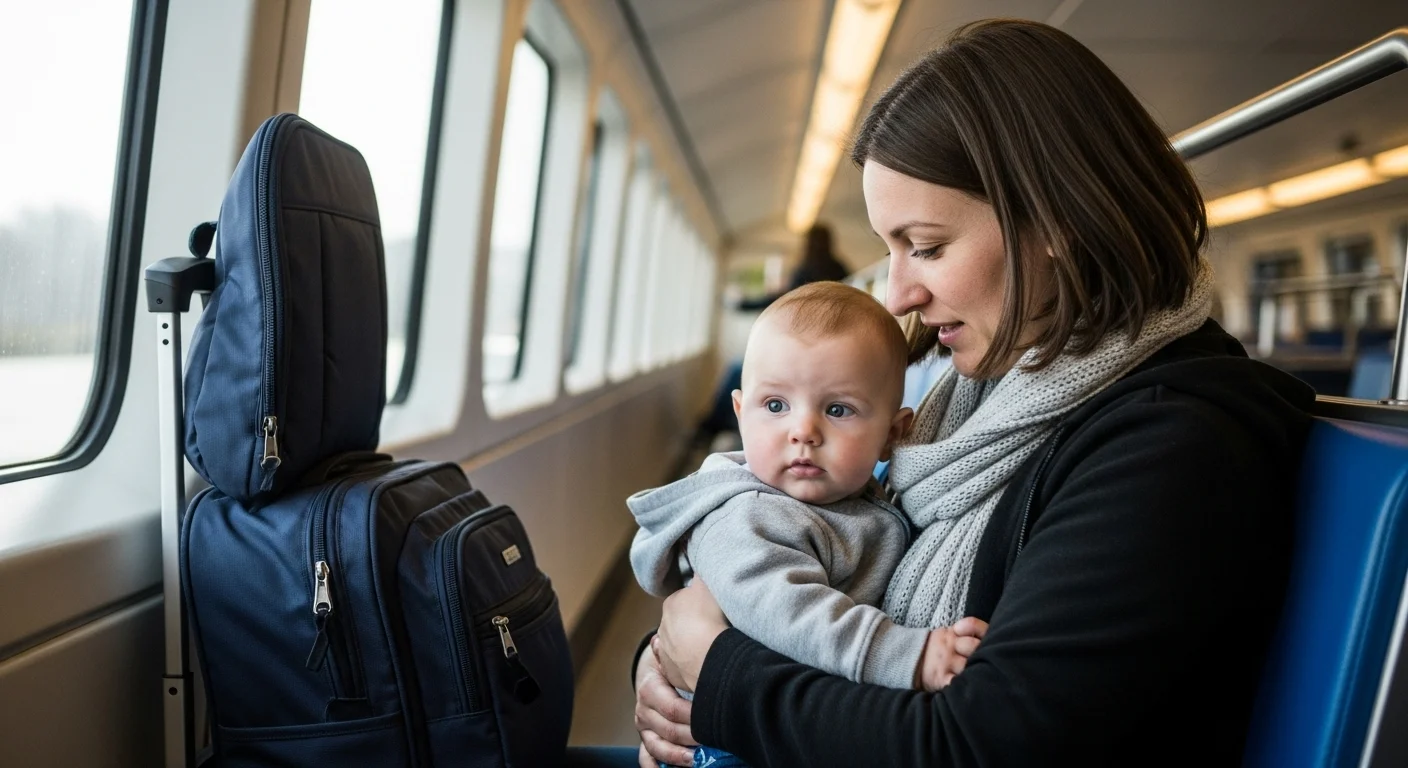
Traveling by train can be a delightful experience, and I love how it allows me to move around more freely compared to airplanes. On trains, I’ve often found cozy spots to sit and nurse my baby. I usually look for a quiet area, sometimes in the family sections, where I don’t feel rushed. One particular train ride through the countryside stands out in my memory; I found a lovely corner by the window where I could enjoy the view while nursing.
When it comes to buses, I’ve noticed that it can be trickier due to the lack of space and constant movement. I typically wait until the bus has made a stop to get comfortable. If the bus has a designated area for families, I try to use that as my breastfeeding spot. I’ve learned to be flexible and find suitable moments, like during a brief stop or when the bus is less crowded.
Road Trips: Tips for Car Travel
Road trips have become one of my favorite ways to travel with my baby. I love the freedom of stopping whenever we need to for feedings. Before hitting the road, I always make sure to plan our route, identifying rest stops and parks along the way where I can pull over comfortably. I remember one memorable trip when we stopped at a scenic overlook, and I was able to nurse my baby while enjoying breathtaking views. It felt like a mini adventure in itself!
To make road travel easier, I keep my breastfeeding essentials easily accessible in the car. I pack a small bag with a nursing cover, a water bottle for me, and some snacks for both of us. This way, I’m prepared for any situation. I also find it helpful to schedule breaks every couple of hours, allowing us both to stretch our legs and for my baby to feed without feeling rushed.
Safety is always a priority for me during road trips. I ensure that my baby is securely strapped in their car seat, and when I stop to nurse, I take the time to park in a safe location. It’s all about creating a balance between enjoying the journey and ensuring my baby is comfortable and secure.
Budget-Friendly Tips for Nursing Moms
Finding Affordable Accommodations with Breastfeeding Amenities
When planning a trip, I always search for accommodations that are friendly to nursing moms. I’ve found that there are many budget-friendly hotels and hostels that cater to families. Amenities like mini-fridges can be a game-changer for storing breast milk, and having a private space to nurse is a must for me. I remember booking a quaint little inn during one of our trips, and they even provided a crib and a quiet room for breastfeeding, which made my stay so much more comfortable.
Using travel apps and websites that allow filtering accommodations based on family-friendly amenities has helped me immensely. I often read reviews from other mothers who have traveled with babies to find out their experiences. I’ve discovered some gems this way, and it’s nice to know I’m choosing places that other moms recommend.
Utilizing Local Resources and Support Groups
Connecting with local resources can be a lifesaver when I’m traveling. I often check out local parenting groups or breastfeeding support forums before heading to a new destination. I remember reaching out to a local breastfeeding group while visiting a city, and they provided me with incredible tips on breastfeeding-friendly spots, as well as recommendations for pediatric care nearby, just in case I needed it.
Social media has also been a great tool for connecting with other moms in the area. I’ve joined Facebook groups focused on parenting and breastfeeding in specific cities, where I can ask questions and get advice. It’s comforting to know that there’s a community out there willing to help, even when I’m far from home.
Eating and Staying Hydrated on a Budget
Staying nourished and hydrated while traveling can be challenging, especially for nursing moms. I’ve found that packing healthy snacks is essential; things like nuts, dried fruit, and granola bars are my go-tos. They’re easy to carry and provide the energy boost I need throughout the day. I always keep a reusable water bottle with me, filling it up whenever I get the chance. Staying hydrated has made a significant difference in maintaining my milk supply while on the go.
When it comes to meals, I look for local markets or grocery stores where I can grab fresh fruits, veggies, and easy-to-eat meals. Eating out can add up quickly, so I often opt for picnics in parks or preparing simple meals when the accommodation allows. It’s a fun way to try local produce while keeping our travel budget in check! Plus, it gives us the chance to relax in the great outdoors, which is always a bonus.
Frequently Asked Questions
What are the benefits of breastfeeding while traveling?
Breastfeeding provides essential nutrition and immune protection for your baby, helps create a sense of normalcy in unfamiliar environments, and is a cost-effective solution that eliminates the need for formula and bottles.
How can I prepare for breastfeeding before a trip?
Preparing involves choosing family-friendly destinations, researching local laws and cultural norms regarding breastfeeding, and packing essentials like nursing covers, portable breast pumps, and breastfeeding-friendly clothing.
What should I look for in family-friendly travel destinations?
Look for destinations with good healthcare systems, breastfeeding-friendly policies, and a welcoming culture toward nursing mothers. European countries are often noted for their acceptance of breastfeeding in public spaces.
What are some good strategies for breastfeeding in public?
Search for quiet corners in public spaces, utilize family-friendly venues with nursing areas, and wear layers for discreet breastfeeding. Using a diaper bag or blanket can also help create a private space.
How can I manage breastfeeding schedules while traveling across time zones?
Gradually adjust feeding times to the local time zone before traveling and remain flexible with feeding schedules. Pay attention to your baby’s feeding cues and be ready to feed them as needed.
What are some tips for breastfeeding on airplanes?
Choose a window seat for added privacy, plan feedings around the flight schedule, and use a nursing cover for extra comfort. Breastfeeding can help soothe your baby during takeoff and landing.
How can I maintain my milk supply while traveling?
Stay hydrated, carry healthy snacks, and pump at regular intervals if you’re away from your baby for extended periods. Keeping a water bottle handy and choosing nutritious snacks can help maintain energy and milk supply.
What types of accommodations should I look for when traveling as a nursing mom?
Seek budget-friendly hotels or hostels that offer breastfeeding amenities like mini-fridges and private nursing spaces. Reading reviews from other mothers can help identify suitable places.
How can I connect with local resources for breastfeeding support while traveling?
Check local parenting groups or breastfeeding support forums before your trip. Social media platforms, like Facebook groups, can also provide valuable tips and recommendations from other moms in the area.
What are some budget-friendly eating tips for nursing moms on the go?
Pack healthy snacks like nuts and granola bars, carry a reusable water bottle, and opt for local markets to buy fresh produce. Preparing simple meals or having picnics can also help keep costs down.
Backpacking with a baby might seem daunting, especially when it comes to formula feeding. But with the right preparation and knowledge, it can be an enjoyable adventure for both you and your little one! For more tips, check out Budget-Friendly Formula Feeding Tips for Traveling Parents.
Understanding Formula Feeding Basics
What is Formula Feeding?
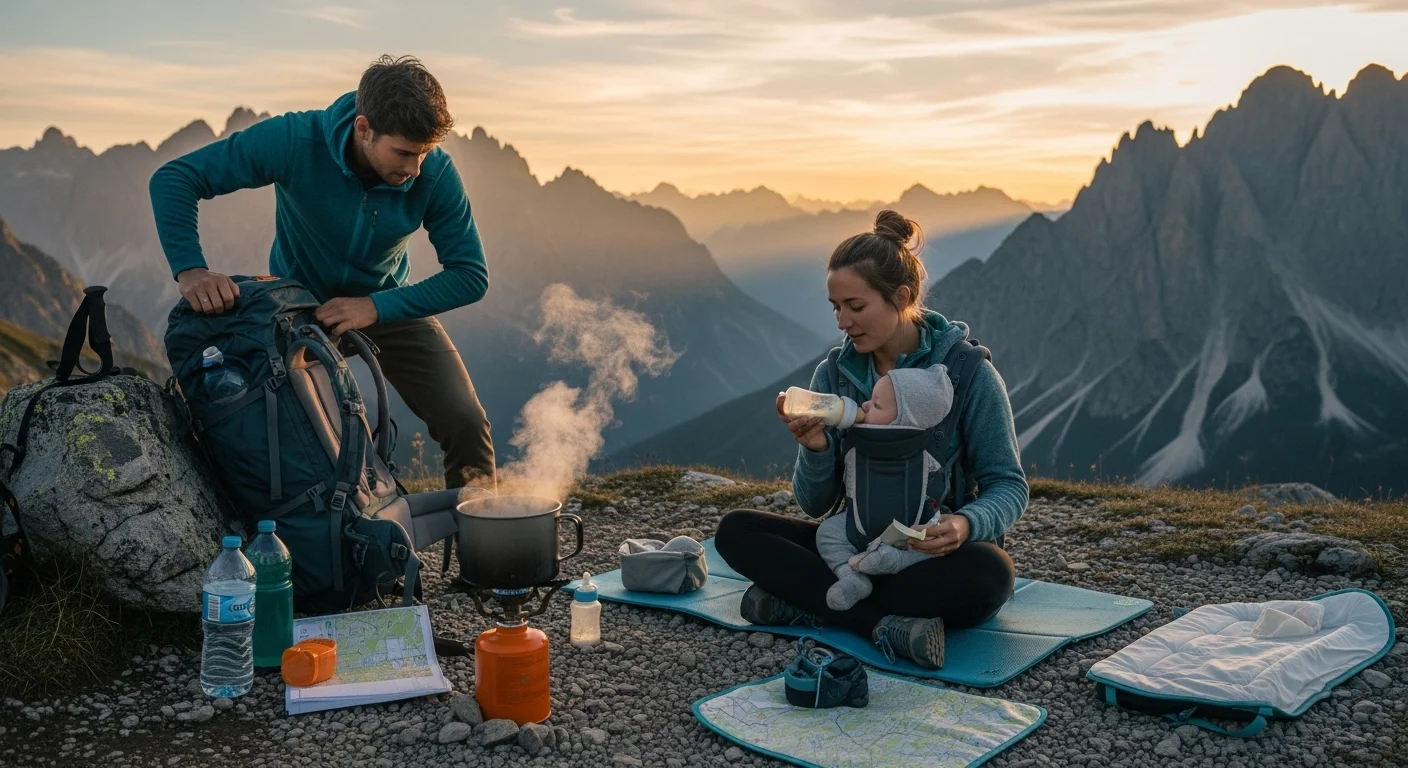
Formula feeding is the process of providing infants with a specially formulated milk substitute that meets their nutritional needs. Unlike breastfeeding, which relies on a mother’s milk, formula feeding allows parents to feed their babies using powdered or liquid formulas designed for infants. I remember when I first transitioned to formula feeding my child; it felt like a new world opened up. I could measure and mix the formula exactly as needed, and it offered a level of convenience that was appealing, especially when we started venturing into the great outdoors.
Types of Infant Formula
There are several types of infant formula available, and choosing the right one can feel overwhelming. The main types include:
- Powdered Formula: This is the most economical option. It requires mixing with water, making it lightweight for backpacking.
- Concentrated Liquid Formula: This comes in a liquid form that you dilute with water. It’s a bit heavier but saves time during preparation.
- Ready-to-Feed Formula: This is the most convenient option, as it requires no mixing. However, it’s also the heaviest and usually more expensive.
From my experience, I found that powdered formula was the best choice for backpacking. It’s lightweight, easy to store, and I could mix it as needed while on the trail.
Benefits of Formula Feeding
Formula feeding provides several benefits, especially for families who love the outdoors. One key advantage is flexibility; anyone can feed the baby, allowing both parents to enjoy the adventure. I loved how my partner could step in during a hike to give our child a bottle, giving me a chance to take a breather. Additionally, formula feeding allows you to measure exactly how much your baby is consuming, which can help with monitoring their intake. For more insights, see Essential Formula Feeding Guidelines for Newborns on the Go.
Another benefit is the ability to plan feeding times more easily. When backpacking, it’s essential to have a routine, and knowing how much formula to bring and when to feed can simplify things. I also appreciated the peace of mind that came with knowing my baby was getting all the necessary nutrients from the formula, especially during long treks when food options might be limited.
Common Concerns and Myths
There are many myths surrounding formula feeding that can cause apprehension for new parents. One common misconception is that formula-fed babies are less healthy than breastfed ones. In my opinion, both methods can provide adequate nutrition; it ultimately depends on the specific needs of your baby and family situation. I noticed that as long as I followed the guidelines for feeding and prepared everything properly, my baby thrived.
Another concern is that formula feeding can lead to digestive issues. While some babies may experience gas or constipation when switching to formula, many do just fine. It’s important to consult with your pediatrician if you notice any issues. During my own journey, I learned to pay attention to my baby’s reactions and made adjustments as needed.
Lastly, some fear that formula feeding requires a lot of preparation and logistics, which can be particularly challenging while backpacking. However, with proper planning, I found it to be manageable. I created a checklist of everything I needed, which streamlined the process and made our trips enjoyable.
Preparing for Backpacking with Baby
Choosing the Right Baby Backpack
The right baby backpack is crucial for a successful backpacking trip. I did a lot of research before choosing one, and I recommend looking for a backpack that is specifically designed for carrying infants. These backpacks often have sturdy frames, comfortable straps, and ample storage for all essentials, including your formula supplies. I found one with a sunshade and a rain cover, which was a game-changer for our outdoor adventures. It kept my little one comfortable no matter the weather.
Essential Gear for Formula Feeding
When backpacking with a baby, packing the right gear is essential. Here’s a list of items I found helpful:
- Formula: Bring enough formula for the trip, plus a little extra just in case.
- Bottles: Lightweight, easy-to-clean bottles are a must. I also packed a couple of extra ones.
- Bottle Brush: For cleaning bottles on the go, a portable bottle brush is a lifesaver.
- Insulated Bottle Bag: This helps maintain the temperature of pre-mixed formula.
- Travel-sized Water Purifier: Having clean water is crucial for mixing formula safely.
With this gear in tow, I felt prepared and ready for whatever the trail threw at us.
Planning Your Backpacking Route
Choosing a suitable backpacking route is key when you have a baby. I made sure to select trails that were not too strenuous and had accessible resting spots. It’s important to keep in mind the length of the hike and the time it would take to set up feeding breaks. I found it helpful to study trail maps and even chat with fellow hikers for recommendations on baby-friendly routes.
Safety Considerations for Backpacking with a Baby
Safety is always a priority, especially with a little one in tow. I made a checklist to ensure we had everything we needed for emergencies, including first-aid supplies and a way to contact help if necessary. It might feel overwhelming at first, but I realized that being prepared can make all the difference in enjoying the great outdoors with my baby. I also learned to trust my instincts and take breaks whenever needed, which allowed us to enjoy our adventures together, stress-free.
Formula Feeding Logistics While Backpacking
How to Store and Transport Formula
When it comes to storing and transporting formula on a backpacking trip, I learned that preparation is key. I found that using airtight containers or specialized formula dispensers worked wonders. These containers not only kept the formula fresh but also made it easy to scoop out the right amount quickly. I usually pre-measured servings for each day and labeled them, which saved me time and hassle when I was out on the trail.
Another tip I picked up is to pack the formula in a padded section of my backpack. This helped protect it from bumps and temperature changes, ensuring it remained stable. I also carried a small cooler bag for any ready-to-feed formula or pre-mixed bottles, which was a lifesaver during warmer hikes. This way, I felt confident that I had everything I needed to keep my baby fed and happy while we explored nature together.
Water Sources and Purification Options
Finding clean water for mixing formula is crucial when backpacking. I always researched my routes beforehand to identify water sources like streams or rivers. However, I knew I couldn’t just fill up my bottle and mix without considering safety. I invested in a reliable water filter, which made a huge difference. It allowed me to purify water on the go, ensuring that we had safe water for mixing formula and staying hydrated.
Sometimes, I would even carry water purification tablets as a backup. They’re lightweight and easy to use, making them a great option if I couldn’t use my filter for any reason. This two-pronged approach gave me peace of mind that we would have clean water available for our little one, regardless of the circumstances.
Feeding Schedule and Timing
Establishing a feeding schedule while backpacking can be a bit tricky, but I found that it helped to have a flexible routine. Before our trips, I would try to sync our baby’s feeding times with our hiking breaks. This way, we could make the most of our time on the trail without feeling rushed. I usually noted our baby’s typical feeding intervals and planned our breaks to coincide with those times.
It’s important to remain adaptable, though. I remember one hike where we faced unexpected delays. Instead of stressing out, I decided to take it in stride. As a result, I learned to read my baby’s cues, like fussiness or rooting, to know when it was time for a snack, even if it didn’t align perfectly with our planned schedule. Keeping an eye on their mood helped us all enjoy the journey more!
Warm Water Options for Formula
One challenge I faced was providing warm water for mixing formula, especially during cooler hikes. I discovered that using insulated bottles worked great for keeping water warm. I would fill one bottle with hot water before we left and pack it alongside my formula supplies. This way, I could mix a warm bottle for my baby when needed, which I found they preferred over room temperature formula.
On some trips, we also came across sunny spots where I could place a bottle filled with water to warm up naturally. It’s amazing how resourceful you can get when you’re out in the wild! I learned to embrace the little moments like this, making our feeding times special even amid our adventures.
Feeding Techniques in the Outdoors
Finding a Comfortable Feeding Spot
One thing I quickly realized was the importance of finding a comfortable feeding spot while out on the trail. I often looked for shaded areas with a nice view, where we could take a break and enjoy our surroundings. I found that sitting on a blanket or a small portable chair made a world of difference in comfort. Plus, it offered a cozy space for bonding time with my baby.
When we hiked with friends or family, I loved having a designated spot for feeding so that others could enjoy a break too. It became a time for us to recharge and share stories, making the experience even more enjoyable. I always tried to make it a point to include everyone in these moments, turning the feeding time into a mini picnic in nature!
Managing Distractions During Feeding
Feeding a baby outdoors can come with its share of distractions. Between the sounds of nature and the excitement of being out and about, I learned that creating a calm environment was key. I often chose to feed my baby away from more bustling areas, where we could enjoy some peace. I would bring along a lightweight blanket to create a designated feeding zone, which helped signal to my baby that it was time to eat.
Sometimes, I would play soft music from my phone or sing a lullaby. I found that my baby responded well to familiar sounds, which helped them focus on feeding amid the outdoor distractions. I realized that even in nature, having a little routine made our feeding times smoother and more enjoyable!
Dealing with Spills and Clean-Up
Let’s be honest: spills happen. When you’re out hiking and feeding, it’s almost guaranteed that there will be some mess. I learned to prepare for this by packing a small travel-sized pack of wipes and a few extra cloths. These made it easier to clean up any dribbles or accidental spills. I made it a habit to clean up right after feeding, which kept my baby comfortable and my backpack clean.
Also, I found that having a dedicated spot in my backpack for dirty items helped me stay organized. I used a small, resealable bag to keep the used cloths separate, which made clean-up at the end of the day much less daunting. Embracing the chaos and knowing that messes are part of the adventure helped me maintain a positive mindset. After all, these moments became cherished memories of our time spent together on the trails!
Health and Safety Considerations
Signs of Formula Intolerance or Allergies
When I transitioned to formula feeding, I was keenly aware of the signs of intolerance or allergies in my baby. It’s essential for all parents to keep an eye out for any unusual reactions. Some common signs can include excessive fussiness, rashes, or gastrointestinal issues like gas or diarrhea. I remember one hike when my baby seemed unusually irritable after a feeding. It raised a flag for me, and I realized that perhaps the formula we were using wasn’t the best fit for them.
If you notice any of these symptoms, I recommend reaching out to your pediatrician. They can help assess the situation and suggest alternatives. In our case, we switched formulas and noticed an immediate improvement in my baby’s comfort level. Understanding your baby’s needs can make all the difference, especially while navigating the outdoors.
Keeping Formula at Safe Temperatures
Maintaining safe temperatures for formula is critical, especially during warm hikes. I always made sure to pack my formula supplies in insulated bags to keep them at the right temperature. This was especially important for any pre-mixed bottles or ready-to-feed options, as I wanted to avoid any risk of spoilage. I remember one particularly hot day; I used an insulated cooler bag that kept everything fresh, and I felt relieved knowing my baby was safe while we enjoyed our adventure.
It’s also important to avoid leaving formula out for too long. When we took breaks, I tried to keep feeding times short and sweet to prevent any issues with temperature. I felt more at ease when I was mindful of these things, so I could focus on having fun rather than worrying about my baby’s safety.
First Aid Essentials for Formula-Fed Babies
As a parent, I learned that being prepared for any situation is crucial when you’re backpacking with a baby. I packed a small first aid kit specifically tailored for my little one. This included essentials like infant acetaminophen, band-aids, and antiseptic wipes. I also added formula-specific items, like a syringe for administering medicine or hydration if needed.
One time, during a family hike, my baby developed a slight fever. Having the right medicine on hand made it easy for me to manage the situation quickly. I felt a sense of relief knowing I had what I needed to help my child, which kept my stress levels down. I found that preparing this kit in advance helped me feel more confident about our outings.
Tips for Successful Backpacking with a Formula-Fed Baby
Time Management While Backpacking
Managing time efficiently while backpacking with a baby can be a bit of a challenge. I learned quickly that flexibility is key. I often set realistic goals for how far we could hike in a day, factoring in additional time for feedings and breaks. I remember one hike when I thought we could cover more ground than we actually did; I underestimated how much time we’d need for feeding and rest. It turned out to be a blessing in disguise, as we discovered some lovely spots to relax and enjoy the scenery.
Creating a loose schedule helped us stay on track without feeling rushed. I usually planned our breaks around my baby’s feeding times, which turned out to be a great way to ensure we both stayed happy on the trail. I also kept snacks handy for myself, which made a huge difference in keeping my energy up during our adventures.
Involving Older Siblings in the Feeding Process
If you have older siblings, getting them involved in the feeding process can be a wonderful experience. I discovered that my older child loved to help out during our hikes. They would carry extra supplies in their backpack or help hold the bottle while I prepped the formula. This not only fostered a sense of responsibility but also made them feel included in our outdoor adventures.
During one of our trips, my older child helped entertain the baby while I mixed the formula, which made feeding times smoother. I found it made the experience more fun for both kids, and it brought us all closer together as a family. It’s about creating those memories and learning to work as a team even in the wilderness!
Adjusting Expectations: Flexibility is Key
One of the most important lessons I learned while backpacking with a formula-fed baby is the need for flexibility. No matter how well you plan, things can change in an instant. Whether it’s the weather, unexpected delays, or your baby’s mood, being adaptable is crucial. I’ve had days when we needed to turn back sooner than expected or make unplanned stops for feedings. Instead of getting frustrated, I learned to embrace these moments as part of our adventure.
There’s a certain freedom that comes with being open to change. I remember one memorable trip where we ended up at a beautiful viewpoint we hadn’t planned to visit. It became a highlight of our journey, and I realized that some of the best moments come from spontaneity. I encourage fellow parents to keep this in mind while exploring nature with their little ones. Flexibility can turn a simple hike into a treasured memory! For more on this topic, check out Breastfeeding Basics for Adventurous Backpacking Parents.
Frequently Asked Questions
What is formula feeding?
Formula feeding is the process of providing infants with a specially formulated milk substitute that meets their nutritional needs, allowing parents to feed their babies using powdered or liquid formulas designed for infants.
What are the types of infant formula?
The main types of infant formula include powdered formula (economical and lightweight), concentrated liquid formula (liquid form that requires dilution), and ready-to-feed formula (most convenient but heaviest and more expensive).
What are the benefits of formula feeding while backpacking?
Formula feeding offers flexibility, allowing anyone to feed the baby, making it easier to monitor intake, and helps in planning feeding times, which is essential during backpacking trips.
How should I prepare for backpacking with a baby?
Preparation involves choosing the right baby backpack designed for infants, packing essential gear for formula feeding, planning a suitable backpacking route, and ensuring safety considerations are in place.
What essential gear is needed for formula feeding while backpacking?
Essential gear includes enough formula, lightweight bottles, a bottle brush, an insulated bottle bag, and a travel-sized water purifier to ensure clean water for mixing formula safely.
How can I establish a feeding schedule while backpacking?
Establishing a feeding schedule can be done by syncing the baby’s feeding times with hiking breaks, remaining adaptable to unexpected delays, and observing the baby’s cues for hunger.
What should I do if my baby shows signs of formula intolerance or allergies?
If you notice signs of intolerance or allergies, such as excessive fussiness or gastrointestinal issues, it’s important to consult with your pediatrician to assess the situation and consider alternative formulas.
How do I keep formula at safe temperatures while backpacking?
To keep formula at safe temperatures, pack supplies in insulated bags, avoid leaving formula out for too long, and try to keep feeding times short to prevent spoilage.
What should I include in a first aid kit for formula-fed babies?
A first aid kit for formula-fed babies should include essentials like infant acetaminophen, band-aids, antiseptic wipes, and formula-specific items like a syringe for administering medicine.
How can older siblings be involved in the feeding process while backpacking?
Involving older siblings can be done by allowing them to carry extra supplies, help hold the bottle, or entertain the baby during feedings, fostering a sense of responsibility and inclusion in outdoor adventures.
Backpacking with a newborn is an adventure like no other. It’s a chance to explore the great outdoors while nurturing your little one, but it comes with its own unique challenges, especially when it comes to feeding. To make your journey smoother, consider checking out our list of Top 10 Essential Baby Gear Items for Travel.
Understanding the Basics of Backpacking with a Newborn
When I first decided to take my newborn on a backpacking trip, I was filled with excitement and a bit of anxiety. It’s one thing to hike with friends or family, but carrying a tiny human adds a whole new layer of complexity. In my experience, understanding the basics of backpacking with a newborn is crucial for a successful trip. There are health and safety considerations, as well as practical gear choices that can make all the difference.
Health and Safety Considerations
Health and safety are paramount when you’re out in the wild with a little one. I remember reading countless articles and listening to podcasts about hiking with babies before our first trip. The first point that kept coming up was the importance of being prepared. Here are some key health and safety considerations I learned along the way:
- Consult Your Pediatrician: Before embarking on any adventure, I made sure to talk to our pediatrician. They provided invaluable advice on what age is safe for hiking and what to look out for regarding altitude and weather.
- Watch for Signs of Overheating: Newborns are particularly sensitive to temperature changes. I learned to dress my baby in layers and regularly check for signs of overheating or cold.
- Insect Protection: I never realized how many bugs there were until we hit the trails. I found using a lightweight, breathable baby blanket to cover my little one helped keep the bugs away.
- Hydration: Keeping myself hydrated was essential, not just for me but also for breastfeeding. I always packed extra water for myself.
Choosing the Right Backpack for Parents
Choosing the right backpack is something I underestimated. When I first thought about it, I assumed any backpack would do. However, I quickly learned that a specialized baby carrier backpack is a game-changer. Here are some features I found essential:
- Comfortable Fit: Look for a backpack with a comfortable, adjustable fit. I found that the more it felt like an extension of me, the easier it was to hike. Padded straps and a supportive frame can help distribute weight evenly, making long hikes more enjoyable.
- Storage Space: I needed enough room for all our supplies. A backpack with multiple compartments helped me stay organized. I could easily find feeding gear, diapers, and personal items without rummaging through everything.
- Weather Protection: A rain cover is a must. I can’t count how many times I’ve been caught in unexpected weather. A good pack with a rain cover kept my baby dry and comfortable.
As I set off on my first backpacking trip with my newborn in tow, I felt a mix of excitement and nervousness. However, I quickly discovered that with the right understanding and preparation, backpacking with a little one is not only doable but also incredibly rewarding. There’s something magical about sharing the beauty of nature with your child while creating memories that will last a lifetime. For some great tips on bonding during your trips, consider reading Budget Backpacking with Baby: Strengthening Your Bond.
Essential Feeding Gear for Newborns
When I was planning my backpacking trips with my newborn, I quickly realized that feeding gear was just as important as the right backpack. After all, a happy baby makes for a happy hike! I spent a lot of time figuring out what supplies I would need to ensure feeding was as smooth as possible. Here’s what I found essential.
Breastfeeding Supplies
If you’re breastfeeding, having the right supplies can make all the difference in your outdoor experience. I learned early on that being prepared is key.
Breast Pump Options
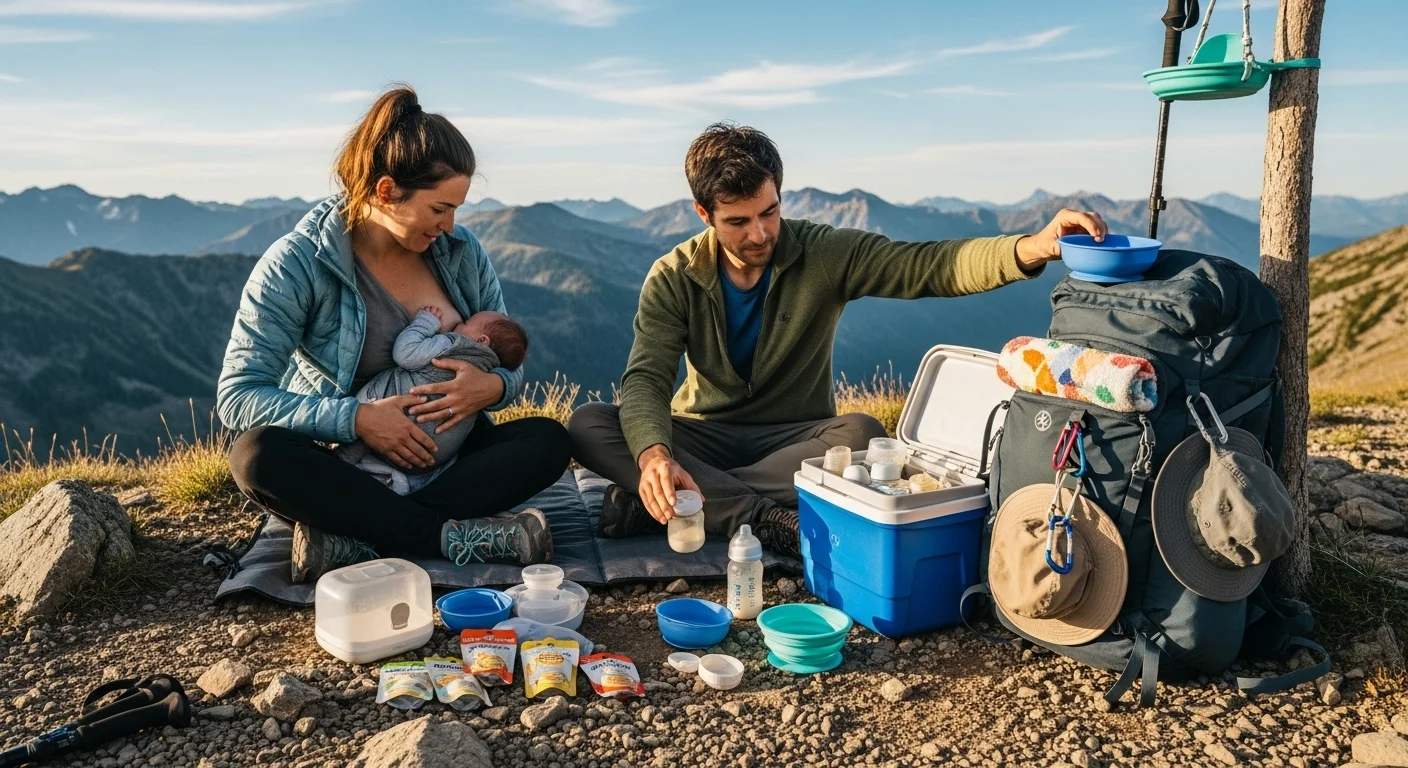
Depending on your feeding routine, a portable breast pump can be a lifesaver on the trail. I initially hesitated to use one because I thought it would be too cumbersome. But I found a compact, battery-operated breast pump that fit perfectly into my backpack. It allowed me to pump on-the-go, which was great for keeping my milk supply steady. I recommend looking for one that’s lightweight and easy to clean, as this can save you a lot of hassle.
Milk Storage Solutions
Once I had pumped milk, I needed a reliable way to store it. I discovered that insulated milk storage bags were a fantastic option. They kept the milk cool and secure while we were out hiking. I also made sure to pack a cooler bag with ice packs to maintain the milk’s freshness. Remember to label each bag with the date and time to keep track of how long it’s been stored. This way, I could easily ensure my little one was getting the best!
Formula Feeding Essentials
If you’re formula feeding, there are a few key items that will make your backpacking adventure smoother.
Portable Formula Dispensers
I found portable formula dispensers to be a game-changer. They allow you to pre-measure formula servings, which means you don’t have to deal with messy scooping while on the trail. I liked using the stackable ones that could hold multiple servings, making them easy to pack. With these on hand, I felt confident knowing I could quickly prepare a bottle whenever needed.
Travel-Friendly Bottles
Choosing the right bottles was also essential. I opted for lightweight, shatterproof bottles that fit well in my backpack. They were easy to clean and came with a wide mouth for simple filling and cleaning. I also made sure to pack some extra nipples and caps just in case. The last thing I wanted was to be stuck without an essential feeding item!
Feeding Accessories
In addition to the main feeding gear, I found that a few accessories made our trips much more manageable.
Compact High Chairs
A compact, portable high chair was a fantastic investment. I found one that folds flat and clips to picnic tables or regular tables at campsites, which made feeding time a breeze. It was sturdy enough to hold my baby safely and made it easier for me to feed her without needing to hold her on my lap. This helped create a pleasant eating environment, even in the great outdoors.
Universal Bibs and Wipes
Lastly, I can’t stress enough how useful universal bibs and wipes are when you’re out in nature. I found bibs that are easy to clean and that catch any mess during feeding. Wipes, on the other hand, became my best friend! They came in handy for quick clean-ups, whether it was a spilled bottle or a little face that needed wiping after a meal. Having a pack of biodegradable wipes was especially great since I could feel responsible about keeping the environment clean.
With all this essential feeding gear packed and ready, I felt prepared for our adventures. I can genuinely say that having the right supplies made feeding my newborn while backpacking not only feasible but enjoyable too. It allowed us to focus on what truly mattered—making memories in nature while keeping my little one happy and well-fed. Additionally, don’t forget to check out Backpacking with Baby: Social Growth Milestones to Watch for insights on developmental aspects during your travels.
Best Practices for Feeding a Newborn While Backpacking
As I embarked on my backpacking journey with my newborn, I quickly realized that feeding wasn’t just about having the right gear; it was also about strategy and planning. Over time, I developed a few best practices that made feeding my little one while hiking not only easier but also more enjoyable for both of us.
Creating a Feeding Schedule
One of the first things I learned was the importance of creating a feeding schedule that aligned with our hiking plans. Newborns thrive on routine, and I found that by sticking to a consistent feeding timeframe, my baby was generally happier and more content during our hikes. I tried to plan our outings around her feeding times, which helped us avoid meltdowns in the middle of a scenic overlook!
I also made my own adjustments based on her cues. For example, if I noticed she seemed hungrier than usual, I was flexible enough to accommodate that. I kept a small notebook in my backpack to jot down her feeding times, so I could identify patterns and adjust our schedule accordingly. This practice not only helped in keeping her well-fed but also gave me peace of mind, knowing that I was meeting her needs as best as I could.
Finding Suitable Feeding Locations
Finding the right spot to feed my newborn was another crucial aspect of our hiking experience. I learned that choosing a calm and comfortable location can make all the difference. Some trails have beautiful picnic areas or quiet spots near a stream, which provided the perfect backdrop for feeding. I always looked for a shady area, especially on warm days, to keep my baby cool and comfortable.
On one memorable hike, I stumbled upon a scenic overlook that had a lovely bench. As I settled down to nurse, I was also able to take in the breathtaking view, making it a special moment for both of us. Another tip I discovered was to bring along a lightweight blanket to create a cozy and clean surface for feeding, which made it easy to set up in any location.
Maintaining Hygiene on the Trail
Hygiene was always on my mind when feeding my newborn outdoors. I realized that keeping things clean was essential for both her health and my peace of mind. I made it a point to wash my hands whenever possible before handling feeding gear. When we were on longer hikes, I carried biodegradable wipes in my backpack. These came in handy not only for my hands but also for cleaning any surfaces where I might set down bottles or supplies.
I also learned to keep feeding gear organized and separate from other items in my backpack. Using small, zippered pouches for bottles and nipples helped ensure that everything stayed clean and easy to access. This little organization trick saved me a lot of hassle, especially when I was in a hurry to prepare a bottle. I felt relieved knowing that I could quickly retrieve what I needed without sifting through a mess!
Incorporating these best practices into our backpacking adventures transformed feeding time from a potential stressor into an enjoyable part of our trips. Creating a feeding schedule, finding suitable locations, and maintaining hygiene made the experience more pleasant and allowed me to focus on making memories in nature with my little one.
Recommended Brands and Products
As I navigated the world of feeding gear while backpacking, I discovered some brands and products that stood out for their quality and functionality. I wanted to share my favorites in case you’re looking for reliable options for your adventures with a newborn.
Top Breastfeeding Products
When it came to breastfeeding, I found a few products that made my life easier on the trail. One of my go-to brands was Medela. Their portable breast pump was a game-changer. I loved how lightweight it was and how easy it was to clean. Another favorite of mine was the Lansinoh milk storage bags. They were sturdy, and the double-seal feature gave me confidence that my milk would stay fresh during our hikes.
Best Formula Feeding Options
For formula feeding, I quickly became a fan of the Similac Ready to Feed bottles. They come in convenient, portable sizes that are perfect for hiking. I appreciated that there was no need for mixing or measuring; I could just grab a bottle and go. I also loved the Munchkin formula dispensers. They made pre-measuring a breeze, and I felt super organized having everything ready to go.
Durable and Lightweight Feeding Accessories
In the realm of feeding accessories, I can’t recommend the Fisher-Price portable high chair enough. It was lightweight and easy to stash in my backpack, and it provided a secure spot for my baby to eat while we were out. For bibs, I found the Bumkins silicone bibs to be fantastic; they’re easy to clean and catch all the messes. Plus, they roll up nicely for packing!
In my experience, having the right products and brands made a significant difference in our hiking and feeding adventures. I truly believe that being well-prepared with quality gear allowed us to enjoy our time outdoors without worry.
Tips for Hiking with Feeding Gear
Packing Efficiently
Packing efficiently is something I became very passionate about during our hiking adventures. The way you organize your backpack can really make or break the experience. I found that packing feeding gear in a systematic manner allowed me to access everything quickly when needed. I used small packing cubes and zippered pouches to categorize items like bottles, formula dispensers, and cleaning wipes. This not only kept everything organized but also saved me from the panic of searching for a bottle while my baby was crying. I made it a habit to pack the items I needed most frequently on the top or in easy-to-reach compartments, ensuring I could quickly grab what I needed without digging around.
One packing tip that worked wonders for me was to have a dedicated “feeding pouch.” This pouch included everything from bottles to wipes, and I could quickly pull it out when it was feeding time. By streamlining my packing, I felt more relaxed, knowing that I had everything under control and could focus on enjoying the moment with my little one.
Managing Weight and Space
Managing weight and space is essential when you’re hiking with a newborn. I learned that even the lightest gear can add up, so I made it a point to choose lightweight products whenever possible. For instance, I opted for collapsible bottles and compact storage solutions. I also carried only the amount of milk or formula I needed for the day, which helped prevent unnecessary bulk in my backpack.
Additionally, I realized that I didn’t need to pack every item I thought I might need. Instead, I focused on the essentials and left the extras behind. This approach made my backpack much lighter and easier to carry. I’ve seen parents overpack and struggle, and I wanted to avoid that scenario. I remember one hike where I assessed everything I was carrying and decided to leave behind an extra blanket and a few toys. It made a world of difference in my comfort level during the hike!
Staying Prepared for Feeding Emergencies
No matter how well you plan, feeding emergencies can happen. I learned that staying prepared for these situations is crucial. One of the best strategies I adopted was to pack extra supplies, just in case. I always made sure to have a couple of extra bottles, nipples, and a backup of powdered formula or breast milk on hand. This extra preparation saved me during moments when my baby was unexpectedly hungrier or when there was an accidental bottle spill.
When we were out on the trail, I kept a small emergency kit that included extra wipes, a spare bib, and even a backup snack for me. This way, I could quickly address any feeding hiccups without feeling overwhelmed. I also found that keeping my phone handy for quick reference to feeding guidelines or emergency contacts was helpful, especially during longer hikes.
Common Challenges and Solutions
Dealing with Feeding Disruptions
Feeding disruptions are bound to happen, especially when hiking. I found that the best way to deal with them is to stay calm and adaptable. There were times when my baby was too distracted by the beautiful scenery or too tired to eat, and I learned to adjust accordingly. I made it a point to have a few quiet moments during our breaks, which often encouraged her to eat better. I also discovered that simply changing my position or finding a new spot to feed could make a difference when she was fussy.
Adjusting to New Feeding Routines
Adjusting to new feeding routines while on the trail can be challenging. I remember feeling a bit anxious about how our usual feeding schedule would hold up against the unpredictability of hiking. However, I found that flexibility was key. I embraced the idea that not every day would go according to plan. Sometimes, we had to feed a little earlier or later than expected, and that was okay. I learned to listen to my baby’s cues and adapt my schedule based on her needs, rather than sticking rigidly to a plan.
Handling Weather-Related Issues
Weather can be a significant factor when feeding on the trail. I recall one hike where we encountered unexpected rain, and I had to think quickly to keep everything dry. Investing in weather-resistant bags helped protect our feeding gear from the elements. I also learned to check the forecast before heading out and plan accordingly, bringing extra layers to keep both of us comfortable. If it was too hot, I’d scout for shaded spots, and if it was too cold, I’d have a cozy blanket ready for our feeding time.
Final Thoughts
Backpacking with a newborn is undoubtedly a unique experience filled with its own set of challenges and joys. From ensuring proper feeding to navigating the trails, every moment is an opportunity to bond with your little one while enjoying the beauty of nature. With the right preparation, the right gear, and a flexible mindset, I believe we can create wonderful memories that will last a lifetime. Embrace the adventure, stay organized, and remember that every hike is a chance to explore the world together!
Frequently Asked Questions
What are the essential health and safety considerations when backpacking with a newborn?
Key health and safety considerations include consulting your pediatrician before the trip, watching for signs of overheating, using insect protection, and ensuring proper hydration for both the parent and the baby.
What features should I look for in a baby carrier backpack?
When choosing a baby carrier backpack, look for a comfortable fit with adjustable straps, adequate storage space with multiple compartments, and weather protection features like a rain cover.
What breastfeeding supplies are recommended for backpacking?
Recommended breastfeeding supplies include a portable breast pump, insulated milk storage bags, and a cooler bag with ice packs to keep pumped milk fresh.
What items are essential for formula feeding while backpacking?
Essential items for formula feeding include portable formula dispensers for pre-measured servings, lightweight travel-friendly bottles, and extra nipples and caps for convenience.
What are some best practices for feeding a newborn while hiking?
Best practices include creating a feeding schedule that aligns with hiking plans, finding suitable feeding locations that are calm and comfortable, and maintaining hygiene by using wipes and organizing feeding gear.
What are the benefits of using a portable high chair during hikes?
A portable high chair is beneficial because it provides a secure place for the baby to eat while being lightweight and easy to transport, making feeding time more manageable outdoors.
How can I pack efficiently for hiking with a newborn?
Packing efficiently involves using small packing cubes and zippered pouches to keep feeding gear organized, having a dedicated “feeding pouch” for quick access, and ensuring frequently used items are easily reachable.
What should I do in case of feeding emergencies while hiking?
To prepare for feeding emergencies, pack extra supplies such as bottles, nipples, and backup formula or breast milk, and keep an emergency kit with wipes and a spare bib handy.
How should I handle feeding disruptions during a hike?
To handle feeding disruptions, stay calm and adaptable, look for quiet moments to encourage feeding, and consider changing locations or feeding positions if the baby is distracted or fussy.
What factors should I consider regarding weather when feeding a newborn outdoors?
Consider weather conditions by investing in weather-resistant bags to protect feeding gear, checking the forecast before heading out, and planning for extra layers or shaded spots based on temperature.
Traveling with a little one can be a thrilling adventure, but for those of us who formula feed, it can also come with its own set of challenges. Finding budget-friendly options while on the go is essential for both our peace of mind and our wallets. Read Interesting article: Budget-Friendly Formula Feeding Tips for Traveling Parents
Understanding Formula Feeding While Traveling
What is Formula Feeding?
Formula feeding is the practice of providing infants with a milk substitute, usually in powder or liquid form, instead of breastfeeding. As a parent, I found that formula feeding offered flexibility, especially when we started to travel more. It allowed me to enjoy outings without the worry of finding a private space to nurse. For some families, formula is a necessity due to various reasons—medical, personal preference, or lifestyle choices. Whatever the reason, formula feeding can be a smooth experience, even when we’re on the road.
Benefits of Formula Feeding for Travelers
There are several reasons why formula feeding can be particularly beneficial for families who travel. For one, it allows other caregivers to feed the baby, giving parents a much-needed break and the chance to enjoy activities without being tied down. I remember one trip where I could finally enjoy a meal at a restaurant because my partner could easily feed our little one with a bottle. Additionally, formula can be prepared ahead of time, making it convenient to grab and go.
Formula feeding also means that you can control the nutrition your baby receives. When traveling, it’s crucial to maintain your baby’s diet, and with formula, you can stick to a familiar brand and type that your baby is used to. Plus, when traveling internationally, formula can be a consistent option in places where breastfeeding might not be as straightforward. I’ve learned that having this consistency can be a lifesaver in unfamiliar environments. Read Interesting article: Essential Benefits of Breastfeeding Every Parent Should Know
Choosing the Right Formula for Travel
When you’re hitting the road or flying across the country, selecting the right formula is essential. I’ve realized that choosing a formula that suits our travel style can make a world of difference. For starters, the type of formula you pick can impact how easy it is to prepare on the go. I’ve experimented with various options, and here’s what I found works best:
- Powdered Formula: This is often the most economical choice and can be packed easily. I usually pre-measure servings into travel containers to make mixing simple. Just remember to carry enough clean water!
- Liquid Concentrate Formula: A happy medium between powdered and ready-to-feed, this type can be mixed with water and is generally lighter than ready-to-feed options. However, it may still take up more space than powdered formula.
- Ready-to-Feed Formula: While this is the most convenient option, especially during travel, it can also be the most expensive. I find it useful for emergencies or during long days out when I need something quick and easy.
When choosing a formula, I always keep in mind the expiration dates. It’s a good idea to bring more than you think you’ll need, especially if you’re traveling to remote areas where finding formula could be a challenge. I often pack a mix of different types to suit various situations—like a long car ride versus a short flight.
Lastly, consider the brand. I’ve noticed that some brands have similar formulations, but their prices can vary widely. I usually opt for brands that I know my baby is accustomed to, as switching formulas unexpectedly can lead to tummy issues while traveling. It’s just not worth the risk when we’re away from home!
Traveling with babies or toddlers can be a balancing act, but with the right planning and choices, it doesn’t have to break the bank. In my experience, formula feeding on the go can be both budget-friendly and stress-free if we take the time to prepare and choose wisely. There’s nothing quite like the peace of mind that comes with knowing we have everything we need to keep our little one happy and healthy, no matter where our adventures take us.
Types of Budget-Friendly Formula Options
Powdered Formula
I’ve found that powdered formula is often the go-to choice for many traveling families, including myself. It’s not only budget-friendly but also lightweight and easy to store. When we’re packing for a trip, I like to pre-measure the formula into smaller containers or bags. This makes it super simple to mix when we need it. The beauty of powdered formula is that it can be stored easily and doesn’t take up much space, which is crucial when you’re juggling luggage and baby gear.
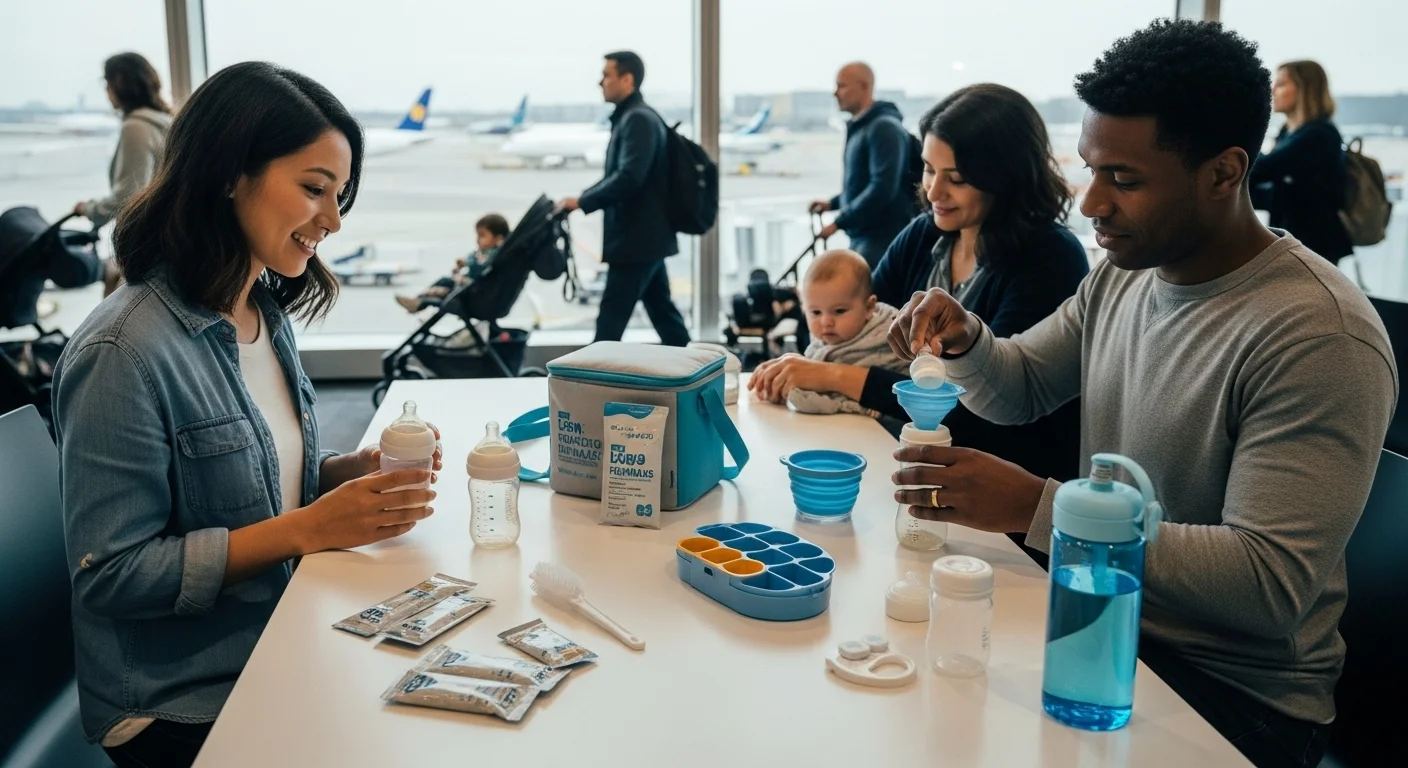
One tip I learned is to bring a small, collapsible funnel for pouring water into the bottle without making a mess. It’s a little trick that has saved me from spills more than once. Plus, powdered formula has a long shelf life, so I can stock up at home and save even more money in the long run.
Liquid Concentrate Formula
Liquid concentrate formula strikes a nice balance between convenience and cost. While it’s slightly more expensive than powdered options, I appreciate that it’s easy to mix with water and doesn’t require as much measuring. On our last trip, I used this type of formula during long car rides. I just added water, shook it up, and we were good to go!
However, I’ve found that it does take up a bit more space than powdered formula, so I usually pack it in a sturdy cooler bag to keep everything fresh. This formula is a great option if you’re traveling to a place where you might not have easy access to clean water. Just be sure to check the expiration dates and pack enough for the entire journey!
Ready-to-Feed Formula
Ready-to-feed formula is like the jackpot of convenience, but I have to admit, it can get pricey. I tend to reserve this option for emergencies or when we’re out and about and I know I won’t have access to a kitchen. There’s nothing quite like being able to pull out a ready-to-feed bottle and know that my baby can eat right away without any fuss.
One time, during a long day at a theme park, I was so grateful to have a few of these bottles on hand. It saved us from having to hunt down a place to prepare formula, which can be a hassle in crowded areas. Just remember to keep them chilled until it’s time to use them, as they need to be refrigerated after opening.
Store Brands vs. Name Brands
When it comes to formula, I’ve often wondered whether to splurge on name brands or save with store brands. Personally, I’ve had good experiences with both. Store brands can be significantly cheaper and often provide similar nutrition to the bigger names. I’ve tried several store-brand formulas, particularly when I was on a tight budget, and my baby adapted just fine.
One thing I recommend is to check the ingredients list. Many store brands are made by the same manufacturers as the name brands, so the quality might be just as high, but at a fraction of the cost. Plus, I’ve noticed that some stores run promotions or coupons, which can make these options even more wallet-friendly. It’s worth giving them a shot, especially during travels when every penny counts.
Top Budget-Friendly Formula Brands for Travelers
Similac
Similac is one of those brands I trust. They have various options, including powdered and ready-to-feed formulas. I appreciate their commitment to quality, and their products often come with promotions or coupons that make them more affordable. It’s a brand I consistently see recommended in parenting groups and forums, which makes me feel confident choosing it.
Enfamil
Another popular choice is Enfamil. It’s been a staple in my household for its reliable quality. They offer a range of formulas tailored to different needs, and I’ve always found them at reasonable prices at my local stores. The liquid concentrate is particularly useful when we’re traveling, allowing for quick preparation without the fuss.
Gerber Good Start
Gerber Good Start has a reputation for being gentle on little tummies, which I appreciate. I’ve used their products and found them to be reasonably priced. The powdered formula option is easy to pack, and I like that they offer options for sensitive tummies, which can come in handy when we’re on the road in unfamiliar places.
Earth’s Best Organic
If you’re looking for organic options, Earth’s Best Organic is a brand I’ve turned to. While it can be pricier than some conventional formulas, they often have sales or coupons that make it more accessible. I feel good about giving my baby organic options, especially during travel when I want to ensure they’re getting quality nutrition.
Store Brands (Walmart, Target, etc.)
Lastly, I can’t emphasize enough how valuable store brands can be. I’ve found that Walmart and Target offer their own versions of popular formulas at a lower price. They suit our needs just fine, and I appreciate that I can stock up without breaking the bank. It’s always a great feeling when I find a deal, especially when I can use the extra money saved for fun little treats during our travels!
Traveling with Formula: Essential Tips
Best Practices for Packing Formula
Packing formula for travel is all about being organized. I’ve learned that preparation makes a significant difference. First and foremost, I always pack more formula than I think we’ll need. It’s better to have some extra rather than risk running out, especially in unfamiliar places. I prefer to store formula in airtight containers or resealable bags to keep it fresh and protected from moisture.
Another practice I’ve adopted is to keep everything in a designated travel bag. This keeps us organized and ensures that all the feeding essentials are in one spot. I also label the containers with the type of formula and the expiration dates, which helps to avoid any mix-ups or surprises when we’re in a hurry.
For added convenience, I recommend packing a small cooler bag to carry any ready-to-feed options or liquid concentrate that needs to stay cool. It’s a lifesaver, especially during long trips. I learned that having everything prepped and ready to go not only minimizes the stress of feeding but allows us to enjoy our travels more.
How to Prepare Formula on the Go
Preparing formula on the go can seem daunting, but I’ve found a few tricks that work wonders. When we’re on a road trip or visiting a new place, I often stick to simple methods that save time. For powdered formula, I keep a clean water bottle handy and a collapsible funnel for a quick mix. I learned that using room temperature water makes it easier, as it dissolves the powder faster.
If I’m using liquid concentrates, I mix them with water in a bottle, and I keep a designated bottle for this purpose. I find it’s best to prepare the bottles just before feeding, as it keeps the formula fresh. If I know we’re going to be out for a while, I’ll prepare a couple of bottles ahead of time and store them in the cooler bag. It’s all about making sure that feeding time is as simple and stress-free as possible.
Storing Formula During Travel
Storing formula safely while traveling is crucial, especially if we’re navigating hot weather or long trips. I always ensure that any prepared formula is kept cool in a cooler bag. If we’re using ready-to-feed options or liquid concentrate, keeping them chilled until it’s time to use them is a top priority. I remember one trip where I didn’t have enough ice packs, and it was nerve-wracking trying to keep everything fresh!
When it comes to powdered formula, I’ve learned that it has a longer shelf life compared to prepared mixtures. I often keep it in my carry-on or diaper bag during flights, as I want to avoid it getting squished or damaged in checked luggage. For the best results, I store it in a cool, dry place while we’re on the move, and I try to use it within a reasonable timeframe, especially if it’s in warmer climates.
Traveling by Plane: Regulations and Tips
Traveling by plane with formula can be a bit tricky, but I’ve navigated through it a few times and found it manageable. The first thing I discovered is that the Transportation Security Administration (TSA) allows parents to bring formula, breast milk, and juice in reasonable quantities for babies. I always recommend checking the latest regulations before traveling, as they can change.
When I fly, I pack formula in my carry-on to ensure I have easy access to it. I’ve learned it’s helpful to have all liquids in separate bags to streamline the security process. At the security checkpoint, I declare the formula, and they may want to inspect it. I always find it helpful to keep a copy of the TSA guidelines handy, just in case there are questions.
During flights, I’ve also found that timing is key. Feeding my little one during takeoff and landing helps with ear discomfort. I keep a bottle ready, and it often serves as a nice distraction as well. Traveling with formula doesn’t have to be complicated; a little planning goes a long way in making the experience smooth and enjoyable.
Feeding Essentials for Travelers
Portable Formula Dispensers
Portable formula dispensers have been a game changer for me. These handy little containers allow me to pre-measure the formula powder for each feeding, making it easy to grab and go. I remember when I first discovered them; it was like a lightbulb went off! They usually come with separate compartments, so I can pack enough for the day without taking up much space in my diaper bag.
When I’m out and about, these dispensers make it easy to mix up a bottle quickly without any fuss. I just pour the pre-measured formula into a bottle and add water. It’s a simple solution that saves me time and stress, especially when my little one is hungry and I’m in a rush.
Traveling with Bottles and Nipples
Having the right bottles and nipples can help make formula feeding while traveling much easier. I’ve experimented with various bottles, and I found that choosing ones that are easy to clean and assemble is crucial. I prefer bottles that come apart easily and are dishwasher-safe, as it makes cleaning a breeze when we return home.
Additionally, I never forget to pack extra nipples. Sometimes, a nipple can get lost or damaged, and having spares has saved me from panic during travel. I also recommend considering the size of the bottles. Smaller bottles are often easier to manage and fit into coolers or bags without taking up too much space.
Choosing a Suitable Bottle Warmer
A portable bottle warmer can be a fantastic addition to our travel gear. I’ve found that being able to warm up a bottle quickly, especially during long car rides or while staying at a hotel, is a huge convenience. I chose a bottle warmer that plugs into the car’s power outlet for those road trips. It’s been a lifesaver during late-night feeds!
If I’m traveling to a place where I might not have electricity, I also keep an insulated thermos filled with hot water. That way, I can warm the bottle by placing it in the hot water for a bit. It’s a simple yet effective solution that has kept me prepared for any situation. With a few handy items, I’ve found that keeping my little one fed on the go can be quite manageable.
Frequently Asked Questions
What is formula feeding?
Formula feeding is the practice of providing infants with a milk substitute, usually in powder or liquid form, instead of breastfeeding. It offers flexibility for parents, especially during travel.
What are the benefits of formula feeding for travelers?
Formula feeding allows other caregivers to feed the baby, offers convenience by being prepared ahead of time, and helps maintain the baby’s diet with familiar brands, especially during international travel.
What types of formula are suitable for travel?
The types of formula suitable for travel include powdered formula, liquid concentrate formula, and ready-to-feed formula. Each has its own benefits regarding convenience, cost, and preparation ease.
How should I pack formula for travel?
Pack more formula than needed in airtight containers or resealable bags, keep everything organized in a designated travel bag, and label containers with the type of formula and expiration dates.
What is the best way to prepare formula on the go?
For powdered formula, keep a clean water bottle handy and use room temperature water for quick mixing. For liquid concentrates, mix them in a designated bottle and prepare ahead of time if you’ll be out for a while.
How should I store formula during travel?
Keep prepared formula cool in a cooler bag and store powdered formula in a cool, dry place. Always check expiration dates and aim to use it within a reasonable timeframe, especially in warmer climates.
What are the TSA regulations for traveling with formula?
The TSA allows parents to bring formula, breast milk, and juice in reasonable quantities for babies. It’s advisable to check the latest regulations and declare the formula at security checkpoints.
What feeding essentials should I consider for traveling with formula?
Consider portable formula dispensers for pre-measuring formula, easy-to-clean bottles and nipples, and a suitable bottle warmer for convenience during travel.
What are some budget-friendly formula options for travelers?
Budget-friendly formula options include powdered formula, liquid concentrate formula, and store brands from retailers like Walmart and Target, which can be significantly cheaper and often provide similar nutrition.
What brands of formula are recommended for travelers?
Recommended brands for travelers include Similac, Enfamil, Gerber Good Start, Earth’s Best Organic, and various store brands, which offer quality options at different price points. Read Interesting article: Budget-Friendly Postpartum Recovery Essentials for Moms
Welcoming a newborn into the world is a beautiful experience filled with love and joy. But along with that joy comes the challenge of figuring out the best ways to feed them while keeping costs down. For tips on saving money, check out the Top 10 Budget-Friendly Feeding Supplies for Newborns.
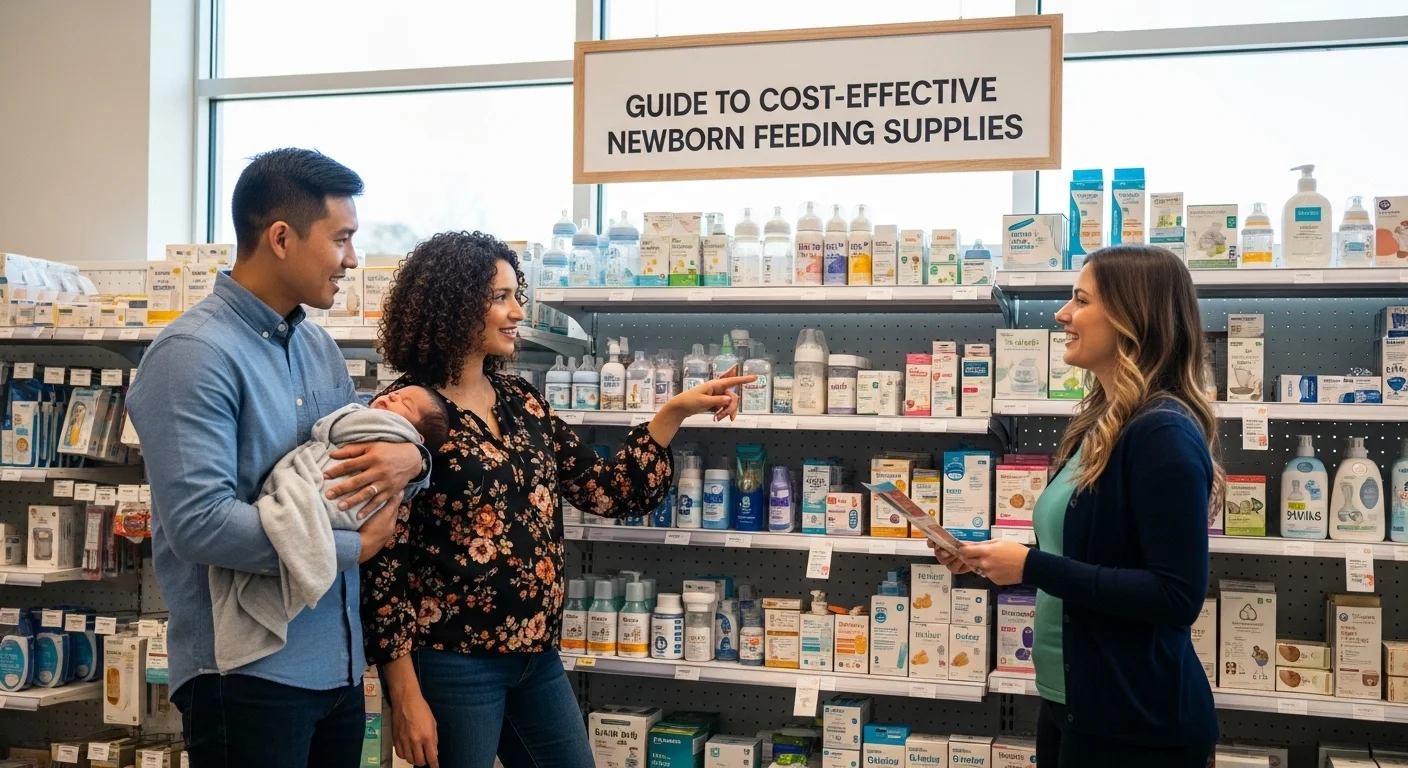
Understanding Newborn Feeding Needs
When I first became a parent, I was overwhelmed by the different feeding options available for newborns. It felt like a maze of choices, each claiming to be the best. I quickly learned that understanding newborn feeding needs is essential for both the baby’s health and our budget.
Types of Feeding: Breastfeeding vs. Formula Feeding
One of the first decisions I had to make was whether to breastfeed or use formula. I remember feeling pressure from various sources, but for me, it was important to choose what felt right. Breastfeeding, when possible, has numerous benefits. It’s not only cost-effective since it’s free, but it also provides optimal nutrition tailored to my baby’s needs. I found that breastfeeding helped create a unique bond between us.
On the other hand, formula feeding can offer convenience, especially when I needed a break or if I wasn’t producing enough milk. In my case, I ended up doing a mix of both, which allowed my partner to help with feedings and gave me some much-needed downtime.
Nutrition Requirements for Newborns
Newborns have specific nutritional needs that must be met for healthy growth and development. I learned that breast milk is rich in essential nutrients like fats, proteins, and vitamins that support brain development. Even if I switched to formula at times, I made sure to choose a high-quality option that mimicked the nutrients found in breast milk.
As I researched, I discovered that iron is crucial for newborns, particularly after six months, when they begin to eat solid foods. I was surprised to find out that many formulas are fortified with iron, which made my decision easier. I always kept in mind that whatever method I chose, ensuring my baby received proper nutrition was the top priority.
Feeding Frequency and Amounts
One of the biggest challenges I faced was figuring out how often and how much to feed my newborn. I quickly realized that newborns generally eat about every two to three hours, but each baby is different. I kept a log to track feeding times, which helped me notice patterns and adjust accordingly. It was a bit of trial and error, but I found it comforting to know that most babies will self-regulate their intake.
As the weeks went by, I learned to recognize my baby’s hunger cues, such as rooting or sucking on their hands. There were times when I felt anxious about whether I was feeding them enough, but pediatricians often assure new parents that as long as the baby is gaining weight and having enough wet diapers, they are likely getting adequate nutrition.
In those early days, I also discovered the importance of being flexible. There were moments I thought my baby was finished only to realize they wanted a little more. Listening to my baby’s cues became a vital part of our feeding journey. I often reminded myself that every baby is unique, and what works for one might not work for another.
In the end, understanding my newborn’s feeding needs was not just about choosing between breast or bottle; it was about finding a rhythm that felt right for both of us. The journey may seem challenging, but with patience and research, it can also be deeply rewarding. By focusing on the basics of nutrition, frequency, and the feeding method that fit our lifestyle, we set the foundation for healthy eating habits as my baby grew. Each feeding became a moment to connect, learn, and grow together.
Essential Feeding Supplies for Newborns
As I navigated the world of feeding my newborn, I quickly realized that having the right supplies made a significant difference. The experience can be overwhelming with so many products available, but I found that focusing on the essentials helped simplify the process. Here’s what I discovered was truly necessary for feeding my little one.
Bottles: Types and Features
Bottles were one of the first supplies I had to consider. I remember feeling lost in the aisle, faced with a sea of options. There are various types of bottles designed for different needs, like anti-colic bottles that help reduce gas and fussiness or wide-neck bottles that mimic breastfeeding. I chose a few different types to see which ones worked best for my baby.
Ultimately, I found that bottles with a softer, squeezable design were easier for my newborn to handle. I also paid attention to the material; glass bottles felt more durable and were easier to clean, but I also had plastic options for when we were on the go. I recommend starting with a small selection of bottles to figure out your baby’s preferences without overwhelming yourself with choices.
Nipples: Choosing the Right Flow Rate
The right nipple was just as important as the bottle itself. I learned that nipples come in various flow rates, from slow to fast, depending on the baby’s age and feeding needs. In those early days, I started with slow-flow nipples to prevent my newborn from choking or gulping air too quickly. I still remember that moment of relief when my baby latched on and began feeding comfortably.
As my baby grew, I had to switch to a medium flow rate. It’s amazing how quickly they develop! I found it helpful to observe how my baby reacted during feeding. If they seemed frustrated and were sucking harder, it might have been time to try a faster flow. Listening and adapting to their needs was a learning experience I cherished.
Breast Pumps: Manual vs. Electric
For those who choose to breastfeed, a breast pump can be a game-changer. I remember feeling a bit intimidated at first but soon understood its value. I found that I had two primary options: manual and electric pumps. The manual pumps were small, portable, and budget-friendly. They worked well for quick sessions, but I found that electric pumps saved me a lot of time during busy days.
In my case, I invested in a double electric pump, which allowed me to express milk quickly and efficiently. It made it easier for my partner to help with feedings, giving me some much-needed breaks to recharge. I recommend looking for a pump that fits comfortably and is easy to clean since those two factors made a big difference in my experience.
Milk Storage Bags and Containers
Once I had my pumping routine down, I needed a reliable way to store the milk. I discovered milk storage bags were perfect for this. They’re easy to use, take up minimal space in the freezer, and can hold a decent amount of milk. I also found that labeling the bags with the date helped me keep track of how long the milk had been stored.
If you prefer containers, there are some great options out there, too. I tried a few different brands, and ultimately, I loved using glass containers for their durability and the fact that they didn’t retain odors. Regardless of the method you choose, having a good storage system in place made my life much easier.
Cleaning Supplies: Bottle Brushes and Sterilizers
Keeping bottles and feeding supplies clean is crucial for your newborn’s health. I soon realized that a good bottle brush was a must-have. It allowed me to scrub every nook and cranny effectively. I also invested in a sterilizer, which made me feel more confident about eliminating harmful bacteria. While I initially thought it was an unnecessary expense, I found that it saved me time and gave me peace of mind.
In addition to these, I kept a stash of dishwasher-safe items for days when I was too exhausted to wash everything by hand. It’s amazing how much easier it is to keep up with cleaning when you have the right tools. It definitely made the whole feeding process more enjoyable for me.
In my experience, having the right feeding supplies can take a lot of stress out of the newborn feeding phase. I found that by focusing on these essentials, I could spend more time enjoying those precious moments with my baby, rather than getting bogged down in decisions about unnecessary items. With the right supplies, we set ourselves up for smoother, more enjoyable feeding times.
Cost-Effective Feeding Supplies: Budget-Friendly Options
As I settled into the routine of feeding my newborn, I quickly realized that managing costs was just as important as choosing the right supplies. With so many options available, I wanted to find ways to keep our budget in check without sacrificing quality. Here’s what I learned about cost-effective feeding supplies that helped us save some money along the way. If you’re interested in more budget-friendly ideas, check out Traveling with Baby: Best Feeding Supplies on a Budget.
Buying in Bulk: Advantages and Tips
One of the best strategies I discovered was buying in bulk. Initially, I was hesitant about spending a larger amount upfront, but I found that it was often more economical in the long run. For example, purchasing formula in bulk saved us a significant amount compared to buying smaller containers each week. I also learned that certain stores offer discounts for bulk purchases, which made it even more appealing.
Another tip I found helpful was to keep an eye on sales and stock up when prices dropped. I started paying attention to weekly flyers and online promotions, which allowed me to plan ahead. We even set aside a little extra in our budget for those bulk purchases, knowing they would pay off later. I remember the satisfaction of opening a closet and seeing our stash of supplies neatly organized, with the knowledge that we were well-prepared for feeding times.
Second-Hand Supplies: What to Consider
Exploring second-hand options was another way I managed costs effectively. I was surprised to find a variety of gently used feeding items available at thrift stores, garage sales, and online marketplaces. Many parents sell items that they no longer need, and I found some great deals on bottles and even breast pumps.
However, I did have to be cautious when buying second-hand. I made sure to thoroughly clean and sanitize any items I purchased. For bottles and nipples, I always checked for any signs of wear and tear, ensuring they were still safe for my baby. In my experience, there are many reputable brands that stand the test of time, and I found that buying gently used items could be a budget-friendly option without compromising safety.
Brand Comparisons: Affordable vs. Premium Options
When I started exploring different brands, I noticed a vast price range for feeding supplies. I became curious about whether the premium options were worth the extra cost. I began comparing the ingredients, features, and reviews between affordable and high-end brands. What I found was that many budget-friendly options offered similar quality and safety as their pricier counterparts.
In my case, I tried several brands of formula and bottles, and I found that some of the less expensive brands worked just as well for my baby. I would recommend doing a little research and reading reviews from other parents. This not only helped me make informed decisions but also gave me the confidence to try budget options without fear.
Homemade Alternatives: DIY Feeding Solutions
As I became more comfortable with feeding my newborn, I started exploring homemade alternatives, particularly when it came to homemade baby food. Once my baby was ready to start solids, I found that making my own baby food was a fun and cost-effective solution. I remember the first time I pureed sweet potatoes and watched my baby’s eyes light up as they tasted something new.
Making baby food at home allowed me to control the ingredients and save money. I would buy fresh fruits and vegetables in bulk, cook, and then blend them into smooth purees. I stored these in small containers or ice cube trays for easy portioning. This not only cut down on costs but also ensured that my baby was getting nutritious meals without any additives. For more ideas, check out Affordable Feeding Essentials Every New Parent Needs.
Overall, navigating the world of feeding supplies can seem daunting, but with a little creativity and planning, I found plenty of ways to keep it budget-friendly. By buying in bulk, exploring second-hand options, comparing brands, and even making some items at home, I felt empowered to provide for my newborn without breaking the bank. Each step of the way, I learned that feeding my baby could be both rewarding and manageable financially.
Where to Buy Newborn Feeding Supplies
Online Retailers: Price Comparison and Discounts
As I dove deeper into the world of feeding supplies, I quickly learned that online shopping could be a game-changer. I remember spending countless hours browsing through different websites, comparing prices, and hunting for discounts. Websites like Amazon, Walmart, and Target became my go-to platforms. They often had competitive prices and the convenience of home delivery, which was a lifesaver during those early weeks when leaving the house felt like a monumental task.
One of the best tips I can share is to sign up for newsletters from these retailers. I started receiving notifications about sales and exclusive discounts, which helped me save money on essentials. Additionally, I discovered price comparison tools that allowed me to see if I was getting the best deal. It was satisfying to know I was making informed purchasing decisions while saving a bit of cash.
Local Stores: Sales and Promotions
While online shopping was convenient, I also enjoyed the experience of visiting local stores. I found that many stores frequently have sales on baby supplies, especially during holidays or special events. I remember walking into my local baby store during a clearance sale and finding discounted bottles and feeding accessories. It felt like a little treasure hunt, and I always left with more than I planned for.
I also developed a good rapport with the staff at these stores. They often shared insights on upcoming sales and promotions that weren’t widely advertised. I recommend checking your local stores regularly and keeping an eye out for loyalty programs that could offer additional savings over time. Plus, being able to physically inspect items before purchasing gave me peace of mind regarding the quality.
Non-Profit Organizations and Community Resources
During my journey, I discovered some fantastic community resources focused on supporting new parents. Non-profit organizations often provide baby supplies at little to no cost. I remember being pleasantly surprised when I found a local program that offered free feeding supplies, including bottles and formula. Not only did it help me save money, but it also fostered a sense of community.
Many hospitals and clinics partner with organizations to distribute essential items to new families. I encourage fellow parents to explore these options in their areas. It became a way for me to connect with other new parents, share experiences, and gain valuable advice.
Safety Considerations for Feeding Supplies
Choosing BPA-Free Products
As I explored various feeding supplies, safety became a top priority for me. I learned about the dangers of BPA (Bisphenol A) and its potential effects on my baby’s health. When shopping for bottles and feeding accessories, I made it a point to look for products labeled as BPA-free. It felt great knowing I was making choices that prioritized my baby’s well-being.
It’s also essential to keep an eye on other harmful chemicals that can be present in plastic products. Researching brands and reading labels helped me feel more confident in my selections. I remember choosing glass bottles and silicone nipples as my preferred options, as they offered a safer alternative and were easier to clean.
Proper Cleaning and Sterilization Methods
Alongside choosing safe materials, I had to ensure that I was cleaning and sterilizing everything properly. I quickly learned that newborns have developing immune systems, making them more susceptible to infections. I established a routine where I would wash bottles and nipples after each use, using hot soapy water and a bottle brush. For additional peace of mind, I often boiled them or used a sterilizer to ensure they were bacteria-free.
I found that the sterilization process didn’t have to be complicated. Whether I used a microwave sterilizer or a steam sterilizer, the key was to follow the instructions closely. Establishing these habits early on became second nature for me.
Expiration Dates and Product Recalls
Keeping track of expiration dates on feeding supplies was another aspect I had to consider. I learned to check the dates on formula containers and baby food, ensuring everything was fresh and safe. It was a bit overwhelming at first, but I created a simple system to label containers and monitor expiration dates, which made it easier.
I also made it a point to stay informed about product recalls. Following parenting blogs and signing up for alerts from manufacturers became part of my routine. It helped me feel proactive in ensuring that everything I used for my baby was safe and reliable.
Tips for New Parents on Feeding Supplies
Creating a Feeding Schedule
As I settled into the rhythm of feeding my newborn, I realized that establishing a feeding schedule was essential. I began tracking feedings, which helped me identify patterns in my baby’s hunger cues. Having a flexible schedule not only made feeding times smoother but also allowed me to plan my day better.
I learned to be adaptable; some days my baby would want to eat more frequently, while other days they would be content with fewer feedings. The key was to remain attentive and responsive to their needs.
Staying Organized: Storage Solutions
With all the feeding supplies I gathered, I needed a way to stay organized. I found that using storage bins for bottles, nipples, and other feeding accessories made everything much easier to manage. I labeled each bin, which helped my partner and me quickly find what we needed during feeding times.
I also kept a dedicated space in the fridge for expressed milk and baby food, ensuring I could easily access them when necessary. This organization helped reduce stress and made feeding more enjoyable.
Seeking Support: Lactation Consultants and Parent Groups
Throughout my feeding journey, I found that seeking support from lactation consultants and parent groups was invaluable. I remember feeling uncertain at times, and talking to professionals helped ease my worries. They provided guidance tailored to my specific situation, which made a huge difference.
Connecting with other parents in online forums and local groups allowed me to share experiences and tips. It felt comforting to know I wasn’t alone in this journey and that many others were navigating similar challenges. This support network became a vital part of my parenting experience.
Final Thoughts
Feeding a newborn can be a beautiful yet challenging experience. I’ve shared my journey through understanding feeding needs, exploring different supplies, and managing costs. Each step of the way has been filled with learning, adaptation, and a growing bond with my baby.
In my opinion, the best part of this journey is not just about what we feed our babies but how we create moments during those feeding times. Each bottle or breastfeeding session becomes an opportunity to connect, learn, and grow together. I hope my experiences can guide other parents as they embark on this intriguing journey. Remember, there’s no one-size-fits-all approach, and it’s all about finding what works best for you and your little one.
Frequently Asked Questions
What are the main feeding options for newborns?
The main feeding options for newborns are breastfeeding and formula feeding. Breastfeeding is cost-effective and provides optimal nutrition, while formula feeding offers convenience and flexibility.
How often should I feed my newborn?
Newborns generally eat every two to three hours, but each baby is different. It’s important to track feeding times and recognize hunger cues to adjust accordingly.
What nutritional needs do newborns have?
Newborns require specific nutrients for healthy growth, including fats, proteins, and vitamins. Breast milk is rich in these essential nutrients, and many formulas are fortified with iron, especially important after six months.
What are some essential feeding supplies for newborns?
Essential feeding supplies include bottles, nipples, breast pumps, milk storage bags or containers, and cleaning supplies such as bottle brushes and sterilizers.
How can I choose the right bottle for my newborn?
When choosing a bottle, consider types designed for different needs, like anti-colic or wide-neck bottles. It’s helpful to start with a small selection to determine which ones your baby prefers.
What should I look for when selecting nipples for bottles?
Nipples come in various flow rates, from slow to fast. For newborns, slow-flow nipples are recommended to prevent choking or gulping air. Observe your baby’s feeding to adjust the flow rate as needed.
What are some budget-friendly feeding supply options?
To save money on feeding supplies, consider buying in bulk, exploring second-hand options, comparing brands for affordable alternatives, and making homemade baby food.
Where can I find newborn feeding supplies?
Newborn feeding supplies can be found at online retailers like Amazon, Walmart, and Target, as well as local stores that often have sales. Non-profit organizations may also provide supplies at little to no cost.
How do I ensure the safety of feeding supplies?
To ensure safety, choose BPA-free products, establish proper cleaning and sterilization routines, and keep track of expiration dates and product recalls.
What tips can help new parents with feeding their newborns?
New parents can benefit from creating a flexible feeding schedule, staying organized with storage solutions for supplies, and seeking support from lactation consultants and parent groups.
Introducing solid foods to your little one can be a thrilling yet daunting experience, especially when you’re trying to stick to a budget. Here, we’ll explore how to navigate this journey without breaking the bank. Read Interesting article: Essential Guide to Affordable Formula for Backpacking Parents
Understanding the Importance of Introducing Solid Foods
As a parent, I remember the excitement mixed with anxiety when it was time to introduce my child to solid foods. This is such a significant milestone in a baby’s development. Not only does it mark a new phase in their eating habits, but it also opens up a world of tastes and textures that can shape their preferences for years to come. Understanding the importance of this transition can help us make better choices for our little ones.

Benefits of Solid Foods for Infants
One of the top benefits of introducing solid foods is that it allows infants to experience a variety of flavors and nutrients that are essential for their growth. Breast milk or formula alone can provide the necessary nutrition for the first few months, but as they grow, their bodies start to require more diverse sources of vitamins and minerals. Solid foods can help in developing fine motor skills as babies learn to grasp and chew, which is an exciting developmental stage.
From my experience, feeding solids has also been a great bonding opportunity. Watching my baby explore different foods and expressing joy or disgust is quite entertaining! Plus, the more varied their diet, the less likely they are to be picky eaters later on, which I know is a common concern for many parents. Understanding the benefits of breastfeeding can also complement this journey.
When to Start Introducing Solid Foods
Deciding when to start solid foods can be tricky. According to pediatric guidelines, most babies are ready to begin this journey around 6 months of age. However, every child is unique. I often found myself wondering if my baby was ready, so I paid close attention to various cues.
Starting too early can lead to digestive issues, while waiting too long may hinder the development of essential skills. I recommend discussing your baby’s readiness with your pediatrician, as they can provide personalized advice based on your child’s growth and development.
Signs Your Baby is Ready for Solid Foods
Fortunately, there are several signs that can signal your baby is ready for solid foods. These include:
- Your baby can sit up independently without support.
- They demonstrate interest in food, often reaching for what you’re eating.
- Your baby can move food to the back of their mouth and swallow.
- They have lost the tongue-thrust reflex, which is when they push food out with their tongue.
In my case, I noticed my little one watching me closely during meals, and it was clear they were curious about the food on my plate. This curiosity became a pivotal moment in our feeding journey. It’s important to trust your instincts as a parent and look for these signs, as they can guide you in making the right decision for your baby’s introduction to solid foods.
Budget-Friendly Strategies for Introducing Solid Foods
While the journey of introducing solid foods can be overwhelming, especially financially, I firmly believe that it doesn’t have to be expensive. I’ve learned some effective strategies to keep costs low while still providing nutritious options for my child. Here are some tips I found helpful.
Choosing Cost-Effective Ingredients
When it comes to selecting ingredients for baby food, I found that focusing on affordable and nutritious options is key. Items like bananas, sweet potatoes, rice, and oats are generally inexpensive and versatile. I often prepared simple purees using these ingredients, which not only saved money but also allowed me to control what was going into my baby’s food.
Additionally, seasonal fruits and vegetables tend to be cheaper and fresher. I made it a point to visit local farmers’ markets to find budget-friendly produce. I remember the joy of discovering ripe strawberries or avocados at a lower price during peak season. It made the experience of introducing solid foods much more enjoyable, knowing I wasn’t overspending.
Homemade Baby Food vs. Store-Bought Options
One of the biggest debates I faced was whether to make my own baby food or buy store-bought options. Store-bought baby food can be convenient, but I quickly realized that making my own was not only more cost-effective but also a lot healthier. I enjoyed knowing exactly what was in the food my baby was eating, without any added preservatives or sugars.
Preparing homemade baby food doesn’t have to be time-consuming either. I typically batch-cooked larger quantities and stored them in portion-sized containers. This way, I had healthy meals ready to go when we needed them. I truly found joy in experimenting with different recipes and flavors, and my baby loved the variety!
Buying in Bulk and Seasonal Produce
Buying in bulk can significantly reduce costs, especially for staples like grains and legumes. I often stocked up on oats, rice, and lentils, which are great base ingredients for homemade baby food. I also discovered that purchasing larger quantities of fruits and vegetables when they were in season not only saved money but also allowed me to introduce my baby to fresh, ripe flavors.
Utilizing Coupons and Discounts
Don’t underestimate the power of coupons! I started to follow my local grocery stores and brands on social media to catch special promotions and discounts. It was amazing how much I saved just by being aware of weekly sales and using digital coupons. I also signed up for loyalty programs, which often provided exclusive deals on baby food ingredients.
In my experience, being proactive about budgeting for solid foods allowed me to create a stress-free and enjoyable mealtime for my baby. It’s all about being resourceful and creative in the kitchen, and I’m excited to share more tips and recipes that can help you on this journey as well!
Simple and Affordable Recipes for Baby Food
Pureed Fruits and Vegetables
Creating homemade purees for my baby was one of the most rewarding parts of introducing solid foods. It was simple, and I felt a sense of accomplishment knowing I was providing wholesome nutrition. A few of my go-to recipes included pureed bananas, sweet potatoes, and peas. For banana puree, all I needed was a ripe banana, which I simply mashed with a fork until smooth. I remember my baby’s delighted face when they tasted it for the first time!
Sweet potatoes were another favorite. I’d bake them in the oven until soft, then scoop out the flesh and blend it with a little water to achieve the right consistency. The natural sweetness of the sweet potatoes made it a hit. Peas were also easy to prepare; I would steam fresh or frozen peas and then blend them until silky smooth. These purees can be stored in ice cube trays for easy servings later on, perfect for busy days.
Grains and Cereals for Infants
Alongside fruits and veggies, introducing grains and cereals was a crucial part of my baby’s diet. I found that oatmeal was a fantastic option, not only because it’s nutritious but also because it’s super easy to prepare. I would cook rolled oats and blend them with water or breast milk to create a creamy texture suitable for my little one.
Another favorite was brown rice cereal. I’d cook brown rice and then blend it with water, forming a smooth mixture. It’s packed with nutrients and can be flavored with fruits or veggies for variety. I loved how versatile grains could be—they can be the base for many meals, ensuring my baby had a balanced diet without spending too much.
Protein Sources: Beans and Lentils
Incorporating protein into my baby’s meals was also vital. I discovered that beans and lentils were not only affordable but also rich in protein and fiber. I frequently prepared lentil puree by cooking red lentils until soft and then blending them until smooth. My baby seemed to enjoy the subtle flavor, especially when mixed with some pureed carrots.
Black beans were another hit! After cooking them until tender, I’d blend them with a bit of water until they reached the right consistency. It’s incredible how nutrient-dense these foods are and how little they cost. Plus, they can easily be frozen in portions for later use, making meal prep a breeze.
Combining Flavors without Breaking the Bank
As I became more confident in making my baby’s food, I started to experiment with combining different flavors to keep things interesting. For example, I loved mixing banana puree with avocado. The creaminess of the avocado paired perfectly with the sweetness of the banana, creating a delightful treat for my baby.
Another combination I tried was sweet potato and cinnamon. Adding a pinch of cinnamon to the sweet potato puree made it feel special and introduced my little one to new flavors. I found that combining food not only expanded my baby’s palate but also made the meals more enjoyable for both of us.
For me, the key was to stay creative while maintaining a budget. I enjoyed the process of discovering new combinations and flavors, and it helped to develop my baby’s taste preferences. I encourage other parents to experiment with simple combinations that work for their little ones, making feeding a fun and exciting part of the day.
Essential Equipment for Making Baby Food at Home
Must-Have Kitchen Tools for Budget-Friendly Baby Food
When I first decided to make baby food at home, I realized that having the right tools can make all the difference. Thankfully, I didn’t need to invest in expensive gadgets. There are a few essential kitchen tools that I found incredibly helpful and budget-friendly. One of my favorites was a simple steamer basket. It allowed me to steam vegetables quickly without losing any nutrients. I remember how proud I felt seeing my baby enjoy fresh green beans or carrots, knowing I had preserved all their goodness.
A good quality blender or food processor is also vital. I started with a basic blender that I already owned, but I found that having something capable of creating smooth purees was important. A hand-held immersion blender is another great option, as it’s easy to use and clean. I loved being able to blend ingredients directly in the pot after cooking, which saved me time and dishes!
Lastly, you’ll want some storage containers. I often used ice cube trays for portioning out homemade purees. Once frozen, I’d pop the cubes into labeled freezer bags, which made it easy to grab a quick meal whenever I needed one. These tools helped streamline the process and made feeding my little one a breeze.
Choosing the Right Blender or Food Processor
Finding the right blender or food processor can feel overwhelming, especially with so many options on the market. From my experience, consider what you’ll be using it for. If you’re mainly making purees, a smaller, more affordable option may suffice. I tried a few different brands before settling on a compact food processor that was both efficient and budget-friendly.
Look for features like multiple speed settings and the ability to handle both solid and liquid ingredients. I found that choosing a blender with a good warranty was a smart move, giving me peace of mind knowing it would last through many meal preps. I’ve seen others recommend buying secondhand or refurbished models to save even more money, so that’s something worth considering if you’re on a tight budget.
Storage Solutions for Homemade Baby Food
Once you’ve whipped up those delicious purees, proper storage is key to keeping them fresh. I quickly learned that using airtight containers is a must. Glass jars are a great option since they’re durable and can be reused. I also found silicone storage bags to be a game-changer for freezer storage. They are eco-friendly, take up less space, and can be washed and reused, which I loved!
Labeling your containers is another handy tip. I would write the date and the contents on each one to keep track of freshness. Typically, homemade baby food can last about 1-3 months in the freezer. However, I found it best to use them within a month for optimal flavor and nutrition. Always trust your senses; if something doesn’t smell or look right, it’s best to discard it.
Tips for Feeding Your Baby on a Budget
Meal Prep and Planning for the Week
When I started meal prepping for my baby, I noticed that it saved me both time and money. Planning out a week’s worth of meals made grocery shopping easier and helped me avoid impulse purchases. I’d sit down every Sunday and jot down what purees I wanted to make based on what was in season or on sale. This simple practice allowed me to stay organized and ensured that I was using ingredients efficiently.
I often prepared large batches of purees and divided them into single servings. This way, I always had nutritious options ready to go. Plus, it helped reduce food waste, which felt good for my wallet and the environment. The whole family benefited from this method, as I would also cook up some adult-friendly meals at the same time!
Introducing New Foods Gradually
One of the best pieces of advice I received was to introduce new foods to my baby gradually. This not only helps monitor for any potential allergies but also allows babies to adjust to different flavors and textures without overwhelming them. I typically introduced one new food at a time, waiting about three to five days before adding another. This method also helped me see which foods my baby enjoyed the most, guiding my meal planning.
During our journey, I remember how thrilling it was to see my baby’s reactions to new tastes. From sweet potatoes to avocados, each new food felt like a celebration. Plus, it gave me a chance to share my excitement for healthy eating with my little one!
Incorporating Family Meals into Baby’s Diet
As my baby grew, I started to incorporate more family meals into their diet. I found that sharing meals made mealtime a special family bonding experience. It was also a great way to expose my baby to various flavors and textures. I would often modify our meals slightly to make them suitable for my little one, such as mashing up some of our roasted veggies or using a blender to create a smooth sauce.
By including my baby in family meals, I noticed they became more interested in what we were eating, which was exciting to witness. Plus, it helped to normalize healthy eating habits as they grew! I believe this approach not only made meals enjoyable for my baby but also reinforced our commitment to family meals and shared experiences around food.
Addressing Common Concerns and Myths
Allergies and Introducing Solid Foods
One of the biggest worries I had when starting solids was the risk of allergies. I remember reading about various foods that could potentially trigger allergic reactions, and it felt overwhelming. However, I learned that introducing allergenic foods early—like peanuts, eggs, and fish—can actually help reduce the risk of allergies. This was a relief for me! I gradually incorporated these foods into my baby’s diet while carefully monitoring for any signs of an allergic reaction, such as rashes or digestive issues.
Discussing this with our pediatrician gave me confidence. They recommended starting with small amounts and waiting a few days before introducing another new food. This approach allowed me to watch for any reactions while expanding my baby’s palate at the same time. It’s important to trust your instincts as a parent and seek guidance when needed. I’ve found that open communication with healthcare providers can ease a lot of worries.
Choking Hazards and Safe Food Preparation
Another concern that often kept me up at night was choking. I learned quickly that preparing food safely is crucial. At first, I stuck to purees and smooth textures, but as my baby became more comfortable with solids, I began introducing small, soft pieces of food. I remember feeling anxious every time I offered something new, but I discovered strategies to minimize choking risks. For instance, cutting food into tiny pieces and ensuring my baby was seated upright during meals helped me feel more at ease.
It’s also essential to stay near your baby while they eat. I found that being present during mealtime not only allowed me to supervise but also made feeding time more enjoyable. We created a safe environment by avoiding distractions, like toys or screens, which also helped focus on the experience. I felt reassured knowing that by being proactive, I could create a safe space for my child to explore new foods.
Myths About Homemade Baby Food vs. Commercial Options
As I plunged into the world of homemade baby food, I encountered various myths regarding its safety and nutrition compared to store-bought options. Some people claimed that homemade food was always superior, while others insisted that commercial baby food was the only safe choice. I found that both have their merits. Homemade baby food allows for control over ingredients and flavors, which I loved, but I also appreciated the convenience of store-bought when we were short on time.
Ultimately, I believe it’s about balance. I used store-bought baby food as a backup during busy days while ensuring that homemade meals were the mainstay. This way, I felt I was giving my baby the best of both worlds. I’ve seen others do the same, and it alleviated some of the pressure to be perfect. Every family’s journey is unique, and finding what works best for you and your baby is key!
Resources for Parents on a Budget
Online Communities and Support Groups
Finding support while navigating the world of baby feeding on a budget can make all the difference. I discovered online communities and forums where parents share tips, recipes, and experiences. Engaging with others who are on a similar journey helped me feel less alone and provided fresh ideas. Social media platforms are filled with groups dedicated to budget-friendly feeding options that have been invaluable to me.
Books and Guides for Budget-Friendly Baby Nutrition
Books on baby nutrition can be incredibly helpful. I found guides that focus on budget-friendly meals packed with essential nutrients. These resources often offer meal plans and recipes that simplify the feeding process. I remember one book that included batch-cooking strategies, which was a game-changer for my meal preparation routine. Exploring these books not only expanded my knowledge but also excited me to try new things!
Local Resources: WIC and Food Assistance Programs
If you’re feeling the financial pinch, I highly recommend looking into local resources like WIC (Women, Infants, and Children) and other food assistance programs. I learned that these programs can provide nutritious foods and support at various stages of early childhood. They often offer educational resources on healthy eating, which I found beneficial. This support can ease the burden on a budget while ensuring our little ones get the nutrition they need. Budget Backpacking: How to Talk to Your Toddler on the Road can also offer helpful insights for parents on the go.
Final Thoughts
Embarking on the journey of introducing solid foods to my baby has been a rewarding experience filled with learning, creativity, and lots of tasty fun. By following strategies to keep it budget-friendly, I discovered how to provide nutritious meals without overspending. I’ve learned that being resourceful and open to trying new things can make a world of difference.
As you navigate this exciting phase, trust your instincts, stay informed, and remember that every family’s experience is unique. The bond created during mealtime is precious, and I encourage you to embrace the mess and joy that comes with introducing your little one to solid foods. After all, feeding our babies is about more than just nutrition; it’s about creating lasting memories and instilling healthy habits for the future.
Frequently Asked Questions
What is the significance of introducing solid foods to infants?
Introducing solid foods is a significant milestone in a baby’s development, marking a new phase in their eating habits. It allows infants to experience a variety of flavors and nutrients essential for their growth and can help in developing fine motor skills.
When is the best time to start introducing solid foods?
Most babies are ready to begin solid foods around 6 months of age, according to pediatric guidelines. However, every child is unique, so it’s important to look for signs of readiness and consult with a pediatrician.
What signs indicate that my baby is ready for solid foods?
Signs that your baby is ready for solid foods include sitting up independently, showing interest in food, being able to move food to the back of their mouth and swallow, and losing the tongue-thrust reflex.
What are some budget-friendly strategies for introducing solid foods?
Some budget-friendly strategies include choosing cost-effective ingredients like bananas and sweet potatoes, making homemade baby food instead of buying store-bought options, buying in bulk, and utilizing coupons and discounts at local grocery stores.
What are some simple homemade baby food recipes?
Simple recipes include pureed bananas, sweet potatoes, and peas. For example, banana puree can be made by mashing a ripe banana with a fork, while sweet potato puree can be made by baking sweet potatoes until soft and blending them with a little water.
How can I ensure my homemade baby food stays fresh?
To keep homemade baby food fresh, use airtight containers for storage. Glass jars and silicone storage bags are great options. Labeling containers with the date and contents can also help track freshness.
What should I consider when buying a blender or food processor for making baby food?
When choosing a blender or food processor, consider what you’ll be using it for. Look for features like multiple speed settings and the ability to handle both solid and liquid ingredients. A warranty can also provide peace of mind regarding its longevity.
How can I incorporate family meals into my baby’s diet?
Incorporating family meals can be achieved by modifying adult meals to make them suitable for your baby. This includes mashing or blending certain foods, which not only exposes your baby to various flavors but also makes mealtime a bonding experience.
What precautions should I take regarding allergies when introducing solid foods?
To minimize allergy risks, it’s recommended to introduce allergenic foods early while monitoring for any signs of allergic reactions. Discussing a plan with your pediatrician can help guide this process safely.
Where can I find resources for budget-friendly baby nutrition?
Resources can be found online through communities and support groups, as well as books and guides focused on budget-friendly baby nutrition. Local programs like WIC can also provide nutritional support and educational resources.
Backpacking with a baby can sound daunting, but it’s an adventure that can be both rewarding and manageable. Embracing prenatal care on a budget makes it even more feasible for families wanting to explore the great outdoors.
Understanding Prenatal Care Basics
What is Prenatal Care?
Prenatal care is the healthcare provided to a woman during her pregnancy. I remember when I first learned about it; it seemed like a checklist of appointments and tests. But really, it’s about the relationship you build with your healthcare provider and how they support you through this unique phase of life. Regular visits usually begin as soon as you find out you’re pregnant and continue until you give birth. These appointments can include physical exams, blood tests, and ultrasounds, all aimed at ensuring that both you and your baby are healthy.
Importance of Prenatal Care for Expecting Mothers
Prenatal care is crucial not just for monitoring the baby’s development but also for the mother’s health. I found that having regular checkups helped alleviate my worries. From my experience, these visits are a great opportunity to ask questions, discuss any concerns, and get advice on everything from nutrition to exercise. The earlier you start prenatal care, the better your chances of a healthy pregnancy. It’s all about preparing for the journey ahead and ensuring both of you are in the best shape possible.
Essential Prenatal Checkups and Tests
During my pregnancy, I learned about several key checkups and tests that are essential. Most prenatal care plans include:
- Initial Visit: Usually takes place within the first trimester to confirm pregnancy and establish a care plan.
- Routine Blood Tests: These tests help determine your blood type, check for infections, and screen for conditions like anemia.
- Ultrasounds: Typically done around 8-12 weeks to confirm the due date and again in the second trimester to check the baby’s growth and development.
- Glucose Screening: This test checks for gestational diabetes, usually around the 24th to 28th week.
- Group B Streptococcus Test: Conducted in the later stages of pregnancy to check for bacteria that could affect the baby during birth.
These visits and tests might sound overwhelming, but they are vital in ensuring a smooth pregnancy. I remember feeling a mix of excitement and nervousness before each appointment, but they always provided me with valuable insights about my baby’s growth and my own health. Affordable prenatal check-ups are key for families on the move.
One thing I found particularly helpful was keeping a pregnancy journal. It allowed me to document my experiences and feelings, which made each visit feel more personal. I would jot down questions or concerns that came up during the week, ensuring I didn’t forget to address them with my healthcare provider. This practice not only helped me stay organized but also made me feel more engaged in my prenatal care.
Another factor to consider is the importance of establishing a support system. I learned that having someone to share the experience with—whether it was my partner, family, or friends—made a significant difference. They not only provided emotional support but also could help me navigate the practical aspects of prenatal care and budgeting for it, especially when we talked about traveling with a baby in the mix.
Staying informed about what to expect at each stage of pregnancy can also ease anxiety. I found numerous resources online and local classes that focused on prenatal care. These often included tips on budgeting, nutrition, and ways to stay active during pregnancy, which were incredibly beneficial as I prepared to balance traveling and expecting a baby. I believe that understanding the process helped me feel empowered, rather than overwhelmed.
In summary, prenatal care is more than just a series of appointments; it’s an essential part of preparing for motherhood. It provides peace of mind, helps identify potential issues early, and allows for a healthy pregnancy. As we transition into the next section about planning our backpacking adventure, I’m reminded of how crucial it is to keep our health a priority—especially when we are out exploring the world with our little ones. Top tips for pregnant travelers can help ensure a smooth journey.
Backpacking with Baby: Planning Your Adventure
Choosing Baby-Friendly Destinations
When it comes to planning a backpacking adventure with a baby, choosing the right destination is crucial. I remember the excitement of looking at maps and travel guides, but I quickly realized that not every place is suitable for little ones. I started to look for baby-friendly destinations that offered easy trails, family accommodations, and access to medical facilities, just in case. For me, places with gentle terrain and nearby amenities were a priority.
National parks like Yosemite or Acadia often have paved paths and accessible facilities, making them great options. I also found that many beach destinations provide a laid-back atmosphere, perfect for a picnic or a stroll with a stroller. It’s essential to consider the climate as well—too hot or too cold can be uncomfortable for both you and your baby. I always checked the weather forecast and packed accordingly. By choosing the right destination, I felt more prepared and relaxed, knowing we could enjoy our adventure together.
Best Backpacking Routes for Families
Finding the right route is another vital part of the planning process. My partner and I began researching family-friendly trails that would allow us to soak in nature while being safe for our little one. We discovered that many state parks have shorter, accessible trails that cater to families with young children. I remember hiking a scenic loop that was only a couple of miles long, perfect for a baby in a carrier.
We also looked for routes that had plenty of resting spots and beautiful scenery. It was important for us to take breaks and let our baby experience the sights and sounds of nature. I think one of my favorite moments was stopping by a quiet lake and watching the ducks float by. We even set up a little picnic, giving our baby a chance to stretch and explore the grass. Keeping our routes flexible made the experience enjoyable and stress-free.
Essential Gear for Backpacking with a Baby
Choosing the right gear for backpacking with a baby can feel overwhelming at first. I remember feeling lost in the sea of options available. After some research and advice from friends, I put together a list of essentials that made our trips smoother. First up was a comfortable baby carrier. I discovered that a backpack-style carrier was ideal for hikes, allowing me to keep my hands free and my baby close.
Another must-have was a lightweight, portable crib or playpen. It provided a safe spot for our baby to nap, giving us peace of mind while we set up camp. I also made sure to pack a good first-aid kit, filled with baby-specific items like fever reducers and band-aids. Sunscreen and hats were non-negotiables as well, given how sensitive a baby’s skin can be. I found that bringing along a small cooler filled with snacks and drinks helped us stay energized during our adventures.
In addition, we invested in a sturdy, waterproof blanket that could double as a play area or picnic spot. It made a big difference when we needed a clean space for our baby to crawl and play. Overall, the right gear not only made the trip more enjoyable but also allowed us to focus on creating memories rather than worrying about logistics.
Budgeting for Prenatal Care While Traveling
Understanding Costs of Prenatal Care
As we transitioned into planning our adventures, I realized that budgeting for prenatal care while traveling was equally important. I remember feeling anxious about how much it would cost, especially since health care expenses can add up quickly. I began to gather information on the costs associated with prenatal visits, tests, and any medications I might need while away from home.
From my experience, understanding these costs ahead of time helped ease my worries. I discovered that routine checkups are often straightforward and can be planned around travel dates. I made sure to call ahead to my healthcare provider to find out what to expect financially, which allowed me to budget accordingly. I even created a separate fund just for prenatal care expenses, ensuring I wouldn’t be caught off guard during our travels.
Finding Affordable Healthcare Providers
Finding affordable healthcare providers during our travels was another challenge I faced. I started by searching online for clinics that accepted my insurance, as many times, I could get in for a visit even while on the road. I found that larger cities often have community health centers that provide services at a reduced cost, which was a lifesaver.
Before we hit the road, I also made sure to ask my healthcare provider for referrals or recommendations for clinics in areas we planned to visit. I remember feeling relieved when I found a couple of places that were not only affordable but also highly rated. This way, I felt secure knowing I could receive care if needed while enjoying our backpacking adventures.
Insurance Considerations for Traveling Moms
One of the most important parts of our planning involved understanding our insurance coverage while traveling. I learned that many insurance plans have specific rules about out-of-network providers, so I wanted to ensure I was covered in case of any emergencies. I contacted my insurance company and asked about the details of my plan, which helped clarify what would be covered while we were away.
Additionally, I found it helpful to carry my insurance card and any relevant medical documents with me during our trips. This gave me peace of mind, knowing that I was prepared for anything. I believe that being proactive about these aspects not only reduced stress but also allowed us to focus on making the most of our time together as a family in nature.
Tips for Affordable Prenatal Care on the Road
Utilizing Community Health Clinics
One of the best discoveries I made while planning my travels was the availability of community health clinics. These clinics often provide essential prenatal care at reduced costs, which was a relief considering how expensive healthcare can be. I remember researching clinics in the areas we planned to visit and was pleasantly surprised by the quality of care we received. Many of these clinics are staffed by caring professionals who understand the unique needs of pregnant women. When I visited one, the staff offered valuable resources and even local support groups. It felt great to connect with others who were also expecting, sharing experiences and advice.
For anyone considering this option, I highly recommend checking websites or calling ahead to find out if there are community health centers near your destinations. Not only do they often accept various insurance plans, but they may also offer services on a sliding scale based on income, making healthcare accessible for families on a budget.
Accessing Telehealth Services
As technology has advanced, telehealth services have become a game changer, especially for expectant mothers on the go. I found it incredibly convenient to have virtual appointments available, allowing me to check in with my healthcare provider without needing to find a local clinic. This was especially useful for routine consultations that didn’t require physical exams. I vividly remember one instance when I had a simple question about nutrition, and instead of hunting down a local doctor, I could just hop on a video call. It saved me time, and it was comforting to have my provider’s support from the comfort of wherever we were camping.
If you’re considering this option, check with your healthcare provider to see if they offer telehealth services. I also found it helpful to download any necessary apps or set up accounts before our travels, ensuring everything was ready when I needed it. It adds an extra layer of flexibility, making it easier to prioritize my health while enjoying our adventures.
Finding Low-Cost Health Resources
Another tip I stumbled upon while traveling was maximizing low-cost health resources. Many cities have free or low-cost workshops, especially for expecting parents. I attended a prenatal nutrition class at a local community center during one of our trips, and not only did I gain valuable information, but I also met some fantastic people. Sharing experiences and tips with other traveling families made me feel more connected and supported.
Don’t forget to check online for local events or resources wherever you’re traveling. Websites like Meetup or local parenting forums can point you in the direction of interesting and helpful classes. I believe that being proactive in seeking out these resources greatly enriched our travel experience and helped us stay on top of prenatal care.
Nutrition and Wellness While Backpacking
Healthy Eating on a Budget
Nutrition while traveling can be tricky, particularly when you’re trying to eat healthily on a budget. I learned early on that planning meals ahead of time made a world of difference. Packing nutritious snacks was essential—things like nuts, dried fruits, and granola bars became my go-to options. I recall a particularly long hike when I was grateful to have packed some trail mix. It kept my energy levels steady and helped me stay focused on enjoying the scenery instead of feeling sluggish.
When we stopped at parks or campsites, we often cooked our own meals, which allowed us to control both the nutrition and the cost. I’d suggest preparing simple, healthy meals that require minimal ingredients. Think pasta with veggies or grilled chicken with a side salad. Not only is this more economical, but it also gives you the chance to eat clean, which is especially important during pregnancy.
Essential Nutrients for Pregnant Travelers
During my travels, I made it a priority to ensure I was getting the essential nutrients I needed while pregnant. Iron, calcium, folic acid, and omega-3 fatty acids were at the top of my list. I found that bringing along a multivitamin helped supplement my diet, especially on days when we were on the go and I couldn’t eat as balanced a meal as I’d like. I remember packing yogurt cups and cheese sticks for calcium, along with leafy greens for folic acid. It was all about finding little ways to incorporate these nutrients into our meals without breaking the bank.
Before our trips, I also tried to learn about the local cuisine and what healthy options were available at restaurants or markets. I discovered that many places offered fresh produce and local specialties that were both budget-friendly and nutritious. Embracing the local culture while prioritizing my health made my travels even more enjoyable.
Staying Hydrated During Your Journey
Staying hydrated was another aspect I had to be mindful of while backpacking, especially while pregnant. I made it a habit to carry a reusable water bottle everywhere we went. I remember one particularly hot day while hiking; having my water bottle filled and ready kept me energized and refreshed. Hydration is key to staying healthy, and I learned that being proactive about it helped prevent fatigue and discomfort.
It’s a good idea to plan for regular water breaks during hikes or long outings. I also encouraged my partner to stay hydrated, as it’s easy to forget to drink water when you’re busy exploring. We often stopped at scenic spots to enjoy our water and take a breather, which turned into a lovely little ritual during our adventures.
Frequently Asked Questions
What is prenatal care?
Prenatal care is the healthcare provided to a woman during her pregnancy, involving regular visits to a healthcare provider to monitor both the mother’s and baby’s health. This includes physical exams, blood tests, and ultrasounds.
Why is prenatal care important for expecting mothers?
Prenatal care is crucial for monitoring the baby’s development and the mother’s health, helping to alleviate worries and providing opportunities to ask questions and receive advice on nutrition and exercise.
What are some essential prenatal checkups and tests?
Key prenatal checkups and tests include the initial visit to confirm pregnancy, routine blood tests, ultrasounds, glucose screening for gestational diabetes, and the Group B Streptococcus test.
How can I prepare for prenatal visits effectively?
Keeping a pregnancy journal can be helpful. Document your experiences, feelings, and any questions or concerns that arise during the week to ensure you address them with your healthcare provider.
What should I consider when choosing baby-friendly backpacking destinations?
Look for destinations with easy trails, family accommodations, access to medical facilities, gentle terrain, and a climate that is comfortable for both you and your baby.
What essential gear should I bring for backpacking with a baby?
Essential gear includes a comfortable baby carrier, a lightweight portable crib or playpen, a first-aid kit, sunscreen, hats, and a sturdy waterproof blanket for play or picnics.
How can I budget for prenatal care while traveling?
Understand the costs associated with prenatal visits and tests ahead of time, call your healthcare provider for financial expectations, and create a separate fund for prenatal care expenses.
What are some tips for finding affordable healthcare providers while traveling?
Search online for clinics that accept your insurance and inquire about community health centers in larger cities that offer services at reduced costs. Ask your healthcare provider for referrals as well.
How can I maintain healthy eating while backpacking on a budget?
Plan meals ahead of time, pack nutritious snacks like nuts and granola bars, and cook simple meals at campsites to control nutrition and costs.
What essential nutrients should pregnant travelers focus on?
Pregnant travelers should prioritize iron, calcium, folic acid, and omega-3 fatty acids, using supplements and incorporating these nutrients into meals through snacks and local cuisine.