
Traveling as a family can be a wonderful adventure, but it can also bring out a whirlwind of emotions. This guide will help you navigate emotional regulation during your travels, ensuring a smoother journey for everyone. Read Interesting article: Guide to Emotional Regulation for Traveling Families
Understanding Emotional Regulation
What is Emotional Regulation?
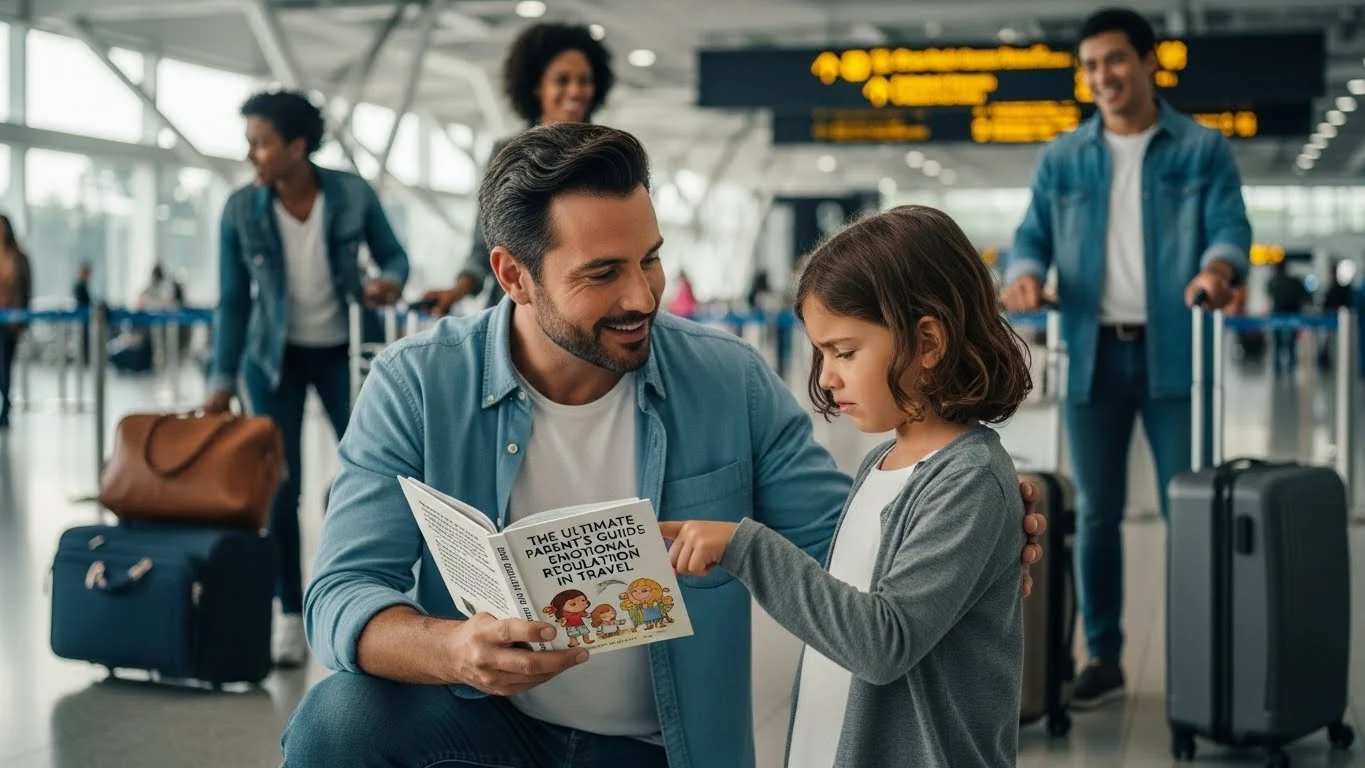
Emotional regulation is the ability to manage and respond to emotional experiences in a healthy way. It involves recognizing our feelings, understanding their impact, and finding methods to express or cope with them. I remember the first time I truly understood what emotional regulation meant. My child had a meltdown in the middle of a crowded airport, and I realized that my own emotional responses were just as important as theirs. It was a wake-up call that taught me we can influence our children by how we manage our own emotions.
The Importance of Emotional Regulation for Parents
As parents, our emotional states can set the tone for our family dynamics. I’ve seen firsthand how a calm demeanor during stressful travel moments can help soothe my kids. When we are self-aware and can regulate our own emotions, we not only feel better ourselves, but we also create an environment where our children feel safe to express their emotions. I learned that when I take a moment to breathe and collect myself, it allows me to be a better support system for my children, instead of getting caught up in the chaos.
How Emotional Regulation Impacts Children
Children are like sponges; they absorb everything around them, especially our emotional cues. When we react to stress with frustration or anxiety, they pick up on that energy. I’ve noticed that when I handle my stress well, my children tend to be calmer, too. By modeling emotional regulation, we teach them how to handle their feelings. It’s crucial for them to learn that it’s okay to feel upset, but it’s how we deal with those feelings that matters. I’ve found that discussing emotions openly, even in tough moments, has helped my kids develop their own emotional intelligence. Read Interesting article: Traveling with Toddlers: Boost Emotional Regulation Skills
Preparing for Travel: Setting the Stage
Choosing the Right Destination for Family Dynamics
Choosing a travel destination can make a world of difference in how well everyone manages their emotions. I remember a trip to a bustling city, where the noise and crowds overwhelmed my kids. A quieter beach getaway turned out to be a much better fit for our family dynamic. It’s important to consider your family’s unique needs and preferences. Think about what environments make your family feel relaxed and happy. In my experience, discussing destination options as a family can help everyone feel involved and excited about the journey.
Understanding Travel Stressors
Travel is full of unexpected hurdles. Delays, long lines, and unfamiliar routines can all contribute to stress. Before our last trip, I sat down with my kids to talk about potential stressors. We discussed how we might feel in different situations and what strategies we could use to cope. It was reassuring for them to know that we had a plan. By acknowledging these stressors beforehand, we felt more prepared and empowered to handle whatever came our way. I’ve learned that it’s all about setting the right mindset for the adventure ahead.
Setting Realistic Expectations
Traveling with kids can be unpredictable, so setting realistic expectations is key. I’ve made the mistake of over-scheduling our days in the past, only to end up frazzled. Now, I plan for flexibility and allow for downtime. I’ve found that it’s helpful to create a travel itinerary that includes both activities and rest periods. When we set manageable goals for our trip, it reduces stress and helps everyone enjoy the experience more. I encourage you to embrace the idea that it’s okay if things don’t go perfectly; it’s about the memories we create together.
Creating a Family Travel Plan
A family travel plan can be a game-changer. When we prepare together, it fosters a sense of teamwork and excitement. I like to include my kids in the planning process, from choosing activities to packing essentials. We create a checklist of things to do before we leave, and I let them help decide what to bring. This not only eases anxiety but also builds their confidence. By working together, we establish a sense of ownership around the trip, which helps everyone feel more secure about what lies ahead.
Tools for Emotional Regulation During Travel
Mindfulness Techniques for Parents and Children
Mindfulness has become an essential tool for many families, especially when it comes to managing emotions during travel. I remember a moment when my kids were feeling overwhelmed after a long day of sightseeing. We took a few minutes to practice mindfulness together. We sat down on a park bench, closed our eyes, and focused on our breathing. I guided them to notice the sounds around us and how the sun felt on our skin. It was a simple exercise, but it helped us reconnect and calm down. Mindfulness techniques can be as simple as taking a moment to breathe deeply or observing our surroundings intentionally. I’ve found that these practices not only help us cope with stress but also increase our overall enjoyment of the trip as we learn to appreciate the little moments.
Emotional Check-Ins: How to Do Them
Emotional check-ins have become a regular part of our travel routine. It’s a practice I started after realizing that sometimes my kids weren’t vocal about their feelings. Now, we take a few minutes each day to sit together and ask each other how we’re feeling. I might say, “Today, I’m feeling a bit anxious about the crowded train. How about you?” This simple question opens the door for honest communication. I’ve noticed that when I share my feelings, they feel more comfortable expressing theirs. It’s a wonderful way to validate emotions and keep everyone on the same page. Plus, it gives us a chance to support each other, whether that means sharing a funny story to lighten the mood or simply acknowledging that it’s okay to feel overwhelmed at times.
Breathing Exercises for Stress Relief
Breathing exercises are a go-to tool for me and my family when stress starts to bubble over. I learned a technique called “5-5-5,” where we inhale for five seconds, hold the breath for five seconds, and exhale for five seconds. The first time we tried it, my kids giggled, thinking it was silly, but I encouraged them to focus. It quickly turned into a fun game, and I found that it really helped to lower our stress levels. Now, whenever we sense a buildup of tension—whether it’s before a flight or during a lengthy car ride—we turn to our breathing exercise. It’s incredible how just a few minutes of focused breathing can shift our collective mood and help us feel more grounded.
Using Visual Aids: Emotion Charts and Cards
Visual aids can be a game-changer for emotional regulation, especially for younger kids. I created an emotion chart with my children, featuring faces that represented different feelings—happy, sad, angry, frustrated, and scared. Whenever we encounter tricky situations while traveling, we refer back to this chart. I ask them to point out how they’re feeling at that moment. It’s a simple yet effective method to help them articulate their emotions. I found that it encourages them to think about what they need in that moment, whether it’s a break, a snack, or some playtime. Plus, it helps me better understand how to support them when they’re struggling. We also made some emotion cards that we keep in our travel bag, which have illustrations of different feelings. It’s a fun way to engage in conversations about emotions, and it empowers my kids to express themselves better.
Managing Emotions Before and During Travel
Pre-Travel Anxiety: Tips for Parents
As exciting as travel can be, it often comes with a side of anxiety. I’ve experienced this myself, so I know my kids can feel it too. Before our trips, I like to spend some time preparing them for what to expect—everything from the travel process to the destination. I remember the last trip we took, where I shared a countdown calendar with them. Each day leading up to our departure, we crossed off a day together. It built anticipation and helped ease their nerves. Additionally, packing a few familiar items, like a favorite stuffed animal or a book, can provide a comforting sense of home during the trip. I’ve realized that acknowledging their anxiety and talking about it openly helps them feel more secure, as they know they’re not alone in feeling that way.
Handling Tantrums and Meltdowns on the Road
Despite all the planning, tantrums happen. I remember one particular flight where my youngest had a total meltdown because he was tired and hungry. It was a chaotic moment, with other passengers staring, but I took a deep breath and focused on calming him down. I found that keeping a couple of activities handy, like coloring books or small toys, can be a lifesaver. I also learned that staying calm helps de-escalate the situation. A bit of distraction, like playing a quick game or singing a song, can turn a meltdown into a moment of laughter. Over time, I’ve developed a toolkit of strategies to help manage these tough moments, and I encourage you to create your own based on what works for your family.
Recognizing and Validating Children’s Emotions
One of the most important skills I’ve developed as a parent is recognizing and validating my children’s emotions. I remember a time when my daughter was upset about missing her friends during a trip. Instead of brushing it off, I sat down with her and said, “I can see that you’re really missing your friends right now, and that’s okay.” By acknowledging her feelings, I helped her understand that it’s perfectly normal to feel sad sometimes. I learned that validation doesn’t mean we have to fix the problem immediately. Instead, it’s about showing empathy and letting them know their feelings are understood. This practice has strengthened our bond and has encouraged my kids to express their emotions openly, knowing they’ll be heard and supported no matter where we are.
Traveling with Different Age Groups
Emotional Regulation for Infants and Toddlers
Traveling with infants and toddlers can be both delightful and challenging. I remember our first road trip with our youngest, who was just a year old. The excitement soon turned into anxiety when he started crying during long stretches in the car. I quickly learned that emotional regulation for this age group revolves around routine and comfort. Keeping familiar items, like a favorite blanket or toy, can work wonders. During our travels, I always made sure to pack snacks and engage in frequent stops to let him stretch and explore. These little adjustments helped manage his emotions and allowed us to make the journey a bit more enjoyable. I believe that understanding their needs can lead to a more peaceful travel experience for everyone.
Strategies for Preschoolers
As our kids grow into preschoolers, their emotions can become a bit more complex. I noticed that my daughter, around this age, could get easily overwhelmed by new environments. To help her cope, I started using simple stories to prepare her for what to expect. For instance, before visiting a zoo, we would read books about animals and discuss how we might feel when we see them. This preparation helped her find excitement in the adventure rather than fear. I also discovered that giving them a sense of control, like letting them choose which activity to do next, can help them feel more secure. During our travels, I’ve found that balancing spontaneity with some planned activities keeps the fun alive while ensuring she knows what to expect.
Managing Emotions in School-Aged Children
School-aged children can articulate their feelings better, which is both a blessing and a challenge. I remember a family trip where my son expressed his frustration about missing friends back home. Instead of dismissing his feelings, I encouraged an open discussion. We talked about how it’s okay to miss people and brainstormed ways to stay connected, like sending pictures or postcards. This kind of dialogue has been invaluable in helping him understand his emotions. I’ve also found that involving them in planning aspects of the trip—like choosing activities or places to eat—empowers them and reduces anxiety. When children feel included, they tend to be more adaptable and less prone to meltdowns.
Teenagers and Emotional Regulation: What to Know
Traveling with teenagers can feel like navigating uncharted waters. I’ve seen how their emotional landscape shifts dramatically compared to younger kids. During a trip to the mountains, I noticed my teen was withdrawn and moody. Instead of pushing him to join every family activity, I gave him space while still checking in with him. I’ve learned that sometimes, simply acknowledging their need for independence can go a long way. I often suggest they bring a friend along, which helps them feel more relaxed and engaged. I’ve also found that allowing them to have some say in planning the itinerary—like choosing which hikes to take or restaurants to visit—makes them more invested in the trip. Open communication about their feelings and preferences helps create a supportive environment, making the experience enjoyable for everyone.
Creating Positive Travel Experiences
Incorporating Fun and Relaxation into Your Itinerary
When planning our travels, I’ve learned how vital it is to incorporate both fun and relaxation. I remember a trip where we packed our schedule with activities, only to find ourselves exhausted by the end of each day. Now, I try to balance sightseeing with downtime. For example, after visiting a theme park, we’ll plan a low-key day at the beach. This approach not only prevents burnout but also allows us to appreciate our experiences more. I recommend keeping an eye on local events or festivals, as these spontaneous additions often turn out to be the highlights of our trips. It’s amazing how a little flexibility can lead to beautiful memories.
Encouraging Family Bonding Activities
Family bonding during travel is something I cherish. I find that hands-on activities, like cooking classes or outdoor adventures, create lasting memories. On a recent trip, we took a family cooking class, and it was a blast! Everyone participated, and we ended up laughing over our culinary mishaps. These kinds of experiences help us connect on a deeper level, and I believe they also serve as a valuable opportunity for emotional regulation. When we engage in activities as a team, it fosters communication and teamwork, allowing us all to express our feelings in a fun way. I encourage you to look for unique local experiences that everyone can enjoy together.
Making Time for Downtime
Downtime is essential for emotional regulation, especially during busy travel days. I’ve made it a point to include rest periods in our itinerary. Whether it’s a quiet afternoon at the hotel or a visit to a local park, these moments of relaxation help recharge our emotional batteries. I often suggest a simple “chill out” hour where we can read, draw, or even nap. This practice has become a family favorite, allowing us to regroup and approach our adventures with renewed energy. Remember, it’s okay to take a break; it often leads to more enjoyable experiences overall.
Frequently Asked Questions
What is emotional regulation?
Emotional regulation is the ability to manage and respond to emotional experiences in a healthy way. It involves recognizing our feelings, understanding their impact, and finding methods to express or cope with them.
Why is emotional regulation important for parents?
As parents, our emotional states can set the tone for family dynamics. A calm demeanor during stressful moments can help soothe children, creating an environment where they feel safe to express their emotions.
How does emotional regulation impact children?
Children absorb emotional cues from their parents. When parents handle stress well, children tend to be calmer. By modeling emotional regulation, parents teach children how to handle their feelings effectively.
What should families consider when choosing a travel destination?
Families should consider their unique needs and preferences when selecting a travel destination. Discussing options as a family can help everyone feel involved and excited about the journey.
How can parents prepare their children for potential travel stressors?
Parents can prepare their children by discussing potential stressors before the trip and developing coping strategies together. This acknowledgment helps children feel more empowered to handle unexpected hurdles.
What are emotional check-ins and how can they be beneficial?
Emotional check-ins involve taking time each day to ask each other how everyone is feeling. This practice encourages open communication and helps validate emotions, creating a supportive environment for family members.
What breathing exercises can help relieve stress during travel?
One effective breathing exercise is the “5-5-5” technique, where individuals inhale for five seconds, hold for five seconds, and exhale for five seconds. This simple activity can help lower stress levels and improve mood.
How can parents recognize and validate their children’s emotions while traveling?
Parents can recognize and validate their children’s emotions by acknowledging their feelings and expressing empathy. This practice helps children understand their emotions and encourages them to express themselves openly.
What strategies can help manage emotions in preschoolers during travel?
For preschoolers, using simple stories to prepare them for new experiences can help them cope with overwhelming situations. Giving them a sense of control over activities also contributes to their emotional security.
Why is incorporating downtime important during family travel?
Incorporating downtime is essential for emotional regulation, as it allows family members to recharge during busy travel days. Simple rest periods can lead to more enjoyable experiences and prevent burnout.