
Traveling as a family can be an exhilarating adventure, but it often comes with its own set of emotional challenges. Understanding how to navigate these feelings is essential for creating lasting memories together. For more insights on managing emotions while traveling, check out Traveling with Toddlers: Mastering Emotional Regulation.
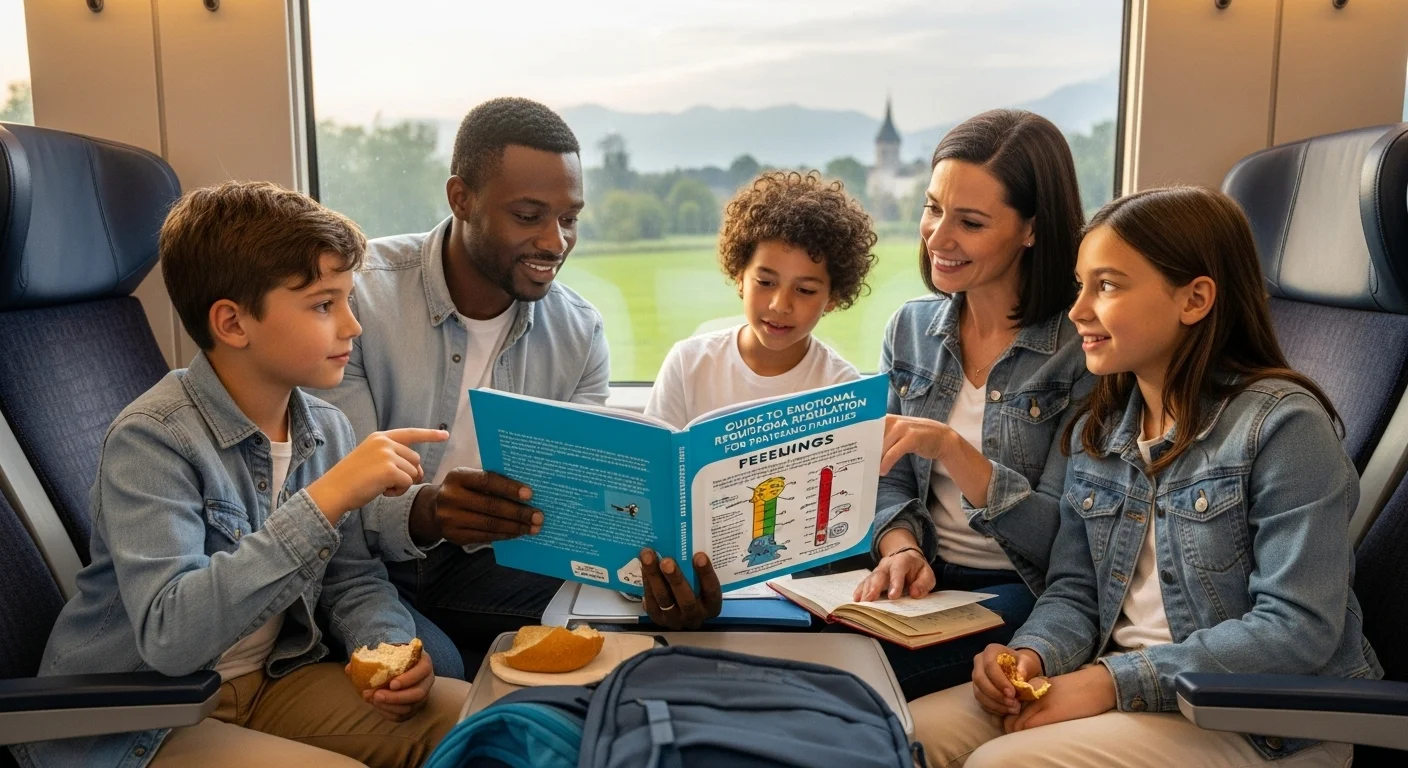
Understanding Emotional Regulation
What is Emotional Regulation?
Emotional regulation refers to our ability to manage and respond to our emotional experiences in a healthy way. It’s about recognizing our feelings, understanding their causes, and choosing how to express them. I’ve learned that emotional regulation is not just about suppressing emotions but rather acknowledging them and finding constructive ways to cope. For instance, when my children feel overwhelmed during a long flight, I encourage them to take deep breaths or talk about what’s bothering them. This approach helps them feel heard and supported, which is vital in emotionally charged situations.
Importance for Families While Traveling
When we travel, emotions can run high due to new experiences, unfamiliar environments, and the inevitable stressors of being away from home. I’ve noticed that emotional regulation becomes essential for families to enjoy their time together. It’s easy to let frustration or anxiety take over, especially during delays or when plans don’t go as expected. By practicing emotional regulation, families can foster a more understanding and supportive environment, which leads to better communication and connection. I remember a trip where we faced multiple hiccups, like a missed connection and a lost suitcase. Instead of allowing this to ruin our vacation, we worked together to find solutions and even laughed about our mishaps, creating unforgettable memories instead.
Common Emotional Challenges for Traveling Families
Managing Stress and Anxiety
Traveling can be stressful, especially for families. I often feel anxiety creeping in as we prepare for a trip—packing, planning, and worrying about the unexpected. Kids can feel this anxiety too, and it can manifest in various ways, from tantrums to withdrawal. I’ve found that addressing these feelings before and during travel is crucial. A simple way to manage stress is through preparation. When we discuss our travel plans—including what to expect and how to handle potential hiccups—I notice my children feel more secure and less anxious. For instance, I emphasize that it’s okay to feel nervous about flying, but I also share solutions like games or books they can enjoy during the flight. For more tips on emotional skills for toddlers, visit Traveling on a Budget: Emotional Skills for Toddlers.
Dealing with Frustration and Fatigue
Long days of travel, early mornings, and late nights can lead to frustration and fatigue for everyone. I’ve seen my kids become cranky after a long day of sightseeing, and it’s easy for tempers to flare. In our family, we’ve learned to recognize the signs of fatigue and the need for a break. When we traveled to Europe last summer, we built in downtime to our itinerary. Instead of cramming in every possible activity, we allowed for lazy afternoons at parks or quiet evenings at our hotel. This not only helped us recharge but also allowed us to enjoy our trip more fully.
Handling Conflicts Among Family Members
Traveling can also bring out conflicts among family members. The close quarters and constant togetherness can lead to disagreements and tension. I remember a time when my kids bickered over who would get the window seat on a long train ride. Instead of letting that escalate, I stepped in to mediate. I encouraged them to express their feelings and come up with a fair solution together. By facilitating this discussion, I noticed that they learned to communicate better and resolve their conflicts without my intervention. This skill not only helped during our travels but also improved their interactions at home.
Strategies for Effective Emotional Regulation
Pre-Trip Preparation
Preparing emotionally for a trip can be just as important as packing your bags. I’ve discovered that setting a positive tone before we even leave home can make a huge difference in our family dynamics.
Setting Realistic Expectations
One of the first steps I take is to set realistic expectations. I share with my kids that while traveling can be exciting, it can also be unpredictable. Discussing potential challenges ahead of time helps everyone understand that it’s okay if things don’t go perfectly. This way, they are mentally prepared to adapt and find solutions together, fostering a sense of team spirit.
Creating a Flexible Itinerary
I’ve learned that having a flexible itinerary can alleviate a lot of stress. Instead of a rigid schedule, we create a list of must-do activities while allowing room for spontaneous adventures or much-needed downtime. During our last trip, we planned to visit several museums, but when we realized the kids were too tired, we opted for a picnic in a nearby park instead. This flexibility not only led to a fun day but also strengthened our family bond as we made memories in unexpected ways.
Strategies for Effective Emotional Regulation
During Travel
Once we hit the road or board the plane, it’s essential to keep emotional regulation at the forefront of our minds. I’ve found that how we handle our emotions during travel can significantly impact our overall experience. Here are some strategies that have worked well for our family.
Mindfulness Techniques for Families
Practicing mindfulness can be a game-changer when emotions start to run high. I remember a time when we were stuck in an airport for hours due to a flight delay. Instead of letting frustration bubble over, I suggested we try some mindfulness exercises together. We took a few moments to close our eyes, breathe deeply, and focus on the sounds around us. This simple practice not only calmed our nerves but also helped us appreciate the little things, like the laughter of other families and the scent of fresh coffee. I encourage you to explore mindfulness apps or simple breathing exercises with your kids during travel to cultivate a sense of calm amidst the chaos.
Encouraging Open Communication
Open communication is crucial for emotional regulation. I’ve learned that fostering an environment where everyone feels safe to share their feelings can prevent many emotional hiccups. During our trips, I make it a point to check in with my kids regularly. I ask them how they’re feeling about the day’s activities and if there’s anything bothering them. This practice not only helps me understand their emotions better but also empowers them to express themselves. I remember a time when my youngest felt overwhelmed by the noise at a theme park. By encouraging her to share her feelings, we were able to take a break and find a quieter spot, which made her feel better and ready to enjoy the fun again.
Establishing Breaks and Downtime
Between sightseeing, dining, and exploring, it’s easy to get caught up in the excitement of travel. However, I’ve found that establishing breaks and downtime is just as important as planning activities. On our last family vacation, we intentionally set aside time each afternoon for relaxation. Whether it was lounging by the hotel pool or taking a leisurely stroll in a local park, these moments allowed us to recharge and connect with each other. I’ve noticed that when we take breaks, we return to our activities feeling refreshed and more excited, rather than fatigued and irritable.
Post-Trip Reflection
After we return from a trip, I like to take some time to reflect on our experiences. This practice helps us process our emotions and learn valuable lessons for future travels.
Discussing Emotional Experiences
During our post-trip discussions, I encourage my kids to share their emotional highs and lows. I find it fascinating to hear their perspectives; sometimes, they bring up moments I hadn’t even considered! This practice not only helps them articulate their feelings but also strengthens our family bond. Last summer, after our European adventure, we all sat down with a scrapbook filled with pictures and stories. As we laughed and reminisced about our experiences, we also talked about the moments of stress or frustration we faced. It was eye-opening for us all, and we learned how to better navigate those feelings in future trips. For further insights, consider reading The Impact of Travel on Toddler Emotional Development.
Learning from Challenges Faced
Every trip comes with its challenges, and I believe it’s essential to learn from them. I take time to discuss what went well and what didn’t during our travels. For example, after a particularly hectic day in a crowded city, we talked about how we could better manage our energy levels next time. This reflection helps my kids understand that it’s okay to encounter difficulties; what matters is how we handle them. We can develop strategies together, like planning shorter days or ensuring we have quiet time built into our itinerary. I think this approach not only prepares us for future trips but also fosters resilience in my children.
Emotional Regulation Techniques for Kids
When it comes to emotional regulation, it’s important to tailor strategies to different age groups. I’ve found that age-appropriate techniques can help my children learn how to manage their emotions effectively during travel.
Age-Appropriate Strategies
For Toddlers
With toddlers, keeping things simple is key. I try using visuals like picture books or flashcards to explain emotions. During our trips, I’ve found it helpful to carry a small set of emotion cards. When my little one gets upset, we look at the cards together and name the feelings. This simple acknowledgment often helps them feel validated and eases their distress.
For Preschoolers
For preschoolers, storytelling can be an effective tool. I often create stories about characters who go on adventures and face challenges, allowing my kids to empathize with the characters’ feelings. We also role-play scenarios they might encounter during travel, like waiting in line or being patient at a restaurant. These playful activities prepare them for real-life situations.
For School-Aged Children
As my kids got older, I started introducing them to journaling. I encouraged them to write down their feelings and thoughts about our travels. This practice allows them to process their emotions independently while fostering a sense of ownership over their feelings. I’ve noticed that after each trip, they enjoy reflecting on their journal entries and discussing their growth.
For Teenagers
With teenagers, I’ve learned that engaging in open discussions about emotional regulation is essential. They often appreciate the chance to share their experiences and learn from each other. I encourage my teens to think critically about their emotional responses during trips. We discuss things like how they felt in stressful situations and brainstorm strategies together. By involving them in the conversation, they feel more empowered to manage their emotions.
Fun Activities to Promote Emotional Awareness
In addition to the emotional strategies, we like to incorporate fun activities to promote emotional awareness during our travels. We often create a “feelings scavenger hunt,” where we look for things that make us feel happy, relaxed, or excited during our trips. This activity not only encourages us to be mindful of our emotions but also leads to some great conversations about what makes us feel good while traveling.
Creating a Supportive Travel Environment
Choosing Family-Friendly Destinations
When planning our family trips, I’ve found that choosing the right destination can make a world of difference in our emotional experience. Family-friendly destinations often have activities and accommodations tailored to kids, which helps reduce stress for everyone. For instance, I remember a vacation we took to a resort that offered kid-friendly programs and activities. My children had a blast participating in organized games while my partner and I enjoyed some much-needed relaxation time. By selecting destinations that cater to families, I feel we can create an environment that’s both enjoyable and comforting, allowing us to focus on making memories together.
Accommodations That Foster Comfort
The place we stay can also play a big role in our emotional well-being while traveling. I’ve learned that opting for accommodations that feel more like home can ease anxiety and promote relaxation. For our family, this often means choosing vacation rentals or family suites instead of cramped hotel rooms. Having a little extra space to unwind can be a game-changer, especially after a long day of exploring. I remember one trip where we rented a cozy cabin in the mountains. The kids loved having their own space to play, and we enjoyed cooking meals together in a full kitchen, which helped us feel more connected and relaxed during our stay.
Planning Activities That Encourage Family Bonding
It’s also important to plan activities that encourage family bonding and create a sense of togetherness. I’ve discovered that the best memories often come from experiences we share, rather than just sightseeing. For example, we once took a cooking class together while on vacation in Italy. It was a fantastic way for us to learn something new, laugh, and create delicious food side by side. Activities like this not only break the routine but also allow us to connect on a deeper level. I believe that the more we engage in shared experiences, the stronger our family bond becomes, and the easier it is to navigate any emotional challenges that may arise during our travels.
Resources for Further Support
Books on Emotional Regulation for Families
Reading about emotional regulation has been incredibly helpful for me, and I believe it can benefit other families as well. There are many great books available that focus on strategies for handling emotions, both for parents and kids. One of my favorites is “The Whole-Brain Child” by Daniel J. Siegel and Tina Payne Bryson. This book offers practical advice on understanding child development and how to nurture emotional intelligence. I’ve found it useful in applying concepts to our family discussions. Another great read is “Emotional Intelligence 2.0” by Travis Bradberry and Jean Greaves, which provides insight into developing emotional skills that can lead to better interactions not just during travel, but in everyday life.
Online Courses and Workshops
Online resources can also be a fantastic way to learn about emotional regulation as a family. I’ve taken a few workshops that focus on parenting strategies and emotional intelligence, and they’ve transformed how I approach emotional situations. Websites like Coursera and Udemy offer courses that can be taken at your own pace, allowing for flexibility in busy family schedules. Participating in a workshop together has also opened up conversations about emotions and how we handle them, making it a fun and educational experience.
Professional Help: When to Seek Guidance
Sometimes, despite our best efforts, we may find ourselves struggling with emotional challenges that feel overwhelming. I’ve learned that it’s perfectly okay to seek professional help if needed. A family therapist can provide valuable tools and strategies for emotional regulation, which can be particularly beneficial during stressful travel moments. I once reached out to a therapist after a family trip that didn’t go as planned. They guided us in unpacking our feelings and gave us strategies to improve our communication. Seeking help was a turning point for us, reinforcing the importance of mental health in our family dynamics.
Frequently Asked Questions
What is emotional regulation?
Emotional regulation refers to our ability to manage and respond to our emotional experiences in a healthy way. It involves recognizing our feelings, understanding their causes, and choosing how to express them constructively.
Why is emotional regulation important for families while traveling?
Emotional regulation is essential for families traveling together as it helps create a supportive environment, improves communication, and allows families to cope better with frustration or anxiety that may arise from new experiences and unforeseen stressors.
How can families manage stress and anxiety when traveling?
Families can manage stress and anxiety by preparing emotionally, discussing travel plans, setting expectations, and finding solutions to potential hiccups, which can help both parents and children feel more secure during travel.
What strategies can families use to deal with frustration and fatigue during travel?
To deal with frustration and fatigue, families should recognize the signs of tiredness and build in downtime into their itineraries, allowing for breaks and leisure time to recharge and enjoy their trips more fully.
How can families handle conflicts among family members during travel?
Families can handle conflicts by encouraging open communication, allowing each member to express their feelings, and facilitating discussions to help find fair solutions together, which improves conflict resolution skills.
What are effective emotional regulation strategies during travel?
Effective strategies include practicing mindfulness techniques, encouraging open communication among family members, and establishing breaks or downtime to help manage emotions and maintain a positive atmosphere.
How can families reflect on their emotional experiences after a trip?
Families can reflect on their emotional experiences by discussing their highs and lows during a post-trip conversation, which helps them articulate their feelings and learn valuable lessons for future travels.
What age-appropriate techniques can help children with emotional regulation during travel?
Age-appropriate techniques include using visuals for toddlers, storytelling and role-playing for preschoolers, journaling for school-aged children, and engaging in open discussions for teenagers to help them manage their emotions effectively.
How can families create a supportive travel environment?
Families can create a supportive travel environment by choosing family-friendly destinations, selecting accommodations that foster comfort, and planning activities that encourage bonding and shared experiences.
What resources are available for families seeking to improve emotional regulation?
Resources include books on emotional regulation, online courses and workshops focusing on parenting strategies and emotional intelligence, and professional help from family therapists when dealing with overwhelming emotional challenges.
Traveling is one of life’s greatest adventures, but it can also be overwhelming without the right boundaries in place. Mastering travel discipline ensures we enjoy every moment without losing ourselves in the process. To help families navigate this, fostering empathy in kids: travel tips for positive discipline can provide valuable insights.
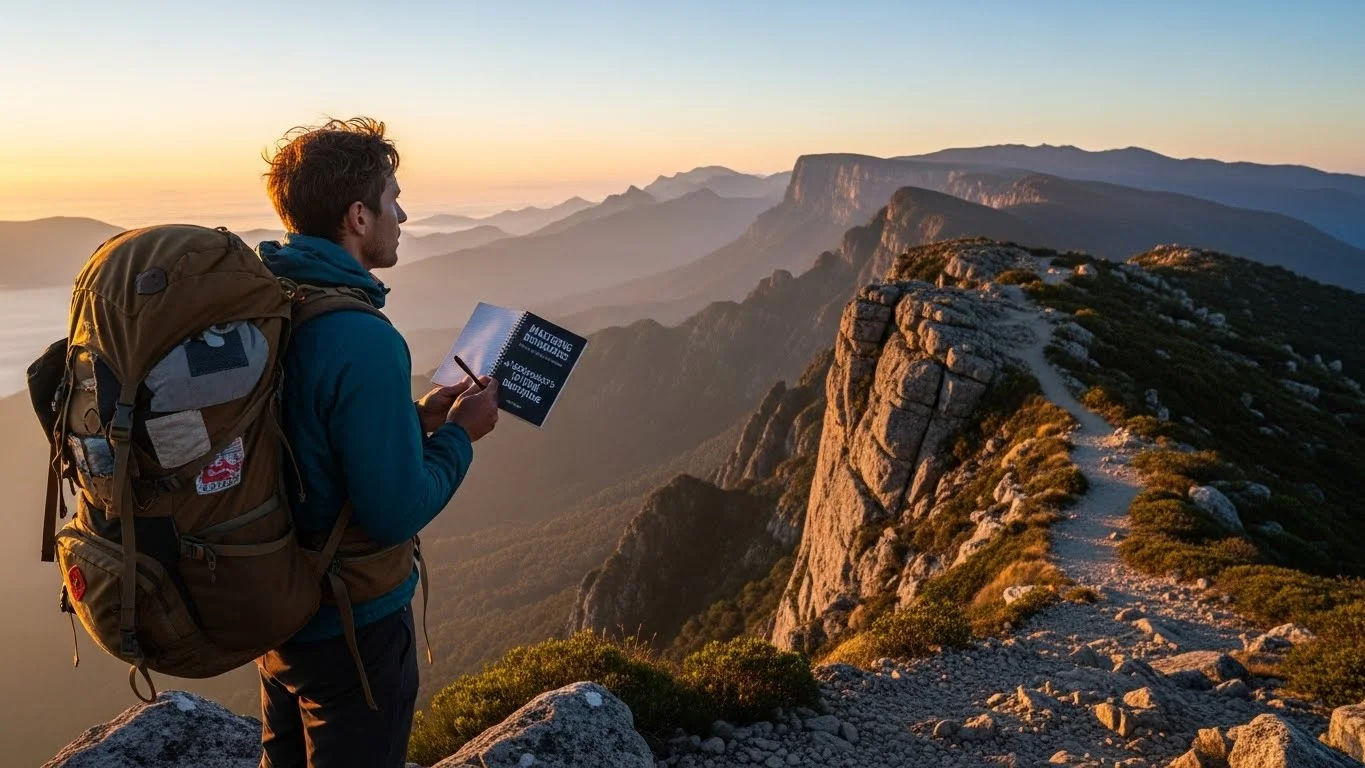
Understanding Travel Discipline
What is Travel Discipline?
Travel discipline, in my experience, is all about knowing how to balance exploration with personal limits. It’s the ability to stay true to your goals while navigating the excitement and unpredictability of the road. I remember my first backpacking trip; I was so eager to see everything that I often overbooked my days and ended up exhausted. I learned the hard way that discipline isn’t just about sticking to a schedule; it’s about creating a journey that respects your needs and desires.
The Importance of Boundaries in Travel
Setting boundaries while traveling is crucial. They serve as the framework that helps us maintain our well-being, ensuring that our adventures are enriching rather than draining. For instance, I realized early on that having a few personal rules—like limiting how many days I would spend in a busy city—made a huge difference in how I experienced each destination. Boundaries help manage our time, energy, and resources, allowing us to connect more deeply with the places and people we encounter.
Common Challenges Backpackers Face
When backpacking, a few challenges consistently pop up. One of the biggest hurdles is the temptation to do it all. Many travelers, myself included, often feel the pressure to visit every hotspot, leading to burnout. I remember feeling overwhelmed in cities like Paris and Rome, trying to cram in museums, cafes, and monuments all in one day. Not to mention, there’s the challenge of social dynamics; traveling with others can sometimes blur personal boundaries, especially if you don’t communicate your needs or limits clearly. It’s easy to lose sight of what you truly want to get from your journey. Additionally, there are practical matters like managing finances and keeping healthy, which can quickly become stressful if we don’t set our own rules.
In my own backpacking adventures, I found that many of these challenges could be mitigated with a little foresight and planning. For example, I started creating a list of “must-see” attractions instead of a rigid itinerary. This helped me prioritize what truly mattered to me while still allowing for spontaneous discoveries.
Another common struggle is the fear of missing out (FOMO). Social media can amplify this feeling, showcasing the highlight reels of other travelers. I’ve often caught myself comparing my experiences with those of others, feeling like I wasn’t doing enough. I learned to set boundaries on my social media use while traveling, focusing instead on living in the moment. By doing this, I was able to enjoy my own journey without the pressure of others’ expectations.
Ultimately, travel discipline is about finding a rhythm that works for you. It’s about understanding that travel isn’t a race; it’s a personal journey. With time, I’ve come to appreciate the importance of pacing myself, and it has transformed my adventures into meaningful experiences rather than just a checklist of sights.
If we want to truly master boundaries in travel, we need to start by identifying our unique goals and limits. It’s a process of self-discovery that enriches our travels and helps us create memories that last a lifetime. In the next sections, I’ll share more about how to establish personal boundaries, practical tips for maintaining them, and the importance of self-care in our adventures. So, let’s dive deeper into setting the scene for an unforgettable journey that respects our needs while embracing the thrill of exploration.
Setting Personal Boundaries
Identifying Your Travel Goals
One of the first steps I took in my journey toward better travel discipline was identifying my travel goals. I realized that understanding what I wanted to accomplish on each trip made all the difference. For me, it wasn’t just about visiting famous landmarks; I wanted to immerse myself in local cultures, try new foods, and meet interesting people. I remember sitting down before my last trip and brainstorming a list of experiences I wanted to have. This simple act helped me focus my energy on what truly mattered, rather than getting sidetracked by every suggestion I found online.
To help clarify your own travel goals, I recommend asking yourself a few questions. What do you want to learn or experience? Are you more interested in adventure, relaxation, culture, or social connections? By defining your goals, you create a compass that guides your decisions throughout your travels. This doesn’t mean you have to stick rigidly to your plan; it’s more about having a guiding principle that allows you to say “yes” to what resonates with you and “no” to distractions that don’t align with your desires.
Understanding Your Limits
Understanding your limits is as crucial as recognizing your goals. I’ve learned from experience that pushing myself too hard can lead to burnout and disappointment. For instance, there was a time when I thought it was a good idea to hike for hours on end to catch sunrise at a stunning viewpoint. While the view was breathtaking, I ended up feeling exhausted for the rest of the day, missing out on other activities I had planned. It reinforced the idea that respecting my body’s needs is just as important as fulfilling my wanderlust.
Take some time to reflect on your physical, emotional, and mental limits. Ask yourself questions like: “How much walking can I handle in a day?” or “How many social interactions drain my energy?” Being truthful about your limits helps prevent overwhelm and allows you to enjoy your experiences to the fullest. I find that it’s helpful to have a few fallback plans that cater to my limits. For example, if I know I’ll be in a busy city for several days, I’ll schedule downtime or low-key activities to recharge.
The Role of Self-Care in Travel Discipline
Self-care often takes a backseat when we’re in the heat of adventure, but I’ve learned how essential it is to prioritize my well-being on the road. This means making time for things that nurture me, whether that’s enjoying a quiet coffee in a local café or taking a few minutes to meditate at the end of a long day. I’ve found that integrating small acts of self-care into my travel routine keeps me grounded and helps me appreciate my experiences even more.
One simple practice I’ve adopted is to start each day with a few moments of reflection. I take the time to think about what I’m grateful for and what I hope to achieve that day. This daily ritual not only enhances my travel experience but also reinforces my boundaries. I often remind myself that it’s okay to say no to activities that don’t serve my well-being. When I prioritize self-care, I find that I’m more open to spontaneity and exploration because I feel balanced and energized.
Practical Tips for Maintaining Boundaries
Creating a Flexible Itinerary
Creating a flexible itinerary has been a game-changer for me. Instead of rigidly scheduling every hour, I’ve learned to leave room for spontaneity. I start by jotting down a few key activities I want to do, but I also carve out time for unplanned adventures. This way, I can still enjoy my travel goals while allowing the flow of the moment to guide me. I vividly remember a day in Barcelona when I spontaneously decided to follow the sound of music and ended up at a local street festival. It turned out to be one of the highlights of my trip!
When planning your itinerary, consider using different color codes or symbols to differentiate between must-see sites and flexible time slots. This visual representation can help you maintain a balance between structure and spontaneity. Having a rough plan gives you direction without suffocating your travel spirit.
Time Management Strategies for Travelers
Effective time management is key to maintaining boundaries while traveling. I often set specific time limits for activities or explore a particular area. For instance, instead of spending an entire day at a museum, I choose to allocate a few hours, which allows me to appreciate the exhibits without feeling rushed. Setting a timer helps me stay on track, and I often find that this approach enhances my enjoyment rather than detracts from it.
Another strategy I’ve embraced is prioritizing my must-do tasks for the day. I make a list each morning, highlighting the activities that excite me the most. This helps me focus my energy and ensure that I don’t miss out on the experiences I value. Plus, it leaves room for spontaneous adventures that may pop up throughout the day.
Budgeting and Financial Discipline
Budgeting is another essential aspect of maintaining boundaries while traveling. I’ve learned the hard way that overspending can quickly lead to stress and anxiety. Before my trips, I set a clear budget based on my goals and limits. I often break it down into daily spending allowances, which helps me keep track of my finances without feeling constrained.
To stay within budget, I recommend looking for free or low-cost activities, which can be just as enriching as pricier options. I’ve discovered that local festivals, parks, or community events often offer incredible experiences at little to no cost. Moreover, preparing your own meals or seeking out local markets can save money while allowing you to explore the local cuisine authentically. This approach can also help parents maintain discipline while traveling.
Social Boundaries While Traveling
Choosing Travel Companions Wisely
Choosing the right travel companions is incredibly important for maintaining my travel boundaries. I’ve learned that traveling with people who share similar values and interests can lead to much more enjoyable experiences. I remember a trip I took with a group of friends who had a completely different travel style than mine. While I thrived on exploring local markets and enjoying long leisurely meals, they were all about rushing from one tourist attraction to another. This mismatch left me feeling drained and frustrated, which made me realize how crucial it is to travel with those who respect my pace and priorities.
Before embarking on a trip, I recommend having open conversations with your potential travel buddies about expectations. Discuss what each person hopes to get out of the trip, whether it’s adventure, relaxation, or cultural immersion. This open dialogue can help you gauge if you’re on the same page. If you notice significant differences in travel styles, it might be worth considering going solo or finding a more compatible group. Trust me, the right companions can make a huge difference in how fulfilling the journey is.
Setting Communication Boundaries
In my travels, I’ve come to understand the importance of clear communication with my travel companions. Setting communication boundaries early on can prevent misunderstandings and foster a more harmonious atmosphere. For instance, I make it a point to express my need for downtime or quiet moments, especially if I’m feeling overwhelmed. I’ve found that when I voice my needs, my travel companions are usually more than willing to accommodate them.
It’s also important to establish how you’ll communicate throughout the trip. Will you have daily check-ins to discuss plans, or will you go with the flow? I’ve enjoyed trips where we set aside time each morning to lay out our intentions for the day. This practice allows everyone to voice their preferences and ensures everyone feels included in the decision-making process. Plus, it gives me the space to express if I need a bit of alone time or if I’m eager to dive into a specific activity.
Balancing Socialization and Alone Time
One of the challenges I faced while traveling was finding the right balance between socializing and carving out time for myself. I love meeting new people and sharing experiences, but I’ve also learned that I need my moments of solitude to recharge. There were times when I felt pressure to always join group activities, fearing I might miss out on something fun. However, I’ve discovered that taking time for myself doesn’t mean I’m missing out; it actually enriches my overall experience.
To strike this balance, I started scheduling specific “me time” during my trips. Whether it’s an hour at a café reading a book or a walk in a nearby park, these moments help me reconnect with myself and recharge my batteries. I often communicate this need to my travel companions so they understand that my desire for alone time isn’t a reflection of my feelings toward them. This way, I can still enjoy social interactions without feeling overwhelmed.
Emotional and Mental Boundaries
Recognizing and Managing Travel Stress
Traveling can sometimes bring unexpected stress, and I’ve had my fair share of anxiety-inducing moments on the road. From missed flights to unexpected weather changes, I’ve learned that it’s crucial to recognize when I’m feeling overwhelmed. The key for me is to stay in tune with my emotions and acknowledge when I need to take a step back.
One effective strategy I’ve adopted is to create a “stress toolkit.” This includes activities that help calm my mind, like deep breathing exercises, journaling, or even a quick walk to clear my head. When I start feeling anxious, I turn to this toolkit to help regain my composure. I’ve found that being proactive about managing stress not only helps me maintain my boundaries but also enhances my overall travel experience.
Practicing Mindfulness on the Road
Incorporating mindfulness practices into my travel routine has been a game changer. Whenever I find myself getting lost in thoughts about what’s next on the agenda or feeling overwhelmed by the bustling surroundings, I take a moment to breathe and refocus. I try to be present, whether it’s savoring a local dish or appreciating the beauty of a sunset. This practice helps me stay grounded and reinforces my boundaries, allowing me to enjoy each moment fully.
One simple exercise I love is the “5-4-3-2-1” grounding technique. I take a moment to identify five things I can see, four things I can touch, three things I can hear, two things I can smell, and one thing I can taste. This practice not only calms my mind but also deepens my connection to the environment around me, reminding me why I travel in the first place.
The Importance of Reflection and Journaling
Taking time to reflect on my travel experiences through journaling has been incredibly beneficial for maintaining emotional boundaries. Writing about my adventures allows me to process my feelings, celebrate my achievements, and gain clarity on my journey. I often look back at my entries and notice patterns—what made me happy, what stressed me out, and how I can improve my approach in the future.
I recommend setting aside a few minutes each day or at the end of a trip to jot down your thoughts. This practice not only serves as a creative outlet but also helps me categorize my experiences, reinforcing the lessons I’ve learned about my travel discipline. Plus, it creates a beautiful keepsake filled with memories that I can revisit later, reminding me of the growth I’ve experienced through my travels.
Frequently Asked Questions
What is travel discipline?
Travel discipline is about balancing exploration with personal limits, staying true to your goals while navigating the excitement and unpredictability of travel.
Why are boundaries important while traveling?
Boundaries are crucial as they help maintain well-being, ensuring that adventures are enriching rather than draining. They assist in managing time, energy, and resources while allowing deeper connections with places and people.
What are common challenges backpackers face?
Common challenges include the temptation to do it all, social dynamics that can blur personal boundaries, managing finances, and the fear of missing out (FOMO), often exacerbated by social media.
How can one identify their travel goals?
Travel goals can be identified by asking oneself what experiences they want to have, whether they are interested in adventure, relaxation, culture, or social connections, and creating a list to focus energy on what truly matters.
How can travelers understand their limits?
Travelers can understand their limits by reflecting on their physical, emotional, and mental capacities and being truthful about what they can handle, helping to prevent overwhelm and enhance enjoyment.
What role does self-care play in travel discipline?
Self-care is essential for prioritizing well-being while traveling, allowing for activities that nurture oneself, which can help maintain balance and enhance the overall travel experience.
What is a flexible itinerary and why is it important?
A flexible itinerary includes key activities while leaving room for spontaneity, allowing travelers to enjoy their travel goals while also being open to unplanned adventures.
How can one manage their budget effectively while traveling?
Effective budgeting involves setting a clear budget based on travel goals, breaking it into daily allowances, and seeking free or low-cost activities to enrich the experience without overspending.
Why is it important to choose travel companions wisely?
Choosing the right travel companions is crucial as it can significantly impact the travel experience; traveling with those who share similar values and interests leads to more enjoyable adventures.
How can travelers practice mindfulness on the road?
Travelers can practice mindfulness by staying present, using grounding techniques, and taking moments to breathe and refocus to enhance their travel experience and maintain emotional boundaries.
Embarking on a backpacking adventure is more than just exploring new terrains; it’s about mastering the art of positive reinforcement to enhance our experiences. Let’s dive into how we can use this powerful tool on our journeys.
Understanding Positive Reinforcement
Definition of Positive Reinforcement
Positive reinforcement is a concept I’ve come to appreciate deeply, especially in my travels. At its core, it’s about rewarding desirable behavior to encourage its repetition. For instance, when I take time to appreciate the beauty around me or embrace a challenge, I make sure to celebrate that moment. Whether it’s treating myself to a favorite snack or reflecting on how far I’ve come, these small rewards can reinforce positive actions and attitudes. You can learn more about the application of positive reinforcement in behavior management in this Guide to Child Development Stages: Boost Behavior Management.
Key Principles of Positive Reinforcement
There are several key principles I’ve found helpful in applying positive reinforcement to my life as a backpacker. First, immediacy matters. The quicker I reward myself after accomplishing something—like reaching a challenging summit—the stronger the connection between my effort and the reward. I’ve noticed that this helps deepen my commitment to future challenges.
Another principle is specificity. Instead of a vague reward, I try to be specific about what I’m celebrating. For example, instead of just saying, “I did well today,” I’ll acknowledge, “I navigated through that tricky trail and found my way.” This clarity makes the reward more meaningful and reinforces the behavior even further.
The Science Behind Positive Reinforcement
The science behind positive reinforcement fascinates me. Research shows that our brains release dopamine—the feel-good neurotransmitter—when we receive rewards. This chemical reaction not only makes us feel good but also strengthens our memory and learning processes. During my travels, I’ve noticed this firsthand. When I reward myself for achieving a goal, I’m more likely to remember the experience and replicate the behavior in the future. It’s like creating a mental map of success that guides me further along my journey.
Why Positive Reinforcement is Essential for Backpackers
Building Confidence and Skills
As backpackers, we often face daunting challenges, from navigating unfamiliar paths to overcoming physical obstacles. I realized that applying positive reinforcement helped me build my confidence and skill set. Each time I tackled a new trail or mastered a camping skill, I would take a moment to reward myself. This could be as simple as sharing my accomplishment with fellow travelers or indulging in a favorite outdoor meal. These moments of recognition build my confidence, allowing me to tackle even greater challenges.
Enhancing Travel Experiences
Positive reinforcement enriches our travel experiences. I remember a particularly challenging trip where I felt exhausted and overwhelmed. Instead of letting frustration take over, I decided to create a reward system. After completing a day of hiking, I would treat myself to a sunset view with a hot cup of cocoa. This simple act transformed my perspective, turning challenges into opportunities for joy. I learned that, by rewarding myself, I could find beauty and satisfaction even in difficult moments. For more insights on this concept, check out Traveling on a Budget: Positive Reinforcement for Kids.
Fostering a Positive Mindset
Backpacking can sometimes bring about feelings of doubt and stress. I’ve found that fostering a positive mindset is crucial for enjoying the journey to its fullest. By practicing positive reinforcement, I could shift my focus from what went wrong to what went right. When I reflected on my day, I would list three things I did well. This practice not only boosted my morale but also helped me approach the next day with renewed enthusiasm and a positive outlook.
Practical Applications of Positive Reinforcement in Backpacking
Setting Achievable Goals
One of the most effective ways I’ve implemented positive reinforcement during my travels is by setting achievable goals. Before each trip, I outline specific, realistic objectives—I might aim to hike a particular distance or learn a new skill, like setting up a tent. Each time I accomplish one of these goals, I take a moment to reward myself, whether it’s enjoying a delicious meal or taking extra time to soak in a breathtaking view. This not only keeps me motivated but also builds a sense of achievement.
Rewarding Yourself During the Journey
Throughout my backpacking adventures, I’ve learned to incorporate small rewards into my daily routine. After a long day of hiking, I like to treat myself to a favorite snack or indulge in a relaxing moment by the campfire. These little acts of kindness serve as reminders that I deserve to celebrate my efforts, making the journey more enjoyable. It’s amazing how small rewards can transform fatigue into excitement and anticipation for what’s next.
Using Positive Affirmations
In my experience, using positive affirmations has been a game changer. I often create little mantras that resonate with my journey. For example, I remind myself, “I am capable of overcoming obstacles,” or “Every step I take brings me closer to my goal.” These affirmations serve as emotional rewards, lifting my spirits and reinforcing my belief in my abilities. When I repeat these phrases, especially during tough moments, I feel empowered and ready to push through challenges.
Techniques for Implementing Positive Reinforcement
Creating a Reward System
One of the most effective techniques I’ve found for implementing positive reinforcement is developing a personal reward system. This doesn’t have to be complicated. I like to keep it simple and tailored to what brings me joy. For example, I might decide that after successfully completing a challenging hike, I’ll treat myself to a special meal at a local restaurant or buy a small souvenir that reminds me of the adventure. I remember a time when I hiked to a stunning waterfall. After the trek, I rewarded myself with a delicious ice cream cone. The taste was so much sweeter knowing I had earned it through my hard work.
Another aspect of my reward system is to set up tiers of rewards. For smaller achievements, I might enjoy a few minutes of quiet time to enjoy a scenic view, while larger accomplishments might earn me a few extra hours of leisure at a campsite or the treat of a nice dinner. Having this structure not only keeps me motivated but also makes each milestone feel significant. I really believe that this approach can transform how we view our journey, turning every small step into a celebration.
Incorporating Mindfulness Practices
Mindfulness has become a key component of my backpacking adventures, especially when it comes to reinforcing positive experiences. By being present in the moment, I can fully appreciate the rewards I give myself. For instance, after reaching a mountain peak, I take a moment to sit quietly, breathe deeply, and soak in the surrounding beauty. This practice enhances my overall sense of achievement and joy.
I also like to incorporate mindfulness during difficult moments. If I’m feeling exhausted or discouraged, I’ll pause to reflect on the journey so far. I remind myself of the challenges I’ve overcome and the rewards I’ve earned along the way. This practice not only helps me stay grounded but also provides a moment for gratitude and recognition of my progress, which is a form of positive reinforcement in itself.
Utilizing Journaling for Reflection
Journaling has been a transformative tool for me when it comes to implementing positive reinforcement. At the end of each day on the trail, I take a few moments to jot down my experiences. I describe what I accomplished, how I felt, and the rewards I gave myself. This simple act of writing not only serves as a record of my journey but also reinforces my positive actions.
As I write, I often find myself reflecting on the challenges I faced and how I overcame them. I record the little victories, like navigating a tricky turn or setting up camp without any hiccups. Looking back on these entries reminds me of my resilience and growth. I feel a sense of pride as I see how far I’ve come, and it encourages me to keep pushing forward. In my opinion, this practice is essential for anyone looking to reinforce their positive behaviors and experiences in backpacking.
Building a Supportive Backpacking Community
Finding Like-Minded Travelers
One thing I’ve realized over the years is the importance of community in my backpacking journey. Surrounding myself with like-minded travelers has been invaluable. When I meet people who share my passion for exploring the outdoors, it creates a supportive environment where we can encourage and inspire one another.
Whether it’s joining a local hiking group or connecting with fellow adventurers on social media, I’ve discovered that having a support network enhances the positive reinforcement process. We share our accomplishments, celebrate each other’s milestones, and motivate one another to tackle new challenges. I remember a time when I joined a group hike and witnessed someone conquer their fear of heights. Their joy and sense of achievement were contagious, and it inspired me to push my own limits.
Encouraging Positive Interaction
Creating an atmosphere of positivity is crucial in any community. I make it a point to encourage others during our hikes by offering compliments or acknowledging their efforts. A simple “You’re doing great!” or “That was an impressive climb!” can boost someone’s confidence immensely. I’ve seen firsthand how these supportive interactions can reinforce positive feelings and encourage everyone to strive for their best.
Moreover, I’ve found that sharing my own experiences of overcoming challenges also fosters a positive environment. By opening up about my struggles and triumphs, I make it easier for others to do the same. This exchange creates a sense of camaraderie and reinforces the idea that we’re all in this together, which only adds to our collective journey.
Sharing Success Stories and Tips
Sharing success stories is another powerful way to build positivity within the backpacking community. I love hearing about other people’s adventures, challenges, and how they rewarded themselves. It’s inspiring to see how different approaches to positive reinforcement can be applied in diverse ways. When I share my tips and strategies, I find that it encourages others to explore their own methods of rewarding themselves during their travels.
For example, I often share how I set achievable goals and reward myself, and I’ve noticed that it sparks conversations about other techniques others use. This exchange of ideas not only helps us learn from each other but also strengthens our connections, making our backpacking experiences richer and more fulfilling.
Challenges and How to Overcome Them
Dealing with Setbacks and Failures
During my backpacking adventures, I’ve faced my fair share of setbacks and failures. I remember one trip where I set out to tackle a challenging trail, only to find myself lost and frustrated. It was disheartening, to say the least. In moments like these, I realized it was crucial to practice positive reinforcement, even in failure. Instead of dwelling on my mistakes, I shifted my focus to what I could learn from the experience. I rewarded myself with a cozy evening around the campfire, reflecting on the lessons learned rather than the missteps made.
Understanding that setbacks are part of the journey has been liberating. I’ve learned to treat failures as stepping stones rather than roadblocks. For example, when I didn’t reach a summit I had aimed for, I’d remind myself of the perseverance I demonstrated just by trying. I started to take a moment to appreciate the effort I put in, rewarding myself with a small treat or a personal acknowledgment of my determination. This approach not only helped me cope with disappointment but also reinforced the idea that every attempt is a valuable part of my journey.
Maintaining Motivation on Long Trips
Longer trips can sometimes lead to waning motivation, and I’ve certainly felt that during extended hikes. The thrill of the journey can sometimes be overshadowed by exhaustion or monotony. What I discovered is the importance of incorporating frequent, smaller rewards over the duration of the trip. I began setting mini-goals for myself, like reaching a scenic viewpoint or completing a certain distance each day. Each achievement was followed by a little treat—a favorite snack, a moment to enjoy the view, or even a chat with fellow travelers.
During one particularly long trek, I decided to create a reward calendar. Each day, I would mark off my accomplishments and plan a special reward for reaching specific milestones. It could be something as simple as an extra hour of rest or a favorite meal. This strategy not only kept my spirits high but also helped me stay focused and engaged throughout the journey. I’ve found that having something to look forward to can make all the difference in maintaining motivation over the long haul.
Finding Positive Reinforcement in Difficult Situations
Backpacking isn’t always a walk in the park; there are moments that test our resilience. I’ve encountered rough weather, tough terrain, and even health issues while on the trail. In these challenging situations, I learned to seek out positive reinforcement by focusing on my strengths and the support around me. For instance, during a particularly grueling day when the rain wouldn’t stop, I took a moment to appreciate the camaraderie of my fellow hikers. We shared laughs and stories, turning the hardship into a memorable experience.
Additionally, I’ve found that practicing gratitude in tough moments can work wonders. When I faced difficulties, I’d take a step back and list the things I was grateful for—whether it was the beauty of nature around me or the fact that I was out there living my dream. These small acts of gratitude served as a form of positive reinforcement, shifting my mindset from frustration to appreciation. I realized that even in the toughest times, I could find something rewarding, allowing me to move forward with renewed strength.
Resources for Mastering Positive Reinforcement
Books and Articles on Positive Reinforcement
If you’re looking to delve deeper into the concept of positive reinforcement, I highly recommend checking out some insightful books and articles. Titles like “The Power of Positive Reinforcement” by Dr. Barbara F. Brehm have offered me valuable perspectives and practical strategies that I’ve applied during my travels. I also enjoy articles on psychology websites that discuss how positive reinforcement can impact our daily lives and enhance our experiences. Additionally, consider exploring Mastering Time-Out: A Guide for Better Behavior Management for more strategies.
Reading about the science behind behaviors and rewards has helped me understand how I can consciously apply these principles to my backpacking journey. I’ve learned that the more informed I am, the more effectively I can create a rewarding experience for myself on the trail.
Online Communities and Forums
Engaging with online communities has been another fantastic resource for mastering positive reinforcement. I’ve found various forums dedicated to backpacking and outdoor adventures, where members share their experiences, tips, and rewards systems. Participating in discussions on platforms like Reddit or joining Facebook groups focused on hiking has connected me with individuals who inspire me to think creatively about positive reinforcement.
These communities provide a wealth of shared experiences. I’ve discovered new techniques, learned how others celebrate their achievements, and found encouragement during my challenging moments. It’s comforting to know that I’m part of a larger group that understands the ups and downs of backpacking.
Apps for Tracking Progress and Rewards
Technology has also played a role in my backpacking adventures. I’ve started using apps dedicated to tracking my hiking progress and rewards. For example, apps like Strava or AllTrails not only help me log my hikes but also allow me to set goals and milestones. I’ve found that tracking my progress helps reinforce my achievements and keeps me motivated to push forward.
Moreover, some apps include features for rewarding myself, such as sending reminders to take breaks or celebrate small victories. I’ve learned to personalize these notifications, turning them into little prompts for positive reinforcement. This blend of technology and outdoor adventure has made my backpacking experiences even more enriching.
Frequently Asked Questions
What is positive reinforcement?
Positive reinforcement is the practice of rewarding desirable behavior to encourage its repetition. It involves celebrating moments of achievement, such as appreciating the beauty around you or overcoming a challenge.
Why is immediacy important in positive reinforcement?
Immediacy matters because the quicker you reward yourself after accomplishing something, the stronger the connection between your effort and the reward, which helps deepen your commitment to future challenges.
How does positive reinforcement affect the brain?
Positive reinforcement triggers the release of dopamine in the brain, which enhances feelings of pleasure and strengthens memory and learning processes, making it more likely for individuals to replicate positive behaviors in the future.
How can positive reinforcement build confidence for backpackers?
Applying positive reinforcement helps backpackers build confidence by rewarding themselves after tackling new trails or mastering camping skills, leading to increased self-assurance when facing greater challenges.
What are some practical applications of positive reinforcement in backpacking?
Practical applications include setting achievable goals, incorporating small rewards during the journey, and using positive affirmations to reinforce belief in one’s abilities while navigating challenges.
What is a personal reward system in the context of positive reinforcement?
A personal reward system is a simple, tailored approach where individuals decide on specific rewards for achieving certain milestones, enhancing motivation and making each achievement feel significant.
How can mindfulness practices enhance positive reinforcement?
Mindfulness practices help individuals appreciate the rewards they give themselves by being present in the moment, which enhances the overall sense of achievement and joy during their backpacking experiences.
Why is journaling useful for implementing positive reinforcement?
Journaling serves as a tool for reflection, allowing individuals to document their accomplishments and feelings, reinforcing positive actions and providing a record of their journey’s progress.
How can a supportive community impact positive reinforcement?
A supportive backpacking community fosters encouragement and motivation, as members share their accomplishments, celebrate each other’s milestones, and inspire one another to tackle new challenges.
What resources are recommended for mastering positive reinforcement?
Recommended resources include books and articles on positive reinforcement, engaging with online communities and forums dedicated to backpacking, and using apps for tracking progress and rewards.
Traveling can be an exhilarating adventure, but it often comes with emotional ups and downs. Mastering emotional regulation is key to enjoying your backpacking journey to the fullest. For families, Emotional Regulation Tips for Budget Backpacking Families can be particularly helpful.
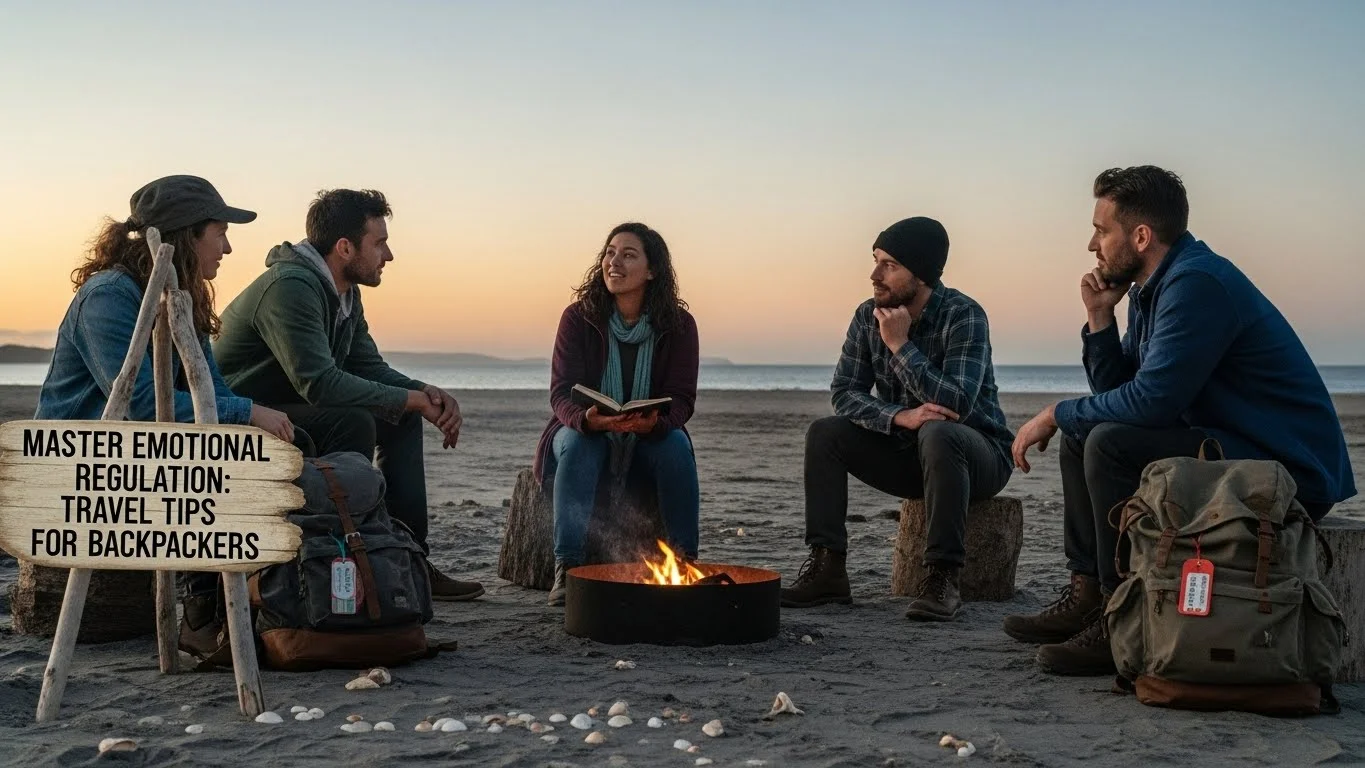
Understanding Emotional Regulation in Travel
What is Emotional Regulation?
Emotional regulation is the ability to manage and respond to your emotional experiences in a healthy way. I remember when I first heard about this concept; it opened my eyes to the fact that our feelings can sometimes feel overwhelming, especially when we’re in unfamiliar places. It’s like riding a rollercoaster—one moment, you’re on top of the world, and the next, you’re feeling anxious or frustrated. Learning to recognize and control these emotions can make a huge difference in how we experience travel.
To me, emotional regulation isn’t about suppressing feelings or pretending everything is fine when it’s not. It’s more about acknowledging how we feel, understanding why we feel that way, and finding constructive ways to cope. When we travel, our usual routines are disrupted, and we’re often confronted with new challenges. This can bring out emotions we didn’t expect, and knowing how to navigate them can lead to a richer, more fulfilling experience.
Importance of Emotional Regulation for Backpackers
I’ve found that emotional regulation is especially important for backpackers—it’s a lifestyle full of spontaneity and unpredictability. Every backpacking trip comes with its share of excitement, but it can also present a lot of stress, like getting lost in a new city or missing a bus. I remember a time when I missed my train connection in a foreign country. At first, panic set in. I had no idea how to communicate with the locals, and I felt completely out of my depth. But then, I took a step back, practiced some deep breathing, and focused on finding a solution. That experience taught me the value of staying calm and regulated during challenging moments.
For backpackers, being able to regulate emotions not only enhances the travel experience but also builds resilience. When we learn to cope with the emotional rollercoaster of travel, we can better appreciate the highs and learn from the lows. This journey becomes not just about the places we visit, but also about personal growth. I think every traveler should work on emotional regulation; it’s a skill that will serve us well, whether on the road or in our everyday lives. For those traveling with young children, Effective Emotional Regulation Tips for Toddlers on the Go can provide valuable insights.
Preparing for Your Journey
Choosing the Right Destination
The first step in preparing for a backpacking trip is selecting a destination that aligns with our emotional needs and travel goals. I’ve learned that picking places that excite me and inspire curiosity can greatly influence my emotional state. For example, during one of my trips to Southeast Asia, I found myself in a vibrant city filled with friendly locals and rich culture. The atmosphere was uplifting and made it easier to manage any anxiety that arose. On the other hand, a destination that felt overwhelming or too different from my norms led to increased feelings of stress.
When choosing a destination, I recommend considering what you want to get out of your trip. Are you looking for adventure, relaxation, or cultural immersion? Reflecting on these questions can help to ensure you’re headed somewhere that will support your emotional well-being during your travels.
Setting Realistic Expectations
One of the biggest lessons I’ve learned in my travel experiences is the importance of setting realistic expectations. When I first started backpacking, I often dreamed of perfect days filled with adventure and joy. But, as we all know, reality doesn’t always match our dreams. I found myself feeling disappointed when things didn’t go as planned, like when I had to change my itinerary due to unexpected weather. It was in these moments that I learned to adapt and let go of my rigid expectations.
For me, it’s crucial to embrace the idea that travel will have its challenges. By anticipating potential bumps in the road, we can prepare ourselves emotionally. I like to remind myself that travel is about the journey, not just the destination. Setting flexible expectations has helped me to enjoy the ride, no matter what twists and turns come my way.
Planning Your Itinerary
When it comes to planning your backpacking itinerary, I think balance is key. I used to pack my schedule tight, trying to fit in as many experiences as possible. But I quickly learned that overloading my day often led to burnout and frustration. Now, I focus on creating a well-rounded itinerary that includes a mix of activities, downtime, and opportunities to explore at a leisurely pace.
I recommend including some buffer time in between activities for reflection or spontaneous adventures. This not only helps in managing our emotions but also allows us to fully absorb the places we visit. For example, rather than rushing to see five different sites in one day, I now choose two or three must-see spots and leave time for wandering or simply enjoying a cup of coffee while people-watching. This approach has made my travels much more enjoyable, and I’ve discovered some of my favorite experiences often come from the unplanned moments.
Essential Travel Tips for Managing Emotions
Mindfulness Practices While Traveling
One of the most transformative aspects of my travels has been integrating mindfulness practices into my routine. I remember my first attempt at mindfulness during a solo trip; I was sitting on a beach in Thailand, the sound of the waves crashing around me, and I decided to just be present. I took a moment to focus on my breath, letting the salty air fill my lungs, and it was like a weight lifted off my shoulders. This simple act of grounding myself helped me feel more connected to my surroundings and less overwhelmed by the new experiences.
Incorporating mindfulness doesn’t have to be complicated. I often set aside a few minutes each day to practice deep breathing or to engage in a short meditation session. I’ve found that even pausing to take in the sights and sounds around me can bring me back to the moment. If you’re unsure where to start, I recommend downloading a mindfulness app or following guided meditations on YouTube. These can really help in creating a space for calm, especially on days that feel especially hectic. Mindfulness has taught me to appreciate the little things—like the aroma of street food or the laughter of locals—transforming my travel experience into something much richer.
Journaling as a Tool for Emotional Reflection
Journaling has been one of my favorite ways to process my emotions while traveling. I started this practice years ago when I realized that I often bottled up feelings I didn’t know how to express. Keeping a travel journal allows me to reflect on my experiences, jotting down not only what I did each day but how I felt about it. I remember feeling a surge of clarity when I wrote about my anxiety on a particularly challenging day. Putting pen to paper helped me untangle my thoughts and understand my emotional responses.
I try to write at least a few lines each day. It might be about a beautiful sunset I witnessed or a challenging conversation with a local. Sometimes, I write letters to myself, encouraging myself during tough times. Looking back at my journals not only provides a snapshot of my adventures but also shows how I’ve grown emotionally through my travels. If you’re not sure what to write about, consider prompts like “What surprised me today?” or “What did I learn about myself?” These can help guide your reflections.
Creating a Support System on the Road
Connecting with others while traveling can significantly enhance emotional regulation. I’ve found that having a support system, even while on the road, makes a world of difference. During one memorable trip in South America, I met fellow backpackers who quickly became friends. We shared our experiences, gave each other advice, and most importantly, we were there for one another during tough situations.
It’s important to remember that we don’t have to face challenges alone. Whether it’s sharing a meal with someone or joining a group tour, fostering connections can alleviate feelings of loneliness or stress. I think social media can also play a role in this; I often reach out to friends or family back home when I need a little emotional boost. Just hearing a familiar voice or sharing a laugh can lift my spirits. Look for opportunities to meet others, whether through hostels, local events, or guided tours. You might be surprised at how many people are eager to connect and share their own stories.
Healthy Coping Mechanisms for Stress
Travel can sometimes feel overwhelming, and having healthy coping mechanisms in place is essential. I’ve had my share of stressful moments—like navigating a foreign transportation system or dealing with language barriers. During those times, I’ve learned to rely on strategies that help me stay calm and focused. One of my go-to methods is physical activity. Whether it’s going for a run, taking a dance class, or even just walking around the city, I find that moving my body helps to release pent-up stress and anxiety.
Another technique I’ve found helpful is practicing gratitude. At the end of each day, I take a moment to reflect on three things I’m grateful for. This simple act shifts my mindset from what’s going wrong to what’s going right, and it always brings me back to a place of positivity. I also carry a small stress ball in my backpack—squeezing it during moments of tension has become a quick and effective way to manage stress. Finding what works for you is vital. Experiment with different techniques, and don’t hesitate to combine them to create your own personal toolkit for emotional regulation while traveling.
Dealing with Common Travel Challenges
Handling Travel Delays and Cancellations
Travel delays and cancellations can be incredibly frustrating and can easily disrupt our emotional equilibrium. I still remember the time my flight got delayed for six hours, leaving me stuck in an airport with nothing but my thoughts and a growing sense of irritation. It felt like everything I had planned was slipping through my fingers. However, I learned that the way I reacted to such situations could make all the difference. Instead of spiraling into frustration, I tried to shift my focus.
One strategy that worked for me was to practice patience and adaptability. I used the extra time to explore the airport, discover new shops, and even met some interesting fellow travelers. Instead of viewing the delay as a setback, I started to see it as an opportunity for unexpected experiences. I recommend having a small travel kit with activities like a book or some puzzles, so you have something to keep you engaged during unexpected downtimes. By taking a proactive approach, we can turn potential stressors into moments of spontaneity and curiosity.
Managing Loneliness and Isolation
Loneliness can creep in when I least expect it while traveling. Even in bustling cities surrounded by people, I’ve had moments where I felt isolated, particularly during solo travels. I remember sitting in a café in Paris, watching couples and groups of friends chatting and laughing, and I felt a pang of loneliness. In those moments, it’s easy to spiral into negative thoughts, but I’ve learned how to combat that feeling.
One of the most effective ways I found to manage loneliness is to actively seek connections. Joining group activities, whether it’s a cooking class or a walking tour, can create opportunities to meet others. I’ve made some of my closest friendships in places like hostels, where people are open to socializing. I also try to reach out to friends or family back home through video calls. Hearing a familiar voice can be a real comfort. Remember, it’s perfectly normal to feel lonely sometimes, but taking steps to connect can help lighten the emotional load.
Overcoming Cultural Shock
Cultural shock is something I’ve experienced firsthand, and it can be quite disorienting. When I arrived in Japan for the first time, I was overwhelmed by the differences—from the language barrier to the customs that seemed foreign to me. At first, I felt a sense of anxiety and frustration, unsure of how to navigate this new world. But over time, I learned to embrace the cultural differences rather than resist them.
One of my go-to strategies for overcoming cultural shock is to approach it with curiosity. Instead of focusing on what made me uncomfortable, I began to observe and learn about the local culture. I immersed myself in their traditions, tried new foods, and even made an effort to learn a few phrases in the local language. This shift in mindset helped me turn feelings of discomfort into excitement. I believe that every culture has something unique to offer, and by keeping an open mind, we can transform our travel experiences into rich, meaningful exchanges.
Building Resilience Through Travel Experiences
Embracing Uncertainty and Flexibility
Travel is often unpredictable, and I’ve learned that embracing uncertainty can be a game-changer. I used to plan every detail of my trips, but I found that when things didn’t go according to plan, I would feel stressed and anxious. Now, I’ve adopted a more flexible approach. I set a basic framework for my itinerary but leave room for changes and spontaneity.
For example, during a recent trip to Italy, my friends and I stumbled upon a local festival that wasn’t in our plans. Instead of sticking to our original itinerary, we decided to immerse ourselves in the celebration. It turned out to be one of the highlights of our trip! I’ve realized that some of the best memories come from the unexpected moments—those times when we let go of our need for control and just go with the flow. This mindset has not only helped me manage my emotions better but has also made my travels much more enriching.
Learning from Mistakes and Setbacks
We all make mistakes while traveling, and I certainly have my fair share of blunders. I remember a time when I misread my train schedule, which led to a frustrating day of waiting and confusion. Initially, I felt embarrassed and upset, but I quickly recognized that every setback was an opportunity to learn. Instead of dwelling on the mistake, I started to ask myself what I could do differently next time.
Now, I keep a travel journal dedicated to my lessons learned. I jot down mistakes and how I handled them, along with the insights gained from those experiences. This reflection allows me to see my growth over time and helps me approach future challenges with more confidence. I encourage others to view mistakes as part of the journey. They not only teach us resilience but also remind us that we’re all human, navigating the complexities of life and travel together.
Frequently Asked Questions
What is emotional regulation in travel?
Emotional regulation is the ability to manage and respond to your emotional experiences in a healthy way. It involves acknowledging how we feel, understanding why we feel that way, and finding constructive ways to cope, especially when traveling in unfamiliar places.
Why is emotional regulation important for backpackers?
Emotional regulation is crucial for backpackers due to the spontaneity and unpredictability of their lifestyle. It helps them manage stress from challenges like getting lost or missing transportation, ultimately enhancing their travel experience and promoting personal growth. For families, Backpacking with Kids: Tips for Emotional Regulation on the Road can offer additional strategies.
How can I choose the right destination for my emotional well-being?
When selecting a destination, consider what you want to get out of your trip, whether it’s adventure, relaxation, or cultural immersion. Choosing places that excite and inspire you can positively influence your emotional state during your travels.
What are some tips for setting realistic expectations while traveling?
Set flexible expectations by acknowledging that travel will have its challenges. Embrace the idea that not everything will go as planned, and remind yourself that travel is about the journey, not just the destination.
How can mindfulness practices help during travel?
Integrating mindfulness practices into your travel routine can help you stay grounded and connected to your surroundings. Simple techniques like deep breathing or short meditation sessions can alleviate feelings of overwhelm and enhance your travel experience.
What role does journaling play in processing emotions while traveling?
Journaling allows travelers to reflect on their experiences and emotions, helping to untangle thoughts and gain clarity. It serves as a tool for emotional reflection and can provide insights into personal growth throughout the journey.
How can I create a support system while traveling?
Fostering connections with fellow travelers can significantly enhance emotional regulation. Engaging in group activities, joining tours, or simply reaching out to friends or family can alleviate feelings of loneliness and provide comfort during tough situations.
What are some healthy coping mechanisms for managing stress while traveling?
Healthy coping mechanisms include physical activity, practicing gratitude, and having stress-relief tools, like a stress ball. Finding what works for you is essential, and experimenting with different techniques can help create a personal toolkit for emotional regulation.
How should I handle travel delays and cancellations?
To manage travel delays and cancellations, practice patience and adaptability. Use the extra time to explore your surroundings or engage in activities that keep you occupied, turning potential stressors into opportunities for unexpected experiences.
What strategies can help overcome cultural shock?
Approach cultural shock with curiosity by observing and immersing yourself in local traditions. Learning a few phrases in the local language and trying new foods can transform feelings of discomfort into excitement and enrich your travel experiences.
Traveling with kids can be a thrilling adventure, but it often comes with its fair share of tantrums. Mastering these moments can turn a potential disaster into a smooth and memorable journey. To further enhance your experience, consider reading our Travel Tips to Enhance Your Child’s Social Skills.
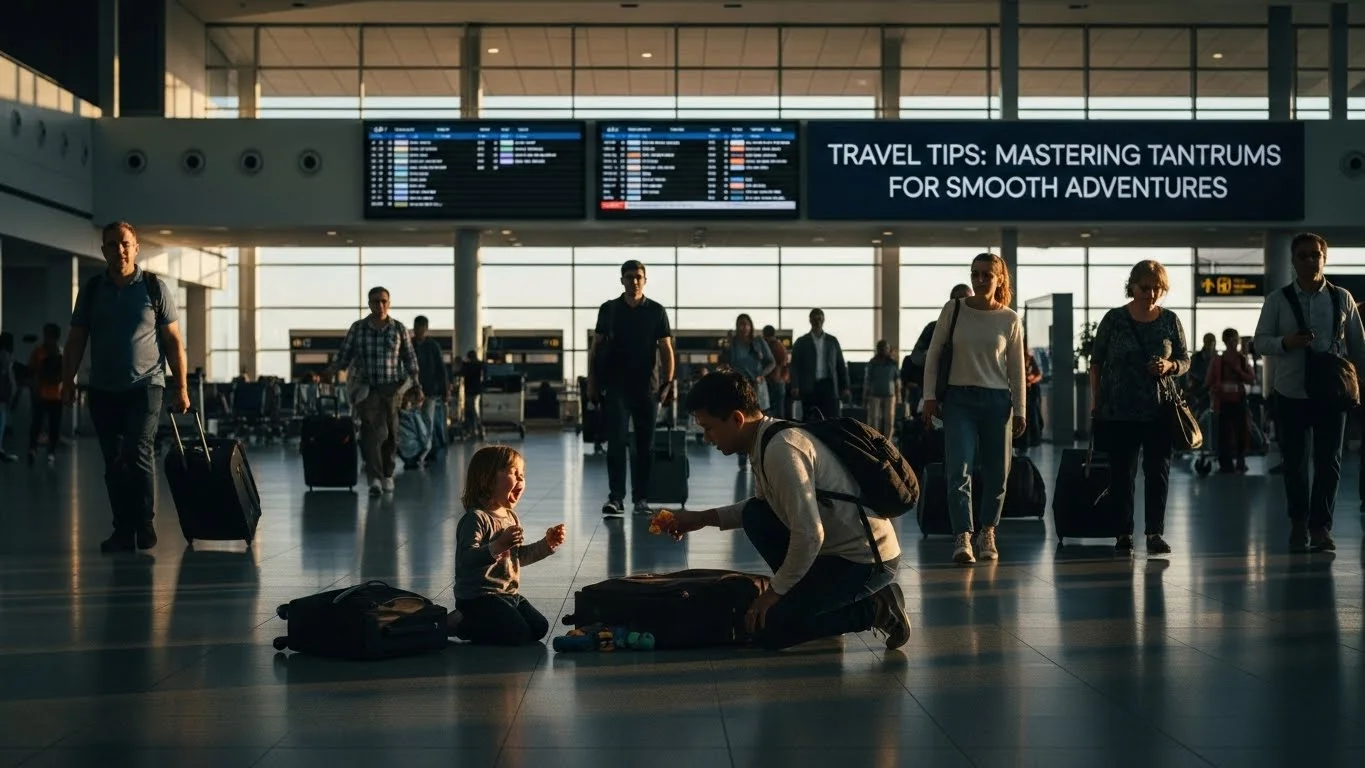
Understanding Travel Tantrums: Causes and Solutions
The Psychology Behind Tantrums
When I first started traveling with my kids, I had this naive belief that we could skip over the tantrum phase. I quickly learned that tantrums often arise from a mix of frustration, exhaustion, and the unfamiliarity of new surroundings. For children, the world is full of intense sensations and experiences, and when they can’t vocalize their feelings or needs, it often manifests as a meltdown. I believe it’s essential to recognize that tantrums are a form of communication. They usually signal that something is off—be it hunger, tiredness, or simply an overwhelming sensory experience.
Common Triggers for Tantrums During Travel
Over time, I noticed that certain situations tend to trigger these outbursts more than others. For instance, long waits at airports or train stations can lead to irritability. The excitement of a new place sometimes overloads their senses, resulting in frustration. I also found that changes in routine, like skipping nap times or meal schedules, can create a perfect storm for a tantrum. On one of our trips to Disneyland, I remember my son melting down just before we entered the park because he was too hungry to enjoy the rides. It’s about understanding these triggers and preparing for them.
Age Groups Most Affected by Tantrums
Tantrums are particularly common in toddlers and preschoolers. I’ve seen it firsthand; they’re at an age where they’re striving for independence but still lack the emotional tools to manage their feelings. I recall one family trip where my daughter, only three at the time, wanted to do everything by herself but was also overwhelmed by crowds and noise. However, it isn’t just the littlest ones who struggle. Older kids and even pre-teens can experience outbursts, especially during significant changes or stressors. I remember my niece, who at ten years old, had a breakdown during a long road trip because she felt trapped and bored. Each age group has its own set of challenges, and understanding this can make a huge difference. For tailored advice, check out Creating Boundaries: Travel Tips for Different Ages.
Preparation: Strategies to Prevent Tantrums
Choosing the Right Destination for Families
Choosing a family-friendly destination can significantly impact the likelihood of tantrums. I’ve found that places with a range of activities for kids, like theme parks or beaches, tend to keep them engaged. When we opted for a cabin in the woods last summer, my kids loved the outdoor adventures, and surprisingly, we had fewer meltdowns. It’s all about matching the destination with their interests and energy levels. I think it’s worthwhile to consider the length of travel and the type of environment that would suit your family best.
Traveling with Kids: Age-Appropriate Activities
Planning age-appropriate activities is crucial. For younger kids, I learned to incorporate plenty of playtime and downtime into our schedule. When we visited a museum, I made sure to balance it out with a trip to a playground afterward. For older kids, I’ve discovered that involving them in the planning can make a huge difference. Letting them choose a few activities empowers them and can reduce the resistance to parts of the trip they might not be as thrilled about. I remember my son was much more excited about our trip to the zoo after he chose which animals to see first!
Creating a Flexible Itinerary
Flexibility is key. I used to obsess over sticking to a plan, but I quickly learned that kids need room to breathe. I’ve found it beneficial to build in buffer time for unexpected events, whether it’s a tantrum or simply a longer-than-expected lunch. When I traveled to Europe with my family, we had a rough outline of what we wanted to see, but we left room for spontaneity. This approach made it easier to adapt when my daughter needed a nap or my son suddenly got excited about a street performer.
Pack Smart: Essentials for a Smooth Journey
Packing the right essentials can set the tone for a smoother journey. I’ve learned the hard way that snacks are a lifesaver. When hunger strikes, tantrums often follow. I always bring a variety of healthy snacks, along with some treats that I can use as a motivator. I also pack comfort items, like a favorite blanket or toy, which can provide reassurance during stressful moments. A well-stocked travel bag has saved us from many potential outbursts!
During Travel: Techniques for Managing Tantrums
Calming Techniques for Parents
When a tantrum erupts, it can feel like a personal crisis, especially in public. I’ve been there, trying to maintain my composure while my child is in full meltdown mode. One technique I’ve found helpful is taking deep breaths. It sounds simple, but as soon as I feel the tension rising, I pause, inhale deeply, and exhale slowly. This helps me keep calm, which in turn can help soothe my child. I also try to speak softly and reassure them that it’s okay to feel upset. Sometimes, just crouching down to their level and making eye contact can provide comfort.
Another strategy is to create a calming space. This could mean finding a quiet corner in the airport or a park where we can sit together, away from the bustle. I remember a particularly noisy day at the amusement park when we found a cozy bench under a tree. I held my daughter close, and we talked quietly about our favorite rides. This helped her settle down.
Distraction Methods: Engaging Activities on the Go
Distraction has been a lifesaver in many situations. I’ve learned that keeping my kids engaged can steer them away from potential tantrums. I often pack a small bag filled with toys, books, or art supplies. During a long flight, I once pulled out a coloring book and colored pencils, which kept my kids entertained for quite a while. When they start to get antsy, I suggest games like “I Spy” or “20 Questions.” These simple activities can transform a dull waiting period into a fun bonding experience.
In one memorable instance, we were stuck in traffic on the way to a family reunion, and I suggested a singing contest. We took turns belting out our favorite songs, and before I knew it, everyone was laughing and singing at the top of their lungs, completely forgetting the stress of being stuck.
Utilizing Technology: Apps and Games
In our tech-driven world, I’ve found that apps can be incredibly helpful during travel. There are countless educational games and storytelling apps that can engage kids for long stretches. I remember downloading a few travel-related games before a long road trip, and they kept my kids occupied while I focused on driving. I also look for apps that offer interactive stories or puzzles, which can be a great alternative to screen time that’s merely entertainment.
Another trick I learned is to download movies or shows beforehand. On a particularly long flight, I let my kids choose a movie to watch. This not only kept them entertained but also gave them something to look forward to. Just be sure to pack headphones to keep the peace!
When to Take Breaks: Recognizing Signs of Overwhelm
One of the biggest lessons I’ve learned while traveling with kids is knowing when to take a break. Sometimes, we get so caught up in our itinerary that we forget to listen to the signs of fatigue or overstimulation. I’ve noticed that my kids become restless, irritable, or overly clingy when they’re overwhelmed. In these moments, I try to be proactive. If we’re in a bustling city, I’ll suggest a downtime at a local park or a quiet café to recharge.
On one trip to New York City, we had ambitious plans to see all the sights in one day. However, after just a few hours of walking through Times Square, my kids were clearly overwhelmed. I quickly adjusted our plans to include a picnic in Central Park. We spread out a blanket, enjoyed snacks, and let them run around for a bit. That pause helped us all reset and enjoy the rest of the day much more.
Aftermath: Handling Tantrums Post-Travel
Discussing the Experience: Communication Tips
Once the travel chaos has settled, I believe it’s crucial to sit down with my kids and talk about what happened. Reflecting on their experiences can be incredibly valuable. I often ask open-ended questions like, “What was your favorite part of the trip?” or “Was there anything that made you feel upset?” This not only helps them articulate their feelings but also opens up a channel of communication for future travels. I remember one time after a particularly trying trip, my daughter expressed her feelings about being tired and overwhelmed. It helped me understand her perspective and prepare better for the next adventure. I think it’s essential for kids to feel heard, and these conversations can build emotional intelligence in them.
Reflection: Learning from Tantrum Episodes
Every tantrum is an opportunity to learn, both for us as parents and for our kids. After one trip, I took some time to reflect on the moments that caused stress. I found that many of the incidents could have been avoided with better planning. I started jotting down notes about what worked and what didn’t during our travels. For instance, I realized that when we packed too many activities into one day, it led to exhaustion and frustration. By sharing these insights with my kids, I showed them that we can all learn and grow from our experiences. It also empowered them to take part in the planning process for future trips, making them feel more involved and invested. For more tips on managing challenging behaviors, consider reading Travel Tips: Managing Defiance in Young Backpackers Easily.
Restoring Routine After Travel Disruption
Returning home after a trip can sometimes be just as challenging as the travels themselves. I’ve noticed that my kids often need a little time to readjust to their regular routines. To ease this transition, I find it helpful to reinstate our usual schedule as quickly as possible. We try to return to normal meal times, bedtimes, and activities. I also allow for some downtime where they can relax and unwind from the travel excitement. On one occasion, after a series of chaotic flights, I let my kids have a lazy day at home where they could play and watch their favorite shows. This helped them recharge and settle back into our routine without feeling overwhelmed.
Expert Insights: Advice from Experienced Travelers
Interviews with Family Travel Bloggers
Connecting with other parents who’ve been through the travel rollercoaster can be incredibly enlightening. I’ve had the pleasure of chatting with several family travel bloggers who shared their personal experiences and strategies for handling tantrums. One mom, who travels extensively with her three kids, emphasized the importance of setting realistic expectations. She mentioned that sometimes it’s okay to have low-key days instead of cramming in every possible activity. I found her approach refreshing and a good reminder that travel doesn’t have to be perfect. Another blogger shared her technique of creating a “travel jar” filled with potential fun activities, allowing her kids to pick what they wanted to do each day. This not only kept the kids engaged but also gave them a sense of ownership over their travel experience.
Best Practices from Pediatricians
Seeking advice from pediatricians has also been a game-changer for me. I remember discussing travel with our family doctor, who highlighted the emotional development of children and how important it is to validate their feelings during a tantrum. She suggested incorporating regular check-ins with my kids during travel, asking them how they feel and if they need any breaks. This advice opened my eyes to the idea that being proactive could potentially minimize outbursts. Additionally, she recommended ensuring kids have adequate sleep before and during travel, as fatigue is often a big contributor to meltdowns.
Additional Resources for Parents
Books on Traveling with Kids
One of the resources that really helped me was diving into books focused on traveling with kids. I found titles like “The Family Traveler: A Guide to Traveling with Kids” particularly insightful. It provided tips on everything from managing expectations to age-specific advice. I’ve also enjoyed reading “Traveling With Kids: How to Keep Your Sanity and Your Kids Happy,” which is filled with real-life stories and practical strategies. These books have not only guided me in planning but also reassured me that I’m not alone in this journey.
Online Communities and Support Groups
Joining online communities has been a lifesaver for me. Platforms like Facebook have groups dedicated to family travel where parents share experiences, tips, and even their own tantrum stories. I remember asking for advice on how to handle a meltdown at an airport, and I received a flood of support and practical suggestions. It’s comforting to know that there are many of us navigating similar challenges, and sharing stories can bring a sense of camaraderie.
Recommended Travel Gear for Families
Finally, having the right travel gear can make a world of difference. I’ve come to appreciate products like sturdy, lightweight strollers for younger kids, as they provide a place for rest during long outings. I also love packing a travel-sized first aid kit, which eases worries when kids get minor scrapes or bumps. Additionally, noise-canceling headphones have been a game-changer for us during flights and long car rides, helping to create a calm environment. Finding gear that meets our family’s needs has helped make our travels smoother and more enjoyable.
Final Thoughts
As a parent, traveling with kids has opened my eyes to a world of challenges and rewards. Each trip is like an adventure filled with unexpected twists, and I’ve learned to embrace those moments, whether they lead to tears or laughter. It’s important to remember that tantrums are a natural part of childhood, especially when faced with new experiences. I’ve realized that the key is not only in preparation but also in maintaining a positive mindset. When I shift my perspective to see these challenges as opportunities for growth, it makes the journey much more enjoyable for all of us.
I’ve found that open communication and patience are vital. Discussing our travel experiences afterward has strengthened our family bond, allowing my kids to express themselves and feel validated. I believe this practice not only helps to ease any residual tension but also builds their emotional skills. As we prepare for our next adventure, I look forward to applying the lessons learned and exploring new destinations together. I encourage you to approach your travels with an open heart and a flexible spirit. After all, the mishaps often make for the best stories.
Being part of a community of fellow parents has also provided a wealth of support and shared experiences. I’ve gained insights from others who understand the rollercoaster ride of family travel. The resources available—from books to online forums—have been invaluable in navigating this journey. I hope you find your own tribe and gather tips that work for you and your family.
In the end, every tantrum, every moment of frustration, and every giggle along the way contributes to the tapestry of our family memories. So, let’s keep traveling, learning, and growing together—one adventure at a time.
Frequently Asked Questions
What are the common causes of travel tantrums in kids?
Travel tantrums often arise from frustration, exhaustion, and the unfamiliarity of new surroundings. They can signal needs such as hunger, tiredness, or overwhelming sensory experiences.
Which age groups are most affected by tantrums during travel?
Tantrums are particularly common in toddlers and preschoolers, but older kids and pre-teens can also experience outbursts, especially during significant changes or stressors.
How can parents prepare to prevent tantrums while traveling?
Parents can choose family-friendly destinations, plan age-appropriate activities, create a flexible itinerary, and pack smart essentials like snacks and comfort items to help prevent tantrums.
What are some effective calming techniques for parents during a tantrum?
Taking deep breaths, speaking softly, reassuring the child, and finding a quiet space can help parents maintain composure and soothe their child during a tantrum.
What distractions can help engage kids during travel?
Engaging kids with toys, books, art supplies, or games like “I Spy” can steer them away from potential tantrums. Activities that encourage interaction, such as singing contests, can also be effective.
How can technology assist in managing tantrums during travel?
Apps and games can keep kids entertained for long stretches. Downloading movies or shows beforehand can also provide entertainment and something for kids to look forward to.
When should parents recognize the need for breaks during travel?
Parents should look for signs of fatigue or overstimulation, such as restlessness or irritability, and proactively suggest breaks at local parks or quiet cafés to recharge.
What should parents discuss with their kids after a trip?
Parents should reflect on the trip by asking open-ended questions about their favorite parts and any moments of upset, which can help kids articulate their feelings and promote emotional intelligence.
How can parents restore routine after traveling?
To ease the transition back home, parents should reinstate usual meal times, bedtimes, and activities as quickly as possible, allowing for some downtime to help kids readjust.
What resources are available for parents traveling with kids?
Parents can benefit from books on traveling with kids, online communities for support, and recommended travel gear that meets their family’s needs, such as strollers and noise-canceling headphones.
Traveling with kids can be both exciting and challenging. With the right approach to positive parenting, we can create memorable experiences that strengthen our family bonds while exploring new destinations. Here are some tips to ensure a happy family trip!
Understanding Positive Parenting on the Go
What is Positive Parenting?
Positive parenting is all about nurturing, understanding, and guiding our children with love and respect. I’ve learned that this approach focuses on building a strong emotional connection with kids while encouraging their independence and self-esteem. Instead of using punishment or strict discipline, positive parenting emphasizes communication and cooperation. I remember a time when my child threw a fit during a family outing; rather than getting frustrated, I took a moment to understand what was bothering them. This kind of approach not only calmed the situation but also made my child feel heard and valued.
The Importance of Positive Parenting During Travel
Traveling can be overwhelming for children, filled with new experiences, places, and people. It’s easy to see how they might feel anxious or uncomfortable. This is where positive parenting becomes incredibly important. By providing reassurance and support, we help our kids navigate the myriad of feelings that come with travel. I’ve found that when we approach travel with a positive mindset, it creates a more relaxed atmosphere for everyone. We’re more likely to have fun and enjoy the journey together when we focus on our kids’ emotional needs as well as our own. Understanding the impact of culture on parenting can also enhance our approach during these trips.
Planning Your Family Trip
Choosing a Family-Friendly Destination
Choosing the right destination can set the tone for our entire trip. I always look for places that cater to families, with activities and attractions that can engage kids of all ages. For example, when we visited a national park, we found plenty of hiking trails suitable for little legs and educational programs that kept my kids excited about nature. It’s all about finding that balance between fun for the kids and enjoyment for us as parents. I recommend researching family-friendly destinations online or asking friends for suggestions based on their experiences.
Setting Realistic Expectations
It’s crucial to set realistic expectations before we hit the road. I remember planning a packed itinerary for our last family trip, believing we could fit in every attraction. However, I soon realized that kids have different pacing needs than adults. I started to plan fewer activities each day, allowing for breaks and downtime, which made the experience much more enjoyable. Understanding that travel isn’t just about checking off places on a list but about enjoying quality time together can transform our trips into cherished memories.
Involving Kids in the Planning Process
One of my favorite strategies is to involve my kids in the planning process. It’s amazing how much excitement they bring to the table when they feel like they have a say in the trip. I let them choose a few activities they’d like to do or places they’d like to visit. This not only empowers them but also makes them feel more invested in the trip. I’ve learned that when kids are part of the decision-making, they’re more likely to be patient and adaptable when things don’t go exactly as planned.
Creating a Travel Itinerary with Kids in Mind
Creating an itinerary that keeps kids in mind is essential. I’ve found that balancing structured plans with flexibility works wonders. Our itineraries often include a mix of activities, such as visits to museums, parks, and playgrounds, along with some unstructured time for spontaneity. This way, we can explore as a family without feeling rushed. I also make sure to include downtime for rest, as it helps keep everyone energized and happy. When we returned from our last trip, we realized that the spontaneous moments were often the most memorable!
Packing Essentials for a Family Trip
Must-Have Items for Parents and Children
Packing wisely can make or break a family trip. I always start with a checklist of must-have items for both parents and kids. Snacks, games, and comfort items like favorite blankets or toys can make travel much more enjoyable. I’ve learned to pack enough snacks to avoid meltdowns during long waits, as hungry kids can quickly turn into cranky kids! Additionally, I always include extra clothing and a small first-aid kit, just in case. The more prepared I am, the less stressed I feel, and that makes a big difference in our overall experience.
How to Pack Light with Kids
Packing light is a challenge when traveling with kids, but I’ve discovered some strategies that help. I try to pack versatile clothing that can be mixed and matched, and I often make use of packing cubes to keep everything organized. It’s also helpful to involve the kids in choosing their outfits to limit overpacking. I remember a trip where I let my kids pick just three of their favorite toys each. Surprisingly, they were more engaged with their surroundings without being weighed down by too much stuff!
Travel Gear that Makes Life Easier
Having the right travel gear can definitely ease the journey. I highly recommend a good-quality stroller if you have younger kids. It’s a lifesaver for long walks and busy airports. A travel backpack with plenty of pockets can also keep everything from snacks to entertainment handy. We’ve also found that portable chargers for our devices are essential for keeping everyone entertained during long travel days. Investing in gear that suits our family’s needs can make a significant difference in how smoothly our trip goes.
Traveling to Your Destination
Choosing the Right Mode of Transportation
When it comes to traveling with kids, selecting the right mode of transportation can really set the stage for our adventure. I’ve experienced both the excitement and the challenges of road trips, flights, and train rides. Each mode has its own advantages and drawbacks. For instance, when we took a road trip, we had the freedom to stop whenever we wanted, which was fantastic for letting the kids stretch their legs. However, I also remember long stretches of boredom where the kids would ask, “Are we there yet?” more times than I could count! On the other hand, flying can be quicker but comes with its own set of challenges, like navigating airport security and keeping the kids entertained while waiting. I think it really depends on the age of the kids and how long the journey is. For shorter trips, I often lean toward driving, but for longer distances, flying can save us a lot of time.
Managing Travel Time and Schedules
Keeping to a schedule can be tricky when traveling with kids. I learned early on that flexibility is key. I remember a trip where we had a tight timeline, and when an unexpected delay happened, it threw our entire day off balance. Instead of panicking, we decided to make the most of it by turning our waiting time into an impromptu picnic. I’ve found that allowing for some wiggle room in our travel plans creates a much more enjoyable experience. If we have a longer layover or need to spend extra time at a rest stop, I take the opportunity to explore the area or engage in a fun family activity, like playing games together. This way, our travel time feels less like a chore and more like part of the adventure!
Keeping Kids Entertained During Travel
Let’s face it: keeping kids entertained during travel can be a challenge. I’ve tried countless strategies to make our journeys smoother. One of my favorite tips is to pack a travel entertainment bag filled with books, coloring supplies, and small toys. I also download family-friendly podcasts or audiobooks that we can listen to together. It’s amazing how quickly the time flies when we’re all engaged in a good story! I also find that having a few surprises, like a new toy or a fun game, can keep the excitement alive during longer travels. I remember one plane ride where I introduced the kids to a classic game of “I Spy.” It kept them engaged for quite a while and was a great way to bond as a family while passing the time.
Accommodations for Families
Types of Family-Friendly Accommodations
When it comes to finding a place to stay, I always look for family-friendly accommodations. Hotels with pools are usually a hit with kids, and I’ve noticed that some even offer kid-friendly activities or programs. On our last trip, we chose a suite instead of a standard hotel room, which gave us more space to spread out and also allowed the kids to have their own little area. There are also vacation rentals that can provide a home-like environment, complete with kitchens for preparing meals. I’ve found that having the option to cook some of our meals not only saves money but also allows for healthier eating while on the road.
Choosing the Right Location for Your Family
Location is everything, especially when traveling with kids. I prefer accommodations that are close to major attractions or activities we want to do. This minimizes travel time and helps us maximize our fun. For example, during one trip, we stayed within walking distance of a theme park, which made it so easy to come and go as needed. If the kids needed a break, we could simply head back to the hotel for a rest without losing too much time. I also pay attention to the surrounding area—having nearby parks or kid-friendly restaurants can make a huge difference in our overall experience.
Tips for Booking Hotels or Rentals
Booking accommodations can be overwhelming, but I’ve learned a few tricks that help. First, I always read reviews from other families. It gives me insight into how accommodating they are to children and what amenities they offer. I typically use family travel websites or apps that focus on kid-friendly options. Also, I recommend checking for any family packages or discounts—they can save us quite a bit! Finally, if possible, I try to reach out directly to the hotel or rental owner to confirm any specific needs we might have, like a crib or extra bedding. This personal touch often makes for a smoother check-in experience.
Activities for a Happy Family Trip
Finding Family-Friendly Attractions
While planning our trips, I always look for attractions that will be enjoyable for both kids and adults. Zoos, aquariums, and interactive science centers have been a hit in our family. I remember one visit to a science museum where the kids could touch and play with exhibits. They were so engaged that they forgot all about being tired! I usually start by researching online, focusing on family-friendly reviews. I also love asking locals for recommendations once we arrive; they often know the hidden gems that aren’t in the guidebooks.
Balancing Adult Interests with Kid-Friendly Activities
Finding a balance between adult activities and kid-friendly fun can be a bit of a juggling act. I’ve started to include at least one or two activities that cater to my interests every day, while ensuring the kids have something they enjoy as well. For instance, if we plan a visit to a historical site that I’m excited about, I’ll look for nearby playgrounds or family-friendly cafes where the kids can burn off some energy afterward. It’s all about compromise. I’ve discovered that when the kids see me excited about something, they often become curious and more willing to explore, too!
Making the Most of Outdoor Adventures
Outdoor adventures can be a fantastic way to bond as a family. I’ve found that hiking, biking, or simply exploring nature can lead to some of our most cherished memories. During one family camping trip, we hiked to a beautiful overlook, and the kids couldn’t stop talking about it for weeks. I recommend choosing trails that are suitable for little feet, keeping in mind the duration and difficulty level. Packing a delicious picnic helps, too; nothing beats enjoying lunch outdoors surrounded by beautiful scenery. I’ve noticed that these moments in nature foster an appreciation for the environment and give us a sense of adventure that’s hard to replicate elsewhere.
Maintaining Positive Parenting Practices While Traveling
Setting Boundaries and Expectations
When we travel, establishing clear boundaries and expectations is crucial for a smooth journey. I’ve found that discussing what behavior we expect from our kids ahead of time helps set the stage for success. Before our trips, we sit down as a family and talk about our plans, including what activities we’ll do and how we want to treat each other. For example, we might agree on how to handle waiting in lines or what to do if someone gets tired. I remember one family vacation where we outlined a “cool-down” strategy for when emotions started to run high. This proactive approach has made a significant difference; having those discussions gave our kids a sense of control and understanding of what was to come, which reduced anxiety and confusion during our travels.
Encouraging Independence and Responsibility in Kids
Traveling is a fantastic opportunity to foster independence in our children. I’ve noticed that giving them small responsibilities not only empowers them but also lightens my load as a parent. For example, I often assign my kids a task like taking care of their own backpacks or helping to navigate maps and directions. During one trip, I let my oldest child choose the next restaurant from a list of options I gave them, which made them feel important and involved. Teaching them to help with simple tasks, like packing their own snacks or reminding us of our itinerary, instills a sense of responsibility, and it’s so rewarding to see them take ownership of their contributions to the family trip.
Handling Meltdowns and Challenges on the Road
No matter how well we prepare, I’ve learned that meltdowns can still happen, especially when kids are tired or overwhelmed. I remember one particular travel day when we were all exhausted after a long day exploring a new city. My youngest had a meltdown in the middle of a crowded street, and instead of panicking, I took a deep breath and remembered the importance of staying calm. I knelt down, spoke softly, and wrapped my arms around them to provide comfort. Acknowledging their feelings and offering a safe space to express themselves made a world of difference. I’ve discovered that it’s okay to take a step back and find a quiet spot when tensions rise. This approach not only helps diffuse the situation but also reinforces the idea that it’s okay to have feelings. Handling these moments with empathy and understanding often leads to deeper connections and learning experiences for all of us.
Healthy Eating While Traveling
Finding Kid-Friendly Food Options
Navigating food choices while traveling can be a challenge, especially when trying to please everyone’s palate. I’ve found that researching kid-friendly food options in advance can save us from mealtime stress. Websites and apps can help identify restaurants with diverse menus that cater to children. I also love exploring local markets or grocery stores where we can pick up fresh snacks and meals. On one trip, we discovered a fantastic farmers’ market that not only had delicious fruits and veggies but also offered fun samples. Involving the kids in food selection makes the experience more enjoyable, as they get excited about trying new things that they helped pick out!
Maintaining Nutrition on the Go
Keeping our family’s health in check while on the move can feel daunting, but I’ve found that it’s all about balance. I try to prioritize nutritious snacks like nuts, fruit, and granola bars, which are easy to pack and keep energy levels up during our adventures. I remember one road trip where I prepared a travel cooler filled with healthy goodies. It made snacking much easier and saved us from relying on fast food. I believe that when we make an effort to maintain healthy eating habits while traveling, it keeps everyone’s spirits high, and we feel better overall.
Involving Kids in Food Choices
Including my kids in the decision-making process when it comes to food has proven to be a fun way to engage them. I often ask them to help plan our meals by letting them pick a few dishes they’d like to try or by choosing a restaurant for dinner. This not only makes them feel included but also encourages them to be adventurous with food. During one trip, my kids decided we should try sushi. Their enthusiasm for trying something new was infectious, and we ended up discovering a new family favorite! I’ve learned that involving them in food choices not only expands their palate but also creates lasting memories centered around our culinary adventures.
Staying Safe and Healthy on Family Trips
Safety Precautions for Family Travel
Safety is always a top priority when traveling with my family. I’ve learned to take a few precautions that put my mind at ease. Before we travel, I make sure my kids know important information, like my phone number and any emergency contacts. I often use wristbands or tags with our details in case they get separated from us. Additionally, we discuss safety rules, like staying close in crowded places. On one trip, my child wandered off a bit too far in a busy market, and I felt that familiar rush of panic. Thankfully, they remembered our safety talk and quickly found their way back to me. These discussions have helped us navigate tricky situations with more confidence.
Health Tips for Traveling with Kids
Keeping everyone healthy while traveling is something I take seriously. I always carry a small health kit with essentials like hand sanitizer, sunscreen, and any medications we might need. I’ve learned that keeping hand sanitizer handy can help prevent illness, especially when we’re in crowded areas. Additionally, I try to keep a routine that includes enough sleep and hydration, as it can be easy to overlook these things in the excitement of travel. I remember a trip where we made a point to have quiet time in the afternoons; it helped recharge our energy and kept everyone in a good mood!
Emergency Preparedness While Traveling
No one wants to think about emergencies while on vacation, but I’ve learned that being prepared can make a huge difference. I always research the nearest hospitals or clinics in the area we’re visiting, just in case. It’s also a good idea to have a plan for what to do if someone gets lost or if there’s a need for medical assistance. During one of our trips, my child had a minor injury while playing. Knowing where the nearest clinic was helped me act quickly and calmly. I believe that being prepared not only gives me peace of mind but also helps our kids feel secure, knowing that we have a plan in place.
Frequently Asked Questions
What is positive parenting?
Positive parenting is about nurturing, understanding, and guiding children with love and respect. It focuses on building a strong emotional connection while encouraging independence and self-esteem, emphasizing communication and cooperation instead of punishment or strict discipline.
Why is positive parenting important during travel?
Traveling can be overwhelming for children due to new experiences, places, and people. Positive parenting provides reassurance and support, helping kids navigate their feelings, which creates a relaxed atmosphere and allows families to enjoy the journey together.
How can I choose a family-friendly destination?
Look for places that cater to families with activities and attractions suitable for kids of all ages. Research online or ask friends for recommendations based on their experiences to ensure the destination offers fun for the kids and enjoyment for parents.
What should I consider when setting expectations for a family trip?
Set realistic expectations by planning fewer activities each day to accommodate the different pacing needs of children. Understand that travel is about enjoying quality time together rather than checking off places on a list.
How can I involve my kids in the trip planning process?
Involve your kids by letting them choose a few activities or places they’d like to visit. This empowers them and makes them feel invested in the trip, leading to greater patience and adaptability when things don’t go as planned.
What are some must-have items to pack for a family trip?
Must-have items include snacks, games, comfort items like favorite blankets or toys, extra clothing, and a small first-aid kit. These items help make travel more enjoyable and reduce stress during long waits or unexpected situations.
How can I keep kids entertained during travel?
Pack a travel entertainment bag with books, coloring supplies, and small toys. Download family-friendly podcasts or audiobooks to enjoy together, and consider introducing surprises like new toys or games to keep excitement alive during longer travels.
What types of accommodations are best for families?
Family-friendly accommodations include hotels with pools, suites for more space, and vacation rentals with kitchens. These options provide a home-like environment and the ability to prepare meals, which can save money and promote healthier eating.
How can I ensure healthy eating while traveling?
Research kid-friendly food options in advance and explore local markets for fresh snacks. Prioritize nutritious snacks like nuts and fruits, and involve your kids in meal planning to encourage adventurous eating and create lasting memories.
What safety precautions should I take when traveling with kids?
Ensure kids know important information like your phone number and emergency contacts. Use wristbands or tags with details in case they get separated, and discuss safety rules ahead of time to help navigate tricky situations with confidence.
Backpacking with kids can be one of the most rewarding adventures a family can experience. But it also comes with its unique challenges and considerations that can make or break the trip.
Understanding the Challenges of Backpacking with Kids
When I first started backpacking with my kids, I was filled with excitement and a little trepidation. The vastness of nature is awe-inspiring, but I quickly learned that bringing children into the great outdoors isn’t just about the beautiful views and fresh air; it’s about understanding their needs and behaviors at different ages. I believe that knowing how to adapt our plans to match our children’s ages and personalities can make the journey smoother and more enjoyable for everyone. Read Interesting article: Backpacking with Kids: Setting Boundaries with Love
Importance of Age-Appropriate Behavior
Age-appropriate behavior is vital when backpacking with kids. Each age group has different needs, energy levels, and emotional capabilities. For instance, toddlers may need frequent breaks and short hikes, while preteens might be ready to tackle more challenging terrain. I found that planning our activities according to their ages not only kept everyone engaged but also made the experience more enjoyable. I remember one trip where we underestimated our toddler’s need for breaks. It turned into a long day of whining and tears, which could have easily been avoided with a more age-appropriate approach.
Common Concerns Parents Face
As a parent, I’ve faced many concerns about backpacking with my kids. Will they get tired? Will they be able to handle the terrain? What if they get scared? These questions swirled in my mind as we prepared for our first trip. I realized that it’s normal to have these worries, but addressing them head-on helped ease my anxiety. For example, preparing my children by talking about what to expect on the trail and involving them in the planning made them feel more invested in the adventure. After all, when kids are engaged, they tend to behave better and enjoy the experience more.
Another common concern for parents is safety. I often think about how easily things can go wrong in the great outdoors, especially with little ones. We’ve had instances where a child wandered off or slipped on a rocky path. Those moments can be heart-stopping, but they also taught me the importance of communication and keeping a watchful eye on my kids. Ensuring they know the boundaries and the importance of staying close to the group has been crucial in keeping our trips safe and enjoyable.
Ultimately, the key to successful backpacking with kids lies in preparation and understanding. The more I learned about my children’s capabilities and how to address my concerns, the more enjoyable our trips became. Read Interesting article: Backpacking with Kids: Using Positive Reinforcement Techniques
Preparation for the Trip
Preparation truly is the cornerstone of a successful backpacking trip with kids. I’ve learned that the more organized I am, the smoother our adventures go. Here’s what I’ve discovered over the years about getting ready for our family outings.
Choosing the Right Destination
When it comes to choosing a destination, I’ve found that starting small is often best. Family-friendly trails with manageable distances and amenities (like water sources and restrooms) can make a big difference. I remember our first attempt at a long hike, and I quickly realized that it was too ambitious for our kids. We ended up turning back halfway, which was disappointing for everyone. Now, we pick locations that offer a mix of fun and accessibility—places where the kids can explore and play but aren’t overwhelmed.
Creating a Family-Friendly Itinerary
I’ve learned that flexibility is key when creating a family-friendly itinerary. Kids thrive on routine, but they also need the freedom to explore. I like to map out our days with some structured activities, like a hike in the morning followed by a fun scavenger hunt or a game in the afternoon. This way, I keep their interest piqued while ensuring we also have time to relax. Our best trips have been those where we leave room for spontaneity, allowing the kids to have a say in what we do next.
Packing Essentials for Kids
Packing for kids can feel like packing for a small army sometimes! I’ve learned to streamline what we bring while still ensuring everyone has what they need. Essentials like snacks, water, extra layers, and comfort items (like a favorite stuffed animal) can make a huge difference in their comfort and happiness on the trail. I always let my kids help with packing their own bags, which not only empowers them but also reminds them of what they need to take care of during our trip.
Involving Kids in Planning
Involving my kids in the planning process has been one of the best decisions I’ve made. I let them choose the destination, the activities, and even what snacks to pack. This engagement builds excitement and gives them a sense of ownership over the adventure. I remember our last trip, where my daughter insisted on a special nature-themed treasure hunt. It ended up being a highlight of our trip, and it made her feel valued and heard. I believe that when kids feel included, they are more likely to embrace the experience and behave positively throughout the journey.
Age-Specific Behavior Tips
Backpacking with Toddlers (Ages 1-3)
Backpacking with toddlers can be both delightful and daunting. I remember my first trip with my little one, who was just two at the time. It felt like every few minutes, I was either lifting them over a rock or stopping to check out every interesting stick. I quickly learned that toddlers thrive on exploration. They are naturally curious and eager to discover the world around them, but they also have short attention spans and limited endurance.
One of my favorite strategies was to keep our hikes short and sweet—around one to two miles, depending on the terrain. I found that frequent stops worked wonders. We’d pause to look at flowers, watch ants, or just enjoy the sounds of nature. I also packed a lightweight carrier, which allowed me to save my toddler’s energy for the fun parts of the journey. Snacks became our secret weapon; a good snack break could turn a fussy moment into a joyful one. We often brought along some trail mix and fruit, which were huge hits!
Backpacking with Preschoolers (Ages 4-5)
As my kids grew into preschoolers, I found that their energy levels and ability to engage in longer hikes increased significantly. However, they still needed plenty of encouragement and creative ways to keep them interested. I learned that storytelling became a game changer during our hikes. Making up stories about the forest or the animals we might encounter kept their imaginations alive. I remember one trip where we pretended to be adventurers on a quest to find a hidden treasure, which turned a regular hike into an unforgettable journey.
At this age, I also started introducing simple games like “I Spy,” which kept our minds active and distracted from any fatigue. I also encouraged them to carry their own small backpacks with some essentials—perhaps a favorite toy or a water bottle. It gave them a sense of responsibility and made them feel like real explorers. I always kept an eye on their energy levels and made sure to schedule plenty of breaks for snacks and rest.
Backpacking with Early Elementary Kids (Ages 6-8)
When my kids reached early elementary school, I noticed a shift in their capabilities and interests. They were eager to take on more challenging hikes and explore further. I found that this age group thrives on a sense of achievement. Setting small, realistic goals during our hikes was essential. For instance, we would aim to reach a specific rock or tree before taking a break. Celebrating these milestones helped them stay motivated and felt rewarding.
Involving them in decision-making became even more important. I would let them help choose our routes or decide which trail to explore next. I noticed that when they felt involved, they were more invested in the experience. We also started introducing some educational elements, like identifying different plants or animals we encountered along the way, which made our hikes feel even more enriching.
Backpacking with Preteens (Ages 9-12)
As my kids entered the preteen stage, I saw them transform into more independent backpackers. They wanted to challenge themselves and take on bigger hikes, which was exciting for me as a parent. At this age, I found that they were also more receptive to discussions about the environment and the importance of conservation. We often took the time to talk about Leave No Trace principles and how our actions impact nature, which they responded to positively.
I also realized that they appreciated having their own space and time to explore. I started allowing them to venture a bit ahead on the trails while I kept a watchful eye. This independence helped build their confidence and made them feel more capable. I made it a point to check in with them regularly, encouraging them to share their experiences and observations. Our hikes became a blend of adventure and personal discovery during these years.
Backpacking with Teenagers (Ages 13-17)
Backpacking with teenagers can feel like a whole new ballgame. I remember my first trip with my eldest as a teen; I had to adjust my expectations significantly. They wanted to hike longer distances and tackle more challenging terrains. I found that incorporating elements of adventure, like rock climbing or exploring off-the-beaten-path trails, made our trips more appealing.
At this age, I made it a priority to treat them as equals in our adventures. I involved them in planning the trip, discussing safety, and even letting them take the lead on navigation. It was fascinating to see how they stepped up to the challenge, and it helped them build crucial skills for outdoor experiences. I also noticed that they valued downtime just as much as the active parts of the trip, so we made sure to plan for relaxing evenings by the campfire, sharing stories, and reflecting on our day.
Throughout all these stages, I learned that patience and understanding are key. Each age group brings its joys and challenges, but creating an environment where kids feel supported and engaged ultimately makes every backpacking trip a cherished memory.
Engaging Kids During the Journey
Fun Activities for Different Age Groups
I’ve found that keeping kids engaged during a backpacking trip is just as important as the hike itself. Each age group has different attention spans and interests, so I’ve learned to tailor activities to suit their needs. For toddlers, simple games like “Follow the Leader” can turn a walk into an adventure, where they mimic my actions, whether it’s jumping over a log or skipping down the path. Preschoolers enjoy scavenger hunts, where I give them a list of things to find, like specific leaves or rocks. I remember one hike when my son spotted a bright red leaf and was so proud to check it off his list; it made him feel like he was contributing to the adventure.
For early elementary kids, storytelling and imaginative play work wonders. I’ve created scenarios where we’re explorers in uncharted territories or scientists studying nature. This not only keeps them entertained but encourages them to observe their surroundings more keenly. Preteens tend to appreciate games that involve a bit more complexity, like creating a mini Olympics with challenges to complete at each scenic spot: who can balance on a log the longest or throw a pine cone the furthest? These activities help foster a sense of competition and excitement.
With teenagers, I’ve discovered that they often enjoy more laid-back activities. Listening to music, taking photos for their social media, or even journaling about their experiences can keep them engaged. I appreciate that they still want to be part of the family adventure, but it looks different than it did when they were younger. I remember one trip when my daughter took it upon herself to document everything with her camera. She captured the beauty of the landscape and the fun we were having, which made her feel like she was part of something bigger.
Educational Opportunities While Traveling
Backpacking is a fantastic opportunity to teach kids about nature, science, and responsibility. I’ve always tried to incorporate educational elements into our trips. For instance, during our hikes, I’ve pointed out different plants and animals, explaining their roles in the ecosystem. The kids love learning about animal tracks, and we often turn it into a mini-lesson, figuring out which animals might have passed through.
One memorable experience was when we stumbled upon a beaver dam. I took a moment to explain the importance of beavers in maintaining wetland ecosystems, and the kids were fascinated. They asked questions and even wanted to sketch what they saw. This not only added another layer to our trip but also encouraged their curiosity about the natural world. I’ve also used our hikes as a chance to discuss environmental issues and conservation, emphasizing the importance of respecting nature and wildlife.
For older kids, I often introduce concepts of navigation and map reading. I’ve let them take turns reading maps and using a compass. These skills are not only useful but also empowering. I remember one hike where my son navigated us back to the campsite using a map and compass after we took a wrong turn. His pride in finding our way back was palpable and really enhanced his confidence.
Encouraging Teamwork and Responsibility
One of the most valuable lessons I’ve learned through backpacking is the importance of teamwork and responsibility. Each child has a role to play, and I’ve found that giving them specific tasks enhances their sense of contribution. Whether it’s packing their own gear, helping to set up the campsite, or being the “trail leader” for the day, these responsibilities make them feel important.
When we hike, I often assign tasks like keeping an eye out for trail markers or spotting wildlife. This not only promotes teamwork but also helps kids develop a sense of awareness about their environment. I remember one hike where my daughter was in charge of spotting the next trail marker, and her excitement when she found it was infectious. We all celebrated her find, reinforcing that every contribution counts.
Additionally, I’ve encouraged my kids to help with meal prep at the campsite. Involving them in cooking not only teaches them valuable skills but also fosters a sense of community. They often take pride in preparing meals together, whether it’s making s’mores or cooking pasta over the campfire. These shared responsibilities create a bond and teach them to rely on one another, which I believe is essential for any family adventure.
Safety Considerations for Backpacking Families
Choosing Safe Trails and Campsites
Safety is always at the forefront of my mind when backpacking with my family. Over the years, I’ve realized that the choice of trail and campsite can significantly impact our experience. I often opt for well-marked paths that are popular among families, which generally means they are safer and more maintained. I remember a time when we ventured onto a less-traveled trail, thinking it would be an adventure. While it started off well, the terrain quickly became challenging, and I found myself worrying more than enjoying the moment. Now, I look for trails that offer clear signage and are suitable for kids.
When selecting campsites, I pay attention to their proximity to water sources and the presence of flat, dry areas for pitching our tent. The last thing I want is to be scrambling to find a safe spot at dusk. I usually prefer campsites that are a reasonable distance from the water’s edge, just to keep my kids safe from any unexpected slips. It’s all about creating an environment where I can relax and allow my kids to explore safely.
Teaching Kids About Outdoor Safety
In my experience, teaching my kids about outdoor safety has been crucial. Before each trip, I make it a point to discuss the importance of staying on marked trails, being mindful of their surroundings, and what to do in case they get lost. I often use fun, relatable scenarios to help them grasp these concepts. For instance, I explain that trails are like roads and wandering off is like crossing busy streets without looking. This analogy works wonders for their understanding.
I also teach them basic first aid skills and the importance of keeping a first-aid kit handy. I involve them in checking the kit before we leave, so they know what’s available and how to use it if needed. This practice not only empowers them but also eases my mind, knowing they have a grasp of essential safety knowledge. I remember one hike when my daughter scraped her knee; her calmness during that moment was a testament to our prior discussions about handling minor injuries.
Emergency Preparedness for Families
Despite all precautions, emergencies can happen. I always ensure that we have a plan in place. I teach my kids how to recognize the signs of trouble, whether it’s a sudden change in weather or a wrong turn on the trail. We practice what to do if they get separated from me, including staying put and making noise to signal for help. This simple strategy has been a game changer for our peace of mind while out in the wilderness.
Additionally, I carry a whistle and a small emergency blanket for each child, which they think is cool and gives them a sense of responsibility. It’s amazing how a little preparation can make such a difference in our confidence levels when we head into nature. Having a well-thought-out emergency plan not only keeps us safe but allows us to enjoy the journey with a sense of adventure.
Managing Expectations and Behavior
Setting Realistic Goals for Each Day
One of the most important lessons I’ve learned is the significance of setting realistic goals for each day on the trail. I remember one trip where I had ambitious plans for long hikes and numerous activities. It didn’t take long for the kids to become fatigued and cranky, which led to meltdowns that soured the experience. Now, I choose to prioritize quality over quantity. I aim for shorter hikes with ample breaks and fun stops along the way. This approach has transformed our trips into enjoyable adventures rather than exhausting marathons.
Dealing with Meltdowns and Disappointments
Meltdowns can happen, especially when little ones are tired or overwhelmed. I’ve had my fair share of these moments, and I’ve learned that staying calm and patient is key. I try to acknowledge their feelings and offer comfort. Sometimes, it’s just a matter of taking a break, sharing a snack, or even playing a quick game to lift their spirits. I remember a time when my youngest was in tears after tripping on a rock. Instead of rushing to move on, we paused, shared some trail mix, and had a quick dance party. It turned the moment around and brought laughter back into our adventure.
Positive Reinforcement Techniques
Positive reinforcement has been a powerful tool in managing behavior. I’ve found that celebrating small victories—like reaching a viewpoint or completing a tough section of the trail—encourages a sense of accomplishment. I often create a simple reward system where kids can earn stickers or small treats for their efforts. Celebrating these milestones not only boosts their confidence but reinforces the joy of being outdoors together. I remember the glow on my son’s face when he earned a sticker for spotting a deer on one hike; it made him feel proud and excited to continue exploring.
Read Interesting article: Backpacking with Kids: Effective Limits for Stress-Free Travel
Creating Lasting Memories
Documenting the Experience
Creating lasting memories is one of the most rewarding aspects of backpacking with my family. I’ve learned that documenting our adventures can be as simple as keeping a travel journal or taking photos. I encourage my kids to capture moments through drawings or snapshots. They love looking back at the pictures and recalling the fun we had, from spotting wildlife to roasting marshmallows by the campfire. It’s incredible how these memories can strengthen our family bond.
Encouraging Reflection and Sharing Stories
After each trip, I encourage my kids to reflect on their experiences. We often sit around the campfire or at home and share our favorite moments, the challenges we faced, and what we learned. This practice helps reinforce the lessons of teamwork, resilience, and the beauty of nature. I’ve noticed that this reflection deepens their appreciation for the outdoors and enhances their storytelling skills. It’s heartwarming to see how they cherish these moments and feel proud of their adventures.
Building Family Bonds Through Adventure
Ultimately, backpacking has been a journey of growth for my family. Each trip strengthens our bonds and creates shared experiences that we can look back on fondly. I cherish the laughter, the teamwork, and even the challenges we’ve faced together. These adventures have not only taught us about nature but also about each other. It’s amazing how a simple hike can turn into a profound opportunity for connection and understanding. I believe that as long as we approach our outdoor adventures with love, laughter, and patience, we will continue to create memories that last a lifetime.
Final Thoughts
Backpacking with kids is more than just an outdoor adventure; it’s a chance to build lasting memories and strengthen family bonds. Embracing the challenges, preparing thoughtfully, and engaging with our children throughout the journey transforms ordinary hikes into extraordinary experiences. I encourage you to take the plunge and explore the great outdoors with your kids. The smiles, laughter, and stories that come from these adventures are truly priceless. So, lace up those hiking boots and let the adventure begin!
Frequently Asked Questions
What should I consider when backpacking with kids?
When backpacking with kids, it’s essential to understand their needs and behaviors at different ages, plan activities that match their energy levels, and prepare thoroughly to ensure a smooth and enjoyable experience.
How can I choose the right destination for a family backpacking trip?
Start with family-friendly trails that have manageable distances and amenities like water sources and restrooms. It’s best to choose locations that provide a mix of fun and accessibility to keep kids engaged without overwhelming them.
What are some effective ways to keep kids engaged during hikes?
Engage kids by tailoring activities to their age group. For example, toddlers enjoy games like “Follow the Leader,” preschoolers love scavenger hunts, early elementary kids thrive on storytelling and imaginative play, while preteens and teenagers may prefer more complex games or relaxation activities like journaling.
How can I prepare my children for outdoor safety?
Teach your kids about outdoor safety by discussing the importance of staying on marked trails, being aware of their surroundings, and what to do if they get lost. Use relatable scenarios to help them understand these concepts effectively.
What should I pack for a backpacking trip with kids?
Pack essentials such as snacks, water, extra layers, and comfort items like a favorite stuffed animal. Involve your kids in packing their bags to empower them and remind them of their responsibilities during the trip.
How can I handle meltdowns during a backpacking trip?
Stay calm and patient during meltdowns. Acknowledge their feelings, offer comfort, and sometimes take a break or share a snack to lift their spirits. Engaging in a quick game can also help turn the moment around.
What age-appropriate activities can I plan for toddlers when backpacking?
For toddlers, keep hikes short and engage them with frequent stops to explore their surroundings. Use snacks as motivation and consider packing a lightweight carrier for when they tire out.
How can I encourage responsibility and teamwork among my kids during hikes?
Assign specific tasks to each child, like being the “trail leader” or spotting trail markers. Involve them in meal prep at the campsite to foster a sense of community and teamwork, making them feel important and included in the adventure.
What should I do to prepare for emergencies while backpacking?
Have an emergency plan in place by teaching kids how to recognize signs of trouble, what to do if separated, and ensuring they have a whistle and emergency blanket. Practicing these scenarios can enhance confidence and readiness for potential emergencies.
How can documenting our backpacking experiences benefit the family?
Documenting experiences through photos or travel journals helps create lasting memories, strengthens family bonds, and encourages kids to reflect on what they learned and enjoyed during the trip.
Traveling can be an exhilarating adventure, but it often comes with challenges that require clear communication and boundary-setting. Understanding how to communicate effectively can make your journey smoother and more enjoyable. Read Interesting article: Travel Smarter: How to Set Boundaries on a Budget Trip
Understanding Boundaries in Travel
What Are Personal Boundaries?
Personal boundaries are the limits we set in our relationships and interactions with others. They define how we want to be treated and what we are comfortable with. I remember when I first started traveling; I was so eager to connect with people that I often neglected my own boundaries. It didn’t take long for me to realize that respecting my own limits is essential for a fulfilling travel experience. Boundaries can be physical, emotional, or even time-related. For example, I learned that it’s okay to say no when I need some alone time or to refuse activities that don’t align with my interests.
Why Boundaries Matter When Traveling
Setting boundaries while traveling is crucial for various reasons. First, they help protect your mental and emotional well-being. I’ve found that when I clearly communicate my needs, I feel more secure and confident in unfamiliar environments. Boundaries help in managing expectations with travel companions, too. For instance, during a group trip, I once made it clear that I preferred quieter evenings after busy days of sightseeing. This not only respected my need for downtime but also encouraged others to express their preferences openly. When everyone feels comfortable sharing their needs, it creates a more harmonious travel experience. For more insights on managing boundaries effectively, check out Consequences Matter: How to Set Boundaries with Impact.
Effective Communication Skills for Travelers
Active Listening Techniques
Active listening is one of the most important skills I’ve developed over the years. It goes beyond simply hearing the words someone is saying; it involves fully engaging with the speaker. When I actively listen, I make an effort to understand their perspective. This skill has been particularly useful when discussing travel plans with friends or family. I learned to repeat back what I heard to ensure clarity. For example, if a friend mentions wanting to visit a specific museum, I’ll say, “So you’d like to spend our afternoon at the museum instead of going to the park?” This technique not only confirms my understanding but also shows that I value their input.
Assertive Communication Strategies
Being assertive doesn’t mean being aggressive; it’s about expressing your feelings and needs respectfully and confidently. I used to struggle with this, often avoiding confrontation to keep the peace. However, I realized that not speaking up only led to frustration. For instance, on a recent trip, my travel partner wanted to try a restaurant I didn’t like. Instead of just agreeing to avoid conflict, I calmly shared my thoughts, saying, “I’m not a fan of that place. How about we try that new café I read about?” This approach allowed us to find a solution that worked for both of us without creating tension.
Nonverbal Communication Cues
Nonverbal communication is another key component of effective communication, especially while traveling. Our body language, facial expressions, and even tone can convey messages louder than words. I’ve noticed that when I’m uncomfortable in a situation, my body tends to tense up, and I might cross my arms. Being aware of these cues has helped me to adjust my own body language and be more attuned to others’ feelings. For example, if a fellow traveler seems uneasy, I now make an effort to approach them with open body language and a warm smile, inviting them to share their thoughts or concerns.
Setting Boundaries Before You Travel
Defining Your Travel Preferences
Before embarking on any journey, I believe it’s vital to define what I want from the trip. This includes my travel style, budget, and the types of activities I enjoy. I’ve learned that having a clear idea of my preferences helps me communicate effectively with travel companions. For instance, if I know I want to explore art galleries and avoid nightlife, I’ll share this upfront. This way, everyone’s expectations align, and we can plan our itinerary accordingly.
Communicating with Travel Companions
Effective communication with travel companions is essential for a smooth trip. I always make it a point to have an open dialogue about our plans and preferences. I remember a group trip where we sat down before our departure and discussed everyone’s must-see places and activities. This helped avoid misunderstandings and ensured that everyone felt included in the planning process. When everyone is on the same page, it fosters a sense of teamwork and reduces the chances of conflict during the trip.
Establishing Personal Safety Boundaries
Personal safety is paramount when traveling, and setting boundaries around it is vital. I’ve learned to trust my instincts and communicate my safety preferences with my travel group. For example, I always let my friends know if I’m uncomfortable with a certain area or activity. Once, while exploring a new city, I felt uneasy about walking back to our hotel alone late at night. I spoke up, and we decided to take a taxi instead. Setting safety boundaries not only protects us but also fosters a supportive environment where everyone feels secure.
Setting Boundaries During Your Trip
Managing Time and Space with Travel Partners
When I travel with others, I’ve found that managing time and space is one of the trickiest yet most essential aspects of setting boundaries. Everyone has different rhythms and preferences when exploring a new place. For instance, I tend to wake up early and enjoy quiet mornings. On a recent trip with friends, I made it a point to communicate that I would like to have some solo time in the morning to reflect and plan our day. I suggested that we meet for breakfast at a specific time, which gave me the freedom to enjoy my own pace without leaving anyone hanging. This small adjustment allowed all of us to have a more enjoyable experience, as everyone could take the time they needed without feeling rushed or pressured.
Handling Unexpected Situations
No matter how much we plan, unexpected situations can arise while traveling. I remember a time when a sudden rainstorm disrupted our hiking plans. While some of my friends were eager to push through the rain, I felt uncomfortable continuing. I had to assertively express my feelings, saying, “I’d prefer to find a café and wait this out. I’m not comfortable hiking in these conditions.” It turned out that several others shared my sentiment. By speaking up, we not only respected my boundary but also created an opportunity to relax and enjoy a cozy afternoon together. Handling unexpected situations with clear communication can transform potentially frustrating experiences into memorable moments.
Respecting Cultural Differences in Communication
Traveling to new countries often means encountering different cultures and communication styles. I’ve learned that being aware of and respecting these differences is crucial for setting effective boundaries. On a trip to Japan, I noticed that communication was often more indirect than I was used to. When asking for directions, people would often nod and smile without explicitly giving an answer. I realized that my assertiveness might come off as rude in this context. Instead, I softened my approach, using polite language and gestures to indicate my needs. This not only helped me navigate more comfortably but also fostered mutual respect and understanding. I believe adapting to the local culture shows respect and creates a more enriching travel experience.
Tools and Techniques for Boundary Setting
Using Technology to Stay Connected
In today’s digital age, technology can play a significant role in maintaining boundaries while traveling. I’ve found that using messaging apps and shared calendars helps keep everyone informed about plans and preferences. On a recent trip, we created a group chat where we could share updates and coordinate our activities. This was particularly helpful when some of us wanted to explore different attractions. I could easily let my friends know my plans without feeling pressured to join every activity. Additionally, using location-sharing apps provided me with a sense of security, allowing my travel partners to know my whereabouts without constant check-ins. Technology can help facilitate communication, making it easier to respect each other’s boundaries.
Journaling for Reflection and Growth
Journaling has been a transformative tool for me when it comes to understanding and setting my personal boundaries. I often take time at the end of the day to reflect on my experiences, noting what made me comfortable or uncomfortable during the trip. This practice helps me identify patterns in my interactions and recognize when I need to advocate for myself. For example, after a trip where I felt overwhelmed by constant socializing, I noted that I need to prioritize my alone time moving forward. Journaling not only fosters self-awareness but also encourages personal growth, making it easier to communicate my needs in future travels. I also came across some great tips about positive reinforcement for budget travelers that can be beneficial. Check out Travel Smarter: Positive Reinforcement for Budget Backpackers.
Common Scenarios Requiring Boundary Setting
Dealing with Overbearing Tour Guides
While traveling, I’ve encountered some tour guides who can be quite overbearing. I remember one trip where the guide insisted on sticking to a rigid schedule, often ignoring our interests. I realized that it was necessary to set boundaries in this situation. I politely voiced my concerns by saying, “I appreciate your enthusiasm, but I would love to spend more time at this museum since it’s a highlight for me.” Surprisingly, the guide adjusted the itinerary slightly to accommodate us. By respectfully asserting my preferences, I felt more in control of my experience and was able to enjoy the trip much more.
Navigating Group Dynamics in Hostels
Staying in hostels can be a fun way to meet fellow travelers, but it also presents unique challenges regarding boundaries. I’ve had situations where roommates were loud late at night, disrupting my sleep. I learned that it’s crucial to communicate my need for quiet. I once knocked on the door and kindly asked, “Hey, would you mind keeping the noise down a bit? I have an early wake-up tomorrow.” To my surprise, they were completely understanding and made an effort to be quieter. Setting boundaries in shared spaces is essential for ensuring a pleasant experience for everyone.
Setting Limits with Local Vendors
When exploring markets or tourist spots, I’ve often faced pressure from local vendors. They can be quite persistent in trying to make a sale. I’ve learned to establish my boundaries early on. When approached, I politely say, “Thank you, but I’m just browsing for now.” This simple phrase has empowered me to walk away without feeling guilty. I find that most vendors respect this boundary, and it allows me to enjoy the market experience without feeling overwhelmed. Setting limits with local vendors helps me stay focused on my interests while navigating the vibrant atmosphere of local culture.
Building Confidence in Your Communication
Practicing Role-Playing Scenarios
One of the most effective ways I’ve found to build confidence in communication is through role-playing scenarios. I remember the first time I tried this with a friend before a big trip. We took turns playing different roles, like being a demanding tour guide or an overly enthusiastic vendor. This practice allowed me to experiment with various responses and refine my assertive communication skills in a safe environment. I learned how to express my needs more clearly and confidently without feeling anxious about real-life consequences. I highly recommend finding a travel buddy who’s willing to role-play with you; it can be a fun way to prepare for potential situations you might face on your journey.
Learning from Past Travel Experiences
Reflecting on my past travel experiences has been another key factor in building my confidence. After each trip, I take some time to think about moments when I felt uncomfortable or struggled to communicate my boundaries. I remember a trip where I didn’t speak up about wanting to leave a crowded event early. Instead of enjoying my time, I felt drained and resentful, wishing I had expressed my need for some space. By acknowledging these feelings and analyzing what I could have done differently, I learned valuable lessons that I applied to future travels. For example, I started to frame my needs positively, saying things like, “I’d love to have some downtime after this—can we plan to leave early?” This shift made it easier to advocate for myself and set boundaries effectively.
Resources for Further Learning
Books on Communication and Boundaries
Books have been a treasure trove of knowledge for me when it comes to understanding communication and boundaries. One of my favorites is “Boundaries: When to Say Yes, How to Say No to Take Control of Your Life” by Dr. Henry Cloud and Dr. John Townsend. This book helped me grasp the importance of setting limits in various aspects of life, including travel. I found practical tips and real-life examples that resonated with my experiences. Another book I enjoyed is “Crucial Conversations: Tools for Talking When Stakes Are High” by Al Switzler, Joseph Grenny, and Ron McMillan. This book offers insightful strategies for navigating tough conversations, which I’ve found incredibly helpful during group travels.
Online Courses and Workshops
Taking online courses has also enriched my understanding of communication skills. Platforms like Udemy and Coursera offer courses specifically focused on effective communication and boundary setting. I enrolled in a course that taught me about assertiveness and nonverbal communication techniques. The interactive exercises really helped me practice what I was learning in a supportive environment. Workshops, whether virtual or in-person, can provide valuable feedback and tools that enhance my skills. I’ve met fellow travelers in these settings who have shared their own tips and experiences, creating a sense of community and support.
Support Groups and Travel Communities
Finding a community of like-minded travelers has been a game-changer for me. I’ve joined several online forums and social media groups where travelers share their experiences and advice on setting boundaries. These platforms offer a safe space to discuss challenges and successes in communication. I remember a discussion about dealing with difficult travel companions, where I picked up strategies that I later applied during my own trips. Engaging with others helps me feel less isolated in my experiences and reinforces the idea that I’m not alone in navigating these situations. I encourage anyone to seek out travel communities, whether online or through local meetups, as they can be incredibly supportive and informative.
Final Thoughts
Traveling is such a beautiful journey that opens our eyes to new cultures, experiences, and people. However, ensuring that we set and respect boundaries is essential to creating a positive and fulfilling experience on the road. I’ve learned that effective communication, self-awareness, and the willingness to advocate for myself have transformed my travels from chaotic to enjoyable. I believe that with the right tools and mindset, we can all navigate our journeys with confidence, ensuring that our travel experiences are as enriching as they are adventurous. So, let’s embrace the art of communication and boundary-setting as we explore the world, allowing us to connect more deeply with ourselves and those we meet along the way.
Frequently Asked Questions
What are personal boundaries in travel?
Personal boundaries are the limits we set in our relationships and interactions with others. They define how we want to be treated and what we are comfortable with, including physical, emotional, or time-related limits.
Why are boundaries important when traveling?
Boundaries are crucial for protecting mental and emotional well-being, managing expectations with travel companions, and ensuring a more harmonious travel experience by encouraging open communication about needs and preferences.
What are some effective communication skills for travelers?
Effective communication skills for travelers include active listening, assertive communication, and being aware of nonverbal cues. These skills help in expressing needs clearly and understanding others’ perspectives.
How can travelers define their preferences before a trip?
Travelers can define their preferences by considering their travel style, budget, and desired activities. Communicating these preferences upfront helps align expectations with travel companions.
What should travelers do to establish personal safety boundaries?
Travelers should trust their instincts and communicate their safety preferences with their travel group. This includes expressing discomfort with certain areas or activities to ensure everyone feels secure.
How can technology help in setting boundaries while traveling?
Technology, such as messaging apps and shared calendars, helps keep everyone informed about plans and preferences, facilitating communication and respecting each other’s boundaries during travel.
What role does journaling play in understanding personal boundaries?
Journaling helps travelers reflect on their experiences, identify patterns in interactions, and recognize when to advocate for themselves, fostering self-awareness and personal growth.
How can travelers deal with overbearing tour guides?
Travelers can set boundaries with overbearing tour guides by politely voicing their concerns and preferences, which can lead to adjusted itineraries that better suit everyone’s interests.
What strategies can travelers use to navigate group dynamics in hostels?
Travelers should communicate their needs, such as requesting quiet from noisy roommates, in a respectful manner. This helps ensure a pleasant experience in shared spaces.
How can role-playing scenarios help build communication confidence for travelers?
Role-playing scenarios allow travelers to practice responses in a low-pressure environment, helping them refine assertive communication skills and build confidence before facing real-life situations during their trips.
Traveling is not just about the places we visit; it’s about the connections we make. By understanding nonverbal cues, we can unlock a deeper level of communication and enrich our travel experiences. To truly master nonverbal communication for effective travel experiences, it’s essential to pay attention to the nuances of body language and gestures.
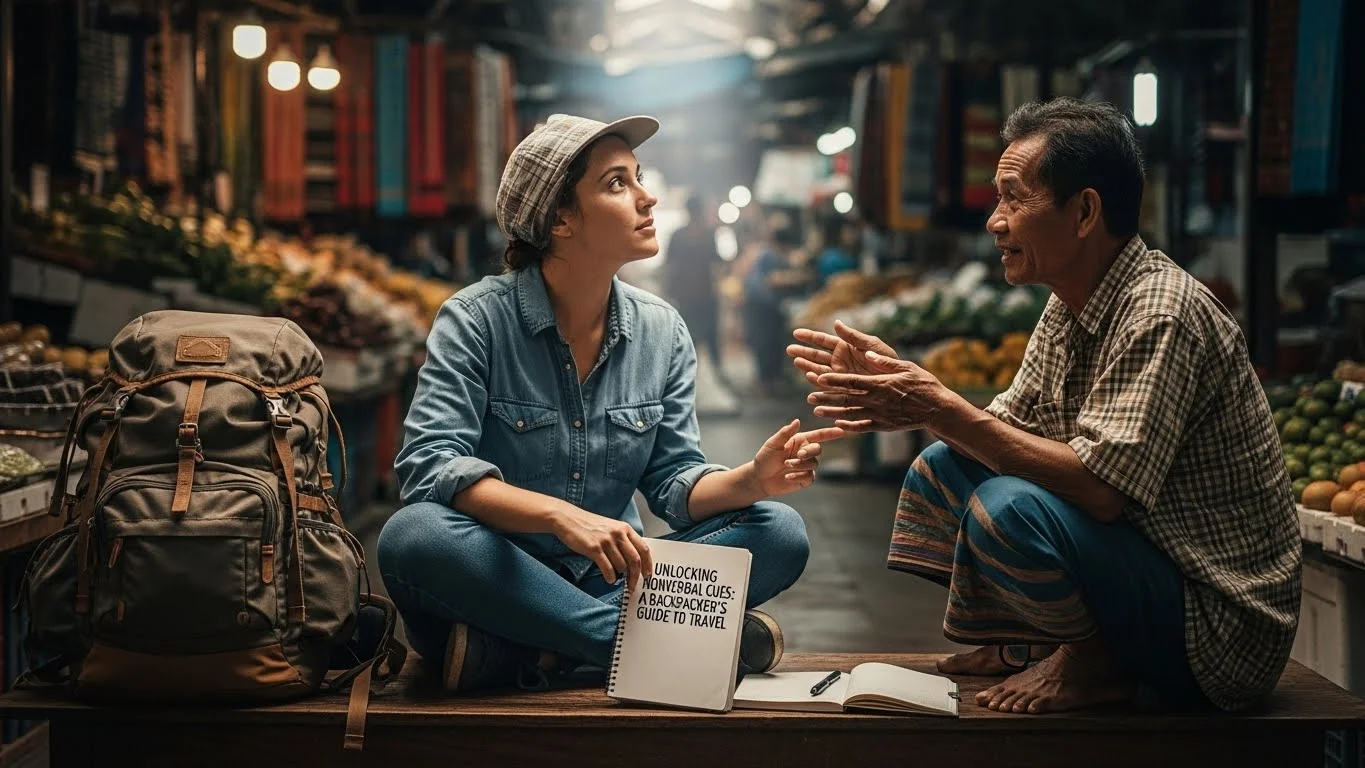
Understanding Nonverbal Communication in Travel
When I first started traveling, I quickly learned that words often weren’t enough. I remember standing in a bustling market in Morocco, surrounded by vibrant colors and enticing scents. I wanted to buy some spices, but my limited Arabic made the task tricky. That’s when I realized how powerful nonverbal communication could be. The gestures, expressions, and general body language of the locals were vital in bridging the gap between us. That’s when I became fascinated with nonverbal cues and their role in travel.
What are Nonverbal Cues?
Nonverbal cues are the subtle signals and messages we send without using words. They include body language, facial expressions, gestures, posture, and even the use of space. For me, it’s almost like a dance; each person brings their own unique steps to the performance. When we travel, being aware of these cues can transform our interactions. They can tell us when someone is friendly or when we might be overstaying our welcome. I often find myself picking up on these signals instinctively, sometimes even before I realize what’s happening.
The Importance of Nonverbal Communication in Different Cultures
Every culture has its own set of nonverbal cues. I remember my first trip to Japan, where bowing is a common greeting. At first, I felt a bit awkward, unsure of how low to bow or when to smile. But as I observed others, I learned that nonverbal communication differs greatly depending on where you are. In some cultures, maintaining eye contact is a sign of confidence, while in others, it may be seen as disrespectful. The more I traveled, the more I realized that understanding these differences could help me connect with people on a much deeper level.
Recognizing these nuances can lead to smoother interactions and prevent misunderstandings. For instance, during a trip to Italy, I found that hand gestures were almost a language of their own. A simple wave could mean “hello,” while a pointed finger could indicate impatience. I started mimicking some of these gestures, and it helped me build rapport with the locals, who appreciated my efforts to communicate in their cultural context.
Key Nonverbal Cues to Recognize While Traveling
Body Language and Gestures
Body language can convey a wealth of information. When I was backpacking through South America, I learned that a relaxed posture often indicated friendliness, while crossed arms could suggest defensiveness. I found that observing how people interacted with each other was a window into their cultural norms. In many places, gestures can be as expressive as spoken language. For example, in some parts of Greece, a thumbs-up is a positive gesture, while in other cultures, it can have an entirely different meaning. I always try to stay aware of my own body language, too; it communicates my openness and willingness to engage with others.
Facial Expressions and Emotional Signals
Facial expressions are perhaps the most universal form of nonverbal communication. A smile can go a long way. I remember standing in a remote village in Thailand, where language barriers were strong. However, when I smiled and nodded, I noticed the locals responded in kind. Their faces lit up, and suddenly, we were communicating feelings rather than words. The ability to read someone’s facial expressions can also offer insights into their emotions. Are they happy to see you? Nervous? Engaged? Throughout my travels, I’ve learned to pay close attention to these signals; they can guide how I respond in a conversation.
Spatial Awareness: Proxemics in Different Cultures
Proxemics, or the use of personal space, varies widely around the world. I’ve experienced this firsthand. In some cultures, close proximity during conversation is a sign of warmth and friendliness, while in others, it might feel invasive. I remember being in a crowded café in Spain, where people sat elbow to elbow, laughing and chatting. Yet, when I traveled to the UK, I noticed people tended to stand a bit farther apart during conversations. Understanding these spatial norms can help you avoid awkwardness and discomfort when interacting with locals.
Eye Contact: Cultural Differences and Significance
Eye contact can be a tricky area to navigate. In some cultures, maintaining eye contact is a sign of confidence and honesty. However, in others, it may be viewed as disrespectful or aggressive. I experienced this during a visit to some Indigenous communities in Canada, where prolonged eye contact was often avoided. It taught me to be more observant and adaptive. I started to notice how people would glance at each other, then look away, creating a flow of interaction that felt respectful and genuine. Adapting to these norms can help foster trust and understanding.
How to Interpret Nonverbal Cues in Various Travel Scenarios
Interacting with Locals: Building Rapport
When I travel, one of my favorite parts is engaging with locals. It’s those genuine interactions that often lead to the most memorable experiences. I remember hanging out in a small café in Portugal, where the barista seemed busy but friendly. By observing her body language, I noticed she often smiled and leaned slightly toward customers while taking their orders. I decided to mimic her posture a bit, and it felt like we were sharing a moment of connection. This nonverbal cue of leaning in signified my interest, and I felt it encouraged her to open up more. I believe that by being mindful of these signals, we can create a warm atmosphere that invites conversation and friendship.
Reading Nonverbal Signals in Markets and Public Spaces
Markets are vibrant hubs where nonverbal communication shines. During my time in a bustling market in India, I noticed how vendors used gestures to attract customers. They would wave their hands, point to their goods, and use facial expressions to convey excitement. I tried to engage in the same way, using my own gestures to show interest in their products. I found that smiling and giving a thumbs-up could create instant connections. When I hesitated or looked confused, the vendors would often step back, sensing my uncertainty. This taught me the importance of being aware of how my own signals were received. In crowded spaces, I learned to read the energy of the environment; it helped me decide when to approach someone and when to step back.
Understanding Nonverbal Communication in Formal Settings
Formal settings, like meetings or ceremonies, often have their own unspoken rules. I had a memorable experience attending a traditional wedding in Greece, where I noticed how body language was crucial to the ceremony. The family members stood close together, displaying a sense of unity. I felt a bit out of place at first, standing further away. However, I observed how the closer I got, the more welcomed I felt. When I took a seat beside a local, I noticed how they leaned in during conversations, which encouraged me to do the same. It was fascinating to see how nonverbal cues can dictate the flow of interactions, especially in formal or emotional settings. I learned that adapting to the environment was key to connecting with others, making me feel part of the celebration.
Nonverbal Etiquette: Dos and Don’ts Around the World
Handshake Variations Across Cultures
Handshakes seem like a universal gesture, but I quickly discovered that they can vary significantly from one culture to another. While traveling in the Middle East, I was surprised to learn that a light touch can be more appropriate than a firm handshake, especially with women. I remember being a bit hesitant at first, unsure how to approach the situation. But I observed how the locals greeted each other—gentle handshakes accompanied by smiles. This taught me the importance of adapting my greeting style. In contrast, I found that in places like the US, a firm handshake is often associated with confidence. I’ve learned to pay close attention to these cultural nuances, as they can set the tone for the entire interaction.
Personal Space Norms in Different Countries
Understanding personal space can be tricky, especially when you’re moving through different cultures. I experienced this firsthand during my travels in Brazil, where people seemed to stand much closer than I was used to. At first, I felt a little uncomfortable, but I soon realized that this closeness was a sign of warmth and friendliness. In contrast, during my time in Scandinavia, I noticed that people preferred a bit more space during conversations. Adjusting my distance based on the cultural context made my interactions much smoother. I’ve found that respecting these personal space norms not only avoids discomfort but also fosters a sense of respect and understanding.
Gestures to Avoid: What Not to Do
As travelers, we often use gestures to express ourselves, but some can carry unintended meanings in different cultures. I learned this lesson the hard way when I was in the Philippines, where the “peace” sign can be seen as offensive if the palm faces inward. I remember taking a casual picture with friends, flashing that sign, and immediately noticing the uncomfortable looks around me. I quickly learned to be cautious about which gestures I used. It’s essential to research and understand the meanings behind common gestures in the countries we visit. This awareness not only helps avoid misunderstandings but also shows respect for local customs.
Practical Tips for Backpackers
How to Improve Your Nonverbal Communication Skills
Improving your nonverbal communication skills can be incredibly rewarding, especially when you’re traveling. I remember feeling a bit lost during my early trips, often wondering how to connect with people without a common language. Over the years, I’ve picked up a few tips that really helped me enhance my nonverbal communication. Firstly, practice being observant. I often find myself watching how people interact in different settings. Whether it’s a bustling street market or a quiet café, paying attention to the unspoken cues can teach you a lot.
Another tip is to practice your own body language. I discovered that a friendly posture, like uncrossed arms and an open stance, invites others to engage with you. When I started traveling, I didn’t realize how much my body language could convey. A simple smile or nod can break down barriers and create a welcoming atmosphere. I’ve found that even practicing in front of a mirror can help me become more aware of how I present myself to others.
Lastly, don’t be afraid to mimic the nonverbal cues of those around you. This doesn’t mean you should imitate them exactly, but if someone leans in during a conversation, doing the same can signal that you are engaged and interested. I often found that little adjustments like these can make a big difference in how well I connect with people.
Using Nonverbal Cues to Enhance Your Travel Experience
Nonverbal cues can significantly enhance your travel experience, turning ordinary interactions into memorable moments. I realized this during a trip to Thailand, where I engaged with locals at a cooking class. While I was eager to learn, I noticed that the instructor used a lot of expressive gestures. She would hold up ingredients, raise her eyebrows, and smile broadly to convey excitement. I began to mirror her enthusiasm with my own gestures. This created an amazing exchange of energy, making the class not just instructional but also fun and interactive.
Another experience that stands out was in a small village in Peru, where I participated in a traditional weaving workshop. The weaver didn’t speak much English, but her facial expressions and gestures spoke volumes. When she smiled and showed me a particular technique, I felt encouraged to try it myself. Engaging nonverbally allowed me to feel a deeper connection to the culture and the craft. I learned that by being open and responsive to these cues, I could create a richer travel experience. Read Interesting article: Setting Boundaries: Travel Smart with Effective Communication
Overcoming Language Barriers with Nonverbal Communication
Language barriers can feel daunting, but nonverbal communication offers a bridge over them. I vividly recall my experience in a remote village in Mongolia, where no one spoke English. At first, I was anxious, but I soon discovered that gestures and expressions were my allies. I used hand signals and drawings in the dirt to convey basic needs, like asking for food or directions. When I pointed to my stomach and mimicked eating, the locals chuckled and understood my request for lunch.
This experience taught me that nonverbal communication can convey emotions and intentions even when words fail. I often use this approach in restaurants or markets when I struggle with the menu or product descriptions. A smile and a thumbs-up can communicate my approval or interest, while a puzzled look might signal that I need assistance. In fact, I’ve found that people are often more than willing to help when they see you making an effort to communicate, even if it’s not verbal. Read Interesting article: Traveling with Toddlers: Taming Tantrums on the Go
Resources for Further Learning
Books on Nonverbal Communication
One of the best ways to deepen my understanding of nonverbal communication is through reading. I’ve come across a few books that have been invaluable on my journey. One of my favorites is “The Definitive Book of Body Language” by Allan and Barbara Pease. This book breaks down nonverbal cues in an easy-to-understand way and is filled with real-life examples that resonate with travelers. Another great read is “What Every BODY is Saying” by Joe Navarro, a former FBI agent who shares insights into how to interpret body language effectively. I found these reads not only enlightening but also practical when I needed a refresher on nonverbal signals before embarking on a new adventure.
Online Courses and Workshops
If you’re looking for more interactive learning, online courses can be a fantastic option. I recently tried a course on Coursera titled “The Science of Well-Being,” which touches on aspects of communication, including nonverbal cues. There are also workshops specifically focused on cultural awareness and communication skills that can be found through platforms like Udemy or local community centers. These resources can provide you with practical exercises that really help in understanding how to apply what you learn in real-world situations.
Helpful Apps for Language and Culture
In our tech-savvy world, there are some amazing apps that can assist with understanding nonverbal communication in different cultures. For instance, Google Translate offers not just translations but also a feature that can help with phrases in context. I found that this can help when trying to understand how gestures might accompany certain words in a specific culture. Another app, Culture Trip, provides insights into local customs and etiquette, including nonverbal cues. Having these tools at your fingertips can enhance your travel experience and make interactions smoother.
Final Thoughts
Traveling is so much more than just visiting new places; it’s about the connections we forge along the way. I genuinely believe that understanding nonverbal communication can open doors to richer experiences. The little nuances—the way someone smiles, the gestures they use, or even how close they stand to you—these elements can transform a simple interaction into something memorable. From my own experiences, I know that when we take the time to learn about the nonverbal signals of different cultures, we not only enhance our travel experiences but also show respect and appreciation for the people we meet. So next time you set off on an adventure, keep your eyes and heart open to the unspoken language around you. It might just lead to some of the most profound connections of your journey.
Frequently Asked Questions
What are nonverbal cues?
Nonverbal cues are the subtle signals and messages we send without using words. They include body language, facial expressions, gestures, posture, and the use of space.
Why is understanding nonverbal communication important while traveling?
Understanding nonverbal communication is important because it can deepen our interactions and help us connect with people from different cultures, enhancing our overall travel experiences.
How do nonverbal cues vary across cultures?
Every culture has its own set of nonverbal cues. For example, in Japan, bowing is a common greeting, while in Italy, hand gestures play a significant role in communication. Recognizing these differences can lead to smoother interactions and prevent misunderstandings.
What role does body language play in communication?
Body language conveys a wealth of information. For instance, a relaxed posture may indicate friendliness, while crossed arms can suggest defensiveness. Observing body language can provide insights into cultural norms and attitudes.
How can facial expressions enhance communication?
Facial expressions are a universal form of nonverbal communication. A smile can convey friendliness and openness, while other expressions can indicate emotions such as happiness or nervousness, guiding how we respond in conversations.
What is proxemics and why is it important?
Proxemics refers to the use of personal space, which varies widely across cultures. Understanding these norms can help avoid discomfort during interactions, as close proximity may be seen as friendly in some cultures but invasive in others.
How does eye contact differ in various cultures?
Eye contact can signify different things depending on the culture. In some cultures, it indicates confidence and honesty, while in others, it may be viewed as disrespectful or aggressive. Being observant of these norms fosters trust and understanding.
What are some tips for interpreting nonverbal cues when interacting with locals?
To interpret nonverbal cues effectively, observe the body language and gestures of locals, mimic their cues to show engagement, and pay attention to the energy of the environment to gauge when to approach or step back.
Why is it important to understand personal space norms while traveling?
Understanding personal space norms helps to avoid awkwardness and discomfort during conversations. Respecting these norms fosters a sense of respect and understanding, making interactions smoother.
What resources can help improve understanding of nonverbal communication?
Books on nonverbal communication, online courses, and apps focused on language and culture can provide valuable insights. Recommended readings include “The Definitive Book of Body Language” and “What Every BODY is Saying.” Interactive courses on platforms like Coursera or Udemy can also be beneficial.
Mastering communication can transform your budget backpacking trips from good to unforgettable. Let’s explore how effective communication can enhance your travel experience, making it richer and more enjoyable. Read Interesting article: Guide to Effective Communication in Positive Discipline
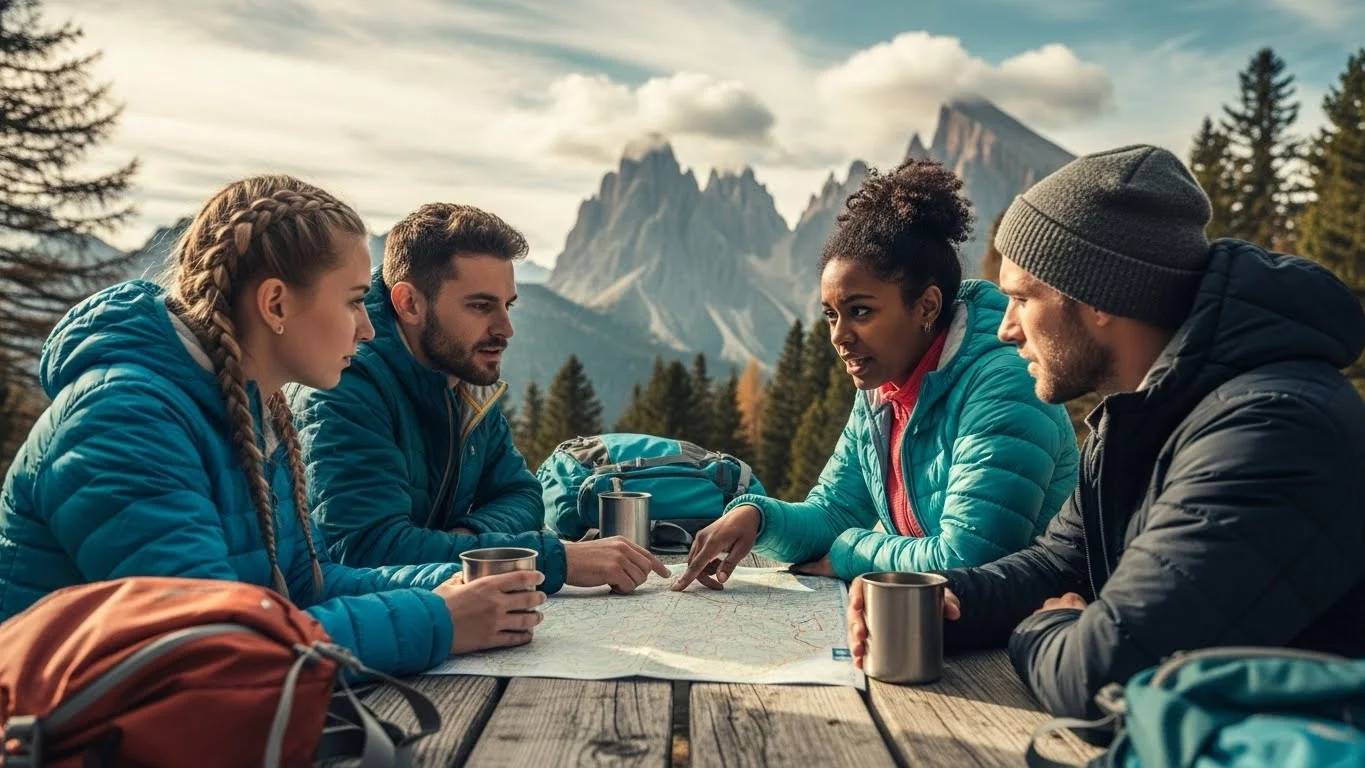
Understanding Effective Communication in Backpacking
The Importance of Communication for Travelers
From my experience, effective communication is one of the most crucial skills you can possess as a backpacker. I remember my first solo trip; I felt a mix of excitement and anxiety. I quickly learned that being able to express myself and understand others was vital. Whether it was asking for directions or ordering food, good communication made my travels smoother. It opened doors to conversations, local insights, and friendships that I cherish to this day.
When we travel, especially on a budget, we often rely on locals for information and help. A simple greeting can lead to a helpful recommendation for a hidden gem, or a genuine smile can turn a stranger into a friend. I’ve noticed that when you make an effort to communicate, even in broken language, it’s often met with kindness and warmth. This connection not only enhances your experience but also enriches the lives of those you encounter. Read Interesting article: Effective Communication Tips for Positive Discipline Success
Common Communication Barriers in Foreign Countries
Traveling abroad can come with its own set of challenges. One of the biggest hurdles I faced was the language barrier. I vividly recall a time in Italy when I tried to ask for a bus schedule. My limited Italian left me flustered and confused, and the local I approached didn’t speak much English. It reminded me that we often take our language skills for granted.
Additionally, cultural differences can create misunderstandings. Gestures that are common in one country can be offensive in another. I learned this the hard way when I unknowingly pointed my finger in a way that was considered rude in some cultures. Being aware of these barriers can help you navigate conversations more effectively. I recommend doing some research on local customs before you travel, as it can make a significant difference in your interactions.
Essential Communication Skills for Backpackers
Active Listening Techniques
Active listening is a skill that I found incredibly valuable while backpacking. It’s not just about hearing words; it’s about understanding the message behind them. When speaking with locals, I focused on making eye contact and nodding to show I was engaged. I also practiced paraphrasing what they said to confirm my understanding. This simple technique helped me build trust and encouraged them to share more with me.
Another aspect of active listening is being patient. Sometimes, conversations may take longer than expected due to language barriers. I learned to embrace this by taking my time and not rushing through interactions. It was during these slower moments that I discovered the most interesting stories and insights about the places I was visiting.
Non-Verbal Communication Cues
Body language often speaks louder than words, especially in places where language differences exist. I remember a time in Thailand when my limited Thai vocabulary left me stuck. Instead of feeling frustrated, I used gestures to convey my needs. Pointing at items on a menu or using hand signals for directions worked wonders. Locals responded positively, often with smiles and laughter, which made the experience enjoyable for both of us.
Facial expressions also play a crucial role in communication. A smile can bridge gaps and make interactions feel more welcoming. I’ve seen how a friendly expression can turn a potentially awkward situation into a warm exchange. I believe that being aware of these non-verbal cues can enhance your communication experience significantly.
Adapting Your Language Skills
While I certainly didn’t master every language I encountered, I made it a point to learn a few key phrases. Simple greetings and polite expressions go a long way. In Spain, I learned to say “por favor” and “gracias,” which opened up so many doors for me. Locals often appreciated my efforts, and it helped me establish rapport.
When you’re on a budget, being adaptable is crucial. I found that speaking slowly and clearly, using simple words, helped tremendously. If someone didn’t understand me, I would try rephrasing rather than getting frustrated. This adaptability allowed me to communicate better and made me feel more confident as a traveler. Read Interesting article: Unlock Positive Discipline Through Effective Communication
Using Technology for Communication
In today’s world, technology can be a backpacker’s best friend. I often relied on translation apps during my travels. Apps like Google Translate helped me navigate menus and signs, and I found them especially useful in markets. Having a reliable internet connection can make all the difference when trying to communicate effectively.
Moreover, social media has become an incredible tool for connecting with other travelers. I remember reaching out to fellow backpackers for tips on the best local experiences. These interactions not only provided valuable insights but also fostered a sense of community that I truly appreciated. I recommend using platforms like Facebook or Instagram to find local groups or travel forums that can enhance your journey.
Key Phrases and Vocabulary for Backpacking Trips
Basic Greetings and Introductions
When I travel, I always make it a point to learn a few basic greetings and introductions in the local language. It’s such a small effort that can lead to huge rewards! For instance, I remember landing in Japan and quickly learning how to say “Konnichiwa” (Hello) and “Arigatou gozaimasu” (Thank you). These simple phrases opened many doors and made locals more receptive to conversations.
In many cultures, a friendly greeting can break the ice. I often found that locals appreciated my attempts, even if my pronunciation wasn’t perfect. It’s incredible how a smile and a simple “Hello, my name is…” can set a positive tone for interactions. I encourage you to practice these phrases before your trip or download a language app so you can access them on the go.
Essential Questions for Travelers
As backpackers, we often find ourselves in need of information. I can’t tell you how many times I’ve needed to ask questions about directions, public transport, or local attractions. Learning essential questions can save you time and frustration. Phrases like “Where is…?” or “How much does this cost?” became my lifeline.
During one trip to Morocco, I learned to say, “Kifash nssil?” (How do I get there?) and “Shhal?” (How much?). These helped me navigate the bustling markets and find my way to stunning sights. I advise writing down a list of essential questions tailored to the locations you’ll be visiting. Having these phrases at your fingertips can make a world of difference in your travels.
Transportation Vocabulary
Transportation is another area where communication is crucial. I remember getting lost in the subway system in Paris, feeling overwhelmed by the signs and announcements in French. Knowing transportation vocabulary can help you decipher signs or ask for help when needed. Phrases like “Where is the train station?” or “Which bus goes to…?” can be incredibly useful.
I also found it helpful to learn the names of different types of transport, like “bus,” “train,” and “taxi.” In some places, I even jotted down the names of specific routes or destinations in the local language, which saved me from many awkward moments. This little effort pays off, as it shows locals that you’re making an effort, and they’re often more than willing to help.
Accommodation Terms and Phrases
Finding a place to stay is one of the first things we do when we arrive in a new city. Knowing key accommodation terms has helped me immensely. Phrases like “Do you have a room available?” or “What is the price per night?” have become second nature for me over the years.
During my travels in Southeast Asia, I learned how to say “Is breakfast included?” in the local languages. This not only helped me save money but also ensured I didn’t miss out on delicious local breakfast options. Writing down accommodation-related vocabulary tailored to your travel destination can ease the stress of finding a place to stay.
Food and Dining Communication Tips
Food is one of the best parts of traveling, and communicating about it can lead to some of the most memorable experiences. I learned early on that knowing basic food-related phrases can enhance your culinary adventures. Words like “vegetarian,” “spicy,” or “delicious” can help you navigate menus and order with confidence.
In Thailand, I became familiar with the phrase “Mai phet” (not spicy) when ordering food, which became a lifesaver for my sensitive palate. I often recommend learning how to ask for recommendations, like “What do you recommend?” or “What is the local specialty?” This opens up opportunities for trying new dishes and enjoying authentic local cuisine.
Additionally, don’t hesitate to use gestures while dining. Pointing at dishes on the menu or using body language to convey your preferences can be effective. When in doubt, remember that sharing a meal is a universal language, and most locals will appreciate your efforts to engage with their culture through food.
Effective Communication with Locals
Building Rapport with Local Hosts
Building rapport with locals can be one of the most rewarding aspects of travel. I remember staying at a small guesthouse in Vietnam run by a lovely family. From the moment I arrived, they welcomed me with open arms and genuine smiles. I made an effort to engage with them, asking about their daily lives and sharing stories about my own experiences. This simple act of connecting created a bond that made my stay memorable.
I learned that asking open-ended questions encourages locals to share more about their culture and experiences. Instead of just asking, “What’s this dish?” I would say, “Can you tell me about how you make this dish?” This not only deepened our conversation, but it also showed that I was genuinely interested in their culture. I believe that taking the time to learn about the people and their way of life can lead to some of the richest travel experiences.
Respecting Cultural Differences in Communication
Every culture has its unique way of communicating, and I discovered that respecting these differences is vital. For instance, in some countries, people may not maintain eye contact during conversations, as it can be considered rude. I remember feeling uncomfortable at first, but I learned to adapt by observing how locals interacted with one another. It was a great reminder that communication goes beyond just words; it’s about understanding and respecting cultural nuances.
Another important aspect is understanding local customs around gestures. I once waved goodbye to someone in Greece, only to realize that in some cultures, that gesture can have different meanings. I recommend doing a bit of research about common communication customs in the countries you’re visiting. This awareness can help avoid misunderstandings and enrich your interactions with locals.
Tips for Engaging in Small Talk
Small talk can feel daunting, especially in a foreign environment, but I found it to be a great way to break the ice. Simple topics like the weather, local events, or even discussing food can lead to delightful conversations. I remember chatting with a local shop owner in Thailand about the vibrant street food scene. This conversation not only helped me discover hidden food gems but also made the interaction more personal and enjoyable.
When engaging in small talk, I always try to be mindful of non-verbal cues. If someone appears busy or distracted, I take that as a sign to keep it brief. However, if they seem engaged, I dive deeper into conversation. It’s all about reading the room and being respectful of others’ time and energy. I suggest practicing some light conversation starters before you embark on your journey. This preparation can make it easier to connect with others when the opportunity arises.
Using Social Media and Travel Apps
Connecting with Other Travelers
Social media has become an invaluable tool for backpackers like us. I often find myself scrolling through travel-related groups on Facebook or Instagram, looking for tips and recommendations from fellow travelers. I remember posting a question about the best hiking trails in Peru and was flooded with responses from people who had been there. Their insights not only helped me plan my itinerary but also connected me with others who share my passion for adventure.
Moreover, I’ve utilized platforms like Couchsurfing to connect with locals who are willing to host travelers. This experience has led to friendships and shared experiences that go beyond typical tourist interactions. I recommend reaching out to other travelers or locals on social media to ask questions or seek advice. You’d be surprised at how willing people are to share their experiences!
Utilizing Translation Apps and Tools
In an age where technology is at our fingertips, translation apps have become my trusty companions. I can’t tell you how many times Google Translate saved me from awkward moments! I remember navigating a bustling market in Morocco, where local dialects varied widely. Being able to type in a phrase and have it translated instantly helped me communicate effectively and avoid misunderstandings.
Another useful tool is language-learning apps like Duolingo or Babbel. Before embarking on my travels, I often spend some time brushing up on basic phrases. Even learning just a few words can make a huge difference. I found that when I made an effort, locals were more than willing to assist me in my journey. I highly recommend downloading a few translation apps that can work offline, as internet connectivity can sometimes be an issue.
Finding Local Guides and Resources Online
With the vast resources available online, I’ve found it incredibly helpful to search for local guides and resources before I travel. Websites like Meetup can connect you with locals who share similar interests, whether it’s hiking, cooking, or exploring historical sites. I remember joining a walking tour in Lisbon organized through Meetup, which led to an unforgettable day filled with stories and laughter.
Additionally, travel blogs and vlogs are great resources for finding hidden gems and local insights. I often follow travelers who document their experiences in regions I’m planning to visit. These personal accounts not only provide practical tips but also inspire me with stories that resonate. I encourage you to seek out these resources as they can enhance your travel experience significantly.
Managing Conflict Through Communication
Handling Misunderstandings and Mistakes
Misunderstandings are bound to happen when you travel, especially when navigating language barriers. I recall a moment in Greece where I misinterpreted a local’s directions and ended up in the wrong neighborhood. At first, I felt a wave of panic wash over me, but I quickly realized that staying calm and approaching the situation with a positive attitude could help. I returned to the local shop I had left and explained my mistake, using gestures and the few Greek words I had learned. To my relief, the shop owner laughed and guided me with clear directions to get back on track. This experience taught me that being open about misunderstandings can often lead to laughter and solutions rather than frustration.
When I find myself in a tricky situation, I try to maintain a friendly demeanor and show appreciation for the help I receive. I’ve learned that expressing gratitude can go a long way in easing any tension that arises from mistakes. If you find yourself in a similar situation, don’t hesitate to ask for clarification or repeat your understanding to avoid further confusion. It’s all part of the adventure!
Negotiation Tactics for Budget Travel
As backpackers, we often find ourselves negotiating prices for accommodations, transportation, or activities. I remember bargaining for a taxi fare in Egypt, a skill that took some practice. I learned that a polite smile and a respectful approach can make a significant difference in these situations. Instead of demanding a lower fare, I would start by expressing my appreciation for the service and then gently suggest a price that fit my budget. This respectful approach often resulted in a better outcome for both parties.
It’s also helpful to do a bit of research on typical prices before you travel. Having a good idea of what to expect can give you the confidence to negotiate effectively. I recommend being flexible and open to compromise. Sometimes, adding a friendly conversation about where you’re from can create a connection that leads to a better deal!
Staying Calm Under Pressure
Travel can be unpredictable, and remaining calm during stressful moments is essential. I’ve had my share of missed flights, lost luggage, and unexpected changes in plans. I remember one instance in South America when I arrived at a bus station only to find out my bus had been canceled. Instead of panicking, I took a deep breath and approached the ticket counter to ask about alternative options. By staying composed and polite, I was able to find a different route and continue my journey without losing my cool.
In these high-pressure situations, I often remind myself that it’s all part of the travel experience. I’ve found that taking a step back, assessing the situation, and approaching it with a level head can turn a potentially frustrating ordeal into a memorable adventure. I encourage you to practice mindfulness and breathing techniques to help stay grounded when things don’t go according to plan.
Documenting Your Travel Experience
Keeping a Travel Journal
Documenting my travels has always been a special part of my journey. I love keeping a travel journal, where I jot down my thoughts, experiences, and even snippets of conversations I’ve had with locals. It’s a wonderful way to reflect on my adventures and capture the essence of each destination. I remember a time in Nepal, where I wrote about my interactions with locals in a small village. Those pages have become a treasure trove of memories that I cherish.
Writing doesn’t have to be lengthy or detailed; even a few sentences about your day can help preserve your memories. I suggest carrying a small notebook or using a note-taking app on your phone. You might be surprised at how much joy you find in revisiting your travel stories later.
Sharing Experiences on Social Media
Social media offers an exciting way to share your travel experiences in real-time. I love posting photos and stories on platforms like Instagram and Facebook, connecting with friends and family who enjoy following my adventures. It’s also a fantastic way to engage with other travelers; I’ve met some amazing people through shared interests on these platforms. I remember sharing a photo of a bustling market in Morocco, which led to a conversation with a fellow traveler who had visited the same place.
When sharing on social media, I encourage you to be authentic. Share the ups and downs of your journey, as both can resonate with others. Your genuine experiences can inspire someone else to embark on their own adventure!
Creating Travel Blogs or Vlogs
If you feel passionate about documenting your travels, consider starting a blog or vlog. I decided to create a travel blog after several trips, sharing tips, stories, and the lessons I learned along the way. It has become a fulfilling creative outlet for me. I remember how excited I felt when I received comments from readers who found my tips helpful for their own travels.
Sharing your journey can not only inspire others but also help you process your experiences more deeply. Whether you choose to write, create videos, or combine both, let your voice shine through. It’s a rewarding way to connect with a broader community of travelers.
Final Thoughts
Mastering communication while backpacking is an ongoing journey. From learning key phrases to navigating cultural nuances, each experience contributes to a richer and more fulfilling travel adventure. Embracing the process, staying open-minded, and being adaptable will serve you well on the road. Remember, every conversation is an opportunity to learn and connect, making your travels unforgettable. As I look back on my journeys, I realize that it’s these connections and shared moments that have shaped my experiences. So, pack your bags, keep an open heart, and let the world unfold before you in all its beauty!
Frequently Asked Questions
Why is effective communication important for backpackers?
Effective communication is crucial for backpackers as it helps in expressing oneself and understanding others, leading to smoother travels and enriching experiences through local insights and friendships.
What are common communication barriers faced while traveling?
Common barriers include language differences and cultural misunderstandings, such as gestures that may be seen as rude in certain cultures. Being aware of these barriers and researching local customs can help navigate conversations more effectively.
What are some essential communication skills for backpackers?
Essential communication skills include active listening, using non-verbal cues, and adapting language skills. Active listening involves engaging with locals, while non-verbal cues like body language and facial expressions can enhance interactions.
How can technology assist in communication while traveling?
Technology, such as translation apps like Google Translate, can help navigate menus and signs. Social media platforms also allow travelers to connect with others for tips and shared experiences.
What key phrases should backpackers learn before traveling?
Backpackers should learn basic greetings, essential questions for navigation, transportation vocabulary, accommodation terms, and food-related phrases to enhance their communication and overall travel experience.
How can one build rapport with locals while traveling?
Building rapport involves engaging with locals by asking open-ended questions about their culture and experiences, which encourages deeper conversations and connections during your travels.
What tips can help with handling misunderstandings while traveling?
To handle misunderstandings, approach situations with a positive attitude, express gratitude for assistance, and be open about mistakes. Staying calm and using gestures can also facilitate clearer communication.
What are effective negotiation tactics for budget travel?
Effective negotiation tactics include being polite and respectful when discussing prices, doing research on typical costs, and being flexible. A friendly demeanor and expressing appreciation can also lead to better outcomes.
How can travelers document their experiences effectively?
Travelers can document their experiences by keeping a travel journal, sharing on social media, or creating blogs and vlogs. These methods allow for reflection and sharing stories with a broader audience.
What final thoughts should travelers keep in mind about communication?
Travelers should embrace the journey of mastering communication, remain open-minded, and be adaptable. Each interaction is an opportunity to learn and connect, enhancing their travel experiences.
Traveling on a budget can be an incredible adventure, but clear communication is key to making the most of your experience. I’ve learned that when we express ourselves effectively, the journey becomes smoother and more enjoyable. Read Interesting article: Unlocking Positive Behavior: Budget Travel Tips for Families
Understanding the Importance of Clear Communication While Traveling
Why Communication Matters for Budget Travelers
When I first started traveling on a budget, I quickly realized that clear communication could save me time, money, and a lot of stress. Whether you’re asking for directions, negotiating prices, or ordering meals, being able to convey your needs and understand others can make a significant difference. I remember one time in a bustling market in Marrakech where I hesitated to ask a vendor about the price of a beautiful handmade carpet. My uncertainty meant I almost missed out on a great deal! Clear communication helps in making informed decisions and allows us to engage more deeply with the culture we are experiencing.
Moreover, when we communicate effectively, we open up opportunities to connect with locals. I can’t emphasize enough how many wonderful friendships I’ve formed just by trying to speak the local language or even using a few key phrases. It’s amazing how a smile and a simple “hello” can break down barriers and lead to some unexpected adventures.
The Role of Language in Budget Travel
Language can be both a bridge and a barrier in our travels. In my experience, understanding even a little of the local language can go a long way. I often find that locals appreciate the effort, even if my pronunciation isn’t perfect. For instance, during a trip to Thailand, I learned just a few basic phrases, and it transformed my interactions. I was not only able to get around more easily, but I also received better service and more genuine interactions.
While it’s true that English is widely spoken in many tourist areas, it’s not always the case in more remote destinations. During a trip to a small village in Italy, I saw how important it was to engage with the local dialect. Many locals were eager to help, but their limited English made it challenging. I found that trying a few phrases in Italian not only helped me navigate but also put smiles on their faces. It felt rewarding to connect with the culture on a deeper level.
Essential Communication Tools for Budget Travelers
Mobile Apps for Translation
In today’s digital age, I can’t recommend mobile apps enough for travelers. There are several excellent translation apps that have been lifesavers for me. Google Translate, for example, offers a text translation feature that works even offline if you download the language pack beforehand. I remember being in a small café in Spain, trying to decipher the menu. With my phone, I was able to translate the dishes and ended up ordering something delicious that I might have otherwise missed. These apps can also translate spoken words in real-time, which can be incredibly helpful during conversations.
Phrasebooks and Language Guides
While I love my smartphone, I also carry a small phrasebook when I travel. There’s something nostalgic about flipping through the pages and the tactile experience of holding a book. I’ve found that having a phrasebook can be reassuring in situations where my phone might not have service, or I want to communicate without any tech distractions. Plus, it’s a fun way to learn a few local phrases! I remember in France, I would practice my phrases, and the locals were always impressed, which made me feel more connected to the culture. Read Interesting article: Explore the World: Budget Travel Tips for STEM Families
Offline Communication Strategies
Sometimes, we find ourselves without our devices or internet access. I’ve learned to adapt by using some offline communication strategies. Drawing pictures, using body language, or even using symbols can help convey my message in a pinch. Once while hiking in the mountains of Peru, I needed to ask for directions but came across a local who spoke no English. I drew a rough map in the dirt, and to my delight, they pointed me in the right direction! Relying on non-verbal communication can lead to some surprisingly fun interactions.
In my travels, I’ve also relied on local guides or hotel staff who often speak multiple languages. They can be invaluable resources for navigating communication challenges. I remember checking into a small guesthouse in Vietnam where the owner spoke great English and was eager to share tips on where to eat and explore, making my stay all the more enjoyable.
Key Phrases Every Budget Traveler Should Know
Basic Greetings and Introductions
One of the first things I like to learn when visiting a new country is some basic greetings. A simple “hello,” “thank you,” or “goodbye” can go a long way in establishing a friendly rapport with locals. For me, saying “hola” in Spain or “salut” in France made me feel more connected to the people. It’s not just about the words; it’s about the warmth and respect shown when we try to engage in the local language. I remember walking into a small bakery in Paris, and when I greeted the baker with “bonjour,” her face lit up, and she responded with a wide smile. It’s moments like these that make traveling so special.
Asking for Directions
Getting lost can be a part of the adventure, but knowing how to ask for directions can help us navigate and discover new places. Phrases like “Where is…?” or “How do I get to…?” became my go-to questions. I learned these phrases in different languages, and they proved invaluable. Once, while exploring the narrow streets of Lisbon, I needed to find a particular viewpoint. I approached a friendly local and asked, “Onde fica o miradouro?” (Where is the viewpoint?). Not only did I get directions, but the person also shared some tips on the best spots to watch the sunset, making my experience even richer.
Inquiring About Prices
As budget travelers, knowing how to ask about prices is essential. I always felt a bit anxious about negotiating, especially in markets. Phrases like “How much is this?” or “Can you give me a better price?” became my allies. I remember haggling in a vibrant market in Istanbul, where I asked, “Bu ne kadar?” (How much is this?). The vendor smiled at my attempt and we ended up laughing while negotiating a fair price. It turned into a fun exchange, and I left with not just a souvenir but a memorable experience!
Ordering Food and Drinks
Food is a massive part of travel, and being able to order confidently is a must. I found that learning phrases related to ordering food was incredibly useful. Knowing how to ask for the menu or request specific dishes made dining out enjoyable. I particularly remember a night in Thailand when I approached a street food stall and asked, “What do you recommend?” in Thai. The vendor beamed with joy and pointed me towards a delicious dish that became one of my favorites. Engaging with locals about their cuisine not only enhanced my meal but also deepened my understanding of their culture.
Emergency Situations
While we all hope for smooth travels, emergencies can happen. Knowing key phrases for emergencies is something I always make a priority. Phrases like “Help!” or “I need a doctor!” can be crucial. I recall one time in a busy market in Morocco when I lost my wallet. I had to ask for help quickly, and thankfully, I had learned how to say, “Help me, please!” in Arabic. The locals were incredibly supportive, and within a short time, I felt reassured that I would find my wallet. It reminded me of the importance of being prepared and equipped with the right phrases. Read Interesting article: Top Budget Travel Tips for Families with Learning Disabilities
Effective Non-Verbal Communication Techniques
Body Language Tips
Sometimes words aren’t enough, and that’s when body language comes into play. I’ve found that gestures, facial expressions, and even posture can communicate a lot. For instance, when I was in Japan, I noticed how bowing is a sign of respect. So, I made it a point to bow slightly when greeting people. It helped me blend in and showed my respect for their culture. Additionally, a friendly smile can go a long way. I remember a time in a crowded market in India; even when language failed me, a smile helped me connect with vendors and fellow travelers.
Using Visual Aids
Carrying visual aids can be a lifesaver, especially in non-English speaking countries. I often bring along pictures or maps to help convey my message. For example, I once needed to find a specific dish in a local food market, so I showed the vendor a photo of it on my phone. Immediate recognition followed, and I was guided to the right stall. Visual aids can create a bridge between language barriers, and I’ve found them to be incredibly helpful in many situations.
Gestures and Their Cultural Significance
Understanding the cultural significance of gestures is something I’ve learned to keep in mind. A thumbs up might mean “good job” in one culture but could be offensive in another. I’ve found myself in some tricky situations because of this! For example, in Greece, I was shocked to learn that what I thought was a friendly wave was not well received. I suggest doing a little research on common gestures before your trip. It’s a small effort that can lead to a much more positive interaction with locals.
Overcoming Language Barriers in Different Regions
Traveling in Non-English Speaking Countries
Traveling in countries where English isn’t widely spoken can be intimidating, but I’ve found it to be one of the most rewarding experiences. I remember my trip to Vietnam, where I encountered countless locals who spoke little to no English. However, I made it a point to learn some basic phrases. It felt empowering to communicate, even if it was just a simple “thank you” in Vietnamese. Engaging with the locals made me feel more immersed in their culture, and I even made a few friends along the way.
Understanding Local Dialects and Accents
Each region can have its own unique dialect or accent, which can add another layer of complexity to communication. I experienced this firsthand in the UK, where terms I was familiar with took on entirely different meanings. For instance, I was confused when a local asked if I wanted “chips” with my meal, thinking they were referring to potato chips. To my surprise, they meant fries! Learning a few key phrases or terms specific to the region can save you from misunderstandings and make conversations much more enjoyable.
Communicating with Locals: Building Rapport
Building rapport with locals can make a huge difference in our travel experience. I’ve found that showing genuine interest in their lives and culture often leads to warm interactions. Asking questions about their customs or sharing a little about my own culture has led to lasting friendships. I remember meeting a local artist in Mexico who shared the stories behind her paintings. We spent hours talking, and I left not just with a piece of art but with a new friend and a deeper appreciation for her culture.
Tips for Budget-Friendly Communication
Utilizing Free Wi-Fi and Internet Cafés
One of the best things about traveling in the modern world is the ability to access free Wi-Fi almost everywhere. I can’t tell you how many times I’ve relied on cafe Wi-Fi to help me communicate efficiently. When I was in Budapest, I stumbled upon a cozy café with free internet. I was able to download translation apps, check maps, and even send messages back home. Free Wi-Fi allows us to look up phrases on the spot, making it easier to connect with locals without the stress of language barriers. Plus, many hostels and public libraries offer free Wi-Fi, which can be a great resource for budget travelers like us.
Using Public Libraries for Resources
I’ve discovered that public libraries can be hidden gems while traveling. They often have resources for learning the local language, including books, audio materials, and sometimes even language exchange programs. I remember spending a rainy afternoon at a library in Oslo, where I picked up a beginner’s guide to Norwegian. Not only did it help me with basic phrases, but it also gave me insights into the culture and history of the country. Libraries also provide a quiet space to study or plan your next adventures, making them a perfect stop along the way.
Engaging with Fellow Travelers
Sometimes, the best way to learn about communication in a new culture is through fellow travelers. When I was in a hostel in Sydney, I met a group of backpackers who were from different parts of the world. We spent an evening exchanging language tips and sharing our experiences. They taught me some useful phrases in Spanish, which helped me later in my travels through South America. Engaging with others not only enhances our communication skills but also builds camaraderie among travelers. Whether it’s over a meal or during a group tour, sharing knowledge can lead to fantastic new friendships and unforgettable memories.
Staying Safe While Communicating Abroad
Recognizing Scams and Fraudulent Communication
While communicating abroad can open doors, it’s essential to stay alert and recognize potential scams. I’ve heard stories from fellow travelers about getting tricked into overpaying for services or giving personal information to strangers. For instance, when I was in a busy market in Istanbul, a friendly local approached me, offering to show me around. While they seemed genuine, I remembered to keep my guard up. I politely declined and instead relied on trusted guides and resources. It’s crucial to trust your instincts and be cautious when engaging with strangers, especially in unfamiliar places.
Privacy and Data Security Tips
In our digital age, data security is a big concern, especially when using public Wi-Fi. I’ve learned the hard way to avoid accessing sensitive accounts or personal information while connected to unsecured networks. Using a VPN (Virtual Private Network) has become a must for me when I’m on the go. It provides an extra layer of security and helps protect my personal data. I can’t stress enough how important it is to be mindful of the information we share and to take steps to safeguard it, ensuring that our travel experiences remain enjoyable and secure.
Trusting Your Instincts
Ultimately, trusting your instincts is key while communicating abroad. I remember a moment in Thailand when a local tried to sell me a tour that seemed too good to be true. Something about the situation felt off, and I chose to walk away. My gut feeling was right! It’s essential to listen to those little voices in our heads that guide us toward safety. Whether it’s deciding whom to engage with or assessing the reliability of information provided, being cautious can help us avoid uncomfortable or unsafe situations.
Resources for Improving Communication Skills
Online Courses and Language Learning Platforms
With so many resources available online, improving our communication skills has never been easier. I personally love using platforms like Duolingo and Babbel, which offer engaging ways to learn new languages. These apps fit perfectly into my travel routine, allowing me to practice phrases while waiting in line or during downtime. I remember using Duolingo diligently before my trip to Italy, and it made a noticeable difference in my confidence while speaking with locals. There are also many free online courses that cover cultural aspects and common phrases, which I highly recommend exploring.
Local Cultural Centers and Language Exchanges
Finding local cultural centers or language exchange programs can be a treasure trove of resources. During my time in Barcelona, I discovered a language exchange event where locals and travelers gathered to practice different languages. I participated, and it was such an enriching experience. Not only did I learn basic Spanish phrases, but I also got to know some amazing people who shared their culture with me. It’s a fantastic way to immerse yourself in the local community while enhancing your communication skills.
Travel Blogs and Forums for Tips and Advice
Before heading to a new destination, I always check out travel blogs and forums. They are filled with tips about communication, local customs, and even specific phrases to use. Websites like Lonely Planet or forums like Reddit allow travelers to share their experiences and advice. When I was preparing for my trip to Japan, I found a blog that included essential phrases and etiquette tips that proved invaluable during my stay. These resources can help us navigate communication challenges and provide insights that we might not find in traditional guidebooks.
Frequently Asked Questions
Why is clear communication important for budget travelers?
Clear communication can save budget travelers time, money, and stress. It helps in asking for directions, negotiating prices, and ordering meals, allowing for more informed decisions and deeper cultural engagement.
How can knowing the local language benefit travelers?
Understanding even a little of the local language can enhance interactions with locals, leading to better service and more genuine experiences. It shows respect and can create opportunities for friendships.
What are some essential communication tools for budget travelers?
Essential tools include mobile translation apps like Google Translate, phrasebooks for offline use, and offline communication strategies like drawing or body language when necessary.
What basic phrases should every budget traveler know?
Travelers should learn basic greetings, how to ask for directions, inquire about prices, order food, and key emergency phrases to navigate effectively during their travels.
How can body language enhance communication while traveling?
Body language, including gestures and facial expressions, can convey messages when words fail. Simple gestures like smiling or bowing can show respect and help connect with locals.
What strategies can travelers use to communicate in non-English speaking countries?
Travelers can learn basic phrases in the local language, use visual aids, and engage with locals to build rapport. Understanding regional dialects can also enhance communication.
How can free Wi-Fi benefit budget travelers?
Free Wi-Fi allows travelers to access translation apps, check maps, and communicate back home without incurring costs, making it easier to connect with locals and navigate new places.
What precautions should travelers take to stay safe while communicating abroad?
Travelers should recognize potential scams, be cautious with personal information, avoid unsecured networks, and trust their instincts when interacting with strangers.
What resources can help improve communication skills for travelers?
Travelers can utilize online courses, language learning platforms, local cultural centers, language exchanges, travel blogs, and forums for tips and language practice before their trips.
How can engaging with fellow travelers enhance communication skills?
Engaging with fellow travelers allows for the exchange of language tips and experiences, which can improve communication skills and create friendships, enriching the overall travel experience.
Backpacking isn’t just about the places we visit; it’s about the people we meet along the way. Engaging in open conversations can transform our journeys into unforgettable experiences filled with laughter, learning, and connection. Read Interesting article: Unlocking Travel Secrets: How to Encourage Open Dialogue
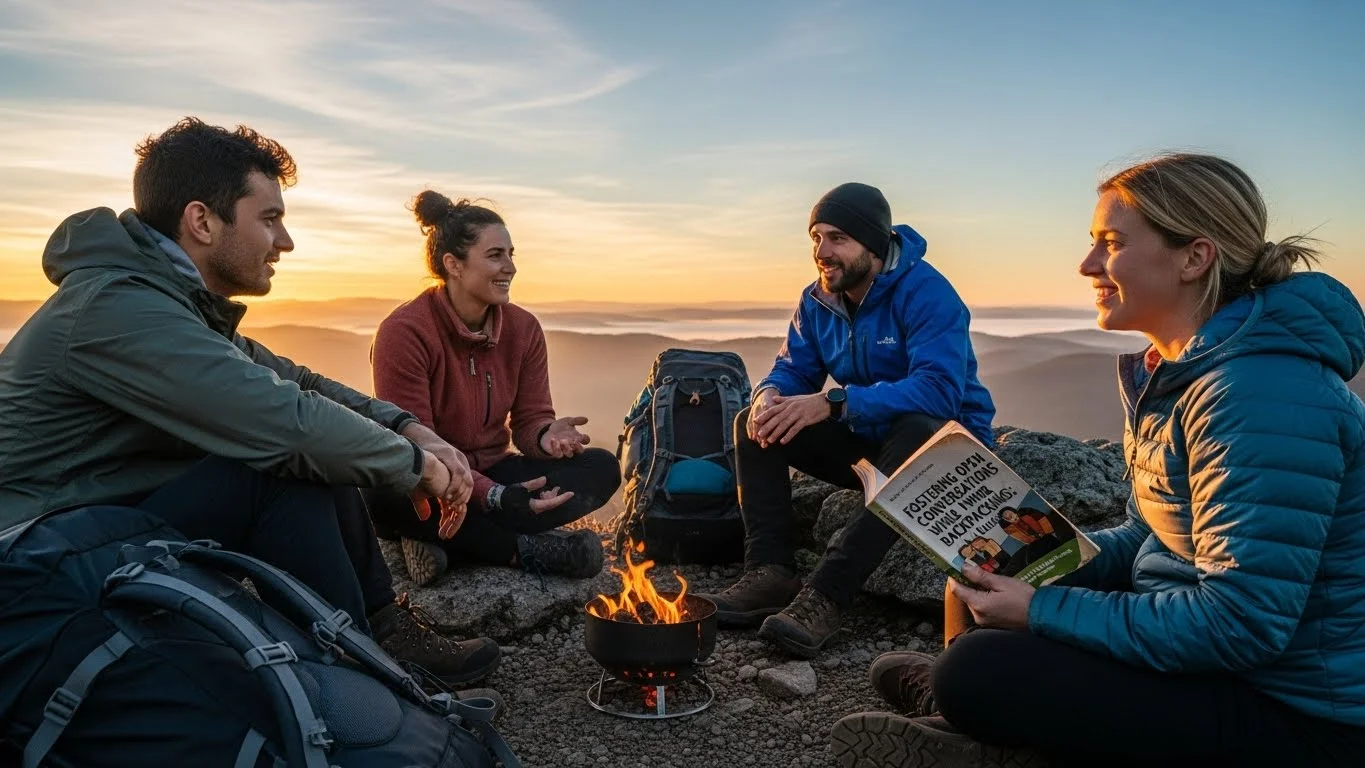
Understanding the Importance of Open Conversations While Backpacking
When I think back on my own backpacking adventures, the most cherished moments often revolve around the conversations I’ve had with fellow travelers and locals. It’s fascinating how a simple chat can change our perspective, broaden our horizons, and create lasting friendships. Open conversations while backpacking are essential, and here’s why.
Benefits of Engaging with Fellow Travelers
Engaging with fellow travelers can feel like a breath of fresh air. I remember sitting in a hostel common room, sharing stories with a group of backpackers from different corners of the globe. We shared tips about hidden gems in the cities we were visiting, and I learned about their cultures and traditions. This exchange of stories created a bond that made my travels richer and more meaningful.
When we connect with others, we not only learn about their journeys but also reflect on our own. For me, each conversation became a mini adventure, filled with laughter, insights, and sometimes even a little bit of vulnerability. It’s incredible how sharing experiences can dissolve barriers and foster a sense of camaraderie among strangers. Read Interesting article: Mastering Difficult Conversations While Backpacking Abroad
Building Cultural Connections
One of the most rewarding aspects of backpacking is the opportunity to immerse ourselves in new cultures. I’ve found that open conversations serve as a bridge to understanding different viewpoints and traditions. Whether it’s discussing local cuisine with a street vendor or learning about regional customs from fellow travelers, these interactions deepen our appreciation for the places we visit.
For instance, I once had a heartfelt conversation with a local family in a small village. They invited me to join them for dinner, and we spent the evening sharing stories about our lives. I learned about their customs, their challenges, and their dreams. That connection opened my eyes to a world I wouldn’t have fully understood just by visiting. It reminded me that we are all more alike than different, and it sparked a desire in me to always seek out those connections.
Overcoming Language Barriers
Language can sometimes be a hurdle, but I’ve learned that it doesn’t have to stop us from connecting with others. Open conversations can often thrive despite language differences. I remember my travels in Southeast Asia, where I found myself speaking with locals using a mix of gestures, broken phrases, and lots of smiles. It’s amazing how a sincere effort to communicate can lead to understanding, even when words fail us.
Utilizing translation apps on my phone has been a game-changer for me. They’ve allowed me to bridge communication gaps, making it easier to ask questions and share experiences. Plus, I’ve discovered that people appreciate when I attempt to speak their language, even if it’s just a simple greeting or thank you. It’s all about the effort, and that effort can lead to heartwarming connections that you never saw coming.
Open conversations also help in learning essential phrases in the local language. I often find that the more I engage with locals, the more I pick up on their language, which enhances my travel experience. Each interaction brings a new word or phrase that I carry with me, enriching not just my vocabulary but also my understanding of that culture.
In my experience, the importance of open conversations while backpacking cannot be overstated. They are the lifeblood of our journeys, transforming ordinary trips into extraordinary adventures. So, as you pack your bags and set out on your next adventure, remember to keep your heart and mind open to the conversations that await. They might just lead you to unforgettable experiences and friendships that last beyond your travels.
Preparing for Open Conversations
Choosing the Right Backpacking Destinations
Every destination has its own vibe, and I’ve learned that choosing the right place can set the stage for richer conversations. Some cities or towns are bustling with travelers and locals alike, creating a melting pot of cultures and ideas. For me, places like Barcelona and Tokyo have been fantastic for meeting people. Their energy draws travelers in, and the atmosphere encourages interaction. The streets are alive with stories waiting to be shared.
On the other hand, smaller towns often offer a different, yet equally beautiful experience. I remember backpacking through a quaint village in Italy where the pace was slow, and the locals were eager to share their lives. The intimate setting made conversations feel more personal, almost like catching up with old friends. When planning my trips, I look for places that seem welcoming and lively, as they tend to be more conducive to open dialogues.
Essential Communication Tools
Having the right tools can make a world of difference when it comes to engaging in conversations while backpacking. Over the years, I’ve found a few essentials that I always carry with me. A good translation app on my phone is at the top of my list. It’s helped me break down language barriers, allowing me to dive into conversations that I might have otherwise missed. I can’t tell you how many times I’ve pulled up my app to ask for directions, or even to compliment someone on their food.
Another handy tool is a small notebook and pen. I like to jot down interesting phrases I learn from locals or even doodle maps that show me the best places to visit. Sometimes, I use my notebook to write down questions I want to ask people. It may seem simple, but having these prompts can help ease any nerves I might feel before starting a conversation. Plus, it’s a great way to remember all those little nuggets of wisdom I gather along the way.
Understanding Local Cultures and Customs
One of the best ways to prepare for open conversations is to do a little homework on the local culture. I’ve found that understanding customs can make a big difference in how my conversations unfold. For example, in some cultures, it’s respectful to greet elders first or to ask about someone’s family before diving into other topics. These little nuances can show respect and openness, making my interactions much smoother.
Before I travel, I often spend some time reading about the customs and traditions of the places I’m visiting. I’ve found it helpful to learn a few key phrases in the local language, even if it’s just “hello” or “thank you.” When I make an effort to use these words, I’ve noticed people’s faces light up with appreciation. It’s like opening a door to deeper conversations, and it shows that I value their culture.
Engaging with local customs also means being aware of what might be considered taboo. I remember being in a country where discussing politics was a sensitive topic. Being aware of this helped me navigate conversations more carefully, allowing me to build rapport without stepping on any toes. Understanding local cultures enriches our travels and prepares us for more meaningful interactions.
Where to Start Conversations While Backpacking
Hostels and Shared Accommodations
One of the best places to start conversations is at hostels or shared accommodations. These spaces are often bustling with travelers from around the world, all seeking connection. I recall one evening in a hostel in Prague, where I joined a group of backpackers in the communal kitchen. We all started cooking together, sharing recipes and cooking tips. Before we knew it, we were swapping travel stories, and I felt like I had found a little family for that moment in time.
Hostels provide a unique environment where conversations come naturally. Whether it’s in common areas or during group activities, there are countless opportunities to engage with others. I’ve made some of my best travel friends in these settings, often bonding over shared adventures and dreams of the future.
Cafés and Restaurants
Cafés and restaurants are another prime spot for open conversations. I love settling down with a cup of coffee or a plate of local cuisine and just observing the world around me. Sometimes, I strike up conversations with fellow diners or even the staff. I remember sitting in a small café in Buenos Aires, where the barista shared insights about the local food scene and recommended must-try dishes. That simple exchange turned into a delightful afternoon filled with laughter and new friendships.
Eating alone can feel intimidating, but I’ve found that it’s the perfect opportunity to engage with others. I often ask the locals for their recommendations or share my experiences with the dishes I’ve tried. It’s amazing how food can be a conversation starter, bringing people together in the most unexpected ways. Read Interesting article: Backpacking with Kids: Boost Their Social Skills Abroad
Transportation Hubs and Public Transit
Transportation hubs, like bus stations or train platforms, are also great places to start conversations. During my travels, I’ve found that waiting for a bus or train can lead to some of the most random and memorable interactions. I remember chatting with a fellow traveler at a train station in India, where we ended up sharing tips on navigating the local transportation system. That conversation not only filled the waiting time but also gave me a sense of camaraderie as we both embarked on similar journeys.
Public transit is another opportunity to engage with locals. I’ve had some lively conversations with people sitting next to me on buses or trains. Whether discussing travel plans or local attractions, these interactions often lead to valuable insights and recommendations that I wouldn’t have found in a guidebook.
Outdoor Activities and Tours
Participating in outdoor activities and tours can also facilitate open conversations. Whether it’s hiking, biking, or joining a city tour, these experiences often bring together people who share common interests. I remember joining a guided hike in the Swiss Alps, where my fellow hikers and I bonded over the stunning views and the physical challenges of the trek. By the end, we were sharing our travel stories, and I felt a genuine connection with each person.
Outdoor activities encourage teamwork and collaboration, which can naturally lead to conversations. I’ve found that being in a group setting allows us to bond over shared experiences, making it easier to engage in more personal discussions as well.
Conversation Starters and Techniques
Open-Ended Questions
One of the best ways to kick off a meaningful conversation is by asking open-ended questions. I’ve found that these types of questions invite deeper discussions and allow the other person to share more about themselves. Instead of asking, “Did you like that museum?” I might say, “What was your favorite part of the museum?” This approach not only gives them the space to elaborate but also opens the door for a richer dialogue.
I remember having a fantastic conversation in a park in Lisbon, where I asked a local artist what inspired their work. This simple question led to a fascinating discussion about their creative process, the challenges of living in the city, and even the influence of Portuguese culture on art. By asking open-ended questions, I discovered layers of their experiences that I wouldn’t have learned otherwise.
Sharing Personal Stories
Sharing our stories can be just as powerful as asking questions. I’ve noticed that when I open up about my travels, it encourages others to do the same. It’s like a little dance of sharing; one person shares, and the other feels comfortable to reciprocate. I often begin by telling a fun or quirky experience from my travels, which not only lightens the mood but also sets a friendly tone for the conversation.
For instance, I once shared a humorous story about getting lost in a market in Morocco. The laughter that followed made it easier for others to jump in with their own travel mishaps. These shared experiences create bonds and help us realize that we all have our own adventures and misadventures.
Utilizing Humor and Light-Heartedness
Humor can be a fantastic icebreaker. I believe that laughter transcends language barriers and can make conversations feel more relaxed and enjoyable. On my travels, I often try to incorporate light-hearted jokes or funny observations about the places I visit. I remember chatting with a group of travelers in a café in Berlin, and I made a light-hearted comment about how I managed to order dessert instead of dinner. Everyone burst into laughter, and suddenly we were all sharing our culinary blunders and the oddities of food in different countries.
Using humor not only cultivates a friendly atmosphere but also makes it easier to connect with others. I’ve found that laughter can be a universal language, creating a comfortable space for deeper discussions to unfold. Just be mindful of the cultural context—what’s funny in one culture might not resonate in another, so I always try to gauge the crowd first.
Active Listening Skills
Active listening is a crucial skill that often gets overlooked. I’ve realized that the way we engage in conversations can greatly influence how connected we feel with others. When I focus on truly listening—nodding, maintaining eye contact, and responding thoughtfully—I can feel the difference in the interaction. It shows that I value what the other person is saying, and this often encourages them to open up even more.
During a train ride in Italy, I met a fellow traveler who had an incredible story about volunteering abroad. I made an effort to listen attentively, asking follow-up questions and reflecting on what they shared. The conversation flowed naturally, and by the end of the ride, I felt like I had gained a new friend and a wealth of knowledge about volunteer travel.
Active listening can transform a simple exchange into a meaningful connection. When we show genuine interest in others, we create an inviting environment that encourages more profound conversations. I recommend practicing this skill in all interactions, whether with fellow travelers or locals, as it enriches our experiences and builds lasting relationships.
Overcoming Challenges in Conversations
Dealing with Shyness and Introversion
For those of us who are shy or introverted, starting conversations can feel daunting. I used to struggle with this, often feeling nervous about approaching strangers. However, I’ve learned a few techniques that have helped me break through that barrier. One approach is to remind myself that many people are just as eager to connect and may share my feelings of shyness.
When I find myself feeling anxious, I often start by observing my surroundings and seeking common ground. For instance, if I notice someone reading a book I love, I’ll mention it. This allows me to ease into the conversation without feeling too forced. I’ve discovered that sometimes, simply saying “Hi” and sharing a smile can be the first step toward a great conversation.
Navigating Cultural Sensitivities
Navigating cultural sensitivities can be a challenge, but it’s essential for fostering positive conversations. I’ve learned to approach discussions with a respectful curiosity about the local customs and cultural norms. If I’m unsure about a topic, I’ll often start by asking broad questions about their culture or traditions. This not only shows my interest but also allows the other person to guide the conversation toward areas they feel comfortable discussing.
For example, while traveling in Japan, I was aware that certain topics might be sensitive. Instead of jumping into personal questions, I began by asking about their favorite local festivals. This led to a rich discussion about Japanese traditions and celebrations, where I learned so much without crossing any boundaries.
Handling Disagreements or Misunderstandings
Disagreements or misunderstandings can happen, especially when traveling in diverse cultural settings. I’ve encountered situations where my intentions were misinterpreted or where I accidentally offended someone. When this happens, I’ve learned that addressing the situation openly and with humility is key. Apologizing sincerely and expressing my genuine intentions can help clear the air.
One memorable experience occurred while chatting with locals in a market. I made a comment that was misunderstood, and I noticed the shift in their demeanor. Instead of brushing it off, I took a moment to clarify what I meant and apologized for the misunderstanding. This openness not only eased the tension but also led to a fascinating discussion about cultural differences in humor.
By embracing these challenges and learning how to navigate them, I’ve found that conversations can lead us to unexpected connections and insights, enriching our journeys even further.
Frequently Asked Questions
What is the significance of open conversations while backpacking?
Open conversations while backpacking are essential as they transform journeys into unforgettable experiences filled with laughter, learning, and connection. They help create lasting friendships and broaden our horizons.
How can engaging with fellow travelers enhance the backpacking experience?
Engaging with fellow travelers allows for the sharing of stories, tips, and cultural insights, creating a bond that enriches travels and fosters a sense of camaraderie.
What are some benefits of building cultural connections while backpacking?
Building cultural connections through conversations helps deepen appreciation for the places visited and offers a chance to understand different viewpoints and traditions, making the travel experience more fulfilling.
How can language barriers be overcome during conversations while traveling?
Language barriers can be overcome by using gestures, broken phrases, and translation apps, which facilitate communication and help establish connections, even when words may fail.
What tools are recommended for preparing for open conversations while backpacking?
Essential tools include a good translation app for overcoming language barriers and a small notebook for jotting down interesting phrases, questions, or experiences to facilitate engaging conversations.
Where are the best places to start conversations while backpacking?
Hostels, cafés, restaurants, transportation hubs, and during outdoor activities or tours are great places to start conversations, as these environments naturally encourage interaction among travelers and locals.
What are effective conversation starters while backpacking?
Effective conversation starters include asking open-ended questions, sharing personal stories, incorporating humor, and practicing active listening to foster a deeper connection.
How can shy or introverted travelers initiate conversations?
Shy or introverted travelers can initiate conversations by observing their surroundings for common ground, starting with a simple greeting, and reminding themselves that many others are also eager to connect.
What should travelers keep in mind regarding cultural sensitivities during conversations?
Travelers should approach discussions with respectful curiosity about local customs and traditions, starting with broad questions to gauge comfort levels and avoid sensitive topics.
How should disagreements or misunderstandings be handled during conversations?
Disagreements or misunderstandings should be addressed openly and with humility. Apologizing sincerely and clarifying intentions can help ease tensions and lead to richer discussions.
Traveling with kids can be both exciting and challenging. Mastering behavior management during journeys can ensure we create happy memories while navigating the ups and downs of family travel. For more insights, check out Navigating Learning Disabilities While Traveling: A Parent’s Guide.
Understanding Behavior Management in Travel
What is Behavior Management?
Behavior management is a set of strategies aimed at guiding and influencing children’s behavior in a positive direction. I’ve always seen it as a way to create an environment where kids can thrive, learn, and enjoy their experiences. When we travel, behavior management becomes crucial because we are often in unfamiliar situations that can provoke excitement, anxiety, or stress in our little ones. By understanding the dynamics of behavior management, we can tailor our approach to ensure smoother travels.
Importance of Behavior Management for Parents
I remember the first time I took my kids on a long road trip. As soon as we hit the road, excitement quickly turned to chaos. I soon learned that having a plan for behavior management was essential. It not only helps in maintaining order but also promotes a sense of security for our children. When kids know what to expect, they tend to feel more in control. From my experience, effective behavior management during travel can reduce stress for both parents and children, turning potential meltdowns into manageable moments. Plus, when we have structures in place, we can enjoy our travels more fully, focusing on creating lasting memories.
Pre-Travel Preparation
Setting Expectations with Children
Before any trip, I find it incredibly beneficial to have a family meeting. This is where we discuss the upcoming travel plans, highlight the fun activities, and set expectations. I’ve noticed that when my kids understand what’s coming, they are more likely to cooperate. We talk about the itinerary, the travel time, and what behaviors are expected. I often use visual aids like a simple chart or pictures to help younger kids grasp the idea better. For instance, I explain how long the flight will be and what we can do during that time. This prepares them mentally and gives them something to look forward to. Additionally, I recommend reading about Traveling on a Budget: Positive Reinforcement for Kids for more strategies.
Choosing the Right Destination for Family Dynamics
Choosing a destination that suits my family’s dynamic is another crucial step. I’ve learned the hard way that not all places are family-friendly. When planning our travels, I consider factors like the availability of kid-friendly activities, safety, and the overall vibe of the location. For example, if we’re heading to a big city, I make sure there are parks or interactive museums to keep the kids engaged. It’s all about finding a balance between what we, as adults, want and what will keep our kids happy and entertained. The right destination can significantly reduce behavioral issues and enhance our overall experience.
Creating a Travel Schedule
Having a travel schedule is another tip I swear by. I typically draft a loose itinerary to keep everyone on track but leave room for flexibility. It helps me manage expectations and gives the kids a sense of structure. I usually include travel times, meal breaks, and activity slots. I find that when my kids have a visual representation of our day, they’re more patient and engaged. This also allows me to incorporate downtime, which I’ve realized is essential for keeping the mood light and the energy levels manageable.
Packing Essentials for Behavior Management
Packing is where I really get strategic. I always include a “behavior management kit” in our luggage. This kit typically consists of snacks, toys, and activities that can keep my kids occupied during travel. I try to include a mix of familiar items and new surprises, which keeps things exciting. For instance, I often pack coloring books, puzzles, or even small travel games. Snacks play a huge role too. I’ve found that hunger can quickly lead to crankiness, so I always ensure we have plenty of healthy options on hand. This way, the kids can munch on something nutritious when they get restless, which helps prevent meltdowns.
Traveling with Different Age Groups
Strategies for Traveling with Toddlers
Traveling with toddlers can be a unique adventure. I’ve learned that toddlers thrive on routine, even when we’re on the go. I always try to stick to their nap schedules as closely as possible. This might mean planning our travel times around their sleep needs. I’ve also found that bringing their favorite comfort item—like a stuffed animal—can provide a sense of security in unfamiliar settings. Additionally, short bursts of activities, like quick stops to stretch their legs, can dramatically improve their mood and energy levels.
Traveling with School-Aged Children
With school-aged children, I like to involve them in planning. They appreciate having a say in some of the activities we’ll be doing. I often let them choose a few attractions or restaurants they want to visit. This investment in the planning process makes them more engaged and excited about the trip. Also, I encourage them to keep a travel journal, which gives them something fun to focus on during downtime and allows for some reflection at the end of the day.
Traveling with Teens: Addressing Independence
Traveling with teens is a different ball game altogether. They crave independence, and I’ve found that giving them some freedom can lead to a more enjoyable experience for everyone. I usually allow my teens to explore certain areas on their own or choose activities they enjoy. However, we establish clear boundaries and agree on check-in times. This not only fosters their independence but also gives me peace of mind knowing they’re safe. Communication is key here; I’ve learned that being open about expectations can help avoid misunderstandings and conflicts.
Behavior Management Techniques During Travel
Positive Reinforcement Strategies
One technique I swear by when traveling with my kids is positive reinforcement. Whenever they display good behavior, like sharing or being patient, I make it a point to recognize it right away. A simple “Great job waiting your turn!” can go a long way. I’ve found that celebrating small wins not only boosts their confidence but also encourages them to repeat those positive behaviors. Sometimes, I even create a reward system. For example, if they manage to stay calm during a long flight, we might treat them to an ice cream at our destination. This keeps them motivated and excited about the journey, and it’s amazing how much a little praise can change the atmosphere in the car or on a plane. For further tips, you might want to read Maximizing Learning: Parental Controls Explained.
Setting Boundaries and Rules
Before we embark on any trip, I believe it’s essential to set clear boundaries and rules. I sit down with my kids and discuss what behaviors are acceptable and what aren’t during our travels. For instance, we agree on things like staying together in crowded places or using indoor voices in certain settings. I think it’s important to involve them in this process; they feel more invested when they have a say in the rules. Additionally, I always remind them of these rules before we reach significant milestones in our journey, like boarding a flight or entering a museum. This helps reinforce their understanding and keeps everyone on the same page.
Using Distractions and Engagement Techniques
Travel can sometimes be a waiting game, and I’ve learned that keeping my kids engaged is crucial. I always keep a bag of tricks handy filled with entertaining distractions. We might play games like “I Spy” or “20 Questions” during long car rides. I’ve also found that audiobooks can be a fantastic way to keep everyone entertained while still being able to focus on the road. It can be a fun family bonding activity, and I’ve noticed that the kids are often more cooperative when they are mentally engaged. When they feel involved in the journey, it helps them manage their restlessness and boredom.
Implementing Calm-Down Strategies
No matter how well we prepare, there are times when things don’t go as planned. In my experience, having calm-down strategies ready to implement is key. I always teach my kids a few deep-breathing exercises that they can use when they start to feel overwhelmed. We practice these techniques at home, so when we’re traveling, they can easily recall them. I also keep a small comfort item handy—like a favorite blanket or a stress ball—that they can squeeze during tense moments. Creating a little “chill space,” even if it’s just a corner of the hotel room or a quiet spot in a park, can also be beneficial. It allows them to take a break when things become too much, ensuring they can recharge and regroup.
Handling Common Travel Challenges
Dealing with Meltdowns in Public Spaces
Let’s be honest, travel meltdowns are a reality. I remember a time when my child had a full-blown meltdown in the airport. I quickly learned that staying calm was essential. I try to find a quiet spot away from the crowd, where we can talk things through. I’ve found that just acknowledging their feelings can help. Saying something like, “I can see you’re upset; it’s okay to feel that way,” makes them feel heard and understood. Sometimes, a little distraction can also help. I might pull out a favorite toy or snack to redirect their focus. It’s all about helping them regain control of their emotions in that moment.
Managing Long Wait Times and Delays
Long wait times are part of travel, and I’ve learned to embrace them rather than fight against them. I always pack a few surprise activities that my kids have never seen before—like a new puzzle or a travel-sized game. This not only keeps them occupied but also adds an element of excitement. I also encourage them to get creative. We might make up stories about the people around us or create a scavenger hunt for things we can see while we wait. Turning a frustrating delay into a fun bonding moment has made a world of difference for us. It transforms the waiting game into an adventure.
Traveling on a Budget: Keeping Stress Levels Low
Traveling with kids often comes with unexpected expenses, and I’ve learned that budgeting can greatly reduce stress levels. I always set a budget before we leave and involve my kids in the planning. They appreciate knowing how much we can spend, and it helps them understand the importance of making choices. When we’re out and about, I often remind them that we can have fun without spending too much. We explore local parks, enjoy picnics, or visit free attractions. This not only keeps us within budget but also allows us to discover hidden gems we might not have noticed otherwise.
Coping with Travel Fatigue
Recognizing Signs of Overstimulation
Travel fatigue is real, and I’ve noticed that my kids can become overstimulated quite easily. I’ve learned to watch for signs like irritability or difficulty concentrating. When I see these signs, I know it’s time to take a break. I might suggest a quiet rest or a low-key activity to help them recuperate. A simple way to reset could be a short walk in a nearby park or finding a cozy café to relax in. Allowing for these moments of calm can make a huge difference in maintaining everyone’s mood during a busy trip.
Balancing Activities and Downtime
Finding the right balance between activities and downtime has been crucial in my travel experiences. I try to plan our days with a mix of exciting activities and restful breaks. I’ve found that if we jam-pack our schedule, it often leads to cranky kids and stressed parents. I like to have a few key activities planned, but I also leave gaps in our schedule for spontaneous fun or relaxation. This flexibility has allowed us to adapt to how everyone is feeling, making our trips more enjoyable.
Importance of Routine During Travel
Establishing some semblance of a routine while traveling has really helped my family. I try to maintain regular meal times and bedtimes as much as possible. This consistency provides a sense of security, even in unfamiliar surroundings. I’ve noticed that when my kids know what to expect, they seem more at ease. For example, if we stick to our usual bedtime routine—like reading a story together before sleep—it helps them wind down and transition into the new environment more smoothly.
Post-Travel Reflection
Discussing the Trip: What Went Well?
Identifying Areas for Improvement
Planning for Future Travels
Post-Travel Reflection
Discussing the Trip: What Went Well?
Once we return from a trip, I find it really helpful to sit down with my family and reflect on our experiences. I usually start by asking my kids what their favorite moments were. I remember after one of our beach vacations, my daughter couldn’t stop talking about the seashells she collected and how much fun she had building sandcastles. Hearing them express what they loved about the trip not only reinforces those positive memories but also allows us to celebrate our time together. I believe this practice can strengthen our family bond and create a sense of accomplishment, as we often realize how many wonderful moments we shared, even amidst the challenges.
Identifying Areas for Improvement
After discussing the highlights, I think it’s equally important to talk about what didn’t go as planned. This part can be a bit tricky, but I approach it gently. I ask questions like, “Was there anything that made you feel upset or frustrated?” or “What do you think we could do differently next time?” For instance, during one trip, we had a long delay at the airport that led to a lot of stress. I remember my son expressing how he felt bored and restless. By identifying these areas for improvement, we can brainstorm solutions together. For example, we might decide to pack additional activities for our next travel adventure or plan for longer layovers so we can stretch and unwind. This open dialogue helps my kids feel heard and valued, and it encourages them to be proactive about finding solutions.
Planning for Future Travels
With our reflections in mind, I like to start the planning process for our next adventure. I often involve my kids in this, too. We discuss places they want to visit or activities they enjoyed from previous trips. This collaborative approach keeps them excited and invested in the planning process. I also remind them of the lessons we learned, such as packing snacks or allowing time for breaks. We might even create a “wish list” of activities we want to try or places we want to visit next. I’ve found that this not only maintains their enthusiasm but also gives them something to look forward to. Plus, it turns the planning stage into a fun family project, where we can research together and dream about our next getaway.
As we plan, I also keep in mind the age of my kids and their evolving needs. For instance, as my teens grow, their interests shift, and I’ve learned to cater to those changes by allowing them to take a more active role in choosing destinations or activities. In our case, this means they get to choose a day trip that aligns with their interests, like visiting an amusement park or a historical site. Allowing them this freedom not only empowers them but also helps us bond over shared experiences that cater to everyone’s preferences.
Frequently Asked Questions
What is behavior management in travel?
Behavior management is a set of strategies aimed at guiding and influencing children’s behavior in a positive direction, creating an environment where kids can thrive, learn, and enjoy their experiences during travel.
Why is behavior management important for parents while traveling?
Behavior management is essential for maintaining order and promoting a sense of security for children during travel. It helps reduce stress for both parents and children and allows families to focus on creating lasting memories.
How can parents set expectations with their children before a trip?
Parents can set expectations by having a family meeting to discuss the upcoming travel plans, highlight fun activities, and establish behavior expectations, often using visual aids to help younger kids understand better.
What should parents consider when choosing a travel destination for their family?
Parents should choose a family-friendly destination that offers kid-friendly activities, safety, and an overall vibe that suits their family dynamics to reduce behavioral issues and enhance the experience.
What is a “behavior management kit” and what should it include?
A “behavior management kit” is a packed bag that includes snacks, toys, and activities to keep kids occupied during travel. It should contain a mix of familiar items and new surprises to maintain interest and prevent meltdowns.
What strategies can parents use when traveling with toddlers?
For toddlers, parents should try to stick to their nap schedules, bring comfort items, and incorporate short bursts of activities to keep their mood and energy levels manageable during travel.
How can parents engage school-aged children in the travel planning process?
Parents can involve school-aged children by letting them choose some activities or attractions and encouraging them to keep a travel journal, making them more invested and excited about the trip.
What techniques can help manage meltdowns in public spaces during travel?
To manage meltdowns, parents should stay calm, find a quiet spot to talk things through, acknowledge their child’s feelings, and use distractions like toys or snacks to help regain control of emotions.
How can families cope with travel fatigue and overstimulation?
Families can cope with travel fatigue by recognizing signs of overstimulation, taking breaks, balancing activities with downtime, and maintaining a routine during travel to provide a sense of security.
What should families do after returning from a trip to improve future travels?
After returning from a trip, families should reflect on their experiences by discussing what went well and identifying areas for improvement. This open dialogue can help plan for future travels and keep everyone engaged in the planning process.