
Finding fun and educational activities for kids doesn’t have to break the bank. Here are some exciting budget-friendly STEM activities that will not only spark creativity but also enhance their learning experience! Read Interesting article: 10 Fun STEM Activities for Kids: Budget-Friendly Ideas
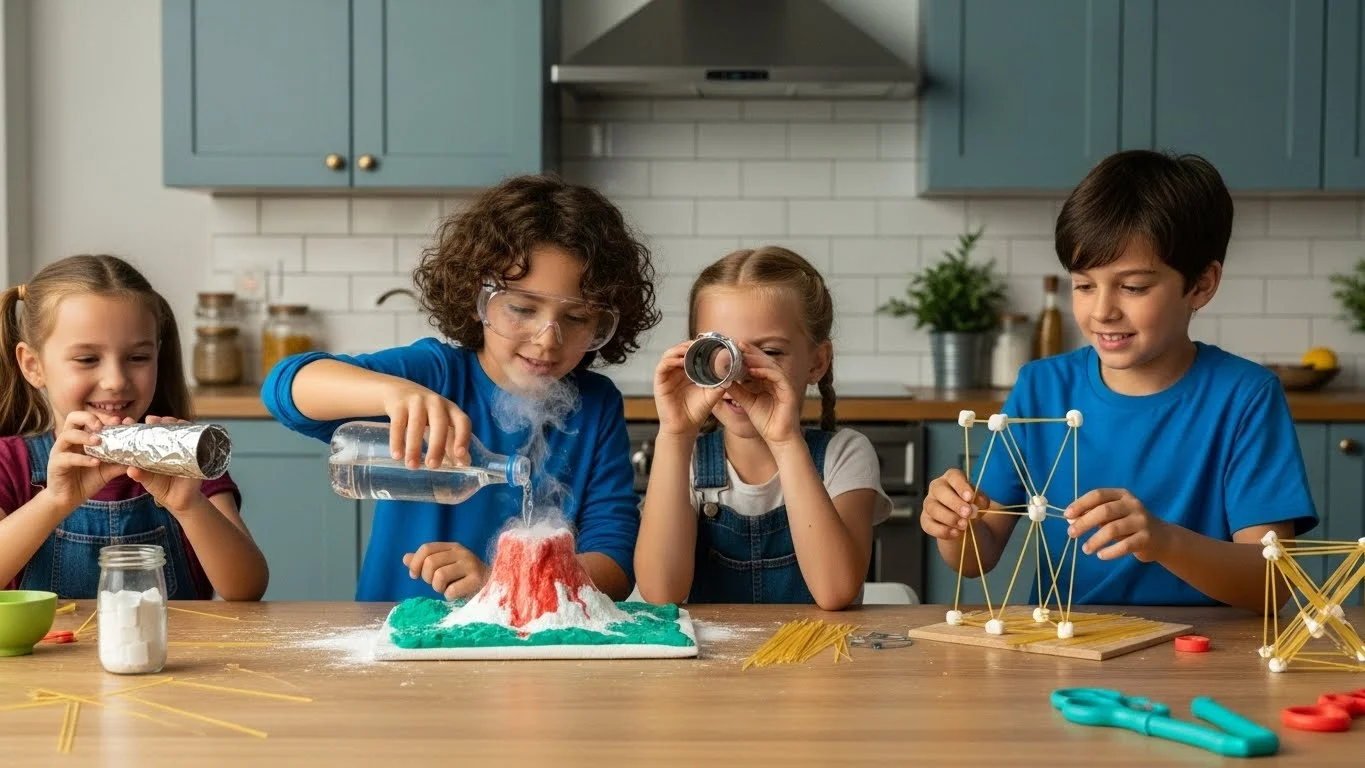
Understanding STEM and Its Importance for Kids
What is STEM?
STEM stands for Science, Technology, Engineering, and Mathematics. It’s a way to engage kids in learning by combining these four fields into hands-on activities that promote critical thinking and problem-solving. I’ve always believed that when children explore these subjects through play, they not only learn but also develop a passion for discovery. For me, seeing my kids dive into a science project is a joy like no other. They ask questions, experiment, and sometimes fail, which is all part of the learning process!
Benefits of STEM Activities for Children
Integrating STEM activities into our kids’ routines has countless benefits. From my experience, these activities boost confidence, improve cognitive skills, and encourage teamwork. I often notice how my children light up when they successfully build something or solve a problem. It’s as if they unlock a new part of their minds that they didn’t know existed.
Moreover, STEM activities help develop essential life skills. For instance, kids learn to think critically as they analyze results and adapt their methods. They also experience the joy of creativity when they design their projects. I feel that these experiences shape their futures, opening doors to various career paths they may not have considered otherwise. Plus, engaging in these activities as a family strengthens our bond. We collaborate, share ideas, and celebrate our successes together, making it an enriching experience for all of us. Read Interesting article: Top 10 Budget-Friendly Educational Games for Kids
Top 10 Budget-Friendly STEM Activities
1. DIY Volcano Eruption
This classic experiment is a fantastic way to introduce kids to chemical reactions. Using simple ingredients like baking soda and vinegar, we create a fun and messy volcano right in our kitchen! I recall the first time we did this; my kids were amazed at how the “lava” erupted. To make it more exciting, we painted a cardboard volcano and set it up outdoors. I think the best part was watching their eyes widen as the mixture fizzed and bubbled over!
2. Homemade Slime Experiment
Who doesn’t love slime? Making homemade slime is not only easy but also a great way to explore polymers. With just glue, water, and a few drops of borax or contact lens solution, we create a stretchy, gooey substance. I remember my kids playing with the slime for hours, experimenting with adding glitter or food coloring. This activity encourages sensory play and teaches them about the science of materials!
3. Building a Simple Robot with Recycled Materials
Recycling can be a fun STEM project. We gathered old boxes, plastic bottles, and other scraps to build a simple robot. The kids took charge of the design, and I was amazed at how creative they could be! It taught them about engineering concepts while also emphasizing the importance of sustainability. Watching them proudly present their robot to our family felt like a mini science fair at home.
4. Egg Drop Challenge
This activity is a favorite in our household! The goal is simple: protect an egg from breaking when dropped from a height. We used various materials like straws, cotton balls, and cardboard to create the safest design. The excitement builds as we take turns dropping our creations from the balcony. I loved seeing my kids’ strategic thinking in action, analyzing why some designs worked while others failed, which sparked great discussions about physics!
5. Paper Airplane Science
Paper airplanes can teach kids about aerodynamics in a fun way. We spent an afternoon designing different airplane styles and testing which flew the farthest. I encouraged my kids to measure the distance and make notes on their designs. It was incredible to see them experimenting with variables like wing shape and weight. They learned firsthand how tiny changes can affect performance, and I loved hearing their enthusiastic debates about which design was the best!
6. Water Filtration Experiment
This activity is not only budget-friendly but also educational. We created a simple water filter using sand, gravel, and activated charcoal in a plastic bottle. I remember how my children were shocked to see how dirty water could turn clear after filtering! This experiment led to discussions about environmental science and the importance of clean water. It felt rewarding to show them how science can help solve real-world problems.
7. Seed Germination Project
Gardening is a wonderful way to teach kids about biology and nature. We decided to plant seeds in small pots and track their growth over several weeks. I loved watching their excitement as they watered the seeds and observed the changes daily. This activity taught them patience and responsibility, as they learned to care for living things. Plus, it was a fantastic way to introduce them to the concept of ecosystems!
8. Shadow Puppet Theater
Creating shadow puppets is a blend of art and science! We made puppets from cardboard and used a flashlight to project their shadows on the wall. The kids loved crafting stories and performing for the family. It helped them explore light and shadows, and I enjoyed seeing their creativity come to life through storytelling!
9. Balloon-Powered Car
Building a balloon-powered car is another exciting way to explore physics. We used a small plastic bottle for the car body and a balloon for propulsion. Watching them blow up the balloon and release it to see the car zoom across the floor was priceless. It sparked discussions about force and motion, and it was a fun challenge for them to tweak the design for better speed!
10. Solar Oven S’mores
Create a solar oven using a pizza box, aluminum foil, and plastic wrap. This project combines cooking with science as we harness the sun’s energy to melt chocolate and marshmallows. I remember how thrilled my kids were to enjoy their delicious treats after waiting patiently for the sun to do its job. It’s a tasty way to learn about renewable energy!
Supplies and Materials Needed
Common Household Items for STEM Activities
One of the best parts about engaging in STEM activities is that many of the supplies we need are already in our homes. I’ve found that by looking around, I can gather a treasure trove of materials without spending a dime. For example, empty toilet paper rolls, plastic bottles, and old newspapers can be transformed into amazing projects. I remember one time we used egg cartons to create a mini garden for our seed germination project! It was a fun way to recycle while also learning.
Here’s a quick list of common household items that can be used for various STEM activities:
- Cardboard boxes
- Plastic containers
- Baking soda and vinegar
- Glue and tape
- Food coloring
- Old electronics (for disassembly projects)
- Straws and balloons
- Rice and beans (for measuring and counting activities)
Each of these items can lead to countless creative projects. The more we explore, the more I realize how resourceful we can be with what we already have. It’s like a scavenger hunt around the house, and the excitement builds as we discover new ways to use everyday items! I think it fosters a sense of ingenuity in my kids that is invaluable.
Where to Find Affordable STEM Kits
If you’re looking to expand your STEM activities beyond household items, there are plenty of affordable STEM kits available. I’ve tried several kits over the years, and while they can vary in quality, many offer great value for the price. Stores like Walmart or Target often have seasonal science kits that are budget-friendly, especially during back-to-school sales.
Additionally, online retailers like Amazon, or educational websites often have deals on STEM kits. I recommend checking out customer reviews to find out which ones are worth it. Some local stores even have DIY kits that are perfect for hands-on activities. I enjoy visiting local craft shops where I can find unique supplies that inspire new projects. Sometimes, it’s just about getting out there and exploring what’s available. Read Interesting article: Budget Backpacking: Fun Learning Activities for Kids on the Go
Another option is to join community groups or swaps. I’ve seen parents exchange unused or gently used kits, which can save money and introduce us to new ideas. It’s a win-win! Plus, it helps build a supportive community centered around enriching our kids’ learning experiences.
Tips for Organizing STEM Activities
Creating a STEM-Friendly Environment
Setting up a space that encourages STEM exploration can make a huge difference in how engaged my kids are during these activities. I’ve learned that having a designated area for STEM projects helps keep everything organized and accessible. We use our dining table or a corner of the living room where we can spread out materials and not feel rushed. I always ensure that the space is well-lit and comfortable, making it inviting for everyone involved.
In our case, I also like to keep a supply bin handy, filled with essentials like scissors, glue, markers, and various craft materials. This way, whenever inspiration strikes, we can jump right into a project without wasting time looking for supplies. I find that a little preparation goes a long way in keeping the momentum going!
Another tip I’ve found helpful is to create a STEM challenge board. We jot down ideas for future projects and activities, allowing my kids to take ownership of what they want to explore next. It has been exciting to see their eyes light up when they pick a project from the board. It fosters a sense of independence and allows them to lead the way!
Engaging Children in the Process
Encouraging my kids to take an active role in planning and executing STEM activities has made our experiences even richer. I remember one day when we sat down together to brainstorm a few ideas for our weekend project. They had so many creative suggestions! It felt empowering for them to contribute to our learning journey.
Involving them in decision-making helps build their confidence and encourages curiosity. I often ask open-ended questions like, “What do you think will happen if we change this part of the experiment?” or “How can we make this design even better?” These types of questions invite them to think critically and explore various solutions.
Additionally, I’ve seen how sharing roles during projects enhances teamwork. Whether one child is the “designer” and the other the “builder,” or they both take turns being the “scientist,” it’s wonderful to watch them collaborate and develop communication skills. I believe these collaborative experiences will benefit them in all areas of life, not just in STEM. It’s all about having fun while learning together!
Safety Considerations for STEM Activities
Basic Safety Tips for Kids
When diving into exciting STEM activities, safety should always be a top priority. I’ve learned that setting some basic safety rules can help keep everyone safe while having fun. For example, I always make sure my kids wear safety goggles when conducting experiments that could splash, like the DIY volcano or the water filtration experiment. It’s fascinating how something as simple as goggles can make them feel like real scientists!
Another important tip is to keep the workspace tidy. I’ve noticed that when we have a clean area, it reduces the risk of accidents. We make it a habit to clean up spills immediately and put away tools after use. This helps instill a sense of responsibility in my kids as they learn to respect their environment. Also, I recommend keeping any hazardous materials out of reach and explaining why certain items should only be handled with adult supervision. It’s all about finding the right balance between fun and safety!
Supervision Guidelines for Parents
As much as I love engaging in STEM activities with my kids, I recognize that supervision is key. Depending on the activity, I usually stay close by to guide them and answer any questions they may have. For experiments involving heat or chemicals, like making solar oven s’mores, I make sure I’m right there to manage the process. This not only ensures safety but also gives me the chance to join in on the excitement of watching their results unfold.
I’ve also found it helpful to discuss the activity beforehand. We talk about what we’re going to do, the materials involved, and any potential risks. This not only prepares them for what’s coming but also makes them feel empowered to take part in the decision-making process. I think it’s important for kids to understand the value of safety in scientific exploration. By involving them in these discussions, they learn to become more aware of their surroundings and think critically about the materials they’re using.
For younger kids, I recommend direct supervision at all times, especially when using sharp objects, like scissors or when handling any project that involves small parts. I often set clear boundaries about where they can work, so they have their own safe space to explore their creativity. With older kids, I find that it’s beneficial to give them a little more independence, but I still check in regularly to ensure everything is going smoothly.
Resources for Further Exploration
Books and Websites on STEM for Kids
Once we get into STEM activities, I love to expand our learning beyond the projects we’re doing. There are so many fantastic resources available! I’ve discovered that books can be a great way to introduce new concepts and inspire further exploration. Some of our favorites include “The Everything Kids’ Science Experiments Book” and “National Geographic Kids: Awesome Science.” Both of these books are packed with fun experiments and clear explanations that make it easy for kids to understand.
Online resources are also invaluable. Websites like NASA’s Space Place and National Geographic Kids provide interactive activities, articles, and videos that make learning exciting. I often let my kids browse through these sites to find new ideas for projects. I think it creates a spark of curiosity that leads them to want to try things on their own! Additionally, platforms like Khan Academy offer free lessons in various STEM subjects that cater to all ages.
Local STEM Clubs and Workshops
Exploring local opportunities is another way to enhance our STEM journey. I’ve found that many communities offer clubs and workshops focused on science, technology, engineering, and math. Participating in these activities has allowed my kids to meet other children who share their interests while learning from knowledgeable instructors. It’s amazing how much they can absorb in a collaborative environment!
We’ve attended workshops at our local library and science center, where they can engage in hands-on projects and experiments. These experiences not only deepen their understanding but also create lasting memories. I also recommend checking out community centers or schools for any upcoming STEM events. Many times, they offer programs that are very affordable or even free! It’s a great way to keep the learning going beyond our home activities.
Overall, I believe that the more exposure we give our kids to new ideas and experiences, the more they grow in their curiosity and skills. By combining safe practices, exciting resources, and local opportunities, we can create a rich learning environment that inspires a love for STEM in our children!
Frequently Asked Questions
What does STEM stand for?
STEM stands for Science, Technology, Engineering, and Mathematics. It engages kids in learning through hands-on activities that promote critical thinking and problem-solving.
What are the benefits of engaging kids in STEM activities?
STEM activities boost confidence, improve cognitive skills, encourage teamwork, and help develop essential life skills. They also foster creativity and can shape children’s futures by opening doors to various career paths.
Can you provide an example of a budget-friendly STEM activity?
One example is the DIY Volcano Eruption, which uses baking soda and vinegar to create a chemical reaction that simulates a volcanic eruption. It’s fun, messy, and educational!
What common household items can be used for STEM activities?
Common household items include cardboard boxes, plastic containers, baking soda, glue, food coloring, old electronics, straws, and balloons. These can be used in various creative projects.
Where can I find affordable STEM kits?
Affordable STEM kits can be found at stores like Walmart or Target, especially during back-to-school sales. Online retailers like Amazon also offer deals, and local craft shops may have unique supplies.
What tips can help create a STEM-friendly environment at home?
Set up a designated area for STEM projects that is well-lit and organized. Keep a supply bin with essential materials handy and create a STEM challenge board for project ideas to encourage engagement.
How important is supervision during STEM activities?
Supervision is key for safety and guidance. Parents should stay close during experiments, especially those involving heat or chemicals, and discuss the activity beforehand to prepare children for potential risks.
What safety measures should be taken during STEM activities?
Basic safety measures include having kids wear safety goggles for experiments that could splash, keeping the workspace tidy, and ensuring hazardous materials are out of reach. Discussing safety beforehand is also important.
What resources are available for further STEM exploration?
Books like “The Everything Kids’ Science Experiments Book” and websites like NASA’s Space Place offer engaging content for kids. Local clubs and workshops also provide hands-on experiences and collaborative learning opportunities.
How can I encourage my kids to take an active role in STEM activities?
Encouraging kids to brainstorm ideas, ask open-ended questions, and share roles during projects helps build their confidence and promotes curiosity. This collaborative approach enhances their learning experience.