
Every parent has been there: a public meltdown, a stubborn refusal, or a heart-wrenching cry. Managing tantrums can feel like a daunting task, but with the right strategies, we can navigate these challenging moments more easily. Read Interesting article: Parenting Hacks: Managing Tantrums While Traveling
Understanding Tantrums: The Basics
What Are Tantrums?
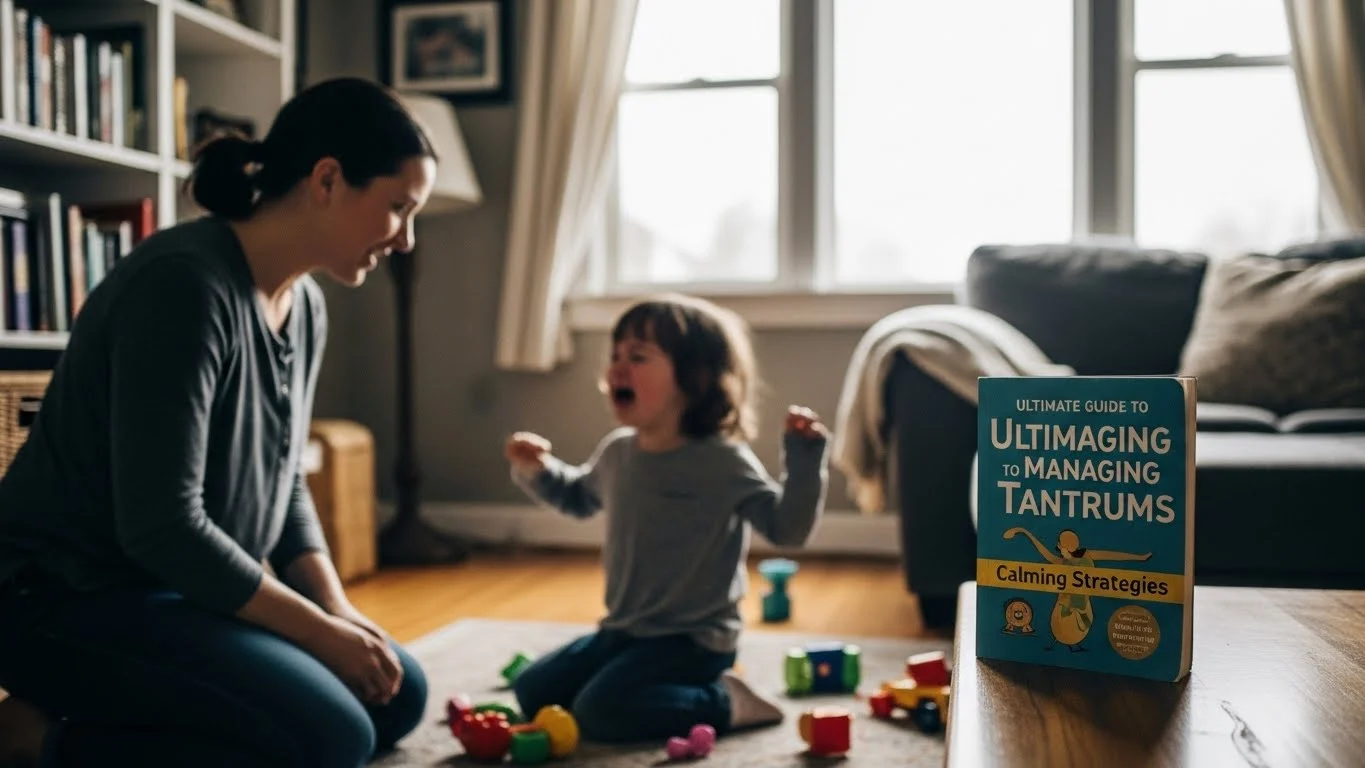
Tantrums are outbursts of anger, frustration, or overwhelm that often occur in young children. I remember the first time my child threw a tantrum in the grocery store. It was as if a switch flipped, and suddenly, my sweet little one was on the floor, kicking and screaming. At that moment, I realized that tantrums are not just disobedience; they are a child’s way of expressing emotions they can’t yet verbalize. They can be intense, unpredictable, and, at times, utterly exhausting for both the child and the parent.
Common Triggers of Tantrums
Understanding what triggers tantrums can help us manage them better. From my experience, common triggers include:
- Hunger: Ever tried to reason with a hangry child? It’s nearly impossible! I learned to always carry snacks to avoid these situations.
- Tiredness: When my child skips a nap or stays up too late, I know I’m in for a potential meltdown.
- Frustration: If they can’t reach a toy or complete a puzzle, that mounting frustration can lead to tears.
- Changes in routine: Kids thrive on routine. I noticed that any disruption, such as a change in plans or a new caregiver, could trigger a tantrum.
Age Range of Tantrums: When Do They Occur?
Tantrums are most common between the ages of 1 and 4. I remember reading that this is a crucial developmental period when children are learning to express their needs and emotions. They often lack the verbal skills to communicate effectively, which can lead to frustration. For my child, the worst of the tantrums hit around age 2, when they were testing boundaries and asserting independence. I found that knowing this helped me prepare for those challenging years. Read Interesting article: How to Calm Your Child’s Tantrums: 7 Proven Methods
Recognizing the Signs of a Tantrum
Verbal vs. Non-Verbal Cues
Before a full-blown tantrum erupts, there are often warning signs. I learned to pay attention to both verbal and non-verbal cues. Verbal cues might include whining, bargaining, or saying “no” repeatedly. Non-verbal cues can be just as telling: clenched fists, a furrowed brow, or pacing can indicate that my child is about to lose it. The sooner I could recognize these signs, the better I could prepare myself to intervene.
Emotional Indicators to Watch For
Emotions can be tricky, especially for young children. I’ve noticed that my child might become more withdrawn or overly clingy before a tantrum. They may also display signs of anxiety or restlessness. Understanding these emotional indicators has helped me respond effectively. For instance, when I see my child getting overwhelmed, I can offer a comforting hug or a moment of quiet time to help them regain composure.
Effective Calming Strategies
Creating a Calm Environment
The environment plays a huge role in a child’s mood. I’ve discovered that keeping a calm atmosphere at home can help reduce tantrums. This includes minimizing clutter, keeping noise levels down, and creating cozy spaces for relaxation. I love having a designated quiet corner with soft pillows and books where my child can retreat when feeling overwhelmed.
Breathing Techniques for Children
Teaching my child simple breathing techniques has been a game changer. I’ve found that deep breaths can help calm racing hearts and anxious minds. We practice taking deep breaths together. I tell them to pretend they are blowing up a big balloon, inhaling deeply through their nose and exhaling slowly through their mouth. It’s amazing how just a few rounds of this can shift their mood and mine!
Distraction Techniques: Redirecting Attention
Distraction can be an effective strategy when I see a tantrum brewing. I’ve learned that redirecting my child’s attention to something else can often diffuse the situation. Whether it’s changing the subject, pointing out something interesting in the environment, or suggesting a fun activity, it can work wonders. For example, if we’re in a store and my child is getting restless, I might challenge them to find something of a specific color or shape. This keeps their mind engaged and off whatever was causing the tantrum. Read Interesting article: Effective Techniques to Calm Tantrums in Children
Using Positive Reinforcement
I’ve found that acknowledging and praising good behavior can prevent tantrums before they start. When my child handles disappointment well or expresses their feelings without losing control, I make sure to celebrate that. Positive reinforcement encourages them to keep up that good behavior. I often say things like, “I’m so proud of you for using your words!” This not only boosts their confidence but also builds their emotional skills.
Establishing a Routine to Prevent Tantrums
Kids thrive on predictability, and establishing a routine has significantly reduced tantrums in our household. I remember feeling overwhelmed by the chaos of unpredictable days. By creating a consistent schedule for meals, naps, and activities, I’ve noticed my child feels more secure and knows what to expect. When we have a routine, it’s easier for them to transition from one activity to another, which can help prevent those emotional outbursts.
Specific Techniques for Different Situations
Dealing with Tantrums at Home
Tantrums at home can sometimes feel like a regular part of life, especially on particularly chaotic days. I’ve noticed that when my child is in familiar surroundings, the tantrums often stem from frustration or the desire for attention. One technique that I’ve found helpful is to create a “calm-down” corner. This is a cozy, quiet space in our home where my child can retreat when they feel overwhelmed. We fill it with their favorite toys, books, and a soft blanket. I’ve noticed that simply having this designated space helps my child recognize when they need a break, which can prevent a tantrum before it starts.
Additionally, I try to engage my child in discussions about feelings. We often draw pictures or use puppets to express emotions. This not only gives them a creative outlet but also helps them articulate their feelings instead of resorting to crying or throwing a fit. I remember one time, we drew a big, colorful chart of feelings, and it became a fun way for us to check in with each other about how we were feeling throughout the day.
Managing Tantrums in Public Places
Public tantrums can be particularly stressful for both the child and the parent. I recall a time when my child had a meltdown at a restaurant because their food took too long to arrive. In that moment, I felt all eyes on us, and my instinct was to flee. However, I found that staying calm and focused was key. One strategy I use is to offer my child a choice when they start to get unruly. For instance, I might say, “Would you like to sit in the high chair or on my lap while we wait?” Giving them control can sometimes defuse the situation.
Another tactic I’ve employed is to prepare for outings by bringing along a “busy bag.” This bag is filled with small toys, coloring books, or puzzles to keep my child engaged while we wait. I’ve learned that having something fun and new to distract them can be a lifesaver in public settings. I also make it a point to acknowledge my child’s feelings. I’ll say things like, “I know you’re frustrated, but soon we’ll have your food!” This helps validate their emotions while reminding them that the situation is temporary.
Handling Tantrums During Transitions
Transitions can be tricky for little ones. Whether it’s moving from playtime to bedtime or leaving a fun activity to go home, I’ve seen how these changes can trigger tantrums. One approach that has worked for us is to give advance notice of upcoming transitions. I often use a timer or a visual countdown. For example, I might set a timer for five minutes before it’s time to leave the park. When the timer goes off, I’ll remind my child that it’s almost time to go, and we’ll say goodbye to the swings and slides together.
Another technique I’ve found effective is to establish a routine for transitions. For bedtime, this means a consistent sequence of events: bath, storytime, then lights out. I’ve noticed that when my child knows what to expect, they are less likely to resist. I also try to involve them in the process; for instance, letting them pick out their pajamas or choose which book we read can make them more willing to cooperate. It’s all about creating a sense of stability and predictability, which can help ease the transition and reduce tantrums.
How to Respond During a Tantrum
Staying Calm: The Parent’s Role
When a tantrum strikes, the most important thing I’ve learned is to stay calm. It’s so easy to feel overwhelmed and anxious, but my reaction sets the tone for how things will unfold. I remember a particularly trying day when my child was having a meltdown over a toy they couldn’t find. I took a deep breath, lowered myself to their level, and spoke softly. I found that this approach not only calms my child but also helps me regain my composure. It’s almost like magic—when I’m calm, they tend to calm down too.
Setting Boundaries and Consequences
While it’s important to respond with empathy, I also believe in setting clear boundaries. I’ve learned to explain to my child that while it’s okay to feel upset, it’s not acceptable to hit or throw things. I’ll often use simple language to explain the consequences, such as, “If you throw that toy, we will have to put it away for a while.” It’s a fine line to walk, but I think it’s essential to enforce boundaries while still acknowledging their feelings.
When to Walk Away: Giving Space
There are times when giving space is the best option. I’ve found that if a tantrum escalates, stepping back can sometimes help my child regain control. I make sure they are safe and then give them a few moments to work through their feelings on their own. I keep an eye on them from a distance, and when they start to settle down, I’ll approach gently. This gives them the opportunity to learn self-soothing techniques while still knowing I’m there for support.
Preventative Measures: Reducing Tantrums Before They Happen
Understanding Your Child’s Needs
One of the most eye-opening things I’ve learned is that understanding my child’s needs can significantly reduce the frequency of tantrums. I’ve found that when I’m in tune with what my child requires—be it physical, emotional, or social needs—the outbursts become less frequent. For example, I noticed that my child tends to have more tantrums when they haven’t had enough interaction with me or other kids. I made it a priority to schedule playdates or engage in more one-on-one time. This connection not only strengthens our bond but also helps them feel secure and understood, which can prevent those emotional explosions.
Teaching Emotional Regulation Skills
Teaching emotional regulation has been a game changer in our household. I realized that if I could help my child learn to express their emotions in healthy ways, they would be less likely to resort to tantrums. We often role-play different scenarios where they might feel upset or frustrated. I might say, “What if someone takes your toy? How can we handle that?” This encourages them to think of words they can use instead of crying or throwing a fit. I also introduce them to “feelings words” by using books or songs that talk about different emotions. This exposure has helped my child not only recognize their feelings but also articulate them better. It’s a slow process, but I’ve seen real progress.
Creating a Supportive Home Environment
A supportive home environment is crucial for reducing tantrums. I’ve made it a point to create a space that feels safe and nurturing. This includes having consistent routines, which I mentioned earlier, but it also means being mindful of the overall atmosphere at home. We try to keep our home calm and organized, which minimizes chaos and anxiety. I’ve found that when things are too cluttered or noisy, my child becomes more irritable. We also have family meetings where everyone can share their feelings and concerns. It’s a great way for us to communicate openly and feel connected, which helps prevent misunderstandings that could lead to tantrums.
When to Seek Professional Help
Signs That Professional Intervention Is Needed
While most tantrums are a normal part of child development, I’ve learned there are times when seeking professional help is essential. If tantrums become excessively frequent, last for an extended period, or escalate to aggressive behavior, it might be time to consult a professional. I remember a particularly tough phase where my child was throwing tantrums daily, and nothing I tried seemed to work. It made me realize that sometimes support from a professional can provide insights and strategies I hadn’t considered. Other signs to look for include if the tantrums interfere significantly with daily life, such as disrupting school or social interactions.
Types of Professionals to Consult
In my journey, I found that a few types of professionals can help when tantrums become overwhelming. Pediatricians are often the first step; they can evaluate whether there are any underlying health issues contributing to the behavior. Child psychologists or counselors specializing in child behavior can offer targeted strategies and tools to handle emotional outbursts. I found it helpful to seek out professionals who employ play therapy or other child-friendly methods. They understand how to approach young children in a way that feels safe and engaging for them.
Resources for Parents
There are many resources available for parents navigating tantrums. I’ve stumbled upon some fantastic books that offer insights and practical strategies for managing these behaviors. For instance, “The Whole-Brain Child” by Daniel J. Siegel and Tina Payne Bryson has been a favorite of mine; it provides helpful techniques for nurturing a child’s emotional intelligence. Additionally, online forums and local parenting groups can be great sources of support. I often share my experiences and gain valuable advice from other parents who have been through similar situations. Connecting with others who understand can make a world of difference, reminding us that we are not alone in this journey.
Parenting Tips for Calming Tantrums
Staying Consistent with Strategies
One of the most important lessons I’ve learned is the power of consistency. I’ve realized that my child thrives when we use the same strategies repeatedly. If I react differently each time to a tantrum, it confuses them and can lead to more frustration. For example, if we practice deep breathing techniques and I use them consistently when they start to get upset, it becomes a go-to strategy for my child. This consistency not only helps them know what to expect but also reinforces the behaviors I want to see.
Building a Support Network
Having a reliable support network has been invaluable for me as a parent. Whether it’s friends, family, or community groups, knowing I can reach out for advice or simply vent has helped me maintain my sanity. I recommend finding other parents who understand the struggles of managing tantrums. We often exchange tips, share our experiences, and sometimes just laugh over the chaos that comes with parenting. It’s comforting to know that we’re in this together, and it’s okay to ask for help when needed.
Self-Care for Parents: Managing Stress
Finally, I can’t emphasize enough the importance of self-care for parents. Managing tantrums can be draining, and I’ve found that when I’m feeling overwhelmed or stressed, I’m less effective in handling my child’s outbursts. I make it a point to carve out time for myself, whether it’s a quiet cup of tea, a walk, or indulging in a good book. Finding moments to recharge helps me approach parenting with a clearer mind and a more patient heart. After all, we can’t pour from an empty cup!
Frequently Asked Questions
What are tantrums?
Tantrums are outbursts of anger, frustration, or overwhelm that often occur in young children. They serve as a child’s way of expressing emotions they can’t yet verbalize and can be intense and unpredictable.
What are common triggers of tantrums?
Common triggers of tantrums include hunger, tiredness, frustration, and changes in routine. These factors can lead to emotional outbursts in children, as they often struggle to communicate their needs effectively.
At what age do tantrums typically occur?
Tantrums are most common between the ages of 1 and 4, during a crucial developmental period when children are learning to express their needs and emotions.
What are some effective calming strategies for children experiencing tantrums?
Effective calming strategies include creating a calm environment, teaching breathing techniques, using distraction techniques, and applying positive reinforcement to encourage good behavior.
How can parents respond during a tantrum?
Parents should stay calm, set boundaries and consequences, and sometimes give space to their child during a tantrum. Staying composed can help to de-escalate the situation.
What preventative measures can reduce tantrums?
Preventative measures include understanding your child’s needs, teaching emotional regulation skills, and creating a supportive home environment with consistent routines.
When should parents seek professional help for tantrums?
Parents should consider seeking professional help if tantrums become excessively frequent, last for an extended period, escalate to aggressive behavior, or significantly disrupt daily life.
What types of professionals can help with tantrums?
Professionals that can help include pediatricians, child psychologists, or counselors specializing in child behavior. They can provide targeted strategies and evaluate any underlying health issues.
How important is consistency in handling tantrums?
Staying consistent with strategies is crucial as it helps children know what to expect and reinforces the desired behaviors, making it easier for them to cope with their emotions.
What role does self-care play for parents managing tantrums?
Self-care is essential for parents as managing tantrums can be draining. Carving out time for oneself helps parents approach parenting with a clearer mind and more patience.