
Tantrums are a normal part of childhood, but that doesn’t make them any easier to handle. If you’re a parent, you know how overwhelming it can be to see your child in distress. Here are some insights to help you navigate through these challenging moments.

Understanding Child Tantrums
What Are Tantrums?
For many parents, tantrums can feel like a storm that appears suddenly and disrupts everything. A tantrum is an emotional outburst that can involve crying, screaming, kicking, or even hitting. I remember the first time my child threw a tantrum in a grocery store; it felt like all eyes were on me, and my heart raced as I tried to figure out how to handle the situation. The reality is that tantrums are a normal part of child development, especially in toddlers and preschoolers. They are often expressions of frustration when kids can’t communicate their feelings or desires effectively.
Common Triggers of Tantrums
Understanding what triggers tantrums can be incredibly helpful. From my experience, common triggers include hunger, fatigue, frustration, and a desire for independence. I’ve seen my child throw fits when they were overly tired or when we weren’t able to do something they wanted immediately. Often, tantrums stem from a lack of control, and when children feel overwhelmed with their emotions, they may not know how to express it properly. Recognizing these triggers can help us take preventative measures. Calm the Storm: Effective Ways to Manage Child Tantrums can provide additional strategies for handling these situations.
Age Range and Developmental Stages
It’s important to understand that tantrums often correlate with developmental stages. I’ve noticed that they peak between 1 and 3 years old, which aligns with a child’s growing desire for independence and their limited ability to express complex feelings. It can be a rollercoaster ride! As children grow, their tantrums may evolve, but that doesn’t mean they disappear entirely. Even older children can experience outbursts, especially during times of stress or change. Recognizing where your child is developmentally can help you navigate tantrums more effectively.
Proven Methods to Calm Tantrums
Method 1: Acknowledge Their Feelings
One of the most effective methods I’ve found to calm my child during a tantrum is simply acknowledging their feelings. When I say something like, “I can see you’re really upset,” it helps my child feel understood. Rather than dismissing their emotions, validating them allows my little one to feel heard, which often calms the storm before it gets too intense.
Method 2: Use Distraction Techniques
Distraction can be a powerful tool. I’ve learned that redirecting my child’s attention can sometimes diffuse the situation quickly. When my child is on the verge of a meltdown, I might introduce a fun toy or suggest a different activity. For example, if we’re at home and a tantrum is brewing, I might say, “Hey, do you want to play with your building blocks?” Changing the focus can sometimes turn a potential tantrum into giggles.
Method 3: Implement a Calm-Down Corner
Creating a designated calm-down corner has been a game-changer for us. I set up a cozy spot with soft pillows, calming books, and some sensory toys. When my child feels overwhelmed, they know they can go to this space to collect themselves. I’ve found that this gives them a safe place to process their feelings and helps them learn to self-soothe over time. It’s a simple yet effective strategy that has worked wonders in our home.
Method 4: Offer Choices to Empower
Empowerment through choices can make a significant difference. I’ve noticed that when my child feels in control, tantrums are less likely to happen. For instance, instead of saying, “It’s time to put on your shoes,” I might ask, “Would you like to wear your red shoes or your blue shoes?” This small shift gives them a sense of autonomy and can greatly reduce frustration, making them less likely to throw a tantrum.
Method 5: Establish Consistent Routines
Routines provide security, and I’ve seen how establishing consistent daily schedules can dramatically reduce tantrums. Knowing what to expect can help my child feel more secure and less likely to resist transitions. For example, we have a routine for bedtime that includes reading, brushing teeth, and quiet time. Sticking to this routine has helped make bedtime less of a battle and more of a peaceful end to our day.
Method 6: Model Calm Behavior
Children learn by watching us, and modeling calm behavior can have a profound impact. I’ve found that when I remain calm during my child’s tantrum, it helps them to calm down as well. When I take deep breaths and speak softly, my child tends to mirror that behavior. It’s not always easy, especially when emotions run high, but being a role model for emotional regulation can help my child learn to manage their own feelings.
Method 7: Practice Deep Breathing Exercises
Deep breathing exercises are a fantastic way to help children manage their emotions. I remember the first time I introduced this idea to my child. We sat together, and I demonstrated how to take deep breaths – in through the nose and out through the mouth. It was a delightful moment when my child began to mimic me. Now, we practice deep breathing together when they start to feel overwhelmed. It’s a simple yet effective tool to have in our parenting toolkit.
When to Seek Professional Help
Signs That Tantrums Are Out of Control
While tantrums are a common part of childhood, there are certain signs that might indicate it’s time to seek professional help. I’ve learned that if tantrums become frequent and intense, last longer than 15 minutes, or occur multiple times a day, it could signal a deeper issue. In our case, I noticed that my child would sometimes become inconsolable, even after trying various calming methods. If your child is having frequent meltdowns that disrupt daily life or result in harm to themselves or others, it’s important to take a step back and evaluate the situation.
Additionally, if your child has difficulty transitioning between activities or becomes overly aggressive during tantrums, these could be warning signs that they are struggling to manage their emotions. I found it helpful to keep a journal of my child’s tantrums, noting any patterns or triggers, which can be beneficial when discussing these behaviors with a professional.
Consulting a Pediatrician or Child Psychologist
If you’re concerned about your child’s tantrums, consulting a pediatrician or a child psychologist can provide valuable insights. I remember when I first decided to seek help; I felt a mix of anxiety and relief. The doctor was supportive and helped me realize that I wasn’t alone in this. During our visit, they could assess my child’s behavior in a broader context and determine if there were underlying issues contributing to the outbursts, such as anxiety or developmental delays.
A child psychologist can also offer tailored strategies and tools to help your child cope more effectively with their emotions. This can be particularly beneficial if traditional methods haven’t worked for your family. I learned that having professional support can not only help my child but also provide me with reassurance and guidance on my parenting journey. For more strategies, check out Transform Tantrums: Effective Discipline Techniques for Kids.
Additional Tips for Parents
How to Prepare for Potential Tantrums
One of the best pieces of advice I received was to prepare for potential tantrums before they even happen. I started creating a mental checklist of potential stressors before taking my child out, especially in public places. For example, I always make sure my child is well-fed and well-rested before outings, as I’ve noticed that those two factors can significantly reduce the likelihood of a meltdown. Also, discussing our plans beforehand can help set expectations and reduce surprises that might trigger an outburst.
Another tip that has worked for me is to practice role-playing scenarios at home. I might pretend to be the child and act out a frustrating situation, allowing my child to navigate their emotions in a safe space. This not only prepares them for real-life situations but also helps them understand that it’s okay to feel frustrated or upset.
Strategies for Different Settings (Home, Store, etc.)
Each environment presents its unique challenges, and I’ve found that having tailored strategies can make a world of difference. For instance, when we go grocery shopping, I always bring along a small toy or snack to keep my child occupied. I also try to involve them in the shopping process by letting them help pick out items. This makes them feel included and less likely to act out.
At home, I create a calm environment by having a designated time for play and relaxation. If I sense that my child is becoming irritable, I might suggest a quiet activity, like coloring or reading together. I’ve learned that giving them the space to unwind can prevent a potential tantrum from escalating. Each setting might require a different approach, but being adaptable has been key for us.
Importance of Self-Care for Parents
It’s easy to forget about our own well-being when we’re focusing so much on our children. I’ve realized that taking care of myself is crucial not only for my own sanity but also for my ability to handle my child’s tantrums effectively. I try to carve out time for activities that recharge my batteries, whether that’s going for a walk, reading a book, or simply enjoying a cup of coffee in peace. When I feel balanced, I’m less reactive and more equipped to handle tough moments with my child.
Additionally, I’ve found that connecting with other parents can provide a sense of community and support. Sharing experiences and learning from each other has been invaluable. Whether it’s attending a parenting group or having a coffee with a friend, knowing that I’m not alone in this journey helps me feel more confident in my parenting skills.
Resources for Further Support
Books on Parenting and Tantrums
Finding the right resources can make a huge difference in our parenting journey. I’ve discovered some incredible books that provide valuable insights into managing tantrums and understanding child behavior. One of my favorites is “The Whole-Brain Child” by Daniel J. Siegel and Tina Payne Bryson. This book explores how different parts of a child’s brain develop and how we can connect with them during emotionally charged moments. I remember feeling empowered after reading it, as it gave me practical strategies to better understand my child’s reactions.
Another great read is “No-Drama Discipline,” which emphasizes the importance of discipline without resorting to yelling or frustration. It helped me realize that discipline can be a teaching moment, rather than a punitive one. I found the real-life examples in these books relatable, and they provided me with a fresh perspective on handling tantrums effectively.
Support Groups and Online Communities
Connecting with other parents who are experiencing similar challenges has been a lifesaver for me. I joined a local parenting group where we share stories and tips about tantrum management. It’s comforting to know that I’m not alone in this. I remember one particularly tough week when my child had multiple tantrums, and hearing from other parents made me feel supported and understood.
Online communities can also be incredibly helpful. I often browse forums like Reddit’s parenting subreddit or Facebook groups dedicated to parenting. These platforms allow us to ask questions, share our experiences, and receive advice from a larger community. I’ve learned practical strategies and gained insights I might not have considered otherwise. Plus, it’s nice to vent sometimes and receive encouragement from others who get it!
Professional Services and Workshops
Sometimes, we need a little extra help to navigate the complexities of parenting. I explored various workshops focused on parenting strategies, and I found them to be incredibly beneficial. Many local community centers or hospitals offer parenting classes that cover topics like discipline, communication, and emotional regulation. I participated in one that focused specifically on managing tantrums, and it provided me with tools and techniques that I still use today.
Additionally, consulting with professionals, such as child psychologists or counselors, can be invaluable. They can offer personalized strategies and support tailored to your family’s specific needs. I remember the first time I met with a child psychologist; they helped me understand my child’s behaviors better and provided me with actionable strategies. It was a relief to have that guidance, and I felt more confident in my parenting approach.
In my experience, having a variety of resources at our disposal can help us feel more equipped to handle tantrums. Whether it’s through reading, connecting with others, or seeking professional support, we can find the tools to make this parenting journey a little smoother. Remember, it’s okay to seek help and lean on others; we are all in this together.
Final Thoughts
As I reflect on my journey through the stormy seas of tantrums, I realize just how much I’ve learned about myself as a parent and about my child. It’s easy to feel overwhelmed when our little ones are in the midst of an emotional outburst, but I’ve come to see these moments not just as challenges but as opportunities for growth. Every tantrum is a chance to teach my child about their feelings and how to cope with them, and it’s also a reminder for me to practice patience and understanding.
Each child is unique, and what works for one may not work for another. From my experience, it’s important to be flexible and willing to try different strategies until we find what resonates with our little ones. I’ve found joy in experimenting with various calming techniques and discovering which ones my child responds to best. The key is to remain open-minded and ready to adapt as they grow and change.
It’s also crucial to remember that we’re not alone in this parenting journey. There are countless parents out there who share our struggles, feelings of frustration, and moments of triumph. I’ve learned that reaching out to others not only helps me feel supported but also gives me fresh ideas and new perspectives. Whether it’s through a local parenting group, online forums, or simply chatting with friends, sharing our experiences can be incredibly healing.
Moreover, the importance of self-care cannot be understated. I genuinely believe that when we take care of ourselves, we’re better equipped to handle the ups and downs of parenthood. Finding moments of peace and joy for ourselves ultimately translates to a calmer household. I’ve made it a priority to carve out time for activities that bring me joy, and it has made all the difference in my ability to manage challenging situations with my child.
In the end, tantrums are just one part of the parenting puzzle. They can be tough, but they also remind us of the incredible emotional world our children are navigating. Each tantrum we face is a moment that brings us closer to understanding our child’s needs, and it’s a step towards helping them develop the emotional intelligence they will carry with them into adulthood. So, let’s embrace these moments, learn from them, and support each other along the way. After all, we’re all in this together, and with love, patience, and the right tools, we can navigate the journey of parenting with grace and confidence.
Frequently Asked Questions
What are tantrums in children?
Tantrums are emotional outbursts that can involve crying, screaming, kicking, or hitting. They often occur when children are frustrated and unable to communicate their feelings or desires effectively.
What are common triggers for tantrums?
Common triggers for tantrums include hunger, fatigue, frustration, and a desire for independence. Recognizing these triggers can help parents take preventative measures.
At what age do tantrums typically peak?
Tantrums often peak between the ages of 1 and 3 years old, aligning with a child’s growing desire for independence and their limited ability to express complex feelings.
What is one effective method to calm a child during a tantrum?
Acknowledging their feelings is an effective method to calm a child during a tantrum. Validating their emotions helps them feel understood and can calm the situation before it escalates.
How can distraction techniques help with tantrums?
Distraction techniques can defuse a situation quickly by redirecting a child’s attention. Introducing a fun toy or suggesting a different activity can often turn a potential tantrum into a more positive interaction.
What is a calm-down corner, and how can it help?
A calm-down corner is a designated space with soft pillows, calming books, and sensory toys where a child can go to process their feelings and learn to self-soothe when they feel overwhelmed.
When should parents seek professional help for tantrums?
Parents should seek professional help if tantrums become frequent and intense, last longer than 15 minutes, or occur multiple times a day, especially if they disrupt daily life or result in harm.
What role does self-care play for parents managing tantrums?
Self-care is crucial for parents as it helps them maintain balance and reduces reactivity during challenging moments. Taking time for personal activities can improve a parent’s ability to handle tantrums effectively.
How can parents prepare for potential tantrums?
Parents can prepare for potential tantrums by ensuring their child is well-fed and well-rested before outings, discussing plans beforehand, and practicing role-playing scenarios to help children navigate their emotions.
What resources can parents use to support themselves and their children?
Parents can benefit from books on parenting and tantrums, support groups, online communities, and professional services or workshops that provide tailored strategies for managing tantrums and understanding child behavior.
Tantrums can be challenging at any age, but understanding them can make all the difference. Let’s explore the nuances of tantrums across different age groups and how we can effectively manage these emotional outbursts. Read Interesting article: Mastering Tantrums: Proven Discipline Strategies for Parents

Understanding Tantrums: An Overview
What Are Tantrums?
Tantrums are intense emotional outbursts that can take many forms, including crying, screaming, kicking, or even throwing objects. They’re often associated with frustration or a desire to express feelings that a child may not yet fully understand or cannot articulate. I remember witnessing my niece’s first tantrum—it was shocking yet somewhat relatable. It was clear that she was overwhelmed, and her tiny body just didn’t know how to handle all those big feelings.
Common Causes of Tantrums
As I’ve learned over the years, tantrums can stem from a variety of causes. Often, they happen when a child is tired, hungry, or feeling overwhelmed by their environment. I often find myself reflecting on my own experiences; sometimes, I still snap when I’m too stressed or hungry! Children, just like us, have limits. It’s crucial to recognize these triggers to help prevent tantrums from happening in the first place.
Developmental Stages and Tantrums
Tantrums can vary greatly depending on the age of the child. From infants to teenagers, each developmental stage brings its own challenges and reasons for these emotional outbursts. For instance, while infants may cry out of discomfort or need, toddlers often express frustration over not getting their way. I’ve seen how my friend’s toddler, Mia, would throw herself on the floor in a fit when denied her favorite cookie—it’s a classic example of toddler tantrums. Understanding these stages helps us tailor our responses appropriately. Read Interesting article: Top 5 Calming Strategies for Parents During Tantrums
Tantrums in Infants (0-1 Years)
Identifying Early Signs of Discomfort
When dealing with infants, recognizing the signs of discomfort can be crucial. They may not yet have the words to tell us what’s wrong, but they have their ways of communicating. I remember observing my son’s fussiness; he would clench his fists and turn his head away when he was overstimulated. It was a clear indicator that something needed to change—be it a quieter environment or a quick diaper change!
Soothing Techniques for Infants
Soothing an upset infant often requires a gentle touch and patience. I found that swaddling, gentle rocking, and soft lullabies worked wonders. Sometimes, just walking around with them or using a baby carrier can calm their nerves. I also discovered that a warm bath could relax my child and ease any tension. Each baby is unique, and it takes some trial and error to find what works best for your little one.
When to Seek Professional Help
It’s natural to feel overwhelmed when dealing with an inconsolable baby. If you notice persistent crying or signs of distress that last longer than usual, it might be time to consult a pediatrician. I remember feeling unsure about my son’s health when he wouldn’t stop crying for hours on end. It turned out he had a mild allergy, and addressing it made a world of difference. Trust your instincts as a parent; if something feels off, don’t hesitate to seek advice.
Tantrums in Toddlers (1-3 Years)
Typical Triggers for Toddler Tantrums
Toddlers are known for their fiery tempers, often igniting tantrums over what seems like minor issues to adults. For example, I’ve seen children throw fits just because they wanted to wear a dinosaur costume instead of a jacket on a cold day! Common triggers include transitions, such as moving from playtime to bedtime or sharing toys with peers. It’s fascinating how their tiny worlds are filled with big emotions!
Effective Strategies for Parents
When dealing with toddler tantrums, I’ve found that staying calm is key. I remember one time when my daughter had a meltdown over a toy. Instead of responding with frustration, I took a deep breath and validated her feelings: “I see you’re upset because you want to play with that toy.” This simple approach helped her feel heard and often diffused the situation. Setting clear expectations and offering choices can also empower toddlers, making them feel more in control.
Understanding the Role of Communication
Communication plays a vital role in tantrum management. While toddlers may not have a full grasp of vocabulary, using simple phrases and visuals can help. For instance, I used picture charts to illustrate daily routines. This not only prepared my children for transitions but also reduced the chances of an unexpected tantrum. I remember how much easier it was when they knew what was coming next, like snack time or playtime!
Tantrums in Preschoolers (3-5 Years)
Common Situations Leading to Tantrums
As children transition into preschool, the landscape of tantrums shifts a bit. I’ve noticed that preschoolers often have tantrums triggered by situations that are more social and situational than those in the toddler stage. For instance, they might become upset when they don’t get chosen for a game or when they feel excluded from a playgroup. I remember my friend’s son, Noah, sobbing uncontrollably because he wanted to be part of a group activity, but the other kids were already engaged. It’s fascinating how their social awareness grows, but so does their frustration over not being included. Additionally, the unpredictability of transitions, like moving from a fun outdoor play session to indoor quiet time, can be a major trigger. Understanding these situations helps me be proactive in managing them.
Distraction and Redirection Techniques
One effective way I’ve found to handle tantrums in preschoolers is through distraction and redirection. When I see my child starting to get upset, I quickly try to shift their attention to something else. For example, if my daughter starts throwing a fit about putting away her toys, I’ll suggest we read a fun book or start a craft project together instead. I remember one afternoon when she was melting down because it was time to leave the park. I quickly suggested we pretend to be superheroes flying home, and just like that, her mood changed! It’s all about tapping into their imagination and redirecting their focus to something positive. I believe this technique not only helps in the moment but also teaches them how to handle their emotions more constructively.
Setting Boundaries and Consistency
Preschoolers thrive on routine and boundaries, and maintaining consistency can significantly reduce tantrums. I’ve found that having clear rules and consequences helps my kids understand what’s expected of them. For example, when we established a “no toys at the dinner table” rule, I noticed fewer arguments about it as my children became accustomed to it. It’s important to communicate these boundaries in a way that they can understand. I often use simple language and even visual aids, like charts, to reinforce expectations. Consistency in enforcing these rules, while also being flexible when needed, creates a sense of security for my children. They know what to expect, which can help ease their frustrations when things don’t go their way.
Tantrums in School-Age Children (6-12 Years)
Emotional Regulation Challenges
As children enter the school-age years, they encounter more complex emotions and social dynamics. I’ve noticed that their tantrums often stem from emotional regulation struggles rather than just simple frustration. For example, my son once had a massive outburst after receiving a poor grade on a test. It wasn’t just about the grade; it was about feeling overwhelmed by the pressure to succeed and the fear of disappointment. During this stage, children are learning to navigate friendships and academic expectations, which can lead to emotional overload. It’s essential for us as parents to help them identify these feelings and learn how to cope with them effectively.
Encouraging Healthy Expression of Emotions
Helping school-age children express their emotions healthily is crucial. I’ve found that encouraging open conversations about feelings creates a safe space for them to share what’s on their minds. I often sit down with my kids and ask them about their day, prompting them to talk about both the highs and lows. When my daughter was struggling with a friendship issue, I listened to her concerns without judgment and guided her on how to express her feelings to her friend. I believe that teaching them how to articulate their emotions reduces the likelihood of explosive outbursts. It’s also helpful to model this behavior myself; when I express my emotions appropriately, they learn by example.
Conflict Resolution Skills
School-age children also need to learn conflict resolution skills. I remember a time when my son and his friend had a disagreement over a game. Instead of letting them continue arguing, I intervened and guided them through the process of discussing their feelings, listening to each other, and coming to a resolution. I feel that teaching them how to approach conflicts constructively helps them manage their emotions better, not just with friends but in other situations as well. It’s all about instilling in them that it’s okay to disagree, but it’s important to do so respectfully and thoughtfully. This empowerment can significantly decrease the frequency of tantrums as they grow more confident in handling conflicts on their own.
Tantrums in Adolescents (13-18 Years)
Understanding Teenage Emotions
As our children transition into adolescence, the landscape of tantrums evolves dramatically. I’ve seen that the emotional outbursts of teenagers often stem from more complex issues like identity struggles, peer pressure, and the quest for independence. I remember when my daughter hit her teenage years; it felt like overnight she transformed into this whirlwind of feelings. One moment she was laughing, and the next, she was in tears over a seemingly trivial comment from a friend. It was eye-opening for me to realize that what might seem small to us adults can feel monumental to them. Understanding that their emotions are valid and can be overwhelming is crucial for effective communication.
Effective Communication Strategies
Communicating with a teenager can sometimes feel like navigating a minefield. I found that creating an open environment where my daughter felt safe to express herself made a significant difference. I often initiate conversations by asking open-ended questions about her day or feelings, rather than waiting for her to come to me. For instance, I might say, “What was the best part of your day?” or “Did anything upset you today?” This approach encourages her to share her thoughts without feeling pressured. I also learned to listen actively without jumping to conclusions or offering immediate solutions, which can sometimes feel dismissive. This way, she knows I’m there to support her without judgment.
Promoting Independence and Responsibility
During adolescence, it’s essential to foster a sense of independence while still providing guidance. I found that allowing my kids to make their own choices, such as deciding on extracurricular activities or managing their homework schedule, helped them feel more in control. I remember when my son wanted to join a club I didn’t think he’d enjoy; I hesitated but ultimately supported his decision. It turned out to be a great experience for him! Balancing this independence with responsibilities helps adolescents understand the consequences of their actions, which can also decrease tantrums. When they feel empowered, they’re less likely to lash out in frustration.
General Tips for All Age Groups
Creating a Calm Environment
No matter the age, I’ve noticed that a calm environment can significantly reduce the likelihood of tantrums. I try to maintain a peaceful atmosphere at home by keeping routines consistent and minimizing chaos. For instance, I designated specific times for homework, play, and family meals. I remember how much more manageable our evenings became when we established a “quiet hour” before bedtime. Reducing noise and distractions during those crucial hours allowed everyone to wind down. Additionally, I’ve found that engaging in calming activities, like reading together or practicing mindfulness, can help my kids learn to self-soothe. Creating this peaceful space is beneficial not just for them but for me as well!
Positive Reinforcement and Rewards
Rewarding positive behavior is another strategy I’ve embraced. Whenever my children express their feelings appropriately or manage their emotions without falling into a tantrum, I make it a point to acknowledge that behavior. I remember when my daughter calmly talked through her frustrations after a tough day at school instead of erupting in tears. I praised her for handling the situation maturely and even offered a small reward, like choosing the movie for family movie night. This reinforcement encourages them to continue using healthy coping mechanisms. It’s incredible how a little recognition can motivate children and adolescents to express themselves positively.
When to Seek Professional Guidance
While tantrums are a normal part of growing up, there are times when they may indicate deeper issues. I learned that if tantrums escalate in frequency or intensity, or if they interfere with daily life, it might be time to seek professional help. My friend’s daughter started experiencing severe emotional outbursts, which were later identified as part of an anxiety disorder. Speaking with a therapist helped them navigate those challenges effectively. Trusting your instincts as a parent is essential; sometimes, getting a professional’s perspective can provide clarity and additional tools to support your child.
Preventing Tantrums: Proactive Strategies
Routine and Structure
Establishing a daily routine is one of the best ways I’ve found to prevent tantrums. Kids thrive on predictability, and having set schedules for meals, homework, and bedtime creates a sense of security. I noticed that my children were much calmer when they knew what to expect each day. We started using a family calendar to mark important events, which also helped them feel involved in planning. This simple step made a world of difference in reducing meltdowns.
Encouraging Emotional Literacy
Teaching emotional literacy is another proactive approach I’ve embraced. I often encourage my kids to identify and express their feelings using simple emotion charts or vocabulary lists. This practice has helped them articulate their emotions better, allowing them to approach me when they’re feeling overwhelmed. I remember a time when my son was frustrated after losing a game; we talked through his feelings, and he could express his disappointment without resorting to anger. It’s incredible to witness how these skills can empower them to manage their emotions.
Building Resilience Through Coping Skills
Finally, teaching coping skills is vital in preventing tantrums. I’ve integrated various techniques, like deep breathing exercises and counting to ten, into our daily routine. When my daughter feels overwhelmed, she knows to take a moment to breathe deeply and reset her mindset. I also encourage her to engage in physical activities like sports or dance, which can help release pent-up frustration. Building this resilience not only helps during tough moments but also instills confidence in them to navigate life’s challenges more effectively. Read Interesting article: Travel Tips: Mastering Tantrums for Smooth Adventures
Resources for Parents and Caregivers
Books and Literature on Tantrums
Finding helpful resources can make all the difference in understanding and managing tantrums. I’ve come across several books that provide valuable insights and strategies. Titles like “The Whole-Brain Child” by Daniel J. Siegel and Tina Payne Bryson have guided me in understanding my children’s emotional development better. I also recommend “No-Drama Discipline” for practical approaches to handling tantrums and fostering a healthy parent-child relationship. Reading these books has enriched my parenting experience and equipped me to help my kids navigate their emotions more effectively.
Support Groups and Online Communities
Connecting with other parents can be incredibly reassuring. I joined a local parenting group where we share struggles and triumphs related to tantrums. The support I’ve received has been invaluable, as I’ve learned new strategies and felt less alone in my challenges. Online communities, such as parenting forums and social media groups, can also provide a wealth of information and encouragement. Each shared experience reminds me that we’re all in this together, and it’s okay to seek help.
Professional Help: Therapists and Counselors
If you find yourself feeling overwhelmed, reaching out for professional help can provide additional support. I know several families who sought the guidance of therapists or counselors, which helped them navigate deeper emotional issues. Sometimes, having a neutral party to help communicate can bridge gaps between parents and children. I believe that seeking professional help is a sign of strength, and it can lead to valuable tools for managing tantrums and emotional health.
Frequently Asked Questions
What are tantrums?
Tantrums are intense emotional outbursts that can include crying, screaming, kicking, or throwing objects. They often arise from frustration or a desire to express feelings that a child may not fully understand or articulate.
What are common causes of tantrums?
Tantrums can occur due to a variety of causes, such as tiredness, hunger, or feeling overwhelmed by the environment. Recognizing these triggers can help prevent tantrums from happening.
How do tantrums differ across developmental stages?
Tantrums vary depending on the child’s age. Infants may cry due to discomfort, while toddlers often express frustration over not getting their way. Preschoolers tend to have tantrums related to social situations, and school-age children struggle with emotional regulation, while adolescents face more complex issues like identity struggles and peer pressure.
What soothing techniques can be used for infants experiencing tantrums?
Soothing upset infants can involve gentle techniques such as swaddling, rocking, soft lullabies, or using a baby carrier. A warm bath may also help relax them.
What effective strategies can parents use for toddler tantrums?
Staying calm, validating feelings, setting clear expectations, and offering choices can help manage toddler tantrums. Using simple language and visuals also aids in communication.
What are some common triggers for preschooler tantrums?
Preschooler tantrums are often triggered by social situations, feelings of exclusion, or transitions, such as moving from outdoor play to quiet time indoors.
How can parents encourage healthy emotional expression in school-age children?
Parents can encourage healthy emotional expression by fostering open conversations about feelings, listening without judgment, and modeling appropriate emotional expression themselves.
What communication strategies are effective with teenagers?
Creating an open environment for teenagers to express themselves, using open-ended questions, and listening actively without jumping to conclusions can improve communication with adolescents.
When should parents seek professional help for tantrums?
Professional help should be sought if tantrums escalate in frequency or intensity, or if they interfere with daily life, indicating potential deeper issues.
What proactive strategies can help prevent tantrums?
Establishing a daily routine, teaching emotional literacy, and building resilience through coping skills, such as deep breathing exercises, can help prevent tantrums.
Tantrums can feel overwhelming, but they’re a natural part of childhood. As parents, we need effective strategies to navigate these challenging moments with calmness and understanding. For instance, Traveling with Kids: Strategies for Emotional Regulation Success offers insights on managing emotions during travel.

Understanding Tantrums: What Parents Need to Know
Defining Tantrums: Causes and Triggers
Tantrums are emotional outbursts that can include crying, screaming, kicking, and even throwing things. I’ve seen my child go from perfectly happy to completely inconsolable in a matter of seconds. It’s important to remember that tantrums usually stem from frustration, anger, or a strong desire that they can’t fulfill. I’ve noticed that certain situations can trigger these outbursts, like when my little one is tired, hungry, or feeling overwhelmed by too many stimuli. Recognizing these triggers has helped me understand the underlying emotions at play.
Age Range: When Do Tantrums Typically Occur?
Most tantrums occur between the ages of 1 and 4 years old. This is a time when children are learning to express themselves but often lack the verbal skills to effectively communicate their feelings. I remember when my child first started throwing tantrums. It was puzzling at first, but then I realized that it was just part of their development. It’s common for toddlers and preschoolers to have these emotional outbursts as they navigate their feelings and test boundaries. I’ve found it essential to be patient and to remind myself that this phase will pass.
Emotional Development: Why Tantrums Are Normal
Tantrums are actually a normal part of emotional development. Children are learning how to cope with their feelings, and sometimes it can be just too much for them. I think back to my own childhood and remember feeling frustrated when I couldn’t articulate what I wanted. It’s a learning process for our kids to understand their emotions and how to express them appropriately. As parents, we play a crucial role in guiding them through these experiences. I’ve learned that instead of viewing tantrums as a problem, it’s helpful to see them as opportunities for growth and learning, both for my child and for me as a parent. Additionally, Mastering Emotional Regulation: A Guide for Parents on the Go can provide further strategies.
Top 5 Calming Strategies for Parents
1. Deep Breathing Techniques
How to Teach Your Child to Breathe Calmly
One of the most effective strategies I’ve discovered is teaching my child deep breathing techniques. When I notice a tantrum brewing, I gently encourage them to take deep breaths. I often demonstrate by inhaling deeply through my nose and then exhaling slowly through my mouth. We sometimes count together, inhaling for four counts and exhaling for six. It’s amazing how quickly this can help calm the situation. I’ve found that by practicing this regularly, my child becomes more aware of their breathing, which can help them self-regulate during moments of distress.
Benefits of Deep Breathing for Parents and Children
Deep breathing isn’t just beneficial for kids; it helps us parents too! During a tantrum, I often feel my own stress levels rising. Focusing on my breath has helped me stay grounded and calm. It’s a win-win situation. I believe that when children see us managing our emotions effectively, it sets a powerful example. Incorporating deep breathing into our daily routine has become a practice that not only reduces tantrum intensity but also strengthens our emotional connection.
2. Creating a Calm Down Space
What to Include in a Calm Down Space
Creating a designated calm down space in our home has been a game-changer for us. This is a safe area where my child can go when feelings become overwhelming. I filled it with soft pillows, calming books, and soothing toys. We even have a little corner with a bean bag chair where they can unwind. I’ve found that having a specific spot helps my child understand that it’s okay to take a break and regroup. It sends a clear message that emotions are valid and manageable.
How to Designate a Safe Area for Emotions
When setting up this calm down space, I involved my child in the process. Together, we picked out items that they found comforting. Personalizing this space made it more inviting. I encourage my child to use this area when they feel upset, teaching them the importance of self-care during emotional moments. I believe that having a physical space to retreat to helps children feel more in control of their emotions, which is a powerful tool in calming tantrums.
3. Using Distraction Techniques
Effective Distractions: Activities and Toys
Distraction can be a wonderful tool during tantrums. I’ve learned that redirecting my child’s attention to something engaging can often diffuse their frustration. For instance, if my child is upset about not getting a toy, I might suggest a fun activity, like coloring or building with blocks. I’ve found that creative play can quickly shift their focus and mood. Sometimes, even a change of scenery, like going outside for a walk, can do wonders. It’s like a reset button that helps break the cycle of anger and frustration.
When to Use Distraction During a Tantrum
Timing is everything when it comes to distraction. I’ve noticed that the earlier I can intervene with a distraction, the more effective it is. If I wait too long and the tantrum escalates, it might be harder to redirect their attention. I try to stay observant and anticipate when a situation might lead to an outburst. In those moments, I gently introduce an alternative activity or toy. It’s a strategy that has saved me many stressful moments and has allowed my child to move past their tantrum more quickly.
Top 5 Calming Strategies for Parents
4. Validating Emotions
The Importance of Acknowledging Feelings
One of the most powerful tools I’ve found in managing tantrums is the simple act of validating my child’s emotions. When they’re in the middle of a meltdown, it’s easy to want to dismiss their feelings or hurry them along to calm down. However, I’ve realized that acknowledging what they’re feeling can have an incredible calming effect. I remember one particular instance when my child was upset about losing a favorite toy. Instead of brushing it off, I sat down with them and said, “I see you’re really sad about your toy. It’s okay to feel that way.” This small acknowledgment seemed to lighten their emotional load, allowing them to process their feelings more easily.
How to Communicate Understanding to Your Child
Communicating understanding doesn’t have to be complicated. I often use phrases like, “I can tell this is frustrating for you,” or “It’s okay to be upset.” I’ve noticed that when I express empathy, my child feels heard, which can make a world of difference. I try to maintain eye contact and a gentle tone, creating a safe space for them to express themselves. By validating their feelings, I’m teaching them that it’s normal to experience a range of emotions—both positive and negative. This practice helps foster emotional intelligence, which I believe is a crucial skill for their growth.
5. Practicing Mindfulness Together
Simple Mindfulness Exercises for Parents and Kids
Mindfulness has become an essential part of our family routine. I’ve found that practicing mindfulness together helps create a calm atmosphere and builds a deeper connection between us. Simple exercises like mindful breathing or observing nature can be a fun way to engage my child. For instance, we like to sit outside and focus on the sounds we hear, like birds chirping or leaves rustling. I guide my child to close their eyes and take a few deep breaths, allowing them to feel the moment. These shared experiences not only calm us but also teach my child valuable skills for managing their emotions.
Long-Term Benefits of Mindfulness in Parenting
In my experience, the long-term benefits of practicing mindfulness together are profound. It’s not just about diffusing tantrums in the moment; it’s about building resilience and emotional awareness over time. I’ve noticed that my child is becoming more adept at recognizing their feelings and can articulate them better. This has led to fewer tantrums as they develop coping mechanisms. Mindfulness has also helped me as a parent; I feel more present and patient during challenging moments. I believe we’re both learning to appreciate the little things in life, which makes the parenting journey even more rewarding.
When to Seek Professional Help
Recognizing Signs of Emotional Distress
While tantrums are a normal part of childhood, there are times when they may signal deeper emotional issues. I’ve learned to be observant, looking for patterns or frequency of outbursts that seem disproportionate to the situation. If my child seems persistently irritable, has trouble transitioning between activities, or if their tantrums escalate to aggression or self-harm, I realize it might be time to seek professional guidance. Understanding that it’s okay to ask for help has been a crucial lesson for me. I want my child to feel safe and supported, and sometimes that means reaching out to a specialist.
Resources for Parents: Support Groups and Counseling
Finding the right resources has been a journey in itself. I discovered local parenting groups that provide a safe space to share experiences and gain insights from other parents. These groups have been incredibly supportive and have helped me feel less alone in this journey. Additionally, I’ve looked into counseling services that specialize in child development. Having a professional to talk to can offer new strategies and reassurance. I believe that as parents, we should never hesitate to seek support when we need it. After all, we want the best for our children, and sometimes that means tapping into the expertise of those trained in childhood development. For instance, Positive Discipline While Traveling: A Guide for Parents can be a helpful resource.
Embracing the Parenting Journey
Understanding Your Own Emotions as a Parent
As I’ve navigated the ups and downs of parenting, I realized that understanding my own emotions is just as important as helping my child with theirs. There were moments when I felt overwhelmed, frustrated, or even defeated by my child’s tantrums. I began to notice that my emotional state could influence how I responded to my child during those tough moments. When I felt calm and centered, I was able to handle the situation with empathy and patience. However, on days when I was stressed or tired, my reactions were often less constructive.
I started keeping a journal to track my feelings and responses during tantrums. This practice helped me recognize patterns in my emotions. I found that when I took care of my own mental health—whether it was through exercise, self-care, or simply taking breaks—I was much better equipped to deal with my child’s emotional outbursts. I encourage other parents to take a moment to check in with themselves. How are we feeling? Are we carrying stress from other areas of our lives? By prioritizing our own emotional well-being, we can create a more supportive environment for our children.
Building a Support Network
I can’t stress enough how valuable it is to have a support network of fellow parents or friends who understand the challenges of raising children. Sharing experiences and strategies can provide not only practical tips but also emotional relief. I remember feeling isolated during particularly tough days, but reaching out to other parents helped me realize that I wasn’t alone in my struggles. We often exchanged stories about tantrums, offering insights and advice based on our own experiences.
Joining a parenting group or even a simple playdate with friends can offer that much-needed support. Sometimes, just knowing that someone else has been through a similar situation can make all the difference. I recommend looking for local groups or online forums where parents can gather, share, and uplift each other. We’re all in this together, and building that community can provide a sense of belonging and reassurance.
Learning from Tantrums
One of the most surprising aspects of handling tantrums has been how much I’ve learned—not just about my child, but about myself as well. Every outburst is an opportunity for growth. I’ve learned to pay attention to the lessons that come from these experiences. For instance, there have been times when a tantrum has revealed something deeper—like a fear of change or a need for more attention. After reflecting on the situation, I often find myself adjusting my approach, making small changes that can lead to big differences in our interactions.
During one particularly challenging week, my child had several tantrums about bedtime. After some reflection, I realized that they were resisting because they were feeling anxious about starting school. By addressing those underlying feelings, we created a bedtime routine that included reading together and talking about their day. It transformed our evenings into a nurturing experience instead of a battle. I believe that when we approach tantrums with curiosity and a willingness to learn, we can discover the root causes and find more effective ways to respond.
Setting Realistic Expectations
I’ve had to remind myself that parenting is not about perfection; it’s about progress. It’s so easy to feel like we should have all the answers or that our children should behave perfectly. But I’ve learned that setting realistic expectations is crucial for maintaining my sanity. There will be good days and bad days, and that’s okay. I try to celebrate the small victories, like a tantrum that didn’t escalate or a moment when my child used their words instead of resorting to a meltdown.
In my opinion, it helps to approach each day with a sense of flexibility. Some days, we may need to lean into more structure, while on others, a bit of spontaneity might be just what we need. Embracing this fluidity has made my parenting journey feel more manageable. I remind myself that we’re all learning together, and it’s perfectly fine to stumble along the way.
Finding Balance Between Discipline and Understanding
Another key lesson I’ve learned is the importance of finding a balance between discipline and understanding. While it’s essential to set boundaries and expectations for behavior, I’ve noticed that being overly strict can sometimes backfire during tantrums. Instead, I’ve found it valuable to approach discipline with empathy. I strive to communicate the “why” behind the rules and to reinforce the idea that while certain behaviors are unacceptable, their feelings are valid.
For example, when my child throws a tantrum over not getting a cookie before dinner, I calmly explain that dinner is coming soon and that we can enjoy a treat afterward. Offering choices, like picking a healthy snack, helps them feel empowered, rather than just being told “no.” I believe that by blending understanding with gentle discipline, we can create an environment where our children feel secure, respected, and more willing to cooperate.
Ultimately, my parenting journey is about embracing the chaos, learning from the challenges, and cherishing the beautiful moments in between. I hope that by sharing these experiences, we can feel a little less alone in this journey and support each other as we navigate the wonderful, messy world of parenting.
Frequently Asked Questions
What are tantrums and what causes them?
Tantrums are emotional outbursts that can include crying, screaming, kicking, and throwing things. They usually stem from frustration, anger, or a strong desire that children cannot fulfill. Common triggers include being tired, hungry, or overwhelmed by stimuli.
At what age do tantrums typically occur?
Most tantrums occur between the ages of 1 and 4 years old, a period when children are learning to express themselves but often lack the verbal skills to effectively communicate their feelings.
Why are tantrums considered a normal part of emotional development?
Tantrums are a normal part of emotional development as children learn to cope with their feelings. They often struggle to articulate their emotions, and tantrums provide opportunities for growth and learning for both the child and the parent.
What is a calming strategy that parents can use during tantrums?
One effective calming strategy is teaching children deep breathing techniques. Parents can model this by demonstrating deep breaths and counting together, which helps calm the situation and allows children to self-regulate during distress.
How can parents create a calm down space for their child?
A calm down space can be created by designating a specific area in the home filled with soft pillows, calming books, and soothing toys. Involving the child in the process of personalizing this space makes it more inviting and helps them understand the importance of self-care during emotional moments.
What role does distraction play in managing tantrums?
Distraction can be a useful tool during tantrums. Redirecting a child’s attention to engaging activities or toys can diffuse frustration. The earlier a distraction is introduced, the more effective it tends to be.
Why is validating a child’s emotions important during a tantrum?
Validating a child’s emotions during a tantrum helps them feel heard and acknowledged. This simple act can lighten their emotional load and allows them to process their feelings more easily.
What are some simple mindfulness exercises parents can do with their children?
Simple mindfulness exercises include mindful breathing and observing nature. For example, sitting outside and focusing on sounds can be a fun way to engage children and help them feel the moment.
When should parents consider seeking professional help for tantrums?
Parents should consider seeking professional help if tantrums seem disproportionate to the situation, if the child is persistently irritable, has trouble transitioning, or if the tantrums escalate to aggression or self-harm.
How can parents build a support network for themselves?
Parents can build a support network by joining local parenting groups or online forums where they can share experiences and strategies with others. This community can provide emotional relief and practical tips for dealing with challenges in parenting.
Handling tantrums can be a challenging journey for parents and caregivers, from the early toddler years to the teenage phase. Understanding the reasons behind these emotional outbursts is crucial for effective management. Backpacking Tips: Handling Toddler Tantrums Effectively provides insights that can help.
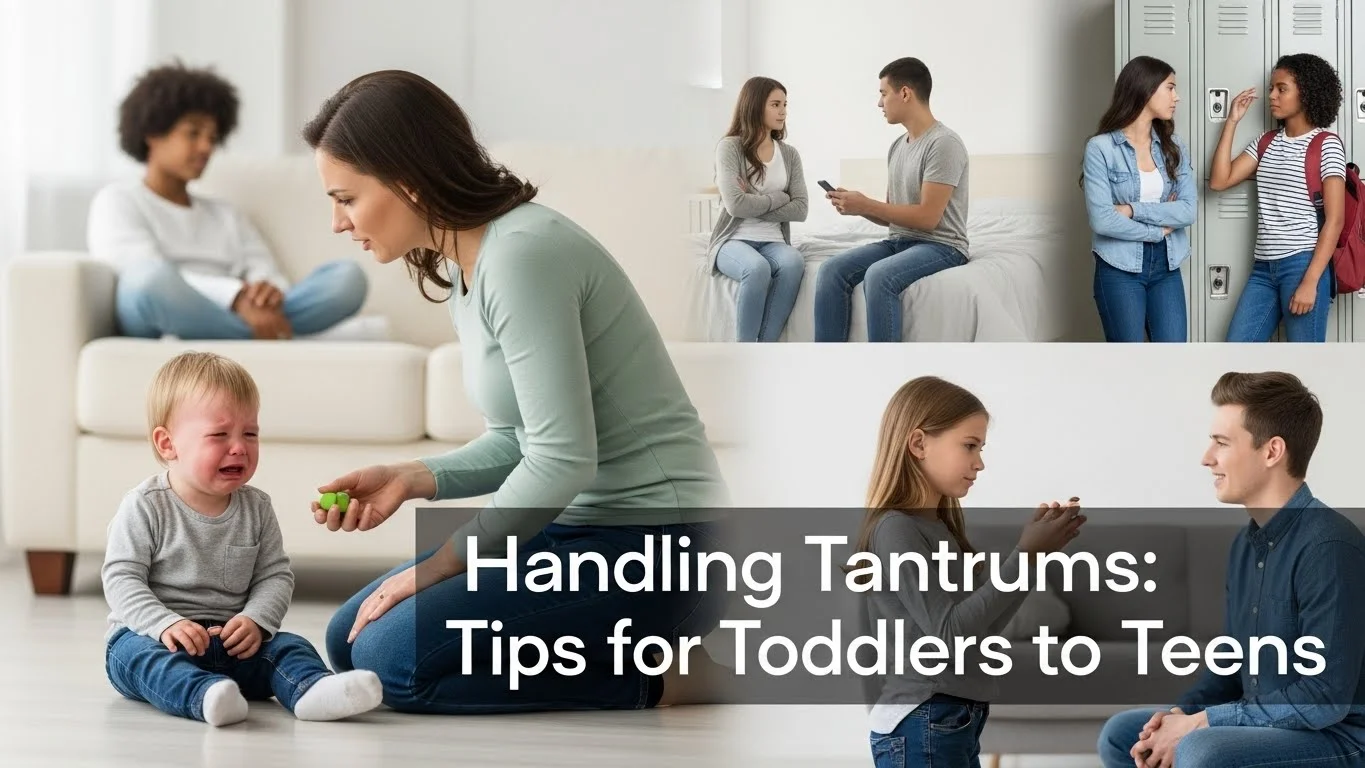
Understanding Tantrums Across Age Groups
Defining Tantrums: What Are They?
Tantrums are emotional outbursts often characterized by crying, screaming, kicking, or even throwing things. They can happen at any age but are most commonly seen in toddlers and teenagers. As a parent, I’ve witnessed my share of tantrums. The moment when my child would drop to the floor, kicking and screaming, felt overwhelming. It’s important to recognize that tantrums are a normal part of emotional development, a way for children to express feelings they can’t yet articulate.
Why Do Toddlers and Teens Have Tantrums?
Understanding the ‘why’ behind tantrums is essential. For toddlers, it often stems from frustration or a lack of control. They want something and don’t know how to express it verbally. I remember a time when my toddler wanted a toy that was out of reach. Instead of saying “I need help,” he let out a full-blown tantrum. On the other hand, teens may have tantrums due to hormonal changes, social pressures, or feelings of being misunderstood. Their emotional world is complex, and sometimes it’s as if they are at the mercy of their feelings.
The Developmental Stages of Tantrums
Tantrums evolve as children grow. Early on, from about ages 1 to 3, tantrums are common as toddlers grapple with their emotions and independence. As they grow into preschoolers, the frequency may decrease, but they can still occur, especially during transitions or changes. I found that my child’s tantrums morphed into more verbal expressions of frustration as he entered school. Then, during the teenage years, tantrums may resurface, but they often look different – more like arguments or intense discussions rather than physical outbursts. Understanding this progression helps us respond appropriately at each stage.
Recognizing Triggers: Common Causes of Tantrums
Emotional Triggers: Frustration and Overwhelm
Emotional triggers play a significant role in tantrums. I’ve seen my children get overwhelmed in situations that seemed minor to me. For example, when my daughter was unable to complete a puzzle, her frustration led to a meltdown. It’s interesting to note how small things can feel huge in a child’s world. As parents, we should be aware of these triggers and try to help our children navigate their emotions. Teaching them to use words rather than actions can be a game changer. Mastering Tantrums: A Guide for Every Age Group offers useful strategies.
Environmental Factors: Noise, Crowds, and Changes
Sometimes, the environment can set the stage for a tantrum. Loud noises, crowded places, or even unexpected changes can be overwhelming. I recall a family outing where my child was excited initially, but as the day progressed, the noise and chaos of the crowd became too much. It was a reminder that what might be fun for adults can be overstimulating for kids. I learned to keep an eye on my children’s reactions and try to create a calmer environment when possible.
Physical Needs: Hunger, Fatigue, and Discomfort
Never underestimate the impact of physical well-being on a child’s mood. Hunger, fatigue, or discomfort can lead to tantrums. I learned this the hard way when we went out without a snack, and my child turned into a little monster by the time we got to the restaurant. Making sure to keep snacks handy, and being aware of sleep schedules can help prevent tantrums before they even start. It’s all about listening to their needs and adjusting accordingly.
Prevention Strategies: Reducing the Likelihood of Tantrums
Establishing Routines: The Importance of Predictability
One of the most effective prevention strategies I’ve discovered is establishing routines. Children thrive on predictability, and having a consistent schedule can help them feel secure. When my kids know what to expect throughout the day, it minimizes anxiety and frustration. For instance, we have a set time for meals, play, and bedtime. This predictability allows them to express their needs without resorting to tantrums.
Communication Skills: Teaching Expression of Feelings
Teaching children to express their feelings can significantly reduce tantrums. I remember taking the time to talk to my kids about their emotions. We often used picture books or role-playing to help them articulate what they were feeling. When they learned to say, “I’m feeling sad,” or “I’m frustrated,” it opened up a channel for communication that prevented many potential outbursts.
Setting Boundaries: Consistency and Discipline
Setting clear expectations and boundaries is crucial. I’ve found that consistency in discipline aids children in understanding what is acceptable behavior. When rules are clear and consistently enforced, it helps to eliminate confusion. There were times when I wavered on rules, and I noticed the tantrums became more frequent. Now, I strive to be consistent, and it has really helped maintain peace in our home.
Immediate Responses: How to Handle a Tantrum in the Moment
Staying Calm: Techniques for Parents and Caregivers
When a tantrum strikes, my first instinct can be to feel flustered and overwhelmed. I’ve learned that staying calm is crucial, not just for my child, but for myself too. One technique that helps me is taking deep breaths. I remind myself that this is just a phase, and my calm presence can help diffuse the situation. I also try to speak softly and maintain a steady tone, which often encourages my child to mirror my calmness instead of escalating the situation.
During one particularly challenging episode, I found myself counting to ten silently. It gave me a moment to gather my thoughts and respond rather than react. I’ve noticed that when I approach the situation with patience and understanding, it makes a world of difference. I often remind myself that my child is struggling to express feelings and needs, and my calmness can help guide them through that emotional storm.
Using Distraction: Redirecting Focus
Distraction can be a powerful tool in managing tantrums. I’ve had success in redirecting my child’s focus to something else when emotions run high. For example, if my child starts to melt down over a toy, I might quickly suggest an activity we both enjoy, like reading a book or playing a quick game. This not only diverts their attention but also creates a moment of connection between us.
I remember a time when my daughter was inconsolable in the grocery store. Instead of getting frustrated, I pointed out fun items in the aisle—like colorful cereal boxes or funny-shaped fruits. The change in focus brought her from tears to giggles in a matter of moments. It’s a simple trick, but it can instantly shift the mood for both of us.
Implementing Time-Outs: When and How to Use Them
Time-outs can sometimes get a bad rap, but I’ve found them to be beneficial when used appropriately. For me, a time-out isn’t about punishment; it’s more about giving my child a moment to calm down and regroup. I’ve tried to ensure that the time-out space is quiet and comfortable. It’s important to communicate clearly why they’re having a time-out, so it doesn’t feel like a random consequence.
In our home, we’ve set up a cozy corner with soft pillows and a favorite stuffed animal to help my child associate that space with calmness rather than negativity. During one particularly tough week, I implemented short time-outs when emotions ran high. I found that after just a few minutes to breathe and gather their thoughts, my child was often ready to engage again, and the tantrum had subsided. It’s about creating a moment of reflection rather than just separating from the situation.
Post-Tantrum Strategies: Helping Them Process Emotions
Discussing the Tantrum: What Happened and Why
Once the storm has passed, I’ve learned that it’s essential to talk about what happened. I often sit down with my child and gently ask them to share their feelings. I find that discussing the tantrum helps both of us process the emotions involved. I like to ask open-ended questions, such as, “What made you feel upset?” This encourages them to articulate their feelings rather than just react in the moment.
In one instance, after a particularly challenging tantrum, we sat together and talked about it. My child expressed that they felt frustrated because they couldn’t find their favorite toy. By understanding the root cause, I could help them find solutions next time. I believe these conversations foster emotional growth and understanding in our relationship.
Encouraging Emotional Expression: Talking It Out
Encouraging my children to express their emotions has been a game-changer. I often suggest using “I feel” statements, which allow them to articulate their feelings in a safe way. I’ve noticed that when they practice this regularly, it becomes easier for them to express their emotions rather than resort to tantrums. For example, if they say, “I feel sad,” I can guide them through that feeling without it escalating into a meltdown.
We sometimes use art as a tool to express feelings, drawing or painting what they are feeling. I remember a time when my son felt angry after losing a game. Instead of letting that frustration boil over, we sat down with crayons and paper. He drew a picture that depicted his feelings, and afterwards, he felt lighter. It’s incredible how creative outlets can serve as a bridge to understanding our emotions.
Reinforcing Positive Behavior: Praise and Rewards
After a tantrum, I make it a point to reinforce positive behaviors. When my child successfully communicates their feelings or uses coping techniques, I praise them for it. I’ve found that positive reinforcement can significantly reduce the frequency of tantrums over time. I like to celebrate those small victories with a high five or a simple, “I’m really proud of you for using your words!”
I remember a time when my daughter was upset but managed to express her feelings instead of reacting with a tantrum. I took a moment to acknowledge her bravery in using her words. That recognition motivated her to continue expressing herself constructively. Creating a habit of positive feedback helps cultivate an environment where my children feel empowered to communicate and navigate their emotions effectively.
Long-Term Strategies: Building Emotional Resilience
Teaching Coping Mechanisms: Problem-Solving Skills
One of the most valuable lessons I’ve learned through parenting is the importance of teaching my children coping mechanisms. When tantrums happen, it’s often because they feel overwhelmed and don’t know how to handle their emotions. I decided to introduce problem-solving skills early on. For instance, when my child faced a challenge, like a tough puzzle or a difficult homework assignment, I guided them through the thought process of breaking the problem down into smaller parts. I’d say things like, “What can we try first?” or “How can we make this easier?”
By modeling this approach, I noticed that my child began to apply these problem-solving skills outside of those tough moments. They learned that it’s okay to pause, think, and come up with a plan instead of resorting to frustration. I feel that empowering them with these tools has made a significant difference in how they manage their emotions over time. For more information on coping strategies, check out the Ultimate Guide to Managing Tantrums: Calming Strategies.
Promoting Emotional Intelligence: Understanding Self and Others
Promoting emotional intelligence has been a key focus in our home. I believe that understanding their own emotions, as well as recognizing feelings in others, is crucial. We often have discussions about emotions, not just during tantrums but in daily life, too. I make it a point to share my feelings with my kids, saying things like, “I feel tired today because I didn’t sleep well,” or “I’m feeling frustrated about a work issue.” This opens the door for them to express their feelings as well.
We also watch movies or read books together and take the time to discuss the characters’ feelings and actions. I ask questions like, “How do you think that character felt?” or “What would you do in that situation?” These conversations help them develop empathy and a deeper understanding of emotions, not just in themselves but in their peers. I’ve seen how this can lead to more thoughtful interactions with others and a decrease in emotional outbursts.
Encouraging Healthy Outlets: Sports, Arts, and Hobbies
Finding healthy outlets for emotions has been another important strategy for our family. I’ve noticed that physical activity can be a fantastic way for my kids to release pent-up energy and frustration. Enrolling my children in sports gave them a channel to express their emotions constructively. Whether it’s soccer, basketball, or dance, the physical activity not only keeps them fit but also helps them build resilience and teamwork skills.
In addition to sports, I also encourage creative outlets such as art and music. We’ve had plenty of afternoons filled with painting or crafting, where my kids could express themselves freely. I remember one day when my daughter was upset; we sat down with some paints and a canvas. As she created her masterpiece, I could see her mood shift. It was as if the colors and brush strokes helped her process what she was feeling. These creative activities have become a part of our routine, providing a safe space for emotional expression.
By encouraging these healthy outlets, I feel I’ve created a nurturing environment that not only acknowledges their feelings but also helps them channel those feelings positively. It’s amazing to see my children finding joy and relief in both physical and creative activities.
Resources for Parents: Tools and Support Systems
Books and Literature: Recommended Reading on Tantrums
As a parent, I often find myself seeking out resources to better understand and manage tantrums. There are several books that I’ve discovered which have offered valuable insights. One of my favorites is “The Whole-Brain Child” by Daniel J. Siegel and Tina Payne Bryson. This book provides practical strategies for nurturing a child’s developing brain, and it has really helped me in understanding the emotional world of my children.
Another great resource is “No-Drama Discipline,” also by Siegel and Bryson. I appreciate how it combines discipline with compassion, offering tools to guide children without resorting to anger. These reads have become my go-to recommendations for other parents navigating similar challenges. I believe that understanding the developmental aspects of tantrums can help us all be more effective in our responses.
Online Communities: Forums and Support Groups
I’ve also found that connecting with other parents can be incredibly helpful. Online communities and forums provide a space to share experiences and seek advice. I joined a few parenting groups on social media, and I can’t tell you how comforting it is to hear that others are going through similar challenges. It’s a reminder that we’re not alone in this journey.
These platforms allow us to share resources, tips, and even vent when needed. I’ve often turned to the community for insights on handling specific situations, and it’s been amazing to see how much support is available. I recommend looking for local parenting groups or online forums where you can connect with others in your area. It has truly made a difference in my parenting experience.
Professional Help: When to Seek Guidance from Experts
Sometimes, despite our best efforts, we may find ourselves feeling overwhelmed and unsure of how to proceed. That’s when I think it’s important to consider seeking professional help. I’ve learned that consulting with a child psychologist or counselor can provide valuable strategies tailored to our specific family dynamics. It’s not a sign of failure; rather, it’s a proactive step towards understanding and helping our children.
I remember a time when I felt particularly lost during my child’s tantrums. I reached out to a child psychologist, and the insights I gained were eye-opening. They helped me understand some underlying emotional factors and provided actionable strategies that we could implement at home. I truly believe that professional guidance can make a profound difference in our approach to managing tantrums and fostering emotional resilience.
Frequently Asked Questions
What are tantrums?
Tantrums are emotional outbursts often characterized by crying, screaming, kicking, or throwing things. They are a normal part of emotional development, allowing children to express feelings they can’t yet articulate.
Why do toddlers and teens have tantrums?
Toddlers may have tantrums due to frustration or a lack of control, as they often want something but can’t express it verbally. Teens may experience tantrums due to hormonal changes, social pressures, or feelings of being misunderstood.
How do tantrums change as children grow?
Tantrums evolve as children grow. From ages 1 to 3, tantrums are common as toddlers grapple with emotions. In preschool, the frequency may decrease but can still occur during transitions. In teenage years, tantrums may resurface as arguments or intense discussions rather than physical outbursts.
What are common emotional triggers for tantrums?
Common emotional triggers include frustration and overwhelm. Situations that seem minor to adults can feel huge to children, leading to tantrums when they struggle to navigate their emotions.
How can routines help prevent tantrums?
Establishing routines provides predictability, helping children feel secure. A consistent schedule minimizes anxiety and frustration, allowing children to express their needs without resorting to tantrums.
What techniques can parents use to stay calm during a tantrum?
Parents can stay calm by taking deep breaths, speaking softly, and maintaining a steady tone. Techniques like counting to ten silently can help gather thoughts and respond appropriately rather than react impulsively.
How can parents use distraction to manage tantrums?
Distraction can be effective by redirecting a child’s focus to a different activity, such as reading a book or playing a game, which helps to divert attention from the source of frustration.
What should parents do after a tantrum?
After a tantrum, it’s important to discuss what happened and encourage emotional expression. Using open-ended questions can help children articulate their feelings, fostering emotional growth and understanding.
How can parents promote emotional intelligence in children?
Parents can promote emotional intelligence by discussing emotions regularly, sharing their own feelings, and engaging in conversations about characters’ feelings in books or movies. This helps children understand their own emotions and recognize feelings in others.
When should parents seek professional help regarding tantrums?
Parents should consider seeking professional help when they feel overwhelmed or unsure about managing their child’s tantrums. Consulting a child psychologist or counselor can provide valuable strategies tailored to the family’s needs.
Tantrums can feel overwhelming and chaotic, but understanding them is the first step toward finding peace. Let’s explore the basics of tantrums and discover effective strategies to manage them. For more comprehensive insights, check out our Ultimate Guide to Managing Tantrums: Calming Strategies.

Understanding Tantrums: The Basics
What Are Tantrums?
Tantrums are emotional outbursts that can happen to children, typically when they’re overwhelmed by feelings like frustration, anger, or sadness. I remember the first time my child had a tantrum in the grocery store. It was loud, dramatic, and left me feeling helpless. Tantrums can involve crying, yelling, kicking, or even collapsing on the floor. They often occur suddenly and can feel like a storm hitting out of nowhere.
What I’ve learned is that tantrums are a normal part of childhood development. They serve as a way for kids to express their emotions, especially when they lack the words to articulate what they’re feeling. Understanding this can help us respond with empathy rather than frustration.
Common Triggers for Tantrums
There are several common triggers for tantrums that I’ve noticed over time. For instance, hunger, tiredness, or overstimulation can send a child into a meltdown. I’ve learned that a simple snack or a brief break can often prevent a tantrum from happening in the first place. For more on effective techniques, refer to our Top 5 Calming Strategies for Parents During Tantrums.
Other triggers can include changes in routine, being told “no,” or feeling excluded from activities. I remember one day when my child threw a fit just because I wouldn’t let him play with a toy that wasn’t safe for him. It was as if the world had ended, and in that moment, I realized how important it is to be mindful of their feelings and to set appropriate boundaries.
Age Range and Developmental Stages
Tantrums are most common in toddlers, typically between the ages of 1 and 4. During this stage, kids are learning about their emotions and testing limits. I often find myself reminding other parents that this is a phase, not a permanent state. As kids grow, their ability to communicate improves, and tantrums often decrease in frequency and intensity.
However, I’ve noticed that even older children can have tantrums. For instance, as they hit the school-age years, the pressures of social interactions and academic expectations can lead to emotional outbursts. Understanding that tantrums can occur at various developmental stages has helped me stay patient and supportive, rather than frustrated.
Calming Strategies for Parents
Immediate Response Techniques
Staying Calm Yourself
One of the most effective strategies I’ve employed is staying calm myself. It’s so easy to get caught up in the chaos, but I’ve found that taking a deep breath can make a world of difference. When I keep my cool, my child tends to mirror that energy. I remember one time when my son was having a meltdown at home. I took a deep breath and sat with him quietly, which helped him to gradually calm down as well.
Modeling Deep Breathing
Modeling deep breathing is another technique that has worked wonders for us. When I feel a tantrum brewing, I take a moment to demonstrate deep breaths—slowly inhaling through my nose and exhaling through my mouth. I’ve even turned it into a little game, encouraging my child to “blow up a balloon” with their breath. This simple act can help both of us regain control over our emotions and ease the immediate tension.
Distraction Techniques
Changing the Environment
Sometimes a change of scenery can work like magic. If I notice my child getting upset, I’ll often suggest moving to another room or stepping outside for a few moments. I’ve discovered that a simple walk outside or a trip to a different area in the house can redirect their attention and help them reset their mood.
Engaging with Toys or Activities
Engaging with toys or activities can also be a great distraction. I always keep a few favorite toys or books nearby for such moments. When my child starts to feel overwhelmed, I’ll pull out a favorite book or puzzle and encourage them to focus on that instead. It’s amazing how quickly they can shift their attention when they’re given something fun to do.
Emotional Validation
Acknowledging Feelings
Emotional validation is something I strive to practice. I’ve learned that acknowledging my child’s feelings can go a long way. When they’re upset, I try saying things like, “I can see you’re really upset right now.” This simple acknowledgment helps them feel heard and understood, which can dampen the intensity of their tantrum.
Using Comfort Objects
Having comfort objects on hand can also help during tough moments. I’ve noticed that my child has a favorite stuffed animal that provides them with comfort during tantrums. Encouraging them to hold onto their favorite toy or blanket can create a sense of security and help them through emotional ups and downs.
Long-term Calming Strategies
Establishing Routines
The Importance of Predictability
One of the biggest lessons I’ve learned in managing tantrums is the value of establishing routines. Children thrive on predictability, and I’ve noticed that having a consistent daily schedule can significantly reduce the occurrences of tantrums. For instance, when my child knows that snack time comes right after story time, it helps them feel secure and less anxious about what’s coming next. I remember the days when we didn’t have a set routine, and it felt like we were constantly battling against unexpected meltdowns.
Creating a predictable environment doesn’t just ease anxiety; it also gives them a sense of control over their world. I make it a point to talk through our daily activities with them, so they know what to expect. Whether it’s a morning routine of brushing teeth followed by breakfast or winding down with a bedtime story, these small rituals can be calming and help minimize the chances of emotional outbursts.
Creating a Calm-down Corner
Another long-term strategy that has worked wonders for us is setting up a calm-down corner in our home. This is a special space where my child can go when they start feeling overwhelmed. In our case, we filled it with soft pillows, a few favorite books, and some calming toys. I remember the first time my child used it; it was almost like magic. They took a few deep breaths and spent time with their beloved stuffed animal, and I could see their mood begin to shift.
Encouraging my child to use the calm-down corner when they’re upset has become a valuable tool. I’ve found that making it a part of our routine helps them recognize when they need a break and how to take one. Plus, it gives them the autonomy to manage their emotions in a healthy way. I often remind them that it’s perfectly okay to take a moment for themselves.
Teaching Emotional Regulation
Identifying Emotions
Teaching my child how to identify their emotions has been a game changer. I’ve realized that many tantrums stem from a lack of understanding about what they’re feeling. In our house, we’ve started using simple phrases like “happy,” “sad,” “angry,” or “frustrated.” I’ll often ask my child how they’re feeling in different situations, and it helps them connect with their emotions better. I remember one day when my child seemed frustrated over a puzzle. Instead of acting out, I encouraged them to express their feelings, and they said, “I’m mad because it’s hard.” This was a breakthrough moment for us!
We also play games where we act out different emotions to help them become more aware of how feelings can manifest physically. It’s been a fun and engaging way to learn about emotional responses together. I’ve found that when children can name their feelings, they’re more likely to manage them effectively instead of resorting to tantrums.
Using Emotion Charts
Emotion charts have also become a helpful tool in our home. I created a simple chart with faces showing different emotions—happy, sad, angry, confused, and more. Whenever my child feels a strong emotion, I encourage them to point to the chart and tell me how they’re feeling. It’s been eye-opening for both of us. I can see the relief on their face when they realize they can express what they’re feeling without it turning into a meltdown.
We keep the chart in a place where it’s easily accessible, and I’ve noticed that it not only helps during times of stress but also sparks conversations about feelings during calmer moments. It’s essential to create an ongoing dialogue about emotions, and these charts have made that process much easier for us. The more we talk about feelings, the less power they seem to hold over my child, leading to fewer tantrums overall.
When to Seek Professional Help
Signs of a More Serious Issue
As much as we want to approach tantrums with understanding and patience, there are times when they might signal a deeper concern. I’ve learned to be vigilant about certain signs that suggest it might be time to reach out for professional help. If tantrums are frequent, intense, and occur beyond the typical age range, it can be a red flag. For instance, if my child seems to be having prolonged outbursts that last for more than 15 minutes, or if they are becoming physically aggressive towards themselves or others, I know it’s essential to seek guidance.
Another thing to watch for is if the tantrums are affecting daily life significantly. I remember a friend whose child started refusing to go to school because of their frequent emotional outbursts. It was heartbreaking to see how it impacted their social interactions and learning experiences. If tantrums begin to interfere with friendships, family dynamics, or even school performance, it’s vital to consult a professional.
Additionally, if I notice that my child is exhibiting signs of anxiety or depression, such as withdrawing from activities they once enjoyed, it’s a sign that I should reach out for help. Children often express their struggles through tantrums, and understanding the underlying issues can be crucial in addressing them effectively.
Consulting a Pediatrician or Child Psychologist
When I decided it was time to seek professional help, I found that consulting a pediatrician was a great first step. They can provide insights into developmental concerns and may refer us to a child psychologist or therapist if necessary. I remember feeling apprehensive about reaching out, but it turned out to be incredibly beneficial. The pediatrician was able to offer reassurance that what we were experiencing was not uncommon, and they provided resources for further support.
Working with a child psychologist can be particularly valuable, especially if tantrums are tied to emotional regulation or behavioral issues. I recall a specific session where my child learned about expressing feelings using art. It was a breakthrough moment for both of us! The psychologist helped us develop strategies tailored to our family’s needs and provided a safe space for my child to express their emotions. It was comforting to know that we weren’t alone in this journey.
Family therapy can also be an option if the tantrums are deeply impacting family dynamics. Talking through our experiences together helped us understand each other better and fostered a sense of unity as we navigated these challenges. I’ve seen firsthand how seeking professional help can equip us with tools and perspectives that might not have been evident before.
Parenting Resources and Support
Books on Parenting and Tantrums
Reading about child development and tantrum management has been a lifesaver for me. I’ve delved into a range of books that address tantrums and emotional regulation, and I’ve found them to be incredibly insightful. One of my favorites is “The Whole-Brain Child” by Daniel J. Siegel and Tina Payne Bryson. It offers practical strategies on how to nurture emotional intelligence and understanding in children.
Another book that resonated with me is “No-Drama Discipline” by the same authors. It emphasizes the importance of teaching rather than punishing and provides techniques for addressing tantrums with empathy. I often find myself returning to these books for reminders and fresh ideas. It’s like having a supportive friend guiding me through tough moments.
Online Forums and Support Groups
Connecting with other parents has been invaluable in my journey. I discovered a few online forums and support groups where parents share their experiences and strategies for dealing with tantrums. It’s comforting to hear that I’m not alone and to know that others have faced similar challenges. I remember one late night when I was feeling particularly overwhelmed; a simple post in a parenting group led to a flood of supportive responses and helpful tips. It reminded me that we’re all in this together.
There are also social media groups dedicated to parenting and child behavior. I’ve found these to be great places for exchanging ideas and resources. Knowing that I can reach out and connect with others who understand what I’m going through has made all the difference.
Workshops and Parenting Classes
I’ve also sought out workshops and parenting classes focused on emotional regulation and effective communication with children. These have been a fantastic way to gain hands-on experience and learn from experts. I remember attending a local workshop where we practiced techniques for calming ourselves and our kids during emotional outbursts. It was a wonderful community of parents sharing their stories and strategies, and I left feeling empowered and equipped to handle future challenges. For more practical tips, consider reading about How to Calm Your Child’s Tantrums: 7 Proven Methods.
Many community centers and schools offer classes that can provide valuable insights. I encourage fellow parents to explore these options; they can be a great way to build confidence in managing tough situations and connect with other parents who are navigating similar experiences.
Additional Tips for Parents
Self-Care for Parents
As parents, we often put our children’s needs above our own, but I’ve realized that taking care of myself is just as important. I’ve found that when I’m feeling stressed or overwhelmed, my patience and ability to respond to my child’s tantrums are diminished. I make it a point to carve out some “me time,” whether that’s enjoying a quiet cup of tea or going for a walk. It’s amazing how a little self-care can rejuvenate my spirit and help me approach challenges with a clearer mind.
Incorporating Mindfulness Practices
Mindfulness practices have also become a part of our family routine. I’ve started doing simple mindfulness exercises with my child, like focusing on our breathing or noticing the sensations around us. I remember one day when we sat in the backyard and listened to the sounds of nature. It helped both of us ground ourselves and fostered a sense of calm. These moments of mindfulness have not only helped during tantrums but have also become cherished bonding experiences.
Communicating with Other Caregivers
Finally, I’ve learned the importance of communicating openly with other caregivers—whether it’s teachers, family members, or babysitters. Sharing insights about my child’s triggers and successful strategies has helped create a consistent approach across different environments. I remember a conversation I had with my child’s teacher. We discussed how they handled emotional outbursts at school, and it was reassuring to know we were on the same page. This collaborative effort makes a significant difference in how my child navigates their emotions.
Frequently Asked Questions
What are tantrums and what causes them?
Tantrums are emotional outbursts that can occur in children when they are overwhelmed by feelings such as frustration, anger, or sadness. Common triggers include hunger, tiredness, overstimulation, changes in routine, being told “no,” or feeling excluded from activities.
At what age are tantrums most common?
Tantrums are most common in toddlers, typically between the ages of 1 and 4. However, older children can also experience tantrums due to social pressures and academic expectations.
What immediate strategies can parents use to calm a child during a tantrum?
Parents can employ several immediate strategies, such as staying calm themselves, modeling deep breathing techniques, changing the environment, and engaging the child with toys or activities. Acknowledging the child’s feelings and using comfort objects can also help.
How can routines help in managing tantrums?
Establishing routines provides children with predictability, which can significantly reduce the occurrences of tantrums. A consistent daily schedule helps children feel secure and less anxious about what to expect next.
What is a calm-down corner and how can it be beneficial?
A calm-down corner is a designated space where a child can go to feel safe and regain control when they are overwhelmed. It typically includes soft pillows, favorite books, and calming toys, helping the child manage their emotions in a healthy way.
How can parents teach their children to identify their emotions?
Parents can teach their children to identify emotions by using simple phrases to describe feelings, engaging in games that act out different emotions, and using emotion charts that display various emotions visually. This helps children connect with their feelings better.
When should parents consider seeking professional help for tantrums?
Parents should consider seeking professional help if tantrums are frequent, intense, and occur beyond the typical age range, or if they significantly interfere with daily life, friendships, or school performance. Signs of anxiety or depression in the child should also prompt a consultation.
What resources can parents explore for additional support on managing tantrums?
Parents can explore books on parenting and tantrums, online forums, support groups, workshops, and parenting classes that focus on emotional regulation and effective communication with children for additional support and strategies.
What role does self-care play in managing a child’s tantrums?
Self-care is crucial for parents as it helps maintain their patience and ability to respond effectively to their child’s tantrums. Taking time for oneself can rejuvenate the parent’s spirit and enhance their capacity to handle challenges.
How can parents communicate effectively with other caregivers about their child’s tantrums?
Parents can communicate openly with other caregivers by sharing insights about their child’s triggers and successful management strategies. This collaboration helps create a consistent approach across different environments and supports the child’s emotional regulation.
Every parent has faced the whirlwind of emotions that comes with a child’s tantrum. Understanding how to communicate effectively during these challenging moments can transform the experience for both you and your little one. For more insights, check out Mastering Communication: Handle Tantrums Like a Pro.
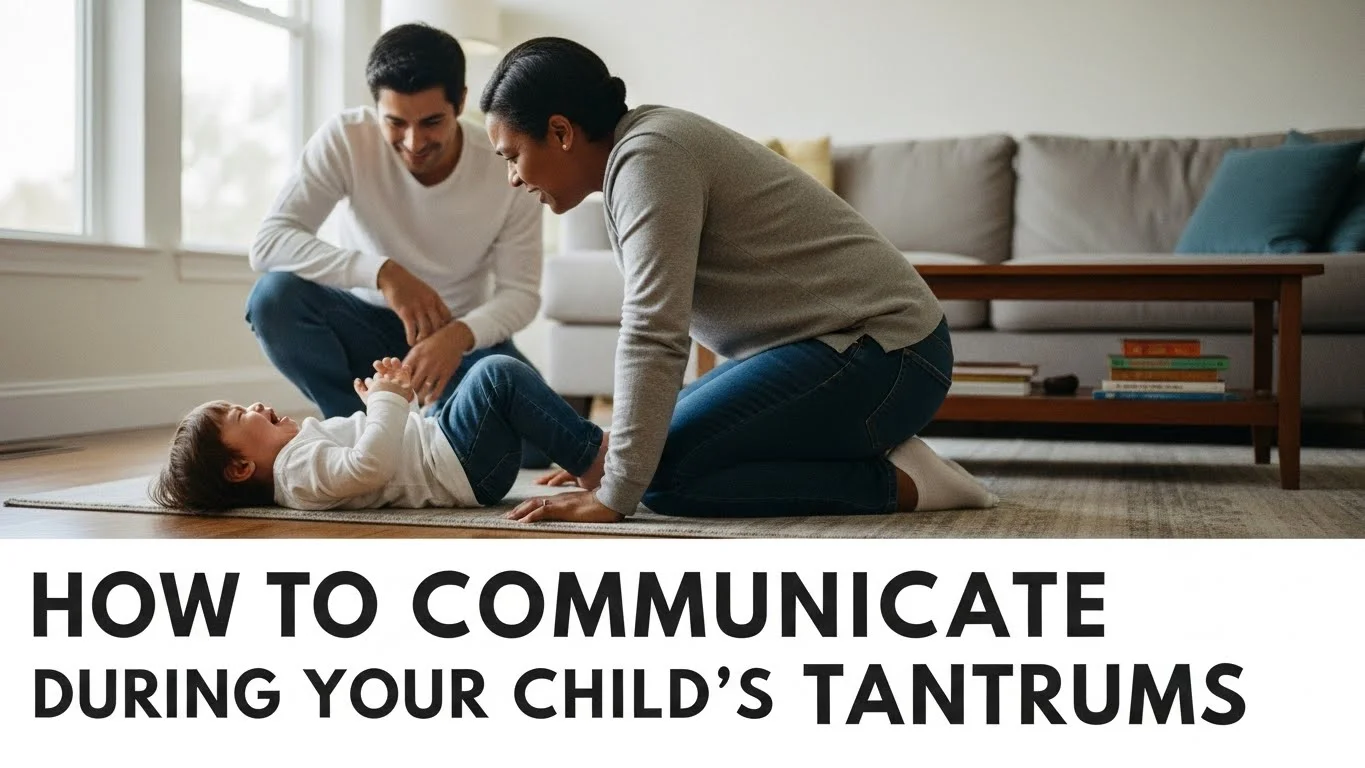
Understanding Tantrums: What They Are and Why They Happen
Definition of Tantrums
When I think of tantrums, I picture a small, frustrated being overwhelmed by feelings too big for their little body to handle. A tantrum is an outburst of anger or frustration, typically characterized by crying, screaming, or even physical actions like throwing themselves on the ground. These moments can be loud and chaotic, leaving us parents feeling helpless and confused. I remember the first time my child threw a tantrum in the grocery store—I felt embarrassed and unsure of how to respond. It’s during these times that understanding the nature of tantrums can really help us navigate the storm.
Common Triggers for Tantrums
Tantrums often stem from a variety of triggers. In my experience, common culprits include hunger, fatigue, frustration, or feeling overwhelmed. For instance, when my child was tired but insisted on playing instead of napping, I learned the hard way that skipping that crucial downtime could lead to a spectacular meltdown. We’ve all seen how a simple “no” can set off an emotional explosion. It’s essential to recognize these triggers, as they can help us anticipate when a tantrum might occur. By understanding what causes tantrums, we can be better prepared to handle them when they arise. For more strategies, consider reading Understanding Tantrums: Age-Specific Strategies That Work.
The Developmental Stage of Tantrums
Tantrums are especially common during certain developmental stages, particularly between the ages of 1 and 4. During these years, children are learning to express their emotions, but they lack the verbal skills to articulate what they’re feeling. I remember being fascinated by how my child would sometimes burst into tears because they couldn’t have a toy, and I realized this was their way of expressing frustration. This phase is a natural part of growing up, even if it feels like a rollercoaster ride for us parents. Understanding that tantrums are a normal development stage can help us cope with our little ones’ emotional outbursts.
Preparing for Tantrums: Strategies for Parents
Recognizing Early Signs of Distress
One of the most valuable lessons I’ve learned is to recognize the early signs of distress before a tantrum escalates. Watch for cues like whining, clenching fists, or even a sudden change in mood. I often find that when my child starts to get cranky, it’s a good time to intervene before the storm hits. For example, if I notice my child getting antsy in a crowded place, I might suggest a quick snack or a change of scenery. This preemptive approach can save us both a lot of heartache.
Setting Up a Calm Environment
Creating a calm environment can make a significant difference in tantrum management. I’ve noticed that when my home is organized and free from chaos, my child tends to be more relaxed. Simple things like reducing noise, having a cozy corner for quiet time, or even playing soft music can help set the mood. I remember when I started implementing a ‘calm corner’ in our living room, filled with soft pillows and books. It’s a space where my child can retreat when emotions run high, providing a safe spot to breathe and regroup.
Establishing Routine to Minimize Tantrums
Establishing a consistent routine has been a game-changer for us. Kids thrive on structure, and having a predictable schedule helps them feel secure. I’ve found that when meal times, playtimes, and bedtimes are consistent, my child is much less likely to become upset. We decided to create a visual schedule with pictures to help my child understand what to expect throughout the day. This not only minimizes tantrums but also empowers them to feel in control of their day.
Effective Communication Techniques During Tantrums
Using Simple Language
When a tantrum hits, I’ve learned that using simple and clear language can work wonders. In the heat of the moment, my child isn’t processing complex information. Instead of saying, “I need you to calm down and articulate your feelings,” I try phrases like, “I see you’re upset.” This simple acknowledgment can sometimes help my child feel understood, which is the first step to calming down.
Maintaining a Calm Tone
Keeping a calm tone is crucial during tantrums. I’ve often found that if I raise my voice or show frustration, it only escalates the situation. I remind myself to breathe and speak softly, even if my child is screaming. It’s amazing how a gentle voice can cut through the noise and help ease tension. I believe that modeling calmness helps my child learn to respond to their emotions in a healthier way.
Non-Verbal Communication: Body Language and Facial Expressions
Non-verbal communication plays a huge role during tantrums. I’ve discovered that my body language speaks volumes. When I kneel down to my child’s level, maintaining eye contact, it shows them I’m present and listening. Smiling softly or using open gestures can convey reassurance. I remember a time when my child was inconsolable, and just my presence and warm smile began to ease their distress. It’s incredible what a little body language can do.
How to Respond to Your Child’s Emotions
Validating Your Child’s Feelings
I’ve come to realize that one of the most important things I can do during my child’s tantrums is to validate their feelings. When my little one is upset, it’s not just a phase; it’s a genuine emotion that deserves acknowledgment. I remember one particularly tough day when my child was crying because a toy broke. Instead of dismissing their feelings with “It’s not a big deal,” I found it more effective to say, “I can see that you’re really upset about your toy. It’s okay to feel that way.” This approach not only makes my child feel heard but also helps them understand that their emotions are valid. I think it’s crucial for us as parents to create an environment where our children feel safe expressing their emotions, even the tough ones.
Encouraging Deep Breathing and Relaxation Techniques
When emotions run high, I’ve learned that simple techniques can be incredibly helpful. One thing that works well for us is deep breathing. I often model this for my child by taking slow, deep breaths. I say, “Let’s breathe together—big inhale through the nose, and now blow it out like we’re blowing out candles.” This not only distracts them but also encourages them to calm down physically. I’ve noticed that after a few rounds of deep breathing, my child becomes more centered and able to articulate what’s bothering them. I believe that teaching relaxation techniques early on can be a powerful tool for emotional regulation as they grow.
Offering Choices to Empower Your Child
Another effective strategy I’ve found is to offer my child choices when they’re feeling overwhelmed. This helps them regain a sense of control during a time when they might feel powerless. For example, if my child is upset about leaving the park, I might say, “Would you like to walk to the car or ride in the stroller?” Giving them options has worked wonders in diffusing their frustration. I’ve seen how a simple decision can transform a tantrum into a cooperative moment. Empowering them in this way not only helps in that moment but also builds their confidence in making decisions in the future.
Post-Tantrum Communication: Talking it Out
Discussing What Happened After the Tantrum
After the storm has passed, I think it’s essential to revisit what happened. I try to sit down with my child in a calm moment and gently discuss the tantrum. I often start with, “I noticed you were really upset earlier. Can we talk about what made you feel that way?” This gives my child the chance to express their feelings again, and I’ve found that it’s a valuable learning opportunity. Reflecting on the situation helps them understand their emotions better and makes them feel validated. From my experience, these discussions can pave the way for healthier emotional expression in the future.
Teaching Problem-Solving Skills
In those discussions, I also try to guide my child toward problem-solving. After a tantrum, I might ask, “What could we do next time you feel this way?” This not only encourages them to think critically but also empowers them to come up with strategies for managing their feelings. I’ve noticed how this approach shifts the focus from just reacting to emotions to actively finding solutions. For instance, when my child feels upset over sharing toys, we brainstorm ways to take turns or find a similar toy to play with. It’s rewarding to see them develop these skills, knowing they are tools they can use throughout their lives.
Reinforcing Positive Behavior and Coping Strategies
Positive reinforcement plays a big role in helping my child navigate their emotions. When they handle a tough situation well—maybe by using their words instead of resorting to a tantrum—I make sure to acknowledge and praise that behavior. I often say, “I’m so proud of you for using your words to tell me how you felt!” This reinforcement helps my child understand what effective emotional management looks like. I also encourage them to remember the coping strategies we’ve discussed, emphasizing that it’s okay to ask for help when they need it. I’ve seen how positive reinforcement can cultivate resilience and emotional intelligence over time.
When to Seek Professional Help
Signs That Tantrums Are Beyond Normal Behavior
While tantrums are a normal part of childhood, there are times when they may indicate deeper issues. I’ve learned to keep an eye out for frequent tantrums that seem disproportionate to the situation or last longer than usual. If my child exhibits excessive aggression, or if their outbursts interfere with daily activities or social interactions, I start to wonder if we need additional support. Recognizing these signs early can make a significant difference in addressing potential underlying issues before they escalate.
Consulting Pediatricians and Child Psychologists
When I felt a sense of concern regarding my child’s tantrums, I didn’t hesitate to reach out to our pediatrician. They were able to provide valuable insights and, if necessary, recommend a child psychologist. Talking to professionals helped me understand what was typical for my child’s age and when we might need to explore further options. I believe that seeking help is not a sign of failure, but rather a proactive step in ensuring our children develop healthy emotional habits.
Resources for Parents: Books and Support Groups
There are so many resources available for parents navigating the tumultuous waters of tantrums. I’ve found that reading books on child development and emotional regulation has broadened my understanding and equipped me with more tools. Additionally, joining local parenting groups or online communities has been a great way to share experiences and learn from others facing similar challenges. I think it’s crucial for us as parents to have a support network because we’re all in this together, learning and growing along the way. For more tips, check out Handling Tantrums: Tips for Toddlers to Teens.
Additional Resources for Parents
Books on Child Development and Tantrums
As I navigated the ups and downs of tantrums, I found that reading books focused on child development was incredibly helpful. There are so many great resources out there! One book that I really appreciated was “The Whole-Brain Child” by Daniel J. Siegel and Tina Payne Bryson. This book delves into how a child’s brain develops and offers practical strategies for dealing with emotional outbursts. I found their insights about integrating logic and emotions really empowering, especially during those tough moments when my child was struggling to express themselves. Another excellent read is “No-Drama Discipline,” which focuses on a gentle approach to discipline while emphasizing connection. I believe that having these tools in my parenting toolkit has made a significant difference in how I approach tantrums and emotional regulation.
Websites and Online Communities for Parent Support
The internet can be a treasure trove of information for parents. I often turn to websites like Parenting.com and the American Academy of Pediatrics for articles and resources on managing tantrums and understanding child behavior. These sites are informative and provide evidence-based strategies that I can trust. Additionally, becoming part of online communities has been invaluable. Facebook groups or forums dedicated to parenting can be a great source of support. I remember posting about a particularly tough tantrum and receiving a flood of encouraging responses and advice from other parents who had been there too. It’s comforting to know that we’re not alone in this journey, and these online spaces can foster a sense of connection and camaraderie.
Workshops and Classes on Parenting Skills
In-person workshops and parenting classes can be a fantastic resource for hands-on learning and support. I participated in a local parenting class that focused on effective communication and discipline strategies. It was eye-opening to hear from both experts and fellow parents about their experiences. Sometimes, just discussing our challenges can provide fresh perspectives and new ideas. I also learned about role-playing techniques that could help me practice responses ahead of time, which I found really effective in reducing my anxiety during real-life tantrums. If you’re interested, I recommend checking with local community centers or schools, as they often host these kinds of workshops. Engaging with others in a supportive environment can help instill confidence in our parenting abilities.
Building Emotional Resilience in Your Child
The Importance of Emotional Resilience
As I’ve navigated tantrums and emotional outbursts, I’ve come to understand the importance of building emotional resilience in my child. Resilience is essentially the ability to bounce back from difficult situations, and fostering this skill can be incredibly beneficial as they grow. I’ve seen firsthand how equipping my child with tools to handle their emotions can make a difference, not just during tantrums but in everyday life. I believe that teaching them how to cope with the ups and downs will empower them as they face challenges in the future.
Encouraging Emotional Expression
One of the ways I work on building resilience is by encouraging my child to express their feelings openly. We often talk about emotions using simple language, and I make it a point to ask how they feel about certain situations. I remember one day when my child came home from school upset because they didn’t get picked for a team. Instead of brushing it off, I sat down with them and expressed understanding, saying, “It’s okay to feel sad about that.” This not only validated their feelings but also opened the door for them to express other emotions they might be experiencing. I think helping them articulate their feelings is the first step toward developing emotional intelligence.
Providing Opportunities for Problem-Solving
Encouraging my child to engage in problem-solving has also been a priority for me. I try to create scenarios in a playful context where they can practice resolving conflicts or making decisions. For instance, during playtime, I might introduce a situation involving sharing toys and ask, “How can we make sure everyone gets a turn?” This not only promotes critical thinking but also teaches them valuable social skills. I’ve noticed that when they are faced with challenges, they are more likely to approach them calmly and thoughtfully, rather than resorting to a tantrum. Building these skills early helps lay the groundwork for emotional resilience throughout their lives.
Frequently Asked Questions
What is a tantrum?
A tantrum is an outburst of anger or frustration, typically characterized by crying, screaming, or physical actions like throwing oneself on the ground. It occurs when a child is overwhelmed by feelings that they cannot handle.
What are common triggers for tantrums?
Common triggers for tantrums include hunger, fatigue, frustration, or feeling overwhelmed. Recognizing these triggers can help parents anticipate when a tantrum might occur.
At what age are tantrums most common?
Tantrums are especially common between the ages of 1 and 4, as children at this stage are learning to express their emotions but lack the verbal skills to articulate their feelings.
How can parents prepare for tantrums?
Parents can prepare for tantrums by recognizing early signs of distress, creating a calm environment, and establishing a consistent routine to help children feel secure.
What communication techniques are effective during tantrums?
Effective communication techniques during tantrums include using simple language, maintaining a calm tone, and utilizing non-verbal communication such as body language and facial expressions.
How should parents validate their child’s feelings during a tantrum?
Parents should acknowledge their child’s feelings by expressing understanding, such as saying, “I can see that you’re really upset.” This validation helps the child feel heard and understood.
What strategies can help a child calm down during a tantrum?
Strategies that can help include encouraging deep breathing and relaxation techniques, as well as offering choices to empower the child during overwhelming situations.
When should parents seek professional help for tantrums?
Parents should consider seeking professional help if tantrums are frequent, seem disproportionate to the situation, last longer than usual, or if the child exhibits excessive aggression or interferes with daily activities.
What resources are available for parents dealing with tantrums?
Resources for parents include books on child development, online communities for support, and workshops or classes focused on effective parenting skills and emotional regulation.
How can parents build emotional resilience in their children?
Parents can build emotional resilience by encouraging emotional expression, providing opportunities for problem-solving, and equipping their children with tools to handle difficult situations and emotions.
Tantrums can feel like a whirlwind of chaos, but understanding them can help us navigate the storm. Let’s explore effective communication strategies that can transform these challenging moments into opportunities for growth. For more insights, check out How to Communicate During Your Child’s Tantrums.

Understanding Tantrums: The Basics
What Are Tantrums?
Tantrums, those loud and often dramatic outbursts of emotion, are a common part of childhood. I remember the first time my child threw a tantrum—it caught me off guard and left me feeling helpless. But as I learned more, I realized that tantrums are simply a child’s way of expressing feelings they can’t yet articulate. They can involve crying, screaming, kicking, and even hitting. In essence, tantrums are a natural response to frustration, discomfort, or overwhelming emotions.
Common Triggers for Tantrums
As I observed my child, I noticed patterns that often preceded these outbursts. Some of the most common triggers include:
- Hunger: A hungry child can become irritable quickly, and I learned to keep snacks handy.
- Tiredness: Sleep-deprived kids are often more prone to tantrums, so establishing a bedtime routine has been essential.
- Overstimulation: Too much noise or activity can push a child over the edge. I’ve found that quieter environments can help ease the tension.
- Desire for Control: Children often want to assert their independence, and denying them choices can lead to frustration.
Recognizing these triggers has been crucial for me and has helped reduce the frequency and intensity of tantrums.
Age Groups Most Affected by Tantrums
Tantrums are particularly common in toddlers and preschoolers, typically between the ages of 1 and 4. I’ve seen firsthand how this age group is still developing their communication skills, which often leads to frustration when they can’t express themselves. As kids grow older, tantrums may decrease in frequency but can still occur during times of stress or transition, such as starting school or dealing with family changes. It’s important to remember that these outbursts are a normal part of development, and understanding this has helped me be more patient and supportive.
The Role of Communication in Managing Tantrums
How Communication Affects Child Behavior
Communication plays a vital role in how children express their feelings and needs. I’ve found that when I engage in open dialogue with my child, it not only helps them feel heard, but it also reduces the chances of a tantrum. For example, when I explain why they can’t have a toy at the store, it often prevents frustration from building up. Children thrive on understanding, and by communicating clearly, we can help them navigate their emotions better. For more on this topic, see Effective Communication Tips for Tantrum Management.
The Importance of Active Listening
Active listening has become one of my go-to strategies when trying to manage tantrums. I’ve learned that it’s not just about hearing the words my child is saying; it’s about being fully present and acknowledging their feelings. When my child feels that I am genuinely listening, it creates a safe space for them to express themselves. I often kneel down to their level, maintain eye contact, and repeat back what they say to show I understand. This practice has made a significant difference in our communication and has helped to defuse many potential tantrums.
Non-Verbal Communication Cues
Non-verbal communication is another crucial element I’ve come to appreciate. Children are highly attuned to body language, and I’ve noticed how my own demeanor can impact my child’s feelings. When I approach them with a calm and open posture, it signals that I am there to support them. On the other hand, if I appear tense or frustrated, it can escalate their feelings of distress. I try to use gestures, facial expressions, and tone of voice to convey my support and understanding, which helps create a more positive environment during challenging moments.
Effective Communication Strategies for Parents
Using Clear and Simple Language
One of the best strategies I’ve discovered for managing tantrums is using clear and simple language. I remember a time when I tried explaining something complex to my child, and it just led to more confusion and frustration. Children need straightforward language that they can easily understand. I now try to break down my explanations into short, simple sentences. For instance, instead of saying, “We can’t buy that toy because we have to save money,” I might say, “We can’t buy that toy today. We can play with it later at the store.” This helps my child grasp the situation without adding to their emotions.
Modeling Emotional Regulation
Modeling emotional regulation has been a game-changer for me. I realized that children often learn by observing us, so it’s essential to show how to handle emotions in a healthy way. When I feel overwhelmed, I talk about it openly. For example, if I’m feeling frustrated, I might say, “I’m feeling a bit upset right now, but I will take a deep breath to calm down.” This not only shows my child that it’s okay to experience big feelings, but it also provides them with a tool to use when they encounter similar emotions. I’ve noticed that by sharing my own feelings, it encourages my child to express theirs more freely.
Establishing a Calm Environment
Creating a calm environment has made such a significant difference in our lives. I’ve come to realize that the atmosphere we cultivate at home can help prevent tantrums. I try to keep our spaces organized and free of clutter, which reduces overstimulation. During times when I sense emotions are running high, I’ll play soft music or dim the lights to create a soothing ambiance. I remember one evening when my child was particularly restless; I set up a cozy corner with pillows and soft blankets, and we took some time to relax together. This simple act of creating a calm space helped both of us unwind and prevented a potential outburst.
Practicing Empathy and Validation
Empathy and validation have become cornerstones of my parenting approach. I’ve learned that when I validate my child’s feelings, it helps them feel understood. For instance, during a tantrum, instead of just saying, “Stop crying,” I might say, “I see that you’re really upset. It’s okay to feel that way.” This acknowledgment can sometimes de-escalate the situation. I’ve found that expressing empathy helps my child feel supported, and it often leads to a more productive conversation about their feelings afterward. It’s not always easy, especially in the heat of the moment, but practicing empathy has strengthened our bond and improved our communication overall.
Preventing Tantrums Through Communication
Setting Clear Expectations
Setting clear expectations is another effective way I’ve found to help prevent tantrums. I try to be proactive by explaining what will happen throughout the day, especially during transitions. For example, before going to the grocery store, I’ll remind my child, “We’re going to get food, and we won’t be buying toys today.” This helps them mentally prepare for what’s ahead. I’ve noticed that when I set clear boundaries and expectations, my child feels more secure and is less likely to act out when things don’t go as planned.
Offering Choices to Empower the Child
Offering choices has been a wonderful way to empower my child and reduce tantrums. I’ve discovered that giving them a sense of control can make a huge difference. For instance, instead of saying, “It’s time for bed,” I might ask, “Would you like to brush your teeth first or pick out your pajamas?” This small shift allows my child to feel more involved in decision-making, which significantly cuts down on resistance. I’ve found that even simple choices can lead to a more positive experience for both of us.
Using Positive Reinforcement
Positive reinforcement is something I’ve relied on heavily to encourage good behavior. I’ve learned that praising my child for making good choices or using their words to express feelings can be incredibly motivating. For example, if my child calmly expresses frustration instead of throwing a tantrum, I’ll say, “I’m so proud of you for telling me how you feel!” This kind of encouragement not only boosts their confidence but also reinforces the behaviors I want to see more of. Celebrating small successes helps create a positive feedback loop that fosters better communication.
Responding to Tantrums: Communication Techniques
Staying Calm During a Tantrum
One of the most challenging aspects of managing a tantrum is staying calm myself. I remember the first time my child had a full-blown meltdown in a public place. My heart raced, and I felt the urge to react defensively. Over time, I learned that remaining calm is crucial. I take a moment to breathe deeply and remind myself that this outburst is not a personal attack but rather a sign that my child is overwhelmed. I try to approach the situation with a composed demeanor, which helps my child feel more secure. When we are both calm, it’s much easier to communicate effectively.
Using Distraction Techniques
Distraction has become one of my go-to techniques during a tantrum. I’ve found that redirecting my child’s attention can be incredibly effective. For instance, if my child is upset over a toy they can’t have, I might say, “Look at that funny dog over there!” or “Let’s count the colors of the cars passing by.” Shifting their focus can often help to diffuse the situation before it escalates further. I’ve noticed that engaging them in a different activity or conversation can turn their mood around quickly, and it also allows me to connect with them in a more positive way.
Time-Outs: When and How to Use Them
Time-outs can be a controversial tactic, but I’ve found that when used correctly, they can be beneficial. I don’t see time-outs as punishment but rather as a chance for my child to cool down and regain control of their emotions. I remember a time when my child was particularly upset, and I gently suggested a short time-out in a cozy corner with some soft toys. This space allowed them to calm down without feeling punished. After a few minutes, we could talk about what happened, which made it easier for us to connect without the heightened emotions. I believe the key is to communicate that the time-out is a way to help them feel better, not a way to punish them.
Post-Tantrum Communication: Reflecting and Learning
Discussing the Incident After It Occurs
After a tantrum, I’ve learned that it’s important to have a conversation about what happened. When my child is calm, I ask them about their feelings during the outburst. I’ve found that using open-ended questions like, “What made you feel so upset?” can lead to valuable insights. It helps my child process the event and understand their emotions better. I try to make these discussions light and supportive, emphasizing that it’s okay to feel angry or sad, and that we can talk about it together. This practice has helped us both grow and improve our communication skills.
Teaching Problem-Solving Skills
Teaching my child problem-solving skills has been incredibly rewarding. After discussing a tantrum, I often ask, “What do you think we could do differently next time?” This approach encourages my child to think critically about their emotions and responses. I share my own strategies, like taking deep breaths or using words to express feelings. Together, we brainstorm alternatives to tantrums, which empowers my child to take control of their emotions. I’ve noticed that when they feel equipped with tools to handle frustrations, they are less likely to resort to outbursts.
Encouraging Expression of Feelings
Encouraging my child to express their feelings has been a cornerstone of our post-tantrum discussions. I’ve found that validating their emotions makes a significant difference. I often say things like, “It’s okay to be upset; let’s talk about it.” This kind of support helps create an atmosphere where my child feels safe to share their feelings without fear of judgment. I also provide them with various ways to express those feelings—whether through drawing, storytelling, or even role-playing. This has not only enhanced our communication but also allowed my child to develop emotional intelligence.
Additional Resources for Parents
Books on Parenting and Tantrums
There are some amazing resources available for parents seeking guidance on tantrums and communication. I’ve found books like “The Whole-Brain Child” by Daniel J. Siegel and Tina Payne Bryson to be incredibly insightful. They offer practical strategies based on brain development that can help us understand our children better. Another great read is “No-Drama Discipline,” which delves into effective ways to approach challenging behaviors while maintaining healthy communication. These books have provided me with new perspectives that I’ve been able to apply in our daily life.
Online Support Groups and Forums
Connecting with other parents has been invaluable for me. Online support groups and forums provide a sense of community and a platform to share experiences and strategies. I often find comfort in knowing that I’m not alone in this journey. Websites like Facebook have groups dedicated to parenting challenges where we can exchange advice and encouragement. Sharing stories with others has not only helped me feel supported, but it’s also given me fresh ideas on how to handle tantrums effectively. For more expert advice, check out Mastering Communication: Handle Tantrums Like a Pro.
Professional Help: When to Seek Guidance
Sometimes, despite our best efforts, tantrums can become overwhelming. I’ve learned that seeking professional help is a valid option if things feel unmanageable. Consulting a child psychologist or a counselor can provide personalized strategies tailored to our family’s needs. I’ve found that professionals can offer new insights into behavioral issues and communication techniques that can be game-changers. If you ever feel like you need extra support, I encourage you to explore this option—it’s okay to ask for help.
Final Thoughts
Building a strong communication foundation with our children is one of the most rewarding aspects of parenting. I’ve come to realize that tantrums, while challenging, can also be an opportunity for deeper understanding and connection. When we approach these emotional outbursts with empathy and a willingness to communicate, we foster an environment where our children feel safe to express themselves. I feel more equipped to handle the bumps along the parenting journey, knowing that every moment—even the tantrums—can lead to growth for both me and my child.
I believe that the strategies I’ve shared, from active listening to modeling emotional regulation, not only help in managing tantrums but also enhance our overall relationship. It’s not always easy, and I’ve had my fair share of tough moments, but with patience and practice, I’ve seen improvements in how my child expresses their feelings. We’re learning together, and that’s what matters most.
As we continue to navigate this parenting journey, I encourage you to embrace the challenges. Remember that you’re not alone; we’re all in this together, and there are plenty of resources available to support us. By investing in communication today, we are laying the groundwork for our children to become emotionally intelligent and resilient individuals in the future.
Let’s keep the conversation going with our kids, remain patient in the face of frustration, and celebrate the little victories. Together, we can turn tantrums into teachable moments, leading to a more harmonious and understanding relationship with our children.
Frequently Asked Questions
What are tantrums?
Tantrums are loud and often dramatic outbursts of emotion that are a common part of childhood. They are a child’s way of expressing feelings they cannot articulate and can involve crying, screaming, kicking, and hitting. Tantrums are a natural response to frustration, discomfort, or overwhelming emotions.
What are common triggers for tantrums?
Common triggers for tantrums include hunger, tiredness, overstimulation, and a desire for control. Recognizing these triggers can help reduce the frequency and intensity of tantrums.
Which age groups are most affected by tantrums?
Tantrums are particularly common in toddlers and preschoolers, typically between the ages of 1 and 4. While the frequency may decrease as children grow older, tantrums can still occur during times of stress or transition.
How does communication affect child behavior during tantrums?
Effective communication helps children express their feelings and needs, reducing the chances of tantrums. Engaging in open dialogue allows children to feel heard and prevents frustration from building up.
What role does active listening play in managing tantrums?
Active listening creates a safe space for children to express themselves. By being fully present and acknowledging their feelings, parents can help defuse potential tantrums and improve communication.
How can parents use clear and simple language to manage tantrums?
Using clear and simple language helps children understand situations better and reduces confusion and frustration. Breaking down explanations into short, straightforward sentences can be effective.
What are effective strategies for responding to tantrums?
Effective strategies include staying calm, using distraction techniques, and offering time-outs as a way for children to cool down rather than as punishment. Communicating the purpose of a time-out helps children feel supported.
How can parents encourage expression of feelings after a tantrum?
Parents can encourage expression of feelings by validating their child’s emotions and providing various ways to express those feelings, such as drawing, storytelling, or role-playing. This helps develop emotional intelligence.
When should parents seek professional help regarding tantrums?
Parents should consider seeking professional help if tantrums become overwhelming or unmanageable. Consulting a child psychologist or counselor can provide personalized strategies tailored to the family’s needs.
What resources are available for parents dealing with tantrums?
There are numerous resources available, including books on parenting and tantrums, online support groups, and forums where parents can share experiences and strategies. These resources can provide comfort and new ideas for managing tantrums effectively.
Traveling with kids can feel like an adventure fraught with challenges, especially when tantrums loom on the horizon. By understanding the triggers and planning ahead, we can make our journeys smoother and more enjoyable for everyone. Decoding Tantrums: Your Essential Travel Survival Guide can provide additional insights on how to manage these situations effectively.

Understanding Tantrums in Children
As parents, we’ve all been there: the grocery store meltdown, the spontaneous outburst in a restaurant, or the infamous tantrum in the middle of a long flight. Tantrums are a normal part of childhood development, but they can become particularly pronounced during travel. I’ve seen firsthand how a simple change in routine can send my little ones into a tailspin. Understanding what causes these outbursts, especially while traveling, can help us navigate our trips more successfully.
What Causes Tantrums During Travel?
Tantrums during travel can stem from a variety of sources. One of the biggest culprits I’ve noticed is the overwhelming nature of new experiences. When we embark on a trip, our children are exposed to unfamiliar environments, sounds, and schedules. For instance, I remember our first family trip to the beach. My kids were thrilled at first, but the excitement quickly turned to frustration when the sun was too bright, the sand was too hot, and they were tired from the long car ride. Everything felt new and overwhelming.
Another significant factor is the disruption of routine. Kids thrive on consistency, and when their daily rhythms are thrown off, tantrums can quickly follow. I learned this the hard way when I forgot to maintain nap times during our vacation. Without their usual schedule, my children became cranky and irritable, leading to some memorable meltdowns. Travel Tips: Mastering Tantrums for Smooth Adventures offers great strategies for maintaining routines while on the go.
The Role of Environment and Routine Disruption
Traveling often means leaving behind the comfort of home and familiar surroundings. For young children, this shift can be particularly jarring. I once took my kids to a bustling city, and the sounds, sights, and people overwhelmed them. They were used to the quiet of our neighborhood, and that sudden change made it hard for them to cope. I realized that the environment plays a crucial role in their emotional state.
Disruption of routine is another significant factor. Kids often have set times for meals, play, and sleep. When we travel, especially on long journeys, these routines can be disrupted. I’ve found that maintaining some sense of normalcy—like having a snack at the same time or sticking to a bedtime routine—can help ease the transition. Just the other day, we were in a new hotel, and I made sure to read our bedtime story in the same way we do at home. It made all the difference!
Age-Related Triggers for Tantrums
It’s essential to recognize that different age groups experience tantrums for various reasons. I’ve noticed that toddlers, for example, often have meltdowns because they lack the language skills to express their needs. They may be hungry, tired, or just overwhelmed by the new environment, but they can’t articulate it, leading to frustration. On the other hand, older children might express their feelings more verbally but still struggle with the changes that travel brings.
For infants, it’s often about basic needs: sleep, food, and comfort. I remember traveling with my youngest when he was a baby. Whenever he was tired or hungry, the signs of a tantrum were imminent! I found that keeping his feeding and nap schedule in mind helped us avoid many potential outbursts.
Understanding these age-related triggers has been invaluable in my parenting journey. I’ve learned to anticipate potential issues based on my children’s ages and developmental stages. This awareness has allowed me to plan strategies that can help us all navigate our trips without unnecessary stress. Transform Tantrums: Effective Discipline Techniques for Kids is a helpful resource for developing these strategies.
Pre-Travel Preparation
With a better understanding of tantrums and their triggers, the next step is preparation. I can’t emphasize enough how much planning ahead can stave off meltdowns. It’s not just about packing bags; it’s about setting the stage for a smoother experience.
Choosing the Right Destination for Families
Choosing a family-friendly destination is key. Some places cater more to families than others. From my experience, beaches, national parks, and theme parks often provide activities for kids that help keep them engaged and happy. I remember visiting a national park where we could go on family hikes. The kids were excited to explore the trails and see wildlife, which kept their spirits high.
Planning a Family-Friendly Itinerary
Once you’ve chosen a destination, planning a family-friendly itinerary is essential. I’ve found that a balance of activities, downtime, and flexibility works best. Over-scheduling can lead to exhaustion and, inevitably, tantrums. During our last trip, we made a point to include quiet afternoons in our hotel where the kids could relax and recharge. This approach helped us avoid the dreaded “too much, too fast” syndrome.
Booking Accommodations with Kids in Mind
When it comes to accommodations, I always look for kid-friendly options. Family suites, hotels with play areas, or even rentals with kitchens can make a huge difference. I remember one time we stayed in a rental with a backyard. The kids had space to play and unwind, which helped them stay calm during the trip.
Packing Essentials for a Smooth Trip
Packing the right essentials is another vital part of preparation. I always bring a travel backpack filled with snacks, toys, and comfort items. Snacks can prevent hunger-induced tantrums, and a favorite toy can provide comfort in unfamiliar environments. A few games or coloring books can also keep them entertained during longer travel times. I once regretted not packing enough snacks on a long flight, and trust me, I learned my lesson!
Travel Strategies to Minimize Tantrums
Flexible Scheduling and Timing
When we travel with kids, I’ve found that flexibility is our best friend. Kids don’t always operate on a strict timeline, and trying to stick to a rigid schedule can easily lead to frustration for both them and us. For example, during our last trip, we planned our daily activities around my children’s natural rhythms instead of forcing them into a set schedule. This meant choosing the best times for outings, like heading to the zoo right after breakfast when they were well-rested and excited. I remember how much more enjoyable the day was when we didn’t rush them through activities. Allowing for spontaneity, like a last-minute playground stop, kept everyone happier and more engaged.
Engaging Activities During Transit
Long journeys can be particularly tough for little ones, so I’ve learned to pack a variety of engaging activities to keep them entertained. On our last road trip, I put together a travel activity kit filled with coloring books, stickers, and small puzzles. I even included a few interactive games we could play together in the car, like “I Spy.” These activities helped to break up the monotony of the drive and kept my children focused on something fun rather than the time. I remember how excited they were to show me their artwork during our rest stops. It turned what could have been a grueling journey into a memorable part of the adventure.
Creating Comfort Zones in New Environments
Establishing a sense of comfort in new places is crucial. I’ve noticed that when my kids feel secure, they are more likely to adapt to their surroundings without a fuss. When we arrive at a hotel or rental, I always take a moment to let them explore their new space. I encourage them to pick their beds, set up their toys, or arrange their things in a way that feels familiar. I also try to maintain some elements from home, like having their favorite blanket or stuffed animal handy. A few years ago, when we stayed in a cabin in the woods, I brought along a small piece of their playroom. It was just a simple toy but seeing something they recognized made them feel more at ease in the new environment.
Incorporating Familiar Items from Home
Speaking of comfort, bringing along familiar items from home can be a game changer. I’ve found that having their favorite stuffed animal or a beloved bedtime story can help my kids feel connected to home even when they’re far away. On one trip, I made sure to pack my daughter’s favorite bedtime book. Even after a long day of exploring, she would cuddle up with it, and it made her feel grounded. It’s a simple yet effective way to ease the transition into new experiences. Plus, it often leads to sweet moments of bonding as we read together in a new location, creating lasting memories.
During the Journey
Managing Expectations with Kids
Before we embark on our adventures, I’ve learned that setting realistic expectations with my kids can help prevent tantrums. I try to have a conversation about what we’re going to do, including the fun parts and the not-so-fun parts, like long waits or delays. For instance, when we were heading to an amusement park, I explained that while there would be plenty of exciting rides, there might also be lines to wait in. This way, they know what to expect and can mentally prepare themselves. When we faced a long wait one day, I reminded them about our earlier talk, which helped them manage their feelings and stay patient. I believe that this kind of open dialogue fosters a sense of teamwork and understanding.
Using Positive Reinforcement Techniques
Positive reinforcement has also been effective in minimizing tantrums. I use praise and rewards to encourage good behavior during travel. I remember one time when we were on a long flight, and my son was getting restless. I decided to make a game out of it: every time he displayed patience or shared nicely with his sister, I’d offer a sticker. By the end of the flight, he had collected quite a few, and I could see his behavior improve as he aimed for that next sticker. Celebrating small victories not only keeps them engaged but also reinforces positive behavior.
Strategies for Handling Meltdowns on the Go
Even with the best planning, meltdowns can still happen. I’ve learned that having a few strategies up my sleeve can make a world of difference. One effective approach is to quickly find a calm space—whether it’s a quiet corner of the airport or a park bench—to help them regain their composure. I remember a particularly overwhelming day at a busy tourist spot when my daughter had a meltdown. Instead of trying to push through, we stepped aside and took a few moments to breathe and talk it out. A little time to regroup worked wonders. Sometimes, simply acknowledging their feelings and providing comfort can turn things around.
In-Transit Entertainment Options
Finally, I can’t stress enough how important it is to have entertainment options ready for in-transit moments. Whether it’s a tablet loaded with movies, audiobooks, or interactive apps, having a variety of choices can keep my kids occupied during long travel times. I’ve found that audiobooks, in particular, are a fantastic way to engage them in a story without screens. During one flight, we listened to a fun kids’ mystery story together, and it sparked great conversations. It turned a potentially chaotic time into a bonding experience, leaving us all excited for our destination.
Activities and Destinations for Kids
Interactive Museums and Educational Stops
When traveling with kids, I’ve found that interactive museums can be a goldmine for engaging their curiosity and energy. These places often have hands-on exhibits designed specifically for children, which can keep them entertained for hours. I remember visiting a children’s science museum where my kids could experiment with different science concepts. They built structures in a construction zone and even participated in a live science demonstration. It was not only a fun way to learn but also a great opportunity for them to burn off some energy. I recommend checking local listings for any interactive exhibits or events that might be happening during your visit. You might be surprised at what’s available!
Outdoor Adventures and Nature Activities
Outdoor adventures can be another fantastic way to keep kids active and engaged while traveling. I’ve always found that my children thrive in natural settings. For instance, we once went on a family hike in a nearby national park. The excitement of spotting wildlife, climbing rocks, and exploring new trails kept my kids excited and happy. I think it’s important to choose trails that are family-friendly and not too strenuous, so everyone can enjoy the experience together. Additionally, parks often have picnic areas where we can take a break and have a snack, which helps to recharge everyone’s spirits!
Child-Friendly Dining Experiences
Dining out can sometimes be a challenge, but I’ve discovered that many restaurants are becoming more family-oriented. I look for places that offer kid-friendly menus and a relaxed atmosphere. I remember one trip where we stumbled upon a diner that had a fun vibe, complete with a play area. The kids could play while waiting for their food, which kept them entertained and made the meal more enjoyable for everyone. Additionally, I try to involve my kids in the ordering process, letting them choose their meals from a few options. This little act of independence seems to make them feel more invested in the experience, leading to fewer complaints and more smiles at the table.
Local Attractions with Kid Appeal
Every destination has its gems that are especially appealing to children. I’ve learned to do a little research before we go to see what local attractions might interest my kids. Whether it’s a zoo, aquarium, or amusement park, these places usually have something for everyone. On one trip, we visited a local farm where the kids could feed animals and even ride ponies. Seeing their excitement was priceless! I recommend looking up local events or attractions online before your trip. Websites often provide insights about special family days or discount tickets, which can make the outing even more enjoyable and budget-friendly.
Post-Travel Reflection and Learning
Discussing the Trip with Your Child
After a trip, I’ve found it incredibly valuable to sit down with my kids and talk about our adventures. Reflecting on the experiences helps them process everything they’ve seen and done. I like to ask open-ended questions like, “What was your favorite part of the trip?” or “What surprised you the most?” This not only encourages them to think critically about their experiences but also fosters a bonding moment for us. I remember one time my son said his favorite part was seeing a real-life bear, and that sparked a whole conversation about wildlife and nature. It’s a simple yet effective way to keep the excitement alive even after the trip is over!
Identifying What Worked and What Didn’t
Every journey offers a chance to learn, and I’ve made it a habit to evaluate what worked and what didn’t during our travels. After our trips, I take some time to jot down notes about the things that went smoothly and the challenges we faced. For example, I might note that packing extra snacks kept everyone happy during long drives, or that skipping a planned activity to relax was a smart choice. This reflection has helped me fine-tune our future travel plans, making them more enjoyable for everyone. I encourage other parents to do this as well—it’s a fantastic way to grow from each travel experience!
Preparing for Future Travels Based on Experiences
With every trip, I become more confident in what my family needs for a successful outing. I’ve started creating a checklist based on our reflections so that we can build on those lessons for the next adventure. For instance, I’ve learned which snacks work best, how to create a more balanced itinerary, and what activities my kids enjoy the most. This preparation not only reduces stress for me but also sets the stage for happier travel experiences. The more I travel with my kids, the more I feel like we’re becoming pros at this whole family adventure thing!
Additional Resources for Parents
Parenting Blogs and Forums
As I’ve navigated the ups and downs of traveling with kids, I’ve found tremendous value in connecting with other parents through blogs and forums. These platforms are treasure troves of tips, tricks, and shared experiences. I remember coming across a blog post that detailed a family’s journey to Europe with toddlers. They shared their itineraries, what worked, and what didn’t, which was incredibly helpful for our own planning. I encourage parents to explore these communities, as they can offer support and innovative ideas that you might not have considered.
Books on Traveling with Children
Books dedicated to traveling with children can also be a great resource. I’ve read several that provide insights into managing travel logistics while keeping kids engaged and entertained. One of my favorites is a book that emphasizes the importance of play during travel. It encourages parents to think creatively about how to incorporate fun activities into every part of the journey. I often find that these books not only offer practical advice but also inspire me to approach travel with a sense of adventure and excitement.
Apps for Family Travel Planning
Lastly, technology can be a real ally when planning family trips. There are several apps designed specifically for family travel that can help streamline logistics and keep everyone organized. From itinerary planners to packing lists, I’ve found these tools invaluable. For example, I recently discovered an app that allows you to create a shared itinerary with family members. This way, everyone knows the plan, and we can all contribute ideas for activities. Embracing these resources has made our travel experiences smoother and more enjoyable for the whole family.
Frequently Asked Questions
What are common causes of tantrums during travel?
Tantrums during travel can be caused by overwhelming new experiences, disruption of routine, and environmental changes. Children may become frustrated by unfamiliar surroundings, sounds, or schedules, leading to outbursts.
How can parents prepare for potential tantrums while traveling?
Parents can prepare by understanding tantrum triggers, planning family-friendly itineraries, choosing suitable destinations, and maintaining some routines, such as meal and nap times, to provide a sense of normalcy.
What strategies can help minimize tantrums during travel?
Strategies to minimize tantrums include flexible scheduling, packing engaging activities for transit, creating comfort zones in new environments, and incorporating familiar items from home to help children feel secure.
How can parents engage their kids during long journeys?
Parents can keep kids entertained during long journeys by packing a variety of engaging activities, such as coloring books, puzzles, and interactive games, as well as using audiobooks or movies.
What role does age play in tantrum triggers during travel?
Different age groups experience tantrums for various reasons. Toddlers may melt down due to language barriers, while older children might express feelings verbally but still struggle with changes. Infants often need basic needs met, like sleep and food.
What are some kid-friendly dining experiences during travel?
Look for restaurants that offer kid-friendly menus and relaxed atmospheres. Involving kids in the ordering process and finding places with play areas can also enhance the dining experience and reduce complaints.
How can parents handle meltdowns on the go?
To handle meltdowns, parents can find a calm space to help children regain their composure, acknowledge their feelings, and provide comfort. Taking moments to step aside and breathe can help turn things around.
What types of activities are recommended for kids when traveling?
Recommended activities for kids include visiting interactive museums, going on outdoor adventures like family hikes, and exploring local attractions such as zoos or farms that engage their curiosity and energy.
How can parents reflect on their travel experiences with their children?
Parents can reflect on travel experiences by discussing the trip with their children, asking open-ended questions about their favorite parts, and evaluating what worked or didn’t to improve future trips.
What resources are available for parents planning to travel with kids?
Resources include parenting blogs and forums for shared experiences, books on traveling with children for practical advice, and family travel planning apps that help streamline logistics and keep everyone organized.