
Extracurricular activities play a crucial role in shaping a well-rounded educational experience. They provide opportunities beyond the classroom, helping students discover their interests and develop essential life skills. Boost Your Child’s Learning: The Power of Extracurriculars highlights the importance of these activities.
Understanding Extracurricular Activities
Definition and Purpose
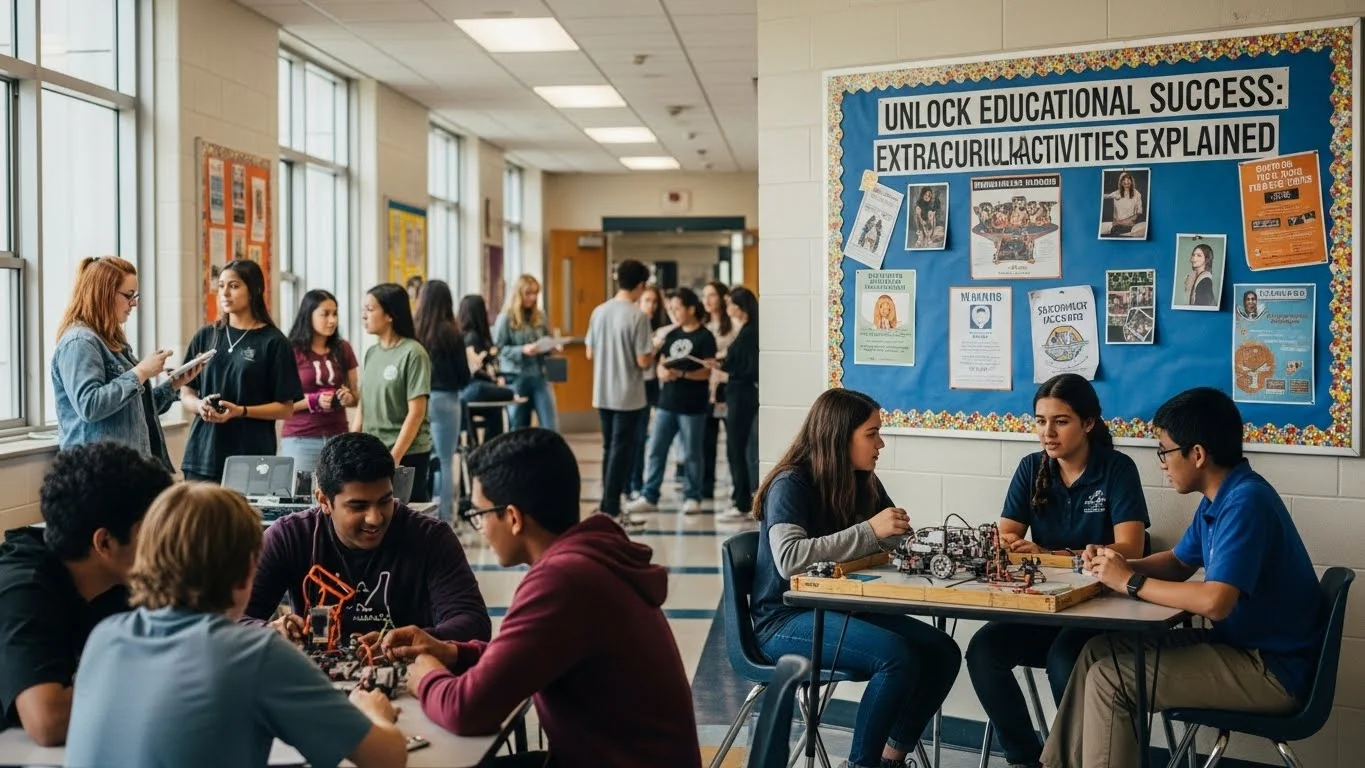
When I think of extracurricular activities, I picture vibrant school halls filled with students passionately engaged in various pursuits. But what exactly are these activities? In simple terms, extracurricular activities are those organized pursuits that fall outside the realm of the standard curriculum. They include anything from sports teams and music bands to clubs focused on specific interests or hobbies. The primary purpose of these activities is to enrich a student’s educational journey, offering them avenues to explore their passions, build relationships, and enhance their overall development.
Types of Extracurricular Activities
I’ve seen my friends and peers dive into a multitude of extracurricular activities, and it’s fascinating how diverse they can be. Here are some broad categories that encompass most activities:
- Sports and Athletics: Many students engage in various sports, from soccer to swimming, which promote teamwork and physical fitness.
- Arts and Music: Schools often offer programs in visual arts, theater, and music, allowing students to express their creativity.
- Academic Clubs: These can range from debate teams to science clubs, where students can delve deeper into subjects they love.
- Community Service: Volunteering opportunities help students give back to their communities while gaining valuable experiences.
- Leadership and Student Government: Participating in student councils or clubs develops leadership skills and fosters a sense of responsibility.
Importance in Education
The significance of extracurricular activities in education cannot be overstated. I remember my own experience; being part of the debate club not only honed my public speaking skills but also taught me how to think critically and articulate my thoughts clearly. Studies show that students involved in extracurricular activities often perform better academically. They learn to balance their time effectively, which can lead to improved grades. Moreover, these activities help foster a sense of belonging and community within the school, which is incredibly important during those formative years. You can also explore how these activities can help in Mastering Study Skills: Tips for Parents to Guide Kids.
I’ve also noticed that students who are engaged socially tend to have better emotional well-being. They can develop friendships that provide support during challenging times, whether academically or personally. The connections formed through shared experiences in extracurricular activities create a foundation for lasting relationships. In essence, participating in these activities creates a holistic educational environment where students can thrive both academically and socially.
Reflecting on my own life, I can see how my involvement in various extracurriculars shaped who I am today. From learning how to work as part of a team on the soccer field to performing in front of an audience during school plays, every experience added a layer to my personal growth. I’ve learned that these activities are not just fun; they’re critical to educational success. They build character, resilience, and provide an outlet for creativity. So, when we talk about educational success, we must consider the invaluable role of extracurricular activities in shaping our future leaders, thinkers, and creators.
Benefits of Extracurricular Activities
Academic Improvement
When I think about the benefits of extracurricular activities, academic improvement stands out for me. I’ve seen firsthand how engaging in sports or clubs can enhance focus and discipline in schoolwork. Participating in these activities often requires students to develop a strong work ethic and a sense of commitment. I remember juggling my responsibilities with my debate team while keeping up with my studies. This balancing act pushed me to manage my time better and prioritize my tasks, leading to improved grades. Research backs this up, showing that students involved in extracurriculars tend to perform better academically, partly because they learn to set goals and achieve them both in and out of the classroom.
Social Skills Development
One of the most rewarding aspects of extracurricular activities, in my experience, is the development of social skills. I’ve made some of my closest friends through clubs and teams. Being part of a group fosters communication and collaboration. I remember the first time I had to work with my classmates on a project for the science club. We had to listen to each other’s ideas, compromise, and build on one another’s strengths. Those experiences taught me valuable skills like teamwork, empathy, and leadership. I truly believe these social interactions are crucial, especially during the teenage years when forming connections can significantly impact our self-esteem and sense of belonging.
Time Management and Organizational Skills
Time management is another skill that I believe is honed through extracurricular activities. Balancing school with practices, rehearsals, or meetings can be a challenge. I remember feeling overwhelmed at times, but I soon learned how to create schedules and prioritize my commitments. This ability to manage my time wisely has served me well beyond high school. I’ve found that students who engage in extracurricular activities often become adept at juggling multiple responsibilities. They learn how to allocate their time effectively, which is a skill that will benefit them throughout their lives, whether in college or in the workforce.
Enhancing College Applications
As I approached high school graduation, I became acutely aware of how extracurricular activities could enhance my college applications. Colleges and universities often look for well-rounded individuals who have demonstrated commitment and passion outside the classroom. I remember attending college fairs and hearing admissions officers emphasize the importance of extracurricular involvement. My participation in various clubs and sports didn’t just fill my resume; it helped to showcase my interests and values. I felt proud to share my experiences during interviews and application essays, conveying how those activities shaped my character and aspirations. Additionally, 10 Effective Study Techniques to Help Kids Succeed in School can also aid in this process.
Physical Health and Well-being
Physical health is another significant benefit of extracurricular activities, particularly for those who choose to engage in sports or athletics. I’ve always believed that staying active plays a crucial role in overall well-being. Participating in sports not only helped me maintain my fitness but also served as a fantastic stress reliever. I fondly remember the rush of adrenaline during soccer matches and the sense of accomplishment after a good practice session. Beyond fitness, being physically active also improved my mood and boosted my confidence. I think it’s essential for students to recognize the connection between physical activity and mental health, especially during stressful academic periods.
Popular Types of Extracurricular Activities
Sports and Athletics
Sports and athletics are often the first things that come to mind when discussing extracurriculars. I’ve seen so many students thrive in this environment, whether on the basketball court or the swimming pool. Participating in a team sport not only fosters physical fitness but also builds camaraderie. I remember the exhilarating feeling of scoring a goal and the celebration that followed with my teammates. The support system formed through shared victories and losses creates strong bonds, making sports an unforgettable part of the educational experience.
Arts and Music
The arts also play a vital role in extracurricular pursuits. I’ve always admired those who participated in the school band or drama club. The creative outlet provided by these activities allows students to express themselves in ways that academics might not. I once attended a school play that left me utterly amazed by the talent of my peers. It reminded me how important it is for students to explore their creative sides, as it can lead to a lifelong appreciation for the arts and even open up career paths in the future.
Academic Clubs
Academic clubs are another fantastic option that many students find rewarding. Whether it’s a math club, a science team, or a language club, these activities allow students to delve deeper into subjects they love. I participated in a robotics club during my junior year, and it sparked my interest in technology. The thrill of working on projects with my peers and competing in regional competitions fostered a love for learning that extended beyond the classroom walls. I believe these clubs are invaluable for students looking to enhance their academic experience.
Community Service and Volunteer Work
Community service is an essential aspect of extracurricular activities, too. I remember volunteering at a local food bank and how fulfilling it felt to give back to my community. These experiences not only help students develop empathy but also provide them with a sense of purpose. Engaging in volunteer work can lead to meaningful connections and inspire students to become active, responsible citizens. I think the lessons learned from helping others are ones that stay with us for a lifetime.
Leadership and Student Government
Lastly, leadership opportunities, such as student government, allow students to take charge and make a difference in their school communities. I ran for a position in my school’s student council, and it was one of the most rewarding experiences. I learned how to advocate for my peers, organize events, and address issues that affected our school. These roles instilled a sense of responsibility and helped me cultivate my leadership skills. I believe that every student should consider getting involved in these types of activities, as they can shape future leaders who are ready to take on challenges.
Choosing the Right Extracurricular Activities
Assessing Personal Interests and Strengths
Choosing the right extracurricular activities can be a bit daunting, but it starts with a simple question: what do I enjoy? I remember when I was trying to figure out where to invest my time outside of academics. I took a good look at my interests and strengths. Did I prefer working with my hands, like in art or robotics, or did I enjoy more interactive activities like sports or performing arts? This reflection helped me narrow down my options significantly.
One way to assess interests is to think back on what I loved as a child. Did I enjoy being creative with crafts, or was I more inclined to play team sports? Engaging in activities that resonate with us can lead to more meaningful experiences. I suggest keeping a journal to jot down things I love doing. This can help clarify which extracurriculars might be worth exploring. Sometimes, even trying a few different activities can reveal hidden passions I never knew existed.
Balancing Academics and Extracurriculars
Finding the right balance between academics and extracurriculars is crucial. I learned this the hard way during my sophomore year when I took on too many commitments at once. I found myself stretched thin, trying to juggle homework, soccer practice, and the drama club. It was overwhelming! I realized that I needed to prioritize my responsibilities and sometimes say no to additional commitments.
A good approach is to create a schedule that includes time for study, extracurricular activities, and relaxation. I often used a planner to block out my time. This way, I could see where I had the capacity to fit in practices or meetings without compromising my academic performance. It’s about quality over quantity; participating in a few activities that I truly enjoy is more fulfilling than being spread too thin across many.
Exploring New Interests
Exploring new interests is one of the most exciting aspects of extracurricular activities. I’ll never forget the time I decided to try out for the school’s improv team. I had never done anything like it before, but I thought it could be fun and help me come out of my shell. That leap of faith turned out to be one of the best decisions I made in high school. I discovered a passion for theater that I never knew I had and made some fantastic friends along the way.
To explore new interests, I recommend keeping an open mind and not being afraid to step outside of my comfort zone. Schools often have fairs or information sessions where students can learn about different clubs and activities. Attending these events can provide insight into what’s available and spark curiosity. I always found that just showing up, even to a meeting of an activity I was unsure about, led to unexpected opportunities and experiences.
How to Get Involved
Finding Opportunities at School
Getting involved in extracurricular activities at school is usually straightforward. I remember my first day of freshman year when clubs and teams set up tables in the cafeteria, eager to recruit new members. This was a great way to learn about what was available. I recommend taking the time to walk around and talk to members of different groups. They can provide insights into what to expect and what commitments are involved.
Don’t hesitate to reach out to teachers or counselors, either. They often have knowledge about clubs that may not be widely advertised. I actually discovered a robotics club through my science teacher, who encouraged me to join. I think that many students overlook the importance of these connections. Teachers can be fantastic resources for guiding us toward activities that align with our interests.
Joining Community Organizations
Extracurricular activities aren’t limited to school. There are plenty of opportunities to get involved in the community. I found that volunteering with local organizations was incredibly rewarding. Whether it’s participating in a community garden project or helping out at a local animal shelter, these experiences can provide a different perspective and broaden my skill set.
Community organizations often look for help with events or programs, so it’s worth checking out local bulletin boards or online groups. I remember joining a mentoring program where I got to work with younger students. It was fulfilling to see them grow and learn, and it also helped me develop my leadership skills. Engaging with the community can lead to meaningful experiences that enrich my life outside of school.
Online and Virtual Extracurriculars
In today’s digital age, online and virtual extracurriculars have become more prevalent. I noticed that many students now participate in webinars, online clubs, and virtual competitions. This can be especially beneficial for those who might not have access to certain activities in their schools or communities. I’ve tried online coding classes and virtual book clubs, which allowed me to connect with peers from different backgrounds and regions.
These online options can offer flexibility, allowing me to engage in activities at my own pace. I’ve found online platforms that host various workshops and competitions, which can be a fun way to learn new skills. Embracing technology for extracurricular involvement can open doors and expand horizons. For those of us who are tech-savvy or looking for something different, these virtual opportunities can be incredibly rewarding.
Challenges and Considerations
Time Commitment and Scheduling Conflicts
While extracurricular activities offer numerous benefits, I’ve also learned that they come with their own set of challenges, particularly regarding time commitment. Balancing schoolwork, family obligations, and these activities can sometimes feel like a juggling act. I remember a particularly hectic semester when I was involved in both the soccer team and the school musical. Between practices, rehearsals, and my regular homework, I often found myself stretched thin. It made me realize that knowing my limits is essential. I recommend taking a close look at your schedule before diving into multiple commitments. It’s okay to say no or to choose just a few activities that truly excite you.
Burnout and Stress Management
Another challenge I’ve encountered is the risk of burnout. There were times when my enthusiasm for extracurriculars turned into sheer exhaustion. I learned that, while it’s important to be engaged, I also need to prioritize my mental health. Finding ways to manage stress became crucial. For me, this meant ensuring I had time to relax and recharge, whether it was through spending time with friends, reading, or even just enjoying a quiet evening at home. I believe every student should develop their own strategies for stress management. This could mean setting aside time for self-care or talking to someone when feeling overwhelmed. Recognizing the signs of burnout early on is key to maintaining a healthy balance.
Impact on Academic Performance
In my experience, it’s vital to be aware of how extracurricular activities can impact academic performance. While many students thrive with the added structure and focus that comes from being involved, others may find it challenging to keep up with schoolwork. I remember hearing stories of classmates who struggled with their grades because they took on too many commitments. It’s important to stay mindful of academic responsibilities and not to let participation in activities interfere with school performance. I’ve found that open communication with teachers, counselors, and family can help in navigating these challenges. They can provide support and guidance when it comes to finding the right balance.
Success Stories: Impact of Extracurricular Activities
Case Studies of Successful Students
Looking at the bigger picture, I’ve come across many inspiring success stories that highlight the profound impact extracurricular activities can have on personal and professional growth. One of my friends, for instance, joined the robotics club and went on to win several competitions. This experience not only ignited her passion for engineering but also led to scholarship opportunities. She often shares how the collaborative projects and problem-solving experiences shaped her confidence and prepared her for challenges in college and beyond. In my opinion, these stories serve as a testament to the potential that lies within every student who gets involved in extracurricular activities.
Interviews with Educators and Coaches
Throughout my journey, I’ve had the chance to speak with educators and coaches who emphasize the value of extracurricular involvement. One coach once told me, “The skills you learn on the field translate into life.” This statement resonated with me as I reflected on my own experiences. Teachers often see how students grow through these activities, developing not just academically but also socially and emotionally. These insights have reinforced my belief that extracurricular activities are not just supplementary; they are integral to a well-rounded education. Listening to these seasoned perspectives can inspire students to take that leap into involvement.
Final Thoughts
Extracurricular activities are more than just a way to fill time outside the classroom; they are transformative experiences that shape who we are and who we will become. From developing social skills and enhancing academic performance to building resilience and exploring new passions, the benefits are abundant. I encourage every student to embrace these opportunities and actively participate in activities that resonate with their interests and strengths. Remember, it’s about finding balance, managing time wisely, and allowing ourselves to grow through these experiences. In doing so, we not only enrich our educational journey but also lay the foundation for a fulfilling and successful future.
Frequently Asked Questions
What are extracurricular activities?
Extracurricular activities are organized pursuits that fall outside the standard curriculum, including sports teams, music bands, and clubs focused on specific interests or hobbies. Their primary purpose is to enrich a student’s educational journey, helping them explore passions and develop essential life skills.
What are some common types of extracurricular activities?
Common types of extracurricular activities include sports and athletics, arts and music, academic clubs, community service, and leadership opportunities such as student government.
How do extracurricular activities impact academic performance?
Studies show that students involved in extracurricular activities often perform better academically. These activities help students learn to balance their time effectively and develop a strong work ethic, which can lead to improved grades.
What social skills can students develop through extracurricular activities?
Students can develop valuable social skills such as communication, collaboration, teamwork, empathy, and leadership through participation in extracurricular activities. These skills are crucial, especially during the formative teenage years.
How can extracurricular activities enhance college applications?
Colleges and universities often look for well-rounded individuals who demonstrate commitment and passion outside the classroom. Participation in extracurricular activities helps showcase a student’s interests and values, making their applications more appealing.
What are some benefits of engaging in sports as extracurricular activities?
Engaging in sports promotes physical fitness, builds camaraderie, and serves as a stress reliever. Participating in team sports also helps develop a support system through shared experiences.
How can students assess which extracurricular activities are right for them?
Students can assess their interests and strengths by reflecting on what they enjoy, possibly revisiting childhood interests, and keeping a journal of activities they love. Trying out different activities can also help discover new passions.
What challenges might students face when participating in extracurricular activities?
Students may face challenges such as time commitment, scheduling conflicts, burnout, and balancing academic performance with extracurricular involvement. It’s important to recognize limits and manage stress effectively.
How can students find opportunities for extracurricular involvement?
Students can find opportunities at school by attending club fairs, talking to teachers or counselors, and exploring community organizations. Online and virtual extracurriculars are also increasingly available, offering additional options.
What impact can extracurricular activities have on personal growth?
Extracurricular activities can significantly impact personal growth by fostering skills, building resilience, and providing opportunities for self-discovery. They help shape character and prepare students for future challenges.