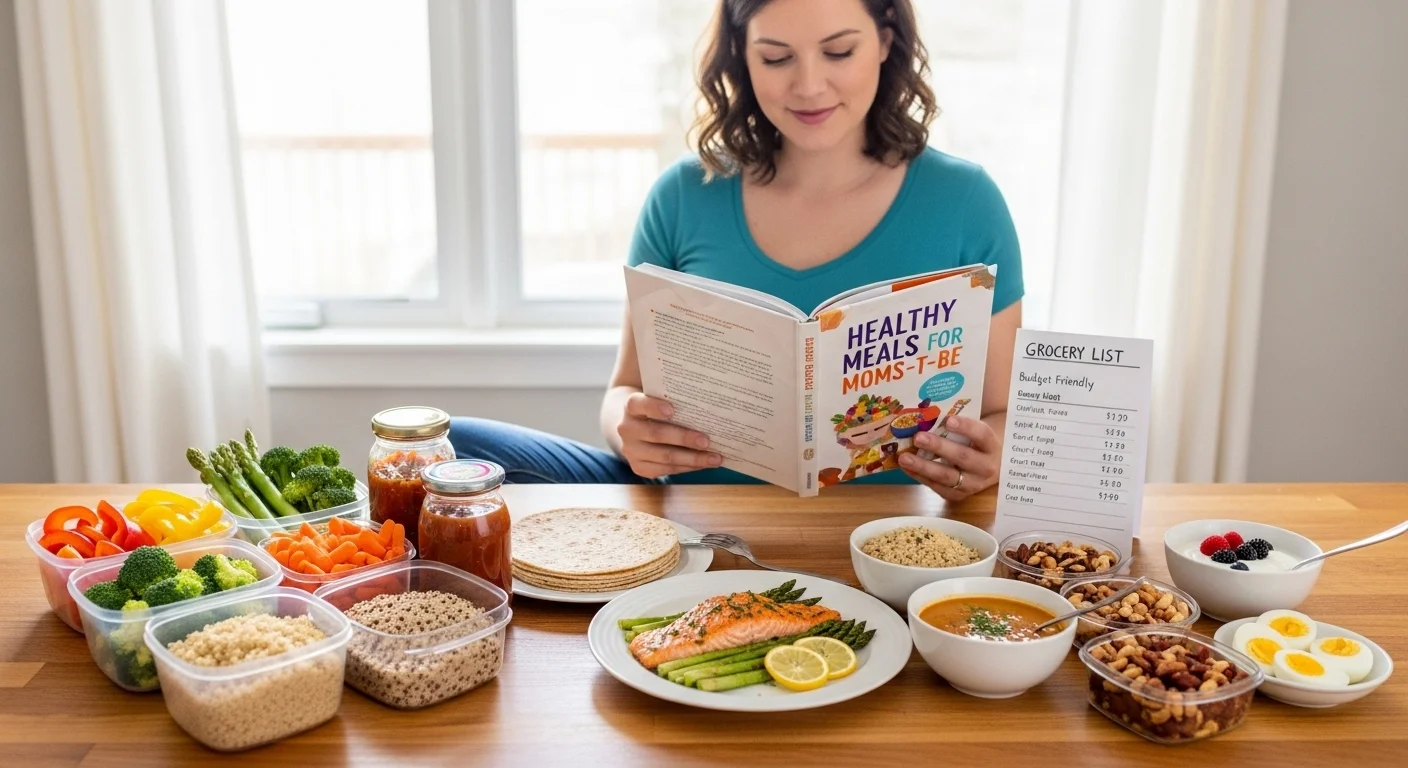
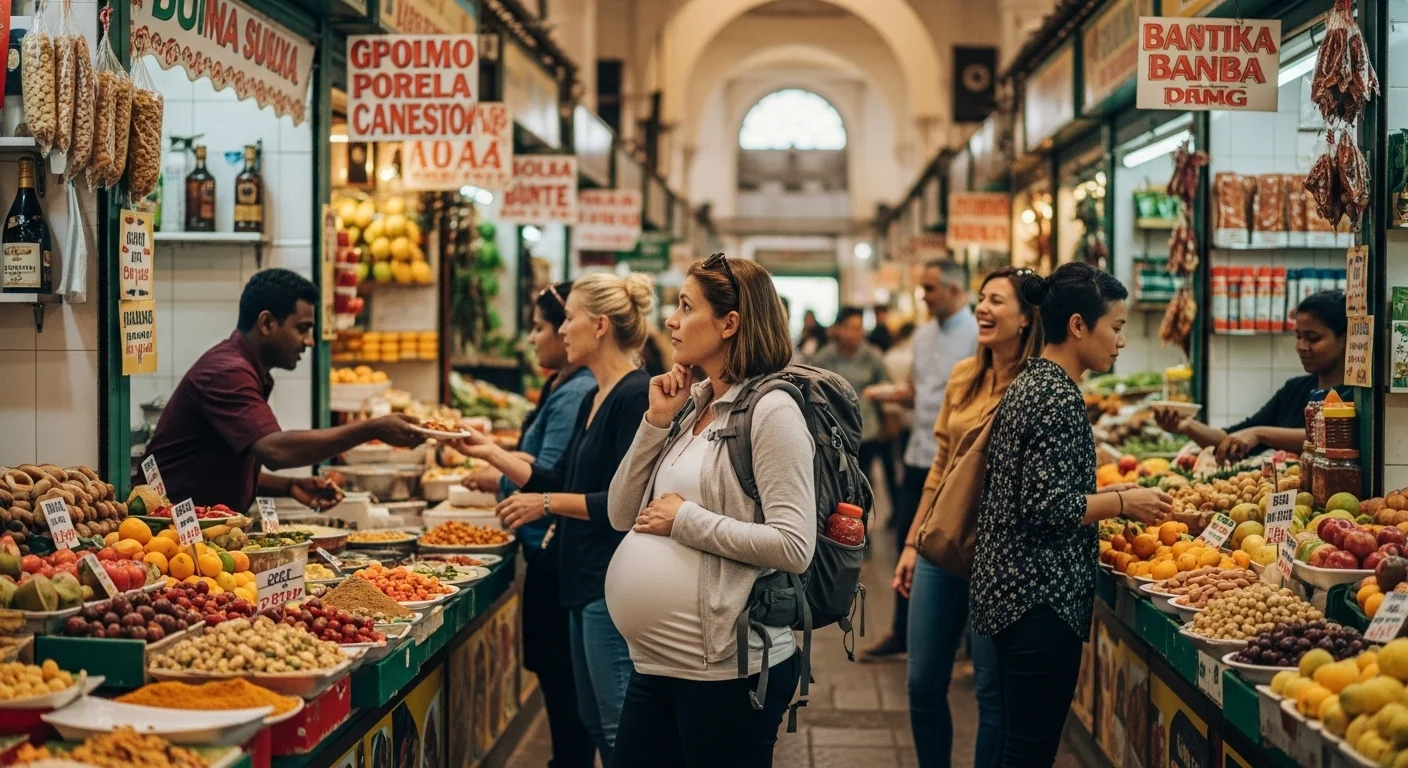
Pregnancy is an exciting journey, but it also comes with its own set of challenges, especially when it comes to nutrition. Balancing a budget while ensuring that you and your baby get the right nutrients can feel overwhelming, but it doesn’t have to be! Read Interesting article: Healthy Meal Plans for Expecting Moms on a Budget
Budget-Friendly Healthy Meal Plans for Pregnancy Nutrition
Understanding Pregnancy Nutrition
The Importance of Nutrition During Pregnancy
When I first found out I was pregnant, I was overwhelmed with all the new information about what to eat and what to avoid. I learned quickly that nutrition is crucial during this time. The food we consume not only supports our health but also directly impacts the development of our baby. It became clear to me that I needed to focus on nourishing my body with wholesome foods. This was my way of ensuring that my baby got the best start in life.
I remember reading about how a well-balanced diet can help with common pregnancy issues like morning sickness, fatigue, and even mood swings. I could relate to this firsthand; when I filled my plate with vibrant fruits, vegetables, whole grains, and lean proteins, I felt more energized and less overwhelmed. It was a game changer for my overall well-being.
Key Nutrients for Pregnant Women
In my quest for healthy eating, I discovered that there are several key nutrients that pregnant women should focus on:
Folate: Essential for cell growth and helps prevent neural tube defects. I found that leafy greens, beans, and fortified cereals were my go-to sources.
Iron: Important for increasing blood volume and preventing anemia. I tried to include lean meats, beans, and spinach in my meals.
Calcium: Vital for building the baby’s bones and teeth. Dairy products, almonds, and fortified plant milks became staples in my diet.
Omega-3 Fatty Acids: Crucial for brain development. I made it a point to have fish like salmon and walnuts regularly.
Protein: Helps with tissue growth. Eggs, legumes, and chicken were my favorites!
By focusing on these nutrients, I felt more confident that I was giving my baby what they needed while keeping myself healthy and happy.
Common Dietary Restrictions and Considerations
As I navigated through my pregnancy, I also had to consider common dietary restrictions. I remember hearing about foods to avoid, like raw seafood and unpasteurized cheeses, and I realized how important it was to stay informed. For many, gluten intolerance or allergies to certain foods can complicate matters further. I found that it was essential to tailor my meal plan to suit my lifestyle and health requirements.
For instance, when I learned that I had a mild lactose intolerance, I began exploring dairy alternatives. Almond milk and coconut yogurt became my new best friends! I discovered that with a little creativity, I could still enjoy delicious meals while ensuring I was getting the right nutrients. It’s all about adapting and finding what works for us.
Budget-Friendly Meal Planning Basics
How to Create a Meal Plan on a Budget
One of the key lessons I learned during my pregnancy was the importance of meal planning, especially when trying to stick to a budget. I noticed that having a plan in place helped me reduce food waste and lower my grocery bill. My strategy involved setting aside some time each week to map out meals that incorporated the key nutrients I needed. Read Interesting article: Pregnancy Nutrition: What to Eat for a Healthy Baby
I started by making a list of affordable ingredients that I could use in multiple meals throughout the week. For example, chicken could be used in stir-fries, salads, and soups. I loved making big batches of quinoa that could be paired with different veggies or proteins. This made it easy and cost-effective to eat healthy without feeling like I was stuck eating the same thing every day.
Shopping Smart: Tips for Budget Grocery Shopping
When it came time to shop, I found that sticking to a list was crucial. I often created my grocery list based on what was on sale that week, which helped me save significantly. I also began shopping at local farmers’ markets and looked out for seasonal produce; fresh fruits and veggies were not only more affordable but also tasted better!
Another tip that worked for me was buying in bulk. Items like rice, beans, and oats were much cheaper when purchased in larger quantities. I also learned to keep an eye on store brands, which often had the same quality as name brands but at a lower price. It’s amazing how simple adjustments in our shopping habits can lead to substantial savings!
Meal Prep Strategies for Expecting Mothers
Meal prepping became my best friend during pregnancy. I dedicated a few hours on the weekend to prepare meals for the week ahead. I would batch-cook healthy dishes like chili or vegetable stir-fry and portion them into containers. This not only saved me time but also made it easier to grab a nutritious meal when I was too tired to cook after a long day.
I discovered that freezing meals was a fantastic way to ensure I always had something healthy on hand. Soups, stews, and even smoothies can be frozen and reheated later. When I had a busy week ahead, I felt relieved knowing I had nutritious options ready to go without breaking the bank.
By focusing on meal planning, smart shopping, and meal prep, I managed to maintain a balanced diet during my pregnancy without overspending. I believe that with a little effort and creativity, we can all enjoy healthy eating without straining our budgets.
Healthy Meal Plan Ideas for Each Trimester
First Trimester Meal Plan
During my first trimester, I remember feeling a mix of excitement and nausea. It was a time when my body was going through so many changes, and I wanted to make sure I was fueling it properly. I found that small, frequent meals helped manage my nausea. Here’s a sample meal plan that worked for me:
Breakfast: Oatmeal topped with sliced bananas and a drizzle of honey. This was comforting and provided the fiber I needed.
Snack: Greek yogurt with a handful of berries. It was a great source of protein and antioxidants.
Lunch: A quinoa salad with chickpeas, cucumbers, and a squeeze of lemon. I loved how refreshing this was!
Snack: Carrot sticks with hummus, which kept my energy up during the afternoon slump.
Dinner: Grilled chicken with steamed broccoli and brown rice. This meal made me feel satisfied without being too heavy.
For me, focusing on light and nutritious meals made a significant difference in how I felt throughout the day.
Second Trimester Meal Plan
As I moved into the second trimester, my appetite returned with a vengeance! I noticed I craved more variety in my meals. Here’s how I adjusted my meal plan:
Breakfast: A smoothie with spinach, banana, and almond milk. It was a quick option that packed a nutritional punch.
Snack: A slice of whole-grain bread with avocado and a sprinkle of salt. This tasty treat kept me full for longer.
Lunch: Lentil soup with a side of whole-grain crackers. I loved how hearty and filling it was!
Snack: Apple slices with almond butter. This combo of sweet and nutty was one of my favorites.
Dinner: Baked salmon with sweet potatoes and asparagus. I felt good knowing I was getting those omega-3s for my baby’s brain development.
This trimester was all about balancing flavors and nutrients, and I enjoyed experimenting with different cuisines.
Third Trimester Meal Plan
By the time I reached the third trimester, I was all about simplicity and comfort. I wanted meals that were easy to prepare but still nutritious. Here’s a meal plan that worked wonders during this time:
Breakfast: Overnight oats with chia seeds, almond milk, and topped with nuts. This made for a quick, nutritious start to my day.
Snack: Cottage cheese with diced peaches. The protein helped keep my energy levels up.
Lunch: Spinach and feta stuffed whole-wheat pita with a side of mixed fruit. It was delicious and filled with nutrients.
Snack: Trail mix with nuts, seeds, and dried fruit. I kept a bag handy for quick energy boosts.
Dinner: Stir-fried tofu with mixed vegetables and brown rice. I loved how quick this was to make, and it was packed with protein!
Throughout my pregnancy, I learned how to adapt my meals based on my changing needs and cravings. Keeping it simple yet nutritious was key in my third trimester, and I felt empowered by the choices I was making.
Affordable Sources of Key Nutrients
Protein Sources for Pregnant Women
During my pregnancy, I quickly learned how vital protein is for both me and my growing baby. I discovered that I didn’t have to rely solely on expensive cuts of meat to meet my protein needs. Instead, I started exploring a variety of affordable protein sources. For instance, eggs became a staple in my diet. They’re not only budget-friendly but also packed with essential amino acids. I frequently prepared scrambled eggs with spinach or made frittatas filled with whatever veggies I had on hand.
Beans and lentils were another great option. They are incredibly versatile and can be added to soups, salads, or even made into delicious veggie burgers. I remember cooking a big pot of lentil soup that lasted me for days, providing nourishment and comfort. Additionally, buying canned tuna or salmon was a lifesaver; they were often on sale and made for quick, protein-rich lunches. Incorporating these options helped me keep my grocery costs down while ensuring I had the protein I needed for a healthy pregnancy.
Fruits and Vegetables: Affordable Options
When it comes to fruits and vegetables, I found that sticking to seasonal produce not only saved me money but also ensured that I was getting the freshest options available. I loved visiting my local farmer’s market, where I could find fruits and veggies at a fraction of the price compared to the grocery store. In my experience, produce like apples, bananas, carrots, and cabbage were usually affordable staples that I could incorporate into meals and snacks.
Frozen fruits and vegetables also became my go-to. They’re often just as nutritious as fresh ones, and they last longer, which means I could avoid waste. I enjoyed adding frozen berries to my morning oatmeal or blending them into smoothies. For veggies, frozen spinach was great for tossing into soups or omelets. This way, I was able to keep my meals colorful and nutrient-rich without overspending.
Whole Grains and Healthy Carbs on a Budget
Whole grains were another essential part of my pregnancy diet. I quickly learned that choosing whole grains over processed ones not only provided more nutrients but also kept me feeling full longer. Buying items like brown rice, whole wheat pasta, and oats in bulk helped me save money. I remember making big batches of brown rice that I could use throughout the week in stir-fries or as a side dish.
Another favorite of mine became quinoa. Although it can sometimes be pricier, I found that buying it in larger quantities made it more affordable. Quinoa was an excellent source of protein and added a nice texture to salads and bowls. I also made it a habit to check the bulk bins at my local grocery store; they often had great deals on whole grains, which helped me stick to my budget while ensuring I had healthy carbs on hand.
Healthy Fats: Budget-Friendly Choices
Healthy fats were something I was concerned about at first, thinking they might break the bank. However, I found several budget-friendly options that worked beautifully for my pregnancy diet. One of my favorites was avocados. I loved how versatile they were—whether on toast, in salads, or blended into smoothies. I often found them on sale, making it easy to enjoy this nutrient-packed fruit without overspending.
Olive oil also became a staple in my kitchen. I used it for cooking and drizzling over salads, and I felt good knowing I was adding heart-healthy fats to my meals. I often purchased nuts and seeds in bulk, which significantly cut down the cost. Almonds and chia seeds were great for snacking or adding to my yogurt or smoothies. These healthy fats not only helped me feel satisfied but also supported the development of my baby.
By focusing on these affordable sources of key nutrients, I felt empowered in my journey through pregnancy. I learned that with a little creativity and planning, I could nourish myself and my baby without breaking the bank. It was all about making informed choices and discovering the options that worked best for my lifestyle and budget. Read Interesting article: Essential Nutrition Tips for a Healthy Pregnancy Journey
Sample Budget-Friendly Meal Plans
7-Day Meal Plan for Pregnancy
Creating a weekly meal plan really helped me stay on track during my pregnancy, and I think it can do the same for you! Here’s a simple 7-day meal plan that I found to be both nutritious and budget-friendly:
Day 1:
Breakfast: Scrambled eggs with spinach and whole-grain toast
Snack: Greek yogurt with honey and walnuts
Lunch: Chickpea salad with cucumbers, tomatoes, and feta
Snack: Celery sticks with peanut butter
Dinner: Baked chicken thighs with roasted sweet potatoes and green beans
Day 2:
Breakfast: Overnight oats with chia seeds and fresh strawberries
Snack: Hard-boiled eggs
Lunch: Quinoa bowl with black beans, avocado, and salsa
Snack: Sliced apple with almond butter
Dinner: Stir-fried tofu with mixed vegetables and brown rice
Day 3:
Breakfast: Smoothie with spinach, banana, and almond milk
Snack: Trail mix with nuts and dried fruit
Lunch: Lentil soup with whole-grain crackers
Snack: Carrot sticks with hummus
Dinner: Grilled fish tacos with cabbage slaw and avocado
Day 4:
Breakfast: Whole-grain pancakes topped with sliced bananas
Snack: Cottage cheese with pineapple
Lunch: Turkey and cheese wrap with lettuce and tomato
Snack: Bell pepper strips with guacamole
Dinner: Pasta with marinara sauce and a side salad
Day 5:
Breakfast: Yogurt parfait with granola and mixed berries
Snack: Sliced cucumber with tzatziki
Lunch: Spinach salad with grilled chicken and nuts
Snack: Rice cakes with peanut butter
Dinner: Stuffed bell peppers with quinoa and black beans
Day 6:
Breakfast: Smoothie bowl with banana, spinach, and granola
Snack: Almonds
Lunch: Vegetable stir-fry with tofu and brown rice
Snack: Mixed berries
Dinner: Baked salmon with quinoa and asparagus
Day 7:
Breakfast: Oatmeal with nuts and dried fruit
Snack: Hard-boiled eggs
Lunch: Hummus and veggie wrap
Snack: Popcorn
Dinner: Chicken curry with brown rice and steamed broccoli
Grocery List for the 7-Day Meal Plan
Having a grocery list made shopping so much easier for me. Here’s a simplified list based on the meal plan above:
Eggs
Greek yogurt
Spinach
Whole-grain bread
Chickpeas
Cucumbers
Tomatoes
Feta cheese
Celery
Peanut butter
Chicken thighs
Sweet potatoes
Green beans
Chia seeds
Strawberries
Quinoa
Black beans
Avocado
Salsa
Tofu
Mixed vegetables
Whole-grain crackers
Trail mix
Fish for tacos
Cabbage
Pasta
Marinara sauce
Turkey
Cheese
Lettuce
Bell peppers
Granola
Dried fruit
Salmon
Asparagus
Quick and Easy Snacks for Pregnant Women
When I was pregnant, I often needed quick snacks to keep my energy up. Here are some great options that are both nutritious and easy to grab:
Greek yogurt with honey
Fruit and nut bars
Raw veggies with hummus
Nut butter on whole-grain toast
Hard-boiled eggs
Air-popped popcorn
Dark chocolate-covered almonds
Sliced apples with cheese
These snacks helped me stay satisfied between meals without compromising my nutrition or budget.
Addressing Common Pregnancy Cravings
Healthy Swaps for Sweet Cravings
During my pregnancy, I experienced my fair share of cravings, especially for sweets. Instead of indulging in sugary treats, I discovered healthier alternatives that satisfied my sweet tooth. For example, I often reached for fresh fruits like berries or mangoes. They’re naturally sweet and packed with vitamins. Another favorite was making banana ice cream by blending frozen bananas until smooth. It was a delicious, guilt-free treat!
Managing Salty Cravings with Nutrition
When I craved something salty, I found that instead of reaching for chips, I could enjoy roasted chickpeas or air-popped popcorn sprinkled with a little sea salt. Both options were crunchy, satisfying, and much healthier. I also learned that adding spices to my meals could enhance flavors without relying on excessive salt. This approach kept me feeling good while still enjoying the flavors I craved.
How to Satisfy Savory Cravings on a Budget
For savory cravings, I turned to budget-friendly options like whole-grain wraps filled with lean protein and lots of veggies. I loved experimenting with different fillings, such as turkey, avocado, and hummus. Another go-to was making vegetable stir-frys using whatever vegetables I had on hand. The key was to incorporate flavors that I enjoyed, so I didn’t feel deprived during my pregnancy.
Expert Tips for Staying Within Budget
Cooking in Bulk: Saving Time and Money
One of the best strategies I found for staying on budget was cooking in bulk. I often made larger portions of meals like chili, soups, and casseroles. This not only saved me time during the week but also reduced my grocery costs. Leftovers became my best friend, and I loved knowing I had quick, nutritious meals ready to go.
Using Seasonal Ingredients for Cost Savings
Shopping for seasonal ingredients provided an excellent way to save money and enjoy fresh produce. I quickly learned that fruits and vegetables in season were not only more affordable but also tasted better. I made it a point to plan my meals around what was in season at my local market. This not only supported my budget but also encouraged me to try new recipes based on what was available.
Freezing Meals: A Guide for Expecting Mothers
Freezing meals became a lifesaver for me during pregnancy. I often set aside time to prepare meals that I could freeze in individual portions. It meant that on days when I was too tired to cook, I could just pull something healthy out of the freezer. I made sure to label everything with dates and contents, so I knew what I had on hand. This simple practice allowed me to maintain healthy eating habits without added stress.
Considerations for Special Diets During Pregnancy
Vegetarian and Vegan Meal Plans for Pregnancy
If you’re following a vegetarian or vegan diet during pregnancy, it’s important to focus on getting enough protein and essential nutrients. I found that incorporating a variety of legumes, nuts, seeds, and whole grains made a huge difference. Tofu and tempeh were also great sources of protein and could be used in many dishes. I loved making veggie stir-fries and lentil salads to ensure I was getting adequate nutrition.
Gluten-Free Options for Pregnant Women
For those with gluten sensitivities, it’s entirely possible to maintain a nutritious diet during pregnancy. I learned that there are plenty of gluten-free grains available, such as quinoa, brown rice, and buckwheat. These grains not only provide essential nutrients but also keep you feeling full. I often made gluten-free wraps with plenty of veggies and lean proteins, which were delicious and satisfying.
Managing Food Allergies and Intolerances
If you’re dealing with food allergies or intolerances, it’s important to communicate with your healthcare provider about your dietary needs. I remember having to avoid certain allergens and discovered how helpful it was to read labels carefully. With a little planning, I found alternatives that worked for me without compromising nutrition. I focused on whole, unprocessed foods, which were naturally free of many allergens.
Resources for Further Support
Online Meal Planning Tools and Apps
In my search for meal planning resources, I found several online tools and apps that helped simplify the process. Many of these platforms allow you to create meal plans, generate shopping lists, and even find recipes based on what you have in your pantry. I appreciated the convenience of having everything at my fingertips, making it easier to stick to my budget and nutritional goals.
Support Groups and Forums for Expecting Moms
Joining online support groups and forums for expecting mothers was another great way to find encouragement and share tips. I loved connecting with other moms who were on similar journeys. These communities provided valuable insights and ideas for meal planning, nutrition, and coping with cravings. It felt great to be part of a supportive network.
Consulting a Nutritionist: When and Why
If you ever feel overwhelmed or unsure about your dietary needs during pregnancy, I recommend consulting a registered nutritionist. They can provide personalized guidance based on your specific situation. I found that having professional advice made a world of difference, helping me to feel more confident in my food choices and ensuring I was meeting my baby’s needs.
Final Thoughts
Reflecting on my pregnancy journey, I realize how important it is to nourish both ourselves and our growing babies. With a little planning, creativity, and a focus on budget-friendly options, I was able to enjoy healthy meals without stressing about costs. Remember, it’s all about making informed choices and adapting to our individual needs. Each step we take towards better nutrition can have a profound impact on our health and the health of our little ones. We are all capable of making these positive changes in our lives, and I hope my experiences inspire you to embrace your pregnancy nutrition journey with confidence and joy.
Frequently Asked Questions
1. Why is nutrition important during pregnancy?
Nutrition is crucial during pregnancy as it supports the health of both the mother and the developing baby. The food consumed impacts the baby’s development and helps manage common pregnancy issues such as morning sickness, fatigue, and mood swings.
2. What are some key nutrients that pregnant women should focus on?
Key nutrients for pregnant women include folate, iron, calcium, omega-3 fatty acids, and protein. These nutrients support cell growth, prevent anemia, build bones and teeth, promote brain development, and assist with tissue growth.
3. How can I create a budget-friendly meal plan during pregnancy?
To create a budget-friendly meal plan, set aside time each week to map out meals using affordable ingredients, reduce food waste, and use staple items in multiple meals. Meal prepping and cooking in bulk can also help save time and money.
4. What are some tips for budget grocery shopping?
Shopping smart involves creating a grocery list based on sales, visiting local farmers’ markets for seasonal produce, buying in bulk, and choosing store brands to save money without compromising quality.
5. What are some healthy snack options for pregnant women?
Healthy snack options include Greek yogurt with honey, fruit and nut bars, raw veggies with hummus, nut butter on whole-grain toast, hard-boiled eggs, air-popped popcorn, and sliced apples with cheese.
6. How can I manage cravings during pregnancy?
To manage cravings, opt for healthier alternatives. For sweet cravings, choose fresh fruits; for salty cravings, try roasted chickpeas; and for savory cravings, enjoy whole-grain wraps filled with lean protein and veggies.
7. What are some affordable protein sources for pregnant women?
Affordable protein sources include eggs, beans, lentils, and canned tuna or salmon. These options are budget-friendly and versatile, making them easy to incorporate into various meals.
8. How can seasonal ingredients help with meal planning?
Using seasonal ingredients can save money and provide fresher produce. Planning meals around what’s in season supports the budget and encourages trying new recipes based on available ingredients.
9. What should vegetarian or vegan pregnant women focus on for nutrition?
Vegetarian or vegan pregnant women should focus on incorporating a variety of legumes, nuts, seeds, and whole grains to ensure adequate protein and essential nutrients. Tofu and tempeh are also good protein sources.
10. When should I consider consulting a nutritionist during pregnancy?
If you’re feeling overwhelmed or unsure about your dietary needs during pregnancy, consulting a registered nutritionist can provide personalized guidance, helping ensure you meet your nutritional goals for both you and your baby.
Traveling while pregnant can be both exciting and daunting, especially when it comes to navigating dietary restrictions. Let’s dive into how to manage your food choices and stay healthy while exploring new places. Read Interesting article: Traveling While Pregnant: Must-Have Nutrients Explained
Traveling While Pregnant: Navigating Dietary Restrictions
Understanding Dietary Restrictions During Pregnancy
When I first found out I was pregnant, I was thrilled but also a bit overwhelmed by all the changes I needed to make, especially regarding my diet. Understanding dietary restrictions during pregnancy is crucial for both the mother and the developing baby. The reality is that what we eat has a profound impact on our health and the health of our little ones. As I planned my travel adventures, I learned that being mindful of what goes into my body was more important than ever.
Common Dietary Restrictions for Pregnant Women
Pregnancy comes with its fair share of dietary guidelines. Some common restrictions include avoiding raw fish, undercooked meats, unpasteurized dairy products, and certain soft cheeses. I remember feeling a bit anxious about this at first—how would I navigate menus in a foreign country with these restrictions? But as I educated myself, I found it empowering. Knowing what I needed to avoid helped me make informed decisions.
Another aspect I had to consider was caffeine intake. While I used to enjoy my daily coffee, I learned that limiting caffeine to about 200 mg per day is generally safe. This usually meant choosing decaf or herbal teas while traveling. I found it surprisingly refreshing to explore different herbal options, which I might not have tried otherwise. Read Interesting article: Backpacking During Pregnancy: Essential Nutrients Checklist
Foods to Avoid While Traveling
While traveling, it’s important to be particularly vigilant about certain foods that can pose a risk. For example, street food can be tempting, especially when it smells so good, but I had to remind myself to stay cautious. I avoided anything that looked undercooked or came from questionable sources. My experience taught me that sticking to well-cooked foods and reputable restaurants went a long way in ensuring my health.
Additionally, I learned to steer clear of foods high in sugar and processed ingredients. These can not only lead to unhealthy weight gain during pregnancy but also contribute to gestational diabetes. Keeping my meals balanced with whole foods was a priority, and I found it quite fulfilling to choose healthier options even when dining out.
Importance of Nutrition for Expecting Mothers
Nutrition during pregnancy is not just about eating for two; it’s about nourishing both yourself and your baby. I became more conscious of my nutrient intake, focusing on foods rich in folic acid, iron, calcium, and omega-3 fatty acids. It was fascinating to discover how different foods contributed to my overall well-being. For example, I learned that leafy greens and lentils are great sources of folate, while salmon provided essential omega-3s, which are important for brain development.
When planning my travels, I made it a point to seek out local foods that were not only delicious but also nutritious. I remember visiting a local market in Italy and being in awe of the fresh produce. It felt so rewarding to choose ripe, organic fruits and vegetables that I knew would benefit my health and my baby’s. Read Interesting article: Essential Nutrients for Pregnant Travelers: A Guide
Having a strong support system also helped me stay on track. Sharing my dietary needs with traveling companions made it easier to find suitable dining options. I think it’s so important to communicate openly about our needs, especially during pregnancy. Whether it’s asking for modifications at a restaurant or choosing a place known for healthy options, I found that being proactive made a huge difference.
Overall, navigating dietary restrictions while traveling during pregnancy can be a challenge, but it’s also an opportunity to explore new foods and cultures safely. By keeping informed about what to avoid, staying focused on nutrition, and sharing my journey with others, I was able to enjoy traveling without compromising my health. In the next section, I look forward to discussing how to plan your travel itinerary to make the most of your pregnancy travels.
Planning Your Travel Itinerary
Choosing Pregnancy-Friendly Destinations
When I started planning my travels during pregnancy, I quickly realized that not all destinations are created equal. Some places are incredibly accommodating for pregnant travelers, while others can present challenges. I found it helpful to choose destinations known for their healthcare systems, accessibility, and a reputation for being family-friendly. For example, places like Canada and certain parts of Europe have a variety of resources for expecting mothers, which made me feel more at ease.
I also considered the climate. I tend to feel more tired and uncomfortable in extreme temperatures, so I sought out destinations with mild weather. This way, I could enjoy exploring without the added stress of heat or cold. I remember planning a trip to the Mediterranean where the weather was perfect—sunny but not too hot. It made all the difference in my overall experience.
Researching Local Cuisine and Dietary Options
Before heading off to a new place, I made it a priority to research local cuisine. I wanted to ensure that I could find pregnancy-friendly options that aligned with my dietary restrictions. I used various travel blogs, forums, and even social media groups where other pregnant travelers shared their experiences. Through this research, I discovered some hidden gems, like local restaurants that proudly serve organic and fresh ingredients.
I also looked into local markets. Visiting markets not only allowed me to taste local flavors but also helped me find fresh, safe foods that I could prepare myself if needed. I remember one market in Barcelona that was bursting with fresh fruits and vegetables. It felt like a treasure hunt, and I was able to gather healthy snacks for my trip.
As I explored local cuisine, I found it was empowering to ask locals for recommendations. They often pointed me toward dishes that were both safe and delicious, allowing me to indulge in the local culture without compromising my health.
Accommodations with Kitchen Facilities
One of the best decisions I made was to look for accommodations with kitchen facilities. Having the ability to prepare my own meals made a world of difference. I felt more secure knowing I could whip up a nutritious breakfast or snack at any time. Plus, it saved money and allowed me to try my hand at cooking with local ingredients.
When booking accommodations, I searched for places that offered at least a kitchenette. I remember staying at a cozy Airbnb in Tuscany where I could cook with fresh produce from the nearby market. It turned into a fun little adventure, trying to replicate local dishes while also keeping my nutritional needs in check. It was a chance to bond with my travel companions as we cooked and shared meals together.
Having this flexibility not only helped me manage my diet, but it also allowed me to experience the culture through its food in a more personal way. Cooking with my own hands gave me a sense of connection to the place I was visiting.
Traveling by Air: Tips for Expecting Mothers
Airline Policies on Dietary Needs
Flying while pregnant can seem daunting, especially when it comes to food options. I made sure to research the airline’s policies regarding dietary needs well before my flight. Most airlines have guidelines on what you can request for meals, and I found that many were accommodating to special dietary restrictions, including pregnancy-related needs.
I was pleasantly surprised when I reached out to my airline and found they offered vegetarian and low-sodium meals, which I could modify for my pregnancy. I highly recommend reaching out in advance to ensure you’re prepared.
Bringing Your Own Snacks and Meals
I also took it upon myself to pack snacks for the journey. I opted for healthy options that were easy to transport, like nuts, granola bars, and dried fruits. This gave me peace of mind knowing I had something nutritious to munch on during the flight. I’ve learned that airport food can be expensive and not always the healthiest, so having my snacks readily available kept me on track.
One of my favorite travel snacks became homemade trail mix. Mixing nuts, seeds, and a bit of dark chocolate was a delightful way to satisfy my cravings without derailing my dietary goals.
Hydration and Comfort During Flights
Staying hydrated is crucial during pregnancy, especially while flying. I took my reusable water bottle with me, which I filled up once I passed through security. I made a point to sip water regularly throughout the flight, reminding myself that staying hydrated helped reduce swelling and kept my energy levels up.
Comfort was another priority. I made sure to wear loose, breathable clothing and brought a neck pillow for extra support. I found that small things like these really helped make the journey more enjoyable, allowing me to focus on the excitement of traveling rather than discomfort.
Planning for my travel itinerary while pregnant turned out to be a rewarding experience. Each step—from selecting destinations to being mindful of meals—made me feel empowered to embrace my journey. As I prepared for the next leg of my travels, I looked forward to sharing how to navigate dining out while on the road.
Dining Out: Navigating Restaurant Menus
Communicating Dietary Restrictions to Restaurant Staff
One of the most important aspects of dining out while pregnant is effectively communicating my dietary restrictions to restaurant staff. I remember feeling a bit nervous the first time I had to explain my needs in a foreign country. Would they understand? Would they take it seriously? However, I discovered that most restaurant staff were more than willing to help if I approached them politely and clearly.
I often began by simply stating that I was pregnant and had certain dietary restrictions. I found that this opened up a conversation about what I could and couldn’t eat. Some restaurants even had specific menus for pregnant women, which made the process much easier. I also learned to use simple phrases in the local language to help with communication. For example, learning how to say “no raw fish” or “no unpasteurized cheese” in the local language became incredibly useful.
Additionally, I would often ask if they could modify a dish to suit my needs. Most places were accommodating, and I was pleasantly surprised at how creative chefs could be. By being open and friendly, I found that the dining experience became much more enjoyable and stress-free.
Identifying Safe Food Choices on Menus
When it comes to reading menus, I quickly learned to be vigilant about identifying safe food choices. My experience taught me to look for items that were well-cooked and made from fresh ingredients. I became a pro at spotting grilled or roasted options, which were usually a safer bet than fried or raw dishes.
I also paid attention to how dishes were prepared. If I noticed a dish that was described as “lightly seared,” I would often inquire further to ensure it was fully cooked. I found that asking questions was key to making informed decisions. Some restaurants even encouraged diners to ask about ingredients and preparation methods, which made me feel more comfortable.
Another tip I picked up was to look for restaurants that focused on farm-to-table dining. These establishments often emphasized fresh, local ingredients and were more likely to understand dietary needs. Dining at such places not only helped me feel secure about my food choices but also allowed me to experience the local culture in a delightful way.
Local Dishes to Try and Avoid
Part of the joy of traveling is indulging in local cuisine, but when I was pregnant, it was essential to know which dishes were safe to enjoy and which ones to avoid. I made a list of local specialties that I wanted to try, and I was pleasantly surprised by how many were healthy and pregnancy-friendly.
For example, dishes featuring cooked vegetables, lean meats, and grains were often staples in various cuisines. I enjoyed trying fresh pasta in Italy, as it was usually made with just a few simple ingredients. In Japan, I discovered delicious miso soup and rice dishes that were both nourishing and safe. I found that exploring local flavors became an adventure that I looked forward to on each trip.
On the flip side, I learned to avoid certain dishes that posed risks. Raw seafood, undercooked meats, and soft cheeses were on my no-go list. I remember being tempted by a cheese platter in France, but I opted for a cooked dish instead, knowing it was the best choice for my health and my baby’s.
Being pregnant didn’t mean I had to miss out on culinary experiences; it just required a little more mindfulness. I found that with some research and communication, I could enjoy the local cuisine while staying safe.
Staying Healthy While Traveling
Maintaining a Balanced Diet on the Go
Maintaining a balanced diet while traveling was one of my top priorities. I made a conscious effort to incorporate a variety of food groups into my meals. I aimed for a mix of protein, healthy fats, and plenty of fruits and vegetables, which helped me feel my best during my travels.
To make this easier, I often carried a small notebook where I jotted down healthy meals I enjoyed and local foods I wanted to try. This way, I could ensure I was getting the nutrients I needed while also allowing myself to indulge in local treats. I quickly learned to balance out richer meals with lighter options, which made a significant difference in how I felt throughout my trip.
I also found that snacking smartly was essential. Instead of reaching for sugary snacks or heavy meals, I opted for nuts, yogurt, or fresh fruits. These kept my energy levels stable and satisfied my cravings without weighing me down.
Vitamins and Supplements for Pregnant Travelers
Traveling can make it easy to forget about vitamins and supplements, but I learned to prioritize them. I consulted with my healthcare provider before my travels to ensure I was on the right track. I packed my prenatal vitamins and made it a habit to take them at the same time each day, even while on the road.
In addition to prenatal vitamins, I also looked into local supplements that could enhance my diet. For instance, I discovered some natural iron-rich foods that were unique to specific regions I visited. This not only helped me maintain my nutrient levels but also made me feel more connected to the local culture.
Staying consistent with my vitamins and supplements allowed me to focus on exploring and enjoying my trips without worrying about my health as much. It became a part of my routine that I could manage, no matter where I was.
Managing Food Cravings and Aversions
From my experience, pregnancy cravings can be intense and sometimes unexpected. I found myself craving certain foods that I hadn’t even liked before! I remember a particular day in Spain when I simply couldn’t get enough of olives. I decided to embrace these cravings while also being mindful of my overall diet.
On the flip side, I also faced food aversions. There were times when the thought of certain foods made my stomach turn, and I quickly learned to listen to my body. If a dish didn’t appeal to me, I would skip it and opt for something else. I found that being flexible with my meals helped me enjoy my travels more.
Keeping snacks on hand was also a game changer. If I knew I might be passing by a place that didn’t serve what I was craving, having healthy snacks allowed me to avoid hunger and maintain my energy throughout the day. My approach to cravings and aversions became a balance of indulgence and mindfulness, which ultimately enriched my travel experience.
Frequently Asked Questions
What are some common dietary restrictions for pregnant women while traveling?
Common dietary restrictions for pregnant women include avoiding raw fish, undercooked meats, unpasteurized dairy products, and certain soft cheeses. It’s also advised to limit caffeine intake to about 200 mg per day.
How can I ensure safe food choices while traveling?
To ensure safe food choices while traveling, stick to well-cooked foods and dine at reputable restaurants. Avoid street food and anything that looks undercooked or comes from questionable sources.
Why is nutrition important during pregnancy?
Nutrition during pregnancy is crucial for both the mother and the developing baby. It’s about nourishing oneself while ensuring the baby receives essential nutrients, such as folic acid, iron, calcium, and omega-3 fatty acids.
What tips can help when planning a travel itinerary during pregnancy?
When planning a travel itinerary during pregnancy, choose destinations known for good healthcare, accessibility, and family-friendliness. Research local cuisine and dietary options to ensure suitable food choices are available.
How should I communicate my dietary restrictions to restaurant staff?
Communicate your dietary restrictions to restaurant staff by stating that you are pregnant and specifying what you need to avoid. Learning key phrases in the local language can also help facilitate better communication.
What should I consider when dining out while pregnant?
When dining out while pregnant, look for well-cooked dishes made from fresh ingredients. Ask about preparation methods and favor restaurants that focus on farm-to-table dining, which often emphasizes fresh, local ingredients.
What are some healthy snacks to bring while traveling?
Healthy snacks to bring while traveling include nuts, granola bars, dried fruits, and homemade trail mix. These options are nutritious, easy to transport, and help maintain energy levels during the journey.
How can I maintain a balanced diet on the go?
To maintain a balanced diet while traveling, incorporate a variety of food groups into your meals, focusing on protein, healthy fats, and plenty of fruits and vegetables. Keep a small notebook to track healthy meals and snacks.
What should I do about vitamins and supplements while traveling?
Prioritize taking your prenatal vitamins and consult with your healthcare provider before traveling. Pack your vitamins and try to maintain a consistent routine for taking them, even while on the road.
How can I manage food cravings and aversions during pregnancy while traveling?
To manage food cravings and aversions during pregnancy, listen to your body and be flexible with your meals. Keep healthy snacks on hand to satisfy cravings and avoid hunger, enriching your travel experience.
Traveling while pregnant can be an exciting adventure, but maintaining a healthy diet on a budget can be challenging. Let’s explore how to make prenatal nutrition easier and more affordable while on the road.
Traveling on a Budget: Prenatal Nutrition Made Easy
Understanding Prenatal Nutrition
The Importance of Prenatal Nutrition
When I found out I was pregnant, my perspective on food shifted dramatically. Suddenly, every bite felt like a crucial piece of a bigger puzzle. Prenatal nutrition became not just a personal goal but a priority for the well-being of my growing baby. I’ve learned that the nutrients we consume during pregnancy can significantly impact fetal development, influencing everything from brain health to immune function. Essential Prenatal Nutrition Tips for Budget Travelers can provide further insights into this important topic.
Research shows that adequate prenatal nutrition can reduce the risks of complications during pregnancy and delivery. I remember feeling overwhelmed by the amount of information out there, but I quickly realized that focusing on the basics could simplify things. For me, it was about ensuring I had a balanced intake of vitamins, minerals, and other essential nutrients to support both my health and my baby’s growth.
Key Nutrients for Pregnant Women
During my pregnancy, I discovered some key nutrients that I needed to keep in mind:
Folic Acid: This was a big one for me. Folic acid helps prevent neural tube defects and is vital in the early stages of pregnancy. I made it a point to include leafy greens, beans, and fortified cereals in my meals.
Iron: To support increased blood volume, I needed more iron. Incorporating lean meats, spinach, and legumes into my diet helped me reach my iron goals.
Calcium: Building my baby’s bones was essential. Dairy products, fortified plant-based milks, and almonds became staples in my daily routine to ensure I was getting enough calcium.
Omega-3 Fatty Acids: I learned that omega-3s are critical for brain development. Fatty fish like salmon became my go-to source, and I also looked for flaxseeds and walnuts.
Protein: I needed adequate protein to support tissue growth. Eggs, nuts, tofu, and dairy were my favorites.
Remember, though, it’s essential to talk with your healthcare provider about your specific needs. Everyone’s body is different, and what works for one person might not work for another.
Common Myths About Prenatal Diet
As I navigated through pregnancy, I stumbled upon various myths that made me second-guess my choices. One common misconception is that pregnant women should “eat for two.” This notion can lead to unnecessary weight gain and unhealthy eating habits. I learned that it’s more about the quality of food rather than quantity. Focusing on nutrient-dense foods rather than doubling my portions allowed me to maintain a healthy weight while still nourishing my baby.
Another myth I encountered was the idea that all fish should be avoided due to mercury concerns. While certain fish can indeed be high in mercury, many options are safe and beneficial. I found it helpful to familiarize myself with the guidelines on safe fish consumption during pregnancy, which helped ease my worries.
Lastly, the belief that cravings should be indulged without restraint is something I had to reckon with. Yes, I enjoyed the occasional treat, but it was crucial for me to balance cravings with nutritious choices. Moderation was key. I realized that satisfying my cravings with healthier alternatives helped me stick to my nutritional goals.
Learning the facts behind prenatal nutrition not only empowered me but also helped me feel more connected to my baby. Each meal became a way to nurture and grow our bond, even before my little one arrived.
Traveling on a Budget
Tips for Budget Travel
When I started planning my travel while pregnant, I quickly realized that traveling on a budget was essential for me. It’s easy to get caught up in the excitement of a trip and overspend, but I found a few tips that really helped keep costs down without compromising my experience.
First, I became a fan of flexible travel dates. I learned that flying on weekdays or during off-peak seasons could save a lot. Sometimes, a simple shift of a few days can lead to significantly lower fares. I remember checking flight prices at different times of day and finding that early morning or late-night flights were often cheaper. I felt proud of myself for finding those deals!
Another trick I picked up was to use budget airlines. While they may not offer the same amenities as larger carriers, I found that they often have very competitive prices. I also made sure to keep an eye out for package deals that included flights, hotels, and car rentals. These deals can be a lifesaver when you want to stretch your budget.
Accommodations also played a big role in my budget. Instead of staying at traditional hotels, I explored options like Airbnb or vacation rentals. Not only were they often cheaper, but they also provided kitchen facilities, allowing me to cook some of my meals and stick to my prenatal nutrition goals.
I also found it helpful to keep an eye out for local deals and discounts. Websites like Groupon or local tourist information centers often have special offers, which can lead to fun experiences without breaking the bank. Overall, the key for me was planning ahead and staying flexible.
Choosing Affordable Destinations for Pregnant Travelers
Choosing the right destination can make all the difference when traveling while pregnant and on a budget. I started by looking for places known for being affordable. Eastern Europe, for instance, had some beautiful spots that were much less expensive than Western Europe. I found cities like Budapest and Prague to be full of culture, history, and delicious food without the hefty price tag.
I also learned to consider destinations that had good healthcare facilities. Knowing that I could access medical care if needed gave me peace of mind. Countries with a reputation for being family-friendly often have the resources to support pregnant travelers, which was a huge plus for me. Navigating Prenatal Care While Traveling on a Budget is a great resource for more tips on this topic.
Another factor I took into account was the availability of fresh food. Places with local markets or a strong street food culture often provide healthier options at reasonable prices. I remember enjoying fresh fruits and vegetables from local vendors, which not only satisfied my cravings but also kept me feeling good during my travels.
Finally, I discovered that some destinations offer free or low-cost attractions. Parks, beaches, and museums can provide hours of entertainment at little to no cost. I made a list of such activities to fill our itinerary without stretching my budget.
Best Times to Travel on a Budget
Timing is everything when it comes to budget travel, especially while pregnant. I found that traveling during the shoulder seasons—just before or after peak tourist times—could lead to significant savings. For example, I learned that traveling to beach destinations in late spring or early fall often meant fewer crowds and lower prices.
Additionally, I took advantage of holiday periods. Traveling just before major holidays can be cheaper because many people prefer to stay home, and prices tend to drop. However, I made sure to avoid traveling during peak holiday weeks, as those can be more expensive and crowded.
Early morning or late-night flights were also my go-to. They often come with lower ticket prices, and I found the airports to be much less hectic during those times. While it meant waking up early or staying up late, I felt it was worth it to save a few bucks.
Lastly, I kept an eye on fare sales. Signing up for alerts from airlines or travel websites helped me snag some amazing deals before they disappeared. Being patient and watching the trends really paid off for me, allowing us to travel without blowing our budget.
Budget-friendly Meal Planning
Creating a Prenatal Meal Plan on a Budget
Meal planning was one of the most effective ways for me to stay on track with my nutrition while keeping costs down. I started by creating a simple meal plan that focused on affordable, nutrient-dense foods. Each week, I would sit down and brainstorm meals that incorporated key nutrients I needed during pregnancy.
I discovered that batch cooking was a game-changer. Preparing larger quantities of meals like soups, stews, or casseroles not only saved time but also money, as I could use the same ingredients in multiple dishes. For instance, I would cook a big pot of chili and then use leftovers for tacos or burrito bowls. This way, I wasn’t just saving money; I was also reducing food waste.
Involving my partner in meal prep made it more enjoyable, turning it into a fun activity rather than a chore. We would spend a Sunday afternoon cooking together, which allowed us to bond and ensured that we had healthy meals ready for the week ahead.
Additionally, I learned to plan meals that used similar ingredients to keep our grocery list shorter and more manageable. If I bought spinach, I would plan to use it in salads, smoothies, and omelets throughout the week, ensuring nothing went to waste.
Budget-friendly Meal Planning
Shopping Tips for Healthy Ingredients
When I started grocery shopping while pregnant and on a budget, I realized that how I approached shopping could make a huge difference in my prenatal nutrition. I learned a few tricks that helped me fill my cart with healthy ingredients without draining my wallet.
First off, I made it a habit to always check my pantry and fridge before heading to the store. This way, I could avoid buying items I already had. I found that making a list based on what I truly needed helped me focus on the essentials and resist impulse buys. Plus, sticking to a list kept my shopping trips quick and efficient, which was especially important when I didn’t have the energy to browse aimlessly.
I quickly discovered the advantages of shopping at local farmers’ markets. I loved the experience of picking out fresh fruits and vegetables directly from local vendors. Not only did I get to support my community, but I also found that the prices were often lower than at the grocery store. I remember haggling a little and feeling proud when I snagged a deal on a basket of ripe tomatoes or a bunch of organic carrots.
Another tip that worked wonders for me was to buy in bulk. Items like grains, legumes, and nuts can be much cheaper when bought in larger quantities. I’d stock up on brown rice, quinoa, and lentils, which I could easily incorporate into various meals. Plus, these staples have a long shelf life, making them perfect for meal prepping and batch cooking.
Lastly, I learned to pay attention to sales and discounts. I would check the weekly ads from my local grocery store and plan my meals around what was on sale. This not only helped save money but also encouraged me to try new ingredients and recipes. Sometimes, those unplanned items turned out to be my new favorites!
Budget-friendly Snacks for Travel
Snacking became a big part of my pregnancy journey, especially while traveling. I wanted to ensure I had access to nutritious options that wouldn’t break the bank. I discovered some budget-friendly snacks that kept me fueled and satisfied on the go.
Homemade trail mix became my go-to. I would mix nuts, seeds, and dried fruits, which provided a great balance of protein, healthy fats, and natural sugars. I loved customizing my mix, adding in my favorites like almonds, walnuts, and even a sprinkle of dark chocolate for a little indulgence. Packing trail mix in small containers or ziplock bags made it super convenient to grab and go.
Another delicious and budget-friendly snack I enjoyed was homemade energy balls. I would blend oats, nut butter, honey, and whatever add-ins I had on hand, like chocolate chips or coconut flakes. They were easy to prepare, packed with nutrients, and perfect for satisfying cravings between meals. Plus, they traveled well, which was ideal for long trips.
I also made sure to pack fresh fruits and vegetables. Apples, bananas, and baby carrots were some of my favorites because they didn’t require refrigeration and could withstand a bit of jostling in my bag. These snacks not only kept me energized but also helped me meet my daily servings of fruits and veggies.
Lastly, I found that yogurt cups were both healthy and convenient. They’re rich in calcium and protein, making them a great addition to my snacks. I’d buy larger tubs to save money and portion them out into smaller containers for travel. A sprinkle of granola on top added a nice crunch!
Healthy Eating While Traveling
Finding Nutritious Food Options on the Go
Finding healthy food while traveling can be a challenge, but I learned some effective strategies that made it easier for me. Whenever I arrived at a new destination, I made a point to research local restaurants and cafes that prioritized fresh, nutritious meals. I remember using apps and websites that highlighted healthy dining options. It was such a relief to find places that offered wholesome choices, especially since I was conscious of my prenatal nutrition.
One trick I used was to look for restaurants that had a focus on farm-to-table dining. These spots usually feature seasonal ingredients and offer dishes that are not only delicious but also nutrient-rich. I loved asking for recommendations from locals, and I found that they often pointed me toward hidden gems that had fantastic options.
When I was on the move, I sought out grocery stores or health food shops. Many convenience stores now have healthier snacks or ready-made meals that are suitable for pregnant women. I’d grab a salad or a wrap filled with lean protein and veggies whenever I could. It made me feel good knowing I was making conscious choices.
I also discovered that smoothie bars were popping up everywhere, which was a delightful surprise. I could order a smoothie blended with fruits, spinach, and protein powder. It was an excellent way to get a quick nutrient boost! Plus, they served as a refreshing treat, especially in warm weather.
Eating Out: Making Healthy Choices
Dining out while pregnant doesn’t mean you have to sacrifice nutrition. I learned to navigate menus effectively and make choices that aligned with my health goals. One of the first things I did was to look for options that were grilled, baked, or steamed rather than fried. These cooking methods often meant fewer calories and healthier fats.
When it came to appetizers, I started opting for salads or vegetable-based dishes instead of heavier options. I enjoyed asking for dressings on the side, which allowed me to control how much I was consuming. Plus, I loved loading up my salad with toppings like nuts, seeds, and avocados for an extra nutrient boost.
During main courses, I focused on dishes that included lean proteins, whole grains, and various vegetables. I discovered that many restaurants were happy to accommodate special requests, like substituting fries with a side of veggies or asking for extra veggies in my pasta. I felt empowered to speak up for my nutritional needs!
And let’s not forget about dessert! I found that many places offered fresh fruit or yogurt parfaits as healthier sweet options. I loved indulging in a little something sweet without going overboard, which made me feel good about my choices.
Frequently Asked Questions
What is the importance of prenatal nutrition during pregnancy?
Prenatal nutrition is crucial for the well-being of both the mother and the growing baby. The nutrients consumed can significantly impact fetal development, influencing brain health, immune function, and reducing risks of complications during pregnancy and delivery.
What are some key nutrients that pregnant women should focus on?
Key nutrients for pregnant women include folic acid, iron, calcium, omega-3 fatty acids, and protein. Folic acid helps prevent neural tube defects, iron supports increased blood volume, calcium is essential for building the baby’s bones, omega-3s are critical for brain development, and protein supports tissue growth.
What are common myths about prenatal diets?
Common myths include the idea that pregnant women should “eat for two,” which can lead to unnecessary weight gain, and the belief that all fish should be avoided due to mercury concerns. Another myth is that cravings should be indulged without restraint; instead, moderation and balance with nutritious choices are important.
How can pregnant women travel on a budget?
Pregnant women can travel on a budget by being flexible with travel dates, using budget airlines, considering package deals, choosing affordable accommodations like Airbnb, and looking for local deals and discounts.
What are some affordable destinations for pregnant travelers?
Affordable destinations for pregnant travelers include Eastern Europe, with cities like Budapest and Prague, which offer cultural experiences without high costs. It’s also beneficial to choose places with good healthcare facilities and access to fresh food.
What are the best times to travel on a budget while pregnant?
The best times to travel on a budget include shoulder seasons before or after peak tourist times, early morning or late-night flights, and just before major holidays when prices may drop. Signing up for fare alerts can also help find great deals.
How can meal planning help maintain a healthy prenatal diet on a budget?
Meal planning helps maintain a healthy prenatal diet by focusing on affordable, nutrient-dense foods, allowing for batch cooking, and reducing food waste. Planning meals with similar ingredients can also keep grocery lists manageable.
What shopping tips can help pregnant women buy healthy ingredients on a budget?
Shopping tips for pregnant women on a budget include checking the pantry before shopping, making a focused grocery list, shopping at local farmers’ markets for fresh produce, buying in bulk, and planning meals around sales and discounts.
What are some budget-friendly travel snacks for pregnant women?
Budget-friendly travel snacks for pregnant women include homemade trail mix, energy balls made with oats and nut butter, fresh fruits and vegetables such as apples and baby carrots, and yogurt cups for a healthy option rich in calcium and protein.
How can pregnant women find nutritious food options while traveling?
Pregnant women can find nutritious food options while traveling by researching local restaurants that prioritize fresh meals, looking for farm-to-table dining, seeking out grocery stores or health food shops for ready-made meals, and finding smoothie bars for quick nutrient boosts.
Pregnancy is an incredible journey, and nourishing your body while traveling on a budget can feel challenging. But don’t worry! This guide will help you navigate prenatal nutrition without breaking the bank. Read Interesting article: Traveling on a Budget: Prenatal Nutrition Made Easy
Ultimate Guide to Prenatal Nutrition for Budget Travelers
Understanding Prenatal Nutrition
What is Prenatal Nutrition?
Prenatal nutrition refers to the dietary choices and nutritional needs of women during pregnancy. It’s not just about eating more; it’s about eating smarter. I remember when I first learned about it during my pregnancy. I was surprised to find out how essential it was to focus on specific nutrients that support both my health and the baby’s growth. It’s about fueling your body with the right foods, which can make a world of difference in how you feel day to day and during your travels.
Importance of Nutrition During Pregnancy
Nutrition plays a vital role during pregnancy for several reasons. First, it supports the baby’s development. I learned that key nutrients help form organs, bones, and brain tissue. For instance, folic acid is crucial for avoiding neural tube defects, which can be a concern for many expectant mothers. Secondly, good nutrition can help manage pregnancy symptoms. I found that eating wholesome foods made me feel more energetic and less nauseous, especially when I was on the go.
Moreover, proper nutrition helps in maintaining a healthy weight gain during pregnancy, which can reduce the risk of complications. For budget travelers like us, understanding how to balance these nutritional needs with a tight budget is essential. It’s all about making informed choices that work for our lifestyle. Read Interesting article: Essential Prenatal Nutrition Tips for Budget Travelers
Essential Nutrients for Expecting Mothers
Folic Acid
Folic acid is one of the most important nutrients for pregnant women. It helps prevent birth defects and supports the baby’s growth. I made it a point to include foods rich in folate, like leafy greens, lentils, and beans, in my diet. If I ever found myself in a foreign country, I would look for local dishes that featured these ingredients. They are often affordable and filling!
Iron
Iron is another crucial nutrient. It helps in the production of hemoglobin, which transports oxygen in the blood. I remember how fatigued I felt during my pregnancy, and I discovered that increasing my iron intake made a huge difference. Foods like spinach, red meat, and legumes became staples in my meals. Plus, I learned that pairing iron-rich foods with vitamin C can enhance absorption, so I often included oranges or bell peppers with my meals.
Calcium
Calcium supports the baby’s bone development, and it’s vital for mothers to maintain their bone health too. I found that yogurt, cheese, and fortified plant-based milks were great sources of calcium. When I traveled, I tried to find local dairy products or plant-based alternatives to ensure I was meeting my calcium needs without overspending. Honestly, some of the best experiences I had were discovering local markets with delicious, fresh products.
Omega-3 Fatty Acids
Omega-3 fatty acids are critical for brain development. I started incorporating more fish into my diet, particularly fatty fish like salmon and sardines. However, when traveling, I sometimes worried about the cost and safety of seafood. I learned to look for canned fish, which is often more affordable and convenient, making it easier to pack away for trips.
Protein
Protein is essential during pregnancy as it helps build the baby’s cells. I found that eggs, beans, and nuts were my go-to options for affordable protein. Preparing meals with these ingredients became a fun challenge while exploring new recipes. On the road, I always packed some hard-boiled eggs and trail mix for quick snacks. It’s all about finding ways to keep protein in your diet without overspending.
Budget-Friendly Food Options
Affordable Sources of Essential Nutrients
When you’re on a budget, it’s all about smart shopping. I realized that planning meals around what was in season or available locally could save a lot of money while still providing the nutrients I needed. For instance, beans and lentils are not only inexpensive but also packed with essential nutrients. I found that exploring local markets often led me to fresh fruits and vegetables at lower prices compared to supermarkets.
Local Markets vs. Supermarkets
Shopping at local markets can be a game changer for budget-conscious travelers. I’ve seen that local vendors often sell fresh produce at much lower prices than supermarkets. Plus, it’s a chance to experience the culture of the place you’re visiting! Don’t hesitate to ask locals about their favorite places to shop; they usually have great tips. I remember striking up a conversation with a vendor who introduced me to amazing fruits I had never tried before.
Cooking at Home vs. Eating Out
While it may be tempting to eat out while traveling, cooking at home is usually the more budget-friendly option. I made it a habit to find accommodations with kitchen facilities, which allowed me to prepare my meals using fresh, local ingredients. I discovered that cooking not only saved money but also gave me the opportunity to experiment with new recipes. It’s a fun way to engage with the local culture while ensuring I was eating healthily.
Meal Planning on a Budget
Creating a Weekly Meal Plan
Meal planning became one of my best strategies for staying healthy and on budget during pregnancy. I remember sitting down each week to map out my meals. It was a fun process! I would look at what was on sale at the local market and decide which recipes I wanted to try. I found that creating a weekly meal plan helped me save money by avoiding impulse buys at the grocery store and ensuring I had everything I needed at home. I think it’s also a great way to reduce food waste, which is something I’m passionate about.
To get started, I listed out my go-to meals, focusing on those rich in the essential nutrients we talked about earlier. For example, I’d plan for a hearty lentil soup with spinach, a stir-fry with seasonal veggies and tofu, and some homemade burrito bowls with rice, beans, and avocado. This approach kept my meals varied and exciting while making sure I was getting the nutrients I needed without overspending.
Batch Cooking and Freezing Meals
Batch cooking was a lifesaver for me. I realized that I could cook larger portions of certain meals and freeze them for later. This was especially helpful on days when I didn’t have the energy to cook. I remember one Sunday, I dedicated a few hours to making big batches of chili, vegetable soup, and quinoa salad. I portioned them into containers and froze them for the week ahead. It felt great knowing I had healthy meals ready to go!
Freezing also works wonders for preserving fresh produce that I couldn’t use in time. I would chop and freeze extra fruits and vegetables, which were then convenient for smoothies or stir-fries later on. This not only saved me money but also made meal prep a breeze during busy weeks.
Using Leftovers Wisely
Leftovers can be such a gift when you’re trying to eat healthily on a budget. I learned how to creatively repurpose them into new meals. For instance, if I made roasted vegetables for dinner, I’d save the leftovers and toss them into an omelet the next day. It was a simple way to add nutrition to my meals without extra costs.
Sometimes, I would even have a designated “leftover night” where I’d pull out everything I had left in the fridge and create a sort of buffet. It was a fun way to clear out the fridge while also ensuring nothing went to waste. I found that this not only helped my budget but also added a bit of variety to our meals.
Traveling Smart: Eating Healthy on the Go
Choosing Healthy Snacks
When traveling, I quickly learned how important it was to have healthy snacks on hand. I would always pack a variety of snacks that provided the nutrients I needed, and I found that this kept me from reaching for unhealthy options when hunger struck. My favorites included mixed nuts, dried fruits, and granola bars. When I took a long flight or road trip, I always felt prepared and empowered knowing I had nutritious options available.
I also discovered that making my own snacks was both fun and cost-effective! I enjoyed making energy balls with oats, nut butter, and honey. They were easy to pack and provided a quick energy boost when I needed it. And honestly, it felt special to have something homemade with me while traveling.
Finding Nutritious Meals While Traveling
Finding nutritious meals while on the road can be tricky, but it’s not impossible. I started researching ahead of time by looking for local restaurants that offered healthy options. I remember visiting a city where I found a wonderful café that had delicious salads and grain bowls. It was such a treat to indulge in a meal that was not only tasty but also packed with nutrients!
When in a pinch, I would opt for places that offered customizable options, like build-your-own burritos or salads. This way, I could load up on veggies and protein while keeping my budget in check. Sometimes, I’d even share a meal with my partner to save money and try different dishes.
Using Apps to Locate Healthy Food Options
I found that technology can be a great ally in maintaining healthy eating habits while traveling. There are several apps that can help locate nearby healthy food options, and I used them often. Apps like Yelp or HappyCow made it easy for me to find restaurants that cater to my dietary needs, whether I was craving something vegetarian or simply looking for a healthy smoothie.
Additionally, I would often check out local grocery delivery apps to see if they had healthy snacks or meal kits. I remember using one during a trip where I was able to order fresh fruits and veggies directly to my hotel. It was convenient and kept me on track with my nutrition goals.
Common Prenatal Nutrition Myths
Myth: You Need to Eat for Two
This myth is one I encountered quite often during my pregnancy. Many people believe that pregnant women should eat twice as much as usual. However, I learned that while it’s important to focus on nutrition, the emphasis is on quality rather than quantity. In fact, during the second and third trimesters, only an additional 300-500 calories per day is recommended. I found that incorporating nutrient-dense foods was far more beneficial than simply increasing portion sizes. It made me feel empowered to make healthier choices without feeling pressured to overeat.
Myth: All Cravings Must Be Satisfied
Pregnancy cravings can be intense, and I remember experiencing them myself. There’s this notion that every craving must be indulged. While it’s perfectly okay to enjoy a treat occasionally, I realized that I could satisfy my cravings in healthier ways. For instance, when I craved something sweet, I often opted for fruit or yogurt instead of high-sugar snacks. It was a fun challenge to find alternatives that felt indulgent but were still good for me and the baby.
Myth: Supplements Can Replace a Healthy Diet
There’s a misconception that prenatal vitamins can completely replace the need for a balanced diet. While I did take my prenatal vitamins to fill in any gaps, I quickly learned that whole foods are irreplaceable. They offer a variety of nutrients that supplements just can’t match. I focused on getting most of my vitamins and minerals through food sources, and I felt more energized and healthy because of it. It’s essential to remember that supplements should complement a nutritious diet, not substitute for it.
Health and Safety Considerations
Food Safety Tips While Traveling
Traveling while pregnant definitely made me more conscious of food safety. I quickly learned that foodborne illnesses can be more harmful during pregnancy. I took extra precautions like choosing well-cooked meals and avoiding street food in places where hygiene seemed questionable. Whenever I was uncertain, I preferred sticking to places that looked clean and had a good reputation. I often relied on reviews from fellow travelers to guide my choices. Keeping hand sanitizer handy also became a must to ensure my hands were clean before eating.
Avoiding Certain Foods During Pregnancy
There are some foods I learned to avoid during my pregnancy for safety reasons. Raw or undercooked meats, fish high in mercury, and unpasteurized dairy products topped my list. I remember feeling nervous about eating sushi, something I used to love. I opted for vegetarian rolls instead, which allowed me to enjoy a similar experience while staying safe. It’s all about making informed choices and understanding that avoiding certain foods can help keep both me and my baby healthy.
Expert Tips for Budget Prenatal Nutrition
Consulting with a Nutritionist
One of the best decisions I made was consulting with a nutritionist early on in my pregnancy. They helped me create a personalized meal plan that fit my budget and nutritional needs. I found their insights invaluable, especially regarding affordable sources of essential nutrients. With their guidance, I learned how to combine foods effectively to maximize nutrition without overspending. If you’re considering this route, I highly recommend it—it can truly make a difference!
Utilizing Online Resources and Communities
During my journey, I discovered a wealth of online resources and communities dedicated to prenatal nutrition. Websites, blogs, and forums provided tips, recipes, and support from other expectant mothers. I joined a few social media groups where people shared their experiences and budget-friendly meal ideas. I felt less alone knowing others were navigating similar challenges. Plus, I often found budget meal planning tips and recipes that helped me stay on track with my nutrition without breaking the bank. Read Interesting article: Backpacking with Baby: Smart Prenatal Nutrition Choices
Final Thoughts
Balancing a budget while focusing on prenatal nutrition can be a daunting task, but it’s entirely possible when you approach it with intention and creativity. I learned that planning ahead and being resourceful can make a significant difference in how I felt during my pregnancy. It’s about empowering ourselves with knowledge and making informed choices that benefit both us and our growing babies.
Throughout my journey, I discovered that it’s not just about what we eat, but how we eat. Taking the time to explore local foods, engage with communities, and share meals with loved ones enriched my experience. I found joy in trying new recipes, experimenting with seasonal ingredients, and even repurposing leftovers into something exciting. These small changes made me feel more connected to my surroundings and helped me maintain a healthy lifestyle without overspending.
Remember, every pregnancy is unique, and what works for one might not work for another. I encourage you to listen to your body, seek guidance when needed, and prioritize your health. Your journey is special, and by focusing on nutritious foods that align with your budget, you’ll not only nurture your baby but also support your well-being during this incredible time.
As you navigate this beautiful adventure, keep in mind that it’s okay to indulge occasionally, celebrate your cravings, and enjoy the experiences that come with being pregnant. By taking these steps, we can embrace this journey with confidence, knowing that we are providing the best for ourselves and our little ones.
Frequently Asked Questions
What is prenatal nutrition?
Prenatal nutrition refers to the dietary choices and nutritional needs of women during pregnancy. It focuses on eating smarter rather than just eating more, ensuring that both the mother’s health and the baby’s growth are supported through specific nutrients.
Why is nutrition important during pregnancy?
Nutrition plays a vital role during pregnancy as it supports the baby’s development, helps manage pregnancy symptoms, and maintains healthy weight gain, reducing the risk of complications. Proper nutrition can significantly influence how expectant mothers feel, especially during travels.
What are some essential nutrients for expecting mothers?
Essential nutrients for expecting mothers include folic acid, iron, calcium, omega-3 fatty acids, and protein. Each of these nutrients supports different aspects of the baby’s growth and the mother’s health, from organ development to maintaining energy levels.
How can I find budget-friendly food options during pregnancy?
Budget-friendly food options can be found by shopping at local markets, planning meals around seasonal produce, and cooking at home instead of eating out. Local vendors often sell fresh produce at lower prices compared to supermarkets.
What is meal planning and how can it help during pregnancy?
Meal planning involves mapping out meals for the week, which can help save money by avoiding impulse buys and ensuring all necessary ingredients are available. It also helps reduce food waste and keeps meals varied and nutrient-rich.
How can batch cooking benefit pregnant women on a budget?
Batch cooking allows pregnant women to prepare larger portions of meals and freeze them for later, which is especially helpful for busy days. It saves money, preserves fresh produce, and ensures that healthy meals are readily available.
What snacks should I pack when traveling during pregnancy?
Healthy snacks to pack while traveling include mixed nuts, dried fruits, granola bars, and homemade energy balls. Having nutritious snacks on hand helps avoid unhealthy options when hunger strikes.
What are some common myths about prenatal nutrition?
Common myths include the belief that pregnant women need to eat for two, that all cravings must be satisfied, and that supplements can replace a healthy diet. The focus should be on quality nutrition rather than quantity, and cravings can often be satisfied with healthier alternatives.
What food safety tips should pregnant women consider while traveling?
Pregnant women should choose well-cooked meals, avoid street food in questionable hygiene conditions, and rely on clean, reputable places for dining. Keeping hand sanitizer handy is also important to maintain cleanliness before eating.
How can consulting with a nutritionist help during pregnancy?
Consulting with a nutritionist can provide personalized meal plans that fit both budget and nutritional needs. They can offer valuable insights into affordable sources of essential nutrients and help combine foods to maximize nutrition.
As an expecting mother, balancing daily life and nutrition can be a challenge. But don’t worry! Here’s a guide to help you find budget-friendly vitamins that fit your busy schedule without breaking the bank. Read Interesting article: Budget-Friendly Healthy Meal Plans for Pregnancy Nutrition
Budget-Friendly Vitamins for Expecting Mothers on the Go
Understanding Nutritional Needs During Pregnancy
Pregnancy is a miraculous journey, but it can also be overwhelming, especially when it comes to nutritional needs. I remember feeling lost in a sea of information about what vitamins I needed. It’s essential to understand that our bodies are working overtime to support not just ourselves but also our growing babies. During this time, our nutritional requirements change significantly, and it’s crucial to meet these needs for a healthy pregnancy.
Essential Vitamins for Expecting Mothers
When I became pregnant, I quickly learned about the key vitamins that are essential for both me and my baby. Here’s a list of the most important ones:
Folic Acid: This vitamin is vital for preventing neural tube defects and supporting the baby’s brain development. I found that taking folic acid before conception and during the first trimester was crucial.
Iron: As your blood volume increases during pregnancy, iron becomes vital for preventing anemia. I noticed that when I included iron-rich foods in my diet, I felt more energetic.
Calcium: Essential for building the baby’s bones and teeth, I learned that getting enough calcium is important to protect my own bone health, too.
DHA: This omega-3 fatty acid is crucial for brain and eye development. I made an effort to include sources of DHA in my diet, like fish or flaxseed.
Vitamin D: This vitamin supports calcium absorption and is essential for the development of the baby’s bones. I remember feeling relieved knowing that a little sunlight could help me get some Vitamin D naturally.
Importance of Prenatal Vitamins
While I tried my best to eat a balanced diet, I realized that I might not always get all the nutrients I needed. That’s where prenatal vitamins came into play. They are specially formulated to provide the essential nutrients that support both maternal and fetal health. I learned that taking these vitamins helped fill in the gaps, ensuring I was getting the right amounts of what both I and my baby needed. Plus, they were a great safety net for those days when I just couldn’t manage to eat perfectly healthy meals.
Budget-Friendly Vitamin Options
Finding vitamins that fit into my budget was a priority, especially with all the other expenses that come with preparing for a baby. I discovered that there are plenty of affordable options without compromising quality.
Top Affordable Prenatal Vitamins
After researching and trying various brands, I found some budget-friendly prenatal vitamins that I absolutely loved. Here are a few that I would recommend:
Nature Made Prenatal Multi + DHA: This brand offers a well-rounded vitamin at an affordable price. I appreciated that it included DHA for brain development.
Pink Stork Prenatal Vitamin: These vitamins are organic and packed with nutrients. I found them to be reasonably priced compared to other organic options.
Garden of Life MyKind Organics Prenatal: They are a bit pricier than some, but often found on sale, making them a great option for those wanting organic vitamins.
Spring Valley Prenatal Vitamins: I was pleasantly surprised to see how affordable these were at my local store. They provided the essentials without the fancy packaging.
Generic vs. Brand Name Vitamins
While brand-name vitamins often come with a higher price tag, I learned that many generic options are just as effective. I decided to give some generic vitamins a try after reading reviews and found that they contain the same active ingredients as their pricier counterparts. It really comes down to personal preference and how much we’re willing to spend. For me, it was about balancing quality with cost, so I didn’t hesitate to try generic brands and was often pleasantly surprised by their effectiveness.
Finding the right vitamins during pregnancy doesn’t have to be a financial burden. With a little research and effort, we can easily discover budget-friendly options that help us stay healthy for ourselves and our little ones. Stay tuned for more tips on on-the-go vitamin solutions and where to find the best deals!
On-the-Go Vitamin Solutions
As I navigated through my pregnancy, I quickly realized that my busy lifestyle didn’t always allow for the perfect meal planning. Between work, appointments, and preparing for the baby, I needed solutions that fit seamlessly into my day. That’s when I started exploring on-the-go vitamin solutions that could help me stay on track with my nutritional needs.
Convenient Formats: Gummies, Chewables, and Powders
I must admit, I used to think that vitamins had to come in large pills that were hard to swallow. But then, I stumbled upon gummies and chewables during a trip to the store. I was instantly intrigued! These formats felt like a treat rather than a chore, and I noticed that many brands offer prenatal options in these forms.
Gummies were my personal favorite. I found that they made taking my vitamins feel less like a responsibility and more like a delicious snack. I appreciated the flavors they came in, which made it easy for me to maintain consistency. Chewables were a close second, especially when I was in a hurry and needed to get my vitamins in quickly. Then, there are powdered vitamins that I could mix with smoothies or yogurt. This option was a great way to incorporate additional nutrients into my diet without too much fuss.
In my experience, these convenient formats helped me stay committed to my vitamin routine, even during the busiest days. I recommend trying out various options to see what works best for you. You might just find a new favorite!
Pill Organizers for Busy Schedules
For those of us who prefer traditional pills, I discovered that using a pill organizer can be a game-changer. I found one that has compartments for each day of the week, which helped me stay organized. It was a simple solution that made it easy for me to keep track of what I had taken. I can’t tell you how many times I would forget if I had already taken my vitamins for the day. With the organizer, I could simply check the compartment and know right away.
Another thing I enjoyed about the organizer is that it encouraged me to set aside a specific time each day to take my vitamins. I usually placed it on my kitchen counter as a reminder during breakfast or right before bed. This little ritual helped me stay consistent and feel good about making my health a priority.
Where to Buy Budget-Friendly Vitamins
Once I figured out what vitamins I wanted to take, the next step was finding where to buy them without breaking the bank. I realized there are various options available, and it’s worth exploring both online and in local stores.
Online Retailers vs. Local Stores
I often found great deals online, especially on websites that specialize in health and wellness products. I remember checking out sites like Amazon and Vitacost, where I could easily compare prices and read reviews from other expecting moms. The convenience of online shopping was a lifesaver for me, especially during those times when I didn’t feel like going out. Plus, many online retailers offer subscription options, which I found helpful for ensuring I never ran out of my essentials.
However, I didn’t want to forget about local stores. I discovered that my local pharmacy often had sales on vitamins, and I even joined their loyalty program to earn points on purchases. Sometimes, I would grab a few items while running errands or picking up groceries, which saved me a trip. I also enjoyed supporting local businesses when I could. It really comes down to what works best for your lifestyle and budget. Read Interesting article: Budget-Friendly Travel Tips for Pregnant Backpackers
Discount Programs and Coupons
One of the best ways I managed to save on vitamins was by looking out for discounts and using coupons. I signed up for newsletters from various brands and retailers, which often sent me exclusive deals or first-time shopper discounts. I remember getting a nice percentage off my first order from one of the online health stores, which was a pleasant surprise!
Additionally, I learned about apps and websites that aggregate coupons for health products. I would spend a few minutes each week checking for any new deals before making a purchase. It felt good to save a little extra money, especially when I was stockpiling for the baby’s arrival. Don’t forget to check for discounts at your local health food stores, too; sometimes they may offer special promotions that aren’t advertised online.
Tips for Choosing the Right Vitamins
With so many options available, I found that choosing the right vitamins can be a bit overwhelming. I learned a few tips along the way that helped simplify the process.
Reading Labels: What to Look For
When shopping for vitamins, I realized how important it is to read labels carefully. I started looking for products that had clear ingredient lists and specified dosages of essential nutrients. I sought out prenatal vitamins that contained at least 400 micrograms of folic acid, along with other vital nutrients I mentioned earlier. This wasn’t just about finding a product labeled as “prenatal”; it was about ensuring it provided what I truly needed.
I also looked for third-party testing on the labels, which gave me peace of mind that the products were safe and effective. Sometimes, I would research brands online to see if they had good reviews and ratings. This extra step helped me feel confident in what I was putting into my body for the health of my baby and myself.
Consulting with Healthcare Providers
Before settling on a specific vitamin brand or type, I made it a point to consult with my healthcare provider. Our conversations helped clarify any doubts I had, and they guided me in choosing the best options for my unique needs. I appreciated their insight on specific vitamins I might need based on my medical history and dietary habits.
I recommend that anyone expecting a baby reach out to their provider for personalized advice. It’s an important step in ensuring that we’re making the best choices for our health during this crucial time.
Additional Nutritional Tips for Expecting Mothers
As I continued my journey through pregnancy, I realized that vitamins were just one piece of the puzzle. Nutrition is about so much more than just popping a pill here and there. I discovered some additional tips that helped me maintain a balanced diet and stay healthy for both myself and my growing baby.
Healthy Snack Ideas on the Go
When my pregnancy cravings hit, I often found myself reaching for whatever was easy to grab. I learned quickly that having healthy snacks on hand made a world of difference. I remember keeping a stash of nuts, seeds, and dried fruits in my bag. These were not only nutritious but also filled me up and kept my energy levels stable throughout the day.
Another go-to for me was yogurt with fresh fruits. I could easily take a cup of yogurt and add some berries or banana slices for a delicious snack. It was a fantastic source of calcium and probiotics, which I found beneficial for digestion. I also loved making energy balls with oats, peanut butter, and a touch of honey. They were easy to prepare in batches, and I could pop them in my bag for a quick energy boost.
Don’t underestimate the power of veggies, either! Carrot sticks, cucumber slices, or bell pepper strips were perfect for munching on. I often paired them with hummus or a yogurt dip for added flavor. Keeping these snacks ready made it easier for me to choose healthier options, especially when I was tired or in a hurry.
Hydration and Its Importance
Staying hydrated was another critical aspect I had to focus on during my pregnancy. I remember how easy it was to forget to drink enough water, especially with so much going on. I found that carrying a reusable water bottle with me made it much easier to keep track of my water intake. It became a habit to refill it throughout the day, and I noticed that when I was well-hydrated, I felt better overall.
In addition to water, I explored other hydration options. Herbal teas, like ginger or peppermint, not only tasted great but also offered some benefits for digestion. I also enjoyed adding slices of lemon or cucumber to my water for a refreshing twist. Staying hydrated helped me manage pregnancy-related issues like swelling and fatigue, and I felt more energetic as a result.
In my experience, being mindful of hydration can significantly impact how we feel during pregnancy. The goal is to aim for at least eight to ten glasses of fluids daily, which can include both water and other healthy beverages. Keeping an eye on hydration is just as important as focusing on nutrition.
Common Mistakes to Avoid
Throughout my pregnancy, I learned that while it was essential to focus on nutrition, there were also pitfalls to be aware of. Here are some common mistakes that I noticed other expecting mothers, myself included at times, often made.
Overlooking Essential Nutrients
It’s so easy to get caught up in specific vitamins and forget about other essential nutrients. I remember being fixated on my prenatal vitamins and occasionally neglecting other parts of my diet. I had to remind myself that a balanced approach was necessary. For example, while I emphasized folic acid and iron, I also needed to pay attention to fiber for digestion and omega-3 fatty acids for brain health.
I found that planning meals ahead of time helped ensure I was getting a variety of nutrients. I started incorporating different colored fruits and vegetables into my meals, which not only made my plate look appealing but also ensured I was getting a wide range of vitamins and minerals. Keeping a food diary sometimes helped me visualize what I was consuming and identify any gaps in my nutrition.
Relying Solely on Supplements
One of the biggest lessons I learned was that supplements are just that—supplements. They are meant to complement a healthy, balanced diet, not replace it. I noticed that some expecting mothers relied heavily on their prenatal vitamins and didn’t pay enough attention to their food choices. I understood that while vitamins could help fill gaps, whole foods provide a variety of nutrients that supplements alone cannot.
I made it a point to prioritize whole foods, aiming for nutrient-dense meals that included lean proteins, whole grains, and plenty of fruits and veggies. This approach helped me feel more energized and satisfied. Plus, cooking and trying new recipes became an enjoyable part of my pregnancy journey. I recommend finding a balance between vitamins and a healthy diet, making sure we’re getting the best of both worlds for ourselves and our babies.
Frequently Asked Questions
What are the essential vitamins for expecting mothers?
The key vitamins essential for expecting mothers include Folic Acid, Iron, Calcium, DHA, and Vitamin D. Folic Acid is vital for preventing neural tube defects, Iron helps prevent anemia, Calcium supports bone health, DHA is crucial for brain and eye development, and Vitamin D aids in calcium absorption.
Why are prenatal vitamins important during pregnancy?
Prenatal vitamins are important because they are specially formulated to provide essential nutrients that support both maternal and fetal health. They help fill in nutritional gaps, ensuring that both the mother and baby receive the right amounts of necessary nutrients, especially on days when a balanced diet might not be achievable.
What are some budget-friendly prenatal vitamin options?
Some budget-friendly prenatal vitamin options include Nature Made Prenatal Multi + DHA, Pink Stork Prenatal Vitamin, Garden of Life MyKind Organics Prenatal, and Spring Valley Prenatal Vitamins. These options provide essential nutrients at affordable prices.
Are generic vitamins as effective as brand-name vitamins?
Yes, many generic vitamins are just as effective as brand-name options. They often contain the same active ingredients, making them a cost-effective choice. The effectiveness can vary based on individual preferences and spending willingness.
What are some convenient formats for taking vitamins on the go?
Convenient formats for taking vitamins include gummies, chewables, and powders. These formats can make taking vitamins feel less like a chore and more enjoyable, allowing for easier incorporation into busy lifestyles.
How can I stay organized with my vitamin intake?
Using a pill organizer can be a helpful way to stay organized with vitamin intake. A pill organizer with compartments for each day of the week can prevent forgetting whether vitamins have been taken and encourage consistency in taking them at specific times.
Where can I find budget-friendly vitamins?
Budget-friendly vitamins can be found both online and in local stores. Online retailers often have great deals, while local pharmacies may offer sales and loyalty programs. A combination of both options can help find the best prices.
What are some tips for choosing the right vitamins?
When choosing vitamins, it’s important to read labels carefully, looking for clear ingredient lists and specified dosages of essential nutrients. Consulting with healthcare providers for personalized advice is also recommended to ensure the best choices are made for individual health needs.
What should I keep in mind regarding hydration during pregnancy?
Staying hydrated is crucial during pregnancy. Aiming for at least eight to ten glasses of fluids daily, which can include water and other healthy beverages, is recommended. Carrying a reusable water bottle and exploring herbal teas can also aid in maintaining hydration.
What common mistakes should expecting mothers avoid regarding nutrition?
Expecting mothers should avoid overlooking essential nutrients and relying solely on supplements. It’s important to maintain a balanced diet rich in whole foods while using supplements to complement nutritional needs. Planning meals and incorporating a variety of foods can help achieve this balance.
Pregnancy is an incredible journey, filled with excitement and anticipation. As a pregnant woman, ensuring you and your baby are healthy is vital, and supplements can be a key part of that journey. Read Interesting article: Essential Vitamins for a Healthy Pregnancy Journey
Top 5 Supplements Every Pregnant Woman Should Consider
Understanding the Importance of Supplements During Pregnancy
Throughout my own pregnancy, I quickly learned that nutrition is not just about eating well; it’s about making sure that both the mother and the developing baby get the essential nutrients they need. This is where the role of nutritional supplements becomes crucial. I remember feeling overwhelmed by the sheer amount of information out there, but I found that focusing on a few key supplements really made a difference for me.
The Role of Nutritional Supplements
During pregnancy, our bodies undergo significant changes. We’re not just nurturing ourselves, but we’re also creating a new life. Nutritional supplements can help fill any gaps in our diet, ensuring that we have the necessary vitamins and minerals. I often found myself struggling to get enough of certain nutrients through food alone, especially as morning sickness sometimes made eating a challenge. That’s why I turned to supplements as a practical solution to support my body and my baby. They can help boost energy levels, support the immune system, and promote healthy fetal development.
How Supplements Support Maternal and Fetal Health
When I first started researching, I was amazed at how many benefits supplements offered. They not only support fetal development but also help mothers maintain their health during this demanding time. For instance, I learned that certain nutrients can promote brain development in the fetus and prevent complications such as anemia in mothers. It was comforting to know that what I was taking was contributing to my baby’s growth and my well-being.
Some key supplements to consider include prenatal vitamins, folic acid, omega-3 fatty acids, iron, and calcium. Each of these has distinct benefits, and I’ve found that they can significantly impact both maternal and fetal health. Read Interesting article: Pregnancy Nutrition: What to Eat for a Healthy Baby
Top 5 Essential Supplements for Pregnant Women
1. Prenatal Vitamins
Prenatal vitamins are often the first supplement that comes to mind when we think about pregnancy. They are specifically designed to support the unique nutritional needs of pregnant women. Personally, I found a prenatal vitamin that included a balanced mix of essential nutrients, which gave me peace of mind. These vitamins typically contain higher levels of folic acid, iron, and calcium than standard multivitamins, making them a must-have in my daily routine.
2. Folic Acid
I can’t emphasize enough how important folic acid is during pregnancy. This B-vitamin helps prevent serious birth defects of the brain and spine, known as neural tube defects. I started taking folic acid even before I became pregnant, and I continued throughout my pregnancy. It’s recommended to take at least 400 micrograms daily, but my healthcare provider suggested increasing it to 600 micrograms once I was pregnant.
3. Omega-3 Fatty Acids (DHA/EPA)
Omega-3 fatty acids, especially DHA and EPA, play a vital role in brain development. I remember reading about how these fats could help with cognitive development and even improve mood for new mothers. I found it beneficial to incorporate a high-quality omega-3 supplement into my routine, as it was sometimes hard to get enough from diet alone, especially if fish wasn’t a frequent part of my meals.
4. Iron
Iron is another supplement I came to appreciate deeply. It helps prevent anemia, which can be common during pregnancy due to increased blood volume. I noticed that when my iron levels were good, I felt more energetic and less fatigued. My doctor recommended that I get my iron levels checked regularly, especially in the second and third trimesters, to ensure I was getting enough to support both of us.
5. Calcium
Calcium is essential for building strong bones and teeth, not just for the baby but for the mother as well. I learned that if a pregnant woman doesn’t get enough calcium, her body will take it from her bones, which can lead to long-term health issues. To make sure I was meeting my calcium needs, I opted for a supplement that provided additional vitamin D, which helps with calcium absorption.
As I navigated through my pregnancy, understanding the importance of each of these supplements helped me feel more in control of my health. It’s amazing how these little capsules can have such a big impact on both my well-being and that of my baby. Each of these supplements played a role in shaping a healthier pregnancy experience, and I can’t recommend them enough to fellow expectant mothers. Read Interesting article: Top Foods to Boost Your Pregnancy Nutrition Today
Benefits of Each Supplement
Benefits of Prenatal Vitamins
Prenatal vitamins are like a safety net for pregnant women, ensuring we cover all our nutritional bases. From my experience, taking prenatal vitamins helped me feel more secure about meeting my baby’s needs. They are packed with essential nutrients that play a pivotal role in fetal growth, including folic acid, iron, and DHA. I noticed that my energy levels were more stable when I consistently took my prenatal vitamins. They also contributed to my overall well-being, reducing the risk of pregnancy complications such as low birth weight and preterm birth. It’s fascinating how these vitamins can support not just the baby’s development but also help us manage the stresses and strains of pregnancy.
Benefits of Folic Acid
The benefits of folic acid are immeasurable, especially when it comes to preventing neural tube defects. I remember feeling a sense of relief knowing that I was actively working to protect my baby’s brain and spine development. Beyond that, folic acid can help prevent anemia in mothers, which is a common issue during pregnancy. I found that having this extra layer of protection gave me peace of mind. Additionally, folic acid can contribute to the production of DNA and RNA, which are crucial for cell division. It’s incredible to think that such a small supplement can have such a monumental impact on development!
Benefits of Omega-3 Fatty Acids
Incorporating omega-3 fatty acids into my routine was one of the best decisions I made during my pregnancy. DHA, in particular, is vital for brain development and can even support our mood as new mothers. I felt that taking this supplement helped me stay calm and focused, especially during the more stressful moments. Studies suggest that omega-3s can also reduce the risk of preterm birth and promote healthy delivery. Plus, I loved knowing that I was setting my baby up for success in terms of cognitive and visual development. It’s amazing how something as simple as a supplement can have lasting effects on a child’s future!
Benefits of Iron
Iron was a game-changer for me. I started noticing a difference in my energy levels as soon as I began my iron supplementation. I learned that pregnant women need about double the amount of iron compared to non-pregnant women, due to increased blood volume and the baby’s growing needs. I felt more energized and less fatigued once my iron levels were steady. Additionally, maintaining healthy iron levels can help prevent complications like low birth weight and premature delivery. It was comforting to know that by simply taking my iron supplement, I was positively influencing both my health and my baby’s health.
Benefits of Calcium
The importance of calcium became abundantly clear during my pregnancy. I learned that this mineral is essential not just for my baby’s bone development, but also for my own health. If I didn’t get enough calcium, my body could draw from my bones, which is something I wanted to avoid. I made sure to take a calcium supplement that included vitamin D, as it aids in calcium absorption. I felt empowered knowing that I was contributing to the strength of my baby’s bones while also taking care of my own. Plus, with my growing belly, I wanted to support my body in every way possible!
When to Start Taking These Supplements
Preconception Considerations
For me, the journey into supplementation began before I even became pregnant. I learned that starting prenatal vitamins and folic acid at least a month before conception can significantly help in protecting fetal development right from the start. This proactive approach made me feel more prepared and responsible. I think it’s a wise decision for anyone trying to conceive to think about their nutritional status and make any necessary adjustments. Taking these supplements early can set the foundation for a healthier pregnancy.
First Trimester Recommendations
During the first trimester, my focus was primarily on maintaining my nutrient intake. I continued with my prenatal vitamins and made sure to keep my folic acid levels high. I discovered that this is a critical time for fetal development, so sticking to my supplement routine was non-negotiable. It was comforting to know that I was laying down the groundwork for my baby’s health. I also learned to listen to my body and adjust my supplement intake if needed, always keeping in mind the advice from my healthcare provider.
Second and Third Trimester Adjustments
As I moved into the second and third trimesters, I found that my nutritional needs shifted a bit. My doctor suggested increasing my iron intake due to the rising blood volume and my baby’s growing needs. I appreciated having a healthcare professional guide me through these adjustments. I also made sure to continue my calcium and omega-3 supplements, as I wanted to support not only my baby’s health but also my own energy levels as I approached the final stages of my pregnancy. Tailoring my supplement intake to coincide with my changing body was crucial, and I felt more in control of my health.
Potential Risks and Considerations
Over-Supplementation Risks
While I experienced great benefits from my supplements, I soon realized that there can be too much of a good thing. Over-supplementation can lead to complications, and I learned that it’s essential to find a balance. For example, taking excessive amounts of iron can lead to constipation and upset stomach, which I certainly didn’t want to deal with during pregnancy. I also discovered that certain vitamins, like vitamin A, can be toxic in high doses. Keeping track of my intake and being mindful of what I was consuming was crucial. I found it helpful to keep a log of my supplements to make sure I wasn’t taking too much of any one nutrient.
Interactions with Other Medications
Another aspect that I had to consider was how my supplements might interact with other medications. At one point, I was prescribed medication for nausea, and I became concerned about whether these pills would affect my absorption of the iron supplements I was taking. I did some research and found that certain medications can indeed interfere with nutrient absorption. This made me realize the importance of discussing my entire supplement and medication routine with my healthcare provider. I felt more at ease knowing that I could avoid potential complications just by being open about everything I was taking.
Consulting Healthcare Providers
I can’t stress enough how important it is to consult with healthcare providers when it comes to supplementation during pregnancy. I remember my first appointment with my obstetrician, where we discussed my diet and the supplements I was considering. They provided valuable insights into what I needed and what I could potentially skip. I appreciated the personalized approach, which made me feel like my health and my baby’s health were being prioritized. Regular check-ins with my doctor helped me adjust my supplement intake as needed throughout my pregnancy, ensuring that I was on the right track.
How to Choose the Right Supplements
Identifying Quality Brands
Choosing the right supplements can be overwhelming, given the sheer number of brands available. I remember walking down the supplement aisle and feeling lost among all the options. To help narrow it down, I focused on identifying quality brands. I looked for companies that have third-party testing, as this can provide peace of mind knowing that their products are safe and effective. I also sought recommendations from friends and family, especially those who had gone through pregnancy before me. It helped to hear about their experiences and which brands they trusted.
Reading Labels and Ingredients
Once I had some brands in mind, I found it essential to read labels carefully. I became diligent about checking ingredient lists for unnecessary additives, fillers, or allergens. I also made sure the dosages matched the recommendations from my healthcare provider. I felt empowered by this process, as it helped me make informed decisions. For instance, I noticed that some omega-3 supplements contained added sugars, which I wanted to avoid. By being proactive in checking labels, I was able to choose products that aligned with my health goals.
Personalized Supplement Plans
I learned that everyone’s nutritional needs are unique, especially during pregnancy. What works for one person might not work for another. This is why I valued the idea of a personalized supplement plan. I discussed my dietary habits, lifestyle, and any health concerns with my doctor, which helped tailor my supplement choices. For example, I realized that, given my vegetarian diet, I might need additional sources of certain nutrients like iron and DHA. This individualized approach made me feel more confident that I was doing what was best for me and my baby.
Alternative Sources of Key Nutrients
Foods Rich in Folic Acid
While I relied on folic acid supplements, I also wanted to incorporate foods rich in this essential nutrient. I discovered that leafy greens, lentils, chickpeas, and fortified cereals are excellent sources of folate. I made it a goal to add more of these foods into my meals. I remember making a delicious spinach salad topped with chickpeas and lemon dressing—it was both nutritious and satisfying. It felt great to know that I was nourishing both myself and my baby while enjoying tasty meals!
Natural Sources of Omega-3 Fatty Acids
Alongside my omega-3 supplements, I began exploring natural sources. Fatty fish like salmon and sardines became staples in my diet. I also found that walnuts and flaxseeds are great plant-based options. I loved making smoothies with flaxseed and banana, which was not only delicious but also packed with nutrients. These natural sources complemented my supplement routine beautifully, and I felt like I was doing my best to support my baby’s development.
Iron-Rich Foods for Pregnant Women
As I learned about the importance of iron, I made a conscious effort to include iron-rich foods in my diet. I started cooking with lentils, beans, and fortified cereals, and I even discovered the joys of cooking with beef and spinach. Pairing these foods with vitamin C-rich foods, like oranges or bell peppers, helped enhance iron absorption. I remember feeling accomplished when I could whip up a hearty lentil soup that was both nutritious and comforting. It was a win-win situation for my taste buds and my health!
Calcium Sources Beyond Supplements
While I took a calcium supplement, I also made sure to eat calcium-rich foods. Dairy products like yogurt and cheese were easy to incorporate into my meals. I also explored non-dairy options like almond milk and dark leafy greens. I found a delicious recipe for a kale salad with toasted almonds that provided a fantastic calcium boost. It felt great to know that I was taking care of both my health and my baby’s bone development through wholesome foods.
Frequently Asked Questions
What are the key nutritional supplements recommended during pregnancy?
Some key supplements to consider during pregnancy include prenatal vitamins, folic acid, omega-3 fatty acids (DHA/EPA), iron, and calcium. Each of these has distinct benefits for both maternal and fetal health.
Why are prenatal vitamins important for pregnant women?
Prenatal vitamins are specifically designed to support the unique nutritional needs of pregnant women, containing higher levels of essential nutrients like folic acid, iron, and calcium compared to standard multivitamins.
How does folic acid benefit pregnant women?
Folic acid helps prevent serious birth defects of the brain and spine, known as neural tube defects. It also contributes to the production of DNA and RNA, which are crucial for cell division, and can help prevent anemia in mothers.
What role do omega-3 fatty acids play in pregnancy?
Omega-3 fatty acids, particularly DHA and EPA, are vital for brain development in the fetus and can also support mood in new mothers. They may help reduce the risk of preterm birth and promote healthy delivery.
Why is iron supplementation necessary during pregnancy?
Iron is necessary to prevent anemia, which can be common during pregnancy due to increased blood volume. Adequate iron levels help maintain energy and prevent complications like low birth weight and premature delivery.
What is the importance of calcium during pregnancy?
Calcium is essential for building strong bones and teeth for both the mother and the developing baby. Insufficient calcium can lead to the body drawing from the mother’s bones, causing long-term health issues.
When should women start taking these supplements during pregnancy?
It is recommended to start taking prenatal vitamins and folic acid at least a month before conception and to maintain a routine through the first, second, and third trimesters, adjusting as advised by a healthcare provider.
What risks are associated with over-supplementation during pregnancy?
Over-supplementation can lead to complications such as constipation and upset stomach, particularly with iron. Some vitamins can be toxic in high doses, making it essential to find a balance and track supplement intake.
How can supplements interact with other medications?
Certain medications can interfere with the absorption of nutrients from supplements. It is important to discuss any supplements and medications with a healthcare provider to avoid potential complications.
What should be considered when choosing the right supplements?
When choosing supplements, it’s important to identify quality brands with third-party testing, read labels carefully for unnecessary additives, and consider a personalized supplement plan based on individual dietary habits and health concerns.
Uninvolved parenting, also known as neglectful parenting, is a style characterized by a significant lack of responsiveness and engagement with a child's emotional and developmental needs [1]. This...
5Permissive and authoritative parenting represent two distinct styles that significantly impact child development [1]. Permissive parenting is characterized by high warmth and low boundaries, while...