
Backpacking while homeschooling can be an incredible adventure, blending education with exploration. Let’s dive into how we can make this experience both budget-friendly and enriching for our families. Read Interesting article: Top 10 Budget Backpacking Resources for Homeschooling

Understanding Budget Backpacking in the Context of Homeschooling
What is Budget Backpacking?
Budget backpacking is all about exploring the world without breaking the bank. It encourages you to travel lightly and spend wisely. My first experience with budget backpacking opened my eyes to the beauty of simplicity. I learned quickly that you don’t need fancy hotels or expensive meals to have a memorable adventure. Instead, it’s about embracing the journey and discovering new places, cultures, and experiences without the hefty price tag.
The Benefits of Backpacking for Homeschooling Families
For homeschooling families like mine, backpacking offers unique benefits. We get to combine education with real-world experiences, allowing our kids to learn in a hands-on environment. I remember visiting a historical site during one of our trips, and my children were captivated. They weren’t just reading about history in books; they were walking where history happened. This method of learning instills a deeper understanding and appreciation for the subjects they study.
Additionally, backpacking fosters independence and problem-solving skills. When we travel, we often encounter unexpected challenges. Whether it’s navigating a new city or figuring out how to set up camp, these situations teach our kids resilience and adaptability. I believe that these life skills are just as important as any academic lesson. Read Interesting article: Essential Tips for Boosting Social Skills in Homeschoolers
How Homeschooling Enhances the Backpacking Experience
Homeschooling allows us to tailor our trips to fit our educational goals. We can prioritize destinations that match our curriculum, whether it’s a national park for science lessons or a cultural festival for social studies. One time, we decided to visit the Grand Canyon. Not only did we hike its stunning trails, but we also studied geology and ecosystems while there. I felt proud watching my children connect classroom lessons to the real world.
Moreover, homeschooling gives us the flexibility to travel when it suits us best, avoiding peak seasons and crowds. This freedom means we can explore more off-the-beaten-path locations, which often have profound educational value. I remember one trip to a small town known for its traditional crafts. We got to meet local artisans, and my kids even participated in a pottery workshop. The personal connections they made turned a simple trip into a rich learning experience.
As we plan our adventures, we also incorporate different subjects into our travels. For instance, we might study local cuisine, researching recipes before we leave and then trying to recreate them at home afterward. This approach allows learning to flow seamlessly into our travels, making each experience memorable and educational.
Budget backpacking while homeschooling can be a transformative experience for the entire family. It’s about stepping outside the usual routines and embracing the world as our classroom. I can’t express enough how rewarding it has been to witness my children learning through exploration. With careful planning and a spirit of adventure, we can create lasting memories and valuable educational experiences on a budget.
Planning Your Budget Backpacking Trip
Setting a Realistic Budget
Planning a budget for our backpacking trips has always been a vital part of our adventure. I learned that setting a realistic budget is crucial to avoid unnecessary stress while traveling. To do this, we start by breaking down our expenses into categories like transportation, accommodation, food, activities, and any unexpected costs. I remember when we planned our first big trip; we underestimated how much we’d spend on meals. Now, I always allocate a little extra for food, knowing that we might want to treat ourselves to a local dish or snack.
I find it helpful to use budgeting apps or even good old-fashioned spreadsheets. It keeps us on track and lets us adjust our plans if needed. For our family, a budget of around $100 a day works well, though it depends on the destination. By researching average costs in advance, we avoid surprises and can enjoy our journey without constantly worrying about money.
Choosing Destinations for Educational Value
When selecting destinations, I prioritize educational value for our homeschooling curriculum. I love exploring places rich in history, culture, or natural wonders. For instance, our visit to Washington, D.C. was a fantastic choice. The museums, monuments, and historical sites offered countless learning opportunities. My kids were thrilled to see the Lincoln Memorial and the Smithsonian museums, which brought their lessons to life.
Sometimes, I discover lesser-known gems that can be equally enriching. Exploring local history museums or natural parks often leads to fascinating experiences. I remember visiting a small town known for its local artifacts and cultural heritage. It wasn’t on anyone’s tourist radar, but my kids learned so much about community and history that they still talk about it today.
Creating a Flexible Itinerary
Flexibility is key when it comes to our backpacking trips. I’ve found that having a loose itinerary allows us to adapt to new opportunities that arise. We often plan a few must-see attractions and activities, but I leave room for spontaneity. One of my favorite memories was when we stumbled upon a local festival while wandering through a small town. We decided on a whim to join in, and it turned out to be one of the highlights of our trip!
We usually start our days with a rough plan, but I remind my kids that it’s okay to change things up if we find something more exciting or interesting. This flexibility not only keeps the experience fresh but also teaches them the importance of being open-minded and adaptable. We often find that our best adventures happen when we least expect them!
Involving Kids in the Planning Process
One of the best parts of planning our trips is involving my kids in the process. I believe that when they have a say in where we go and what we do, they are more invested in the experience. We sit down together and brainstorm destinations that pique their interest. I find that this not only makes the planning more fun but also teaches them valuable research skills.
My children love to look up activities, read travel blogs, and even watch videos about our potential destinations. They often discover unique experiences that I wouldn’t have thought of myself! For example, my youngest once found a conservation center in Florida that focused on sea turtles. We made it a point to include that in our itinerary, and it ended up being a profound learning experience.
By allowing them to contribute, I’ve noticed their excitement grows, and they start looking forward to the trip even more. Plus, it gives them a sense of ownership over their education. I firmly believe that when they feel involved, they learn to appreciate the journey and the lessons that come with it.
Essential Gear for Budget Backpacking
Backpacks: Choosing the Right Size and Style
Choosing the right gear is essential for a successful backpacking trip. One of the most critical items is our backpacks. I’ve learned that comfort and size play huge roles in our hiking experience. When we first started, I made the mistake of underestimating the importance of a good backpack. I opted for something that looked nice but didn’t fit well, and let me tell you, that made our hikes a lot less enjoyable!
Now, I invest in backpacks that fit our bodies properly and have enough space for everything we need. For my kids, I focus on lighter packs that they can comfortably carry. We often go to outdoor stores to try on different styles and see what feels right. A good rule of thumb is to choose a pack that’s about 10-20% of your body weight. This makes a huge difference during long days on the trail.
Camping Equipment for Families
Camping gear is another critical consideration. We’ve experimented with various equipment over the years. I recommend investing in a quality tent that’s easy to set up and spacious enough for the whole family. I remember when we camped at Yellowstone; our tent turned out to be a bit cramped. Since then, we’ve upgraded to a larger one that has separate sleeping areas for the kids, which makes the experience much more pleasant.
Additionally, having the right cooking supplies is essential. A compact stove, lightweight cookware, and sturdy utensils make meal prep simple. I’ve found that cooking together while camping can be a fantastic bonding experience. We often share responsibilities, from chopping veggies to stirring pots, and it’s a great way to incorporate teamwork into our journey.
Educational Materials to Bring Along
Bringing educational materials on our trips helps us stay engaged with our learning. I always pack a mix of books, travel journals, and art supplies. My kids love to document their experiences through writing and drawing. We often set aside time each day for journaling, which allows them to reflect on what they’ve learned and experienced.
In addition, I make sure to bring along resources related to our destinations. For example, if we’re visiting a national park, I’ll bring along a field guide to the wildlife and plants we might encounter. It’s amazing how a simple guide can transform our hikes into learning adventures, sparking curiosity and discussion about the ecosystem around us.
Clothing Essentials for Different Weather Conditions
When it comes to clothing, I’ve learned the hard way that packing smart is key. Layering is my go-to approach, as it allows us to adapt to changing weather conditions. I recommend packing moisture-wicking base layers, insulating mid-layers, and waterproof outer layers. This way, we’re prepared for anything, whether it’s a sunny day or an unexpected rain shower.
Choosing versatile clothing items that can be mixed and matched also helps minimize packing. I often stick to a color scheme so that everything works together. I remember during one trip, I packed too many items that didn’t coordinate, and it made getting dressed each day a bit of a challenge. Now, I focus on practicality and comfort, ensuring that everyone has what they need to enjoy our adventures fully.
Budget-Friendly Accommodation Options
Camping vs. Hostels vs. Family-Friendly Hotels
When it comes to finding accommodation while backpacking, I’ve discovered that there are plenty of budget-friendly options that can fit our family’s needs. Camping is often our first choice. It allows us to immerse ourselves in nature and often comes at a fraction of the cost of hotels. I remember one trip to a national park where we camped right by a serene lake. Waking up to the sound of birds and the sight of the sun rising over the water was magical for all of us.
However, there are times when camping isn’t feasible, especially if the weather doesn’t cooperate or we’re visiting urban areas. In these cases, hostels can be a great alternative. Many hostels are family-friendly and offer private rooms at reasonable prices. I was surprised by how accommodating some hostels can be, with communal kitchens and activities for kids. We once stayed in a hostel in a vibrant city where the staff organized a scavenger hunt for the children. It turned out to be a fantastic way for my kids to make new friends while exploring the area.
Family-friendly hotels can also be a good option, especially if they offer amenities like free breakfast or kitchenettes. I always look for places that provide value-added services, which can help us save on meals. I remember booking a hotel that included breakfast, and we ended up packing some of the leftovers for our day out. It was a simple hack that made our food budget stretch a bit further.
Utilizing Home Exchanges and Couchsurfing
Another excellent way to secure budget-friendly accommodations is through home exchanges or Couchsurfing. We’ve used home exchange platforms a couple of times, and it was such a unique experience. Staying in someone else’s home allows you to live like a local, which can deepen the educational aspect of our travels. I recall one exchange where we stayed in a cozy cottage in the mountains. The owners left us a list of local attractions and tips, which made our time there even more special.
Couchsurfing is another option that I find intriguing. It’s a fantastic way to meet new people and gain insights into the local culture. We’ve had wonderful experiences connecting with hosts who shared their stories, traditions, and recommendations. I remember staying with a family who invited us to join their Sunday dinner. Not only did we get to enjoy a homemade meal, but we also learned about their culture firsthand. This kind of experience is priceless and adds another layer of richness to our educational journey.
Staying with Other Homeschooling Families
One of the most fulfilling ways to find accommodation is by connecting with other homeschooling families. Through various online platforms and social media groups, I’ve been able to reach out to other homeschoolers who welcome travelers. It’s a unique opportunity to share experiences, resources, and even a roof!
I remember reaching out to a homeschooling family in a city we were visiting. They offered us a cozy guest room and shared their favorite local spots, including parks and museums. We ended up spending several days together, allowing our kids to bond over shared interests. They even joined us for a day trip, where the kids participated in a local art workshop. It turned into a wonderful learning experience and a lasting friendship.
Connecting with other homeschooling families not only provides accommodation but also enriches our travel experience. It opens doors to collaborative learning opportunities that we might not have encountered otherwise. I highly recommend exploring this option if you’re looking to make your trips even more special and educational.
Food on a Budget While Backpacking
Meal Planning for Families on the Go
Food has always been a significant part of our backpacking adventures, and I’ve discovered that planning our meals in advance not only saves money but also adds to the enjoyment of our trips. Before we leave, I sit down with my kids to create a meal plan that includes breakfast, lunch, dinner, and snacks. This way, we know exactly what we need to buy and can adjust our shopping list based on local availability.
We often focus on simple, nutritious meals that are easy to prepare with minimal equipment. I remember one trip where we made a big batch of oatmeal with various toppings like nuts and dried fruits. Not only did it keep us fueled for our hikes, but it was also a comforting breakfast that everyone enjoyed. Lunches usually consist of sandwiches or wraps, which we can customize based on everyone’s preferences. Dinner often involves a one-pot meal, making cleanup a breeze.
Grocery Shopping Tips for Budget Backpackers
Shopping for groceries while on the road can be an adventure in itself! I’ve learned a few tricks to keep our food budget in check. First, we look for local markets or grocery stores rather than touristy spots, which often charge more. I enjoy visiting farmer’s markets, where we can buy fresh produce and sometimes even chat with local vendors about their products. It’s also a great opportunity for my kids to learn about local ingredients and seasonal produce.
When we shop, I encourage my children to help select items based on our meal plan. This not only keeps them engaged but also teaches them about budgeting and making smart choices. We often bring reusable grocery bags to minimize waste and feel good about our impact on the environment.
Cooking Equipment and Easy Recipes
Having the right cooking gear is essential for our budget backpacking trips. We typically bring a lightweight camping stove, a compact pot, and a few utensils. I also like to carry a portable cutting board and a multi-tool that includes a knife. These items make cooking simple meals achievable, even in outdoor settings.
Some of our go-to recipes include stir-fried veggies with rice, pasta dishes with various sauces, and hearty soups. I remember one evening where we made a vegetable stew over a campfire. It was not only delicious but also a great way to use up leftover ingredients. Cooking together as a family creates wonderful memories, and these shared experiences often lead to laughter and storytelling.
Educational Activities During Your Trip
Incorporating Local History and Culture
As we travel, I look for ways to integrate local history and culture into our learning experience. We often visit museums, historical sites, or cultural centers that provide insights into the areas we explore. One memorable visit was to a living history museum where my children could interact with actors portraying life from a different era. They came away from that experience with a newfound appreciation for history, and I could see their understanding deepen.
Nature Studies and Outdoor Learning Opportunities
Nature is the perfect classroom for my kids. I love taking advantage of outdoor learning opportunities, such as hiking in national parks or exploring nature reserves. We often bring along field guides to help identify plants, animals, and geological features. I remember a hike where we spotted various bird species and spent time learning about their habitats and behaviors. It sparked a passion for wildlife in my kids that continues to grow.
Creative Projects and Journaling Ideas
Encouraging creativity during our trips is also important. We pack art supplies like sketchbooks, colored pencils, and watercolors, allowing my children to express what they see and feel. Each evening, we set aside time for journaling or sketching, reflecting on our daily adventures. This practice not only reinforces what they’ve learned but also fosters a sense of mindfulness about their experiences. I’ve found that these creative outlets often lead to some of the most meaningful discussions about our travels.
Transportation Options for Budget Backpacking
Using Public Transport Effectively
Opting for public transportation can be a fantastic way to save money and immerse ourselves in local culture. I remember navigating the subway system in New York City with my kids and how it turned into an adventure. Riding the subway provided us with a unique perspective of the city, and we even made friends with locals during our travels. I believe that using public transport teaches valuable lessons about navigating new environments and interacting with different people.
Car Rentals vs. RVs for Larger Families
For our family, the choice between renting a car or using an RV can depend on the length of our trip and the destinations on our list. Renting a car allows us flexibility and the chance to explore remote areas that may not be accessible by public transport. On the other hand, RVs can provide comfort and convenience for larger families, especially when it comes to sleeping arrangements and meal preparation. I’ve found that weighing the pros and cons of each option helps us decide which fits our travel style best.
Tips for Budget Air Travel
If we need to fly, I always keep an eye out for budget airlines and fare sales. Flexibility with our travel dates can lead to significant savings. I also recommend booking flights well in advance and using fare comparison websites to find the best deals. My experience has taught me that packing light and sticking to carry-on luggage can help avoid extra fees, making our travel smoother and more economical.
Safety Tips for Backpacking Families
Health and Hygiene While Traveling
Traveling with kids means keeping health and hygiene a top priority. I always pack a basic first aid kit, along with any necessary medications. Teaching my children about hygiene practices, like washing hands regularly and staying hydrated, is essential, especially during camping trips. We often make it a fun routine by singing songs while washing our hands!
Emergency Preparedness and First Aid
Being prepared for emergencies brings peace of mind. I teach my kids how to identify safe places in case of an emergency and how to communicate with adults when needed. We practice basic first aid skills, which has empowered them to feel confident in unfamiliar situations. I remember a time when my eldest helped another hiker who had a minor injury, which made me proud of their readiness to assist.
Teaching Kids About Safety in New Environments
As we explore new places, I emphasize the importance of being aware of their surroundings. I like to involve my kids in discussions about safety, such as staying close in crowded areas and trusting their instincts. Whether we’re hiking in the wilderness or wandering through a busy city, these conversations help build their confidence and ability to navigate safely.
Connecting with Other Homeschooling Families While Traveling
Finding Homeschooling Groups and Events
One of the joys of being a homeschooling family is connecting with others who share similar values and experiences. While traveling, I always look for local homeschooling groups that might be organizing events or meetups. Attending these gatherings has led to friendships and collaborative learning opportunities for my children. I remember a fantastic science fair organized by local homeschoolers where my kids could showcase their projects and learn from peers.
Online Resources and Communities
The internet has opened up many avenues for connecting with homeschooling families. I often browse social media groups or forums to find resources and recommendations for our travel destinations. Engaging with these communities not only provides valuable tips but also allows us to share our experiences and learn from others.
Sharing Experiences and Learning Together
When we meet other homeschooling families, I love sharing our adventures and learning from theirs. We often exchange ideas for educational activities, resources, and travel tips. Collaborating on projects or lessons can enrich learning experiences for everyone involved. I cherish the moments when our kids can bond over shared interests and experiences, creating lasting memories.
Final Thoughts
Backpacking while homeschooling has been one of the most rewarding journeys for my family. It has allowed us to learn, grow, and bond in ways that traditional education simply can’t match. I believe that stepping out into the world, embracing the unknown, and learning through exploration creates a richer understanding of life. Every trip we take is a new chapter in our family’s story, filled with lessons learned, memories made, and connections forged. For any family considering this path, I encourage you to dive in with an open heart and mind. You’ll be amazed at the experiences waiting for you just beyond your doorstep. Read Interesting article: Safe Strength Training Tips for Moms-to-Be
Frequently Asked Questions
What is budget backpacking and how does it relate to homeschooling?
Budget backpacking is a way of exploring the world without spending excessively. It emphasizes traveling lightly and wisely, allowing families to combine education with real-world experiences, making learning more engaging for homeschooling families.
What benefits does backpacking provide for homeschooling families?
Backpacking offers unique benefits such as hands-on learning experiences, fostering independence, and problem-solving skills. It allows children to connect classroom lessons with real-world situations, deepening their understanding of various subjects.
How does homeschooling enhance the backpacking experience?
Homeschooling allows families to tailor their trips to fit educational goals, prioritize destinations that align with their curriculum, and travel flexibly during off-peak times to explore less crowded and more enriching locations.
What are some tips for planning a budget backpacking trip?
Setting a realistic budget is crucial; break down expenses into categories and use budgeting apps to stay on track. Prioritize educational destinations and create a flexible itinerary to adapt to new opportunities that arise during the trip.
What essential gear should families consider for budget backpacking?
Families should invest in comfortable backpacks, quality camping equipment, educational materials, and clothing suitable for varying weather conditions. This gear is essential for a successful and enjoyable backpacking experience.
What are the best accommodation options for budget backpackers?
Budget-friendly accommodation options include camping, family-friendly hostels, hotels with amenities, home exchanges, and Couchsurfing. Each option offers unique experiences that can enhance the educational journey.
How can families save money on food while backpacking?
Meal planning in advance helps save money and ensures nutritious options are available. Shopping at local markets, involving kids in selecting items, and using simple cooking equipment can also contribute to a budget-friendly food strategy.
What types of educational activities can be incorporated during trips?
Families can incorporate local history and culture by visiting museums and cultural centers. Outdoor learning through nature studies and encouraging creativity with art projects and journaling are also effective ways to enhance educational experiences.
What transportation options are recommended for budget backpacking?
Using public transportation can save money and provide cultural immersion. Depending on the trip length, families can choose between renting a car or using an RV, each offering different advantages in terms of flexibility and comfort.
How can homeschooling families connect with others while traveling?
Families can connect with other homeschooling groups or events online, fostering friendships and collaborative learning opportunities. Sharing experiences with other homeschoolers enriches the travel experience and creates lasting memories.
Backpacking as a homeschooler can be an incredible adventure! It opens up a world of learning opportunities beyond the traditional classroom while being budget-friendly. Here are some insights into how to make the most of this experience. Read Interesting article: Explore Budget Backpacking: STEM Learning for Young Minds
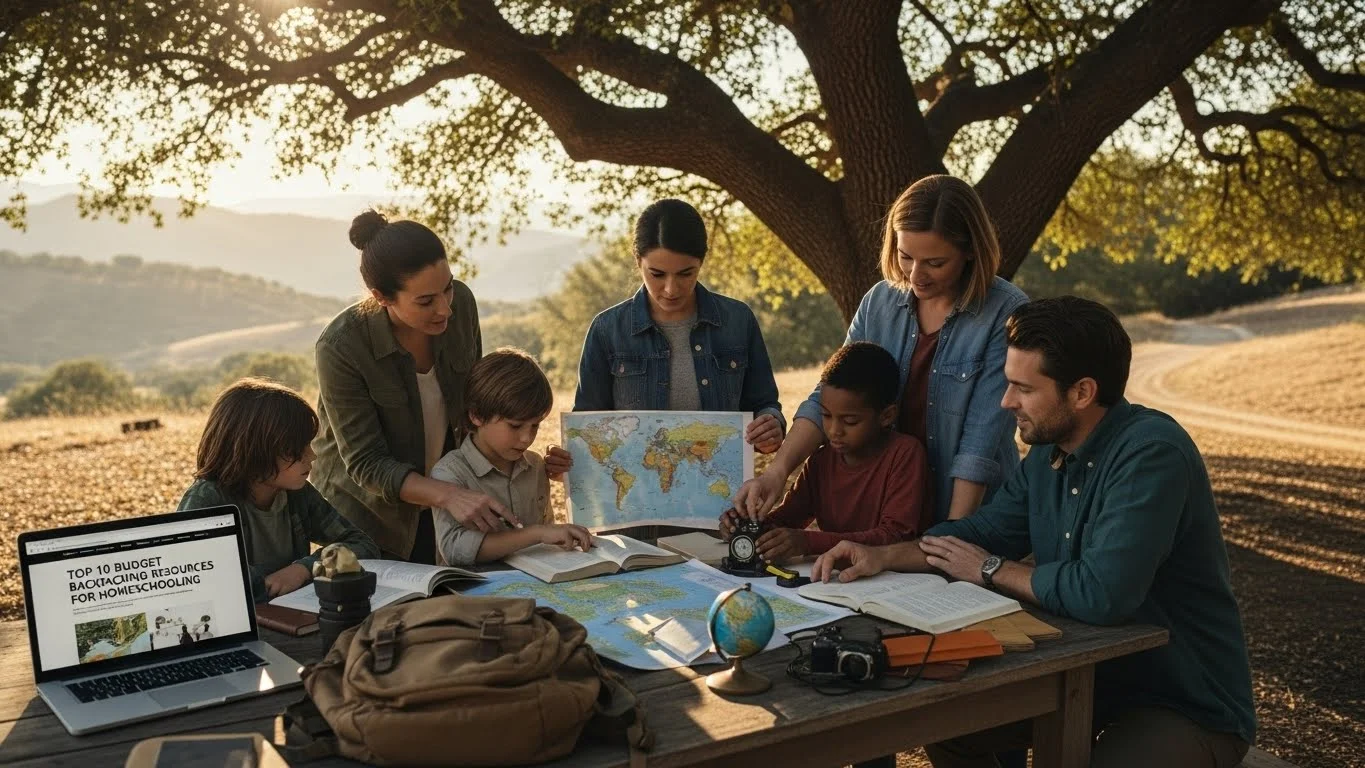
Understanding Budget Backpacking for Homeschooling
What is Budget Backpacking?
When I first heard the term “budget backpacking,” I envisioned young travelers lugging around oversized packs filled with essentials, seeking out affordable hostels and local eateries. But for me, it goes beyond just saving money; it’s about embracing a lifestyle of exploration and learning. Budget backpacking involves planning trips that are both economical and enriching, allowing families to travel without breaking the bank. It means prioritizing experiences over luxury, discovering hidden gems, and connecting with local cultures and communities. I believe that this approach to travel can be particularly beneficial for homeschooling families, as it blends education with real-world experiences.
Benefits of Backpacking for Homeschoolers
Backpacking offers numerous benefits for homeschoolers. For starters, it allows us to step outside the confines of our four walls and engage with the world directly. I’ve seen firsthand how travel ignites curiosity in children. When we visited a historical site, my kids weren’t just memorizing facts; they were experiencing history. They touched ancient stones, heard stories from guides, and asked questions that led to deeper discussions later. Here are a few key benefits I’ve noticed:
- Hands-on Learning: Nothing beats learning through experience. Whether it’s exploring the natural world or visiting local markets, kids absorb knowledge more effectively when they can see, touch, and engage with their surroundings.
- Life Skills Development: Backpacking teaches valuable life skills like budgeting, planning, and problem-solving. I remember our first trip when we had to figure out public transport. My children learned to navigate maps and communicate with locals, which was an adventure in itself!
- Family Bonding: Traveling together strengthens family ties. Every trip we’ve taken has brought us closer as we navigate challenges and share experiences. The laughter and memories created during these journeys are priceless.
How Backpacking Enhances Learning Experiences
From my experience, backpacking enriches educational experiences in ways that textbooks simply cannot. Imagine hiking through a national park and learning about ecosystems, all while witnessing nature up close. That’s what backpacking does—it transforms learning into an immersive experience. During our last trip to the Grand Canyon, for example, my children learned about geology while standing on the rim, peering into the vast chasm below. Instead of reading about formations in a book, they were surrounded by them.
Moreover, backpacking encourages adaptability and resilience. When plans change—like when we found out our campsite was closed due to weather—we had to think on our feet and find alternatives. This taught my children that flexibility is part of life and learning. Furthermore, every new location presents an opportunity to learn about different cultures, languages, and histories. We’ve tried local cuisines, learned basic phrases in new languages, and even participated in community events. Each experience has added layers to our understanding of the world.
Additionally, I’ve found that travel can spark a newfound interest in subjects that may have seemed dull when studied in isolation. For instance, after visiting a science museum, my kids became fascinated with space; they wanted to learn everything from the solar system to the physics of rockets. It was eye-opening to see how travel can ignite passion in topics that might otherwise seem uninteresting.
Backpacking also opens doors to spontaneous learning. One of our most memorable experiences happened while wandering through a local market. We stumbled upon a vendor selling handmade crafts, and the children got to learn about local artisans and the history behind their crafts. That day turned into an impromptu lesson on economics, culture, and art appreciation.
In conclusion, budget backpacking is much more than an economical way to travel. It’s a holistic approach to education that enhances learning through real-world experiences. I believe that for homeschooling families, it can be a powerful tool to foster curiosity, critical thinking, and a love of learning that lasts a lifetime. So if you’re considering a backpacking adventure, embrace the journey! You never know how it might inspire your children and transform their education.
Essential Budget Backpacking Resources
1. Online Homeschooling Communities
One of the best resources I’ve discovered while planning our backpacking adventures is the wealth of online homeschooling communities. Platforms like Facebook have groups dedicated to homeschooling families who share their experiences, tips, and resources. I remember joining a group while prepping for a trip to the Pacific Northwest, and the insights I gained were invaluable. Members shared their favorite spots, budget-friendly accommodations, and even local events we could attend. Engaging with these communities not only provided practical advice but also connected me with other like-minded families who inspire and motivate my homeschooling journey.
2. Budget Travel Websites and Blogs
Exploring budget travel websites and blogs has been a game changer for us. Websites like Nomadic Matt, The Broke Backpacker, and Backpacker offer a plethora of tips on finding affordable lodging, transportation, and activities. I particularly enjoy reading personal stories from fellow travelers. They share not just the “how-tos” but also the “what-to-expect,” which can be incredibly helpful when planning a trip. For instance, one blog I followed led us to a hidden waterfall during our visit to Oregon, a spot that wasn’t in any guidebook. It felt like a little treasure we discovered as a family! Read Interesting article: Engaging STEM Activities for Kids on a Budget: A Guide
3. Educational Apps for Travel Learning
There’s no denying that technology can enhance our travels. I’ve found several educational apps that make learning on the go fun and interactive. Apps like Duolingo can help kids learn new languages in a playful way, while others like Earth Rangers teach about wildlife and conservation. During our road trip last summer, my kids used these apps to pick up useful phrases in Spanish as we traveled through Mexico. It turned learning into a game, and they were so excited to use their new skills when interacting with locals!
4. Local Libraries and Resource Centers
Before embarking on our trips, I always check our local library for resources. Many libraries have travel sections filled with guidebooks, maps, and even educational materials about different cultures. I’ve even found programs where libraries lend out passes to local museums or attractions, which is a fantastic way to save money. We often visit a nearby resource center where we can borrow educational kits that align with our destinations, such as geology kits for our visits to national parks. It’s a great way to tie in our travels with hands-on learning!
5. Travel Guidebooks for Specific Regions
While I love digital resources, I still enjoy flipping through a good old-fashioned travel guidebook. They provide in-depth insights into local attractions, cultural practices, and hidden gems that online sources might overlook. I particularly love the Lonely Planet series; their budget tips have saved us money more than once! During our trip to Italy, for instance, their guide suggested affordable eateries where we could indulge in authentic pasta without draining our wallets. Each guidebook becomes a treasure chest of knowledge for our family!
6. Interactive Learning Platforms
Interactive learning platforms have also played a significant role in our travels. Websites like Khan Academy and Coursera offer free courses on a variety of subjects that can be tied into our travel experiences. For example, before visiting the ancient ruins in Greece, my kids took a short course on Greek mythology. When we arrived at the sites, their understanding of the stories and history made the experience much richer. It’s amazing how a little bit of preparation can enhance what we see and learn while traveling.
7. Nature and Wildlife Organizations
I believe that connecting with nature is one of the most profound benefits of backpacking. Organizations like the National Wildlife Federation or local conservation groups often host educational programs and events that provide hands-on learning experiences. During our visit to a national park, we participated in a ranger-led program where my children learned about local ecosystems and wildlife. They left with a deeper appreciation for nature and an understanding of the importance of conservation efforts.
8. Museums and Educational Institutions
Museums are always a highlight of our traveling experience. We make it a point to visit local museums wherever we go. They often have special educational programs for kids, which can be a fantastic way to learn about the area’s history and culture. I remember visiting a maritime museum in San Diego; my kids were enthralled by the interactive exhibits and even got to participate in a mock sailing lesson. These experiences make learning tangible and memorable.
9. Online Course Platforms
Platforms like Udemy and Skillshare can also be useful for us as we travel. I’ve found courses that help my kids learn about photography, writing, and even cooking while we’re on the road. For instance, my daughter took a photography course right before our trip to New England, which encouraged her to capture beautiful autumn landscapes. The skills she learned not only helped her enjoy the trip more but also provided her with a new hobby to explore.
10. Volunteer Programs and Work Exchanges
Lastly, I’ve found that our family has grown through volunteer programs and work exchanges. Websites like Workaway and WWOOF allow families to engage in meaningful work while traveling. This has given us the opportunity to learn about local farming practices or conservation efforts in different regions. Not only do we get to contribute to the community, but these experiences also create lasting bonds with locals and give us a unique perspective on the areas we visit. Our time spent volunteering on a vineyard in France was not just educational; it was heartwarming and enriching in ways I hadn’t anticipated.
Planning Your Backpacking Journey
Setting a Budget for Your Trip
Planning a budget for our backpacking trips has always been an exciting challenge for me. I remember when we first started, I wasn’t quite sure where to begin. It’s essential to define how much we could afford to spend to ensure that the experience remains enjoyable and stress-free. I typically begin by listing all potential expenses: transportation, accommodation, food, activities, and a little extra for unexpected costs. I like using spreadsheets or budgeting apps to keep everything organized. This way, I can see how much we’re allocating to each category, and it helps us make informed decisions based on our priorities.
One tip I’ve learned is to set aside a specific amount for each day. This approach allows us to enjoy spontaneous activities or meals without feeling guilty about overspending. For instance, I remember a delightful dinner we had at a local eatery in a small town. It wasn’t part of our initial plan, but because we had budgeted wisely, we could indulge without worry. This flexibility adds to the adventure and spontaneity of our travels!
Choosing Destinations with Educational Value
One of the most rewarding aspects of backpacking is selecting destinations that offer rich educational experiences. I always consider places that align with what my children are studying or curious about. For example, if my kids are learning about American history, visiting places like Philadelphia or Boston can make the content come alive in a way that textbooks cannot. I’ve learned to research potential destinations ahead of time, looking for museums, historical sites, or natural wonders that can provide context and depth to our curriculum.
Another valuable resource has been using local tourism websites and educational travel guides. They often highlight special events or programs perfect for families. I remember planning a trip to Washington D.C., and we discovered a program that allowed kids to participate in a scavenger hunt around the National Mall. It turned out to be a fantastic way for my children to engage with the history and significance of the monuments while having fun!
Creating a Flexible Itinerary
Flexibility has become a cornerstone of our backpacking adventures. While I appreciate having a rough outline of our trip, I’ve found that leaving room for changes often leads to the most memorable experiences. When we traveled to the Rocky Mountains, we had planned a series of hikes, but unexpectedly, we encountered a local festival. Instead of sticking strictly to our itinerary, we decided to explore the festival, which turned out to be a highlight of our trip. My kids enjoyed local music and handmade crafts, and we even participated in some traditional games!
When creating our itinerary, I like to include a mix of structured activities and free time. This balance allows us to engage in planned learning experiences while still having the freedom to explore and discover at our own pace. I often encourage my children to suggest activities or locations they’d like to visit, which makes them feel more invested in the journey. It’s amazing how these small decisions can foster a sense of ownership and excitement about the trip!
Homeschooling While Traveling
Integrating Travel into Your Curriculum
Integrating travel into our homeschooling curriculum has been a natural and enriching process. I’ve found that real-world experiences often provide the best context for what my children are studying. For instance, during our trip to New Orleans, we explored the vibrant culture and history of the city, which tied beautifully into our social studies curriculum. We visited museums, listened to jazz music, and even took a cooking class to learn about Creole cuisine.
Before each trip, I try to align our educational goals with our travel itinerary. For example, if we’re visiting a national park, I might focus on science subjects like ecology or geology. We can gather rocks, observe wildlife, and document our findings. I encourage my kids to keep travel journals where they can jot down their observations and reflections. This simple practice not only reinforces their learning but also captures memories that we can look back on together.
Tools for Teaching on the Go
Having the right resources while traveling makes teaching on the go much easier. I’ve curated a list of tools that have proven to be invaluable during our backpacking adventures. For instance, I always pack a portable whiteboard; it’s perfect for spontaneous math lessons or brainstorming sessions. I also bring along art supplies for my kids to sketch or paint the landscapes we encounter. This creative outlet allows them to express their experiences visually.
Additionally, I’ve found that audiobooks and educational podcasts can be great companions during long drives or downtime. We’ve listened to fascinating stories about historical figures or scientific discoveries, which keeps learning fun and engaging. I love hearing my kids’ discussions about the content as we travel; it often inspires new questions and interests.
Assessing Learning Outcomes During Trips
Assessing learning outcomes during our trips is something I’ve grown to appreciate over time. It can be easy to get swept up in the excitement of travel, but taking a moment to reflect on what we’ve learned is essential. I’ve started to implement informal assessments, like asking my children to share what they enjoyed most or what they learned about a specific topic.
At the end of each trip, we hold a little family meeting where we discuss our favorite moments and key takeaways. This practice not only reinforces their learning but also helps me understand their interests better. I’ve noticed that some topics resonate more than I initially thought, allowing me to tailor our future curriculum accordingly. This feedback loop keeps our homeschooling journey dynamic and aligned with their passions!
Frequently Asked Questions
What is budget backpacking?
Budget backpacking involves planning trips that are both economical and enriching, allowing families to travel without breaking the bank. It prioritizes experiences over luxury and encourages discovering hidden gems and connecting with local cultures.
What are the benefits of backpacking for homeschoolers?
Backpacking offers hands-on learning, life skills development, and family bonding. It allows children to engage directly with the world, fostering curiosity and creating unforgettable memories.
How does backpacking enhance learning experiences?
Backpacking transforms learning into an immersive experience by allowing children to engage with subjects in real-world contexts, promoting adaptability, resilience, and deeper understanding of various cultures and histories.
What resources are helpful for planning a budget backpacking trip?
Helpful resources include online homeschooling communities, budget travel websites and blogs, educational apps, local libraries, travel guidebooks, interactive learning platforms, nature organizations, museums, online course platforms, and volunteer programs.
How should families set a budget for their backpacking trips?
Families should define how much they can afford to spend by listing all potential expenses, using budgeting tools, and setting aside a specific amount for each day to allow for spontaneous activities without overspending.
What should families consider when choosing destinations for educational value?
Families should look for destinations that align with their children’s studies or interests, such as historical sites or natural wonders, and utilize local tourism websites for special events or educational programs.
Why is flexibility important when creating a backpacking itinerary?
Flexibility allows families to adapt to unexpected changes and seize spontaneous opportunities that can lead to memorable experiences, enhancing the overall adventure of the trip.
How can travel be integrated into a homeschooling curriculum?
Travel can be integrated by aligning educational goals with the travel itinerary, exploring relevant local cultures and history, and encouraging children to keep travel journals for reflections and observations.
What tools can help in teaching while traveling?
Useful tools for teaching on the go include portable whiteboards for lessons, art supplies for creative expression, audiobooks, and educational podcasts to keep learning engaging during travel.
How can families assess learning outcomes during trips?
Families can assess learning outcomes through informal assessments, family discussions about favorite moments and key takeaways, which helps reinforce learning and tailor future educational experiences.
Budget backpacking homeschooling can open up a world of adventure and learning for families. By blending travel with education, we can create unforgettable experiences that enrich our children’s lives without breaking the bank. For more insights on this approach, check out Budget Backpacking Tips: A Homeschooling Resource Guide.
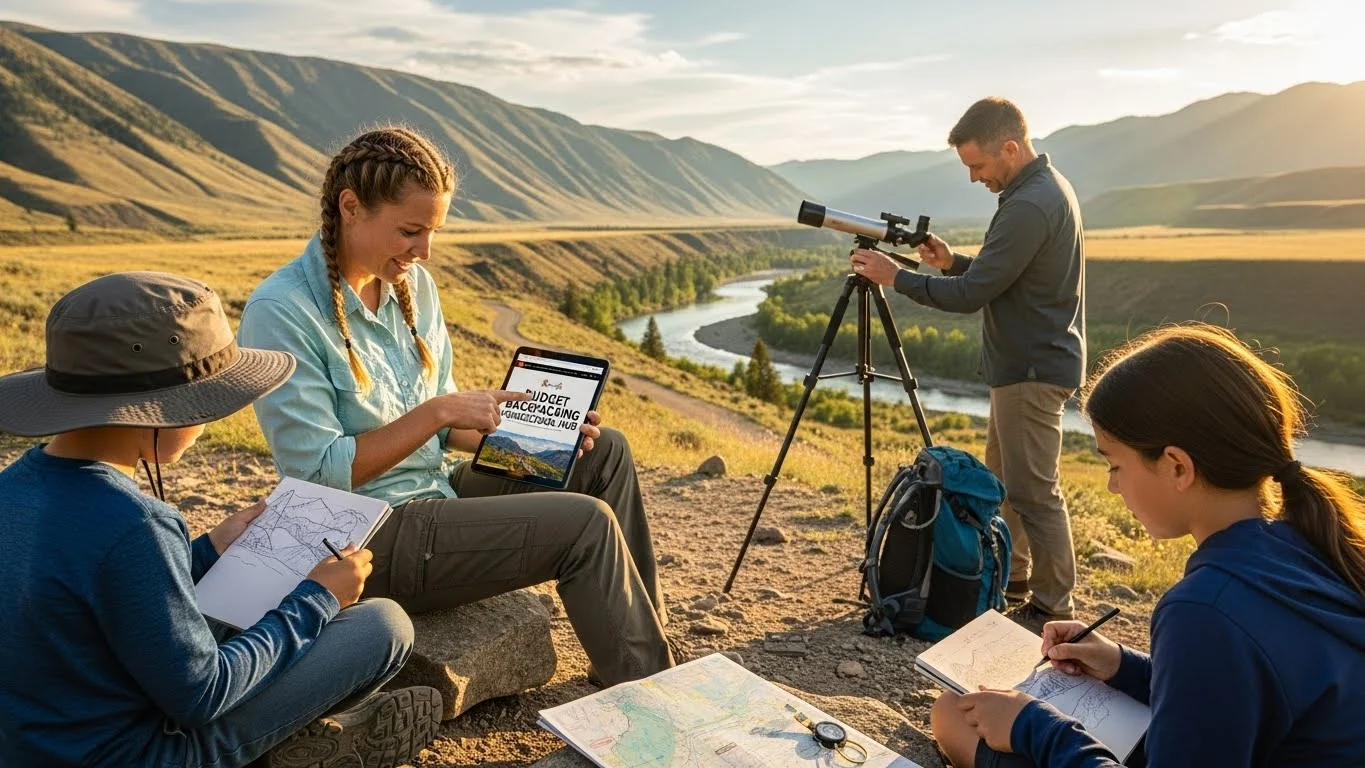
Understanding Budget Backpacking Homeschooling
Definition and Concept of Backpacking Homeschooling
When I first heard the term backpacking homeschooling, I was curious yet skeptical. The idea of combining travel with education sounded thrilling but also daunting. Essentially, backpacking homeschooling is an educational approach that combines traditional homeschooling methods with travel. Instead of limiting lessons to a classroom, families take their learning on the road, exploring new cultures, environments, and experiences. We can teach math during a visit to a farmer’s market, explore science in a national park, or delve into history at a local museum. The flexibility allows us to customize our children’s education according to their interests and the places we visit.
Benefits of Budget Backpacking for Homeschoolers
From my experience, the benefits of budget backpacking as a homeschooling method are immense. For one, it fosters a love for learning that goes beyond textbooks. When kids are engaged in real-world experiences, they tend to absorb information better. I’ve noticed that my children remember facts and concepts much more vividly when they can link them to a place or a moment. Moreover, traveling on a budget teaches valuable life skills. Kids learn to manage money, plan itineraries, and make decisions. I’ve seen my children grow in independence as they navigate new environments, whether it’s figuring out public transportation or communicating with locals. The social aspect of meeting diverse groups of people also enhances their interpersonal skills, which I believe is crucial in today’s interconnected world. On top of all that, budget backpacking fosters family bonding. Traveling together creates shared memories and strengthens our relationships. I cherish the late-night discussions we have in a cozy hostel, the laughter we share during spontaneous adventures, and the quiet moments reflecting on our day under the stars. Finally, it’s often more affordable than traditional schooling. When we combine travel with learning, we can find free or inexpensive experiences that provide immense value. Museums, historical sites, and nature reserves often have free entry days or discounted rates for educational groups. I’ve found that with thoughtful planning, our family can explore the world without straining our finances.
Common Challenges and Solutions
While the idea of budget backpacking homeschooling is enticing, it doesn’t come without its challenges. One major hurdle I’ve encountered is the unpredictability of travel. Sometimes plans change unexpectedly due to weather, transportation issues, or other unforeseen circumstances. I’ve had to learn to be flexible and adapt our lessons on the fly. Embracing spontaneity has taught my family resilience and the ability to find learning opportunities in unexpected situations. Another challenge is ensuring that my kids stay on track with their studies. It’s easy to get caught up in the excitement of travel and forget about the academics. To tackle this, I’ve learned the importance of integrating learning into our travel experiences. For example, during long train rides, we might have reading time, or I create scavenger hunts related to our destination, which makes learning fun and engaging. We also faced the issue of finding reliable Wi-Fi and resources on the road. Some locations can be remote, making it tough to access online materials. To combat this, I prepare in advance by downloading essential resources and materials. I’ve discovered that many online platforms allow you to download courses or lessons for offline use, which has been a lifesaver during our travels. Lastly, budgeting for travel can be a daunting task. I’ve learned to create a detailed plan that outlines our daily expenses, ensuring that we stay within our limits. Budgeting apps have become my best friends in this journey, allowing me to track our spending and adjust as necessary. Embracing these challenges has been part of the incredible journey of budget backpacking homeschooling. It’s about creating a balance between education and exploration, and I’ve found that every obstacle has brought us closer as a family.
Essential Online Resources for Budget Backpacking Homeschooling
Online Course Platforms
I’ve found that online courses can be a fantastic way to supplement our budget backpacking homeschooling journey. They offer a structured way to learn, while still allowing us the freedom to explore. Here are a few platforms I highly recommend:
Coursera
Coursera has been a treasure trove for us. It offers courses from universities around the world, covering a wide range of subjects. I remember enrolling my kids in a course on environmental science while we were visiting a national park. The lessons were not only informative but also directly applicable to what we were experiencing right there in nature. The best part is that many courses are free to audit, which fits perfectly into our budget-conscious lifestyle.
edX
Similar to Coursera, edX provides access to courses from top universities. I love how it allows my children to explore topics that pique their interest. For instance, while we were traveling in Europe, they took a course on European history, diving deep into the very cultures and events they were encountering firsthand. The connection between their lessons and our travels made learning so much more engaging for them.
Khan Academy
Khan Academy has been a staple in our learning toolkit. It offers a wealth of resources across subjects like math, science, and even arts. I appreciate that it’s completely free and allows my children to learn at their own pace. Whenever we have a quiet evening in our hostel, we can pull up Khan Academy and dive into lessons, reinforcing what we’ve learned during the day. It’s a great way to keep the learning going without feeling like it’s a chore.
Homeschooling Communities and Forums
Connecting with other homeschooling families has been incredibly valuable for us. I’ve learned so much from others’ experiences and insights. Here are a couple of online communities where we’ve found support:
Facebook Groups
There are countless Facebook groups dedicated to homeschooling, and I’ve found many of them to be supportive and informative. Whether it’s asking for advice about travel-friendly educational resources or sharing tips on budgeting for family trips, these groups are filled with parents eager to share their expertise. I remember one time I posted about a destination we were planning to visit, and several members jumped in with recommendations for local attractions and even free activities.
Reddit Homeschooling Subreddits
Reddit has a vibrant homeschooling community that I often turn to for ideas and inspiration. The discussions on subreddits like r/homeschool can be eye-opening. I once stumbled upon a thread where a family shared their entire itinerary for a budget backpacking trip, complete with educational activities they incorporated along the way. It sparked so many ideas for our own travels. To explore more about resources for homeschooling, check out Essential Guides for Budget Backpacking in Homeschooling.
Budget Travel Resources
Finding ways to travel affordably while schooling on the go is essential. Here are a few resources I use to keep our travel costs down:
Hostelworld
Hostelworld has been a game-changer for our accommodations. We’ve stayed in some amazing hostels that not only offer affordable rates but also foster a sense of community. I love that many hostels have family-friendly options and often organize activities. This has allowed us to meet other traveling families and share experiences. Plus, the kitchens in hostels let us prepare our meals, which helps us save even more.
Couchsurfing
Couchsurfing is another fantastic way to save money on lodging while experiencing local culture. We’ve made incredible memories staying with families who opened their homes to us. It’s like having a local tour guide who shares their insights about the area. I remember staying with a family in Italy who not only provided us with a cozy place to sleep but also took us to hidden gems in the city that we would have never found on our own.
Budget Travel Blogs
There are countless budget travel blogs filled with tips and tricks for traveling on a shoestring. I often find myself pouring over these blogs, gathering insights on destinations, budget itineraries, and hacks to save money. One blog I follow even focuses specifically on family travel, which has been invaluable in planning our trips. I feel like each blog I read opens up new possibilities for our next adventure. For more tips, see Top 10 Budget Backpacking Resources for Homeschooling.
Curriculum and Lesson Planning Resources
Free and Low-Cost Curriculum Websites
When I began my journey into budget backpacking homeschooling, finding the right curriculum was a priority for me. I wanted resources that wouldn’t strain our budget yet still provided a solid educational experience for my kids. Luckily, I came across some fantastic websites that offer free and low-cost materials that I think every homeschooling family should check out.
Education.com
Education.com has become a favorite resource of mine. They provide a wide range of worksheets, lesson plans, and activities suitable for various ages and subjects. I love how I can tailor lessons to what my kids are currently interested in. For example, while traveling through a region known for its wildlife, I printed out some animal science worksheets. Just the other day, we worked on a fun project about the local ecosystem, which enhanced our nature walks. Plus, their free resources are great for families on a budget, and they also offer premium content if you want to dive deeper.
Teachables
Another gem I found is Teachables. This site offers a plethora of downloadable resources that cover various subjects and grade levels. I remember discovering a set of math games that my kids could play during our downtime on long travel days. These engaging activities not only made math fun but also reinforced their learning without feeling like traditional schoolwork. The option to search by grade level and subject makes it easy to find exactly what we need, keeping our travels educational and enjoyable.
Online Educational Tools
Technology has truly revolutionized the way we approach homeschooling, especially while on the road. I’ve come to rely on several online educational tools that make lesson planning and learning more interactive.
Google Classroom
Google Classroom has been a lifesaver for organizing our lessons. I can create different classes for each of my kids, assigning them tasks and resources that align with our travel adventures. For instance, when we visited historical landmarks, I could easily assign readings and discussions related to what they were experiencing. The ability to access everything from my phone or tablet while traveling means we can stay organized without carrying around piles of paper.
Quizlet
Quizlet is another tool I absolutely love. It allows me to create flashcards and quizzes for subjects my kids are learning. I remember using it extensively for vocabulary building when we were traveling through different countries and immersing ourselves in new languages. The interactive nature of Quizlet keeps my kids engaged, and they enjoy testing themselves on the go. Plus, there are countless pre-made sets available, so I often find ready-to-use resources that align with our travels.
Travel and Exploration Resources for Homeschoolers
Travel Planning Websites
Planning our travels can sometimes feel overwhelming, but I’ve found some amazing websites that make the process smoother and more efficient. These resources help us select destinations that not only excite us but also provide educational value.
Lonely Planet
Lonely Planet is my go-to for travel inspiration. Their guides offer insights into destinations, along with tips on what to see and do. I love reading about local customs and hidden attractions that would be perfect for our learning experiences. For example, while planning a trip to Greece, I discovered ancient ruins and museums that captivated my children’s interest in history. Lonely Planet’s detailed itineraries can also help us plan our days effectively, ensuring we make the most of our time and learning opportunities.
TripAdvisor
TripAdvisor has been invaluable for finding family-friendly activities and attractions. I often check reviews to see what other families enjoyed and to find educational attractions that might not be on our radar. While visiting a city, I remember searching for local tours that offered interactive experiences, such as cooking classes or guided historical walks. These activities not only enriched our understanding of the area but also allowed us to connect with the local culture.
Virtual Tours and Online Experiences
Sometimes, we can’t travel to every destination we want to explore. That’s where virtual tours and online experiences come into play. I’ve discovered a wealth of opportunities that allow us to experience places from the comfort of our home or wherever we might be.
Google Arts & Culture
Google Arts & Culture is an incredible platform that offers virtual tours of famous museums, historical sites, and art collections around the world. I remember using it to explore the Louvre while we were in Paris. It was fascinating to see the artworks up close and learn about their history before visiting in person. This resource has opened up a world of cultural education that we can explore even when we can’t travel physically.
Virtual Field Trips
There are so many organizations that offer virtual field trips, and they’ve been a fantastic way to supplement our learning. For example, we took a virtual trip to a national park, where we learned about conservation efforts and the importance of wildlife protection. These online experiences often come with educational materials, making them a perfect addition to our homeschooling curriculum. I love that we can explore the world without leaving our current destination, enriching our education regardless of where we are.
Budgeting and Financial Planning Tools
Budgeting Apps
As we embarked on our journey of budget backpacking homeschooling, I quickly realized that keeping our finances in check was crucial. With so many expenses—accommodations, food, activities—I needed a solid way to track everything. That’s when I started using budgeting apps, which have become invaluable tools in our travels.
Mint
Mint has been my go-to budgeting app. It’s easy to use and connects to our bank accounts, allowing us to see all our spending in one place. I love how it categorizes our expenses automatically. For example, when we’re on a trip, I can easily see how much we’re spending on food, lodging, and activities, which helps us adjust on the fly if we’re going over budget. I remember one trip where we splurged a little too much on dining out, and Mint helped us identify that we needed to cook more meals in our hostel’s kitchen to balance things out.
You Need A Budget (YNAB)
You Need A Budget (YNAB) is another fantastic app that I’ve found incredibly helpful. It encourages proactive budgeting, meaning we assign every dollar we earn to a specific category, which really helps me plan our travel expenses in advance. The app emphasizes saving for future expenses, which has taught my kids about financial responsibility. I can set aside money for upcoming trips, and it’s been satisfying to watch our travel fund grow over time. Teaching my kids these skills while we plan our adventures has been a bonus I didn’t expect!
Tips for Fundraising and Grants
Sometimes, we need a little extra help to make our travels possible. I’ve discovered various ways to fund our budget backpacking homeschooling adventures through fundraising and grants.
Homeschool Grants
Many organizations offer grants specifically for homeschooling families. I took the time to research and apply for a few that aligned with our educational goals. It was rewarding to receive a grant that allowed us to visit an educational center related to science. Having that financial boost not only made the trip possible but also enriched our curriculum. I encourage families to explore local and national organizations that offer similar opportunities—there’s a world of support out there!
Community Support Initiatives
We’ve also tapped into community support initiatives. Many local businesses are eager to support families who engage in educational travel. I remember reaching out to a local bakery for a fundraiser, where we sold baked goods to friends and family. The support we received was overwhelming and gave us the funds needed for our next trip. It was a great way to involve the kids and teach them about working toward our goals as a family.
Safety and Health Resources for Traveling Families
Travel Safety Tips for Homeschoolers
Travel safety is always a priority when we’re on the road. I’ve learned some essential tips to keep our family safe during our adventures. First and foremost, I always research our destinations ahead of time. Understanding local customs, emergency numbers, and any travel advisories helps us stay prepared. We also establish a meeting point if anyone gets separated, especially in crowded areas. With kids, I believe it’s vital to have open conversations about safety, so they know what to do in different situations.
Health Considerations While Traveling
Health is another crucial aspect of our travels. I’ve found that planning ahead can make a significant difference. We always carry a travel health kit with basic medications and first aid supplies. I’ve also learned to pack any necessary prescriptions well ahead of time to avoid any last-minute issues.
Travel Insurance
Investing in travel insurance has been a game-changer for our family. It provides peace of mind knowing that we’re covered in case of emergencies, trip cancellations, or unexpected medical needs. I remember one instance when my child fell ill while we were abroad, and having insurance meant we could seek the care needed without worrying about the financial implications.
Vaccination Requirements
Before embarking on international trips, I always check vaccination requirements for the countries we plan to visit. It’s essential to stay informed about any necessary immunizations to keep our family healthy while traveling. I’ve found that many health departments provide clear guidance, which simplifies the process.
Engaging Learning Activities on the Road
Interactive Learning through Travel
One of the most exciting aspects of budget backpacking homeschooling is the chance to engage in interactive learning. I’ve found that creating hands-on activities helps solidify what my kids are learning while we’re on the road.
Scavenger Hunts and Local Exploration
Scavenger hunts have become a favorite activity of ours. When we arrive in a new city, I often create a list of landmarks or cultural items for the kids to find. This not only gets them exploring but also encourages them to ask questions and engage with locals. I remember one scavenger hunt in a historical district where my kids had to interact with shop owners to find specific items. It turned into a fantastic learning experience, blending fun with education!
Incorporating Local Culture and History
Every destination offers a unique cultural experience, and I strive to incorporate that into our lessons. For instance, while visiting a region known for its art scene, we took a local art class, learning about different techniques and styles. I find that when we actively participate in local culture, the kids absorb so much more about the world around them.
Creating a Travel Journal
Documenting our travels has become a beautiful tradition in our family. Each child keeps a travel journal to reflect on their experiences and thoughts.
Documenting Experiences
Journaling allows my kids to express themselves creatively. They can write about the places we’ve visited, the people we’ve met, and the lessons they’ve learned. I often encourage them to sketch or include mementos like tickets or postcards, making it a visual story of our adventures.
Reflective Learning Practices
At the end of each trip, we sit down together and review our journals. This reflective practice not only enhances their writing skills but also reinforces what they’ve learned. It’s a wonderful way to bond and reminisce about the experiences we’ve shared, creating lasting memories.
Final Thoughts
Budget backpacking homeschooling has truly transformed our family’s approach to education. I’ve found that blending travel with learning not only enriches our lives but also creates shared experiences that we will cherish forever. It’s about exploring the world together, learning from each place we visit, and growing as a family. While there are challenges along the way, the rewards far outweigh them. I encourage any family considering this path to embrace the adventure. With a little planning, creativity, and flexibility, it’s possible to provide a rich education that inspires curiosity and a love for the world around us.
Frequently Asked Questions
What is budget backpacking homeschooling?
Budget backpacking homeschooling is an educational approach that combines traditional homeschooling methods with travel. Families take their learning on the road, exploring new cultures, environments, and experiences while customizing their children’s education according to their interests and the places they visit.
What are the benefits of budget backpacking for homeschooling families?
The benefits include fostering a love for learning beyond textbooks, teaching valuable life skills like money management and planning, enhancing interpersonal skills through social interactions, strengthening family bonds, and often being more affordable than traditional schooling.
What common challenges do families face with budget backpacking homeschooling?
Common challenges include the unpredictability of travel, ensuring kids stay on track with their studies, finding reliable Wi-Fi and resources, and budgeting for travel expenses. Families must learn to be flexible, integrate learning into travel experiences, and plan ahead for resources.
What online resources can supplement budget backpacking homeschooling?
Some recommended online resources include Coursera, edX, and Khan Academy for courses, as well as Facebook groups and Reddit subreddits for community support. These platforms provide structured learning opportunities while traveling.
How can families find budget travel accommodations?
Families can use resources like Hostelworld for affordable accommodations that foster community and provide family-friendly options. Couchsurfing is another great way to save money while experiencing local culture by staying with families.
What are some effective budgeting apps for traveling families?
Mint and You Need A Budget (YNAB) are two budgeting apps that help families track their expenses. Mint connects to bank accounts for automatic categorization, while YNAB encourages proactive budgeting by assigning every dollar to a specific category.
How can families incorporate health and safety considerations while traveling?
Families should research destinations ahead of time, carry a travel health kit with basic medications, invest in travel insurance, and check vaccination requirements for each country before traveling. These measures help ensure safety and health during trips.
What interactive learning activities can families engage in while traveling?
Families can create scavenger hunts to explore new cities, participate in local cultural activities, and keep travel journals to document experiences. These hands-on activities help reinforce learning and engage children with their surroundings.
How can families fund their budget backpacking homeschooling adventures?
Families can explore homeschooling grants offered by various organizations and tap into community support initiatives, such as fundraising activities with local businesses. These options can provide the necessary funds for educational travel.
What final thoughts are shared about budget backpacking homeschooling?
Budget backpacking homeschooling transforms a family’s approach to education by blending travel with learning. It encourages exploration, curiosity, and a love for the world, creating shared experiences that families will cherish forever despite the challenges encountered along the way.
Discovering budget-friendly digital resources for learning abroad can transform your educational journey. With so many options available, we can explore how to make the most of these tools without breaking the bank.

Understanding Digital Learning Resources
When I first ventured into online learning, I was amazed by the sheer number of digital resources available. I quickly learned that digital learning resources are tools and platforms that facilitate education through the internet. These resources come in various forms, and understanding them is key to finding the best fit for our learning needs, especially when studying abroad.
Types of Digital Learning Resources
There are several types of digital learning resources that cater to different learning styles and subjects. I found that these include:
- Online Courses: Platforms like Coursera and edX offer structured courses taught by university professors. I took a few courses on these platforms and found them to be incredibly enriching.
- Webinars and Workshops: These are live or recorded sessions where experts share knowledge on specific topics. I remember attending a fascinating webinar on global cultures that helped me prepare for my travels.
- Educational Videos: Websites like YouTube have countless educational channels. I stumbled upon channels dedicated to language learning that were invaluable in my studies.
- Podcasts: I love listening to educational podcasts during my commute. They cover a variety of subjects and offer insights from experts around the world.
Benefits of Digital Learning for Students Abroad
Being a student abroad can be both exciting and overwhelming. I remember feeling a mix of curiosity and anxiety when I first landed in a new country. Digital learning resources provided me with a sense of stability. Here are some benefits I experienced:
- Flexibility: I could learn at my own pace and adapt my schedule around my travels. This flexibility allowed me to explore my new surroundings while still engaging with my studies.
- Access to Global Knowledge: I had the opportunity to learn from educators and students worldwide, broadening my perspective and understanding of different cultures.
- Cost-Effective Learning: Many resources are free or low-cost, which was essential for me as a student managing a limited budget. I found platforms that offered free courses, which helped me learn new skills without financial strain.
- Networking Opportunities: Engaging in online courses and forums allowed me to connect with fellow students and educators, fostering a sense of community even from afar.
Budget-Friendly Platforms for Online Learning
When I started searching for online learning platforms, I was overwhelmed but pleasantly surprised by the abundance of budget-friendly options. Here’s what I discovered:
Massive Open Online Courses (MOOCs)
MOOCs are a fantastic resource for anyone looking to learn at a minimal cost. I enrolled in several MOOCs offered by universities like Stanford and MIT, which provided access to high-quality education without the hefty price tag. Courses cover everything from computer science to art history. I loved the ability to audit courses for free, which meant I could learn without any pressure to complete assignments or exams.
Online Learning Marketplaces
Websites like Udemy and Skillshare offer a wide range of courses at affordable prices. I often took advantage of seasonal discounts and sales that made these courses even more accessible. The diversity of topics is impressive, and I learned everything from photography to programming. The bite-sized formats made it easy to fit learning into my busy schedule while abroad. I also found great resources on Top Budget-Friendly Online Learning Platforms for Travelers.
Free Educational Websites and Resources
There are numerous websites dedicated to providing free educational content. I frequently used platforms like Khan Academy and OpenStax, which offer a wealth of information on various subjects. These resources were invaluable when I needed a quick refresher on topics I was studying or even to explore new subjects that piqued my interest. The best part? They’re completely free!
Finding budget-friendly digital resources transformed my study abroad experience. I felt empowered to take charge of my education without the stress of financial burdens. The world of digital learning is vast and full of possibilities, waiting for us to explore.
Language Learning Resources
Learning a new language can be one of the most rewarding aspects of studying abroad. I remember the excitement of immersing myself in a new culture, but I also felt the pressure of needing to communicate effectively. Thankfully, I found several excellent language learning resources that helped me navigate this challenge.
Apps for Language Learning
Language learning apps became my best friends during my journey. I discovered several popular options that made learning fun and interactive. For instance, I used Duolingo daily, and it felt like a game. I could practice vocabulary and grammar in bite-sized lessons that fit perfectly into my busy schedule. The streak feature kept me motivated, as I wanted to maintain my daily practice.
Another app I enjoyed was Babbel. Unlike Duolingo, Babbel focuses more on conversational skills, which I found crucial for real-life interactions. I often practiced phrases I would need in everyday situations, like ordering food or asking for directions. The audio pronunciation helped me get the accent right, which was a game changer when I spoke to locals.
Memrise was another fantastic resource. I loved how it used spaced repetition to help reinforce what I learned. The user-generated content allowed me to explore dialects and slang that weren’t always covered in traditional courses. I found these apps particularly useful while commuting or during my downtime, making every moment count. You can find more about these in the article Budget-Friendly Educational Apps: Enhance Kids’ Learning Today.
Online Language Exchange Communities
While apps were great for self-study, I realized that real conversations were irreplaceable. That’s when I turned to online language exchange communities. Websites like Tandem and HelloTalk connected me with native speakers eager to learn my language while I learned theirs. It was an incredible experience to help someone practice their English as they guided me through their language.
I remember my first conversation on Tandem. I was nervous, but my partner, a friendly local, made me feel comfortable. We shared our cultures, and I practiced speaking in a relaxed environment. These exchanges not only improved my language skills but also built friendships that lasted beyond my time abroad.
These platforms often have built-in features like text corrections and voice messages, which enhanced the learning process. It was reassuring to know that I could make mistakes without judgment and learn from them. Plus, speaking with native speakers helped me pick up on colloquial phrases and cultural nuances that you just don’t get from textbooks.
Virtual Study Abroad Programs
As the world shifted towards more digital solutions, virtual study abroad programs became a reality. I was skeptical at first but soon realized they offered incredible opportunities for those unable to travel. These programs provide a chance to experience international education from home while connecting with students worldwide.
Overview of Virtual Study Abroad
Virtual study abroad programs typically include live classes, interactive projects, and cultural exchanges. They allow students to engage with professors and peers across the globe, which is something I found very appealing. I participated in a virtual exchange program that paired students from my university with those in another country. We collaborated on projects, allowing us to experience each other’s cultures without the need for travel.
The highlight was a virtual cooking class where we prepared traditional dishes from both cultures simultaneously. It was a fun way to learn about each other’s traditions while enjoying a delicious meal. These experiences enriched my understanding of global perspectives and made my education feel truly international.
Cost-Effective Virtual Programs
Many virtual programs offer lower tuition fees than traditional study abroad experiences. I found that some universities created affordable options specifically for remote learners. These programs often include guest lectures from international experts and opportunities to complete internships remotely. I took part in one such program, which allowed me to gain practical experience while learning from industry leaders.
Participating in a virtual internship was not only cost-effective but also opened doors to global career opportunities. I learned skills that I could apply in my future job search. The flexibility of virtual learning meant I could balance my studies with other commitments while still gaining valuable experience.
Institutions Offering Affordable Virtual Experiences
Several institutions worldwide have embraced virtual study abroad programs. I found universities like the University of Arizona, which offers a range of online courses that connect students with international peers. Their program included collaborative projects and cultural workshops that made the experience rich and engaging.
Many community colleges also offer affordable options for virtual learning. I personally explored options through local colleges, which provided access to international courses at a fraction of the cost. These institutions are often eager to expand their global offerings and provide valuable resources for students wanting to study abroad virtually.
Overall, I discovered that virtual study abroad programs can be just as enriching as traditional ones. They allow us to connect with diverse perspectives and enhance our learning experiences from the comfort of our homes or while abroad.
Financial Aid and Scholarships for Online Learners
When I embarked on my online learning journey, I was surprised to discover a range of financial aid options available for students like me. It’s reassuring to know that there are resources out there to help ease the financial burden of education. I learned that tapping into financial aid and scholarships can make a significant difference in our ability to access quality education without straining our budgets.
Types of Financial Aid Available
Understanding the different types of financial aid can be a game changer. I realized that financial aid typically comes in forms such as grants, loans, and work-study opportunities. Grants are my favorite since they don’t have to be repaid, making them a fantastic option for students like us who are often on tight budgets. I applied for federal and state grants, which significantly helped reduce my tuition costs.
Loans, on the other hand, can feel a bit intimidating. I know they can be useful, but I always remind myself to borrow only what I need. It’s essential to research the terms and conditions of any loans I consider, as understanding repayment plans can save us from future stress. Work-study programs also caught my interest, as they offer the chance to earn money while studying. I participated in a work-study program during my studies, which allowed me to gain practical experience and help cover some expenses.
Scholarships for Online Courses and Programs
Scholarships have been a huge help in my educational journey. I discovered that many online learning platforms and universities offer scholarships specifically for online students. I remember applying for scholarships based on my field of study and personal background. The process felt a bit daunting at first, but it was well worth the effort. I received a scholarship that helped cover my course fees, allowing me to focus on learning rather than finances.
As I explored more scholarship opportunities, I found websites dedicated to listing scholarships for online courses, which made my search easier. I recommend checking platforms like Fastweb and Cappex, as they provide a comprehensive database of scholarships tailored to various demographics and fields of study. It’s amazing how many organizations are willing to invest in our education, especially for those of us studying abroad.
Also, don’t overlook the possibility of scholarships offered by local organizations or community foundations. I found that many local charities and businesses support students pursuing higher education. These scholarships often have less competition than national ones, making it easier to secure funding.
Tools for Enhancing Online Learning Experience
Once I started my online learning journey, I quickly realized that having the right tools at my disposal could make all the difference. Just like packing the essentials for a trip abroad, equipping myself with effective tools helped me stay organized and focused on my goals.
Productivity and Organization Tools
Staying organized while studying online can be a challenge. I discovered tools like Trello and Notion, which became my go-to platforms for managing assignments and deadlines. Trello, with its simple card-based layout, allowed me to create boards for each course and track my progress visually. I felt accomplished ticking off tasks as I completed them!
Notion is another fantastic tool that I loved for its versatility. I could create notes, databases, and even collaborative workspaces within the app. This flexibility meant that I could keep everything related to my studies in one place, making it easier to access resources and materials when I needed them.
Collaboration Tools for Group Projects
Group projects are often an integral part of online learning, and I found that using collaboration tools made working with peers a breeze. Platforms like Google Workspace and Microsoft Teams allowed me to share documents and communicate in real-time. I remember collaborating on a group presentation with classmates from different countries, and it was fascinating to see how technology brought us together. We could edit our slides simultaneously and offer feedback, making the project flow smoothly.
Additionally, tools like Slack helped us stay connected outside of formal meetings. It created a space for casual conversations, sharing resources, and discussing ideas, which fostered a sense of community despite being miles apart.
Online Libraries and Research Resources
Accessing research materials is crucial when studying online, and I quickly learned about the value of online libraries. Many universities provide students with access to extensive databases, journals, and e-books. I took advantage of these resources and found platforms like JSTOR and Google Scholar invaluable for my research assignments.
Moreover, I discovered free online resources such as Project Gutenberg, which hosts a vast collection of classic literature. These resources not only enriched my studies but also helped me explore new interests outside my coursework. Learning how to navigate these libraries became a skill in itself, and I felt empowered to dive deeper into topics I was curious about.
Incorporating these tools into my online learning experience made my educational journey not only more efficient but also more enjoyable. With the right resources, I felt equipped to tackle my studies and connect with others, no matter where they were in the world.
How to Make the Most of Your Online Learning Experience
As I navigated through various online learning platforms and resources, I realized that the key to success wasn’t just about the tools I used but also how I approached my studies. Here are some strategies I found helpful in maximizing my online learning experience.
Creating a Study Schedule
Establishing a study schedule was one of the best decisions I made. At first, I struggled with time management, especially with the flexibility of online learning. I often found myself procrastinating or getting distracted by other activities. To combat this, I decided to create a weekly study plan. I blocked out specific times for lectures, assignments, and revision, treating these slots as non-negotiable appointments.
This structure helped me stay disciplined and accountable. I noticed that by sticking to my schedule, I could balance my studies with leisure activities and social outings, which made my overall experience more enjoyable. I also used digital calendars to set reminders, ensuring I never missed a deadline.
Setting Goals and Tracking Progress
Another essential aspect was setting clear, achievable goals. I started by defining both short-term and long-term objectives for my studies. For instance, I aimed to complete a certain number of modules each week and to improve my language skills to a conversational level by the end of the semester. I found that having these goals kept me motivated and focused.
Tracking my progress became a rewarding experience. I used apps like Habitica to gamify my study habits, turning my tasks into a game where I earned rewards for completing them. This approach added an element of fun to my studies, and I loved seeing how much I had accomplished over time. Celebrating small wins helped maintain my enthusiasm and commitment to learning.
Connecting with Peers and Instructors
One of the most valuable lessons I learned was the importance of building connections with my peers and instructors. While online learning can sometimes feel isolating, I made a conscious effort to reach out. I joined discussion forums, participated in group projects, and engaged in class activities. This not only enhanced my understanding of the material but also fostered a sense of community.
I remember one instance where I collaborated with a classmate from another country on a project. We exchanged cultural insights while working together, which deepened my appreciation for our diverse learning environment. I also made it a point to connect with instructors during office hours or through email. Their guidance proved invaluable, and I felt more engaged in my learning process.
Real-Life Experiences and Testimonials
Success Stories from Students Who Learned Abroad
Hearing success stories from other students who had embarked on similar journeys motivated me significantly. I came across several testimonials online, where students shared how they leveraged digital resources to enrich their educational experiences abroad. One student spoke about how a virtual internship led to a job offer, while another described how an online language course transformed their ability to communicate while traveling. These stories inspired me to push through challenges and explore every opportunity available.
Challenges and Solutions in Online Learning
Despite the benefits, I also faced challenges during my online learning journey. I often felt overwhelmed with the volume of information and assignments. To tackle this, I sought advice from peers and utilized online forums. Sharing experiences and solutions with others helped me find strategies to manage my workload better. I also learned to prioritize tasks, focusing on what was most important and time-sensitive. This experience taught me resilience and adaptability, qualities that I believe will serve me well in the future.
Final Thoughts
Reflecting on my journey through online learning and studying abroad, I can confidently say that it has been transformative. The combination of digital resources, supportive communities, and my proactive approach empowered me to thrive academically and personally. I discovered that education knows no boundaries, and with the right mindset and tools, we can create enriching experiences no matter where we are in the world. I hope that by sharing my experiences and insights, others feel inspired to embark on their own educational adventures, making the most of the vast opportunities available to us all.
Frequently Asked Questions
What are digital learning resources?
Digital learning resources are tools and platforms that facilitate education through the internet, available in various forms to cater to different learning needs.
What types of digital learning resources can students use?
Students can utilize various types of digital learning resources, including online courses, webinars and workshops, educational videos, and podcasts.
What are the benefits of using digital learning resources while studying abroad?
The benefits include flexibility in learning schedules, access to global knowledge, cost-effective options, and networking opportunities with fellow students and educators.
What are MOOCs and how can they help students?
Massive Open Online Courses (MOOCs) offer high-quality education at minimal cost, allowing students to audit courses for free without pressure for assessments.
Which platforms offer budget-friendly online courses?
Budget-friendly platforms include websites like Udemy, Skillshare, Khan Academy, and OpenStax, which provide a variety of affordable courses and free educational content.
How can language learning apps assist students studying abroad?
Language learning apps like Duolingo, Babbel, and Memrise make learning interactive and fun, helping students practice vocabulary, grammar, and conversational skills effectively.
What are online language exchange communities?
Online language exchange communities, such as Tandem and HelloTalk, connect students with native speakers, allowing them to practice languages in real conversations while sharing cultural insights.
What are virtual study abroad programs?
Virtual study abroad programs allow students to experience international education from home through live classes, interactive projects, and cultural exchanges with peers worldwide.
What types of financial aid are available for online learners?
Financial aid options include grants, loans, and work-study opportunities, along with scholarships specifically for online courses and programs.
What tools can enhance the online learning experience?
Productivity tools like Trello and Notion, collaboration platforms like Google Workspace and Microsoft Teams, and access to online libraries and research resources can significantly enhance the online learning experience.
As a budget backpacker, finding ways to learn and grow on the go can be a game-changer. Digital learning tools make education accessible, affordable, and adaptable, helping us make the most of our travel experiences. For those interested in educational resources for younger learners, Engaging Educational Apps for Kids: Learning Made Affordable offers great insights.
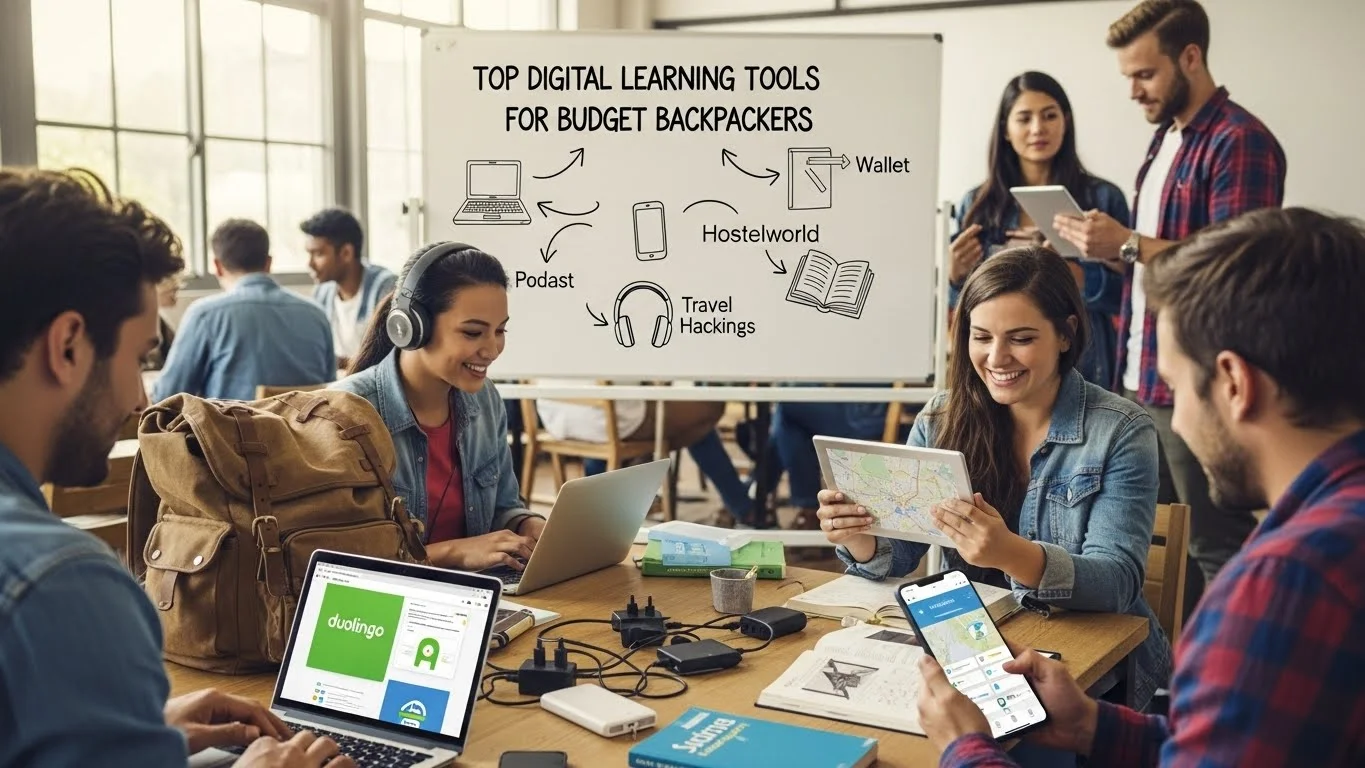
Understanding Digital Learning Tools
What Are Digital Learning Tools?
Digital learning tools are online platforms, applications, and resources that facilitate learning through technology. They can range from comprehensive online courses and educational apps to interactive communities and video content. I remember the first time I stumbled upon these tools; I was amazed by how much knowledge I could gain without a hefty price tag. These resources empower us to learn new skills, explore topics of interest, and even pick up new languages—all from the comfort of our hostels or local cafes.
Benefits of Using Digital Learning Tools for Backpackers
Backpacking on a budget often means we have to be resourceful, and digital learning tools fit perfectly into that lifestyle. Here are some benefits I’ve found:
- Cost-effectiveness: Many platforms offer free or low-cost courses, making learning accessible even when funds are tight.
- Flexibility: We can learn anytime and anywhere. Whether it’s a bus ride through the mountains or a quiet evening in a hostel, I can fit learning into my schedule.
- Diverse Learning Options: From professional development to personal interests, there’s something for everyone. I’ve taken courses ranging from photography to web development, all while traveling.
- Community Interaction: Many tools allow us to connect with other learners worldwide, fostering a sense of community. I’ve made connections that have enriched my travels and learning experiences.
- Self-paced Learning: We can learn at our own pace, which is fantastic when our travel plans are unpredictable. If I want to dive deep into a subject one week and take it easy the next, I have that freedom.
Top Digital Learning Platforms
Coursera: Affordable Courses from Renowned Universities
Coursera is one of my go-to platforms. They partner with top universities like Stanford and Yale to offer affordable courses on various topics. I’ve taken courses on digital marketing and even philosophy, which I found incredibly rewarding. The flexibility to audit courses for free or pay for a certificate is a significant plus. When I was in Southeast Asia, I remember sitting with my laptop at a beachside café, soaking in knowledge from industry experts while enjoying the ocean view.
edX: Free Courses and MicroMasters Programs
Another fantastic resource is edX, which also collaborates with universities to provide high-quality courses. I love their MicroMasters programs, which are a series of graduate-level courses that can count toward a master’s degree. It’s like having a piece of the university experience right in my backpack. The abundance of free resources has helped me keep my skills sharp, especially when I wanted to learn about data analysis while traveling.
Udemy: Diverse Course Offerings for Every Budget
Udemy offers a wide array of courses at prices that don’t break the bank. With constant sales and discounts, I’ve often snagged courses for under $15. From cooking classes to programming, I’ve found Udemy to be a treasure trove of knowledge. One time, while staying in a cozy hostel, I enrolled in a photography course that significantly improved my skills, allowing me to capture my travels beautifully.
Khan Academy: Free Resources for Self-Learning
Khan Academy is a nonprofit that provides free educational resources. I’m a huge fan of their interactive exercises and instructional videos, especially for subjects like math and science. When I was exploring some remote areas, I used Khan Academy to brush up on my math skills, which came in handy when I needed to manage my travel budget. The best part? It’s completely free, making it a perfect fit for budget backpackers like us.
Mobile Apps for Learning on the Go
Duolingo: Language Learning Made Fun
One of the most fun ways I’ve learned new languages while traveling is through Duolingo. The app turns language learning into a game, which kept me motivated during long bus rides. I remember practicing Spanish while waiting at a bus station in Guatemala, and it helped me connect with locals in a way I never expected.
Busuu: Interactive Language Learning Community
Busuu is another excellent language learning app that offers interactive lessons and a community of native speakers. I’ve used it to practice my French and got instant feedback from native speakers, which is invaluable. It’s like having a personal tutor on my phone, making language learning more engaging.
Quizlet: Study Tools for Flashcards and Quizzes
Quizlet has been a lifesaver for memorizing vocabulary and concepts. I’ve created flashcards for different subjects while traveling, which I could review on the go. It’s a quick and effective way to reinforce what I’ve learned, and I’ve often found myself using it during downtime between excursions.
Evernote: Organizing Notes and Learning Materials
Finally, Evernote has helped me keep my notes organized. As backpackers, we gather so much information, from travel tips to course notes. I love being able to categorize my notes and access them from anywhere. This organization has not only helped with my studies but has also made my travel planning more efficient.
Essential Online Resources
YouTube: Free Educational Content Across Various Topics
YouTube has become one of my favorite resources for learning on the go. It’s incredible how much free content is available on just about every topic imaginable. From documentary-style videos to tutorials, I’ve found that I can learn anything from cooking techniques to travel photography tips while watching engaging content. One memorable experience was when I wanted to learn how to cook a traditional dish while in Italy. I found a channel dedicated to Italian cooking, and I followed along with the video, creating a delicious meal that made my travel experience even richer. The best part? I can access these videos anytime I have an internet connection, making it a fantastic way to absorb knowledge during downtime.
TED Talks: Inspiring Talks and Ideas Worth Spreading
TED Talks have a special place in my heart. The platform features short, powerful talks from experts across various fields, sharing their insights and experiences. I often listen to these talks while I’m on a long bus ride or relaxing in a park. One talk that resonated with me was about the importance of vulnerability. It inspired me to embrace my own experiences while traveling and connect more deeply with the people I meet. TED Talks not only provide knowledge but also ignite my curiosity and motivate me to explore new ideas and perspectives.
LinkedIn Learning: Professional Development Courses
LinkedIn Learning is a fantastic resource for those of us looking to enhance our skills professionally. It offers a wide range of courses, from graphic design to project management. During a particularly slow travel stretch, I decided to take a course on social media marketing. I was surprised at how much I learned, and it helped me improve my online presence. What I appreciate most is that the courses are bite-sized, so I can complete them in short bursts, making it easy to fit into my travel schedule. Plus, having these skills under my belt has made networking during my travels much easier.
Read Interesting article: Unlock Learning: Affordable Educational Apps for Kids in 2023
Budget-Friendly Learning Resources
Open Courseware: Free Course Materials from Top Institutions
Open Courseware is another gem I’ve discovered while traveling. Institutions like MIT and Yale have made course materials publicly available, allowing anyone to learn at their own pace. I’ve used these resources to dive into subjects like computer science and economics. It’s amazing to think that I can access the same materials that students are using for their degrees without spending a dime. I remember sitting in a café in Lisbon, going through a computer science course, and feeling a sense of accomplishment as I tackled challenging concepts on my own.
Public Libraries: Access to Online Learning Platforms
Don’t overlook public libraries, especially when traveling in English-speaking countries. Many libraries offer free access to online learning platforms like Lynda.com or other educational resources. I’ve made it a point to visit libraries in different cities, and it’s often a quiet place to study or catch up on courses. I once found myself in a charming little library in a small town in Canada, and I spent hours learning about local history through their resources. Plus, the librarians are usually super helpful, often pointing me to great online tools I hadn’t considered.
Strategies for Effective Learning While Traveling
Creating a Study Schedule on the Road
One of the challenges I faced as a backpacker was finding the right balance between travel and learning. I quickly realized that creating a study schedule was essential. I usually set aside a specific time each day dedicated to learning, whether that’s early in the morning or before bed. For instance, I made it a routine to wake up an hour earlier while staying in hostels, allowing me uninterrupted time to dive into courses or read. This structure helped me stay committed to my learning goals, even while exploring new places.
Finding Wi-Fi and Internet Access
Let’s face it: finding reliable Wi-Fi can be a struggle sometimes. I’ve learned to plan my learning sessions around accessible internet spots. Before I travel to a new location, I check for cafes or coworking spaces with good Wi-Fi. I’ve also found that downloading courses or educational materials beforehand is a lifesaver. This way, I can learn offline during long bus rides or while relaxing in a park. It’s a bit of preparation that goes a long way in ensuring I don’t miss out on my learning opportunities.
Staying Motivated and Disciplined
Staying motivated while on the road can be tough. There’s always something exciting happening, and it’s easy to get distracted. I’ve found that setting specific learning goals helps keep me focused. For example, I might aim to complete a particular module of a course by a certain date or learn a set number of new vocabulary words in a language app each week. I also reward myself when I hit these goals, whether it’s treating myself to a nice meal or exploring a nearby sight. Celebrating milestones keeps the momentum going and makes learning feel rewarding rather than like a chore.
Safety and Security Tips for Using Digital Tools Abroad
Protecting Personal Information
I can’t stress enough how important it is to protect our personal information while using digital tools abroad. Traveling often means connecting to various public Wi-Fi networks, which can be a gateway for cyber threats. I remember one time when I connected to a café’s Wi-Fi without thinking twice. Later, I learned that it was an unsecured network, and my personal data might have been at risk. To avoid situations like this, I always make sure to avoid accessing sensitive accounts—like banking—when I’m on public Wi-Fi. Instead, I use my mobile data for those activities, which feels much safer.
Another tip I’ve found helpful is to keep my devices updated. Regular updates often include security patches that protect us from the latest vulnerabilities. I’ve set my devices to update automatically when I have Wi-Fi access, ensuring that I’m always protected. Additionally, I recommend using strong, unique passwords for each of your accounts. I use a password manager to keep track of everything, which has saved me a lot of stress while on the road.
Using VPNs for Secure Connections
When it comes to keeping my information safe while traveling, using a VPN (Virtual Private Network) has been a game-changer. I remember feeling uneasy about logging into my accounts while using public Wi-Fi, but a VPN encrypts my internet connection, making it much harder for anyone to intercept my data. I’ve tried a few different VPN services, and I found one that works well on both my laptop and phone, which is super convenient.
Before I travel to a new country, I always make sure my VPN is installed and ready to go. It gives me peace of mind knowing that my online activities are private, and I can access content that might be restricted in certain regions. I’ve even used it to watch my favorite shows during long bus rides. Just remember to connect to the VPN before accessing any sensitive sites, and you’ll be much safer online.
Reviews and Recommendations from Backpackers
Success Stories: How Digital Tools Enhanced Learning Experiences
It’s always inspiring to hear from fellow backpackers about how digital tools have transformed their travels and learning experiences. I remember chatting with a traveler in Vietnam who shared how she used online platforms to take an entire course in graphic design while on the road. She told me it allowed her to start a small freelance business that funded her travels. Hearing her story motivated me to explore my creative side through online courses, and I’ve since dabbled in graphic design myself.
Another friend I met in a hostel was passionate about environmental science. He used podcasts and YouTube tutorials to dive into the subject while visiting national parks. His enthusiasm was contagious; I found myself tuning into the same podcasts during my hikes. His story showed me how digital tools can deepen our understanding of the world around us and enhance our travel experiences.
Common Challenges Faced by Backpackers
While digital tools are immensely helpful, we can’t ignore the challenges that come with them. One common issue I’ve faced is the struggle with connectivity. Sometimes I’d be in a remote area where Wi-Fi was scarce or slow, which made it frustrating to keep up with my courses. I’ve learned to adapt by downloading materials in advance and scheduling my learning sessions during times when I know I’ll have good internet access.
Another challenge I’ve encountered is the overwhelming amount of information available. With so many platforms and courses, it can be easy to feel lost or uncertain about what to choose. I’ve found that setting specific learning goals helps me stay focused. For example, I might decide to learn a particular skill that aligns with my travel plans, like photography when visiting beautiful landscapes. This approach has made my learning journey more meaningful and manageable.
Lastly, it’s essential to stay disciplined in a travel environment full of distractions. There were times I struggled to find motivation when all I could think about was exploring a new city. I’ve learned that integrating my studies with my travel experiences can be beneficial. For instance, I might take a photography course and then practice my skills while wandering through a new place. This way, I’m not just learning; I’m also creating memories that enrich my travels.
Final Thoughts
Reflecting on my travels and the role digital learning tools have played in my journey, I feel incredibly fortunate. These resources have not only enhanced my knowledge but have also enriched my travel experiences in ways I never imagined. I think about the times I was able to pick up a new skill, like photography or web design, while sitting in various corners of the world, and it honestly feels like magic. It’s amazing how technology can bring education to our fingertips, no matter where we are.
For me, the ability to learn while traveling has transformed the way I view education itself. It’s no longer confined to classrooms or traditional environments; it’s about curiosity and exploration, whether I’m in a bustling city or a quiet village. I’ve learned to embrace the unexpected—like picking up a local recipe while watching a YouTube tutorial or getting inspired by a TED Talk during a long train ride. These moments have not only taught me new skills but have also connected me deeply with the cultures I’ve encountered.
I encourage other backpackers to embrace these digital learning tools. We are living in a time where knowledge is more accessible than ever, and it’s waiting for us to seize it. Whether you’re looking to learn a new language, pick up a new hobby, or enhance your professional skills, there’s something out there for you. The key is to stay curious and open-minded. Make learning a part of your travel routine, just like exploring new destinations or trying local cuisines.
As I continue my journey, I’m excited about the endless possibilities that lie ahead. I’ve seen firsthand how digital tools can complement our travel adventures, helping us grow both personally and professionally. So, let’s dive into our next adventure, armed with our devices and the knowledge that learning doesn’t stop, no matter where we go.
Frequently Asked Questions
What are digital learning tools?
Digital learning tools are online platforms, applications, and resources that facilitate learning through technology. They include comprehensive online courses, educational apps, interactive communities, and video content.
What are some benefits of using digital learning tools for backpackers?
Some benefits include cost-effectiveness, flexibility to learn anytime and anywhere, diverse learning options, community interaction, and self-paced learning.
Which platforms are recommended for budget backpackers looking to learn digitally?
Recommended platforms include Coursera, edX, Udemy, Khan Academy, Duolingo, Busuu, Quizlet, Evernote, YouTube, TED Talks, and LinkedIn Learning. Additionally, check out Budget-Friendly Educational Apps: Enhance Kids’ Learning Today for more resources.
How does Coursera benefit users?
Coursera partners with top universities to offer affordable courses on various topics, allowing users to audit courses for free or pay for a certificate.
What is unique about edX’s offerings?
edX provides free courses and MicroMasters programs that consist of a series of graduate-level courses which can count toward a master’s degree.
How can Khan Academy assist travelers?
Khan Academy offers free educational resources, including interactive exercises and instructional videos, which can be particularly helpful for subjects like math and science.
What is the purpose of using mobile apps like Duolingo and Busuu?
Duolingo makes language learning fun through gamification, while Busuu offers interactive lessons and feedback from native speakers, enhancing the learning experience.
What strategies can backpackers use to learn effectively while traveling?
Backpackers can create a study schedule, find reliable Wi-Fi, stay motivated by setting specific goals, and integrate learning with travel experiences.
What precautions should backpackers take when using digital tools abroad?
Backpackers should protect their personal information by avoiding public Wi-Fi for sensitive activities, keeping devices updated, using strong passwords, and utilizing a VPN for secure connections.
How can digital learning tools enhance a backpacker’s travel experience?
Digital learning tools can deepen understanding of different cultures, allow the acquisition of new skills, and provide opportunities for personal and professional growth while traveling.
Backpacking on a budget is an adventure that many of us dream about, and with the right assistive tech tools, it can be even more enjoyable. Let’s dive into how these technologies can enhance our travel experience!
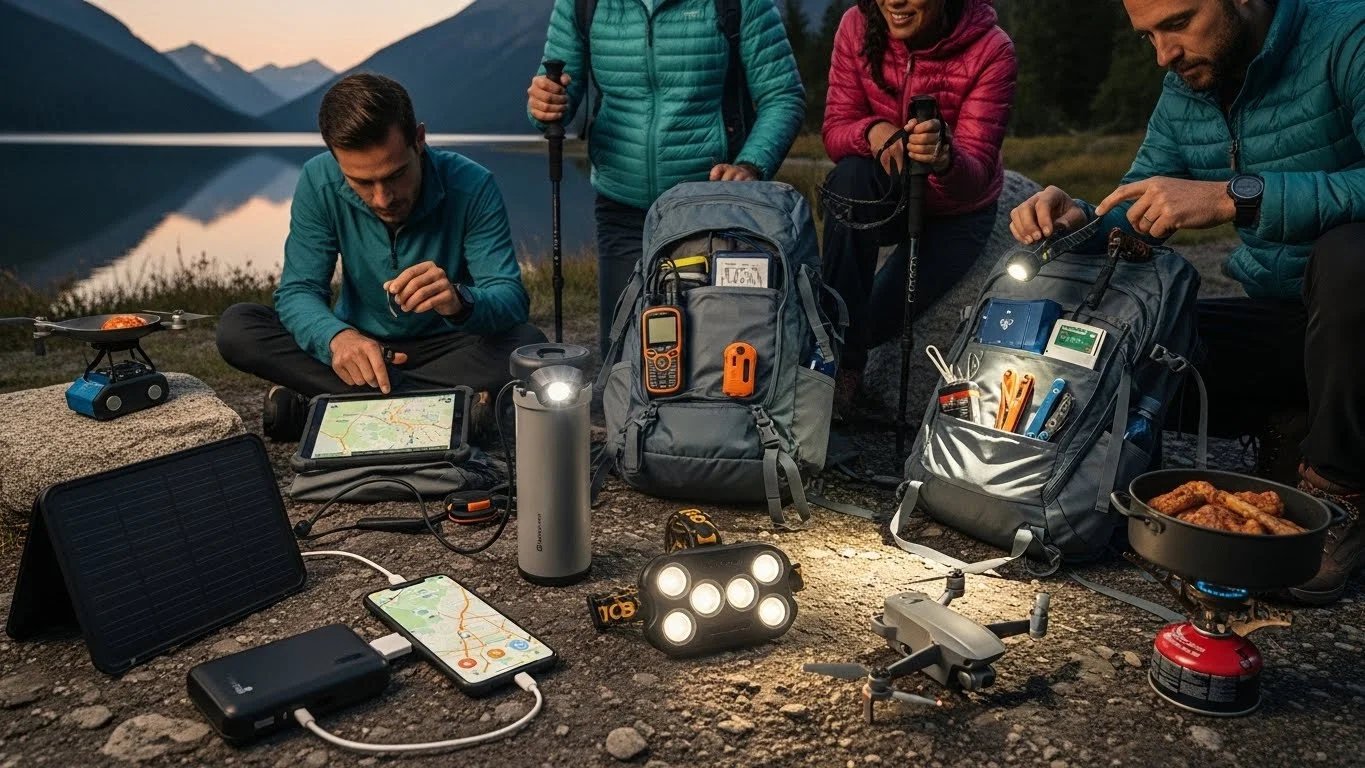
Understanding Assistive Technology in Backpacking
Definition of Assistive Technology
Assistive technology refers to tools and devices that help individuals perform tasks more easily and effectively. These can range from simple items like walking sticks to advanced gadgets like navigational GPS systems or smartphone apps. In the context of backpacking, they can help with navigation, communication, health monitoring, and even travel planning. Mastering IEP Development: A Backpacker’s Guide to Success highlights similar principles in different contexts.
Importance of Assistive Tech for Backpackers
For me, the importance of assistive technology in backpacking cannot be overstated. When I first took off on my budget backpacking adventure, I realized how helpful these tools could be. They not only enhance the overall experience but also ensure safety and make communication easier, especially in foreign countries. For example, having a reliable navigation tool can save you from getting lost, while health devices can monitor your wellbeing during challenging hikes. More importantly, they can also help connect with fellow travelers or locals, making the experience richer and more enjoyable.
Essential Assistive Tech Tools for Budget Backpacking
Navigation Tools
One of the first things I learned while backpacking is that getting lost can turn a fun adventure into a stressful situation. So, having reliable navigation tools is crucial.
GPS Devices
GPS devices are a fantastic addition to any backpacker’s gear. I remember my first trip to the mountains, where I relied on a handheld GPS unit. It was so reassuring to have a device that could pinpoint my location, even in a dense forest or during cloudy weather. Many of these devices are rugged and waterproof, making them perfect for outdoor use. You can also pre-load maps, which is essential when traveling to remote areas where mobile service might be spotty. For budget backpackers, investing in a good GPS can be a lifesaver.
Smartphone Navigation Apps
If you’re looking to save space and weight in your pack, smartphone navigation apps can be just as effective. I personally love using apps like Google Maps or Maps.me for my travels. They not only provide accurate directions but also allow you to download maps for offline use. This way, you don’t need to worry about using up your data or losing signal in the wilderness. In my experience, having these apps installed has made planning and navigating new destinations much smoother. Budget-Friendly IEP Strategies for Every Educatoru2019s Toolkit can offer insights on how to manage resources effectively.
Communication Tools
Staying connected while traveling can help ease anxiety about safety and also enhance your experience by allowing you to share it with others.
Portable Language Translators
When I traveled to non-English speaking countries, a portable language translator was a game changer. I remember feeling lost in translation at times, but having a small device that could instantly translate conversations made all the difference. They often come equipped with voice recognition, so you can speak into them and get immediate translations, which can be incredibly helpful when ordering food or asking for directions.
Speech-to-Text Apps
For those who might have difficulties with typing or prefer speaking, speech-to-text apps can be invaluable. I used one of these apps to take notes about the places I visited, and it saved me a lot of time. I could simply dictate my thoughts and have them transcribed into text. This was especially useful when I wanted to document my journey quickly, allowing me to focus more on the experience and less on writing.
Health and Safety Devices
Health and safety should always be a priority while backpacking. Having the right devices can provide peace of mind.
Wearable Health Monitors
I’ve found wearable health monitors, like fitness trackers, to be incredibly useful. They can track your heart rate, monitor your steps, and even keep tabs on your sleep patterns. During my hikes, I appreciated being able to check my heart rate and ensure I wasn’t overexerting myself. These devices can also motivate you to stay active and hit your daily goals, making your adventure healthier.
Emergency Alert Systems
In remote areas, having a way to alert someone in case of an emergency is vital. I’ve seen backpackers use devices like satellite messengers or personal locator beacons, which can send out distress signals. These tools can be life-saving if you find yourself in a tough situation, like getting lost or injured away from help. Knowing I had a backup system in place gave me the confidence to explore more challenging terrains.
Travel Planning Tools
Effective planning can make your adventure smoother and more enjoyable. I’ve discovered that the right tools can help streamline the entire travel process.
Budgeting Apps
While backpacking on a budget, keeping track of expenses is essential. I use budgeting apps to monitor my spending and ensure I stay on track. These apps allow you to categorize your expenses, set daily limits, and even visualize where your money goes. I remember a trip where I overspent on food, but thanks to my budgeting app, I was able to adjust my spending to save for experiences I really wanted, like a guided hike or a local cooking class. For more tips on budgeting, check out Essential Tips for Implementing Effective IEPs on a Budget.
Trip Itineraries and Organization Apps
Staying organized while traveling can be tricky, but I’ve found apps that help me create itineraries and keep all my travel details in one place. Having a digital itinerary meant I could access my plans easily, whether I was offline or online. I could jot down notes about places I wanted to visit, making it easier to navigate my trip without constantly flipping through a travel book or pamphlets.
Budget-Friendly Options for Assistive Tech
Free and Open-Source Software
One of the best parts of traveling on a budget is finding ways to save money without sacrificing quality, and this is where free and open-source software comes into play. I’ve discovered that there are plenty of tools out there that can help enhance my backpacking experience without any cost. For instance, I often use open-source mapping software like OpenStreetMap, which has detailed maps created by a community of users. This has been especially useful in regions where commercial maps might be outdated or unavailable.
Additionally, I’ve utilized free language apps like Duolingo to brush up on basic phrases in the local language before I arrive. It’s not only fun but also helps me connect better with locals once I’m there. These free resources have proven to be invaluable on my journeys, allowing me to navigate, communicate, and plan without breaking the bank.
Affordable Hardware Options
When it comes to physical devices, I’ve learned that you don’t have to spend a fortune to get effective tools for backpacking. There are many budget-friendly options out there that perform just as well as their high-end counterparts. For example, I once invested in a lower-priced GPS unit that had all the essential features I needed, like offline maps and waypoint tracking. It served me well on multiple trips, proving that you can find great quality without a hefty price tag.
Smartphone accessories can also be a great way to enhance your tech experience without major expenses. I’ve tried portable battery packs, which are affordable and extend my phone’s battery life, ensuring I can keep using navigation and communication apps throughout the day. I always look for deals online or at local stores, as there are often discounts on sturdy gear designed for travelers. These affordable hardware options can make a significant difference in how comfortable and secure my backpacking experience is, allowing me to focus on the adventure rather than worry about my tech failing.
How to Choose the Right Assistive Tech Tools
Assessing Personal Needs
Choosing the right assistive tech tools starts with understanding your personal needs. I’ve found it helpful to ask myself what aspects of my journey I want to enhance or simplify. For instance, if I’m planning a solo trip, I prioritize communication tools to stay connected with friends and family. On the other hand, if I’m heading into remote areas, my focus shifts to navigation and safety devices.
Taking some time to assess what I truly need has helped me avoid impulse purchases. I always make a list of must-have features and functionalities that will meet my travel requirements. This approach ensures that I only invest in tools that genuinely improve my experience rather than just filling my pack with gadgets that I might not use.
Evaluating Costs vs. Benefits
Another important step in my decision-making process is evaluating the costs versus the benefits of each tool. I remember when I was considering buying a high-end smartwatch with built-in GPS and health tracking features. While it was tempting, I weighed the price against my travel style. I realized that a simpler fitness tracker would meet my needs just as well, allowing me to save money for other experiences, like trying local foods or staying at unique accommodations.
In my experience, it’s helpful to calculate how often I’ll use a particular tool during my travels. If I think I’ll use a device frequently, it might be worth the investment, but if it seems more like a luxury, I often opt for something more budget-friendly. This careful consideration has allowed me to strike a balance between having useful tech without overspending.
Reading Reviews and Recommendations
Before I make a purchase, I always dive into reviews and recommendations. I’ve learned that hearing from fellow travelers can provide invaluable insight into what works and what doesn’t. Websites, forums, and social media groups dedicated to backpacking are great places to read up on others’ experiences with specific tools. I often check out user feedback on platforms like Amazon or tech blogs, where I can find honest opinions about products. It’s reassuring to see real-life testimonials that can guide my choices.
Additionally, I love visiting local outdoor shops where I can chat with employees who are often enthusiastic travelers themselves. Their firsthand experiences with various products can offer a level of detail that online reviews sometimes lack. By doing my research, I can feel more confident in my choices and make sure I’m investing in tools that will genuinely enhance my backpacking adventures.
Real-Life Applications of Assistive Tech in Backpacking
Case Studies of Successful Budget Backpackers
Hearing stories from other backpackers can be incredibly inspiring and informative. I remember reading about a group of budget travelers who utilized various assistive technologies to navigate their journey through Southeast Asia. They shared their experiences of using smartphone apps for language translation, which helped them connect with locals and find hidden gems off the beaten path. Their stories highlighted how a simple app could transform their interactions and enrich their travel experience.
Another case study that stood out to me was about a solo backpacker who relied on a combination of budgeting apps and portable chargers. She successfully traveled for three months on a limited budget, sharing how these tools allowed her to track her expenses and stay charged during long-distance hikes. Her experience demonstrated that with the right tools, it’s entirely possible to enjoy an extended trip without financial stress.
Testimonials and User Experiences
When I read testimonials from fellow travelers about their experiences with assistive tech, I often feel a sense of camaraderie. I recall one traveler’s story about using a wearable health monitor. This device helped her manage her fitness while hiking through rough terrain. She expressed how keeping track of her heart rate made her more aware of her physical limits, ultimately leading to a safer and more enjoyable experience.
Another traveler shared how a portable language translator helped her navigate a bustling city market. She described the joy of being able to communicate with vendors and other travelers, which added a unique layer to her journey. These personal accounts remind me of the diverse ways assistive technology can enhance our adventures. It’s comforting to know that I’m not alone in using these tools and that they can truly make a difference in how we experience the world around us.
Tips for Maximizing the Use of Assistive Tech While Backpacking
Maintaining Your Devices
One of the lessons I learned the hard way is that proper maintenance of assistive tech can make a huge difference in its performance and longevity. While on my travels, I noticed that keeping my devices clean and charged was essential. For instance, after a few days of hiking, my smartphone’s screen was covered in dirt and dust. I quickly realized that a simple microfiber cloth could help keep it clean, ensuring I could access my navigation apps without any hassle.
Additionally, I always check the batteries of my devices before heading out. I’ve been in situations where my GPS unit or fitness tracker ran out of juice right when I needed them most. Carrying portable chargers has become a staple in my backpack, and I also make it a habit to recharge my devices whenever I have access to power, whether it’s at a hostel or a café. By taking these steps, I can significantly extend the life of my gadgets and avoid tech-related stress during my adventures.
Staying Connected in Remote Areas
Staying connected while backpacking can sometimes feel like a challenge, especially in remote locations. I remember trekking through the mountains where cell signals were non-existent. That’s when I discovered the value of having a backup communication plan. Devices like satellite phones or messengers can be invaluable in these situations, allowing me to stay in touch with family or call for help if needed.
In my experience, investing in a satellite messenger was invaluable during my last trip to a remote national park. Not only did it provide peace of mind, but it also allowed me to share my location with friends and family, which made them feel more secure about my travels. Furthermore, I learned to download important maps and information while I still had service, so I would have access even when I was completely off the grid. This strategy has allowed me to explore hidden trails with the confidence that I can communicate if necessary.
Using Tech Responsibly
As much as I love using assistive technology while backpacking, I’ve also realized the importance of using it responsibly. There’s something truly magical about immersing myself in nature, and I’ve found that constantly checking my devices can sometimes detract from that experience. I’ve made a pact with myself to limit screen time and focus on living in the moment. This means I often set specific times to check my navigation and stay connected, rather than being glued to my screen.
During my travels, I’ve also seen how over-reliance on technology can lead to accidents. I remember one hike where a fellow traveler was so focused on her app that she missed a crucial signpost and ended up lost for a couple of hours. It was a reminder that while tech can be incredibly helpful, it’s still essential to engage with my surroundings and pay attention to the world around me. I often encourage fellow backpackers to balance their tech use with traditional navigation methods, like reading maps or asking locals for directions. This not only enhances the safety of our adventures but also deepens our connection to the places we visit.
Future Trends in Assistive Technology for Backpackers
Innovations on the Horizon
Looking ahead, I can’t help but feel excited about the innovations that are just around the corner for backpackers like us. For instance, advances in wearable technology are making devices smaller and more efficient. I’ve heard whispers about smart glasses that could provide real-time navigation and notifications, all while leaving my hands free for climbing or setting up camp. This seems like a game changer for those of us who like to combine tech with outdoor exploration.
Moreover, I’ve come across developments in solar-powered gadgets that can charge phones and GPS devices while on the move. I’ve always been a fan of sustainable travel, so these innovations resonate with me. Imagine trekking through a sunlit valley, knowing that the device keeping you connected is powered by renewable energy. It feels like a step in the right direction for eco-conscious travelers, and I’m all for it!
Potential impact on the Backpacking Community
The potential impact of these advancements on the backpacking community is profound. As assistive technology becomes more accessible and user-friendly, I believe it will open up new opportunities for those who may have previously felt intimidated by the idea of backpacking. With tools that simplify navigation and enhance safety, more people will be encouraged to hit the trails and explore the world.
Additionally, I think that as tech evolves, it can play a vital role in promoting responsible travel. For instance, apps focused on maintaining the environment and connecting backpackers with conservation efforts could foster a sense of community among travelers. I envision a future where tech not only enhances our adventures but also encourages a deeper commitment to preserving the natural beauty we cherish.
Frequently Asked Questions
What is assistive technology in the context of backpacking?
Assistive technology refers to tools and devices that help individuals perform tasks more easily and effectively while backpacking. This includes items like walking sticks, GPS systems, and smartphone apps that assist with navigation, communication, health monitoring, and travel planning.
Why is assistive technology important for backpackers?
Assistive technology enhances the overall backpacking experience by ensuring safety, improving navigation, and facilitating communication, especially in foreign countries. These tools can help prevent getting lost, monitor health during hikes, and connect with other travelers or locals.
What are some essential navigation tools for budget backpacking?
Essential navigation tools include GPS devices and smartphone navigation apps. GPS devices provide reliable location tracking in remote areas, while smartphone apps like Google Maps or Maps.me offer accurate directions and the option to download maps for offline use.
How can communication tools assist backpackers?
Communication tools, such as portable language translators and speech-to-text apps, help backpackers stay connected and overcome language barriers. These devices allow for instant translations and efficient note-taking, enriching the travel experience.
What health and safety devices are recommended for backpackers?
Recommended health and safety devices include wearable health monitors that track heart rate and fitness levels, as well as emergency alert systems like satellite messengers or personal locator beacons, which can send distress signals in case of emergencies.
What budgeting tools can help backpackers manage their expenses?
Budgeting apps are useful for tracking expenses and managing finances while backpacking. They allow users to categorize spending, set daily limits, and visualize where their money goes, helping them stay within their budget.
How can backpackers find budget-friendly assistive tech options?
Backpackers can find budget-friendly assistive tech options by utilizing free and open-source software for navigation and language learning, as well as exploring affordable hardware options like lower-priced GPS units and smartphone accessories.
What factors should backpackers consider when choosing assistive tech tools?
Backpackers should assess their personal needs, evaluate the costs versus benefits of each tool, and read reviews and recommendations from fellow travelers before making a purchase. This ensures they invest in tools that genuinely enhance their experience.
What are some tips for maximizing the use of assistive tech while backpacking?
To maximize the use of assistive tech, backpackers should maintain their devices by keeping them clean and charged, stay connected in remote areas with backup communication plans, and use technology responsibly by balancing screen time with immersion in nature.
What future trends in assistive technology are expected for backpackers?
Future trends include innovations in wearable technology, such as smart glasses for real-time navigation, and the development of solar-powered gadgets that charge devices while on the move. These advancements aim to enhance the backpacking experience and promote sustainable travel.
Gamification is transforming education in exciting ways, making learning more engaging and interactive for students. Let’s dive into what gamification means and how it can elevate student engagement in classrooms. Read Interesting article: Unlock Learning: How Gamification Transforms Education Today
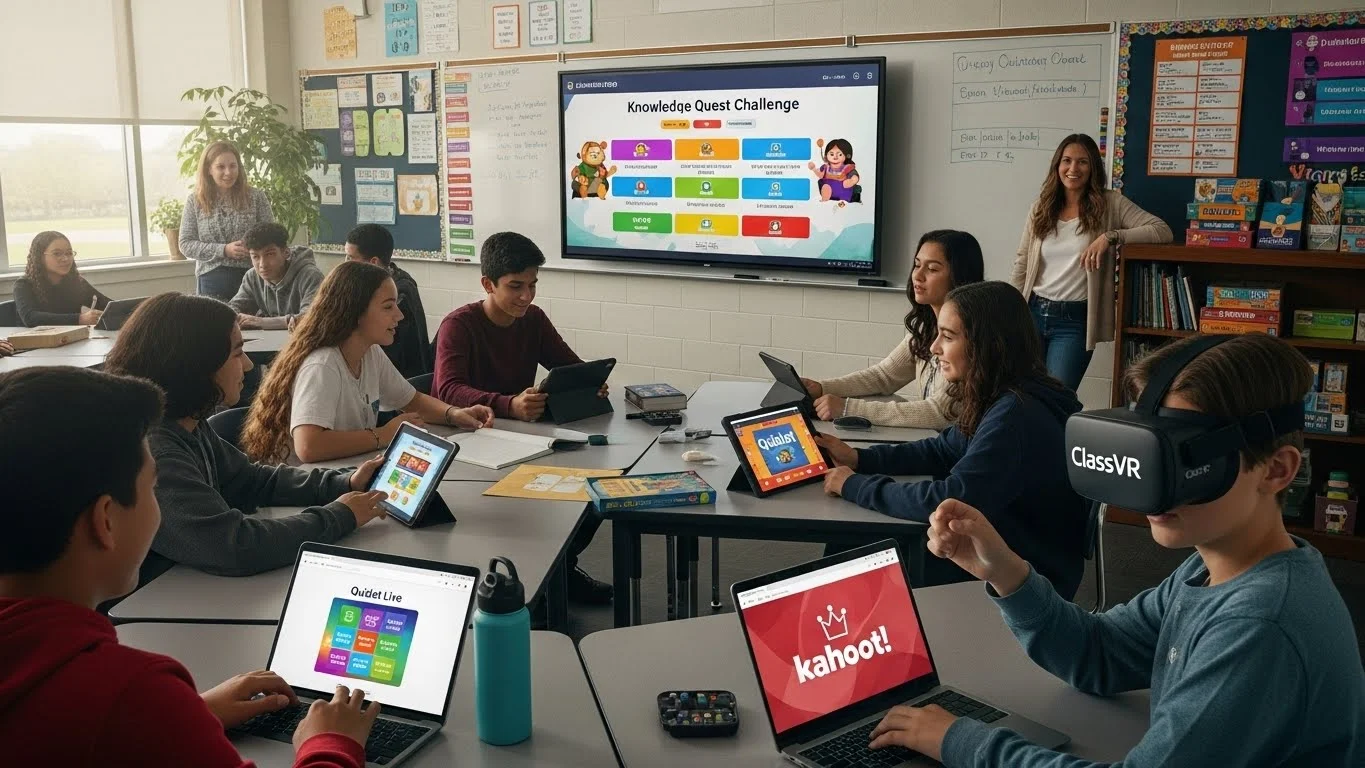
Understanding Gamification in Education
Definition of Gamification
Gamification, in essence, is the application of game-design elements in non-game contexts. In education, it typically refers to incorporating game-like features—such as points, badges, or leaderboards—into the learning process. I first encountered the concept while researching innovative teaching methods, and it really opened my eyes to how games can motivate students. Instead of traditional methods that often lead to disengagement, gamification taps into our natural instincts for competition and achievement, making learning a more dynamic experience.
Benefits of Gamification for Student Engagement
When I began integrating gamification into my teaching, I noticed a significant shift in my students’ enthusiasm towards learning. Here are some benefits I observed:
- Increased Motivation: Gamification fosters a sense of achievement. When students earn points or badges, it boosts their motivation. I’ve seen students who typically struggled with subjects suddenly find a spark of interest.
- Enhanced Learning Experience: The interactive nature of gamified learning makes it more enjoyable. I remember one class where we used a quiz game; the excitement in the room was palpable as students competed to answer correctly.
- Immediate Feedback: Gamification tools often provide instant feedback. This immediacy helps students understand their mistakes right away and learn from them, which I found crucial in promoting growth.
- Social Interaction: Gamified environments often promote collaboration and communication among students. I noticed that students who typically kept to themselves became more engaged when working in teams to achieve a common goal.
Key Principles of Gamification
Through my experience, I learned that effective gamification relies on several key principles:
- Clear Objectives: It’s important that students understand what they’re working towards. When I set clear objectives, I noticed they were more focused and driven.
- Progress Tracking: Visual progress indicators such as progress bars or dashboards can motivate students by showing how far they’ve come. I once used a leaderboard, and the friendly competition among students kept them engaged.
- Levels and Challenges: Introducing levels or challenges can make learning feel more like an adventure. I often created tiered challenges that allowed students to advance at their own pace, which catered to various skill levels.
As I delved deeper, I realized that gamification isn’t just about the games themselves but about creating a holistic learning environment where students feel empowered and excited to learn.
Essential Features of Effective Gamification Tools
User-Friendly Interface
When I first started using gamification tools, I quickly realized how crucial a user-friendly interface is. If a tool is difficult to navigate, both students and teachers can lose interest. I recommend choosing tools that are intuitive and have a clean design so that students can focus on learning rather than figuring out how to use the tool itself.
Customization Options
Every classroom is different, and what works for one group may not work for another. I found that tools allowing for customization—like modifying game themes, levels, or rewards—made a big difference in engagement. When I could tailor the experience to fit my students’ interests, their participation soared. Read Interesting article: Top Digital Learning Tools for Budget Backpackers
Analytics and Reporting
Having access to analytics was a game-changer for me. It helped me track student performance and engagement levels. I could see which areas my students excelled in and where they struggled, allowing me to adjust my teaching strategies accordingly. The insights gained from these analytics were invaluable.
Integration with Learning Management Systems (LMS)
Lastly, I discovered the importance of having gamification tools that integrate smoothly with existing LMS platforms. When I started using tools that could easily connect with our LMS, it saved me so much time and effort. It allowed for seamless tracking of student progress and made it easier for me to manage assignments and feedback in one place.
As I continue my journey in incorporating gamification into education, I’m constantly amazed at how these tools can transform not just the learning experience but also the classroom dynamic. The excitement and energy that come with gamified learning are truly unmatched, and I can’t wait to explore more of these tools in the next sections.
Top Gamification Tools for Engaging Students
Kahoot!
I can’t talk about gamification without mentioning Kahoot!. This tool has become a staple in classrooms everywhere, and for good reason. I remember the first time I used it; the energy in the room was electric. Kahoot! allows teachers to create fun quizzes that students can answer using their devices. The competitive aspect really gets the adrenaline pumping, and I’ve seen even the shyest students come alive as they race to answer questions correctly. Plus, the instant feedback keeps everyone on their toes, making learning not only fun but also effective.
Classcraft
Classcraft takes gamification to a whole new level by turning the classroom into an interactive adventure. I remember implementing it in my class and seeing students step into their unique character roles. They could earn experience points for good behavior, teamwork, and academic achievements, which added an extra layer of motivation. Watching students collaborate to defeat “monsters” or complete quests made me realize how powerful role-playing can be in education. It’s like turning learning into a video game, and it works beautifully.
Quizizz
Quizizz is another tool I absolutely love. It’s similar to Kahoot!, but with a twist. Students can complete quizzes at their own pace, which I found helpful for different learning styles. One time, I had a group of students who were really struggling; they were able to take their time with Quizizz without the pressure of a timer, which helped them engage with the material more deeply. Plus, the fun memes that pop up after each question always make everyone laugh, creating a relaxed atmosphere where learning can thrive.
Nearpod
Nearpod combines gamification with interactive lessons, which I found incredibly effective. I love how it allows me to incorporate quizzes, polls, and even virtual reality experiences directly into my lessons. One lesson I taught on ecosystems became a memorable experience when we explored a rainforest through a VR tour. The students were mesmerized, and I could see their curiosity ignite. Nearpod has been a fantastic way to make lessons more immersive and engaging.
Edmodo
Edmodo is another tool that’s great for gamifying the classroom. While it’s primarily a learning management system, it has features that foster engagement through quizzes and assignments that students can complete for points. I’ve used Edmodo to create challenges and learning badges, which my students loved. It helped create a community feeling in the class, where students supported each other in achieving their goals. The social aspect of Edmodo really enhances the learning experience.
Badger Maps
For those who want to incorporate gamification into teaching more outside-the-box subjects like geography, Badger Maps is a gem. It allows students to engage with geographical data in a fun way, helping them understand mapping and spatial reasoning. I had my students create their own maps for a project, and they had so much fun customizing their routes and points of interest. The creativity they expressed was astounding!
Flipgrid
Flipgrid is a fantastic platform for fostering student voice and engagement. With Flipgrid, students create short videos to respond to prompts, and I’ve found it to be an excellent way to assess understanding in a fun, interactive way. When I first introduced it, I was amazed to see students who were usually hesitant to speak up in class shine in their videos. The ability to watch and respond to each other’s videos adds a layer of community and connection that is so crucial in education.
GameSalad
Lastly, GameSalad is a unique tool that allows students to create their own games. I remember when I introduced it in a project where students had to design a game about a historical event. The enthusiasm was contagious! They had to think critically about their topics while also engaging their creativity. Seeing my students work collaboratively to bring their ideas to life was incredibly rewarding. GameSalad empowers students to take control of their learning in a way that few other tools do.
These tools have transformed how I approach teaching, making it more dynamic and engaging for my students. Each of them brings something unique to the table, and I love discovering new ways to incorporate them into our learning journey. The excitement they generate is something I cherish, and I can’t wait to see how these tools evolve in the future! Read Interesting article: Affordable STEM Learning Tools for Young Explorers
How to Choose the Right Gamification Tool
Assessing Your Educational Objectives
Choosing the right gamification tool starts with understanding your educational objectives. I remember when I first set out to integrate gamification into my classroom; I had to think carefully about what I wanted to achieve. Was my goal to increase student engagement, improve knowledge retention, or promote collaboration? By clearly defining my objectives, I could select tools that aligned with my teaching goals. For instance, if my aim was to enhance collaboration, I’d gravitate toward tools like Classcraft, which encourages teamwork and communication among students.
Understanding Your Student Demographics
Next, it’s important to consider the demographics of your students. I found that different age groups and learning styles respond uniquely to various gamification strategies. For example, younger students might thrive with colorful, vibrant tools that incorporate simple game mechanics, while older students may prefer more complex challenges that allow for deeper engagement. When I first introduced Quizizz, I noticed that my younger students loved the fun graphics and memes, while my older students appreciated the self-paced quizzes. Getting to know your students’ preferences can really guide you in selecting the most effective tools.
Budget Considerations
Budget is another vital factor to consider when choosing a gamification tool. I’ve been in situations where I had to weigh the costs versus the benefits. Some tools offer free versions with limited features, while others require a subscription for full access. I remember using Kahoot! in its free version at first, and as our needs grew, we transitioned to the premium version to unlock additional features. There’s a balance to strike between affordability and functionality, so I recommend keeping an eye on any budget constraints while exploring your options.
Trial and Feedback from Students
Before fully committing to a gamification tool, I’ve found it incredibly helpful to conduct trials. I often introduced a new tool in a few lessons to gauge how my students responded. Their feedback was invaluable. For example, when I tried out Flipgrid, I asked my students what they liked and how they felt about the platform. Their enthusiasm helped me decide to use it more frequently. Allowing students to provide input not only makes them feel valued, but it also helps you choose a tool that resonates with them.
Implementing Gamification in the Classroom
Setting Clear Goals and Objectives
Once I’ve chosen a gamification tool, the next step is to set clear goals and objectives. I believe it’s essential for both students and teachers to know what they’re aiming for. When I implemented Classcraft, I outlined specific goals for team collaboration and individual achievements. This clarity kept everyone focused and motivated throughout the learning process. I found that when students understand the purpose behind the game elements, they are more likely to engage wholeheartedly.
Creating a Competitive Environment
Creating a competitive environment can also enhance the gamification experience. I remember when I set up a leaderboard using Kahoot!; it really ignited a sense of friendly competition in my classroom. Students were excited to see their names move up the ranks, and it encouraged them to put in extra effort. However, I always made sure to emphasize that the goal was to learn and grow, rather than just winning. Striking this balance is key to maintaining a positive atmosphere.
Encouraging Collaboration Among Students
While competition can be motivating, collaboration is equally important in a gamified classroom. I’ve seen firsthand how tools like Classcraft foster teamwork. Students often worked together to defeat challenges and achieve goals, which not only helped them learn from each other but also built a strong classroom community. Encouraging collaboration creates a more inclusive environment and allows students to feel supported as they navigate the learning process.
Providing Continuous Feedback and Rewards
Continuous feedback is a significant component of effective gamification. I’ve learned that providing immediate feedback through tools helps students understand their progress and areas for improvement. When I used Quizizz, I appreciated how students could see their scores right after each question, allowing them to reflect on their understanding instantly. Additionally, recognizing achievements through rewards—like badges or shoutouts—can be a powerful motivator. I always made it a point to celebrate small victories to keep the momentum going.
Measuring the Effectiveness of Gamification
Key Performance Indicators (KPIs) for Gamification
To truly understand the impact of gamification, I realized it was essential to measure its effectiveness. I began identifying key performance indicators (KPIs) related to student engagement, academic performance, and collaboration. For instance, I tracked attendance rates, participation levels, and test scores before and after implementing gamified strategies. This data helped me see what worked and what didn’t, allowing me to refine my approach over time.
Gathering Student Feedback and Insights
Student feedback has always been a crucial aspect of my teaching. After implementing gamified tools, I encouraged my students to share their thoughts through surveys or informal discussions. I loved hearing their insights about which elements they enjoyed most and what they found challenging. This feedback loop not only helps me improve my teaching techniques but also empowers students by giving them a voice in their learning process.
Adjusting Strategies Based on Data Analysis
Using the data I gathered, I could make informed adjustments to my gamification strategies. For example, I noticed that some students thrived on competition while others felt overwhelmed. By analyzing this data, I tailored my approach to create a more inclusive experience. I started incorporating more collaborative tasks for those who needed less pressure, while still maintaining competitive elements for those who found motivation in that environment. It’s all about finding the right balance that meets the diverse needs of my students.
Challenges of Gamification in Education
Potential Overemphasis on Competition
While competition can be a great motivator, I’ve learned that it can also create challenges in the classroom. I remember a situation where the leaderboard I set up for Kahoot! caused some students to feel discouraged when they fell behind their peers. It made me realize that while some students thrive in competitive environments, others can feel overwhelmed or demotivated. I think it’s crucial to strike a balance by ensuring that competition doesn’t overshadow collaboration and individual growth. I’ve started incorporating more collaborative games alongside competitive ones, which has helped create a more inclusive atmosphere for everyone.
Technology Accessibility Issues
Another challenge I faced was technology accessibility. Not all students have equal access to devices or high-speed internet, which can create a divide in engagement. I remember one semester when we relied heavily on online gamification tools, and a few students struggled to participate fully. To address this, I began to offer alternative ways for students to engage, such as offline assignments or group work where they could collaborate without relying solely on technology. It’s essential to keep in mind that gamification should enhance learning for all students, regardless of their access to technology.
Maintaining Engagement Over Time
Once I got my students excited about gamification, I quickly realized that keeping that enthusiasm alive can be a challenge. Over time, the novelty can wear off, and students might lose interest. I’ve found that regularly refreshing the gamification elements—like introducing new challenges or rotating tools—has helped maintain their interest. For example, after a few weeks of using Quizizz, I switched to a different tool, like Nearpod, which brought back their excitement and curiosity. Keeping things fresh and dynamic is key to sustaining engagement in the long run.
Future Trends in Gamification for Education
Integration of Virtual and Augmented Reality
As I look to the future, I’m especially excited about the integration of virtual and augmented reality (VR/AR) in gamification. I’ve seen how immersive experiences can captivate students’ attention, and I believe it’s the next big leap in education. Imagine students exploring ancient civilizations through a VR experience or navigating complex scientific concepts with AR overlays! The potential to enhance learning with these technologies is incredible, and I can’t wait to see how they’ll be incorporated into gamified learning environments.
Artificial Intelligence in Gamification Tools
Artificial intelligence (AI) is another area that I think will revolutionize gamification in education. Personalized learning experiences powered by AI could adapt to individual student needs, making gamified content even more engaging and effective. I’ve already seen some tools beginning to incorporate AI features, and it’s exciting to think about how they could tailor challenges and feedback to each student’s unique progress. This level of customization could lead to even greater motivation and achievement.
Personalized Learning Experiences
Finally, I believe that the future of gamification will focus more heavily on personalized learning experiences. Each student has their own learning style, and gamification can be a powerful way to cater to those preferences. As I’ve experimented with various tools, I’ve seen how differentiating tasks and challenges based on students’ interests can lead to deeper engagement. I look forward to more innovative approaches that allow for personalized pathways in gamified learning, helping every student find their unique way to succeed.
Final Thoughts
Gamification has truly transformed my approach to teaching and has made learning an adventure for my students. However, it’s important to navigate the challenges thoughtfully while embracing the exciting potential of future trends. I believe that with the right balance of competition, collaboration, and technology, we can create engaging, dynamic classrooms that inspire students to learn and grow. As we continue to explore and innovate in the realm of gamification, I feel optimistic about the future of education and the endless possibilities it holds for enriching the learning experience for every student.
Frequently Asked Questions
What is gamification in education?
Gamification is the application of game-design elements in non-game contexts, particularly in education. It involves incorporating game-like features such as points, badges, or leaderboards into the learning process to make it more engaging and interactive for students.
What are the benefits of gamification for student engagement?
Gamification increases motivation, enhances the learning experience, provides immediate feedback, and promotes social interaction among students. It fosters a sense of achievement, makes learning enjoyable, allows for instant understanding of mistakes, and encourages collaboration.
What are the key principles of effective gamification?
Effective gamification relies on clear objectives, progress tracking, and levels and challenges. Setting clear goals helps students stay focused, while visual indicators motivate them by showing progress. Introducing levels and challenges makes learning feel like an adventure.
What features should effective gamification tools have?
Effective gamification tools should have a user-friendly interface, customization options, analytics and reporting capabilities, and seamless integration with Learning Management Systems (LMS). These features enhance engagement and allow for tailored learning experiences.
Can you name some popular gamification tools for education?
Popular gamification tools include Kahoot!, Classcraft, Quizizz, Nearpod, Edmodo, Badger Maps, Flipgrid, and GameSalad. Each tool offers unique features that enhance student engagement and learning experiences.
How should one choose the right gamification tool?
Choosing the right gamification tool involves assessing educational objectives, understanding student demographics, considering budget constraints, and conducting trials to gather student feedback. This ensures the selected tool aligns with teaching goals and student needs.
What is the importance of setting clear goals and objectives in gamification?
Setting clear goals and objectives is essential as it helps both students and teachers understand what they aim to achieve. This clarity keeps everyone focused and motivated, leading to more effective engagement in the learning process.
How can competition and collaboration be balanced in a gamified classroom?
While competition can motivate students, it’s important to also promote collaboration. Incorporating collaborative games alongside competitive elements can create an inclusive environment, allowing all students to feel supported in their learning journey.
What are some challenges of implementing gamification in education?
Challenges include potential overemphasis on competition, technology accessibility issues, and maintaining engagement over time. It’s crucial to balance competition with collaboration and provide alternative engagement methods for students without access to technology.
What future trends are expected in gamification for education?
Future trends in gamification for education include the integration of virtual and augmented reality, the use of artificial intelligence for personalized learning experiences, and a greater focus on catering to individual student learning styles to enhance engagement.
In today’s digital age, educational apps offer an exciting way to enhance kids’ learning without breaking the bank. These tools can make learning fun and engaging, paving the way for a brighter future for our children. Read Interesting article: Top 10 Educational Apps for Kids: Fun Learning on a Budget
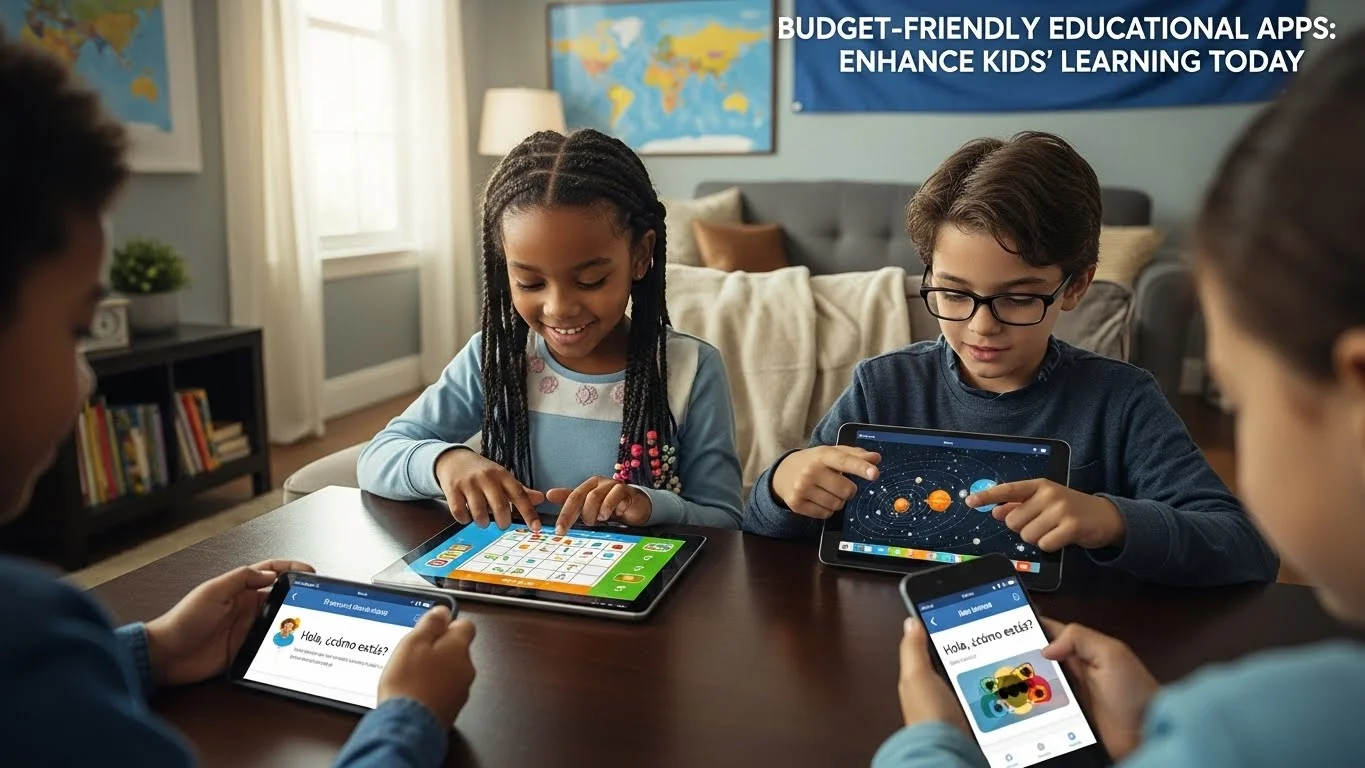
Understanding the Importance of Educational Apps for Kids
As a parent, I often find myself reflecting on the ways technology has transformed learning for our children. Educational apps have come a long way, and I believe they play a crucial role in today’s educational landscape. They provide interactive and engaging experiences that can cater to various learning styles. With the right apps, kids can explore subjects that spark their curiosity while developing essential skills.
Benefits of Educational Apps in Child Development
One of the most significant benefits of educational apps is their ability to make learning enjoyable. I remember the first time my child used an educational app; their eyes lit up as they eagerly interacted with colorful animations and engaging stories. This enthusiasm is vital, as it fosters a love for learning early in life. Educational apps can help enhance skills like critical thinking, problem-solving, and creativity, which are essential for success in school and beyond.
Moreover, these apps often provide personalized learning experiences. I’ve seen my child progress at their own pace, which helps build confidence. When they struggle with a concept, the app offers additional practice, reinforcing their understanding without the pressure of traditional classroom settings. This adaptability is something I’ve found particularly beneficial, as each child learns differently.
How Technology Enhances Learning
Technology, when used wisely, can significantly enhance the learning process. I’ve observed that educational apps often incorporate gamification, turning lessons into fun challenges. This playful approach captures children’s attention and motivates them to continue learning. For example, my child has worked through math problems disguised as a game, which made a potentially tedious subject exciting and enjoyable.
Additionally, educational apps can provide instant feedback. I appreciate how these apps often let kids know immediately if they’ve answered a question correctly or if they need to try again. This immediate response helps them learn from their mistakes and reinforces the correct information in real time. It’s like having a personal tutor available 24/7, which is something I think many parents would agree is invaluable.
Moreover, many educational apps are designed to be used independently, allowing children to take charge of their learning. I believe this independence fosters a sense of responsibility and ownership over their education. Watching my child explore different subjects and take initiative has been a rewarding experience for both of us.
Top Budget-Friendly Educational Apps
Now that we understand the importance of educational apps, let’s dive into some of the best budget-friendly options available. These apps not only cater to various subjects but also provide engaging content without costing a fortune.
Language Learning Apps
Language learning can be a daunting task, but with the right tools, it becomes enjoyable. Here are two of my favorite language learning apps:
Duolingo
Duolingo is a fantastic app for learning languages in a fun and interactive way. I’ve used it myself and found the bite-sized lessons easy to fit into my day. The gamified structure keeps learners motivated, and the app covers a wide variety of languages. I’ve seen my child progress quickly, and it’s exciting to hear them practice their new vocabulary.
Busuu
Busuu offers a slightly different approach to language learning by incorporating social interaction. Users can practice with native speakers, which I found particularly beneficial. The app also provides structured courses, so it feels more like a classroom experience. We’ve enjoyed this app together, practicing conversations in a language my child is interested in. Read Interesting article: Speech Development Tips for Budget Backpackers with Kids
Math and Science Apps
Math and science are crucial subjects that can be made more engaging through the right apps. Here are two I recommend:
Prodigy Math
Prodigy Math gamifies math practice, allowing kids to embark on adventures while solving problems. My child loves the character customization and the sense of achievement that comes with leveling up. It’s great to see them tackling challenging concepts with enthusiasm.
Kahoot!
Kahoot! is a platform that allows users to create quizzes, making learning a fun competition. I’ve hosted family quiz nights using this app, and it’s a hit! The interactive nature encourages kids to engage with the material actively, and I’ve noticed they retain information better when it’s presented in this way.
Reading and Literacy Apps
Encouraging reading at a young age is vital, and there are some great apps to support literacy:
Epic!
Epic! is a fantastic digital library filled with thousands of books for kids. I appreciate how it caters to various reading levels and interests, making it easy for my child to find something they love. The app also includes audiobooks and educational videos, providing a well-rounded reading experience.
Starfall
Starfall is another excellent resource for early readers. It offers interactive stories, songs, and games that promote literacy skills. I’ve seen my child improve their reading skills while having fun, which is the ultimate goal.
Creative Learning Apps
Fostering creativity is just as important as traditional academics. Here are a couple of apps that encourage kids to express their artistic sides:
ScratchJr
ScratchJr introduces young kids to coding through creative storytelling. I love how this app encourages problem-solving and logic while allowing my child to create their own interactive stories. It’s a wonderful way to blend creativity with technology.
Artful Parent
Artful Parent offers a variety of art projects and ideas for kids. I’ve spent quality time with my child trying out different crafts inspired by this app. It’s incredible to see their imagination come to life through art.
Features to Look for in Educational Apps
When choosing educational apps, I’ve learned that not all apps are created equal. Some features can really enhance the learning experience for kids, making it easier for them to engage with the content and gain new skills. Here are some important features I believe parents should consider when exploring educational apps.
User-Friendly Interface
One of the first things I notice when I try out a new app with my child is how user-friendly it is. A clean, intuitive interface can make all the difference. I remember one app that was cluttered and confusing; my child quickly lost interest. It’s essential that the app is easy to navigate, allowing kids to focus on learning rather than figuring out how to use the app. I appreciate apps that use simple icons and clear instructions to guide children through their learning journey.
Engaging Content and Interactivity
Engagement is crucial for keeping kids interested. I’ve seen firsthand how interactive elements—like games, quizzes, and storytelling—can transform a learning experience. Apps that incorporate colorful graphics, animations, and sound effects tend to hold my child’s attention much longer. This interactivity not only makes learning fun, but it also reinforces concepts in a memorable way. For me, the more engaging the content, the better the chances that my child will enjoy learning.
Progress Tracking and Reporting
Tracking progress is another feature I find invaluable. Many educational apps offer progress reports that show how well a child is doing over time. I’ve often used these insights to celebrate my child’s achievements and identify areas where they might need more support. Some apps even set up rewards or badges for completing tasks, which can be a great motivator. This feedback loop not only keeps kids motivated but also helps parents stay informed about their learning journey.
How to Choose the Right App for Your Child
Choosing the right educational app for my child can feel overwhelming sometimes, especially with so many options available. From my experience, I’ve found that focusing on specific criteria can simplify the decision-making process. Here are some tips that have worked well for me.
Age Appropriateness
It’s crucial to select apps that are suitable for my child’s age and developmental stage. I remember downloading an app that was too advanced for my child, and it ended up being frustrating for both of us. Apps designed for younger children often use simpler language and concepts, making them more accessible. I always check the recommended age range and try to stick to apps that are specifically designed for my child’s age group.
Learning Goals and Curriculum Alignment
Before committing to an app, I think about what specific learning goals I have in mind for my child. Is it math skills, reading comprehension, or perhaps language acquisition? I’ve found that aligning the app’s content with our learning goals helps to create a more focused learning experience. Some apps even align with standard educational curricula, which I think is a huge plus as it reinforces what my child is learning in school. Read Interesting article: Budget Travel: Teach Kids Bilingualism Through Adventure
Reviews and Recommendations
Finally, I always look at reviews and recommendations from other parents or educators when choosing an app. Hearing about other people’s experiences can provide valuable insights. I often check reviews in the app store and browse parenting forums for suggestions. Recommendations from friends or family who have already tried the app can also lead me to some hidden gems that I might not have discovered on my own.
Tips for Maximizing Learning with Educational Apps
Once I’ve chosen the right educational apps for my child, I want to ensure we make the most of them. Here are some tips I’ve gathered that help maximize the learning potential of these tools.
Setting Screen Time Limits
While I love how educational apps can enhance learning, I also believe in balancing screen time. I’ve found that setting specific limits on how long my child can use these apps helps avoid overstimulation. I try to create a structure that includes breaks and offline activities, which keeps things fresh and exciting. It’s all about finding that sweet spot between screen time and other forms of learning.
Incorporating Apps into Daily Routines
To make the most of educational apps, I integrate them into our daily routine. For instance, I often set aside time after school for my child to explore their favorite learning apps. I’ve noticed that when they have a regular time to use the apps, they become more engaged and look forward to it. Whether it’s during breakfast or before bedtime, incorporating apps into our routine has proven beneficial.
Encouraging Parent-Child Interaction
One of my favorite things to do is to engage with my child while they use educational apps. I often sit beside them and ask questions or discuss what they’re learning. This interaction not only helps me stay informed about their progress but also reinforces their learning. I believe that when parents show interest in their child’s educational activities, it boosts their motivation and enthusiasm.
Alternative Budget-Friendly Learning Resources
While educational apps are fantastic, I’ve come to realize that they are just one piece of the puzzle. There are plenty of alternative resources that can also provide enriching learning experiences without putting a strain on our budget. Here are some options I’ve discovered.
Alternative Budget-Friendly Learning Resources
While educational apps are fantastic, I’ve come to realize that they are just one piece of the puzzle. There are plenty of alternative resources that can also provide enriching learning experiences without putting a strain on our budget. Here are some options I’ve discovered.
Online Educational Websites
Online educational websites can be an excellent complement to what kids learn through apps. I remember when I first stumbled upon websites offering free resources and interactive activities. These sites often provide lessons, games, and quizzes to help reinforce concepts. For example, websites like Khan Academy and PBS Kids have a wealth of information and activities across various subjects. My child loves visiting these sites to explore topics they’re curious about, and I appreciate how accessible they are. Plus, many of these resources are completely free!
Another site that I find particularly useful is ABCmouse. While it does have a subscription fee, it offers a free trial, which allowed us to explore its extensive content without any commitment. We’ve enjoyed the structured learning paths and the engaging activities that cater to younger children. Whether it’s math, reading, or science, there’s something for everyone, and I love that my child can learn at their own pace.
Community Programs and Workshops
Community programs and workshops can provide a fantastic opportunity for hands-on learning. I’ve found that local libraries, community centers, and even schools often offer free or low-cost programs tailored to kids. These programs sometimes focus on subjects like STEM, art, or literacy, and they often include interactive activities. I remember taking my child to a science workshop at our local library, where they built simple circuits. It was not only educational but also a fun way to meet other kids.
Additionally, I’ve seen many community organizations host summer camps or after-school programs that encourage learning in creative ways. These experiences can help kids develop social skills while diving deeper into subjects they love. I highly recommend checking out what’s available in your area, as there are often hidden treasures waiting to be discovered.
Library Resources and Programs
Speaking of libraries, I can’t stress enough how valuable they are as educational resources. Besides the countless books available, many libraries offer free access to e-books, audiobooks, and educational databases. I’ve taken advantage of our local library’s online resources, and it’s been a game changer. My child loves exploring new stories, and we’ve found some great educational series that complement what they learn in school.
Many libraries also host reading programs, storytelling sessions, and themed events. These programs often include guest speakers or interactive activities that make learning a social event. I remember attending a summer reading challenge at our library, where kids received prizes for the number of books they read. It motivated my child to read more while having fun with peers.
Another great aspect of libraries is their access to knowledgeable staff who can recommend books or resources tailored to my child’s interests and reading level. They can guide parents on how to utilize library resources effectively, making it easier to find the right materials.
Future of Educational Apps
As I look to the future of educational apps, I’m excited about the potential innovations that could further enhance learning for our kids. I’ve started noticing trends that indicate where technology is heading, and I believe these changes will significantly impact how children engage with education.
Trends in EdTech for Kids
One trend that I find particularly intriguing is the use of artificial intelligence (AI) in educational apps. I’ve read that AI can tailor learning experiences to individual students, adapting content based on their strengths and weaknesses. This personalization can provide a level of support that traditional learning environments sometimes struggle to achieve. I can only imagine how beneficial it would be for my child to have an app that understands their learning style, offering recommendations and challenges that fit perfectly.
Another exciting trend is the integration of virtual reality (VR) and augmented reality (AR) into educational experiences. I recently came across an app that allows kids to explore the solar system in 3D! The immersive experience was captivating for my child, who could learn about planets by virtually visiting them. As technology continues to advance, I’m eager to see more apps using VR and AR to make learning even more engaging and interactive.
Potential Challenges and Considerations
Of course, as we embrace these technological advancements, I think it’s essential to keep a few considerations in mind. One challenge is ensuring that kids don’t become overly reliant on technology for learning. I believe finding a balance between screen time and other forms of education is crucial. We should encourage outdoor activities, hands-on learning, and face-to-face interactions, all while leveraging the benefits of educational apps.
Another consideration is privacy and online safety. I’ve learned to be vigilant about the apps and websites my child uses, ensuring they are safe and age-appropriate. It’s important to review privacy settings and understand how data is being used. I recommend having open conversations with kids about online safety and being mindful of the content they interact with.
Frequently Asked Questions
What are the benefits of educational apps for kids?
Educational apps make learning enjoyable and engaging, fostering a love for learning early in life. They can enhance critical thinking, problem-solving, and creativity while providing personalized learning experiences that help children progress at their own pace.
How do educational apps cater to different learning styles?
Educational apps provide interactive and engaging experiences that can cater to various learning styles. They often incorporate gamification, instant feedback, and allow for independent learning, enabling children to take charge of their education.
Can you recommend some budget-friendly educational apps?
Yes! Some top budget-friendly educational apps include Duolingo and Busuu for language learning, Prodigy Math and Kahoot! for math and science, and Epic! and Starfall for reading and literacy. Additionally, ScratchJr and Artful Parent encourage creativity.
What features should parents look for in educational apps?
Parents should look for user-friendly interfaces, engaging content with interactivity, and progress tracking and reporting features. These characteristics enhance the learning experience and keep children motivated and informed about their progress.
How can parents effectively choose the right educational app for their child?
Parents can choose the right educational app by assessing age appropriateness, aligning the app’s content with specific learning goals, and checking reviews and recommendations from other parents or educators.
What tips can help maximize learning with educational apps?
To maximize learning, parents should set screen time limits, incorporate apps into daily routines, and encourage parent-child interaction while using the apps to reinforce learning and motivation.
What alternative resources complement educational apps?
Alternative resources include online educational websites like Khan Academy and PBS Kids, community programs and workshops offered by local libraries, and library resources such as e-books and interactive reading programs.
What trends are emerging in the future of educational apps?
Emerging trends in educational apps include the use of artificial intelligence (AI) for personalized learning experiences and the integration of virtual reality (VR) and augmented reality (AR) to create immersive educational experiences.
What challenges should parents consider when using educational apps?
Parents should consider the potential for children to become overly reliant on technology for learning and the importance of balancing screen time with other forms of education. Additionally, they should ensure online safety and privacy for their children while using these apps.
How do educational apps provide instant feedback?
Educational apps often let kids know immediately if they’ve answered a question correctly or if they need to try again, which helps them learn from their mistakes and reinforces correct information in real-time.
In today’s digital age, ensuring our children’s educational success often means navigating a vast online world. Parental control tools can play a crucial role in creating a safe and productive learning environment for our kids. Read Interesting article: How to Create a Homework-Friendly Environment at Home

Understanding Parental Control Tools
What are Parental Control Tools?
Parental control tools are software applications designed to help parents monitor and manage their children’s online activities. I remember when I first heard about these tools; it was like discovering a secret weapon for protecting my kids from the overwhelming distractions of the internet. These tools can filter content, set time limits, and even track locations, providing parents with peace of mind while their children explore the digital landscape.
Importance of Parental Control for Education
As a parent, I’ve often felt the tug-of-war between wanting to provide my kids with the freedom to learn and needing to protect them from potentially harmful content online. Parental control tools serve as a bridge in this balancing act. They not only shield children from inappropriate material but also create an environment conducive to learning. I’ve found that when I set clear boundaries, my children tend to focus more on educational resources rather than getting sidetracked by games or social media. This has proven essential, especially when schoolwork and online learning are involved.
How Parental Controls Support Learning Environments
From my experience, parental controls can significantly enhance a child’s learning environment. For instance, these tools enable us to restrict access to non-educational websites during homework time, ensuring that our kids stay focused. I’ve seen firsthand how this can lead to better grades and improved study habits. Furthermore, many parental control applications offer reporting features, allowing us to see which educational sites our kids are visiting and how much time they spend on them. This kind of insight helps us guide our children towards productive online behavior while also fostering open conversations about their learning experiences. Read Interesting article: Engaging Educational Apps for Kids: Learning Made Affordable
Additionally, I believe that using parental control tools can empower children with a sense of responsibility. When they know their online activities are monitored, they tend to make more informed choices about what they engage with. I often remind my kids that these tools are not just about restrictions; they’re about helping them develop good habits that will serve them well in their studies and beyond. It’s a lesson in accountability that they’ll carry with them as they grow.
As education increasingly moves online, the role of parental control tools becomes even more critical. I’ve noticed that many schools now assign homework that requires internet research or participation in online platforms. Having these tools in place has allowed me to feel more comfortable letting my kids navigate these assignments independently, knowing I can step in if things go off track.
When looking at the broader picture, the importance of parental control tools extends beyond just academics. They also contribute to the overall well-being of our children by promoting healthy screen time habits. I’ve learned that it’s not just about limiting access but also about encouraging balanced usage of technology. This balance can lead to improved mental health and better social interactions, both of which are crucial for a child’s development.
In our household, we’ve established a routine that includes open discussions about our internet rules. I feel that this approach helps to demystify the purpose of the parental controls in place. It’s not about spying; it’s about guiding and supporting my children as they navigate their digital lives. I’ve found that involving them in the conversation fosters trust and respect, making it easier for them to accept the limitations we’ve put in place.
Ultimately, parental control tools are not just a luxury; they’re a necessity for modern parenting. They provide a framework through which we can ensure our kids are safe, focused, and engaged in their educational journeys. As we continue to adapt to the evolving digital landscape, I firmly believe that these tools will play a pivotal role in supporting our children’s academic success.
Key Features to Look for in Parental Control Tools
Content Filtering
One of the first things I look for in a parental control tool is content filtering. This feature allows us to block inappropriate websites and content that are not suitable for our children. I remember setting up my first content filter and feeling a wave of relief as I customized the settings to align with our family values. This way, I could ensure my kids were only exposed to educational and age-appropriate materials. Many tools offer preset categories, making it easier to apply filters without diving deep into each website. For me, having the ability to tailor the filtering options has made a significant difference in what my kids can access online.
Screen Time Management
Screen time management is another essential feature I’ve found invaluable. As much as I want my kids to explore the internet, I also know that too much screen time can lead to distractions and poor health. I love that most parental control tools allow us to set specific time limits on device usage. This has helped my family create a healthy routine. For example, I set a daily limit for recreational applications, ensuring my children spend more time on educational activities. It’s fascinating to see how effective these limits can be; they not only promote better study habits but also encourage my kids to engage in other activities like reading or outdoor play.
Activity Monitoring
Activity monitoring has become a crucial aspect of our digital parenting. Knowing what my kids are doing online provides me with the insights I need to guide them better. Most parental controls offer dashboards that reveal browsing history, app usage, and time spent on various sites. I remember the first time I checked this feature; I was surprised to see how much time my kids spent on educational videos versus games. This helped me steer them towards more productive avenues. Plus, it opens the door for conversations about their interests and the importance of balancing fun with learning.
Location Tracking
Location tracking is another feature that brings me peace of mind. As my kids have started spending more time outside of the house and at friends’ places, knowing where they are has become essential. Many parental control tools offer GPS tracking, which I find reassuring. I can check their location on my phone, giving me confidence that they are safe. I remember one time when my daughter was at a friend’s house, and I could easily see her location on the app. It helped ease my worries, knowing she was where she said she would be. Plus, it also serves as a great conversation starter about safety and responsibility.
Device Compatibility
Finally, device compatibility is a must-have feature when exploring parental control tools. With so many devices in our home – tablets, smartphones, laptops, and smart TVs – I needed a tool that could work across all platforms. I found that some parental controls perform better on certain devices, so I always ensure that whatever tool I choose can handle our family’s diverse gadget collection. It makes life so much easier when I don’t have to juggle multiple solutions for different devices. I recommend checking compatibility before committing to any tool, as it can save us from headaches down the line.
Top Parental Control Tools for Educational Success
1. Qustodio
Overview and Key Features
Qustodio has been one of my go-to parental control tools. It offers a comprehensive set of features, including content filtering, screen time management, and activity monitoring. I appreciate the user-friendly interface that makes it easy to set up and customize for our family’s needs. It even has a panic button feature for emergencies, which adds an extra layer of security.
Pros and Cons
Some of the pros include its robust feature set and cross-device compatibility. However, I found the price a bit on the higher side compared to other options. Still, I believe the investment is worth it for the peace of mind it brings.
Best Use Cases for Educational Success
Qustodio is excellent for families with kids of varying ages, as it allows customization for different users. I’ve seen it work wonders for my children in balancing their educational and recreational activities.
2. Norton Family
Overview and Key Features
Norton Family is another solid option I’ve explored. It combines essential features like web filtering and time supervision with a focus on education. I particularly enjoy the simple dashboard that displays my kids’ online activity at a glance.
Pros and Cons
One of the pros is its extensive web filtering capabilities; it’s impressive how accurately it identifies content that might be harmful. On the downside, I found some features a bit complex to set up, but once I got the hang of it, it worked seamlessly.
Best Use Cases for Educational Success
Norton Family is perfect for parents who want a tool that emphasizes both safety and education. I’ve noticed it encourages my kids to explore more educational resources while feeling secure online.
3. Kaspersky Safe Kids
Overview and Key Features
Kaspersky Safe Kids has a user-friendly interface that I found easy to navigate. It includes features such as screen time management, location tracking, and social media monitoring. I especially appreciate the educational insights it provides, helping me understand my children’s online habits.
Pros and Cons
The major advantage of Kaspersky is its comprehensive reporting features. However, I did find that it lacks some advanced content filtering options compared to others. Still, I think it’s a solid choice for families.
Best Use Cases for Educational Success
This tool works particularly well for parents looking to keep tabs on their child’s social media use while promoting educational activities.
4. Bark
Overview and Key Features
Bark stands out with its focus on monitoring for signs of cyberbullying and online threats. It’s a tool I’ve come to trust for keeping my kids safe while they navigate social networks and messaging apps. Bark also provides insights into their online behavior, which is something I value greatly.
Pros and Cons
One of the biggest pros is its advanced monitoring features that alert me to potential issues. A downside is that it may not offer as many parental controls for general browsing as some other tools. Nevertheless, its focus on safety makes it a favorite of mine.
Best Use Cases for Educational Success
Bark is ideal for parents concerned about their children’s social media interactions, ensuring they are safe while also engaging with educational content.
5. Net Nanny
Overview and Key Features
Net Nanny has been around for a while and remains a reliable choice for many families, including mine. It offers real-time internet filtering, screen time management, and alerts for suspicious activities. I love the flexibility it offers in terms of customizing settings based on my children’s needs.
Pros and Cons
The main advantage of Net Nanny is its ability to filter content in real time, which has been crucial for me. However, I did notice that the interface can be a tad overwhelming at first. Once I got familiar with it, though, it became easy to use.
Best Use Cases for Educational Success
Net Nanny is great for families that want strong filtering capabilities and customizable controls to cater to different age groups.
Comparing Popular Parental Control Tools
Feature Comparison Chart
I always find it helpful to have a quick reference when comparing different parental control tools. Seeing the features side by side makes it easier to understand what each tool offers and how they stack up against each other. In my experience, some features are absolute must-haves, while others might be nice but not essential. I remember creating a simple chart for my family’s needs, which helped us visualize our options. Here’s a comparison of the key features of the tools I’ve explored:
- Qustodio: Content filtering, screen time management, activity monitoring, location tracking, and device compatibility.
- Norton Family: Web filtering, time supervision, monitoring of online activity, and educational insights.
- Kaspersky Safe Kids: Screen time management, location tracking, social media monitoring, and educational insights.
- Bark: Monitoring for signs of cyberbullying, potential threats, and insights into online behavior.
- Net Nanny: Real-time filtering, screen time management, and alerts for suspicious activities.
Creating a chart like this really helped me prioritize what was most important for our family. For instance, while I value content filtering highly, I also want robust screen time management to promote a balanced lifestyle for my kids. Finding a tool that checks most of these boxes has been a game-changer for us.
Pricing Comparison
Pricing is another important factor to consider when choosing a parental control tool. I’ve seen options ranging from free basic versions to premium plans with extensive features. When I first started exploring parental control tools, I was a bit overwhelmed by all the pricing structures. Here’s a snapshot of what I found while researching:
- Qustodio: Offers a free version with limited features; premium plans typically range from $54.95 to $96.95 per year depending on the number of devices.
- Norton Family: Offers a free trial, with annual subscriptions around $49.99, allowing coverage for multiple devices.
- Kaspersky Safe Kids: Costs about $14.99 per year for the basic plan, and $29.99 for a premium version with additional features.
- Bark: Pricing starts at $14 per month or $99 annually, which is reasonable considering its focus on safety.
- Net Nanny: Priced around $39.99 annually for one device, with family plans available for up to 5 devices at around $54.99.
For me, understanding the pricing helped me weigh the costs against the features offered. While it’s tempting to go for a cheaper option, I found that investing a bit more often provides better features and overall peace of mind.
User Reviews and Ratings
User reviews can be incredibly insightful when trying to gauge the effectiveness of these tools. I remember reading countless reviews before settling on a few specific tools. It’s like getting a sneak peek into what other parents are experiencing. Here’s a quick summary of user feedback I came across:
- Qustodio: Users love its comprehensive features and ease of use, although some mention the price as a drawback.
- Norton Family: Praised for its accuracy in filtering content, but some find the setup process a bit confusing.
- Kaspersky Safe Kids: Generally well-received for its educational insights, though some users wish for more advanced filtering options.
- Bark: Parents rave about its monitoring capabilities for bullying, with some noting it’s less effective for general web browsing protection.
- Net Nanny: Valued for its real-time filtering, but a few users mentioned that the interface could be overwhelming at first.
Reading through the user feedback helped me understand the strengths and weaknesses of each tool. I found it reassuring to see consistent praise for features that mattered to me, like activity monitoring and content filtering. Ultimately, these insights guided me toward making an informed decision that suited our family’s unique needs.
How to Implement Parental Control Tools Effectively
Setting Up the Tools
Once I decided on a parental control tool, the actual setup was my next step. I remember feeling a mix of excitement and nervousness as I approached this task. The process can vary widely depending on the tool, but I found that most offer guided setup instructions that make life easier. I suggest starting by creating individual profiles for each child, which helps tailor the settings to their age and needs. During one of my setups, I discovered the importance of adjusting settings based on my child’s online behavior, and I made a note to revisit these settings regularly as they grow.
Communicating with Your Children About Controls
I can’t stress enough how crucial it is to have open conversations with our kids about the parental control tools we’re using. When I first introduced these tools to my children, I made sure to explain why we were using them and what they did. This transparency helped alleviate any feelings of distrust and instead opened up a dialogue about online safety. I remember my daughter initially felt like it was an invasion of privacy, but once I explained it was about keeping her safe and helping her manage her time, she embraced the idea. We often discuss what they’re doing online, and I encourage them to share their thoughts on the rules we’ve set. This approach has fostered a sense of collaboration rather than control.
Monitoring and Adjusting Settings Over Time
Monitoring is an ongoing process. I’ve learned that periodically checking in on the settings and the tool’s effectiveness is essential. As my kids grow and their online habits evolve, their needs change too. I make it a point to review their activity reports and have conversations about what they’re engaging with online. Adjusting the settings based on their feedback and changing interests has made it easier for me to help them navigate their digital world. I found that this not only keeps them safe but also gives them a sense of ownership over their online experience.
Frequently Asked Questions
What are parental control tools?
Parental control tools are software applications designed to help parents monitor and manage their children’s online activities. They can filter content, set time limits, and track locations, providing parents with peace of mind while their children explore the internet.
Why are parental control tools important for education?
Parental control tools are important for education as they help shield children from inappropriate material while creating an environment conducive to learning. They allow parents to set boundaries, enabling kids to focus more on educational resources instead of distractions like games or social media.
How do parental controls support learning environments?
Parental controls support learning environments by restricting access to non-educational websites during homework time, which helps children stay focused. They also offer reporting features that show which educational sites kids visit and how much time they spend on them, guiding parents in fostering productive online behavior.
What key features should I look for in parental control tools?
Key features to look for in parental control tools include content filtering, screen time management, activity monitoring, location tracking, and device compatibility to ensure they work across various devices in your home.
What are some top parental control tools for educational success?
Some top parental control tools for educational success include Qustodio, Norton Family, Kaspersky Safe Kids, Bark, and Net Nanny, each offering a variety of features tailored to enhance children’s online safety and educational engagement.
How can I set up parental control tools effectively?
To set up parental control tools effectively, start by choosing a tool that fits your family’s needs, and follow the guided setup instructions. Create individual profiles for each child to tailor settings based on their age and online behavior, and adjust these settings regularly as they grow.
How can I communicate with my children about parental controls?
Communicating with children about parental controls involves having open conversations about why the tools are being used and their purpose. This transparency can alleviate feelings of distrust and foster collaboration rather than control in managing their online experience.
How often should I monitor and adjust parental control settings?
Monitoring and adjusting parental control settings should be an ongoing process. It’s important to periodically check in on the tool’s effectiveness and review activity reports, adjusting settings based on your children’s feedback and changing online habits.
What are the benefits of content filtering in parental control tools?
Content filtering in parental control tools allows parents to block inappropriate websites and ensure children are only exposed to educational and age-appropriate materials. This feature helps create a safer online environment for kids.
How do parental control tools promote healthy screen time habits?
Parental control tools promote healthy screen time habits by enabling parents to set specific time limits on device usage. This helps families create routines that encourage balanced technology use, leading to improved mental health and better social interactions for children.
Traveling opens us up to new cultures and experiences, but learning shouldn’t stop when we’re on the road. Online learning platforms can enhance our journeys, making education accessible and affordable. Read Interesting article: Budget-Friendly Tips to Design a Home Learning Space

Understanding Online Learning for Travelers
The Rise of Online Learning Platforms
When I first started my travels, I quickly realized how much I wanted to learn about the places I was visiting. I began to notice a shift in education; it wasn’t just confined to classrooms anymore. Online learning platforms exploded onto the scene, making it easier for anyone to take a course from anywhere in the world. Whether I was lounging in a café in Paris or sitting on a beach in Thailand, I could dive into a new subject with just a few clicks. This flexibility has transformed how we approach education and personal growth.
Benefits of Online Learning for Travelers
From my experience, online learning while traveling can be incredibly rewarding. It allows us to explore topics related to our travels, like local history, culture, or even a new language. I remember taking a course on French cuisine while in France, which made my dining experiences so much richer. With online learning, I could tailor my education to my travel itinerary, enhancing my understanding and appreciation of each destination. I believe the ability to learn at our own pace and on our own schedule is one of the greatest advantages of these platforms.
How Budget-Friendly Options Enhance Accessibility
Traveling can be expensive, so finding budget-friendly online learning platforms has been a game changer for me. I’ve been able to learn without the stress of breaking the bank. Many platforms offer free courses or affordable options, making it possible to gain knowledge without sacrificing experiences. I remember stumbling upon a platform that offered comprehensive courses for just a fraction of the cost of traditional education. This accessibility not only broadens my skill set but also opens up opportunities to engage with local cultures more deeply. I feel like I’m not just a tourist; I’m a learner, soaking in everything around me. Read Interesting article: Creative Outdoor Learning: Fun and Budget-Friendly Ideas
Top Budget-Friendly Online Learning Platforms
Coursera
Overview and Features
Coursera is one of the leaders in online education, and it offers courses from top universities and institutions worldwide. I found it incredibly user-friendly, with a vast array of subjects available. The platform features video lectures, peer-reviewed assignments, and community discussion forums that make learning feel interactive, even from afar. I enjoyed the flexibility of learning at my own pace, which was essential when I was hopping from one country to another.
Best Courses for Travelers
Some of my favorite courses on Coursera include those focused on cultural competency and language learning. For example, I took a course on global tourism trends, which helped me understand the impact of travel on local economies while I explored different regions. It was fascinating to see the theory behind what I was experiencing firsthand.
Pricing Structure
Coursera offers many free courses, but for more in-depth learning, there’s a fee. I’ve often found that many courses offer a free trial or a financial aid option. I recommend checking out their monthly subscription model, which allows you to take multiple courses for a flat fee. This was a smart way to maximize my learning during extended trips.
Udemy
Overview and Features
Udemy is another fantastic resource. It’s like a marketplace for online courses where anyone can create and sell their classes. I’ve taken several courses on Udemy that were both informative and engaging. The variety is impressive—there’s something for everyone. The platform also allows for lifetime access to courses, so I could revisit my lessons anytime, which was incredibly helpful.
Popular Courses for Travel Enthusiasts
Some of the most popular travel-related courses include photography, travel blogging, and even courses on personal finance for travelers. I found a photography course that greatly improved my skills, allowing me to capture stunning images of my adventures. The instructors are often experienced professionals, which adds a lot of value to the learning experience.
Discounts and Promotions
What I love most about Udemy is the frequent sales. I’ve seen courses drop to as low as $10 during promotional periods. It’s worth keeping an eye out for these discounts, especially when you come across a course that piques your interest.
Skillshare
Overview and Features
Skillshare stands out for its creative courses. I’ve taken classes on everything from graphic design to creative writing. The platform promotes project-based learning, which kept me engaged and motivated. I loved being able to share my projects with the community and receiving feedback from fellow learners.
Travel-Related Skill Development
For travelers, Skillshare offers courses that focus on skills like travel writing, videography, and even entrepreneurship. I took a course on storytelling through video, which helped me document my travels in a more compelling way. This not only improved my skills but also made sharing my experiences with friends and family more enjoyable.
Membership Options and Costs
Skillshare operates on a subscription model, which gives you access to thousands of courses for a monthly fee. I recommend trying out their free trial to explore the platform before committing. It’s a great way to see if the courses align with your learning goals and interests.
Top Budget-Friendly Online Learning Platforms
edX
Overview and Features
edX is another impressive platform that I’ve enjoyed exploring. Founded by Harvard and MIT, it offers high-quality courses from top universities and organizations. The layout is clean and easy to navigate, which I appreciate. I’ve found that the platform provides a mix of free courses and paid options, allowing us to choose what fits our needs. The video lectures are engaging, and I especially liked the self-paced learning feature, which let me balance my studies with my travel adventures.
Travel-Specific Learning Paths
One of the things that stood out to me about edX is the range of travel-specific courses it offers. I took an interesting course on global health and travel, which opened my eyes to the importance of health considerations while on the road. There are also courses on sustainable tourism and cultural heritage, which align beautifully with my interests in responsible travel. It felt like I was not just learning but also contributing to a better understanding of the world.
Financial Aid Options
Financial aid is another perk I found appealing on edX. If you’re like me and want to take a more in-depth course but are worried about the cost, edX offers financial assistance options for those who qualify. I applied for aid once and was pleasantly surprised by how straightforward the process was. Being able to access such top-notch education without the hefty price tag felt empowering.
FutureLearn
Overview and Features
FutureLearn is a platform I discovered later in my travels, and it quickly became a favorite. The courses are designed to be social and engaging, allowing learners to discuss topics with fellow students. I remember taking a course on global cultures, and the interactions with peers from different countries added so much depth to the learning experience. It felt like we were all on this journey together, learning from each other’s perspectives.
Courses Focused on Global Cultures
FutureLearn excels in offering courses that dive deep into various global cultures, which is perfect for any traveler. I took one course that focused on the art and culture of a region I was visiting, and it really changed how I viewed the local art I encountered. Understanding the history and significance behind it made my experience so much richer. I believe that these courses can truly enhance our travel experiences by providing context and insight.
Free and Paid Course Options
What I love about FutureLearn is the flexibility it offers. Many courses are free to access, with the option to upgrade for a certificate or extended access. This is great if you want to dip your toes in different subjects without committing financially. I’ve found that even the free options are packed with valuable information, making it a fantastic resource for budget-conscious travelers like us. Read Interesting article: Top 10 Budget-Friendly Outdoor Learning Activities for Kids
Essential Skills for Travelers
Language Learning Platforms
As I’ve traveled, I quickly learned that knowing a bit of the local language can enhance any trip. It not only helps us navigate but also opens doors to deeper connections with people. I’ve turned to several language-learning platforms that have made this process enjoyable and effective.
Duolingo
Duolingo has been my go-to language app for a while. The gamified approach keeps me motivated, and I love how I can practice whenever I have a few spare minutes—like waiting in line or relaxing in a café. I remember using it to learn basic phrases in Spanish before heading to Mexico, and it made a noticeable difference during my interactions. It felt rewarding to be able to communicate, even if just a little.
Babbel
Another platform I’ve tried is Babbel, which focuses on conversation skills. I appreciate how it emphasizes practical phrases that I can use in real-life situations. The lessons feel structured and effective. I found it particularly helpful in learning how to navigate restaurants and public transport, which is where I always found myself needing a bit of language knowledge while traveling.
Cultural Awareness and Sensitivity
With each new destination, I’ve realized that cultural awareness is as important as language skills. Understanding local customs and traditions can lead to more meaningful experiences. I often look for courses or online resources that cover topics like cultural etiquette and social norms. These have enriched my travels immeasurably, helping me engage respectfully with different cultures.
Travel Planning and Budgeting Skills
Learning how to plan and budget for travel is essential for a successful trip. I’ve found that various online courses offer valuable insights into travel planning and financial management. These skills not only help us save money but also allow us to allocate our resources effectively so we can enjoy our adventures without financial stress. I remember taking a budgeting course that taught me how to track expenses, which kept me on budget while traveling through Europe. It was a game-changer!
How to Choose the Right Platform
Identifying Your Learning Goals
When I first started exploring online learning options, I had to take a step back and think about what I really wanted to achieve. Was I looking to pick up a new language, dive into local history, or perhaps learn a skill like photography? Identifying my learning goals helped me navigate the myriad of available courses. I remember sitting in a bustling café, jotting down what I hoped to learn during my travels. It made choosing the right platform much easier. I recommend taking a moment to reflect on what excites you and aligns with your travel plans, as this clarity can guide your decisions.
Assessing Course Quality and Reviews
Once I pinpointed my goals, the next step was to evaluate course quality. I’ve learned the hard way that not all courses are created equal. I often find myself scrolling through reviews and ratings before committing to a class. On platforms like Coursera or Udemy, I appreciate that students provide feedback on their experiences. I’ve had some fantastic learning experiences, but I’ve also encountered a few underwhelming courses. Checking reviews can save you time and frustration, ensuring that you invest in quality learning that meets your expectations.
Considering Your Budget and Time Constraints
Traveling can be unpredictable, so I’ve become very mindful of my budget and time when choosing online courses. Some platforms offer free trials, which I’ve found beneficial. For instance, trying out a course on Skillshare helped me determine if the content was engaging enough for my learning style. Additionally, I’ve had to balance my travel schedule with my learning objectives. I always ask myself how much time I can realistically dedicate to studying while still enjoying my adventures. Creating a budget for my courses, along with a flexible learning schedule, has made it much easier to incorporate education into my travels.
Maximizing Your Learning Experience
Setting a Learning Schedule While Traveling
One thing I’ve learned is that setting a learning schedule while traveling can significantly enhance my educational experience. I usually carve out specific times in my day for studying, whether it’s in the morning with a coffee or during a quiet evening in my accommodation. I found that dedicating just an hour each day to online courses helps me stay on track without feeling overwhelmed. This consistency, even in a constantly changing environment, has allowed me to absorb information better and maintain a sense of structure in my travels.
Integrating Learning with Travel Experiences
Integrating what I learn online with my travel experiences is something I genuinely enjoy. For instance, after completing a course on Mediterranean history, I felt more connected to the ancient ruins I visited in Greece. I started looking for ways to apply my newfound knowledge, whether it was discussing historical facts with locals or exploring museums that tied into my studies. I believe this approach not only enhances my understanding but also makes my travels feel more meaningful. Sharing insights with friends I meet along the way often sparks interesting conversations, enriching my journey even further.
Utilizing Mobile Apps for Learning on the Go
I can’t stress enough how convenient mobile apps have been for my learning process while traveling. Many online platforms have mobile versions, allowing me to access courses from anywhere. I often download lessons to my phone while on a train or waiting for a flight. For example, using Duolingo on my phone has made it easy to practice languages during downtime. The ability to learn on the go has turned those in-between moments into productive opportunities, and I always feel like I’m making progress, no matter where I am in the world.
Additional Resources for Travelers
Travel Blogs and Vlogs for Education
As someone who loves to learn, I’ve found that travel blogs and vlogs can be incredible educational resources. Many bloggers share their insights, experiences, and even tips on local customs and cultures. I often turn to these platforms for unique perspectives that complement my online courses. Watching travel vlogs has given me a visual understanding of destinations I plan to visit, allowing me to connect theory with practice. Plus, it feels like I’m virtually traveling alongside the creators, gaining their knowledge and experiences.
Forums and Online Communities
I’ve also discovered that engaging with forums and online communities can enhance my learning experience. Platforms like Reddit or specialized travel forums provide spaces for travelers to share tips, resources, and experiences. I remember asking questions about the best local cuisine to learn about while in Vietnam, and the responses were both informative and actionable. These communities foster a sense of belonging, making it easier to connect with others who are just as passionate about learning while traveling.
Books and Podcasts on Travel Topics
Books and podcasts have become essential parts of my learning toolkit. I love listening to podcasts while commuting or during long flights. They often feature interviews with experts who share fascinating insights about different cultures, histories, and travel tips. Similarly, I enjoy reading books that delve deeper into the places I visit. These resources have provided me with a richer context for my travels, making my adventures feel more profound and impactful. I believe the knowledge gained through these mediums complements my online courses perfectly, rounding out my understanding of the world.
Frequently Asked Questions
What are the benefits of online learning while traveling?
Online learning while traveling allows individuals to explore topics related to their travels, such as local history, culture, or languages. It offers flexibility to learn at one’s own pace and on a personalized schedule, enhancing the overall travel experience.
What are some of the top budget-friendly online learning platforms for travelers?
Some of the top budget-friendly online learning platforms include Coursera, Udemy, Skillshare, edX, and FutureLearn. Each platform offers a variety of courses that cater to travelers’ interests and budgets.
How does Coursera benefit travelers?
Coursera provides courses from top universities and institutions worldwide, featuring interactive elements like video lectures and peer-reviewed assignments. It allows travelers to take courses relevant to their experiences, like cultural competency and language learning, often with free trials or financial aid options.
What is unique about Udemy?
Udemy functions as a marketplace for online courses created by various instructors, offering a wide range of subjects. It provides lifetime access to courses and often features significant discounts during promotional periods, making it a cost-effective option for travelers.
What kind of courses does Skillshare offer for travelers?
Skillshare focuses on creative courses, including travel writing, videography, and entrepreneurship. It emphasizes project-based learning, allowing travelers to engage with their learning and share their projects for feedback.
What are the financial aid options available on edX?
edX offers financial aid options for learners who qualify, making it accessible for those who want to take in-depth courses without the financial burden. The application process for aid is straightforward, allowing access to high-quality education.
How does FutureLearn enhance the learning experience for travelers?
FutureLearn provides a social and engaging learning environment, encouraging discussions among peers from different backgrounds. This interaction enriches the learning experience, especially in courses focused on global cultures.
What language learning platforms are recommended for travelers?
Duolingo and Babbel are recommended language learning platforms for travelers. Duolingo uses a gamified approach to keep learners motivated, while Babbel emphasizes conversation skills with practical phrases for real-life situations.
What strategies can travelers use to maximize their online learning experience?
Travelers can maximize their online learning by setting a learning schedule, integrating lessons with travel experiences, and utilizing mobile apps for learning on the go. Carving out specific times for study helps maintain structure while traveling.
What additional resources can travelers use to enhance their education?
Travelers can enhance their education through travel blogs and vlogs, forums and online communities, as well as books and podcasts focused on travel topics. These resources provide unique insights and enrich the overall learning experience.