
Helping our toddlers develop strong social communication skills can be an exciting journey. Engaging them in fun activities not only makes learning enjoyable but also strengthens their ability to express themselves and connect with others. Read Interesting article: Backpacking with Toddlers: Boosting Social Skills on the Road
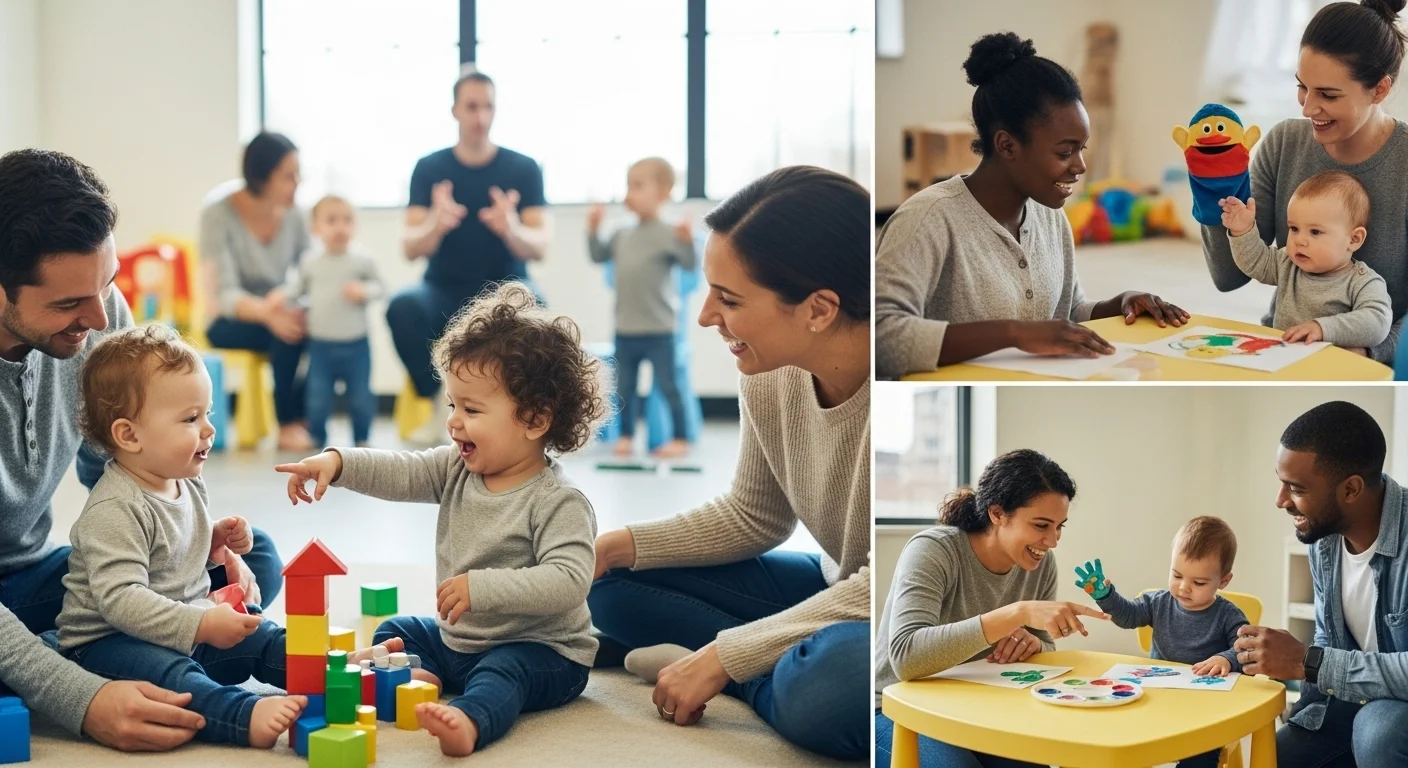
Understanding Social Communication Skills in Toddlers
What Are Social Communication Skills?
Social communication skills encompass how toddlers express themselves and interact with others. These skills include both verbal and non-verbal communication—how they use words, gestures, facial expressions, and body language to convey their thoughts and feelings. For instance, when my child waves goodbye or shares a toy, they’re not just being cute; they’re practicing essential skills that will help them communicate with friends and family.
Importance of Social Communication Skills for Toddlers
I can’t stress enough how vital these skills are for toddlers as they grow. Strong social communication skills lay the foundation for future relationships and academic success. When toddlers can express their needs and understand others, they’re less likely to feel frustrated or isolated. I’ve noticed that when my child interacts with peers, it not only boosts their confidence but also helps them develop empathy and teamwork skills. These early interactions teach them what it means to be part of a community, setting them up for positive social experiences in the future.
Signs of Developing Communication Skills
As a parent, I’m always on the lookout for signs that my toddler is developing their communication skills. Some signs include their ability to name familiar objects, follow simple directions, and engage in simple conversations. I remember when my toddler first started using two-word phrases—it was like a light bulb went off! Other signs can include pointing to things they want or using gestures to express feelings. These moments are thrilling; they show that my child is making progress in their ability to communicate effectively.
Play-Based Activities to Enhance Communication
Role-Playing Games
One of my favorite ways to help my toddler develop their communication skills is through role-playing games. We often dress up and pretend to be different characters, such as superheroes or animals. This imaginative play allows them to experiment with language and practice conversation in a stress-free environment. I’ve noticed that my child enjoys taking on various roles, which encourages them to use different vocabulary and expressions. For example, when pretending to be a doctor, they might say, “It’s time for your check-up!” This not only fosters creativity but also helps them learn how to communicate in different scenarios.
Interactive Storytelling
Interactive storytelling is another wonderful activity we’ve embraced. I love to read stories to my toddler, but we’ve found that taking it a step further makes it even more engaging. Instead of just reading the text, I ask questions about the illustrations or encourage them to predict what might happen next. This interactive approach has proven to be a delightful way for my child to express their thoughts and feelings. The more involved they are in the story, the more they want to talk about it. It truly brings the characters to life and makes communication a joyous experience.
Group Play Activities
Group play activities can be incredibly beneficial for boosting toddlers’ social communication skills. Organizing playdates with a few friends has brought so much joy to my child. Watching them navigate sharing toys and taking turns is both heartwarming and educational. I often see them negotiating who gets to play with a certain toy first. While it can be a bit chaotic, these moments are where real learning happens. They practice expressing their needs and emotions, and it often leads to laughter and bonding. Read Interesting article: Fun Activities to Boost Toddler Sharing Skills on Adventures
Creative Arts and Crafts
Engaging in creative arts and crafts is one of my toddler’s favorite activities. Not only does it stimulate their creativity, but it also provides a platform for them to communicate their ideas. I find that while we’re painting or crafting, they often describe what they’re making or ask questions about colors and shapes. This kind of interaction builds their vocabulary and confidence. When we create something together, like a collage, I encourage them to explain their artwork. It’s amazing how much they can express when they are passionate about what they are doing!
Structured Activities to Encourage Interaction
Circle Time Activities
Circle time has always been a fantastic way for my toddler to engage with peers in a structured setting. I remember when we started participating in a local playgroup that included circle time. It was amazing to see how my child learned to sit in a group, take turns speaking, and listen to others. We sing songs, share stories, and even pass around a talking stick to ensure everyone gets a chance to share. This simple structure fosters communication and teaches the value of listening, which is just as important as speaking. I noticed my toddler became more confident in expressing their thoughts, and I believe it has helped them understand the dynamics of group communication.
Group Singing and Dancing
Music is such a powerful tool for enhancing communication skills! I love incorporating group singing and dancing into our routine. Whether we’re at home or at a playgroup, singing familiar songs together creates a joyful atmosphere. I’ve seen my child not only learn new words but also express themselves through movement. Dancing along with others encourages them to observe and mimic actions, which can boost their non-verbal communication skills. I have to admit, watching them make up their own dance moves is one of my favorite sights. It’s an unfiltered expression of joy, and it opens up so many avenues for verbal and non-verbal communication.
Board Games for Toddlers
Board games designed for toddlers are a great way to teach communication in a fun way. We often pull out games that require taking turns and following simple instructions. Games like “Candy Land” or “Chutes and Ladders” have been a hit in our household. I find that while playing these games, my child learns to articulate their thoughts and feelings, especially when they win or lose! I encourage them to express their excitement or disappointment, which has been an essential part of their emotional development. Plus, playing together strengthens our bond and encourages cooperative play. It’s wonderful to witness them building their social skills while engaging in friendly competition.
Simple Team Sports
Incorporating simple team sports into our weekly routine has been another effective way to boost my toddler’s social communication skills. Whether it’s kicking a soccer ball or playing a game of catch, these activities teach important lessons about teamwork and collaboration. I remember the first time my child joined a toddler soccer class; they were a bit shy at first, but as they got comfortable, I could see them communicate with other kids by cheering each other on or passing the ball. It was thrilling to see them develop a sense of belonging while learning to communicate their needs and emotions. Engaging in sports not only enhances physical skills but also fosters friendships, making it a win-win situation!
Outdoor Activities for Social Skill Development
Playdates in the Park
One of my go-to activities for enhancing my toddler’s social skills is organizing playdates in the park. There’s something magical about the fresh air and open space that encourages kids to interact. When we invite friends over, I notice how much more willing my child is to share toys and engage in group games like tag or hide-and-seek. These playdates allow toddlers to navigate social interactions naturally, and I often hear my child enthusiastically calling out to friends, negotiating the rules of a game, or expressing excitement over a shared experience. It’s heartwarming to see friendships blossoming through these interactions.
Outdoor Treasure Hunts
Outdoor treasure hunts are another favorite of ours. I love setting up little scavenger hunts in our backyard or at the park, with clues that encourage my toddler to work with friends to solve puzzles. This activity not only sparks curiosity but also fosters teamwork and communication. I’ve noticed that as they search for hidden treasures, they learn to share ideas and listen to each other, which are crucial skills for effective communication. Plus, the thrill of discovering a hidden prize is a great motivator for them to engage with their peers!
Nature Walks and Exploration
Nature walks have become a cherished ritual for us. I believe that exploring the outdoors opens up so many communication opportunities. When we walk through a park or a nature trail, I encourage my child to observe their surroundings—flowers, birds, and even insects! Asking questions like, “What do you see?” or “How does that make you feel?” prompts them to express their thoughts and fosters a love for learning. It’s delightful to watch them point out interesting things and share their ideas about nature. These walks not only promote physical activity but also enhance their ability to articulate their observations and emotions.
Using Technology to Foster Communication Skills
Educational Apps for Toddlers
In today’s digital age, I find that certain educational apps can be wonderful tools for fostering communication skills in toddlers. We’ve discovered apps that focus on storytelling, vocabulary building, and interactive games that encourage verbal expression. I like to sit with my child while they navigate these apps, discussing what they see and hear. This shared experience allows me to guide their learning and encourage them to articulate their thoughts. It’s a great way to blend technology with meaningful interaction, and I believe it helps my child become more comfortable with language in various contexts.
Interactive Videos and Shows
There are also many interactive children’s shows that engage toddlers and prompt them to respond. We often watch programs that encourage audience participation, where my child can sing along or answer questions posed by the characters. I love how these shows invite children to think and respond, making them more active participants rather than passive viewers. It’s wonderful to see my toddler excitedly shouting answers or mimicking actions, which reinforces their communication skills while having fun!
Virtual Playdates
With technology, virtual playdates have become an option, especially when meeting up in person isn’t feasible. We’ve organized video calls with friends where the kids can play games, read stories, or even just chat. I’ve found that my toddler still enjoys connecting with peers this way, as they can share their toys and talk about their day. It’s been a fantastic way for them to maintain friendships and keep communicating, even from a distance. I think these virtual interactions have helped my child adapt to different forms of communication, which is a valuable skill in our increasingly digital world.
Tips for Parents to Encourage Social Communication
Modeling Communication Skills
One of the most impactful ways I’ve found to help my toddler develop their social communication skills is by modeling effective communication myself. I believe that children learn a lot by watching us, so I make a conscious effort to use clear language and express myself openly. When I talk about my day or share my feelings, I can see my child paying attention and absorbing those lessons. For instance, I might say, “I felt happy when we played at the park today!” This not only teaches them vocabulary but also shows them how to articulate their emotions. I’ve noticed that when I model these skills, my child feels more encouraged to express their own thoughts and emotions in similar ways.
Encouraging Turn-Taking and Sharing
Turn-taking and sharing are essential components of social communication, and I try to incorporate these practices into our daily activities. During playtime, whether we’re playing games or just engaging with toys, I emphasize the importance of taking turns. I often use a timer or a fun song to signal when it’s time to switch roles. For example, we play a game where we pass a ball back and forth, and I always cheer when it’s their turn. It’s amazing how this simple practice not only helps them learn patience but also encourages them to communicate their needs and feelings. I believe that these moments teach valuable lessons about respect and cooperation.
Creating a Safe and Supportive Environment
Fostering a safe and supportive environment is crucial for my toddler’s development. I want my child to feel comfortable expressing themselves without fear of judgment. I encourage open dialogue by being an attentive listener and validating their feelings. Whenever they attempt to express themselves, I make it a point to respond positively, even if they stumble over their words. For instance, if my child says, “I want… the bear!” I’ll respond with, “Oh, you want the bear! That’s great!” This reassures them that their efforts to communicate are recognized and appreciated. I’ve seen how this safe space allows my child to take risks with language and gradually become more confident in their communication skills.
When to Seek Professional Help
Signs Your Toddler May Need Extra Support
As a parent, I know how important it is to keep an eye on my child’s development. There are certain signs that might indicate a need for extra support in communication. If my child struggles to make eye contact or seems to have difficulty following simple directions, I take note. I also look for signs of frustration during communication attempts or if they consistently use gestures instead of words to express their needs. If I notice my toddler isn’t engaging in conversations with peers or seems to avoid social interactions, these are also red flags. I feel that being aware of these signs helps me to take proactive steps and seek guidance if necessary.
Resources for Parents
Finding the right resources can make a world of difference. I’ve discovered various parenting books, websites, and local community programs that focus on communication skills. Many libraries offer free workshops or parenting classes that provide tips and strategies for enhancing social skills in toddlers. Additionally, I’ve found online forums and groups where parents share experiences and advice. These resources create a sense of community and support, reminding me that I’m not alone in this journey. I encourage other parents to explore these options, as they can provide valuable insights and encouragement. Read Interesting article: Top Tips for Teaching Your Toddler Essential Communication Skills
Working with Speech-Language Pathologists
If I ever feel that my child needs more specialized help, I wouldn’t hesitate to consult a speech-language pathologist (SLP). These professionals can assess my child’s communication skills, identify any challenges, and create a tailored plan to support their development. I’ve learned that early intervention can be incredibly beneficial, and SLPs often incorporate play-based activities in therapy, making it fun for the child. I think it’s essential to view seeking help as a positive step towards helping our toddlers thrive socially. Knowing that support is available can alleviate some of the worries I feel as a parent, allowing me to focus on fostering a nurturing environment for my child.
Frequently Asked Questions
What are social communication skills in toddlers?
Social communication skills encompass how toddlers express themselves and interact with others, including both verbal and non-verbal communication, such as the use of words, gestures, facial expressions, and body language.
Why are social communication skills important for toddlers?
Strong social communication skills lay the foundation for future relationships and academic success, helping toddlers express their needs and understand others, which reduces frustration and isolation.
What are some signs that a toddler is developing communication skills?
Signs of developing communication skills include the ability to name familiar objects, follow simple directions, engage in simple conversations, use two-word phrases, point to things they want, and use gestures to express feelings.
What role do play-based activities have in enhancing communication skills?
Play-based activities such as role-playing games, interactive storytelling, and group play activities provide a fun environment for toddlers to experiment with language, practice conversation, and develop their social communication skills.
How can circle time activities benefit toddlers’ communication skills?
Circle time activities encourage toddlers to engage with peers, take turns speaking, listen to others, and participate in group discussions, which enhances their confidence and understanding of group communication dynamics.
What types of outdoor activities can help develop social skills in toddlers?
Outdoor activities like playdates in the park, treasure hunts, and nature walks provide opportunities for toddlers to interact, share, and communicate naturally while enjoying the benefits of fresh air and exploration.
How can technology be used to foster communication skills in toddlers?
Educational apps, interactive videos, and virtual playdates can help toddlers develop communication skills by engaging them in storytelling, vocabulary building, and prompting responses during interactive shows.
What are effective ways for parents to encourage their toddlers’ communication skills?
Parents can encourage communication skills by modeling effective communication, promoting turn-taking and sharing, and creating a safe and supportive environment where toddlers feel comfortable expressing themselves.
When should parents seek professional help for their toddler’s communication skills?
Parents should consider seeking professional help if their toddler shows signs such as difficulty making eye contact, following simple directions, engaging in conversations, or expressing needs through gestures rather than words.
What resources are available for parents seeking to improve their toddlers’ communication skills?
Parents can explore parenting books, websites, local community programs, workshops, and online forums that share experiences and advice, as well as consider consulting a speech-language pathologist for specialized support.
As a parent, understanding your toddler’s communication development stages can be both exciting and perplexing. Each stage is a remarkable milestone, revealing how our little ones learn to express themselves and engage with the world around them. Read Interesting article: How to Encourage Your Toddler’s Communication and Social Skills
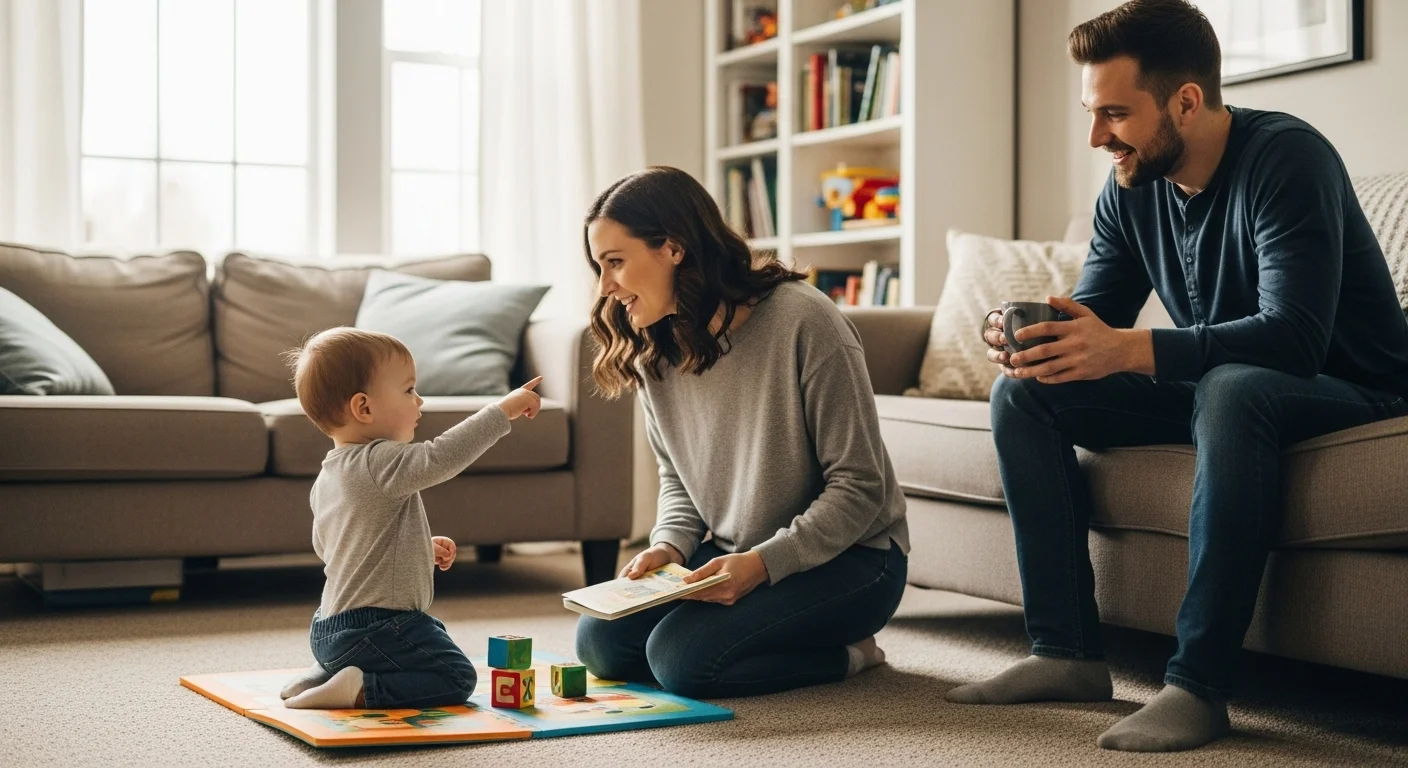
Overview of Toddler Communication Development
What is Communication Development?
Communication development in toddlers is a fascinating journey that encompasses the ways children express their needs, thoughts, and feelings. From the earliest coos and babbles to forming simple sentences, this progression is essential for their social and emotional growth. I’ve often found myself marveling at how my child transitioned from making sounds to actually saying “mama” and “dada,” and it made me realize just how crucial these stages are in shaping their ability to connect with others.
Importance of Communication Skills in Toddlers
The ability to communicate effectively is fundamental for toddlers as it impacts their social interactions, academic success, and overall emotional well-being. I’ve noticed that my child’s ability to express themselves not only eases frustrations but also fosters deeper connections with family and friends. When toddlers can communicate, they are more likely to engage in play, form friendships, and develop empathy. I remember one moment when my toddler shared their feelings about a new toy, and it opened up a whole new level of understanding between us. These skills lay the groundwork for their future relationships and learning experiences.
Key Stages of Communication Development in Toddlers
Stage 1: Pre-Linguistic Communication (0-12 Months)
During the first year of life, communication is largely non-verbal and pre-linguistic. Babies express themselves through crying, cooing, and babbling. I remember the first time my child cooed in response to my voice; it felt like a magical connection was formed. They begin to mimic sounds and show preferences through their reactions, like smiling or frowning. At this stage, it’s essential for parents to engage in back-and-forth interactions, as this helps build the foundation for future language skills.
Stage 2: Early Words and Gestures (12-24 Months)
As toddlers reach the one-year mark, they start to say their first words and use gestures, like pointing and waving. This was such an exciting time for me as a parent! I remember the thrill of hearing my child say “up” when they wanted to be picked up. During this stage, toddlers might have a vocabulary of around 50 words by the time they turn two. It’s also common for them to combine gestures with words, like waving goodbye while saying “bye!” Encouraging this development by naming objects and actions during daily activities can significantly enhance their vocabulary. Read Interesting article: Fun Activities to Boost Your Toddler’s Social Communication Skills
Stage 3: Two-Word Phrases (24-36 Months)
From age two to three, toddlers typically begin to string two words together to form simple phrases, like “more juice” or “big truck.” I found this stage particularly fascinating because it felt like my child was starting to express their thoughts more clearly. These two-word combinations are a significant step toward more complex language use. During this time, I tried to model and expand on their speech by adding context, such as saying, “Yes, a big red truck!” This not only validates their communication but also encourages further exploration of language.
Stage 4: Expanding Vocabulary (36-48 Months)
By the time they reach three to four years, toddlers usually have a vocabulary of several hundred words and can form more complex sentences. It’s amazing to see how quickly they learn! I remember days when my child would surprise me with new words or phrases they picked up from stories or conversations. They start to ask questions, engage in storytelling, and express feelings more clearly. This is a great time to introduce new vocabulary and concepts through books, songs, and conversations. I found that asking open-ended questions helped spark their imagination and encouraged them to elaborate on their thoughts.
Factors Influencing Communication Development
Environmental Factors
The environment plays a vital role in shaping a toddler’s communication skills. A rich language environment filled with conversations, songs, and stories can significantly enhance their language development. I’ve noticed that the more I talk to my child about our daily activities, the more engaged they become. Surrounding children with diverse language experiences creates a strong foundation for their communication skills.
Parental Interaction
Active parental interaction is crucial in the early stages of communication development. Engaging with your child through play and conversation fosters their confidence in expressing themselves. I remember sitting down with my child during playtime and narrating our activities, which encouraged them to respond and share their thoughts. These moments not only strengthen our bond but also enhance their language skills.
Early Exposure to Language
Early exposure to language, whether through reading books, singing songs, or simply conversing throughout the day, can make a significant difference. I’ve found that incorporating language-rich activities into our daily routine has helped my child’s communication skills flourish. The more they hear language in context, the more they grasp its nuances and rhythm.
Common Communication Milestones
Milestones for 12 Months
At around 12 months, I remember feeling a mix of excitement and pride as my child hit a significant communication milestone. By this age, many toddlers typically respond to their names and can say one or two simple words like “mama” or “dada.” They also start to understand simple instructions, which is a real game-changer for parents. I felt a sense of connection when my child would look at me when I said their name, as if we were communicating without words. This recognition is the first step toward more complex interactions and sets the stage for future language development.
Milestones for 18 Months
By 18 months, toddlers are usually bursting with personality and communication skills. I found that my child had expanded their vocabulary to about 10-25 words and was starting to use them more purposefully. They also began to point at things they wanted or were curious about, which felt like a small victory. This stage is all about exploration, and I loved watching my child express their desires. Understanding that gestures are just as important as spoken words was a revelation for me. It was a joyful moment when my toddler would point to a cookie jar and say “cookie” with such excitement!
Milestones for 24 Months
When my child turned two, I was amazed to see their language skills take off. At this age, they typically have a vocabulary of about 50 words and can combine two words to form simple phrases. I remember the first time my toddler said “more juice,” and it felt like we had unlocked a whole new level of communication. They also began using pronouns like “I” and “me,” which marked a significant step in their ability to express themselves. During this time, I made it a point to engage in conversations, asking questions and expanding on their phrases, which encouraged them to keep talking and exploring their language further. Read Interesting article: Top Tips for Teaching Your Toddler Essential Communication Skills
Milestones for 36 Months
When my child reached three years old, their vocabulary had grown to several hundred words, and I often found myself in awe of their ability to form more complex sentences. They started to share their thoughts and feelings more clearly, which made our conversations richer and more meaningful. I noticed they could ask open-ended questions and engage in storytelling, which was a delightful surprise. This stage is full of curiosity, and I loved how my child would ask “Why?” about everything they encountered. It was a wonderful opportunity for me to encourage their natural curiosity while nurturing their developing language skills.
Signs of Communication Delays
Identifying Delays in Speech and Language
As parents, we want the best for our children, and understanding the signs of communication delays is an essential part of that. I learned to be attentive to my child’s milestones and noticed when they weren’t meeting expected communication markers. If a toddler does not use any words by 15 months or shows minimal interest in communicating by 18 months, these may be signs of a delay. Other red flags can include not responding to their name or not following simple directions. In my experience, being proactive and observing these signs helped us address any potential concerns early on.
When to Seek Professional Help
If you suspect your child may be experiencing communication delays, I recommend seeking professional help sooner rather than later. Speech-language pathologists are trained to assess language development and can provide guidance tailored to your child’s needs. I remember feeling uncertain about reaching out, but it turned out to be a positive step. Professionals can offer strategies that can help enhance your child’s communication skills and ensure they have a solid foundation moving forward. Trusting my instincts and advocating for my child was one of the best things I did during this time.
Tips to Support Your Toddler’s Communication Skills
Encouraging Interaction and Play
One of the most effective ways I found to support my toddler’s communication skills was through interactive play. Engaging in activities that require turn-taking, like simple board games or role-playing, can really spark conversation. I made it a habit to comment on our play, describing what we were doing and asking open-ended questions. It was amazing to see how my child responded, often mirroring my language and adding their own flair. I believe that allowing them to take the lead in play also built their confidence in expressing themselves.
Reading and Storytelling
Reading books together became one of my favorite ways to bond with my child while supporting their language development. I found that choosing age-appropriate books with colorful pictures and engaging stories kept my toddler interested and excited. As we read, I would pause to discuss the pictures and ask questions like, “What do you think will happen next?” This not only enhanced their vocabulary but also fostered their imagination. I’ve seen how reading can open up a world of language and ideas, making it an invaluable tool in their development.
Using Everyday Situations to Promote Language
Incorporating language-rich experiences into our daily routine was another strategy that worked wonders. I made a conscious effort to narrate our activities, whether we were cooking, shopping, or playing outside. For example, I would describe the colors, shapes, and actions involved in our tasks. This simple practice not only kept my child engaged but also introduced new vocabulary in context. I found that utilizing everyday situations as opportunities for learning made communication feel natural and enjoyable, rather than forced.
Resources for Parents
Books and Educational Material
As a parent, I’ve found that books and educational materials can be some of the best resources for supporting our children’s communication skills. I remember browsing through the library and discovering a treasure trove of books specifically designed for toddlers. These books often focus on basic vocabulary, sounds, and rhythm, which are crucial during the early stages of language development. One of my favorites was a picture book with bright illustrations and simple text that made it easy for my child to connect words with images. I recommend looking for books that encourage participation, where your child can point or mimic actions, making reading a fun and interactive experience. It’s also helpful to choose resources that align with your child’s interests, as this can keep them engaged and eager to learn.
Speech and Language Development Programs
In addition to books, various programs focus on speech and language development, which can be incredibly beneficial. I remember enrolling my child in a local program that offered fun activities designed to promote language skills through songs, games, and storytelling. These programs usually have trained professionals who understand toddler development and can provide tailored guidance. If you can find something in your area, I highly recommend checking it out. I found that these programs not only supported my child’s language growth but also provided an opportunity to meet other parents and share experiences, which made me feel less alone in our journey.
Online Communities and Support Groups
Connecting with other parents through online communities and support groups has been a game-changer for me. I discovered a few forums and social media groups dedicated to child development and parenting, where parents share tips, resources, and their experiences. It was comforting to realize that many of us are navigating similar challenges. I’ve found that these communities can provide invaluable advice and encouragement, especially when it comes to communication development. Seeing others share their milestones and strategies motivates me to keep fostering my child’s growth. Additionally, some groups focus specifically on speech and language delays, offering a wealth of knowledge if you suspect your child might need extra support.
Encouraging Social Interaction
Playdates and Group Activities
One of the most effective ways to enhance my toddler’s communication skills has been through social interaction with peers. I noticed that arranging playdates or group activities allowed my child to practice their language skills in real-life situations. Watching them interact with other children was both entertaining and enlightening. I often saw how they would try to communicate their needs and feelings, which, in turn, helped them learn new words and phrases from their peers. I recommend finding local playgroups or community centers that offer children’s activities. These environments encourage natural conversation and make learning fun!
Encouraging Problem Solving through Interaction
Another aspect I found beneficial was encouraging my child to engage in problem-solving during play. Activities that require teamwork—like building blocks or completing puzzles—can stimulate conversations as kids work together. I remember one afternoon when my toddler and a friend were trying to fit shapes into a puzzle. They started discussing which shapes fit where, and their dialogue was filled with excitement and laughter. This kind of interaction not only fosters communication but also builds social skills and confidence in expressing thoughts. I believe incorporating problem-solving play into our routine can significantly enhance language development while providing a great bonding experience.
Creating a Language-Rich Environment
Labeling Objects and Actions
Creating a language-rich environment at home can greatly influence my child’s communication development. One simple yet effective strategy I found was labeling objects and actions around the house. For instance, I started putting labels on common items like “door,” “table,” and “chair,” and saying the words aloud as we interacted with them. I noticed that my child became more aware of their surroundings and began to recognize and name these objects. This practice not only enriches their vocabulary but also makes learning feel like a natural part of our daily life.
Encouraging Descriptive Language
Using descriptive language in our conversations has also proven to be invaluable. Instead of just saying, “Look at the dog,” I began saying things like, “Look at the big, fluffy dog!” I noticed that my child started to pick up on the adjectives, adding them to their own descriptions. This practice not only enhances vocabulary but also encourages them to express themselves more vividly. I often find joy in listening to my child describe things in their own unique way, and it reminds me of the importance of encouraging detailed communication.
Recognizing Individual Differences
Understanding Each Child’s Pace
Every child develops at their own pace, and this is something I’ve learned to embrace. I noticed that while my child was on track with some communication milestones, they needed more time in other areas. It’s crucial for us as parents to understand that these differences are completely normal. I remember feeling a bit anxious when I compared my child to others, but I soon realized that every child has their own unique journey. This understanding helped me appreciate their individual progress and celebrate each small victory along the way.
Supporting Different Learning Styles
Some children may respond better to visual cues, while others thrive through auditory experiences. I’ve seen how my child learns best through hands-on activities, so I’ve adapted my approach accordingly. By providing a mix of visual, auditory, and kinesthetic learning opportunities, I’ve been able to support their language development more effectively. Whether it’s through songs, arts and crafts, or interactive games, finding what works for my child has been a rewarding experience. I encourage other parents to observe their child’s reactions and adapt their strategies to suit their unique learning style.
Frequently Asked Questions
What are the key stages of communication development in toddlers?
The key stages of communication development in toddlers include: 1. Pre-Linguistic Communication (0-12 Months) – non-verbal expressions like crying and babbling. 2. Early Words and Gestures (12-24 Months) – saying first words and using gestures. 3. Two-Word Phrases (24-36 Months) – combining two words to form simple phrases. 4. Expanding Vocabulary (36-48 Months) – forming more complex sentences and expanding vocabulary.
Why are communication skills important for toddlers?
Communication skills are fundamental for toddlers as they impact social interactions, academic success, and emotional well-being. Effective communication helps toddlers express themselves, ease frustrations, and form deeper connections with family and friends.
What are some common communication milestones for toddlers?
Common communication milestones include: – At 12 months: Recognizing names and saying one or two words. – At 18 months: Expanding vocabulary to about 10-25 words and using gestures. – At 24 months: Having a vocabulary of about 50 words and combining two words. – At 36 months: Developing a vocabulary of several hundred words and forming complex sentences.
How can parents support their toddler’s communication skills?
Parents can support their toddler’s communication skills by encouraging interaction and play, reading and storytelling, and using everyday situations to promote language. Engaging in conversations, describing activities, and asking open-ended questions can enhance language development.
What role does the environment play in a toddler’s communication development?
The environment significantly influences communication skills. A language-rich environment filled with conversations, songs, and stories can enhance a toddler’s language development. Engaging toddlers in discussions about daily activities helps them become more engaged and learn effectively.
What are signs of communication delays in toddlers?
Signs of communication delays include not using any words by 15 months, showing minimal interest in communication by 18 months, not responding to their name, or not following simple directions. Parents should be attentive to these signs and seek professional help if needed.
When should parents seek professional help for communication delays?
Parents should seek professional help if they suspect their child may have communication delays. Consulting with speech-language pathologists can provide tailored guidance and strategies to enhance the child’s communication skills.
What activities can encourage social interaction in toddlers?
Activities such as arranging playdates, group activities, and problem-solving games can enhance social interaction in toddlers. These experiences allow children to practice language skills in real-life situations and foster communication with peers.
How can labeling objects and actions help in a toddler’s communication development?
Labeling objects and actions around the house helps toddlers become more aware of their surroundings and recognize names of items. This practice enriches their vocabulary and integrates learning into daily life, making it feel natural and enjoyable.
What is the importance of recognizing individual differences in communication development?
Recognizing individual differences in communication development is crucial as every child develops at their own pace. Understanding and embracing these differences allows parents to appreciate their child’s unique journey and support their specific needs effectively.
Creating a strong bond with your newborn is a beautiful journey filled with love and connection. Engaging in fun physical activities can deepen that bond and support your baby’s development. For more insights on emotional bonding, check out Top Emotional Bonding Techniques for Newborns on the Go.
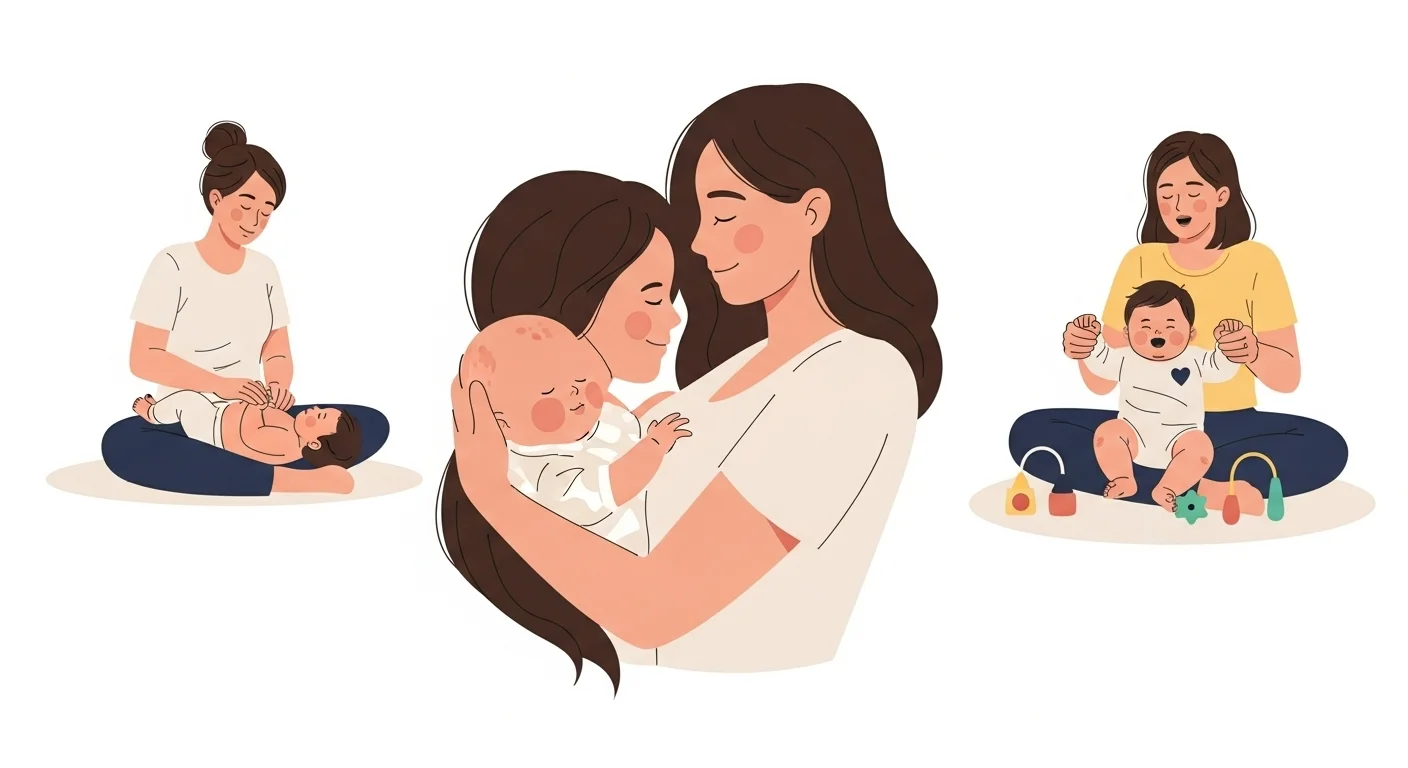
Understanding Physical Bonding with Newborns
When I first held my newborn, it felt like magic. I realized that physical bonding goes beyond just holding them close; it’s a vital part of building a loving relationship. Physical bonding is essentially the connection formed through touch and interaction, and for newborns, it plays a crucial role in their emotional and physical development.
Importance of Physical Bonding
From my experience as a parent, I’ve found that physical bonding is not just important—it’s essential. Newborns rely on their caregivers for everything, and feeling secure in our presence is a huge part of their growth. Physical bonding helps babies learn to trust and feel safe in their environment. Each hug, cuddle, and touch sends a signal to their developing brain that they are loved and cared for.
Research shows that when we engage in physical bonding with our newborns, it helps regulate their stress levels and promotes emotional well-being. I remember feeling that my baby responded to my touch and presence, which reassured me that we were building a strong foundation for our relationship. For further reading on physical milestones, see Navigating Newborn Physical Milestones: What to Expect.
Benefits for Baby Development
Physical bonding activities have remarkable benefits for a newborn’s development. I’ve seen how my baby thrived with simple interactions. For instance, skin-to-skin contact can help regulate their body temperature and heart rate. In the early days, I often held my little one against my chest, and I noticed how calming it was for both of us. It creates a sense of security that aids in their overall growth.
Moreover, engaging in physical activities promotes brain development. When we play and interact, we stimulate their senses, which is crucial in these early stages. I remember how my baby’s eyes would light up during tummy time or when I sang silly songs while dancing around the room. Those moments not only helped with their cognitive development but also created joyful memories.
Benefits for Parents
Let’s not forget the benefits for us as parents! Engaging in physical bonding activities is incredibly rewarding. I found that those moments of connection with my baby helped ease my own stress and anxiety. The laughter, smiles, and shared experiences foster a sense of joy and fulfillment that is hard to describe. It’s almost like a two-way street; while I was nurturing my baby, I was also nurturing myself.
Additionally, physical bonding can strengthen our confidence as caregivers. I remember feeling more in tune with my baby’s needs and cues as we engaged in these activities together. It was like we were learning about each other and building a relationship based on trust and love. This connection made it easier for me to respond to my baby’s needs and foster a deeper understanding of their personality.
Moreover, sharing these bonding experiences with other caregivers or family members can create a supportive network. I often invited family to join in these activities, which not only formed a strong bond with my baby but also helped us all feel more connected as a family. It reminded me that parenting is a shared journey, and involving others can enrich our experience.
Physical bonding is an essential part of the early stages of parenthood. It helps create a deep connection with your newborn, while also benefiting their development and your own emotional well-being. As we dive deeper into this topic, I’m excited to share some fun physical bonding activities that you can try with your little one. These moments don’t just create lasting memories; they lay the groundwork for a loving relationship that will flourish as your baby grows. Next up, let’s explore my top ten fun physical bonding activities for newborns!
Top 10 Fun Physical Bonding Activities
Now that we understand the importance of physical bonding, I’m thrilled to share some engaging activities that can help strengthen that connection with your little one. These activities are not only fun, but they’re also effective in promoting your baby’s development while deepening your bond. Let’s dive into my top ten favorite physical bonding activities!
1. Skin-to-Skin Contact
One of my absolute favorites is skin-to-skin contact. This simple act of holding your baby against your bare chest is incredibly powerful. I remember how calm and secure my baby felt when I did this. It’s amazing how it helps regulate their body temperature and heart rate, not to mention enhancing emotional bonding. The warmth of your skin provides comfort, creating a safe space for them to thrive.
2. Gentle Baby Massage
Another delightful activity is gentle baby massage. I found this to be a wonderful way to connect with my baby while also soothing them. Using a little baby oil or lotion, I would gently stroke my baby’s arms, legs, and back. It not only helped relax them but also enhanced their sensory experience. You could see their little faces light up as I talked and sang softly during the massage—it was a beautiful way to bond.
3. Tummy Time
Tummy time is essential for your baby’s physical development, and it’s a fantastic bonding opportunity, too. I remember laying my baby down on a soft mat, propping myself up beside them, and making funny faces or using toys to keep their attention. It’s so rewarding to see them strengthen their neck and shoulder muscles while spending quality time together. Plus, those giggles and smiles make it all worth it!
4. Baby Wearing
Baby wearing is another great way to bond while keeping your hands free. I loved using a baby carrier or wrap to keep my little one close. It allowed me to engage in everyday activities while having them snuggled up to me. The closeness not only comforted my baby but also made me feel more connected. Whether I was cooking or going for a walk, it was a win-win situation.
5. Singing and Dancing
Who doesn’t love a little music, right? Singing and dancing with your baby is an absolute joy. I would hold my baby in my arms and dance around the living room, belting out silly songs. It’s such a fun way to stimulate their senses and get them moving. Plus, it creates happy memories that both of you will cherish. I noticed my baby would respond with coos and smiles, and those moments made my heart swell.
6. Baby Yoga
Baby yoga is a fantastic way to engage with your little one while promoting flexibility and strength. I remember rolling out a soft mat and gently guiding my baby through simple stretches and movements. This not only helped with their physical development but also encouraged a sense of calmness. It felt like a shared experience that brought us closer while also being wonderfully relaxing for both of us.
7. Bathtime Fun
Bath time became one of our favorite bonding moments. I loved splashing around with my baby in the warm water. We played with bath toys, sang songs, and enjoyed the sensory experience of water. It was a joyful time filled with laughter and smiles. I found that this not only made my baby feel safe and loved but also allowed me to enjoy the playful side of parenting.
8. Interactive Play with Toys
Engaging in interactive play with colorful toys was always a hit. I would pull out soft blocks, rattles, or plush toys, and watch my baby’s eyes light up. I loved making funny sounds or moving the toys in different ways to capture their attention. This kind of play promotes cognitive development while offering a wonderful opportunity for bonding. I could see how they learned to reach and grasp, and it was amazing to witness their curiosity unfold.
9. Reading Together
Reading together is another enriching activity that combines bonding with learning. I made it a habit to snuggle up with my baby and read colorful picture books. Even though they were too young to understand the words, I noticed how captivated they were by the images and the sound of my voice. It felt like we were sharing a special world together. This not only nurtured our connection but also set the stage for a lifelong love of reading.
10. Nature Walks with the Baby
Finally, I can’t recommend enough the joy of nature walks with your baby. I would put my little one in a stroller or a baby carrier and head out for a stroll in the park. The fresh air and natural surroundings create a soothing environment for both of us. I loved pointing out the trees, flowers, and birds while talking to my baby about everything we saw. These walks became a peaceful way to bond while introducing my baby to the beauty of the world around us.
Each of these activities has its unique charm and benefits, and they all offer wonderful opportunities to connect with your newborn. I encourage you to find a few that resonate with you and make them a regular part of your routine. As we continue this journey together, let’s explore when to start these activities for maximum benefit!
When to Start These Activities
Newborn Stage (0-3 Months)
Starting physical bonding activities with your newborn is something I found to be both exciting and essential. In those early days, from birth to about three months, my baby was still getting accustomed to the world outside the womb. This is when I learned that engaging in gentle, nurturing activities was vital for establishing a connection. Skin-to-skin contact, which I mentioned earlier, is particularly beneficial during this stage. It’s like introducing your little one to the warmth of love and safety they felt in the womb.
During this time, I focused on activities that were simple yet effective. Gentle baby massages can be introduced right from day one. I remember how calming it was for both of us. The key is to be attentive to your baby’s cues—if they seem relaxed, you’re on the right track. I also found tummy time to be a great way to bond. While it’s essential for their physical development, it also became a cherished time for us to engage and interact. Laying on the floor with my little one, making silly faces or using soft toys to keep their attention, provided not just a developmental benefit but also a wealth of joyful moments that I cherish.
Infant Stage (3-12 Months)
As my baby grew into the infant stage, around three to twelve months, I noticed they became more alert and responsive, which opened up a whole new world of bonding opportunities. This was when I could introduce more dynamic activities. Baby yoga became one of our favorites during this stage. The gentle movements and stretches were not only fun for my baby but also helped with their growing motor skills. I felt such joy in watching them discover their body’s abilities.
Reading together also blossomed during these months. I could see my baby’s eyes widen in awe at the colorful pictures and hear them coo in response to my voice. It was incredibly rewarding to share this experience, knowing that I was helping lay the foundation for their future love of books and learning. Nature walks became even more exciting too, as my little one could start to enjoy the sights and sounds of the world around us. I would often narrate our journey, pointing out trees or birds, and it felt like we were sharing a magical experience together.
During this time, I also realized that consistency was key. I tried to incorporate these bonding activities into our daily routine, and I found that it made both of us feel more secure. As my baby began to reach and grasp, I introduced more interactive play with toys, which became a highlight of our days. The laughter and smiles during these moments were priceless, and I felt our bond strengthen with every interaction.
Safety Tips for Physical Bonding Activities
Creating a Safe Environment
When engaging in physical bonding activities, ensuring a safe environment is crucial. I remember being especially cautious about the surfaces where I practiced tummy time or baby yoga. Using a soft mat was essential to prevent any accidental bumps or falls. I also made sure that the room was free of any hazards, like sharp objects or small items that could pose a choking risk. It gave me peace of mind knowing that my baby could explore and play freely in a secure space.
During bath time, I took extra precautions as well. Always keeping one hand on my baby while they splashed around made it easier to ensure they were safe. I learned to keep the water at a comfortable temperature and had all bath toys within reach before getting in. It was all about creating a joyful, yet safe experience that we could both enjoy without worry.
Understanding Baby Cues
Understanding your baby’s cues is another vital aspect of physical bonding activities. Every baby is unique, and I quickly learned to pay attention to my little one’s signals. If they squirmed or turned their head away during an activity, it was a sign to pause or switch to something else. I found that when I tuned into their needs, our bonding experiences became even more rewarding. It helped me feel more connected and responsive as a parent.
For instance, during tummy time, if my baby started fussing, I would gently lift them up and switch to a cuddling session instead. This showed them that I was attentive to their feelings, and in turn, it built trust in our relationship. It’s all part of the beautiful journey of parenthood—learning and adapting alongside your little one. These moments reinforce the bond we’re creating, making every activity not just a fun experience, but a meaningful one.
FAQs about Physical Bonding Activities
How often should I engage in bonding activities?
When I think about bonding activities, I feel like consistency is key. From my experience, engaging in these activities daily, even if just for a few minutes, can make a huge difference. Whether it’s a quick tummy time session or a gentle baby massage, these moments don’t need to be long to be impactful. I aimed for at least one bonding activity each day, and over time, I noticed how it strengthened our connection. It’s all about finding a rhythm that works for you and your baby.
What if my baby doesn’t seem to enjoy the activities?
This is a concern many parents face, and I totally understand. I remember my baby having days when they just didn’t want to cooperate. It’s important to remember that every baby is different, and their preferences can change from day to day. If your little one isn’t enjoying a particular activity, don’t be discouraged. I found that sometimes, simply switching to a different activity or even taking a break can work wonders. Pay attention to their cues and be flexible. The key is to keep it light and fun; if your baby seems upset, it’s perfectly okay to try again later.
Are there any activities to avoid?
Yes, there are definitely some activities that I learned to avoid, mainly for safety reasons. For example, I never attempted any physical activities that required my baby to be unsupported before they were ready. Activities like bouncing or any fast movements can be overwhelming for a young baby. Always ensure that any physical activity is age-appropriate and safe. I also learned to avoid overstimulation—too many loud noises or bright lights can be unsettling. Listening to my baby’s reactions helped me create a comfortable environment where we could bond without stress.
Final Thoughts
Physical bonding with your newborn is a remarkable experience that lays the foundation for a loving relationship. I’ve shared my personal journey, and the activities that worked for us, but each parent and baby duo is unique. I believe that the key lies in being present, responsive, and attuned to your little one’s needs. Creating these joyful moments is not just about building a connection; it’s also about cherishing the beautiful journey of parenthood.
So, whether it’s through skin-to-skin contact, gentle massages, or laughter-filled playtime, I encourage you to embrace these bonding activities with an open heart. They are more than just tasks; they are opportunities to create lasting memories and nurture a loving relationship that will flourish as your baby grows. Remember, it’s never too late to start fostering that bond, and every little effort counts. Here’s to the magic of parenting and the special connections we build with our little ones! For more information on understanding key physical milestones, visit Understanding Your Newborn’s Key Physical Milestones.
Finding affordable and fun activities for toddler playdates can be a delightful adventure! Engaging little ones in meaningful play not only helps them have fun but also fosters their development in various ways. For more guidance, check out Essential Tips for Successful Toddler Playdates on a Budget.
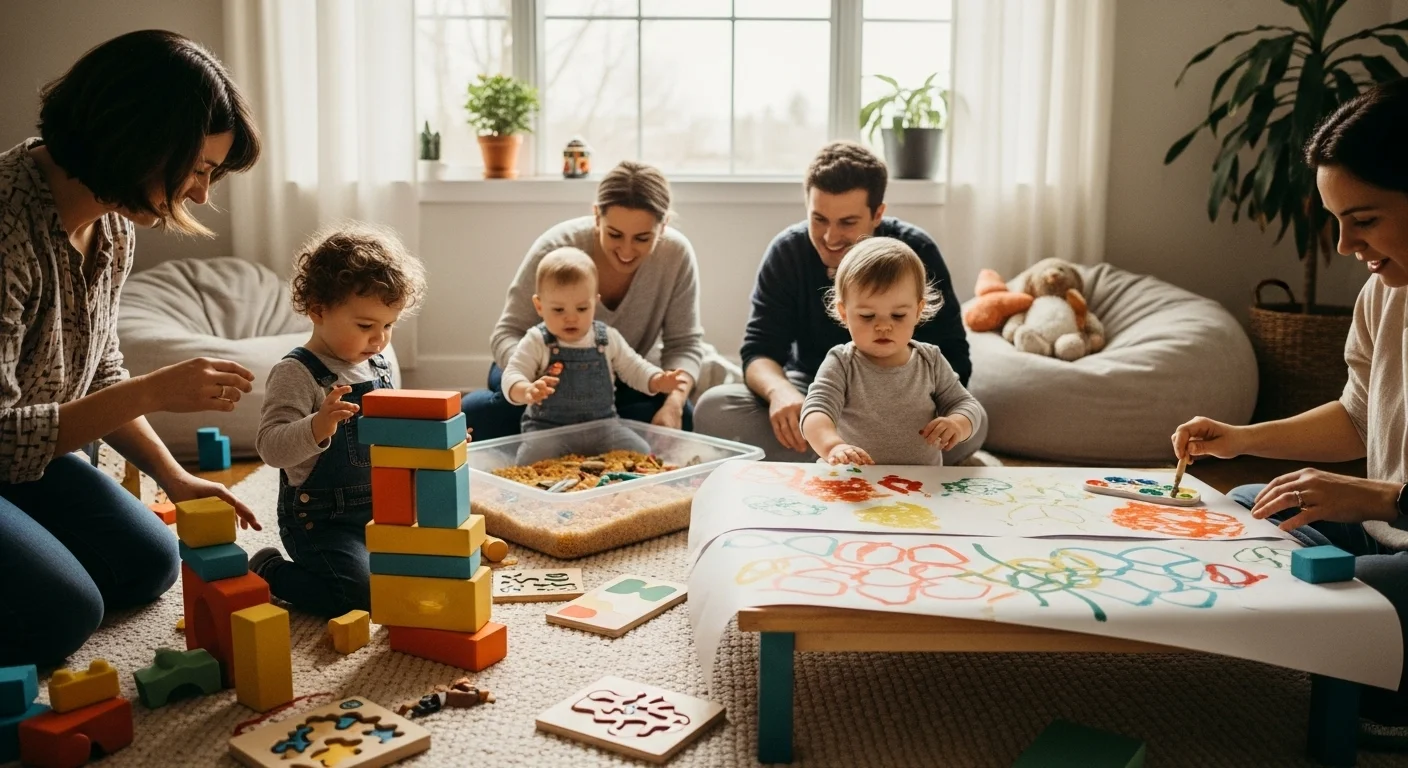
Understanding Toddler Development and Play
The Importance of Play in Early Childhood
When I think about my toddler’s development, I often reflect on how crucial play is during these early years. Play isn’t just about having fun; it’s a vital part of a child’s growth. I’ve seen how my little one eagerly explores the world around them through play, learning about everything from colors to shapes. Play allows toddlers to express themselves and understand their emotions. In my experience, when they engage in play, they also build confidence. I remember a day at the park when my child tried climbing a small slide for the first time. The joy on their face when they made it to the top was priceless!
Social Skills Development through Interaction
One of the most beautiful things about play is how it nurtures social skills. I’ve noticed that when my toddler interacts with other children, they start to share, take turns, and even negotiate. It’s fascinating to observe these little interactions. For instance, during a playdate, I watched my child hand over a toy to a friend, and in return, they received a colorful block. This exchange was more than just a transaction; it was a learning moment. I believe that through these interactions, toddlers learn empathy and the basics of friendship. Social play teaches them how to communicate, express feelings, and resolve conflicts, which are essential skills they will carry into adulthood. You can learn more about enhancing these skills in my article on Top Budget Travel Tips to Enhance Toddler Social Interaction.
Physical Activity and Motor Skills
Physical activity is another key component of toddler play. I can’t tell you how many times I’ve been amazed by my child’s boundless energy! Whether they’re running around in the backyard or climbing at the playground, every jump and skip is building their motor skills. I remember participating in a playdate where we set up a mini obstacle course. The joy on their faces as they navigated through tunnels and crawled under ropes was contagious! Not only did this keep them physically active, but it also improved their coordination and balance. I think it’s so important to encourage these types of activities because they help toddlers develop strong, healthy bodies while having a blast.
Budget-Friendly Playdate Locations
Local Parks and Playgrounds
When I think about playdate locations, one of the first places that comes to mind is our local park. Parks are often free and filled with opportunities for exploration. I love watching my toddler run freely, climb, and meet new friends at the playground. The best part? It’s a great way for parents to connect, too. On sunny afternoons, my friends and I often gather at the park, allowing the kids to play while we chat and enjoy the fresh air. There’s something so refreshing about being outdoors, and I’ve found that parks provide an endless supply of entertainment for toddlers.
Community Centers and Libraries
Community centers and libraries are hidden gems for affordable playdates! I’ve visited our local library several times for story hours and toddler-friendly activities. It’s amazing how many resources they offer for free! The storytelling sessions not only keep my child engaged but also help develop their listening skills and imagination. I also discovered that many community centers host playgroups and events specifically tailored for toddlers. These gatherings are fantastic as they often include crafts, games, and other interactive activities without breaking the bank.
Backyards and Home Spaces
If you’re looking for a cozy and familiar setting, hosting playdates in your backyard or home can be just as fun! I have fond memories of inviting friends over, setting up a small play area with toys, and watching the kids enjoy themselves. We often bring out blankets and snacks, turning our backyard into a little picnic paradise. I’ve even set up a simple water play station during hot days. It’s affordable and allows the kids to have fun while splashing around. I recommend keeping it simple and letting the children lead the play, as they often come up with the most creative games.
Creative Indoor Activities for Toddlers
Arts and Crafts Projects
I’ve always found that arts and crafts projects can be some of the most rewarding activities for playdates. Not only do they spark creativity, but they also keep little hands busy! I remember one rainy afternoon when my toddler and their friend decided to get crafty with some paints and paper. We set up a small table in the living room, covered it with newspaper, and let them explore the world of color. We used safe, washable paints, and I encouraged them to create whatever their imaginations could conjure. Watching them proudly show off their masterpieces was incredibly heartwarming! I believe that working on crafts together helps toddlers learn about colors, shapes, and even fine motor skills as they grasp the brushes and manipulate different materials.
Simple Science Experiments
Science doesn’t have to be complicated, especially for toddlers! I’ve discovered that simple science experiments can be a fun way to introduce kids to basic concepts while keeping their curiosity piqued. One of my favorite experiments involved making a homemade volcano with baking soda and vinegar. The look of amazement on my child’s face as the “lava” erupted was unforgettable! We also explored mixing colors with water and food coloring, watching as they swirled into new shades. These experiments not only entertain but also encourage children to ask questions and think critically about the world around them. It’s a delightful way to combine learning with play, and I highly recommend trying it during your next playdate!
Storytime Sessions and Puppet Shows
There’s something magical about storytelling that captivates young minds. I love organizing storytime sessions during playdates. We gather a cozy blanket, pile up some cushions, and take turns reading our favorite books. Sometimes, my friends and I even create our own stories, letting our imagination run wild. I’ve noticed that this not only improves their listening skills but also boosts their vocabulary. To make it even more engaging, I’ve incorporated puppet shows. After reading a story, we use simple sock puppets to act it out. The joy in their eyes as they mimic the characters is priceless! It’s a wonderful way to spark their creativity and encourage them to express themselves.
Outdoor Activities that Encourage Interaction
Nature Walks and Scavenger Hunts
Taking playdates outdoors is one of my favorite ways to encourage interaction among toddlers. Nature walks are not only a great form of exercise, but they also offer endless opportunities for exploration. I’ve often organized simple scavenger hunts in our neighborhood park or even in our backyard. We create a list of things to find, like a leaf, a flower, or a smooth rock. Watching the kids’ excitement as they search for items is delightful! It fosters teamwork as they help each other locate treasures, and it’s a fantastic way to teach them about nature. I feel these activities help them develop observational skills and an appreciation for the environment.
Group Games and Relay Races
Group games can be a blast, especially when everyone gets involved! I remember hosting a playdate where we set up a few simple relay races in the backyard. The kids were split into teams, and they took turns running from one point to another while balancing a beanbag on their heads. The laughter and cheers filled the air as they encouraged each other, and I could see how much they enjoyed working together. These types of games are not only fun but also help develop physical skills and team spirit. Plus, they teach valuable lessons about friendly competition and cooperation.
Gardening and Planting Activities
Gardening might seem like an adult activity, but I’ve found that toddlers can genuinely enjoy it too! A while ago, I decided to involve my child and their friends in planting some flowers and vegetables in our garden. We dug holes, placed the seeds in, and covered them with soil. I loved seeing their little hands in the dirt, planting seeds and watering them afterward. It was a beautiful way to teach them about nature and where our food comes from. I believe that nurturing plants helps toddlers understand responsibility and the importance of caring for living things. Plus, it’s exciting for them to watch their plants grow over time!
Affordable DIY Playdate Ideas
Homemade Obstacle Courses
One of the most exciting activities we’ve done during playdates is creating homemade obstacle courses right in our backyard. I remember one sunny Saturday when my child and a couple of friends transformed our space into an adventurous course. We used chairs, cushions, and even some hula hoops to create various challenges. The kids dashed through tunnels made of blankets, crawled under tables, and jumped over small obstacles. It was incredible to see them so engaged and active! Not only did this promote physical activity, but it also encouraged problem-solving as they figured out how to navigate each obstacle. I believe these courses foster creativity and teamwork, as the kids worked together to improve their course and cheer each other on.
Cooking and Baking Together
Cooking and baking can be such a delightful way to spend time with toddlers! I’ve found that little ones love getting hands-on in the kitchen. One rainy day, I decided to invite some friends over to bake cookies. We chose a simple recipe that allowed the kids to mix ingredients and shape the dough into fun forms. Seeing them get excited about adding sprinkles and chocolate chips was priceless! I feel that cooking together promotes not only fine motor skills but also introduces basic math concepts like measuring and counting. Plus, the best part is enjoying the delicious treats together afterward! It’s an experience that combines learning, fun, and, of course, yummy results.
Dress-Up and Imaginative Play
Imaginative play is another fantastic way to engage toddlers during playdates. I love having a collection of costumes and props on hand for dress-up sessions. One time, we set up a mini theater in our living room, and the kids dressed up as their favorite characters. They took turns creating stories, acting out scenes, and even putting on a little show for us parents. Watching their creativity unfold was so enjoyable! I believe that dress-up play helps nurture their imagination and boosts their confidence as they take on different roles. It’s also a wonderful opportunity for them to learn about storytelling and expression.
Tips for Organizing Successful Playdates
Setting Up a Safe Environment
Safety is always my top priority when organizing playdates. I remember the first time I hosted friends at our home; I made sure to child-proof the area by removing any sharp objects, covering electrical outlets, and securing furniture to the wall. I also cleared away any fragile items that could be easily knocked over. I think creating a safe play environment allows everyone to relax and focus on having fun. I recommend making a quick checklist of potential hazards before each playdate, so you can feel confident that your space is ready for little explorers!
Creating a Schedule and Structure
While I love the spontaneity of playdates, I’ve learned that having a loose schedule can be very helpful. I usually plan a few activities or games to keep the kids engaged, but I also allow for plenty of free playtime. I’ve noticed that when there’s some structure, the kids tend to feel more secure and know what to expect. For example, we might start with an organized game, then move on to crafts, and finally have some time to explore and play independently. This balance helps keep the energy flowing and ensures everyone has a great time.
Managing Group Dynamics and Conflict Resolution
As any parent knows, playdates can sometimes lead to conflicts. I’ve experienced my fair share of disagreements over toys or space during these gatherings. What has helped me is stepping in calmly to facilitate. I believe it’s essential to teach toddlers about sharing and taking turns in a gentle manner. I encourage them to use their words to express their feelings and help them find solutions. For example, if two kids want the same toy, I suggest they take turns or find a different toy to play with together. These moments can be great teaching opportunities, and I’ve found that with a little guidance, kids can learn to navigate conflicts amicably.
Utilizing Community Resources
Playgroups and Parent Associations
One of the best resources I discovered as a parent was joining local playgroups and parent associations. These groups are fantastic for meeting other families and organizing playdates. I remember attending my first playgroup meeting and feeling welcomed by a community of like-minded parents. We shared tips about activities, exchanged contact information, and even coordinated larger playdates. I think getting involved in these community resources not only benefits our kids by providing social opportunities, but it also helps us parents build friendships and support systems.
Local Events and Festivals for Kids
Another excellent way to keep playdates exciting is to stay informed about local events and festivals aimed at kids. I’ve taken my toddler to several community fairs where there are games, crafts, and performances tailored for young children. These events are usually affordable, and the excitement on my child’s face when they get to participate in various activities is always worth it. I believe that engaging in community festivities helps toddlers feel connected to their surroundings while learning about different cultures and experiences!
Free Workshops and Classes for Toddlers
Many libraries, community centers, and local businesses host free workshops and classes for toddlers. I’ve enrolled my child in a few art and music classes offered at our community center, and it has been an enriching experience. These classes not only provide an opportunity for learning but also allow children to interact with peers in an organized setting. I think it’s wonderful to take advantage of these free resources because they expose kids to new activities and skills while keeping costs low for parents. Plus, it’s an excellent way to break up the routine and discover new interests!
Health and Safety Considerations
Age-Appropriate Activities
When planning playdates, I always consider the age and developmental stages of the kids involved. It’s important to choose activities that are suitable for their abilities. For example, I’ve learned that toddlers have varying attention spans, so I try to keep activities short and engaging. I also think about safety by ensuring that toys and games are age-appropriate and free from small parts. This way, everyone can participate happily and safely.
Allergy Awareness and Snack Preparation
Snack time can be a highlight of playdates, but I always make sure to be aware of any food allergies. I remember one time when a friend mentioned her child had a peanut allergy, and it made me realize the importance of checking with other parents before providing snacks. I usually opt for simple, healthy snacks like fruit, cheese, or crackers that are safe for most kids. I also involve the toddlers in snack preparation, which adds an element of fun and teaches them about healthy eating!
Supervision and Safety Protocols
Finally, I can’t stress enough the importance of supervision during playdates. I always make sure there are enough adults around to keep an eye on the little ones, especially when they are engaged in active play. I’ve found that having a designated play area helps us keep track of everyone. I also talk with my child about safety rules, such as not running inside and asking for help if they feel overwhelmed. This not only keeps kids safe but empowers them to be aware of their surroundings.
Frequently Asked Questions
What is the importance of play in early childhood?
Play is a vital part of a child’s growth, allowing toddlers to explore the world, express themselves, understand their emotions, and build confidence.
How does play help develop social skills in toddlers?
Through play, toddlers learn to share, take turns, negotiate, and develop empathy, which are essential skills for friendship and communication.
What are some budget-friendly locations for toddler playdates?
Local parks, community centers, and libraries are great budget-friendly locations for playdates, offering opportunities for exploration and organized activities.
What are some creative indoor activities for toddlers during playdates?
Arts and crafts projects, simple science experiments, and storytime sessions with puppet shows are excellent creative indoor activities for toddlers.
How can outdoor activities encourage interaction among toddlers?
Outdoor activities such as nature walks, scavenger hunts, group games, and relay races encourage interaction by fostering teamwork and physical activity.
What are some affordable DIY playdate ideas?
Homemade obstacle courses, cooking and baking together, and dress-up and imaginative play are fun and affordable DIY ideas for playdates.
What tips can help in organizing successful playdates?
Creating a safe environment, establishing a loose schedule, and managing group dynamics and conflict resolution are key to successful playdates.
How can community resources benefit playdates?
Joining local playgroups, attending local events and festivals for kids, and enrolling in free workshops and classes provide social opportunities and enrich playdates.
What health and safety considerations should be kept in mind for playdates?
Consider age-appropriate activities, be aware of food allergies for snack preparation, and ensure proper supervision and safety protocols during playdates.
How can parents incorporate learning into playdate activities?
Parents can incorporate learning by engaging toddlers in arts and crafts, simple science experiments, and cooking, which promote creativity and foundational skills.
Motor skills development is a fascinating journey that begins at birth. These skills are crucial for your little one’s growth, impacting their ability to explore and interact with the world around them. To learn more about the key stages in this process, check out Unlocking Your Newborn’s Potential: Motor Skills Milestones.
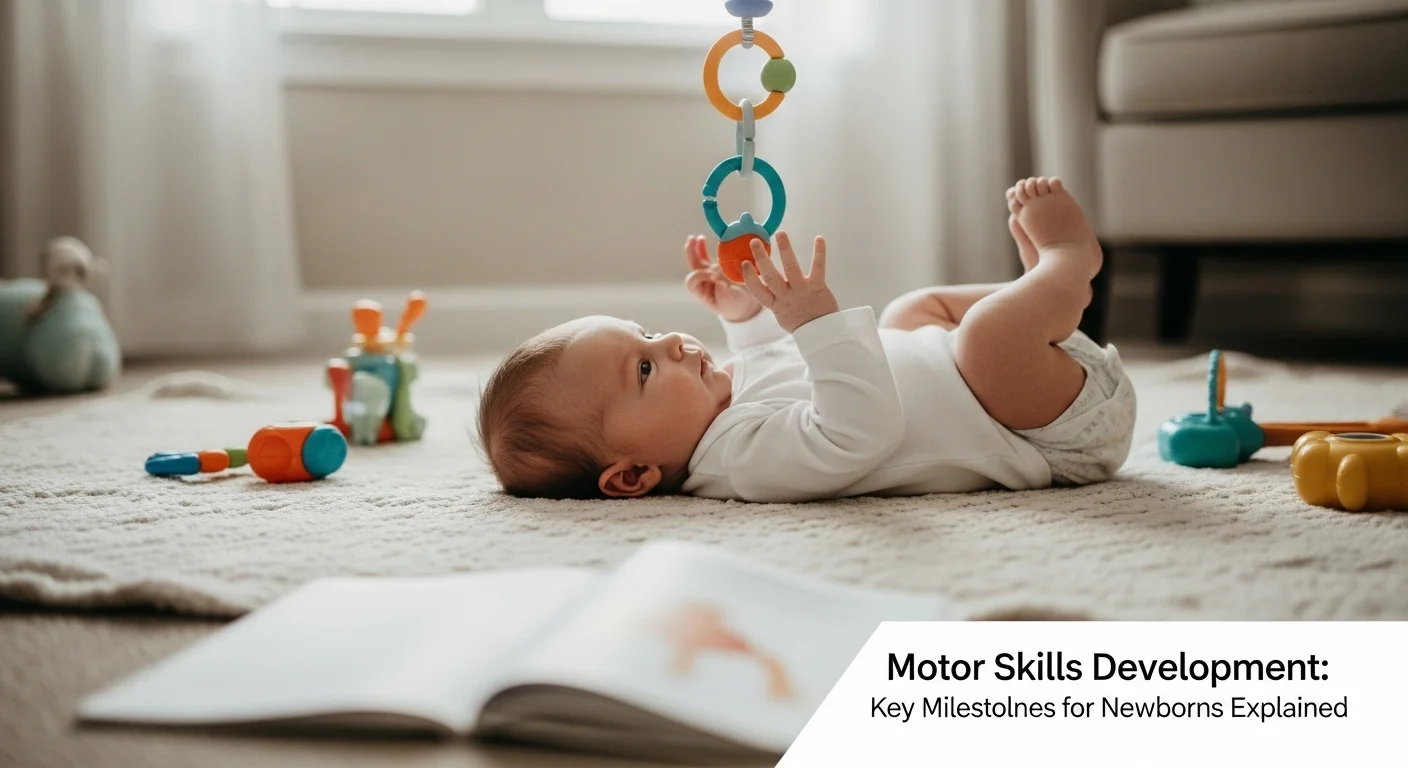
Understanding Motor Skills Development
Definition of Motor Skills
When I first started learning about motor skills, I found it helpful to break down the definition. Motor skills refer to the abilities that allow us to move and control our bodies. They are divided into two main categories: gross motor skills, which involve large muscle groups for movements like crawling and walking, and fine motor skills, which involve smaller muscle groups for tasks like grasping and manipulating objects. As a parent, I became increasingly aware of how these skills develop right from our newborns’ first days.
Importance of Motor Skills in Early Childhood
Motor skills are fundamental for a child’s growth and development. Initially, it may not seem like a big deal when a baby learns to kick or wave their arms, but I realized that these small actions lay the groundwork for more complex movements later on. For example, strong gross motor skills help children run and jump, while refined fine motor skills are essential for tasks like writing and drawing. In my experience, I noticed that each milestone achieved not only promotes physical abilities but also boosts confidence and independence in my kids. The joy on their faces when they accomplish something new is priceless!
Key Motor Skills Milestones for Newborns
Reflexes: The Initial Motor Skills
When babies are born, they come equipped with a variety of reflexes. I remember being fascinated by how these involuntary actions, like the grasp reflex or the rooting reflex, help newborns interact with their environment right away. The grasp reflex allows them to cling to a finger when it’s placed in their palm, while the rooting reflex helps them turn toward a touch on their cheek, ready for feeding. These reflexes are not just random; they’re essential survival skills that kickstart motor development. I found it amazing how these little instincts can pave the way for more deliberate movements as they grow.
Gross Motor Skills: Development Stages
As I observed my children, I realized that gross motor skills follow a predictable pattern of development. Each milestone felt like a celebration, both for them and for me. Here are some key stages I noticed:
Head Control
One of the first major milestones is head control. By around two months, babies begin to lift their heads while lying on their stomach. I remember laying my baby on their tummy during supervised playtime, and seeing that little head lift was such a proud moment! This is crucial as it strengthens neck muscles and sets the stage for later milestones.
Rolling Over
Next comes rolling over, usually happening between four to six months. I couldn’t believe how my baby would suddenly roll from their stomach to their back with such ease. It’s not just about movement; rolling over helps develop balance and coordination. Watching them discover this new ability made me realize how exciting each step is in their journey.
Sitting Up
By six to eight months, most babies can sit up with support and eventually on their own. This was a huge deal for me as a parent. I remember sitting behind my baby with pillows for support, and then one day, they just sat up all by themselves! Sitting up opens up a whole new perspective for babies, allowing them to engage with their surroundings in a different way.
Fine Motor Skills: Development Stages
While gross motor skills are exciting, fine motor skills are equally important. I found that these skills develop gradually and involve more precise movements. Here’s what I observed:
Grasping Objects
Fine motor skills begin with the ability to grasp objects. Around three months, babies start reaching for toys and can hold onto them. I loved placing colorful toys within their reach and watching them experiment with different grips. This not only enhances hand strength but also encourages exploration.
Hand-Eye Coordination
As babies grow, their hand-eye coordination improves significantly. Around five to six months, I noticed my baby had started to look at a toy, reach for it, and actually grab it. It was incredible to see how this skill helped them connect what they see with what they can do, laying the groundwork for future skills.
Reaching and Batting
By about six to nine months, babies begin to reach and bat at objects with more intent. I recall how my baby would swing their arms to knock over blocks, delighting in the sound they made as they fell. This playful interaction is not only fun but also essential for developing coordination and strength.
Factors Influencing Motor Skills Development
Genetics and Heredity
As I delved deeper into understanding motor skills, I found that genetics plays a significant role in how children develop these abilities. I often wondered if some of the traits I saw in my kids were inherited from me or my partner. It turns out, research suggests that a child’s genetic makeup can influence their physical capabilities, including motor skills. For instance, if we were both active individuals, I noticed that our kids tended to show similar tendencies, whether it was their eagerness to crawl or their balance while learning to walk. It’s fascinating to think that genetic factors can set the stage for motor development, but it doesn’t mean that environment and experiences can’t make a difference as well.
Environment and Stimulation
In my experience, the environment a child grows up in is just as crucial as their genetic predispositions. I remember creating play spaces filled with different textures, colors, and shapes for my kids to explore. I realized that providing a stimulating environment can significantly enhance motor skills development. Whether it was a soft mat for tummy time or a play gym with hanging toys, these elements encouraged my children to reach out, crawl, and eventually walk. I’ve also noticed that when children have ample opportunities for movement—like safe spaces to roll, crawl, and explore—they tend to reach their milestones more confidently and quickly. It’s like giving them the tools they need to thrive! For more insights on this topic, see Essential Motor Skills Milestones for Your Newborn’s Growth.
Nutrition and Health
Nutrition is another key factor that I learned about when considering motor skills development. I remember stressing over what to feed my children because I wanted to ensure they were getting the right nutrients to support their growth. A balanced diet rich in vitamins and minerals is essential for muscle development and overall health. I found that incorporating foods rich in omega-3 fatty acids, calcium, and iron contributed positively to their energy levels and physical growth. It’s amazing how a well-nourished body can encourage active play, which in turn promotes motor skills. Keeping an eye on regular pediatric check-ups also helped me stay informed about their growth and health, ensuring they were on track developmentally.
How to Support Motor Skills Development in Newborns
Creating a Safe Space for Movement
One of the best things I did as a parent was to create a designated space for my children to move freely. I found that having a soft, safe area for my kids to explore was essential. We cleared a section of our living room, laid down rugs, and removed sharp objects or anything they could bump into. This made it easier for them to practice rolling, crawling, and eventually walking without worrying about getting hurt. I also made sure there were plenty of age-appropriate toys nearby that would encourage them to reach and explore. Every time I saw them moving around happily, it reminded me how crucial a safe space is for their motor skills development.
Engaging in Tummy Time
Tummy time was a game changer for us. I remember when my pediatrician first suggested it, I was skeptical. But once I started laying my babies on their tummies during playtime, I quickly saw the benefits. Tummy time helps babies strengthen their neck and shoulder muscles, which are essential for gross motor skills. I found that using toys to encourage them to lift their heads and push up was a great motivator. I’d place colorful toys just out of reach, and it was incredible to see them straining to get closer to those objects. This simple activity became a bonding time for us, and watching their progress was so rewarding!
Encouraging Grasping and Reaching Activities
To nurture fine motor skills, I introduced my children to various activities that encouraged grasping and reaching. I’d provide them with soft toys, rattles, and even crinkly fabric books to explore. I remember the joy they showed when they managed to hold onto a toy or successfully bat at an object. These little victories were key to developing their hand-eye coordination and strengthening their grip. I also made it a point to engage in activities like finger painting or stacking blocks as they grew older. Not only did these activities promote fine motor skills, but they also sparked their creativity and curiosity. It’s incredible how playtime can be both fun and educational!
Signs of Delayed Motor Skills Development
When to Seek Professional Help
As I navigated the journey of my children’s motor skills development, I often wondered about the signs that indicated when something might be off. I remember speaking with other parents and realizing that it’s completely normal to feel concerned at times. There are specific milestones that can serve as a guide, and if you notice that your child isn’t meeting these milestones, it might be time to seek professional help.
For instance, if your baby isn’t showing head control by four months or isn’t able to roll over by six months, these can be red flags. Similarly, if they aren’t sitting up by eight months or aren’t able to grasp and manipulate toys by one year, I believe it’s a good idea to consult with a pediatrician. They can provide guidance and suggest whether further evaluation is needed. I felt a sense of relief when I learned that early intervention can make a huge difference, so don’t hesitate if you have concerns.
Common Developmental Disorders
Throughout my journey, I’ve come across various developmental disorders that can affect motor skills. It was eye-opening to learn about conditions like cerebral palsy, which can impact a child’s ability to move and control their muscles. This condition is often identified in infancy, and I found it inspiring to hear stories of families who sought early intervention therapies that helped their children thrive.
Another condition that can affect motor skills is developmental coordination disorder (DCD), often referred to as dyspraxia. Children with DCD may struggle with planning and executing movements, making tasks like riding a bike or playing sports more challenging. I remember discussing with friends the importance of recognizing these signs, as they can sometimes be overlooked. If a child seems clumsy or has difficulty keeping up with peers, it’s worth investigating further.
As a parent, I learned that being proactive and informed is essential. Understanding these disorders and their signs can empower us to advocate for our children and ensure they get the support they need to flourish. Early detection can lead to tailored interventions that enhance their motor skills and overall development.
Resources for Parents and Caregivers
Books on Motor Skills Development
Over the years, I’ve found that reading can be a great way to gather knowledge and strategies for supporting my kids’ motor skills development. There are many fantastic books out there that I would recommend. One that stood out for me is “The Whole-Brain Child” by Daniel J. Siegel and Tina Payne Bryson. This book offers insights into child development and provides practical strategies to support various skills, including motor skills.
Another favorite of mine is “Gross Motor Skills in Children with Down Syndrome” by Patricia C. Winders. Even though it focuses on children with Down syndrome, I discovered that the strategies and exercises discussed are beneficial for all children. It’s filled with engaging activities that I incorporated into our playtime, and I noticed significant improvements in my kids’ motor skills.
Recommended Websites and Online Communities
In addition to books, I found online resources invaluable for connecting with other parents and gathering information. Websites like Zero to Three provide a wealth of information on early childhood development, including articles and tips about motor skills. I remember browsing their site and feeling reassured by the expert advice and community support available.
Social media platforms also have thriving groups where parents share their experiences and resources. I joined a couple of parenting forums that focus on child development. These communities are great for asking questions and sharing successes. It’s comforting to know we’re not alone in our parenting journeys. I felt empowered by the shared wisdom and encouragement from fellow parents who understood the challenges and joys of raising little ones.
Consulting Pediatric Professionals
Lastly, I can’t stress enough the importance of consulting with pediatric professionals. Regular check-ups with our pediatrician helped me keep track of my children’s development. I remember feeling nervous during those visits, but they were always supportive and ready to answer my questions. They could provide assessments and refer us to specialists if necessary.
I also found that occupational therapists can be incredibly helpful when it comes to motor skills development. If your child is struggling, seeking an evaluation from a pediatric occupational therapist can offer tailored strategies and activities to promote motor skill enhancement. In my case, having professionals in our corner made a world of difference, and I truly encourage any parent to reach out for expertise when needed.
Final Thoughts
Reflecting on my journey as a parent, I realize that understanding motor skills development has been crucial for nurturing my children. Each milestone they achieved filled me with pride and joy. I believe that as parents and caregivers, we have the power to influence this development positively by creating a supportive environment filled with love, encouragement, and appropriate resources.
From my experience, recognizing the signs of both progress and potential delays is essential. It’s normal to feel a bit anxious about our children’s milestones, but being informed helps us advocate for their needs effectively. I remember feeling a sense of comfort whenever I consulted with pediatric professionals. Their insights reassured me and provided a roadmap to support my children’s growth.
Engaging with my kids during play, offering them safe spaces to explore, and providing healthy nutrition were all integral parts of this journey. I found that playtime was not just about fun; it was a valuable opportunity for my children to develop their motor skills naturally. I’ve noticed that the bond we created during these activities not only promoted their physical abilities but also deepened our relationship.
As we continue to navigate this journey of parenting, I hope that by sharing my experiences and the resources I discovered, I can help other parents feel empowered and informed. Remember, every child develops at their own pace, and the most important thing we can do is support them with patience and love. The joy of watching them grow and master new skills is truly one of life’s greatest pleasures, and I cherish every moment of it.
Let’s celebrate those small victories together and embrace the beautiful journey of watching our children thrive!
Frequently Asked Questions
What are motor skills?
Motor skills refer to the abilities that allow us to move and control our bodies. They are divided into two main categories: gross motor skills, which involve large muscle groups for movements like crawling and walking, and fine motor skills, which involve smaller muscle groups for tasks like grasping and manipulating objects.
Why are motor skills important in early childhood?
Motor skills are fundamental for a child’s growth and development. They help children achieve milestones that are essential for physical abilities, boost confidence, and promote independence. Each small action, like kicking or waving arms, lays the groundwork for more complex movements later on.
What are some key gross motor skills milestones for newborns?
Key gross motor skills milestones include head control, which typically develops by around two months; rolling over, usually between four to six months; and sitting up by six to eight months, where most babies can sit up with support and eventually on their own.
How do fine motor skills develop in newborns?
Fine motor skills develop gradually, starting with the ability to grasp objects around three months. As babies grow, they improve their hand-eye coordination, which usually becomes noticeable around five to six months, and by six to nine months, they begin to reach and bat at objects with more intent.
What factors influence motor skills development?
Factors influencing motor skills development include genetics and heredity, the environment and stimulation a child receives, and nutrition and health. A stimulating environment with ample opportunities for movement and a balanced diet rich in essential nutrients can significantly enhance motor skills development.
How can parents support motor skills development in newborns?
Parents can support motor skills development by creating a safe space for movement, engaging in tummy time to strengthen neck and shoulder muscles, and encouraging grasping and reaching activities with toys that promote fine motor skills.
When should parents seek professional help regarding motor skills development?
Parents should consider seeking professional help if their child is not showing head control by four months, cannot roll over by six months, is unable to sit up by eight months, or cannot grasp and manipulate toys by one year. Early intervention can make a significant difference.
What are some common developmental disorders affecting motor skills?
Common developmental disorders that can affect motor skills include cerebral palsy, which impacts muscle control, and developmental coordination disorder (DCD), also known as dyspraxia, which makes planning and executing movements challenging.
What resources are available for parents and caregivers regarding motor skills development?
Resources for parents include books on motor skills development, such as “The Whole-Brain Child” and “Gross Motor Skills in Children with Down Syndrome,” as well as websites like Zero to Three. Consulting pediatric professionals and connecting with online communities can also provide valuable support and information.
How does nutrition impact motor skills development?
Nutrition plays a key role in motor skills development. A balanced diet rich in vitamins and minerals is essential for muscle development and overall health. Foods high in omega-3 fatty acids, calcium, and iron contribute positively to a child’s energy levels and physical growth.
Playtime isn’t just fun for toddlers; it’s a vital part of their emotional growth. Understanding how play shapes their feelings can help us support their development in meaningful ways. In fact, engaging in activities such as Backpacking with Toddlers: Foster Empathy Through Experiences can enhance their emotional skills.

Understanding Emotional Growth in Toddlers
What is Emotional Growth?
Emotional growth in toddlers is about developing the ability to understand and manage their feelings. When I first became a parent, I didn’t realize how essential this stage was. I thought emotions were just something to deal with as they came. But I learned that emotional growth involves recognizing emotions in themselves and others, expressing those emotions appropriately, and developing empathy. This is a journey that starts in early childhood and continues to evolve as they grow.
Key Stages of Emotional Development
As toddlers progress, they experience several key stages of emotional development. I’ve seen this firsthand with my own child. At around 2 years old, they begin to identify and express basic emotions like happiness, sadness, and frustration. By the time they reach 3 or 4, they start to show empathy—understanding that others have feelings too. This emotional awareness is crucial as it lays the foundation for their social interactions and relationships.
During these years, I noticed my child began to mirror my emotions, picking up on my cues. For instance, if I was upset, they would often come over to comfort me, showing their developing empathy. These early emotions form the backbone of our social experiences, influencing how they interact with others as they grow.
The Role of Play in Emotional Growth
Play is more than just a break from routine for toddlers; it’s a critical component of their emotional development. When my child engages in play, I observe how they explore different emotions and scenarios. Through imaginative games, they can act out various roles, which helps them to process their feelings in a safe environment. For example, playing house or pretending to be a doctor allows them to experiment with different emotional responses without the pressures of real-life situations.
During play, toddlers also develop vital emotional skills like resilience and problem-solving. I remember a time when my child was building a tower with blocks, and it kept falling over. Their frustration was palpable, but instead of giving up, they kept trying different strategies. I realized that this was more than just play; it was a lesson in handling frustration and learning to persevere. These experiences during playtime are the building blocks for emotional resilience. Read Interesting article: Navigating Toddler Emotions: Backpacking Regulation Tips
Moreover, play provides a platform for toddlers to express emotions verbally and non-verbally. They might use toys to express feelings they can’t articulate yet. For instance, a stuffed animal might represent a friend who is sad, allowing them to explore compassion and empathy through that character. I found this perspective fascinating, as it helped me understand why I often saw my child talking to their toys or acting out scenarios they encountered in daily life.
As they engage in various types of play, toddlers learn to navigate their emotions. I encourage this by providing a diverse range of play experiences—from solo activities to group games. Each type of play serves a unique purpose in promoting emotional growth.
So, how do we ensure that playtime serves this purpose in our children’s lives? One of the most effective ways I’ve discovered is by being actively involved during their play. Whether I’m building blocks beside them or joining in their imaginative games, I can guide them through emotional situations. It’s amazing how much they learn just from observing how I handle emotions during our playtime together.
Additionally, I try to create a balance between different types of play. While unstructured play allows for free expression, structured play also provides opportunities for learning social rules and cooperation. It’s all about finding that sweet spot where they can explore their feelings comfortably and safely.
In my experience, understanding how play influences emotional growth was a game changer for my parenting. It transformed playtime from mere entertainment into a powerful tool for helping my toddler develop the skills they need for emotional intelligence. As I continue to observe and participate in my child’s play, I’m constantly reminded of how vital this phase is for their emotional journey.
The Importance of Playtime
Types of Play: Structured vs. Unstructured
When it comes to play, I’ve noticed two main types: structured and unstructured. Structured play is organized and often led by adults, like a game with specific rules or a scheduled activity. Unstructured play, on the other hand, is more spontaneous and free-form. My child loves unstructured play, where they can explore their imagination without limits. I remember one afternoon, my little one decided to turn the living room into a pirate ship using cushions and blankets. Watching them create their own adventure was incredibly heartwarming.
Both types of play are important for emotional growth. Structured play can teach kids about rules, teamwork, and following directions, while unstructured play allows them to explore their emotions and creativity at their own pace. I try to balance both in our playtime, allowing my child the freedom to invent stories while also engaging in games that teach essential skills.
Physical Play and Its Benefits
Physical play is another vital aspect that I believe contributes significantly to emotional development. Running, jumping, and climbing not only help to develop physical skills but also have a profound impact on emotions. During our trips to the playground, I see my child gleefully participating in activities like swinging and sliding. These moments are filled with laughter, and I can see the joy radiating from them.
What’s fascinating is how physical play helps toddlers learn to manage their feelings. For example, when my child tries to climb high on the jungle gym and feels scared, it’s a moment of learning. They face a challenge, and I watch them evaluate their feelings, sometimes stepping back to gather courage. I think this process of overcoming physical challenges translates into emotional resilience in other areas of their lives. It’s a beautiful sight to see them gain confidence as they conquer new heights, both literally and figuratively.
Creative Play and Imagination
Creative play is where the magic really happens. I’ve seen how my child’s imagination comes alive when they engage in activities like drawing, painting, or building with blocks. These creative outlets allow toddlers to express their feelings in ways that words sometimes can’t capture. I remember a day when my child was feeling a little down, and instead of pushing it away, I encouraged them to draw. The resulting artwork was a colorful explosion of emotions that opened up a dialogue about what they were feeling.
Through creative play, toddlers can explore their inner worlds. It’s a space where they can process their emotions, celebrate happy moments, or even work through fears. I’ve found that providing art supplies or open-ended materials fosters this type of play and encourages self-expression. It’s rewarding to see how much they can communicate through their creations, showing me their emotional landscape more vividly than words ever could.
Social Play and Interaction with Peers
Social play is essential for toddlers to develop their emotional skills further. When my child plays with friends, I see them navigating friendships, sharing, and even dealing with conflicts. Observing them during these interactions is nothing short of fascinating. I remember hosting a playdate where the kids decided to build a fort together. They had to work out who would hold the blanket, who would gather supplies, and how to collaborate without pushing each other aside.
These social encounters are crucial for learning empathy and cooperation. I noticed that when disagreements arose, my child would often take a moment to ask their friend how they felt, demonstrating an early understanding of empathy. I believe these experiences during social play help toddlers learn the subtleties of emotional communication. When they learn to express their feelings and consider others’ emotions, they build a foundation for healthy relationships as they grow.
How Playtime Affects Emotional Skills
Building Empathy Through Role-Playing
Role-playing is one of my favorite aspects of play that significantly contributes to emotional growth. I’ve watched my child develop empathy through pretend play, where they take on various characters and scenarios. For instance, when they pretend to be a superhero comforting a friend or a parent caring for a baby doll, they explore feelings and perspectives outside of their own. I remember one occasion when my child created a little skit involving stuffed animals that were feeling sad. By acting out how the animals could support one another, they not only understood compassion but also learned how to offer comfort to others in real life.
These role-playing moments provide a safe space for toddlers to express and experiment with emotions. It’s fascinating to see how they navigate different social situations, reflecting on how others might feel in various scenarios. I’ve realized that these playful interactions are essential for helping them develop a deeper understanding of empathy, as they learn to relate to others’ experiences and emotions.
Managing Emotions: Learning to Cope with Frustration
Emotional regulation is another critical skill that playtime helps nurture. I’ve noticed that when my child faces challenges during play—like a puzzle that just won’t fit or a game that’s hard to win—they encounter frustration. However, these moments are golden opportunities for learning. Rather than stepping in to solve the problem for them, I choose to guide them through the emotions they’re experiencing. For example, I might say, “It looks like you’re feeling frustrated. Take a deep breath. How can we try it differently?”
This kind of coaching is vital. It teaches them that frustration is a normal part of life and that it’s okay to feel upset. I remember one play session where my child was trying to build a tower with blocks, but it kept tumbling down. Instead of giving up, they paused, took a breath, and tried a different approach. I could see a sense of accomplishment wash over them when they finally succeeded. Those moments of managing frustration during playtime are invaluable lessons that they carry with them into other areas of their lives.
Developing Self-Regulation and Impulse Control
Self-regulation often feels like a daunting skill to master, but I’ve found that playtime is an excellent training ground for this. When my child engages in games that require waiting their turn or following rules, they are actively practicing impulse control. I think back to times when we played board games with simple rules. At first, waiting for their turn was a struggle. However, with each game, I noticed improvements in their ability to wait patiently and celebrate others’ successes. This not only encourages emotional maturity but also fosters respect for others’ feelings and achievements.
Through these playful interactions, I’ve seen their capacity to manage impulses grow. It’s a process, but each game and every playtime scenario reinforces the idea that patience and self-control are essential not just for fun but also for building relationships. It’s heartening to watch them grow in this aspect, and I feel proud knowing that playtime directly contributes to their emotional regulation skills.
Enhancing Communication Skills Through Play
Communication is such a vital part of emotional growth, and I’ve found that play serves as a natural platform for my child to enhance this skill. During pretend play, they often engage in dialogues, negotiating roles and creating stories with other children. I remember how a simple game of “house” turned into a rich narrative where they practiced asking for things, expressing needs, and even negotiating solutions to conflicts. It was a joy to listen to them articulate their thoughts and feelings during these interactions.
Moreover, I make it a point to encourage conversations about their play experiences. After a play session, I often ask open-ended questions like, “What did you enjoy most about today’s play?” or “How did your character feel?” This not only helps them reflect on their emotions but also encourages them to articulate their experiences better. I’ve noticed that as they engage in these discussions, their vocabulary grows, and they become more adept at expressing complex feelings. Playtime truly creates a wonderful opportunity for learning to communicate effectively, an essential skill that will serve them well as they grow.
Playtime and Social Relationships
Making Friends: The Role of Cooperative Play
Cooperative play is such an essential part of a toddler’s social development, and I’ve seen its benefits firsthand. When my child plays with a group, they learn to work together, share ideas, and build friendships. I’ll never forget a summer afternoon when a few neighborhood kids gathered in our backyard for a game of tag. Watching them collaborate on rules and decide who would be “it” was beautiful. They learned to listen to one another and negotiate, which are foundational skills for building lasting friendships.
Through these experiences, I’ve realized that cooperative play fosters social bonds. It’s not just about having fun; it’s about forming relationships. I noticed my child starting to reach out to their friends more often, initiating playdates, and showing excitement about spending time with peers. This shift was significant as it marked the beginning of their understanding of companionship and camaraderie.
Conflict Resolution Skills in Play Scenarios
Conflict is an inevitable part of any relationship, and I believe play offers a perfect training ground for resolving differences. I’ve seen how my child navigates conflicts during play, whether it’s deciding who gets to use a toy first or how to share space. One memorable incident occurred during a playdate when two kids both wanted to play with the same truck. Instead of crying or getting upset, they talked it out, took turns, and even brainstormed new ways to play together. I felt a sense of pride as I watched them work through that conflict. This skill is invaluable; learning to resolve conflicts peacefully at such a young age lays the groundwork for their future interactions.
Building Trust and Security Through Consistent Play
Lastly, consistent playtime with caregivers plays a pivotal role in building trust and security. I’ve made it a priority to set aside time for daily play with my child. Whether it’s a simple game of catch or an imaginative adventure, these shared moments create a sense of safety and reliability. I’ve noticed that when we engage in regular play, my child feels more secure in expressing their emotions with me. They come to me when they feel sad or frustrated, knowing that I’ll be there to support them.
This emotional security fosters a strong attachment and helps my child understand that it’s safe to explore their feelings and communicate openly. It’s remarkable how play can strengthen the parent-child bond, creating a nurturing environment where my child feels valued and understood.
Strategies for Encouraging Playtime at Home
Creating a Safe and Stimulating Play Environment
One of the first things I realized when I became a parent is how crucial it is to create an environment that encourages play. I found that having a designated play area in our home made a huge difference. It didn’t have to be elaborate; just a corner of the living room filled with toys, books, and art supplies worked wonders. I remember when I cleared out some space and set up a small table for arts and crafts. My child was so excited! This area became a creative haven where they could explore their imagination without feeling restricted.
Beyond just space, I believe safety is paramount. I made sure that the play area was free from sharp objects and had soft flooring to cushion any inevitable tumbles. Knowing that they could play freely without constant worry allowed my child to dive into their creative pursuits. It’s amazing how a safe and welcoming environment can transform playtime into an adventure of exploration.
Incorporating Educational Toys and Games
While I emphasize the importance of free play, I’ve also found that educational toys can support emotional growth and learning in meaningful ways. I remember when I introduced my child to puzzles and building blocks. At first, they were just fun toys, but I quickly noticed how they encouraged problem-solving and critical thinking. Each time my child completed a puzzle or built a structure, I could see the pride and confidence on their face.
In my opinion, it’s beneficial to select toys that promote open-ended play. For example, art supplies let them express emotions creatively, while interactive games can teach cooperation and turn-taking. I often look for toys that can grow with my child, offering new challenges as they develop. This way, playtime remains engaging and stimulating, and I can see the positive impact on their emotional development.
Setting Up Playdates: Benefits and Tips
When it comes to fostering social relationships, I’ve found that playdates are invaluable. They provide an opportunity for my child to interact with peers and develop vital social skills. I remember organizing a playdate with a friend’s child. At first, they were shy but soon warmed up, and it was heartwarming to see them engage in cooperative play, sharing toys and ideas.
To make playdates successful, I’ve learned a few tips along the way. Keeping the number of children manageable is important; too many can lead to chaos rather than fun. I also try to plan activities that encourage collaboration, like building a fort or playing a group game. I’ve noticed that when children work together on a project, they naturally learn to communicate, negotiate, and resolve conflicts. It’s rewarding to see these social skills develop in real-time!
Recognizing Signs of Healthy Emotional Development
Indicators of Emotional Growth in Toddlers
As I’ve navigated parenthood, I’ve become more attuned to the signs of healthy emotional development in my child. I look for indicators like their ability to express a range of feelings, from joy to frustration, and how they respond to the emotions of others. For example, I noticed that when they see a friend upset, they often offer a hug or a kind word. These small gestures reflect their growing empathy and understanding.
Another sign I’ve observed is their ability to engage in imaginative play. When my child invents stories or role-plays, I see them processing their feelings and experiences creatively. It’s fascinating to watch how they incorporate real-life situations into their play, showing that they are making sense of their world.
When to Seek Help: Warning Signs of Emotional Distress
While I celebrate the milestones of emotional growth, I also understand the importance of recognizing when something might not be right. If I notice my child consistently struggles to express emotions, becomes overly withdrawn, or exhibits extreme reactions to minor frustrations, I know it’s time to seek support. I believe that early intervention can make a significant difference in helping children navigate their emotional landscapes.
In my experience, consulting with a pediatrician or a child psychologist can provide valuable insights and resources. It’s essential to create an open dialogue about emotions, allowing children to feel safe expressing their feelings, and sometimes that means getting professional help.
The Role of Parents and Caregivers in Playtime
Engaging with Your Toddler During Play
Active participation is one of the most rewarding aspects of playtime for me. I’ve found that when I engage with my toddler during their play, it strengthens our bond. Whether I’m building a tower of blocks or joining in a tea party, I see how my involvement boosts their confidence and encourages them to explore their emotions further.
Being present during play also allows me to model positive behaviors. I remember one time my child got frustrated during a game. Instead of stepping in right away, I calmly talked them through their feelings, showing them how to manage disappointment. These moments create lasting lessons that my child can carry with them as they grow.
Balancing Screen Time and Active Play
In today’s digital age, I’ve found it crucial to balance screen time with active play. While I understand that technology can offer educational benefits, I prioritize hands-on play experiences. I’ve noticed that too much screen time can hinder my child’s ability to engage creatively and socially. Setting boundaries around screen time has helped us focus on meaningful interactions and imaginative play.
To achieve this balance, I often designate “screen-free” times during the day, encouraging outdoor activities or board games instead. I’ve seen how these choices lead to richer play experiences and foster emotional growth.
Modeling Positive Emotional Responses
As a parent, I know that my emotional responses set the stage for my child’s learning. I’ve made a conscious effort to model healthy ways to express feelings. When I face a challenge, I try to verbalize my emotions rather than hide them. For example, if I’m feeling stressed after a long day, I’ll say, “I’m feeling a little overwhelmed right now, and that’s okay. I’ll take a moment to breathe.”
This transparency teaches my child that it’s normal to experience a range of emotions. I believe that modeling positive emotional responses equips them with the tools they need to handle their feelings as they grow. It’s a journey for both of us, and I’m continuously learning alongside my child.
Final Thoughts
Reflecting on our playtime experiences, I truly believe that play is more than just a pastime for toddlers; it’s a powerful vehicle for emotional growth and social development. By understanding the vital role that play has in shaping our children’s emotional landscapes, we can create environments that foster their ability to navigate feelings, build relationships, and develop essential life skills. As parents and caregivers, our engagement and support can make all the difference, turning playtime into cherished learning moments that will benefit our children for years to come. Embracing this journey together, I feel excited about the future and the emotional intelligence my child will cultivate through the joy of play. Read Interesting article: Empathy Adventures: Teach Your Toddler While Traveling Cheap
Frequently Asked Questions
What is emotional growth in toddlers?
Emotional growth in toddlers involves developing the ability to understand and manage their feelings, recognizing emotions in themselves and others, expressing those emotions appropriately, and developing empathy.
What are the key stages of emotional development in toddlers?
Toddlers experience several key stages of emotional development, starting around 2 years old when they begin to identify and express basic emotions. By ages 3 or 4, they start to show empathy and understand that others have feelings too.
How does play contribute to emotional growth in toddlers?
Play is critical for emotional development as it allows toddlers to explore different emotions and scenarios in a safe environment, helping them develop resilience, problem-solving skills, and emotional expression.
What are the differences between structured and unstructured play?
Structured play is organized and often led by adults with specific rules, while unstructured play is more spontaneous and free-form, allowing children to explore their creativity and emotions at their own pace.
How can physical play benefit a toddler’s emotional development?
Physical play helps toddlers develop physical skills and manage their feelings. Engaging in physical challenges allows them to face fears and build confidence, contributing to their emotional resilience.
What role does creative play have in emotional expression?
Creative play enables toddlers to express their feelings in ways that words sometimes cannot capture. Activities like drawing and painting allow them to process emotions and communicate their inner experiences.
How does social play help toddlers develop emotional skills?
Social play is essential for developing skills like empathy and cooperation. Through interactions with peers, toddlers learn to navigate friendships, share, and resolve conflicts, which are vital for their emotional growth.
What signs indicate healthy emotional development in toddlers?
Signs of healthy emotional development include the ability to express a range of feelings, engage in imaginative play, and show empathy towards others, such as offering comfort when a friend is upset.
When should parents seek help regarding their child’s emotional development?
Parents should seek help if their child consistently struggles to express emotions, becomes overly withdrawn, or exhibits extreme reactions to minor frustrations, as early intervention can make a significant difference.
How can parents engage effectively during playtime?
Parents can strengthen their bond with their child by actively participating in play, modeling positive emotional responses, and guiding them through their feelings during challenging moments to encourage emotional exploration and growth.
Emotional intelligence is a crucial skill for children, impacting their relationships, academics, and overall well-being. Fortunately, boosting your child’s emotional intelligence doesn’t have to be expensive. Let’s explore how we can nurture this vital ability on a budget. Read Interesting article: Essential Play Activities for Toddlers: Budget Travel Tips
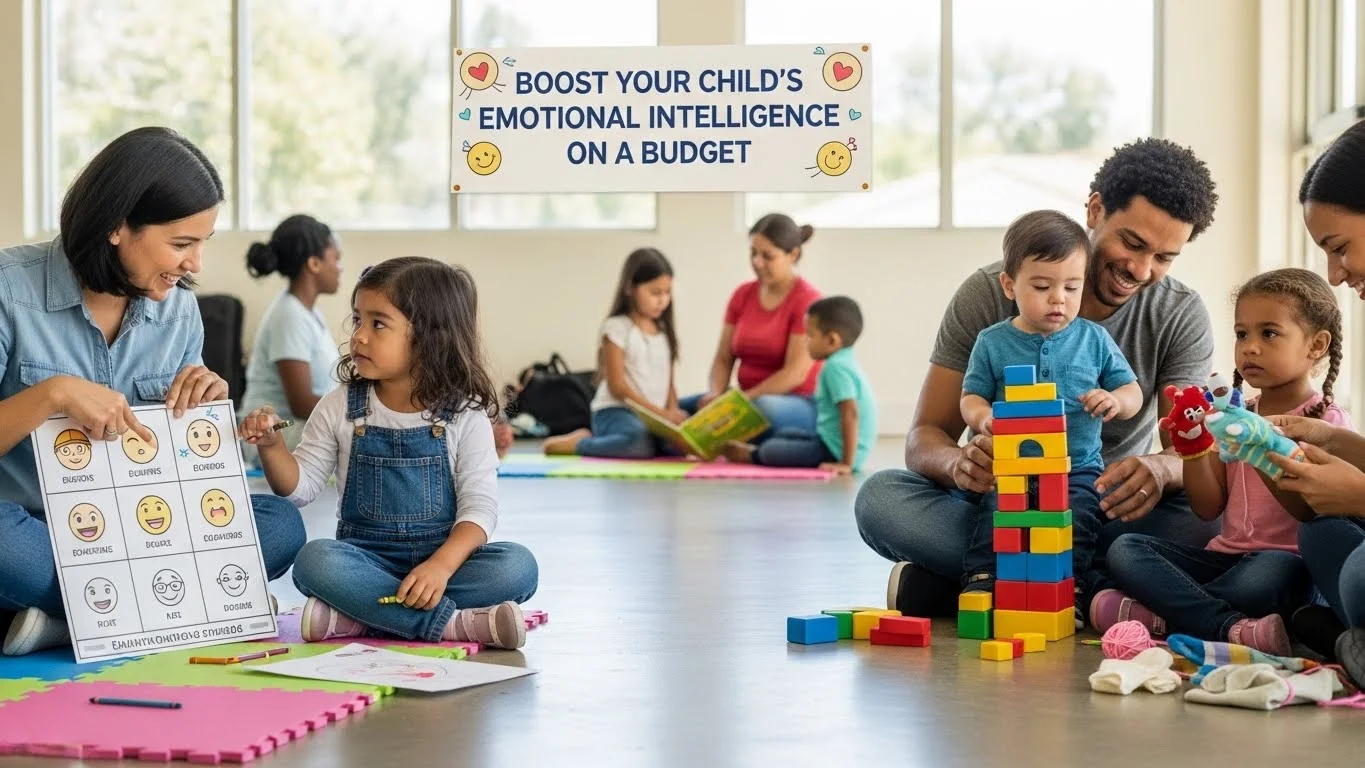
Understanding Emotional Intelligence
Definition of Emotional Intelligence
Emotional intelligence, often abbreviated as EI or EQ, refers to the ability to recognize, understand, and manage our own emotions while also being able to recognize and influence the emotions of others. It’s not just about being “nice” or “kind,” but rather a deeper understanding of emotional dynamics. I remember when I first learned about this concept; it hit me how much it plays into our everyday interactions. For children, developing emotional intelligence means they can navigate their feelings and the feelings of others more effectively.
Importance of Emotional Intelligence for Children
Teaching children emotional intelligence is incredibly important. It helps them manage stress, make decisions, and understand social cues. I’ve noticed that children with high emotional intelligence tend to handle conflicts better. It’s like giving them a toolkit to navigate their world. They become more resilient, learning to bounce back from setbacks and challenges. I often think about how different my childhood might have been if I had these tools at my disposal. By equipping our kids with emotional intelligence, we’re setting them up for success both in school and in life.
Key Components of Emotional Intelligence
Emotional intelligence consists of five key components: self-awareness, self-regulation, motivation, empathy, and social skills. Let’s break these down a bit, as they are essential for our children to thrive.
- Self-Awareness: This is the ability to understand one’s emotions and their impact. For children, it starts with recognizing their feelings—like joy, anger, or sadness.
- Self-Regulation: This involves managing emotions effectively. I’ve seen this in my own kids; when they feel angry, teaching them techniques to calm down helps them respond rather than react.
- Motivation: This is about having the drive to achieve goals and stay optimistic, even when faced with challenges. Encouraging children to pursue interests can foster this motivation.
- Empathy: The ability to understand others’ feelings is crucial. I remember teaching my children to put themselves in someone else’s shoes, which has significantly enhanced their friendships.
- Social Skills: These are the tools we use to communicate and interact with others. Kids with strong social skills can build and maintain friendships, which is vital for their emotional health.
Benefits of High Emotional Intelligence in Children
Improved Social Skills
One of the most noticeable benefits of high emotional intelligence is improved social skills. Kids who can read social cues and understand emotions tend to have more friends. I’ve seen my children thrive in group settings because they can connect with peers on an emotional level. It’s incredible to watch them navigate friendships, resolving conflicts before they escalate.
Better Academic Performance
There’s a strong connection between emotional intelligence and academic success. Children who can handle their emotions are less likely to be distracted by stress and anxiety. I remember when my son struggled with math; once he learned to control his frustration, his grades improved. Emotional intelligence gives them the focus they need to excel in school.
Enhanced Coping Strategies
High emotional intelligence equips children with better coping strategies. For instance, when facing disappointment, emotionally intelligent kids are more likely to handle it gracefully. During tough times, I’ve encouraged my children to express their feelings verbally, which I believe has helped them develop resilience. It’s rewarding to see them bounce back from setbacks more easily.
Stronger Relationships
Lastly, children with high emotional intelligence often form stronger, healthier relationships. They tend to communicate better, listen actively, and show empathy towards others. I’ve seen my kids develop deeper bonds with their friends and family members because they understand the importance of emotional connections. It brings me joy to see them cultivate these meaningful relationships.
Budget-Friendly Activities to Boost Emotional Intelligence
Reading Books on Emotional Awareness
One of my favorite ways to help my kids boost their emotional intelligence is through reading. Books that focus on emotional awareness can be both entertaining and educational. I’ve found that stories featuring characters who navigate their feelings can spark great conversations. For example, after we read “The Color Monster” by Anna Llenas, my kids and I discussed the different emotions represented in the story. It was fascinating to see how they began to connect those emotions with their own experiences. I recommend visiting your local library for a variety of options, or even simple online resources where you can find lists of recommended child-friendly books focused on emotions. Read Interesting article: Traveling Smart: Toddler Developmental Milestones on a Budget
Role-Playing and Imaginative Play
Role-playing is another fun and budget-friendly activity that can enhance emotional intelligence. I remember organizing little skits with my kids where they had to act out various scenarios—like resolving a disagreement or comforting a friend. This kind of imaginative play not only allows them to explore different feelings but also helps them practice empathy. It’s amazing how, through play, they learn to put themselves in someone else’s shoes. We often use stuffed animals or dolls to create scenarios, which makes it even more enjoyable for them. Plus, it’s a lovely bonding experience for us as a family!
Mindfulness and Meditation Practices
Mindfulness is a powerful tool for emotional regulation, and it doesn’t have to cost anything. I started incorporating simple mindfulness exercises into our daily routine, like deep-breathing exercises or short meditations. We often take five minutes to sit quietly and focus on our breathing or listen to calming music together. I’ve noticed that it gives my kids a chance to process their feelings, especially after a hectic day. There are many free resources online that guide you through these practices, making it easy to get started without spending a dime.
Outdoor Activities that Encourage Teamwork
Spending time outdoors can be incredibly beneficial for emotional growth. I found that participating in team sports or group activities helps teach my kids about collaboration and handling emotions in a group setting. Whether it’s a simple game of soccer at the park or a nature hike where we work together to find certain plants or animals, these activities promote teamwork and communication. We often invite friends along, which adds an extra layer of fun and helps them practice social skills in a relaxed environment. I love seeing them cheer each other on, building a sense of camaraderie and emotional support.
Creative Arts and Expression
Art has always been a fantastic outlet for emotions, and I encourage my kids to express themselves creatively. We often set up art projects at home where they can paint, draw, or even craft something related to how they’re feeling. I find that when they create, they often open up about their emotions without even realizing it. Sometimes, we’ll have a themed art day where they can express different emotions through their creations. It’s amazing to see how a simple art project can lead to deep discussions about feelings. Plus, these activities are incredibly budget-friendly, requiring just some basic supplies we already have at home. Read Interesting article: Essential Tips for Toddler Sharing While Traveling on a Budget
Creating an Emotionally Supportive Environment at Home
Open Communication Strategies
Creating an emotionally supportive environment at home starts with open communication. I’ve always made it a point to encourage my kids to express their feelings openly. We have family meetings where everyone can share what’s on their mind, and I’ve found that this fosters a sense of trust. Sometimes, it’s just a simple question like “How was your day?” that opens the door to deeper conversations. I’ve noticed that when they feel safe discussing their feelings, it strengthens our bond and enhances their emotional intelligence.
Encouraging Emotional Expression
Encouraging emotional expression is crucial. I try to validate my kids’ feelings by letting them know it’s okay to feel sad, angry, or confused. I often say things like, “It’s okay to feel upset; let’s talk about it.” This helps them understand that emotions are natural and not something to be ashamed of. I also use stories from my own life to illustrate that everyone experiences a range of emotions, and it’s important to express them in a healthy way. By sharing my experiences, my kids see that it’s normal and okay to talk about how they feel.
Setting Up Family Discussions on Feelings
We have regular family discussions focused specifically on feelings. I’ve found that dedicating time to talk about emotions helps normalize these conversations. Sometimes, we’ll use prompts or questions to guide our discussions, like “What made you happy today?” or “What was challenging for you?” This not only helps them articulate their feelings but also teaches them to listen to others. I’ve seen how this practice has allowed my children to become more empathetic listeners, which is such a valuable skill.
Using Everyday Situations to Teach Emotional Skills
Everyday situations are rich with opportunities to teach emotional skills. I often use moments like a disagreement over a toy or a frustration with homework to teach my kids about managing their emotions. I’ve learned to step back and ask guiding questions instead of jumping straight to discipline. This approach allows them to reflect on their feelings and find solutions together. For example, when conflicts arise, I encourage them to express how they feel and what they need, which empowers them to develop problem-solving skills. This way, they learn to navigate their emotions within real-life contexts.
Utilizing Community Resources
Local Libraries and Free Workshops
One of the best resources I’ve discovered for enhancing emotional intelligence is our local library. They often host free workshops or storytime sessions focused on emotional awareness. I remember attending a workshop where the librarian read a book about feelings, followed by a discussion on how to express those feelings. It was a great opportunity for my kids to learn in a supportive setting while also making new friends. I recommend checking out your local library’s calendar for events that engage children in emotional learning. Many libraries even have summer reading programs that emphasize social skills and emotional growth, which can be an excellent way for kids to connect with others.
Community Centers and Programs
Community centers are another fantastic resource for fostering emotional intelligence. In my experience, many of these centers offer after-school programs or activities that focus on teamwork and social skills. My children participated in a group art class at our community center, where they not only explored their creativity but also learned to work together and share their ideas. I found that these settings encourage children to express themselves while building relationships with peers. Keep an eye out for workshops or classes that focus on emotional skills; they can provide both learning and fun at little to no cost.
Online Resources and Free Apps
In today’s digital age, there are countless online resources dedicated to emotional intelligence. I’ve explored various websites and apps designed for children that offer games and activities aimed at teaching emotional skills. For instance, I came across a free app that helps kids identify their feelings and offers coping strategies through interactive games. It’s been a hit with my kids! I believe utilizing these online tools can be a great supplement to what we teach at home. Just be sure to engage with your child while using these resources so you can discuss what they learn or experience together.
Engaging with Schools for Emotional Intelligence Development
Collaborating with Teachers
Engaging with my children’s teachers has been crucial in supporting their emotional intelligence development. I took the initiative to meet with their teachers and discuss the importance of emotional learning in the classroom. I felt it was essential to understand what strategies they use and how we could reinforce those at home. Many teachers are open to sharing their methods, and they often appreciate parental involvement. I’ve learned that when parents and teachers work together, it creates a consistent approach that benefits our children greatly.
Participating in School Programs
Many schools offer programs specifically aimed at enhancing social skills and emotional intelligence. I was thrilled when my children’s school introduced a social-emotional learning program. I encouraged my kids to participate and noticed a positive change in their behavior and interactions. Schools often conduct workshops or assemblies that highlight emotional learning, and I suggest getting involved as much as possible. Whether volunteering for events or attending parent-teacher meetings focused on emotional intelligence, your involvement can make a significant difference.
Advocating for Emotional Learning Curriculum
If your child’s school doesn’t currently have a focus on emotional intelligence, it might be worth advocating for it. I’ve spoken with other parents about the benefits of emotional learning, and together, we approached the school board to express our interest in incorporating it into the curriculum. I believe that by raising awareness about the importance of emotional intelligence, we can encourage schools to prioritize it. It’s empowering to know that we can influence change for our children’s education, creating an environment where emotional skills are valued alongside academic achievement.
Monitoring Progress and Encouraging Growth
Setting Emotional Intelligence Goals
To help my kids grow in emotional intelligence, I started setting specific goals with them. We’ll sit down together and discuss what areas they want to improve, whether it’s becoming more empathetic or learning to express their feelings better. I remember setting a goal for my daughter to practice active listening, so we created little challenges to help her focus on listening to others without interrupting. This goal-setting process has been a great way to empower my children to take ownership of their emotional development. It makes them feel involved and invested in their own growth.
Tracking Emotional Development
Tracking their progress is another key aspect of supporting my children’s emotional intelligence. I keep a little journal where I note positive instances of emotional growth. For example, if my son handles a frustrating situation with calmness or shows empathy towards a friend, I jot it down. I’ve found that reviewing these moments together gives them a sense of accomplishment and encourages them to continue developing their skills. This practice has fostered self-reflection, allowing my kids to see how far they’ve come and what they still want to work on.
Celebrating Milestones and Achievements
Celebrating milestones when my kids reach certain emotional intelligence goals is something I cherish. It could be as simple as a family dinner where we acknowledge their achievements or creating a special reward system. I remember when my daughter successfully navigated a tough friendship situation; we celebrated with a movie night and talked about what she learned. Recognizing these achievements not only boosts their confidence but also reinforces the importance of emotional intelligence in our family. It’s moments like these that remind us all of the value of emotional growth.
Common Challenges and Solutions
Addressing Resistance to Emotional Learning
Sometimes, my kids have shown resistance to emotional learning. I remember a time when my son didn’t want to talk about his feelings; he thought it was silly. I found that being patient and approaching the topic gently helped. Instead of forcing discussions, I would weave emotional lessons into our everyday activities. For instance, we’d watch a movie and discuss characters’ feelings afterward, making it relatable and less intimidating. I believe that normalizing these conversations helped them open up over time.
Dealing with Peer Pressure and Bullying
Peer pressure and bullying are unfortunately common challenges children face. I’ve had candid conversations with my kids about these issues, emphasizing the importance of standing up for themselves and others. One strategy I used was role-playing different scenarios. This allowed them to practice responses to peer pressure in a safe space. I’ve seen them grow more confident in their ability to handle tough situations, which makes me proud. Encouraging them to seek support from trusted friends and adults is also essential; they need to know they’re not alone.
Understanding Different Emotional Development Rates
Every child develops emotionally at their own pace, and I’ve learned to embrace that. Sometimes, I compared my children’s progress, which wasn’t fair to them. I now focus on their individual journeys, recognizing that some may grasp concepts faster than others. I remind myself that it’s okay for them to take their time and that we can celebrate their unique strengths. Encouraging them to support each other, regardless of their emotional development stages, has fostered a strong bond and a sense of community within our family.
Frequently Asked Questions
What is emotional intelligence?
Emotional intelligence, often abbreviated as EI or EQ, refers to the ability to recognize, understand, and manage our own emotions while also being able to recognize and influence the emotions of others.
Why is emotional intelligence important for children?
Teaching children emotional intelligence is important because it helps them manage stress, make decisions, understand social cues, handle conflicts better, and become more resilient in the face of challenges.
What are the key components of emotional intelligence?
The five key components of emotional intelligence are self-awareness, self-regulation, motivation, empathy, and social skills.
How does high emotional intelligence benefit children socially?
Children with high emotional intelligence tend to have improved social skills, allowing them to read social cues, connect with peers, and resolve conflicts effectively.
Can emotional intelligence impact academic performance?
Yes, there is a strong connection between emotional intelligence and academic success. Children who can manage their emotions are less likely to be distracted by stress and anxiety, enabling them to focus and excel in school.
What budget-friendly activities can help boost a child’s emotional intelligence?
Some budget-friendly activities include reading books on emotional awareness, role-playing and imaginative play, practicing mindfulness and meditation, engaging in outdoor activities that encourage teamwork, and creative arts and expression.
How can parents create an emotionally supportive environment at home?
Parents can create an emotionally supportive environment by fostering open communication, encouraging emotional expression, setting up family discussions on feelings, and using everyday situations to teach emotional skills.
What community resources can help in developing emotional intelligence?
Local libraries and free workshops, community centers with programs for social skills, and online resources and free apps dedicated to emotional intelligence can all be valuable resources for development.
How can parents engage with schools to support emotional intelligence development?
Parents can support emotional intelligence development by collaborating with teachers, participating in school programs focused on emotional learning, and advocating for emotional learning curricula if not currently offered.
What should parents do if their children resist emotional learning?
If children resist emotional learning, parents can be patient and integrate emotional lessons into everyday activities, such as discussing feelings of characters in movies, to make the topic more relatable and less intimidating.
Navigating the emotional landscape of toddlers can be challenging, especially when we’re on the go. Understanding how to help our little ones regulate their emotions can transform stressful outings into enjoyable adventures. Read Interesting article: Traveling with Toddlers: Mastering Emotional Regulation
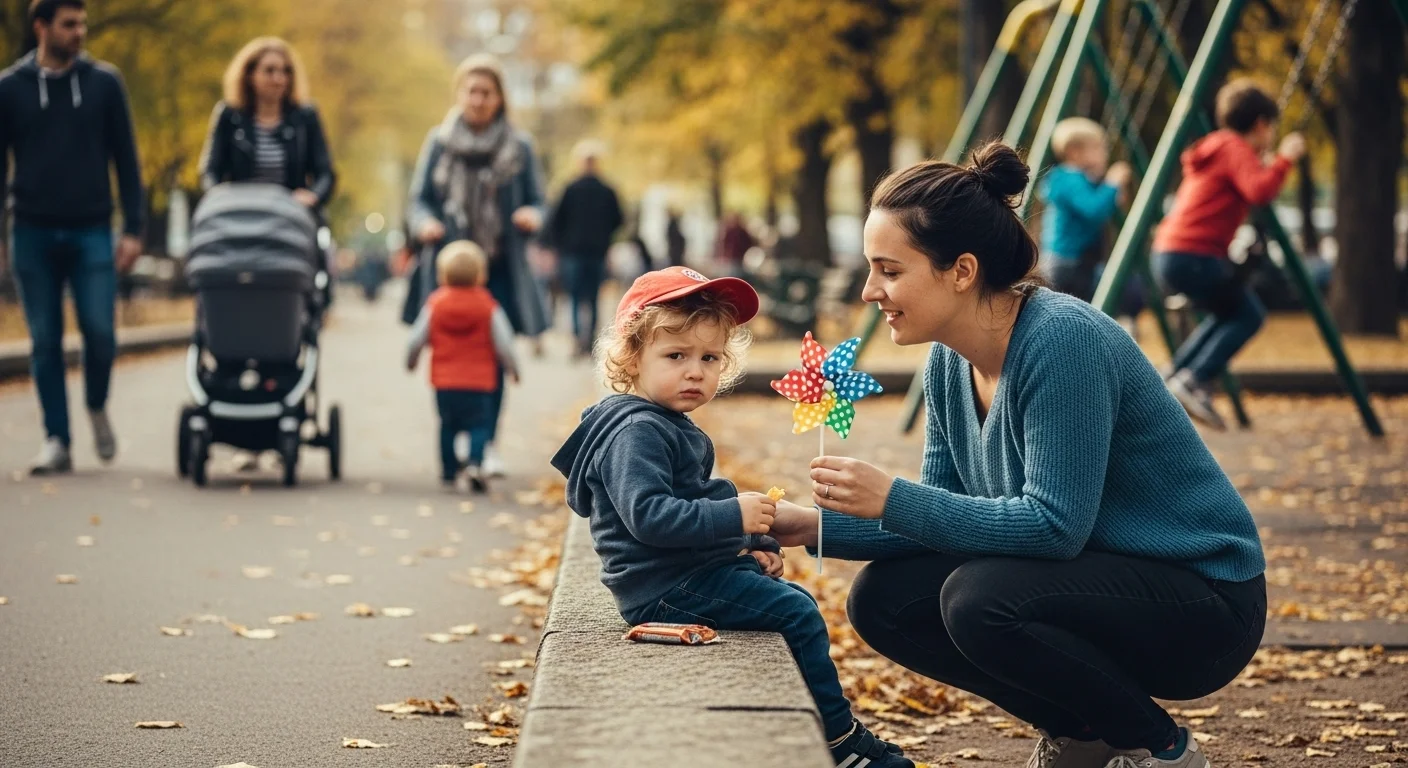
Understanding Emotional Regulation in Toddlers
What is Emotional Regulation?
Emotional regulation is the ability to manage and respond to one’s emotional experiences in a healthy and appropriate way. For toddlers, this means learning to express feelings like joy, anger, fear, and frustration without becoming overwhelmed. I remember when my daughter was around two years old; she would burst into tears at the slightest hiccup. It took time for her to learn that it was okay to feel upset, but there were ways to cope with those feelings.
At this age, toddlers are still developing their brains and emotional responses, which can lead to big feelings they don’t yet know how to handle. They may not have the words to express what they’re feeling, which can lead to tantrums or meltdowns. I found that understanding this helped me be more patient and empathetic during these moments.
Importance of Emotional Regulation for Toddlers
Helping toddlers learn emotional regulation is crucial for several reasons. It lays the foundation for their mental health and social skills as they grow. When toddlers can manage their emotions, they’re better equipped to navigate the world around them. I’ve seen firsthand how my son, who used to have meltdowns when he didn’t get his way, has become more resilient and adaptable as he learned to process his emotions.
Furthermore, emotional regulation helps toddlers form stronger relationships with others. They learn empathy and the importance of understanding other people’s feelings. As they grow, these skills become vital for creating friendships and handling social situations. I remember my niece, who would get upset whenever someone took her toy. Over time, with some guidance, she learned to express her feelings instead of reacting impulsively.
Signs of Emotional Dysregulation in Toddlers
Recognizing the signs of emotional dysregulation in toddlers can help us step in before things escalate. Common indicators include frequent tantrums, difficulty calming down after being upset, or extreme reactions to minor disappointments. I recall a time when we were at the park, and my daughter wanted to go on the swings but they were occupied. She threw herself on the ground and sobbed. It was clear she was overwhelmed.
Other signs can include withdrawal from social situations, clinginess, or even physical symptoms like stomachaches. It’s essential to pay attention to these behaviors. They’re clues that our little ones may need extra support in managing their feelings. I learned to look for patterns in my children’s behaviors during stressful situations, which helped me anticipate their needs.
Common Emotional Challenges for Toddlers on the Go
Separation Anxiety
One of the biggest emotional challenges for toddlers, especially during outings, is separation anxiety. This can happen when they are left with a caregiver or even just when we’re out of sight. I remember the first time I dropped my son off at preschool; he clung to my leg and cried. This is a normal phase, but it can be tough for both the child and the parent.
To help ease this anxiety, I found that offering a consistent goodbye ritual worked wonders. We would have a special handshake or a little wave before I left, and over time, he began to feel more secure. Understanding that this phase is temporary can help us approach it with patience.
Overstimulation in Busy Environments
Busy places, like malls or crowded parks, can overwhelm toddlers quickly. The noise, lights, and chaos can lead to overstimulation. I remember one outing where we went to a festival, and my daughter was excited at first but soon became overwhelmed by the loud music and crowds. She started to cry and cover her ears.
Recognizing when our toddlers are overstimulated is key. I learned to keep an eye on their body language; if they seem restless or irritable, it might be time for a break. Finding a quieter spot or giving them a few minutes to decompress can make a huge difference in their emotional state.
Transitioning Between Activities
For toddlers, transitions can be tricky. Moving from one activity to another—like leaving the playground to go home—can provoke strong reactions. I’ve often seen my children struggle with this, and I learned that it’s crucial to prepare them for changes. Giving them a heads-up about what’s coming next can help ease the transition.
When we were getting ready to leave a playdate, I would remind my children about the upcoming change a few minutes in advance. Phrases like, “In five minutes, we’ll be leaving to go home for lunch!” helped them adjust their expectations and made the process smoother.
Frustration and Impatience
Toddlers are naturally curious and eager to explore, but when things don’t go their way, it can lead to frustration. I’ve seen my kids get frustrated when they can’t put a puzzle together or when they can’t reach a toy. These moments can be tough, and it’s important to validate their feelings.
When my son got frustrated with a toy, I would sit with him and acknowledge his feelings. I’d say things like, “I see you’re feeling upset because you can’t get the pieces together. That’s okay!” This simple act of recognition helped him feel understood and made it easier for him to express his feelings without resorting to a meltdown.
Strategies for Supporting Emotional Regulation
Creating a Calming Routine
One of the most effective strategies I’ve found for supporting my children’s emotional regulation is establishing a calming routine. Routines provide a sense of security and predictability, which can help toddlers manage their emotions better. For instance, we created a simple winding-down routine before bedtime that includes reading a story, dimming the lights, and talking about our favorite parts of the day.
During our winding-down time, I noticed how my children would gradually become more relaxed. This routine helped them transition from the excitement of the day to a calmer state, making it easier for them to express their feelings. I recommend finding a calming activity that resonates with your child—whether it’s drawing, listening to soft music, or even doing some gentle stretches together.
Using Visual Aids and Timers
Visual aids have been a game changer for us. I discovered that simple charts or pictures could help my kids understand their feelings and the sequence of activities throughout the day. For example, we made a feelings chart with different emotions represented by colors and faces. When my son was feeling sad, he could point to the blue face, and we would talk about it. This recognition helped him articulate what he was experiencing.
Timers have also been incredibly useful in managing transitions. I use a sand timer or a simple kitchen timer to signal the end of an activity, which gives my children a visual cue that change is coming. I’ve found that giving them a warning, such as, “We have five minutes left until we need to leave the park,” coupled with the timer, helped them mentally prepare and reduced resistance. It’s amazing how something so simple can make a big difference!
Role-Playing Scenarios for Practice
Role-playing has been another fun and practical way to teach emotional regulation. I remember one rainy afternoon when we couldn’t go outside to play. Instead of letting my children feel cooped up, we turned it into an opportunity to act out scenarios that might cause them stress. For example, we pretended to be at a birthday party where someone took a toy away.
Through this playful approach, I encouraged them to express their feelings and practice ways to respond calmly. I would ask questions like, “How would you feel if that happened? What could you say?” This practice allowed them to explore their emotions in a safe environment, making it easier for them to apply those skills in real-life situations. Plus, it was a great bonding experience!
Teaching Deep Breathing Techniques
When I first learned about deep breathing techniques, I was skeptical about how effective they could be with toddlers. However, I decided to give it a try during one of my daughter’s meltdowns. I sat with her and demonstrated taking deep breaths, inhaling through the nose and exhaling through the mouth. To make it fun, we pretended to blow up a balloon together. Surprisingly, she started to mimic me, and I could see her calming down.
Now, deep breathing has become a go-to strategy for us. Whenever tensions rise, I remind my children to take a “big, deep breath” together. It’s incredible how this simple practice can help them regain control of their emotions. I encourage parents to try this; you might be pleasantly surprised by how well it works!
Practical Tips for Parents and Caregivers
Recognizing Triggers During Outings
Understanding what triggers emotional responses in our toddlers is essential. Over time, I learned to recognize the situations that often led to tantrums or distress. For instance, if we were heading to a busy store, I knew that the crowds and noise could overwhelm my children. I started to prepare for these outings by reminding myself of their triggers and planning accordingly.
I’ve found it helpful to discuss the day’s plans with my kids beforehand. This way, they know what to expect, which reduces anxiety. For example, I would say, “We’re going to the grocery store, and it might be busy, but we’ll get snacks afterward!” This small act of preparation made a significant difference in their mood and behavior.
Preparing for Changes in Routine
Changes in routine can be tough for toddlers. I remember the first time we had to adjust our schedule due to a family event. My kids were thrown off, which led to some emotional outbursts. Now, I try to prepare them for any changes well in advance. Whether it’s a shift in bedtime or an unexpected playdate, I always give them a heads-up.
Visual calendars have been a lifesaver for us. We created a weekly schedule that includes pictures of their activities, and it allows them to see what’s coming next. This way, I’ve noticed they feel more in control and less stressed about changes. It’s like giving them a little roadmap of their day!
Staying Calm and Present During Meltdowns
As a parent, I’ve had my share of moments when I felt overwhelmed during a meltdown. However, I learned that the best thing I can do is remain calm and present. Instead of reacting with frustration, I try to connect with my child on an emotional level. I often crouch down to their eye level and speak softly, letting them know I’m there for them.
During one particularly tough moment at a restaurant, I took a deep breath and reminded myself that my child needed my support. I held them close and reassured them that it was okay to feel upset. Staying calm not only helped my child feel safe, but it also allowed me to think more clearly about how to help them through the situation.
Offering Choices to Empower Toddlers
Empowering toddlers by giving them choices can significantly impact their emotional regulation. I’ve seen firsthand how providing options can help my kids feel more in control. For example, instead of saying, “It’s time to get dressed,” I might say, “Would you like to wear the red shirt or the blue shirt today?” This simple choice can prevent power struggles and reduce frustration.
Offering choices gives them a sense of autonomy, making it easier for them to accept transitions. I find that when my children feel involved in decision-making, they are less likely to resist and more likely to cooperate. It’s a win-win situation for both of us!
Tools and Resources for Emotional Support
Books on Emotional Intelligence for Toddlers
One of the best ways I’ve found to introduce emotional regulation concepts to my kids is through books. There are so many wonderful stories out there that help toddlers understand their feelings. For example, I discovered “The Color Monster” by Anna Llenas, which uses a friendly monster to explain different emotions through colors. My children loved it, and it sparked meaningful conversations about how they felt. Each time we read it, I noticed them becoming more aware of their emotions.
Another favorite is “Glad Monster, Sad Monster” by Ed Emberley, which not only highlights various emotions but also includes masks for kids to wear while acting out those feelings. This interactive element helped my children visualize their emotions and express them more freely. I encourage parents to create a small library of emotional intelligence books that resonate with their kids; it can make a significant impact in their understanding and expression of feelings. Read Interesting article: Effective Emotional Regulation Tips for Toddlers on the Go
Apps for Mindfulness and Relaxation
In our tech-driven world, I’ve found some amazing apps that focus on mindfulness and emotional regulation specifically designed for young children. One app that my kids enjoy is “Smiling Mind,” which offers guided meditations and mindfulness exercises tailored for their age group. We sometimes use it during winding-down time, and I’ve seen how it helps them settle their minds after a busy day.
Another app I’ve come to appreciate is “Headspace for Kids.” It introduces mindfulness in a fun and engaging way, helping toddlers learn to focus on their breath and recognize their feelings. The colorful animations and friendly guidance make it easy for them to follow along. I recommend exploring these options to help your little ones practice mindfulness and become more aware of their emotional states.
Workshops and Classes for Parents
Connecting with other parents and learning from professionals can be incredibly beneficial. I remember attending a parenting workshop focused on emotional regulation and toddler behavior, and it was enlightening. The facilitators shared practical strategies and insights that I started using right away. For example, they taught us how to create “emotion coaching” moments, where we would guide our children through their feelings rather than just reacting to them.
Many communities offer classes or workshops about emotional intelligence and parenting strategies, and I encourage parents to seek them out. They can provide valuable tools and a supportive network of other caregivers who are navigating similar challenges. Plus, sometimes just sharing experiences with other parents can lift a weight off your shoulders! Read Interesting article: Backpacking with Toddlers: Emotional Regulation Made Easy
When to Seek Professional Help
Identifying Persistent Emotional Issues
As parents, we want the best for our children, and sometimes that means recognizing when additional support is needed. I’ve noticed that some emotional challenges, like persistent anxiety or extreme meltdowns, may require more than just our own strategies. If you find that your toddler consistently struggles with emotional regulation despite your best efforts, it might be time to seek professional help.
For me, the turning point came when I realized my daughter was having difficulty connecting with other children due to her emotional outbursts. I consulted with a child psychologist who specialized in emotional development, and it was one of the best decisions I made. They provided tailored strategies and insights that helped us navigate her feelings and improve her social interactions.
Finding Child Psychologists or Therapists
Finding the right therapist for your child can feel overwhelming, but it doesn’t have to be. I learned that it’s key to look for professionals who specialize in early childhood development and emotional regulation. You might start by asking your pediatrician for recommendations or checking local parenting groups for suggestions.
When we found a wonderful child psychologist for my son, I was relieved to see him open up and express his feelings in a safe environment. The therapist provided him with tools to manage his emotions and taught me how to support him better at home. I encourage other parents to trust their instincts and seek help when they feel it’s needed. It can make all the difference!
Working with Pediatricians on Emotional Health
Our pediatricians can be a great resource when it comes to emotional health. I remember discussing my children’s emotional challenges during regular check-ups, and they were very receptive to our concerns. They offered valuable advice and were able to refer us to specialists when necessary.
It’s important to remember that emotional regulation is just as vital as physical health. I encourage parents to bring up any concerns during appointments, as pediatricians are trained to help with these issues. They can guide you through the next steps, whether it’s recommending a therapist or providing support strategies to implement at home.
Frequently Asked Questions
What is emotional regulation in toddlers?
Emotional regulation is the ability to manage and respond to one’s emotional experiences in a healthy and appropriate way. For toddlers, it involves learning to express feelings like joy, anger, fear, and frustration without becoming overwhelmed.
Why is emotional regulation important for toddlers?
Helping toddlers learn emotional regulation is crucial as it lays the foundation for their mental health and social skills. It enables them to manage their emotions effectively, fostering resilience and adaptability in various situations.
What are some signs of emotional dysregulation in toddlers?
Common signs of emotional dysregulation in toddlers include frequent tantrums, difficulty calming down after being upset, extreme reactions to minor disappointments, withdrawal from social situations, and physical symptoms like stomachaches.
What emotional challenges do toddlers face during outings?
Common emotional challenges for toddlers on outings include separation anxiety, overstimulation in busy environments, difficulties transitioning between activities, and feelings of frustration and impatience when things don’t go their way.
How can parents support their toddlers’ emotional regulation?
Parents can support their toddlers’ emotional regulation by creating a calming routine, using visual aids and timers, role-playing scenarios for practice, and teaching deep breathing techniques to help them manage their emotions effectively.
What practical tips can help parents during outings with toddlers?
Parents can recognize triggers during outings, prepare for changes in routine, stay calm and present during meltdowns, and offer choices to empower toddlers, which can significantly impact their emotional regulation.
What resources can help teach emotional intelligence to toddlers?
Books on emotional intelligence, apps for mindfulness and relaxation, and workshops or classes for parents can be valuable resources to help teach toddlers about their emotions and how to manage them.
When should parents seek professional help for their toddler’s emotional challenges?
Parents should seek professional help if their toddler consistently struggles with emotional regulation despite their best efforts, such as persistent anxiety or extreme meltdowns that affect social interactions.
How can parents find the right therapist for their child?
Finding the right therapist involves looking for professionals who specialize in early childhood development and emotional regulation. Parents can start by asking their pediatrician for recommendations or checking local parenting groups for suggestions.
What role do pediatricians play in addressing emotional health in children?
Pediatricians can be valuable resources for emotional health concerns. Parents are encouraged to discuss emotional challenges during check-ups, as pediatricians can provide support strategies and referrals to specialists when necessary.
Navigating toddler emotions can feel like an adventure in itself, especially when backpacking with young children. Understanding their feelings and learning how to manage them can make your journey smoother and more enjoyable. Understanding Toddler Emotions While Backpacking: Essential Tips can offer valuable insights.
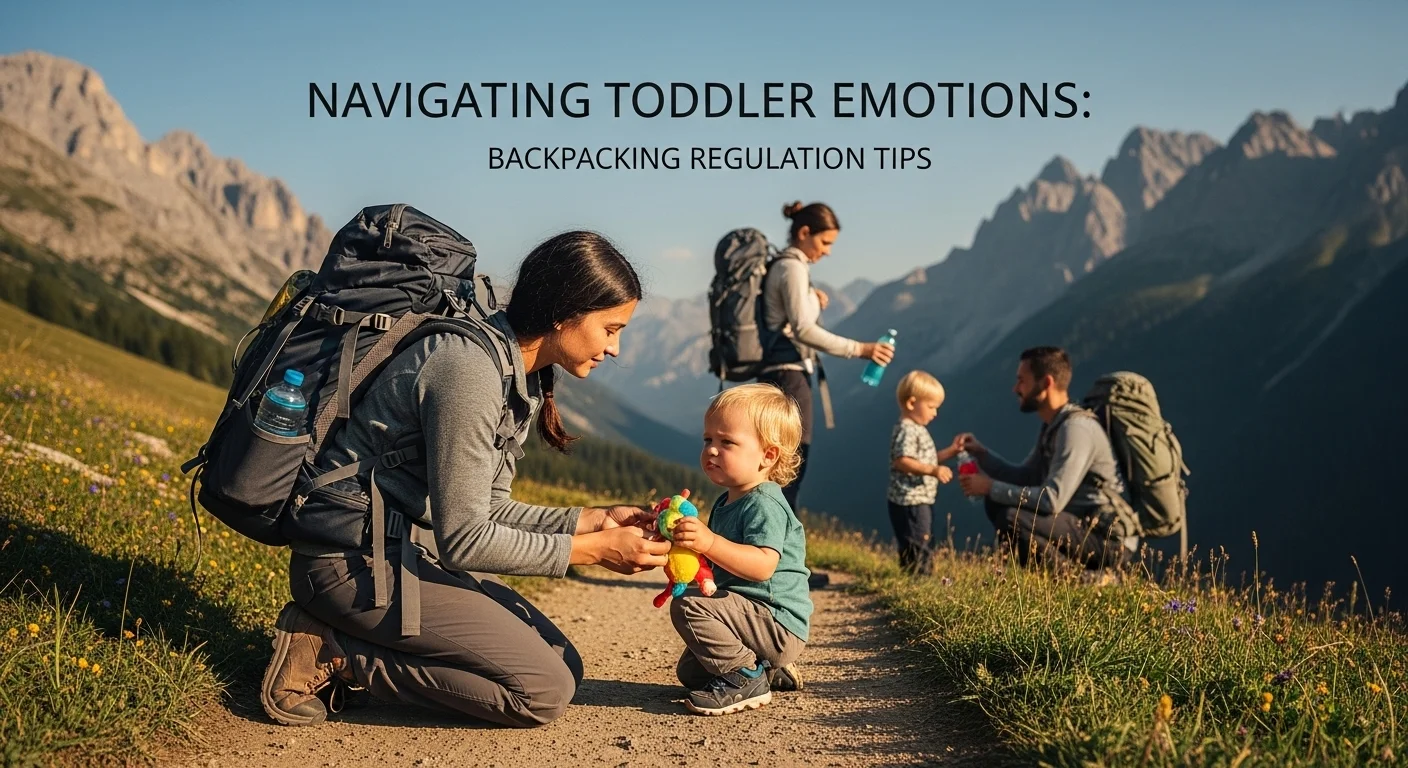
Understanding Toddler Emotions
The Emotional Development of Toddlers
Every parent knows that toddlers come with a whirlwind of emotions. I remember my own experience with my little one, who could go from gleeful laughter to tears in mere moments. This emotional rollercoaster is completely normal and stems from their developmental stage. At this age, toddlers are just beginning to understand their emotions, and they often lack the words to express what they’re feeling. Their brains are still developing, and they’re learning how to process all these new feelings.
During this stage, toddlers typically go through various emotional milestones. They start recognizing emotions in themselves and others, although they might not always know how to handle them. For instance, when my child got frustrated during playtime, I realized they were struggling to articulate their feelings. Understanding this helped me be more patient and supportive.
Common Toddler Emotions
So, what kinds of emotions should we expect? From my experience, some of the most common ones include:
- Joy: This is the excited giggle and squeal when they see their favorite toy.
- Frustration: This can lead to tantrums, especially if they can’t reach a toy or complete a puzzle.
- Fear: New environments, loud noises, or unfamiliar faces can trigger anxiety.
- Sadness: Losing a toy or having to leave a fun activity can lead to tears.
- Anger: This often surfaces when they feel misunderstood or when their desires are thwarted.
Understanding these emotions can help us react appropriately. I learned to notice the signs of frustration in my child’s body language before it escalated into a full-blown meltdown. By recognizing these feelings early, I felt more equipped to help them navigate their emotional landscape. For more on strategies for emotional development, check out Mastering Toddler Emotions: Essential Regulation Strategies.
Why Emotional Regulation is Important
Emotional regulation is crucial for a child’s development. I’ve seen firsthand how teaching my toddler to manage their emotions has made a big difference in our daily lives. When toddlers learn to regulate their emotions, it helps them cope with challenges, build relationships, and develop resilience. It’s like giving them tools for life. They become more adaptable and better equipped to handle situations, whether they’re at home or out exploring nature.
For instance, during a recent family hike, my child stumbled and fell, scraping their knee. Instead of bursting into tears, they took a deep breath and looked to me for guidance. I felt so proud of the progress they made in managing their emotions! By encouraging them to express their feelings and providing them with calming techniques, I’ve witnessed their confidence grow.
But let’s be real—helping toddlers regulate their emotions isn’t always easy. There will be times when they experience big feelings that can be overwhelming for both them and us. I remember a particularly challenging day when my child had multiple meltdowns during our outdoor adventure. It was exhausting! However, I learned that when we understand the “why” behind their emotions, it equips us to respond more effectively.
As we embark on our backpacking journeys, understanding toddler emotions becomes even more critical. Their feelings can fluctuate with new experiences, so being aware of this can help us plan for emotional ups and downs. Just like we pack snacks and water, we should prepare emotionally for the challenges ahead.
In the next sections, we’ll dive deeper into how to manage these emotions while backpacking with toddlers. Understanding their emotional state can transform our adventures from chaotic to truly memorable experiences filled with joy and learning.
Backpacking with Toddlers: An Overview
What is Backpacking with Toddlers?
Backpacking with toddlers is more than just strapping on a backpack and hitting the trails. It’s about bringing your little one along for a journey that connects them to the great outdoors. I remember the first time I decided to take my toddler on a backpacking trip. It was a weekend adventure, and I wanted to share my love for nature with my child. We packed our gear, loaded up on snacks, and set off with a small tent and a lot of enthusiasm.
This type of trip usually involves hiking to a campsite, where you can spend time together in nature. It’s not just about the destination, but the experiences you share along the way. For us, every small discovery—like spotting a squirrel or picking up interesting rocks—turned into a mini adventure. It’s a beautiful way for families to bond while teaching toddlers about the environment and the joy of exploration. For more insights on emotional management during these trips, read Unlocking Toddler Emotions: A Backpacker’s Guide to Understanding.
Benefits of Backpacking for Families
Backpacking offers countless benefits for families. From my experience, one of the biggest advantages is the quality time you get to spend together, away from everyday distractions like screens and chores. I found that being in nature helped us all disconnect from our busy lives and truly connect with each other. The shared experience of navigating trails, setting up camp, and cooking meals together fosters teamwork and strengthens family relationships.
Additionally, it’s a wonderful opportunity for toddlers to explore their surroundings and engage their senses. I noticed how much my child learned about nature, from identifying birds to understanding the importance of leaves and trees. Being outside encourages curiosity and play, which are crucial for emotional development. Nature itself acts as a calming influence, helping both kids and adults feel more relaxed and grounded.
Challenges of Backpacking with Young Children
Of course, backpacking with toddlers isn’t without its challenges. I’ve experienced my fair share of ups and downs on the trail. One of the first hurdles we faced was managing my child’s energy levels. Toddlers are full of energy, but they can also tire quickly. I remember a hike where my little one insisted on walking on their own but soon got tired after only a short distance. We ended up carrying them, which added extra weight to our packs and slowed us down.
Another challenge is handling emotional outbursts in new environments. I’ve seen how unfamiliar places can trigger anxiety or frustration in my toddler. There were times when a sudden change in scenery would lead to tears, especially if they were feeling tired or hungry. It’s essential for us as parents to be prepared for these emotional moments and to have strategies in place to help soothe and calm our little ones.
Weather can also play a significant role in the success of a backpacking trip. Rain or cold can be discouraging, and I’ve learned that flexibility is key. Sometimes we had to adjust our plans or find creative ways to keep our toddler engaged during less-than-ideal conditions. Recognizing these challenges is the first step to preparing ourselves for a successful adventure, and it’s something I wish I had done more thoroughly before our trips.
In the next sections, we’ll explore how to prepare for these journeys, ensuring we have the right gear and the best strategies to make our backpacking experiences with toddlers as enjoyable as possible. By planning ahead, we can navigate both the fun and the challenges, transforming our outings into memorable adventures that our families will cherish.
Preparing for the Journey
Choosing the Right Destination
Choosing the right destination can make or break your backpacking experience with toddlers. I remember the first time we set out on a trip; I mistakenly thought any trail would do. We ended up on a longer and more challenging hike than I anticipated. My little one was not thrilled about the steep inclines and rocky paths. Now, I always prioritize kid-friendly trails that offer plenty of opportunities for exploration and play. Look for places with gentle slopes, short distances, and interesting features like streams or unique rock formations.
Additionally, I’ve found that researching the area beforehand helps. Some parks and trails even have specific sections designed for families. I also consider accessibility to restrooms or picnic areas, which can make all the difference if your toddler needs a break. In my experience, finding a location with a blend of engaging sights and manageable terrain keeps our spirits high and makes the adventure enjoyable for everyone.
Essential Gear for Backpacking with Toddlers
When it comes to gear, I’ve learned that being well-prepared can turn a potential disaster into a delightful day out. First and foremost, a good child carrier is essential. I invested in one that is comfortable for both me and my child, ensuring a smooth ride on the trails. I also recommend packing extra layers of clothing, as the weather can change unexpectedly. I remember a hike where we started in sunshine and ended in a sudden downpour; having a rain jacket for my toddler saved the day!
Snacks are also a must! I always pack a variety of healthy snacks to keep energy levels up and mood swings at bay. From granola bars to fruit pouches, these little boosts can make all the difference. I also make sure to have plenty of water on hand, because staying hydrated is key during our adventures.
Don’t forget about first aid supplies! Accidents can happen, and being prepared gives me peace of mind. I keep a small kit that includes band-aids, antiseptic wipes, and any necessary medications. Lastly, a few favorite toys or comfort items can help soothe any unexpected emotional bumps along the way.
Planning Your Itinerary
When planning our itinerary, I always keep my toddler’s needs in mind. It’s tempting to pack the day with activities, but I’ve learned that less is often more. We aim for shorter hikes with plenty of breaks to explore and unwind. I’ve found that including time for spontaneous play or exploration really enriches our experience. For example, I’ll often set aside time for my little one to climb rocks, splash in a creek, or simply sit and observe nature.
I also prioritize flexibility. Sometimes, our plans need to shift based on how my child is feeling that day. If we planned a longer hike but my toddler is showing signs of fatigue, I’ve learned it’s okay to change our route or cut the day short. Embracing a flexible mindset has turned potential frustrations into joyful moments of discovery.
Moreover, I think it’s helpful to familiarize my child with the itinerary in simple terms. We might look at a map together, chat about what we’ll see, and highlight the fun parts of the journey. This not only builds excitement but also gives them a sense of control, which can help with emotional regulation on the trail. By acknowledging their feelings about the trip and keeping them involved in planning, I’ve noticed a more positive attitude as we embark on our adventures together.
Emotional Regulation Strategies
Recognizing Emotional Triggers
As we venture into the world of emotional regulation, I’ve found that recognizing emotional triggers is a game changer. I’ve learned to watch for signs that my toddler may be becoming overwhelmed. Factors like hunger, fatigue, or even overstimulation from new sights and sounds can set off a cascade of emotions. I remember a hike where we encountered a group of loud hikers; my child was visibly startled and began to cry. By noticing the trigger, I could gently comfort them and move to a quieter spot.
Understanding these triggers has also allowed me to plan better. For example, I try to avoid hiking during peak nap times, as a tired toddler can quickly become a cranky one. I’ve found that keeping a close eye on their mood and adjusting our pace or activities helps prevent meltdowns before they happen. It’s all about creating a supportive environment where my child feels secure and understood.
Practical Tips for Managing Meltdowns
Despite our best efforts, meltdowns can still happen. I’ve learned that having practical strategies ready can help ease the situation. One technique that works for us is taking a moment to pause and breathe. I encourage my toddler to take deep breaths with me. It sounds simple, but it can work wonders in calming both of us down. I remember one hike where my child was frustrated about not being able to climb a big rock. By taking a few deep breaths together, we were able to refocus and tackle the challenge with renewed energy.
I also keep a small bag of distractions handy. Whether it’s a favorite stuffed animal or a simple game, engaging my child in something they enjoy can help redirect their emotions. I recall a time when my little one was upset about taking a break. By pulling out a small puzzle, we turned the moment into a fun little game that lifted their spirits.
Using Positive Reinforcement
Finally, I can’t stress enough the value of positive reinforcement. I make it a point to celebrate the small victories. When my child expresses their feelings instead of acting out, I give them praise. I’ve noticed that this encourages them to continue using their words, which ultimately helps us both. For example, after a difficult moment on the trail, I might say, “I’m so proud of you for telling me how you felt!” This kind of encouragement fosters emotional growth and strengthens our bond.
By implementing these emotional regulation strategies, we can navigate our backpacking adventures more smoothly. It’s all part of the journey, and as we learn together, I find that our experiences become richer and more rewarding.
Activities to Support Emotional Regulation
Engaging in Mindfulness Practices
One of the most rewarding aspects of backpacking with toddlers is the opportunity to introduce them to mindfulness practices in a fun and engaging way. I’ve found that being in nature offers a perfect backdrop for simple mindfulness activities. When we’re out on the trail, I often take a moment to pause and encourage my child to close their eyes and listen to the sounds around us. I might say, “Can you hear the birds? What other sounds do you notice?” This not only helps them center their thoughts but also fosters a deeper connection with the environment.
We also try to engage our senses actively. I remember a hike where we stopped to touch the different textures of trees and leaves. I guided my child to describe what they felt: “Is the bark rough or smooth? What does the leaf feel like?” These activities help ground them and create a sense of calm, which is especially useful when emotions start to rise.
Incorporating Play into Backpacking
Play is such an essential part of childhood, and I believe it can also be an effective tool for emotional regulation while backpacking. Incorporating playful elements into our hikes not only makes the journey enjoyable but also helps my toddler express and manage their emotions more readily. For example, I often turn our walks into scavenger hunts, where we look for specific items in nature, like unique stones, colorful leaves, or particular types of flowers.
On one memorable trip, we played a game where we pretended to be animals we saw along the way. My child loved pretending to be a bear, lumbering around and making silly growls. This playful engagement not only lightened the mood but also allowed my toddler to express their feelings through imaginative play. We laughed together, and it helped diffuse any tensions that had been building during our hike.
Creative Expression through Art and Nature
Art can be a powerful tool for toddlers to express their emotions, and I’ve found that incorporating it into our outdoor experiences can enhance their understanding of their feelings. Bringing along some simple art supplies, like crayons and paper, allows us to capture the beauty around us. After a hike, we sit down together and draw or paint what we saw, whether it’s a majestic mountain or a tiny flower. This creative expression gives my child a way to process their feelings and connect with the day’s experiences.
Additionally, I’ve encouraged my little one to collect natural items, like leaves or pebbles, to create art projects at home. This not only reinforces their connection to nature but also provides an outlet for any emotions they might have felt during our adventure. I’ve seen how this practice encourages reflection and helps them articulate their feelings more clearly.
Communication Techniques for Parents
Validating Your Toddler’s Feelings
Validation is a crucial part of effective communication with toddlers. I’ve learned that acknowledging my child’s feelings, even when I don’t fully understand or agree, goes a long way in helping them feel heard. When they express frustration or sadness, I try to respond with empathy, saying things like, “I see you’re upset because we can’t climb that rock right now. It’s okay to feel that way.” This approach helps them feel supported and understood, which can ease emotional turmoil.
Using Clear and Simple Language
During our hikes, I’ve found that using clear and simple language is key to helping my toddler understand their feelings. I avoid complicated explanations and instead use short phrases that they can grasp easily. For instance, if my child says they’re tired, I might respond with, “Okay, let’s take a break and rest for a few minutes.” This not only clarifies my intentions but also reassures them that their feelings matter.
Modeling Emotional Expression
As a parent, I believe it’s essential to model emotional expression myself. I try to share my feelings openly, whether I’m excited about a beautiful view or frustrated about a missed turn on the trail. By demonstrating how I handle my emotions, I teach my child that it’s normal to feel a range of emotions and that expressing them is healthy. I remember when I got a bit anxious during a thunderstorm on one trip. Instead of hiding my feelings, I openly discussed my worries, which encouraged my toddler to share their own fears. This helped us both feel more secure and connected.
Creating a Supportive Environment
Establishing Routines
Establishing routines while backpacking can provide a sense of security for toddlers. I’ve noticed that when we have a consistent schedule—like setting aside time for meals, naps, and play—it helps my child feel more settled. This predictability is comforting, especially during unpredictable outdoor adventures. I often try to stick to our usual bedtime routine, even while camping, to maintain a sense of normalcy amid the excitement of being in nature.
Building a Comfort Zone
Creating a comfort zone while backpacking is essential for my child’s emotional well-being. I make it a point to bring familiar items, like their favorite blanket or stuffed animal, which can offer comfort during new experiences. Setting up our campsite in a way that feels cozy and familiar also helps. I encourage my child to make their own little space with their items, which reinforces a sense of ownership and security.
Connecting with Nature for Emotional Healing
Nature has an incredible ability to soothe and heal. I’ve witnessed how spending time outdoors can lift my child’s spirits. Whether it’s watching a sunset or simply listening to the rustle of leaves, these moments allow us to connect with the world around us and find peace. I often remind my child that nature can be a safe space to explore and express feelings, reinforcing the idea that it’s okay to feel whatever they are feeling.
Dealing with Unexpected Situations
Handling Travel Stress and Fatigue
Traveling with toddlers can often lead to unexpected stress and fatigue, and I’ve learned how important it is to manage these feelings proactively. One trick I’ve adopted is to build in plenty of downtime during our trips. If we have a long hike planned, I ensure there are shorter breaks where my child can play freely or rest. This approach helps prevent meltdowns and keeps our spirits high.
Adapting Plans on the Go
No matter how much we plan, things don’t always go as expected. I’ve experienced days when the weather turned sour or when my child simply wasn’t up for the planned activity. Instead of feeling frustrated, I’ve learned to embrace adaptability. If we need to change our plans, I try to find alternative activities that can still be enjoyable. For instance, if a hike gets rained out, we might explore a nearby shelter or engage in some fun indoor games at our campsite.
Emergency Strategies for Emotional Crises
It’s also essential to have emergency strategies ready for those unexpected emotional crises. I’ve prepared a small toolkit of calming techniques that I can use on the go. This includes deep breathing exercises, engaging distractions, or even a quick dance party to lighten the mood. These techniques have saved the day more than once, allowing us to navigate emotional ups and downs with grace and laughter.
Resources for Further Support
Books on Toddler Emotional Development
If you’re looking to delve deeper into toddler emotional development, I can recommend a few insightful books. Titles like “The Whole-Brain Child” by Daniel J. Siegel and Tina Payne Bryson offer excellent strategies for understanding and nurturing emotional growth in toddlers. Reading these books helped me gain new perspectives and techniques that I could apply during our adventures.
Websites and Online Communities
There are numerous websites and online communities dedicated to parenting and emotional development. I often turn to forums and blogs where other parents share their experiences and tips. Sites like Parenting.com and the Zero to Three organization provide valuable resources that can guide you through various stages of toddlerhood.
Professional Help: When to Seek Guidance
Sometimes, despite our best efforts, we may find ourselves feeling overwhelmed. Seeking professional guidance can be a positive step. Whether through a pediatrician or child psychologist, having an expert’s perspective can offer support tailored to your child’s needs. It’s important to recognize that asking for help is a strength, not a weakness.
Final Thoughts
Backpacking with toddlers is truly a unique experience filled with challenges, joys, and precious memories. By understanding our little ones’ emotions, we can create an environment that fosters growth and connection. Utilizing emotional regulation strategies, effective communication, and support systems can transform our adventures into enriching experiences for both parents and children. I’ve learned that every hike is an opportunity for exploration—not just of the great outdoors, but also of our feelings and relationships. Let’s embrace the journey with an open heart and a willingness to learn together.
Frequently Asked Questions
What are common emotions that toddlers experience?
Toddlers commonly experience emotions such as joy, frustration, fear, sadness, and anger. These emotions can manifest in various ways, such as giggles for joy or tantrums for frustration.
Why is emotional regulation important for toddlers?
Emotional regulation is crucial for a child’s development as it helps them cope with challenges, build relationships, and develop resilience. It equips them with tools for life and enhances their adaptability in different situations.
What challenges might parents face when backpacking with toddlers?
Parents may face challenges such as managing their toddler’s energy levels, handling emotional outbursts in new environments, and adapting to weather changes. These factors can influence the overall success of the backpacking trip.
How can parents prepare for a backpacking trip with toddlers?
Parents can prepare by choosing kid-friendly destinations, packing essential gear such as a comfortable child carrier, snacks, and first aid supplies, and planning a flexible itinerary that accommodates their toddler’s needs.
What strategies can help manage toddler meltdowns during backpacking?
Strategies to manage meltdowns include recognizing emotional triggers, using deep breathing techniques, providing distractions like toys or games, and offering positive reinforcement for expressing feelings.
How can mindfulness practices benefit toddlers during outdoor adventures?
Mindfulness practices can help toddlers center their thoughts and connect with nature. Activities like listening to sounds around them or engaging their senses can foster calmness and emotional regulation.
What role does play have in emotional regulation while backpacking?
Incorporating play into backpacking can make the journey enjoyable and help toddlers express and manage their emotions. Activities like scavenger hunts and imaginative play can lighten the mood and foster emotional expression.
How can parents validate their toddler’s feelings effectively?
Parents can validate their toddler’s feelings by acknowledging their emotions with empathy. Responding with understanding phrases, such as recognizing frustration or sadness, helps toddlers feel heard and supported.
What should parents do if their plans change unexpectedly during a trip?
Parents should embrace adaptability and be willing to change their plans based on their toddler’s needs or weather conditions. Finding alternative activities can help maintain a positive experience despite unexpected changes.
What resources are available for parents seeking support on toddler emotional development?
Parents can explore books such as “The Whole-Brain Child,” visit websites like Parenting.com, and engage with communities focused on parenting. Professional help from pediatricians or child psychologists can also provide tailored support when needed.
Watching your newborn grow is one of the most fulfilling experiences. Understanding their physical milestones helps us support their journey and celebrate each little victory along the way.
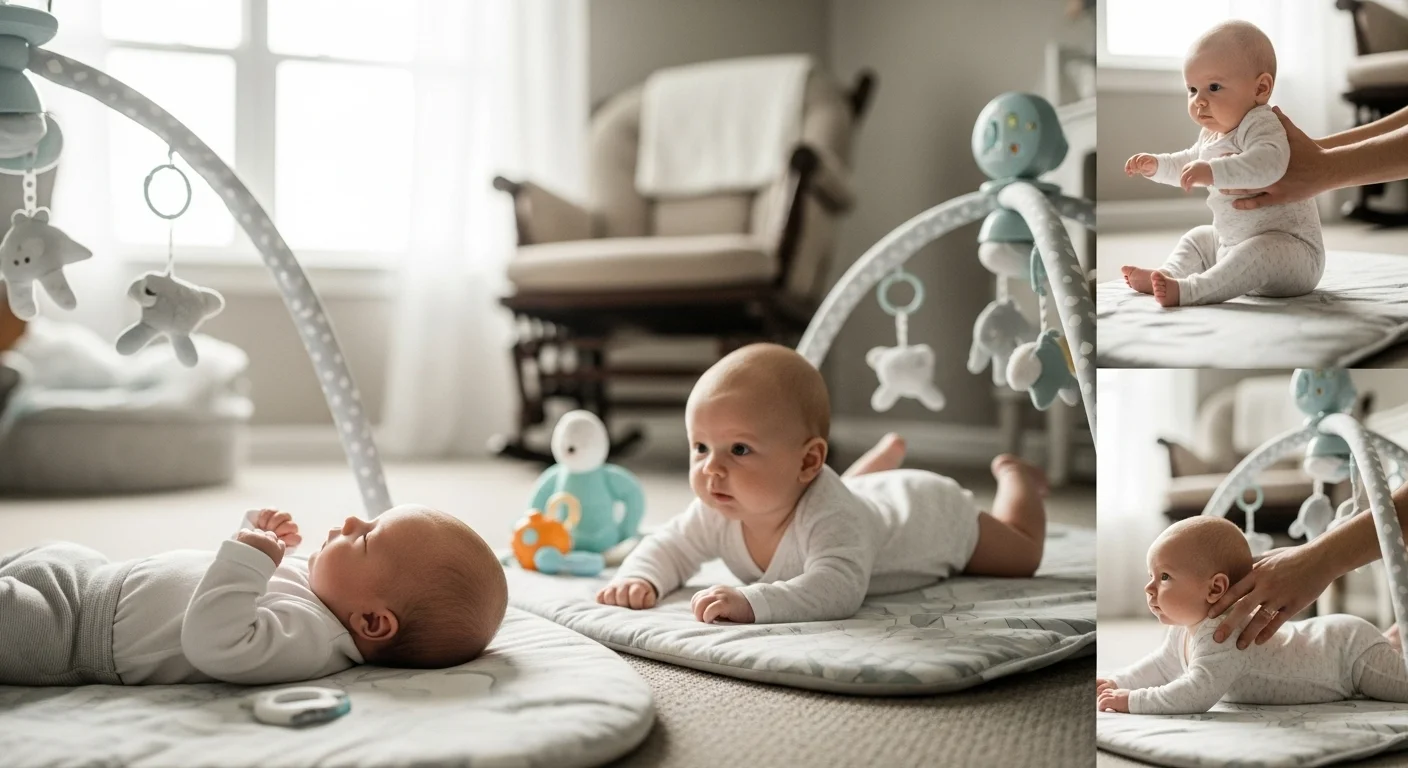
Understanding Newborn Physical Milestones
Definition of Physical Milestones
Physical milestones are specific skills or abilities that most children reach by a certain age. These milestones cover a wide range of activities, from basic reflexes to more complex movements. I remember when my little one first managed to hold their head up; it felt like a huge victory! These milestones can include anything from rolling over to walking and everything in between. Each milestone is a stepping stone in your child’s development, and recognizing them can provide a sense of reassurance and joy for us parents.
Importance of Tracking Growth
Tracking physical milestones is essential for several reasons. First, it helps parents to understand where their child stands developmentally. I found it incredibly helpful to keep a milestone chart to monitor my child’s progress. This not only allowed me to celebrate achievements, but also helped me notice if my child was lagging behind in any area. Understanding these growth markers can also provide early indications of potential developmental issues. If a baby is not reaching certain milestones within the expected time frame, it might be a sign that they need extra support or guidance. I remember a friend who noticed her baby wasn’t rolling over by six months; she brought it up at the pediatrician’s appointment, leading to early intervention that made a significant difference. By tracking these milestones, we can be proactive rather than reactive, giving our little ones the best start possible. Read Interesting article: Top Symptoms of Newborn Illness: What to Watch For
Key Developmental Phases in the First Year
0-3 Months: Early Reflexes and Movements
The first three months are all about reflexes. Newborns have several involuntary reflexes that are quite fascinating to watch. For example, the grasp reflex is when a baby automatically grips anything placed in their palm. I still vividly remember the day my baby wrapped their tiny fingers around my own—it was such a heartwarming moment! During this phase, we can also expect movements like jerky arm and leg motions as they start exploring their new world. While they may not have control yet, their bodies are beginning to wake up and respond to stimuli. Tummy time becomes essential during this period, as it helps strengthen their neck and shoulder muscles. I learned that just a few minutes of tummy time each day could make a significant difference in their development.
3-6 Months: Strengthening Muscles and Coordination
Between three to six months, babies start to gain muscle strength and better coordination. During this phase, you might notice your little one attempting to roll over. I can’t describe the joy I felt watching my baby flip for the first time! This is also the time when they begin to push up on their arms during tummy time. I found that placing interesting toys just out of reach encouraged my baby to stretch and reach, which was not only fun to watch but also crucial for their physical development. As they grow stronger, you’ll see them start to sit with support, which is a clear indication that they are developing core strength. Read Interesting article: Recognizing Newborn Illness: A Parent’s Quick Guide
6-9 Months: Sitting Up and Crawling
As we move into the 6-9 month range, things really start to pick up! Most babies can sit up unassisted by six months, which opens up a whole new world of exploration. I was amazed at how much my child loved to sit and play with toys, discovering textures and sounds. Around this time, many babies also start to crawl, which can be a monumental milestone. Crawling is not just about mobility; it’s crucial for developing coordination and strength. I remember getting down on the floor to crawl alongside my baby, and it was such a bonding experience. Encouraging crawling by creating safe, open play spaces can help your little one master this skill. You might find that they also start to pivot and reach for objects while sitting, showcasing their growing dexterity.
9-12 Months: Standing and First Steps
The final stretch of the first year is filled with excitement as babies usually start to stand and even take their first steps. I can still recall the day my baby pulled up to standing for the first time—what an exhilarating moment! By nine months, many babies can stand with support, which is a fantastic sign of their growing strength. Once they start cruising along furniture, it’s only a matter of time before they take those first independent steps. I found that providing sturdy furniture for them to hold onto made it easier and safer for them to practice. Each little wobble and fall only added to the adventure, and every small victory felt like a major milestone for us both.
Essential Physical Milestones by Age
Milestones at 1 Month
At one month, your newborn is still adjusting to the world outside the womb. During this time, you might notice them turning their head towards sound and light, which is their way of beginning to engage with their environment. They may also demonstrate the start of reflex movements, like grasping your finger if you place it in their palm. I remember marveling at how instinctively my baby would grip my finger tightly, as if they knew I was there to support them. This reflex is a sign of their developing nervous system, and while they might seem unresponsive at times, these little movements are their first steps toward growth.
Milestones at 2 Months
By two months, things start to get a bit more exciting. Babies begin to exhibit more control over their movements. I was thrilled when my baby could hold their head up briefly while lying on their tummy. They may also start to push up with their arms when on their stomach, which helps strengthen their neck and back. At this age, social smiles become more common, and it’s such a joy to see that first real smile directed at you. It made my heart melt every time my baby looked into my eyes and smiled back, creating that special bond that I cherish.
Milestones at 3 Months
At the three-month mark, many babies can lift their head 45 degrees while on their stomach. This is when I first noticed my baby showing interest in toys, reaching out for them with curiosity. It’s a beautiful moment as they begin to explore their surroundings. They might also begin to coo and make more vocal sounds, which can be so delightful to hear. I remember trying to mimic their sounds, and we ended up having little “conversations.” This phase is all about beginning to engage with the world in a more interactive way.
Milestones at 4 Months
Four months brings even more remarkable changes. Babies usually start to roll over from their tummy to their back, which is a significant milestone. I can recall the surprise and happiness in my baby’s eyes the first time they rolled over completely! They also gain better control of their arm and leg movements, and you might see them reach for toys or shake them to create sounds. Their hand-eye coordination starts to improve, and tummy time becomes more effective as they push up higher and higher.
Milestones at 5 Months
At five months, babies often become fascinated with their own reflection and might even laugh and squeal more. Their ability to control their movements continues to improve, allowing them to grab and shake toys with excitement. I remember how my baby would giggle when they discovered their reflection in a mirror—such a cute and funny moment! They might also start to sit up with support, which is a sign that their back muscles are strengthening nicely. This opens up a whole new world of play for them.
Milestones at 6 Months
By six months, most babies can sit up without support for short periods. I was overjoyed to see my little one sitting upright, taking in everything around them. This age is often when they start to try solid foods, which can be an exciting adventure for both babies and parents. Watching my baby experiment with different tastes and textures was a delightful experience. They may also begin to rock back and forth on their hands and knees, a precursor to crawling, which is just around the corner!
Milestones at 7 Months
Seven months is typically when babies start to crawl—what a game changer! I remember how determined and focused my baby was as they began to explore their environment. They might also start to pull themselves up to a standing position using furniture for support. This developmental leap can often lead to a lot of curiosity and exploration, which means we have to keep a watchful eye! The newfound mobility can be both thrilling and a bit daunting.
Milestones at 8 Months
At eight months, you might notice your baby can sit well without support and may even start to bounce when standing with assistance. I found it adorable how my baby would bounce excitedly, especially when music was playing. They could also be more vocal, making a variety of sounds, which is such a joy to hear. This is a great time to encourage them to explore different textures and shapes through toys or safe household items.
Milestones at 9 Months
As we approach the nine-month mark, many babies can crawl efficiently and even start to cruise along furniture. I remember how proud I was when my baby first moved from the couch to the coffee table! This milestone not only boosts their confidence but also improves their coordination and balance. They may also start to understand the concept of “object permanence,” which means they realize that things still exist even when they can’t see them. This is a crucial cognitive development stage.
Milestones at 10 Months
At ten months, babies often become little explorers! They might be able to stand without support for a moment or two, and many will start taking their first steps while holding onto furniture. I remember cheering on my baby as they shuffled around the living room, holding onto every surface they could reach. Their fine motor skills also improve, allowing them to pick up smaller objects using a pincer grasp, which is fascinating to witness.
Milestones at 11 Months
By eleven months, your baby may be standing independently for a few seconds, showing off their strength and balance. They’re also likely to be more adept at using their hands, engaging in more complex play with toys. I loved seeing how my baby would manipulate blocks and other toys, figuring out how they fit together. This age is also when they might start to say a few simple words, which can be such a rewarding experience for us parents.
Milestones at 12 Months
Finally, at one year old, many babies take their first independent steps, and the joy that comes with this milestone is indescribable. I can still remember the moment my baby wobbled toward me, arms outstretched, and it felt like the world stood still. They’re also likely to be able to say a couple of words and might even understand simple commands. This is such an exciting time as they become more mobile and communicative, opening up a world of possibilities for exploration and learning.
Key Physical Skills to Monitor
Gross Motor Skills
Gross motor skills involve large muscle groups and are essential for movements like crawling, walking, and jumping. As I watched my baby grow, I realized how vital these skills are for their overall mobility and confidence. I remember how excited I felt when my little one first learned to crawl. It was not just a milestone; it opened a door to exploration that transformed our home into a vast playground. To monitor gross motor skills, we can observe if our babies can perform actions like rolling over, sitting up, crawling, and eventually standing and walking unassisted. Each of these steps is a testament to their growing strength and coordination, and celebrating these achievements encourages them to keep trying new things.
Fine Motor Skills
Fine motor skills are all about the smaller movements that involve the hands and fingers. These skills develop as babies learn to grasp, manipulate, and explore objects. I remember the joy of watching my baby pick up small toys, like blocks or rattles, and bring them to their mouth. This phase is crucial for their ability to feed themselves and eventually write and draw as they grow older. To support fine motor development, I often provided toys that encouraged grasping and shaking, such as soft balls or textured objects. It was amazing to see how quickly their dexterity improved—tiny fingers working hard to achieve big goals!
Hand-Eye Coordination
Hand-eye coordination is the ability to coordinate visual input with hand movements. This skill is vital for a range of activities, from reaching for a toy to catching a ball later on. I noticed my baby starting to develop this skill around the six-month mark when they would reach for toys with purpose. It was fascinating to see how they learned to track moving objects with their eyes and then coordinate their hand movements to grab them. Simple activities like playing with colorful balls or encouraging them to reach for objects while sitting up can help enhance this skill. I found that engaging in play that involved throwing or rolling a ball was not just fun but also a great way to boost hand-eye coordination.
Common Concerns and When to Seek Help
Signs of Delayed Development
As much as we celebrate milestones, it’s essential to be aware of signs that indicate potential delays in development. I often found myself comparing my baby’s progress to those of friends’ children, and while it’s natural to do so, I learned that each child develops at their own pace. If you notice that your little one isn’t meeting key milestones—like not rolling over by six months or not standing by twelve months—it may be worth having a conversation with your pediatrician. I remember a moment of worry when my child wasn’t crawling by eight months, which led me to seek advice. It turned out they were just taking their time, but it’s always best to stay informed and proactive.
When to Consult a Pediatrician
Consulting a pediatrician can be a daunting thought for some parents, but it’s vital when it comes to your child’s health and development. I learned that if you have any concerns about your baby’s growth or abilities, it’s better to err on the side of caution. Signs that warrant a visit include lack of interest in toys, not making eye contact, or not responding to sounds by the expected age. I found comfort in knowing that pediatricians are there to support us and provide essential guidance. They can help identify if your child requires additional resources or therapies to aid their development.
Common Developmental Disorders
While most children develop typically, some may face challenges that can affect their growth. Conditions like developmental coordination disorder, cerebral palsy, or autism spectrum disorder can impact physical milestones. It was eye-opening for me to learn about these disorders and how they manifest in young children. If you suspect that your child may be experiencing developmental delays or challenges, early intervention is key. I remember reading about how many resources were available to help families navigate these concerns, and accessing support can make a significant difference in your child’s journey.
Supporting Your Newborn’s Growth
Nutrition and Feeding Practices
Nutrition plays a critical role in supporting physical development. From my experience, breastfeeding or formula feeding in the early months provides essential nutrients for growth. As my baby transitioned to solid foods around six months, I discovered how to introduce a variety of textures and flavors. I remember how proud I felt when my baby eagerly tried new foods, and I learned that a balanced diet rich in vitamins and minerals is vital for supporting their growing body. Making mealtime a fun and engaging experience promotes healthy eating habits early on. Read Interesting article: Essential First Aid Tips for Newborns Every Parent Should Know
Safe Sleep Practices
Sleep is another critical component of healthy development, especially in the first year. I found that establishing a consistent sleep routine helped my baby feel secure and rested. Safe sleep practices, like placing them on their back to sleep and ensuring a clear crib, are essential to reducing the risk of Sudden Infant Death Syndrome (SIDS). I remember how much I cherished the quiet moments as my baby slept peacefully, knowing that their little bodies were working hard to grow and develop.
Encouraging Movement and Play
Encouraging movement and play is one of the most delightful ways to support your baby’s growth. I loved creating a safe space where my baby could explore and practice new skills. Simple activities like tummy time, playing with soft toys, and even dancing together were not just fun, but they also aided in strengthening muscles and improving coordination. I remember how my little one would giggle as we rolled a ball back and forth, turning playtime into an opportunity for learning. Engaging in active play each day fosters both physical and cognitive development while creating precious bonding moments.
Resources for Parents
Books on Child Development
There’s a wealth of information out there for parents looking to understand their child’s development better. I found several books on child development incredibly helpful. Titles focusing on milestones and growth can give you insights and tips to support your baby’s journey. I remember reading “The Whole-Brain Child” and finding it enlightening, as it helped me understand how to nurture my child’s developing brain.
Online Support Communities
Connecting with other parents can be invaluable. Online support communities provide a space to share experiences, ask questions, and gain encouragement. I joined a few parenting forums and found them to be a great source of comfort and information. Engaging with other parents going through similar experiences made me feel less alone on this journey.
Consulting with Specialists
If you ever find yourself feeling uncertain about your baby’s development, consulting with specialists can be beneficial. We consulted a pediatric occupational therapist when we had questions about play and motor skills. They provided tailored strategies and activities that helped us support our child’s growth effectively. I learned that seeking help is a sign of strength and a commitment to giving your child the best opportunities for success.
Frequently Asked Questions
What are physical milestones in newborns?
Physical milestones are specific skills or abilities that most children reach by a certain age. They range from basic reflexes to more complex movements, including actions like rolling over, sitting up, and walking.
Why is it important to track physical milestones?
Tracking physical milestones helps parents understand their child’s developmental progress, celebrate achievements, and identify any potential developmental issues early on. It allows for proactive support rather than reactive measures.
What are some key developmental phases for newborns during the first year?
The first year is divided into several key phases: 0-3 months focuses on early reflexes and movements; 3-6 months is about strengthening muscles and coordination; 6-9 months involves sitting up and crawling; 9-12 months is marked by standing and taking first steps.
What gross motor skills should I monitor in my newborn?
Gross motor skills involve large muscle groups and include actions like rolling over, sitting up, crawling, standing, and walking. Monitoring these skills is essential for your child’s overall mobility and confidence.
What fine motor skills should I observe in my baby?
Fine motor skills involve smaller movements with the hands and fingers, such as grasping and manipulating objects. Observing your baby’s ability to pick up and explore toys is crucial for their development.
When should I be concerned about my baby’s development?
If your baby isn’t meeting key milestones—like not rolling over by six months or not standing by twelve months—it may be worth discussing with your pediatrician. Each child develops at their own pace, but awareness is important.
What signs indicate that I should consult a pediatrician?
Signs that warrant a visit to a pediatrician include lack of interest in toys, not making eye contact, or not responding to sounds by the expected age. Consulting a pediatrician can provide essential guidance and support.
How can I support my newborn’s growth through nutrition?
Nutrition plays a critical role in physical development. Breastfeeding or formula feeding provides essential nutrients, and as your baby transitions to solid foods, introducing a variety of textures and flavors is important for growth.
What safe sleep practices should I follow for my newborn?
Establishing a consistent sleep routine is essential for your baby’s development. Safe sleep practices include placing your baby on their back to sleep and ensuring a clear crib to reduce the risk of Sudden Infant Death Syndrome (SIDS).
What activities can I do to encourage my baby’s movement and play?
Encouraging movement and play can be done through tummy time, playing with soft toys, and even dancing together. Engaging in active play fosters both physical and cognitive development while creating bonding moments.
Traveling with your baby can be one of the most exciting adventures. Understanding their social milestones during this time can help you make the most of these experiences and foster their development. Read Interesting article: Backpacking with Baby: Social Growth Milestones to Watch

Understanding Social Milestones in Infants
What Are Social Milestones?
Social milestones are those key moments in an infant’s development where they begin to engage with the world around them. I remember when my baby first started to smile at me; it felt like a little breakthrough. These milestones aren’t just about physical growth; they involve emotional and social interactions that are crucial for healthy development. For instance, when babies coo and babble, they are not just making sounds; they’re starting to communicate, express needs, and connect with others. Each milestone represents a step towards becoming a socially aware individual.
Importance of Social Development
Social development in infants is essential for their overall well-being. From my experience, I’ve noticed that babies who engage more socially tend to develop better communication and emotional skills later on. Social interactions help babies learn about relationships, empathy, and even conflict resolution. They start understanding cues from people around them, which shapes how they approach social situations as they grow. So, as we prepare for our baby’s first trips, paying attention to these social milestones can really enhance their experience and ours too. Read Interesting article: Traveling Smart: Cognitive Milestones in Newborns Explained
Key Social Milestones to Watch For
First Smiles and Social Engagement
One of the most heartwarming experiences is witnessing your baby’s first smiles. When my little one smiled back at me for the first time, I felt an overwhelming sense of joy. This simple act is a big deal—it’s their way of showing engagement and happiness. It usually happens around six to eight weeks, and it encourages meaningful interactions. As they smile, they’re not just reacting to you; they’re starting to understand social exchanges. I recommend capturing these moments; they are milestones in emotional connection.
Recognizing Familiar Faces
As babies grow, they begin to recognize familiar faces, usually around two to three months old. I remember the moment my baby saw a grandparent and lit up with recognition. This milestone is crucial as it indicates that they are starting to form attachments. It also helps in developing trust and safety in their environment. I think that during our travels, allowing them to meet familiar faces can make them feel more secure, especially in new places.
Responding to Emotions and Expressions
Another exciting milestone is when babies start to respond to emotions and expressions around six months. I observed my baby mirroring my surprise or laughter, which felt magical. This is when they start to understand that emotions can be shared and communicated. They pick up on our moods and react accordingly. During our trips, this ability can lead to delightful interactions with new people, as they recognize joy or warmth in others. I believe encouraging this can lead to even richer experiences.
Developing Attachment to Caregivers
Attachment is a significant milestone that usually develops around eight months. I remember my baby’s clinginess during this phase; it was a sign of their growing attachment to me. This bond is vital for their emotional security and will influence how they interact with others. As we travel, it’s important to keep this in mind. I’ve found that maintaining routines or bringing familiar items can help ease any anxiety they might feel in new environments.
Initiating Interaction (Cooing and Babbling)
When babies start cooing and babbling, it’s a thrilling phase for parents. This usually happens around four to six months. I loved when my baby would mimic sounds or engage in playful “conversations” with me. It’s a sign that they’re starting to communicate. This is also a perfect opportunity during our travels to encourage social interaction with others. I often recommend talking to strangers or family members, as it helps reinforce their developing communication skills. Read Interesting article: Backpacking with a Newborn: Milestones in Cognitive Growth
Preparing for Your Baby’s First Trip
Choosing the Right Destination
When it comes to planning our baby’s first trip, choosing the right destination felt like a big decision. I remember sitting down with my partner, going over various locations we thought would be perfect. We wanted somewhere that was family-friendly, had easy access to amenities, and offered a calm atmosphere for our little one. After some research, we decided on a beach destination. The idea of relaxing by the shore with gentle waves seemed ideal for both us and our baby. I think it’s important to pick a place where you can easily take breaks and have a flexible schedule. The more relaxed we were, the more enjoyable the experience became for our baby too.
Traveling with a Baby: What to Consider
Traveling with a baby requires some extra planning. I learned this the hard way during our first trip. One of the first things I considered was transportation. Whether we were flying or driving, I made sure to check if the airlines or car rental services had provisions for babies, like car seats or bassinets. I also thought about the time of day we would travel. For us, traveling during nap time worked wonders. It meant our baby could sleep through most of the journey, and we could enjoy some much-needed quiet time. I recommend thinking ahead about how to keep your baby comfortable during travel, whether it’s with snacks, toys, or favorite blankets.
Packing Essentials for Baby’s First Trip
Packing for our baby’s first trip was a task in itself! I remember creating a detailed checklist to ensure I didn’t forget anything crucial. Diapers, wipes, formula, and extra clothes were at the top of my list. I also packed some of our baby’s favorite toys to keep them entertained. One thing I found helpful was bringing a lightweight stroller. It made navigating through airports and sightseeing much easier. I also packed a baby carrier for times when we would be out and about, which allowed me to keep my hands free while still bonding with my little one. From my experience, being over-prepared is better than being caught off guard!
Social Milestones During Travel
Meeting New People: Family and Friends
One of the most exciting aspects of traveling with a baby is the opportunity for them to meet new people, especially family and friends. I remember how joyfully my baby responded when they met my sister for the first time. It was heartwarming to watch them interact, and I could see the curiosity in my baby’s eyes. These interactions are vital for social development; they help babies learn to communicate and build bonds. I think inviting family members to join us on our trips or planning gatherings can create memorable experiences that benefit everyone involved.
Exploring New Environments
Traveling allows our babies to explore new environments, which can be incredibly stimulating. I recall taking my little one to a bustling marketplace on our trip. While it was overwhelming at first, it became an excellent opportunity for them to observe different sights and sounds. I noticed how their eyes widened at the colorful stalls and lively interactions. This exposure to new environments is crucial for developing adaptability and curiosity. I recommend taking your time to let your baby soak in their surroundings, whether it’s a quiet park or a lively street. Every new experience is a chance for them to learn and grow.
Adapting to Different Social Settings
Adapting to various social settings is another important part of our travels. I remember taking my baby to a family gathering where there were many new faces. At first, they seemed a bit shy, but as the day went on, they slowly warmed up to everyone, smiling and cooing. This process of adaptation is vital for their social development. I’ve found that gradually introducing them to new people, rather than overwhelming them all at once, helps them feel more comfortable. Each new setting can teach them how to interact differently, whether in a quiet restaurant or a lively party. I believe these experiences are invaluable for building social skills that will serve them well as they grow.
Activities to Encourage Social Interaction
Playdates with Other Babies
Playdates have been one of my favorite ways to encourage social interaction for my baby. I remember setting up a playdate with a friend who had a baby around the same age. Watching them interact for the first time was delightful! They reached out to each other and even exchanged giggles. I think these playdates are essential for developing social skills and learning to share. Organizing regular meet-ups with other babies can create a wonderful sense of community for both parents and children. It’s amazing to see how quickly babies can bond, and it offers us parents a chance to connect too.
Visiting Parks and Playgrounds
Taking our baby to parks and playgrounds has been a great way to encourage socialization. I remember our first visit to a local park; I was pleasantly surprised to see how many other parents and babies were there. My baby enjoyed watching older kids play and even tried to mimic their laughter. Parks provide a relaxed atmosphere for babies to engage with other children and experience the joy of outdoor play. I recommend visiting during quieter times to help your baby adjust to the new environment without feeling overwhelmed. Over time, these visits can help build their confidence in social settings.
Participating in Parent-Baby Classes
Parent-baby classes have been another fantastic way to promote social interaction. I took my baby to a music class, and it turned out to be a hit! The rhythmic music and singing seemed to captivate them. These classes allow babies to interact with their peers while also engaging in structured activities. I noticed how my baby would look around, fascinated by the other little ones. I think these classes not only support social skills but also create a sense of routine and stability, which is beneficial as they navigate their social world.
Safety Considerations While Traveling
Ensuring Baby’s Comfort and Safety
When I first started traveling with my baby, I quickly realized that safety was one of my top priorities. I remember feeling a mix of excitement and anxiety about how to keep my little one comfortable and secure. One of the first things I did was invest in a high-quality car seat and stroller. These two items made a world of difference while navigating airports and different terrains. I always made sure the car seat was properly installed and checked the stroller for any recalls before our trips. It’s a little extra work, but knowing I was taking the right precautions for my baby’s safety gave me peace of mind.
Another aspect I focused on was ensuring that our baby was comfortable during travel. I found that dressing them in layers was helpful, as temperatures can fluctuate between planes, cars, and different destinations. I also packed a cozy blanket from home because it provided a sense of familiarity, which I think really helped my baby feel secure in new settings. During our travels, I paid close attention to their cues—if they seemed fussy or restless, I would take a break, offer a snack, or change their environment. I learned that keeping my baby comfortable directly influenced how much we both enjoyed our time away.
Travel Insurance and Health Precautions
Planning for health precautions was another important part of our travel preparations. I remember discussing with my partner whether we should buy travel insurance. After some research, we decided it was a wise choice. It offered us reassurance in case of unexpected medical needs during our trip. I recommend checking if your insurance covers pediatric emergencies, as it can bring peace of mind while you’re far from home.
In addition to insurance, I also made sure to pack a small first aid kit filled with essentials. I included items like infant acetaminophen, band-aids, and any medications our baby might need. Before we traveled, I consulted our pediatrician to ensure my baby was up-to-date on vaccinations, especially if we were heading to a new area. Knowing I was taking these precautions made me feel much more confident about our adventures.
Common Concerns Parents Have About Traveling with Babies
Dealing with Separation Anxiety
Separation anxiety can be tough for babies and parents alike, especially during travel. I remember our first family gathering where my little one clung to me like a little koala bear. It was sweet but also a bit stressful when I wanted them to interact with relatives. I learned that it’s completely normal for babies to feel anxious in new environments. One thing that helped was to gently introduce my baby to new people rather than thrusting them into a large crowd right away. I would sit with them on my lap and gradually encourage them to reach out to familiar faces. Over time, they became more comfortable, and I felt a sense of relief watching them build connections.
Handling Disruptive Sleep Patterns
Another concern I had was how travel would impact my baby’s sleep patterns. I noticed that our baby’s routine was disrupted during our trips, and it took some adjusting. I remember our first night in a hotel; my baby was wide awake, taking in all the new sounds and sights. To tackle this, I tried to maintain some elements of their bedtime routine, like reading a story or playing soothing music. I found that having their favorite sleep blanket or stuffed animal helped create a sense of familiarity that eased their transition into sleep mode.
Managing Baby’s Schedule During Travel
Managing my baby’s schedule during travel has been a balancing act. I noticed that while it was tempting to stick to our regular routine, it was also important to be flexible. I learned to pay attention to my baby’s cues rather than strictly adhering to the clock. If they were getting sleepy, I would find a quiet spot for a nap, regardless of our planned activities. This flexibility allowed us to enjoy our trips more fully and keep our baby content. I recommend being prepared to adjust your itinerary to accommodate your baby’s needs; it makes a world of difference!
Post-Trip Reflection: Evaluating Social Growth
Observing Changes in Behavior
After returning from our trips, I found it interesting to observe the changes in my baby’s behavior. I noticed that they seemed more curious and engaged with their surroundings. I remember being astonished at how they started to show more interest in other children. It was like a light bulb went off, and they began to understand the joy of social interactions. Reflecting on our experiences, I realized that each trip provided opportunities for growth, not just for my baby but for me as well. I think it’s valuable to take time after traveling to notice how our little ones have developed and adapted.
Encouraging Continued Social Development
After every trip, I made it a point to encourage the social skills my baby began to develop. I would set up playdates with friends who had children the same age, allowing for continued interaction. I found that revisiting some of the activities we enjoyed during our travels, like visiting parks or engaging in music classes, reinforced their social skills. I believe that sustaining these interactions helps build confidence and prepares them for future experiences. By fostering these social connections, I felt I was giving my baby the tools to navigate the world around them with ease.
Frequently Asked Questions
What are social milestones in infants?
Social milestones are key moments in an infant’s development where they begin to engage with the world around them. These milestones involve emotional and social interactions that are crucial for healthy development, such as when babies coo and babble to communicate and express needs.
Why is social development important for infants?
Social development is essential for an infant’s overall well-being. Babies who engage more socially tend to develop better communication and emotional skills later on, learning about relationships, empathy, and conflict resolution through their interactions.
When do babies typically start smiling socially?
Babies usually start smiling socially around six to eight weeks old. This milestone is significant as it shows their engagement and happiness, encouraging meaningful interactions with caregivers.
How can I help my baby recognize familiar faces during travel?
Allowing babies to meet familiar faces, especially around two to three months old when they start recognizing them, can help them feel more secure in new environments. This fosters trust and safety during travels.
What should I consider when planning my baby’s first trip?
When planning your baby’s first trip, consider choosing a family-friendly destination with easy access to amenities and a calm atmosphere. It’s also important to maintain a relaxed schedule for both you and your baby.
What essentials should I pack for my baby’s first trip?
Pack items such as diapers, wipes, formula, extra clothes, toys for entertainment, a lightweight stroller, and a baby carrier. Having a detailed checklist can help ensure that you don’t forget anything crucial.
How can meeting new people benefit my baby’s social development during travel?
Meeting new people, especially family and friends, helps babies learn to communicate and build bonds. These interactions are vital for social development, allowing babies to explore different social dynamics.
What activities can encourage social interaction for my baby?
Activities like playdates with other babies, visiting parks and playgrounds, and participating in parent-baby classes can encourage social interaction. These experiences help babies develop social skills and create a sense of community.
What safety considerations should I keep in mind while traveling with a baby?
Ensure your baby’s comfort and safety by investing in a high-quality car seat and stroller, dressing them in layers, and packing a cozy blanket. Additionally, consider travel insurance and have a small first aid kit ready for emergencies.
How can I manage my baby’s schedule while traveling?
While it’s tempting to stick to a strict routine, being flexible and paying attention to your baby’s cues is important. Adjusting your itinerary to accommodate their needs can enhance your travel experience and keep your baby happy.