
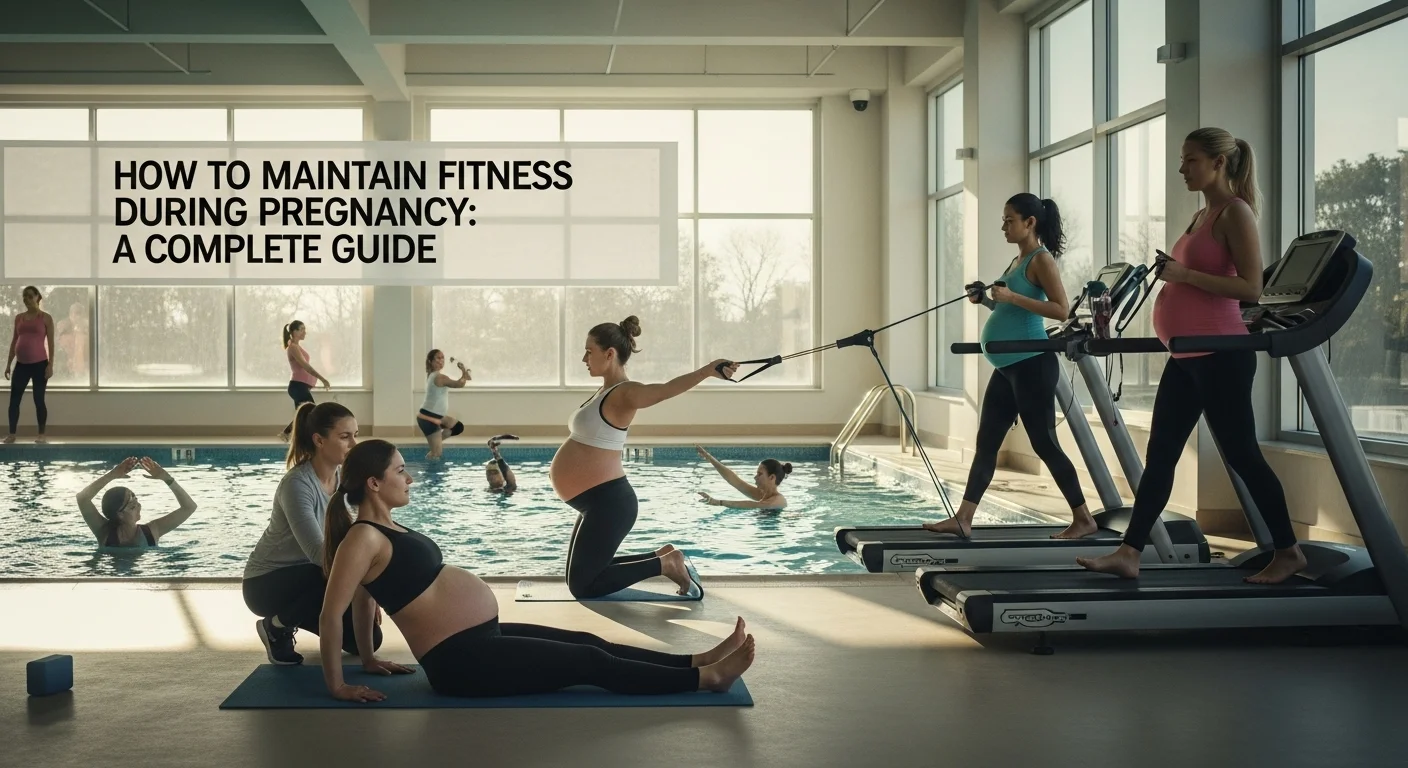
Pregnancy is a beautiful journey, but it often comes with questions about fitness. How can I stay active? What exercises are safe? Let’s explore how to maintain fitness during this transformative time. Read Interesting article: The Best Fitness Tips for Expecting Moms: Stay Active!
Understanding Fitness During Pregnancy
The Importance of Staying Active
When I first found out I was pregnant, I was overwhelmed with joy, but I also felt a bit lost about how to maintain my fitness. Staying active during pregnancy is vital not just for our physical health, but also for our mental well-being. I discovered that regular exercise can help manage weight gain, improve sleep, and even prepare our bodies for labor. I remember talking with other moms who shared their experiences, and it became clear that being active made a significant difference in their pregnancies.
Physical and Mental Benefits of Exercise
From my experience, the benefits of staying fit during pregnancy are numerous. Physically, keeping active helps in reducing common discomforts like back pain and fatigue. I found that light exercises like walking or prenatal yoga eased my aches and kept me energized. Mentally, exercise has a way of boosting our mood. The endorphins released during physical activity can help combat the anxiety that sometimes comes with pregnancy. I often felt more relaxed and centered after a workout, which was incredibly valuable during those emotionally charged months. Read Interesting article: Top 5 Safe Exercises for a Healthy Pregnancy Journey
Consulting Your Healthcare Provider
When to Start Exercising
Before kicking off my fitness journey during pregnancy, I knew I had to consult my healthcare provider. They offered personalized advice based on my health history and the stage of my pregnancy. For many women, it’s safe to exercise throughout their pregnancy, but I learned that starting early is crucial. If you’re already active, continuing your routine can be beneficial. If you’re new to exercise, getting the green light from your doctor is essential to ensure you start on the right foot.
Assessing Your Fitness Level
Understanding my fitness level was another crucial step. I had to consider what exercises I was comfortable with and what I enjoyed. For me, this meant reflecting on my routine before pregnancy and identifying what I could safely continue. My doctor suggested that I start with low-impact activities, especially since I wanted to prioritize my health and my baby’s. It helped to take stock of my fitness background, as it made planning easier and more enjoyable.
Identifying Any Pregnancy Complications
During my conversations with my healthcare provider, we discussed potential complications that could affect my ability to exercise. I learned that conditions like high blood pressure or gestational diabetes might require modifications to my fitness plan. It was comforting to know that having a plan in place with my doctor allowed me to focus on my workouts without worry. If you have any concerns, it’s best to be open and honest with your healthcare provider so you can tailor your fitness regimen to your needs.
Types of Safe Exercises During Pregnancy
Cardiovascular Exercises
I quickly discovered that cardiovascular exercises were some of the safest and most beneficial forms of fitness during pregnancy. They kept my heart healthy and increased my endurance for labor. Here are a few of my favorites:
Walking
Walking became my go-to workout. I enjoyed taking long strolls around the neighborhood or exploring local parks. It’s an easy way to stay active, and I found that it allowed me to connect with nature and keep my spirits high.
Swimming
Swimming was another favorite. I loved how weightless I felt in the water. It was refreshing and gentle on my joints. Plus, the simple act of gliding through the water felt liberating, providing a fantastic full-body workout.
Cycling
Cycling, whether on a stationary bike or outdoors, was also a great option. I learned that it’s low-impact and can be adjusted for intensity. Just remember to stay balanced, especially as my belly grew!
Strength Training
Incorporating strength training into my routine helped me build muscle and support my body as it changed. I focused on lighter weights and bodyweight exercises.
Bodyweight Exercises
Simple moves like squats and modified push-ups were perfect for me. They helped improve my strength without putting too much strain on my body. I felt empowered knowing I was building a strong foundation.
Resistance Bands
Using resistance bands was a game-changer. They were easy to use at home and added variety to my workouts. I loved that I could adjust the tension based on my comfort level and needs.
Flexibility and Balance Exercises
As my pregnancy progressed, I found that flexibility and balance exercises became essential. They helped me stay limber and reduce the risk of injury.
Yoga
Yoga provided me with a peaceful way to stretch and breathe. Joining a prenatal yoga class was one of the best decisions I made. It helped me connect with my body and my baby in a mindful way.
Pilates
Pilates was another favorite. I loved how it focused on core strength, which was crucial as my body changed. It helped me maintain good posture and balance, making everyday activities easier.
Creating a Pregnancy Fitness Plan
Setting Realistic Goals
When I started thinking about my fitness plan during pregnancy, I had to remind myself to be realistic. I wanted to stay fit, but I also needed to consider my changing body and energy levels. Setting achievable goals became essential. I aimed for consistency rather than intensity. For example, I decided that aiming for 30 minutes of activity most days was a more realistic goal than pushing myself to hit the gym every day. I found it helpful to break my goals down into smaller, manageable steps. This way, I could celebrate little victories along the way, which kept me motivated.
Frequency and Duration of Workouts
As I developed my fitness plan, I learned that frequency and duration matter. I aimed to engage in physical activity at least five days a week, mixing up my routine with cardiovascular, strength, and flexibility exercises. I felt that spreading my workouts throughout the week made it easier to stick with my plan. On days when I felt a bit more tired, I opted for lighter activities, like a gentle walk or stretching. I discovered that listening to my body was crucial, and it was perfectly okay to adjust my workouts on days when I didn’t have as much energy.
Listening to Your Body
One of the most important lessons I learned during my pregnancy fitness journey was to really listen to my body. There were days when I felt like I could conquer the world, and other days when just getting off the couch seemed monumental. I quickly realized that staying in tune with how I felt was the key to not overdoing it. If something felt off or uncomfortable, I didn’t hesitate to modify my routine or skip a workout altogether. I found that this approach helped me maintain a positive relationship with exercise, rather than viewing it as something I had to force myself to do.
Modifying Exercises as Your Pregnancy Progresses
First Trimester Adjustments
During the first trimester, I felt a mix of excitement and fatigue. I learned that this phase is often when many women experience morning sickness and tiredness. I found light exercises, like walking and stretching, to be the most manageable. Modifications were key; I focused on gentle movements and didn’t push myself too hard. I also discovered that engaging in short bursts of activity, like ten-minute walks spread throughout the day, fit well with my energy levels at the time.
Second Trimester Considerations
As I moved into my second trimester, my energy levels began to rise, and I felt more like my old self again. I was able to introduce more variety into my workouts. I loved going to prenatal yoga classes and incorporating more strength training. However, I still kept in mind that my center of gravity was shifting, so I modified my exercises accordingly. I avoided workouts that required lying flat on my back and focused on movements that felt good and kept my body stable. This period was a wonderful time to embrace my changing body and to continue nurturing my fitness routine.
Third Trimester Modifications
Entering the third trimester brought its own set of challenges. As my belly grew, I found that many of the exercises I used to do became difficult. I had to get creative with modifications. My doctor advised me to prioritize low-impact activities, so I shifted my focus to gentle swimming and walking. I also embraced stretching and breathing exercises to help prepare myself for labor. During this stage, it was vital for me to stay connected with my body and not push myself past my limits. Listening to my body and respecting its signals became even more important than ever.
Common Myths About Exercising During Pregnancy
Myth 1: You Shouldn’t Exercise at All
One myth that I often encountered was the idea that pregnant women should avoid exercise altogether. I was surprised to learn how wrong this concept is. In reality, staying active is not only safe for most pregnant women but also incredibly beneficial. I found that exercise helped me feel better physically and mentally, dispelling this myth for me completely.
Myth 2: High-Impact Sports Are Safe
Another misconception I came across was that all types of exercise, including high-impact sports, are safe during pregnancy. I realized this isn’t true for everyone. While some women may have been able to continue high-impact activities, I learned that it’s important to choose low-impact options that are safer and gentler on the body as it changes. I felt more secure focusing on exercises that would protect my joints and minimize injury risk.
Myth 3: Exercising Will Harm the Baby
Lastly, I often heard the myth that exercising could harm the baby. This was perhaps the most concerning misconception. Through my research and discussions with my healthcare provider, I learned that, for the majority of women, regular exercise is beneficial for both mom and baby. It promotes healthy weight gain and can even support better outcomes during labor. This understanding gave me the reassurance I needed to stay active throughout my pregnancy.
Postpartum Fitness Considerations
When to Resume Exercise After Birth
After giving birth, I was filled with a mix of emotions—joy, exhaustion, and a bit of uncertainty about returning to my fitness routine. I remember feeling eager to get back to my workouts, but I also knew I had to listen to my body. It’s important to consult with your healthcare provider about when it’s safe to start exercising again. For most women, light activities like walking can be resumed as soon as they feel ready, often within days of delivery. However, if you had a C-section or any complications, it might take a little longer. I found it helpful to set small, achievable goals, starting with gentle movements to get my body moving again.
Gentle Exercises for Recovery
When I finally began my postpartum workouts, gentle exercises became my best friend. I started with pelvic floor exercises, which were crucial for recovery after childbirth. Kegel exercises helped strengthen those muscles and were easy to do while nursing or even during diaper changes! I also embraced light stretching and postnatal yoga. These activities not only helped with my physical recovery but also provided a wonderful opportunity to connect with my body and my baby. As I progressed, I gradually incorporated walking and light strength training into my routine, always paying attention to how I felt. It was important for me to ease back into fitness without overwhelming myself, as I was still adjusting to life with a newborn.
Long-term Fitness Goals
As I settled into my new routine, I began to think about my long-term fitness goals. I realized that this journey wasn’t just about bouncing back to my pre-pregnancy weight; it was about nurturing my body and creating sustainable healthy habits. I wanted to feel strong and energized for my baby, and that meant focusing on what worked for me. I set goals around consistency rather than perfection, aiming to incorporate movement into my daily life, whether it was through family walks, postpartum fitness classes, or even dance parties in the living room with my little one. I found that celebrating small milestones, like completing a week of consistent workouts, kept me motivated and excited about my fitness journey.
Nutrition and Hydration for Pregnant Women
Importance of a Balanced Diet
Nourishing my body during pregnancy was just as important as staying active. I discovered that a balanced diet played a significant role in my overall health and wellness. I focused on consuming a variety of foods, including fruits, vegetables, whole grains, and lean proteins. I remember experimenting with new recipes and meal prepping to make healthy eating easier. The more I learned about nutrition, the more I appreciated how it could affect my energy levels and mood. I found that keeping snacks on hand, like nuts or yogurt, helped me stay energized throughout the day while also ensuring I was providing my body with the nutrients it needed. Read Interesting article: Essential Nutrition Tips for a Healthy Pregnancy Journey
Hydration Guidelines
Staying hydrated was another essential aspect of my pregnancy journey. I quickly learned that my body needed more fluids than usual, especially as I increased my activity level. I made it a habit to carry a water bottle with me, and I often set reminders on my phone to drink water throughout the day. I found that herbal teas and infused water with fruits added some variety and made hydration more enjoyable. Keeping track of my fluid intake helped me feel more alert and energized, especially during those long days and sleepless nights with a newborn.
Pre- and Post-Workout Nutrition
I also realized the importance of fueling my body before and after workouts. Before exercising, I aimed to have a small snack that combined carbohydrates and protein, like a banana with peanut butter or a slice of whole-grain toast with avocado. It gave me the energy boost I needed without feeling too heavy. After my workouts, I focused on recovery meals that included protein and healthy fats, like a smoothie with spinach, frozen berries, and Greek yogurt. This nutrition strategy allowed me to recover better and keep my energy levels up as I juggled the demands of new motherhood.
Finding Support and Resources
Pregnancy Fitness Classes
Finding community support during my pregnancy and postpartum journey was incredibly important for me. I discovered that local pregnancy fitness classes were not only a great way to stay active but also a wonderful opportunity to meet other expectant and new moms. I loved the camaraderie and encouragement we shared in class. Even though we were all at different stages, we bonded over our shared experiences, and it felt empowering to be surrounded by women who understood what I was going through.
Online Communities and Forums
In addition to local classes, I found a wealth of support online. Joining forums and social media groups dedicated to pregnancy fitness allowed me to connect with other women facing similar challenges. I could ask questions, share my progress, and celebrate milestones. The online community provided a platform for exchanging tips and inspirations, which kept me motivated on days when I needed an extra push. I learned so much from others’ experiences, and it felt comforting to know I wasn’t alone in this journey.
Apps for Tracking Fitness and Health
Technology also became my ally during this time. I downloaded several fitness apps that helped me track my activities, nutrition, and even my mood. These apps made it easier to stay accountable and motivated. I loved being able to set reminders for workouts or meal prep, and I could log my progress to see how far I had come. The visual representation of my achievements kept me inspired and engaged, reminding me that I was taking positive steps for myself and my baby.
Safety Tips for Exercising During Pregnancy
Recognizing Warning Signs
One of the most important aspects of staying active during pregnancy is knowing when to stop. I learned to recognize warning signs that something might be off, such as dizziness, shortness of breath, or any unusual pain. If I felt any discomfort, I would stop immediately and consult with my healthcare provider. This mindset helped me feel empowered to make safe choices and respect my body’s limits.
Staying Hydrated and Cool
Staying hydrated and cool during workouts was another crucial safety tip I picked up along the way. I made it a priority to drink plenty of water before, during, and after exercising. I also chose to work out during cooler parts of the day or indoors when it was too hot outside. This approach not only kept me comfortable but also prevented overheating, which is essential during pregnancy.
Choosing the Right Gear
Lastly, I learned the importance of wearing the right gear. Comfortable, supportive shoes made a big difference in my workouts, especially as my body changed. I also invested in supportive maternity activewear that allowed me to move freely. Having the right equipment made exercising much more enjoyable and boosted my confidence as I embraced my workouts during pregnancy.
Frequently Asked Questions
What are the benefits of staying active during pregnancy?
Staying active during pregnancy is vital for both physical health and mental well-being. Regular exercise can help manage weight gain, improve sleep, reduce discomforts like back pain and fatigue, and even prepare the body for labor.
When should I start exercising during pregnancy?
It is recommended to consult your healthcare provider before starting any exercise routine during pregnancy. They can provide personalized advice based on your health history and the stage of your pregnancy. Many women can safely exercise throughout their pregnancy, especially if they were active before.
What types of exercises are safe during pregnancy?
Safe exercises during pregnancy include cardiovascular activities like walking, swimming, and cycling, as well as strength training with lighter weights and bodyweight exercises. Flexibility and balance exercises, such as yoga and Pilates, are also beneficial.
How can I create a pregnancy fitness plan?
To create a pregnancy fitness plan, set realistic goals that consider your changing body and energy levels. Aim for consistency rather than intensity, targeting at least 30 minutes of activity most days, and mix up your routine with different types of exercises.
What should I listen for when exercising during pregnancy?
It’s crucial to listen to your body while exercising. If you feel discomfort, dizziness, or unusual pain, stop exercising and consult your healthcare provider. Adjust your routine based on how you feel each day.
How should I modify my exercises as my pregnancy progresses?
As your pregnancy progresses, you may need to adjust your exercises. In the first trimester, focus on light exercises like walking and stretching. In the second trimester, introduce more variety but be cautious of your shifting center of gravity. In the third trimester, prioritize low-impact activities and gentle movements.
What are some common myths about exercising during pregnancy?
Common myths include the belief that pregnant women shouldn’t exercise at all, that high-impact sports are safe, and that exercising can harm the baby. In reality, staying active is safe for most women and beneficial for both mother and baby.
When can I resume exercise after giving birth?
After giving birth, it’s essential to consult with your healthcare provider to determine when it is safe to start exercising again. Many women can resume light activities like walking soon after delivery, but it may take longer if there were complications.
What should I focus on for postpartum fitness?
Postpartum fitness should begin with gentle exercises such as pelvic floor exercises, light stretching, and postnatal yoga. Gradually incorporating walking and light strength training is also important, while paying attention to how your body feels.
How important is nutrition and hydration during pregnancy and postpartum?
A balanced diet is crucial during pregnancy for overall health, incorporating fruits, vegetables, whole grains, and lean proteins. Staying hydrated is essential, especially with increased activity levels. Post-workout nutrition should include a mix of carbohydrates and protein to aid recovery.
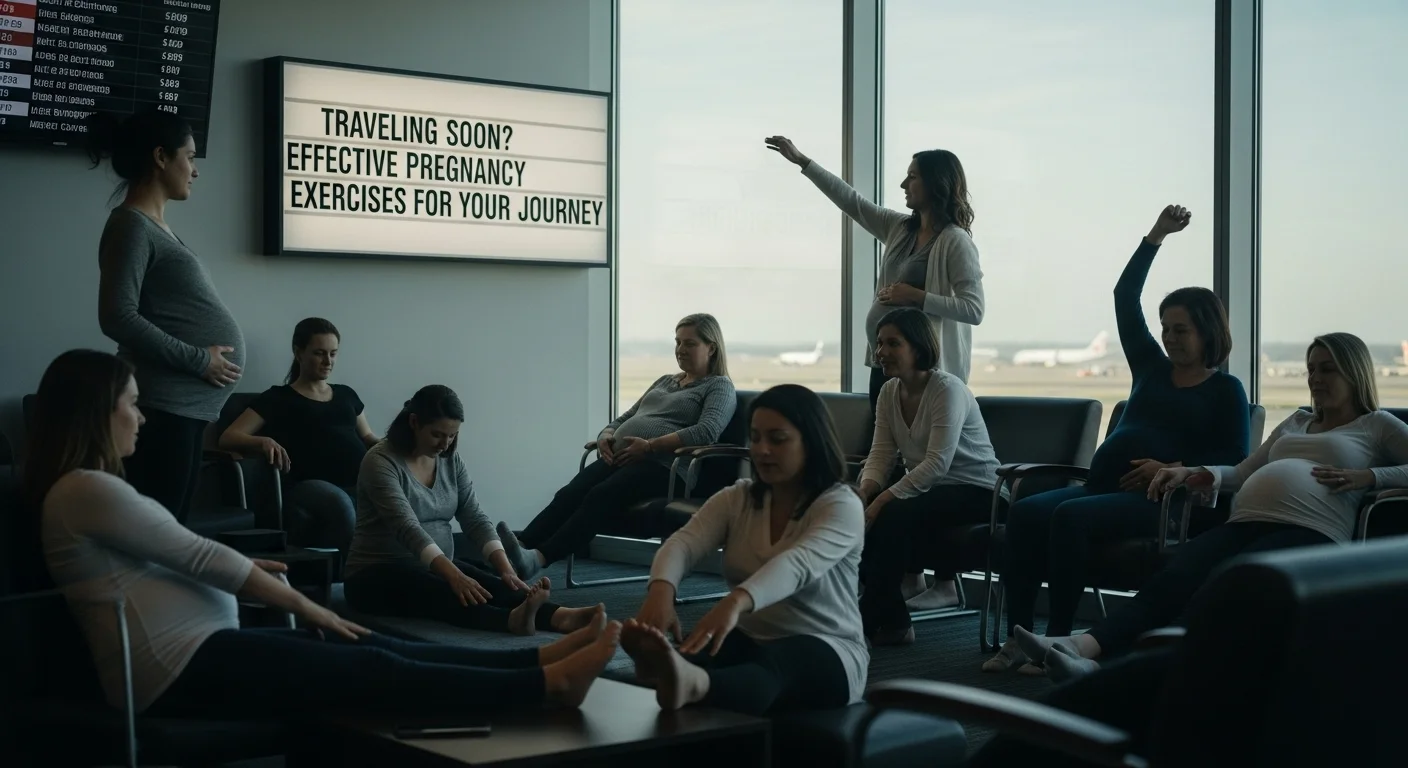
Traveling while pregnant can be a wonderful adventure, but it also brings unique challenges. I’m excited to share effective pregnancy exercises that can help keep you active and comfortable during your journey. Read Interesting article: Stay Fit While Traveling: Pregnancy Exercises You Need
Understanding the Importance of Exercise During Pregnancy
When I found out I was pregnant, I quickly learned how important it was to maintain an active lifestyle. Exercise during pregnancy isn’t just about staying fit; it has numerous benefits for both mom and baby. I remember how empowering it felt to know that I was doing something great for my body and my growing little one. Staying active can help relieve stress, improve sleep, and enhance overall well-being. But more than that, it can make traveling a smoother experience.
Benefits of Staying Active
Staying active during pregnancy offers a range of benefits that I’ve come to appreciate firsthand. I’ve found that regular exercise can boost energy levels, which is essential, especially when you’re preparing for a trip. It also helps manage pregnancy symptoms, like swelling and discomfort. For me, gentle activities like walking and stretching not only improved my mood but also made me feel more connected to my body as it changed.
One of the most significant benefits I noticed was the improved circulation. Traveling can lead to long periods of sitting, which can cause blood circulation issues, especially for pregnant women. By incorporating exercises into my routine, I was able to keep my blood flowing and reduce the risk of swelling in my legs and feet. Plus, exercising can help with labor and delivery, making it easier when the big day arrives! Read Interesting article: Top 5 Pregnancy Exercises for Travel-Ready Moms-to-Be
Safety Considerations for Pregnant Travelers
With all that said, safety is paramount. I learned early on that it’s essential to listen to my body and avoid any activities that felt uncomfortable. Every pregnancy is unique, and what works for one person might not work for another. I recommend consulting with your healthcare provider before starting any new exercise regimen, especially when traveling. It’s also crucial to stay aware of your surroundings and avoid any strenuous activities that could lead to falls or injuries.
While I was excited about my travels, I also made sure to plan ahead. Keeping hydrated, avoiding overexertion, and knowing where the nearest medical facilities were at my destination were all things I prioritized. It gave me peace of mind knowing I was taking care of myself and my baby while exploring new places.
Preparing for Your Journey
Preparation was key for my travels, and I learned that it made a significant difference in how enjoyable my trips were. The more I planned, the more confident I felt. I found that preparing ahead of time allowed me to focus on enjoying the journey rather than stressing about potential challenges.
Consulting Your Healthcare Provider
Before any trip, I always made it a point to have a conversation with my doctor. They provided invaluable advice tailored to my specific situation. I learned about any precautions I needed to take, whether it was avoiding certain activities or knowing how to recognize signs of fatigue. I suggest you take the time to discuss your plans with your provider, as they can help you determine what’s safe for you and your baby.
Choosing the Right Destination
Choosing a destination that is pregnancy-friendly is another aspect I found essential. I initially planned a more adventurous trip, but after consulting with my doctor, I opted for a more laid-back vacation. I looked for places with accessible healthcare, easy transportation, and comfortable accommodations. The right destination can make all the difference; I wanted to enjoy my time without unnecessary stress.
Traveling Modes: Air, Train, and Car
When it comes to travel, the mode of transportation can influence how you feel during your journey. I tried various modes and discovered that each comes with its own set of considerations. Air travel, for instance, can be exhausting, especially with long layovers. I made sure to get up and move around the cabin every hour or so, which helped keep my circulation going. On the other hand, road trips allowed for more flexibility, and I found that I could schedule regular breaks to stretch and walk around, which was a bonus.
Train travel offered a unique experience for me as well. The ability to walk around and change positions made it more comfortable. I also appreciated the opportunity to explore stations during stops, which helped me stay active. In my experience, knowing what to expect with each mode of travel allowed me to prepare effectively and stay comfortable.
Effective Pregnancy Exercises for Different Travel Scenarios
Exercises for Air Travel
Air travel can sometimes feel like a marathon, especially when you’re pregnant. I remember my first flight while expecting; I was nervous about how my body would react. Thankfully, I discovered a few exercises that really helped make my journey more comfortable.
Seated Stretches
One of my favorite exercises for long flights is seated stretches. Simple stretches can really alleviate tension. I would gently twist my torso to the right and then to the left, holding each position for a few seconds. This simple movement helped relieve stiffness and improved my circulation. I also enjoyed reaching my arms overhead and taking deep breaths, which really opened up my chest and made me feel more relaxed.
Leg and Ankle Exercises
Another essential move is to keep my legs and ankles active. I’d lift my feet off the ground, pointing and flexing my toes to get the blood flowing. I also found it helpful to do ankle circles, which felt great, especially after sitting for a while. These small movements kept my legs from feeling heavy and contributed to overall comfort during the flight.
Exercises for Road Trips
Road trips can be a blast, but they also come with their own set of challenges when you’re pregnant. I loved the flexibility of taking breaks, and I made the most of those stops with some simple exercises.
In-Car Exercises
Even while in the car, I discovered that I could do some light exercises. I would sit up tall, engaging my core muscles, which helped with my posture. I’d also practice squeezing and relaxing my glutes, which not only felt good but also helped with circulation. I found that doing these exercises for a minute or two made the long stretches of driving much more bearable.
Rest Stop Stretching Routine
Whenever we stopped for gas or food, I took the opportunity to stretch. A quick routine that I enjoyed included standing up and reaching for the sky, followed by a side stretch to loosen my back. I’d also take a few steps around the parking lot to keep my legs moving. I remember how refreshing it felt to step outside and take a deep breath of fresh air, recharging me for the journey ahead.
Exercises for Train Travel
Train travel was one of my favorite modes of transport because it offered a unique experience. I loved the gentle rocking motion, and I found it allowed me to stay active in a comfortable way.
Seated Movements
While seated on the train, I often did gentle leg lifts. I would extend one leg out and hold it for a few seconds, then switch to the other leg. This small movement kept my blood flowing without requiring me to get up too often. I also enjoyed doing shoulder rolls, which helped relieve tension in my neck and shoulders, making the ride more enjoyable.
Walking and Stretching Opportunities
Train stations often provide a great opportunity to stretch and walk around. I made it a habit to get off the train during longer stops and take a short walk. I would stroll around the station, incorporating some gentle stretches like calf raises and hamstring stretches. This not only kept my body active but also allowed me to explore a little, which was an added bonus. I found these moments to be a delightful break in my journey, connecting me with the places I was visiting.
Safe Pregnancy Exercises to Incorporate
Low-Impact Cardio Options
As I continued my travels, I realized that maintaining my fitness could be done through low-impact cardio exercises. This was especially important as my pregnancy progressed and I wanted to keep my body energized.
Walking
Walking became my go-to exercise, both at home and while traveling. I loved how easy it was to fit into my daily routine. Whether it was exploring a new city or strolling around the hotel, I made it a point to walk as much as possible. I felt that it kept my energy levels up and was a wonderful way to take in my surroundings.
Swimming
Whenever I had access to a pool, I took the opportunity to swim. It was incredibly refreshing and relieving on my joints. The buoyancy of the water made me feel weightless, and I enjoyed swimming laps or just floating around. I found that swimming was not only a great workout but also a peaceful way to unwind after a day of exploring.
Strength and Flexibility Exercises
In addition to cardio, I incorporated strength and flexibility exercises into my routine. These helped me maintain muscle tone and flexibility, which was vital as my body changed.
Pelvic Floor Exercises
I learned about the importance of pelvic floor exercises, also known as Kegels, and made them a regular part of my day. These exercises helped strengthen the muscles that support the bladder and uterus, which I found beneficial as my pregnancy progressed. I often practiced these in the morning, and it felt empowering to know I was doing something positive for my body.
Yoga and Pilates
Yoga and Pilates were fantastic for improving my flexibility and balance. I loved how calming they were, especially amidst the hustle and bustle of travel. I would find a quiet spot in my hotel room or at a park to practice a few poses. Even just some simple stretches helped me stay connected with my body and relaxed during my travels.
Staying Hydrated and Nourished While Traveling
Importance of Hydration During Pregnancy
During my travels, I quickly realized that staying hydrated was more important than I initially thought. Pregnancy can already make you feel more tired, so I found that drinking enough water was essential for maintaining my energy levels. I remember a particular day when I didn’t drink enough water during a long day out, and I felt sluggish and irritable. That experience taught me to keep my water bottle handy whenever I ventured out.
I learned that hydration helps with circulation, reducing the risk of swelling in my legs and feet, especially during flights or long car rides. I made it a habit to drink water regularly, opting for at least eight to ten glasses a day. If I was out exploring, I would look for places to refill my bottle, and I always kept an eye out for hydration stations, especially in hot weather.
In addition to water, I occasionally treated myself to coconut water or electrolyte drinks. They were refreshing and provided a little extra boost, especially after a day filled with walking and activities. I felt good knowing that I was taking care of both myself and my baby by staying well-hydrated.
Healthy Snacks to Pack for Travel
Snacking while traveling can be a game changer, especially during pregnancy. I discovered that having healthy snacks on hand helped me avoid the temptation of less nutritious options when hunger struck. I remember one instance when I found myself at an airport with limited food choices. Luckily, I had packed some nuts and dried fruit, which kept me satisfied until I could find a proper meal.
- Nuts: Almonds, walnuts, and pistachios were my go-to choices. They’re packed with protein and healthy fats, giving me sustained energy.
- Granola Bars: I loved having a few granola bars in my bag. They’re convenient, and I could easily munch on them while on the go.
- Fresh Fruit: Apples, bananas, and oranges traveled well and provided a refreshing snack. I enjoyed how easy it was to grab one while exploring a new city.
- Vegetable Sticks: Carrot and cucumber sticks were great for crunching on during long waits between flights or train rides. I even prepped some hummus to dip them in.
- Yogurt Cups: Whenever I could, I took single-serving yogurt cups. They were a great source of calcium and protein, and I loved adding some granola for texture.
Having these snacks made a significant difference in how I felt throughout my travels. I was able to maintain my energy levels, and it helped me avoid any cravings for unhealthy foods. Plus, it was nice to have familiar foods available when trying out new cuisines.
Managing Travel Fatigue and Discomfort
Recognizing Signs of Overexertion
As I navigated my travels, I became more attuned to the signs of overexertion. Pregnancy can make you more susceptible to fatigue, and I learned the hard way that pushing myself too hard was not worth it. One day, after a full itinerary of sightseeing, I felt completely drained. It was a clear reminder that I needed to pace myself and listen to my body.
I started to recognize my limits and learned to take breaks when I needed them. If I felt unusually tired or experienced any discomfort, I made it a priority to rest. I found that simply sitting down for a while, finding a quiet spot, or even lying down if possible made a world of difference. It was crucial to allow myself those moments of rest to recharge and continue enjoying my trip.
Rest and Recovery Tips
Finding ways to recover during my travels became essential for keeping my energy up. I embraced the idea that rest was just as important as activity. Here are some tips that really helped me:
- Scheduled Downtime: I made sure to include downtime in my travel itinerary. Whether it was a leisurely afternoon at a café or a quiet evening at the hotel, having those moments to unwind was invaluable.
- Gentle Stretching: Whenever I felt stiffness or fatigue creeping in, I would do some gentle stretches in my room or at a park. These little movements helped relieve tension and made me feel more comfortable.
- Warm Baths: If my accommodations allowed it, I loved soaking in a warm bath after a long day. It was a soothing way to relax my muscles and ease any discomfort.
- Sleep Hygiene: I prioritized getting quality sleep whenever I could. I learned to create a comfortable sleeping environment, using extra pillows for support and establishing a calming bedtime routine.
By incorporating these recovery tips into my travel routine, I found that I could manage fatigue better and enjoy my adventures to the fullest. Embracing rest was a crucial part of my experience, and it allowed me to be present and make the most of my travels.
Travel Essentials for Pregnant Women
Comfortable Clothing and Footwear
One of the best decisions I made while traveling pregnant was investing in comfortable clothing and footwear. I found that the right clothes made all the difference in how I felt throughout the day. Loose-fitting, breathable fabrics allowed me to stay cool and comfortable, especially in warmer climates.
I opted for stretchy pants and maxi dresses that could accommodate my growing belly. Layering pieces like cardigans and light jackets provided flexibility for changing temperatures. Comfort was key, and I quickly learned that I didn’t want to deal with any tight or restrictive clothing during my travels.
Footwear was equally important. I chose supportive shoes that were easy to slip on and off during airport security checks. Sneakers became my go-to, as they provided the support I needed for walking and exploring without causing discomfort. I also packed a pair of sandals for warmer days, ensuring they had good arch support.
Travel Pillows and Supports
Travel pillows became a must-have for me. I invested in a small, supportive neck pillow that made it easier to nap during flights and long rides. If I was in a car or on a train, I would use it to support my back and help maintain good posture.
Additionally, I found that bringing along a small lumbar support pillow helped with lower back pain, especially during long periods of sitting. It was amazing how such a simple addition could make my travel experience so much more comfortable.
Health and Safety Kits
Finally, I always packed a health and safety kit for my travels. This included essentials like hand sanitizer, face masks, and basic first aid supplies. I also included any prenatal vitamins and medications I needed. Having these items on hand provided peace of mind and ensured I was prepared for any situation.
By prioritizing these travel essentials, I felt more at ease while exploring new places, knowing I was taking care of myself and my baby. Each small detail contributed to a more enjoyable travel experience, allowing me to focus on creating beautiful memories during this special time.
Frequently Asked Questions
What are the benefits of exercising during pregnancy while traveling?
Exercising during pregnancy can boost energy levels, manage pregnancy symptoms like swelling and discomfort, improve circulation, relieve stress, and enhance overall well-being, making travel smoother and more enjoyable.
How can pregnant travelers ensure their safety while exercising?
Pregnant travelers should listen to their bodies, avoid uncomfortable activities, consult with their healthcare provider before starting new exercise regimens, stay aware of their surroundings, and avoid strenuous activities that could lead to falls or injuries.
What types of exercises are effective for air travel?
Effective exercises for air travel include seated stretches to relieve tension, leg and ankle exercises like pointing and flexing toes, and performing ankle circles to maintain circulation and comfort during long flights.
What should pregnant travelers do during road trips to stay active?
During road trips, pregnant travelers can engage in in-car exercises such as sitting up tall and engaging core muscles, as well as performing a rest stop stretching routine that includes reaching for the sky and walking around the parking lot.
What are good exercises for train travel?
Good exercises for train travel include seated leg lifts and shoulder rolls to relieve tension, as well as taking advantage of walking and stretching opportunities during train stops to keep active and explore.
How important is hydration for pregnant women while traveling?
Staying hydrated is crucial for pregnant women while traveling as it helps maintain energy levels, aids circulation, and reduces the risk of swelling in legs and feet. Pregnant travelers should aim for at least eight to ten glasses of water a day.
What healthy snacks should pregnant travelers pack for their journey?
Healthy snacks for pregnant travelers include nuts, granola bars, fresh fruit, vegetable sticks, and yogurt cups. These options help maintain energy levels and provide nutrition while avoiding unhealthy food choices.
How can pregnant travelers manage fatigue and discomfort during their trips?
Pregnant travelers can manage fatigue by recognizing signs of overexertion, scheduling downtime in their itineraries, engaging in gentle stretching, enjoying warm baths, and prioritizing quality sleep.
What clothing and footwear are recommended for pregnant travelers?
Comfortable, loose-fitting clothing made from breathable fabrics is recommended, along with supportive shoes that are easy to slip on and off. Stretchy pants, maxi dresses, and supportive sneakers are ideal for maintaining comfort while traveling.
What essentials should pregnant women pack for travel?
Pregnant women should pack comfortable clothing and footwear, travel pillows for support, and a health and safety kit that includes hand sanitizer, face masks, first aid supplies, and prenatal vitamins to ensure they are prepared during their travels. Read Interesting article: Essential Pregnancy Exercises for a Smooth Backpacking Adventure
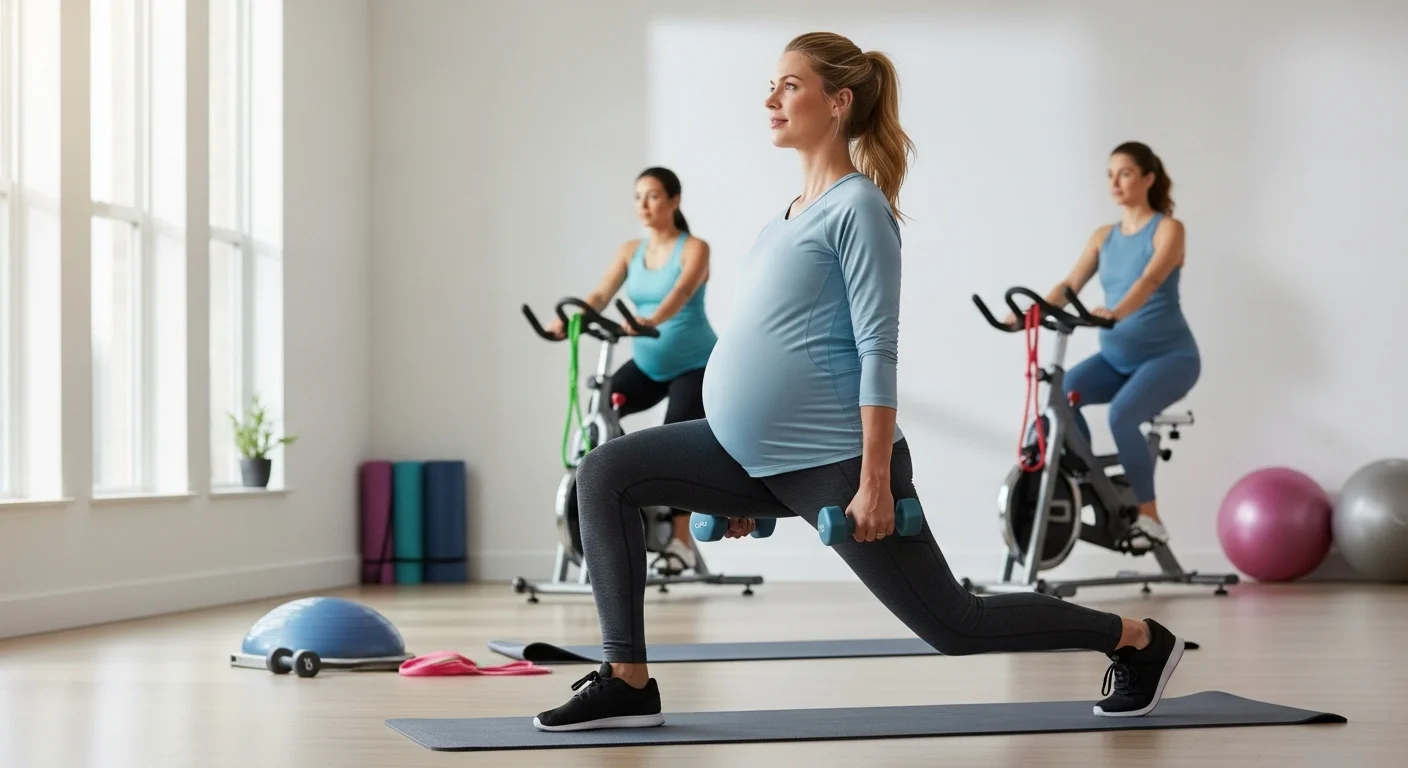
Staying active during pregnancy is essential for both physical and mental well-being. Discovering safe and effective cardio exercises can make this journey enjoyable while benefiting you and your baby. Read Interesting article: Top Cardio Workouts for Moms-to-Be: Stay Fit During Pregnancy
Understanding Cardio During Pregnancy
As I began my journey into pregnancy, I quickly realized how important it was to keep moving. Cardio exercise became a big part of my routine, and I wanted to make sure it was safe and effective. So, what exactly is cardio exercise? Let’s dive into it.
What is Cardio Exercise?
Cardio, or cardiovascular exercise, refers to any activity that raises your heart rate. It gets your blood pumping and improves your overall cardiovascular health. From my experience, it can range from brisk walking and running to swimming and dancing. The goal is to increase your heart rate for an extended period, which helps improve stamina and endurance.
Benefits of Cardio for Pregnant Women
During my pregnancy, I discovered numerous benefits of engaging in cardio exercises. For one, it can help manage weight gain, which is a common concern. Keeping active helps control blood pressure and can reduce the risk of gestational diabetes. I found that it also boosted my mood, helping to combat those emotional ups and downs that come with pregnancy.
Moreover, cardio exercises can enhance sleep quality. I noticed that after a good workout, I felt more relaxed and ready for a restful night. Another significant benefit is that regular exercise can help prepare your body for labor and delivery. It’s all about staying fit, strong, and ready for the challenges ahead. I felt empowered as I engaged in a routine that was good for both me and my baby.
Consulting with Healthcare Providers
Before starting any exercise routine, I learned the importance of consulting with my healthcare provider. Every pregnancy is unique, and it’s crucial to get personalized advice based on your health history and any potential complications. I remember discussing my plans with my doctor, who provided me with insights and reassurance about my cardio routine. This step is essential for ensuring that the exercises you choose are safe and suitable for your specific situation.
When to Start Cardio Exercises in Pregnancy
Knowing when to start cardio exercises is as important as the exercises themselves. I found that each trimester comes with its own set of guidelines and recommendations.
First Trimester Guidelines
During the first trimester, many women experience fatigue and nausea. I was no exception! However, I discovered that gentle cardio exercises, like walking, can actually help alleviate some of those early pregnancy symptoms. The key is to listen to your body and not push too hard. If you’re feeling up to it, starting with light activities can help lay a solid foundation for the months ahead.
Second Trimester Recommendations
The second trimester often brings a surge of energy for many women, and this is when I felt most motivated to get moving. I found that engaging in moderate cardio exercises became easier and more enjoyable. Activities like swimming and stationary biking were fantastic during this time. They allowed me to stay active while minimizing the risk of injury. It’s a great time to maintain or even increase your workout frequency and duration, as long as you’re feeling good.
Third Trimester Considerations
As I approached the third trimester, I noticed my body changing significantly. I realized that I needed to adjust my workouts accordingly. Low-impact exercises became my go-to, focusing on maintaining fitness rather than pushing for intensity. Walking, gentle yoga, and swimming helped me stay active without overexerting myself. It’s essential to stay aware of your body’s signals during this time and modify your routine as needed, prioritizing comfort and safety.
Overall, understanding the different phases of pregnancy and how they affect your energy levels and physical capabilities can greatly influence your cardio routine. Each stage offers unique opportunities to adapt and find joy in movement. I embraced this journey, knowing that staying active was not just beneficial for me, but for my baby as well.
Safe Cardio Exercises for Pregnant Women
Finding safe cardio exercises during pregnancy was a significant part of my journey. I wanted to stay active while ensuring that my choices were beneficial for my baby and myself. There are several excellent options that I discovered, which I’d love to share with you. Read Interesting article: Top Strength Exercises to Stay Fit During Pregnancy
Walking
Walking became my go-to cardio exercise. It’s simple, requires no special equipment, and can be done almost anywhere. I remember starting with short walks around my neighborhood. As my energy levels increased, I began to enjoy longer walks in the park. Not only did walking help me maintain my fitness, but it also provided some much-needed fresh air and a chance to connect with nature. I found that it was a great way to clear my mind, relax, and enjoy the beautiful surroundings.
Swimming
Swimming is another fantastic option for pregnant women. I loved the feeling of weightlessness in the water; it was such a relief from the extra weight I was carrying. Swimming helped me stay cool during those hot summer days, and I found it to be incredibly refreshing. Whether I was doing laps or just floating around, it felt gentle on my joints while providing a solid cardiovascular workout. Plus, it was a fun way to get some exercise without feeling like I was working too hard.
Stationary Biking
Stationary biking was another exercise I enjoyed. I set up a bike at home, which made it super convenient. I could catch up on my favorite shows while pedaling away. I started off slowly, gradually increasing my intensity as I felt more comfortable. Biking was easy on my joints, and it allowed me to adjust the resistance to match my energy levels. It became a great way to incorporate cardio into my routine without too much strain.
Low-Impact Aerobics
I also discovered low-impact aerobics classes designed specifically for pregnant women. I loved being in a group setting where everyone was on a similar journey. These classes included a mix of movements that kept my heart rate up without jumping or putting too much stress on my body. It was not only a fun way to exercise, but it also fostered a sense of community. I made new friends and shared experiences that made our journeys feel less lonely.
Yoga and Pilates
Yoga and Pilates became essential components of my routine as well. While they may not seem like traditional cardio exercises, they helped me build strength, flexibility, and balance. I found that many classes integrated gentle cardio elements that got my heart rate up while focusing on breathing and relaxation. Practicing yoga helped me connect with my body in a new way, and I loved the calming effects it had on my mind. It prepared me for labor and taught me valuable breathing techniques that I knew would be helpful during delivery. Read Interesting article: Essential Strength Training Exercises for Pregnant Women
Cardio Intensity Levels for Pregnant Women
Understanding how hard to push myself during cardio was another important lesson I learned. I wanted to make sure I was getting the benefits without overdoing it.
Understanding the Talk Test
One of the simplest ways to gauge my intensity was the “talk test.” I learned that if I could hold a conversation while exercising, I was likely in the right zone. It became a fun way to check in with myself. I remember chatting with my partner during walks, and if I started feeling breathless, it was my cue to slow down. This method kept me aware of my limits and helped me enjoy my workouts more fully.
Monitoring Heart Rate
In addition to the talk test, I started tracking my heart rate. I found that keeping my heart rate within a safe range was crucial, especially as my pregnancy progressed. Many fitness apps allowed me to monitor this easily. It provided me with a sense of control and reassurance that I was exercising safely. I recommend considering this approach if you want to ensure your workouts are both effective and safe.
Signs of Overexertion to Watch For
Listening to my body became key during my workouts. I kept an eye out for signs of overexertion, such as dizziness, shortness of breath, or severe fatigue. I found that if I ever felt discomfort beyond what I considered normal, it was essential to take a break. Resting and modifying my routine were just as important as the workouts themselves. I learned that it’s okay to adjust and prioritize my and my baby’s health above all else.
Common Misconceptions about Cardio and Pregnancy
Throughout my journey, I encountered numerous misconceptions about exercise during pregnancy that I felt needed debunking.
Debunking Myths about Exercise Safety
One of the biggest myths I faced was that exercising while pregnant was unsafe. This couldn’t be further from the truth! As I consulted with healthcare professionals and researched credible sources, I found that staying active is not only safe but beneficial in most cases. I discovered that many women successfully maintained their fitness levels without complications. This realization motivated me to embrace my workouts even more, as I understood the positive impact they had on my overall well-being.
Understanding Potential Risks
While it’s essential to stay active, I also learned about the potential risks involved with certain activities. For instance, high-impact sports or exercises with a high risk of falling should be avoided. I became more aware of my surroundings and made thoughtful choices about where and how I exercised. Being informed helped me feel more confident in my routine and ensured I was taking necessary precautions for myself and my baby.
Creating a Balanced Cardio Routine
As I continued my journey through pregnancy, I realized that creating a balanced cardio routine was essential. It wasn’t just about doing cardio; it was about finding a rhythm that worked for me, my body, and my growing baby. Here’s what I discovered along the way.
Frequency of Workouts
Initially, I was uncertain about how often I should be exercising. I found that aiming for about 150 minutes of moderate-intensity cardio spread throughout the week was a great goal. This recommendation felt achievable, and I loved the idea of breaking it down into smaller, manageable sessions. I started with 20-30 minute workouts, three to five times a week. This frequency allowed me to maintain my energy levels without feeling overwhelmed. Plus, it gave me plenty of flexibility to adapt to how I was feeling on any given day.
As my pregnancy progressed, I stuck to this routine, adjusting it to fit my energy levels. I learned that consistency was more important than intensity. Even on days when I felt a bit sluggish, I made it a point to get moving, even if it was just a gentle walk around the block. This approach kept me active and helped me maintain a sense of normalcy during a time of significant change.
Duration of Sessions
Finding the right duration for my cardio sessions was another aspect I focused on. I found that shorter, more frequent workouts worked well for me, especially in the beginning. As I mentioned earlier, starting with 20-30 minutes felt comfortable. I also discovered that it was okay to break up my workouts into smaller segments throughout the day. If I couldn’t fit in a long session, I would often do a quick 10-minute walk or some light stretching in between other activities. This flexibility helped me stay active without feeling like I was over-exerting myself.
During my second trimester, as my energy levels increased, I gradually extended my workout durations. I found that around 30-45 minutes felt perfect; it was enough to get my heart rate up without draining my energy. I enjoyed mixing in different activities to keep things fresh and exciting. Whether it was swimming, biking, or attending a low-impact aerobics class, I loved exploring various options to find what felt best for me.
Incorporating Rest Days
In my excitement to stay active, I initially overlooked the importance of rest days. However, I quickly realized that incorporating rest was just as vital as the workouts themselves. There were days when my body would signal me that it needed a break, and I learned to listen. I found that taking one or two rest days each week not only helped my body recover but also kept me motivated for my upcoming workouts.
Rest days became a time for gentle stretching or relaxation techniques like yoga. I appreciated those moments of stillness, allowing me to connect with my baby and reflect on the journey ahead. I found that this balance of activity and rest helped me maintain a positive mindset and ensured that I stayed physically and mentally healthy throughout my pregnancy.
Additional Tips for Safe Cardio During Pregnancy
Along the way, I learned several tips that made my cardio experience even better. I wanted to share these insights to help others on a similar journey.
Staying Hydrated
Staying hydrated was a big focus for me, especially as I engaged in more physical activity. I realized that my body needed extra fluid during workouts, and I made it a point to drink water before, during, and after my sessions. I remember carrying a water bottle with me everywhere, which made it easier to remember to hydrate. It’s amazing how much better I felt when I was adequately hydrated; it helped reduce fatigue and improved my overall workout performance.
Wearing Appropriate Footwear
Investing in good footwear made a noticeable difference in my comfort level. I learned quickly that supportive shoes were crucial for my workouts. I found a pair of sneakers that provided support and cushioning, which helped alleviate any strain on my feet and joints. Whether I was walking, biking, or attending a class, having the right shoes allowed me to feel more confident and focused during my workouts.
Listening to Your Body
One of the most important lessons I learned throughout this journey was to listen to my body. I became more in tune with how I felt during different activities. If I sensed any discomfort or fatigue, I would modify my routine accordingly. It was liberating to realize that it was okay to adjust my intensity or take a break when needed. This self-awareness helped me stay safe and enjoy the cardio activities I loved without overdoing it.
By combining these tips with a balanced routine, I found that staying active during pregnancy became a source of joy and empowerment. Each workout was a reminder of the strength my body possessed while nurturing my baby, and I cherished every moment of this incredible journey.
What to Avoid: Unsafe Cardio Practices
As I navigated my pregnancy, I learned that while staying active is beneficial, there are certain cardio practices to avoid. Being aware of what not to do was just as important as knowing what to embrace.
High-Impact Exercises
I soon realized that high-impact exercises could pose risks during pregnancy. Activities like running on hard surfaces or jumping could increase the chances of injury and discomfort. I decided to steer clear of these to protect myself and my baby. Instead, I focused on low-impact alternatives that allowed me to stay active without the added strain. This shift made a significant difference in how I felt physically and mentally.
Exercises with High Risk of Falling
Safety became my top priority, especially as my belly grew. I learned to avoid exercises that had a higher risk of falling, such as skiing, horseback riding, or certain dance styles. I remember being cautious about my movements and choosing activities where I felt secure and balanced. It was all about creating a safe environment for both me and my baby, ensuring that I could enjoy my workouts without unnecessary worries.
Extreme Heat and Dehydration Risks
I quickly became aware of how important it was to avoid extreme heat while exercising. Hot yoga classes or outdoor workouts in the sweltering sun were not ideal during my pregnancy. I made it a point to choose cooler times of the day for outdoor activities and stayed hydrated. I learned to listen to my body and recognized when it was time to take a break or seek shade. Staying cool helped me maintain my energy levels and enjoy my workouts much more.
Post-Workout Considerations
After each workout, I focused on recovery as much as the exercise itself. I found that taking time to properly cool down and stretch was essential for my overall well-being.
Cool Down and Stretching
Post-workout, I dedicated a few minutes to cool down and stretch my muscles. I found that gentle stretches helped prevent soreness and allowed my body to transition back to a resting state. I remember incorporating stretches that targeted areas I felt worked the most during my cardio sessions. This practice not only helped my body recover but also provided a moment of mindfulness to reflect on my workout.
Nutrition and Recovery
After exercising, I learned how vital nutrition was for recovery. I made it a habit to refuel my body with healthy snacks, focusing on protein and complex carbohydrates. I found that a banana with almond butter or a small smoothie worked wonders for my energy levels. It became a rewarding ritual that reminded me to care for myself and my baby after every workout.
When to Seek Medical Advice
Throughout my pregnancy, I knew it was important to stay in touch with my healthcare provider regarding my exercise routine. I made sure to seek medical advice if I experienced any unusual symptoms, like persistent pain or unusual swelling. It was reassuring to have that open line of communication, knowing I could get guidance whenever I needed it. I encourage others to do the same, as it fosters a sense of safety in your exercise journey.
Final Thoughts
Reflecting on my pregnancy journey, I am grateful for how staying active transformed my experience. Engaging in cardio exercises not only helped me maintain my physical health but also provided mental clarity and emotional support during a time of significant change. I hope that by sharing my experiences and insights, I can inspire others to embrace movement in a way that feels right for them. Each person’s journey is unique, and it’s essential to find what works best for you and your baby. Remember, it’s about creating a positive, empowering experience that nurtures both of you. Cherish these moments, and enjoy the journey ahead!
Frequently Asked Questions
What is cardio exercise?
Cardio, or cardiovascular exercise, refers to any activity that raises your heart rate, improving overall cardiovascular health. It can include activities like brisk walking, running, swimming, and dancing.
What are the benefits of cardio for pregnant women?
Cardio exercises can help manage weight gain, control blood pressure, reduce the risk of gestational diabetes, boost mood, enhance sleep quality, and prepare the body for labor and delivery.
When should I start cardio exercises during pregnancy?
It’s important to start cardio exercises based on the trimester you are in. In the first trimester, gentle exercises like walking can help with fatigue and nausea. The second trimester may allow for moderate exercises, while the third trimester often requires low-impact activities.
What are some safe cardio exercises for pregnant women?
Safe cardio exercises include walking, swimming, stationary biking, low-impact aerobics, and yoga or Pilates. These activities are beneficial while minimizing the risk of injury.
How can I monitor my exercise intensity during pregnancy?
You can monitor exercise intensity using the “talk test,” which involves ensuring you can hold a conversation while exercising. Additionally, tracking your heart rate can help you stay within a safe range.
What should I avoid while exercising during pregnancy?
Avoid high-impact exercises, activities with a high risk of falling, and exercising in extreme heat. It’s essential to prioritize safety for both you and your baby.
How often should I work out during pregnancy?
Aim for about 150 minutes of moderate-intensity cardio throughout the week, breaking it down into smaller, manageable sessions of 20-30 minutes, three to five times a week.
What should I do after a workout during pregnancy?
After exercising, focus on cooling down and stretching your muscles. Proper nutrition is also vital for recovery, so refuel with healthy snacks that include protein and complex carbohydrates.
When should I seek medical advice regarding my exercise routine?
Seek medical advice if you experience unusual symptoms, such as persistent pain or unusual swelling. Maintaining open communication with your healthcare provider is essential for safety.
What are some tips for safe cardio during pregnancy?
Stay hydrated, wear appropriate footwear, and listen to your body. Adjust your routine based on how you feel, and prioritize comfort and safety during your workouts.
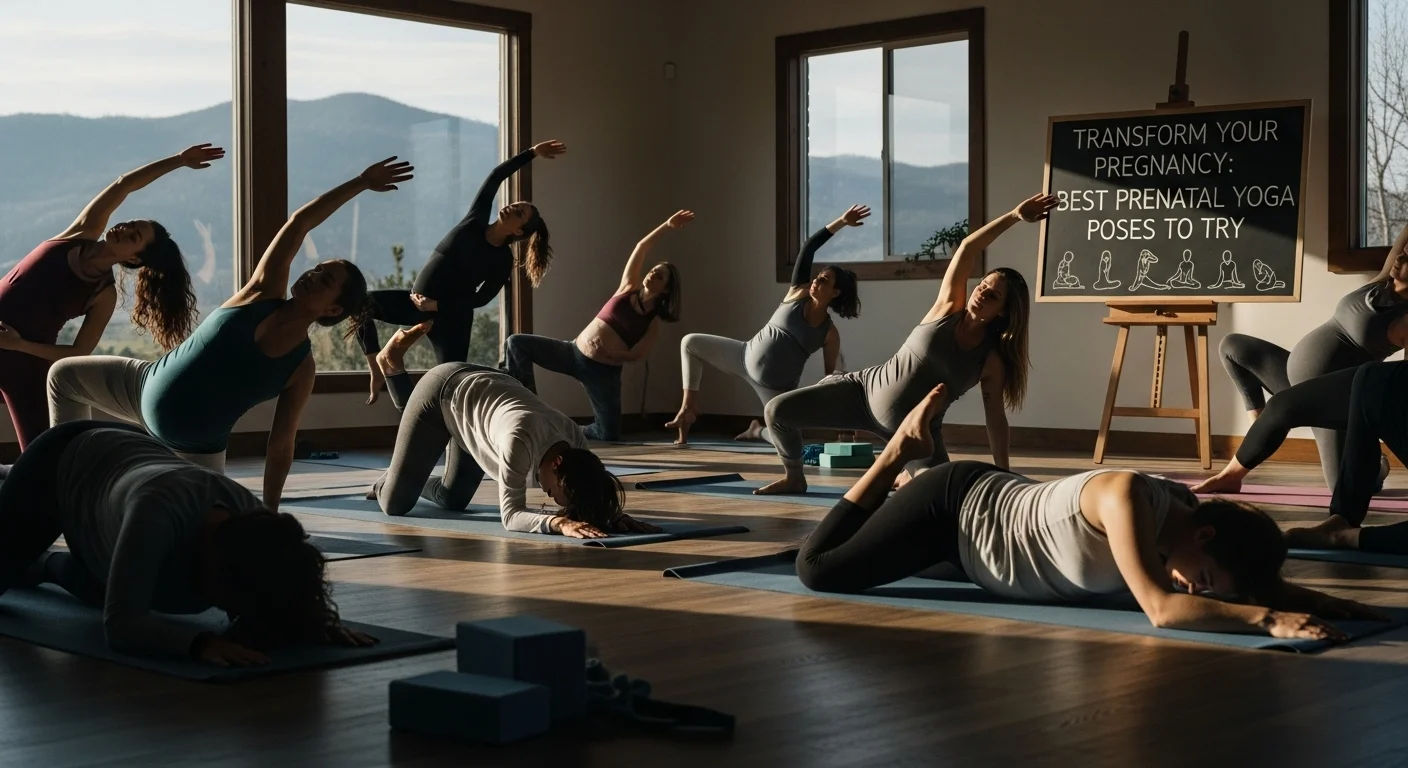
Pregnancy is a beautiful journey filled with changes and challenges. One way to embrace this experience is through prenatal yoga, which offers physical, emotional, and mental benefits that can transform your pregnancy. For those navigating potential issues, it’s important to be aware of symptoms; Navigating Pregnancy Complications: Essential Symptoms to Know can provide valuable insights.
Understanding Prenatal Yoga
What is Prenatal Yoga?
Prenatal yoga is a specialized form of yoga designed specifically for pregnant women. I remember the first time I stepped into a prenatal yoga class; it felt like a safe space where I could connect with my body and my baby. The poses and breathing techniques are tailored to support the physical and emotional needs of expecting mothers, helping them navigate the various stages of pregnancy. Unlike traditional yoga, prenatal yoga focuses on the unique challenges that come with carrying a child, including balance, flexibility, and breath control.
Benefits of Prenatal Yoga for Expecting Mothers
The benefits of practicing prenatal yoga are numerous and profound. Personally, I found that it helped me manage stress and anxiety. Through deep breathing and mindful movement, I learned to cultivate a sense of calmness that I could carry with me throughout my day. Here are some key benefits I’ve experienced and noticed among fellow mothers:
- Improved Flexibility: As your body changes, flexibility can become increasingly important. Prenatal yoga helps maintain and even enhance your flexibility, especially in areas like the hips and lower back.
- Strengthened Muscles: Many poses focus on building strength in muscles that support your growing belly, which can alleviate discomfort during pregnancy.
- Better Posture: As your baby grows, maintaining good posture can become a challenge. Yoga emphasizes alignment, which can help reduce strain on your back and neck.
- Enhanced Breathing Techniques: I learned proper breathing methods that not only help during yoga but also prepare you for labor. Focusing on breath can be incredibly grounding.
- Emotional Well-being: The community aspect of prenatal yoga fosters connections with other expecting mothers, creating a supportive network. Sharing experiences can reduce feelings of isolation.
Safety Considerations and Precautions
While prenatal yoga is generally safe for most women, there are a few precautions to keep in mind. First, it’s always best to consult with your healthcare provider before starting any new exercise regimen during pregnancy. I did this to ensure I was making the right choices for myself and my baby. Here are some safety considerations I learned along the way:
- Listen to Your Body: Every pregnancy is unique. If something doesn’t feel right or causes discomfort, it’s important to stop. I quickly learned to listen to my body’s signals.
- Avoid Certain Poses: Some poses, especially those that require lying flat on your back or twisting your abdomen, can be unsafe in later trimesters. I appreciated that my instructor provided modifications.
- Stay Hydrated: It’s vital to drink plenty of water before, during, and after your practice. I always made sure to have my water bottle handy.
- Choose the Right Class: Look for classes specifically labeled as prenatal yoga. These classes are designed with your safety and needs in mind, which I found incredibly reassuring.
From my experience, prenatal yoga can be a transformative practice that empowers you throughout your pregnancy. It encourages a deeper connection with your body and your baby, helping you embrace the changes that come with this unique journey. In the next section, we’ll explore some essential prenatal yoga poses you can try to further enhance your experience.
Essential Prenatal Yoga Poses
Cat-Cow Stretch
The Cat-Cow Stretch is one of my favorite poses because it’s gentle and feels so good on the back. I remember feeling a lot of tension in my back during pregnancy, and this pose helped alleviate that discomfort. To do this pose, you start on all fours, with your wrists under your shoulders and knees under your hips. As you inhale, arch your back and lift your head and tailbone towards the ceiling (this is the Cow). Then, as you exhale, round your back, tuck your chin to your chest, and pull your belly towards your spine (this is the Cat). I found that flowing between these two poses was not only great for my body but also helped me connect my breath with movement, which was calming and grounding during those busy days of pregnancy.
Child’s Pose
Child’s Pose is another essential pose that I loved. It’s a great resting position that can help relieve stress and fatigue. Whenever I felt overwhelmed, I would simply kneel on the mat, sit back on my heels, and stretch my arms forward on the ground. This pose really provided a sense of comfort and safety. It’s also beneficial for opening the hips and stretching the back, which are both important as your body changes. I often closed my eyes in this pose, focusing on my breath and allowing myself to be present in the moment.
Butterfly Pose
The Butterfly Pose was one I looked forward to because it felt so nurturing for my hips. To do this pose, I would sit on the floor and bring the soles of my feet together, letting my knees drop out to the sides. I would gently lean forward, allowing gravity to help open my hips. This was especially nice as the pregnancy progressed and I felt tighter in that area. Plus, I loved how it encourages relaxation and helps release any tension from the lower body. I’d often visualize my baby enjoying the space as I did this pose, which added a nice connection to my practice.
Warrior II Pose
Warrior II is a strong pose that helped me feel empowered. It’s a great way to build strength and stability in your legs, which is crucial as your body changes. I would stand with my feet wide apart, turn one foot out, and bend my front knee. The other leg would remain straight, and I would extend my arms out to the sides, looking over my front fingertips. I felt strong and grounded in this position, which was a wonderful reminder of the strength within me as I prepared to bring my baby into the world.
Pigeon Pose
Pigeon Pose became a favorite of mine for stretching the hips profoundly. This pose requires some flexibility, but I found it incredibly rewarding. I would start in a tabletop position, bring one knee forward, and extend the opposite leg back. Leaning forward over my front leg helped to deepen the stretch. The relief I felt in my hips was fantastic, especially after a long day. I often reminded myself to breathe into the stretch, letting go of any tension I might have been holding onto. It was a beautiful way to connect with my body and release stress.
Seated Forward Bend
The Seated Forward Bend is another great pose that I enjoyed, especially for calming the mind. Sitting with my legs extended in front of me, I would inhale and lengthen my spine, and then exhale as I reached towards my feet. I loved feeling the stretch in my hamstrings and lower back. This pose also gave me a moment to slow down and focus on my breath, which is so vital during pregnancy. It reminded me to be patient with myself as I embraced the changes in my body.
Reclining Bound Angle Pose
Reclining Bound Angle Pose is a wonderful way to relax and open up the hips while also supporting the back. I would lie on my back, bringing the soles of my feet together and allowing my knees to fall out to the sides. Props, like cushions or bolsters, can be used to support your legs, which I found to be very comforting. This pose not only helped me physically but also provided me with a moment of stillness to connect with my little one. It was a perfect way to end my practice, embracing that calming energy before moving on with my day.
As I explored these essential poses, I discovered how each one brought me closer to my body and my baby. They helped me embrace the changes my body was experiencing, while also offering a space for mindfulness and connection. Now, let’s move on to creating a prenatal yoga routine that incorporates these poses effectively.
Creating a Prenatal Yoga Routine
How to Structure Your Yoga Practice
Creating a prenatal yoga routine that works for you can be one of the most rewarding aspects of your pregnancy journey. I remember when I first started, I felt a bit overwhelmed by the idea of structuring my practice. However, I quickly learned that simplicity is key. I like to think of my routine as a blend of poses that address different areas of my body, creating a balanced flow. Typically, I would start with grounding poses like Cat-Cow Stretch to connect my breath with movement, followed by some gentle hip openers like Butterfly Pose. I found this flow not only soothed my body but also set a peaceful tone for the practice.
As I moved through my routine, I would include a mix of strength-building poses like Warrior II to feel empowered. It’s essential to listen to your body and adjust based on how you’re feeling that day. In my case, some days I craved longer holds in calming poses, while on others, I wanted to flow more dynamically. I found that allowing myself that flexibility made the practice even more enjoyable. If you’re looking for Essential Tips for Managing Common Pregnancy Discomforts, incorporating these practices can be very beneficial.
Duration and Frequency Recommendations
When it comes to duration, I found that 20 to 30 minutes was a sweet spot for my practice. It felt manageable and allowed me to get a good workout without feeling drained. I often practiced three to four times a week, but I noticed that some mamas in my class preferred shorter sessions daily. It’s really about what feels right for you! I think it’s important to remember that even a few minutes of practice can be beneficial. I would sometimes sneak in a few gentle stretches or breathing exercises while watching TV or before bed. The key is consistency and making it a regular part of your routine.
Incorporating Breathing Techniques
Breathing techniques are a vital component of prenatal yoga that I found immensely helpful. I remember the first time my instructor guided us through a deep breathing exercise. It was such an eye-opener! I learned to focus on my breath, inhaling deeply through my nose and exhaling fully through my mouth. This practice not only helped me stay present during my sessions but also provided a sense of calm that I could carry with me throughout the day.
Incorporating breath work into your routine can be as simple as pausing between poses, closing your eyes, and taking a few deep breaths. I often tried to sync my breath with my movements, which created a beautiful rhythm that felt almost meditative. This technique became particularly useful during moments of anxiety or stress, helping me center myself and connect with my baby. I truly believe that mastering these breathing techniques can enhance your prenatal yoga experience and prepare you for labor. If you’re interested in budgeting for these practices, you can check out How to Handle Pregnancy Symptoms on a Budget Trip.
Adapting Yoga for Different Trimesters
First Trimester Yoga Practices
During the first trimester, I found that my energy levels varied greatly. Some days, I felt like I could conquer the world, while others, I just wanted to curl up on the couch. I learned that it’s essential to listen to your body during this time. Gentle movements and restorative poses, like Child’s Pose and Cat-Cow, were my go-tos. I focused on nurturing my body and embracing the changes without pushing myself too hard. It was also a time for mindfulness, where I became more attuned to my body’s signals.
Second Trimester Yoga Modifications
The second trimester was a magical period for me as my energy returned, and I was more comfortable in my body. I started to explore more dynamic poses like Warrior II and Pigeon Pose, which felt empowering. However, I also learned to modify poses as my belly grew. For instance, I opted for wide-legged variations in standing poses to maintain my balance. I often used a wall or chair for support when needed, and I think this adaptability made my practice even more enjoyable.
Third Trimester Yoga Adjustments
As I entered the third trimester, I became more focused on preparing my body for labor. I modified my routine to include more restorative poses and gentle stretches. Poses like Reclining Bound Angle and Seated Forward Bend became essential for relieving tension and encouraging relaxation. I also learned the importance of keeping my breath steady and deep, which proved invaluable during those final weeks. I remember feeling a sense of anticipation and connection with my baby during these practices, which was incredibly fulfilling.
Common Questions About Prenatal Yoga
How Often Should I Practice Prenatal Yoga?
When I first started my prenatal yoga journey, I was curious about how often I should practice. From my experience, consistency is more important than frequency. I found that practicing three to four times a week worked well for me, allowing me to maintain a connection with my body and my baby without feeling overwhelmed. However, every woman is different! Some might prefer shorter daily sessions, while others may find that a few longer sessions each week suit them better. I think it’s important to listen to your body and find a rhythm that feels right. Even a few minutes of gentle stretches can make a difference when you’re short on time.
Can I Start Yoga Later in My Pregnancy?
If you’re considering starting prenatal yoga later in your pregnancy, I can assure you that it’s never too late! I met several mothers in my classes who began their yoga journey in the second or even third trimester. While it might take a little time to adjust to the poses, I found that the benefits are still significant. Just remember to choose classes labeled as prenatal yoga, and don’t hesitate to inform your instructor about your experience level. They can guide you through modifications to ensure you practice safely and effectively.
What Equipment Do I Need for Prenatal Yoga?
One of the things I loved about prenatal yoga is how accessible it is. You don’t need much equipment to get started! A yoga mat is essential for comfort and stability. For me, having props like blocks, straps, or bolsters was also incredibly helpful, especially for modifications and support in various poses. I would often use a cushion or a blanket for extra comfort during seated poses. Also, keep a water bottle nearby to stay hydrated throughout your practice. I found that having the right setup made all the difference in how enjoyable and relaxing my sessions were.
Can Prenatal Yoga Help with Labor Preparation?
Absolutely! In my experience, prenatal yoga played a significant role in preparing me for labor. The breathing techniques I learned were invaluable, helping me stay calm during contractions. Poses that promote flexibility and strength in the hips and lower back can also assist during labor. Additionally, the mindfulness and relaxation techniques I practiced allowed me to approach labor with a sense of empowerment rather than fear. I truly believe that each session brought me closer to being ready for the big day.
Finding Prenatal Yoga Classes
Types of Classes Available (In-Person vs. Online)
Finding the right prenatal yoga class can be a delightful adventure. I initially sought out in-person classes, which allowed me to connect with other expecting mothers and receive hands-on guidance from instructors. However, as the world shifted, I discovered the benefits of online classes. They provided flexibility, allowing me to practice at home when it suited my schedule. Whether you choose in-person or online, what matters most is finding a class that resonates with you. I found that both options have their unique benefits, and trying out a few classes can help you figure out what you prefer.
What to Look for in a Prenatal Yoga Instructor
Choosing the right instructor can significantly enhance your prenatal yoga experience. I recommend looking for someone who is certified in prenatal yoga and has experience working with pregnant women. It’s also beneficial if they create a welcoming atmosphere where you feel comfortable asking questions and sharing your needs. I appreciated instructors who emphasized safety and encouraged modifications based on our bodies’ changing needs. A personal connection can make your practice even more enjoyable and fulfilling.
Recommended Resources and Online Platforms
There are plenty of fantastic resources and online platforms for prenatal yoga. I found apps like YogaGlo and Gaia incredibly helpful, offering a variety of classes tailored to different trimesters. YouTube also has numerous channels dedicated to prenatal yoga, providing free access to guided sessions. Additionally, local studios often have virtual options, which can be a great way to support local businesses while practicing from home. Whatever resource you choose, I encourage you to explore and find what resonates with you the most!
Personal Experiences and Testimonials
Stories from Expecting Mothers
One of the most beautiful aspects of prenatal yoga is the sense of community it fosters among expecting mothers. I remember sharing my experiences with other moms, and it was heartwarming to hear their stories. Many found comfort in knowing they weren’t alone in their struggles, whether it was about body changes, fears about labor, or even joyful moments. These shared experiences created a bond that enriched our practice and provided a support network that felt invaluable.
Impact on Mental Health and Well-being
Practicing prenatal yoga significantly impacted my mental health. I felt more centered and connected to my body, which was so important during a time filled with uncertainty. Many of my classmates echoed this sentiment, sharing how yoga helped them manage anxiety and stress. The mindfulness techniques we practiced felt like a breath of fresh air, allowing us to step back and embrace the moment. It was a lovely reminder of the beauty of pregnancy amidst the challenges.
Physical Changes and Benefits Noticed
Throughout my journey with prenatal yoga, I noticed remarkable physical changes. I felt more comfortable in my body, and the targeted stretches eased many of the discomforts associated with pregnancy. My friends who practiced alongside me often shared similar benefits, like improved sleep and greater ease in movement. It’s incredible how something so simple could yield such profound effects on our bodies during this transformative time.
Final Thoughts
Embarking on the journey of prenatal yoga was one of the best decisions I made during my pregnancy. It allowed me to connect deeply with myself and my baby, fostering a sense of empowerment and community. As I reflect on my experience, I encourage every expecting mother to consider incorporating prenatal yoga into her routine. Whether it’s for physical comfort, emotional support, or simply a moment of mindfulness, the benefits are truly transformative. Remember that this journey is unique to each of us, and finding what works best for you is key. I hope you find joy and strength through your own practice, just as I did. Embrace this beautiful journey, and may your experience be as enriching and fulfilling as mine!
Frequently Asked Questions
“`htmlWhat is Prenatal Yoga?
Prenatal yoga is a specialized form of yoga designed specifically for pregnant women, focusing on the unique challenges of pregnancy such as balance, flexibility, and breath control.
What are the benefits of practicing prenatal yoga?
Practicing prenatal yoga offers numerous benefits including improved flexibility, strengthened muscles, better posture, enhanced breathing techniques, and emotional well-being through community support.
Is prenatal yoga safe for all pregnant women?
While prenatal yoga is generally safe for most women, it is important to consult with a healthcare provider before starting any new exercise regimen during pregnancy and to listen to your body during practice.
What should I consider when choosing a prenatal yoga class?
Look for classes specifically labeled as prenatal yoga, as these are designed with your safety and needs in mind. It’s also beneficial to find an instructor who is certified and experienced in prenatal yoga.
How often should I practice prenatal yoga?
Practicing three to four times a week is often recommended, but it’s essential to listen to your body and find a rhythm that feels right for you. Even a few minutes of gentle stretches can be beneficial.
Can I start prenatal yoga later in my pregnancy?
Yes, it’s never too late to start prenatal yoga. Many women begin their practice in the second or third trimester and still experience significant benefits.
What equipment do I need for prenatal yoga?
Essential equipment includes a yoga mat for comfort, and props like blocks, straps, or bolsters can be helpful for modifications. It’s also important to have a water bottle to stay hydrated.
How can prenatal yoga help with labor preparation?
Prenatal yoga can aid in labor preparation by teaching breathing techniques that help maintain calm during contractions and through poses that promote flexibility and strength in the hips and lower back.
What types of classes are available for prenatal yoga?
Classes can be found in-person or online. In-person classes allow for hands-on guidance and community connection, while online classes offer flexibility to practice at home.
What impact does prenatal yoga have on mental health?
Prenatal yoga can significantly improve mental health by helping women feel more centered, manage anxiety and stress, and embrace the beauty of pregnancy amidst challenges.
“`Traveling while pregnant can be a whirlwind of excitement and challenges, but staying fit during this time is easier than you might think. Let’s explore how to keep active and healthy on your travels!
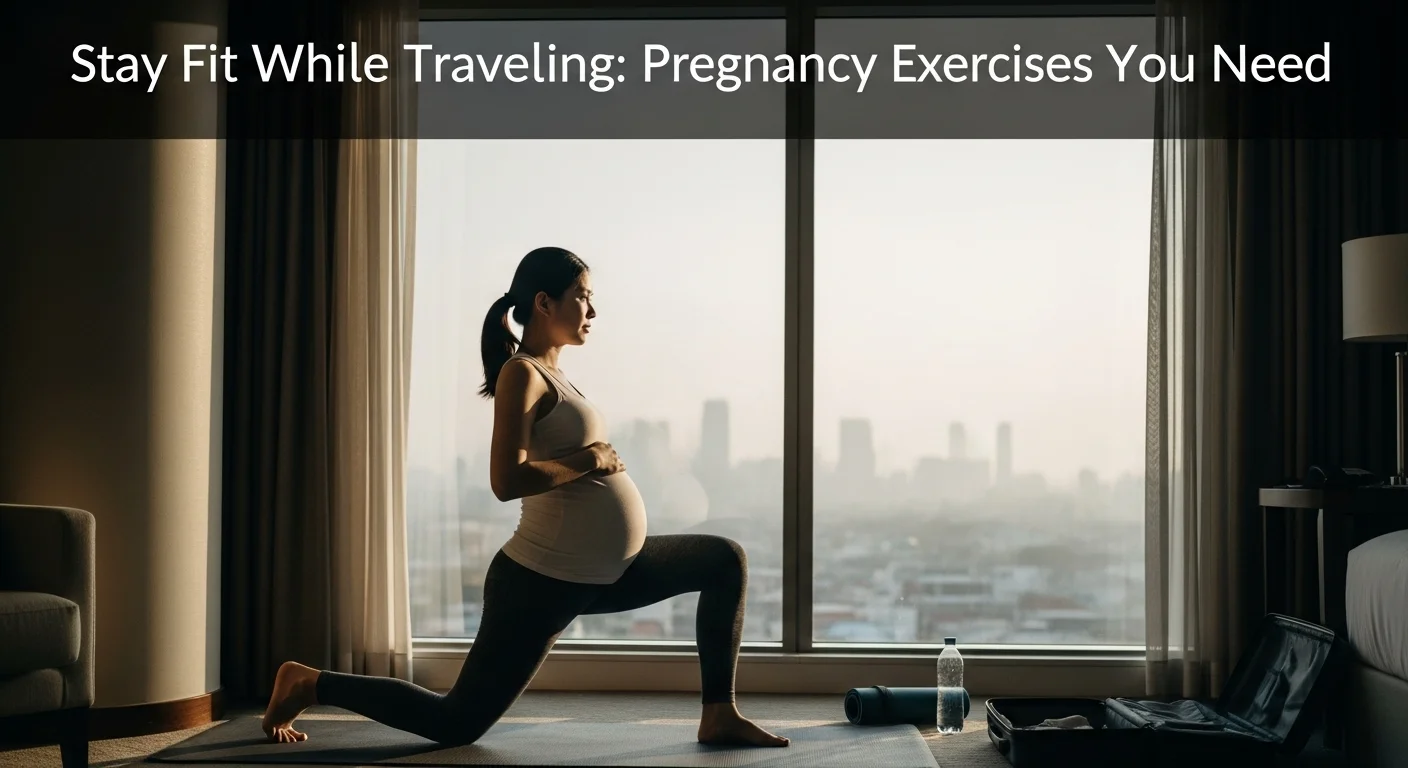
Understanding Fitness During Pregnancy
Importance of Staying Active
When I first found out I was pregnant, I was overwhelmed with joy, yet a little worried about how my active lifestyle would change. I used to think that pregnancy meant slowing down, but I quickly learned that staying active during this time is crucial for both me and my baby. Exercise can help alleviate common pregnancy discomforts, improve my mood, and even prepare my body for childbirth. I’ve felt stronger and more energized, which is especially important when traveling. Staying fit while traveling is essential, and I’ve found great resources to help me.
Benefits of Exercise for Pregnant Travelers
Traveling while pregnant doesn’t mean I have to sacrifice my fitness routine. In fact, maintaining an exercise regimen can enhance my travel experience in many ways. For starters, staying active helps combat travel fatigue, which is something I’ve definitely experienced during long flights or car rides. It keeps my energy levels up and helps me enjoy all the new sights and experiences. I’ve also noticed that regular exercise boosts my mood, helping me to better cope with the minor stresses of travel, like navigating unfamiliar places or managing my travel itinerary.
Moreover, exercising while traveling has allowed me to connect with my baby in a way I hadn’t expected. I’ve taken moments to do gentle stretches or practice mindfulness through yoga, which feels like a beautiful bonding experience. And let’s not forget the physical benefits; staying fit has kept my body feeling strong and capable, making it easier to enjoy activities like walking tours or hiking. I’ve also learned that many hotels and resorts offer fitness classes or facilities tailored for pregnant women, making it even more convenient to stay active while on the go. Essential pregnancy exercises can also be very helpful when on the move.
When to Start and Stop Exercising While Traveling
First Trimester Guidelines
During my first trimester, I focused on gentle activities that felt good for my body. It’s important to listen to what I needed. I found that light walking and stretching helped me maintain my energy levels without overwhelming myself. As I traveled, I made sure to prioritize rest when I felt fatigued. I noticed that some days were better than others, so I took it easy and didn’t push myself too hard.
Second Trimester Recommendations
By the time I hit my second trimester, I felt more energetic and ready to try some new exercises. This is often considered the “golden period” in pregnancy, where many women feel their best. I started incorporating more low-impact cardio, like swimming or brisk walking, which I found refreshing during travels. I also added in a few strength training exercises, focusing on bodyweight movements that I could do in my hotel room or at a local park. This flexibility made it easy to stay fit while keeping my travel plans enjoyable.
Third Trimester Considerations
As I approached my third trimester, I became more mindful of my body and its changing needs. I focused on maintaining my strength and flexibility through low-impact workouts. Activities like prenatal yoga helped me stay centered and relaxed, which was especially important as I traveled closer to my due date. I learned that it’s essential to listen to my body and adjust my routine accordingly. If I felt tired, I would take a break or opt for shorter, gentler exercises. I also always consulted with my healthcare provider to find out what was safe for my specific situation. Essential safety guidelines can provide helpful tips on this topic.
Safe Pregnancy Exercises for Travelers
Low-Impact Cardio Options
For anyone traveling while pregnant, low-impact cardio is often the best bet. I’ve found that these activities keep my heart rate up without putting too much strain on my body.
Walking and Hiking
Walking is one of my favorite exercises. It’s simple, requires no special equipment, and can be done almost anywhere. Whether I’m exploring a new city or taking a leisurely stroll along a beach, I make it a point to walk as much as possible. I also enjoyed hiking when I could find safe trails; it’s a great way to enjoy nature while staying active. Just be sure to choose trails that aren’t too steep or challenging.
Swimming and Water Aerobics
Swimming was another highlight for me. The feeling of weightlessness in the water was incredibly soothing, especially as my belly grew. Many hotels and resorts have pools, and some offer water aerobics classes specifically for pregnant women. This can be an excellent way to meet other moms-to-be and have some fun while exercising!
Strength Training Exercises
Incorporating strength training into my travel routine helped me maintain muscle tone and support my growing body.
Bodyweight Exercises
Bodyweight exercises, like squats, lunges, and modified push-ups, became staples in my regimen. They can be done in small spaces, like a hotel room, without any equipment. I found that these exercises not only kept me strong but also prepared my body for labor.
Resistance Bands Workouts
Resistance bands are lightweight and easy to pack, making them perfect for travel. I would often bring a set with me and do quick workouts in my room. They offer a great way to add resistance to my exercises without the bulk of weights.
Flexibility and Stretching Routines
Flexibility became a priority as my pregnancy progressed. I learned that gentle stretching can help relieve tension and promote relaxation.
Yoga for Pregnant Travelers
Yoga has been a game changer for me during my travels. I’ve found classes specifically designed for pregnant women in many cities, which was a wonderful way to connect with others while practicing mindfulness. Even just doing a few stretches in my hotel room felt refreshing and grounding.
Pilates Modifications
Pilates is another great option for maintaining core strength. I did modified Pilates exercises that focused on stability and flexibility. They helped me feel more balanced and in tune with my body, which was especially important as I navigated various travel challenges.
Incorporating Exercise into Your Travel Routine
Finding Time to Exercise While on the Go
One of the biggest challenges I faced while traveling was finding the time to squeeze in my workouts. Between sightseeing, dining, and just enjoying the local culture, it was easy to let exercise take a backseat. But I discovered that even short bursts of activity can make a big difference. I started setting aside just 15 to 30 minutes each day to engage in some form of exercise. Early mornings worked best for me, as I loved the feeling of getting my blood pumping before the day’s adventures began.
During our travels, I found that planning my workouts around our itinerary was beneficial. For instance, if we had a long day of walking planned, I would opt for lighter exercises earlier in the day, like yoga or stretching. On days with less planned activity, I would challenge myself with a more intense workout. This way, I could maintain my fitness without feeling overwhelmed or rushed. I realized that it was all about creating a balance that worked for me while still enjoying the beauty of traveling.
Choosing Accommodations with Fitness Facilities
When booking accommodations, I made it a point to look for places that offered fitness facilities or classes. I can’t express how helpful it was to have access to a gym or a pool, especially on days when I wanted to do something more structured. Many hotels now cater to fitness enthusiasts, with some even offering specialized programs for pregnant women. I once stayed at a resort where they had prenatal yoga classes, which not only allowed me to exercise but also helped me connect with other moms-to-be. It was a fantastic way to share experiences and tips while staying fit together.
Even if the hotel didn’t have a gym, I often found creative ways to incorporate exercise into our stay. For example, I once did a quick bodyweight workout right in my room using pillows as props. I learned that being flexible and resourceful can help me stick to my fitness goals without needing fancy equipment or facilities.
Utilizing Outdoor Spaces and Local Parks
One of the joys of traveling is exploring new environments, and I found that local parks and outdoor spaces offered the perfect backdrop for exercising. I loved the idea of running or walking in a scenic park, soaking in the beauty around me while getting my workout in. During one trip to a beautiful coastal town, I discovered a stunning waterfront park that became my go-to spot for morning walks. The fresh air and the sound of waves made the experience so much more enjoyable.
If I was in a city, I would often choose to walk instead of taking public transport to get from one place to another. Not only did that help me stay active, but it also allowed me to discover hidden gems along the way. I found charming cafes, local shops, and beautiful views that I might have missed if I hadn’t taken the time to walk. I recommend researching parks or nature trails in advance to have a few options ready when you arrive at your destination.
Essential Tips for Staying Fit While Traveling During Pregnancy
Staying Hydrated and Nourished
During my travels, I quickly learned how important it was to stay hydrated and nourished, especially while exercising. I made a conscious effort to carry a water bottle with me everywhere I went. It wasn’t just about avoiding dehydration; staying hydrated also helped me maintain my energy levels during workouts and throughout the day. I felt more alert and ready to tackle whatever adventures came my way.
Nutrition was another key component of my travel fitness routine. I tried to prioritize healthy snacks like fruits, nuts, and yogurt, especially when we were on the go. This helped me fuel my body properly, keeping me energized for both exercise and exploration. I even sought out local markets for fresh produce; it was a delightful way to immerse myself in the local culture while ensuring I was eating well. I learned that a little planning goes a long way in maintaining a balanced diet while traveling.
Listening to Your Body: Signs to Stop Exercising
Listening to my body became essential during my travels. I found that being pregnant brought on new sensations that I hadn’t experienced before, and it was crucial to differentiate between normal fatigue and something that required a break. If I felt any unusual discomfort, I would immediately slow down or stop my workout. It was important for me to honor my body’s signals, and I learned that rest is just as valuable as exercise during this time.
I also kept an open line of communication with my healthcare provider before and during my travels. They helped me set realistic expectations for my exercise routine and advised me on what signs to look out for. This reassurance made me feel more confident in my choices and allowed me to enjoy my travels without unnecessary worry.
Consulting Healthcare Providers Before Traveling
Before each trip, I made it a point to consult with my healthcare provider. They provided personalized advice based on my pregnancy stage and overall health. This was particularly helpful when planning activities or excursions that involved physical exertion. I felt empowered knowing that I had the green light for my travel plans and exercise routines.
It was also comforting to have a plan in case I faced any challenges during my travels. My doctor gave me tips on what to do if I experienced discomfort or fatigue, which helped ease my mind. I recommend that any pregnant traveler have a chat with their healthcare provider to ensure a safe and enjoyable trip while staying as active as possible.
Travel-Friendly Workout Gear and Equipment
Must-Have Items for Comfort and Mobility
When I was traveling while pregnant, I quickly realized that the right gear could make all the difference in my comfort and ability to stay active. I found that investing in a few key items helped me maintain my fitness routine without compromising on comfort. First on my list was a good pair of supportive sneakers. I made sure to choose shoes that provided ample cushioning and arch support since I was doing a lot of walking. I remember feeling the difference in my feet and back after swapping out my old sneakers for a new pair designed for walking.
In addition to shoes, I packed loose-fitting, breathable clothing that allowed for movement. Fabrics that wick away moisture became my go-to, as they kept me feeling fresh during workouts and casual strolls. I also brought along a light jacket for those cooler mornings or evenings, especially when I was exploring new cities. This layering approach kept me comfortable and ready for anything, whether it was an outdoor yoga session or a walk through a bustling market.
Another essential item was a supportive maternity belt. This belt provided extra support for my growing belly and helped alleviate any discomfort while exercising or walking for long periods. I found it especially helpful during hikes or longer city walks. It was a simple addition that made a noticeable difference in my overall comfort level.
Portable Fitness Equipment for Pregnant Women
Incorporating some portable fitness equipment into my travel routine was a game changer. I discovered that resistance bands are incredibly versatile and easy to pack. They take up almost no space in my luggage, yet they allowed me to perform a variety of strength training exercises wherever I was. I loved using them for modified squats, seated rows, and even light shoulder presses in my hotel room. It was reassuring to have a way to stay active and maintain my strength without needing a gym.
I also found that a travel yoga mat was worth the investment. It provided a comfortable surface for my stretching and yoga routines, whether I was in a hotel room or at a local park. Practicing yoga on my mat felt grounding and helped me connect with my body, especially when I was away from home. Plus, it was a great way to create my own little oasis, no matter where I was staying.
Additionally, I packed a small foam roller to help with muscle recovery. After long days of travel and exploration, I would use the roller to ease any tension in my muscles. This simple tool helped me feel rejuvenated and ready for whatever adventures lay ahead, allowing me to prioritize my well-being while on the road.
Managing Travel Fatigue and Stress
Importance of Rest and Recovery
Traveling while pregnant can be incredibly rewarding, but it can also be exhausting. I learned early on that managing travel fatigue was just as important as staying active. I made it a priority to listen to my body and recognize when I needed to take a break. There were days when I felt energetic and ready to explore, but I also experienced days where I just wanted to curl up and rest. Allowing myself that time to recover was essential.
One thing I found helpful was to schedule downtime into our travel itinerary. Instead of planning every hour of the day, I began to incorporate breaks to simply relax at a café or enjoy some quiet time in our hotel room. This approach allowed me to recharge my batteries, ensuring I had the energy for the activities I truly wanted to enjoy. I remember one afternoon in Paris where I took a few hours to sit by the Seine River, soaking in the beauty of the city while giving my body the rest it needed. It turned out to be one of my most cherished moments of the trip.
Mindfulness and Relaxation Techniques
In addition to physical rest, practicing mindfulness and relaxation techniques became an essential part of my travel routine. I discovered that taking a few moments each day to focus on my breath or engage in a short meditation could significantly reduce stress levels. Whether it was sitting quietly in our hotel room or finding a peaceful spot in a local park, these moments of mindfulness helped me center myself amidst the whirlwind of travel.
I also incorporated deep breathing exercises into my day, especially before or after workouts. They helped me stay calm and focused, making the challenges of travel feel more manageable. I remember a particularly hectic day where things didn’t go as planned, and taking just a few minutes to breathe deeply transformed my mood. It reminded me to appreciate the journey and stay present, even when things felt overwhelming.
Overall, balancing activity with rest and mindfulness allowed me to enjoy my travels to the fullest while maintaining my fitness and well-being. I believe that finding this equilibrium is key for any pregnant traveler looking to make the most of their adventures.
Frequently Asked Questions
What is the importance of staying active during pregnancy while traveling?
Staying active during pregnancy is crucial for both the mother and the baby. It can alleviate common pregnancy discomforts, improve mood, and prepare the body for childbirth, making travel experiences more enjoyable and less tiring.
What types of exercises are recommended for pregnant travelers?
Recommended exercises for pregnant travelers include low-impact cardio options such as walking, hiking, swimming, and water aerobics. Additionally, strength training exercises like bodyweight workouts and resistance band workouts, along with flexibility routines like yoga and Pilates, are beneficial.
When should pregnant travelers start and stop exercising?
In the first trimester, gentle activities like walking and stretching are advised. The second trimester is often a time to incorporate more low-impact cardio and strength training. In the third trimester, pregnant women should focus on maintaining strength and flexibility while listening to their bodies and adjusting their routines as needed.
How can pregnant travelers incorporate exercise into their travel routine?
Pregnant travelers can incorporate exercise by setting aside 15 to 30 minutes each day for workouts, planning exercises around their itinerary, and choosing accommodations with fitness facilities. Utilizing outdoor spaces and local parks for exercises like walking or yoga is also a great option.
What should pregnant travelers consider when choosing accommodations?
When booking accommodations, pregnant travelers should look for places that offer fitness facilities or classes tailored for pregnant women. Access to gyms or pools can enhance the ability to maintain an exercise routine while traveling.
What nutrition tips are recommended for pregnant travelers?
Pregnant travelers should prioritize hydration by carrying a water bottle and consuming healthy snacks like fruits, nuts, and yogurt. Seeking out local markets for fresh produce can also help maintain a balanced diet while immersing oneself in local culture.
How can pregnant travelers manage travel fatigue and stress?
Managing travel fatigue involves scheduling downtime into the travel itinerary and allowing time for rest. Incorporating mindfulness and relaxation techniques, such as deep breathing exercises or meditation, can also help reduce stress levels during travel.
What signs should pregnant travelers watch for to know when to stop exercising?
Pregnant travelers should listen to their bodies and be aware of any unusual discomfort. If they experience fatigue or any signs indicating the need for a break, they should slow down or stop their workout and consult their healthcare provider if necessary.
What portable fitness equipment is useful for pregnant travelers?
Useful portable fitness equipment includes resistance bands for strength training, a travel yoga mat for stretching and yoga routines, and a small foam roller for muscle recovery. These items are lightweight and easy to pack, making them ideal for travel.
Why is it important for pregnant travelers to consult healthcare providers before traveling?
Consulting healthcare providers helps pregnant travelers receive personalized advice based on their pregnancy stage and health. It ensures they have a plan for activities involving physical exertion and provides reassurance on safe exercise routines during their travels.
Staying active during pregnancy can be a wonderful journey, but it also comes with its own set of guidelines. Understanding how to navigate exercise safely is essential for both mom and baby. For instance, incorporating pelvic floor exercises can be beneficial.
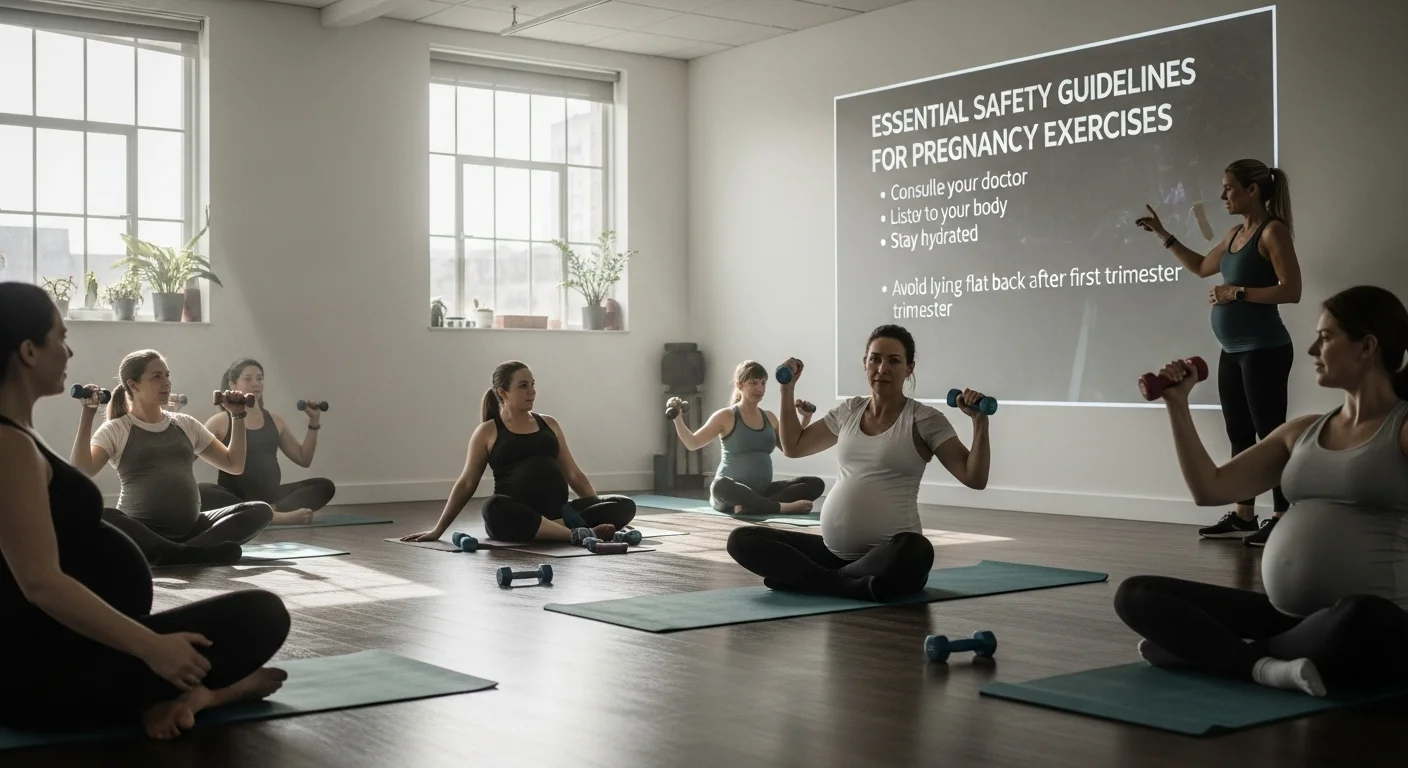
Understanding Pregnancy and Exercise
The Importance of Staying Active During Pregnancy
When I first found out I was pregnant, I was filled with excitement and a bit of anxiety about how to take care of my changing body. One of the things I quickly learned was the importance of staying active. I remember reading about how exercise could help manage the physical and emotional changes I would experience. Staying active is not just about maintaining fitness; it’s about supporting your body through this incredible transformation. Physical activity can help reduce discomfort, boost energy levels, and improve mood.
Benefits of Exercise for Pregnant Women
From my experience, the benefits of exercise during pregnancy are truly remarkable. Engaging in regular physical activity can lead to a variety of advantages, including:
- Better Mood: I noticed that exercising helped me combat the emotional ups and downs that often accompany pregnancy. It was a great way to release endorphins, which lifted my spirits.
- Improved Sleep: I found that regular workouts helped me sleep better, which is crucial when you’re dealing with all the physical changes and anticipatory excitement.
- Reduced Discomfort: Gentle exercises like walking and stretching eased my back pain and helped with common pregnancy discomforts, making everyday activities less challenging.
- Preparation for Labor: Staying active helped me build stamina and strength, which I found to be incredibly useful during labor. It felt empowering to know I was preparing my body for the big day.
It’s important to note that while exercise has significant benefits, it should be approached mindfully. Every pregnancy is unique, and what works for one person may not be suitable for another. For more information on safe practices, check out best practices for cardio during pregnancy.
Consulting Your Healthcare Provider
Before diving into any exercise routine, I strongly recommend consulting with your healthcare provider. I remember discussing my workout plans during my first prenatal visit, and it was a relief to get personalized advice based on my health history and pregnancy progression. Your doctor can provide guidance on what types of exercises are safe for your situation and help you navigate any concerns you might have. They may also suggest modifications or specific activities that will be beneficial for both you and your baby.
Types of Safe Exercises During Pregnancy
Aerobic Exercises
Aerobic exercises, like walking or swimming, are fantastic for maintaining cardiovascular fitness. I enjoyed taking long walks in the park, which allowed me to connect with nature while staying active. These low-impact activities get your heart rate up without putting too much stress on your joints.
Strength Training
Strength training can also play a vital role during pregnancy. I discovered that using light weights or resistance bands helped me maintain muscle tone. It’s important to focus on core and pelvic floor exercises, as these can support your body during labor and delivery. Just remember to keep the weights manageable and listen to your body to avoid overexertion. Exploring top pelvic floor exercises can enhance your routine.
Flexibility and Stretching
Incorporating flexibility and stretching exercises into your routine can enhance mobility and alleviate tension. I found that yoga and Pilates were incredible for this purpose. They not only improved my flexibility but also helped me practice breathing techniques that I later used during labor. Plus, the calming effect of these exercises helped me find my zen amidst the chaos of pregnancy.
Low-Impact Activities
Low-impact activities are especially important during pregnancy as they minimize the risk of injury while keeping you active. Here are a few of my favorites:
Walking
Walking is such a simple yet effective form of exercise. I made it a point to take daily strolls, enjoying the fresh air and clear my mind. It’s something you can easily fit into your day, and it’s safe at every stage of pregnancy.
Swimming
Swimming became my go-to activity during the summer months. The water provided gentle support for my body, allowing me to move freely without feeling heavy or restricted. Plus, it was refreshing and relaxing at the same time!
Stationary Biking
Using a stationary bike was another great option for me. It allowed me to get my cardio in without the risk of falling or overexerting myself. I enjoyed setting it up in front of the TV, making my workout feel less like a chore and more like a fun activity.
Essential Safety Guidelines for Pregnancy Exercises
When to Start Exercising
Deciding when to start exercising during pregnancy can feel a bit overwhelming, especially if you’re navigating your first pregnancy like I was. For me, I found that the right time to begin was as soon as I felt ready. If you have been active before pregnancy, continuing with modifications is usually encouraged. I remember my doctor telling me that if I was used to exercising, I could keep going as long as I listened to my body and made adjustments. If you’re starting from scratch, the first trimester is often a great time to ease into gentle activities, like walking or stretching. I found that these early weeks were perfect for getting a feel for what felt comfortable and what didn’t, allowing me to build a routine that worked for me.
Signs to Stop Exercising
As much as I enjoyed staying active, I quickly learned to pay attention to my body. There were definitely some signs that indicated it was time to stop. I remember feeling a bit uncomfortable one day during my workout, and I made the choice to listen to that feeling. If you experience any of the following, it’s crucial to stop and consult your healthcare provider:
- Shortness of Breath: If you find it hard to catch your breath, it might be time to take a break.
- Chest Pain: This is a serious sign that should never be ignored.
- Dizziness or Lightheadedness: Feeling faint is a clear indication to stop what you’re doing.
- Severe Headaches: While mild headaches can be common, severe pain is a red flag.
- Contractions: If you experience consistent contractions, even if they are mild, it’s time to check in with your doctor.
Listening to my body was one of the best lessons I learned during my pregnancy journey.
Hydration and Nutrition Considerations
Staying hydrated was another essential piece of my exercise routine. I remember keeping a water bottle handy during my workouts. Hydration plays a crucial role in how we feel both during and after exercising. I tried to drink plenty of water before, during, and after my workouts. It not only helped with my energy levels but also kept me from experiencing any dizziness. Nutrition also couldn’t be overlooked. I focused on eating a balanced diet rich in fruits, vegetables, whole grains, and protein. It helped fuel my workouts and kept me feeling strong. I felt better knowing that I was nurturing my body and my growing baby.
Clothing and Gear Recommendations
The right clothing made a world of difference for me while exercising during pregnancy. I invested in some comfortable, breathable workout clothes that accommodated my growing belly. Stretchy fabrics and supportive sports bras became my go-to. I also discovered that wearing supportive shoes was vital, especially as my body changed. Good shoes helped me maintain balance and comfort, especially during those longer walks or low-impact workouts. I remember feeling like a million bucks when I put on my favorite workout gear—it motivated me to stay active!
Environmental Safety
Choosing the right environment for exercising was something I took seriously. I preferred to work out in places that felt comfortable and safe. For me, outdoor settings like parks offered fresh air and beautiful views, which made exercising even more enjoyable. However, I always checked the weather and avoided exercising in extreme heat or cold. I also made sure to exercise in safe areas, like flat, well-lit paths or indoor spaces where I felt secure. It’s amazing how much the environment can impact your motivation and safety while working out.
Common Pregnancy Exercise Myths
Myth: You Shouldn’t Exercise at All
When I was pregnant, I often heard people say that exercising was off-limits. It made me question my own choices. I learned that this is a common myth that can discourage many expectant mothers. In reality, staying active is usually encouraged unless there are specific medical reasons against it. I remember feeling so much better after discovering that many women successfully exercised throughout their pregnancies. It’s all about finding the right balance and listening to your body.
Myth: High-Impact Activities Are Safe
Another myth I stumbled upon was the idea that high-impact activities, like running or jumping, are perfectly safe for everyone. While some women may have been able to keep up with high-impact workouts, I quickly realized this isn’t the case for everyone. I decided to stick to lower-impact exercises to minimize the risk of injury and discomfort. It’s essential to tailor your fitness routine to your own comfort level and health status. I found that focusing on gentler forms of exercise helped me stay active while feeling secure.
Myth: Only Certain Exercises Are Allowed
There’s a misconception that only a few types of exercises are safe during pregnancy. I remember feeling frustrated when I heard that. The truth is, the range of safe exercises can be quite broad! While some activities may be better suited for pregnancy than others, I learned that I could still enjoy various workouts as long as they felt comfortable and were approved by my healthcare provider. I embraced a mix of walking, swimming, and yoga, which made my routine enjoyable and diverse. It was liberating to know I had options!
Modifying Exercises for Different Trimesters
First Trimester Modifications
During my first trimester, I noticed a lot of changes happening in my body. I felt tired and sometimes a little nauseous. It was crucial for me to listen to those signals. I opted for light activities like walking or gentle yoga to keep moving without pushing myself too hard. I also made sure to focus on exercises that didn’t feel overly strenuous. This was a great time to build a foundation for my fitness routine while allowing my body to adjust to the changes.
Second Trimester Adjustments
As I entered the second trimester, I felt more energetic and ready to step up my routine a bit. I learned that many women experience what’s often referred to as the “honeymoon phase” during this time. I began incorporating a mix of strength training and flexibility exercises. I focused on core stability and pelvic floor work, which I read about and found beneficial for labor. It was empowering to feel my body getting stronger while knowing I was preparing myself for the upcoming challenges.
Third Trimester Guidelines
By the time I reached my third trimester, I was definitely feeling the physical impacts of carrying a baby. I found it essential to modify my exercises once more. I shifted my focus to low-impact activities, emphasizing gentle movements that wouldn’t strain my body. Swimming became a favorite during this time, as it provided relief from the weight of my belly. I also incorporated stretching and relaxation techniques to help manage discomfort and prepare for labor. Listening to my body was key, and I made adjustments as needed to keep everything comfortable.
Resources for Pregnant Women and Exercise
Recommended Apps and Online Programs
I’m a tech enthusiast, so I turned to various apps and online programs that focused on pregnancy fitness. I found several helpful resources that offered workout plans tailored to each trimester. One of my favorites was an app that included video demonstrations, which made it easy to follow along. I appreciated having a structured plan while also feeling like I could personalize my workouts based on how I felt each day.
Support Groups and Classes
Joining support groups and classes became a vital part of my experience. I attended prenatal yoga classes and met other expectant mothers who were also navigating the challenges of staying active. It was comforting to share experiences and tips, and the social aspect made exercising more enjoyable. I found that being part of a community provided motivation and support, especially on days when I felt less inclined to work out.
Books and Educational Materials
I also dove into various books and educational materials about exercise during pregnancy. Reading personal stories and expert advice helped me feel more confident in my choices. I discovered guides that explained safe exercises and how to adapt them throughout pregnancy. This information not only informed my fitness routine but also empowered me to make educated decisions about my health and well-being during this transformative time.
Final Thoughts
As I look back on my pregnancy journey, I realize how vital staying active was for me, both physically and mentally. It wasn’t just about keeping fit; it became a cherished part of my routine that allowed me to embrace the changes in my body while preparing for motherhood. It’s amazing how much I learned about my own strength and resilience through this experience.
I encourage all expectant mothers to explore their options for staying active. Whether it’s walking in your neighborhood, joining a prenatal yoga class, or simply stretching at home, each small step can lead to significant benefits. Remember, it’s essential to listen to your body and consult your healthcare provider to ensure you’re making safe choices tailored to your unique situation.
Having a support system, whether through friends, family, or online communities, can also make a big difference. Sharing experiences and tips with others who are on the same path can be incredibly motivating. I found that having someone to chat with or exercise alongside created a sense of camaraderie and made the journey more enjoyable.
Lastly, I want to emphasize that every pregnancy is different. What worked for me may not work for you, and that’s perfectly okay. The key is to find what feels right for your body and to adapt as needed. By prioritizing your well-being and staying active, you’re not just caring for yourself; you’re also nurturing the new life growing inside you. I truly believe that staying active during pregnancy can be a beautiful experience that empowers you for the challenges ahead.
Embrace this journey with an open heart and a willingness to explore. You are stronger than you think, and every step you take is a step toward a healthier, happier you and a wonderful start for your baby.
Frequently Asked Questions
What are the benefits of staying active during pregnancy?
Staying active during pregnancy offers several benefits, including improved mood, better sleep, reduced discomfort, and preparation for labor. Engaging in regular physical activity can help manage the emotional and physical changes experienced during this time.
Should I consult my healthcare provider before starting an exercise routine during pregnancy?
Yes, it is strongly recommended to consult with your healthcare provider before starting any exercise routine. They can provide personalized advice based on your health history and the progression of your pregnancy, ensuring that you choose safe exercises.
What types of exercises are safe during pregnancy?
Safe exercises during pregnancy include aerobic activities like walking and swimming, strength training with light weights or resistance bands, flexibility and stretching exercises like yoga and Pilates, and low-impact activities like stationary biking.
When is the best time to start exercising during pregnancy?
The best time to start exercising during pregnancy is as soon as you feel ready. For those who have been active before pregnancy, continuing with modifications is encouraged. First trimester is often a great time to ease into gentle activities like walking or stretching.
What signs indicate that I should stop exercising during pregnancy?
You should stop exercising and consult your healthcare provider if you experience shortness of breath, chest pain, dizziness or lightheadedness, severe headaches, or consistent contractions, even if they are mild.
How important is hydration during exercise in pregnancy?
Staying hydrated is crucial during exercise in pregnancy. It helps maintain energy levels and prevents dizziness. It is important to drink plenty of water before, during, and after workouts.
What should I wear while exercising during pregnancy?
Wearing comfortable, breathable workout clothes that accommodate a growing belly is essential. Stretchy fabrics, supportive sports bras, and good shoes are important for comfort and stability during workouts.
Is it necessary to modify exercises as the pregnancy progresses?
Yes, it is necessary to modify exercises as pregnancy progresses. Different trimesters may require adjustments in the intensity and type of activities to accommodate the body’s changes and ensure safety.
What are some common myths about exercising during pregnancy?
Common myths include the belief that you shouldn’t exercise at all, that high-impact activities are safe for everyone, and that only certain exercises are allowed during pregnancy. In reality, exercise is generally encouraged, and a variety of safe exercises exist.
How can I find support while exercising during pregnancy?
Joining support groups and classes, attending prenatal yoga classes, and utilizing apps or online programs can provide motivation and community support while navigating exercise during pregnancy.
Staying fit during pregnancy can feel daunting, but it’s both possible and beneficial! Cardio workouts can be a fantastic way for moms-to-be to maintain their health and energy levels throughout their journey.
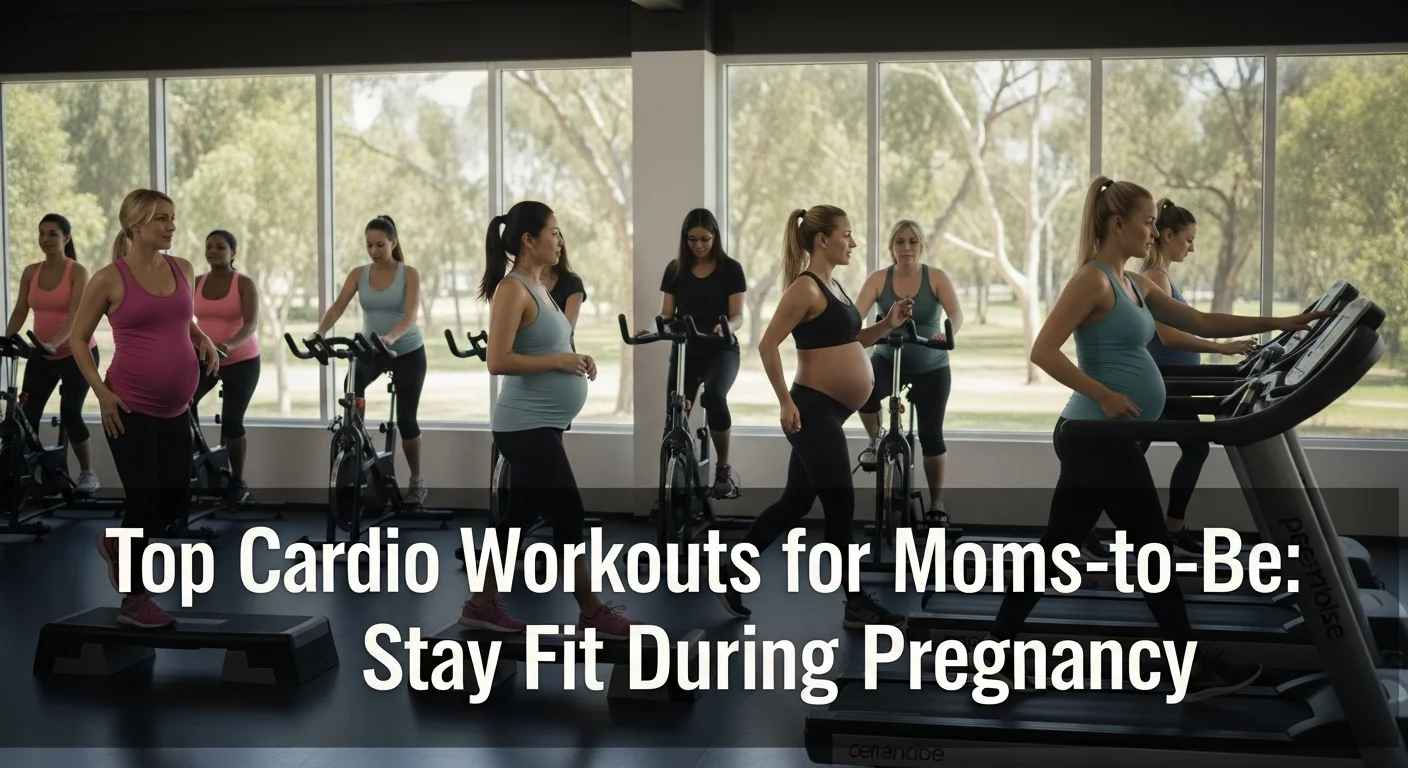
Understanding Cardio Workouts During Pregnancy
When I first discovered I was pregnant, I was filled with a mix of excitement and concern about my fitness routine. It was important to me to stay active, but I also wanted to make sure I was doing what was best for both my baby and myself. I learned that cardio workouts are a great way to maintain fitness during pregnancy, and I wanted to share that knowledge with other moms-to-be. Read Interesting article: How to Maintain Fitness During Pregnancy: A Complete Guide
Benefits of Cardio for Moms-to-Be
One of the first things I noticed when I incorporated cardio workouts into my routine was the boost in my mood. Pregnancy can come with its own set of emotional ups and downs, and I found that regular exercise helped me feel more balanced. Cardio workouts during pregnancy can offer numerous benefits:
- Improved Heart Health: Keeping your heart strong is crucial for both you and your baby. Cardio workouts help improve circulation and reduce the risk of gestational diabetes.
- Increased Energy Levels: I often felt fatigued, especially in the first trimester. Engaging in cardio helped me boost my energy and combat that tiredness.
- Better Sleep: As my belly grew, I experienced more difficulty sleeping. I found that exercising during the day helped me sleep more soundly at night.
- Weight Management: Maintaining a healthy weight during pregnancy can be important for many moms. Cardio workouts help keep your weight in check while providing the flexibility to enjoy cravings.
- Enhanced Mood: The release of endorphins during exercise is a natural mood booster. I often felt happier and less stressed after my workouts.
- Preparation for Labor: Cardiovascular fitness can improve stamina, which can be beneficial during labor and delivery.
Safety Considerations Before Starting
While the benefits are clear, I quickly learned that safety is paramount. I had to consider a few key factors before diving into my cardio routine. Here are some things to keep in mind:
- Start Slow: If you weren’t highly active before pregnancy, it’s wise to ease into your workout. Gradually increase the intensity and duration of your cardio sessions.
- Avoid High-Risk Activities: I had to steer clear of exercises that involved bouncing, jumping, or any risk of falling. Activities like skiing and certain team sports were out.
- Stay Hydrated: Hydration is key, especially during workouts. I always made sure to drink plenty of water before, during, and after my exercise sessions.
- Pay Attention to Your Body: Listening to your body is crucial. If you feel any discomfort, pain, or unusual symptoms, it’s important to stop and consult a healthcare provider.
Consulting with Your Healthcare Provider
Before starting any new exercise routine, I highly recommend talking to your healthcare provider. They can offer personalized advice based on your individual health and pregnancy progression. My doctor was incredibly supportive and helped me tailor my cardio workouts. They provided insights into what types of exercises would be safe and effective for me. Don’t hesitate to reach out to yours for guidance—it’s better to be safe than sorry!
In the next section, I’ll share some fantastic types of cardio workouts that are suitable for pregnant women. I can’t wait to dive into the options that helped me stay active and energized during my pregnancy journey!
Types of Cardio Workouts Suitable for Pregnant Women
As I navigated through my pregnancy, I found a variety of cardio workouts that kept me active while being mindful of my changing body. Each type of cardio brought unique benefits, and I loved experimenting with them to see what felt best for me. Let’s explore some fantastic options that are safe and enjoyable for moms-to-be!
Walking: The Easiest Form of Cardio
Walking became my go-to cardio workout. I remember how simple it was to lace up my sneakers and head out the door. Walking is not only low-impact, but it also allows you to enjoy fresh air and clear your mind. I often took strolls in my neighborhood or at local parks. It was a great way to connect with nature while getting my heart rate up. Aim for brisk walks of 30 minutes a day, and you’ll be amazed at the difference it makes in your energy levels and mood.
Swimming: Low-Impact and Refreshing
Swimming was another favorite of mine. The feeling of weightlessness in the water was so comforting, especially as my belly grew. I loved how swimming is a low-impact workout, which meant I could exercise without putting stress on my joints. I usually did laps at the pool or participated in water aerobics classes specifically designed for pregnant women. Plus, the cool water was incredibly refreshing during hot summer days! It felt like a mini-vacation every time I dove in.
Stationary Cycling: Staying Active Indoors
When the weather didn’t cooperate or I just wanted to stay indoors, I turned to stationary cycling. I found that it was a great way to get my heart pumping while sitting down! I would set up my bike in front of my favorite show or listen to some upbeat music to keep me motivated. Cycling helped me work on my endurance without straining my body. I typically cycled for about 20-30 minutes, adjusting the resistance to find a comfortable pace.
Low-Impact Aerobics: Fun and Energetic
Low-impact aerobics classes were a pleasant surprise for me. I loved the upbeat music and the group setting, which made the workouts feel more like a party. These classes kept my heart rate up without the risk of jumping or high-impact movements. Instructors often included modifications for pregnant women, which made it easier to follow along. It was a fantastic way to meet other moms-to-be while having fun and breaking a sweat!
Dance Workouts: Moving to the Beat
Dancing is something I’ve always enjoyed, so I was thrilled to discover dance workouts tailored for pregnant women. I remember one class where we swayed and moved our bodies to an array of rhythms—it was like a celebration! Incorporating dance into my routine was not only a great workout but also a way to express myself creatively. I found it liberating and empowering, and I always left feeling happier and more connected to my body.
Yoga and Pilates: Gentle Cardio Alternatives
Yoga and Pilates became essential parts of my routine. These practices helped me focus on my breath, flexibility, and core strength—all important aspects of preparing for labor. I found various classes that catered specifically to pregnant women, which ensured that the poses were safe and beneficial. I loved how these workouts provided a calming atmosphere, which helped alleviate stress and anxiety. Plus, they taught me how to listen to my body and respect its limits.
Exploring these different types of cardio workouts allowed me to stay active and engaged with my body during pregnancy. Each option had its own charm and benefits, and I truly enjoyed mixing them up based on my mood and energy levels. In the next section, I’ll share how to create a safe cardio workout routine tailored to your pregnancy needs!
Creating a Safe Cardio Workout Routine
Establishing a safe cardio workout routine during pregnancy can be a game-changer. I remember feeling a bit overwhelmed at first, unsure of how to fit everything together and still stay within safe limits. Over time, I figured out a structure that worked for me, and I’d love to share that experience with you. Let’s break down how to create a routine that’s tailored to your needs and keeps you feeling great!
Frequency and Duration of Workouts
When I started my cardio routine, I aimed for consistency rather than intensity. I found that working out about 3 to 5 times a week felt just right for me. It was important to listen to my body and adjust my schedule when necessary. I typically went for 20-30 minutes per session, which was manageable and effective. I recommend starting with shorter durations and gradually increasing them as you feel comfortable. Finding a balance that works for you is key—some days you might feel energized enough for a longer session, and on others, a quick workout might be all you need!
Warm-Up and Cool-Down Importance
Incorporating a warm-up and cool-down into my workouts made a huge difference. I learned that warming up helps prepare your body for exercise and can prevent injuries. I usually spent about 5-10 minutes doing light stretches and gentle movements to get my blood flowing. Cooling down afterward was equally important. I’d take time to stretch again and let my heart rate gradually decrease. This practice not only felt soothing but also helped me reflect on my workout. Trust me, taking those few extra minutes is worth it!
Modifications for Each Trimester
As my pregnancy progressed, I quickly realized that my workout routine needed to adapt. Each trimester brought its own challenges and changes. I remember being unsure about which modifications to make, but through trial and error, I found a rhythm that worked for me. Here are some tips for adjusting your cardio workouts during each trimester:
- First Trimester: The early weeks can be full of fatigue and nausea. I focused on gentle exercises like walking and stretching. It was about maintaining a routine without pushing myself too hard.
- Second Trimester: This is when I felt more energetic, and I gradually increased the intensity of my workouts. I added swimming and low-impact aerobics, which felt wonderful. I was able to enjoy longer sessions and even tried some new classes.
- Third Trimester: As I approached the end of my pregnancy, I shifted my focus to lighter exercises. I prioritized yoga and gentle stretching, which helped me stay relaxed and prepare for labor. Listening to my body was crucial during this phase.
Adjusting exercises for each trimester not only kept me safe but also made workouts feel more enjoyable. I learned to appreciate the journey rather than just the destination.
Cardio Workouts for Each Trimester
First Trimester: Building a Foundation
In the first trimester, I was all about laying a solid foundation. I felt that low-impact activities were best at this stage. Walking was my go-to, but I also incorporated gentle stretching and some prenatal yoga to help ease any discomfort I experienced. I focused on listening to my body and honoring what it needed.
Second Trimester: Increasing Intensity Safely
By the second trimester, I was feeling more like myself again. I wanted to take advantage of that boost in energy! This was when I added more variety to my cardio routine. I enjoyed swimming more often and even took up stationary cycling. I found that I could safely increase the intensity without pushing too hard, and it felt empowering to challenge myself a bit more. I also began incorporating strength training, which complemented my cardio routine. Read Interesting article: Essential Strength Training Exercises for Pregnant Women
Third Trimester: Preparing for Labor and Delivery
As I entered the third trimester, my focus shifted to preparing for labor. I concentrated on incorporating exercises that would help build endurance and keep me flexible. Yoga became a staple in my routine, and I made sure to include breathing exercises that would be beneficial during labor. The goal was to stay calm and centered while also keeping my body active.
Listening to Your Body: Signs to Stop Exercising
One of the most important lessons I learned throughout my pregnancy was to truly listen to my body. I realized that while staying active is beneficial, it’s equally vital to know when to slow down or stop. Here are some signs I learned to pay attention to:
Recognizing Overexertion
During my workouts, I became attuned to how my body felt. If I ever noticed excessive fatigue, dizziness, or shortness of breath, I would stop immediately. It’s so important to differentiate between normal pregnancy fatigue and overexertion. I learned that it’s okay to take breaks and adjust my routine as needed.
Common Pregnancy Discomforts During Workouts
I also experienced some common discomforts, like pelvic pain or backaches, especially as my belly grew. Whenever these sensations became uncomfortable or painful, I knew it was time to modify or stop my workout. Consulting with my healthcare provider helped me find alternatives that were easier on my body while still keeping me active.
Being aware of these signs allowed me to maintain a healthy balance between staying active and ensuring my safety. This journey is all about finding what works for you, and it’s perfectly okay to adapt as needed!
Incorporating Cardio into Daily Life
As I continued my fitness journey, I found ways to seamlessly incorporate cardio workouts into my daily life. It’s all about getting creative and making exercise a part of our routine. Let’s explore how you can find time for workouts, combine family activities with exercise, and stay motivated through it all!
Incorporating Cardio into Daily Life
Finding Time for Workouts Amidst Busy Schedules
As a busy mom-to-be, I know how challenging it can be to find time for workouts. Between work, appointments, and preparing for a new baby, my schedule felt packed! I realized that being intentional about my time was key. I started by setting aside specific days and times for my workouts, treating them like important appointments. I also discovered that short bursts of activity throughout the day could be just as effective. Even a quick 10-minute walk during my lunch break or some light stretching while watching TV made a difference. I felt so much better when I prioritized these moments, and it helped keep me energized for everything else on my plate.
Combining Family Activities with Exercise
Involving my family in my workouts was another fantastic way to stay active. I remember planning weekend outings that included physical activities—like family hikes or playing at the park. It was a great way to bond while also getting in some cardio. I found that even simple things, like walking the dog together or playing tag with my older kids, turned into fun workouts. Getting creative with family activities made exercise feel less like a chore and more like an enjoyable part of our time together.
Staying Motivated: Tips for Consistency
Maintaining motivation during pregnancy can be tricky, especially when fatigue sets in. I learned a few tricks to keep myself inspired. First, I set small, achievable goals. Instead of focusing on big milestones, I celebrated completing each workout, no matter how short! I also kept a journal to track my progress and how I felt after each session—this helped me see the benefits over time. Another great tip was to mix up my workouts, keeping them fresh and exciting. Trying new classes or workout styles made it easy to stay engaged. Lastly, I surrounded myself with a supportive community, whether online or through friends who were also expecting. Sharing experiences and encouragement made all the difference in keeping me consistent.
Additional Resources for Pregnant Moms
Online Classes and Apps
Finding the right resources can be a game-changer. I discovered various online classes and apps tailored specifically for pregnant women. From yoga to low-impact cardio routines, these platforms offered great flexibility. I loved being able to work out at home when it fit my schedule, and many apps even included motivational reminders and community support, which kept me engaged.
Support Groups and Community Classes
Connecting with other moms-to-be through support groups and community classes became a cherished part of my journey. I found local classes that focused on prenatal fitness, where I met other women experiencing similar challenges. Sharing tips, stories, and even struggles created a sense of camaraderie that made workouts more enjoyable. Plus, these groups often provided expert guidance, which helped me feel more confident about my exercise choices.
Recommended Reading and Guides
I also turned to books and guides specifically focused on fitness during pregnancy. There are so many wonderful resources out there that address not only workouts but also the mental and emotional aspects of staying fit while expecting. I found that reading about other women’s experiences and expert advice helped me feel more empowered in my own journey. These resources became invaluable in shaping my approach and understanding my body better. Read Interesting article: Top Strength Exercises to Stay Fit During Pregnancy
Final Thoughts
My journey through pregnancy and fitness has taught me a lot about balance, self-care, and embracing change. Cardio workouts not only helped me stay fit but also connected me to my body and my baby in a profound way. I hope that by sharing my experiences and insights, you feel inspired to find your own path to staying active during this incredible time. Remember, every pregnancy is unique, so listen to your body and do what feels best for you. Enjoy the journey, and celebrate each step you take towards maintaining your health and wellness.
Frequently Asked Questions
What are the benefits of cardio workouts during pregnancy?
Cardio workouts during pregnancy can improve heart health, increase energy levels, enhance mood, promote better sleep, assist in weight management, and prepare the body for labor by improving stamina.
What types of cardio workouts are suitable for pregnant women?
Suitable cardio workouts for pregnant women include walking, swimming, stationary cycling, low-impact aerobics, dance workouts, and yoga or Pilates.
How should a pregnant woman start her cardio routine?
A pregnant woman should start her cardio routine slowly, especially if she wasn’t highly active before pregnancy. Gradually increasing the intensity and duration of workouts is encouraged.
What safety considerations should be taken into account before starting cardio workouts during pregnancy?
Safety considerations include starting slow, avoiding high-risk activities (like bouncing or jumping), staying hydrated, and paying attention to bodily signals of discomfort or pain.
Should a pregnant woman consult with a healthcare provider before starting a new exercise routine?
Yes, it is highly recommended for a pregnant woman to consult with her healthcare provider to receive personalized advice based on her health and pregnancy progression.
How often should pregnant women engage in cardio workouts?
Pregnant women should aim to work out about 3 to 5 times a week, starting with 20-30 minute sessions and adjusting based on how they feel.
What modifications should be made to cardio workouts during different trimesters?
In the first trimester, focus on gentle exercises like walking and stretching. The second trimester allows for increased intensity with activities like swimming and low-impact aerobics. In the third trimester, prioritize lighter exercises such as yoga and gentle stretching.
What are some signs that indicate a pregnant woman should stop exercising?
Signs to stop exercising include excessive fatigue, dizziness, shortness of breath, and any discomfort or pain, such as pelvic pain or backaches.
How can pregnant women incorporate cardio into their daily lives?
Pregnant women can incorporate cardio by setting specific workout times, engaging in short bursts of activity throughout the day, and involving family in physical activities like hiking or playing games.
What additional resources are available for pregnant women looking to stay active?
Additional resources include online classes and apps tailored for pregnant women, support groups, community classes, and recommended reading and guides focused on fitness during pregnancy.
Cardio during pregnancy can be a game-changer for both mom and baby. Understanding its benefits and best practices ensures a healthy journey through motherhood. Top Cardio Workouts for Moms-to-Be: Stay Fit During Pregnancy can provide you with excellent ideas to get started.
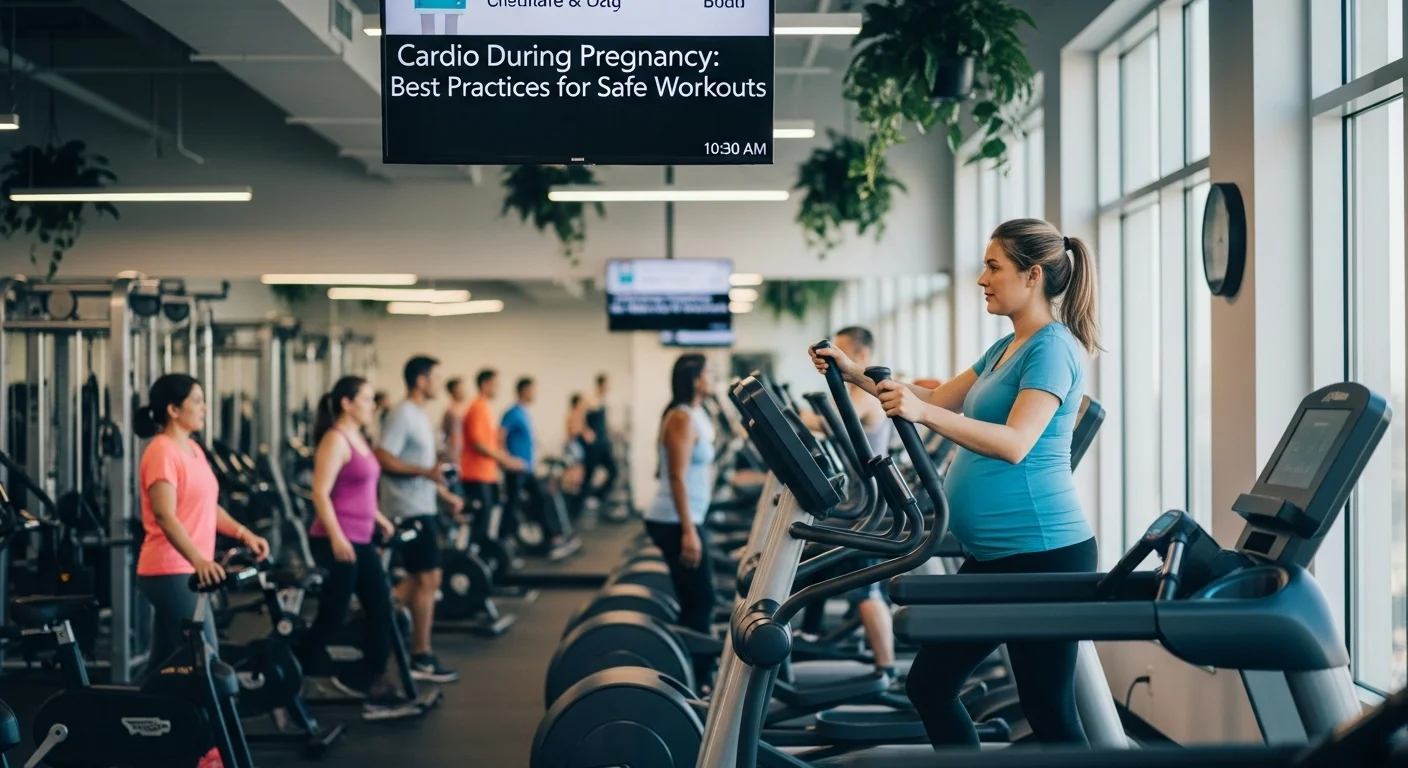
Understanding Cardio During Pregnancy
What is Cardiovascular Exercise?
Cardiovascular exercise, often referred to as “cardio,” is any exercise that raises your heart rate. It includes activities like walking, jogging, cycling, swimming, and dancing. I remember when I first learned about cardio; I thought it was just about burning calories. However, it’s so much more than that. Cardio helps improve heart health, enhances lung capacity, and boosts overall endurance. During pregnancy, it becomes an essential component of maintaining physical fitness and emotional well-being.
Benefits of Cardio During Pregnancy
Engaging in cardio workouts during pregnancy has numerous benefits that I discovered firsthand. Not only does it help in maintaining a healthy weight, but it also reduces the risk of gestational diabetes and preeclampsia. I found that staying active improved my mood and energy levels. It’s amazing how a simple walk can lift your spirits! Cardio can also help improve sleep quality, which is something I struggled with at times during my pregnancy.
Additionally, regular cardio workouts can enhance circulation, which is vital for both mom and baby. I learned that better circulation means more oxygen and nutrients are delivered to the baby. It can also help prepare your body for labor and delivery by increasing stamina and strength. I felt empowered knowing that my workouts were contributing to a healthier pregnancy. Pregnancy Cardio: Fun Workouts to Keep You Active and Healthy offers more insights into this.
Common Myths About Cardio and Pregnancy
There are many myths surrounding cardio during pregnancy that I encountered. One of the most common misconceptions is that pregnant women should avoid exercise altogether. I used to think that taking it easy was the safest option, but I quickly learned that moderate exercise is not only safe but beneficial. Another myth is that cardio can harm the baby. In my experience, as long as I listened to my body and followed guidelines, I felt confident that I was providing a nurturing environment for my little one.
Many believe that cardio will lead to premature labor, but research shows that this isn’t the case for most women. I found that staying active helped me feel more prepared for labor. Lastly, some think that if you weren’t active before pregnancy, you shouldn’t start now. I learned that it’s possible to begin a safe, modified cardio routine at any stage of pregnancy, as long as you consult with a healthcare provider. I wish I had known earlier how many options were available to me!
When to Start Cardio Workouts in Pregnancy
First Trimester Guidelines
During the first trimester, I felt a mix of excitement and fatigue. It’s crucial to listen to your body at this stage. If you were active before pregnancy, you can usually continue your routine, but it’s essential to keep it moderate. I personally enjoyed light walking and gentle stretching. The key is to avoid overexertion and stay hydrated. I started with short sessions and gradually increased the duration as I became more comfortable.
Second Trimester Recommendations
As I moved into the second trimester, I noticed I had more energy, and I felt ready to increase my activity level. This is often considered the best time for cardio. I found that I could engage in longer sessions of moderate exercise. Activities like brisk walking and swimming became my favorites. They felt great and were easy on my joints. It’s important to remain aware of any discomfort and modify as needed. Listening to your body was an essential lesson I learned during this phase.
Third Trimester Considerations
The third trimester can be a challenge as the body undergoes significant changes. I remember feeling more tired and cumbersome. At this stage, low-impact exercises became my go-to. I focused on maintaining my fitness level rather than pushing for intensity. Walking and prenatal yoga helped me relax and keep my body limber. I also learned to prioritize rest and ensure that I didn’t overdo it. Keeping my workouts shorter but consistent helped me stay active without feeling overwhelmed.
Types of Safe Cardio Exercises
Walking: A Low-Impact Option
Walking was my go-to cardio exercise during pregnancy. It’s simple, accessible, and requires no special equipment. I loved how easy it was to fit into my day—whether it was a stroll around the neighborhood or a walk in the park. I noticed that walking not only kept my heart rate up but also allowed me to connect with nature and clear my mind. Plus, it felt great to get some fresh air! I recommend starting with short walks and gradually increasing the distance as you feel more comfortable. For me, it was a wonderful way to maintain my fitness without feeling overwhelmed.
Swimming: Benefits for Pregnant Women
Swimming became one of my favorite activities as my pregnancy progressed. There’s something magical about being in the water—it felt like a weightless escape during those last few months when I was feeling heavier. Swimming provides a full-body workout while being gentle on the joints. The buoyancy of the water supports your body, making it easier to move without discomfort. I found that doing laps or even just floating around helped relieve some of the aches and pains associated with pregnancy. If you have access to a pool, I highly recommend giving swimming a try.
Stationary Biking: Safety and Comfort
Stationary biking was another exercise I enjoyed, especially as my belly grew. It allowed me to get my heart rate up without the risk of falling or losing my balance. I often opted for a recumbent bike, which felt more comfortable and supportive. I loved how I could adjust the intensity without overexerting myself. In my experience, biking was a great way to break a sweat while still being mindful of my body’s changes. I found that even a short 20-minute session could boost my mood and energy levels significantly.
Low-Impact Aerobics: Classes and Resources
Joining a low-impact aerobics class was a fantastic way to engage in cardio with a community feel. I loved being surrounded by other expectant mothers, all focused on staying active and healthy. Many gyms and community centers offer prenatal aerobics classes designed specifically for pregnant women, which means the routines are safe and tailored for our needs. I found that the music and group energy kept me motivated, and the instructors provided modifications for each exercise. If you’re looking for a fun way to get your cardio in, I suggest checking out local classes or online options for prenatal aerobics.
Yoga and Pilates: Incorporating Cardio Elements
While yoga and Pilates might not seem like traditional cardio, I discovered that many classes incorporate movements that get your heart rate up. Prenatal yoga, for instance, can help with flexibility and strength while also including some more vigorous flows that elevate your heart rate. I appreciated how yoga helped me connect with my breath and relax, which was especially beneficial during stressful days. Pilates, on the other hand, focused on core strength, which is crucial as your body changes. I found that the combination of these practices helped me maintain a balanced fitness routine. Plus, it felt good to stretch and strengthen my body while nurturing my baby.
Precautions to Take While Doing Cardio
Consulting Your Healthcare Provider
Before starting any cardio routine, I learned the importance of consulting with my healthcare provider. They can give personalized advice based on your health and pregnancy. I remember feeling a little nervous at first, but my doctor encouraged me to stay active, which reassured me. It’s essential to discuss any pre-existing conditions or concerns, so you can create a safe and effective plan together. I recommend keeping this communication open throughout your pregnancy, as your body will change and so might your exercise needs.
Listening to Your Body: Signs to Stop Exercising
During my pregnancy, I quickly learned to listen to my body. It’s crucial to be aware of any signs that might indicate it’s time to stop exercising. For instance, if you experience pain, dizziness, or shortness of breath, it’s essential to take a break. I remember a day when I felt unusually fatigued, and I decided to cut my workout short. That’s okay! I realized that it’s not about pushing through discomfort but finding a balance that works for me. Trusting my instincts was a valuable lesson and helped me stay safe while staying active.
Staying Hydrated and Cool
Staying hydrated was one of the most important things I focused on during my workouts. I always kept a water bottle nearby and made sure to drink plenty before, during, and after exercising. I learned that dehydration can lead to complications, so I made it a habit to sip water frequently. Additionally, I found that exercising in a cool environment, whether indoors or during cooler hours of the day, made a big difference in how I felt. I recommend paying attention to temperature and making adjustments to ensure you’re comfortable while working out.
Proper Equipment and Footwear
Investing in proper workout gear was a game-changer for me. As my belly grew, I realized that my usual workout clothes weren’t providing the support I needed. I found that investing in a good supportive sports bra and comfortable shoes made all the difference. The right footwear helped me avoid unnecessary strain on my feet and joints while keeping me stable during workouts. I recommend trying on different styles to find what feels best for you, as comfort is key to maintaining a consistent cardio routine.
Creating a Cardio Workout Plan
Setting Realistic Goals
When I first started thinking about my cardio workouts during pregnancy, setting realistic goals was a game-changer. I remember feeling overwhelmed by everything I wanted to achieve, but I quickly realized that breaking things down into smaller, achievable goals made it much easier. For instance, rather than aiming to run a certain distance or time, I focused on committing to a specific number of workouts each week. I found that setting goals like “I will walk for 30 minutes three times a week” made me feel accomplished without the pressure. This experience taught me the importance of celebrating small victories; they keep the motivation alive during the ups and downs of pregnancy.
Frequency and Duration of Workouts
As I navigated through my pregnancy, I learned that the frequency and duration of my cardio workouts should be adaptable. I aimed for about 150 minutes of moderate aerobic activity each week, which is what many health guidelines suggest. However, I discovered that it was perfectly okay to break this down into shorter sessions. For me, incorporating 10-15 minute walks throughout the day fit seamlessly into my schedule. On days when I felt more energetic, I’d do a longer session, maybe swimming or attending a low-impact aerobics class. I highly recommend finding what works for you and being flexible with your plan. It’s about consistency over perfection!
Balancing Cardio with Strength Training
One of the best decisions I made was to balance my cardio workouts with strength training. I learned that while cardio is fantastic for heart health and endurance, strength training is equally important for supporting my changing body. I started incorporating exercises that targeted my core and pelvic floor, which I found incredibly beneficial. Simple moves like squats, modified push-ups, and resistance band exercises helped me build strength without overdoing it. I remember feeling more stable on my feet, which was essential as I approached my due date. The combination of cardio and strength training made me feel empowered and ready for the challenges of labor and motherhood. Boost Your Energy: Cardio Workouts for Expecting Mothers can offer you additional guidance.
Cardio Modifications for Different Pregnancy Stages
Adapting Intensity as Your Pregnancy Progresses
Throughout my pregnancy, I realized that adapting the intensity of my workouts was crucial. In the first trimester, I kept things light and focused on establishing a routine. By the second trimester, I felt more energetic and was able to push myself a bit more. However, by the time I reached the third trimester, I learned to dial it back again. I found that listening to my body and adjusting the intensity based on how I felt each day was essential. For example, I may have planned a brisk walk, but if I felt fatigued, I would switch to a leisurely stroll instead. This experience taught me that it’s okay to change things up; it’s all about finding a balance that works for us at each stage.
Modifying Exercises for Comfort and Safety
As my belly grew, I discovered that modifying exercises for comfort and safety became a necessity. I loved using props like pillows or resistance bands to help support my body during workouts. For instance, while doing squats, I would hold onto a chair for balance, which made a significant difference. I also learned to pay attention to my posture and alignment. If something didn’t feel right, I’d adjust my form or skip that particular exercise altogether. It was empowering to know that I could still stay active while prioritizing my comfort. I recommend experimenting with different modifications and finding what feels best for you—this can make all the difference in your workout experience!
Postpartum Cardio: Transitioning Back to Fitness
When to Resume Cardio After Birth
After giving birth, I was eager to get back into my cardio routine, but I learned that timing is everything. Most healthcare providers suggest waiting about six weeks postpartum to allow your body to heal. I remember feeling anxious to jump back in, but I also realized that patience was key. It’s essential to listen to your body during this transition and consult with your healthcare provider before starting any workouts. For me, starting back with gentle walks and gradually increasing the intensity was a smart way to ease back into things. I found that this approach not only helped me physically but also gave me a sense of normalcy during those early days of motherhood.
Safely Reintroducing Cardio into Your Routine
Reintroducing cardio back into my life was an exciting yet cautious journey. I began with short, low-impact sessions, focusing on what felt good rather than what I used to do. I discovered that postpartum workouts targeted at rebuilding core strength were particularly helpful. Activities like walking, swimming, and low-impact aerobics became my staples. I remember feeling proud of myself for taking those first steps back into fitness, even if they were small. It’s all about finding joy in movement again and being kind to ourselves as we navigate this new chapter. I recommend finding a supportive community or workout group—having that camaraderie made a world of difference for me!
Benefits of Cardio for Postpartum Recovery
Engaging in cardio after giving birth offered me numerous benefits that I hadn’t anticipated. Not only did it help me regain my strength and fitness, but it also had a positive impact on my mental health. I felt more energized and less overwhelmed by the demands of motherhood. The endorphins from exercising lifted my mood and helped combat the baby blues that many experience. I also found that regular cardio improved my sleep quality, which was crucial during those sleepless nights with a newborn. I encourage other new moms to embrace cardio for its holistic benefits—it’s truly a powerful tool for recovery and self-care.
Additional Resources and Support
Frequently Asked Questions
What is cardiovascular exercise?
Cardiovascular exercise, or “cardio,” is any exercise that raises your heart rate and includes activities like walking, jogging, cycling, swimming, and dancing. It helps improve heart health, enhances lung capacity, and boosts overall endurance.
What are the benefits of engaging in cardio during pregnancy?
Cardio workouts during pregnancy help maintain a healthy weight, reduce the risk of gestational diabetes and preeclampsia, improve mood and energy levels, enhance sleep quality, and improve circulation, which is vital for both mom and baby.
When is the best time to start cardio workouts during pregnancy?
The best time to start cardio workouts can vary, but many women find it beneficial to engage in moderate exercise during the second trimester when energy levels often increase. It’s essential to listen to your body and consult with a healthcare provider.
What types of cardio exercises are safe during pregnancy?
Safe cardio exercises during pregnancy include walking, swimming, stationary biking, low-impact aerobics, and prenatal yoga. These activities are generally gentle on the body and can be tailored to individual comfort levels.
What precautions should I take while doing cardio during pregnancy?
Precautions include consulting your healthcare provider before starting any cardio routine, listening to your body for signs to stop exercising, staying hydrated, and investing in proper workout equipment and footwear for support.
How can I create a cardio workout plan during pregnancy?
Creating a cardio workout plan involves setting realistic goals, determining the frequency and duration of workouts, and balancing cardio with strength training to support your changing body throughout pregnancy.
How should I adapt my cardio workouts as my pregnancy progresses?
As pregnancy progresses, it’s important to adapt the intensity of workouts. In the first trimester, focus on light activities; in the second trimester, you can increase intensity; and in the third trimester, prioritize low-impact exercises and listen to your body.
When can I resume cardio after giving birth?
Most healthcare providers suggest waiting about six weeks postpartum to allow your body to heal before resuming cardio workouts. It’s essential to listen to your body and consult with your healthcare provider during this transition.
What are the benefits of cardio for postpartum recovery?
Cardio after giving birth can help regain strength and fitness, improve mental health by boosting energy levels and mood, and enhance sleep quality, which can be crucial for new mothers adjusting to life with a newborn.
How can I safely reintroduce cardio into my routine after childbirth?
Safely reintroducing cardio involves starting with short, low-impact sessions, focusing on what feels good, and gradually increasing intensity. Engaging in activities that rebuild core strength, like walking or low-impact aerobics, can be particularly helpful.
As a mom-to-be, preparing for travel can feel overwhelming. The good news? Staying active during your pregnancy is not only possible but also incredibly beneficial. Let’s explore how to keep fit while on the go!
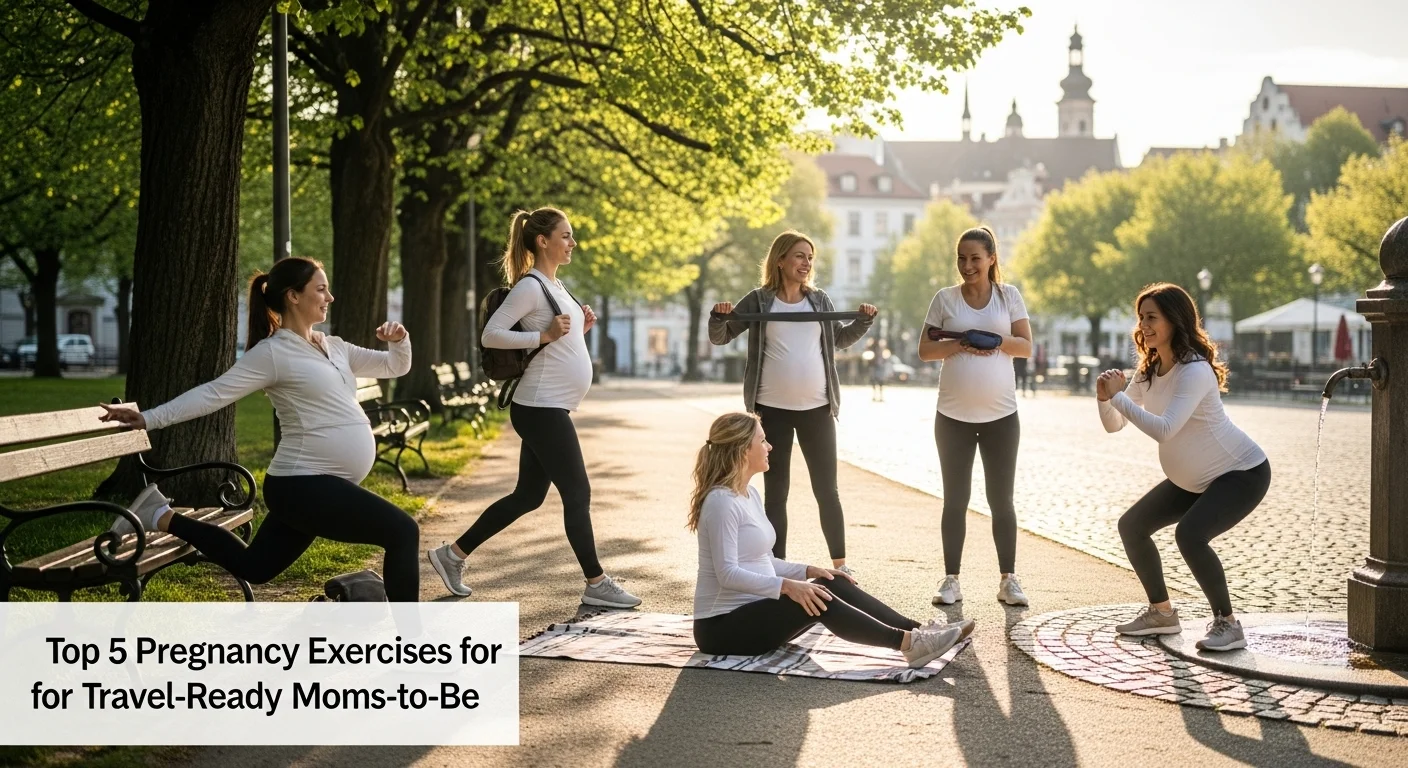
Understanding the Importance of Exercise During Pregnancy
When I found out I was pregnant, I was excited yet anxious about how my body would change and what I could do to stay healthy. I quickly learned that exercise plays a vital role in pregnancy, helping to manage weight, improve mood, and prepare for labor. It’s been amazing to see how even simple movements can make a significant difference in my overall well-being. Essential Pregnancy Exercises for a Smooth Backpacking Adventure has some great tips on this!
Benefits of Staying Active While Pregnant
Staying active during pregnancy brings numerous benefits that I never would have anticipated. For starters, regular exercise can help boost energy levels. I remember days when I felt sluggish; a quick walk or some light stretching lifted my spirits and made me feel more alive. Plus, exercise releases endorphins, those wonderful mood-boosting hormones that can counteract the emotional ups and downs of pregnancy. I found myself feeling happier and more relaxed after a good workout.
Another significant benefit I experienced was improved sleep quality. As my belly grew, getting comfortable at night became a challenge. However, integrating gentle exercises into my routine helped me unwind and prepare my body for sleep. I’ve also read that staying active can improve circulation, reduce back pain, and even help with labor and delivery. Who wouldn’t want that?
It’s also essential to keep in mind that maintaining a fitness routine during pregnancy can enhance recovery after birth. I’ve met many moms who felt that staying fit before their baby arrived made it easier to bounce back after delivery, both physically and mentally.
Safety Considerations for Exercising During Pregnancy
While the benefits of exercise are clear, I quickly learned that safety is paramount. Before starting any new workout regimen, consulting with a healthcare provider is essential. They can help determine what’s safe based on individual circumstances and any potential complications. For more on this, check out Essential Safety Guidelines for Pregnancy Exercises.
I found it helpful to listen to my body. Pregnancy can bring unexpected discomforts, and if something doesn’t feel right, it’s crucial to stop and reassess. I also learned to avoid high-impact activities and exercises that put excessive strain on my body. Choosing low-impact workouts became my go-to. Hydration is another critical factor; I made sure to drink plenty of water before, during, and after exercising to keep myself and my baby healthy.
Another safety tip I’d recommend is to keep a close eye on how I was feeling post-workout. If I felt unusually fatigued or experienced any pain, I would consult with my doctor. It’s all about finding that balance and ensuring that both I and my baby are thriving.
Top 5 Pregnancy Exercises for Travel-Ready Moms-to-Be
Now that we understand the importance of staying active during pregnancy, let’s dive into my top five favorite exercises that are perfect for travel-ready moms-to-be. Each of these workouts is not only safe but provides unique benefits that can help you feel your best while on the move.
1. Walking: The Perfect Low-Impact Exercise
Walking has become one of my favorite ways to stay active, especially while traveling. It’s simple, requires no special equipment, and can be done almost anywhere. I love exploring new cities on foot, taking in the sights while getting some exercise. Walking keeps my heart healthy and helps maintain my weight. Plus, it’s a great way to bond with my baby, as I often find myself talking to them during my strolls!
2. Prenatal Yoga: Flexibility and Relaxation
Yoga has been a game-changer for me. I enrolled in a prenatal yoga class early in my pregnancy, and it helped me connect with my body and my baby. The gentle stretches are perfect for relieving tension and improving flexibility, which I’ve found essential as my body changes. Plus, the breathing techniques taught in yoga have been incredibly helpful for relaxation and preparing for labor. I often practice at my hotel when traveling, using online classes or yoga apps.
3. Swimming: A Full-Body Workout that’s Gentle on the Joints
Swimming is another fantastic option that I absolutely love! There’s something so freeing about gliding through the water. It provides a full-body workout while being gentle on my joints, which is crucial as my pregnancy progresses. I look for hotels with pools whenever I travel; it’s a refreshing way to exercise and cool off at the same time. Swimming helps alleviate swelling and makes me feel weightless, which is a beautiful feeling when pregnant.
4. Pelvic Floor Exercises: Strengthening for Labor and Delivery
Pelvic floor exercises have become a regular part of my routine. They might not be the most glamorous workouts, but they are essential for strengthening the muscles that support the bladder, uterus, and bowels. I’ve learned that a strong pelvic floor can make a big difference during labor and recovery. These exercises can be done anywhere, even when I’m sitting in an airport or waiting for a flight!
5. Strength Training: Building Endurance and Stability
I’ve found that light strength training can be incredibly beneficial. Using resistance bands or light weights helps build endurance and stability. Strengthening my muscles has made daily activities easier and has helped support my growing belly. I try to incorporate strength training into my routine a couple of times a week, and it’s great to know I can do it in my hotel room with minimal equipment. Additionally, Stretching Exercises to Ease Pregnancy Travel Discomfort can be very helpful in this regard.
Tips for Staying Active While Traveling
Traveling while pregnant doesn’t mean I have to sacrifice my fitness routine. Over time, I’ve discovered several tips that make staying active on the go much easier and enjoyable. Here’s what I’ve learned along the way.
Choosing the Right Destination for Active Travel
When planning a trip, I’ve found that choosing a destination that promotes activity can make all the difference. Places with plenty of parks, walking trails, or even beaches inspire me to get moving. For instance, on a recent trip to a coastal town, I was thrilled to find a scenic boardwalk perfect for leisurely strolls. I love exploring the local scenery while getting exercise at the same time! I also look for locations that offer family-friendly activities that I can enjoy even if I need to take it easy.
In my experience, some destinations are naturally more conducive to active travel than others. Cities with bike rentals or guided walking tours can provide great opportunities to move around while also sightseeing. I remember visiting a city where I could easily rent a bike and explore at my own pace. It felt fantastic to combine fitness with exploration, and I know it made the experience even more memorable.
Packing the Essentials for Exercise
Packing smartly has been a game changer for staying active while traveling. I always make sure to include comfortable workout gear that I can easily mix and match. A good pair of supportive shoes is non-negotiable, as they allow me to walk more comfortably and confidently. I also pack lightweight resistance bands, which don’t take up much space and can provide a great strength workout in my hotel room.
Another essential I’ve found helpful is a reusable water bottle. Staying hydrated is crucial, especially when I’m active. I like to fill it up before heading out for the day’s adventures, ensuring I always have water on hand. Snacks are also essential; I pack healthy options like nuts or protein bars to keep my energy levels up while I’m on the go.
Finding Local Fitness Classes or Facilities
One of my favorite ways to stay active while traveling is to seek out local fitness classes or gyms. I’ve discovered that many cities offer prenatal or general fitness classes that I can join. It’s a fantastic way to meet new people and connect with other expectant moms. Plus, I appreciate having a structured workout led by professionals who understand my needs during pregnancy.
When I traveled to a new city recently, I found a nearby yoga studio that offered classes specifically for pregnant women. Joining that class not only allowed me to stay active but also gave me a sense of community. I enjoyed hearing other moms share their experiences and tips, which made me feel more connected during my journey. Searching for local fitness options can enhance my travel experience and keep me motivated to stay active.
Safety Tips for Exercising While Pregnant on the Go
While staying active while traveling is important, I always prioritize safety. Here are some tips I’ve picked up to ensure I’m exercising safely during my pregnancy.
Listening to Your Body: Signs to Stop Exercising
Listening to my body has been a crucial part of my fitness routine. I’ve learned to pay attention to how I feel during and after exercise. If I experience any discomfort, dizziness, or shortness of breath, I know it’s time to take a break. It’s so important to remember that every pregnancy is different, and what works for one person may not work for another.
I also found it helpful to set realistic expectations for myself. Some days I might feel energized and want to go for an extended walk, while other days I might prefer a gentle stretching session. I’ve realized that it’s perfectly okay to adapt my workouts based on how I’m feeling, especially when traveling. Finding that balance has made my experience much more enjoyable.
Staying Hydrated and Nourished
Staying hydrated while traveling is essential, especially when I’m active. I make it a habit to drink water throughout the day, particularly before, during, and after exercise. I’ve found that sipping water regularly helps prevent dehydration and keeps my energy levels steady. I also pay attention to my nutrition, making sure to fuel my body with healthy meals and snacks. I love trying local dishes, but I also ensure I’m getting enough fruits, vegetables, and protein to support both my fitness and my baby’s growth.
Consulting with Your Healthcare Provider
Before embarking on any travel plans, I always check in with my healthcare provider. They provide valuable guidance on what’s safe for me, especially regarding exercise during my pregnancy. I appreciate their insights and feel more confident about making fitness choices when I know I have their support. Plus, discussing my travel itinerary with them allows me to plan my activities accordingly, ensuring I stay healthy while enjoying my adventures.
Embracing Fitness and Travel During Pregnancy
As I navigated through my pregnancy, I realized that embracing fitness while traveling not only helped me stay active but also enriched my journey. Traveling opened up new opportunities for exploration and exercise, and I found joy in discovering new ways to keep fit. Here’s how I learned to fully embrace fitness during my travels.
Finding Balance Between Activity and Rest
One thing I learned the hard way was the importance of balancing activity with rest. There were days when I was so excited to explore that I pushed myself a bit too hard. I remember one trip where I had planned back-to-back sightseeing, and by the end of the day, I felt completely drained. It took some reflection for me to realize that it’s perfectly okay to take breaks. Now, I schedule downtime into my travel itinerary, which allows me to recharge and enjoy the experience more fully.
I often find myself taking a leisurely afternoon break, sipping herbal tea or reading a book, which gives me the energy to continue my adventures later. This balance has made my travels more enjoyable and less stressful. I’ve come to appreciate that rest is just as important as being active, especially during pregnancy.
Incorporating Family Activities
Another way I stay active while traveling is by incorporating family-friendly activities that everyone can enjoy. I’ve discovered that many attractions have options that allow for movement, such as guided hikes, bike rentals, or even family dance classes. For instance, during a recent trip to a national park, we signed up for a guided nature walk. Not only was it a fantastic workout, but it also allowed us to bond as a family while learning about the beautiful surroundings.
Including my partner in these activities has been a great way for us to strengthen our connection, and it’s fun to share these moments with our little one on the way. Plus, it’s a nice reminder that staying active can be a family affair, making the experience all the more special.
Adapting Workouts to Various Locations
Adapting my workouts to different locations has also been key. For example, when I was on a city trip, I utilized the parks and outdoor spaces to get my exercise in. I remember setting up a mini workout routine in a beautiful park, using a bench for tricep dips and the grass for some stretches and gentle yoga poses. It felt exhilarating to be outdoors in a new environment, and I loved how it added variety to my routine.
During another trip to a beach destination, I took advantage of the sandy shoreline for walking and gentle jogging. The soft sand made it an excellent low-impact workout while the ocean breeze added a refreshing element. Being creative with my workouts is something I genuinely enjoy, and it’s been fulfilling to see how I can adapt to my surroundings while maintaining my fitness goals.
Making the Most of Travel Accommodations
I’ve also discovered that I can make the most of my travel accommodations. Many hotels now provide fitness centers, and I make it a point to check those out before booking. I remember staying at a lovely hotel that had a small gym and a pool, which made it easy to squeeze in a workout either before starting my day or after returning from our adventures.
On days when the hotel gym wasn’t available, I turned to bodyweight exercises. Simple movements like squats, lunges, and planks can be done in my hotel room without any equipment. I even found that creating a short workout playlist made it more enjoyable, turning my room into a mini-studio. I recommend finding what works best for you, whether it’s a quick workout in your room or a session in the hotel gym.
Documenting My Journey
Lastly, I found that documenting my fitness journey while traveling has kept me motivated. I started a journal to track my workouts, experiences, and how I felt each day. It’s been enlightening to look back at my entries and see how far I’ve come, and it also helps me reflect on what I enjoyed during my travels.
Sharing my experiences on social media has also been rewarding. I’ve connected with other moms-to-be who share similar interests, which has created a wonderful sense of community. I love seeing how others incorporate fitness into their travel routines and discovering new tips and ideas.
Overall, embracing fitness while traveling has transformed how I experience my pregnancy. It’s about finding joy in movement, creating lasting memories with my family, and nurturing my body and mind. I feel empowered knowing that I can stay active, explore new places, and enjoy this beautiful journey of motherhood.
Frequently Asked Questions
1. Why is exercise important during pregnancy?
Exercise plays a vital role in pregnancy by helping to manage weight, improve mood, and prepare for labor. It can significantly enhance overall well-being and contribute to a healthier pregnancy experience.
2. What are the benefits of staying active while pregnant?
Staying active during pregnancy can boost energy levels, improve sleep quality, enhance mood through the release of endorphins, improve circulation, reduce back pain, and aid in recovery after birth.
3. What safety considerations should I keep in mind when exercising during pregnancy?
Consulting with a healthcare provider is essential before starting any new workout regimen. It’s important to listen to your body, avoid high-impact activities, stay hydrated, and monitor how you feel post-workout.
4. What are the top exercises recommended for pregnant women traveling?
The top exercises include walking, prenatal yoga, swimming, pelvic floor exercises, and light strength training, all of which are safe and beneficial for moms-to-be on the go.
5. How can I stay active while traveling during pregnancy?
Choosing travel destinations that promote activity, packing comfortable workout gear, finding local fitness classes, and incorporating family-friendly activities are all effective ways to stay active while traveling.
6. What should I pack for exercising while traveling?
It’s important to pack comfortable workout clothes, supportive shoes, lightweight resistance bands, a reusable water bottle for hydration, and healthy snacks to maintain energy levels.
7. How can I adapt my workouts to different travel locations?
You can utilize parks and outdoor spaces for exercises, set up mini workout routines using benches or grass, and take advantage of beach areas for walking or jogging on the sand.
8. What role does hydration play in exercising during pregnancy?
Staying hydrated is crucial, especially when being active. Drinking water before, during, and after exercise helps prevent dehydration and maintains energy levels throughout the day.
9. How can I document my fitness journey while traveling?
Keeping a journal to track workouts and experiences can be motivating. Additionally, sharing your journey on social media can help connect with others and create a sense of community among moms-to-be.
10. Why is finding a balance between activity and rest important during pregnancy?
Balancing activity with rest is essential to avoid exhaustion. Scheduling downtime allows for recovery and enhances the overall travel experience, making it more enjoyable and less stressful.
Strengthening your pelvic floor during pregnancy is one of the most important things you can do for your body and your baby. It supports your growing bump and prepares you for a smoother delivery and recovery. Read Interesting article: Top Pelvic Floor Exercises for Pregnant Travelers
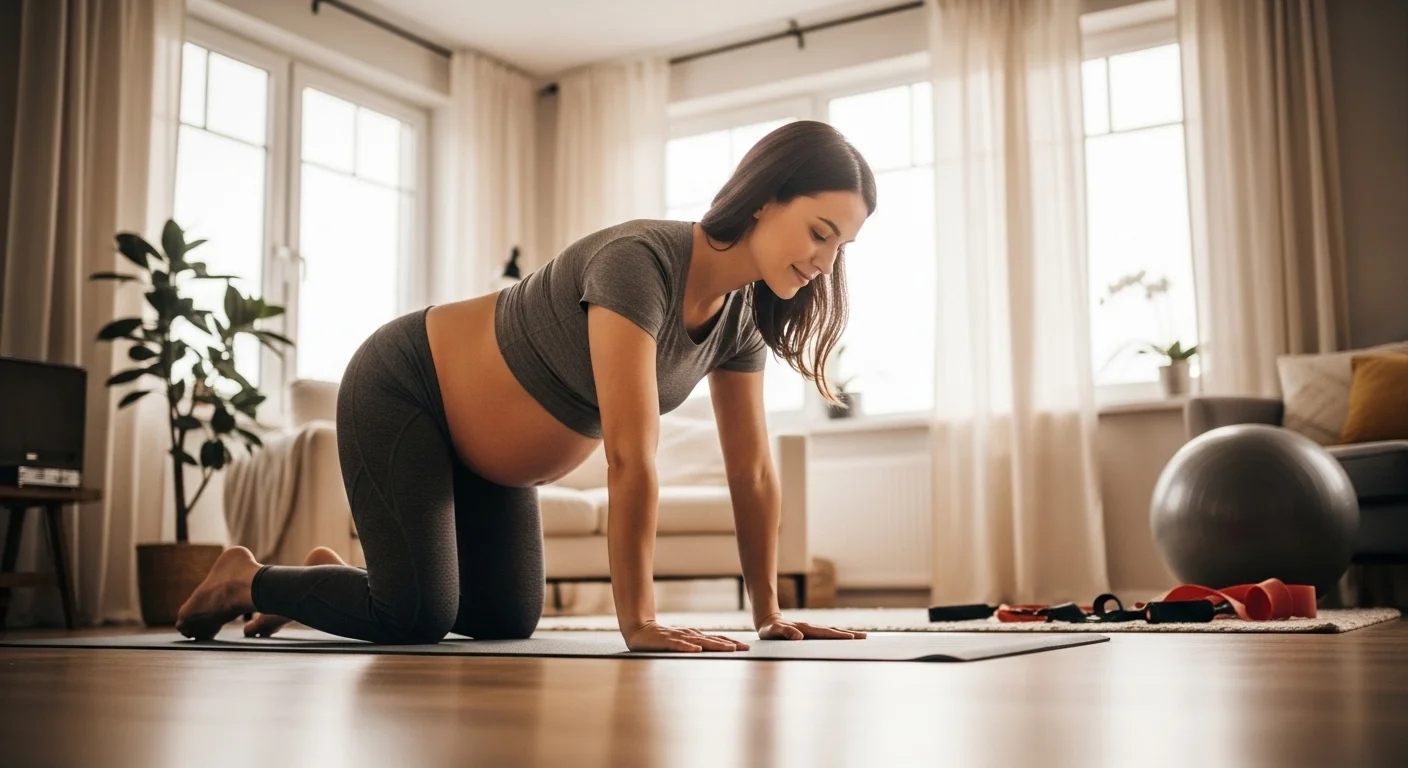
Understanding the Pelvic Floor
What is the Pelvic Floor?
The pelvic floor is a group of muscles that span the bottom of your pelvis, acting like a hammock to support your bladder, uterus, and rectum. I remember the first time I learned about these muscles during my pregnancy; it felt like uncovering a hidden treasure! These muscles are crucial for many bodily functions, including urination, bowel movements, and sexual activity. When these muscles are strong, they can effectively hold everything in place, providing support and stability. However, like any other muscle group, they can become weak or strained, especially during pregnancy.
Importance of Pelvic Floor Health During Pregnancy
During pregnancy, your body goes through a lot of changes. As your baby grows, the pelvic floor must bear additional weight, which can lead to stretching and weakening. I found it fascinating to discover that maintaining pelvic floor health is essential not just for comfort but also for preventing complications later on. A strong pelvic floor can help manage pressure and can ease some of the discomforts associated with pregnancy. I’ve spoken to many other moms who felt more confident and empowered by focusing on this area of their health.
Common Issues Related to Weak Pelvic Floor
Weak pelvic floor muscles can lead to various issues that can be concerning for expectant mothers. One of the most common problems is urinary incontinence, which can sometimes happen when laughing, sneezing, or even exercising. I personally experienced a bit of this, and it was frustrating. Another issue is pelvic organ prolapse, which occurs when the pelvic organs drop from their normal position. I learned that this could happen due to the increased pressure on the pelvic floor during pregnancy. Additionally, a weak pelvic floor can contribute to a more challenging labor and recovery, which is something I definitely wanted to avoid. Having these insights motivated me to take action.
Benefits of Strengthening Your Pelvic Floor During Pregnancy
Improved Labor and Delivery Outcomes
One of the major benefits of strengthening the pelvic floor is the potential for improved labor and delivery outcomes. I read about several studies that showed women with stronger pelvic floors experienced shorter labors with fewer interventions. I remember thinking, “If this can make my delivery easier, count me in!” Having strong muscles can help push during contractions and provide better control during delivery. I’ve heard from friends who felt more in tune with their bodies during labor, thanks in part to their commitment to strengthening this area.
Enhanced Recovery Postpartum
After giving birth, your body needs time to heal. A strong pelvic floor can significantly speed up recovery. I learned that women who focused on their pelvic floors often reported less pain and quicker recovery times postpartum. It made sense! Strong muscles can support your organs and help them return to their pre-pregnancy positions more efficiently. I was motivated to maintain my pelvic floor strength to ease the transition into motherhood.
Better Bladder Control
As I mentioned before, urinary incontinence is a common issue during pregnancy. By focusing on pelvic floor strength, I found that it helped reduce the risk of accidents. I can assure you that the confidence boost that comes with knowing you have better bladder control is invaluable. I felt empowered to engage in my regular activities without the fear of leaks, which lifted a weight off my shoulders.
Increased Sexual Health and Satisfaction
Stronger pelvic floor muscles can also enhance sexual health and satisfaction. I found it interesting that many women experience improved sensation during intimacy when their pelvic floor is strong. This aspect of health can sometimes be overlooked, but it’s essential for overall well-being. Feeling secure in my body made a significant difference in my relationship during and after pregnancy. I believe that a happy sexual life is a crucial component of a healthy pregnancy experience.
Overall, understanding the pelvic floor’s role during pregnancy was a game-changer for me. I felt empowered by the knowledge that I could take steps to strengthen this area and improve my overall experience as an expectant mother.
When to Start Strengthening Your Pelvic Floor
First Trimester
I remember feeling both excitement and apprehension during my first trimester. It was a time filled with anticipation and a lot of new information. I learned that this early stage is actually a great time to start focusing on pelvic floor health. Many women might not think about it right away, but starting early can set the foundation for a stronger pelvic floor. I began researching and found that it’s safe to start gentle pelvic floor exercises, even if you’re still dealing with the nausea and fatigue that often accompany early pregnancy. I found it refreshing to know I was taking proactive steps for my body, even when I felt a bit overwhelmed.
Second Trimester
The second trimester brought a burst of energy for me, and I was thrilled to dive deeper into my pelvic floor routine. This is when the baby starts to grow significantly, and I felt the added weight on my body, especially in my pelvic area. I learned that this is the optimal time to incorporate more focused exercises. Strengthening these muscles during this phase can help support the extra weight and reduce discomfort. I felt empowered by the idea that I was not just preparing for labor but also nurturing my body in a way that would benefit both me and my baby. I made it a point to incorporate exercises into my daily routine and noticed a significant difference in how I felt overall. Read Interesting article: Essential Pelvic Floor Workouts for Expecting Moms
Third Trimester
As I entered the third trimester, I became even more aware of my body’s changes. I was determined to keep my pelvic floor exercises a priority. This stage is crucial because the pressure on the pelvic floor increases as the baby gets bigger. I found that continuing to strengthen this area helped me manage the discomfort that often comes with late pregnancy. I remember being told that staying engaged with my pelvic floor could ease the labor process, and I clung to that motivation. It felt reassuring to know that the effort I was putting in was not only for me but also for my baby’s well-being.
Exercises to Strengthen Your Pelvic Floor
Kegel Exercises
Kegel exercises were among the first pelvic floor exercises I learned about. They involve contracting and relaxing the pelvic floor muscles, and I found them easy to do almost anywhere. I started by imagining I was trying to stop the flow of urine. It was a simple yet effective way to engage the right muscles. I tried to do these exercises a few times a day, and I could gradually increase the duration and intensity. I remember feeling a sense of accomplishment every time I completed a set, knowing I was doing something good for my body and my baby.
Bridge Exercises
Another exercise that quickly became a favorite of mine was the bridge. This one not only engages the pelvic floor but also strengthens the glutes and lower back. I would lie on my back with my knees bent, feet flat on the floor, and lift my hips toward the ceiling. It felt great to stretch out my back while also working on my pelvic floor. Plus, there was something about the movement that felt empowering, as if I were building strength from the ground up. I often incorporated this exercise into my routine while listening to calming music, making it a relaxing part of my day.
Pelvic Tilts
Pelvic tilts were another gem I discovered. This exercise helps to strengthen the pelvic floor while also relieving lower back tension, which is something many pregnant women experience. I would get on my hands and knees, gently rocking my pelvis back and forth. It felt like a natural movement, and I appreciated how it engaged my core as well. I found that this exercise also helped me connect with my body, making me more aware of my movements and posture.
Squats and Lunges
Incorporating squats and lunges into my routine was a game changer. These exercises not only work the pelvic floor but also tone the legs and improve stability. I learned to modify them for my growing belly, and it felt great to maintain my strength. I would often perform squats while holding onto a sturdy chair for support. It was both a physical challenge and a way to feel strong and capable during a time of many changes. Read Interesting article: Essential Strength Training Exercises for Pregnant Women
Yoga and Pilates for Pelvic Floor Strength
Yoga and Pilates became essential parts of my exercise regimen. They emphasize breath control and body awareness, both of which are vital for a healthy pelvic floor. I enjoyed the gentle stretches and poses that specifically targeted the pelvic area. Joining a local class or following online sessions made it a communal experience, allowing me to connect with other expecting moms. The blend of relaxation and strengthening felt perfect for my pregnancy journey, and I always left feeling rejuvenated.
How to Perform Pelvic Floor Exercises Correctly
Identifying the Right Muscles
One of the biggest challenges I faced when starting my pelvic floor exercises was figuring out if I was engaging the right muscles. I remember feeling a bit lost at first. It helped to visualize these muscles as a hammock that supports my pelvic organs. A practical tip I discovered was to practice stopping my urine mid-flow. This action made it easier to identify the pelvic floor muscles I needed to engage. However, I learned that it’s crucial not to actually perform Kegels while urinating regularly, as it can lead to urinary issues later. Instead, I practiced this technique during my workouts when I was sure I had the right muscles engaged.
Common Mistakes to Avoid
Throughout my journey, I noticed several common mistakes that I wanted to avoid. One of them was holding my breath while doing pelvic floor exercises. I found that breathing normally helped me to engage the pelvic floor muscles more effectively. I also learned that some women inadvertently squeeze their abdominal or thigh muscles instead of focusing solely on the pelvic floor. This realization prompted me to consciously relax my abdomen and thighs while performing the exercises. Another mistake I noticed was overdoing it; it’s essential to allow time for rest and recovery. I set a schedule to ensure I wasn’t overexerting myself, which helped me maintain consistency without feeling overwhelmed.
Creating a Consistent Routine
Establishing a consistent routine was key for me in strengthening my pelvic floor. I decided to set aside specific times during the day for my exercises, making them part of my daily habits. For instance, I would do my Kegel exercises while waiting for my coffee to brew or while relaxing in the evening. This made it easier to fit them into my busy schedule. I found it helpful to use reminders on my phone or sticky notes around the house to keep me motivated. Setting small goals and tracking my progress gave me a sense of accomplishment, which kept me engaged and committed to the process.
Additional Tips for Pelvic Floor Health During Pregnancy
Maintaining a Healthy Diet
Eating well during pregnancy can have a positive impact on pelvic floor health. I realized that a balanced diet rich in fiber not only helped with overall wellness but also aided in preventing constipation. I learned that fiber-rich foods like fruits, vegetables, and whole grains were essential. It was nice to know that my food choices could help alleviate some pressure on my pelvic floor. I made it a point to incorporate a variety of colorful and nutritious foods into my meals, and I often felt more energized as a result.
Hydration and Its Impact
Staying hydrated was another aspect I focused on. Drinking enough water supported my overall health and helped maintain the elasticity of my pelvic floor muscles. I found that when I was well-hydrated, I felt more energetic and less prone to discomfort. I made it a habit to carry a water bottle with me wherever I went, which encouraged me to sip throughout the day. However, I also learned to balance this with my need to avoid frequent trips to the bathroom, especially as my pregnancy progressed.
Posture and Body Mechanics
Good posture became a significant focus for me as I learned how it affects pelvic floor health. I noticed that slouching or poor posture could put added pressure on the pelvic area. I began to consciously sit and stand tall, which not only made me feel more confident but also seemed to ease some discomfort. I even practiced mindful movements when getting up from a seated position or lifting objects, ensuring I was using my legs rather than straining my back, which helped protect my pelvic floor.
Dealing with Constipation
Constipation was an issue I faced during pregnancy, and I realized it could negatively impact pelvic floor health. I tried to manage this by eating enough fiber and staying active, but I also learned the importance of not straining during bowel movements. I made sure to take my time and not rush, which significantly helped. I found that gentle exercises like walking and pelvic tilts also aided digestion and made things smoother. Being open about this topic with my healthcare provider was beneficial, as I gained insights into additional strategies to address it.
Consulting with a Specialist
When to Seek Professional Help
As I navigated my pregnancy journey, I realized that consulting with a specialist could provide additional support for my pelvic floor health. If I had persistent discomfort or concerns about my pelvic floor, I knew it was essential to reach out to my healthcare provider. I learned that some signs warranting a visit could include ongoing incontinence, pelvic pain, or any unusual symptoms. Having access to professional advice made me feel more secure, knowing that I wasn’t alone in this journey.
Physical Therapy for the Pelvic Floor
I discovered that pelvic floor physical therapy is an option many women find beneficial. I remember reading about how a specialist could provide personalized exercises and techniques tailored to individual needs. This idea intrigued me, as I wanted to ensure I was doing everything possible for my body. While I didn’t end up needing therapy, knowing it was available helped me feel empowered to seek help if necessary.
Resources for Support and Education
Throughout my pregnancy, I sought out various resources for support and education regarding pelvic floor health. I found online communities, local classes, and informational websites to be invaluable. Connecting with other expectant moms who shared similar experiences made me feel supported. I also picked up books that focused on pelvic health and pregnancy, helping me to deepen my understanding. Knowing that I had a wealth of resources at my fingertips made the journey all the more enriching.
Frequently Asked Questions
What is the pelvic floor?
The pelvic floor is a group of muscles that span the bottom of your pelvis, acting like a hammock to support your bladder, uterus, and rectum. These muscles are crucial for bodily functions such as urination, bowel movements, and sexual activity.
Why is pelvic floor health important during pregnancy?
During pregnancy, the pelvic floor must bear additional weight as the baby grows, which can lead to stretching and weakening. Maintaining pelvic floor health is essential for comfort and preventing complications such as urinary incontinence and pelvic organ prolapse.
What are common issues related to a weak pelvic floor during pregnancy?
Common issues include urinary incontinence, which may occur during activities like laughing or sneezing, and pelvic organ prolapse, where pelvic organs drop from their normal position. A weak pelvic floor can also make labor and recovery more challenging.
What benefits can strengthening the pelvic floor provide during pregnancy?
Strengthening the pelvic floor can lead to improved labor and delivery outcomes, enhanced recovery postpartum, better bladder control, and increased sexual health and satisfaction.
When should I start strengthening my pelvic floor during pregnancy?
It is safe to start gentle pelvic floor exercises during the first trimester, and it is optimal to incorporate more focused exercises during the second trimester as the baby’s weight increases. Continuing these exercises into the third trimester is also crucial due to the added pressure on the pelvic floor.
What are some effective exercises to strengthen the pelvic floor?
Effective exercises include Kegel exercises, bridge exercises, pelvic tilts, squats, and lunges. Yoga and Pilates can also be beneficial as they emphasize breath control and body awareness.
How can I perform pelvic floor exercises correctly?
To perform pelvic floor exercises correctly, identify the right muscles by practicing stopping urine mid-flow. It’s important to breathe normally, avoid holding your breath, and not to engage abdominal or thigh muscles. Establishing a consistent routine is also key.
What dietary considerations can impact pelvic floor health during pregnancy?
A healthy diet rich in fiber can prevent constipation, which negatively affects pelvic floor health. Staying hydrated also supports the elasticity of pelvic floor muscles, while good posture can alleviate pressure on the pelvic area.
When should I consult a specialist regarding pelvic floor health?
Consult a specialist if you experience persistent discomfort, ongoing incontinence, pelvic pain, or any unusual symptoms. Pelvic floor physical therapy can provide personalized exercises and techniques tailored to individual needs.
What resources can I use for support and education about pelvic floor health?
Resources include online communities, local classes, informational websites, and books focused on pelvic health and pregnancy. Connecting with other expectant moms can also provide invaluable support and shared experiences.
Exercising during pregnancy is often shrouded in confusion, filled with advice that swings between caution and encouragement. Let’s clear the air and explore the truths and myths surrounding this important topic!
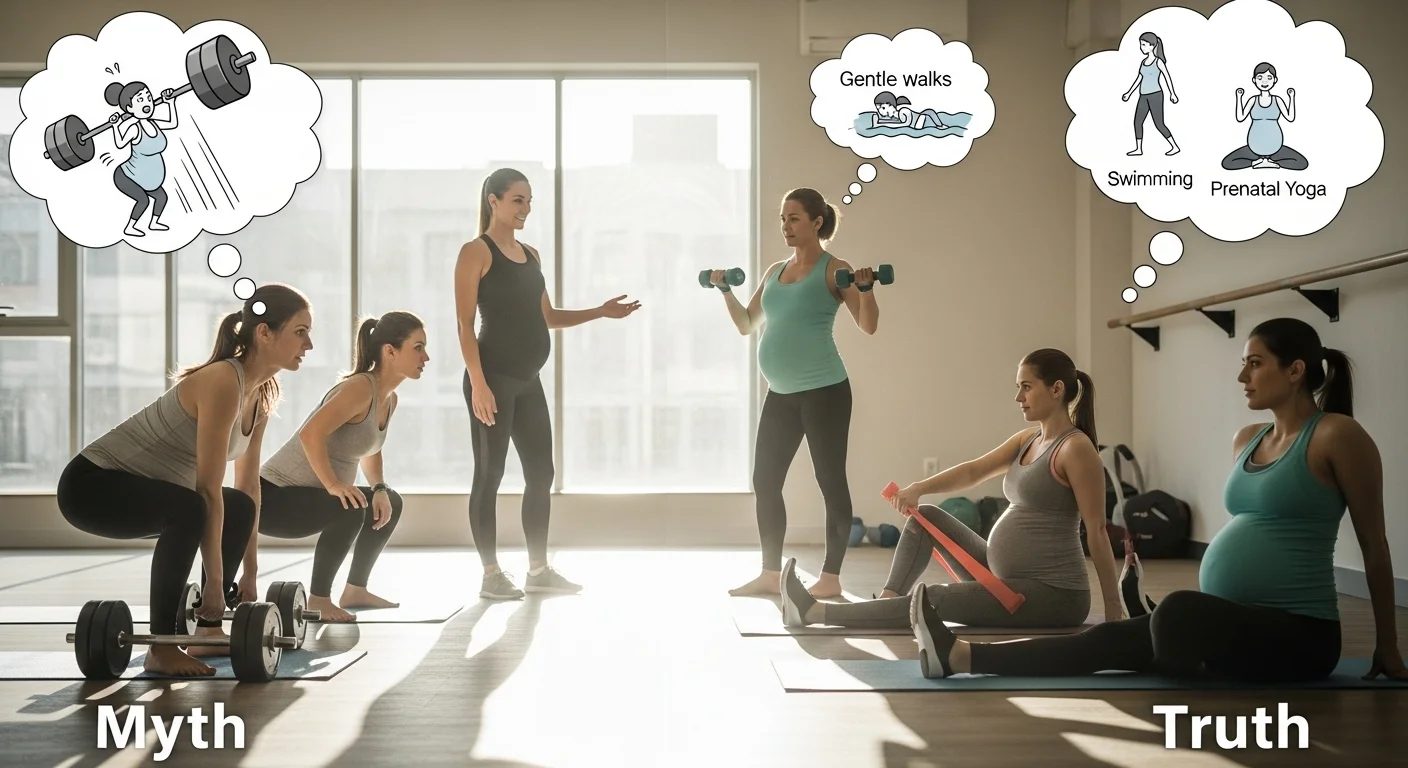
Understanding the Importance of Exercise During Pregnancy
When I found out I was pregnant, I had so many questions swirling in my mind. One of the biggest was about exercise. Should I continue working out? What was safe? I soon discovered that staying active during pregnancy has numerous benefits, not just for the body but for the mind and soul as well. Stay Safe: Top Tips for Exercising During Pregnancy can provide additional insights.
Benefits of Staying Active
From my experience, the benefits of exercise during pregnancy are nothing short of amazing. First and foremost, staying active can help manage weight gain. I learned that gaining too much weight can lead to complications, but regular exercise can help keep things in check.
Exercise also plays a crucial role in reducing common pregnancy discomforts. For example, I noticed that my back pain was significantly less when I was consistently active. Furthermore, it can improve mood and energy levels, which is something I truly appreciated during those tired, early days of pregnancy. Many studies suggest that regular physical activity reduces the risk of prenatal depression, something I found to be a real game-changer.
Additionally, exercising during pregnancy can enhance sleep quality. I remember those restless nights, and I realized that a good workout during the day could lead to a more restful night. It also prepares the body for labor and delivery by increasing stamina and strength. Who wouldn’t want to feel more prepared for such a monumental task?
Physical Changes During Pregnancy
As my body changed, I became acutely aware of how exercise could help me adapt. Pregnancy brings about a myriad of physical changes, from weight gain to hormonal fluctuations. I often felt like a stranger in my own body, but staying active helped me feel more in control. I realized that understanding these changes is key to navigating them effectively.
For instance, my center of gravity shifted as my belly grew, which altered my balance. I learned that certain exercises could help strengthen my core and improve my stability. This was vital, especially as I approached the later stages of pregnancy when I felt more clumsy. I’ll never forget the joy of completing a workout that made me feel strong and capable, even with my growing belly.
Common Myths About Exercising During Pregnancy
The journey of discovering the truth about exercising while pregnant also meant debunking some common myths. I found myself encountering a lot of misconceptions that could easily deter pregnant women from staying active. For more details, check out Separating Fact from Fiction: Common Pregnancy Myths Explained.
Myth 1: Exercise is Dangerous for the Baby
One of the first myths I came across was the idea that exercising could harm the baby. I felt a wave of relief when I learned that, for most women with healthy pregnancies, exercise is not only safe but beneficial. I consulted my healthcare provider, who reassured me that engaging in moderate exercise reduces the risk of complications.
Myth 2: Pregnant Women Shouldn’t Lift Weights
Another myth that caught my attention was the belief that weightlifting is off-limits. I remember my friend mentioning this, and it made me hesitate about incorporating strength training into my routine. However, I found out that lifting weights can be safe, as long as I focused on proper form and lighter weights. I gradually adapted my routine and discovered that strength training helped me maintain muscle tone, which was essential as my body changed.
Myth 3: You Shouldn’t Exercise If You Didn’t Before Pregnancy
This myth really struck a chord with me. I had always been somewhat active, but I wasn’t a gym rat. I feared that starting a new exercise regimen would be too much. To my surprise, I learned that it’s entirely possible to start exercising during pregnancy, even if I hadn’t been active before. I began with gentle activities, like walking and prenatal yoga, and it made a world of difference in my energy levels and mood.
Myth 4: All Forms of Exercise Are Unsafe
Lastly, I found out that not all exercises are created equal. While some high-impact sports might indeed be risky, there are plenty of safe options. I discovered a variety of activities that I could perform, like swimming, stationary cycling, and even modified yoga. It was empowering to learn about the options available to me, and I felt more confident in choosing what worked best for my body.
Truths About Exercising Safely During Pregnancy
Safe Types of Exercise
As I delved deeper into the world of pregnancy and exercise, I discovered that there are many safe ways to stay active. It was comforting to know that I had options, and I could choose activities that fit my lifestyle and comfort level. Here are some types of exercise that I found particularly beneficial.
Aerobic Activities
Aerobic exercises quickly became my favorite. I remember the first time I went for a brisk walk in the park—just me, the fresh air, and my thoughts. Walking is such a simple yet effective way to get my heart rate up. I also enjoyed swimming; it was refreshing and took the pressure off my joints. Water workouts felt so liberating, especially as my belly grew. I learned that moderate-intensity aerobic activities can help improve cardiovascular health, boost mood, and even prepare the body for labor.
Other great options I found included stationary cycling and low-impact aerobics. I was pleasantly surprised to see how much I could engage in without feeling overwhelmed. Listening to music or podcasts made these sessions feel less like a chore and more like a joyful part of my day.
Strength Training
I hesitated at first, thinking strength training might be too intense during pregnancy. However, once I did my research and consulted with my healthcare provider, I realized that I could safely incorporate it into my routine. I started with light weights and focused on bodyweight exercises like squats and modified push-ups. I found that these activities not only helped maintain muscle tone but also provided me with a sense of empowerment. There’s something incredibly fulfilling about feeling strong and capable, especially when my body was changing so dramatically.
It was also essential for me to avoid exercises that put too much strain on my back or that involved lying flat on my back, especially in later trimesters. I adapted my routine based on how I felt and what my body needed, which made a huge difference.
Flexibility and Stretching Exercises
As my pregnancy progressed, I realized the importance of flexibility and stretching. I began incorporating gentle yoga into my routine, which helped me connect with my body in a soothing way. I appreciated how these sessions were not just about physical stretching; they also allowed me to breathe deeply and focus on mindfulness. I always felt rejuvenated after a good yoga session, and it helped ease tension in my back and hips.
Stretching became a crucial part of my daily routine, especially as I noticed tightness in my muscles. Simple stretches like cat-cow and gentle side bends kept me limber and relaxed throughout the day. I often looked forward to these moments of tranquility.
Guidelines for Exercise Intensity
One of the biggest lessons I learned was about the intensity of my workouts. I had read about the talk test, which helped me gauge whether I was exercising at a safe level. If I could carry on a conversation while working out, I knew I was in the right zone. This guideline gave me the confidence to push myself a little without overdoing it.
I also paid attention to how my body responded during and after workouts. If I felt overly fatigued or experienced any discomfort, I knew it was time to dial it back. Listening to my body became a theme throughout my pregnancy journey, reminding me that it’s okay to modify my routine as needed.
How to Listen to Your Body
Listening to my body became one of the most important skills I developed during pregnancy. There were days when I felt energetic and ready to tackle a workout, and other days when I just wanted to curl up on the couch. I learned to honor those feelings and adjust my activities accordingly. When I was feeling up to it, I’d go for a longer walk or try a new class. On days when I was fatigued, I’d opt for gentle stretching or even just a leisurely stroll.
I also kept a journal to track my workouts, how I felt afterward, and any changes I noticed in my body. This practice helped me reflect and make adjustments based on my experiences. It was empowering to take control of my fitness journey while being mindful of my limits.
Ultimately, I discovered that staying active during pregnancy doesn’t have to be overwhelming or rigid. It’s all about finding what works for you, being flexible, and enjoying the process. The right exercise routine can make a world of difference in how you feel, both physically and emotionally, during this incredible time in your life.
Precautions to Take When Exercising
Consulting Your Healthcare Provider
Before diving into any exercise routine during pregnancy, I found it incredibly important to consult my healthcare provider. They became my go-to source for understanding what was safe for me and my baby. Each pregnancy is unique, and having professional guidance helped me tailor my activities to suit my specific needs. I remember feeling a sense of reassurance when my doctor cleared me for moderate exercise, which made me excited to explore different workout options.
During our discussions, my doctor took the time to address my concerns and answer any questions I had. They provided me with valuable insights into how my body was changing and what modifications might be necessary as my pregnancy progressed. I learned that open communication with my healthcare provider is essential, ensuring that any exercise I engaged in aligned with my health and the well-being of my baby.
Recognizing Warning Signs
As I continued my journey with exercise during pregnancy, I became more attuned to my body and the signals it was sending me. It’s vital for any pregnant woman to recognize warning signs that may indicate it’s time to stop exercising or seek medical attention. For me, it meant being vigilant about symptoms like dizziness, shortness of breath, severe headaches, or any unusual swelling. I remember one day feeling a bit lightheaded while working out and immediately knew I needed to take a break. Listening to those signals was crucial—I didn’t want to push myself past my limits.
In addition to those signs, I learned the importance of monitoring my heart rate during workouts. Keeping it within a safe zone gave me peace of mind and allowed me to enjoy my exercises without fear. I would also remind myself that it’s perfectly okay to skip a workout or change plans if I didn’t feel right. After all, my body was doing incredible things, and honoring its needs was paramount.
Adapting Your Routine as Pregnancy Progresses
As my pregnancy progressed, I quickly realized that my exercise routine needed to evolve. What felt good in my first trimester may not have suited me in the third, and that was completely normal. I learned to adapt my activities based on how I was feeling and the changes happening in my body. For example, as my belly grew, I shifted from high-impact workouts to gentler options that maintained my activity level without overexerting myself.
As I approached the later stages of pregnancy, I found that activities like swimming, walking, and prenatal yoga became my staples. They offered a sense of lightness and relief amid the physical challenges. I even discovered that prenatal yoga classes focused on breathing techniques and relaxation really resonated with me, especially as I prepared for labor. I often looked forward to these sessions as moments of connection with my baby and my body.
Listening to my body and being flexible with my routine led to a more enjoyable exercise experience. I learned that it’s perfectly fine to modify exercises or take rest days; this approach allowed me to stay active while respecting my body’s needs. This journey of adapting my routine taught me the beauty of flexibility—not just in exercise but in navigating pregnancy as a whole.
How to Create a Safe Exercise Plan
Setting Realistic Goals
When I set out to create my exercise plan, I found that establishing realistic goals was key to my success and motivation. I started by focusing on small, achievable milestones rather than overwhelming myself with lofty expectations. For example, I aimed to walk for 30 minutes a few times a week rather than committing to intense workouts that might leave me feeling drained.
These small wins not only kept me motivated but also helped me maintain a positive mindset about my fitness journey. I learned to celebrate my accomplishments, no matter how minor they seemed. Tracking my progress became a fun way to stay engaged, and I enjoyed looking back at how far I had come throughout my pregnancy.
Incorporating Variety into Your Routine
Variety became my best friend in keeping my exercise routine fresh and enjoyable. I realized that doing the same workout day in and day out could lead to boredom, so I explored different activities that kept me excited about staying active. From prenatal Pilates to group fitness classes designed for expectant mothers, I discovered a world of options that catered to my changing body and energy levels.
Not only did incorporating variety help with my motivation, but it also allowed me to work different muscle groups and improve my overall fitness. I enjoyed mixing things up, trying new classes, or going for scenic walks in different parks. This approach not only made exercising feel less like a chore but also connected me with other expectant mothers who shared similar experiences.
Finding Support and Resources
Lastly, I found that surrounding myself with a support system was invaluable. Joining a local prenatal exercise group was one of the best decisions I made during my pregnancy. I met other women who were on the same journey, and we shared tips, experiences, and encouragement. It was comforting to know I wasn’t alone in my challenges and triumphs.
Additionally, I utilized online resources like blogs and social media groups that focused on fitness during pregnancy. These platforms provided me with a wealth of information, workout ideas, and motivation. I felt empowered by the stories of other moms who navigated their fitness journeys while pregnant, reminding me that we’re all in this together. For more information on myths, visit Debunking Common Pregnancy Myths: What You Really Need to Know.
Postpartum Considerations for Exercise
When to Resume Exercise After Delivery
After my little one arrived, I found myself pondering when it would be safe to jump back into my exercise routine. I remember the mix of excitement and anxiety as I anticipated getting back to my workouts. It’s essential to understand that every woman’s recovery process is unique. I learned that factors like the type of delivery—vaginal or cesarean—play a significant role in determining when to resume exercise.
Most healthcare providers recommend waiting at least six weeks before engaging in more intense workouts. During this time, I focused on gentle movements and bonding with my baby. Walking with the stroller became my go-to activity, and I felt invigorated just being outside. I found that listening to my body was crucial; if I felt fatigued or uncomfortable, I’d take a step back. Gradually, I started integrating light strength training and stretching, which felt great for my muscles and helped alleviate postpartum tension.
Safe Exercises for New Mothers
Once I was cleared for more activity, I discovered a wealth of safe exercises designed for new mothers. I remember being pleasantly surprised at how many options were available. Gentle core exercises became my focus as I wanted to rebuild strength in my abdominal area, which had been stretched during pregnancy. I started with basic pelvic floor exercises, like Kegels, and gradually moved on to more challenging routines.
Low-impact cardio exercises, such as brisk walking or cycling on a stationary bike, were also fantastic for boosting my energy levels. I loved the idea of engaging in postpartum yoga, which not only helped with flexibility but also provided an opportunity to connect with other new moms. These classes often emphasized relaxation techniques and mindfulness, which were incredibly beneficial during those busy early days of motherhood.
As I grew more comfortable, I ventured into strength training with my baby as my new workout partner. Using light weights or even my baby as resistance turned out to be a fun way to incorporate fitness into my routine. I felt empowered every time I completed a workout, knowing that I was taking care of my body while nurturing my child.
Expert Opinions and Research on Exercise in Pregnancy
What Obstetricians Recommend
Throughout my journey, I sought out expert opinions to ensure I was on the right track. I found that many obstetricians emphasize the importance of exercise during pregnancy as a means of promoting overall health. They often recommend at least 150 minutes of moderate-intensity aerobic activity each week, tailored to individual circumstances. It was reassuring to know that the medical community widely supports staying active, as long as I listened to my body and consulted my healthcare provider.
I also came across research highlighting the benefits of prenatal exercise, including reduced risk of gestational diabetes and improved cardiovascular health. Knowing that I was doing something positive for my body and my baby made every workout feel worthwhile.
Current Research Findings
As I explored more research, I discovered exciting findings about the long-term benefits of staying active during pregnancy. Studies indicate that women who exercise regularly tend to have easier labors and shorter recovery times. I felt encouraged by the evidence suggesting that regular activity can lead to healthier outcomes for both mother and child.
Moreover, I learned that exercise can enhance the baby’s health, with studies showing that children born to active mothers may have a lower risk of obesity and better overall health as they grow. This realization motivated me even more, as I wanted to set a positive example for my child from the very beginning.
Final Thoughts
Reflecting on my experience, I’ve come to realize that exercising during pregnancy and postpartum is not just about staying fit; it’s about nurturing oneself and embracing the journey of motherhood. Every woman’s path is different, and what works for one might not work for another. It’s about finding what feels right for you and being open to adapting as your body changes.
For me, the blend of physical activity and self-care became a source of empowerment. I learned to embrace the process, celebrate small victories, and connect with other moms who shared similar journeys. Remember, it’s perfectly okay to seek guidance and support along the way. With the right information and a little patience, we can navigate this beautiful journey of pregnancy and beyond, feeling strong and confident every step of the way.
Frequently Asked Questions
1. Is it safe to exercise during pregnancy?
Yes, for most women with healthy pregnancies, exercise is not only safe but also beneficial. Consulting a healthcare provider is essential to ensure that the chosen activities align with individual health needs.
2. What are the benefits of staying active during pregnancy?
Staying active during pregnancy can help manage weight gain, reduce common discomforts, improve mood and energy levels, enhance sleep quality, and prepare the body for labor and delivery.
3. Can I start exercising during pregnancy if I wasn’t active before?
Absolutely! It is possible to start exercising during pregnancy even if you weren’t active before. Gentle activities like walking and prenatal yoga are great starting points.
4. What types of exercises are considered safe during pregnancy?
Safe exercises during pregnancy include aerobic activities like walking, swimming, stationary cycling, low-impact aerobics, strength training with proper form and lighter weights, and flexibility exercises such as gentle yoga.
5. How can I determine the right intensity for my workouts during pregnancy?
The talk test is a useful guideline; if you can carry on a conversation while exercising, you are likely in the right intensity zone. Always listen to your body and adjust your workouts based on how you feel.
6. Are there any warning signs I should be aware of while exercising during pregnancy?
Yes, pregnant women should recognize warning signs such as dizziness, shortness of breath, severe headaches, or unusual swelling. If any of these occur, it’s important to stop exercising and consult a healthcare provider.
7. How should I adapt my exercise routine as my pregnancy progresses?
As pregnancy progresses, it’s important to adapt your routine based on how you feel. For instance, you may need to shift from high-impact workouts to gentler options like swimming, walking, and prenatal yoga.
8. When can I resume exercise after giving birth?
Most healthcare providers recommend waiting at least six weeks before engaging in more intense workouts after delivery. During this time, focusing on gentle movements and bonding with the baby is advised.
9. What types of exercises are good for new mothers?
Safe exercises for new mothers include gentle core exercises, low-impact cardio like brisk walking, postpartum yoga, and light strength training that can incorporate the baby as a workout partner.
10. What do experts recommend regarding exercise during pregnancy?
Experts recommend at least 150 minutes of moderate-intensity aerobic activity each week for pregnant women, tailored to individual circumstances, emphasizing the importance of staying active while listening to one’s body.
Traveling during pregnancy can be an adventure filled with excitement, but it often comes with its fair share of discomfort. Luckily, stretching exercises can help ease those pesky aches and pains, making your journey much more enjoyable! Read Interesting article: Essential Posture Techniques for Pregnant Travelers
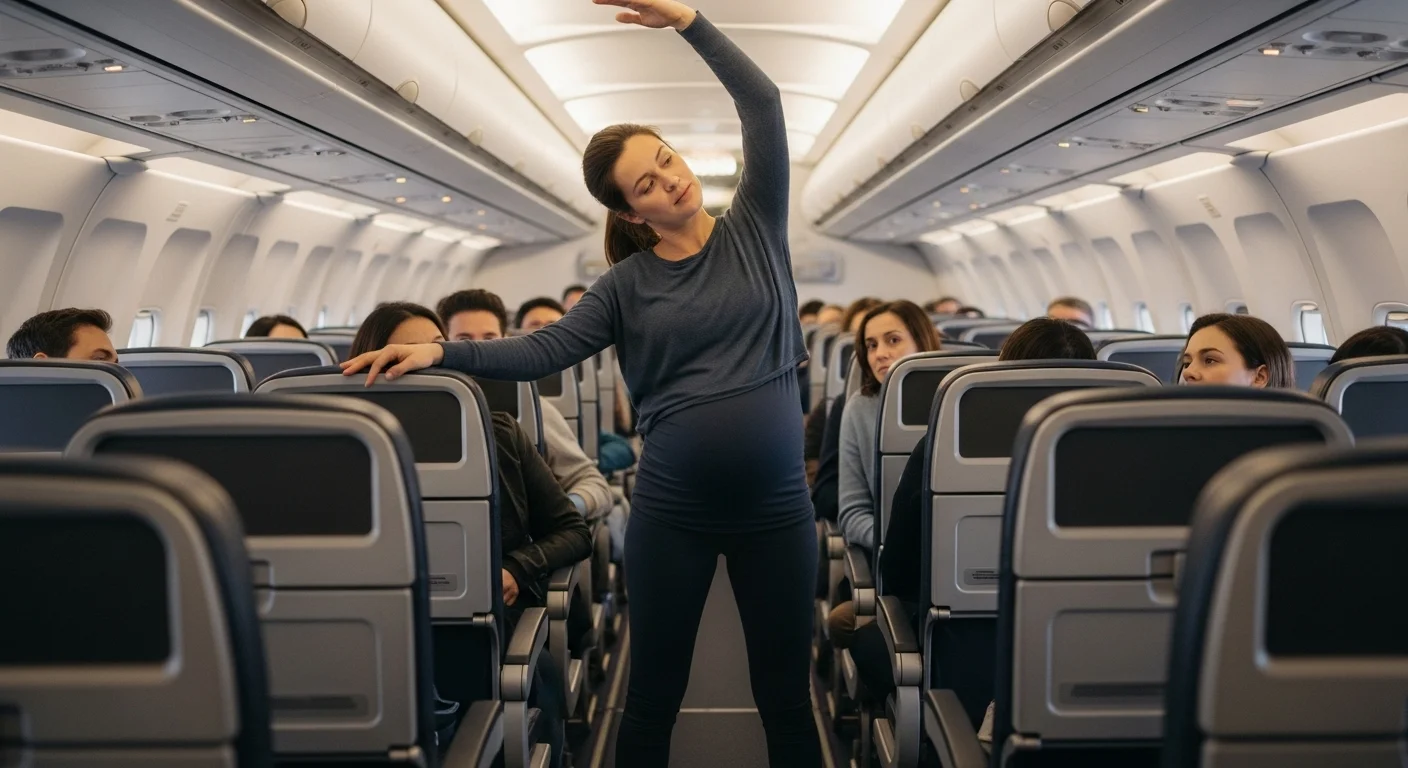
Understanding Pregnancy Travel Discomfort
As someone who has traveled while pregnant, I know how challenging it can be. The excitement of exploring new places often gets overshadowed by various discomforts that can arise. It’s important to understand these discomforts to address them effectively.
Common Discomforts During Travel
During travel, pregnant women often experience a range of discomforts. For me, the most common included back pain, swollen legs, and tightness in my hips. Sitting for long periods, whether on a plane or in a car, can lead to stiffness and discomfort. I remember feeling like I had to constantly shift my position to find some relief.
Another discomfort I encountered was fatigue. Traveling can be tiring even without the added weight of pregnancy. I often found myself needing more breaks than usual and napping whenever I could. Not to mention, some women may experience nausea, especially if they are in their first trimester.
Why Stretching is Important for Pregnant Travelers
Stretching became my go-to remedy during those uncomfortable moments. I quickly learned that stretching is not just a luxury but a necessity for pregnant travelers. It helps alleviate some of the common discomforts I faced. By gently stretching my muscles, I was able to reduce tension and improve circulation, which made a noticeable difference in how I felt.
Moreover, stretching can enhance flexibility, which might be helpful when trying to maneuver in cramped spaces, like an airplane seat. I also discovered that stretching allowed me to focus more on my trip rather than my discomfort, turning what could have been a grueling travel experience into a more enjoyable one. Read Interesting article: Pregnancy Pelvic Floor Exercises for Active Travelers
Benefits of Stretching During Pregnancy
As I continued my travels, I found several benefits to incorporating stretching into my routine. Each time I stretched, I felt an immediate sense of relief and relaxation. Here are some key benefits I experienced:
Improved Circulation
One of the most significant benefits of stretching is improved circulation. During long travels, blood circulation can become sluggish, especially in the legs. I noticed that by taking the time to stretch, I could reduce the swelling in my feet and legs significantly. Gentle movements helped get the blood flowing and kept my energy levels up.
Reduced Muscle Tension
Travel can cause muscle tension, particularly in the back, neck, and shoulders. I often felt tightness after hours of sitting. Stretching allowed me to release that tension. I found that even just a few gentle stretches could alleviate discomfort and leave me feeling more relaxed.
Enhanced Flexibility and Mobility
Being flexible is essential, especially when you’re pregnant. I learned that keeping my muscles limber helped me move more easily, whether it was getting up from my seat or navigating through crowded airports. I appreciated how a simple stretch could make certain movements feel more natural rather than strained.
Stress Relief and Relaxation
Traveling can be stressful, and pregnancy adds another layer to that. I found that taking breaks to stretch helped me manage my stress levels. I would step away from the hustle and bustle, take a deep breath, and focus on my body. This simple act of stretching provided a wonderful moment of mindfulness, allowing me to recharge.
Overall, my experience with stretching during travel was transformative. It not only helped with physical discomforts but also provided mental clarity and relaxation. By understanding the discomforts associated with pregnancy travel and recognizing the benefits of stretching, I felt better equipped to enjoy my adventures. I encourage expectant moms to embrace stretching as a vital part of their travel routine. In the next section, we will explore safe stretching guidelines specifically tailored for pregnant women, ensuring that you can stretch comfortably and safely on your journeys. Read Interesting article: How to Strengthen Your Pelvic Floor During Pregnancy
Safe Stretching Guidelines for Pregnant Women
As I ventured into the world of stretching during my travels, I wanted to make sure I was doing it safely. It’s essential to be mindful of our bodies and the changes they go through during pregnancy. Here are some guidelines I found helpful to ensure that I stretched safely and effectively.
Consulting Your Healthcare Provider
Before I started my stretching routine, I made it a point to consult with my healthcare provider. This step was crucial. They provided personalized advice based on my pregnancy stage and physical condition. I recommend reaching out to your doctor or midwife to discuss which stretches are safe for you. They can help you identify any specific concerns or limitations you might need to consider.
Listening to Your Body
While stretching can be incredibly beneficial, it’s essential to listen to your body. I quickly learned the importance of tuning in to what my body was saying. If I felt any pain or discomfort while stretching, I would stop immediately. Pregnancy can bring about various sensations, and it’s vital to differentiate between a good stretch and potential pain. If something doesn’t feel right, trust your instincts and adjust your movements or skip that stretch altogether.
Choosing the Right Time and Place for Stretching
Finding the right moment to stretch made a world of difference for me. I discovered that it was best to stretch when I felt the most discomfort or stiffness. Whether it was during a layover at the airport or taking a break during a long car ride, being intentional about timing helped me maximize the benefits. I also looked for quiet, comfortable spaces where I could stretch without feeling rushed or self-conscious. Sometimes, I would step into a restroom stall or find a cozy corner to take a moment for myself.
Effective Stretching Exercises for Travel Discomfort
Now that I’ve shared some guidelines, let’s dive into some specific exercises that I found effective in alleviating travel discomfort. Each stretch addresses common issues I experienced while traveling, and I believe they can help you too.
Seated Neck and Shoulder Stretches
When traveling, my neck and shoulders often felt tense from sitting for extended periods. I would gently tilt my head to one side, bringing my ear closer to my shoulder, and hold for about 15 seconds. Then, I’d switch sides. I found that this simple stretch relieved a lot of tension, making me feel more relaxed and focused.
Upper Back Stretch
To ease my upper back tightness, I would sit up straight and interlace my fingers. Then, I’d extend my arms in front of me while rounding my upper back. Holding this position for about 15-30 seconds helped release the tightness and felt incredibly soothing.
Seated Forward Bend
This stretch was one of my favorites. While sitting, I would reach down towards my toes, allowing my upper body to relax. I kept my knees slightly bent if needed, ensuring I felt comfortable. This stretch not only eased my back but also gave my legs a gentle stretch, which felt refreshing.
Hip Flexor Stretch
My hips often felt tight, especially after long hours of sitting. I discovered that a simple hip flexor stretch could work wonders. While seated, I would extend one leg behind me and keep the other foot planted in front. Leaning slightly forward helped me feel the stretch in my hip. After holding for 15-30 seconds, I’d switch sides. This stretch helped keep my hips limber and ready for movement.
Lower Back Stretch
I often felt tension in my lower back after sitting for long periods. To ease this, I would carefully lean forward while seated, letting my arms hang down. I found that holding this position for about 15-30 seconds relieved a lot of pressure in my lower back, leaving me feeling lighter and more comfortable.
Side Stretch
To stretch my sides and improve my flexibility, I would sit up straight and raise one arm overhead. Tilting my body to the opposite side created a nice stretch along my side. I held this for about 15 seconds before switching sides. It felt invigorating and helped me feel more balanced.
Calf Stretch
After long periods of being seated, my calves would often feel tight. To stretch them, I would stand and place my hands against a wall while stepping one foot back. I kept my back heel on the ground and bent my front knee slightly. This stretch worked wonders for my calves and helped me feel more energized.
When to Incorporate Stretching During Travel
In my experience, knowing when to stretch was just as important as knowing how to stretch. Timing can make all the difference in how effective those stretches are in alleviating discomfort. Here are some specific moments when I found it beneficial to incorporate stretching into my travel routine.
Before Departure
Before heading out on a trip, I made it a habit to do a few stretches at home. This pre-travel routine helped me wake up my muscles and get my blood flowing. I often focused on gentle stretches, like the seated forward bend and calf stretch, to prepare my body for the journey ahead. This early session set a positive tone for my travels and helped me start off feeling limber and ready.
During Long Flights or Car Rides
Long hours of sitting can be brutal, especially during flights or road trips. I realized that taking short breaks to stretch was crucial. Whenever the seatbelt sign was off, I would stand up and do some neck and shoulder stretches. If I was in a car, I would take a moment to lean back and do some seated hip flexor stretches. These little breaks not only kept my muscles from getting stiff but also helped me feel more alert and less fatigued. I found that even a minute or two of stretching could make a world of difference in my comfort level.
Upon Arrival at Your Destination
Once I arrived at my destination, I made stretching a priority. I often felt tight from traveling, and a good stretch helped me shake off the stiffness. I would find a comfortable spot in my hotel room or a quiet corner of the airport to do a few full-body stretches. This routine helped me transition from travel mode to exploration mode, making me feel rejuvenated and ready to dive into my adventures. I encourage you to take that time for yourself as well; it’s amazing how a few stretches can help you feel more grounded after being on the go.
Additional Tips for Comfortable Travel During Pregnancy
While stretching was a key component of my travel routine, I discovered several other tips that helped make my journeys more comfortable. These small changes in my travel habits made a big difference in how I felt throughout my trips.
Choosing the Right Travel Accessories
Investing in the right travel accessories made my experience so much better. I found that a good travel pillow and a supportive seat cushion were game-changers for long flights. The travel pillow helped support my neck and made it easier to relax, while the cushion provided extra padding that eased pressure on my lower back. I also made sure to wear comfortable shoes that supported my feet, especially during long walks through airports. Comfort was my priority, and I learned that the right accessories could greatly enhance my travel experience.
Staying Hydrated and Nourished
I can’t stress enough how important it is to stay hydrated while traveling, especially during pregnancy. I made it a point to drink plenty of water before, during, and after my trips. This habit not only kept me feeling good but also helped reduce swelling in my legs and feet. Packing healthy snacks was another tip I found helpful. I kept granola bars, nuts, or fruit on hand, which kept my energy levels up and prevented that tired, sluggish feeling that often accompanies travel. Eating small, nutritious meals throughout the day helped me feel more balanced and less fatigued.
Taking Breaks and Moving Around
Taking regular breaks to move around was essential during my travels. Whether I was on a long flight or a road trip, I made sure to get up every couple of hours to walk around. This simple act helped keep my blood flowing and eased any stiffness I was feeling. I would also take time to explore my surroundings at my destination. Even a short walk around the hotel or a stroll in a nearby park allowed me to stretch my legs and take in the sights. It was a win-win; I got to see more and felt better physically.
Positioning for Comfort During Travel
How I positioned myself during travel made a huge difference in my comfort level. I learned to adjust my seat and use travel pillows to support my back and neck. I also found that crossing my legs could lead to discomfort, so I opted for sitting with my feet flat on the floor or propped up on a bag when possible. These small adjustments helped me avoid unnecessary strain and maintained my comfort throughout my journey.
Final Thoughts
Traveling while pregnant can feel like a juggling act, but it doesn’t have to be overly stressful. From my experience, the key to enjoying your journey is embracing comfort and listening to your body. When I started prioritizing my well-being, travel transformed from a daunting challenge into a more pleasant experience. I learned that with a little preparation, I could tackle the discomforts of pregnancy and fully immerse myself in new adventures.
Incorporating stretching into my travel routine was a game-changer. It not only helped to ease physical discomfort but also provided a mental reset during hectic days. I found joy in the simple act of stretching, turning it into my personal moment of self-care amidst the chaos of travel. I encourage you to explore the stretches and techniques I’ve shared and see how they can fit into your travel plans.
Additionally, paying attention to hydration, nutrition, and positioning can significantly enhance your comfort. These small adjustments can make a big difference, allowing you to focus more on the experiences around you rather than the discomforts you might face. Remember, it’s entirely okay to take breaks, ask for assistance, and prioritize your needs while traveling. By doing so, you allow yourself to fully enjoy the journey.
So, whether you’re embarking on a short getaway or a long trip, embrace these tips and know that you are not alone. Many women have traveled while pregnant, and there’s a whole community ready to share experiences and support. Enjoy every moment and cherish the memories you create along the way. Happy travels!
Frequently Asked Questions
What are some common discomforts pregnant women face while traveling?
Pregnant women often experience discomforts such as back pain, swollen legs, tightness in hips, fatigue, and nausea during travel. Sitting for long periods can lead to stiffness and discomfort.
Why is stretching important for pregnant travelers?
Stretching is essential for pregnant travelers as it helps alleviate common discomforts, reduces tension, improves circulation, enhances flexibility, and provides stress relief and relaxation.
What are the benefits of stretching during pregnancy?
The benefits of stretching during pregnancy include improved circulation, reduced muscle tension, enhanced flexibility and mobility, and stress relief, which can lead to a more enjoyable travel experience.
What should I do before starting a stretching routine while pregnant?
Before starting a stretching routine, it is important to consult with your healthcare provider for personalized advice based on your pregnancy stage and physical condition.
How can I listen to my body while stretching during pregnancy?
Listening to your body involves paying attention to any sensations you feel while stretching. If you experience pain or discomfort, stop immediately and adjust your movements accordingly.
When is the best time to incorporate stretching during travel?
The best times to incorporate stretching during travel include before departure, during long flights or car rides, and upon arrival at your destination to alleviate stiffness and discomfort.
What are some effective stretching exercises for travel discomfort?
Effective stretching exercises include seated neck and shoulder stretches, upper back stretches, seated forward bends, hip flexor stretches, lower back stretches, side stretches, and calf stretches.
What additional tips can enhance comfort while traveling during pregnancy?
Additional tips for comfortable travel during pregnancy include choosing the right travel accessories, staying hydrated and nourished, taking breaks to move around, and positioning yourself for comfort during travel.
How can hydration and nutrition impact travel comfort during pregnancy?
Staying hydrated and nourished is vital during pregnancy travel as it helps reduce swelling in legs and feet, maintains energy levels, and prevents fatigue. Packing healthy snacks and drinking plenty of water are recommended.
What is the overall message for pregnant women traveling?
The overall message is to prioritize comfort, listen to your body, and embrace self-care practices like stretching. With proper preparation and attention to well-being, traveling during pregnancy can be a pleasant experience.