
Unlocking a child’s mind is a journey filled with wonders. Understanding how cognitive development unfolds can help us nurture their potential and encourage lifelong learning. For a deeper insight, check out our Guide to Child Development Stages: Boost Behavior Management.
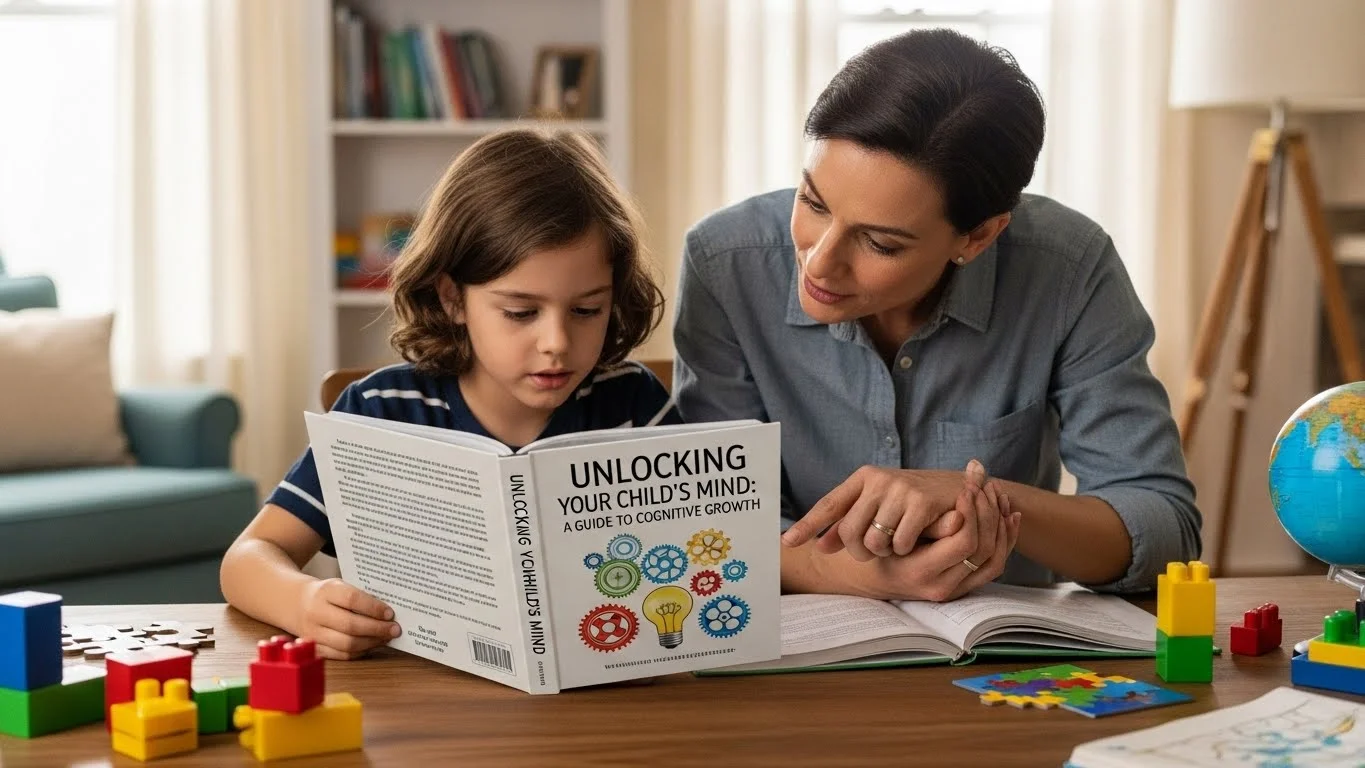
Understanding Cognitive Development in Children
Cognitive development in children is a fascinating area that reflects how they think, learn, and understand the world around them. I remember when my daughter first started to explore her surroundings; it was as if she was discovering a whole new universe. Every little thing seemed to excite her curiosity, and I found myself wanting to learn more about this incredible process. Cognitive growth isn’t simply about acquiring knowledge; it encompasses a wide range of skills, including problem-solving, memory, and critical thinking.
The Stages of Cognitive Growth
As I delved into the stages of cognitive development, I discovered that psychologist Jean Piaget had an influential theory outlining four key stages: sensorimotor, preoperational, concrete operational, and formal operational. Each stage represents a different way children interact with their environment. For instance, during the sensorimotor stage (birth to 2 years), infants learn through their senses and actions. I observed this firsthand when my little one would giggle at the sight of a colorful toy and then try to grab it, eager to explore further.
As children transition to the preoperational stage (ages 2 to 7), they start to use language and engage in symbolic play. I remember having countless conversations where my son would invent stories with his action figures, demonstrating his growing ability to think abstractly. The concrete operational stage (ages 7 to 11) introduces logical reasoning, allowing them to solve problems in a more organized way. In this phase, I noticed my daughter getting better at math and understanding the concept of conservation, realizing that the amount of liquid in two glasses can be the same even if one is taller.
Finally, the formal operational stage (ages 12 and up) is where abstract thinking truly flourishes. This is when teens begin to ponder philosophical questions and develop hypotheses. I can’t help but smile when I think of my son debating complex issues at the dinner table, showcasing how far he has come in his cognitive journey.
Key Theories in Child Development
Besides Piaget, there are other theories that have shaped our understanding of cognitive growth. Lev Vygotsky emphasized the importance of social interaction in learning. He introduced the concept of the Zone of Proximal Development (ZPD), which highlights the difference between what a child can do alone and what they can achieve with guidance. I’ve seen this in action when I sit down to help my kids with their homework. With a little support, they often surprise me with their problem-solving skills.
Another influential figure is Howard Gardner, who proposed the theory of multiple intelligences. I really resonate with this idea, as it acknowledges that children possess various types of intelligence, from linguistic to spatial. Understanding that my children might excel in different areas has encouraged me to provide diverse learning experiences, ensuring they can thrive in their unique ways.
Factors Influencing Cognitive Development
Cognitive development is influenced by several factors, including genetics, environment, and experiences. I’ve learned that a supportive home environment can make a big difference. Quality interactions, such as reading together or engaging in meaningful conversations, can significantly boost cognitive growth. I noticed that when I read aloud to my kids, they not only learned new vocabulary but also developed a love for stories, which I believe has enriched their imagination. For tips on fostering this love, check out our Encouraging Reading Habits: A Parent’s Ultimate Guide.
Socioeconomic status also plays a role. Families with access to educational resources tend to provide more stimulating environments, which can enhance cognitive development. I feel fortunate that my children have access to books, educational toys, and experiences that promote learning. This realization drives me to advocate for equal educational opportunities for all children, as I believe everyone deserves the chance to flourish.
Lastly, I’ve come to understand that the emotional environment is equally vital. Stressful situations can hinder cognitive growth, while a nurturing, positive atmosphere encourages exploration and curiosity. I make a conscious effort to create a home filled with laughter, support, and encouragement, recognizing how crucial this is for my children’s development.
Essential Elements for Cognitive Growth
Nutrition and Brain Development
I’ve always believed that what we put into our bodies plays a crucial role in how our minds develop. Nutrition is so much more than just fueling our bodies; it directly affects brain function and cognitive development in children. I remember when I started to pay more attention to my kids’ diets. It was eye-opening to realize that certain foods could boost their brain power. For instance, I learned about omega-3 fatty acids found in fish, which are essential for brain health. Since then, I’ve made it a point to incorporate more fish into our meals, and I noticed my children seemed more focused during homework time. For more information on this, check out our Top Omega-3 Supplements for Kids: A Parent’s Guide.
Fruits and vegetables are also vital. I found that when my kids eat a colorful array of produce, they not only get necessary vitamins and minerals, but also show improved mood and cognitive performance. I try to make our meals fun by letting them choose the colors of their plates and even involving them in meal prep. It’s a great way to teach them about nutrition while also making them excited about eating healthy!
Importance of Sleep for Cognitive Function
Sleep is another crucial element that I’ve come to appreciate in the realm of cognitive development. There was a time when I didn’t fully grasp how important it was for my children to get enough sleep. I remember the nights when my kids would stay up late, and it always seemed harmless at the time. However, I soon noticed that on those days, they were crankier, less focused, and struggled to retain information.
Research shows that sleep plays a significant role in memory consolidation and learning. I began establishing a consistent bedtime routine, and it made a world of difference. Now, we have quiet time, where we read or talk about our day before lights out. I’ve noticed that this not only helps them fall asleep faster but also wakes them up refreshed and ready to learn more the next day.
Physical Activity and Its Impact on Learning
Physical activity is something I’ve always tried to prioritize for my kids, but I didn’t realize its profound impact on cognitive growth until I started observing their behavior. Whenever we engage in activities like biking, swimming, or even just playing tag in the backyard, I see a noticeable boost in their mood and energy levels. Exercise increases blood flow to the brain, and I believe it sharpens their focus and enhances their ability to absorb new information.
I also discovered that integrating movement into learning can be incredibly effective. For example, we often turn math problems into games, where they might run to different spots in the yard for answers. It keeps them engaged and allows them to connect physical activity with cognitive tasks. I feel like we’re not just promoting their physical health but also enhancing their learning experience in a fun way!
Activities to Stimulate Cognitive Growth
Creative Play and Its Role in Development
Creative play has become one of my favorite ways to nurture my children’s cognitive growth. I remember a time when I set up an art station in our living room, filled with crayons, markers, and paper. What started as a simple idea turned into hours of imaginative exploration. My kids created everything from abstract art to imaginative worlds, all while developing their problem-solving skills and expressing their thoughts and emotions.
I’ve found that when children are allowed to play creatively, they learn to think outside the box and experiment without fear of failure. I often join in, and it’s not just about them creating art; it’s also about me reconnecting with my own creativity. These moments remind me how important it is to foster an environment where imagination thrives.
Educational Games and Their Benefits
Another fantastic way I’ve found to stimulate cognitive growth is through educational games. I love the variety of board games and card games that are available today, which not only make learning fun but also challenge their minds. I remember playing a strategy game with my daughter. At first, she struggled, but as we played more, I saw her analytical skills improve. She began to think several steps ahead and anticipate my moves.
These games also encourage cooperation and communication, making them a great tool for social development. I often invite friends over for game nights, creating a social atmosphere that enhances their learning experience. Watching them strategize and negotiate with their friends has been rewarding, as I see them building essential social skills alongside cognitive ones.
Reading Strategies for Cognitive Enhancement
Reading has always been a cornerstone of our family life, and I can’t stress enough how it contributes to cognitive growth. I discovered that engaging them in discussions about the stories we read not only enhances their comprehension but also sparks their critical thinking. I often ask open-ended questions like, “What do you think will happen next?” or “Why do you think the character made that choice?”
We also have a reading corner filled with books that cater to their interests. I’ve noticed that when they choose what they want to read, they are more invested in the stories and discussions. This autonomy fosters a love for reading, which I believe is essential in nurturing lifelong learners.
STEM Activities to Encourage Logical Thinking
STEM (Science, Technology, Engineering, and Math) activities have become an integral part of our home learning. I remember the excitement of doing simple science experiments together. We once created a volcano with baking soda and vinegar, and their eyes lit up as they watched it erupt. These hands-on experiences not only make learning fun but also help them develop logical thinking and problem-solving skills.
Building with blocks and engaging in coding games are other ways I encourage STEM learning. I’ve seen my children become more curious about how things work and start asking questions that lead to further exploration. It’s such a joy to witness their natural inquisitiveness grow, knowing that we’re setting the foundation for critical thinking and creativity in their future endeavors.
Social and Emotional Learning (SEL)
The Role of Emotional Intelligence in Cognitive Growth
One thing I’ve learned while raising my children is the critical link between emotional intelligence and cognitive growth. Emotional intelligence is about recognizing, understanding, and managing our own emotions and the emotions of others. I remember a moment when my daughter was upset after losing a game. Instead of brushing it off, I took the time to talk to her about her feelings. This conversation opened my eyes to how discussing emotions can enhance her ability to cope with challenges and process her experiences.
Research shows that children with high emotional intelligence tend to perform better academically and socially. I’ve seen firsthand how acknowledging emotions helps my kids articulate their thoughts and feelings, leading to healthier interactions with peers. By promoting emotional awareness, we create a strong foundation for cognitive development, as children learn to navigate their emotions and apply that understanding to their learning processes.
Building Relationships and Social Skills
Social skills are another vital component of cognitive growth, and I’ve found that building relationships plays a huge part in this. I recall setting up playdates for my children, hoping they would learn to share, cooperate, and communicate effectively with their friends. Watching them negotiate, compromise, and even resolve conflicts was a learning experience in itself. These interactions help children develop empathy and understanding, essential skills in both social and academic contexts.
Group activities, whether in sports or arts, provide a perfect platform for nurturing social skills. I often encourage my kids to join clubs or team activities where they can bond with others. This exposure not only enhances their social intelligence but also encourages teamwork and collaboration, which are crucial skills as they grow older and enter more complex learning environments.
Encouraging Resilience and Adaptability
Resilience is something I’ve come to value immensely in my parenting journey. Children inevitably face setbacks, whether it’s a disappointing grade or a failed attempt at a new skill. I remember the first time my son struggled with a difficult math problem. Initially, he was frustrated and wanted to give up. Instead of rescuing him, I guided him to approach the problem from a different angle, which taught him the importance of perseverance. This experience was a great opportunity to foster resilience, showing him that setbacks can lead to growth and learning.
In our family, we often share stories of times we faced challenges and how we overcame them. This practice not only normalizes struggles but also encourages adaptability. I believe that by modeling resilience, we empower our children to embrace difficulties as part of their learning journey, ultimately enhancing their cognitive development.
Technology and Cognitive Development
Benefits of Educational Apps and Tools
As a parent, I’ve navigated the complex world of technology and its impact on my children’s cognitive development. I remember hesitating at first to let my kids use educational apps, worried about screen time. However, I soon discovered a wealth of resources designed to enhance learning. For instance, there are fantastic apps that teach math and reading skills through interactive games. My kids have even started to associate learning with fun, which I think is crucial.
These tools often provide instant feedback, allowing my children to identify their strengths and areas for improvement. I’ve noticed that they are more willing to engage with challenging concepts when they can see their progress in real-time. By integrating technology into our learning routine, I feel like we’re harnessing its power to support cognitive growth rather than detracting from it.
Screen Time: Balancing Technology Use
While I see the benefits of educational technology, I also recognize the importance of balance. I’ve implemented screen time limits to ensure that my kids engage in a variety of activities. For every hour spent on an educational app, I encourage an hour of reading or outdoor play. This balance has made a difference in their overall well-being and cognitive engagement. It’s not just about limiting screen time but promoting a holistic approach to learning.
I often remind my children that technology is a tool, not a replacement for creativity or exploration. By discussing the importance of balance, we’ve established a family culture that values both the advantages of technology and the joy of traditional play and learning methods.
Interactive Learning Platforms for Kids
Interactive learning platforms have become a favorite in our household. I remember discovering a website that offered science experiments, interactive stories, and math challenges. The hands-on approach captivated my children, allowing them to learn at their own pace. They often get lost in these platforms, exploring different subjects while honing their problem-solving skills.
These platforms also encourage curiosity and self-directed learning. I’ve seen my children dive deep into topics that pique their interest, often leading to discussions around the dinner table about what they’ve learned. This engagement not only enhances their cognitive skills but also fosters a love of learning that I hope will last a lifetime.
Frequently Asked Questions
What is cognitive development in children?
Cognitive development in children reflects how they think, learn, and understand the world around them. It encompasses skills such as problem-solving, memory, and critical thinking.
Who proposed the influential theory of cognitive development stages?
Psychologist Jean Piaget proposed the influential theory outlining four key stages of cognitive development: sensorimotor, preoperational, concrete operational, and formal operational.
What are the four key stages of cognitive development according to Piaget?
The four key stages of cognitive development according to Piaget are: sensorimotor (birth to 2 years), preoperational (ages 2 to 7), concrete operational (ages 7 to 11), and formal operational (ages 12 and up).
What is the Zone of Proximal Development (ZPD)?
The Zone of Proximal Development (ZPD) is a concept introduced by Lev Vygotsky that highlights the difference between what a child can do alone and what they can achieve with guidance.
How does nutrition affect cognitive development in children?
Nutrition plays a crucial role in cognitive development as it directly affects brain function. Foods rich in omega-3 fatty acids and a colorful array of fruits and vegetables can boost brain power and cognitive performance.
What role does sleep play in cognitive function?
Sleep is vital for cognitive function as it plays a significant role in memory consolidation and learning. A consistent bedtime routine can help children wake up refreshed and ready to learn.
How can physical activity impact cognitive growth?
Physical activity boosts mood and energy levels in children, increases blood flow to the brain, and enhances their ability to absorb new information. Integrating movement into learning can keep children engaged.
What types of activities can stimulate cognitive growth in children?
Activities that can stimulate cognitive growth include creative play, educational games, reading discussions, and STEM activities. These experiences encourage problem-solving, critical thinking, and logical reasoning.
How does emotional intelligence contribute to cognitive growth?
Emotional intelligence helps children recognize and manage their emotions, which enhances their ability to cope with challenges and fosters healthier interactions, ultimately supporting cognitive development.
What is the importance of balancing technology use for children’s learning?
Balancing technology use is important to ensure children engage in a variety of activities. Implementing screen time limits promotes a holistic approach to learning, combining educational technology with traditional play and learning methods.
Cognitive milestones are fascinating markers in a child’s early life that reveal their developing mind. Understanding these milestones helps us support their growth and nurture their potential. Let’s dive into what cognitive milestones are and why they matter. Read Interesting article: Cognitive Milestones: Travel Ideas for Your Toddler’s Development
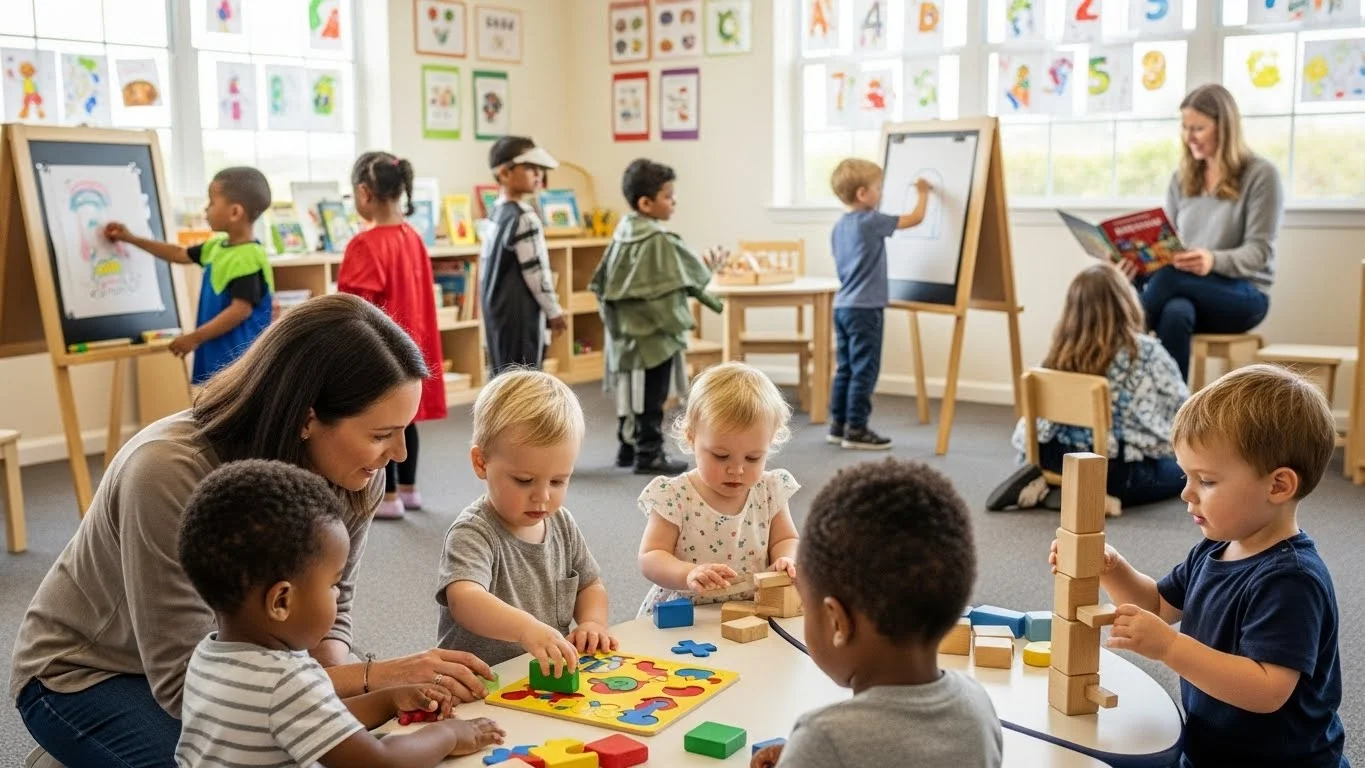
What Are Cognitive Milestones?
Definition of Cognitive Milestones
Cognitive milestones are specific developmental markers that indicate the progression of a child’s thinking, learning, and problem-solving abilities. These milestones help us understand how children perceive the world around them, process information, and interact with their environment. I remember when my little one began to recognize familiar faces and respond to their names; it was a heartwarming moment that made me realize how quickly they were developing. These milestones are typically categorized by age and represent a range of skills, from basic recognition of objects to complex reasoning and understanding of concepts.
Importance of Tracking Cognitive Development
Tracking cognitive milestones is crucial for several reasons. First, it allows parents and caregivers to celebrate achievements, no matter how small. I had always been excited to note every new skill my child developed, from stacking blocks to understanding simple directions. Each milestone felt like a personal victory for us. Additionally, monitoring these milestones can help identify any potential delays or issues in cognitive development. Early detection of concerns can lead to timely intervention, which can make a significant difference in a child’s learning trajectory. I’ve seen friends who caught delays early on and accessed resources that made a world of difference for their children. Read Interesting article: Traveling Smart: Cognitive Milestones in Newborns Explained
Key Cognitive Milestones by Age
Milestones from Birth to 1 Year
In the first year, cognitive development is incredibly rapid. Newborns start to recognize their parent’s voices and face, an essential milestone that lays the foundation for social interaction. I remember the first time my baby smiled back at me; it felt like a magical connection. By around 4 to 6 months, babies begin to show curiosity about their surroundings, reaching for toys and exploring objects with their hands and mouths. By the time they approach their first birthday, they typically engage in simple problem-solving, like figuring out how to get a toy that is out of reach. This period of discovery is a thrilling adventure for both the child and the parents.
Milestones from 1 to 2 Years
As children enter their second year, their cognitive skills continue to evolve. They start to develop a sense of self and can identify themselves in mirrors or photos. I recall the pride I felt when my toddler pointed to herself and said her name! By 18 months, many children can follow simple instructions, which is a big leap in understanding language. They also begin to engage in pretend play—a crucial indicator of imagination and cognitive growth. I loved watching my child mimic cooking or talking on the phone, showcasing their understanding of daily life. This imaginative play not only reflects their cognitive development but also helps it flourish.
Milestones from 2 to 3 Years
At this age, cognitive abilities really begin to blossom. Children start to engage in more complex play and can follow two-step instructions. They begin to ask questions, which is a sign of curiosity and a developing understanding of the world. I found myself in a whirlwind of “Why?” and “How?” questions, and while it was exhausting at times, it was also wonderful to see my child’s mind at work. By age three, children can categorize objects, recognize shapes and colors, and even start to understand the concept of time, such as knowing the difference between yesterday and today. These cognitive leaps are truly fascinating!
Milestones from 3 to 4 Years
As children approach four, their thinking becomes more logical and organized. They can solve simple problems and are beginning to understand the idea of cause and effect. I remember my child trying to piece together puzzles and becoming thrilled each time a piece fit perfectly. Their vocabulary expands rapidly, and they often enjoy storytelling, which showcases their growing imagination. Social skills also start to develop, as they begin to understand sharing and taking turns, which is crucial for interacting with peers.
Milestones from 4 to 5 Years
By the time children reach five, they typically exhibit even greater cognitive skills. They can count, recognize numbers, and understand basic math concepts, which amazed me when my child started counting their toys. Their ability to follow multi-step directions improves, and they engage in more sophisticated play scenarios with friends. I loved watching my child create elaborate stories during playdates, demonstrating their imagination and cognitive growth. This is a pivotal age where foundational skills in literacy and numeracy start to take shape, setting the stage for formal education. Read Interesting article: Backpacking with a Newborn: Milestones in Cognitive Growth
Factors Influencing Cognitive Development
Genetics and Biology
Cognitive development is a complex interplay of numerous factors, and genetics plays a substantial role in shaping our children’s abilities. I remember having conversations with my pediatrician about how certain characteristics can be inherited. For instance, some children might naturally excel in problem-solving or have a higher propensity for language acquisition, much like their parents. Research suggests that genetics can influence brain development and cognitive potential. However, while our genetic makeup lays the groundwork, it’s essential to recognize that it doesn’t solely determine our child’s cognitive journey.
Environmental Influences
The environment in which a child grows up is equally important. I’ve noticed how my child’s surroundings—be it our home, community, or even the wider world—significantly impact their cognitive skills. A stimulating environment filled with diverse experiences can foster curiosity and learning. For example, I often took my child to parks, museums, and libraries, allowing them to explore and discover new things. This exposure not only enriched their knowledge but also sparked their imagination. I truly believe that every little experience contributes to how our children think and learn.
Parental Involvement and Interaction
Speaking of environment, parental involvement is a critical factor in cognitive development. The time we spend with our children—playing, talking, reading, and engaging in various activities—can profoundly influence their cognitive skills. I’ve found that the moments spent reading bedtime stories or discussing our day after dinner provided an excellent opportunity for my child to express themselves and learn. These interactions help develop language skills, social understanding, and emotional intelligence. It’s not just about the quantity of time we spend but the quality of those interactions that truly matters.
Socioeconomic Factors
Socioeconomic status can also affect cognitive development. Families with access to resources such as educational materials, enriching activities, and quality healthcare often have children who perform better cognitively. I’ve seen how some of my friends were able to enroll their kids in various classes and programs that bolstered their learning experiences. On the other hand, children from lower socioeconomic backgrounds may face challenges that limit their exposure to stimulating activities, which can hinder their cognitive growth. I believe it’s essential to recognize these disparities and work towards creating equal opportunities for all children.
Recognizing Delays in Cognitive Milestones
Common Signs of Delayed Development
As we navigate the journey of parenting, it’s crucial to be aware of potential delays in cognitive milestones. Early detection can lead to timely interventions, which are vital for a child’s development. Common signs of delayed cognitive development can include a lack of interest in exploring new toys, difficulty following simple directions, or limited communication skills for their age. I remember feeling concerned when my child wasn’t showing interest in puzzles, which their peers seemed to enjoy. It’s essential to trust your instincts. If something feels off, it might be worth investigating further.
When to Seek Professional Help
So, when should we seek professional help? If you notice that your child is consistently missing milestones or exhibiting other concerning behaviors, it’s important to reach out to a healthcare professional. I learned that it’s better to address concerns early rather than wait and see. Pediatricians can provide assessments to determine if further evaluation is necessary. I found comfort in knowing that seeking help is a proactive step, not a sign of failure. We all want the best for our children, and sometimes that means asking for a little extra support.
Resources for Parents and Caregivers
There are many resources available for parents and caregivers who want to learn more about cognitive development and potential delays. Local community centers often provide workshops and information sessions. I discovered several online platforms and forums where parents share their experiences and advice. Additionally, consulting with child development specialists can provide tailored guidance for your child’s needs. I remember attending a parent workshop that offered invaluable insights into early cognitive development. It made me feel more equipped to support my child’s growth.
Activities to Support Cognitive Development
Age-Appropriate Games and Toys
Engaging children in age-appropriate games and toys is one of the most effective ways to support their cognitive development. I found that simple toys like blocks, puzzles, and educational games can make a world of difference. These activities encourage problem-solving, creativity, and critical thinking. I remember spending hours with my child building towers with blocks, watching their delight each time they succeeded. It’s amazing how much learning happens through play, and I believe these moments are integral to their growth.
Encouraging Problem-Solving Skills
Encouraging problem-solving skills can be both fun and educational. Simple challenges like scavenger hunts or building obstacles with household items can spark creativity and critical thinking. I once set up a mini obstacle course in our living room, and it turned into a delightful adventure! My child had to figure out how to navigate through and reach the finish line. These activities not only promote cognitive skills but also strengthen our bond through shared experiences and laughter.
Importance of Reading and Language Exposure
Reading to our children is one of the best gifts we can give them. I made it a habit to read daily, and I noticed how it enriched my child’s vocabulary and comprehension skills. I loved picking books with colorful illustrations and engaging stories that captured their imagination. Language exposure helps them make connections and understand their world better. I encouraged my child to ask questions about the story, which sparked deeper conversations and critical thinking.
Using Everyday Routines for Learning
Everyday routines can also become learning opportunities. I often incorporated counting during snack time or identifying colors while dressing my child. Simple tasks like cooking together can teach measurements and following instructions. I found that turning mundane moments into fun learning experiences made both of us excited. It’s a wonderful way to weave cognitive development into our daily lives without feeling like a chore.
The Role of Early Education Programs
Benefits of Preschool Education
Early education programs play a significant role in fostering cognitive development. I remember when I enrolled my child in preschool; I was amazed at how much she learned in just a few months. These programs provide structured environments that promote social interaction, problem-solving, and critical thinking. In preschool, children are introduced to routines and group activities, which help them develop essential skills they will carry into higher education. I noticed my child becoming more independent and confident as she navigated her daily activities, from sharing toys to solving conflicts with friends. The benefits of preschool extend far beyond academics; they also help children build emotional and social skills that are crucial for their overall development.
Types of Early Childhood Education Programs
There are various types of early childhood education programs available, and each has its unique approach to learning. I explored options like Montessori, Reggio Emilia, and traditional preschool programs before making a decision for my child. Montessori programs focus on self-directed activity and hands-on learning, allowing children to choose their own paths. Reggio Emilia emphasizes collaborative learning and creativity, which I found appealing. Traditional preschools often provide a balanced curriculum aimed at preparing children for kindergarten. Understanding the different types of programs helped me make an informed choice based on my child’s personality and learning style. I believe it’s essential to find a program that aligns with your child’s needs while also considering the values and teaching methods that resonate with you as a parent.
How to Choose the Right Program
Choosing the right early education program can feel overwhelming, but it’s essential to take the time to research and reflect. Start by considering your child’s interests and learning style. I found it helpful to visit different schools and observe classes in action. Talking to teachers and staff can also provide insights into their teaching philosophy and approach. I remember asking questions about how they handle playtime, social interactions, and academics. It was also important for me to consider the school’s environment—was it welcoming and safe? Was there a strong emphasis on creativity and exploration? Gathering as much information as possible helped me feel confident in my choice. Ultimately, trust your instincts and choose a program where you feel your child will thrive.
Final Thoughts
Reflecting on the journey of cognitive development, I realize just how pivotal our roles as caregivers and educators are in shaping our children’s futures. Supporting cognitive growth goes beyond simply marking milestones; it’s about embracing the entire experience of learning alongside them. I’ve learned to celebrate every “aha!” moment, whether it was my child discovering how to stack blocks or finally understanding how to navigate a puzzle. Each small victory felt monumental, a testament to their growth and our shared journey.
I think it’s essential to foster an environment where curiosity thrives. By providing diverse experiences—whether through imaginative play, outdoor exploration, or engaging conversations—we can enrich our children’s understanding of the world. I remember how excited my child would get when we visited new places or tried new activities. Those moments not only created lasting memories but also served as invaluable learning opportunities.
As parents, we also need to remain vigilant about recognizing delays in cognitive milestones. It can be challenging to navigate our worries while supporting our children, but trusting our instincts is crucial. Reaching out for help when something feels off is a strength, not a weakness. I’ve seen firsthand how early intervention can change the trajectory of a child’s learning journey, opening doors to resources and support that can make a significant difference.
Moreover, the importance of reading and language exposure cannot be overstated. I found that the more I read to my child, the more she wanted to engage with stories and learn new words. It was a joy to see her imagination flourish with each book we explored together. I believe that instilling a love for reading early on sets the stage for lifelong learning.
Lastly, I encourage every parent to actively participate in their child’s education, whether through choosing the right preschool or engaging in daily learning activities. The right educational environment can spark a love for learning that lasts a lifetime. I’ve felt the impact of a nurturing educational setting, where my child felt safe and excited to explore new concepts and ideas.
In the end, supporting cognitive growth is a beautiful journey filled with challenges, joy, and discovery. By being intentional in our interactions, celebrating milestones, and advocating for our children’s needs, we can help them develop into curious, capable individuals ready to take on the world. Let’s embrace this journey together, as we nurture their minds and watch them blossom.
Frequently Asked Questions
What are cognitive milestones?
Cognitive milestones are specific developmental markers that indicate the progression of a child’s thinking, learning, and problem-solving abilities. They help us understand how children perceive the world, process information, and interact with their environment.
Why is it important to track cognitive development?
Tracking cognitive milestones allows parents and caregivers to celebrate achievements and identify any potential delays or issues in development. Early detection can lead to timely intervention, which can significantly impact a child’s learning trajectory.
What cognitive milestones can be expected from birth to 1 year?
In the first year, babies start to recognize their parent’s voices and faces, show curiosity by reaching for toys, and engage in simple problem-solving, like figuring out how to get a toy that is out of reach.
How do cognitive skills develop from 1 to 2 years?
During this period, children develop a sense of self, can identify themselves in mirrors or photos, follow simple instructions, and engage in pretend play, which reflects their imagination and cognitive growth.
What cognitive abilities are typically seen in children aged 2 to 3 years?
Children at this age start to engage in more complex play, can follow two-step instructions, ask questions, and categorize objects while beginning to understand concepts like time.
What cognitive milestones are observed from 3 to 4 years?
By this age, children’s thinking becomes more logical, they can solve simple problems, understand cause and effect, and their vocabulary expands as they enjoy storytelling and develop social skills.
What skills do children typically exhibit by age 5?
Children by age five usually exhibit greater cognitive skills, such as counting, recognizing numbers, understanding basic math concepts, following multi-step directions, and engaging in sophisticated play scenarios.
What factors influence cognitive development?
Cognitive development is influenced by genetics, the environment, parental involvement, and socioeconomic factors. Each of these elements plays a significant role in shaping a child’s cognitive abilities.
How can parents recognize delays in cognitive milestones?
Common signs of delayed cognitive development include a lack of interest in exploring new toys, difficulty following simple directions, or limited communication skills for their age. Trusting instincts and seeking help if concerns arise is crucial.
What activities can support cognitive development in children?
Engaging children in age-appropriate games and toys, encouraging problem-solving skills, reading regularly, and using everyday routines for learning are effective ways to support cognitive development.
Fostering cognitive skills in young children is crucial for their growth and development. By nurturing these skills early on, we set the foundation for lifelong learning and problem-solving abilities. Read Interesting article: Understanding Cognitive Milestones in Early Childhood
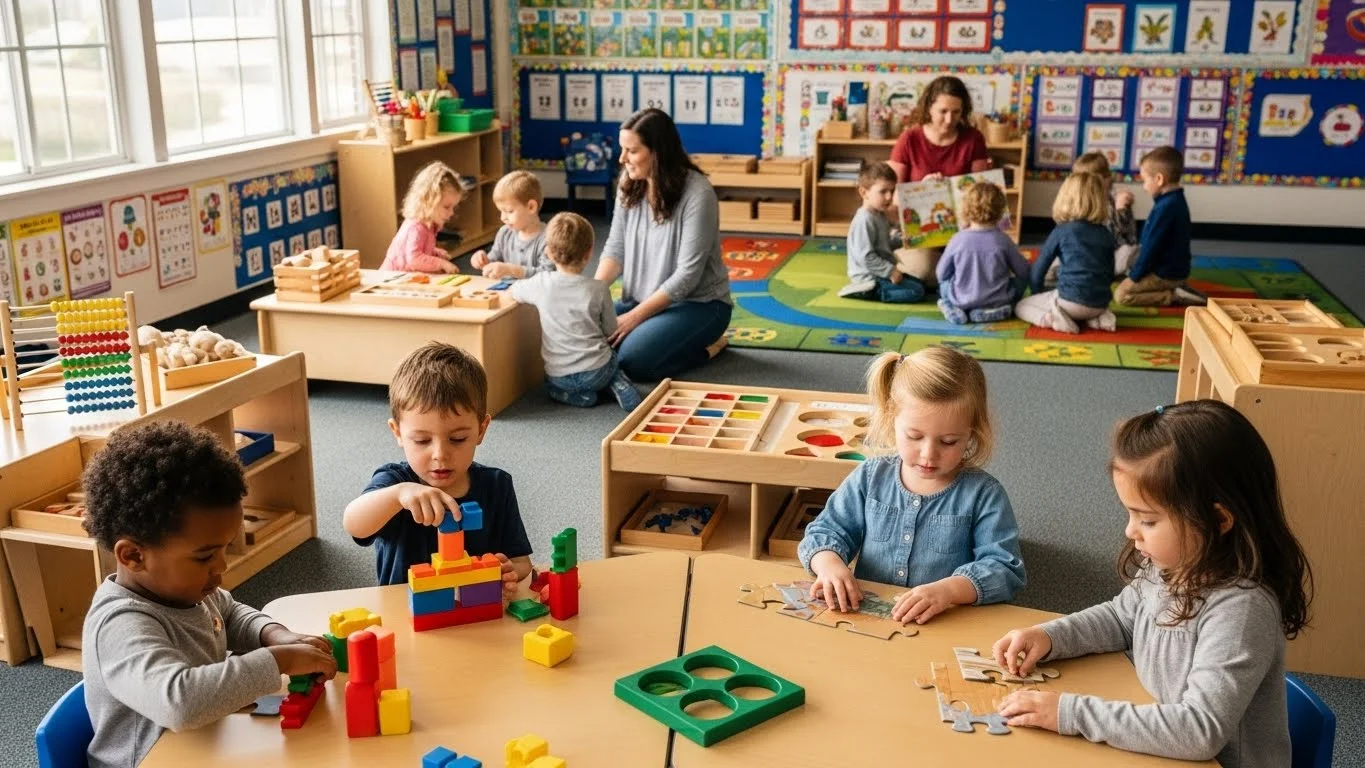
Understanding Cognitive Skills in Young Children
What Are Cognitive Skills?
Cognitive skills are the mental capabilities that help us process information, learn, and communicate. These skills include memory, attention, reasoning, perception, and problem-solving. I remember when my child first started to explore different shapes and colors. It was fascinating to see how they began making connections and understanding their environment. Cognitive skills are not just about academic success; they play a vital role in how children interact with the world around them.
Importance of Cognitive Development in Early Childhood
Early childhood is a critical time for cognitive development. During this period, a child’s brain grows rapidly, and the experiences they have can shape their future learning and social interactions. I’ve often found that children who engage in stimulating activities tend to develop better language skills and emotional intelligence. Research shows that fostering cognitive skills can improve problem-solving abilities and enhance creativity. This is why I believe it’s essential for parents and caregivers to actively promote cognitive development from a young age. Read Interesting article: Essential Tips for Supporting Your Child’s Cognitive Development
Key Stages of Cognitive Development
Cognitive development unfolds in stages, and understanding these can help us tailor our approach to fostering skills. Jean Piaget, a renowned developmental psychologist, outlined several key stages that I think are very relevant for parents:
- Sensorimotor Stage (Birth to 2 years): In this stage, children learn through their senses and actions. I found that offering toys that encourage exploration, like stacking blocks or soft balls, can be incredibly beneficial.
- Preoperational Stage (2 to 7 years): Children begin to engage in symbolic play and learn to manipulate symbols. Interactive storytelling has worked wonders for my kids, helping them connect with narratives and develop their imagination.
- Concrete Operational Stage (7 to 11 years): Here, logical thinking starts to develop. This is when I encourage more complex games and puzzles, as they help solidify understanding of concepts like numbers and time.
Recognizing these stages has helped me consider the types of activities I expose my children to, ensuring they are age-appropriate yet challenging enough to stimulate their growing minds.
Effective Strategies to Foster Cognitive Skills
Play-Based Learning
Play-based learning is one of the most effective ways to enhance cognitive skills. I’ve seen firsthand how my children learn best when they’re having fun. Whether it’s building with blocks or playing pretend, these activities promote creativity and critical thinking. When we set up a mini grocery store at home, for example, they practiced counting, sorting, and even social skills as they interacted with each other. Play creates a natural environment for exploration and discovery, making learning feel effortless.
Interactive Storytelling
Interactive storytelling is another wonderful tool for cognitive development. I make it a regular practice to read aloud to my children, asking them questions about the story and encouraging them to predict what will happen next. This not only enhances their comprehension skills but also fosters imagination. I remember an evening spent reading “Where the Wild Things Are,” and my child was so engaged that they started creating their own wild adventures. This kind of storytelling helps them internalize language and develop narrative skills.
Hands-On Activities and Experiments
Hands-on activities can spark curiosity and promote learning by allowing children to explore concepts in a tangible way. From simple science experiments like making a volcano with baking soda and vinegar to arts and crafts, these experiences can be transformative. I noticed that my kids were more likely to remember concepts when they could physically engage with them. One rainy afternoon, we created a mini-garden, and it turned into a valuable lesson about nature, responsibility, and the science of growth.
Encouraging Problem-Solving and Critical Thinking
Encouraging problem-solving is essential in helping children develop cognitive skills. I often present my kids with age-appropriate challenges—like puzzles or simple math problems—and guide them in finding solutions. It’s rewarding to watch them think critically and try different approaches. I’ve learned that it’s important to allow them to struggle a bit; it builds resilience and confidence in their abilities. When they solve a problem on their own, the joy on their faces is priceless.
Utilizing Educational Games and Puzzles
Educational games and puzzles have become staples in our home. They not only provide entertainment but also promote learning in a fun way. I love how my children engage with educational apps that focus on math or language skills. Board games like “Candy Land” or “Chutes and Ladders” have also been fantastic for teaching them about taking turns and strategy. I find that these games encourage social interaction, which is equally important for cognitive development.
Incorporating these strategies into our daily lives has made a significant difference in how my children learn and grow. I feel empowered as a parent knowing that I can actively contribute to their cognitive development through simple, enjoyable activities. Read Interesting article: Unlocking Your Child’s Mind: A Guide to Cognitive Growth
The Role of Environment in Cognitive Development
Creating a Stimulating Learning Environment
As I embarked on the journey of nurturing my children’s cognitive skills, I realized that the environment plays a significant role in their development. A stimulating learning environment is one where curiosity is encouraged, and exploration is celebrated. I’ve made it a point to create spaces in our home that are rich with opportunities for learning. For instance, we have a cozy reading nook filled with books of various genres, which invites my kids to discover new stories. I find that having art supplies readily available also inspires creativity, allowing them to express themselves freely. When children feel safe and supported in their environment, they are more likely to engage in learning activities.
Importance of Social Interaction and Playdates
Social interaction is another essential element in cognitive development. I’ve always noticed that my children thrive when they have the chance to play with their peers. Playdates not only allow for fun but also foster important social skills like sharing, empathy, and teamwork. I remember when we hosted a playdate where the kids worked together to build a fort. The way they communicated and collaborated was incredible to witness. It reinforced my belief that learning goes beyond academics; social play is a powerful tool for cognitive growth. Encouraging friendships and nurturing those relationships can create a richer learning experience for our children.
Incorporating Nature and Outdoor Activities
Spending time outdoors has been another wonderful way to support cognitive development. Nature offers endless opportunities for exploration and learning. Whether it’s observing bugs in the backyard or going for a hike, I’ve found that these experiences engage my children’s curiosity and imagination. One of our favorite activities is going on nature walks where we collect leaves, rocks, or flowers. Later, we explore the collected treasures, discussing their colors, shapes, and textures. I believe that being in nature not only enhances cognitive skills but also promotes physical health and well-being. It’s a holistic approach that benefits both the mind and body.
Nutrition and Cognitive Skills
Brain-Boosting Foods for Young Children
As I learned more about fostering cognitive skills, I couldn’t overlook the impact of nutrition. The brain needs proper fuel to function optimally, especially in young children. I’ve incorporated a variety of brain-boosting foods into our meals. For example, I often prepare meals rich in omega-3 fatty acids, like salmon, which is known for supporting brain health. We also enjoy snacks like nuts, seeds, and berries, which not only taste great but also provide essential nutrients. I remember reading about the benefits of a balanced diet, and it inspired me to be more mindful of what we eat. I’ve seen how the right foods can impact my children’s focus and energy levels throughout the day.
Hydration and Its Impact on Cognition
Staying hydrated is another crucial aspect that can easily be overlooked. I’ve noticed that when my kids are adequately hydrated, they seem to be more alert and focused. We often have water bottles on hand during our activities, and I try to make drinking water fun by adding slices of fruit for flavor. It’s amazing how something as simple as hydration can influence cognitive performance. I believe that teaching my children the importance of drinking enough water is just as important as providing nutritious food.
Parental Involvement and Support
How Parents Can Encourage Learning at Home
Being involved in my children’s learning journey has been one of the most rewarding experiences for me as a parent. I’ve realized that simple actions, like asking about their day or discussing what they’re learning, can make a significant difference. I love to turn everyday moments into learning opportunities. For example, when we cook together, I encourage them to measure ingredients, which not only teaches them math but also promotes teamwork. I feel that our involvement shows them that learning is a lifelong journey, and it’s something we can enjoy together.
Setting a Routine for Cognitive Activities
Establishing a routine has been key in our household. I’ve noticed that when my children know what to expect, they are more willing to engage in learning activities. We’ve created a daily schedule that includes time for reading, creative play, and even some quiet time for reflection. These routines provide structure, which helps my kids feel secure and focused. I remember how difficult it was at first to stick to a schedule, but over time, it has become a natural part of our day-to-day life. I believe that consistency in routines can significantly enhance cognitive development.
Monitoring Progress and Adjusting Strategies
Lastly, monitoring my children’s progress has been an essential part of supporting their cognitive development. I often take the time to observe how they tackle challenges and where they excel. If I notice they’re struggling in a particular area, I adjust our activities accordingly. For instance, if they seem frustrated with a specific puzzle, I might introduce simpler ones to build their confidence. I’ve learned that flexibility is key; what works one day might not work the next. Being attuned to their needs allows me to provide the best support possible.
Technology and Cognitive Development
Benefits of Educational Apps and Software
As we embrace technology in our daily lives, I’ve discovered that educational apps and software can be incredibly beneficial for cognitive development. I remember downloading a few apps that focus on math and language skills, and it was amazing to see how quickly my children engaged with them. These apps are often designed to be interactive and fun, turning learning into a game. For instance, my kids enjoy apps that teach them how to spell by guiding them through playful challenges. The feedback they receive in real-time helps them grasp concepts more effectively. I genuinely believe that when technology is used wisely, it can complement traditional learning methods and offer personalized experiences for each child.
Setting Limits on Screen Time
While technology has its advantages, I’ve also learned the importance of setting limits on screen time. It can be tempting to let my kids indulge in their favorite educational games for hours, but I’ve found that moderation is key. I try to establish clear boundaries around when and how long they can use devices. For example, we have a rule that screens are only allowed after our homework and learning activities are completed. This ensures that they prioritize active learning first. I also encourage breaks during screen time, suggesting they step outside for a bit or engage in a physical activity. Balancing technology with other forms of learning and play has made a noticeable difference in their overall engagement and focus.
Recognizing and Addressing Cognitive Delays
Signs of Cognitive Delays in Young Children
As a parent, one of my biggest concerns has always been ensuring that my children are developing on track. I’ve learned to be vigilant about potential signs of cognitive delays. These can manifest in various ways, such as difficulty in solving simple problems, challenges with language skills, or trouble paying attention during activities. Some children may also struggle with following directions or seem disinterested in play that encourages cognitive engagement. I remember feeling anxious when I noticed my child wasn’t as interested in puzzles as their peers. It helped me to seek guidance from educators and other parents, which reassured me that it’s completely normal for kids to develop at their own pace. Staying informed about these signs has empowered me to provide the right support when needed.
When to Seek Professional Help
Recognizing when to seek professional help can be challenging, but I’ve learned that early intervention is crucial. If I notice persistent cognitive delays or if my child struggles significantly compared to their peers, I don’t hesitate to reach out to a pediatrician or a child psychologist. They can conduct assessments to determine if additional support is needed. I remember a time when I consulted with a specialist about my child’s reading difficulties. It was comforting to have access to resources and strategies tailored to their needs. I’ve come to understand that seeking help doesn’t mean I’ve failed as a parent; it’s an essential step in ensuring my child receives the support they deserve. It’s all about being proactive and advocating for their learning journey.
Resources for Parents and Educators
Books and Materials to Enhance Cognitive Skills
Finding the right resources to support cognitive development has been a rewarding adventure. Over time, I’ve created a small library of books and materials that are both educational and engaging. I love to explore various topics with my kids through picture books, interactive storybooks, and educational games. Some of my favorites include books that focus on problem-solving and critical thinking, which stimulate their minds while keeping them entertained. I also seek out activity books that offer puzzles and brain teasers suitable for their age. Having a variety of materials at hand means that learning can be woven into our daily routine effortlessly.
Online Platforms and Courses for Further Learning
In addition to books, I’ve found that online platforms can offer excellent opportunities for both parents and children. Websites provide engaging videos and tutorials that explain different concepts in a fun way. I often browse platforms that specialize in early childhood education, where I can find courses tailored to cognitive development. This not only helps me understand how to better support my kids but also gives me fresh ideas for activities we can do together. I also appreciate online communities where parents share experiences and resources, creating a supportive network for us to learn from each other. Embracing these resources has made my parenting journey even more enriching.
Final Thoughts
Reflecting on my journey as a parent, I can’t help but feel grateful for all the moments that have shaped my children’s cognitive development. It’s been a mix of exploration, learning, and sometimes a bit of trial and error. Each strategy we’ve implemented—whether it was play-based learning, interactive storytelling, or spending time outdoors—has added a unique layer to their growing minds. I’ve come to realize that nurturing cognitive skills doesn’t have to feel overwhelming; in fact, it can be quite enjoyable when we integrate learning into our daily lives.
One thing I’ve learned along the way is that fostering cognitive skills is not just a one-size-fits-all approach. Each child is unique, and their interests and learning styles may differ. I’ve found that paying attention to what excites my kids and tailoring activities to match their interests has yielded the best results. For instance, if one of my children is fascinated by dinosaurs, I might introduce them to books and puzzles related to that theme, allowing their passion to drive their learning.
Additionally, I believe that learning should be a shared experience. Engaging in activities together not only fosters cognitive skills but also strengthens our bond as a family. I cherish those moments of laughter and discovery when we work on projects or play games together. It’s in those interactions that the learning truly becomes memorable. I often remind myself that the goal isn’t just to build cognitive skills but to cultivate a love for learning that will last a lifetime.
As we navigate through the challenges and joys of parenting, let’s not forget the importance of our involvement and support. We are our children’s first teachers and advocates, and our encouragement can go a long way in boosting their confidence and curiosity. I know that I will continue to explore new resources, adjust my strategies, and remain flexible with their evolving needs. After all, the journey of cognitive development is ongoing, and every small step we take can lead to significant growth.
In the end, it’s the little moments of exploration, joy, and connection that will stay with us. I’m excited to see how my children will continue to learn and grow, and I’m proud to be a part of their journey. So, let’s embrace this adventure together, knowing that every effort we make can create a brighter future filled with endless possibilities for our little ones.
Frequently Asked Questions
What are cognitive skills in young children?
Cognitive skills are the mental capabilities that help us process information, learn, and communicate. These skills include memory, attention, reasoning, perception, and problem-solving.
Why is cognitive development important in early childhood?
Early childhood is a critical time for cognitive development as a child’s brain grows rapidly. Experiences during this period can shape future learning and social interactions, enhancing language skills, emotional intelligence, problem-solving abilities, and creativity.
What are the key stages of cognitive development according to Jean Piaget?
The key stages of cognitive development outlined by Jean Piaget are:
- Sensorimotor Stage (Birth to 2 years): Learning through senses and actions.
- Preoperational Stage (2 to 7 years): Engaging in symbolic play and manipulating symbols.
- Concrete Operational Stage (7 to 11 years): Developing logical thinking.
How does play-based learning enhance cognitive skills?
Play-based learning enhances cognitive skills by creating a fun environment where children learn through activities like building with blocks or playing pretend, promoting creativity and critical thinking.
What role does interactive storytelling play in cognitive development?
Interactive storytelling enhances comprehension skills and fosters imagination by engaging children in narratives, asking them questions, and encouraging predictions about the story.
How can hands-on activities promote cognitive skills?
Hands-on activities allow children to explore concepts in a tangible way, sparking curiosity and promoting learning through practical experiences, such as science experiments and arts and crafts.
Why is social interaction important for cognitive development?
Social interaction is essential for cognitive development as it fosters important social skills like sharing, empathy, and teamwork, which are developed through collaborative play and interactions with peers.
What is the impact of nutrition on cognitive skills?
Nutrition significantly impacts cognitive skills, as a balanced diet rich in brain-boosting foods like omega-3 fatty acids, nuts, and berries supports optimal brain function and can improve focus and energy levels in children.
How can parents encourage learning at home?
Parents can encourage learning at home by being involved in their children’s education, turning everyday moments into learning opportunities, and establishing routines that include time for reading, creative play, and reflection.
What should parents do if they notice signs of cognitive delays in their child?
If parents notice persistent cognitive delays, such as difficulty solving problems or trouble with attention, they should seek professional help from a pediatrician or child psychologist for assessments and support.
Fostering critical thinking skills in toddlers is a rewarding journey that can shape their future learning. Here are essential insights and tips to help our little ones think critically and creatively. Read Interesting article: Unlocking Critical Thinking in Toddlers: A Parent’s Guide
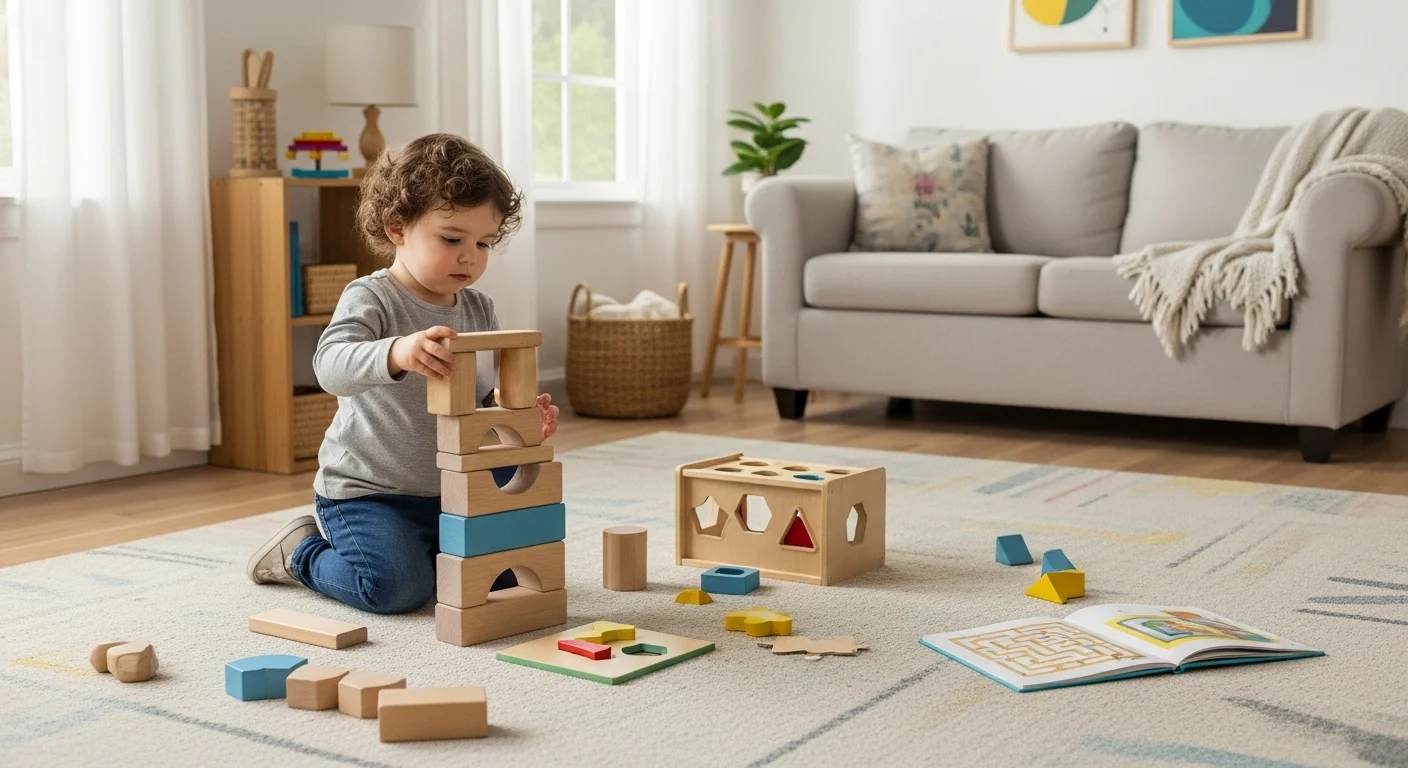
Understanding Critical Thinking in Toddlers
Definition of Critical Thinking
When I first started exploring the concept of critical thinking, I realized that it’s not just about problem-solving; it’s about a way of thinking that encourages children to analyze, evaluate, and create. For toddlers, critical thinking involves using their senses, making connections, and understanding the world around them. It’s about asking questions, seeking answers, and not settling for surface-level understanding. I’ve found that when toddlers engage in critical thinking, they become more curious and excited about learning.
Importance of Critical Thinking for Toddlers
Critical thinking is essential for toddlers because it lays the foundation for lifelong learning. I remember watching my niece, who was just two at the time, asking “why” about everything. This inquisitiveness is crucial; it not only enhances cognitive abilities but also develops social skills and emotional intelligence. When toddlers learn to think critically, they become better problem solvers and decision-makers. It’s incredible to see how these skills help them navigate challenges and make choices as they grow. Read Interesting article: Backpacking with Toddlers: Boosting Social Skills on the Road
Age-Appropriate Cognitive Development Stages
Understanding where our toddlers are in their cognitive development is vital. Generally, toddlers between the ages of one and three are in the early stages of developing critical thinking skills. They move from basic exploration—like banging blocks together and observing cause and effect—to more complex behaviors, such as pretending and role-playing. I’ve noticed that during this stage, children are naturally curious; they may ask questions like “What happens if I drop this?” or “Why does it rain?” Encouraging this exploration fosters their critical thinking abilities. As they grow closer to four years of age, they start to make connections and think more abstractly, which is when we can introduce even more complex problem-solving activities.
Key Components of Critical Thinking Skills
Problem-Solving Abilities
One of the first components I noticed in my children’s critical thinking was their problem-solving abilities. I recall a time when my son was trying to fit shapes into a puzzle. He would try one piece, then another, often getting frustrated. Instead of jumping in to help immediately, I encouraged him to think about what might fit. This simple act promoted his ability to assess a problem and try different solutions until he found the correct one. It was such a joy to watch his frustration turn into excitement when he finally succeeded!
Analytical Thinking
Analytical thinking involves breaking down information and understanding it better. I remember engaging my daughter in a game where we sorted different colored blocks. As she categorized them, I would ask questions like, “What do you notice about the blue blocks?” or “Which color do you have the most of?” This helped her learn to analyze information rather than just observe it. Encouraging toddlers to think about their observations in this way nurtures their analytical skills.
Creative Thinking
Creative thinking is another essential skill that I found vital for toddlers. I often set up open-ended art projects with materials like paper, crayons, and clay. I noticed that when I allowed my kids the freedom to create without strict guidelines, they began to think outside the box. I’ve seen my daughter turn a simple piece of paper into a pretend airplane, showcasing her ability to imagine and innovate. Creative thinking not only enriches their experiences but also boosts their confidence in expressing themselves.
Decision Making
Decision-making is a skill that can be nurtured from an early age. I often involve my toddlers in simple choices, like picking out their clothes or deciding which snack to have. This practice encourages them to weigh options and understand the consequences of their choices. I feel it’s important for them to realize that their decisions matter, and it builds a sense of autonomy. I’ve noticed that as they make small decisions, they become more confident and capable of tackling bigger decisions in the future. Read Interesting article: Top Backpacking Adventures to Enhance Toddler Memory Skills
Essential Tips for Fostering Critical Thinking Skills
Encouraging Curiosity and Questioning
One of the most effective ways I’ve found to foster critical thinking in toddlers is by encouraging their natural curiosity. I remember when my son asked, “Why is the sky blue?” Instead of giving him a quick answer, I turned it into a discussion. I said, “What do you think?” This simple question opened the door for a delightful conversation where he came up with his own ideas about light and color. By nurturing their questioning, we help them realize that it’s okay to seek answers and explore the world around them. I believe this kind of encouragement builds a strong foundation for critical thinking as they grow. It’s important to create an environment where questions are welcomed, and exploration is celebrated.
Engaging in Open-Ended Play
Open-ended play has been a game-changer for us. I love how it allows my children to use their imagination without limitations. I often set up scenarios where they can create their own stories, whether it’s with toy figures or building blocks. For instance, when my daughter was playing with her dollhouse, I would ask her questions like, “What happens next?” or “How does your character feel about that?” This type of play encourages her to think critically about situations and outcomes. I’ve found that open-ended play not only enhances their creativity but also their problem-solving skills, as they navigate different possibilities in their imaginative worlds.
Providing Diverse Learning Materials
I’ve noticed that having a variety of learning materials can significantly boost critical thinking. Instead of sticking to just one type of toy or book, I try to mix things up. I incorporate puzzles, art supplies, and science kits into our playtime. For example, I introduced my kids to a simple science experiment with baking soda and vinegar. Watching the reaction sparked so many questions and discussions about what they observed. By providing diverse materials, we can encourage different types of thinking. I feel this variety keeps them engaged and stimulates their minds in various ways, allowing them to explore different concepts and ideas.
Modeling Critical Thinking
As parents, we have the unique opportunity to model critical thinking in our everyday lives. I remember when I was faced with a decision, like which grocery store to visit. I talked through my thought process with my kids. I explained why I was choosing one store over another, considering factors like price, distance, and availability of fresh produce. By vocalizing my thought process, I demonstrated how to analyze options and make informed decisions. I believe that when children see us engaging in critical thinking, they are more likely to adopt those strategies themselves. It’s about showing them how we navigate challenges and encouraging them to think through their own choices.
Encouraging Communication and Expression
I can’t stress enough how important it is for toddlers to express their thoughts and feelings. I encourage my kids to share their ideas during playtime, whether it’s about a drawing they made or a story they want to tell. I often say, “Tell me more about that!” This simple prompt invites them to elaborate and think more deeply about their ideas. Encouraging communication not only helps them practice articulating their thoughts but also fosters critical thinking as they organize their ideas coherently. I’ve seen my children flourish in their ability to express themselves when they feel supported and heard.
Activities to Promote Critical Thinking
Interactive Storytelling
One of my favorite activities for promoting critical thinking is interactive storytelling. I often read books with my kids but add a twist—asking them to imagine alternative endings or what might happen next. For instance, after reading a story about a bear going on an adventure, I would ask, “What if the bear met a new friend? How would that change the story?” This simple engagement not only enhances their imagination but also makes them think critically about narrative structure and character development.
Building and Construction Play
Building toys like blocks or LEGO® have always been a hit in our house. I love how they naturally encourage problem-solving and spatial reasoning skills. I often challenge my kids to build specific structures or recreate something from their favorite shows. When my son struggled to balance a tower, we discussed what might help it stand stronger. Such activities teach them about trial and error while enabling them to think critically about stability and design. I believe that through construction play, they learn that it’s okay to make mistakes—as long as they keep trying.
Puzzles and Problem-Solving Games
Puzzles have been a fantastic way to foster critical thinking in our home. I’ve introduced my kids to various types, from jigsaw puzzles to logic puzzles. I remember how proud my daughter felt when she completed her first puzzle. I encouraged her to think about the colors and shapes to find where each piece might fit. This not only enhanced her problem-solving skills but also taught her persistence. I think puzzles can be both fun and educational, providing an exciting challenge that keeps them engaged.
Science Experiments for Toddlers
Simple science experiments are a great way to introduce critical thinking concepts. I often set up little experiments that allow my children to explore cause and effect. One memorable experience was when we made a homemade volcano. Watching the reaction of baking soda and vinegar was thrilling for them! They asked questions like, “Why does it fizz?” and “What makes it erupt?” These experiments not only spark curiosity but also encourage them to hypothesize and analyze outcomes, further enhancing their critical thinking abilities.
Creating a Supportive Environment
Designing a Learning-Friendly Space
Creating the right environment for my toddlers has always been a priority for me. I’ve learned that a learning-friendly space can significantly impact their ability to think critically. I remember when I rearranged their playroom to encourage exploration. I set up different stations with various activities—like a reading nook, an art corner, and a building area. Each zone was filled with age-appropriate materials that piqued their interest. This setup not only made the space inviting but also encouraged my children to move freely between activities, fostering their curiosity. I believe that when toddlers have access to diverse tools and resources, they feel more empowered to explore and engage in critical thinking.
Setting Realistic Expectations
When it comes to fostering critical thinking, I think setting realistic expectations is key. I’ve noticed that sometimes I can be overly ambitious about what I want my kids to achieve. It’s essential to remember that each child develops at their own pace. I’ve learned to celebrate small victories rather than focus solely on the end goal. For instance, when my son struggled with a puzzle, rather than expecting him to complete it perfectly, I appreciated his efforts to piece together parts. This approach not only reduces frustration but also boosts their confidence. I feel it’s vital for us as parents to be patient and understanding, allowing our toddlers to explore without the pressure of high expectations.
Balancing Guidance and Independence
Finding the right balance between providing guidance and allowing independence has been an ongoing journey for me. I’ve realized that while it’s important to be there for my kids, stepping back sometimes gives them the freedom to think for themselves. I remember a time when my daughter wanted to build a tall tower with blocks. Instead of instructing her on how to do it, I encouraged her to try different strategies on her own. I watched her experiment with various designs, which not only taught her problem-solving skills but also instilled a sense of accomplishment. I believe that fostering independence is crucial for developing critical thinking, as it allows toddlers to learn from their mistakes and successes.
Evaluating Progress in Critical Thinking Skills
Signs of Developing Critical Thinking
As I’ve engaged with my toddlers in various activities, I’ve learned to recognize the signs that they are developing critical thinking skills. I’ve seen them becoming more curious, asking deeper questions, and showing persistence when faced with challenges. For instance, I noticed my son experimenting with different ways to stack blocks after a few failed attempts. His ability to reflect on what didn’t work and try something new was a clear sign of growth in his critical thinking. I think it’s important for us to pay attention to these signs and celebrate these moments. Acknowledging their progress not only motivates them but also reinforces their desire to learn.
Assessing Problem-Solving Skills
Assessing problem-solving skills in toddlers can be an eye-opening experience. I’ve often engaged my children in simple challenges to see how they approach problems. Once, I presented a scenario using toy animals where they had to figure out how to help a lion reach its friend, the elephant. Watching them strategize and discuss different solutions was fascinating. I realized that assessing their problem-solving abilities doesn’t always require formal testing; even playful activities can provide insight into their thought processes. I believe that through these informal assessments, we can identify areas where they excel and where we might offer additional support.
Feedback and Encouragement Techniques
Providing feedback and encouragement is crucial in nurturing critical thinking skills. I’ve learned that it’s important to be specific with my praise. Instead of just saying, “Good job!” I try to highlight what they did well. For example, if my daughter successfully completed a puzzle, I would say, “I love how you looked at the colors and shapes to find the right pieces!” This type of feedback not only builds their confidence but also reinforces the strategies they used. Encouragement can also come in the form of asking open-ended questions that prompt further thinking. I often say things like, “What do you think will happen if we try this?” This approach encourages them to reflect on their ideas and consider different possibilities.
Resources for Parents and Educators
Books on Critical Thinking for Children
In my quest to foster critical thinking, I’ve come across numerous books that have been beneficial for my kids. I love exploring stories that promote curiosity and analytical thinking. Titles like “Not a Box” by Antoinette Portis and “What Do You Do With a Problem?” by Kobi Yamada have sparked wonderful discussions in our home. These books not only entertain but also encourage children to think outside the box and approach problems creatively. I often read these stories with my kids and then engage them in discussions about the themes, prompting them to express their thoughts and ideas.
Online Courses and Workshops
I’ve found that online courses and workshops can be fantastic resources for parents and educators looking to enhance their understanding of critical thinking in children. Websites like Coursera and Udemy offer courses specifically designed for early childhood education. I participated in a workshop focused on play-based learning, which provided me with valuable tools and strategies to implement in our daily routine. These courses can be a great way to learn new techniques and connect with other parents and educators who share similar interests.
Community Programs and Support Groups
Connecting with other parents in community programs or support groups has been incredibly rewarding for me. I’ve had the opportunity to share ideas, resources, and experiences with others who are also passionate about fostering critical thinking in toddlers. Local parenting groups or educational centers often host events and workshops that focus on child development. I believe that by engaging in these communities, we can gain insights, share our challenges, and encourage one another on this important journey.
Frequently Asked Questions
What is critical thinking in toddlers?
Critical thinking in toddlers is about a way of thinking that encourages them to analyze, evaluate, and create. It involves using their senses, making connections, asking questions, and seeking answers to understand the world around them.
Why is critical thinking important for toddlers?
Critical thinking is essential for toddlers because it lays the foundation for lifelong learning, enhances cognitive abilities, and develops social skills and emotional intelligence. It helps them become better problem solvers and decision-makers as they grow.
What are the cognitive development stages for toddlers regarding critical thinking?
Toddlers between the ages of one and three are in the early stages of developing critical thinking skills. They progress from basic exploration to more complex behaviors like pretending and role-playing, which helps them ask questions and explore their environment.
What are some key components of critical thinking skills in toddlers?
The key components of critical thinking skills in toddlers include problem-solving abilities, analytical thinking, creative thinking, and decision-making. These skills can be nurtured through various activities and interactions.
How can parents encourage curiosity and questioning in toddlers?
Parents can encourage curiosity and questioning by engaging toddlers in discussions rather than providing quick answers. For example, when a toddler asks a question, parents can respond by asking, “What do you think?” to promote exploration and deeper thinking.
What types of play promote critical thinking in toddlers?
Open-ended play, building and construction play, interactive storytelling, puzzles, and simple science experiments are all effective types of play that promote critical thinking in toddlers by encouraging creativity, problem-solving, and exploration.
How can parents create a supportive environment for fostering critical thinking?
Parents can create a supportive environment by designing a learning-friendly space with diverse materials, setting realistic expectations, and balancing guidance with independence, allowing toddlers to explore and learn at their own pace.
What are some signs that toddlers are developing critical thinking skills?
Signs of developing critical thinking skills in toddlers include increased curiosity, asking deeper questions, showing persistence when faced with challenges, and the ability to reflect on their experiences and try new approaches.
How can parents assess their toddlers’ problem-solving skills?
Parents can assess problem-solving skills by engaging toddlers in simple challenges or playful activities that require strategizing and discussing different solutions, providing insight into their thought processes without formal testing.
What resources are available for parents to enhance their understanding of critical thinking in children?
Resources for parents include books on critical thinking for children, online courses and workshops focusing on early childhood education, and community programs or support groups where parents can share ideas and experiences.
Unlocking critical thinking in toddlers can be a transformative journey for both parents and children. By nurturing these skills early, we set the stage for lifelong learning and problem-solving. Read Interesting article: Backpacking with Toddlers: Boosting Social Skills on the Road
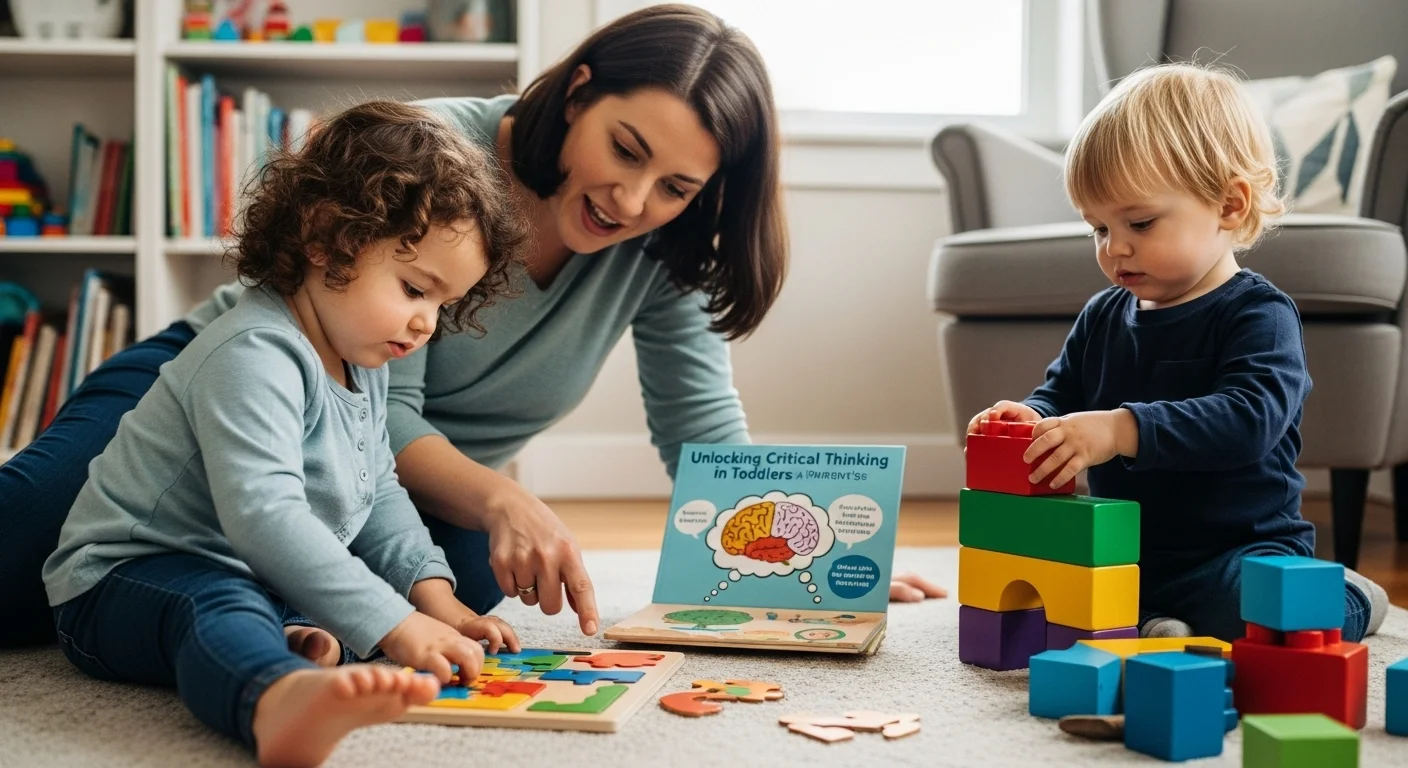
Understanding Critical Thinking in Toddlers
What is Critical Thinking?
Critical thinking, in simple terms, is the ability to think clearly and rationally. It’s about understanding the logical connection between ideas. For toddlers, this means learning to analyze their surroundings, ask questions, and make decisions based on their observations. I remember the first time my little one looked at a puzzle piece and asked, “Why doesn’t it fit here?” That moment sparked a realization for me about their budding critical thinking skills. It’s not just about knowing the answer; it’s about questioning and exploring the ‘why’ and ‘how’ behind things. This foundational ability allows them to navigate their world with curiosity and understanding.
The Importance of Critical Thinking in Early Childhood
From my experience, fostering critical thinking in early childhood is crucial. These skills help toddlers learn to solve problems, think independently, and make sense of their experiences. When children are encouraged to think critically, they develop a greater sense of confidence and competence. I’ve seen how my children, when invited to explore their thoughts, become more engaged in their play and learning. They start asking deeper questions and seeking out answers, which not only enriches their understanding but also fosters their emotional development. Engaging in critical thinking prepares them for the challenges of school and beyond. Read Interesting article: Backpacking with Toddlers: Boosting Cognitive Skills on a Budget
How Critical Thinking Develops in Toddlers
Critical thinking doesn’t just appear overnight; it develops gradually as toddlers interact with their environment. I’ve observed that toddlers often engage in trial and error, which is a natural part of their learning process. As they encounter new situations, they begin to experiment, hypothesize, and reflect on their actions. For example, when my child tried stacking blocks, they quickly learned which shapes worked best together. This hands-on experience was a stepping stone toward developing analytical skills. Additionally, as they engage in discussions with us, they learn to articulate their thoughts and consider different perspectives, which is essential for critical thinking. In our daily lives, I find that encouraging these moments of exploration can foster a rich environment for their cognitive development.
Identifying Key Skills for Critical Thinking
Problem-Solving Skills
One of the first skills we should look for in our toddlers is problem-solving. This could be as simple as figuring out how to get a toy out from under the couch or deciding how to build a tower with blocks. I remember watching my child use their favorite stuffed animal to reach for a toy, demonstrating creativity and resourcefulness. Encouraging this kind of thinking helps them realize there are multiple ways to approach a challenge.
Creative Thinking
Creative thinking goes hand-in-hand with critical thinking. I’ve noticed that when my children engage in imaginative play, they often come up with unique solutions to problems. For instance, when faced with a broken toy, instead of giving up, they might invent a new game that incorporates the pieces. By supporting their creativity, we nurture their ability to think outside the box.
Analytical Skills
Analyzing information is another vital skill for toddlers. They start to ask questions about the world around them, such as “Why is the sky blue?” or “What happens if I drop this?” These questions are a sign of their developing analytical skills. I encourage a sense of inquiry by providing them with answers or, even better, exploring the answers together. This collaborative learning experience enriches their understanding and keeps the curiosity alive.
Decision Making
Decision-making is a critical aspect of critical thinking. When toddlers choose between different activities or select what to wear, they engage in a decision-making process. I’ve found that by offering them choices, whether it’s picking out snacks or selecting toys for playtime, they learn to weigh options and consider consequences. It empowers them and builds confidence in their abilities to make choices.
Communication Skills
Lastly, communication skills are essential for toddlers as they learn to express their ideas and thoughts. I’ve seen how my children develop their vocabulary through conversations, storytelling, and asking questions. By encouraging them to share their thoughts, we help them articulate their reasoning and opinions, which is vital for effective critical thinking. I often make it a point to engage in discussions about their day or encourage them to describe their play, fostering both their language and critical thinking skills.
Signs Your Toddler is Developing Critical Thinking Skills
Curiosity and Questioning
One of the most delightful signs that my toddler is developing critical thinking skills is their boundless curiosity. I often find myself bombarded with questions like “Why is the moon so far away?” or “What makes the grass green?” It’s amazing to witness this natural desire to learn. I believe that when our little ones start asking questions, they are not only seeking answers but also trying to understand the world around them. This curiosity fuels their ability to think critically. When I engage with their questions, it opens up a dialogue that encourages deeper thinking. I recommend embracing this curiosity; it’s a wonderful opportunity for us to explore together and to show them that their questions are valued.
Ability to Make Predictions
I’ve seen firsthand how toddlers begin to make predictions about what will happen next, which is another key indicator of their critical thinking development. For instance, when we’re reading a story, my child often tries to guess what happens next based on the illustrations or the plot. This not only indicates their engagement with the story but also shows their ability to connect dots and think ahead. I love encouraging these predictions by asking questions like, “What do you think will happen if the character does this?” This practice helps them to think logically and understand cause and effect, which is a fundamental part of critical thinking.
Exploring Different Solutions
Another sign that my toddler is honing their critical thinking skills is their willingness to explore different solutions to a problem. I remember when my child was trying to figure out how to get a toy stuck on a high shelf. Instead of just getting frustrated, they started looking around for alternatives—like finding a chair to stand on or asking for my help. This exploration of various solutions reflects their developing understanding that problems can often be approached from multiple angles. I encourage this behavior by celebrating their attempts, regardless of whether they succeed or fail. It’s important for them to understand that trying different solutions is a valuable part of problem-solving.
Testing and Experimenting
Testing and experimenting are core aspects of critical thinking, and I love watching my toddler engage in this process. I’ve noticed them conducting little experiments without even realizing it. For example, when they mix different colors of playdough, they’re not just having fun; they’re learning about color theory through experimentation. They ask questions like, “What happens if I mix red and blue?” These moments are golden for me because it’s where learning becomes tangible and exciting. I try to foster this spirit of experimentation by providing a safe space where they can test out their ideas without fear of making a mess or failing. This encouragement helps build their confidence in their ability to explore and learn.
Activities to Encourage Critical Thinking
Open-Ended Play
Open-ended play is one of my favorite ways to foster critical thinking in toddlers. I find that when I provide toys that don’t have a specific purpose—like building blocks or art supplies—my children are free to explore their creativity. I remember when my kids turned a simple box into a spaceship, a fort, and even a puppet theater! These kinds of imaginative play scenarios encourage them to think critically as they figure out how to create and navigate their own worlds. I recommend setting aside time for unstructured play, as it allows them to approach problems in their own way and come up with unique solutions.
Puzzles and Problem-Solving Games
Puzzles and problem-solving games are also fantastic tools for fostering critical thinking. I’ve noticed that when my children work on puzzles, they learn to recognize patterns and think ahead about how to fit pieces together. I often sit with them to encourage discussion about their strategies and thought processes. This collaboration not only strengthens their problem-solving skills but also builds our bond as we share the experience together. Whether it’s a jigsaw puzzle or a logic game, these activities provide an enjoyable way to challenge their minds.
Storytelling and Role-Play
Storytelling and role-play are activities that I’ve found to be incredibly effective in nurturing critical thinking. When my children engage in storytelling—whether they’re listening to a tale or inventing their own—they learn to analyze characters and plots. I love to ask them questions about the story, like “What would you do if you were in that situation?” This prompts them to think critically about choices and consequences. Additionally, role-playing different scenarios allows them to explore different perspectives and develop empathy. I encourage this type of imaginative play as it not only enhances their creativity but also sharpens their critical thinking skills. Read Interesting article: Exploring the World: Language Acquisition Strategies for Toddlers
Outdoor Exploration and Nature Walks
Taking my toddlers outdoors for exploration is another fantastic way to stimulate their critical thinking. Nature is full of opportunities for questions and discovery. I remember one day in the park, my child spotted an ant hill and started wondering how ants communicate. This led us to observe and discuss what we saw. I believe that nature walks allow children to explore, ask questions, and find answers in real-time. I often bring a magnifying glass or a simple guidebook to encourage them to examine plants and insects closely. These hands-on experiences make learning exciting and relevant.
Arts and Crafts Projects
Arts and crafts projects provide another avenue for developing critical thinking skills. I love watching my children express themselves through art while also making decisions about colors, materials, and techniques. When we create together, I often prompt them to think critically about their choices. Questions like “What happens if you mix these two colors?” or “How can we make this shape bigger?” encourage experimentation and reflection. I find that the process of creating something from scratch also boosts their confidence and reinforces the idea that their choices matter.
Effective Parenting Strategies to Foster Critical Thinking
Encouraging Questions and Curiosity
One of the most effective strategies I’ve found in encouraging critical thinking is to actively promote questions and curiosity. I remember a day when my child asked, “Why do leaves change color?” Instead of just giving a quick answer, I decided to explore this together. We looked at different colored leaves and researched the topic online. This not only satisfied their curiosity but also showed them that asking questions is a positive and exciting way to learn. I believe that by creating an environment where questions are welcomed, we empower our toddlers to seek out knowledge and develop a love for learning. I recommend that we, as parents, embrace their inquiries and turn those moments into opportunities for exploration.
Modeling Critical Thinking
Another key strategy is to model critical thinking ourselves. I often find myself thinking aloud during daily tasks. For example, when I’m cooking, I might say, “Hmm, if I add this spice, it might taste better. Let’s see!” I’ve noticed that my children pay close attention to how I analyze situations and make decisions. By verbalizing my thought process, I’m not only providing them with a real-life example of critical thinking but also inviting them to participate in that thought process. I encourage us to share our reasoning when we make choices, whether it’s about what to eat for dinner or how to solve a problem. This practice can inspire them to think critically in their own lives.
Creating a Safe Environment for Exploration
I’ve learned that creating a safe and supportive environment is crucial for fostering critical thinking. I want my children to feel free to experiment and explore without the fear of making mistakes. When they spill paint during an art project or drop their building blocks, I remind them that accidents are just part of learning. I often say, “Let’s see what happens when we try it this way!” This mindset encourages them to take risks and think creatively. I recommend parents establish a space where toddlers can freely explore their ideas and interests, knowing that their efforts are valued regardless of the outcome. This freedom can lead to surprising discoveries and boost their confidence.
Using Everyday Situations for Learning
I’ve found that everyday situations offer endless opportunities for teaching critical thinking. Simple tasks, like grocery shopping or cooking, can turn into engaging learning experiences. For instance, while shopping, I might ask my child to help choose fruits and vegetables. I ask questions like, “What color do we need for our salad?” or “Which fruit do you think is sweeter?” This encourages them to think critically about their choices. I believe that by incorporating learning into our daily routines, we help our children see the practical applications of critical thinking in their lives. It makes learning feel relevant and exciting.
Tools and Resources for Parents
Books that Promote Critical Thinking
Books have always been a part of our family culture, and I’ve found that some are particularly great at promoting critical thinking. I love choosing stories that spark curiosity and invite questions. For example, books that feature problem-solving characters or plot twists encourage my kids to think about how the story might unfold. I remember reading “The Very Hungry Caterpillar” with my kids and discussing how the caterpillar’s choices impacted its journey. I recommend looking for books that challenge young readers to think critically, whether through interactive stories or ones that present moral dilemmas. It’s a wonderful way to combine reading with critical thinking!
Apps and Online Games for Toddlers
In this digital age, I’ve discovered that there are many apps and online games designed to enhance critical thinking skills in toddlers. Games that involve puzzles, logic, and problem-solving can be both fun and educational. I often let my children play educational apps that promote reasoning through engaging activities. These games challenge them to think creatively and strategize. I recommend checking for age-appropriate options that encourage exploration and logical thinking. While I enjoy screen time, I make sure to balance it with hands-on activities to ensure a well-rounded approach to learning.
Local Classes and Workshops
Exploring local classes and workshops can also be a fantastic way to foster critical thinking. I’ve enrolled my children in art classes and science workshops, which provide structured opportunities for them to experiment and learn. These environments often encourage teamwork and collaboration, letting them engage with peers while developing their skills. I believe that being part of a group fosters social skills that are just as crucial as critical thinking. I recommend researching local offerings that allow children to explore their interests while enhancing their critical thinking abilities.
Parenting Blogs and Online Communities
Lastly, I’ve found that connecting with other parents through blogs and online communities can be incredibly valuable. These platforms often share tips, resources, and personal stories about fostering critical thinking. I enjoy reading about different strategies that other parents have tried and hearing about their experiences. It’s comforting to know I’m not alone in this journey. I encourage other parents to seek out blogs and forums that resonate with them. Engaging with a community can provide support and inspiration as we navigate the challenges of parenting and encourage critical thinking in our toddlers.
Frequently Asked Questions
What is critical thinking in toddlers?
Critical thinking is the ability to think clearly and rationally, which for toddlers involves analyzing their surroundings, asking questions, and making decisions based on their observations. It is about questioning and exploring the ‘why’ and ‘how’ behind things.
Why is fostering critical thinking important in early childhood?
Fostering critical thinking in early childhood is crucial as it helps toddlers learn to solve problems, think independently, and make sense of their experiences. Encouraged critical thinking develops confidence and competence in children, making them more engaged in their play and learning.
How does critical thinking develop in toddlers?
Critical thinking develops gradually as toddlers interact with their environment. They engage in trial and error, experiment, hypothesize, and reflect on their actions, which helps them develop their analytical skills and articulate their thoughts through discussions.
What are some key skills associated with critical thinking?
Key skills for critical thinking in toddlers include problem-solving skills, creative thinking, analytical skills, decision-making, and communication skills. These skills help them approach challenges, express their ideas, and articulate their reasoning.
What are signs that a toddler is developing critical thinking skills?
Signs of developing critical thinking skills in toddlers include curiosity and questioning, the ability to make predictions, exploring different solutions to problems, and testing and experimenting with ideas and concepts.
What activities can encourage critical thinking in toddlers?
Activities that encourage critical thinking include open-ended play, puzzles and problem-solving games, storytelling and role-play, outdoor exploration and nature walks, and arts and crafts projects. These activities stimulate creativity and problem-solving abilities.
How can parents effectively foster critical thinking in their children?
Parents can foster critical thinking by encouraging questions and curiosity, modeling critical thinking themselves, creating a safe environment for exploration, and using everyday situations as learning opportunities.
What resources are available for parents to promote critical thinking?
Resources for promoting critical thinking include books that spark curiosity, apps and online games designed for toddlers, local classes and workshops, and parenting blogs and online communities that share strategies and experiences.
How can everyday situations be used for teaching critical thinking?
Everyday situations like grocery shopping or cooking can be used to teach critical thinking by asking engaging questions and allowing toddlers to make choices, helping them see the practical applications of critical thinking in their lives.
What role do books play in fostering critical thinking in toddlers?
Books can promote critical thinking by featuring problem-solving characters and plots that invite questions. Choosing stories that challenge young readers to think critically is a wonderful way to combine reading with critical thinking skills.
Backpacking with kids can be a thrilling adventure, but it also opens doors to incredible opportunities for cognitive development. Let’s explore how we can make the most of these experiences together. Read Interesting article: Backpacking with a Newborn: Milestones in Cognitive Growth

Understanding Cognitive Development in Children
Definition of Cognitive Development
Cognitive development refers to how children think, learn, and understand the world around them. It encompasses a range of mental processes, including memory, problem-solving, and decision-making. I remember when my child first started asking, “Why?” about everything, which was a clear sign that their brain was making connections and seeking understanding. It’s fascinating to think about how these processes evolve over time, shaping our children into the learners they will become.
Stages of Cognitive Development
According to Jean Piaget, a pioneer in the field of developmental psychology, cognitive development occurs in stages. These stages include:
- Sensorimotor Stage (0-2 years): Here, infants explore the world through their senses and motor activities. I remember watching my little one discover textures and sounds during our hikes, which was a crucial part of their learning.
- Preoperational Stage (2-7 years): Children begin to use language and think symbolically but may struggle with logic. I found that during our travels, my child would create imaginative narratives about the places we visited, showing their growing ability to think creatively.
- Concrete Operational Stage (7-11 years): At this point, children start to think logically about concrete events. This was when I noticed my child making sense of maps and learning about the environment in a more structured way.
- Formal Operational Stage (12 and up): Here, abstract thinking becomes more prevalent. I’ve seen how our discussions during trips can spark deeper thoughts and questions about the world, helping them develop critical thinking skills.
Importance of Cognitive Development for Young Children
Cognitive development is vital for children as it lays the foundation for future learning, social skills, and emotional intelligence. From my experience, fostering a child’s cognitive abilities can significantly enhance their confidence, creativity, and problem-solving skills. On our backpacking trips, I noticed that when my child engaged with their surroundings, their curiosity blossomed, leading to more profound learning experiences. Being outdoors can ignite a passion for science and nature, and I believe that these early experiences can set the stage for lifelong learning. Read Interesting article: Essential Nutrition Tips for a Healthy Pregnancy Journey
Backpacking with Children: A Unique Opportunity
Benefits of Backpacking for Families
Backpacking with children offers a myriad of benefits beyond just physical activity. For me, it has been a chance to bond with my kids while exposing them to new environments and cultures. The experience encourages teamwork, enhances communication, and teaches essential life skills like resilience and adaptability. I’ve seen my children thrive when faced with new challenges, whether it’s navigating a trail or setting up camp. These experiences not only create wonderful memories but also foster a sense of independence in them.
Challenges of Backpacking with Kids
However, it’s not always smooth sailing. Backpacking with kids can present challenges such as fatigue, difficulty in keeping kids engaged, and managing their emotional responses to new experiences. I remember a time when my child was too tired to continue on a trail, and it took some creativity to keep their spirits up. We ended up playing games and singing songs, which turned a tough moment into a fun one. It’s important to be prepared for these challenges and to maintain a flexible mindset.
Choosing the Right Destinations for Cognitive Growth
When planning our backpacking trips, I always consider destinations that offer educational opportunities. National parks, for instance, provide a rich tapestry of ecosystems and wildlife to explore. I’ve found that places with interactive exhibits or ranger-led programs can significantly enhance learning. For example, at one park, we participated in a guided nature walk where my kids learned about local flora and fauna. Such experiences have sparked their interest in conservation and the environment, which I believe is crucial in today’s world. Read Interesting article: Navigating Newborn Physical Milestones: What to Expect
Tips for Enhancing Cognitive Development While Backpacking
Interactive Learning Activities
One of the most enjoyable aspects of backpacking with kids is finding ways to turn our adventures into interactive learning experiences. These activities not only keep my children engaged, but they also provide fantastic opportunities for cognitive development. I’ve found that incorporating fun and educational activities into our hiking trips can deepen their understanding of the world around them.
Nature Scavenger Hunts
One of my favorite strategies is organizing a nature scavenger hunt. Before heading out, I create a list of items or features we might encounter, like different types of leaves, rocks, or signs of wildlife. I remember the excitement on my child’s face when they spotted a unique feather or the vibrant color of a specific flower. This activity encourages them to observe their surroundings more closely, sharpening their attention to detail. It also promotes critical thinking as they differentiate between various objects and articulate their findings. Plus, it turns our hikes into a mini-adventure! We even award small prizes, like a sticker or a new nature-themed book, for completing the hunt, which adds an extra layer of motivation.
Cultural Immersion Projects
When we travel to different regions, I try to incorporate cultural immersion projects into our itinerary. This could involve researching local traditions, foods, or historical landmarks ahead of time. For instance, during a trip to the mountains, we learned about the indigenous tribes that used to inhabit the area. I arranged a visit to a local museum that showcased their history and artifacts. My kids were fascinated by the stories behind the exhibits, and it sparked meaningful conversations about cultural diversity and history. These projects not only enhance their cognitive skills but also foster empathy and appreciation for different cultures.
Encouraging Curiosity and Exploration
Encouraging curiosity is at the heart of cognitive development, and I’ve found that backpacking creates the perfect environment for exploration. Nature is full of surprises, and I love seeing my kids’ eyes light up when they discover something new. I believe it’s important to nurture that curiosity and guide them to ask questions about what they see.
Asking Open-Ended Questions
One technique I use is asking open-ended questions as we hike. Instead of simply pointing out a beautiful view, I might say, “What do you think makes this landscape so unique?” or, “Why do you think these trees grow here?” This encourages my children to think critically and form their opinions. I’ve noticed that these discussions often lead to deeper insights about ecosystems, weather patterns, and even the impact of human activity on nature. It’s rewarding to watch them develop their thought processes and articulate their ideas.
Incorporating Local History and Geography
In addition to asking questions, I try to incorporate local history and geography into our adventures. Before our trips, I research interesting facts about the areas we plan to visit. I remember visiting a region known for its ancient rock formations and sharing stories about how they were formed millions of years ago. This approach not only enhances their learning but also makes the experience more memorable. I’ve seen my kids develop a sense of place and connection to the environment, which I believe is crucial for their cognitive and emotional growth.
Utilizing Technology Wisely
While I cherish the idea of unplugging during our nature outings, I also recognize that technology can serve as a helpful tool for learning when used wisely. I’ve found that certain apps and devices can enhance our experiences without overshadowing the beauty of the outdoors.
Educational Apps for On-the-Go Learning
There are many educational apps designed for children that can make our trips more enriching. For instance, we often use apps for identifying plants, animals, or even stars at night. These tools can turn a simple hike into a mini-classroom. I still remember a night hike where we used an app to identify constellations. My kids were amazed at how many stars we could see, and it turned into a fantastic lesson about astronomy. Using technology this way has taught my children that learning can happen anywhere, even under the night sky.
Documenting the Journey through Blogs or Journals
I encourage my kids to keep a travel journal or start a blog about our experiences. This not only helps them practice writing skills but also allows them to reflect on what they’ve learned. I’ve seen how documenting their thoughts and feelings about our adventures helps solidify their learning and makes them more aware of their surroundings. It’s heartwarming to read their reflections after a trip, and it serves as a great keepsake of our family memories.
Engaging with Local Cultures and Communities
Participating in Local Festivals and Events
One of the most enriching aspects of our backpacking trips has been the opportunity to engage with local cultures. I love planning our travels around local festivals or events, as they provide a window into the traditions and lifestyles of the communities we visit. I remember stumbling upon a harvest festival in a small town during one of our trips. The vibrant colors, lively music, and delicious food created an unforgettable experience for my family. My kids were able to participate in traditional dances and even try their hand at local crafts. It was a fantastic way for them to gain a deeper appreciation for different cultures, and I think these experiences have significantly broadened their perspectives.
Volunteer Opportunities for Families
Another great way to connect with local communities is through volunteering. We’ve discovered that many areas offer family-friendly volunteer opportunities, whether it’s helping out at a community garden or participating in a beach cleanup. I find that these activities not only give back to the community but also allow my children to understand the importance of service and responsibility. During one trip, we volunteered to plant trees in a local park. It was inspiring to see how much the community appreciated our efforts, and my kids learned about the impact of environmental stewardship. It was a beautiful lesson in giving back while also enhancing their sense of belonging to a larger world.
Learning a New Language Together
Learning a new language can be a fun and engaging way to immerse ourselves in a new culture. I’ve made it a goal to pick up some basic phrases in the local language before we travel. It’s been amazing to see how my children respond when they try out their newfound skills with local people. For example, during a trip to a Spanish-speaking country, we practiced greetings and common phrases, which opened up conversations with locals. It’s not just about the words; it’s about building connections. I’ve noticed that these interactions make my kids feel more confident and help them understand that communication goes beyond just speaking the same language.
Balancing Travel and Routine for Cognitive Development
Establishing a Flexible Daily Routine
Traveling can sometimes disrupt our usual routines, but I’ve found that maintaining some structure is essential for my children’s cognitive development. While I believe in the importance of flexibility during our adventures, I also try to establish a loose daily routine. For instance, we set aside specific times for meals, learning activities, and relaxation. This way, my kids know what to expect, which helps reduce anxiety. I remember on a particularly busy trip, we started our mornings with a short family meeting to discuss the day’s plans. It gave everyone a sense of ownership and made our adventures more enjoyable.
Incorporating Play into Travel Plans
Incorporating play into our travel plans is another strategy I’ve found effective. Children learn best when they are having fun, and I think backpacking offers countless opportunities for playful learning. Whether it’s turning a hike into a treasure hunt or engaging in games that promote teamwork, I’ve seen how play enhances their exploration of new environments. For example, we often create mini-challenges like “Who can find the most interesting rock?” or “Let’s see who can spot the most wildlife.” These playful activities not only keep my children engaged, but they also reinforce their cognitive skills in a natural and enjoyable way.
Ensuring Downtime for Reflection and Processing
While adventure and exploration are vital, I’ve learned the importance of ensuring downtime for reflection and processing. After a day full of activities, I often set aside quiet time where we can relax and talk about our experiences. This could be during a campfire under the stars or simply sitting by a scenic view. I encourage my kids to share their thoughts, feelings, and observations from the day. This practice not only helps them process what they’ve learned but also reinforces their understanding of the world. I’ve noticed that these moments of reflection have led to deeper conversations about our experiences and have helped my children articulate their thoughts more clearly.
Resources for Backpacking Parents
Books on Parenting and Cognitive Development
As a parent, I’ve found that reading about parenting and cognitive development can provide invaluable insights, especially when planning our trips. There are numerous books that focus on how outdoor experiences can enhance cognitive skills in children. Some of my favorites include “Last Child in the Woods” by Richard Louv, which discusses the importance of nature in childhood development, and “How to Raise a Wild Child” by Scott D. Sampson, which offers practical tips for fostering a love of nature. These books have inspired me to create enriching experiences for my kids during our backpacking trips.
Websites and Blogs for Family Travel Tips
The internet is a treasure trove of resources for families who love to travel. I often turn to family travel blogs for inspiration and tips. Websites like “Family Travel Forum” and “Traveling Mom” provide useful insights into kid-friendly destinations, activities, and safety tips. I appreciate the personal stories shared by other families, which help me feel more connected and prepared for our own adventures. These resources have guided me in planning trips that are both enjoyable and educational for my children.
Community Groups for Backpacking Families
Connecting with other families who share a passion for backpacking has been incredibly rewarding. I joined a few local community groups and online forums where families exchange tips, experiences, and support. These groups often organize meet-ups or group hikes, which not only enhance our travel experiences but also build friendships. It’s wonderful to witness our children bonding with others who share their interests, and it allows us parents to share resources and ideas that enrich our family adventures.
Final Thoughts
As I reflect on our family adventures, I realize just how impactful backpacking has been on my children’s cognitive development. Each trip has offered unique learning opportunities, allowing us to embrace nature, culture, and new experiences together. I believe the beauty of these journeys lies not just in the destinations themselves but in the moments we create as a family.
Every time we hike a new trail or engage with local communities, we’re not just exploring the world; we’re also fostering a sense of curiosity and creativity in our kids. I’ve seen firsthand how these adventures can ignite a passion for learning that extends beyond the trails and into their everyday lives. For instance, when we return home, my kids often want to research what they saw and learned during our travels. It’s heartening to see them take that initiative and drive their own learning.
In my experience, the challenges we face on these trips—whether it’s overcoming fatigue or finding ways to keep them engaged—often lead to the most memorable moments. I’ve learned that it’s important to remain flexible and open-minded, allowing our children to guide some of our explorations. This not only empowers them but also enhances their problem-solving skills as they navigate through new situations.
Moreover, I’ve come to appreciate the value of connecting with local cultures. Engaging with communities and participating in their traditions has opened our eyes to diverse ways of life. My children have developed a deeper understanding of the world and a respect for different cultures that I believe will serve them well in the future.
As backpacking parents, we can create a rich tapestry of experiences that promote cognitive growth. Utilizing resources like books, apps, and community groups enhances our adventures and creates lasting connections with other like-minded families. I recommend staying curious and being proactive about seeking out these opportunities during our travels.
Ultimately, it’s about more than just the hikes and campsites; it’s about nurturing a love for exploration and learning in our children. Each trip is a chance to spark their curiosity, foster their growth, and create cherished memories together. I look forward to many more adventures, knowing that each one contributes to our children’s cognitive development in meaningful ways.
Frequently Asked Questions
“`htmlWhat is cognitive development in children?
Cognitive development refers to how children think, learn, and understand the world around them. It includes mental processes such as memory, problem-solving, and decision-making.
What are the stages of cognitive development according to Jean Piaget?
The stages of cognitive development include the Sensorimotor Stage (0-2 years), Preoperational Stage (2-7 years), Concrete Operational Stage (7-11 years), and Formal Operational Stage (12 and up).
Why is cognitive development important for young children?
Cognitive development is vital as it lays the foundation for future learning, social skills, and emotional intelligence, enhancing children’s confidence, creativity, and problem-solving skills.
What benefits does backpacking offer for families?
Backpacking with children provides opportunities for bonding, teamwork, communication, resilience, and adaptability, while also creating wonderful memories and fostering independence.
What challenges might families face when backpacking with kids?
Challenges include fatigue, keeping kids engaged, and managing emotional responses to new experiences. Being prepared and maintaining a flexible mindset can help address these challenges.
How can parents enhance cognitive development while backpacking?
Parents can enhance cognitive development through interactive learning activities, nature scavenger hunts, cultural immersion projects, and encouraging curiosity and exploration.
What are some effective interactive learning activities for kids during backpacking trips?
Effective activities include organizing nature scavenger hunts, engaging in cultural immersion projects, asking open-ended questions, and incorporating local history and geography into discussions.
How can technology be utilized wisely during backpacking trips?
Technology can be used to enhance learning through educational apps for identifying plants and animals, as well as documenting experiences through travel journals or blogs.
What are some ways to engage with local cultures while traveling?
Families can engage with local cultures by participating in local festivals, volunteering for community projects, and learning basic phrases in the local language to enhance interactions.
How can families balance travel and routine to support cognitive development?
Establishing a flexible daily routine, incorporating play into travel plans, and ensuring downtime for reflection and processing are effective strategies for balancing travel and routine.
“`Cognitive development is a fascinating journey for children, and play is a key ingredient in this process. As parents, understanding how to foster this growth through play can be incredibly rewarding. Read Interesting article: Unlock Your Toddler’s Potential: Play Ideas for Cognitive Growth
Understanding Cognitive Development
What is Cognitive Development?
Cognitive development refers to how children think, learn, and understand the world around them. It involves the growth of skills such as memory, problem-solving, decision-making, and critical thinking. I remember when my child started recognizing shapes and colors; it was a small yet significant milestone that made me realize how quickly they were processing information. This development is not just about academic skills; it’s about how they interact with their environment and each other.
Stages of Cognitive Development in Children
Understanding the stages of cognitive development can be enlightening. Jean Piaget, a renowned psychologist, identified four stages that children typically go through:
- Sensorimotor Stage (0-2 years): In this stage, babies learn through their senses and actions. They explore the world by touching, seeing, and hearing. I loved watching my little one experience the joy of discovering new textures and sounds.
- Preoperational Stage (2-7 years): Children begin to think symbolically and engage in pretend play. They can use words and images to represent their world. I noticed how my child would create elaborate stories during playtime, showcasing their growing imagination.
- Concrete Operational Stage (7-11 years): At this stage, children start thinking logically about concrete events. They understand the concept of conservation (like knowing that a glass of water stays the same volume even when poured into a different-shaped glass). This made me appreciate how their reasoning skills were developing.
- Formal Operational Stage (12 years and up): Adolescents begin to think abstractly and reason about hypothetical situations. I found it fascinating to see my child grapple with complex ideas and moral dilemmas as they entered their teenage years.
Importance of Play in Cognitive Development
Play is vital for cognitive development. When children engage in play, they are not just having fun; they are learning in a hands-on way. I noticed that my child would often experiment with different scenarios while playing, which allowed them to test hypotheses and learn from mistakes. Play encourages creativity, enhances problem-solving skills, and promotes social interaction. In my experience, I’ve seen how group play fosters teamwork and communication, essential skills they’ll use throughout their lives.
Another thing I learned is that play helps children develop executive functions, which include skills like self-control, working memory, and cognitive flexibility. When my child would play board games, for instance, I noticed they were not just enjoying the game but also practicing taking turns, following rules, and strategizing their next moves. Read Interesting article: Backpacking with Toddlers: Milestones in Physical Development
Moreover, unstructured play allows for exploration and experimentation. I remember setting up a simple obstacle course in our backyard. Watching my child navigate through it taught them about balance and coordination while also giving them a chance to problem-solve when they faced challenges, such as figuring out how to climb over a small wall.
As parents, we should embrace the idea that play is serious business. It’s not just about keeping children entertained; it’s about providing a rich environment where they can grow and thrive. I’ve often encouraged playtime without distractions, where my child could immerse themselves fully in their activities. This, in my opinion, is crucial for their cognitive development.
In summary, recognizing the stages of cognitive development and understanding the role of play can help us, as parents, nurture our children’s growth effectively. Our involvement in their play, whether through observation or participation, can significantly enhance their learning journey. So let’s embrace play as a powerful tool in our parenting toolkit!
The Role of Different Types of Play
Free Play
Free play is an essential part of a child’s development. This is the unstructured play that allows children to explore, create, and use their imagination without adult direction. I remember the afternoons when my child would head outside to the backyard, armed with nothing but their imagination. They would build forts out of backyard furniture, pretend to be explorers in a jungle, or create a whole world with their toys. Free play fosters independence and creativity, allowing children to set their own rules and learn from their experiences. I found that these moments of unstructured play were when my child truly thrived, making decisions and solving problems on their own.
Structured Play
Structured play, on the other hand, involves guided activities with specific rules and objectives. This type of play can also be very beneficial. I noticed that enrolling my child in team sports not only improved their physical skills but also taught them how to work with others towards a common goal. These activities often come with clear guidelines, which help children learn about following rules and the importance of teamwork. It was rewarding to see them develop skills like discipline and cooperation through structured play, and I appreciated how it provided a balance to free play.
Imaginative Play
Imaginative play, also known as pretend play, is where children really let their creativity shine. This type of play allows them to act out different roles and scenarios, which can be incredibly beneficial for cognitive development. I remember when my child and their friends would dress up as their favorite characters, transforming our living room into an entirely different world. Through imaginative play, they explore social roles and experiment with different perspectives. I’ve seen how this kind of play encourages empathy, as they learn to understand and navigate various social situations and emotions.
Physical Play
Physical play is crucial for not just cognitive development but also for physical well-being. Activities like running, jumping, and climbing help develop motor skills and coordination. I’ve always encouraged my child to participate in physical activities like soccer or dancing. In my experience, these activities not only promote physical health but also enhance cognitive functions by improving focus and concentration. Plus, there’s something so joyful about seeing my child run freely, laughing and enjoying the thrill of movement. It’s during these activities that I noticed their ability to strategize and make quick decisions also improved. Read Interesting article: Cognitive Milestones: Travel Ideas for Your Toddler’s Development
Social Play
Social play is another important aspect that cannot be overlooked. It involves playing with peers, allowing children to develop social skills, including communication, negotiation, and conflict resolution. I remember playdates where my child would interact with friends, and I would watch as they navigated disagreements or collaborated on shared projects. These experiences are significant milestones in learning how to relate to others. I believe that through social play, children not only learn about friendship but also about the nuances of social dynamics, which are vital for their future interactions.
Key Activities to Enhance Cognitive Skills
Problem-Solving Games and Puzzles
Engaging children in problem-solving games and puzzles is a fantastic way to boost their cognitive skills. I often introduced my child to various puzzles, from jigsaw puzzles to logic games. I noticed how excited they would get when they finally solved a particularly tricky puzzle. These activities not only challenge their minds but also foster perseverance and resilience. I found that my child learned to approach problems from different angles, which is such a valuable skill.
Role-Playing and Imaginative Scenarios
Encouraging role-playing is another great way to enhance cognitive development. I used to set up scenarios where my child could act out different roles, like a doctor or a teacher. This sparked their creativity and allowed them to explore new concepts and social situations. I remember how they would dive into these roles, often leading to insightful conversations about emotions and responsibilities. It was fascinating to see how much they could learn from simply pretending.
Building and Construction Activities
Building activities, like using blocks or LEGO, are not just fun; they are also incredibly educational. I loved watching my child create structures, experimenting with balance and stability. It became a learning experience about physics, engineering, and creativity all wrapped into one. These activities allowed them to think critically and visualize their ideas, reinforcing their cognitive skills in a tangible way.
Arts and Crafts for Creativity
Arts and crafts are another wonderful avenue for cognitive development. I often provided my child with various art supplies and let their imagination run wild. Whether it was painting, drawing, or crafting, these activities helped them express themselves and think creatively. I found that the process of creating something from scratch also encouraged them to plan, organize, and implement their ideas, which are essential skills for cognitive growth.
Outdoor Exploration and Nature Play
Finally, outdoor exploration is a fantastic way to enhance cognitive skills. I took my child on nature walks, where we would observe plants, animals, and the environment around us. These experiences not only sparked their curiosity but also encouraged them to ask questions and seek answers. I remember how my child would collect leaves or rocks and then research them together, turning a simple walk into an exciting learning adventure.
Expert Tips for Parents
Creating a Stimulating Play Environment
One of the most impactful things I learned as a parent is the importance of creating an environment that encourages play and exploration. I remember when I decided to transform a corner of our living room into a cozy reading nook filled with books and art supplies. It was amazing to see how this simple change ignited my child’s imagination. The more stimulating the environment, the more creativity and cognitive engagement I noticed. I recommend incorporating various materials and open-ended toys that invite curiosity and experimentation. Think about adding items like building blocks, art supplies, or even everyday household objects that can be used in imaginative play. These resources can spark interest and inspire endless hours of creative play.
Encouraging Open-Ended Play
Open-ended play is where children can explore and express themselves without restrictions. I found that giving my child materials like clay, cardboard boxes, or loose parts encouraged them to create whatever came to mind. This type of play fosters critical thinking and problem-solving as they work through challenges in their creations. I remember one afternoon when my child turned a simple cardboard box into a spaceship, complete with controls made from buttons and paper levers. Watching them dive into imaginative play taught me just how powerful open-ended activities can be. I believe it’s essential to step back sometimes and let them lead the play, which allows their creativity to flourish.
Balancing Screen Time and Playtime
In today’s digital age, finding the right balance between screen time and active play can be a challenge. I’ve experienced this firsthand with my child, who sometimes seemed mesmerized by screens. I realized it was crucial to set limits on screen time and prioritize physical and imaginative play instead. I found that establishing specific times for screen use, such as only after completing a certain amount of play or homework, helped create a structured environment. I also started introducing interactive educational games and apps that encourage cognitive engagement while maintaining a fun atmosphere. It’s all about finding a healthy balance that keeps play at the forefront while still allowing for some tech time.
Using Everyday Situations for Learning
Everyday situations provide fantastic opportunities for learning through play. I discovered that turning routine activities into engaging experiences can significantly enhance cognitive growth. For instance, while cooking dinner, I would involve my child in measuring ingredients or counting items, making it a fun math lesson. Even grocery shopping became an adventure, where we’d play games to identify fruits and vegetables or create a scavenger hunt for items on our list. This hands-on involvement helped my child connect concepts to real life, making learning feel natural and exciting. I encourage fellow parents to look for ways to incorporate learning into daily activities—it’s often the simplest moments that create the biggest impact.
Observing and Supporting Your Child’s Interests
The more I observed my child, the more I understood their unique interests and passions. I remember when they developed a sudden fascination with dinosaurs. Instead of dismissing it, I embraced it. We visited the local museum, read books about dinosaurs, and even watched documentaries together. This not only satisfied their curiosity but also allowed me to support their cognitive development through a subject they loved. I believe it’s essential to pay attention to what sparks your child’s interest and to provide resources and experiences that nurture those passions. Whether it’s science, art, or sports, supporting their interests can enhance their overall learning journey.
Recognizing Developmental Milestones
Signs of Healthy Cognitive Development
As a parent, I often found myself wondering if my child’s cognitive development was on track. Through research and conversations with educators, I learned to recognize some signs of healthy cognitive development. For instance, children should show curiosity about their surroundings, engage in problem-solving, and develop the ability to communicate their thoughts and feelings as they grow. I remember feeling proud when my child began asking “why” questions about everything they encountered. These inquiries are often signs that they are thinking critically and exploring the world around them. It’s essential to celebrate these milestones while also remaining aware of the varied paces at which children develop.
When to Seek Help for Developmental Delays
While it’s perfectly normal for children to develop at different rates, there were times when I found myself concerned about certain aspects of my child’s cognitive growth. If you notice significant difficulties in problem-solving, communication, or social interactions, it might be worth consulting a pediatrician or a child development specialist. I learned that early intervention can be incredibly beneficial if issues are detected. It’s important to trust your instincts as a parent; if something doesn’t feel right, getting a professional opinion can provide peace of mind and guidance. Remember, seeking help is a sign of strength, not weakness, and it can make a significant difference in a child’s development journey.
Resources for Parents
Books and Literature on Cognitive Development
As I delved deeper into cognitive development, I found so many helpful books and resources that provided insights and strategies for fostering growth. One of my favorites is “The Whole-Brain Child” by Daniel J. Siegel and Tina Payne Bryson. It offers practical tips for nurturing a child’s brain development through everyday interactions. I believe books like this can be invaluable for parents looking to support their child’s cognitive journey.
Online Courses and Workshops
The internet has a treasure trove of resources for parents. I discovered several online courses and workshops focused on child development and effective parenting strategies. Websites like Coursera and Udemy offer courses that can help parents understand cognitive development better. Participating in these workshops not only educated me but also connected me with other parents facing similar challenges and triumphs.
Local Playgroups and Community Resources
Getting involved in local playgroups has also been a wonderful way to support my child’s cognitive development. I found that connecting with other parents and children allowed for shared learning experiences. Many communities offer resources like workshops, classes, and group activities that focus on play and development. I suggest checking with local libraries, community centers, or schools to find programs that might resonate with your family.
Frequently Asked Questions
What is cognitive development?
Cognitive development refers to how children think, learn, and understand the world around them. It involves the growth of skills such as memory, problem-solving, decision-making, and critical thinking.
What are the stages of cognitive development in children?
Jean Piaget identified four stages of cognitive development: Sensorimotor Stage (0-2 years), Preoperational Stage (2-7 years), Concrete Operational Stage (7-11 years), and Formal Operational Stage (12 years and up).
Why is play important for cognitive development?
Play is vital for cognitive development as it encourages creativity, enhances problem-solving skills, and promotes social interaction. It also helps children develop executive functions like self-control and cognitive flexibility.
What is the difference between free play and structured play?
Free play is unstructured and allows children to explore and use their imagination without adult direction, while structured play involves guided activities with specific rules and objectives, promoting skills like teamwork and discipline.
How can imaginative play benefit children?
Imaginative play allows children to act out different roles and scenarios, encouraging creativity and empathy as they explore social roles and navigate various social situations and emotions.
What types of activities can enhance cognitive skills in children?
Activities like problem-solving games and puzzles, role-playing scenarios, building and construction activities, arts and crafts, and outdoor exploration can significantly enhance cognitive skills in children.
How can parents create a stimulating play environment?
Parents can create a stimulating play environment by incorporating various materials and open-ended toys that invite curiosity and experimentation, encouraging children to explore and engage in creative play.
What is open-ended play?
Open-ended play allows children to explore and express themselves without restrictions, fostering critical thinking and problem-solving as they work through challenges in their creations.
When should parents seek help for developmental delays?
If parents notice significant difficulties in problem-solving, communication, or social interactions in their child, it may be worth consulting a pediatrician or child development specialist for guidance.
What resources are available for parents to support cognitive development?
Parents can explore books and literature on cognitive development, online courses and workshops, and local playgroups or community resources that focus on child development and effective parenting strategies.